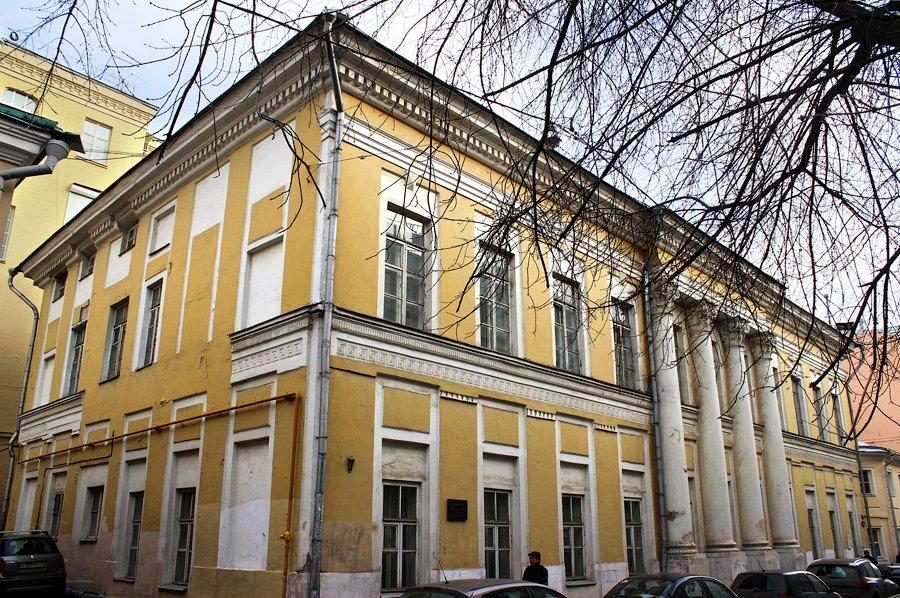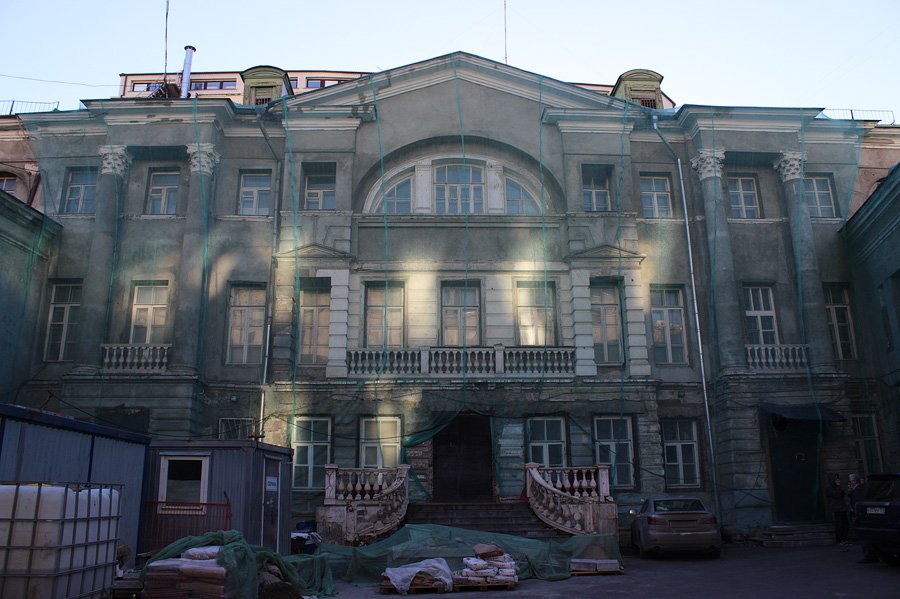
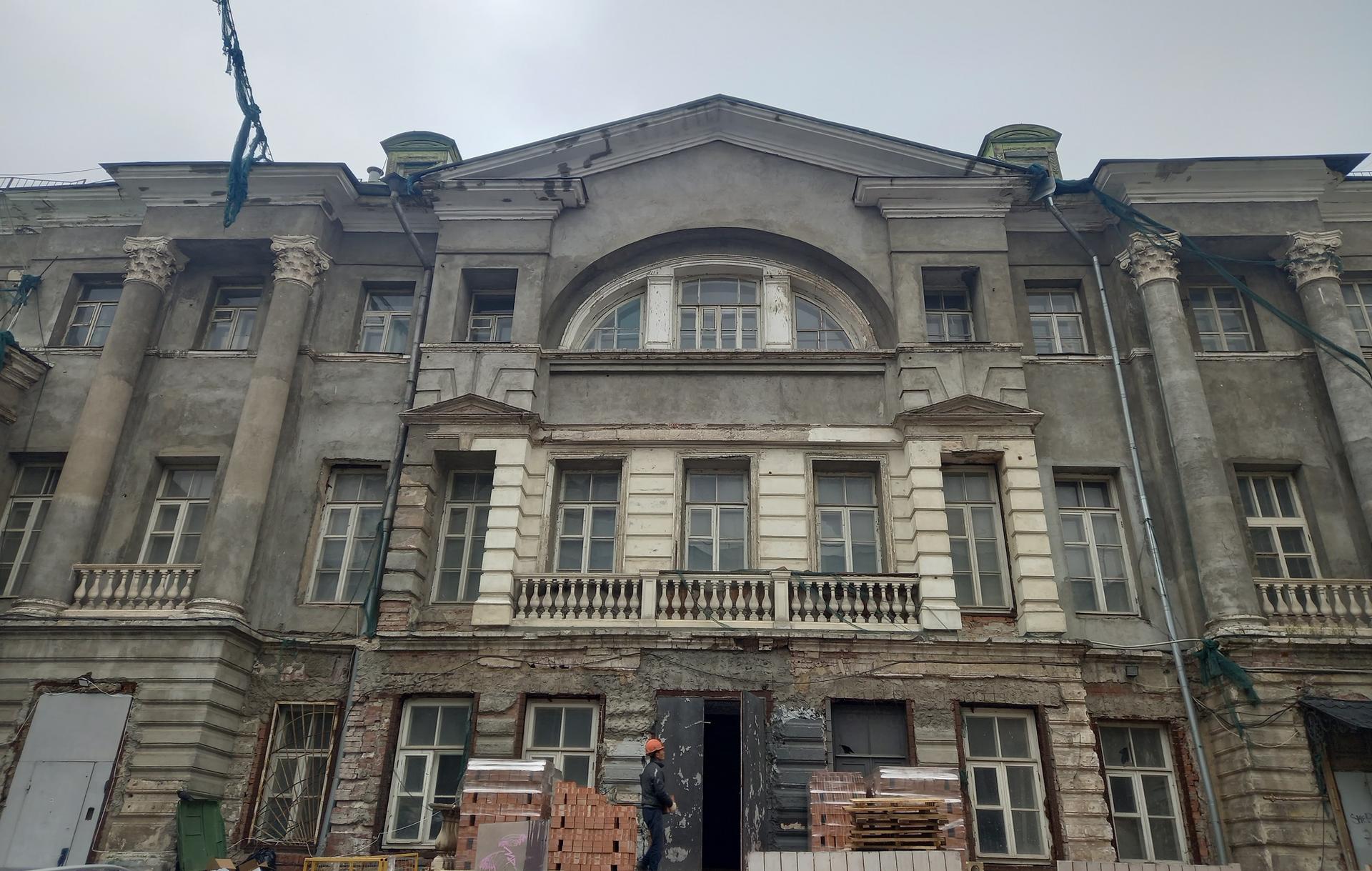
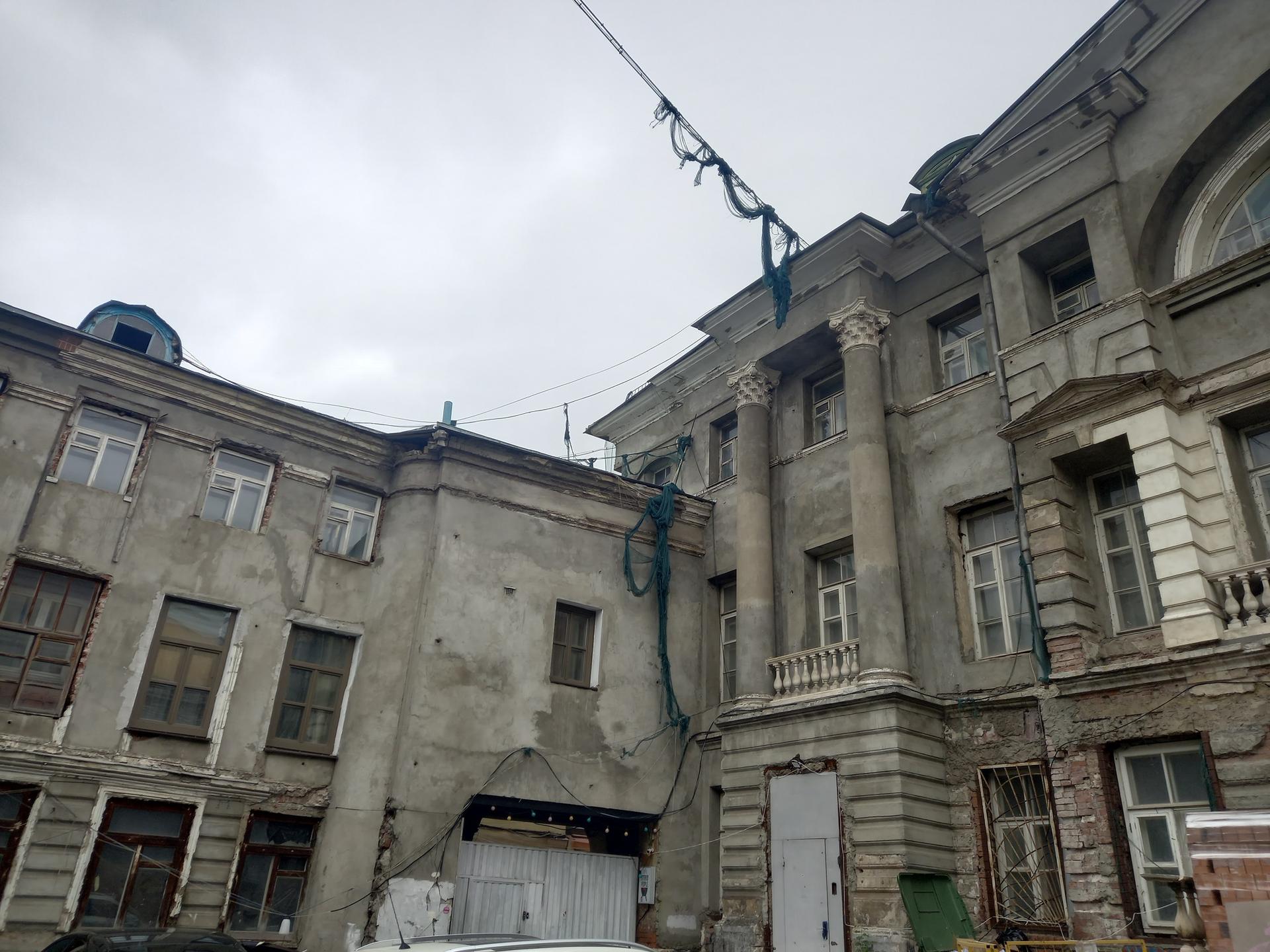
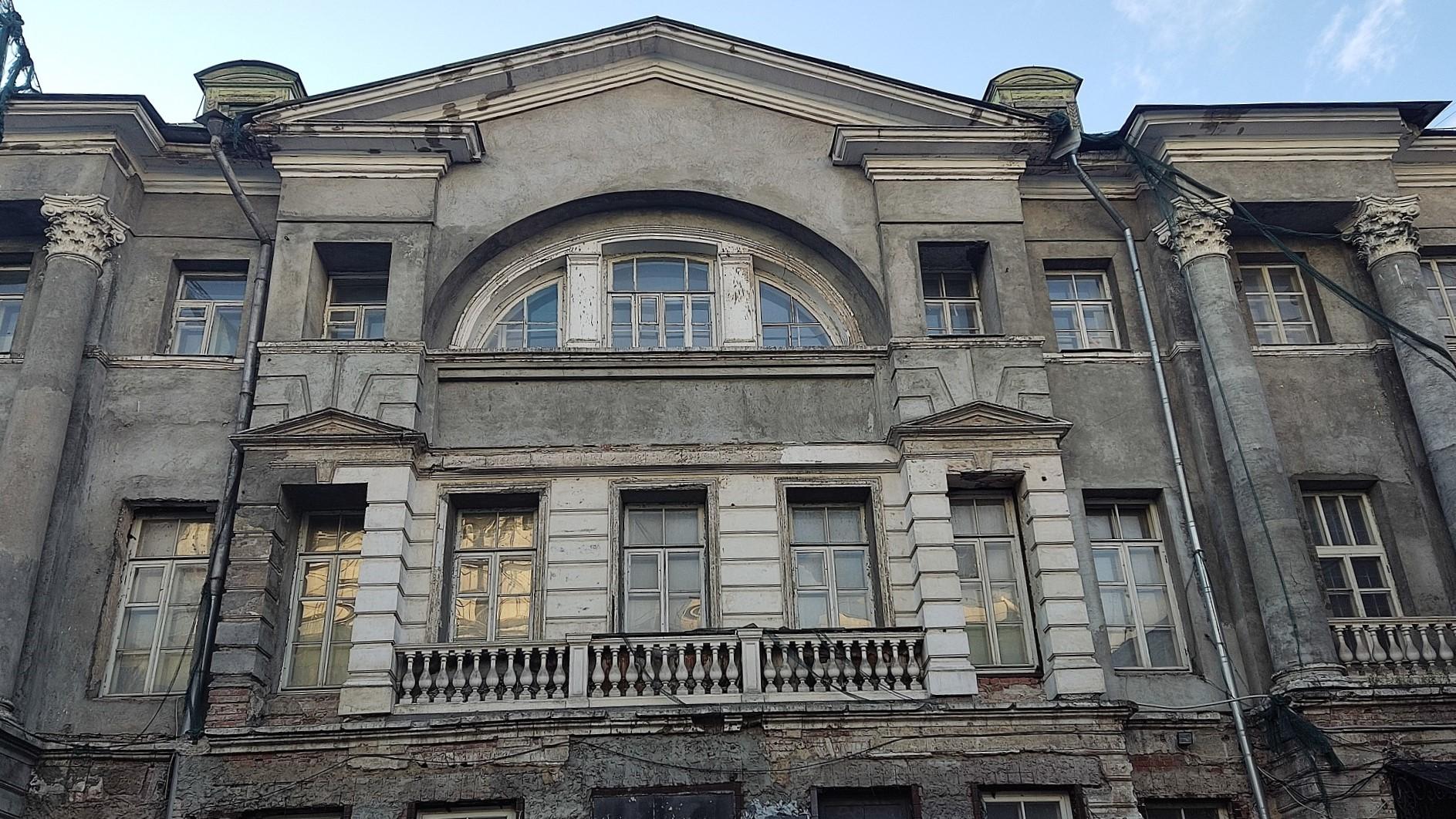
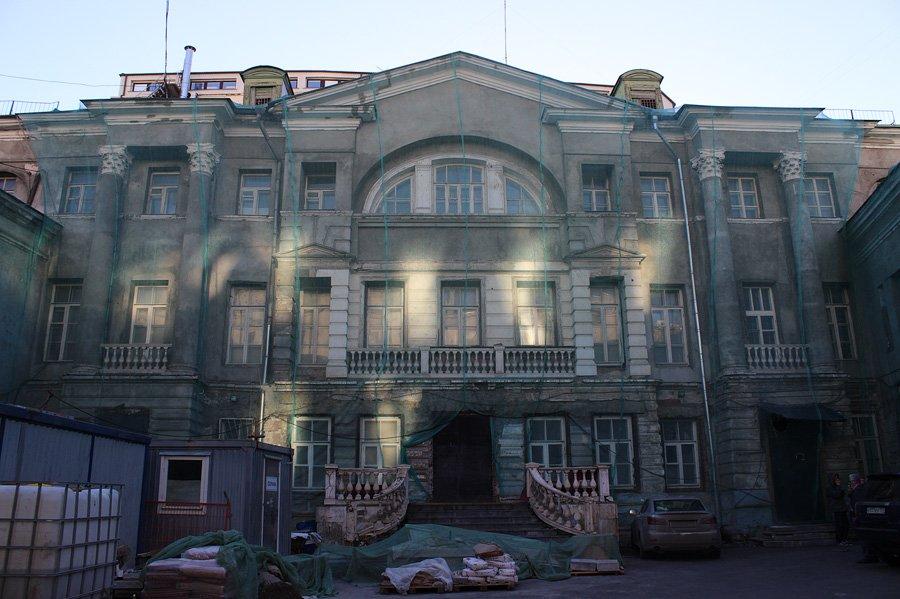
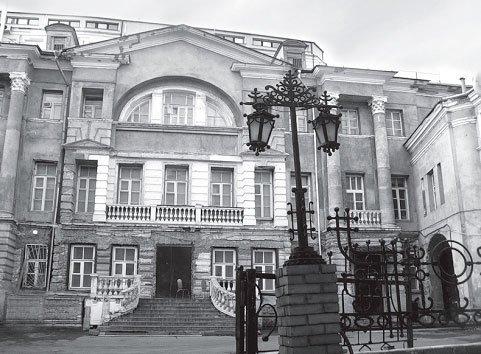
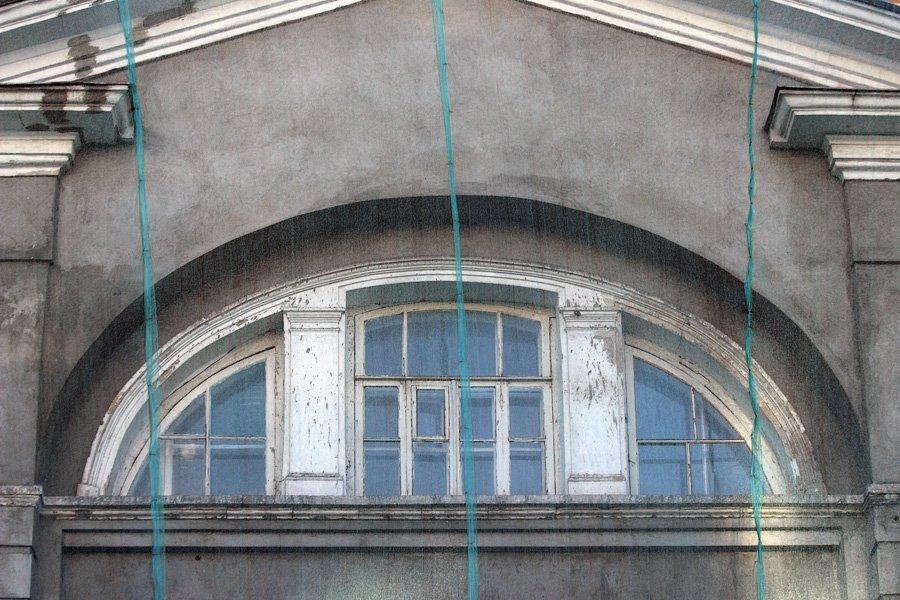
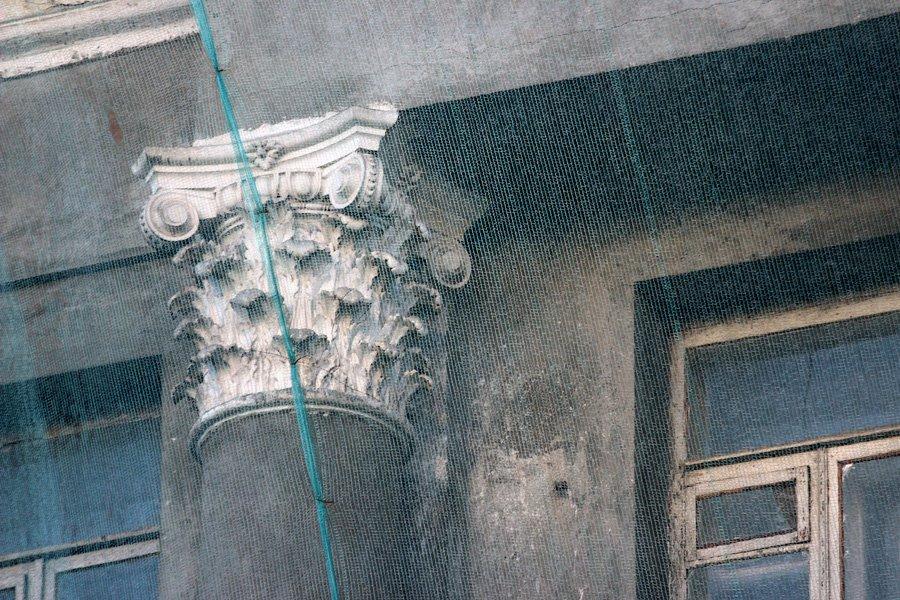
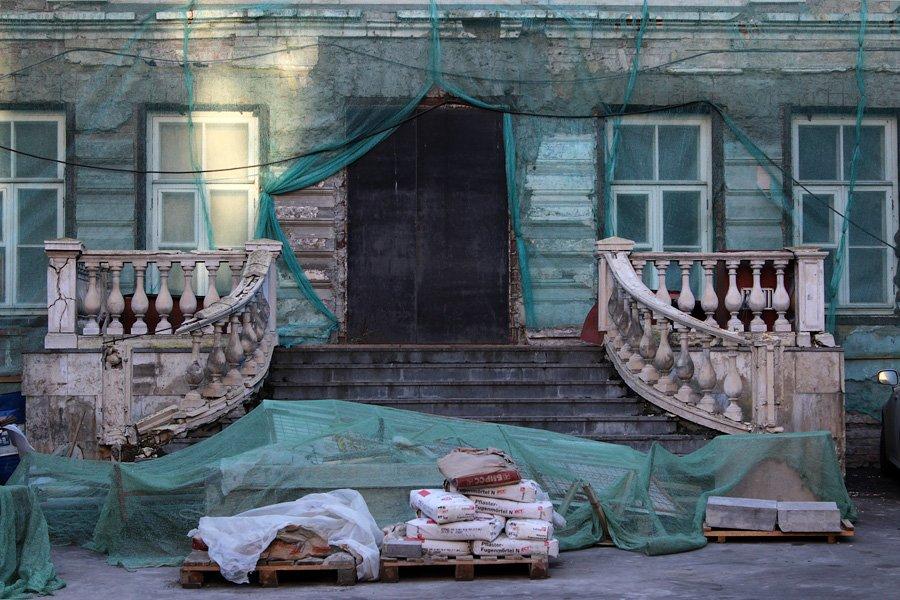
В середине XVIII века владение перешло от князей Сонцовых-Засекиных к Кожиным – старинному дворянскому роду, известному ещё с XIV столетия. В 1760-х годах новые хозяева начали перестройку владения, в результате которой на основе старых палат был возведён новый главный дом, получивший законченный облик перед 1812 годом. Тогда же появились симметричные двухэтажные флигели с переходами к торцам главного дома – так сформировался парадный двор.
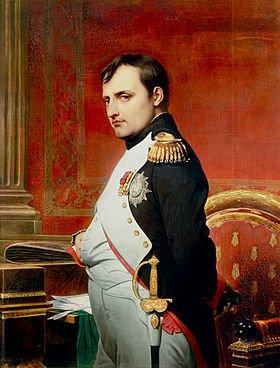
Во время французской оккупации Москвы эта территория стала одним из мест казни горожан, подозревавшихся наполеоновской администрацией в поджогах. По мнению исследователей, первый публичный расстрел 18 московских поджигателей состоялся именно здесь. Экзекуция проводилась в боковой части владения, почти у апсид соседней церкви святых Космы и Дамиана в Шубине.
Позднее, в 1873 году, флигели были надстроены и расширены, но облик главного дома почти не изменился. На тот момент Кожины здесь уже не жили. В главном доме располагалась гостиница «Германия», где в конце 1830-х годов под полицейским надзором проживал член Союза Благоденствия декабрист И.А. Фонвизин. В 1870-х годах в усадьбе размещалась литография художника Маковского. Еще десять лет спустя во владении была редакция «Шахматного журнала», магазин «Крымский базар», торговавший морепродуктами и деликатесами, а также другой магазин, называвшийся «Русь» – здесь можно было приобрести вышитые полотенца, кружева и товары народного промысла. В доме жил архитектор К.А. Дулин, до революции занимавшийся в основном строительством доходных домов, а после спроектировавший лечебницу в Соловецком лагере и сооружения по линии нефтепровода Грозный – Туапсе.
In the middle of the XVIII century, ownership passed from Princes Sontsovyh-Zasekin to Kozhin - an ancient noble family, known since XIV century. In the 1760s the new owners began restructuring. New main house based on the old Chambers was erected. It was completed before 1812. Then there were symmetrical two-storey wings with transitions to the ends of the main house. It formed the front yard.
During the French occupation of Moscow, this area became one of the places of execution of citizens suspected for arson by Napoleonic administration. The first public execution of 18 Moscow arsonists held here. The execution carried out on the side of the property, almost at the apses of the neighboring church of Saints Cosmas and Damian in Shubin.
Wings of the estate were overbuilt and expanded in 1873, but the appearance of the main house has not changed. At that time, Kozhins lived here already. Hotel "Germany" was in the main house, where member of the Union of Welfare Decembrist I.A. Fonvizin lived under police surveillance in the late 1830s. In the 1870s, the estate housed a lithography of the artist Makovsky. Ten years later, the editorial staff of the "Chess Magazine", the "Crimean Bazaar", which sold seafood and delicacies, and another store called "Rus", could be bought here - embroidered towels, laces and handicrafts were available. In the house lived architect K.A. Dulin, who before the revolution was mainly engaged in the construction of apartment houses, and afterwards designed the hospital in the Solovki camp and the construction of the oil pipeline Grozny-Tuapse.