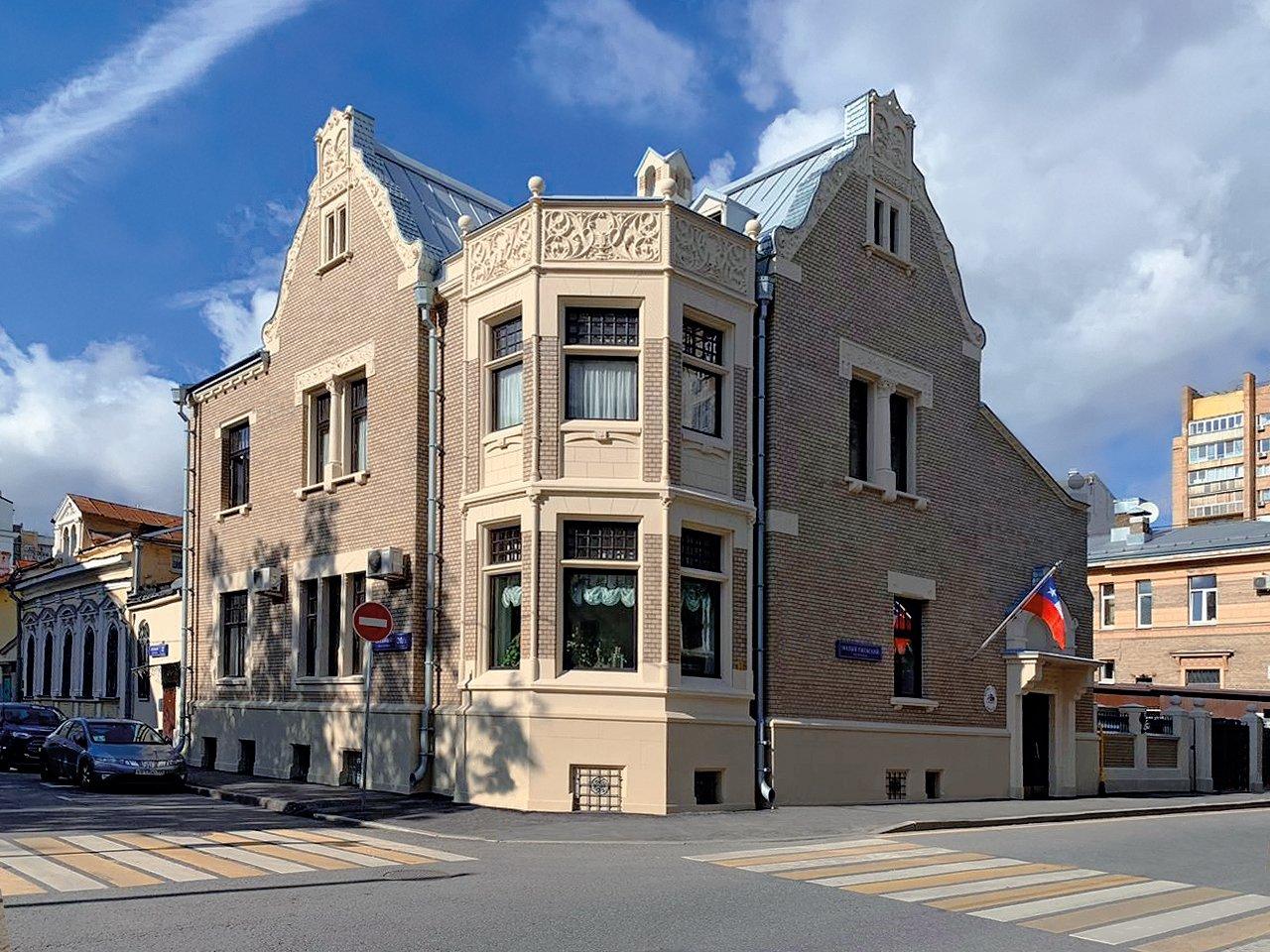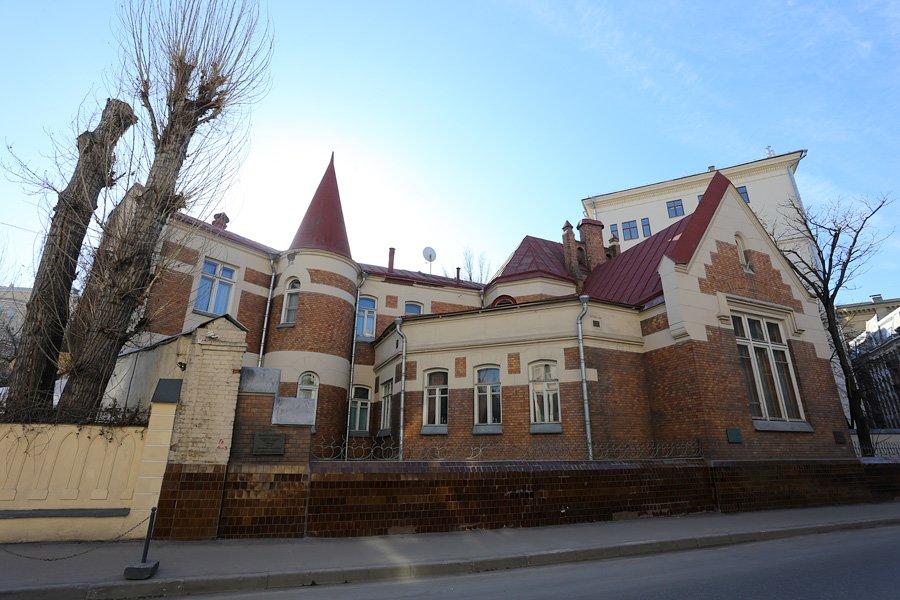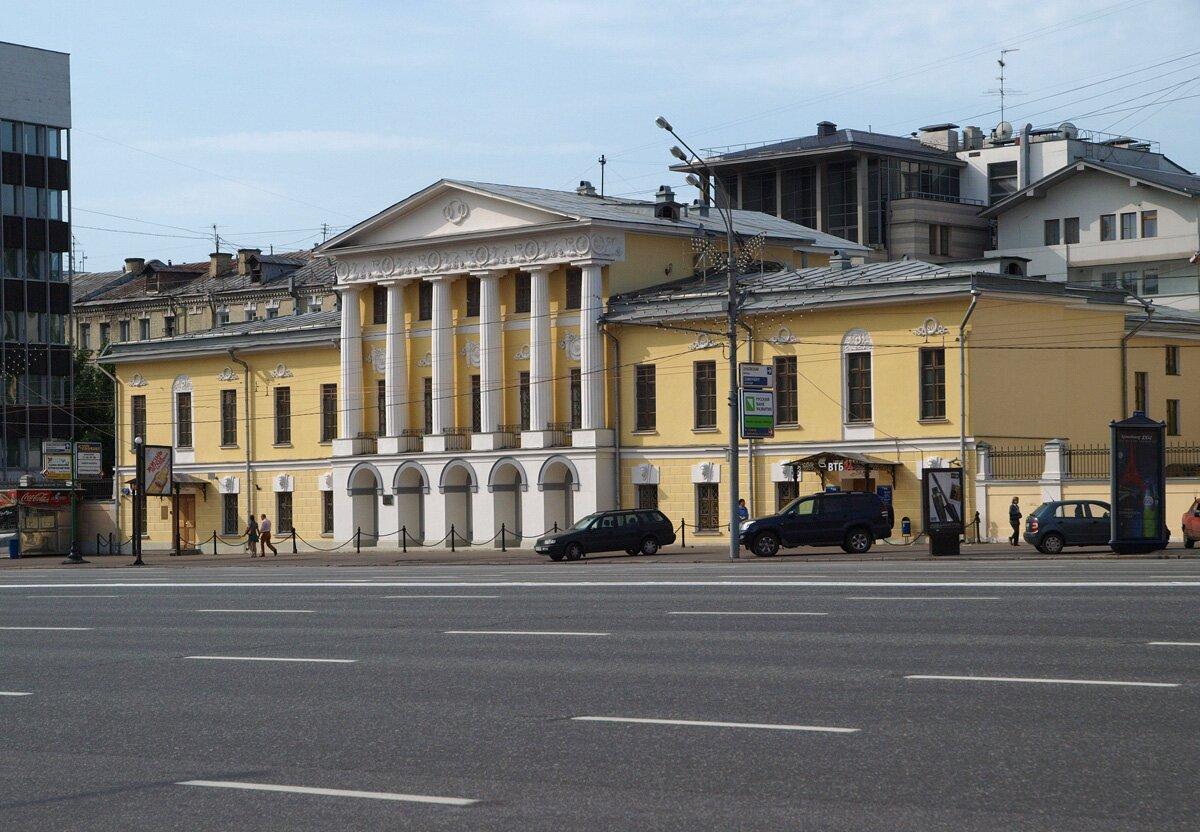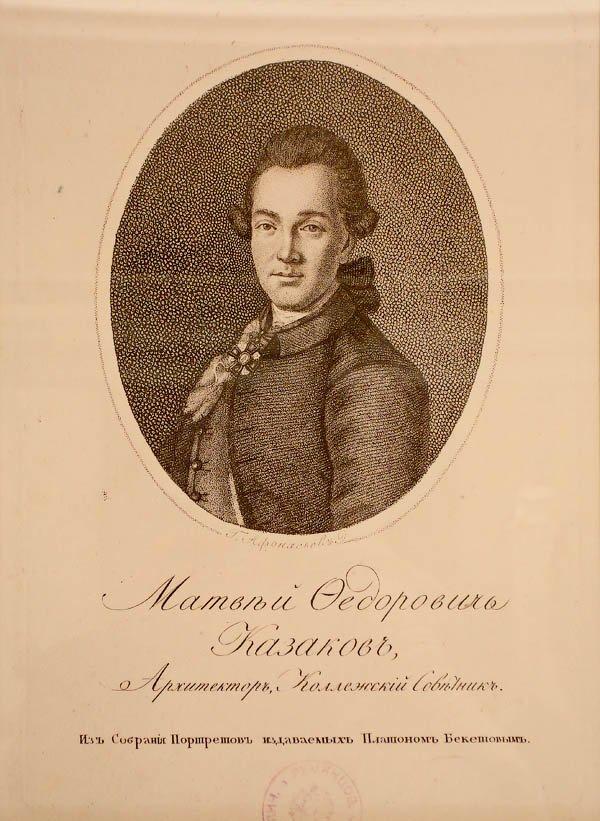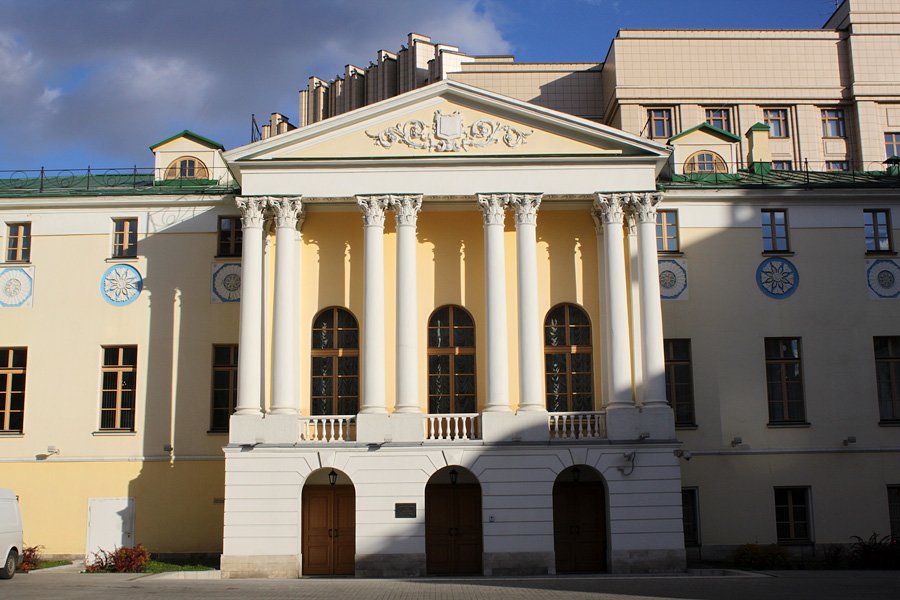
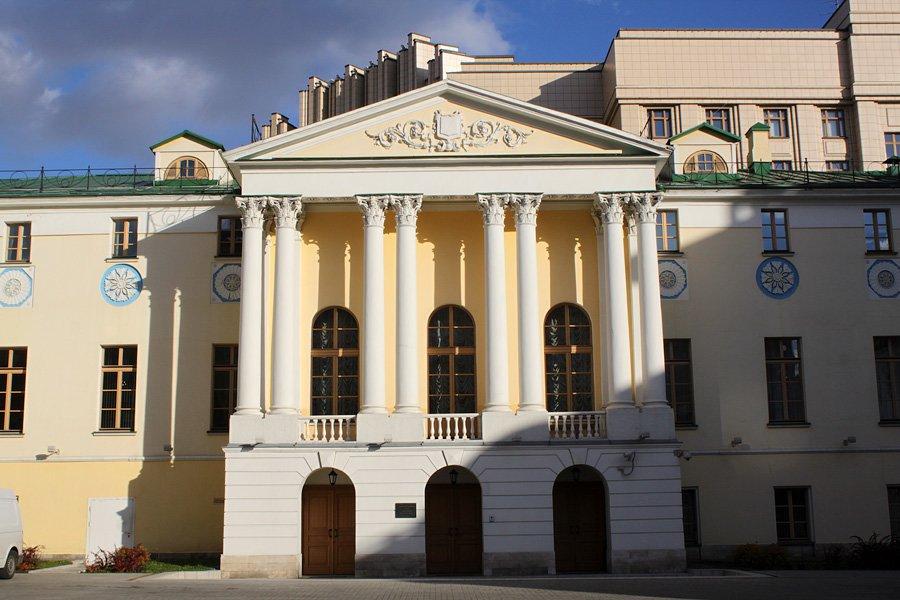
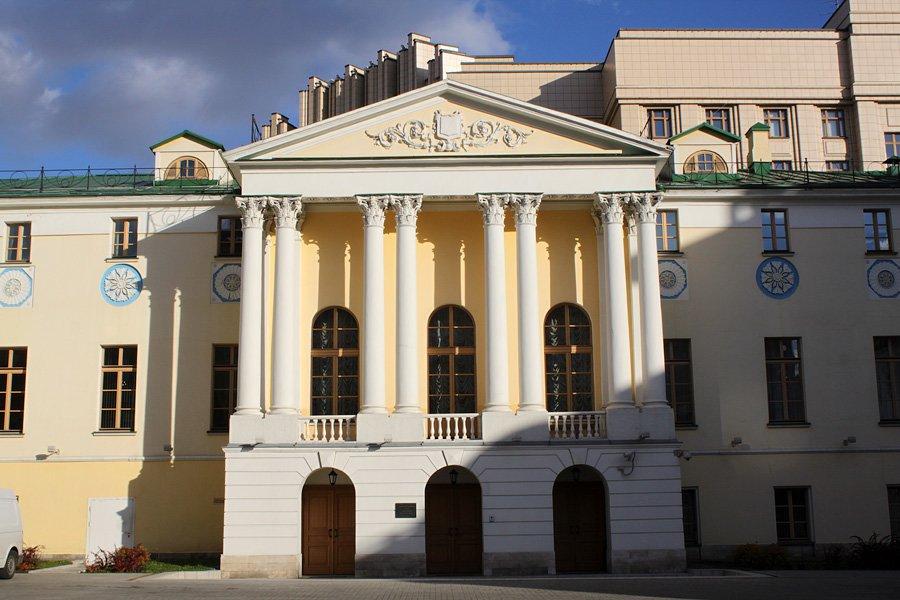
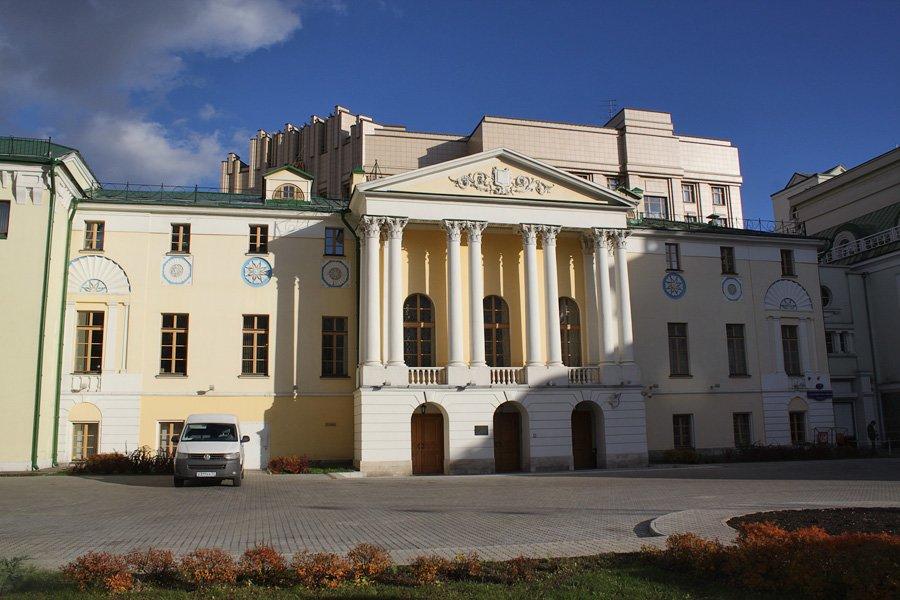
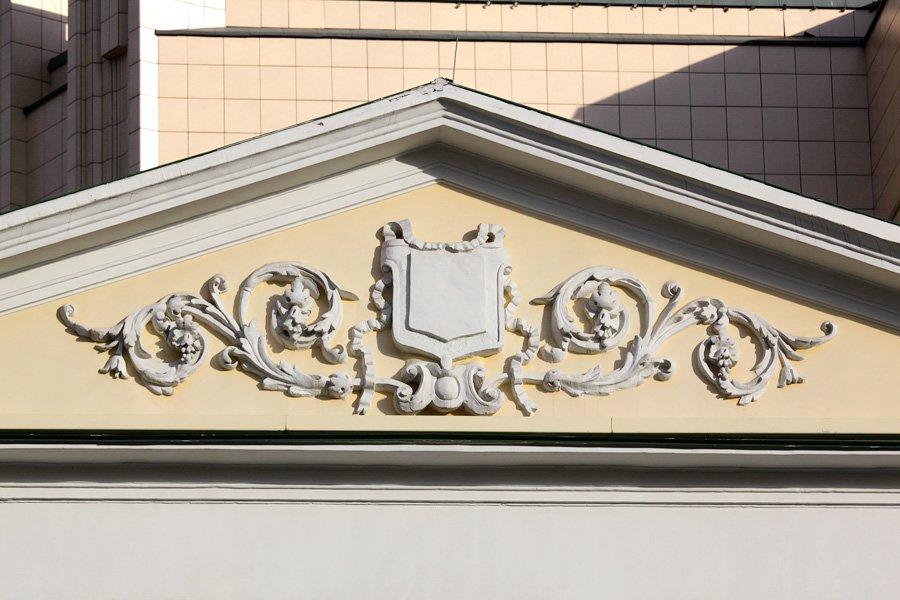
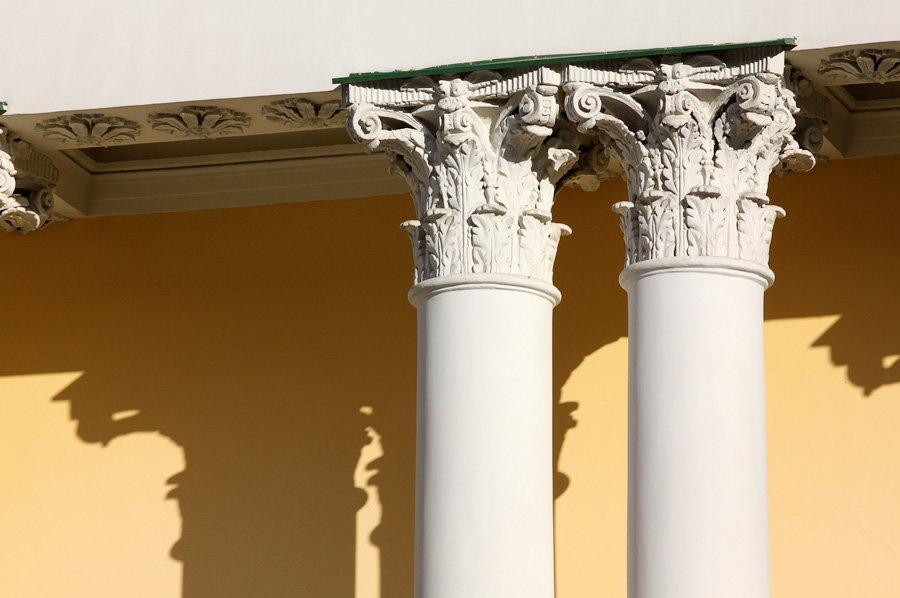
В середине XVIII века владение, располагающееся по нынешнему адресу Смоленский бульвар, 30, принадлежало Н. М. Желябужскому. При нём и был отстроен главный дом. Он показан, в частности, на плане Москвы 1775 года. В конце столетия, владение меняет хозяина – в 1794 году обширную усадьбу приобретает Н. И. Несвицкая. Она перестраивает старое здание, которое меняет декор своих фасадов с барочных на классицистические. В центре главного фасада появляется портик из четырёх пар коринфских колонн, увенчанный роскошным фронтоном. Авторство проекта приписывается Матвею Федоровичу Казакову – во всяком случае, чертежи «дома Несвицкой» имеются в знаменитых альбомах зодчего.
К началу XIX века владение Несвицкой представляло собой типичную городскую усадьбу. Главный дом с фасадом в сторону Смоленской-Сенной площади располагался со значительным отступом от проезда, на который выходили два деревянных служебных флигеля, замыкавших ограду.
Здание горело в пожар 1812 года, но было восстановлено.
Значительным переделкам усадьба подверглась уже во второй половине XIX столетия. В 1864 году на средства купца Николая Васильевича Рукавишникова здесь открылся самый первый в Москве приют для малолетних правонарушителей. Через девять лет указом императора Александра II приюту было присвоено имя его основателя.
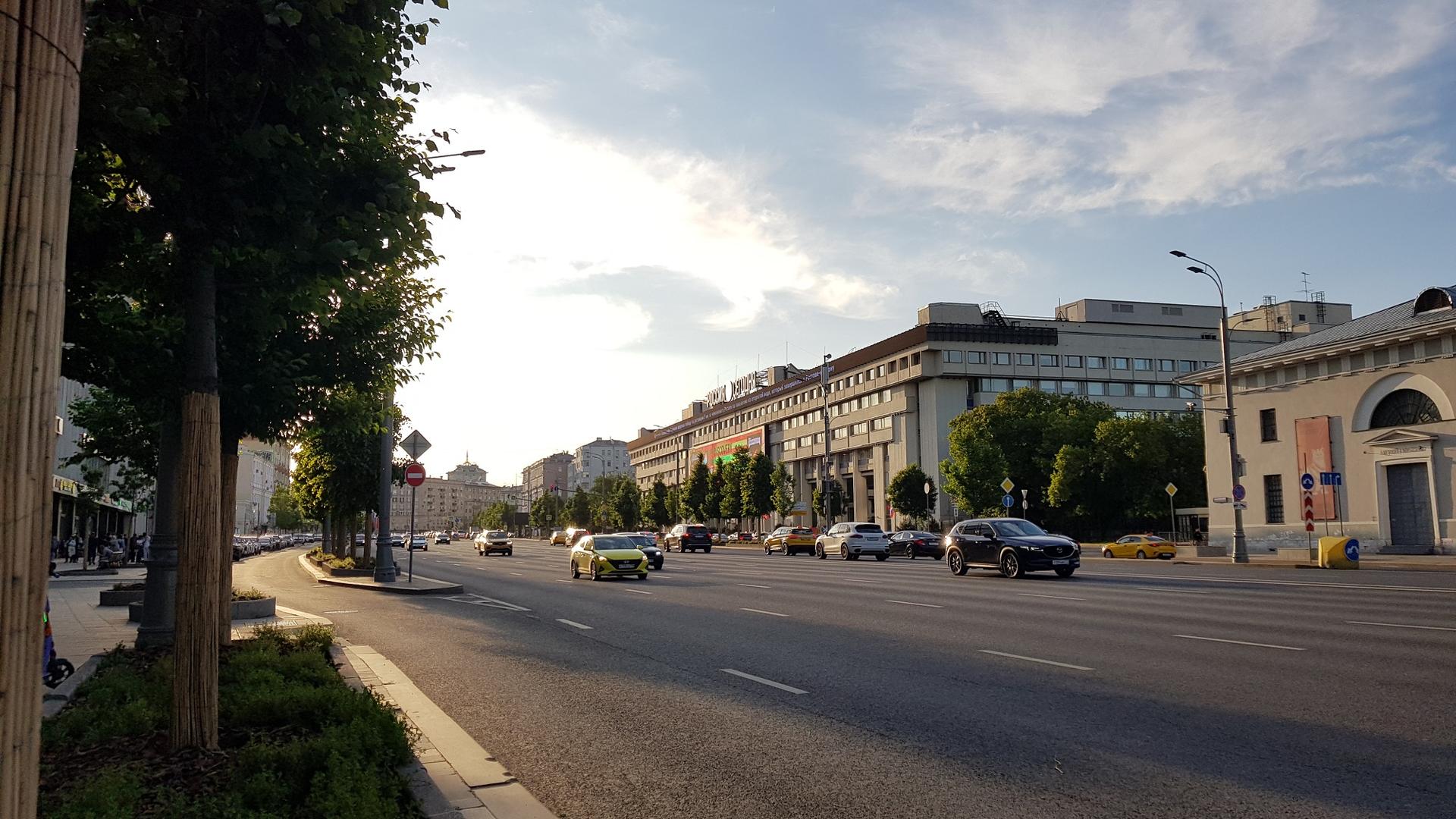
В 1879 году усадьба существенно перестраивается по проекту архитектора Александра Лаврентьевича Обера. К зданию приюта со стороны сада пристраивается домовая церковь в русско-византийском стиле, освящённая во имя Николая Чудотворца. Несколько позже изменяется и вся композиция архитектурного ансамбля - со стороны Смоленского бульвара на месте парадного двора вырастает новый корпус, заслонивший часть главного дома старинной усадьбы.
В 1920 году приют был закрыт, а здание приспособили под размещение коммунальных квартир. При этом на главном фасаде были пробиты дополнительные окна, исказившие внешний облик памятника.
В послевоенные годы здание было отреставрировано.
She reconstructed the old building, changed decor of Baroque facades to the classic design. There is a portico of four pairs of Corinthian columns, crowned by a sumptuous pediment in the center of the main facade. Authorship of the project attributed to Matvey Fedorovich Kazakov – in any event, drawings' of “Nesvitskaya’s home" are available in the famous album of the architect.
Nesvitskaya’s property was a typical urban homestead by the beginning of the XIX century. The main house with a facade towards Smolenskaya-Sennaya Square had a significant offset from passage, where two wooden service wings that closed the fence came out.
The building burned in the fire of 1812, but restored later.
The manor undergone significant alterations in the second half of the XIX century. Merchant Nikolai Rukavishnikov opened a shelter for young offenders the first in Moscow here in 1864. Nine years later the shelter was named after its founder by the decree of Emperor Alexander II.
In 1879 the manor was substantially rebuilt by architect Alexander Lavrentievich Aubert. House church in Russian-Byzantine style was consecrated in the name of Nicholas attached to the shelter building from the garden side. The entire composition of the architectural ensemble changed later. New building grows in place of the front yard from Smolensk Boulevard side, obscuring part of the main house of the old manor.
The orphanage was closed in 1920, and the building was adapted for communal apartments. Aditional windows were punched on the main facade, distorting the appearance of the monument.
After the war, the building was renovated.
Currently, the building houses a number of commercial organizations.