
Интерактивный гид по городу
С мобильным приложением бродить по городу гораздо интереснее!

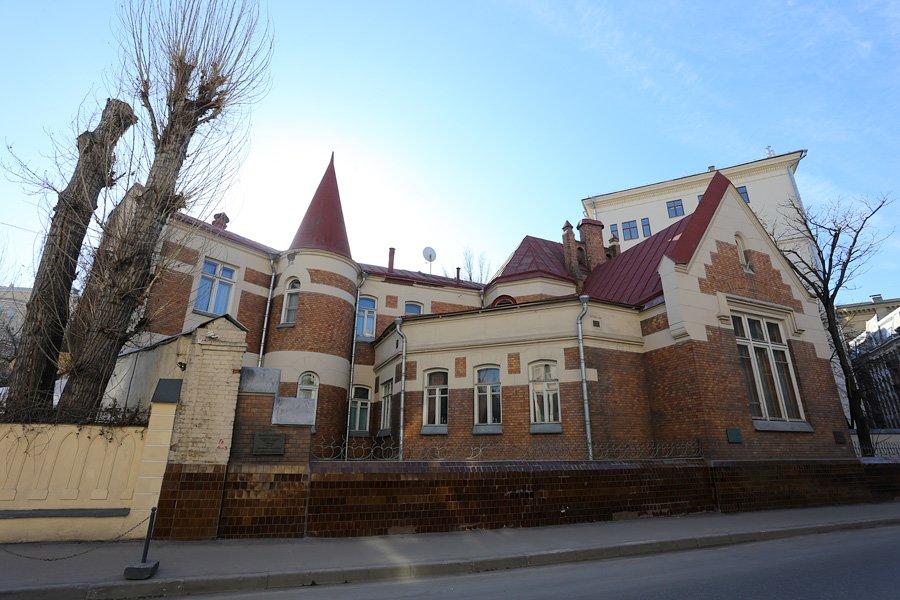
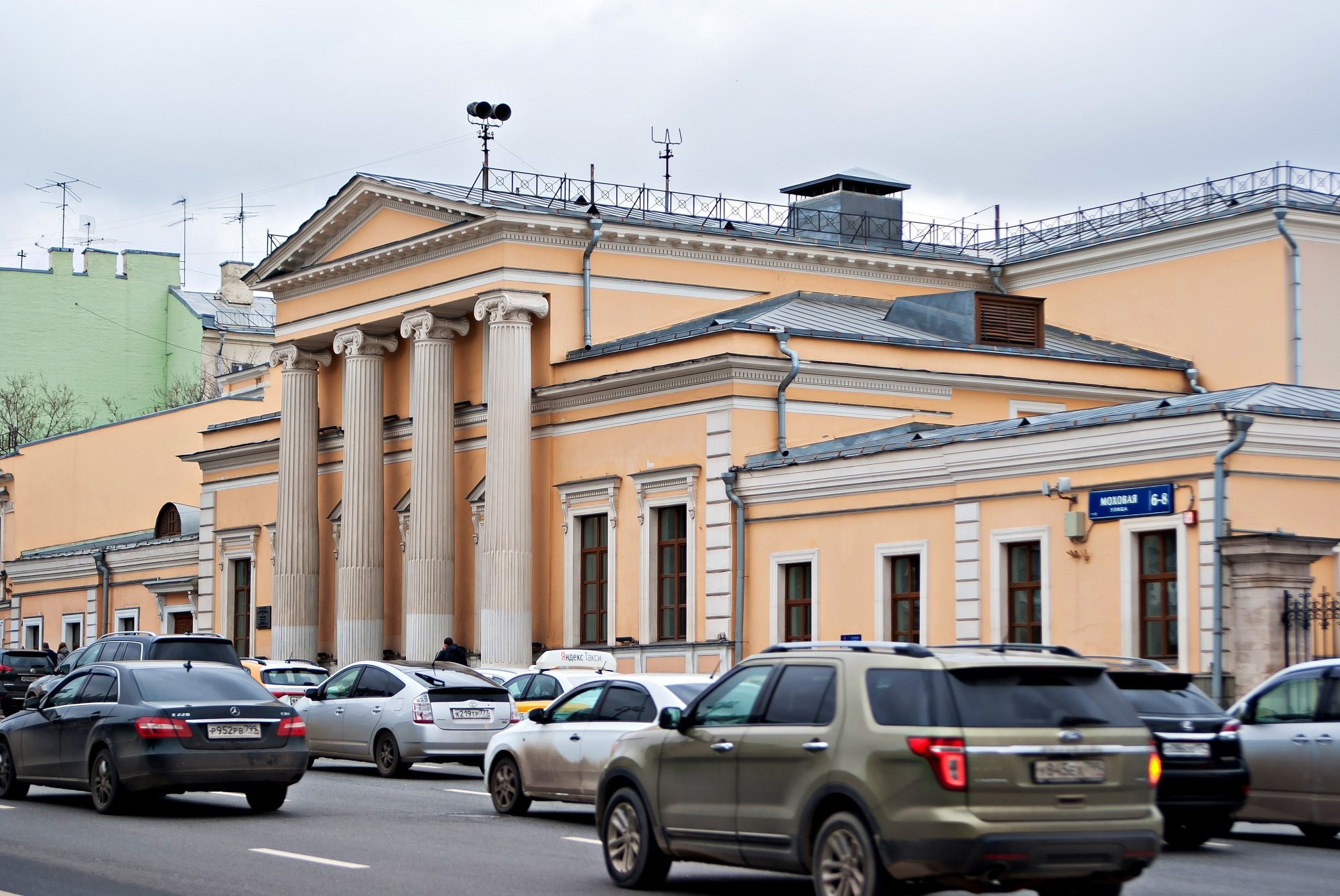
Shakhovskys mansion (Krasilschikovs mansion)

After the revolution there was a dormitory for business travelers of integrated mill in this mansion.

Shakhovskys mansion (Krasilschikovs mansion)
After the revolution there was a dormitory for business travelers of integrated mill in this mansion.
3.90
Вы можете воспользоваться QR-кодом, чтобы открыть эту страницу в нашем приложении
Архитектурный стиль:
,
Годы постройки:
1820
Архитекторы:
А.С. Каминский, С.С. Эйбушитц
Эпоха:
18th century, 19th century
Информация о здании

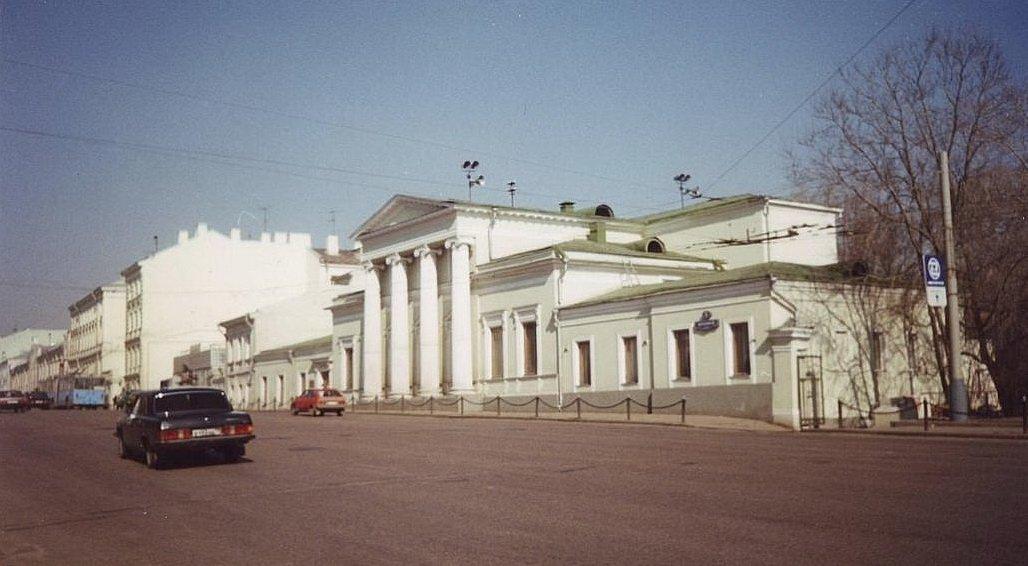
Большая поляна на углу Моховой улицы и улицы Знаменки раньше была кварталом двух-трехэтажных домов. На этом месте в начале XVIII века располагались большие владения знаменитого князь-папы Никиты Зотова. Потом они перешли к его внуку Никите Васильевичу.

В начале 1740-х усадьба принадлежала уже князю Федору Ивановичу Голицыну. В 1757 году он продал этот участок за 1800 рублей жене статского советника Ивана Христиановича Эйхлера, Анне Эйхлер. Иван был другом Артемия Волынского, обвиненного в попытке государственного переворота, за что и пострадал – его сослали в Сибирь. В конце XVIII - начале XIX века дом принадлежал князю Павлу Петровичу Шаховскому, который жил в другом своем доме на Пречистенке. Женат он был на Агафоклее Алексеевне ур. Бахметьевой. У них было четыре сына и шесть дочерей.

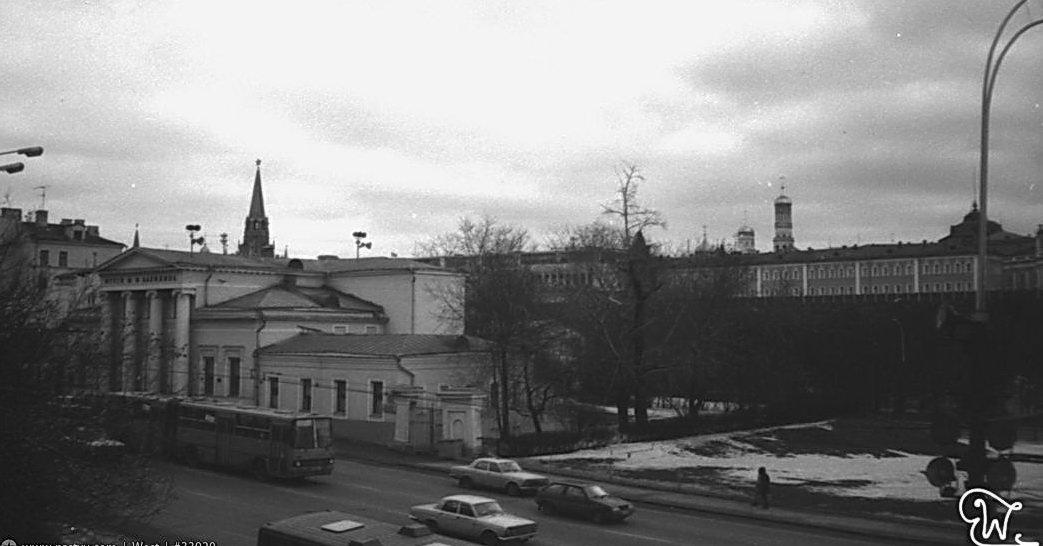
В 1867 году большое владение разделилось на три части – на углу Моховой и Знаменки (дом 2), Знаменки (дом 4) и по Моховой (дом 6). Теперь остался только дом 6. Остальные дома снесены в 1972 году к приезду американского президента Р.Никсона, отчего эта лужайка получила название «Лужайка Никсона».

Домом 6 на Моховой улице владели дочери князя Павла Шаховского Ирина и Софья.

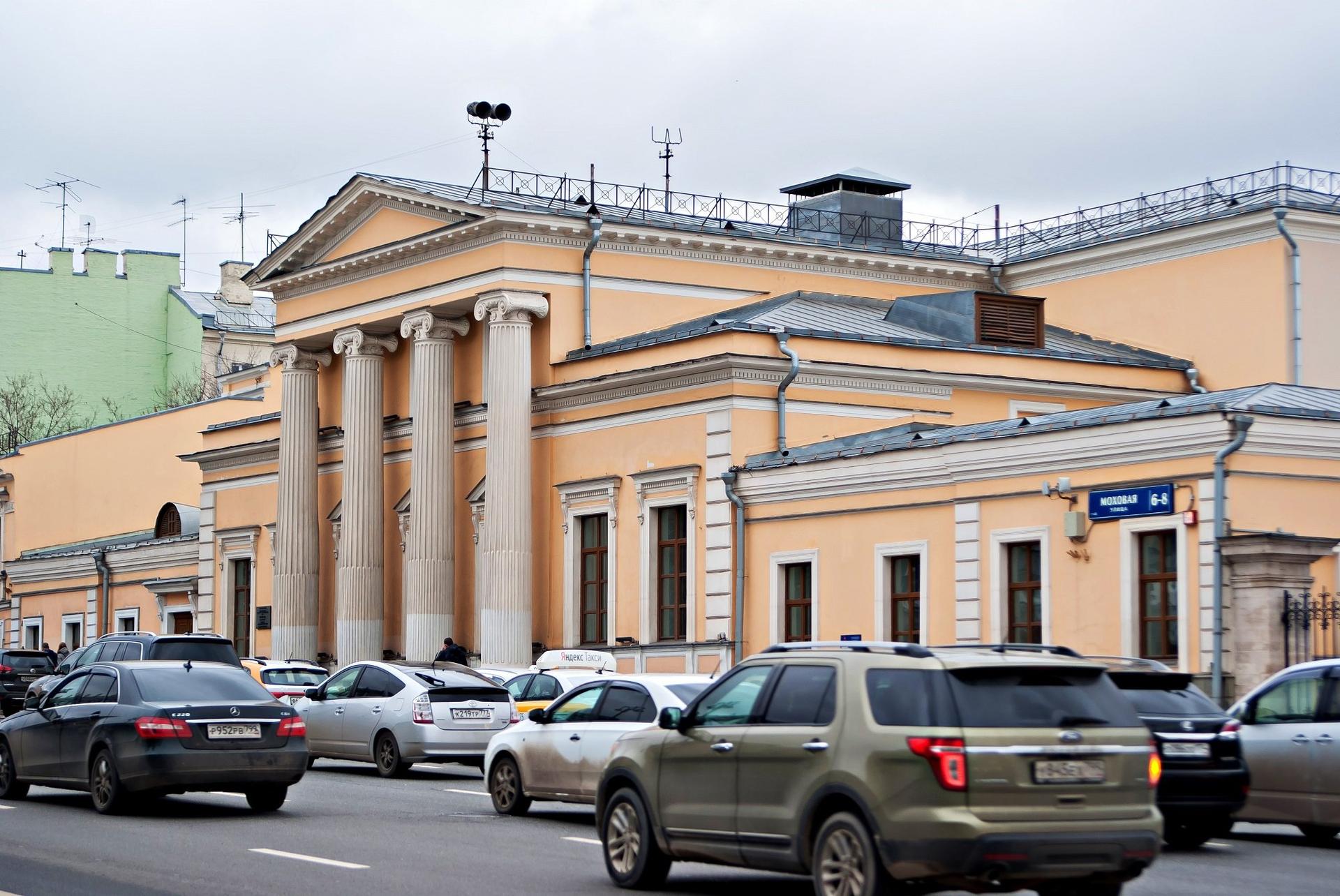
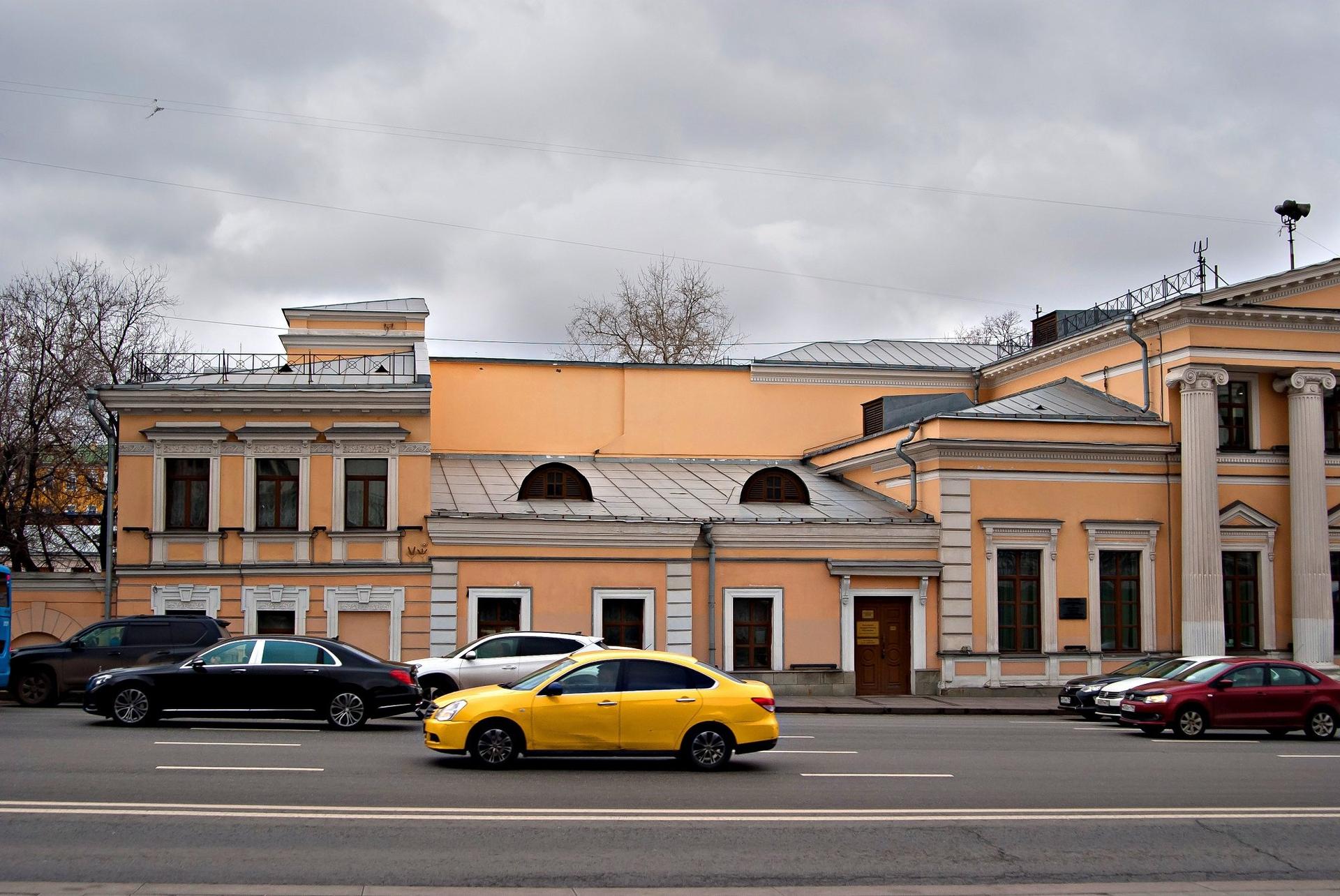
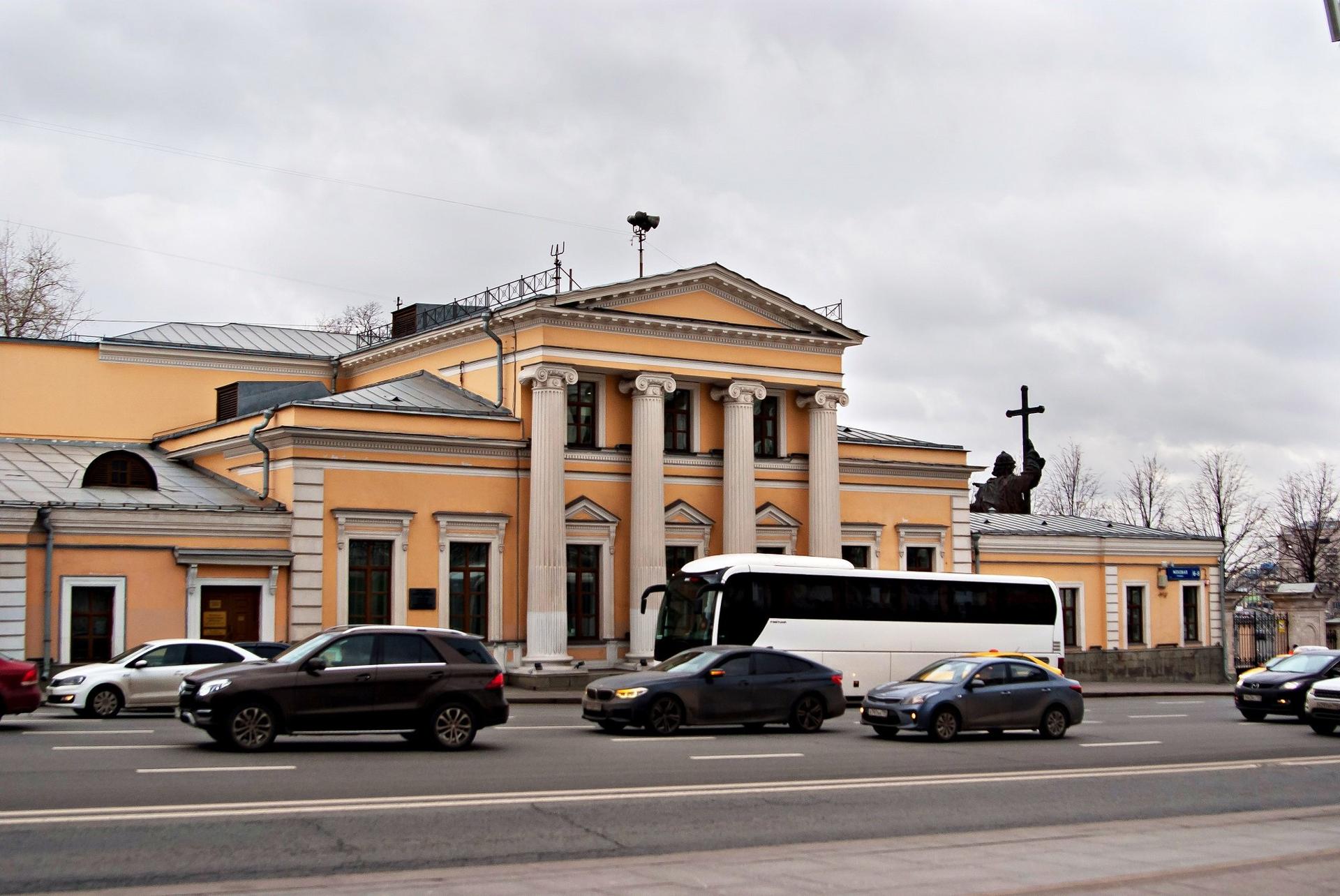
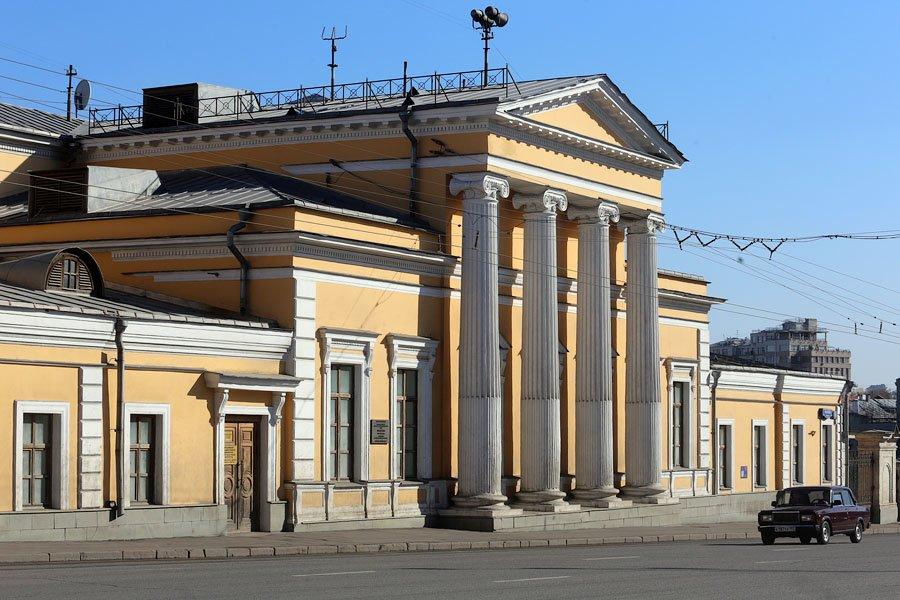
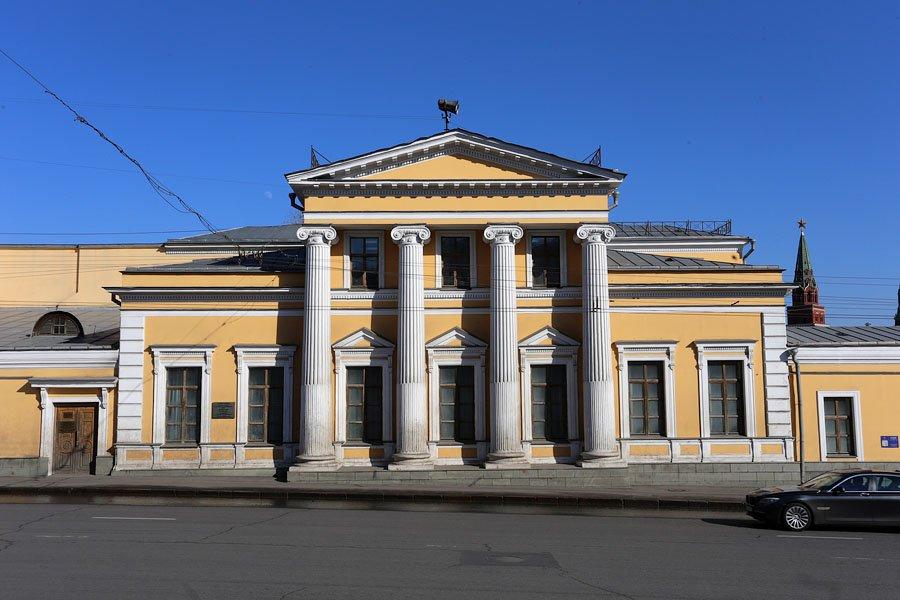
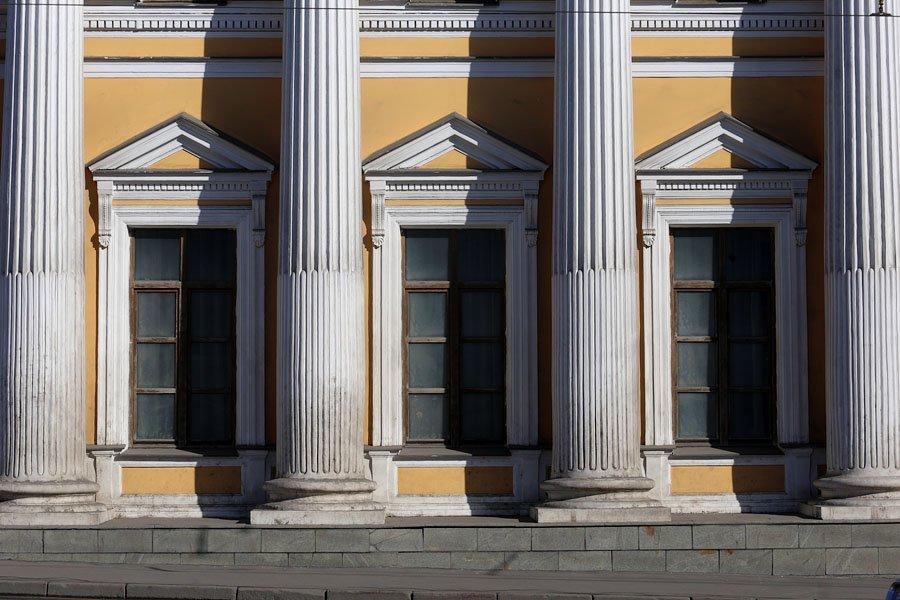
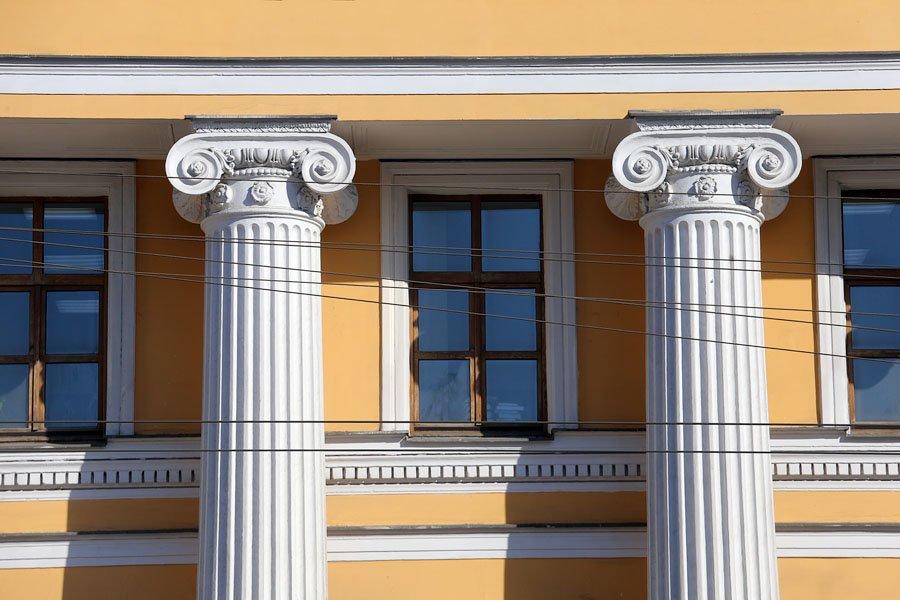
В 1867 его купил Иван Кузьмич Бакланов, директор Товарищества Купавинской суконной фабрики. Он взялся перестроить старый главный дом усадьбы. В 1868 году архитектор Каминский объединил старый дом и флигели и создал строгий классический фасад с четырехколонным портиком с колоннами ионического ордера.

В 1892 году дом у Бакланова покупает богатая иркутская купчиха Юлия Базанова. В этом году она с дочерью становится единственной наследницей золотопромышленного производства семьи умершего мужа и свекра. Оставляет дело в Иркутске на помощников, а сама переезжает в Москву и отдается делам благотворительности. На ее деньги выстроена клиника ушных и горловых болезней при медицинском факультете Императорского Московского университета на Девичьем поле, на углу Олсуфьевского переулка и Боженинского переулка. Это была вторая в России лор-клиника, построенная по специальному проекту и оснащенная всеми научными новинками того времени. Московская городская дума приняла решение присвоить новой клинике имя Ю.И. Базановой. И дальше она продолжала вкладывать большие средства в разные благотворительные учреждения Иркутска и Москвы.

К 1906 году ее финансовое положение сильно ухудшилось, и она была вынуждена продать дом на Моховой.

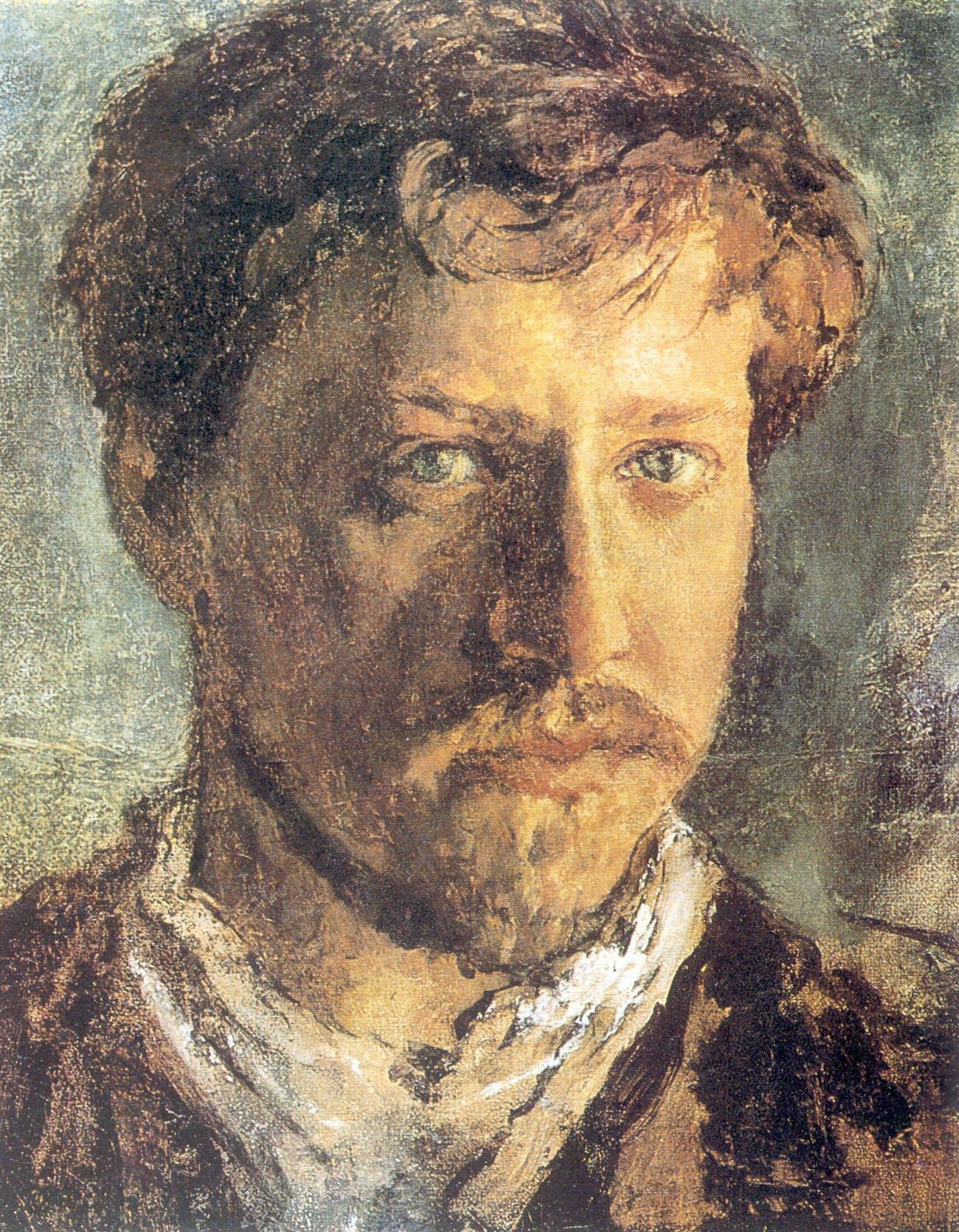
Дом купил мануфактур-советник Николай Михайлович Красильщиков, директор и распорядитель мануфактуры "Анна Красильщикова и сыновья" в селе Родники Костромской губернии. Там вырабатывался одежный товар, который славился своим стойким черным цветом. Красильщиков был женат на красавице Елизавете Алексеевне Дружниковой. Ее портрет кисти В. Серова 1906 года украшал вестибюль этого особняка. Сейчас он находится в Краснодарском краевом художественном музее. Елизавета Красильщикова позировала художнику в бриллиантовом колье. В Москве ходил анекдот, что когда она в нем выезжает в свет, то для охраны ей нанимают двух телохранителей.

Николай Михайлович имел очень красивый тенор, по мнению многих лучше, чем у Карузо. Он учился пению в Италии, пел только итальянские оперы и имел необычайный авторитет в московских оперных кругах. Многим, в том числе, А. Неждановой и Л. Собинову, он давал уроки пения и наставления. В доме на Моховой бывало немало известных людей, музыкантов, художников.

В 1920 году Красильщиковым удалось перебраться во Францию, где Николай Михайлович скончался от инфаркта. Елизавета Алексеевна после его смерти вышла замуж за графа Сергея Сергеевича Шереметева.

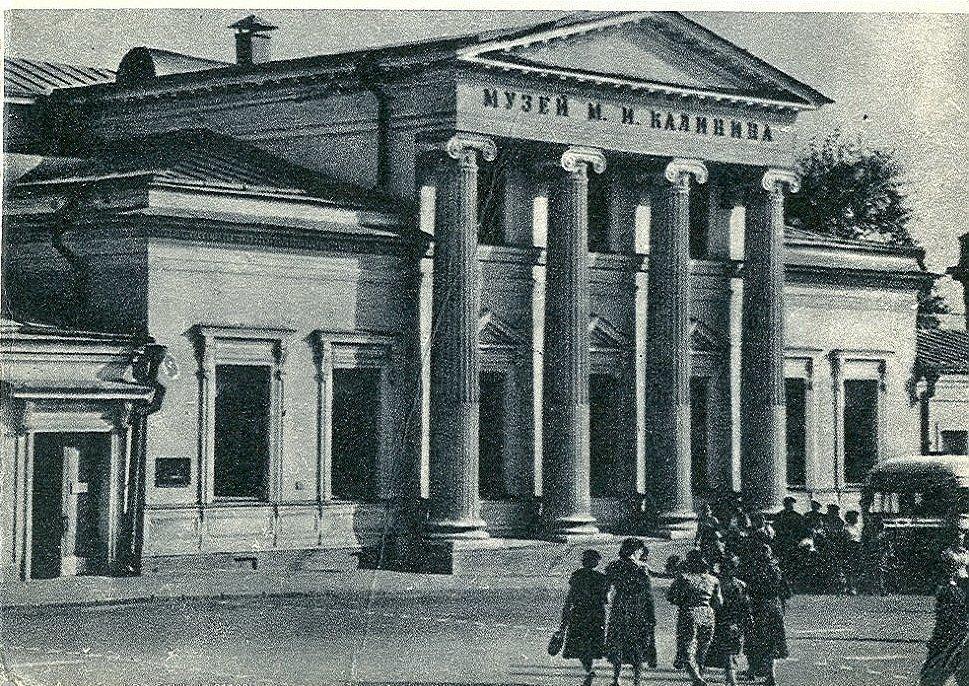
После революции в особняке было общежитие для командированных текстильного комбината. Потом его отдали Государственной библиотеке им. Ленина и здесь расположился институт библиотековедения, в 1950-м его сменил музей Калинина. Теперь здесь центр восточной литературы РГБ.
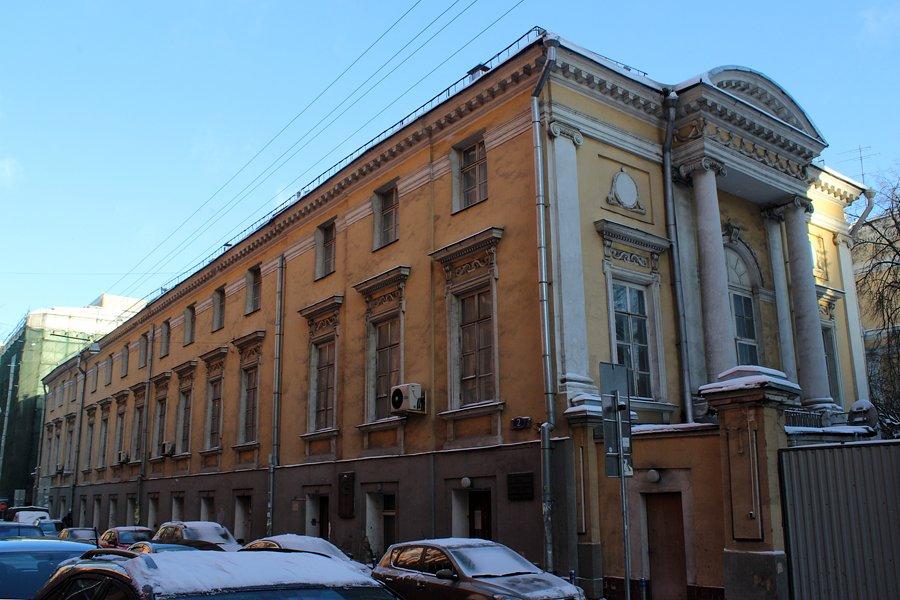
Large glade at the corner of Mokhovaya and Znamenka Streets earlier was a block of two- and three-storey houses. At this point in the beginning of XVIII century there were large possessions of the famous Duke-Pope Nikita Zotov. Then they moved on to his grandson Nikita Vasilyevich. In the early 1740s the mansion belonged to Prince Fyodor Golitsyn. In 1757 he sold the land for 1800 rubles to the wife of the state councilor Ivan Christianovich Eichler - Anna Eichler. Ivan was a friend of Artemiy Volynsky, accused of coup d'etat attempt, for which he suffered - he was exiled to Siberia. At the end of XVIII–beginning of the XIX century the house belonged to Prince Pavel Petrovich Shakhovskoy, who lived in his other house on Prechistenka. He was married to Agathoclia Alekseevna (nee Bakhmetyeva). They had four sons and six daughters. In 1867, a large ownership was divided into three parts - at the corner of Mokhovaya and Znamenka (building 2), Znamenka (building 4) and Mokhovaya (building 6). Now there is only house number 6 left. The rest of the houses were demolished in 1972 in preparations for the visit of U.S. President Richard Nixon, this is why this lawn was named "the Nixon Lawn". House number 6 on Mokhovaya Street was owned by the daughters of Prince Pavel Shakhovsky - Irina and Sofia. In 1867 it was bought by Ivan Kuzmich Baklanov, director of the Cloth factory Association of Kupavna. He undertook to rebuild the old main house of the mansion. In 1868, the architect Kaminsky joined the old house and the outbuildings and established a strict classical facade with a 4-column portico with columns of Ionic order. In 1892 a rich merchant's wife Julia Bazanova from Irkutsk bought the house from Baklanov. That year she and her daughter became the sole heir of the gold-mining production of the family of the deceased husband and father-in-law. She entrusted the business to her assistants in Irkutsk, moved to Moscow and dedicated her time to work on charity. She donated money for construction of the clinics for ear and throat diseases at the Medical Faculty of the Imperial Moscow University on the Devichye Pole, at the corner of Bozheninsky and Olsufyevskiy lanes. It was the second in Russia ENT clinic, custom-designed and fully equipped with all the scientific innovations of the time. The Moscow City Duma decided to assign the name of Y.Bazanova to the new clinic. And then she continued to invest a lot in various charities of Irkutsk and Moscow. By 1906, her status went downhill, and she was forced to sell the house on Mokhovaya. Manufactures adviser Nikolai Mikhailovich Krasilschikov, the director and the manager of "Anna Krasilschikova and Sons" manufacture in the Rodniki village in Kostroma region bought the house. Clothes commodity product, famous for its lasting black color, was manufactured there. Krasilschikov was married to the beautiful Elizaveta Alekseevna Druzhnikova. Her portrait of 1906 by Valentin Serov decorated the entrance hall of the mansion. Now it is in the Krasnodar regional art museum. Elizaveta Krasilschikova posed for the artist in a diamond necklace. There was an anecdote that when she goes out, wearing this necklace, two bodyguards are needed to protect her. Nikolai Mikhailovich had a beautiful tenor, in the opinion of many - better than the one of Caruso. He studied singing in Italy, performed only Italian operas and had extraordinary authority in Moscow operatic circles. He taught many famous figures of the time to sing, including A. Nejdanova and L. Sobinov. A lot of famous people - musicians and artists - visited the house on Mokhovaya. In 1920 Krasilschikovs managed to move to France, where Nikolai Mikhailovich died of a heart attack. Elizaveta Alexeevna later remarried to Count Sergei Sergeyevich Sheremetev. After the revolution there was a dormitory for business travelers of integrated mill in this mansion. Then it was given to the State Library named after Lenin. Institute of Libraries was located here until 1950, and then it was replaced by Kalinin’s Museum. Now there is the center of oriental literature of the Russian State Library (RSL).
Автор статьи: Ирина Левина
Поделитесь статьей с друзьями
Интересное рядом(6)
Most Ordinka

Here a road to the Golden Horde.

г. Москва, ул. Большая Ордынка
Polyanka, Dobryninskaya, Novokuzneckaya, Третьяковская (Калининская линия), Третьяковская (Калужско-Рижская линия)
Соймоновский проезд
Благотворительница
художник
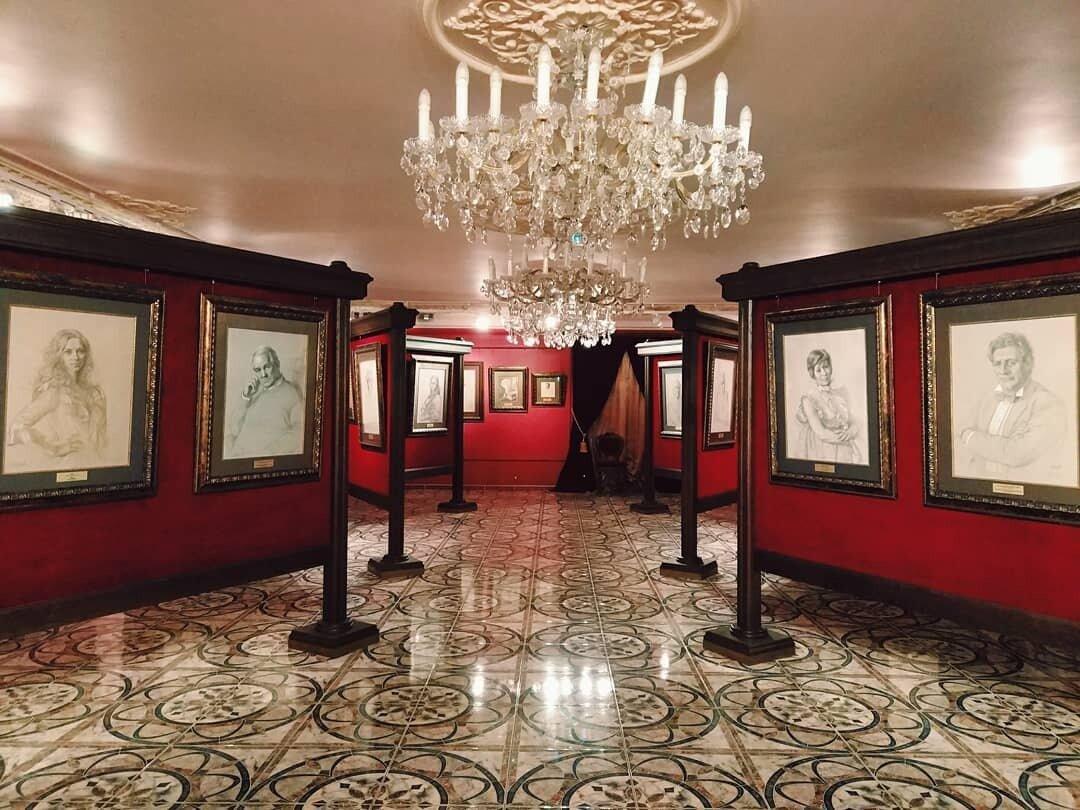
Shilov GalleryMoscow State art gallery of the National Artist of the USSR A. Shilov was opened in May, 1997. Taking into account the demand for the master's work, the audience’s love for his art, the importance of A. Shilov’s activities in continuing the realistic traditions of Russian classical art, the artist’s importance in civic education and patriotism, a unanimous resolution of the State Duma and the Government of Moscow decided to allocate an old mansion of the 19th century to house there is a collection in it, originally consisting of 355 paintings and graphic works, donated by the Artist to his Fatherland. The collection was constantly replenished, and in 2003, a new building of Gallery was built according to the project of architect M. Posokhin. In 2010, the reconstruction of the Gallery complex was completed. The complex of the Gallery constituted a single architectural and artistic ensemble, which returned Znamenka Street to the cozy atmosphere of old Moscow. Today, the Gallery has more than 950 paintings and graphics, donated by the artist to his people. From the very first days of its existence, the gallery has become one of the most beloved and visited places by Muscovites and guests of the capital places and a special cultural center. The concerts “Stars on a visit to A. Shilov”, creative evenings “Meeting at a portrait”, evenings of classical music and ancient romance, which create a special atmosphere of spirituality and beauty, continuity of Russian classical art culture, so necessary to our contemporaries, have become traditional. Great Russia from time immemorial gave birth to talents with which all mankind is justly proud. They entered the history of world culture. Their names are immortal. A. M. Shilov is one of the outstanding artists of our time, a living legend, pride and glory of Russia. In the portrait gallery of the Artist the multifaceted creativity of the master is reflected. It is based on the best traditions of classical realistic art and affirms the enduring value of the ideals of humanism and beauty.
Znamenka Street, 3
Borovickaya, Biblioteka Lenina