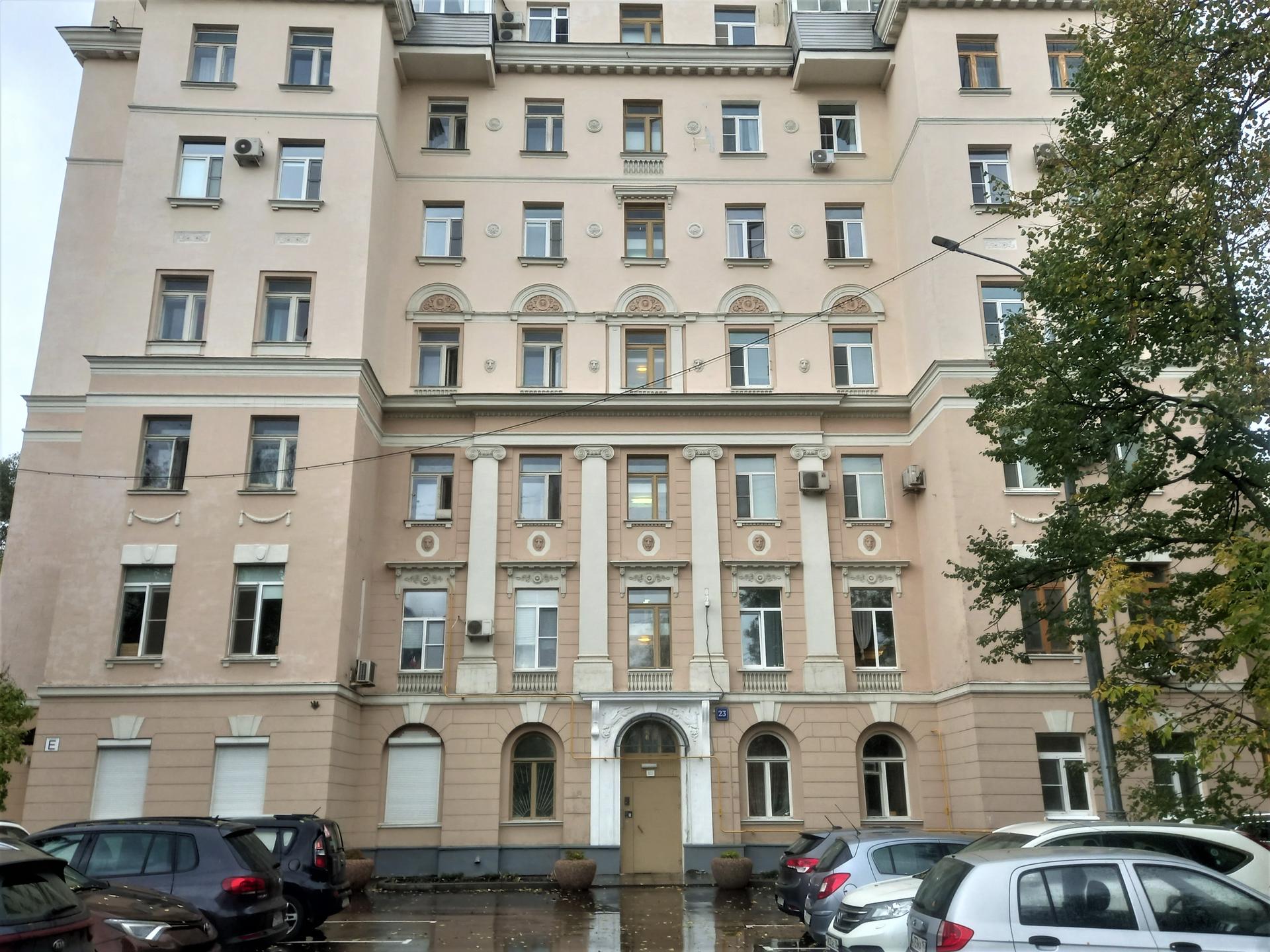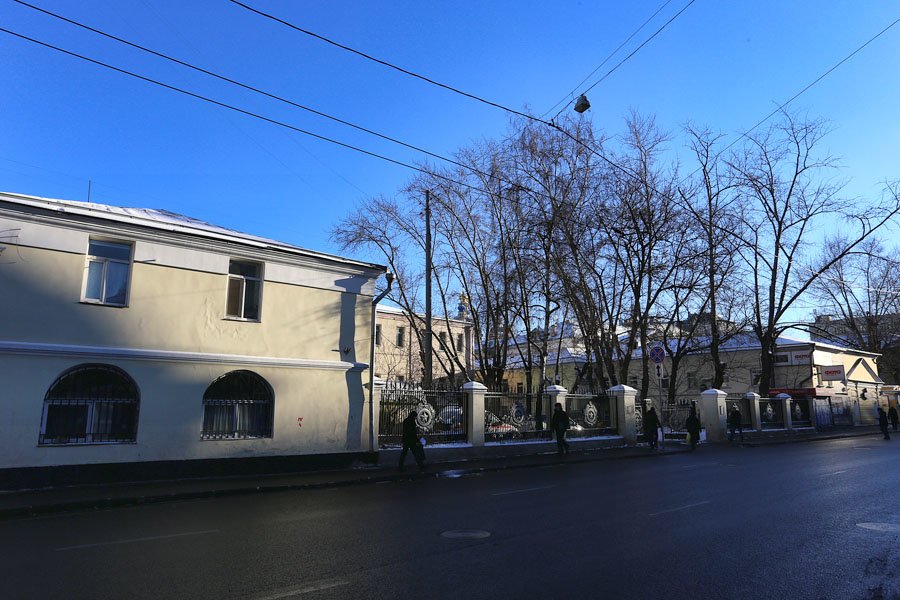
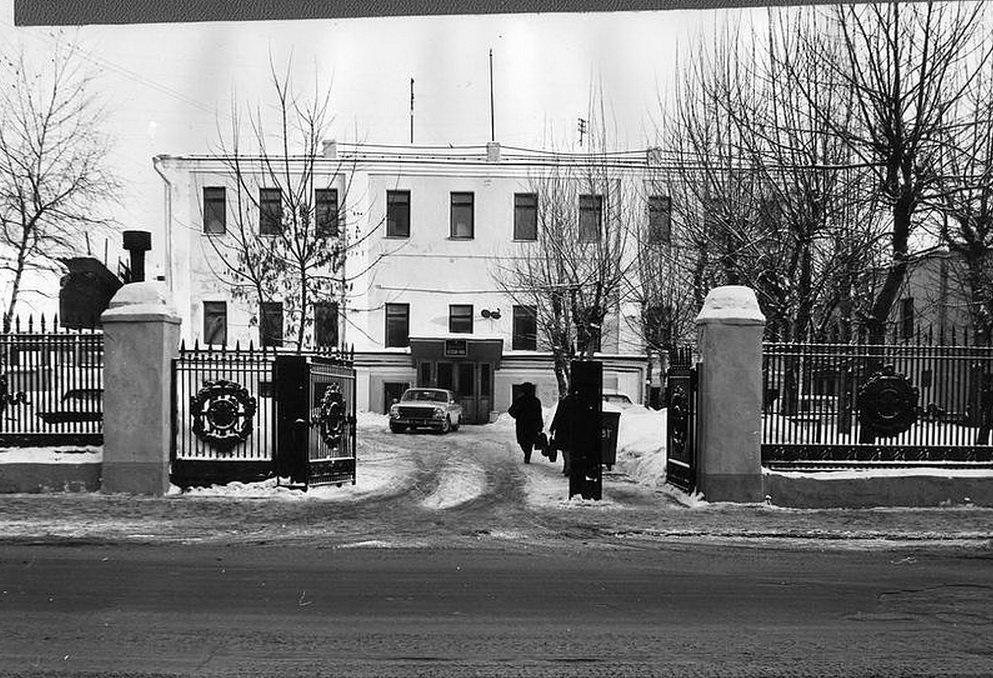
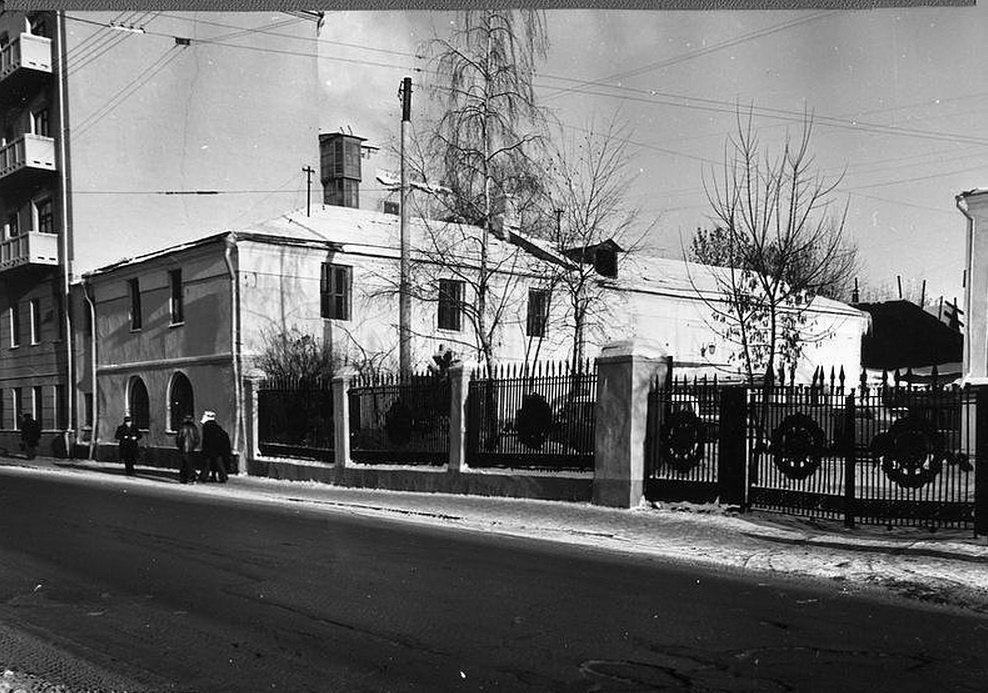
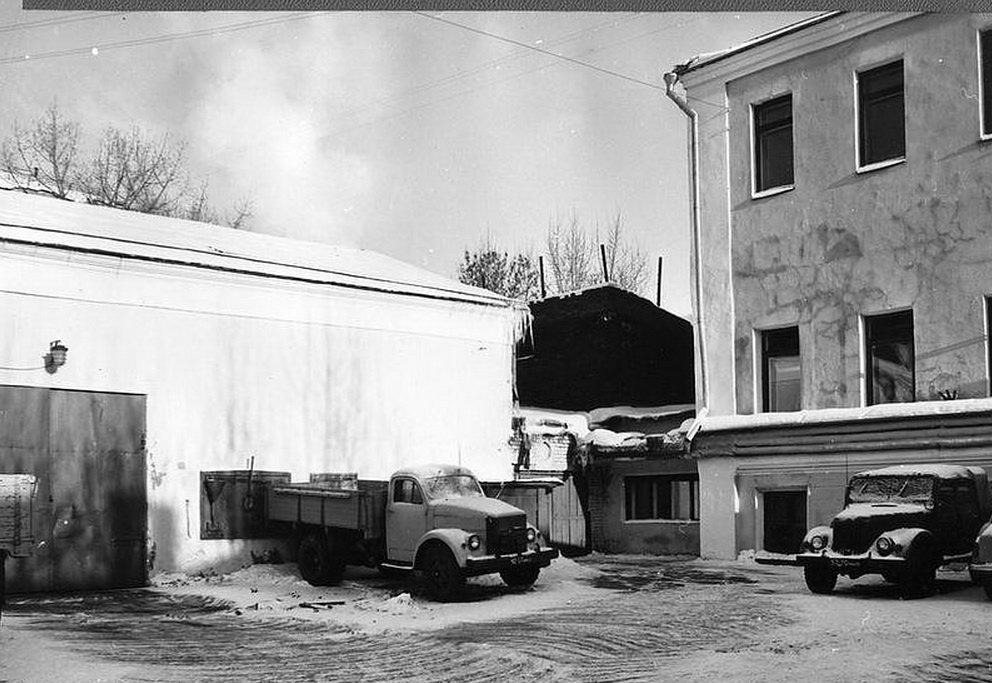
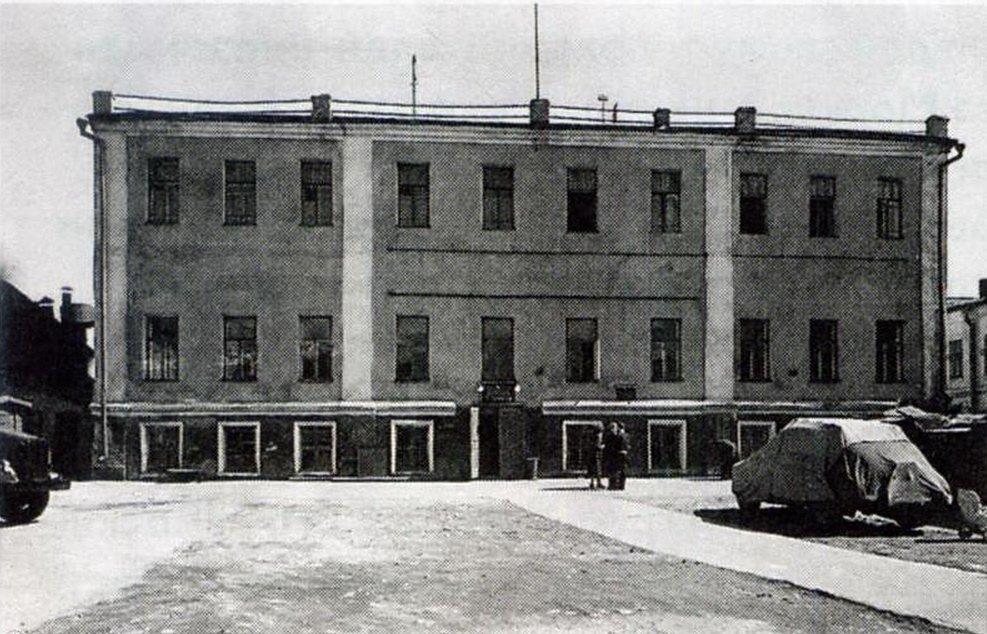
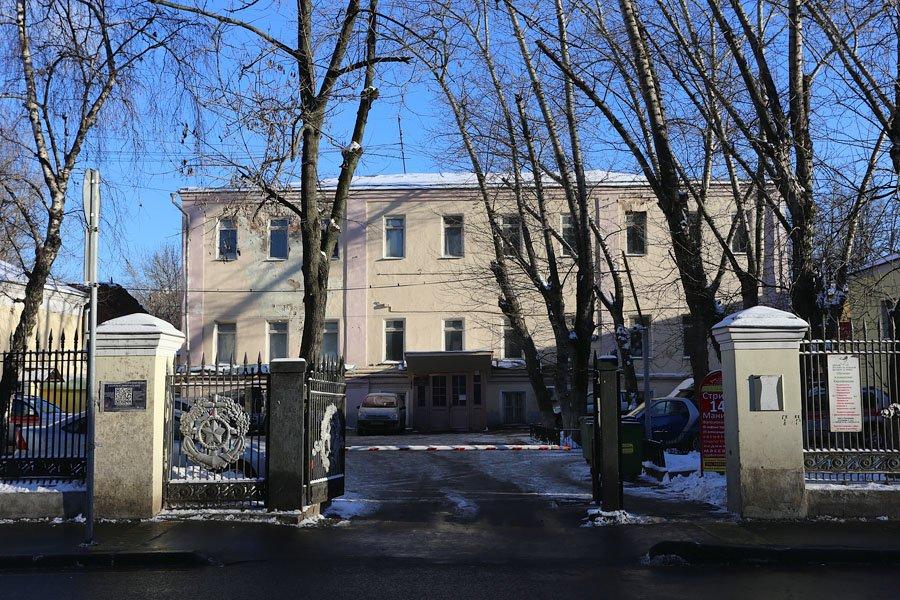
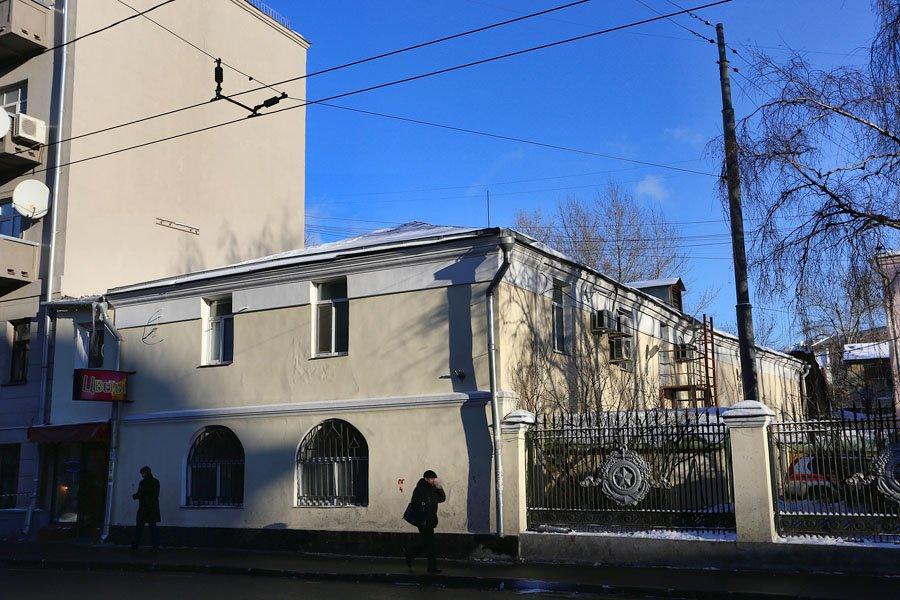
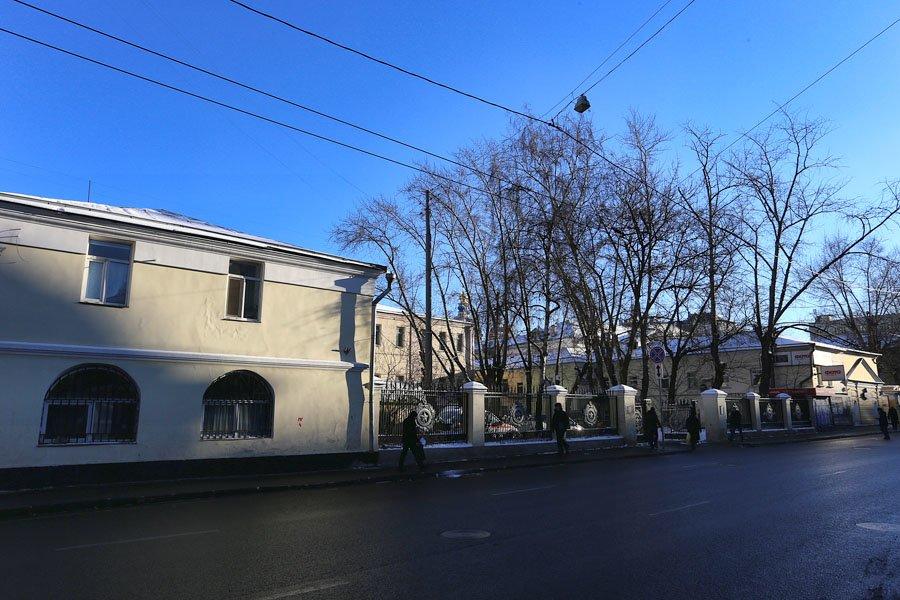
В усадьбе сохранилась планировка участка, созданная в первой половине XVIII века. В глубине владения стоит главный трёхэтажный дом, перед которым раскинулся большой двор. По сторонам двора, вдоль границ участка, поставлены два флигеля. Раньше за главным домом находился сад, чаще всего сады бывали с баней, беседкой и, с конца XIX века, с игровыми площадками. Такая планировка была обычной для богатых усадеб Москвы.
Главный дом усадьбы был построен в первой половине XVIII века. Тогда он был двухэтажным, первый этаж по высоте ниже второго. Фасады дома были украшены в стиле барокко, но не стоит думать, что здесь были пышные наличники и множество колонн. Это был скромный вариант стиля, соответствовавший возможностям и вкусам состоятельных, но не сверхбогатых людей. От первоначальной отделки дома до нас дошёл в изменённом виде карниз между первым и вторым этажами. В XVIII веке дом казался выше, сейчас часть первого этажа скрыта выросшим за столетия культурным слоем. На заднем фасаде дома, в одном из окон первого этажа, сохраняется железная решётка «кубоватого» рисунка. Такие решётки из изогнутых металлических прутьев использовались в XVII веке - начале XVIII века. Возможно, что эта часть дома была построена именно тогда. Правда, решётку, как материальную ценность, могли взять из другого старого дома при его разборке и использовать при новом строительстве.
В главном доме сохранились своды в двух этажах. Эти красивой формы перекрытия помещений когда-то были украшены тягами, картушами, карнизами, розетками по центру свода или в месте крепления люстры. Сохранились небольшие фрагменты этого лепного убранства.
В начале XIX века дом надстроили третьим этажом. Тогда же убранство фасада в стиле барокко поменяли на строгие и простые формы классицизма. Из-за большой высоты сводов второго этажа третий этаж оказался поднят на значительную высоту. Между вторым и третьим этажами на фасаде образовался большой промежуток.
В ХХ столетии с фасада дома исчезли последние декоративные элементы и теперь он не имеет признаков какого бы то ни было стиля.
Два флигеля по сторонам парадного двора сохраняют своды и стены XVIII – начала XIX века. Можно подняться на второй этаж южного флигеля и осмотреть красивые сводчатые перекрытия небольших помещений.
В конце XIX– начале ХХ веков усадьбой владела семья Шамшуриных. Основным занятием купцов Шамшуриных была торговля москательным товаром и табаком. Главная контора их фирмы и магазин находились поблизости, на Балчуге. Там можно было купить разнообразные краски, растворители, клей, обои, как бы сказали сейчас, товары бытовой химии.
Александр Фёдорович Шамшурин владел этой усадьбой до 1917 года. Кроме своего бизнеса, или, как говорили в старой России, своего дела, он занимался и общественной работой. А. Ф. Шамшурин был почётным старшиной Московских детских приютов и старостой в своем приходе, в церкви Богоматери Всех Скорбящих радости.
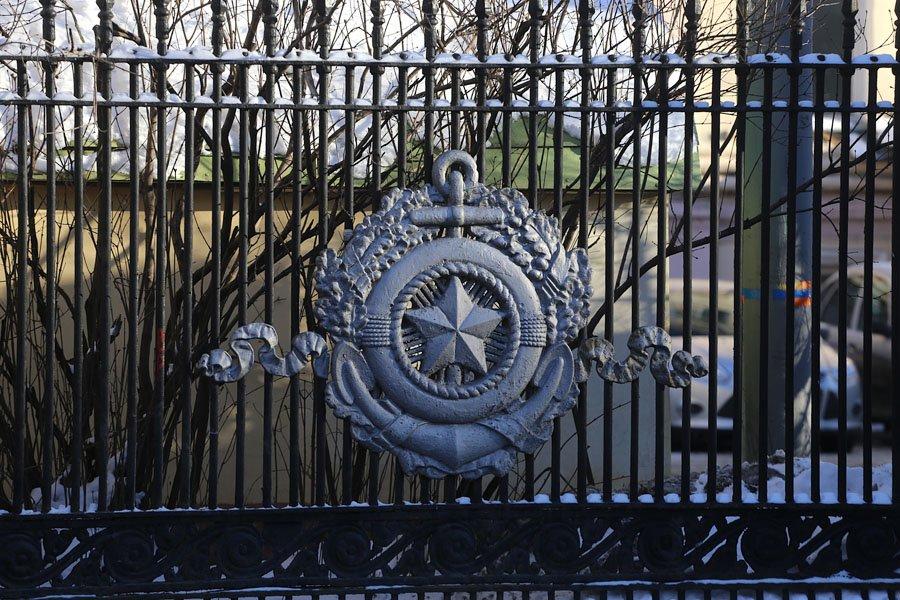
С 1934 года в доме Шамшуриных разместился Московский речной техникум, во второй половине ХХ века преобразованный в один из факультетов Академии водного транспорта. Поэтому красивая решётка середины ХХ столетия, ограждающая парадный двор, украшена якорями и другими символами судоходства.
The homestead area layout created in the first half of the XVIII century is preserved. In the depths of ownership there is a main three-storey house in front of which was stretched a large yard. On both sides of the court, along the boundaries of the site, put two wings. Earlier for the main house is a garden, gardens often happens with bath, gazebo and, from the end of the XIX century, with playgrounds. This layout was common for wealthy estates of Moscow.
The homestead preserved layout area, established in the first half of the XVIII century. In the depths of ownership there is a main three-storey house in front of which was stretched a large yard. On both sides of the court, along the boundaries of the site, put two wings. Earlier for the main house is a garden, gardens often happens with bath, gazebo and, from the end of the XIX century, with playgrounds. This layout was common for wealthy estates of Moscow.
The main manor house built in the first half of the XVIII century. It was a two-story, first floor in height lower than the second floor. The facades decorated in the Baroque style, but do not think that there were a lot of fat trim and columns. It was a modest version of the style, and is compatible with the tastes of the wealthy, but not super-rich people. From the original home decoration to us reached in an altered form cornice between the first and second floors. In the XVIII century house seemed above, now part of the first floor hidden by cultural layer grown over centuries. At the rear facade of the house, in one of the windows of the first floor, to maintain an iron grill "qubic-like" pattern. Such lattice of curved metal rods used in the XVII century - beginning of the XVIII century. It is possible that this part of the house built then. However, the lattice as material value, can be taken from another old house with its dismantling and use in new construction.
The vaults of two floors has been preserved in the main house. These beautifully shaped overlapping areas were once decorated with rods, cartouches, cornices, rosettes centered arch or in the attachment point of the chandelier. Preserved small fragments of stucco decoration.
At the beginning of the XIX century house built on the third floor. At the same time, the decoration of the facade of the baroque changed to strict and simple forms of classicism. Because of the great height of the second floor arches third floor appeared raised to a considerable height. Large gap formed on the facade between the second and the third floors.
Last decorative elements disappeared from the facade of the house in the twentieth century and now he does not have any signs of style whatsoever.
Two wings on both sides of the front yard retain the vaults and walls of XVIII - early XIX century. You can climb to the second floor of the southern wing and explore the beautiful vaulted ceilings of small rooms.
At the end of the early twentieth centuries XIX- estate owned by the family Shamshurin. The main occupation of the merchants Shamshurin was trading chandlery and tobacco. The main office of their businesses and shops are nearby, at Baltschug. There could buy a variety of paints, solvents, adhesives, wallpaper, as would be said now, household chemicals.
Alexander F. Shamshurin owned the estate until 1917. In addition to his business, or as they say in the old Russian, his craft, and he was engaged in social work. AF Shamshurin was an honorary sergeant Moscow orphanages and old age in his parish, in the Church of Our Lady of All Who Sorrow joy.
Moscow River College located in the Shamshurin’s house since 1934. It was transformed into one of the faculties of the Academy of Water Transport in the second half of the twentieth century. Therefore, beautiful grill of mid-twentieth century, enclosing the front yard, decorated with anchors and other navigation symbols.