.jpg&w=1920&q=75)


(10).jpg&w=1920&q=75)


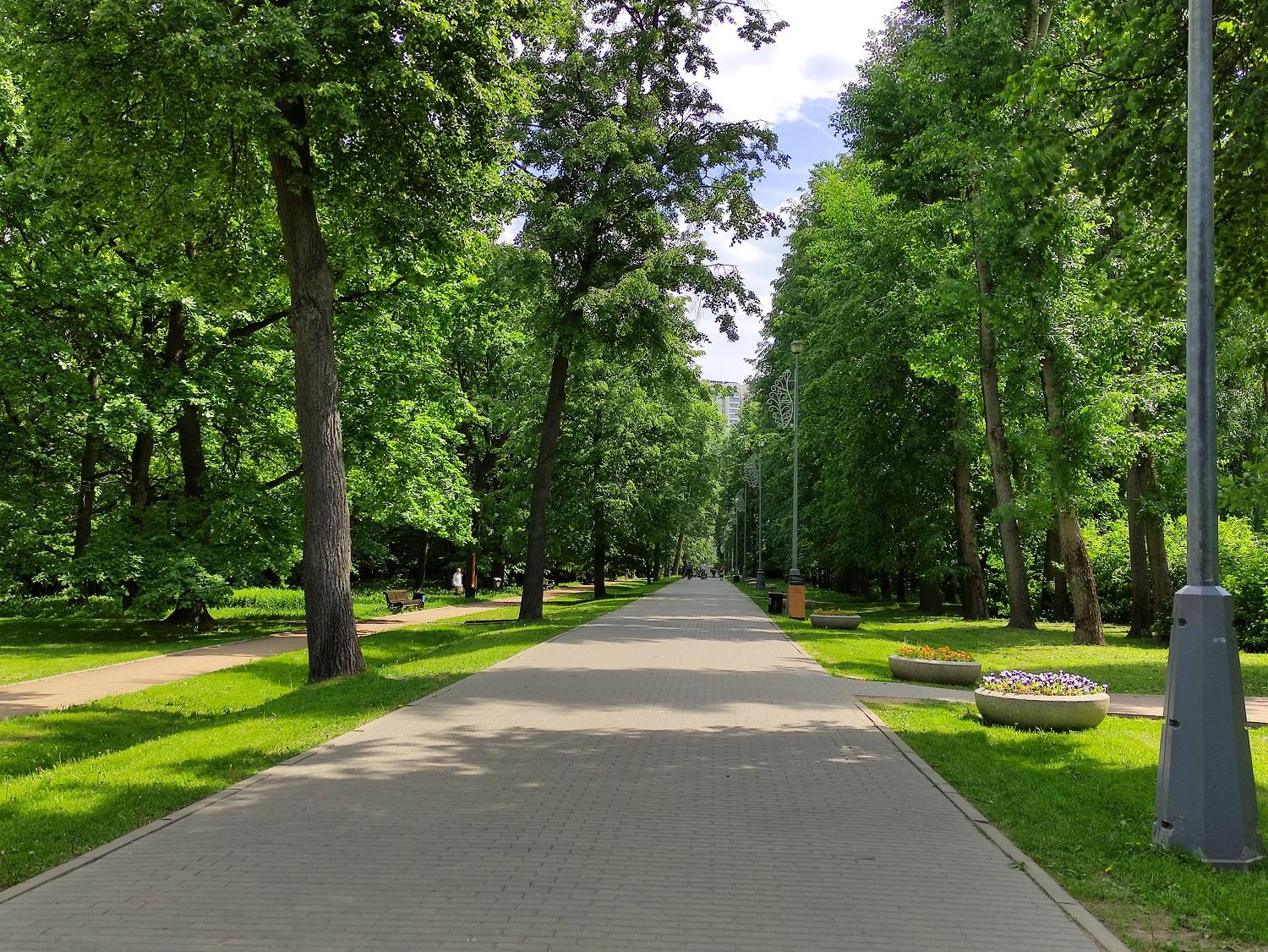
Ещё недавно об этой усадьбе никто, кроме краеведов, не знал: старый парк был запущен, постройки стояли в руинах. Сегодня это место стало одним из популярнейших для прогулок среди жителей Новых Черёмушек, действует бывшая усадебная церковь во имя Троицы Живоначальной, парк очищен и приведён в порядок. Но не все его посетители догадываются о том, какую славу стяжала усадьба во время Отечественной войны 1812 года.
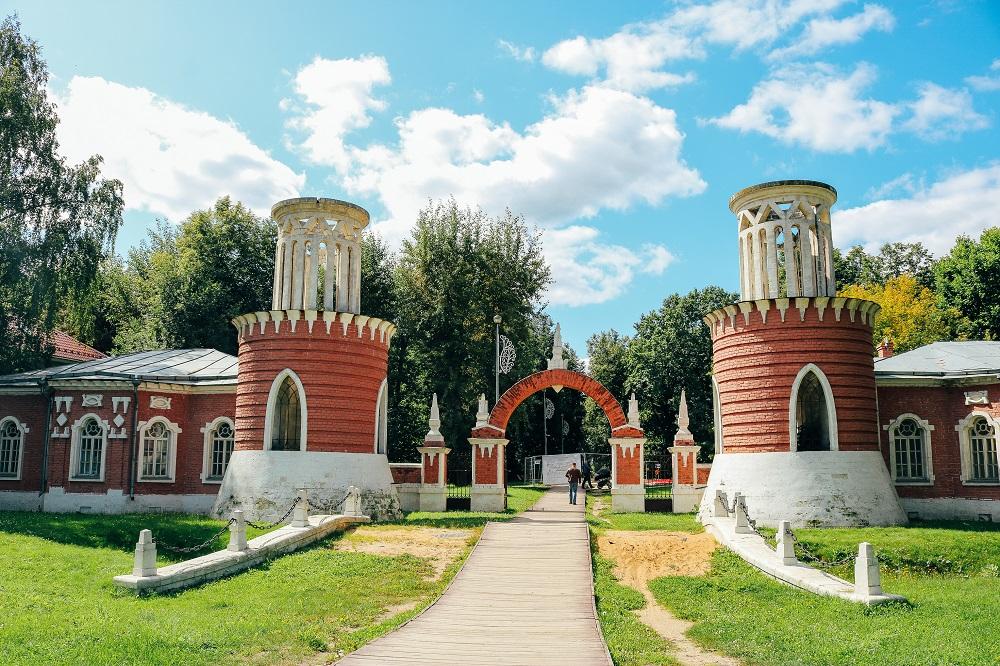
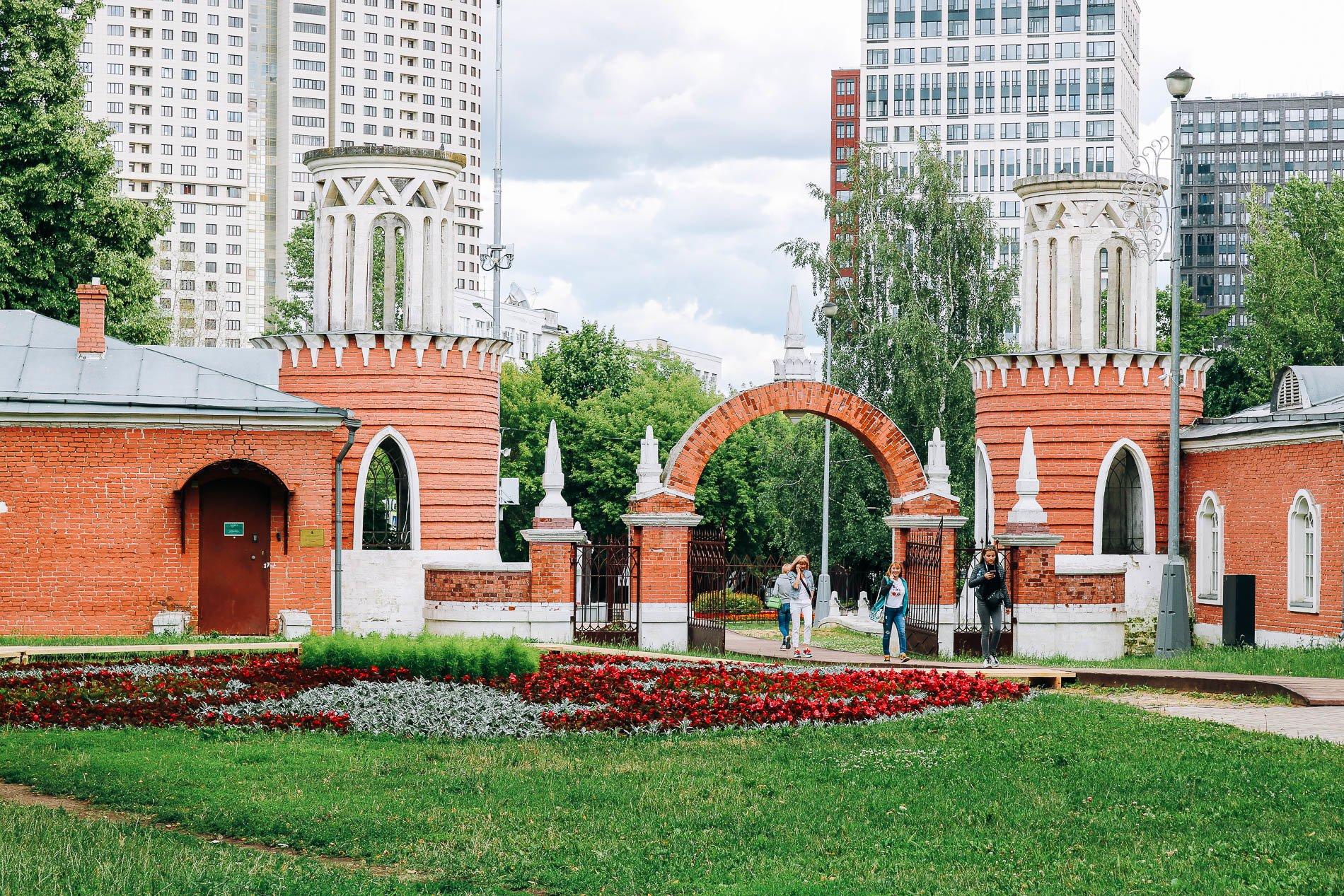
Своё название усадьба и село вокруг неё получили предположительно от боярского рода Воронцовых, владевших этой территорией в XIV веке. Позднее земля перешла к Репниным, у которых находилась в собственности до 1837 года. Здание усадьбы построил князь Петр Иванович Репнин, затем владел фельдмаршал Николай Васильевич Репнин. В последней трети XVIII века при въезде в усадьбу были возведены одноэтажные караульни с псевдоготическими башенками, напоминающими башни Фигурных ворот в Царицыне. В начале XIX века один из садовых павильонов был перестроен в церковь Троицы Живоначальной.
В мае 1812 г. Воронцово на несколько месяцев превратилось в тайную мастерскую по изготовлению секретного оружия – сюда прибыл изобретатель Франц Леппих и его помощник Шредер. Ранее они предлагали свои услуги французскому императору, но он предпочёл отказаться, поэтому Леппих и Шредер обратились к Александру I, которому пришлась по душе их идея создания огромного воздушного шара для обстрела с воздуха позиций противника. С его помощью должна была подниматься ввысь гондола, вмещающая до 50 солдат и запас бомб для метания. Строительство шара и гондолы разрешила тогдашняя хозяйка дочь Н.В.Репнина Александра Николаевна Волконская, ее сын - князь Николай Григорьевич Репнин-Волконский стал прототипом Андрея Болконского. Поначалу работы в Воронцово имели секретный характер, однако тайна достаточно быстро раскрылась и стала известна москвичам.
Однако труд изобретателя успехом не увенчался, шар в воздух так и не поднялся, а его остатки частично были вывезены в Нижний Новгород, частично уничтожены. Сам Леппих и его помощник были заключены в Петропавловскую крепость, их признали шарлатанами. Воронцово же было обыскано солдатами Наполеона, в результате чего французы решили, что воздушный шар был лишь прикрытием для "базы по организации московского пожара, а именно 2 горючих и зажигательных снарядов". Десяток «поджигателей» по итогам расследования был расстрелян.
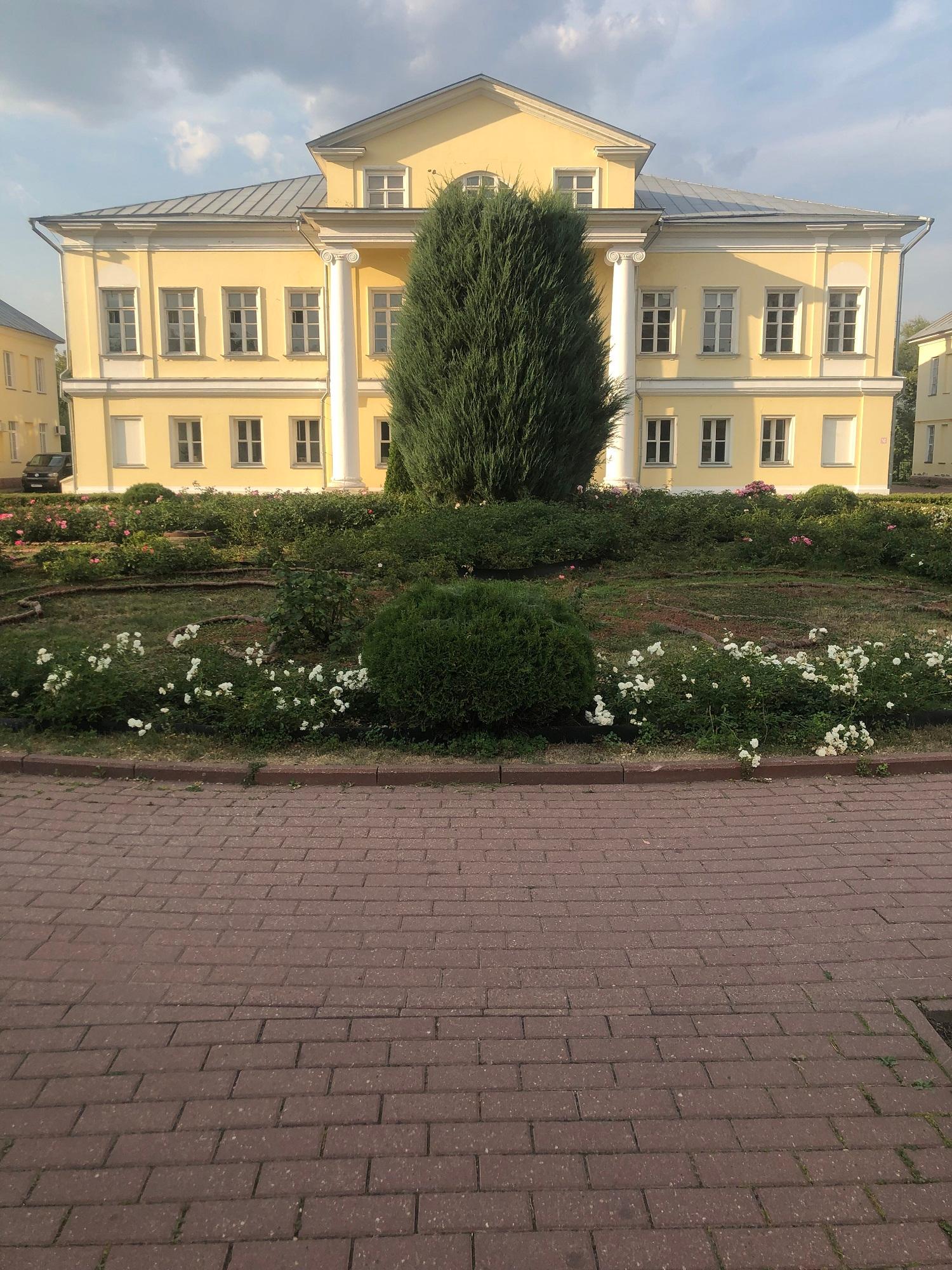
Усадьбу сожгли и разграбили французы. Главный дом так и не был восстановлен, хозяева пользовались лишь двумя уцелевшими парными флигелями и двумя служебными корпусами. господским домом стал северный флигель. В 1837 году усадьба была куплена обер-шталмейстером С.И.Мухановым, в дальнейшем она ещё не раз меняла своих владельцев.
Троицкая церковь, сожжённая французами, была вскоре восстановлена и расширена. Перестала действовать церковь только в советскую эпоху, внутри неё находилась механическая мастерская, потом фабрика игрушек, а затем храм был и вовсе заброшен. Церковное кладбище со старинными памятниками было снесено перед Олимпиадой 1980 года. Усадьба, побывавшая и биостанцией, и свиносовхозом, к 80-м годам также была покинута, парк зарос и одичал. Лишь в 1990-х годах его начали приводить в порядок, в Троицкой церкви проведена реставрация и возобновлены богослужения, восстановлены утраченные пруды.
Nobody but local historians knew about this manor not long ago. The old park abandoned, buildings stood in ruins. Today, this place has become one of the most popular walking destinations among the residents of New Cheremushky area. Former manor Trinity church opened its doors; the park cleaned and brought in order. However, not all visitors know about the glory that the manor acquired during the War of 1812.
Nobody but local historians knew about this manor not long ago. The old park abandoned, buildings stood in ruins. Today, this place has become one of the most popular walking destinations among the residents of New Cheremushky area. Former manor Trinity church opened its doors; the park cleaned and brought in order. However, not all visitors know about the glory that the manor acquired during the War of 1812.
The name of the manor and the village around it got presumably from boyar family Vorontsov, who owned the territory in the XIV century. Later the land transferred to Repnins, which owned it until 1837. Manor house built by Prince Peter Ivanovich Repnin, then Field Marshal Nikolai Repnin owned it. one-storey pseudo guardroom with turrets, towers resembling curly gate in Tsaritsyno built at the entrance to the estate in the last third of the XVIII century. At the beginning of the XIX century one of the garden pavilions rebuilt in the Church of the Trinity.
In May 1812, Vorontsovo became the secret workshop for making secret weapon for a few months - inventor Franz Lepp and his assistant Schroeder came here. Previously, they offered their services to the French emperor, but he refused, so Lepp and Schroeder turned to Alexander I, who came to mind their idea of creating a huge balloon for aerial bombardment of enemy positions. Gondola seats up to 50 soldiers and reserve of bombs for throwing should soar on it. Alexandra Nikolaevna Volkonskaia, the daughter of N.V.Repnin and the owner of the estate at that time allowed the construction of the balloon and the gondola. Her son - Prince Nicholas G. Repnin-Volkonsky became the prototype Andrei Bolkonsky in the “War and Peace” by Leo Tolstoy. Initially work in Vorontsovo was secret, but the secret was revealed quite quickly and became known to Muscovites.
However, the work of the inventor have proven unsuccessful, the balloon did not get up into the air, and its remains were partially removed to Nizhny Novgorod, partially destroyed. Lepp and his assistant were imprisoned in the Peter and Paul Fortress, they recognized the charlatans. Vorontsovo estate was searched by soldiers of Napoleon, because the French decided that the balloon was a cover for the "base for the organization of the fire of Moscow, namely 2 flammable and incendiary shells." A dozen of "arsonists" was shot as the results of the investigation.
Homestead burned and looted by the French. The main house and has not been restored, the owners used only two surviving twin wings and two service buildings. The northern wing became the manor house. In 1837 the estate bought by the chief equerry SI Mukhanov, in the future it has changed several owners.
Trinity Church, burned by the French, was soon restored and expanded. Church ceased to operate only in the Soviet era, mechanical workshop set inside, and then there was a toy factory, and then the church abandoned altogether. Church cemetery with ancient monuments demolished prior to the Moscow Olympic games in 1980. Manor used as biological station, pig farm abandoned by 1980s, manor’s park desolated. Only in the 1990s, it began to set in order, restoration of the Trinity Church carried out and worship renewed, lost ponds restored the. There are plans for the main house reconstruction.