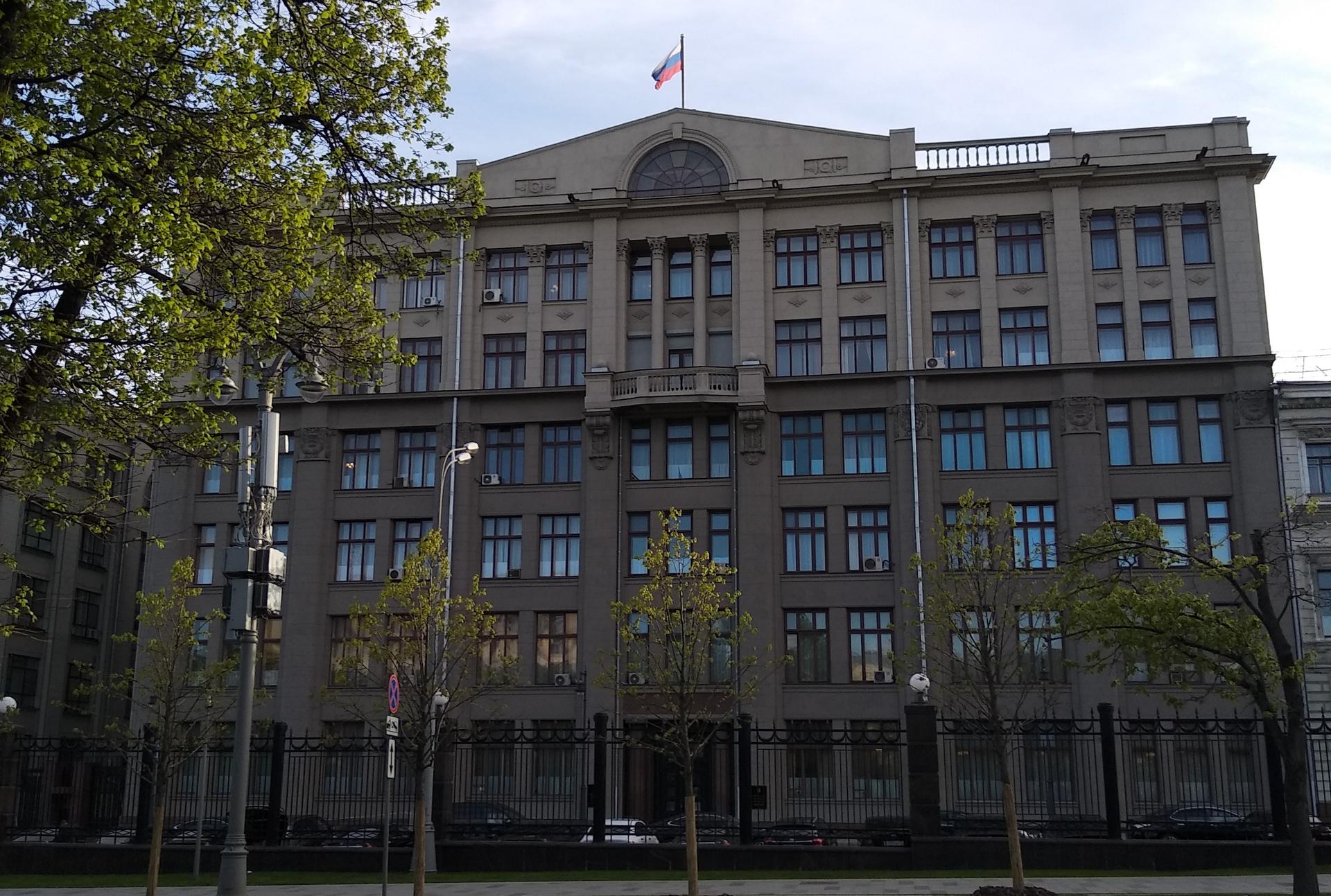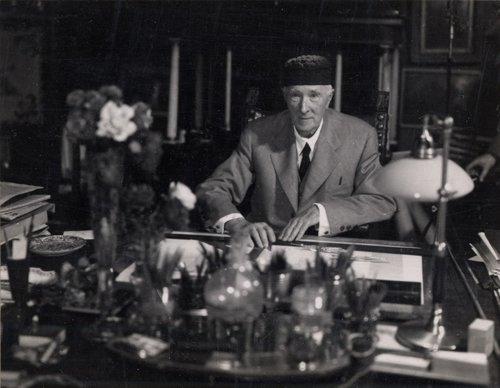
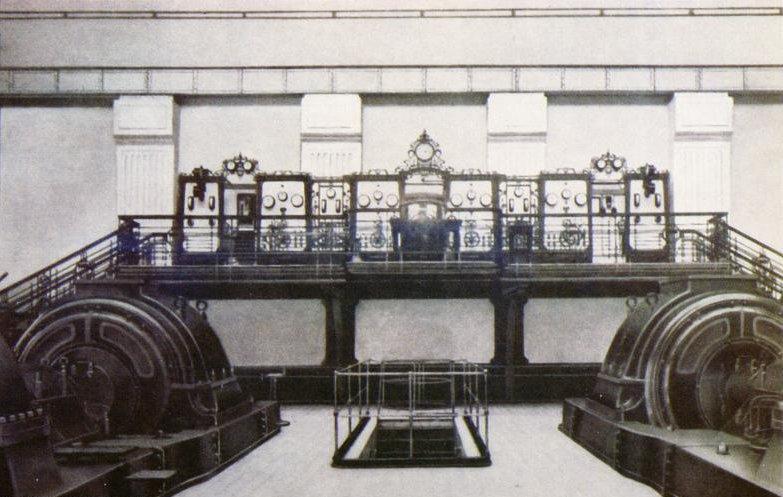
МОГЭС или ГЭС-1 (Первая московская электростанция им. Смидовича) не была первой по времени постройки, однако всегда считалась "самой главной" по сфере обслуживания. Именно отсюда подавался ток в Кремль. Здесь работал один из ведущих отечественных энергетиков Глеб Максимилианович Кржижановский, а до революции главным инженером станции был Роберт Эдуардович Классон.
Владение известно с XVIII века, когда по линии Садовнической улицы выстроил свою усадьбу один из горнозаводчиков Демидовых. Впоследствии владелец уехал в Италию, где занимался коллекционированием предметов искусства, а перед смертью завещал их музею города Флоренции.
Усадьба на Садовнической вскоре была куплена для размещения в ней училища. Собственно, училище расположилось в одном из флигелей (ныне дом 11 стр. 2), достроенном и переделанном для новых нужд. Следующий этап наступил в 1896 году, когда соседнее владение, выходящее на набережную, приобрело Общество электрической освещения. Вскоре и само Демидовское владение, вместе с оставшимся флигелем, перестроенным в училище, перешло к Обществу электрического освещения.
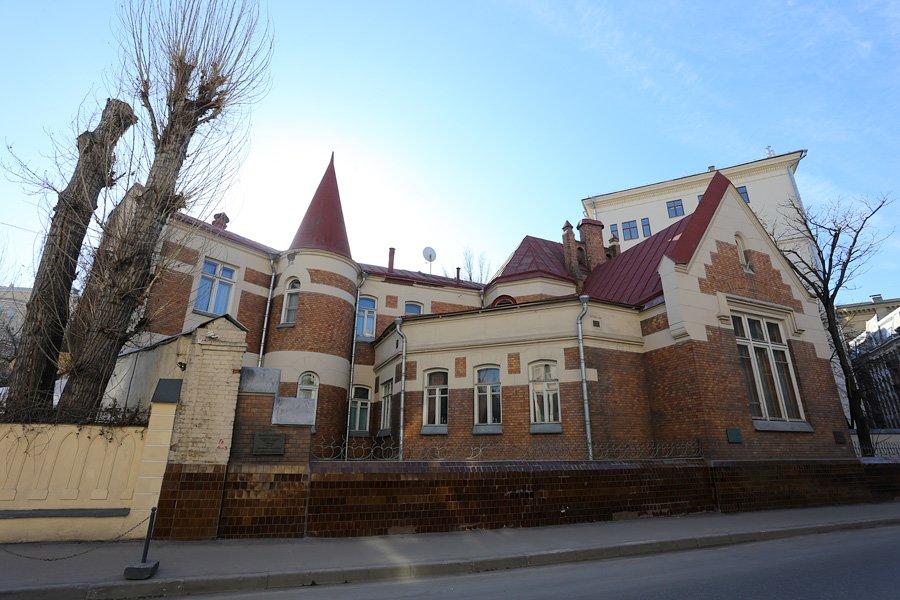
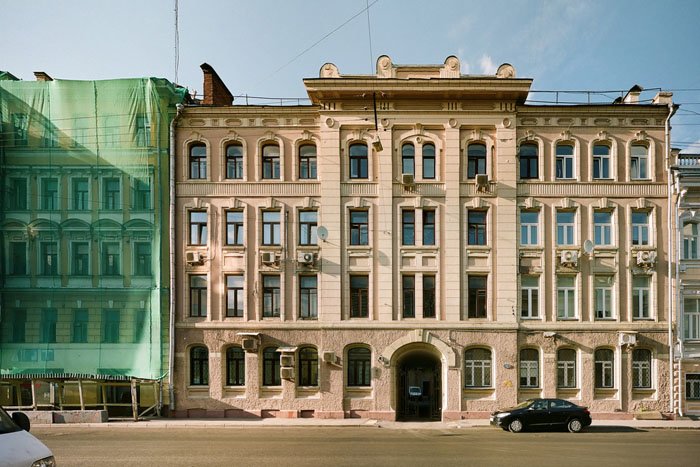
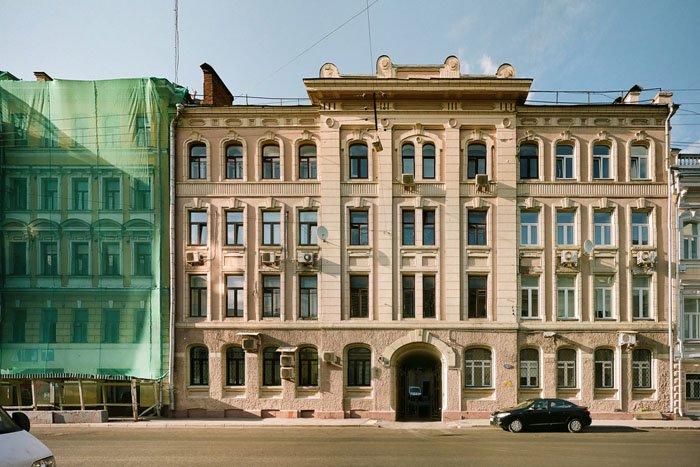
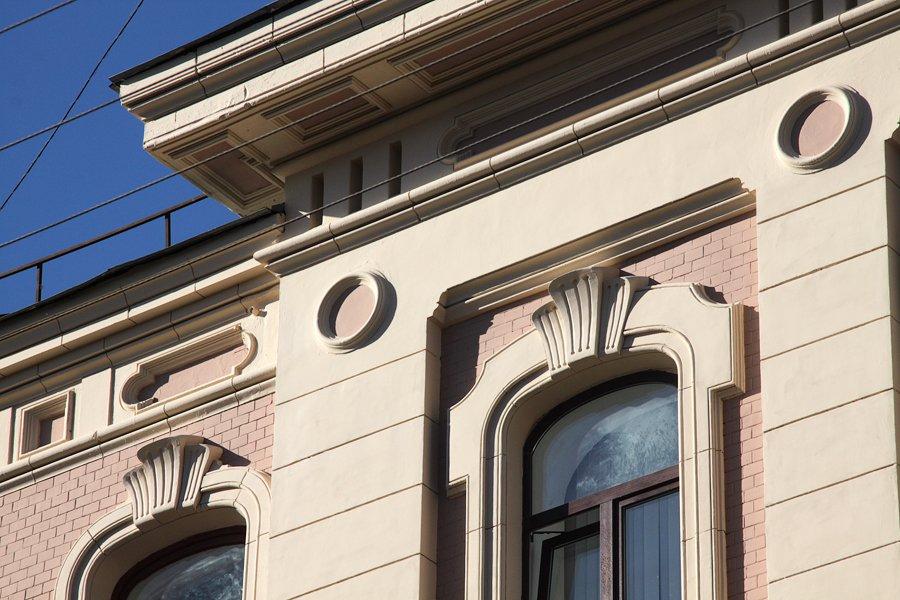
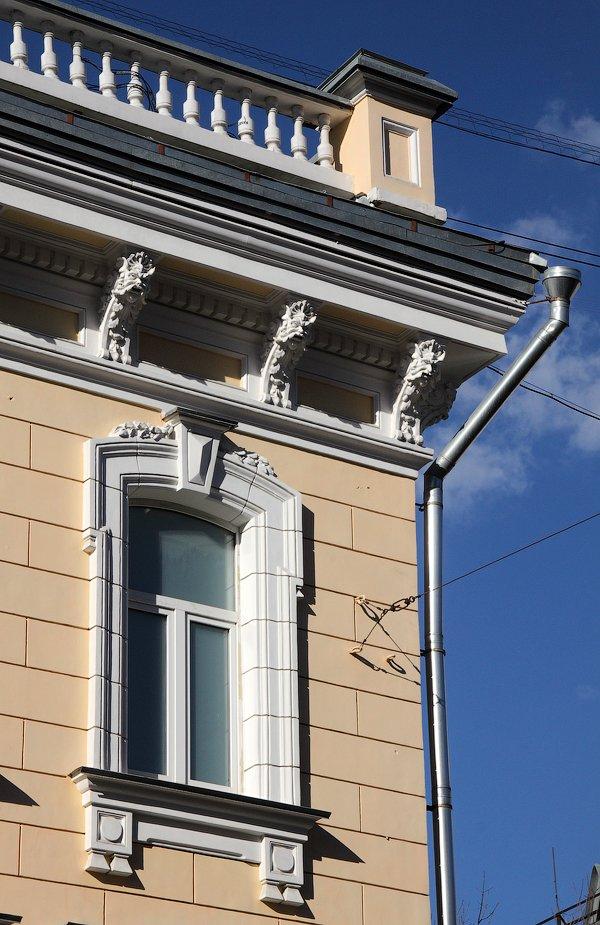
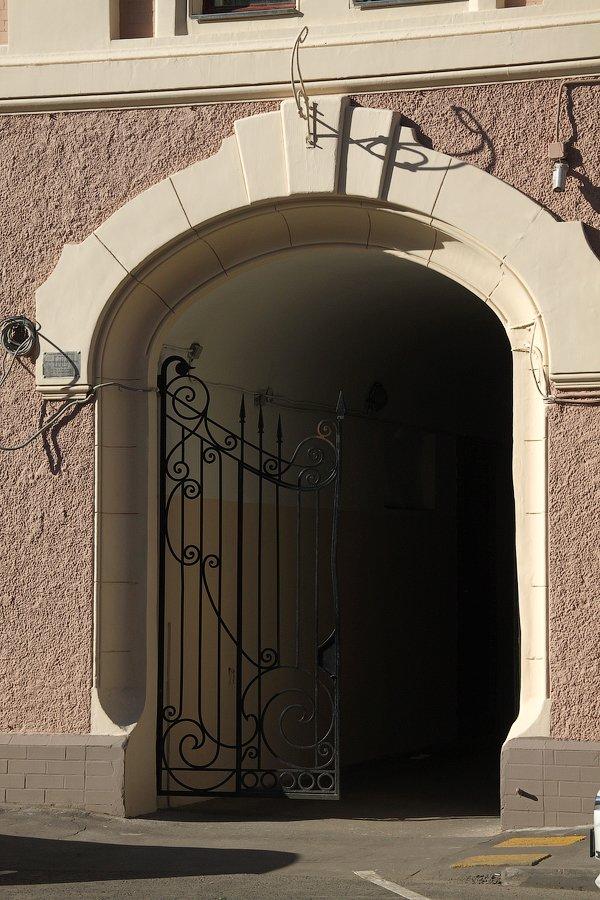
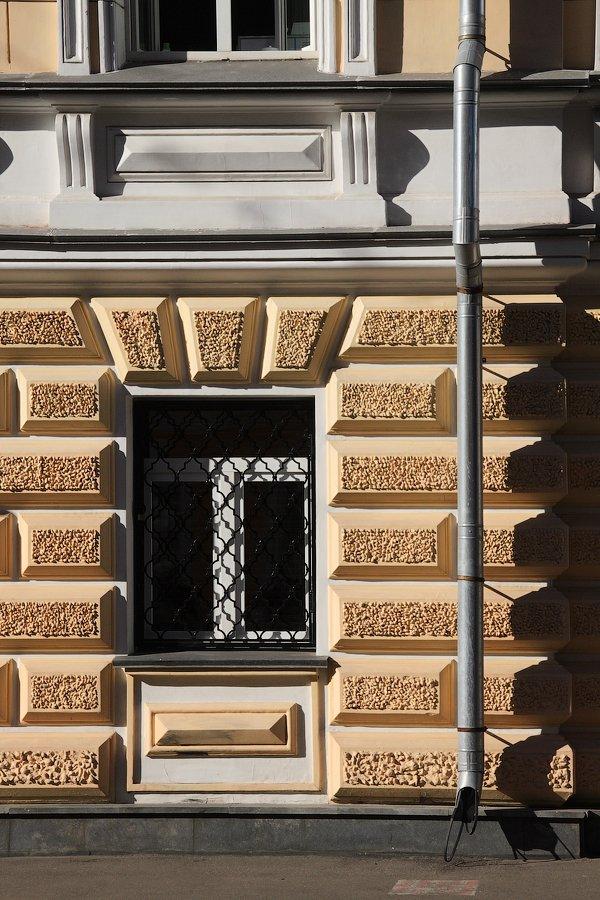
В 1905 году Общество электрического освещения выкупило соседний участок, располагавшийся между владением Демидовых и домами купца Привалова. Место в глубине было отдано под мастерские, дровяной склад, а по линии Садовнической улицы по проекту архитектора Благовещенского был выстроен четырехэтажный дом в стиле эклектики (дом 11 стр. 10). Фасад здания прорезан проездной аркой, украшенной накладным архивольтом, арка ведет во двор. Центр фасада акцентирован ризалитом, который членится четырьмя лопатками, широкими на углах, более узкими в центре. Завершается ризалит аттиком, увенчанным карнизом большого выноса. Цокольный этаж отделан фактурной штукатуркой, окна цокольного этажа заглублены в неё, что создает ощущение монолитности здания. Окна оформлены по-разному: полуциркульные проемы в первом и последнем этажах, в средних _- проемы прямоугольные, в третьем они украшены замковыми камнями. В интерьерах квартир частично сохранились тянутые карнизы и розетки на потолках, метлахская плитка в кухнях, где-то - остатки печей. Изначальная планировка комнат практически утрачена. В 1911 году к дому была сделана пристройка для приемного покоя поликлиники, занимавшей тогда одну из квартир первого этажа.
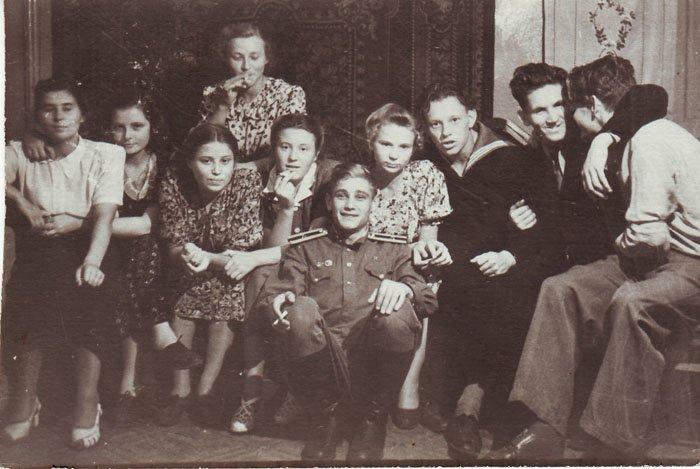
До революции в доме проживал инженерный состав ГЭС-1, в 1920-х квартиры были уплотнены рабочими станции. Многие квартиры превратились в коммуналки, и так просуществовали до 1990-х годов.
В доме на втором этаже проживал с семьей Роберт Классон, главный инженер станции. После революции он сохранил свой пост, но его квартиру уплотнили новыми жильцами. Сохранилась записка инженера, написанная им в жилищную комиссию «Электропередачи» в 1920 году: «Тем не менее, Жилищная Комиссия неоднократно покушается на перераспределение в моем доме, то предполагая в нем устроить комнаты для приезжающих, то, как это было недавно, предполагая поселить наверху двух барышень. Затем Жилищная Комиссия совершила совершенно недопустимый поступок по отношению ко мне, поместив без моего ведома в лично мне принадлежавших комнатах на ночь трех человек, совершенно незнакомых, которые вторгаются в мою квартиру, ночуют в ней, как будто это была не частная квартира, а ночлежный дом».
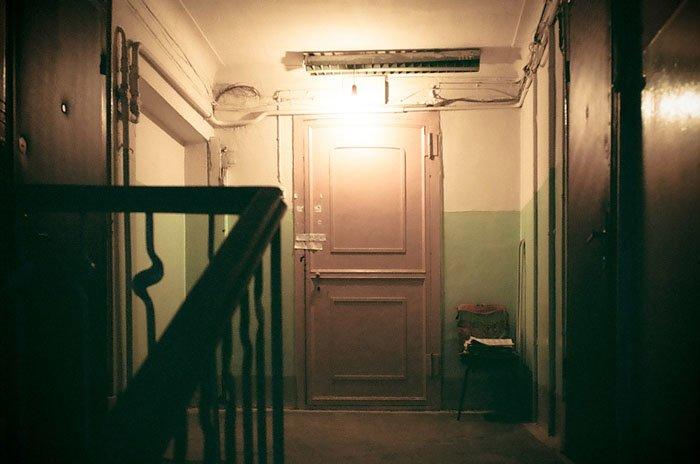
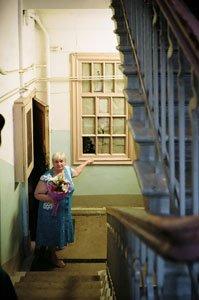
В позднесоветское время в дом переехала медсанчать МОГЭС и внутренняя планировка изменилась. В 1980-х от прежней планировки там оставалась удивительная лестница с чугунными витыми перилами, покрытымислоями краски, от многочисленных перестроек остались непонятные переходы, ступеньки и тупики, никуда не ведущие.
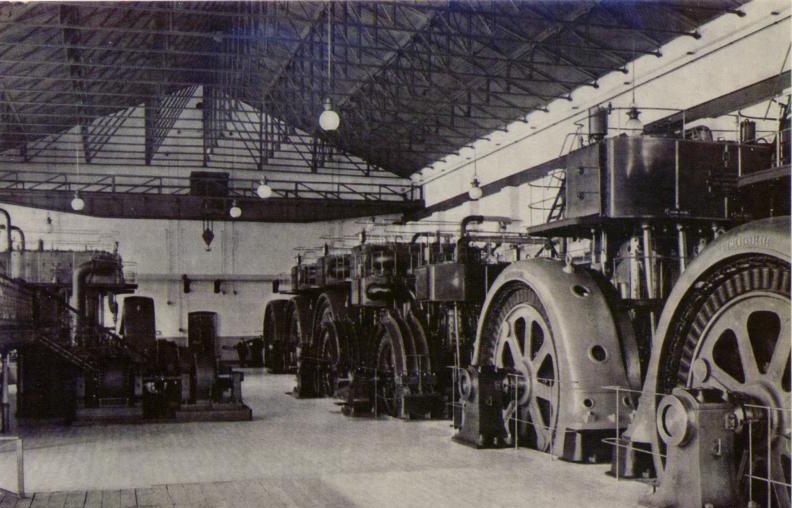
Здания МОГЭС перестраивались множество раз. Масштабные строительные работы велись в 1907, 1914 годах, а при советской власти в 1925-1926 годах. В 1907 году по линии Садовнической улицы построили склад в кирпичном стиле, позднее он был надстроен до двух этажей, ныне это проходная МОГЭС. Тогда же были построены новые корпуса для машинного зала по линии Раушской набережной. В 1920-х машинные залы были перестроены архитектором Жолтовским в стилистике конструктивизма, часть объемов было достроено заново.
МОГЭС никогда не прекращала своей работы: в Великую отечественную войну машины продолжали вырабатывать электричество. В начале 20-го века этот район возле Раушской набережной считался местом работы и жительства самых "продвинутых" людей современности - энергетиков.
This land is first mentioned in historical records in the 18th century, when a member of the Demidov family, a dynasty of mine owners, built his estate along the frontage of Sadovnicheskaya Street. Later, the estate owner left for Italy where he became an art collector. He bequeathed his collection to one of the museums of Florence.
The estate on Sadovnicheskaya Street was soon acquired to accommodate a secondary school. The school occupied one of the estate outbuildings (now house number 11/2), that was expanded and renovated accordingly. The next phase started in 1896, when the neighboring land plot facing the embankment was bought by the Electric Lighting Society. The Demidovs’ land, along with the renovated school building, was also obtained by the Society.
In 1905 the Electric Lighting Society bought out another land parcel located between the Demidovs’ property and the houses belonging to the Privalov merchant family. This backyard was used to accommodate workshops and a wood depot. Meanwhile, along the frontage of Sadovnicheskaya Street, a four-storey Eclectic-style house (house number 11/10), designed by the architect Nikolay Blagoveshchinsky, was constructed.
The facade of the house is pierced by a walkthrough arch, adorned with a convex archivolt; the arch leads into the courtyard. The center of the faсade is emphasized with an avant-corps, divided in parts by four uneven lesenes — the wider ones at the corners, and the narrower ones in the center. The avant-corps has a classical attic on top, with a cornice protruding far forward. The exterior walls of the semi-basement are coated with textured stucco, and its windows are sunken deep in it, conveying an impression of seamlessness for the building. The windows are different: semicircular on the ground and the top floors, rectangular on the middle floors; the windows of the second floor are adorned with keystones. The apartments within still keep some of the old interior elements, including plasterwork cornices, rosette designs on the ceilings, mettlach ceramic tiles in kitchens, the remains of stoves here and there… In 1911, a new small wing was constructed adjacent to the house to accommodate a reception ward for the hospital that occupied one of the ground floor apartments at the time.
Before the revolution, the house was inhabited by GES-1 engineers, but in the 1920’s, the plant workers were relocated here too, moving into the formerly private apartments. Many private residences were thus transformed into communal flats, and remained like this until the 1990’s.
Robert Klasson, the plant’s Chief Technology Officer, lived in an apartment on the first floor. He kept his position after the revolution, but he now had to share his apartment with new tenants moved in by the state. A memo on this matter was sent by Klasson to his housing committee in 1920. It goes: ‘Nevertheless, the housing committee is persistently making attempts at reallocating the space of my own home, first by intending to create rooms for visitors, then by planning to lodge two ladies on one of the top floors. However, later, the committee went on to commit an act I find completely unacceptable by accommodating three people, who are complete strangers to me, in my private rooms without my knowledge. They invade my property and stay here as if it were a bunkhouse, and not a privately owned apartment.’
During the late Soviet period, the infirmary of MOGES was moved into the house, and the internal layout was modified. In the 1980’s, the only surviving part of the old layout was a remarkable staircase with a twisting cast-iron banister covered in many layers of paint. The numerous weird passages, strange steps, and dead ends that lead nowhere serve as reminders of the many alterations the building went through over the years.
The buildings of MOGES have been revamped numerous times. Ambitious renovation projects were implemented in 1907 and 1914.In 1925-1926 the new Soviet government implemented another such project. In 1907 a warehouse with brickwork walls was constructed along the frontage of Sadovnicheskaya, with a second storey added to it later. Currently, it serves as an entrance checkpoint of the plant. New buildings to hold machinery were also constructed along the frontage of Raushskaya Embankment at the time. In the 1920’s the machinery halls were rebuilt in the Constructivist style by the architect Ivan Zholtovsky, with some parts reconstructed from scratch.
MOGES has never stopped working at all: even at the height of the Second World War, its machines kept generating electricity. In the early 20th century, the neighborhood around Raushskaya Embankment was considered to be a community of power engineers, the most forward-thinking people of that era.