Интерактивный гид по городу
С мобильным приложением бродить по городу гораздо интереснее!

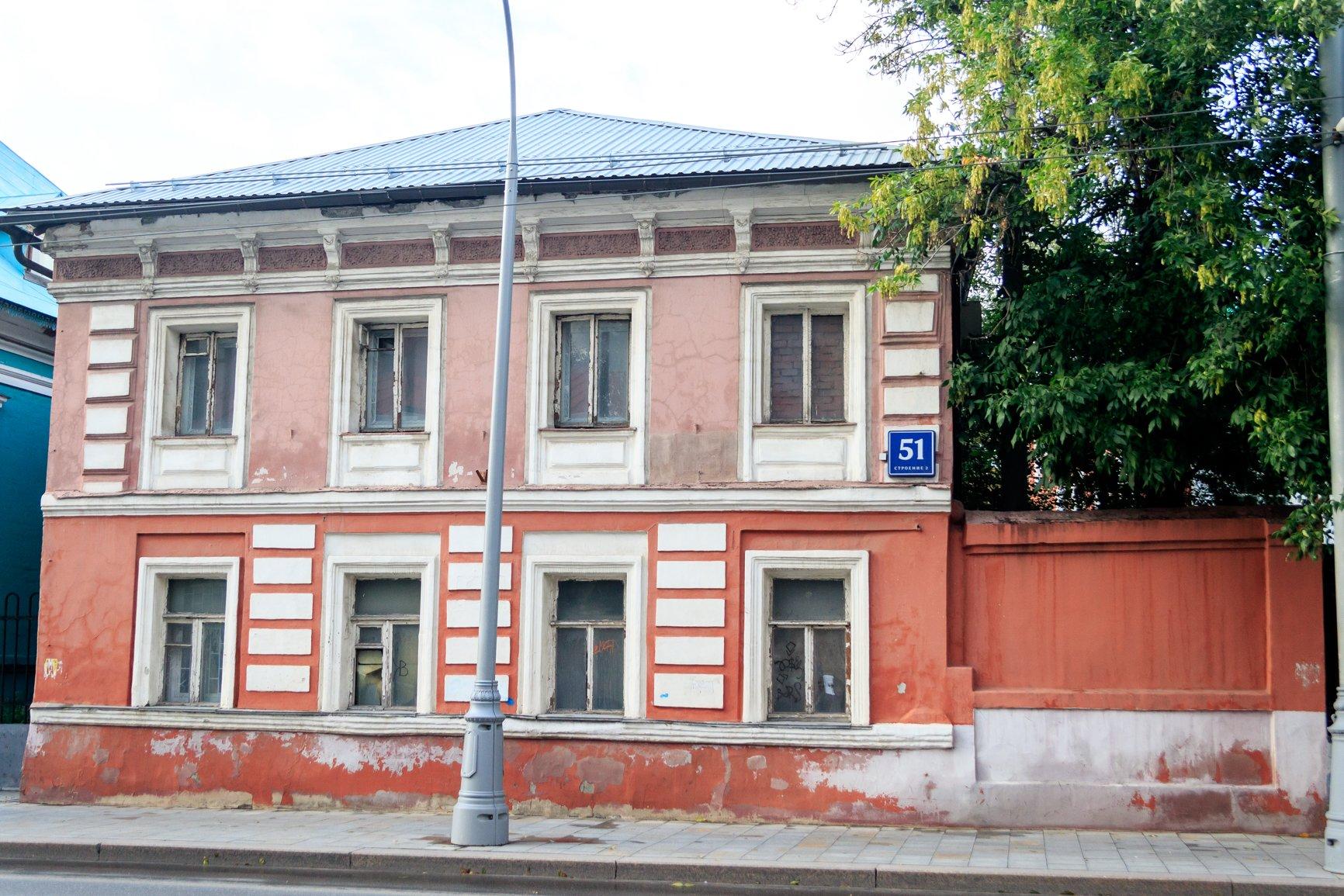
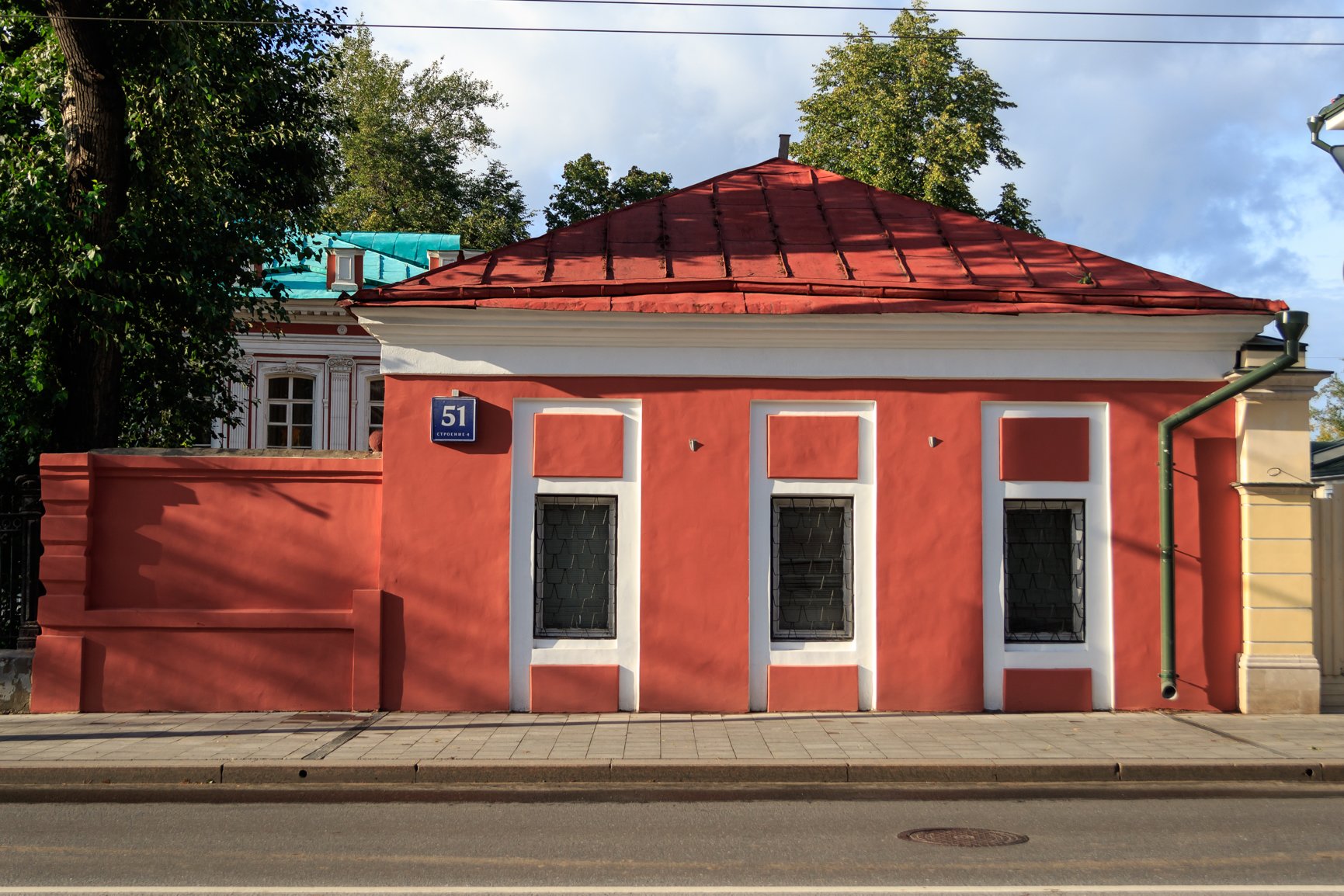
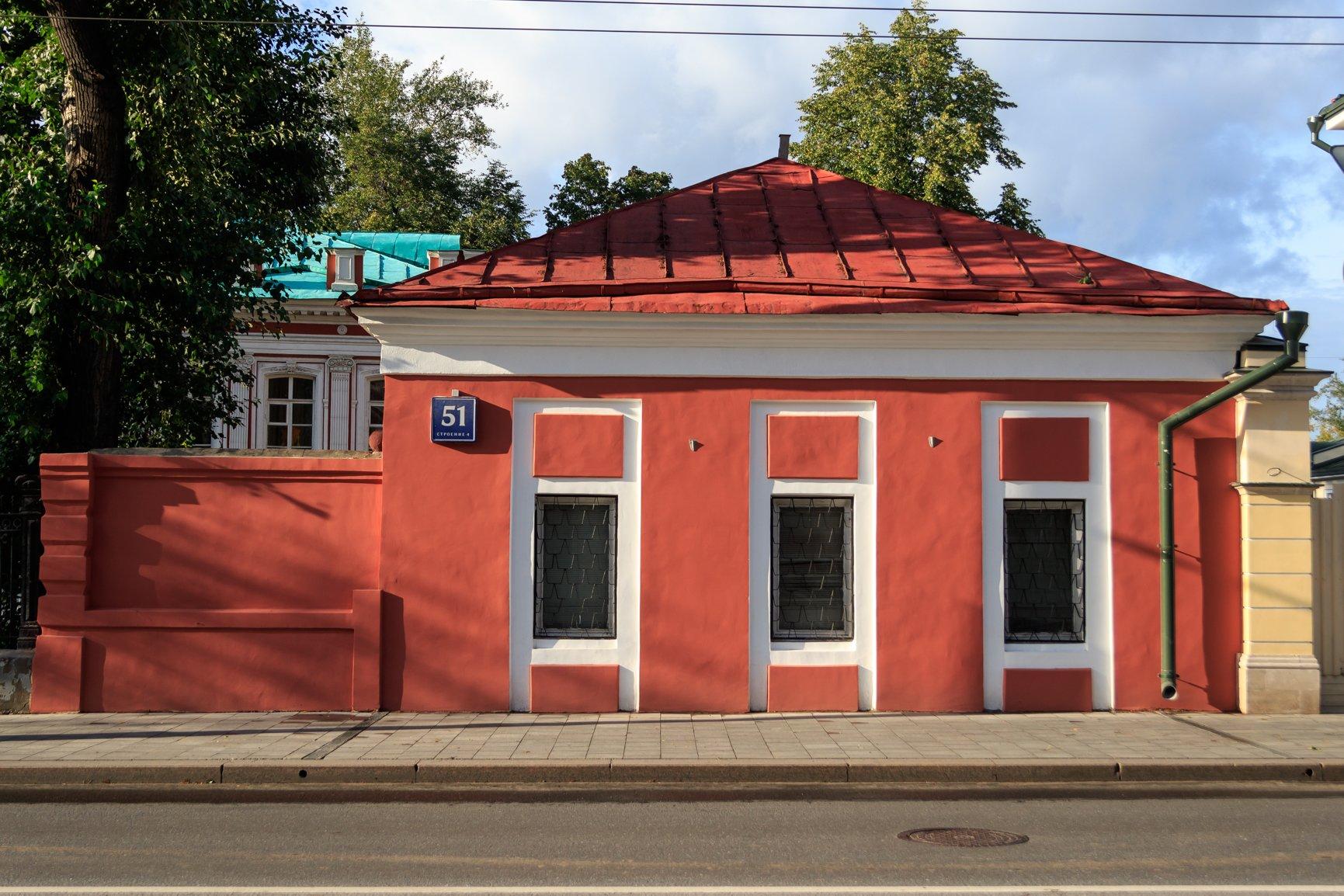
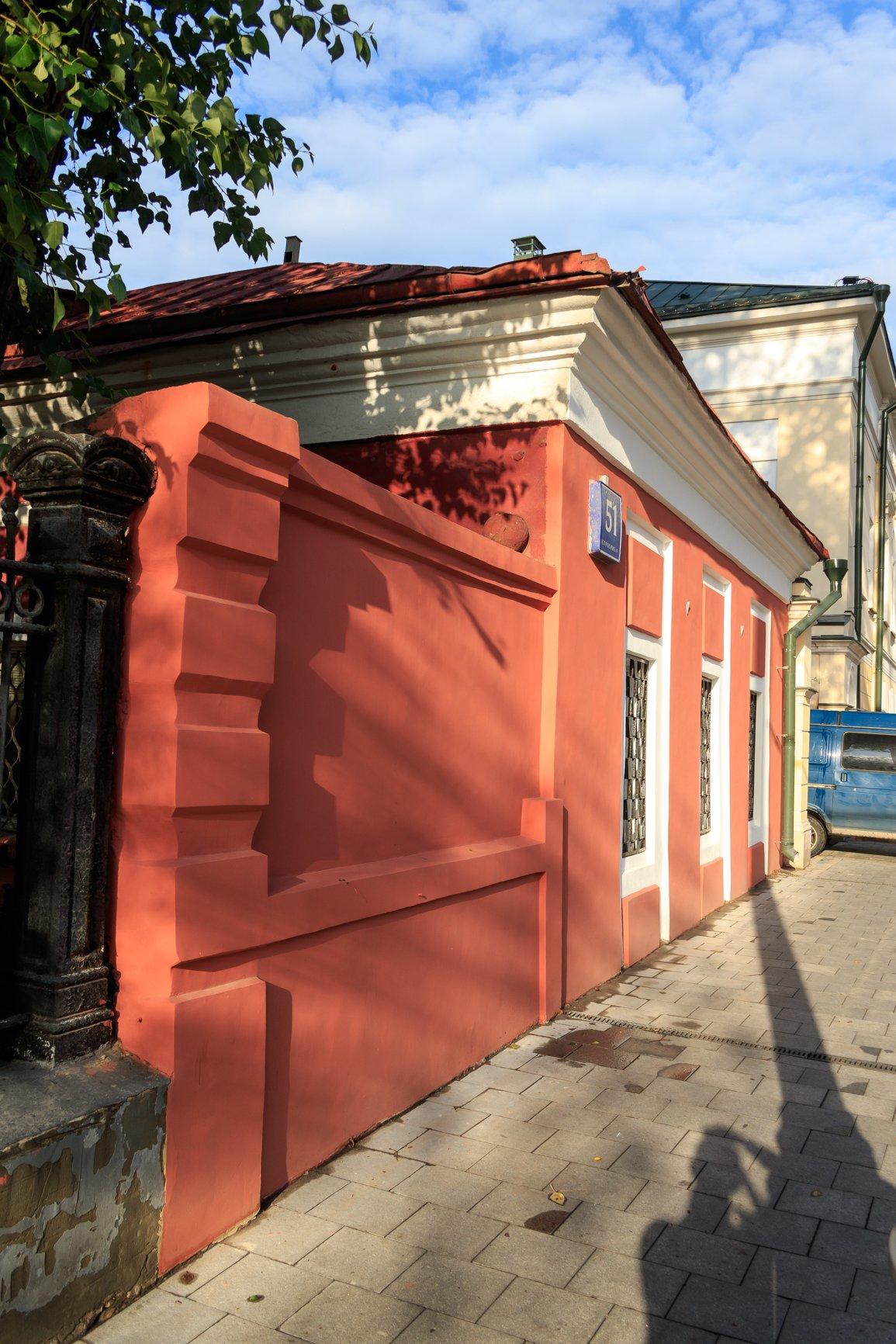
Восточный флигель городской усадьбы

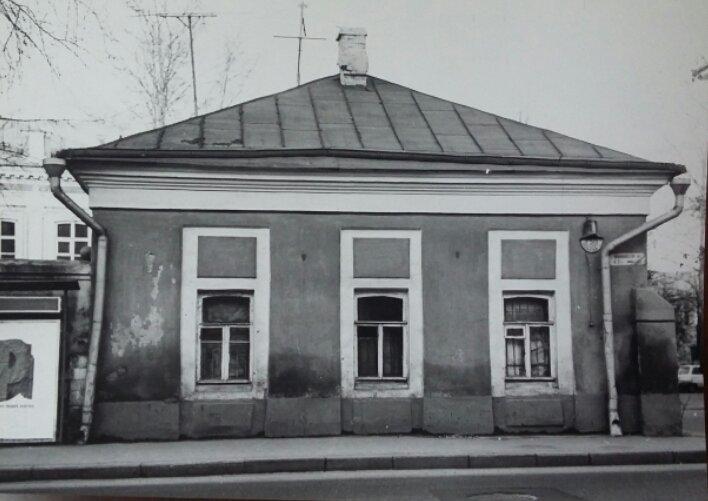
A small house with three windows dates back to the Catherine era when merchants were having homesteads built for them between the Taganskaya Square and the Andronikov Monastery.

Восточный флигель городской усадьбы
Marksistskaya, Ploshchad Ilicha, Rimskaya, Taganskaya
A small house with three windows dates back to the Catherine era when merchants were having homesteads built for them between the Taganskaya Square and the Andronikov Monastery.
Вы можете воспользоваться QR-кодом, чтобы открыть эту страницу в нашем приложении
Архитектурный стиль:
Годы постройки:
XVIII в.
Эпоха:
18th century, 19th century
Информация о здании

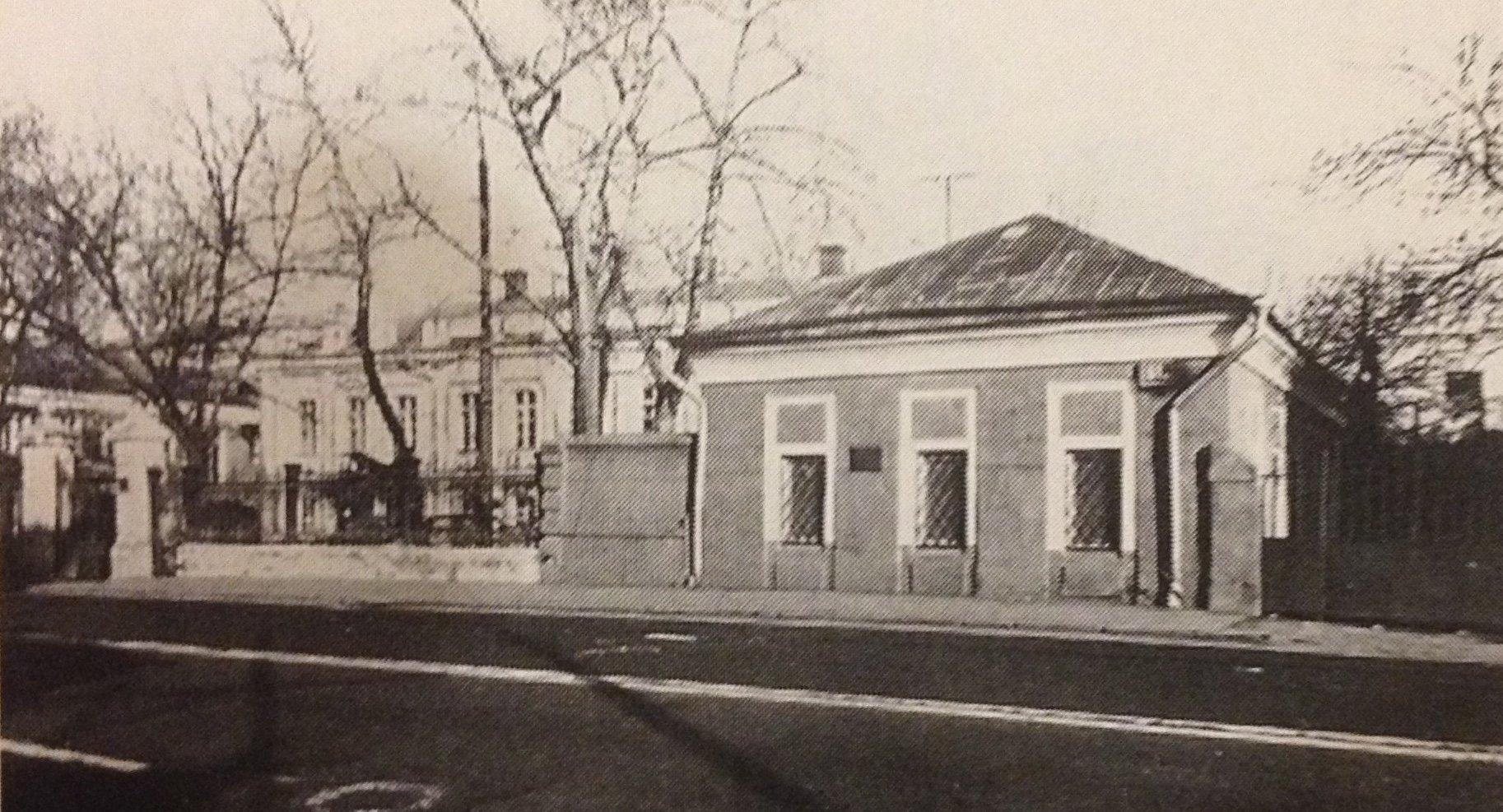
Восточный флигель купеческой городской усадьбы на Николоямской улице, д. 51 представляет собою большую ценность как образец небольшой московской постройки XVIII века в стиле раннего классицизма, почти не изменившейся за два с лишним столетия. Небольшой домик в три окна словно приглашает нас совершить путешествие во времени – заглянуть в екатерининскую эпоху, когда разбогатевшие представители купеческого сословия обустраивали свои усадьбы в этом восточном районе Москвы, между Таганской площадью и Спасо-Андрониковым монастырем. Сохранившиеся до нашего времени, эти усадьбы образуют исторический фронт застройки Николоямской улицы.

Городская усадьба на этом участке начала складываться еще в XVII столетии, о чем свидетельствует каменная палата и сени этого времени, сохранившиеся в основе главного усадебного дома.

Строительство усадебных флигелей начинается в конце XVIII века, когда владельцем усадьбы становится купец П.Я. Пищальников (ему же принадлежал и соседний участок № 53 по Николоямской улице). Старинные служебные корпуса, доставшиеся Пищальникову в наследство от предшествующих владельцев, заменяются каменными флигелями.

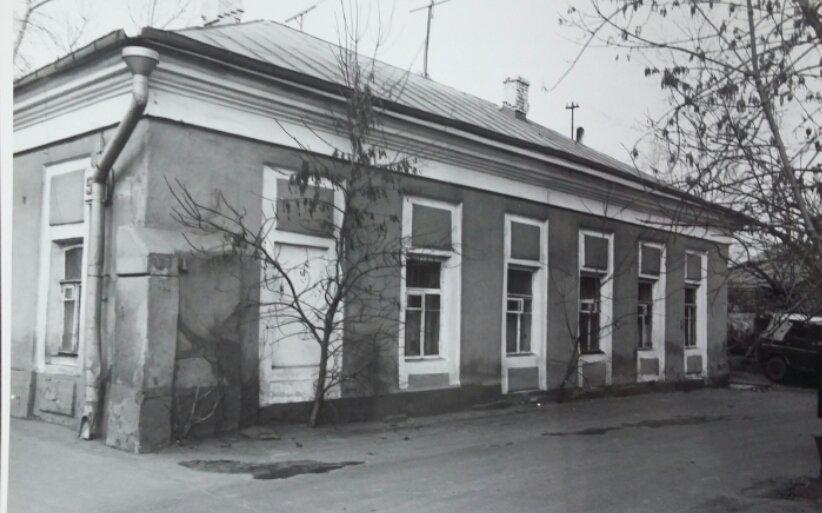
Их расположение наглядно свидетельствует о желании хозяина усадьбы создать ансамбль, соответствующий канонам московского классицизма. На красную линию улицы выносятся торцевые фасады флигелей, вытянутых вглубь участка. Восточный флигель при этом оказался почти вдвое короче, чем более протяженный западный. Но симметричная постановка флигелей относительно стоящего в глубине двора усадебного дома позволила упорядочить усадебную композицию и создать перед домом небольшой парадный двор. В купеческой усадьбе за Земляным валом (нынешним Садовым кольцом) таким образом была воспроизведена композиция богатых дворянских усадеб Белого города, – надо думать, совершенно сознательно. Восточный флигель усадьбы, в отличие от западного, который по воле владельцев и в соответствии с новыми архитектурными модами перестраивался и заново декорировался вместе с главным домом, сохранил свой первоначальный облик.

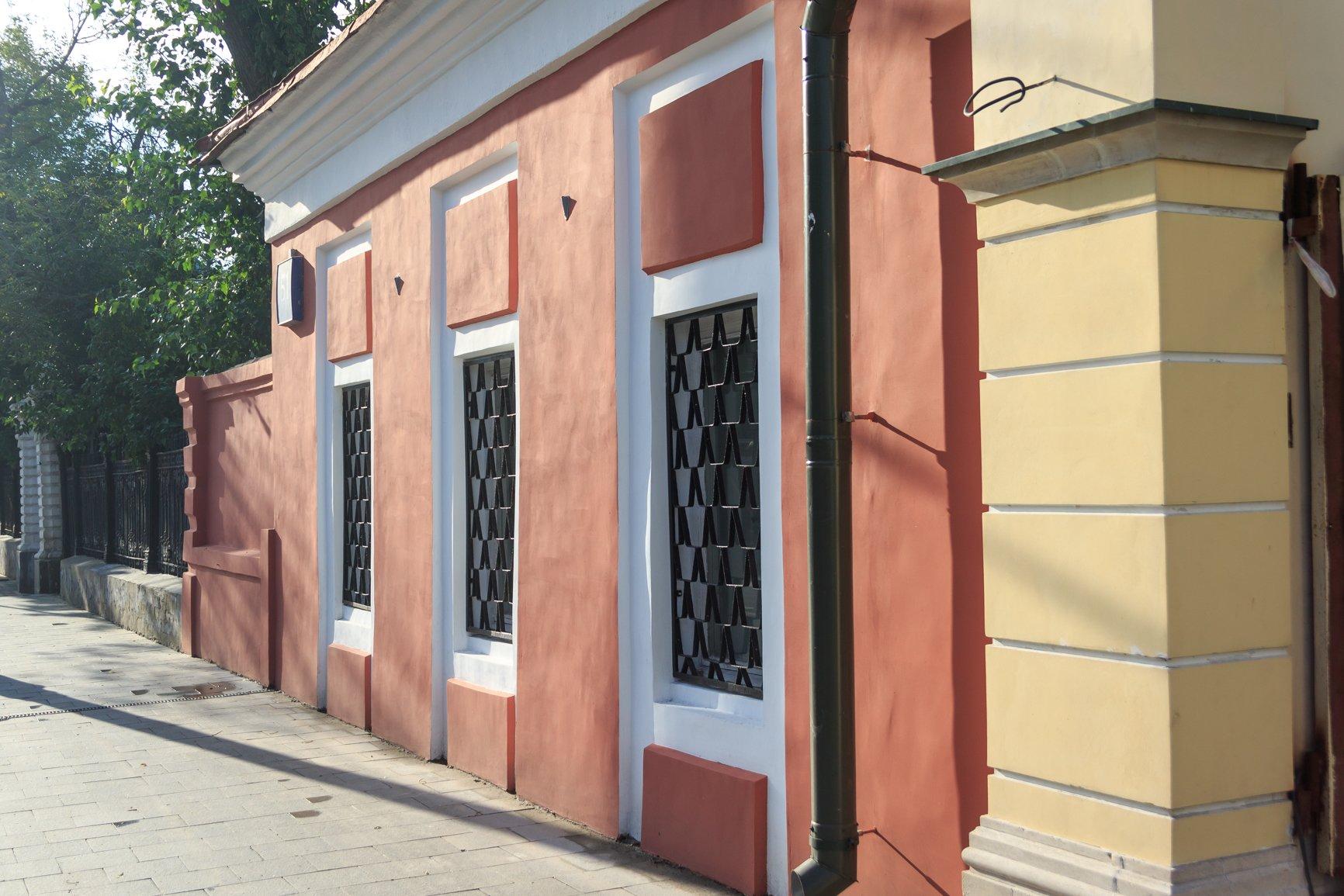
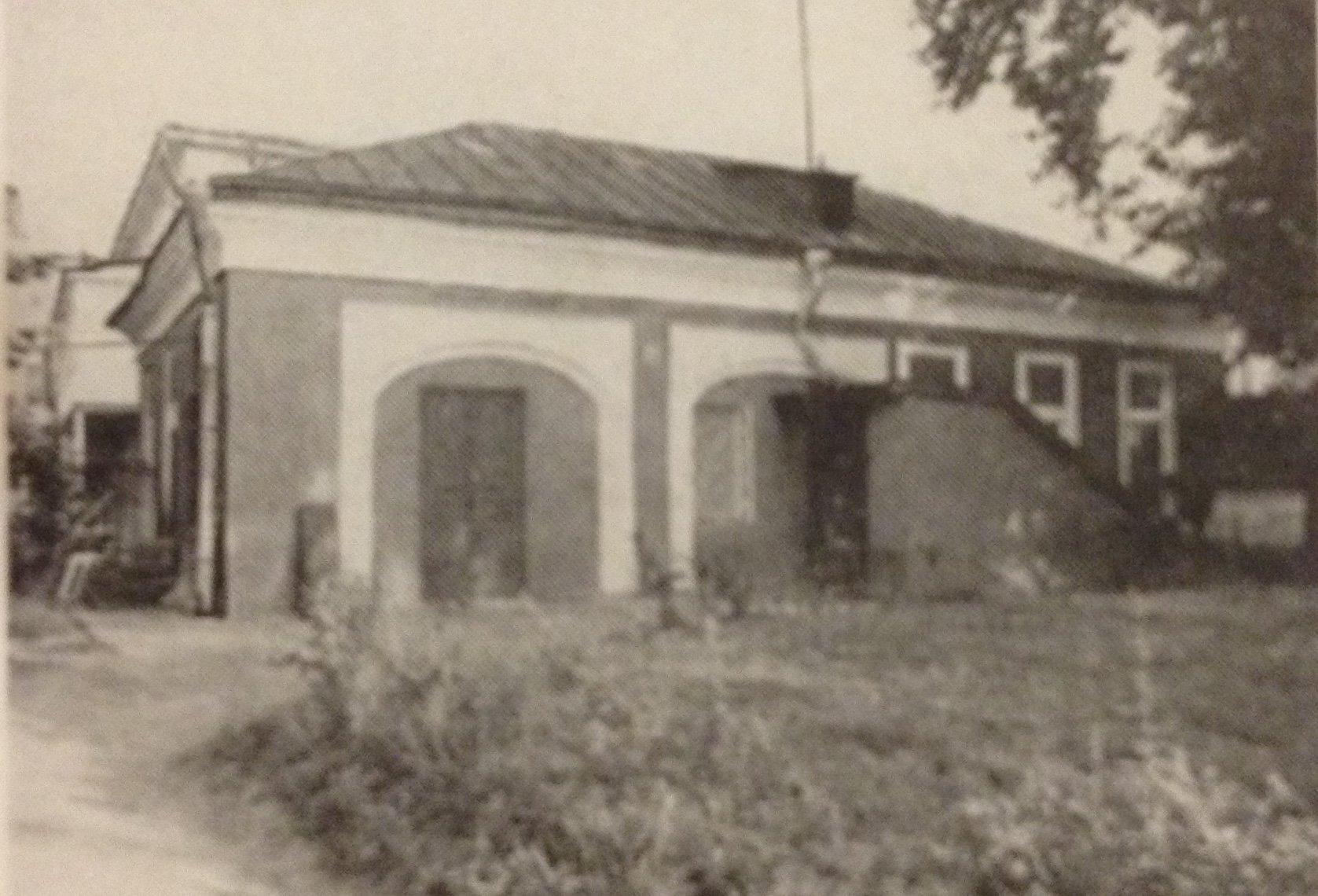
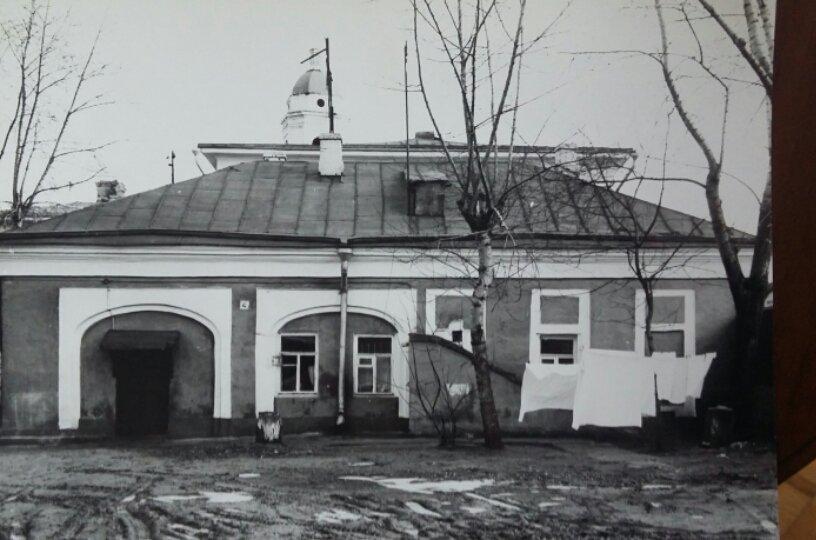
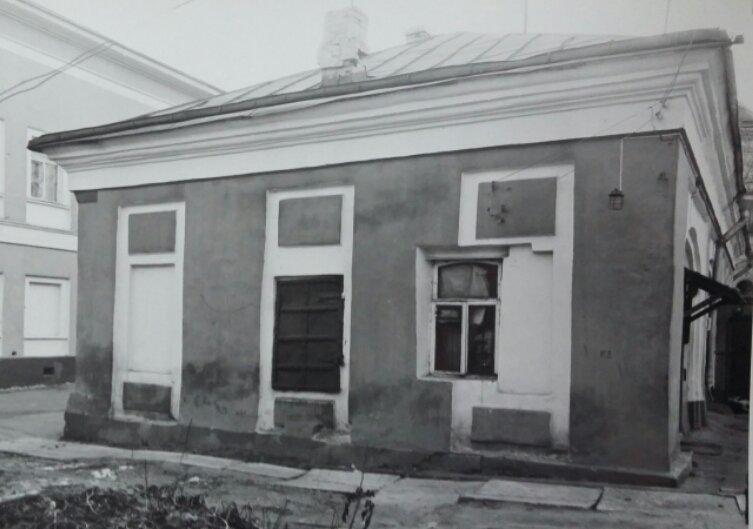
Специалисты отмечают характерные для эпохи его постройки членения фасада вертикальными нишами и филенками над окнами. Некоторые примечательные детали оформления и планировки восточного флигеля были выявлены в процессе реставрации – как, скажем, архивольты заложенных арочных проездов на боковом фасаде. Эти арки – следствие перестройки здания в 1860-е годы, когда дворовую часть флигеля переделали в каретный сарай. Флигель оформлен штукатурным тянутым карнизом с фризом, прямоугольными филенками.

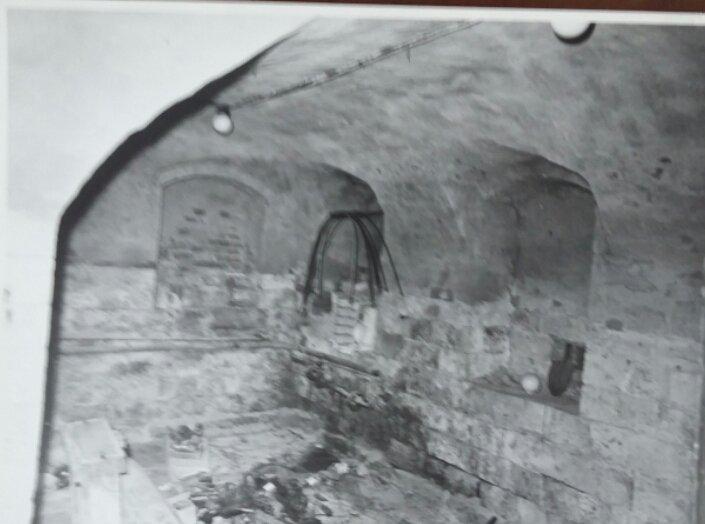
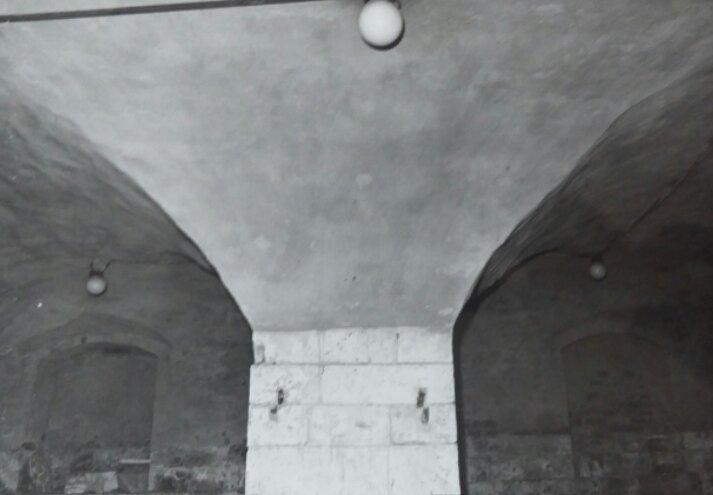
На первом этаже и в подвале здания имеются сводчатые перекрытия, в подвале сохранилась одностолпная палата, в стенах – ниши-печуры и продухи конца XVIII – второй половины XIX века.

В советское время флигель использовался под мастерские и коммунальные квартиры.

Восточный флигель – объект культурного наследия федерального значения, как и главный дом и западный флигель этой городской усадьбы.

Евгения Твардовская
Автор статьи

The Eastern wing of the merchant city homestead at 51, Nikoloyamskaya Street is of great value as an example of a small Moscow building of 18th century in the early neoclassical style. It has very little changed over two centuries. A small house with three windows seems to be inviting to a time journey, to visit the Catherine era when merchants having lined their pockets started establishing their estates in the Eastern part of Moscow between the Taganskaya Square and the Andronikov Monastery. Survived to our times, these estates represent a historical urban tissue of the Nikoloyamskaya Street. The city homestead on this plot was established back in 17th century; stone chambers and porch of that period that are at the core of the main house give us a proof of that. Construction of the outbuildings began in the late 18th century when the homestead was bought by merchant P.Ya. Pishchalnikov (he also owned the neighboring plot at 53, Nikoloyamskaya Street). Old service buildings that Pishchalnikov "inherited" from the previous owners were replaced with stone wings. Their layout is an evidence of the new owner's desire to have an estate conforming to the Moscow neoclassical canons. The wings stretch towards the far end of the estate, with their side walls facing the street. The Eastern wing though, is almost twice shorter than its Western twin. Nevertheless, the symmetry of the wings position relative to the main house in the back of the property made the overall composition more regular with a small front courtyard added. This way, a merchant homestead outside the Earthen Wall (now the Sadovoye Ring) was mimicking the arrangement of noble estates in the White Town — most probably, quite intentionally. The Eastern wing, unlike the Western that more than once was reconstructed and redecorated along with the main house and in accordance with numerous owners' tastes and architectural fashions, has retained its original appearance. Experts make note of its facade divided by vertical niches and raised panels above windows that was typical for the period of its construction. Some peculiar details of the Eastern wing's decor and layout were discovered in the restoration process, such as archivolts of mured up archways in the side facade. Those arches were left from the 1860s reconstruction when the courtyard facing part of the wing was converted to a coach house. The wing is decorated with a stucco linear cornice with frieze and with rectangular raised panels. There are vaulted ceilings in the ground floor and in the basement; in the latter, a single pillar chamber has survived with pechuras — wall niches serving as cupboards — and vents, all dating back to the late 18th 19th centuries. In the Soviet times, the wing accommodated various workshops and shared apartments. The Eastern wing is a cultural heritage site of federal significance, just like the main house and the Western wing of the same homestead. Yevgenia Tvardovskaya
Рекомендации
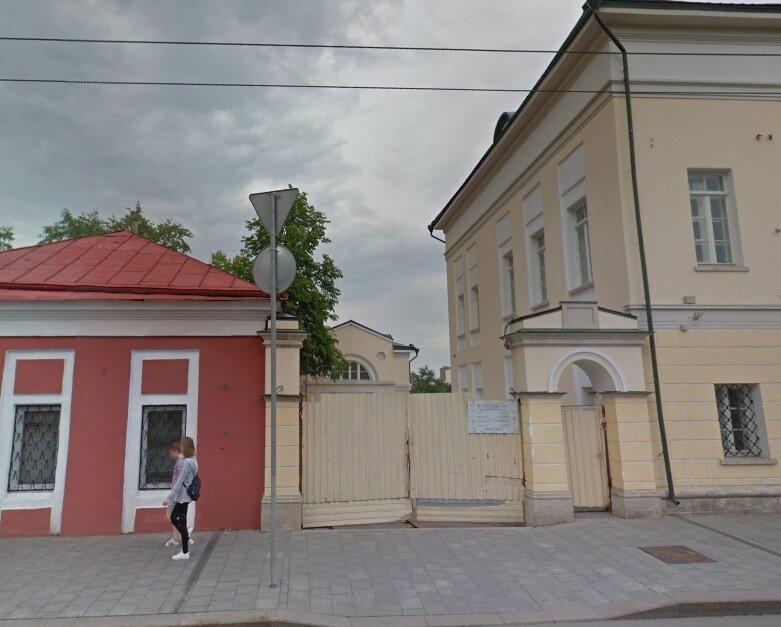
Западный флигель городской усадьбы
Marksistskaya, Ploshchad Ilicha, Rimskaya, Taganskaya, Таганская (Краснопресненская линия)
Поделитесь статьей с друзьями
Интересное рядом(4)
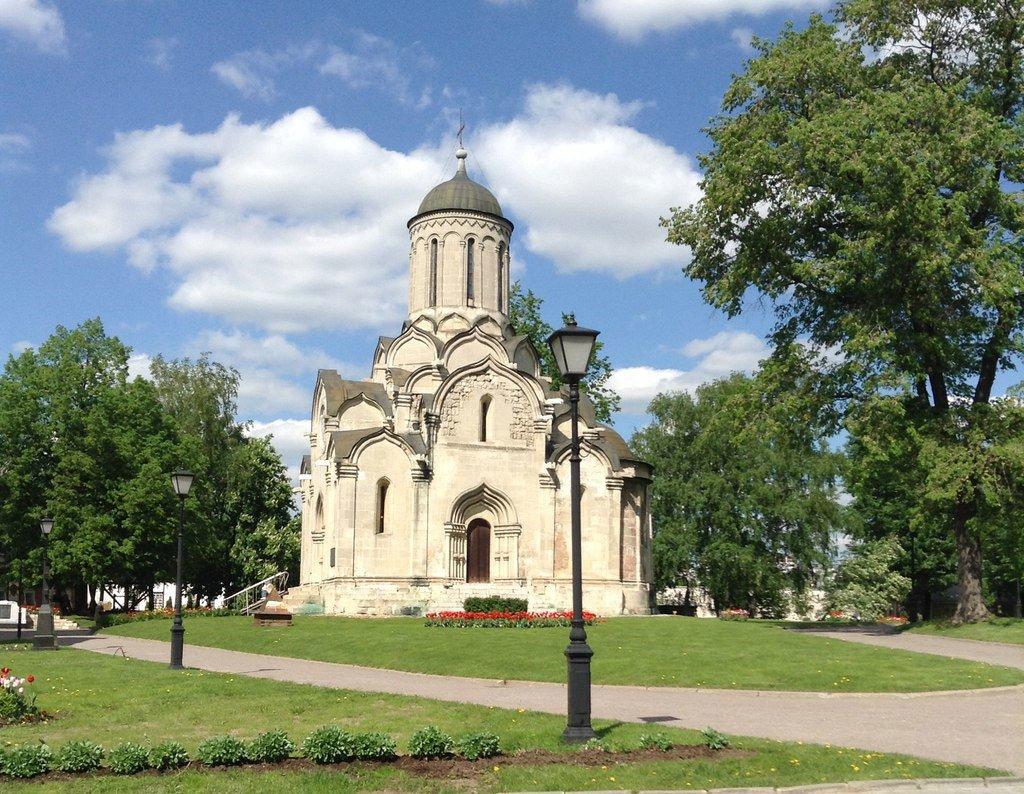
The Central Museum of Ancient Russian Culture and Art named after Andrey RublevThe central museum of ancient Russian culture and art named after Andrei Rublev is located within the walls of the ancient Spaso-Andronikov monastery. The museum was founded in 1947 as a specialized museum of ancient Russian art. It received the name of the greatest icon painter Andrei Rublev. The oldest in Moscow, the white-stone Cathedral of the Savior, made between 1410 and 1427, is located on the territory of the monastery. Spassky Cathedral painted by Andrei Rublev. The remains of the fresco remained inside the cathedral in the slopes of the altar windows. Andrei Rublev was a monk of the Savior-Andronikov monastery and was buried near the Savior Cathedral. The museum exposition is deployed in the complex of the Church of St. Michael the Archangel, built at the end of the 17th century by order of the first wife of Peter I, Evdokia Lopukhina. Periodic exhibitions devoted to the church art of different eras are held in the Priorysky Corps of the monastery. The museum acquaints visitors with outstanding examples of artistic creativity of the XI-XVII centuries. The icon collection of the museum is internationally renowned and includes many outstanding works. Among them are the masterpieces of the artists of the circle of Andrei Rublev and Dionysius, the workshop of Metropolitan Macarius and Tsar Ivan the Terrible. The art of the 17th century, the work of icon painters of the Armory and regional masters is especially fully represented.
Андроньевская площадь, 10
Ploshchad Ilicha