Интерактивный гид по городу
С мобильным приложением бродить по городу гораздо интереснее!

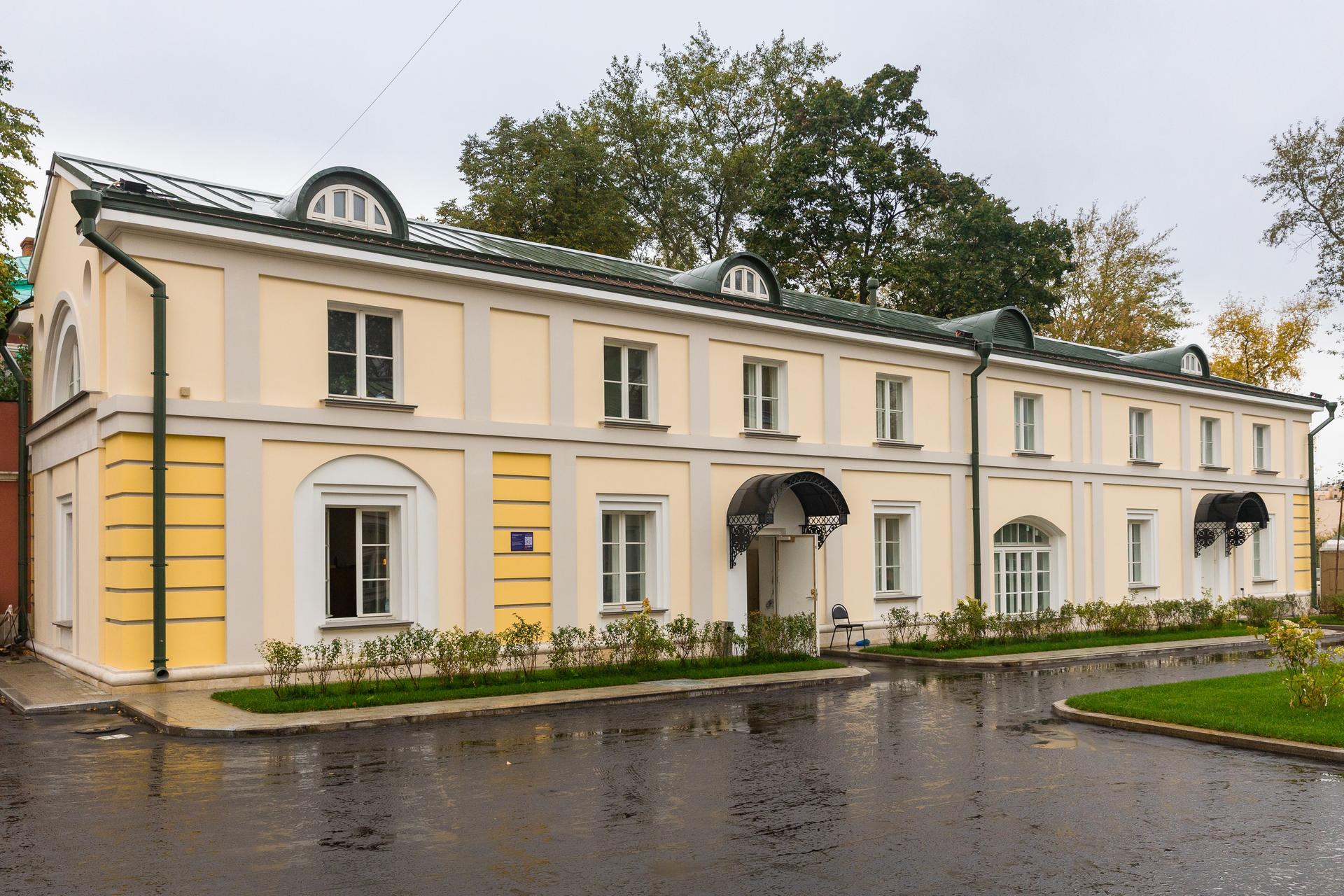
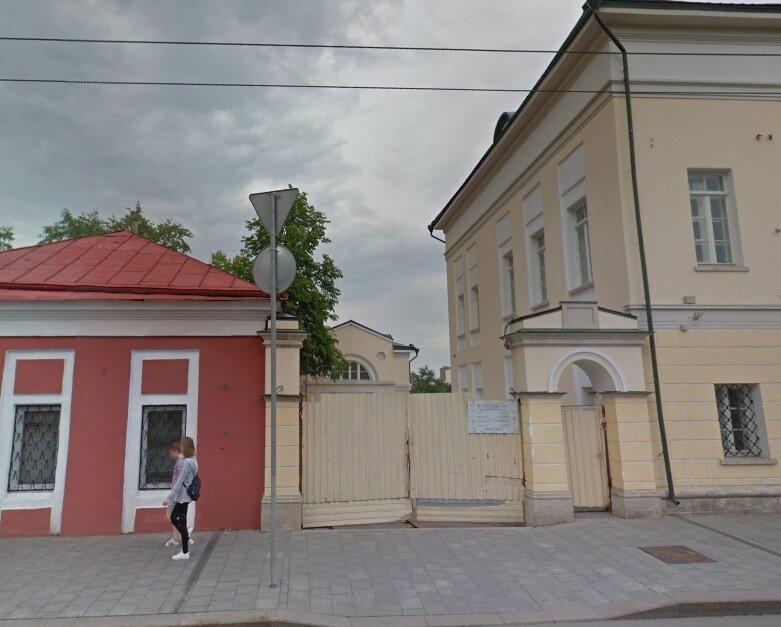
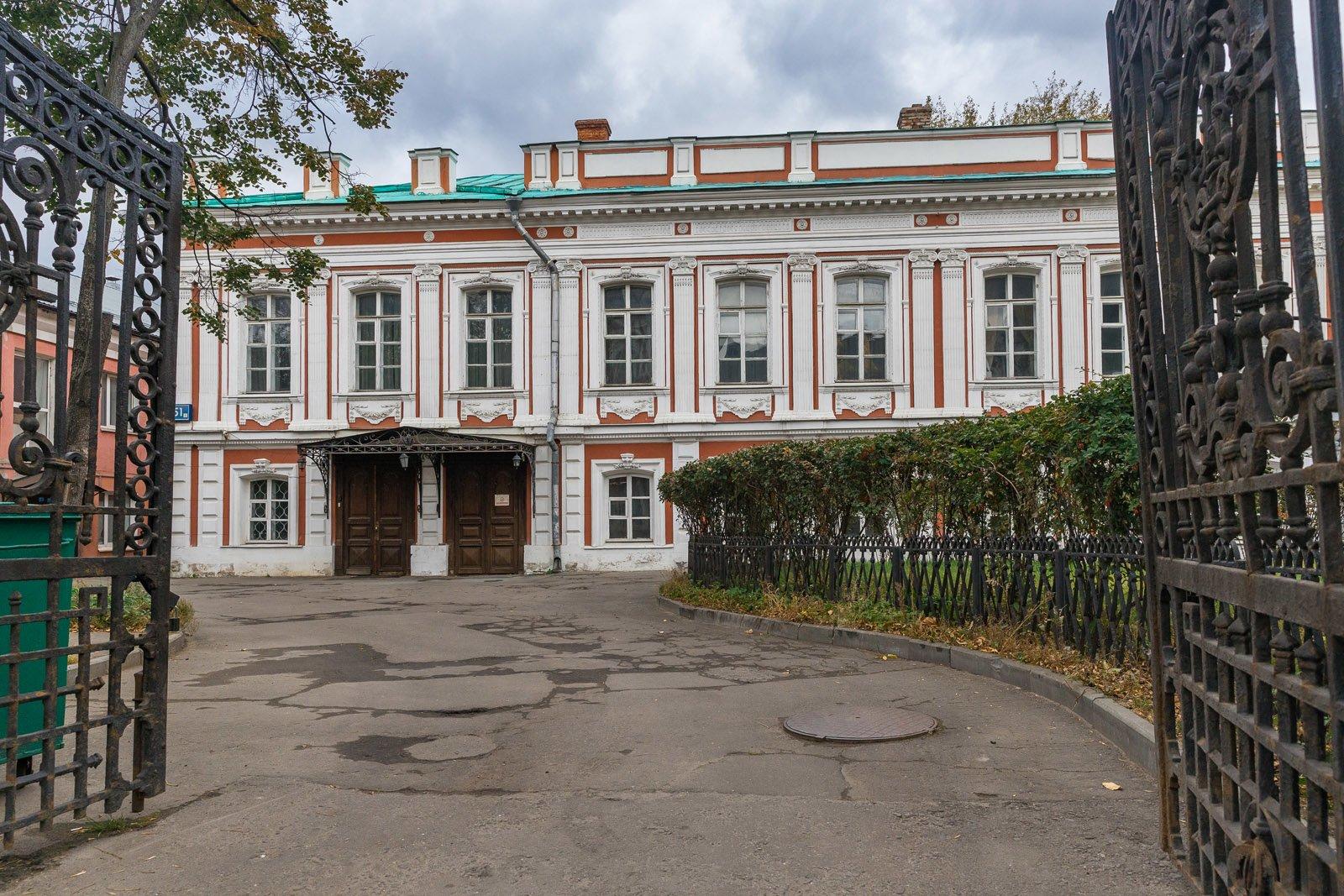
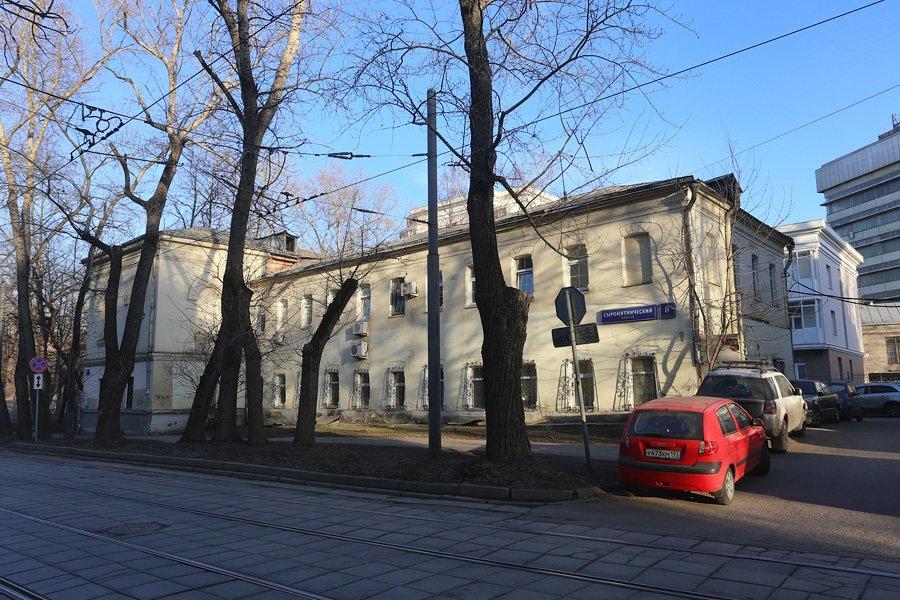
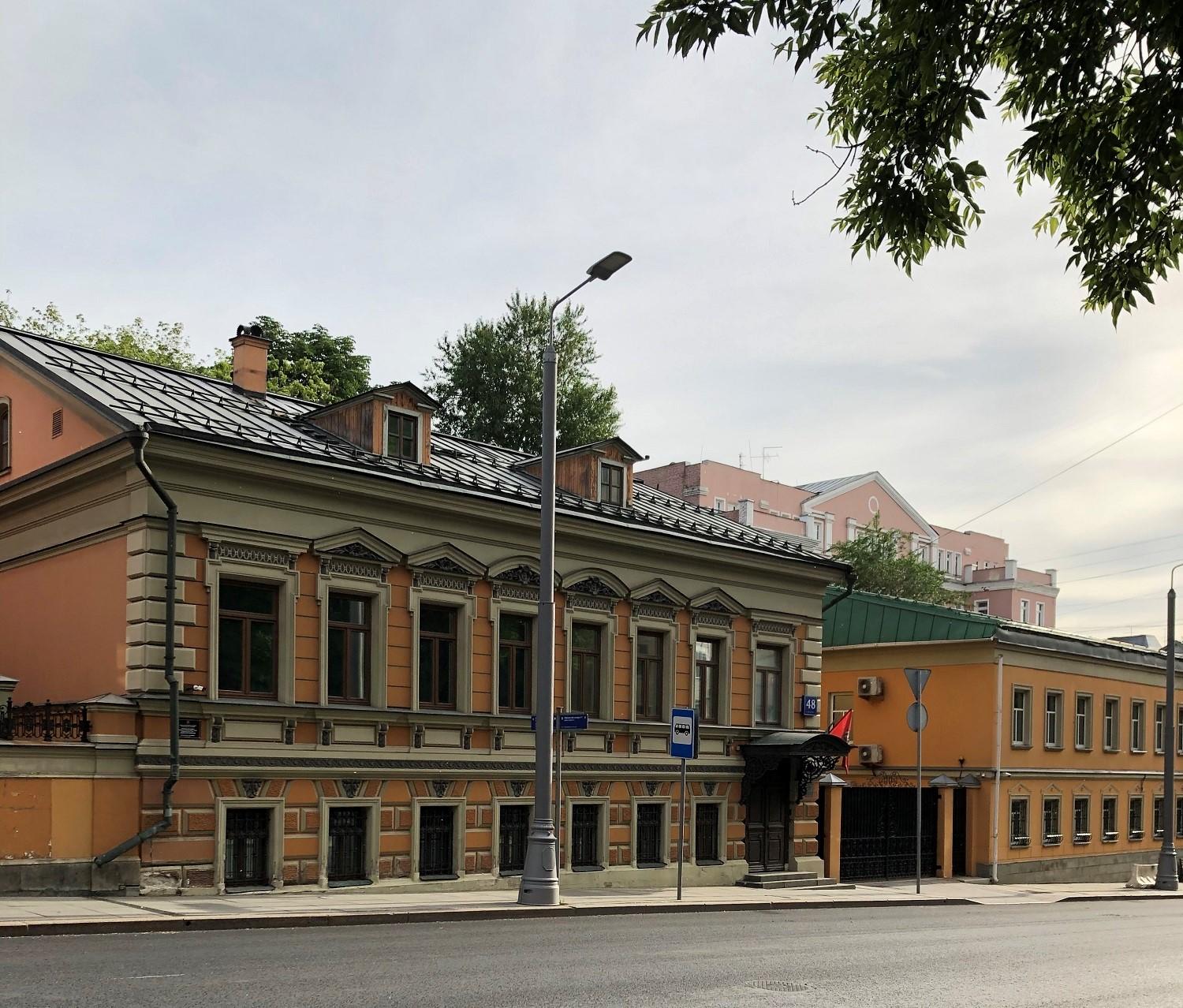
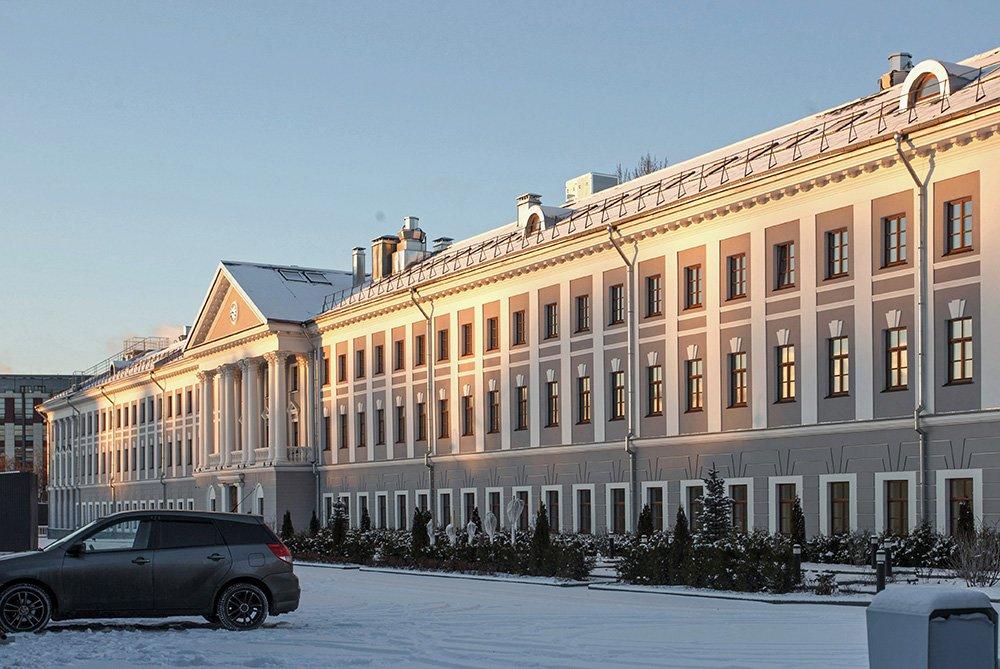
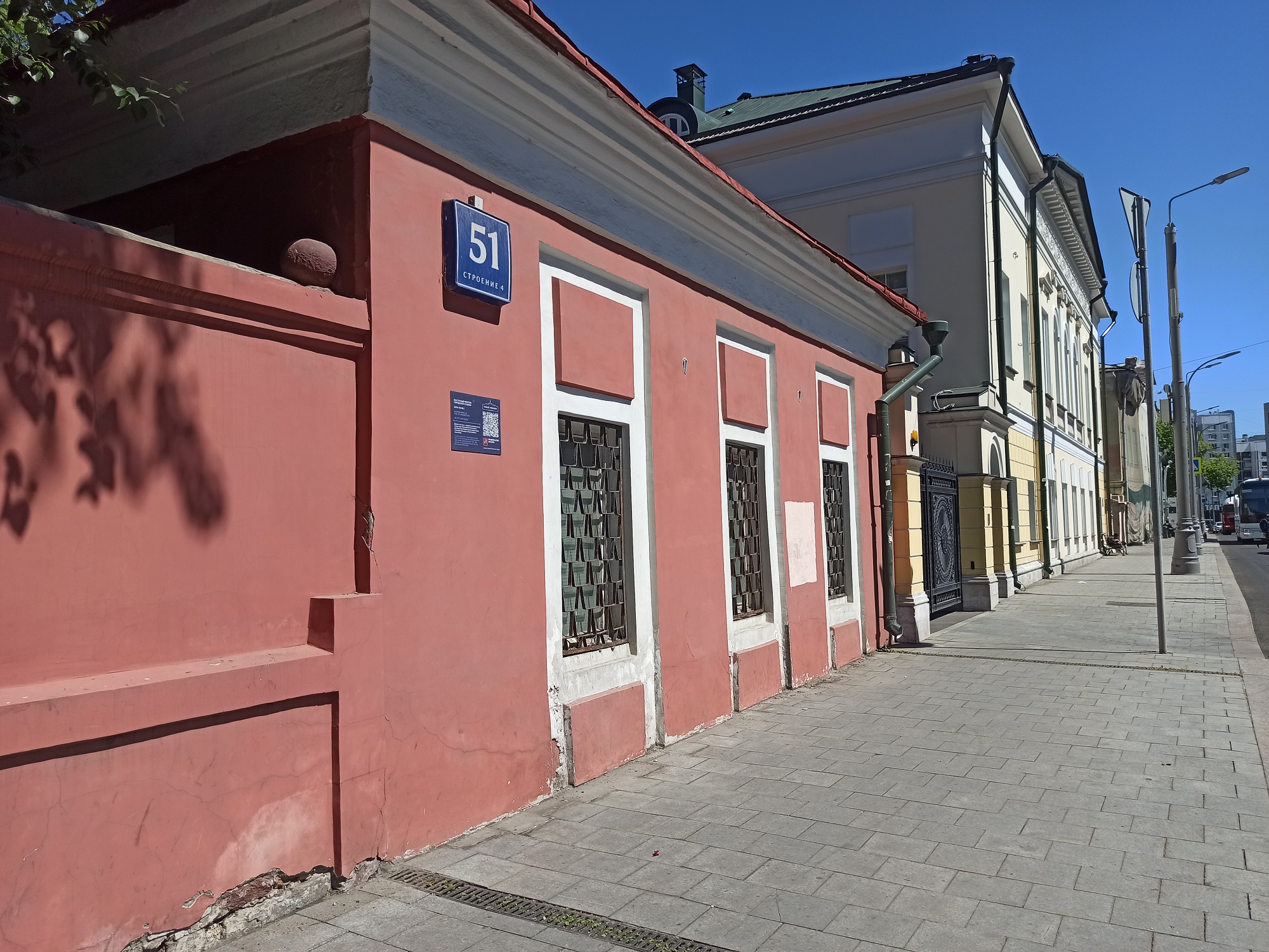
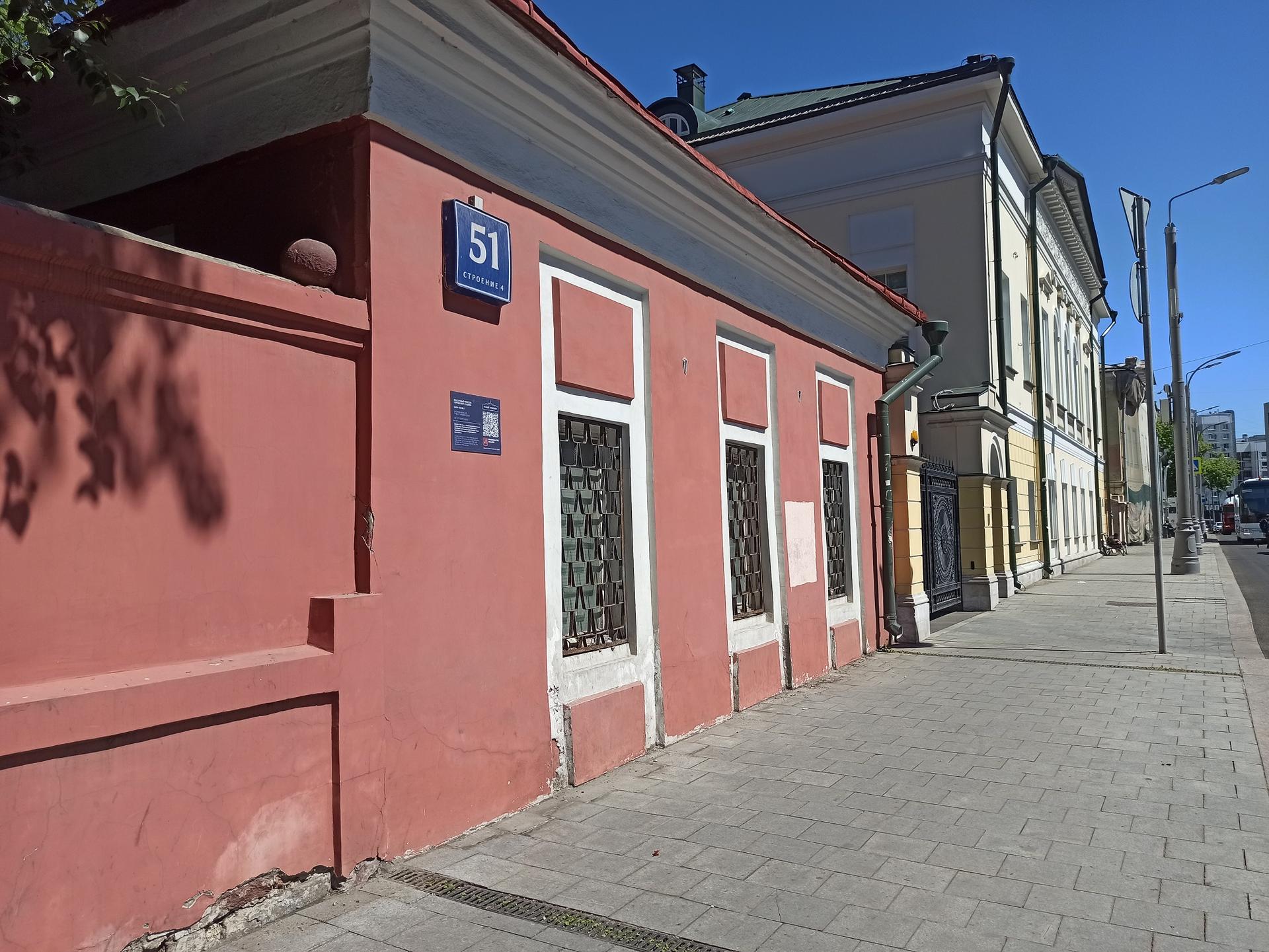
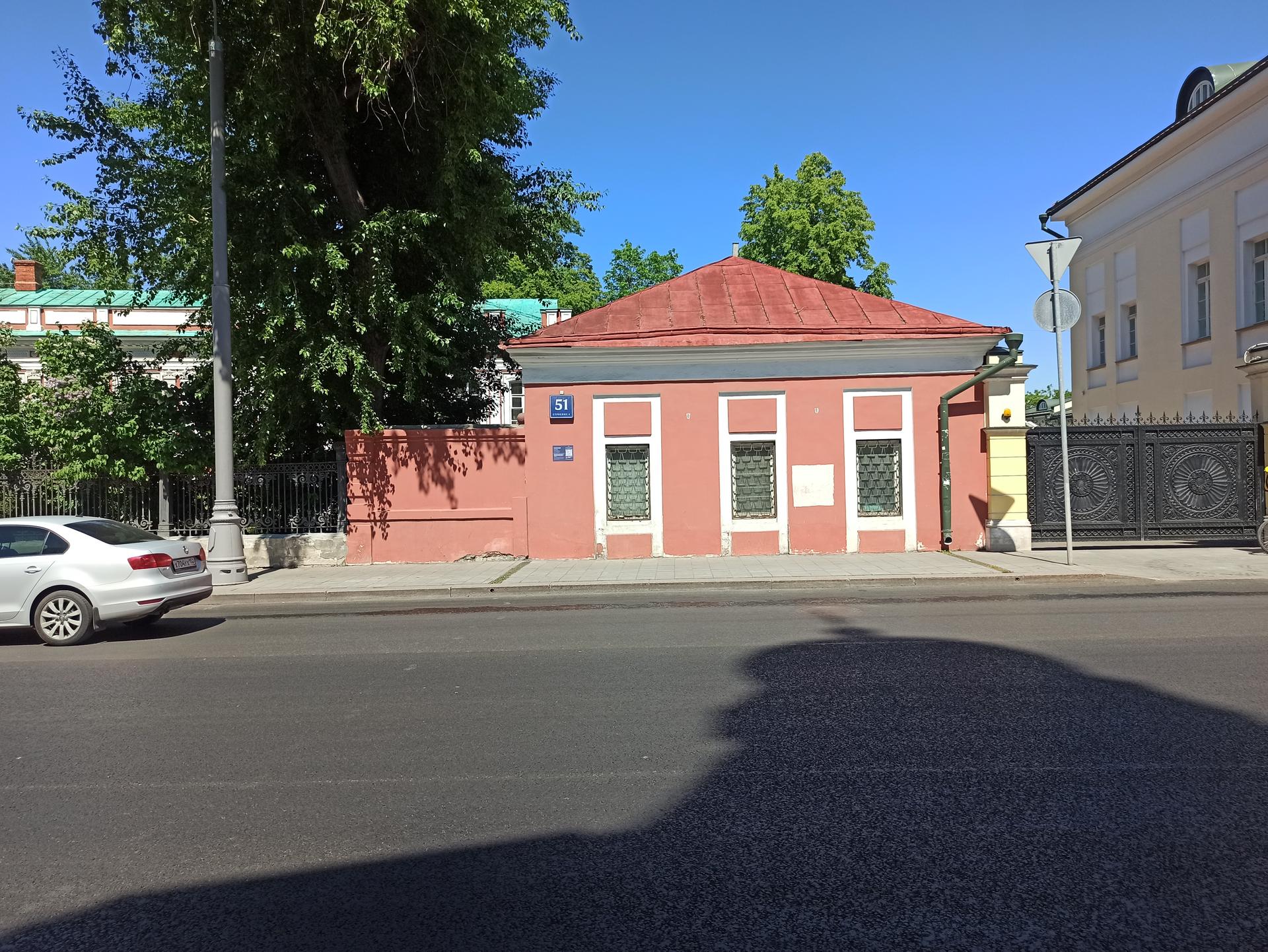
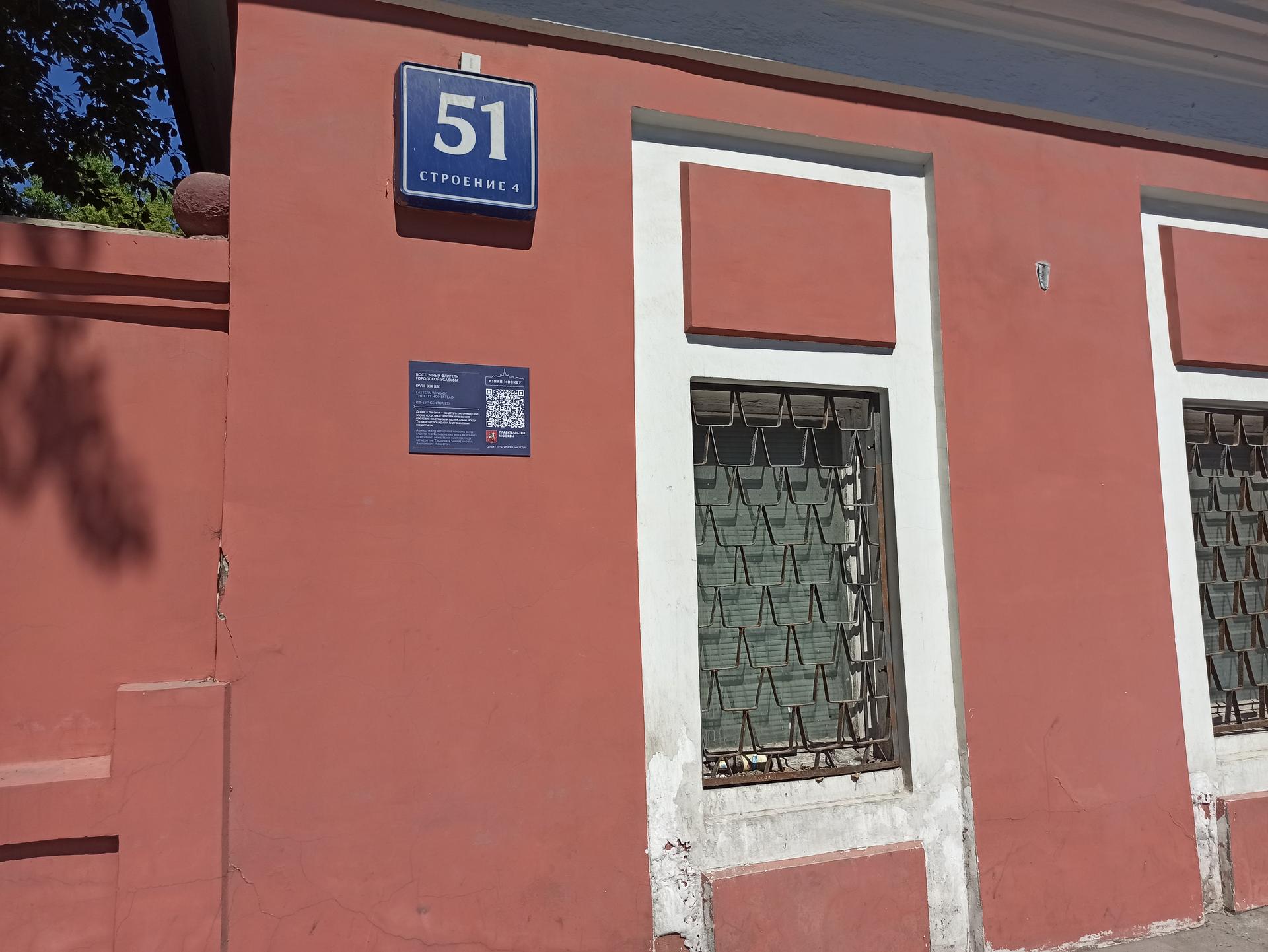
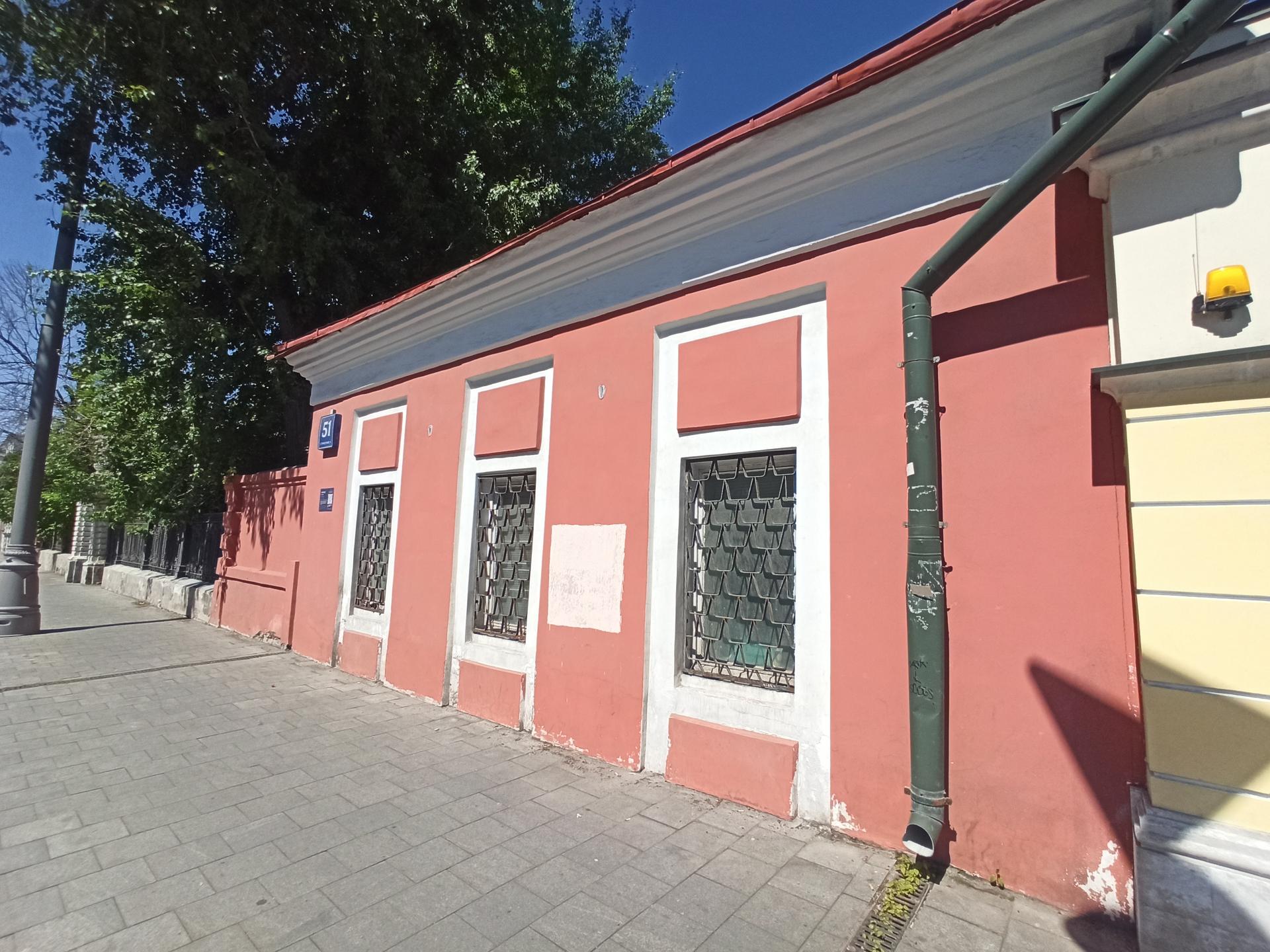
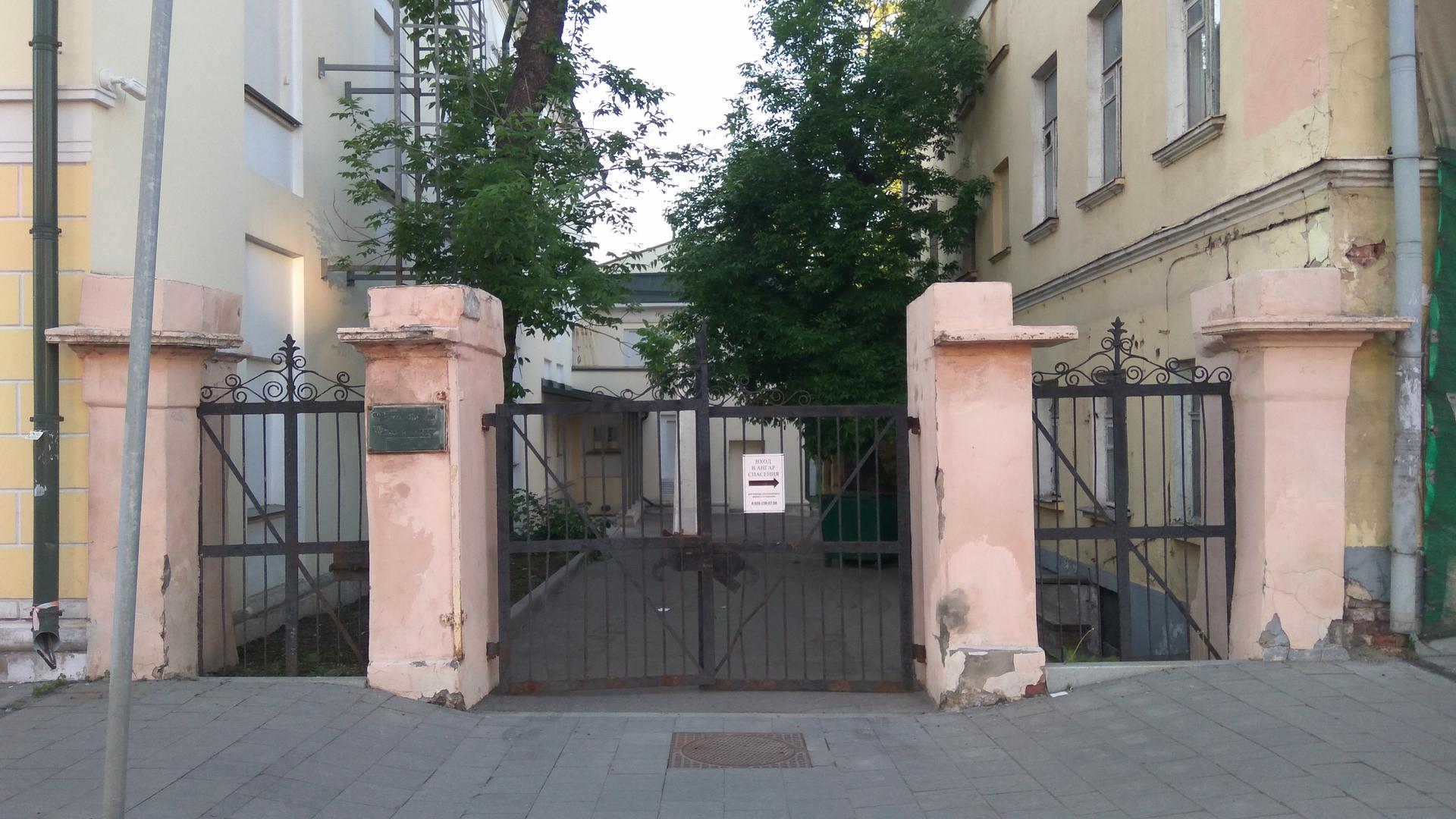
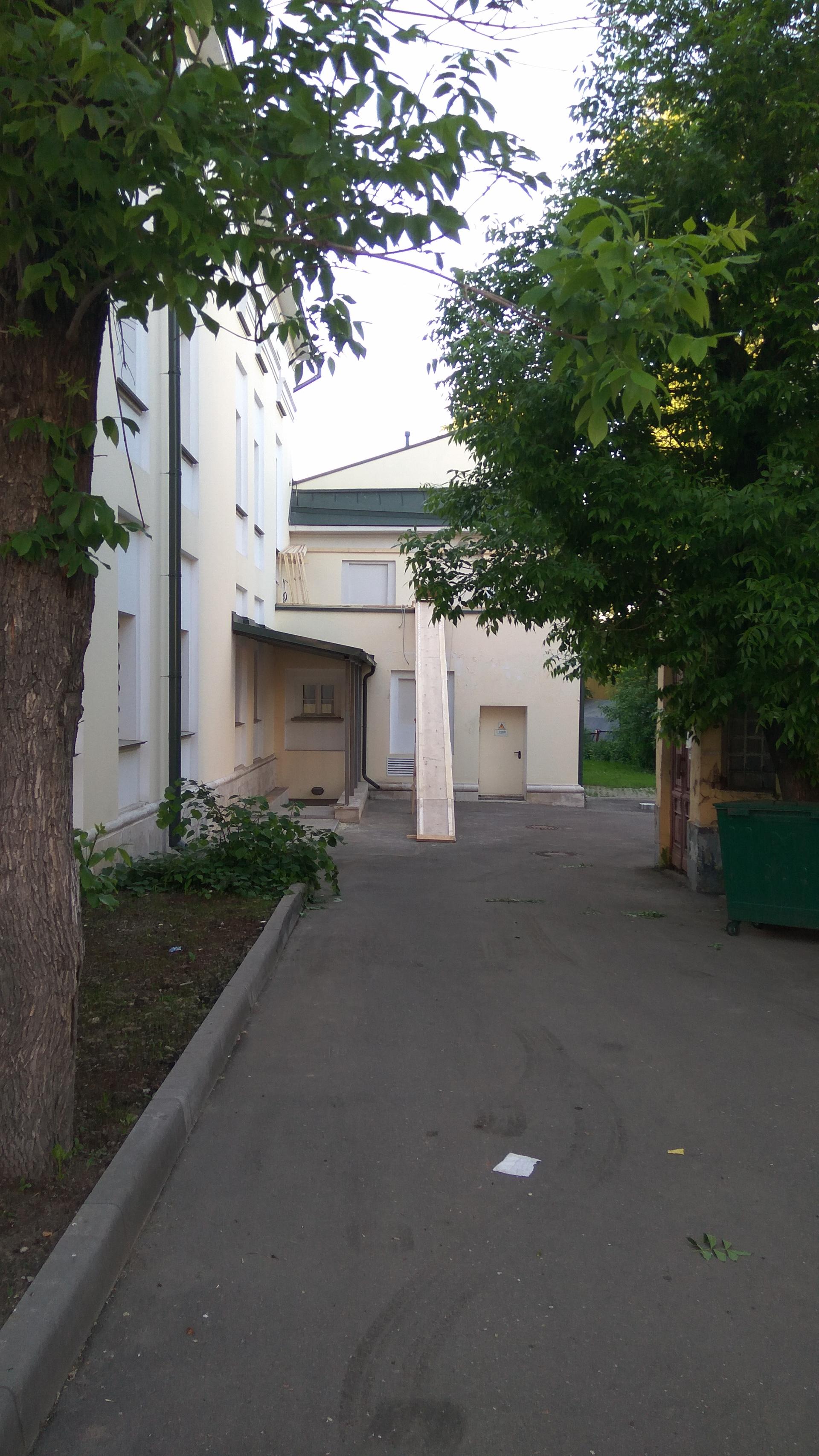
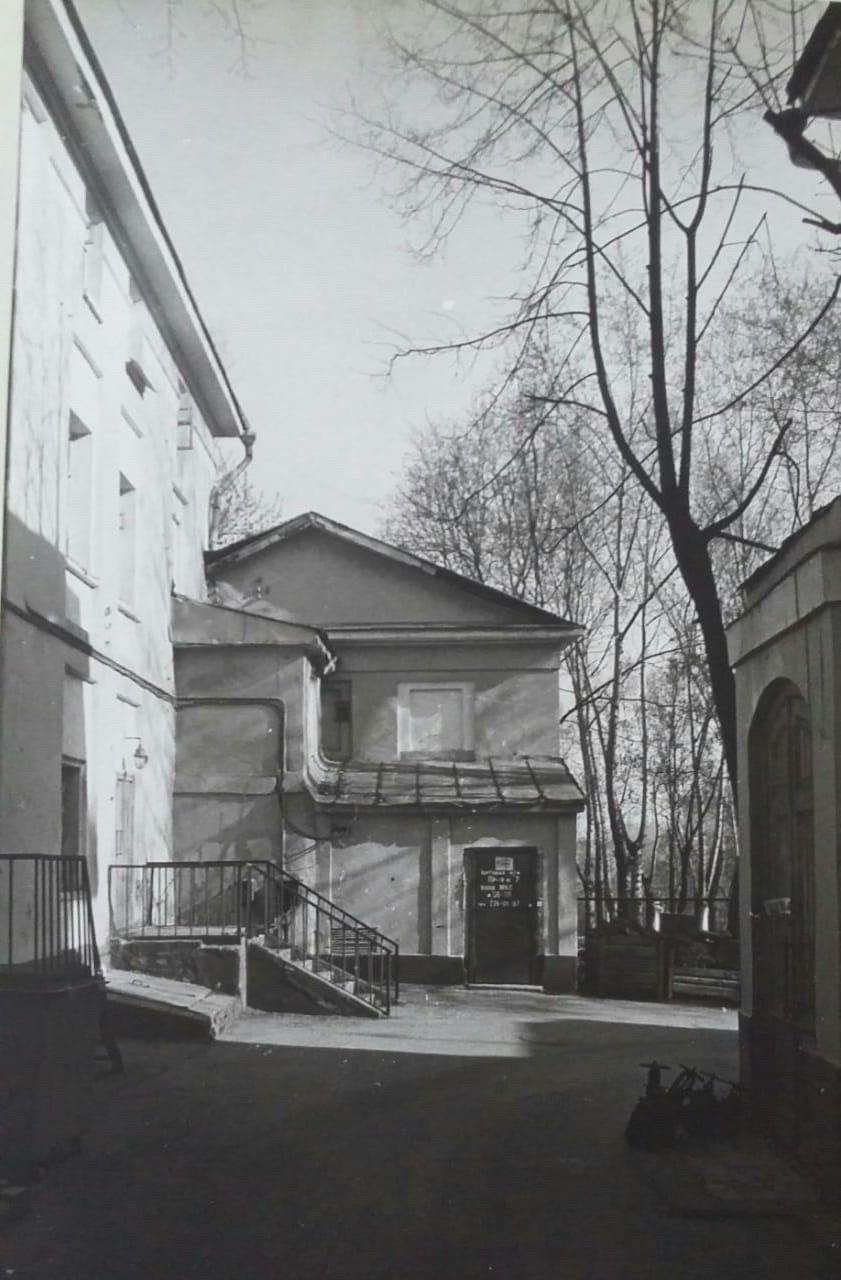
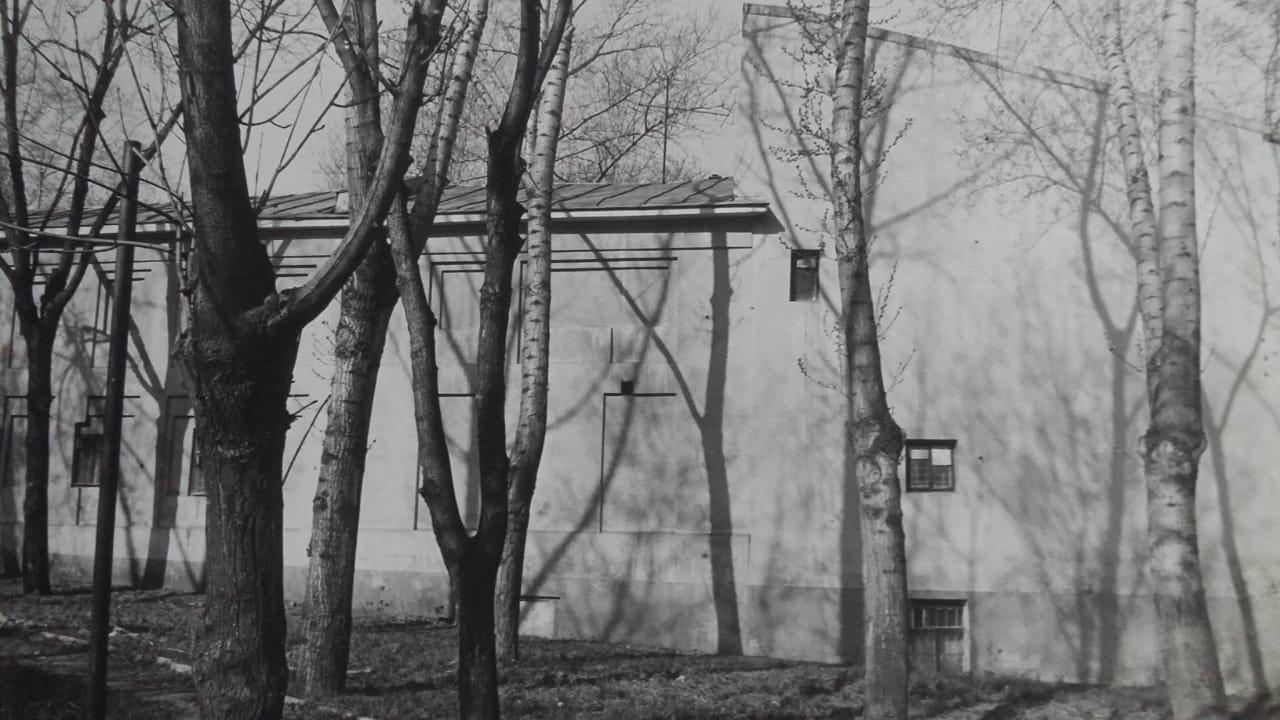
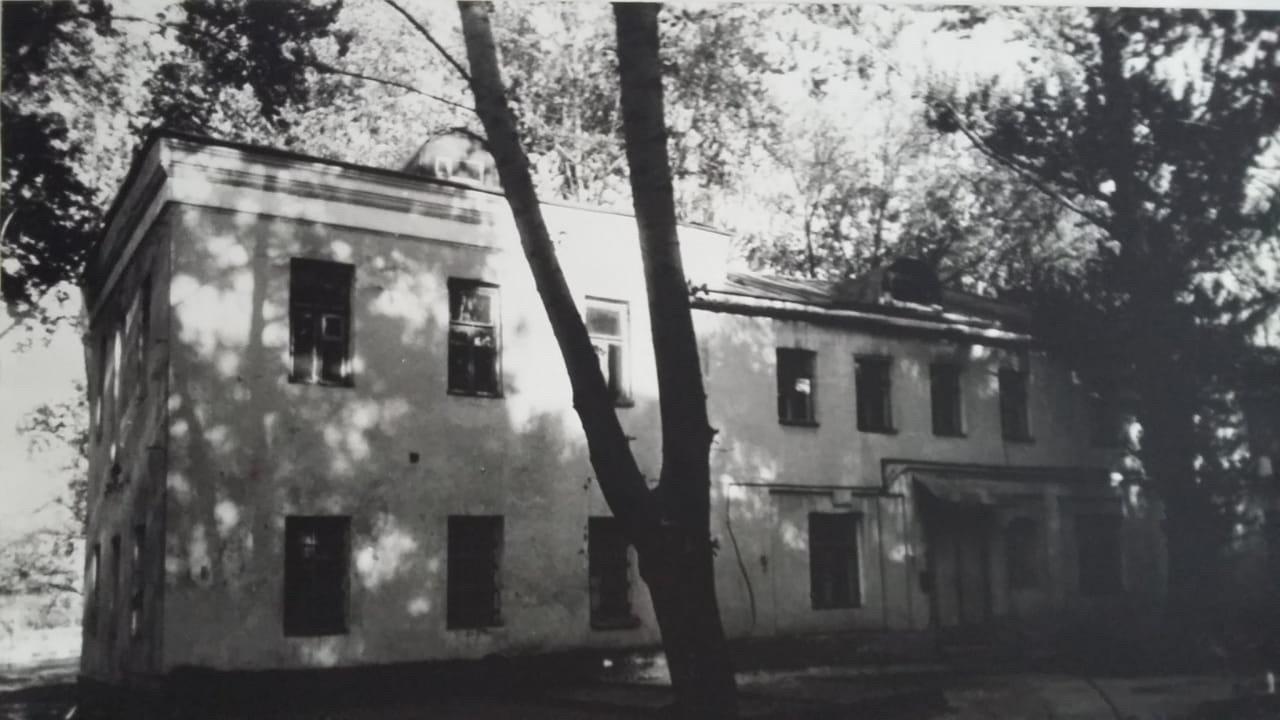
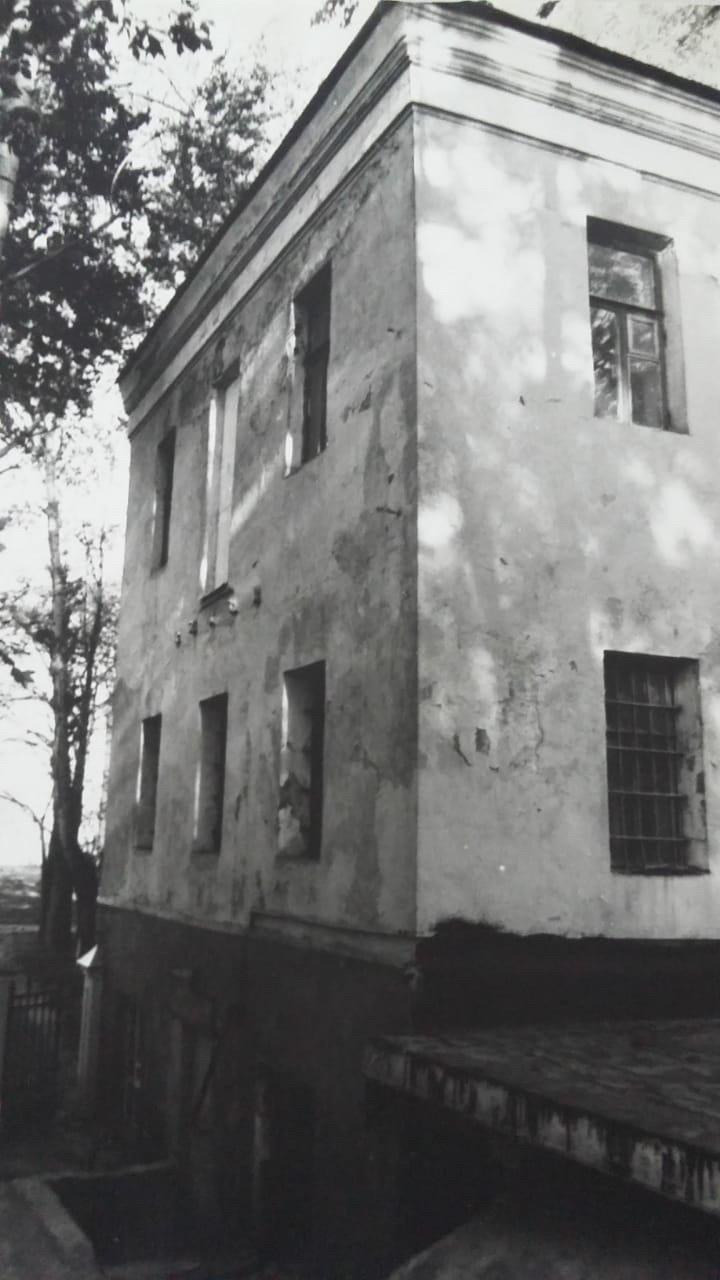
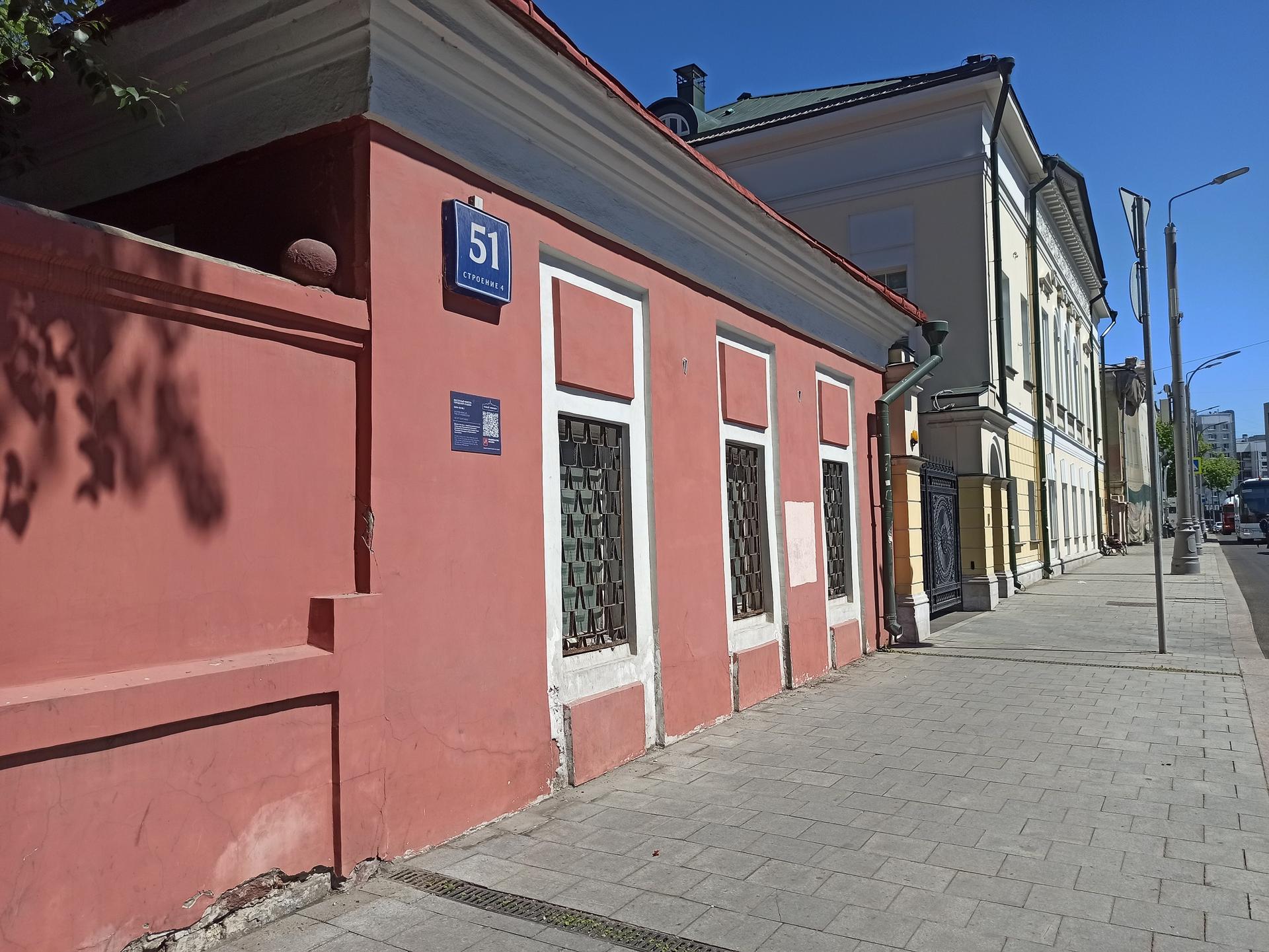
Восточный флигель усадьбы Е.Ф. Рогожиной

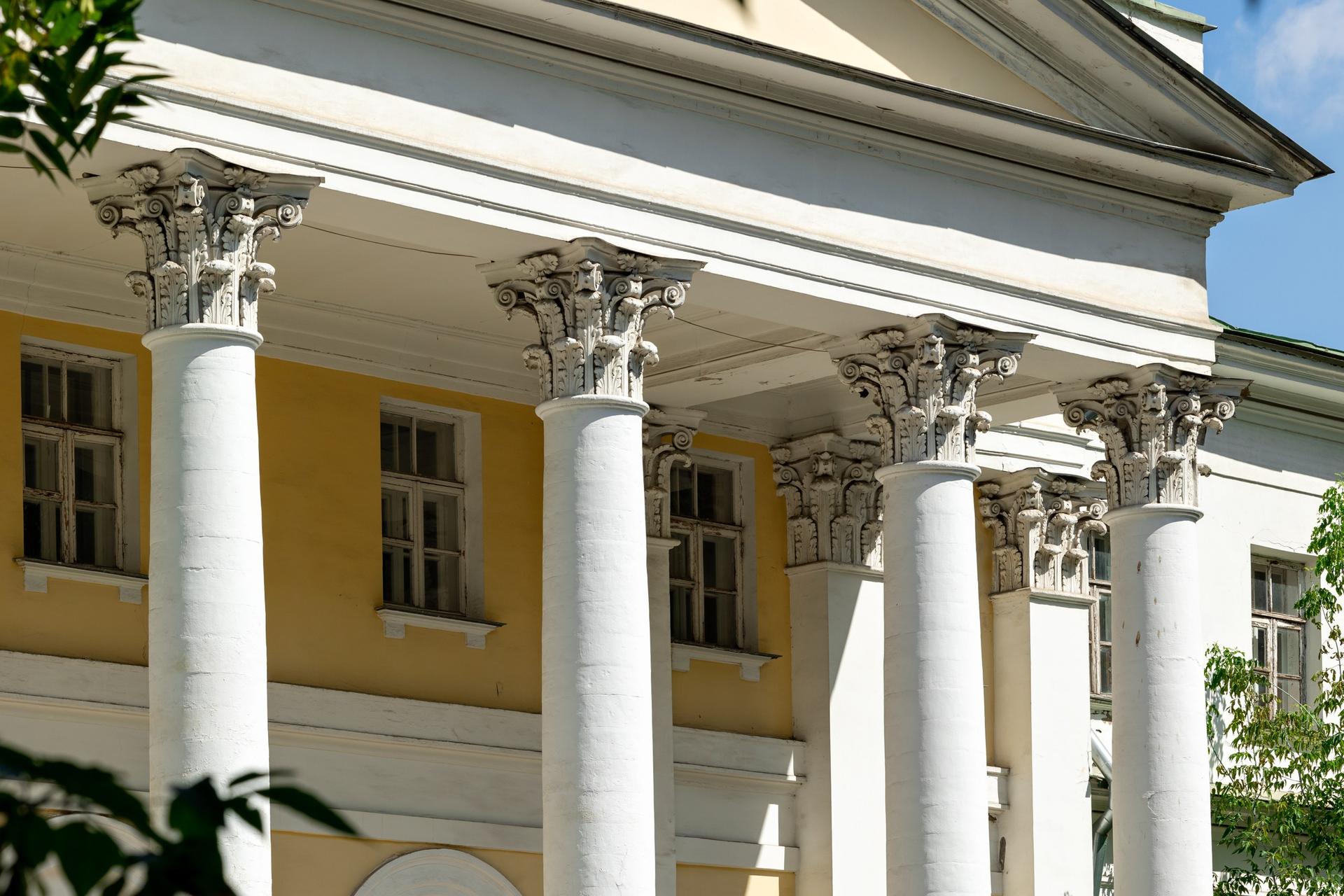
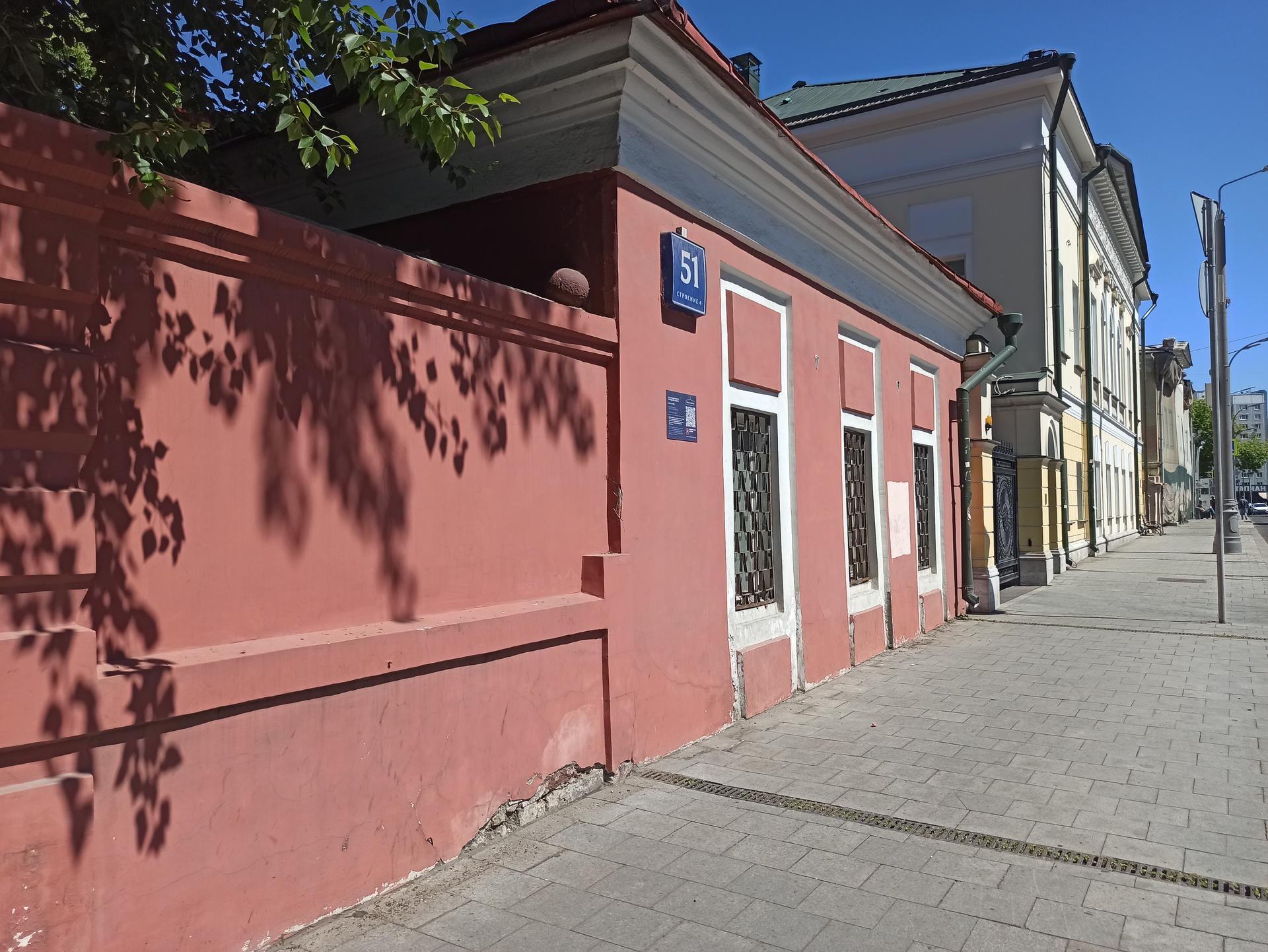
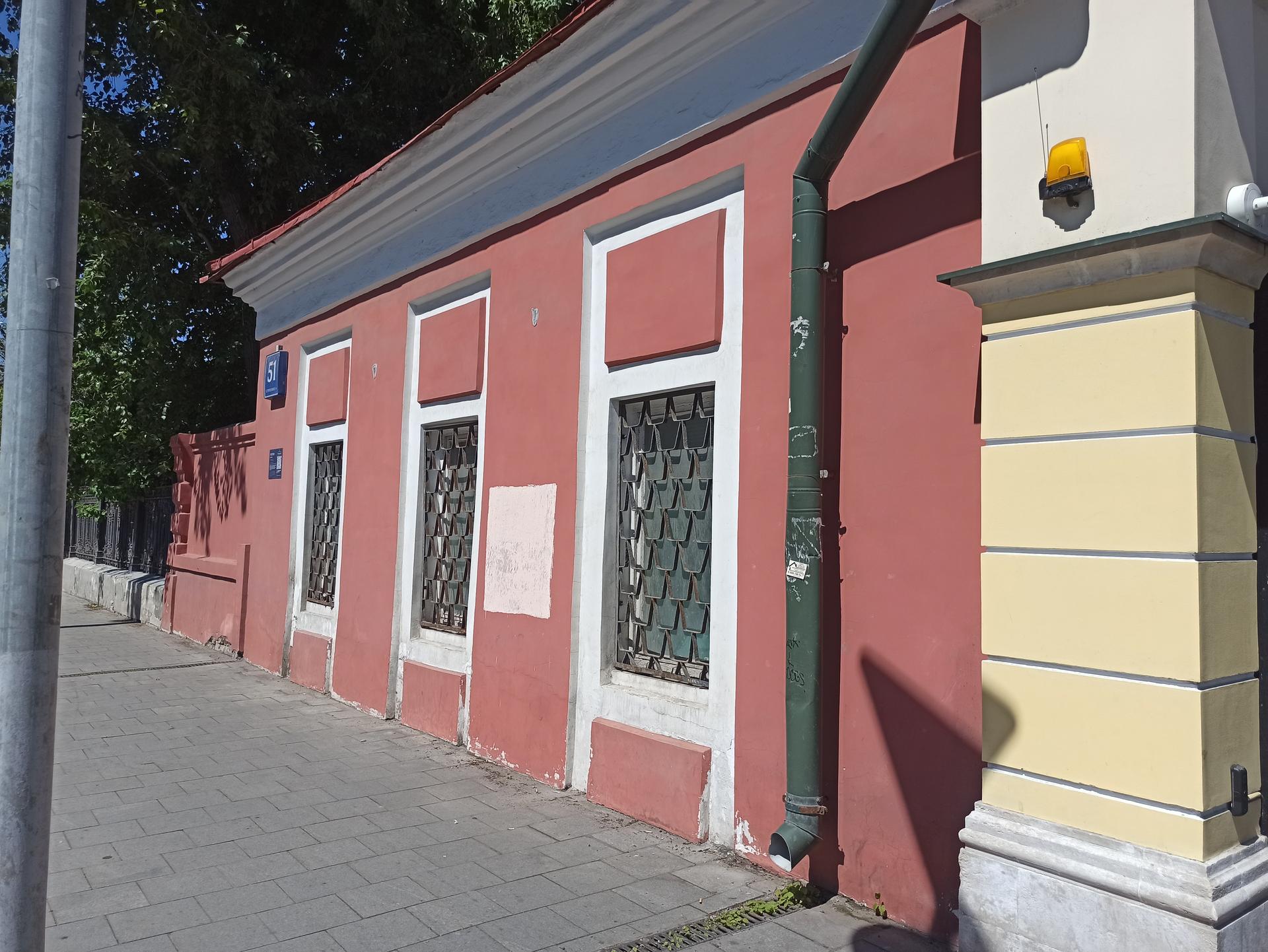
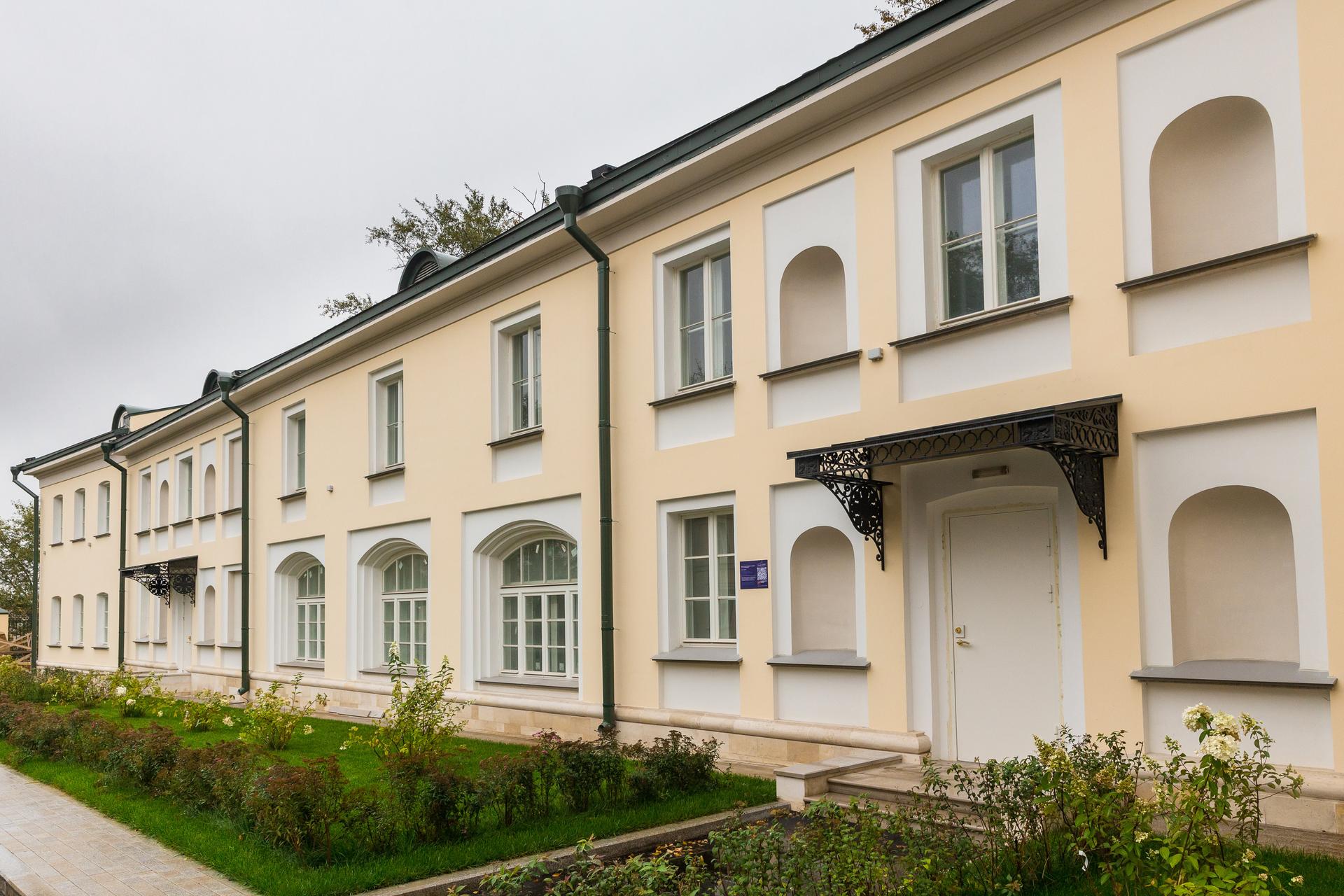
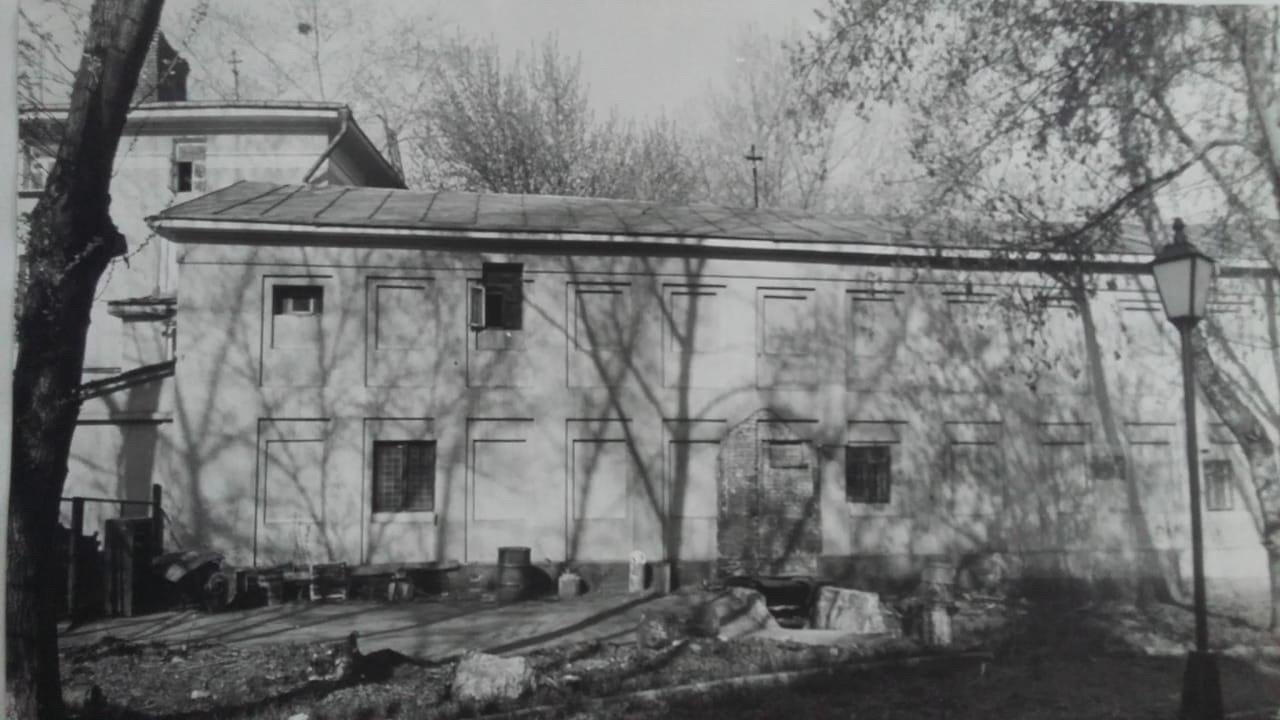
The wing's facade is decorated with niches and panels typical for early Moscow neoclassical style. Apparently it has little changed since the time of construction.

Восточный флигель усадьбы Е.Ф. Рогожиной
Marksistskaya, Ploshchad Ilicha, Rimskaya, Taganskaya
The wing's facade is decorated with niches and panels typical for early Moscow neoclassical style. Apparently it has little changed since the time of construction.
Вы можете воспользоваться QR-кодом, чтобы открыть эту страницу в нашем приложении
Годы постройки:
1780-1790, 1894
Эпоха:
18th century, 19th century
Информация о здании

Вслед за главным домом усадьбы Рогожиной в конце 1780 – начале 1790 гг. в центральной части владения построили восточный (хозяйственный) флигель. Впоследствии, после разделения усадьбы в 1830-е годы, он стал отмечать восточную границу нынешнего участка № 53 по Николоямской улице. Скорее всего, флигель был одноэтажным и деревянным, использовался под амбар (как и западный флигель усадьбы) и каретный сарай. В 1790-х гг. здание было надстроено вторым жилым этажом. После московского пожара 1812 года флигель восстановили из кирпича, надстроив над ним третий этаж. Но это не уберегло его от нового пожара – уже в 1834 году. Правда, тогда в огне уцелели подвальные своды. Они сохранились до наших дней; исследователи признают особую историко-архитектурную ценность этих одностолпных сводчатых помещений под флигелем, в северной и южной части здания.

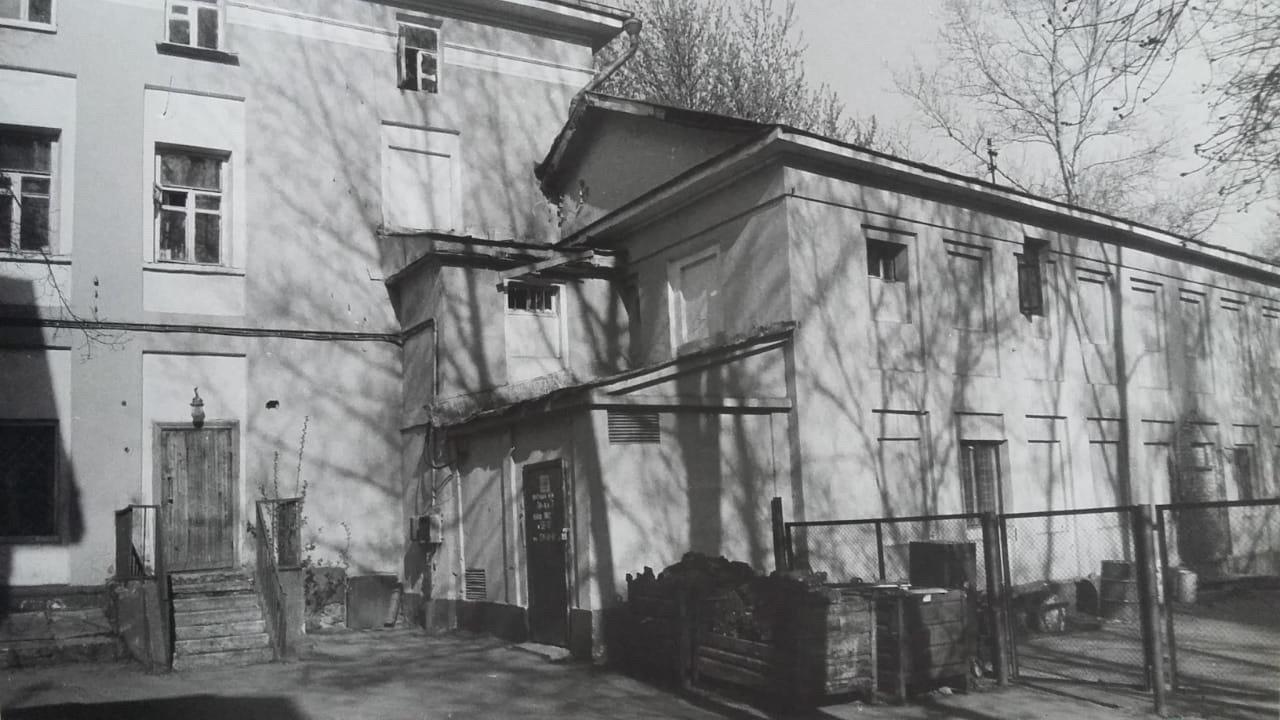
В 1894 году восточный флигель усадьбы Рогожиной подвергнулся новой основательной перестройке. Хозяева, очевидно, думали о максимально эффективном использовании усадебного пространства. С северной стороны к восточному флигелю сделали внушительную жилую пристройку: два этажа с подвалами. Как следствие – изменился и фасад: была заложена часть полукруглых ниш, пробиты новые оконные и дверные проемы. Внутри здания были устроены две новые каменные лестницы. Центральная часть дворового, западного фасада была выделена тремя арками, на боковых фасадах находились ниши с конхами. Они включены в предмет охраны памятника.

В таком виде восточный флигель дожил до революции 1917 года, и на протяжении XX века существенных изменений в его облик уже не вносилось. Здесь располагались коммунальные квартиры.

В 1990-е годы усадьба пустовала, и к 2000-м гг. флигель был практически разрушен, так как почти сто лет в здании не было ни ремонта, ни каких-либо противоаварийных мероприятий. Рухнули крыша и междуэтажные перекрытия, серьезно пострадала кирпичная кладка: она была утрачена в части сводов и во внутренних и наружных стенах здания. На переднем фасаде сохранялась после поздней перестройки лишь одна арочная ниша. Цела она, к счастью, и по сей день.

Восточный флигель, как и главный усадебный дом, является объектом культурного наследия федерального значения. В 2004–2006 гг. проведена реставрация здания.

Евгения Твардовская
Автор статьи

Following the construction of the main house on the Rogozhina property in 1780 1790s, the Eastern (service) wing was built in the plot's central part. Later, in the 1830s, when the property was divided, the wing was to mark the Eastern boundary of the today's No. 53 at Nikoloyamskaya Street. Most likely, the wing had one storey, was made of wood and was used as a barn (like the Western wing) and a coach house. In 1790s, the building was expanded with an additional residential storey. Following the 1812 fire, the wing was built anew of brick, with another storey added. However, as soon as in 1834, the building suffered from another fire. That time, however, its basement vaults survived. These have remained there to our days; researchers recognize a special historical and architectural value of the single pile vaulted space at the base of the wing, in its Northern and Southern parts. In 1894, the Eastern wing of the Rogozhina homestead underwent a thorough reconstruction. Its owners apparently intended to make the property most space efficient. They had a residential annex attached to the Northern side of the Eastern wing: two storeys upon a basement. It inevitably changed the facade appearance: some of the arc shaped niches were mured up, more window and door apertures were made. Inside the building, two new stone staircases were arranged. The central part of the Western courtyard-facing wall was set out with three arches; niches with conches were arranged on the side walls. These too represent the object of protection within the heritage site. In this state, the Eastern wing came to the 1917 revolution and over the 20th century, no substantial modifications were made. The building was used for shared apartments. In 1990s the homestead was abandoned and by 2000s, the wing got virtually dilapidated since for almost 100 years neither repairs not any kind of rescue actions were undertaken here. Roof and interfloor decks collapsed, brickwork was badly damaged: some of it was lost in the vaults and in the inner and outer walls. Only one arc shaped niche on the main facade survived the series of reconstructions. Fornunately, it is still there. The Eastern wing of the Rogozhina homestead and its main house are cultural heritage sites of of federal significance. In 2004 2006, the building was restored. Yevgenia Tvardovskaya
Поделитесь статьей с друзьями
Интересное рядом(18)
г. Москва, ул. Сыромятническая Ниж., д. 11
Kurskaya, Chkalovskaya
Андроньевская площадь, 10
Ploshchad Ilicha
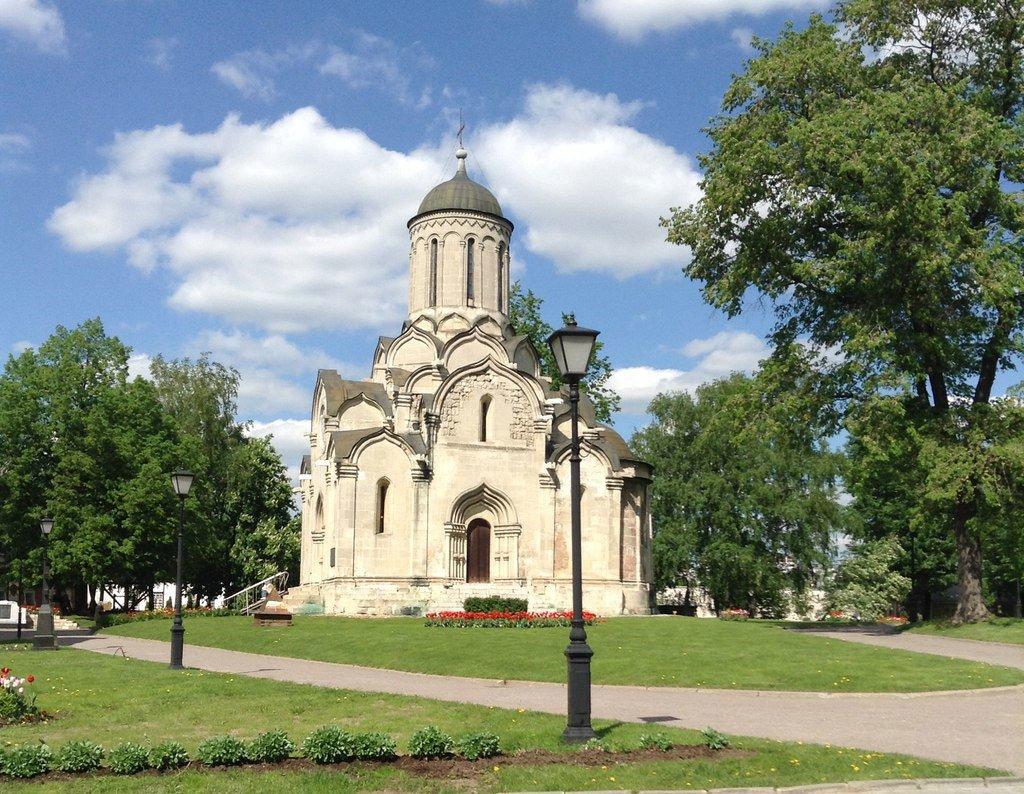
The Central Museum of Ancient Russian Culture and Art named after Andrey RublevThe central museum of ancient Russian culture and art named after Andrei Rublev is located within the walls of the ancient Spaso-Andronikov monastery. The museum was founded in 1947 as a specialized museum of ancient Russian art. It received the name of the greatest icon painter Andrei Rublev. The oldest in Moscow, the white-stone Cathedral of the Savior, made between 1410 and 1427, is located on the territory of the monastery. Spassky Cathedral painted by Andrei Rublev. The remains of the fresco remained inside the cathedral in the slopes of the altar windows. Andrei Rublev was a monk of the Savior-Andronikov monastery and was buried near the Savior Cathedral. The museum exposition is deployed in the complex of the Church of St. Michael the Archangel, built at the end of the 17th century by order of the first wife of Peter I, Evdokia Lopukhina. Periodic exhibitions devoted to the church art of different eras are held in the Priorysky Corps of the monastery. The museum acquaints visitors with outstanding examples of artistic creativity of the XI-XVII centuries. The icon collection of the museum is internationally renowned and includes many outstanding works. Among them are the masterpieces of the artists of the circle of Andrei Rublev and Dionysius, the workshop of Metropolitan Macarius and Tsar Ivan the Terrible. The art of the 17th century, the work of icon painters of the Armory and regional masters is especially fully represented.
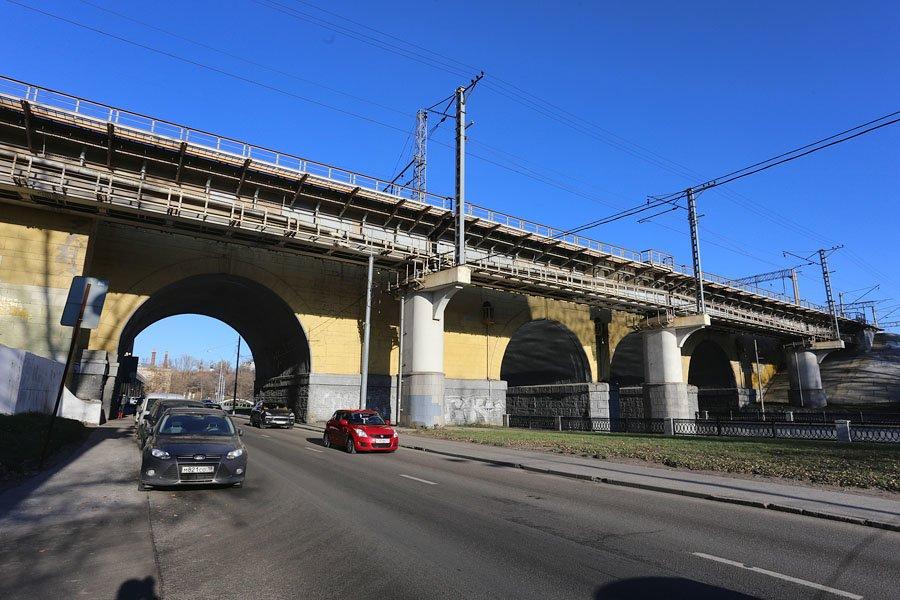
Andronikov viaduct
Ploshchad Ilicha, Kurskaya