Интерактивный гид по городу
С мобильным приложением бродить по городу гораздо интереснее!

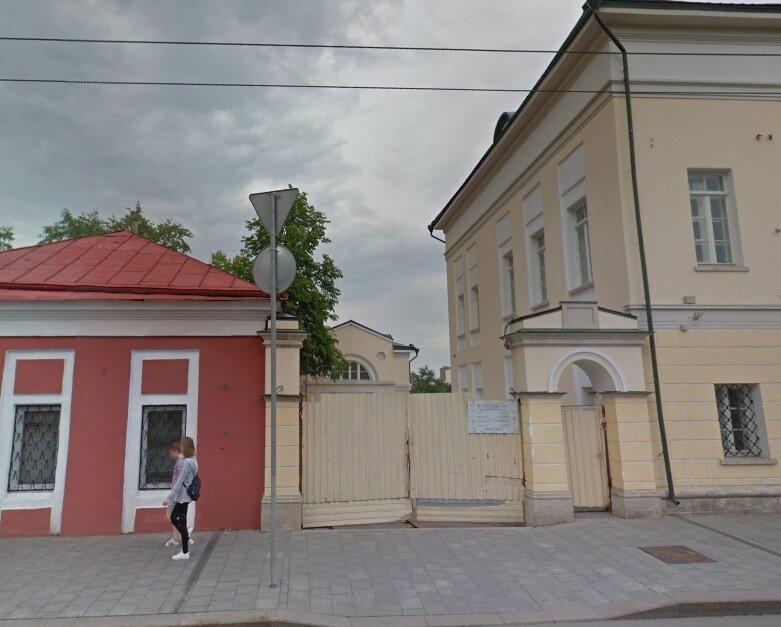
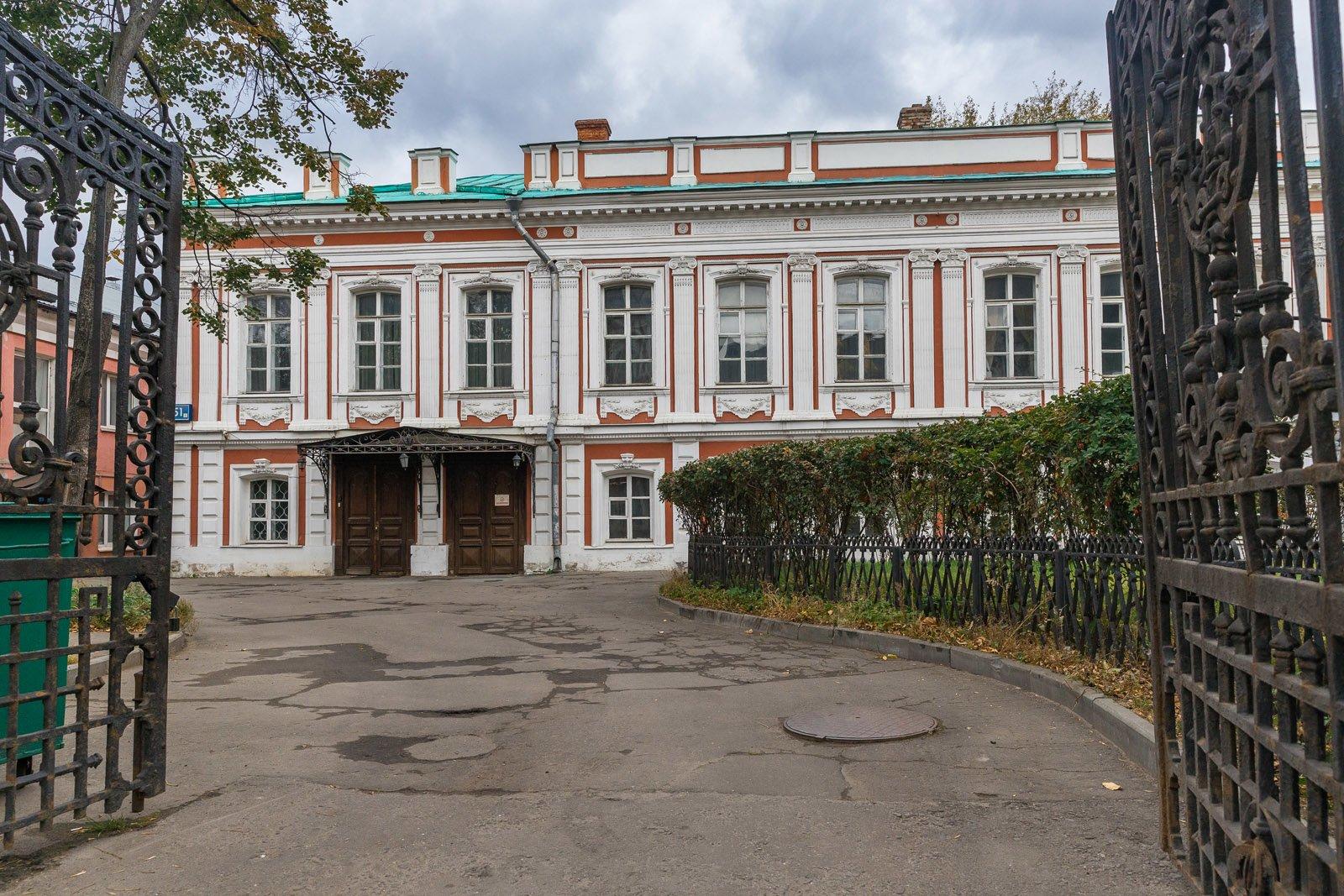
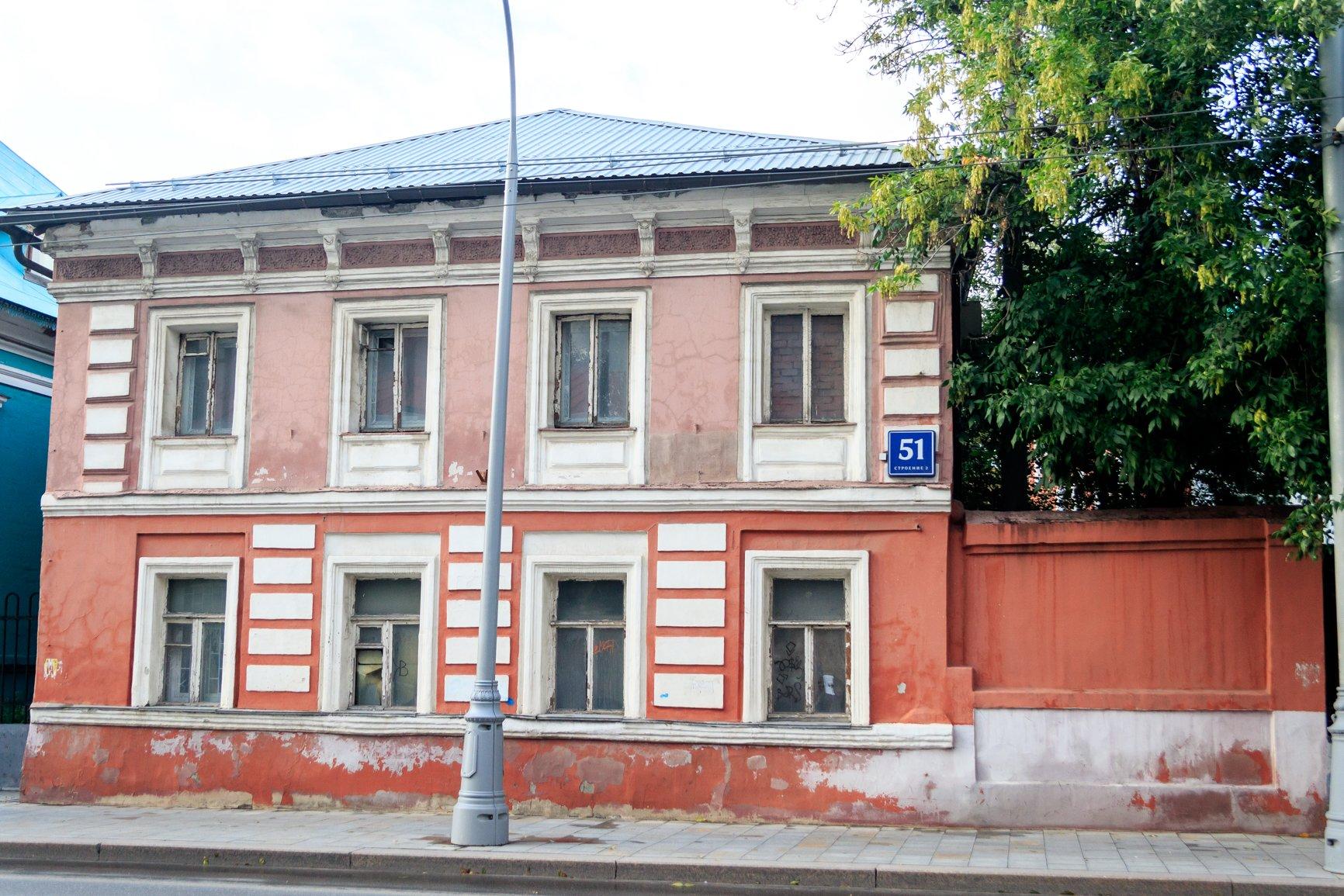
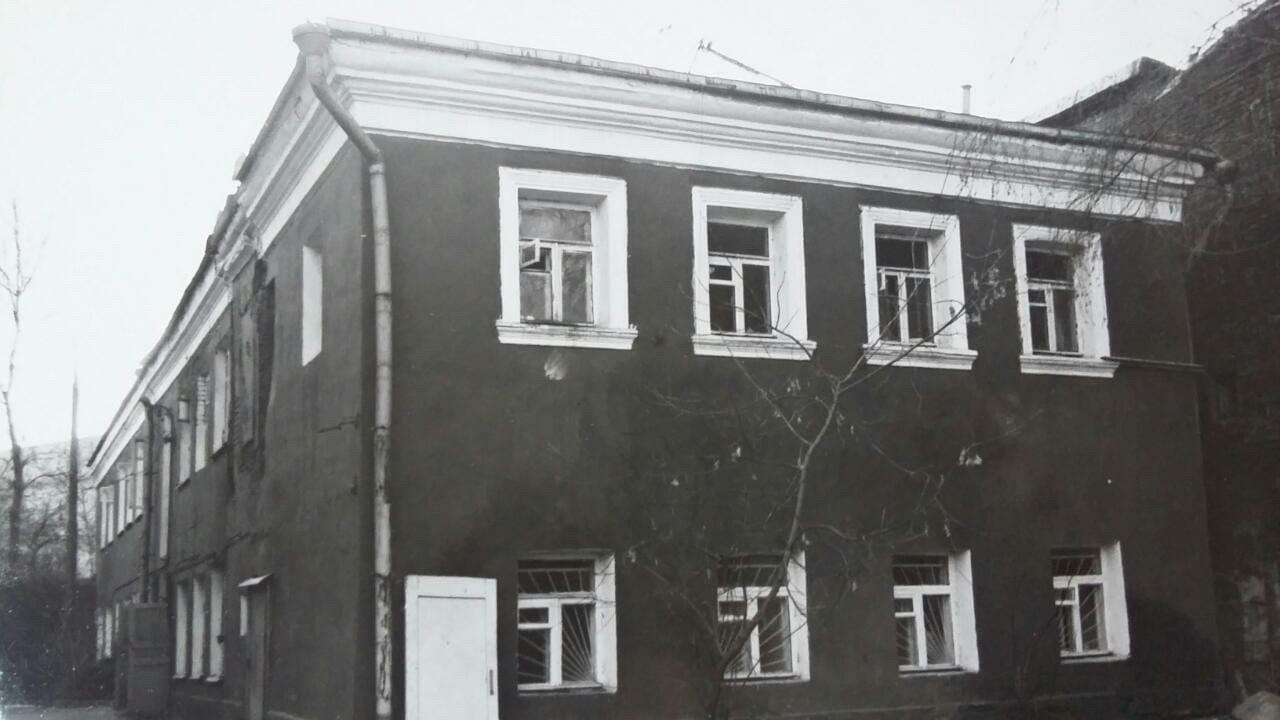
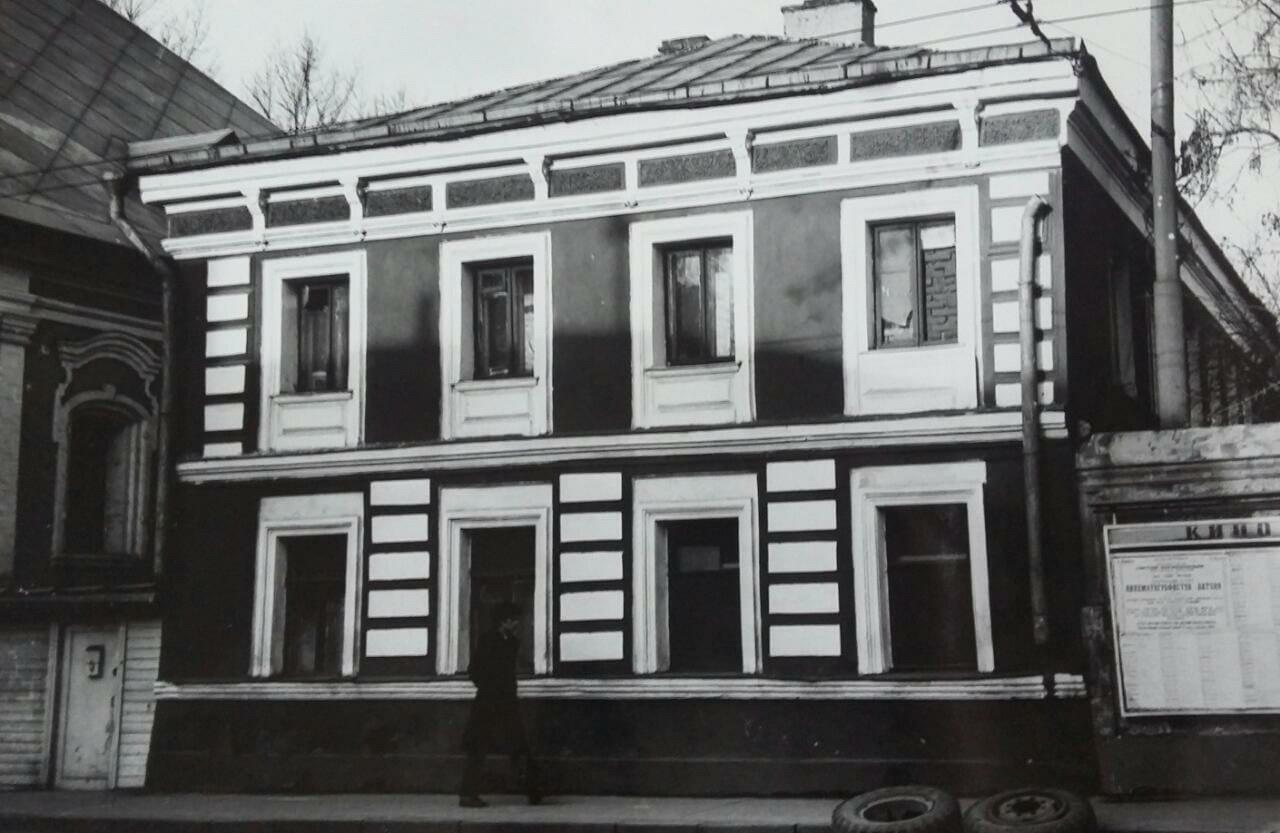
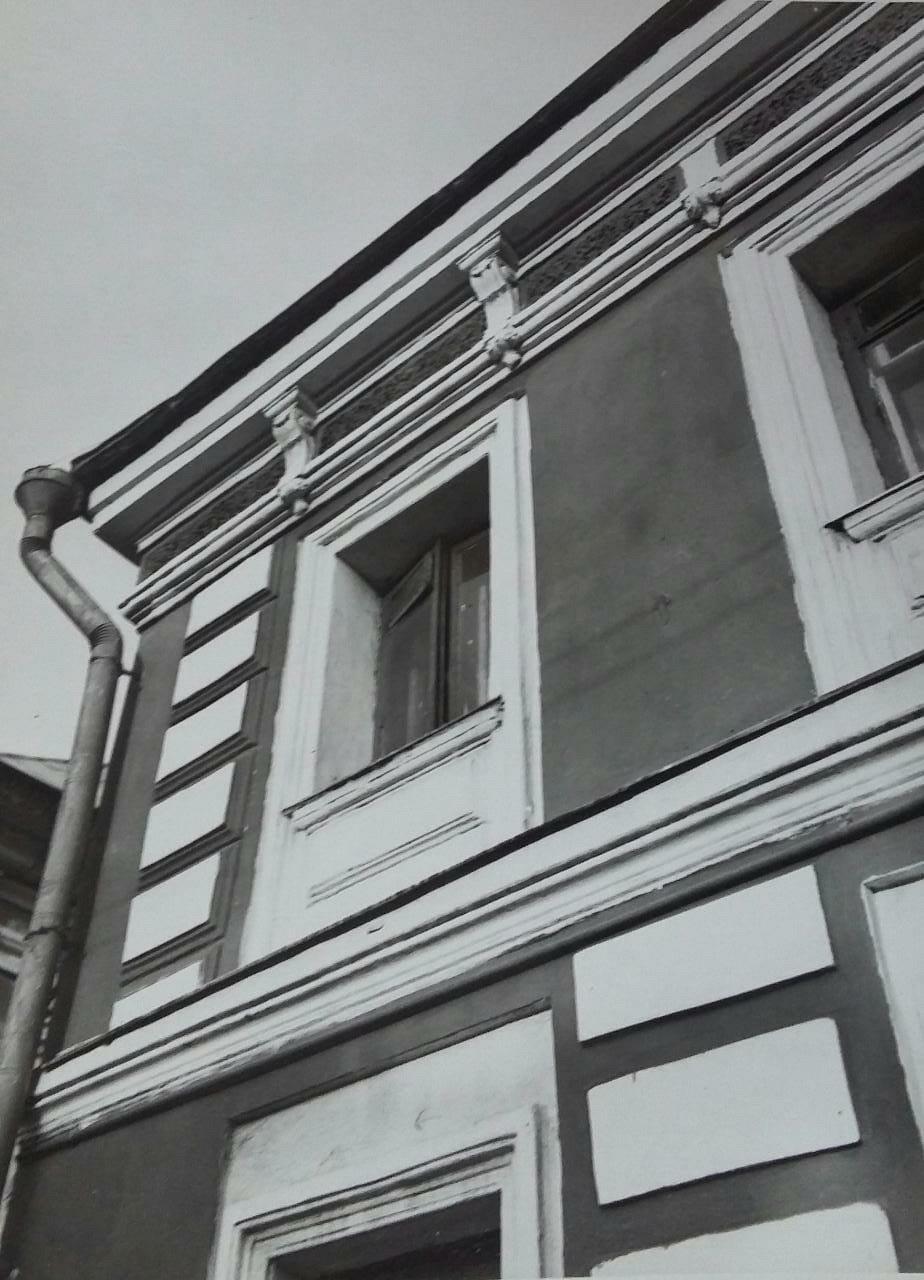
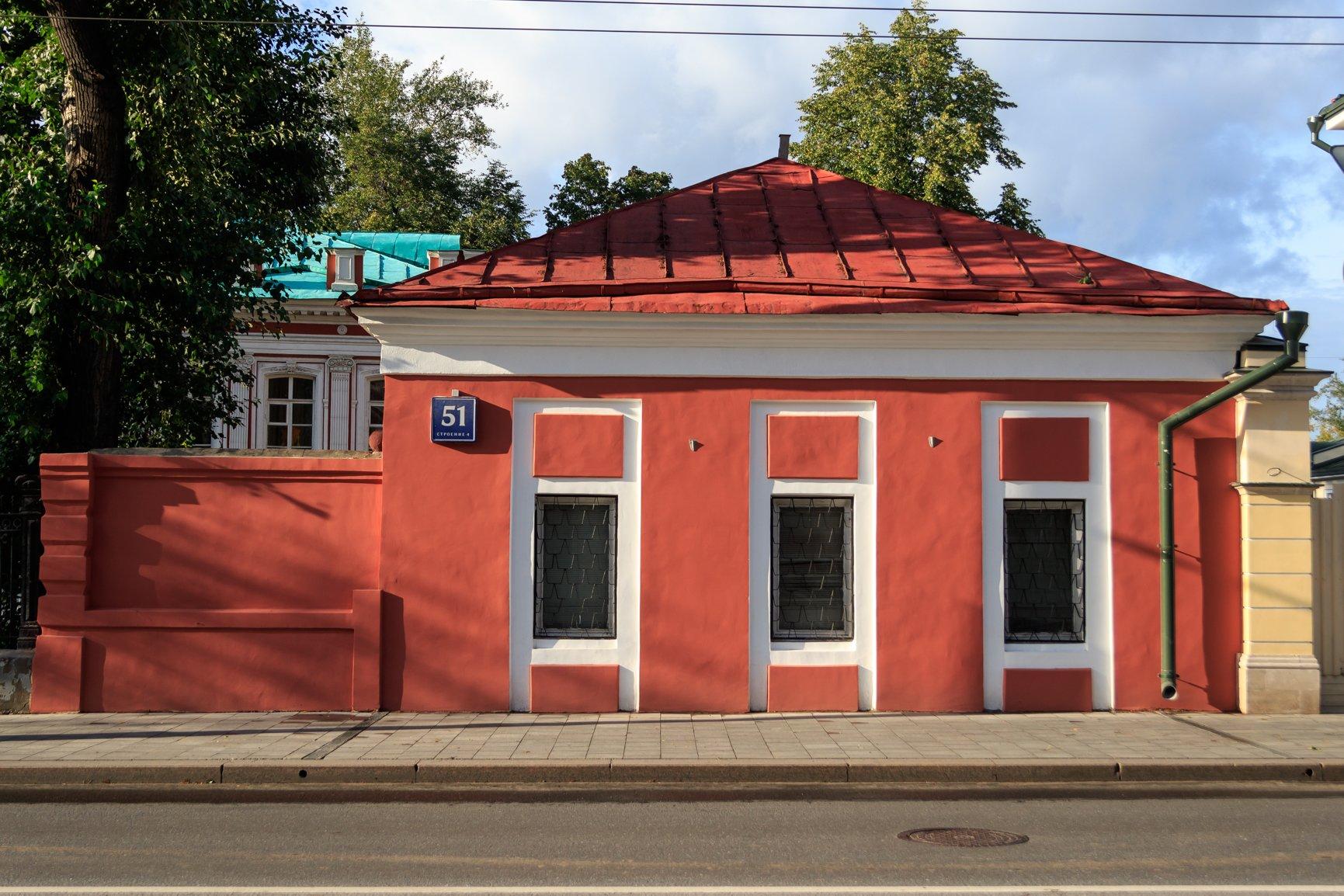
Западный флигель городской усадьбы

The two storey Western wing was being modified along with the homestead main house reflecting its new owners' tastes and following architectural trends.

Западный флигель городской усадьбы
Marksistskaya, Ploshchad Ilicha, Rimskaya, Taganskaya, Таганская (Краснопресненская линия)
The two storey Western wing was being modified along with the homestead main house reflecting its new owners' tastes and following architectural trends.
Вы можете воспользоваться QR-кодом, чтобы открыть эту страницу в нашем приложении
Архитектурный стиль:
Годы постройки:
XIX в.
Эпоха:
18th century, 19th century
Информация о здании

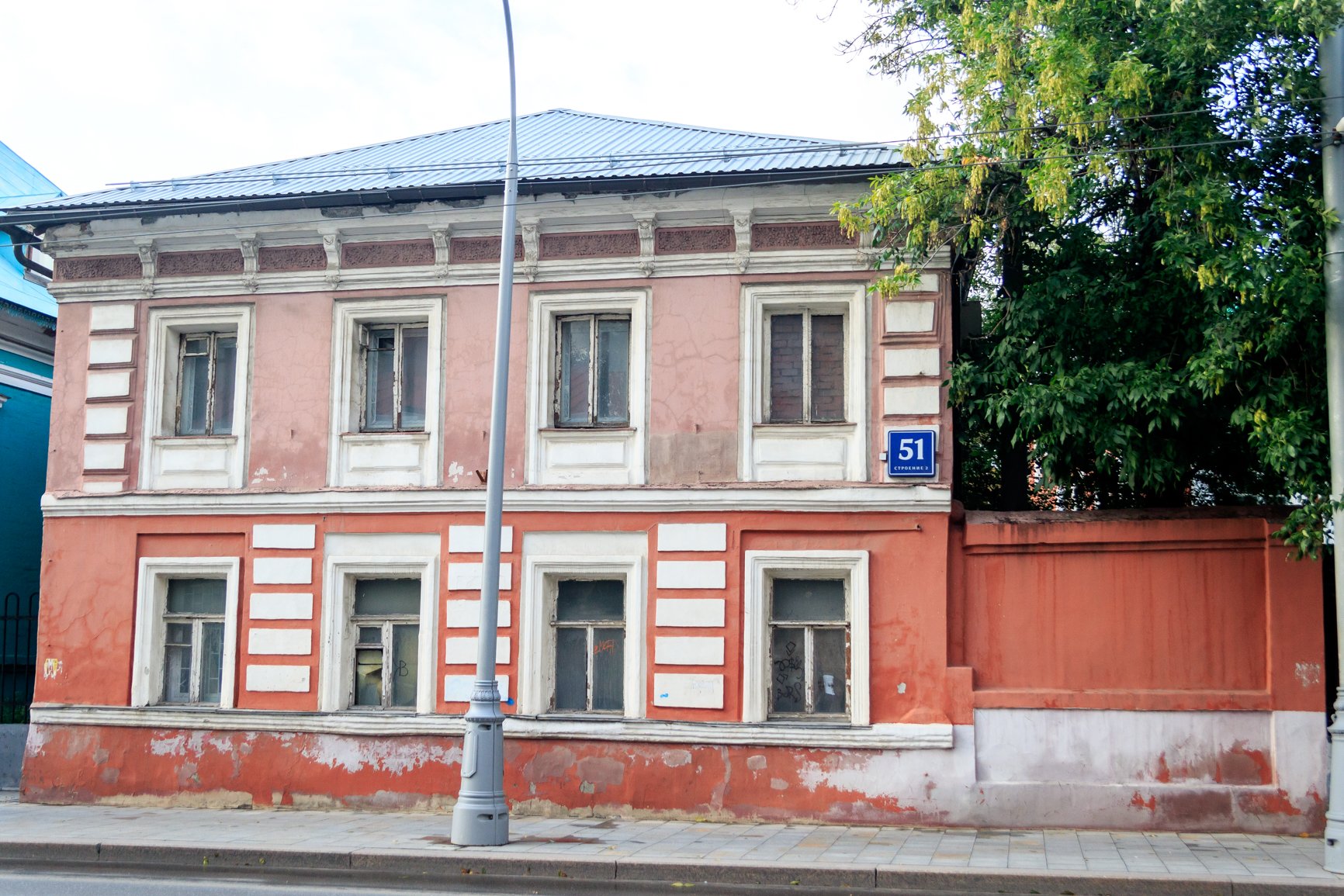
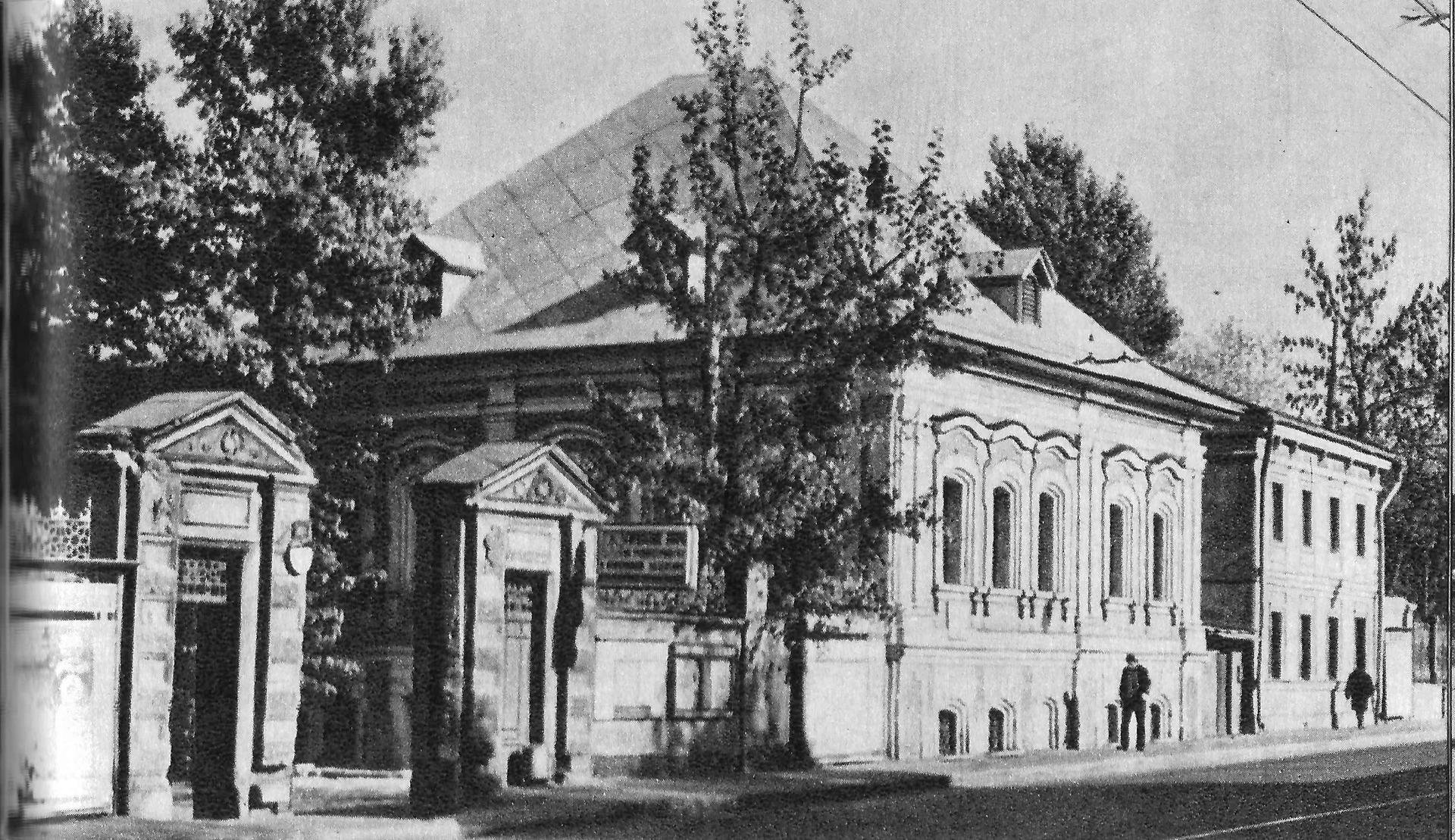
Краеведы и историки Москвы часто называют ансамбль зданий по Николоямской улице, д. 51 усадьбой Скороспелова. Действительно, при купце А.А. Скороспелове владение окончательно приобрело свой нынешний вид и структуру. В тамбуре левой двери усадебного дома на полу выложено мозаикой «1871» – очевидно, дата окончания перестройки. Но история усадьбы гораздо длиннее.

Специалисты всегда обращали внимание на необычное расположение дома: не параллельно красной линии улицы, а в глубине усадебного двора. Одно это в Москве, как правило, говорит о древности здания, во всяком случае, о его существовании до регулирования московских улиц и появления современных красных линий застройки в 1770-е годы.

Главный дом усадьбы и в самом деле составлен из разновременных строений. В основе его – каменная палата конца XVII века. Серьезные перестройки были сделаны в доме в середине XVIII века богатым купцом С.П. Васильевым, тем самым, на средства которого была возведена знаменитая погибшая в 1930-е годы колокольня Спасо-Андроникова монастыря. Из подвала дома можно попасть в коридор, свод которого выложен камнем.

Некоторые историки высказывают мнение, что дом № 51 соединен со стоящей напротив Алексеевской церковью подземным ходом, в наше время заваленным. Флигели возникли, когда в конце XVIII века усадьбу унаследовал купец П.Я. Пищальников, владелец соседнего участка по Николоямской улице, д. 53. Древние усадебные службы в это время были заменены каменными флигелями, которые поставили торцами к красной линии улицы симметрично по отношению к главному дому. Несмотря на разные размеры (западный флигель вытянут в глубину участка гораздо сильнее, чем восточный), строения внесли упорядоченность в усадебную композицию и организовали парадный двор.

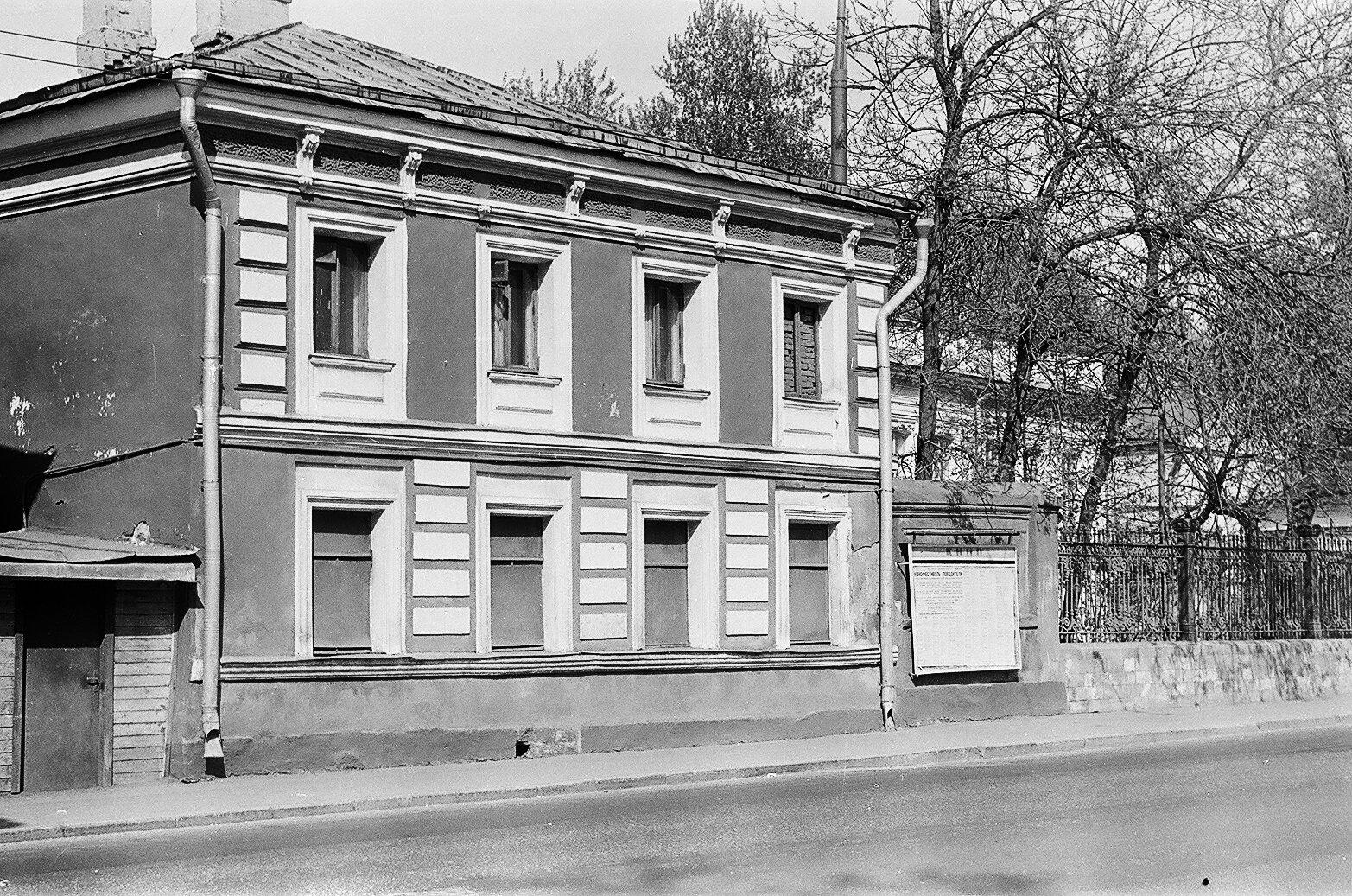
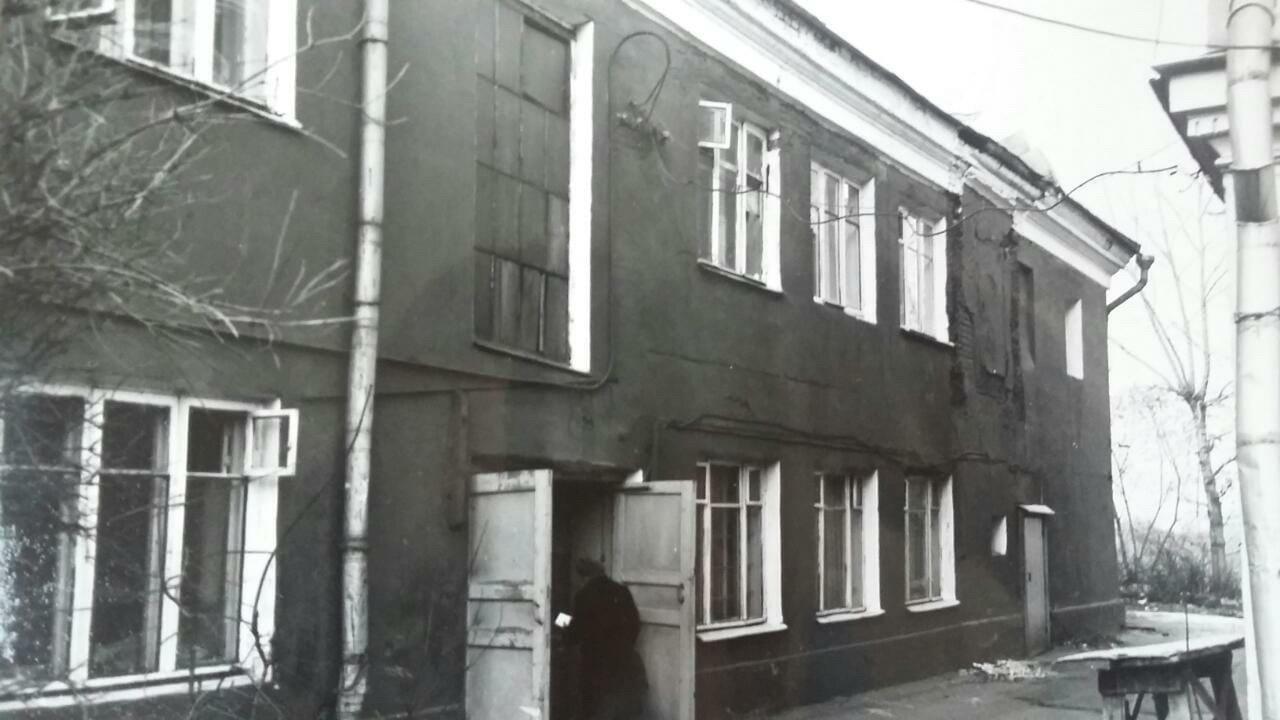
Двухэтажный западный флигель позднее был перестроен. Он менялся вместе с главным домом, отражая вкусы новых владельцев и следуя современной моде. А вот восточный оставался неизменным в главных своих чертах.

В 1853 году новый владелец С.В. Морозов расширил дом пристройками, отделал парадную анфиладу искусственным мрамором, расписал потолки, сделал камины, а пол покрыл наборным паркетом. Это убранство во многом сохранилось.

Западный флигель в это время также обновился: его фасады украсил лепной декор, стилизованный в барочном духе.

Западный флигель – объект культурного наследия федерального значения, как и главный дом с восточный флигелем.
Moscow history scholars often refer to the property at 51, Nikoloyamskaya Street as the Skorospelov estate. Indeed, while owned by merchant A.A. Skorospelov, the property became what it is today both in terms of design and structure. In the left side wind lobby of the house there is an inlay 1871 on the floor — most likely the year of the end of construction. However, the homestead history is much longer. Experts always made a point of the house's unusual layout: instead of being along the frontage line, it is set back in the yard. In Moscow it means that a building is quite old, that it existed even before proper streets were drawn, before the existent frontage lines were formed in 1770s. Indeed, the homestead main house is a combination of buildings of various times. At its core is a stone chamber dating back to the late 17th century. Substantial modifications in the mid 18th century were undertaken by its then owner S.P. Vasiliev, a wealthy merchant. It was he who sponsored the construction of the famous belfry of the Andronikov Monastery, destroyed in the 1930s. From the basement one can get to a passage which vaults are made of stone. Some historians have doubts about the No. 51 house having an undeground passage to the Alexeyevskaya Church located across the street. Anyway, now the passage is blocked. Wings were built in the late 18th century, when the homestead was inherited by merchant P.Ya. Pishchalnikov who also owned the neighboring property at 53, Nokoloyamskaya Street. Old household buildings were replaced with stone wings with side walls along the street and symmetrically to the main house. Being different in size (the Western wing goes deeper to the far end of the plot than the Eastern one), the wings still made the homestead layout more regular and formed the front yard. Later, the two storey Western wing was rebuilt. It was changing along with the main house — reflecting its new owners' tastes and following latest fashions. The Eastern wing, however, remained unchanged by and large. In 1853, the new owner S.V. Morozov had the house expanded with annexes. The suite of formal rooms was faced with marezzo, ceilings decorated with murals, fireplaces and mosaic parquet floors were arranged. Most of this decor has survived. At the same time, the Western wing was also renovated: its facades were decorated with Baroque imitating mouldings. The Western wing is a cultural heritage site of federal significance just like the main house and the Eastern wing. Yevgenia Tvardovskaya
Автор статьи: Евгения Твардовская
Рекомендации
Поделитесь статьей с друзьями
Интересное рядом(6)
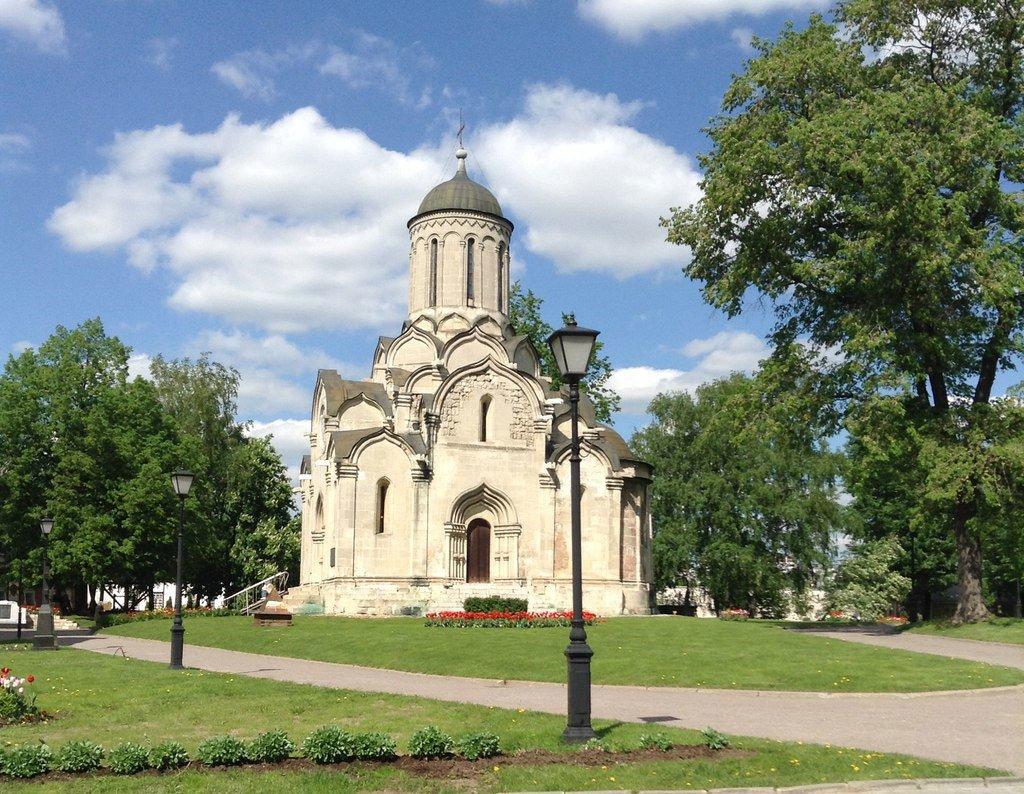
The Central Museum of Ancient Russian Culture and Art named after Andrey RublevThe central museum of ancient Russian culture and art named after Andrei Rublev is located within the walls of the ancient Spaso-Andronikov monastery. The museum was founded in 1947 as a specialized museum of ancient Russian art. It received the name of the greatest icon painter Andrei Rublev. The oldest in Moscow, the white-stone Cathedral of the Savior, made between 1410 and 1427, is located on the territory of the monastery. Spassky Cathedral painted by Andrei Rublev. The remains of the fresco remained inside the cathedral in the slopes of the altar windows. Andrei Rublev was a monk of the Savior-Andronikov monastery and was buried near the Savior Cathedral. The museum exposition is deployed in the complex of the Church of St. Michael the Archangel, built at the end of the 17th century by order of the first wife of Peter I, Evdokia Lopukhina. Periodic exhibitions devoted to the church art of different eras are held in the Priorysky Corps of the monastery. The museum acquaints visitors with outstanding examples of artistic creativity of the XI-XVII centuries. The icon collection of the museum is internationally renowned and includes many outstanding works. Among them are the masterpieces of the artists of the circle of Andrei Rublev and Dionysius, the workshop of Metropolitan Macarius and Tsar Ivan the Terrible. The art of the 17th century, the work of icon painters of the Armory and regional masters is especially fully represented.
г. Москва, ул. Сыромятническая Ниж., д. 11
Kurskaya, Chkalovskaya