Информация о здании
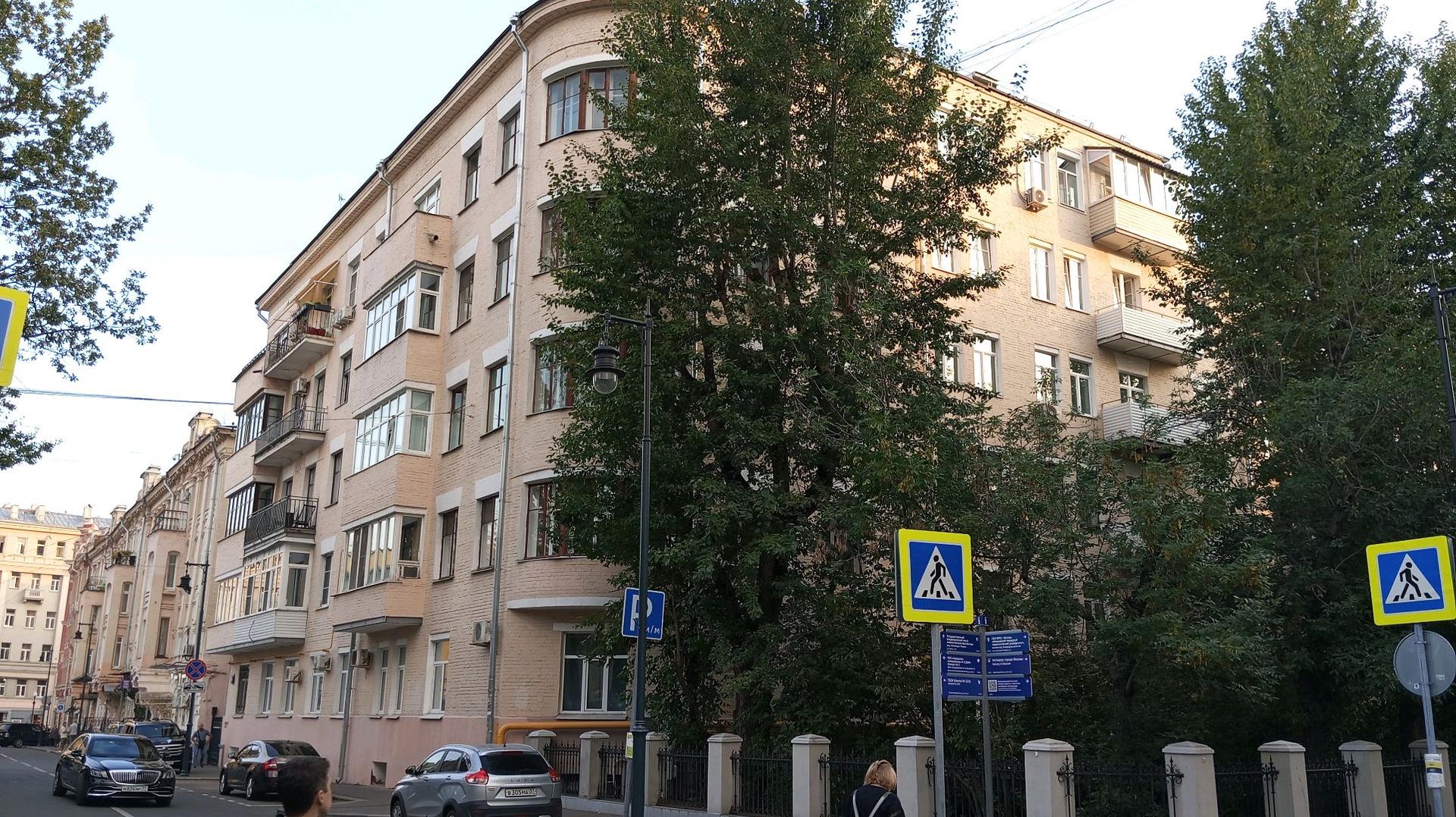
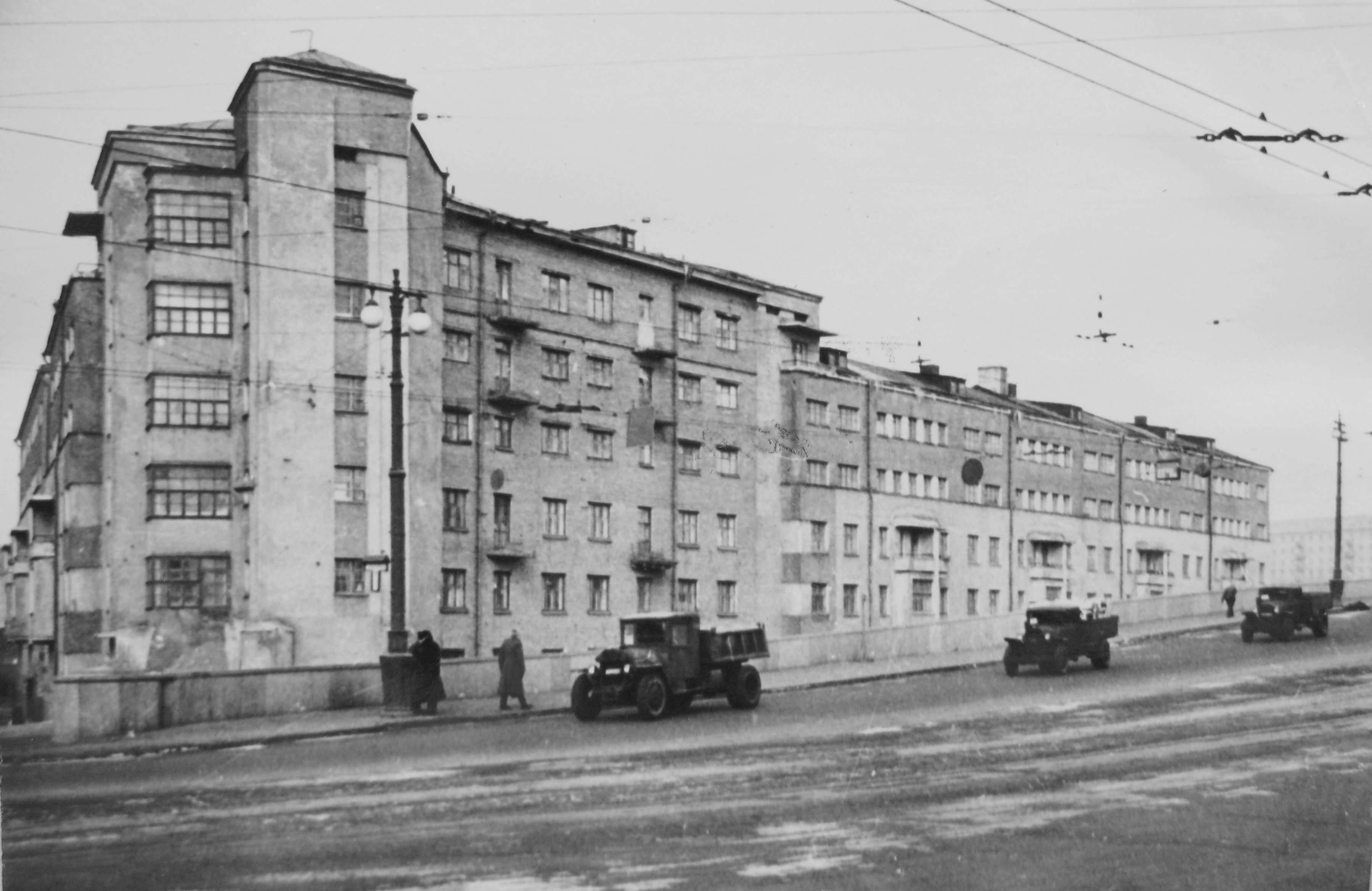
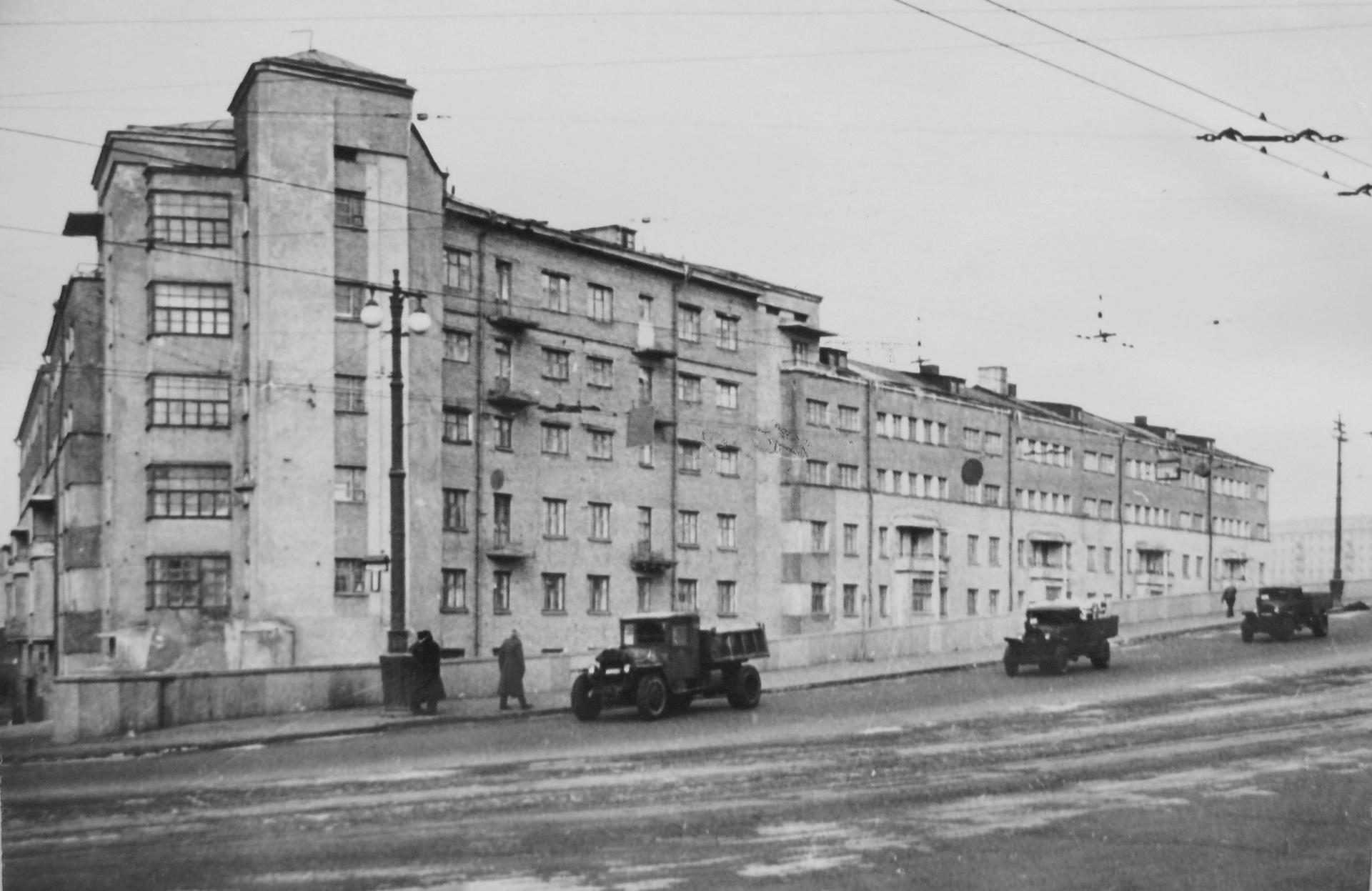
Дом был построен в 1929 году. Он стоял буквой Г, длинная её «ножка», длиной 88 метров, шла вдоль Нижней Краснохолмской улицы, а короткая, длиной 44 метра – вдоль Садовнической. Краснохолмская улица в то время выходила на старый Краснохолмский мост, и в 1937 году, когда все старые мосты заменяли, Новый Краснохолмский мост должен был пройти на месте длинной секции жилого дома. Было два выхода, либо сносить дом, либо… передвигать. Ломать жалко, дому всего 8 лет, а вот второй вариант куда интереснее, ведь к тому времени в Москве уже 2 года существовал трест по передвижке зданий. До этого пробовали передвигать только небольшие здания, не более двух этажей. А тут огромный пятиэтажный дом, который нужно было разделить на две части, длинную ножку передвинуть на несколько десятков метров, кроме этого повернуть на 19 градусов. Кроме всех этих сложностей ещё и грунты нестабильные, топкие. Некоторые считали передвижку авантюрой, например начальник участка, опытный инженер-практик. Но главный инженер треста Э.М. Гендель, настоял на передвижке, и начальник участка вынужден был уволиться. Передвигали дом на катках, которые ехали по 37 рельсам. Процесс прошёл успешно, дом переехал на новое место за неделю, причем жителей даже не отселяли, и в доме работали временные коммуникации – газ, электричество, вода, радио. После передвижки длинную и короткую ножки дома соединили новым шестиэтажным корпусом. И следующие 30 лет жители дома не знали бед.
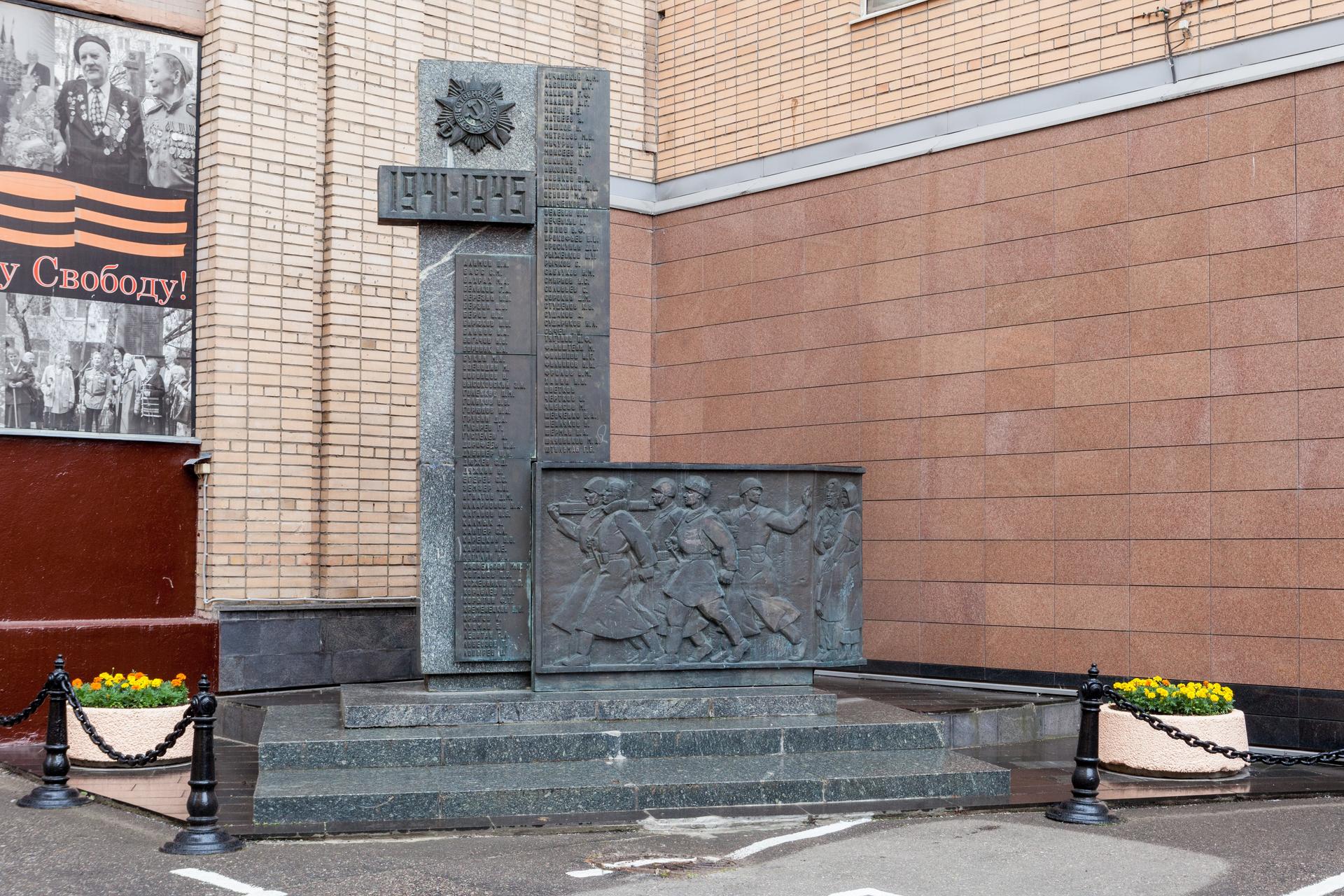
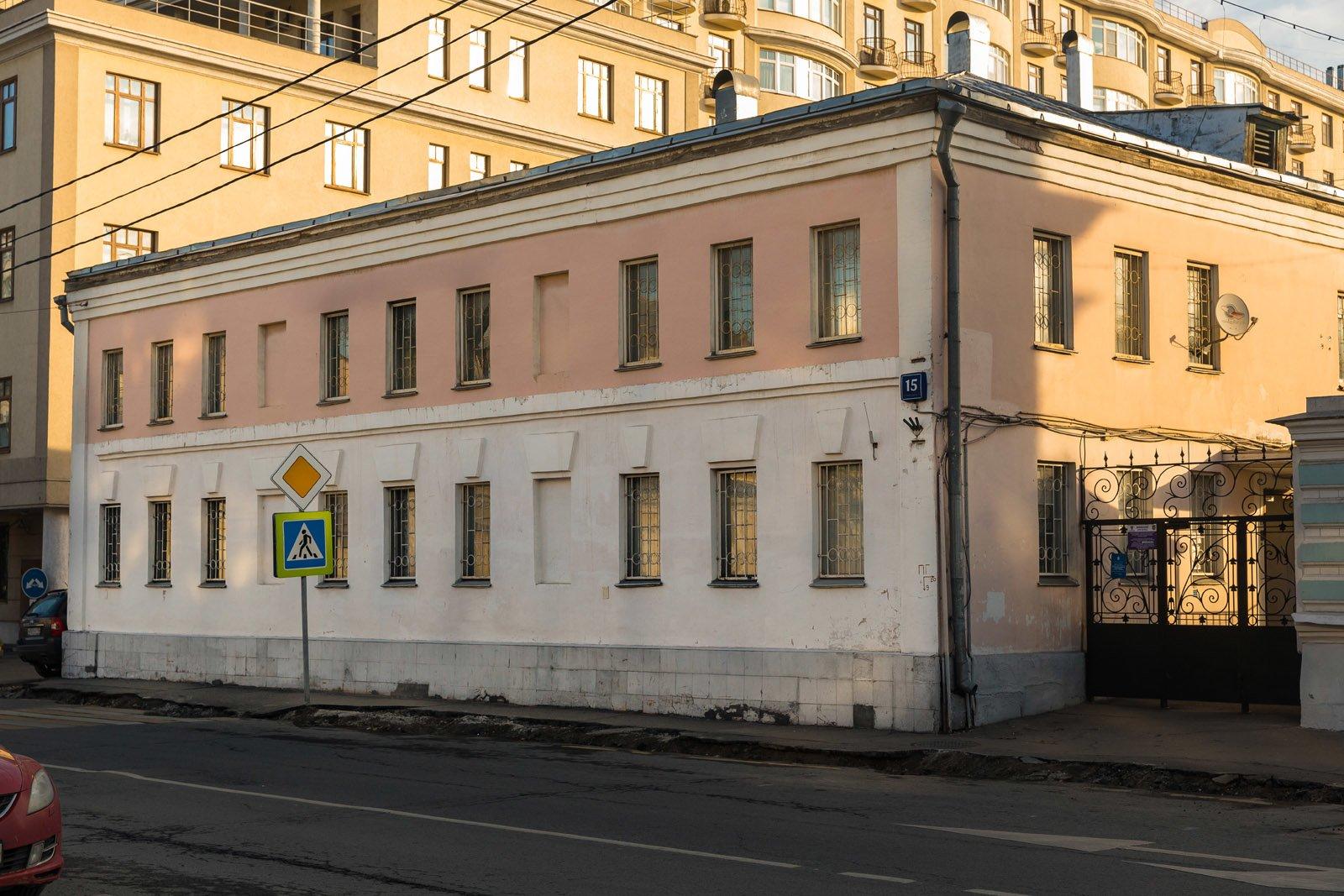
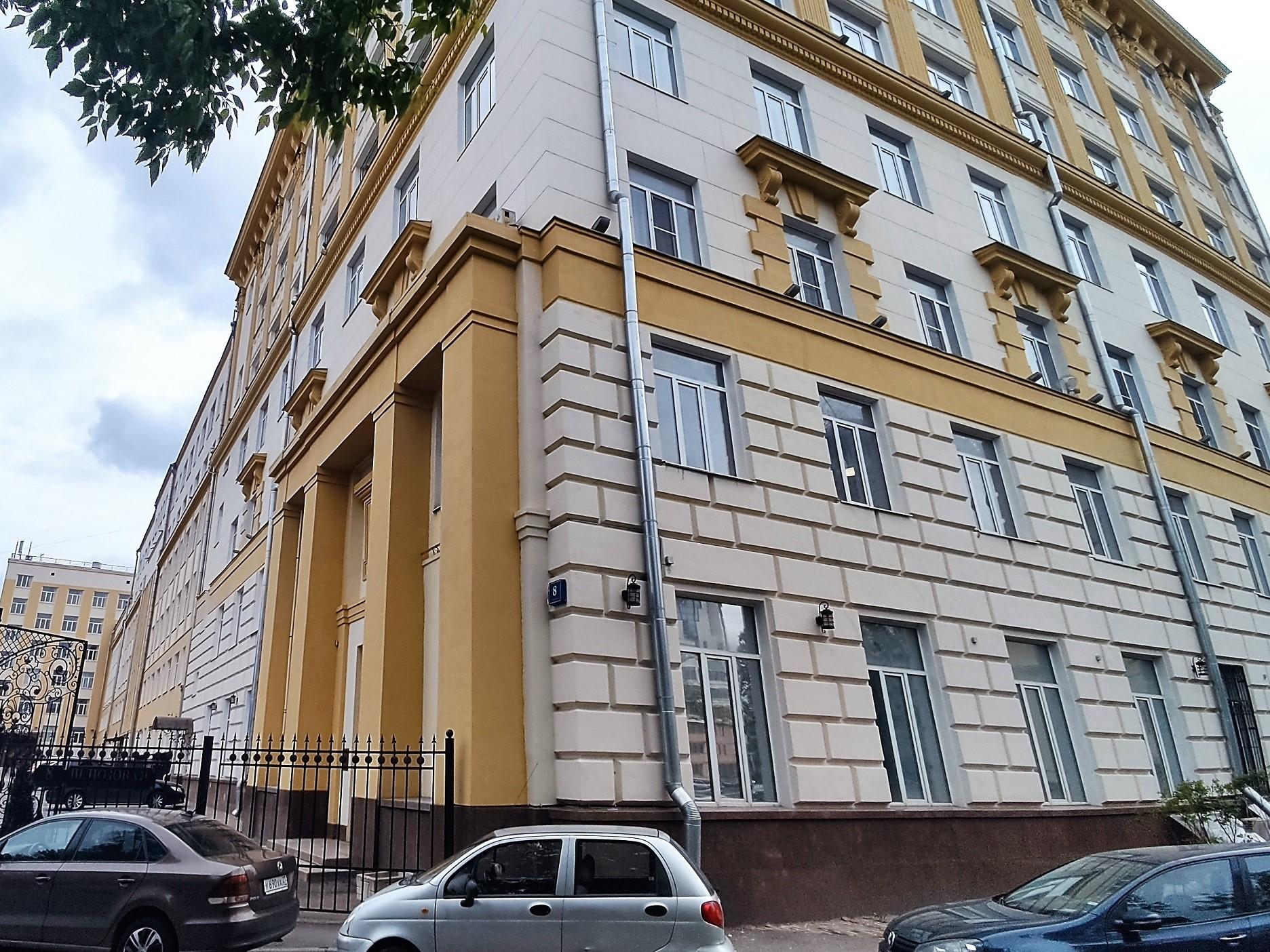
Вторая история - трагическая, она произошла в 1967 году. За несколько дней до нового года, 25 декабря, в доме произошёл мощный взрыв. Погибло 147 человек – все жители трёх верхних этажей. Тогда везде объявили, что это был взрыв газа. Но для взрыва газа было уж очень много странностей и необъяснимых вещей. Например, очевидцы утверждают, что три верхних этажа дома сначала взлетели вверх, на долю секунду зависли в воздухе, и только потом рухнули вниз. Некоторых жителей верхних этажей дома, в том числе и уцелевшей короткой «ножки» выкидывало на землю, и они отделывались лишь лёгкими ушибами. Одну женщину выкинуло с балконом на Садовое кольцо, и она выжила. То есть всё выглядело так, как будто в момент взрыва исчезла гравитация. И на этот счёт есть предположение у геофизиков: в этом месте произошёл выброс энергии из разлома в земной коре, или т.н. гравитационный взрыв. Интересно, что это уже третье здание на этом месте, которое взрывалось. И долгое время на месте разрушенной секции ничего не строили, только в 2000-е годы был построен офисный центр. Если зайти в его двор, можно увидеть торец длинной «ножки» дома 77, он выглядит, как неправильный многоугольник. Это всё, что напоминает о загадочной трагедии.
This seemingly ordinary Soviet house participated two times in considerable history events. The first time in 1937, the second time exactly in 30 years, in 1967.
The house was built in 1929. It had a shape of Russian letter “Г” where the long leg (88 meters long) ran along the Niznyaya Krasnokholmskaya street and the short leg of 44 meters - along Sadovnicheskaya street. The old Krasnoholmsky bridge was at the end of Krasnokholmskaya street and in 1937 - the time when old bridges were renovated - New Krasnoholmsky bridge was supposed to run on the place of the long section of the house. There were two choices - either to demolish the house or ... to move it. It was a pity to demolish a 8 years old building, and the second option seemed much more interesting. By that time the Moscow Buildings Moving Office existed for two years already. Till that time the Buildings Moving Office only worked with 1-2 storied small buildings. And here is the challenging huge five-story building, which was supposed to be divided into two parts, they needed to move the long leg several meters and then turn it by 19 degrees. In addition to all these complexities, the soils are also unstable, marshy. Some people, including the head of section– an experienced engineer, felt that moving of the house is too adventurous. However, the chief engineer of the Buildings Moving Office E. Gendel insisted, and the head of the section was forced to resign. The building was moved on rollers, which were moving on 37 rails. The process went successfully and the house moved to a new place in a week. Residents were not evacuated, they lived in the building and used temporary utility connections - electricity, gas, water and radio. After moving, the long and short legs of the house were connected by a new six-story building. And residents lived there for the next 30 years without any problems.
The second story –a tragic one - happened in 1967. A few days before the new year, on the 25th of December, there was a massive explosion in the house. 147 people - residents of the upper three floors - died. Authorities declared that it was a gas explosion. But too many weird things happened. For instance, eyewitnesses claim that the top three floors of the house first soared in the air, hung for a moment, and then crashed down. Some residents of the upper floors, including the surviving short "legs" residents, were thrown out of their windows on the ground, and they got off with only minor injuries. One woman was thrown from a balcony to the Garden Ring, and she survived. Everything looked as if gravity disappeared at the time of the explosion. Geophysicists assume that there was a release of energy from the break up in the earth, or the so-called gravity blast happened at this point. Interestingly enough, that it was the third building on the site, which exploded. Nothing was built on the site of the destroyed section for a long time, however, in the beginning of 2000s an office building was constructed there. If you walk into the yard of the building, you can see the end of the back part of the long "leg" of the house, which looks like an irregular polygon. That's all that reminds of that mysterious tragedy.