Интерактивный гид по городу
С мобильным приложением бродить по городу гораздо интереснее!

State insurance residential home

Many government officials who moved from St. Petersburg to Moscow , lived in the hotels up to the end of the 1920s.

State insurance residential home
Barrikadnaya, Tverskaya
Many government officials who moved from St. Petersburg to Moscow , lived in the hotels up to the end of the 1920s.
3.56
Вы можете воспользоваться QR-кодом, чтобы открыть эту страницу в нашем приложении
Архитектурный стиль:
Годы постройки:
1926—1927
Архитекторы:
Эпоха:
1920s
Дата открытия, История появления

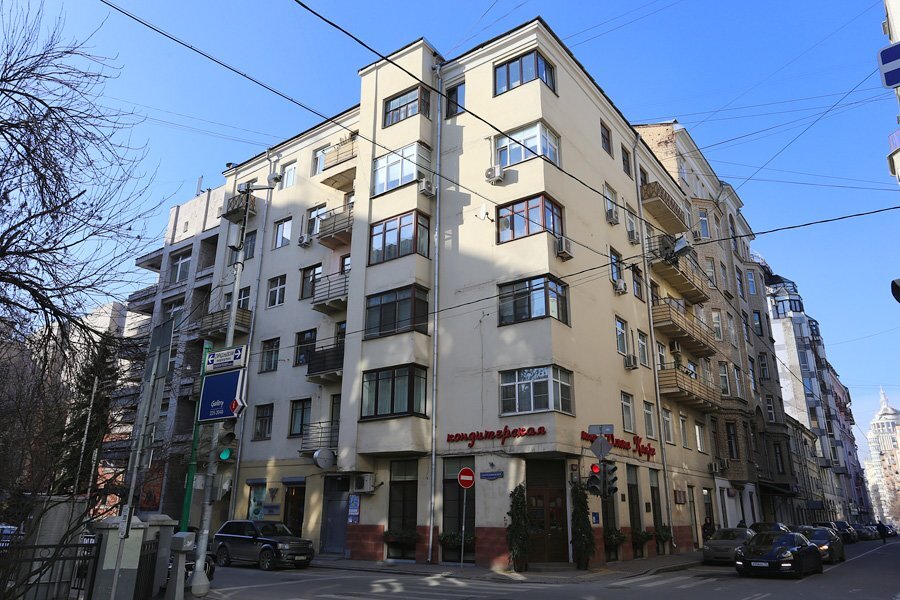
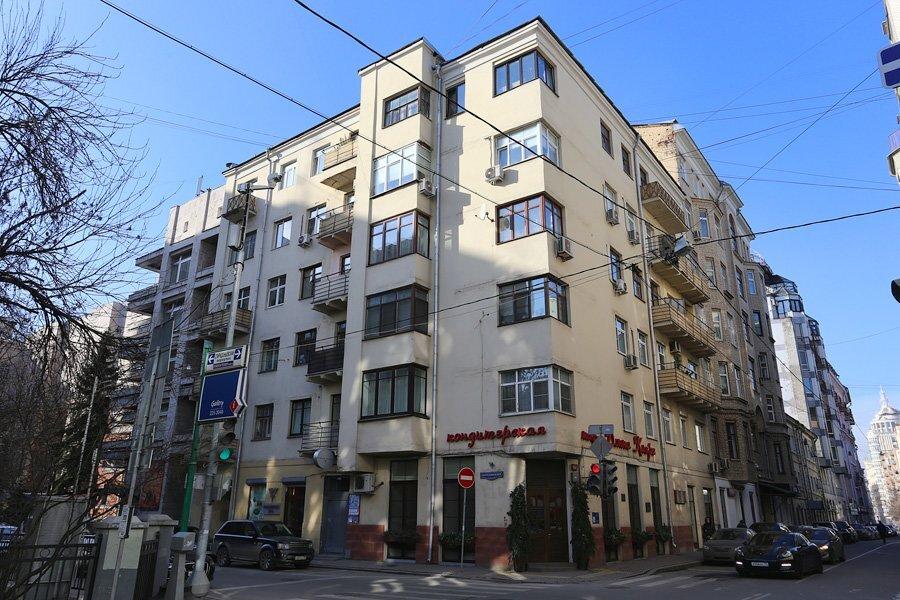
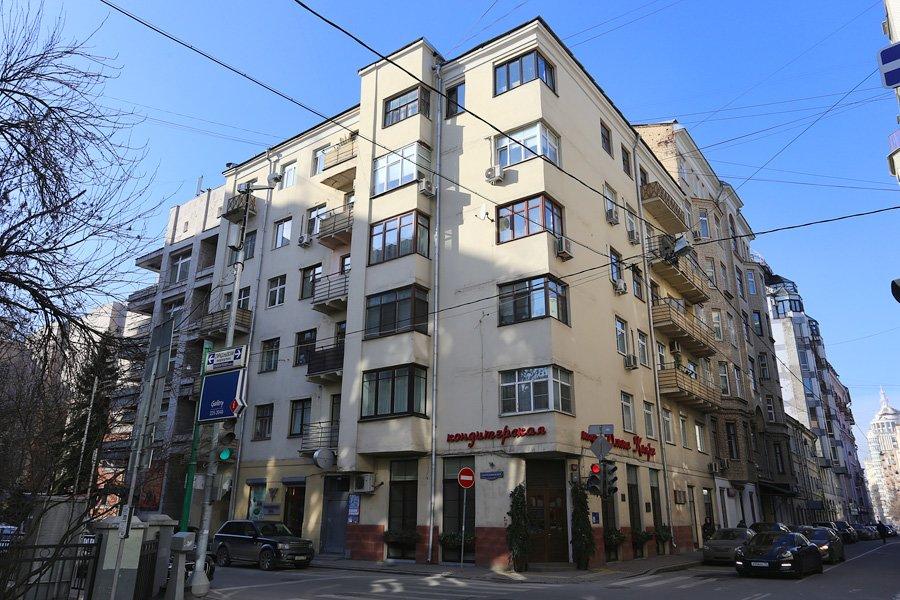
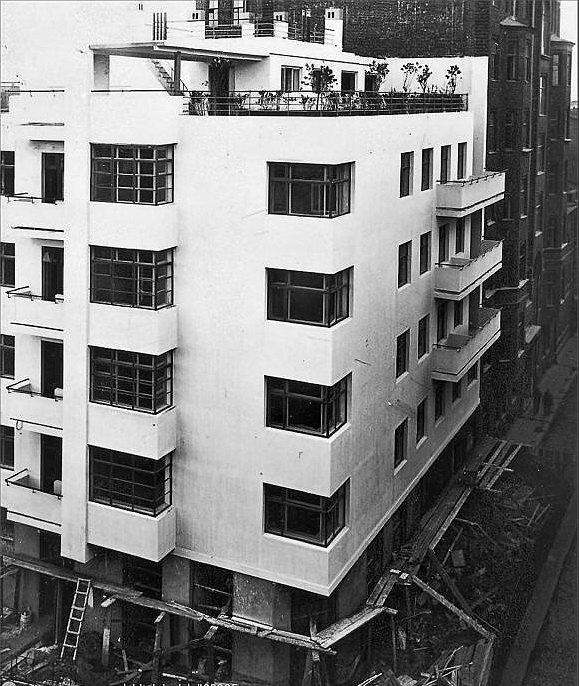
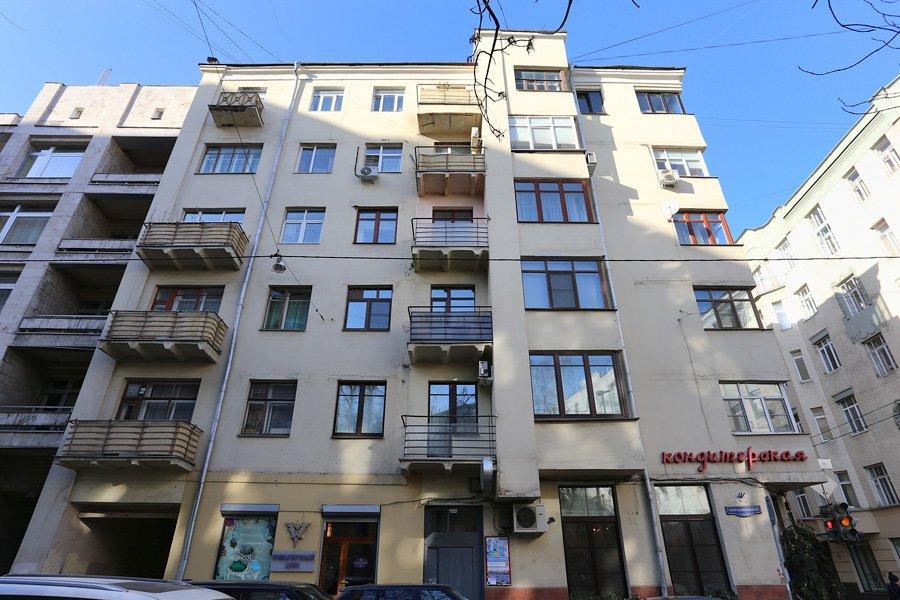
Пятиэтажный дом Госстраха, спроектированный лидером конструктивистов, архитектором Моисеем Гинзбургом в 1926 году, интересен не только своей внешней элегантной архитектурной пластикой, но и рациональной внутренней структурой. 

Описание

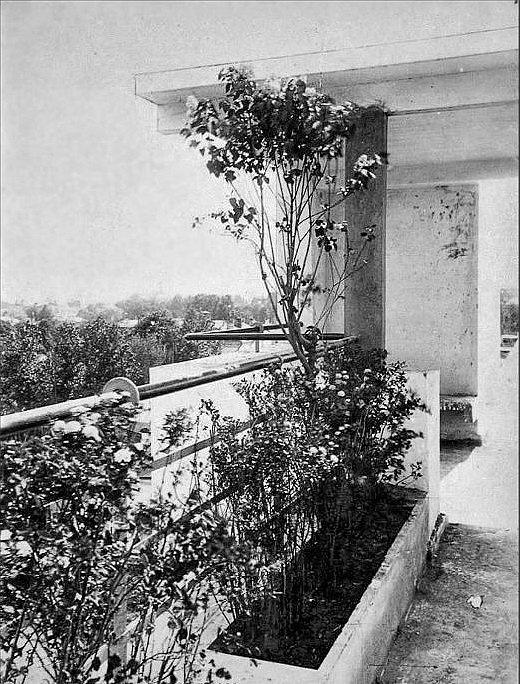
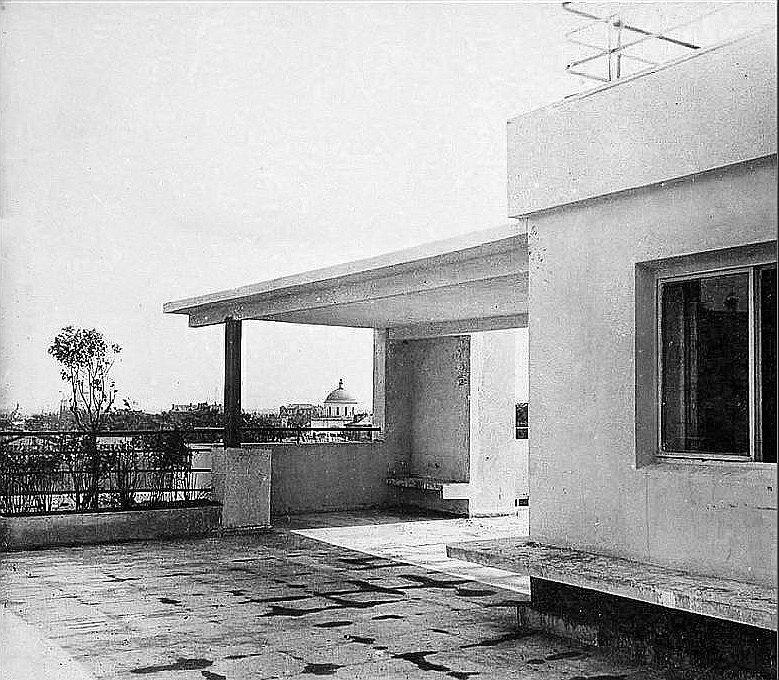
Помимо комфортабельных квартир в нем есть и общежитие на крыше, и терраса для прогулок, и магазин на первом этаже. Такое совмещение жилых единиц разных классов являло собой один из реальных путей решения острейшей жилищной проблемы. Ведь даже многие правительственные чиновники, переехавшие из Петербурга в Москву, жили вплоть до конца 1920-х годов в гостиницах (а в Кремле — до 1950-х!).

На каждом этаже дома Госстраха находится по четыре квартиры, и этим здание не отличается от дореволюционных доходных домов; со стороны двора его постройка вместе с соседним домом образует традиционный двор-колодец.

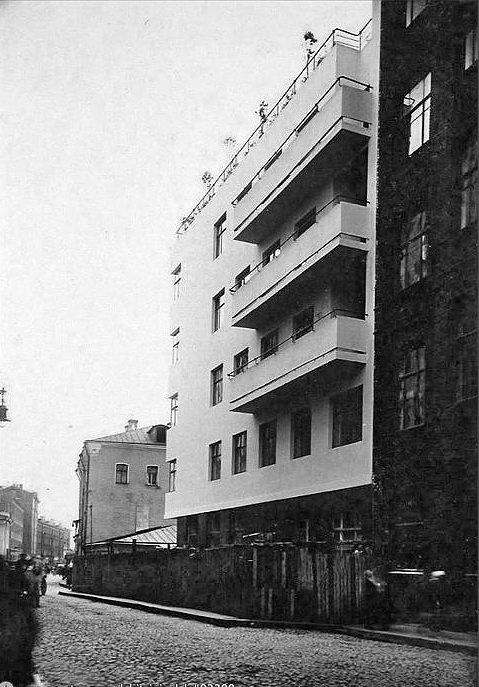
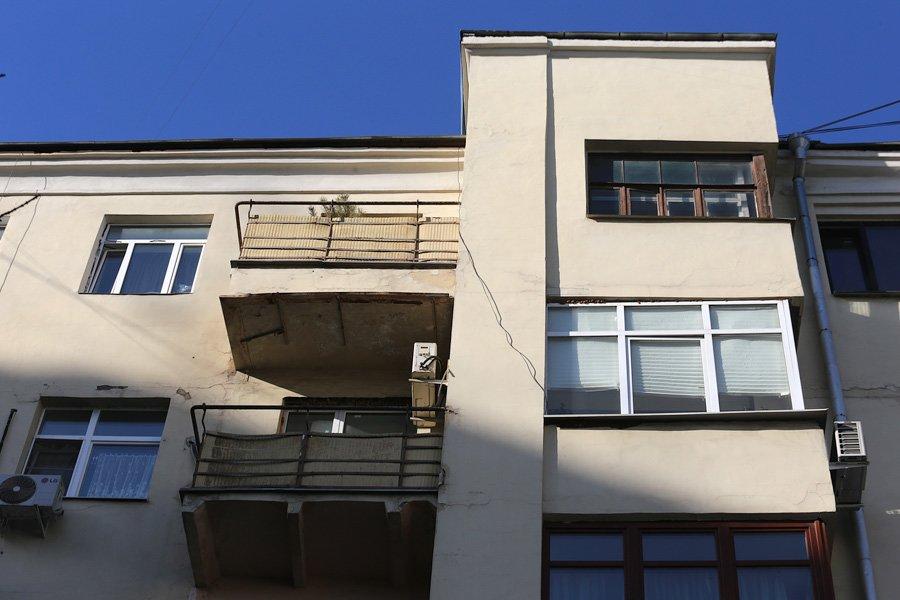
Из этого типа зданий Гинзбург взял важную составляющую — вариативность, и потому все квартиры были сделаны разными по конфигурации. В каждой есть ванные комнаты, уборные, кухни. Продуманы многие бытовые детали, характерные для дореволюционного времени, но тогда еще не забытые, например, двухстворчатые входные двери, через которые удобно вносить мебель. Каждая передняя устроена так, чтобы в ней поместился шкаф для одежды и если в одной квартире есть панорамное угловое окно, то в остальных это преимущество компенсируется балконами. Общежитие наверху за счет своей компактности позволило разбить обширную террасу на кровле. Гордясь своим произведением, архитектор опубликовал его в журнале «Современная архитектура» во всех деталях.

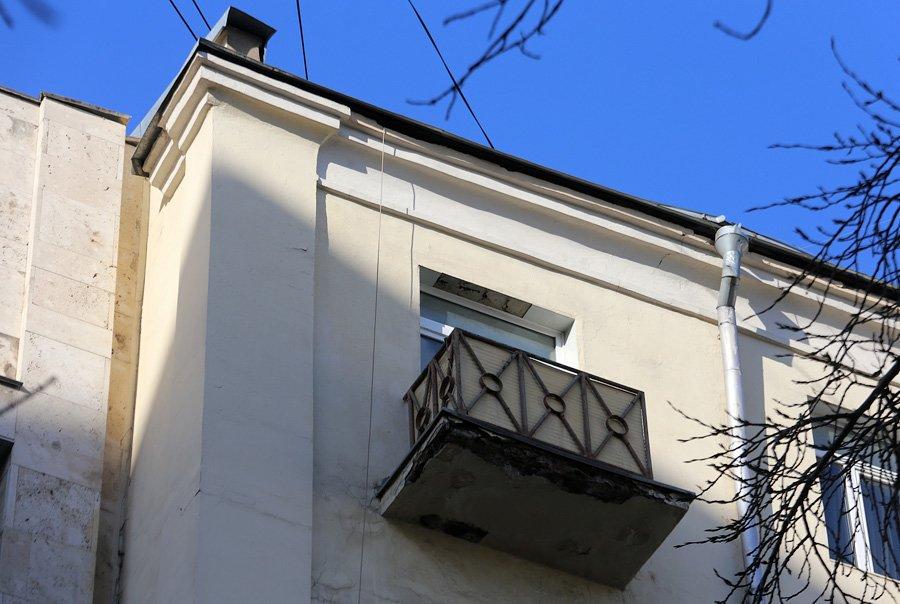
По существу это было первое жилое здание Москвы, построенное по канонам современной архитектуры, — со свободными плоскостями фасадов, эксплуатируемой кровлей, большими окнами и балконами с легкими металлическими ограждениями, но социально он оставался еще жильем старого, «буржуазного» типа — в 1934 году архитектор, подводя итоги своим жилищным экспериментам, последовавшим за постройкой дома Госстраха отмечал, что для буржуазного образа жизни в индивидуальной квартире все возможное было уже освоено в дореволюционных доходных домах, соответственно Гинзбург лишь адаптировал уже устоявшийся тип к новому стилю.
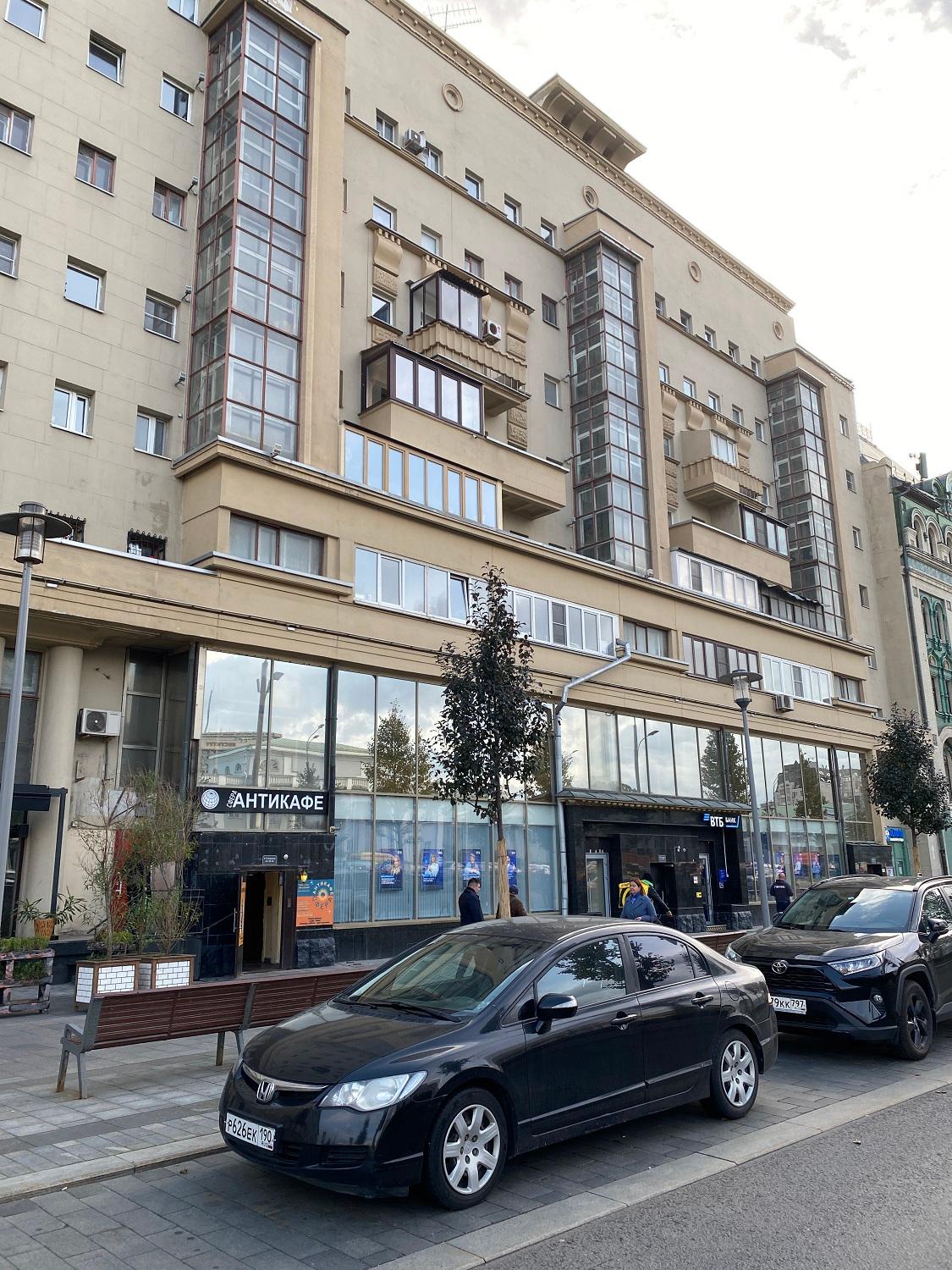
The five-story house of Gosstrakh, designed by the leader of constructivists, the architect Moses Ginzburg in 1926, is interesting not only for its external elegant architectural plastics, but also for rational internal structure. In addition to comfortable apartments, it also has a dormitory on the roof, a terrace for walking, and a shop on the first floor. This combination of residential units of different classes was one of the real ways to solve the most acute housing problem. After all, even many government officials who moved from St. Petersburg to Moscow lived until the end of the 1920s in hotels (and in the Kremlin - until the 1950s!). On each floor of the State Insurance house four apartments are located, and at this sense the building is not different from the pre-revolutionary apartment buildings. From the courtyard side the building together with the neighboring house formed the traditional well-type courtyard. Ginsburg took an important component of this type of buildings - the variability. Because of it all the apartments had a different configuration. Each apartment had private bathrooms, toilet, kitchen. It provides numerous facilities specific for the pre-revolutionary times, but had not yet forgotten, for example, double-leaf doors, through which it is convenient to pass the furniture. Each front is arranged so that it will fit a wardrobe and if an apartment has panoramic corner window , then in the rest of this advantage is compensated by balconies. Hostel at the top due to its compactness allowed to break the extensive terrace on the roof. Proud of his work, the architect published it in the journal "Modern Architecture" in every detail. Indeed, this was the first residential building in Moscow, built according to the canons of modern architecture - with free planes of facades exploited by the roof, large windows and balconies with light metal fences, but it was still socially a dwelling of the old, "bourgeois" type . In 1934 the architect , summing up their housing experiments that followed the construction of the house of the State Insurance Committee,he noted that for the bourgeois way of life in an individual apartment, everything possible was already mastered in pre-revolutionary apartment houses, Ginzburg only adapted the already established type to a new style.
Автор статьи: Николай Васильев
Рекомендации
10
29 м.
2,38 км
Поделитесь статьей с друзьями
Интересное рядом(5)
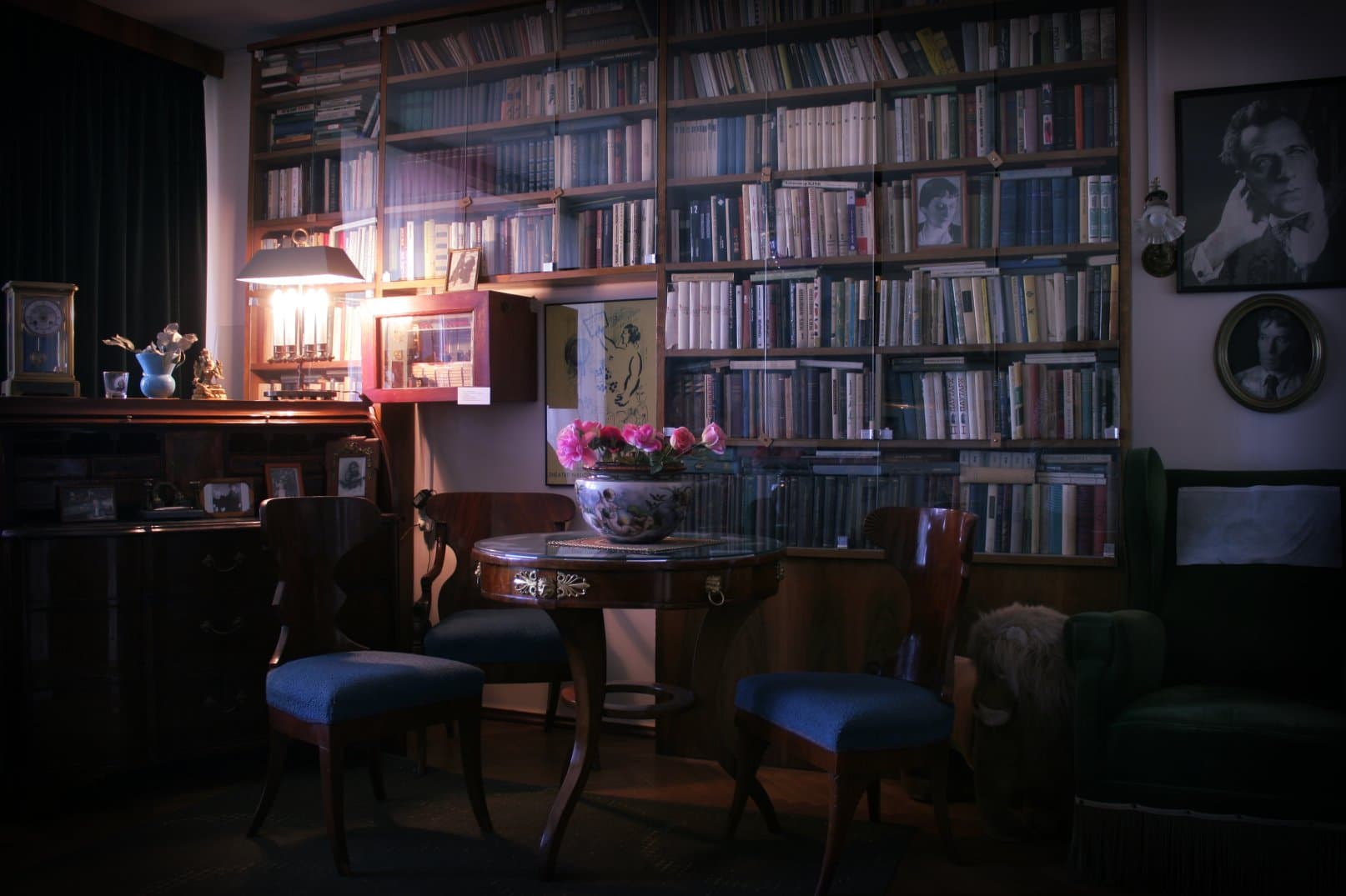
V.N. Pluchek Museum - ApartmentThe Museum of National Artist of the USSR Valentin Pluchek was opened in October 2009 to the centenary of an outstanding director. In the house at the intersection of two metropolitan streets - Bolshaya and Malaya Bronnykh, near the square of Nikitsky Gate, on the 13th floor, in the apartment 47, Valentin Nikolaevich lived for 30 years. His neighbors were Svyatoslav Richter, Yuri Nikulin, Rufina Nifontova, Boris Andreev, Rostislav Plyatt, Boris Ravensky, and Andrei Goncharov. In the Pluchek’s apartment, everything is like during the life of an eminent owner: antique furniture, porcelain, crystal chandeliers, massive bronze lamps, priceless paintings and drawings received as a gift from the authors: Tyshler and Falk, Chagall and Leger paintings, Picasso compositions on biblical themes. The memorial part of the exposition is complemented by: V. Levental’s sketch for the play “Cherry Orchard”, the costume of Andrei Mironov from the play “Crazy Day, or the Marriage of Figaro”, the uniform of the Mayor, in which Anatoly Papanov played “the Inspector General”, the models for the performances “Banya” and “the Inspector General”, sketches for the "Mysteries-Buff". Photo albums and video materials, collected in the Museum-apartment, provide an opportunity to get acquainted with the performances of Valentin Nikolaevich Pluchek, included in the history of Russian theatrical art.
Moscow, Bolshaya Bronnaya Street, 2/6
Barrikadnaya, Pushkinskaya, Tverskaya, Chekhovskaya
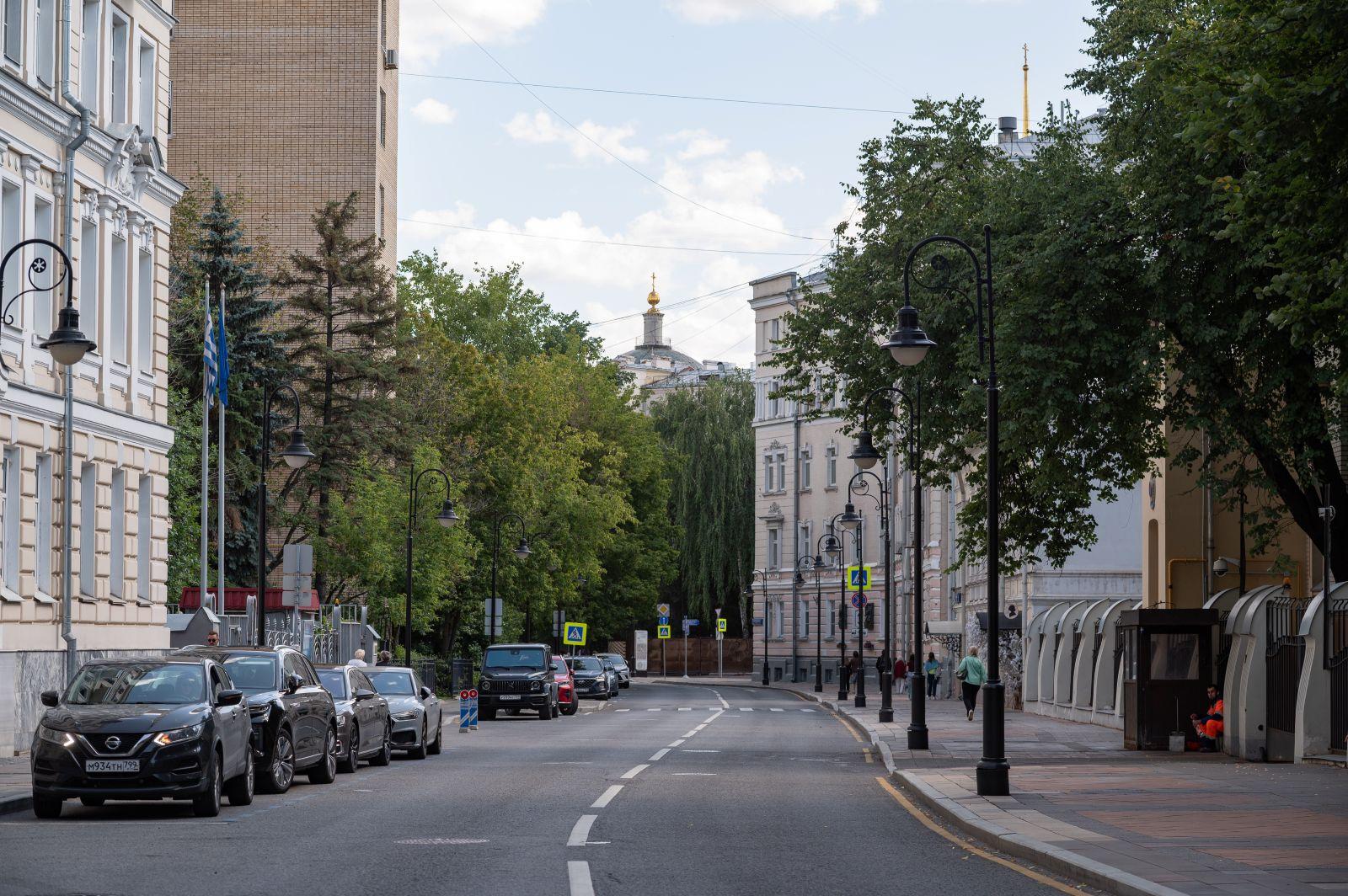
Street Spiridonovka

Its name to the street, in a sense obliged ... goats.

Улица Спиридоновка
Barrikadnaya, Tverskaya