Интерактивный гид по городу
С мобильным приложением бродить по городу гораздо интереснее!

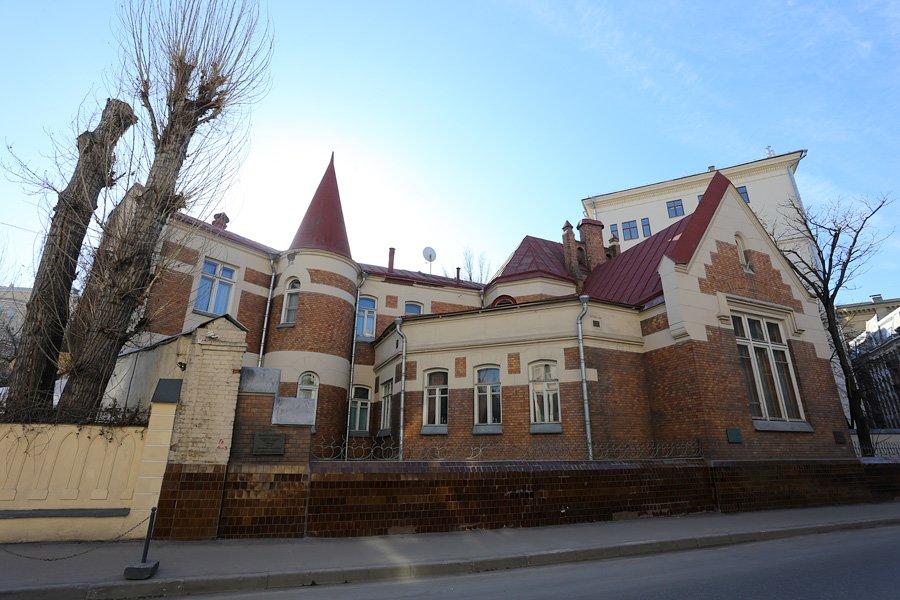
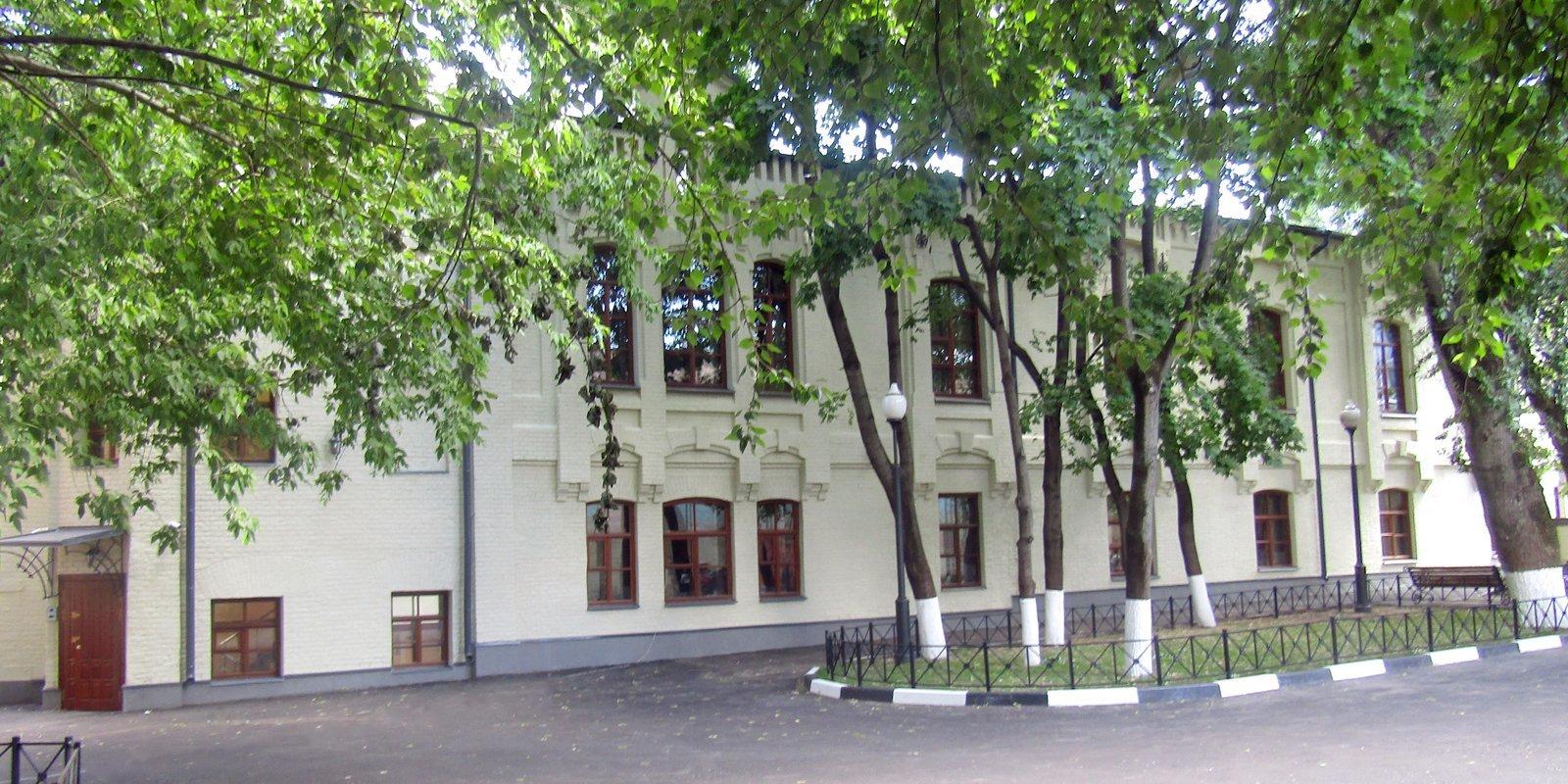
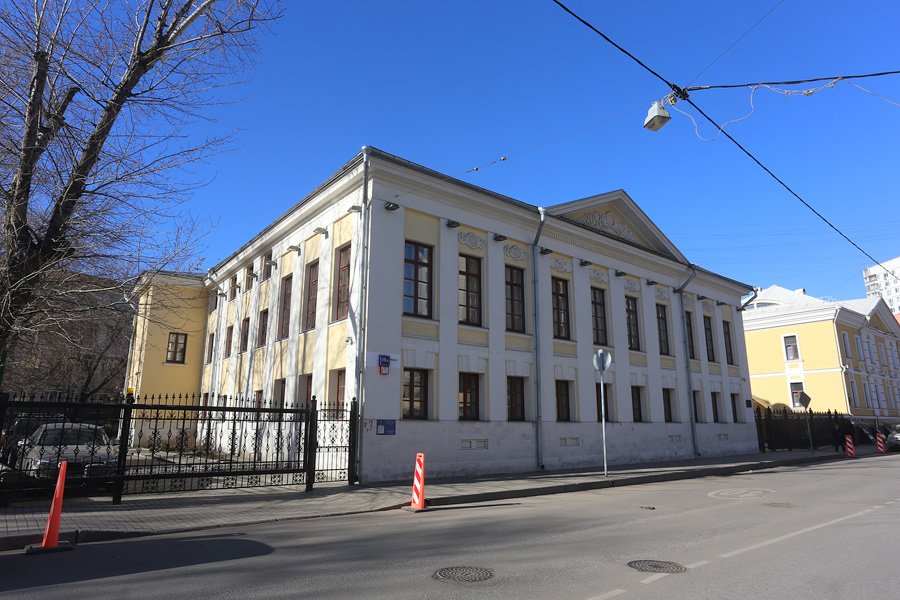
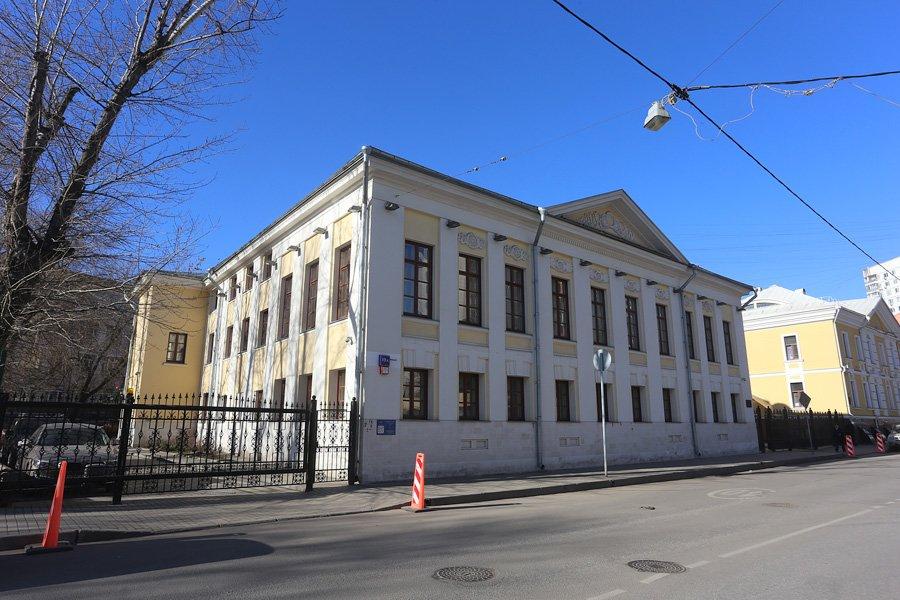
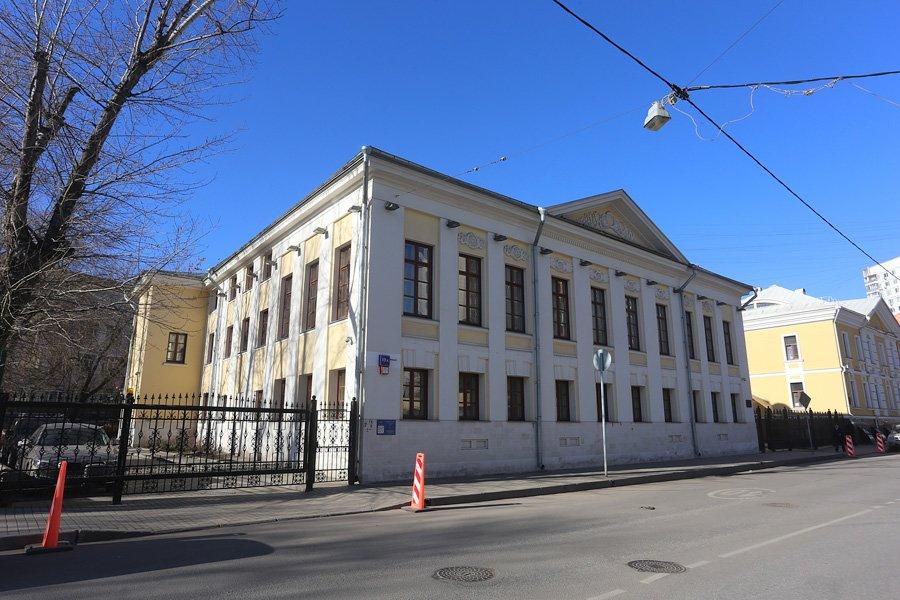
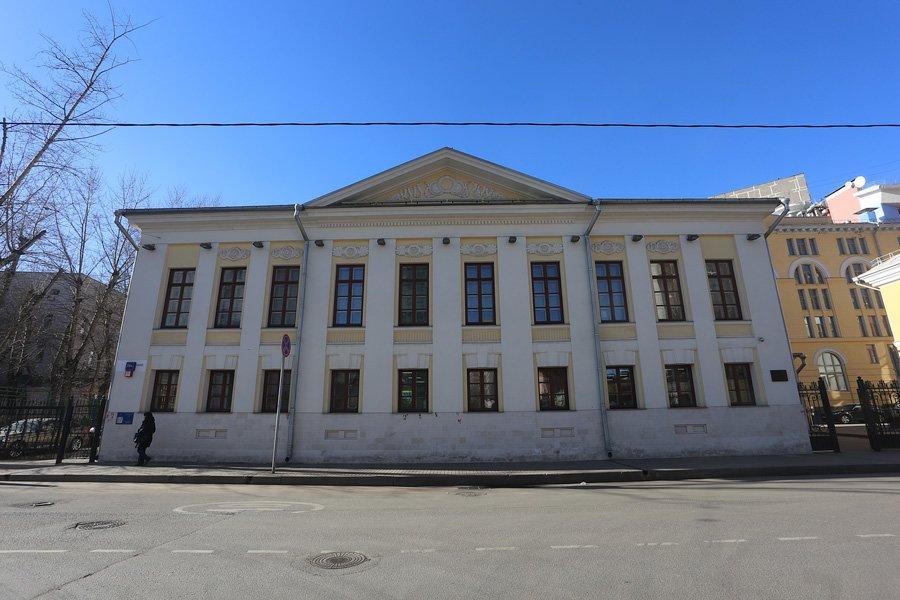
Poet A.N. Maikov’s apartment building

Apollon Alexandrovich Maykov, the Slavic literature expert , Chamberlain of the Imperial Court , State Councilor, Chamberlain was among the famous owners of this house.

Poet A.N. Maikov’s apartment building
Suharevskaya
Apollon Alexandrovich Maykov, the Slavic literature expert , Chamberlain of the Imperial Court , State Councilor, Chamberlain was among the famous owners of this house.
3.38
Вы можете воспользоваться QR-кодом, чтобы открыть эту страницу в нашем приложении
Архитектурный стиль:
Годы постройки:
XVIII в.
Эпоха:
18th century
Информация о здании

Дом был построен в 1780—1790‑е гг. в стилистике раннего классицизма. В 1812 г., как многие здания Москвы, он сильно пострадал от пожара и был частично разобран. В 1820‑е гг. усадебный дом восстановили в прежних габаритах на старом фундаменте. От первоначального объема, возможно, сохранились две каменные палаты с коробовыми сводами, расположенные в юго-западной части первого этажа. В это время двухэтажный дом, построенный в стиле ампир, приобретает тот облик, который в целом сохранился до наших дней. Фасад ритмично разделен лопатками на 10 частей. Центр выделен фронтоном в четыре оси. Над окнами первого этажа помещены лепные веерные замки, над окнами второго этажа — медальоны с лентами.

В 1838 г. дом перешел в собственность дворянского рода Майковых, которые владели им до 1906 г. Среди известных владельцев был славист, гофмейстер высочайшего двора, действительный статский советник, камергер Аполлон Александрович Майков (1826—1902), двоюродный брат известного поэта Аполлона Николаевича Майкова.

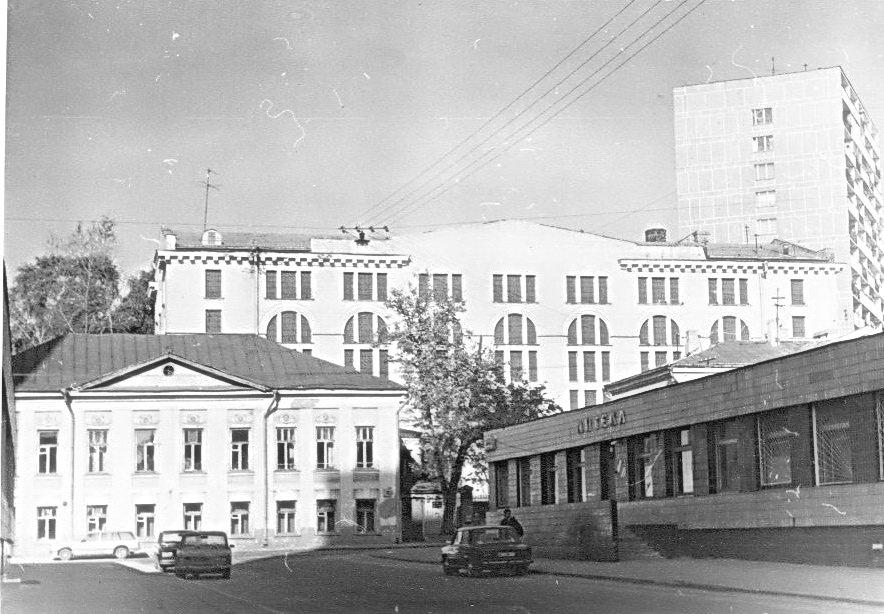
Во второй половине XIX в. дом обрастает многочисленными каменными пристройками со стороны сада. В 1908 г. была проведена перепланировка первого этажа, после чего здесь разместились аптекарский магазин Русекова, магазин Байбекова, молочная Титова с квартирами арендаторов.

После 1917 г. в доме находилась больница Дзержинского района. В советское время в здании была произведена внутренняя перепланировка, разобраны антресоли, а также сделаны небольшие пристройки. В 2006—2009 гг. были проведены работы по реставрации и приспособлению здания. Здание было поднято на первоначальную высоту цоколя — около 80 см. Именно на такую глубину дом «врос» в культурный слой. Кроме того, необходимость этого решения обусловлена тем, что здание окружено крупными постройками XX в. и поэтому оторвано от исторического масштаба. В ходе реставрации был воссоздан облик памятника ампирного периода начала XIX в., с выделением элементов 1780‑х гг.

Источник: «Москва, которая есть. 100 примеров научной реставрации», 2012 год

The house was built in the style of early classicism in 1780-1790s. It was badly damaged by fire and was partially disassembled just like many buildings in Moscow in 1812. Manor house was restored in original dimensions on the old foundation in 1820s. Two stone chambers with torispherical vaults located in the southwestern part of the first floor may have survived of the original volume. Two-storey house built in the Empire style acquired the look that generally preserved to nowadays at that time. Facade are rhythmically divided into 10 parts by blades. The central part is highlighted by the pediment in four axes. Molded rolling locks are placed above the first floor windows. Medallions with ribbons are above the windows of the second floor.

Maikov’s noble family owned the house in 1838-1906. Apollon Alexandrovich Maykov (1826-1902), the cousin of the famous poet Apollon Nikolayevich Maikov, the Slavic literature expert, Chamberlain of the Imperial Court, State Councilor, Chamberlain was among the famous owners of this house.

The house acquires numerous stone outbuildings from the garden in the second half of XIX century. Re-planning of the first floor was held in 1908. Rusekov’s drugstore and Baybekov’s shop, Titov’s dairy store with tenants’ apartment settled here.

Dzerzhinsky district hospital was in the building after 1917. The building was made internal alterations during the Soviet times: mezzanine was dismantled and a small outbuilding was added. Restoration and adaptation work was conducted in the building in 2006-2009. The building was raised 80 cm up to the initial height. This was the depth the house has "rooted" in the cultural layer. In addition, the building was surrounded by large buildings during the XX century and it divorced from the historical scale. The image of the Empire style building from beginning of the XIX century was returned to the house during the restoration. Architectural elements of 1780's were highlighted.
Поделитесь статьей с друзьями
Интересное рядом(7)
Museum "Sadovoe koltso"It is a unique modern museum that is aimed at the cultural education of Moscow residents and guests of the capital. The museum is the cultural center of one of the oldest districts of Moscow - Meshchansky, affecting various spheres of cultural and educational activities. This is the only museum in Moscow that is fully devoted to the study of the history of the development of one district, as well as being an information center for future development projects of the Meshchansky district and a consulting center on the history of the district. The museum is an exhibition complex, which hosts many exhibitions of painting, photography, objects of decorative and applied art, an exhibition-reconstruction of the historical space, a leisure center for young people and children. The museum is located in the old Moscow mansion on the territory of one of the most ancient districts of Moscow - Meshchansky. The mansion is entered in the register of architectural monuments and is a typical example of residential buildings of the Moscow classicism of the XVIII century. At the heart of the building is the foundation of the residential chambers of the XVII century. The real name of the author of the mansion is unknown. I.E. Grabar assumed that the creator of the house was N.N. Legrand, who worked in Moscow in the years 1773-1791. The mansion burned during a fire at the period of the occupation of Moscow by French troops, but was restored. In this era, the house belonged to Prince Dmitry Ivanovich Lobanov-Rostovsky (1758-1838), the infantry general, participant in the war of 1812. In the 1820s, Major P.V. Gruschetsky, a relative of the famous Decembrists MP Bestuzhev-Ryumin and Muraviev-Apostolov brothers, became owner of the mansion. Grushchetsky himself was not a member of a secret society, but maintained close friendly relations with the Decembrists. For some time the widow of the Decembrist M. Fonvizina Natalia Dmitrievna lived in this house. According to contemporaries, she served as a prototype for Tatyana Larina. Subsequently, the house repeatedly changed its owners, among them the collegiate assessor Shamardin, merchant I.M. Zaitsevsky. The last known owner of the merchant environment was the first guild merchant Liya Aronovna Gurevich. After the 1917 revolution, two families lived in the mansion: the military doctor Khorava and the engineer-engineer Pyatyshev, who moved to Moscow from Petrograd in 1918. In the 20s, during the period of consolidation, communal apartments were formed in the house, which existed here until the end of the 1960s. In the 70s a scientific restoration of the mansion was carried out under the guidance of architect K.O. Zurina, during which the authentic elements of the facade decor were restored: lion macaroons and a carved balcony. After the restoration to the 100th anniversary of V.I. Lenin, the Museum of Labor and Military Glory of the Dzerzhinsky District was opened in the house. The old house on the 1st Meshchanskaya was not chosen by chance, according to legend, in 1894 in the basement of this house the son of a merchant of the first guild Alexander Alekseevich Ganshin published the work of V.I. Lenin "What are the friends of the people and why they are fighting against the Social Democrats." As such, the museum existed until 1998. The new society has set quite different tasks for the museum. A new scientific concept of the museum was developed, where the Meshchansky district itself became the main subject of study: historical facts and legends of residents, streets, houses, parks and squares. On the eve of the third millennium celebration, a new exhibition was opened in the museum.
Moscow, Prospect Mira, 14
Suharevskaya, Prospekt Mira, Проспект Мира (радиальная)
Most Suharevskaya area

Once the most, perhaps, a noisy area.

г. Москва, Большая Сухаревская пл.
Suharevskaya
Suharevskaya
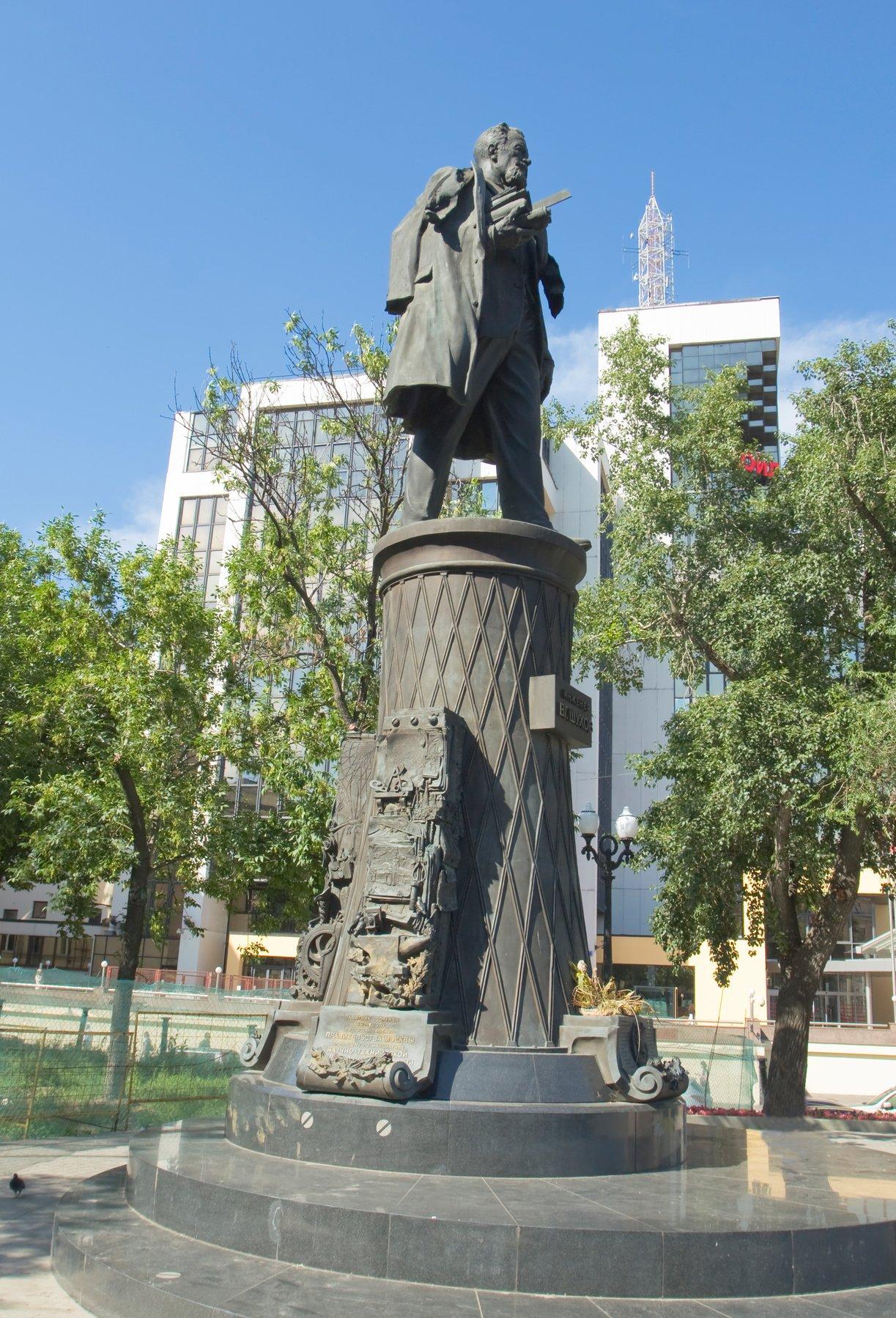
Памятник В.Г. Шухову

Прочитайте о памятнике выдающемуся русскому инженеру, изобретателю гиперплоидных конструкций и автору радиобашни на Шаболовке – В.Г. Шухову. Узнайте, почему монумент был установлен именно на Сретенском бульваре, как Шухов связан с добычей нефти, и кто позировал скульптору при создании памятника.


Памятник выдающемуся русскому учёному и инженеру В. Г. Шухову появился в Москве на Сретенском бульваре в 2008 году. Место для его установки выбрали не случайно: во-первых, неподалёку проходит Мясницкая улица, где долгие годы располагалась контора, в которой работал Шухов; во-вторых, рядом с памятником находится офис компании «Лукойл», в которой особенно высоко ценят вклад изобретателя в развитие нефтедобычи.

Бронзовый Шухов в развевающемся плаще стоит на постаменте, напоминающем о его главном инженерном произведении — радиобашне на Шаболовке. Постамент украшен барельефами, а перед ним размещены необычные «скамейки наук» с инструментами, продолжающие тему инженерных открытий. Автор памятника — известный скульптор Салават Щербаков, на счету которого множество монументов деятелям отечественной науки и искусства. Позировал для него правнук изобретателя, Владимир Шухов, унаследовавший телосложение и имя своего знаменитого прадеда.

г. Москва, Тургеневская пл., д. 2.
Turgenevskaya, Chistye_prudy, Sretenskij bulvar
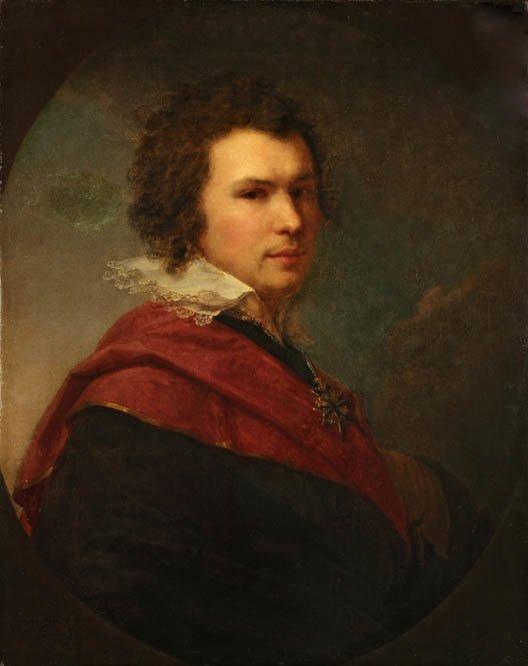
Maykov A. A.
поэт