Информация о здании
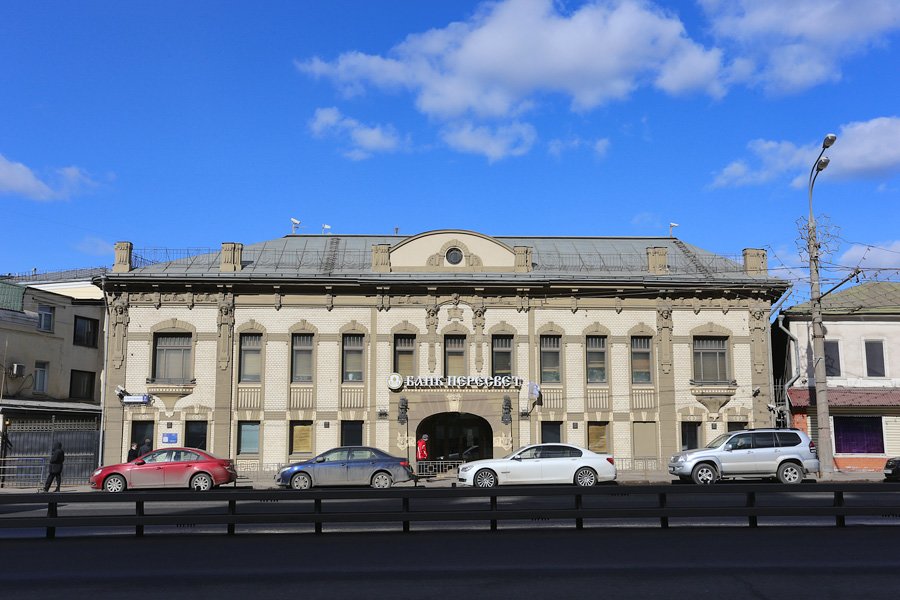
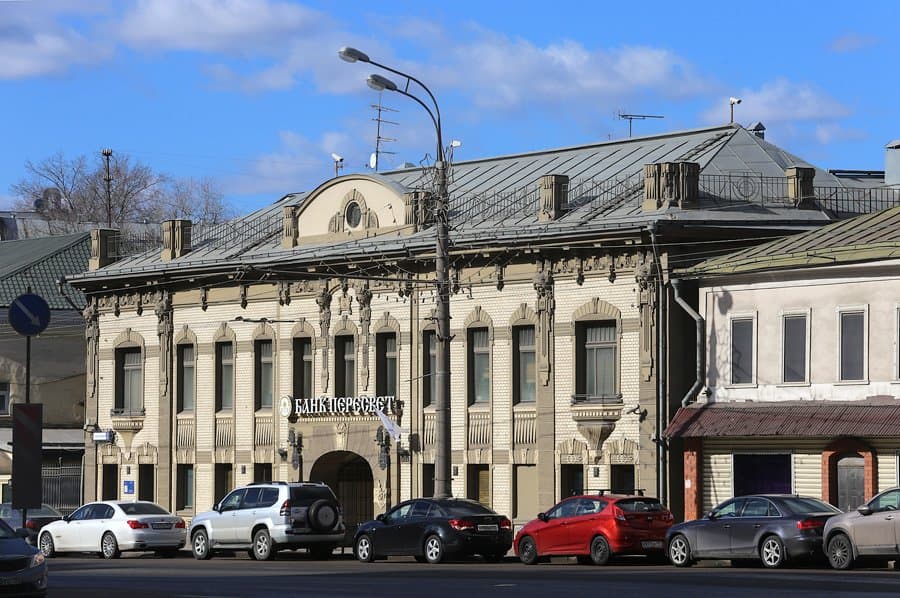
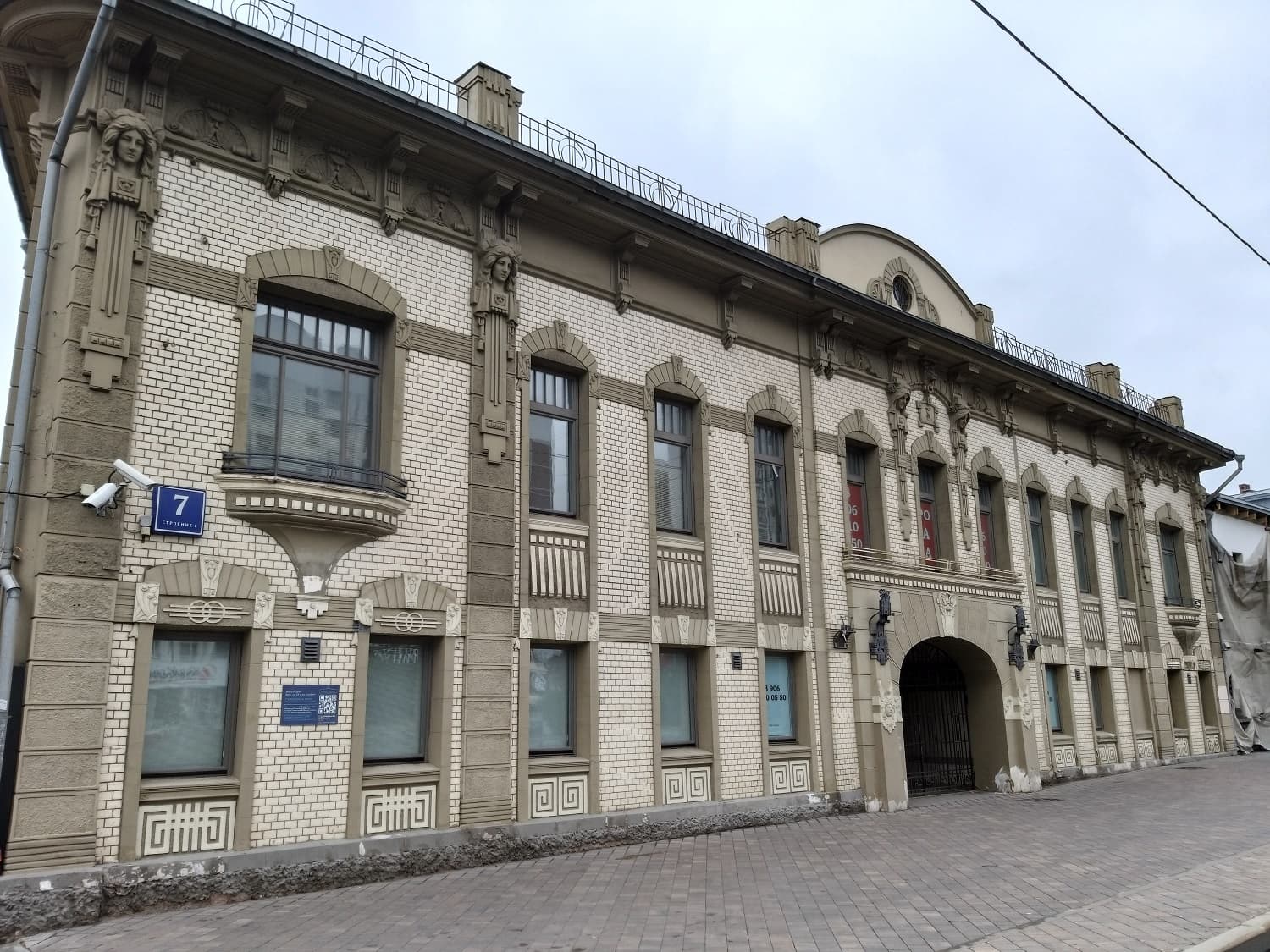
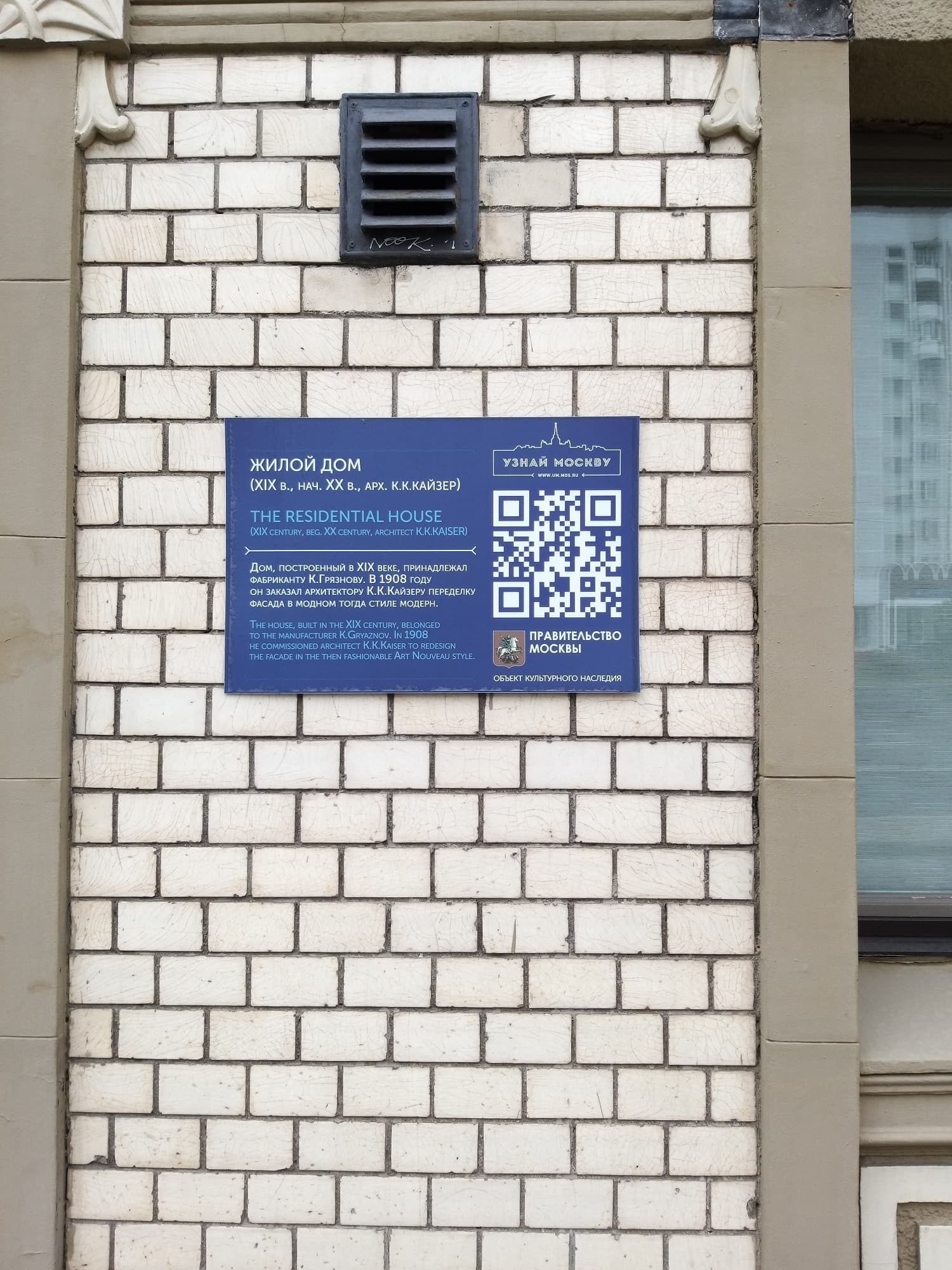
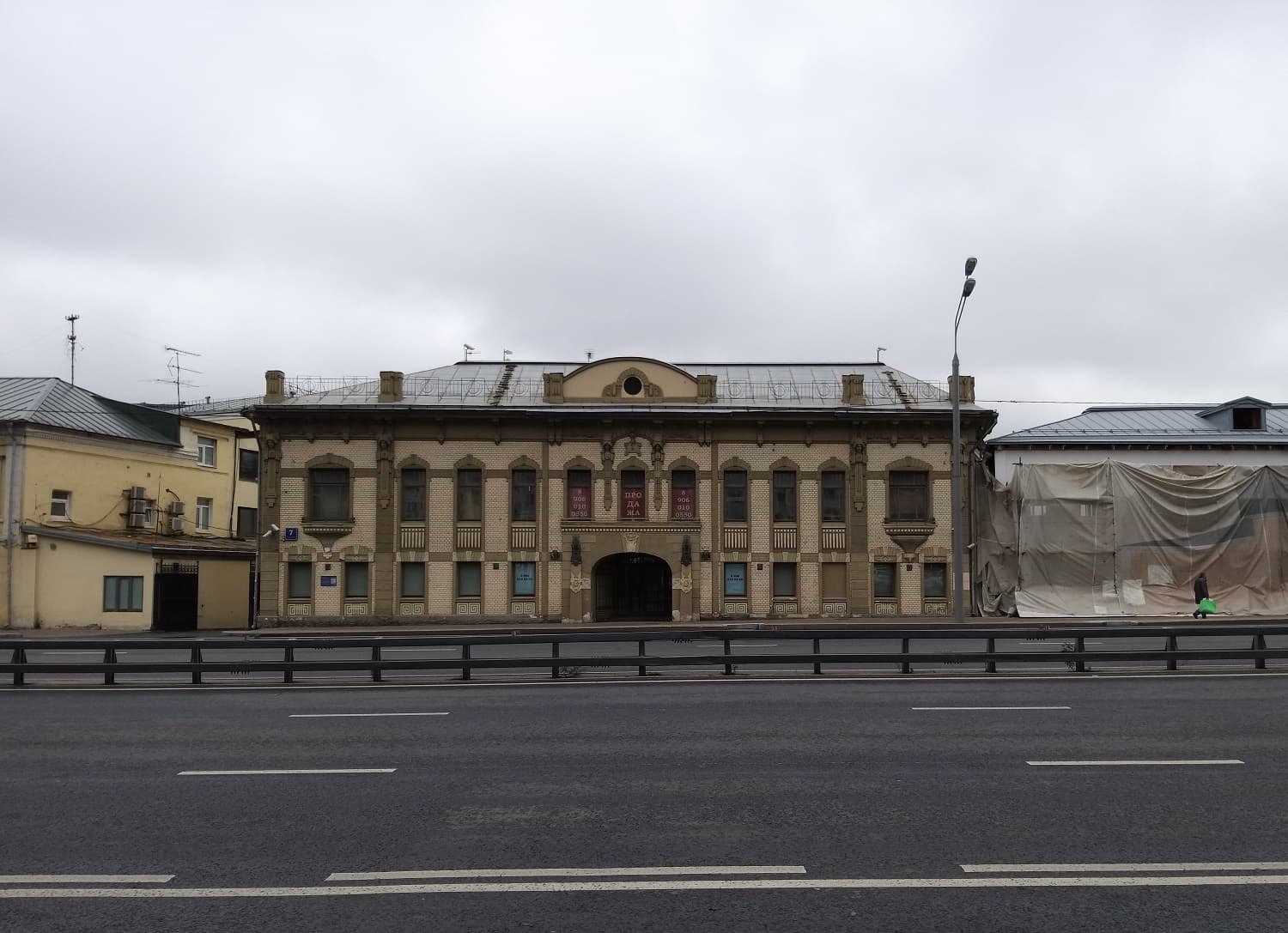
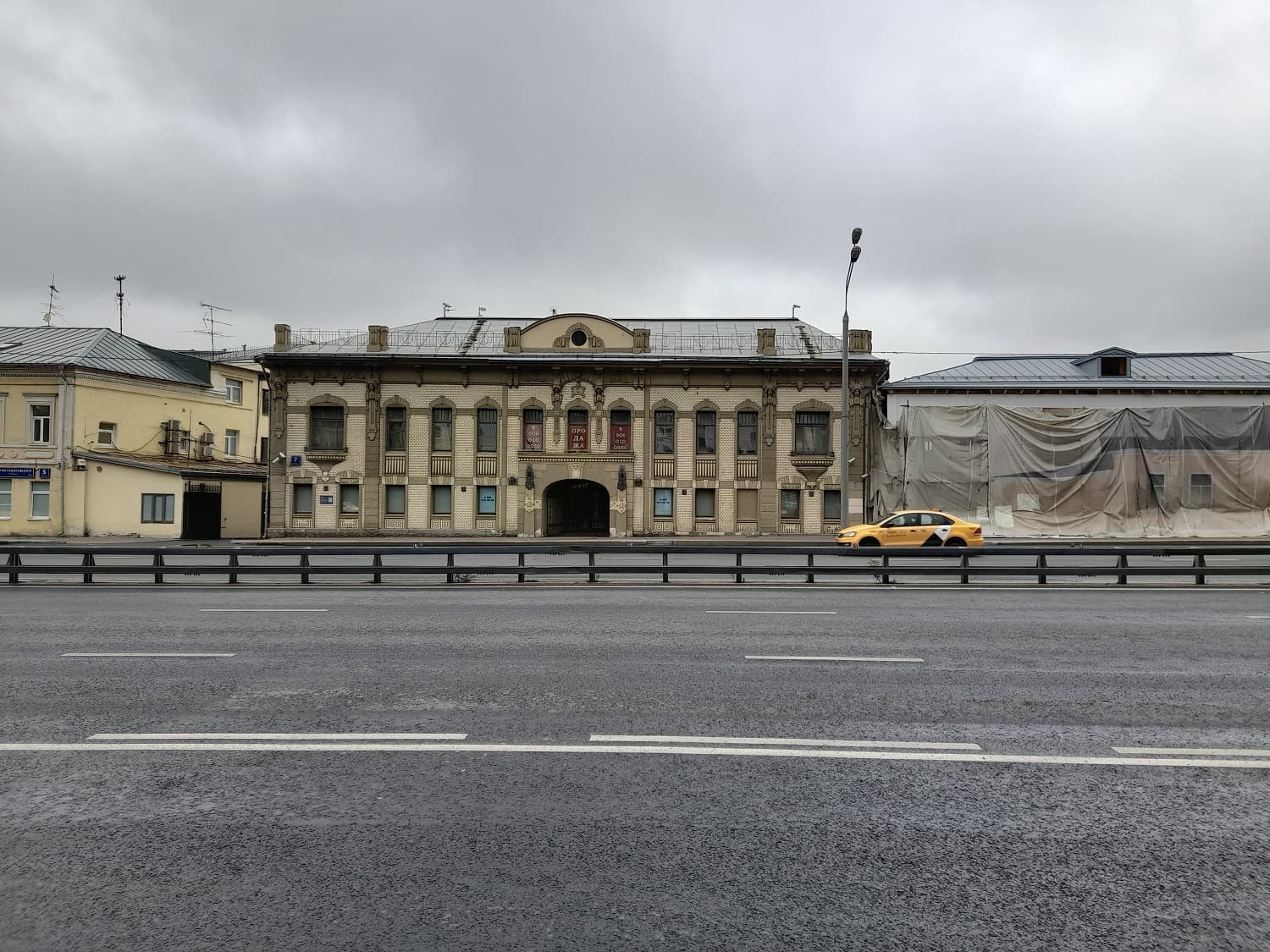
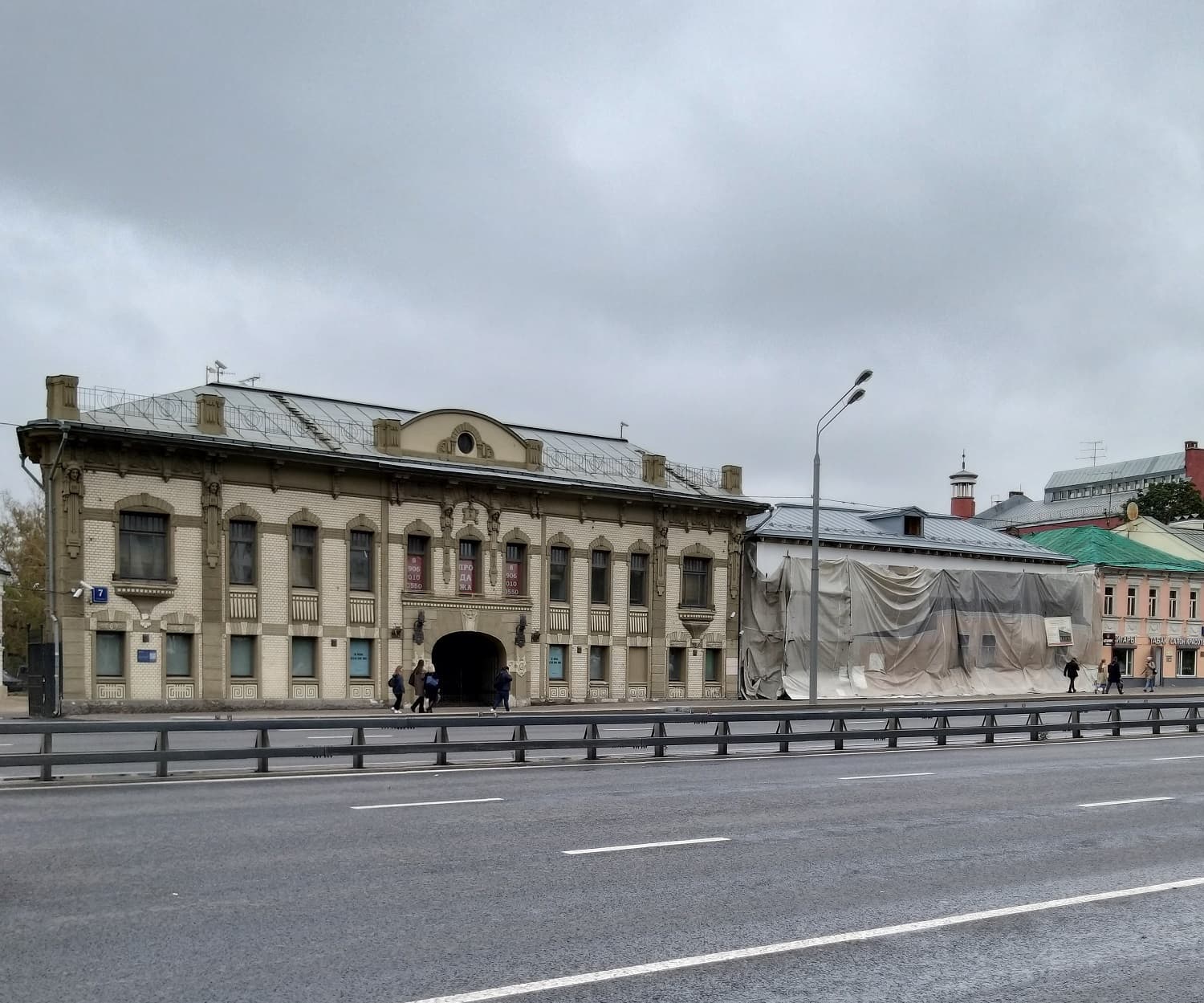
В 1908 году, в самом центре Рогожской ямщицко-старообрядческой слободы, жители которой отличались своей строгостью и простотой, фабрикант К. Грязнов заказал архитектору К.К. Кайзеру (его авторству принадлежат также дома на Никитском бульваре,13 и на улице Щепкина, 18) переделку фасада своего дома, построенного в 19 веке. Автор воспользовался вошедшим тогда в моду стилем модерн.
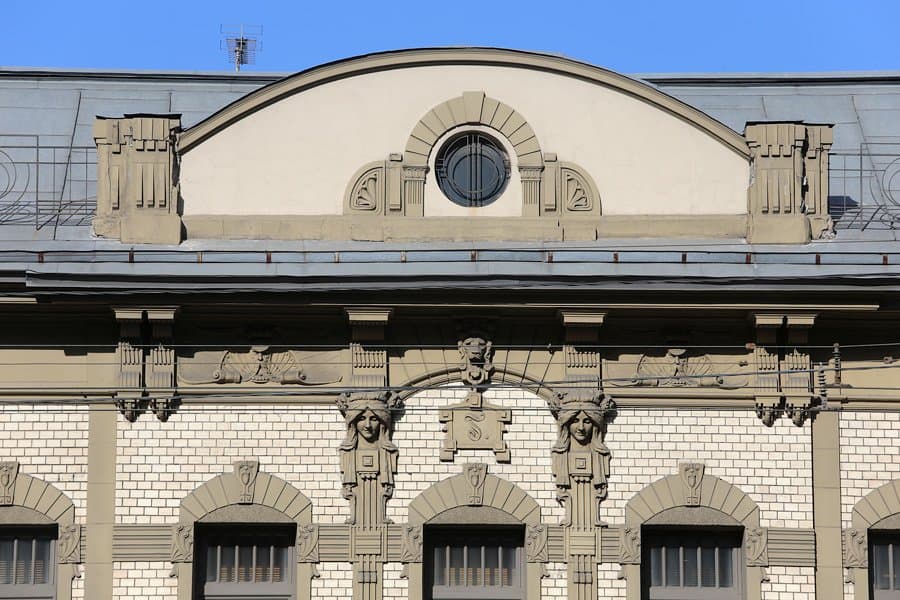
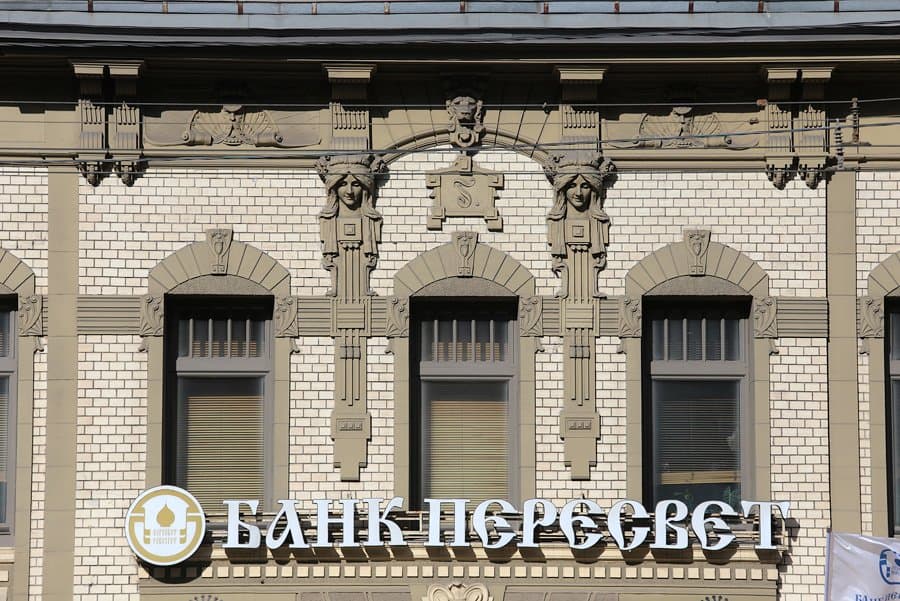
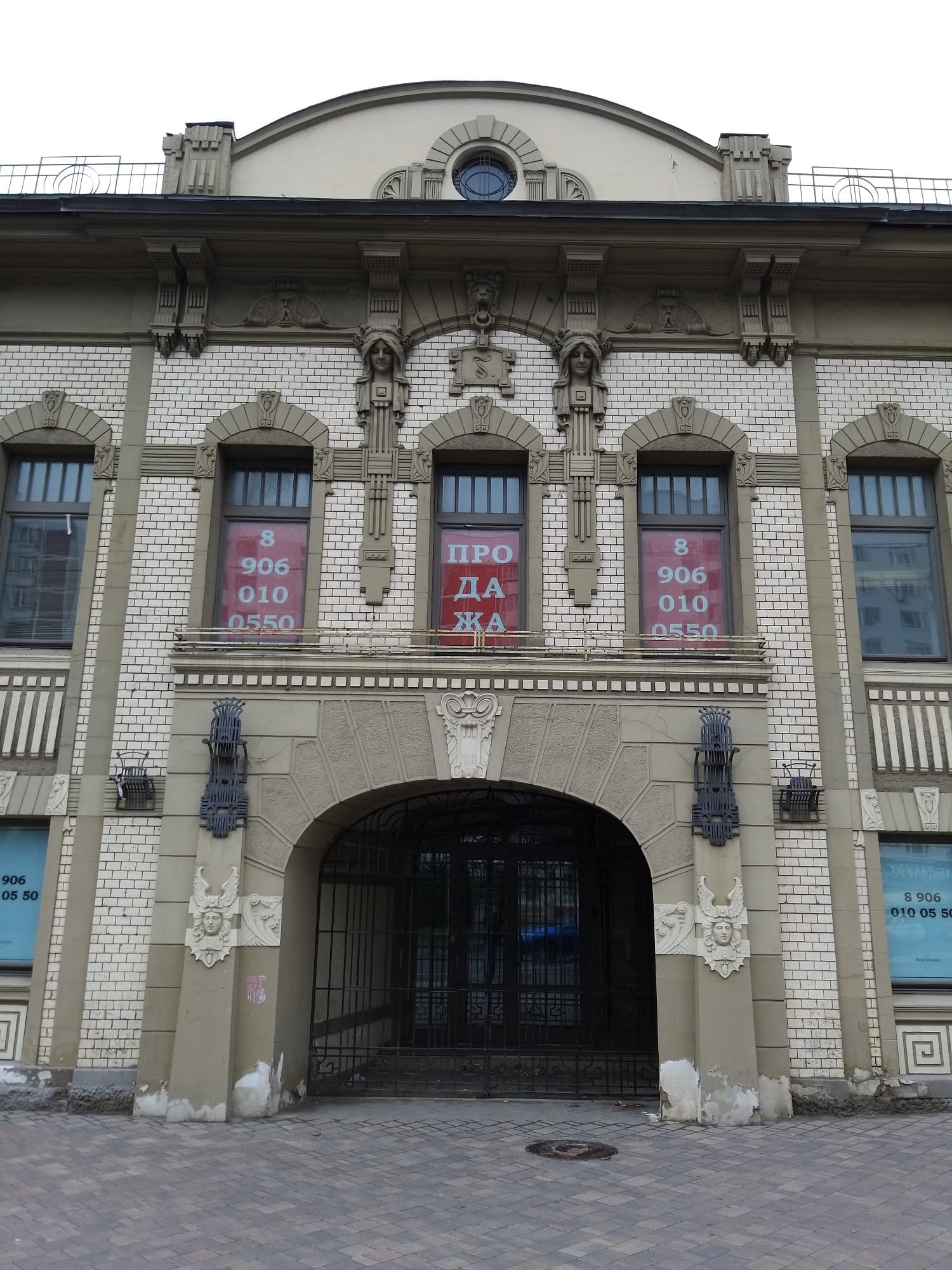
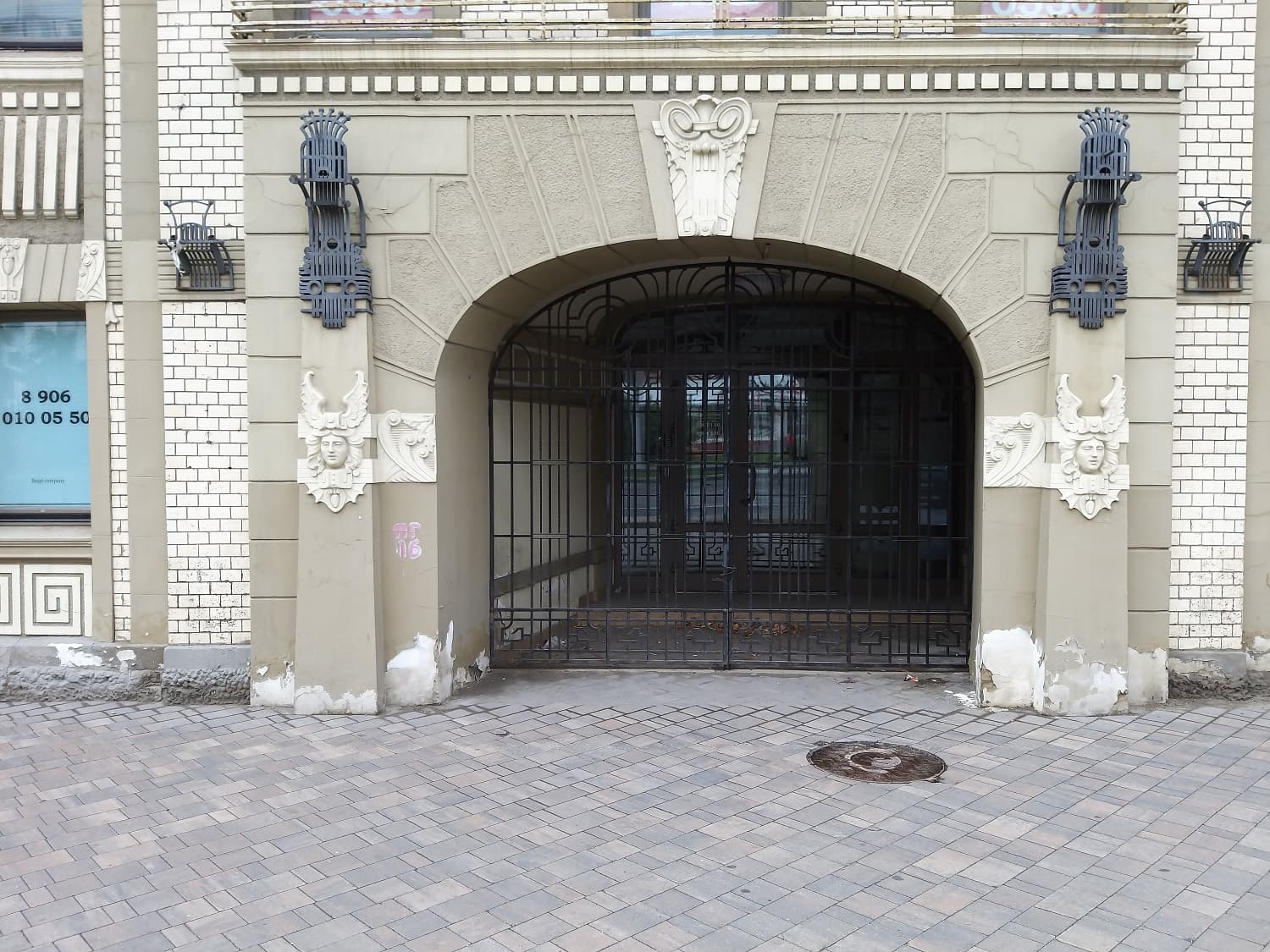
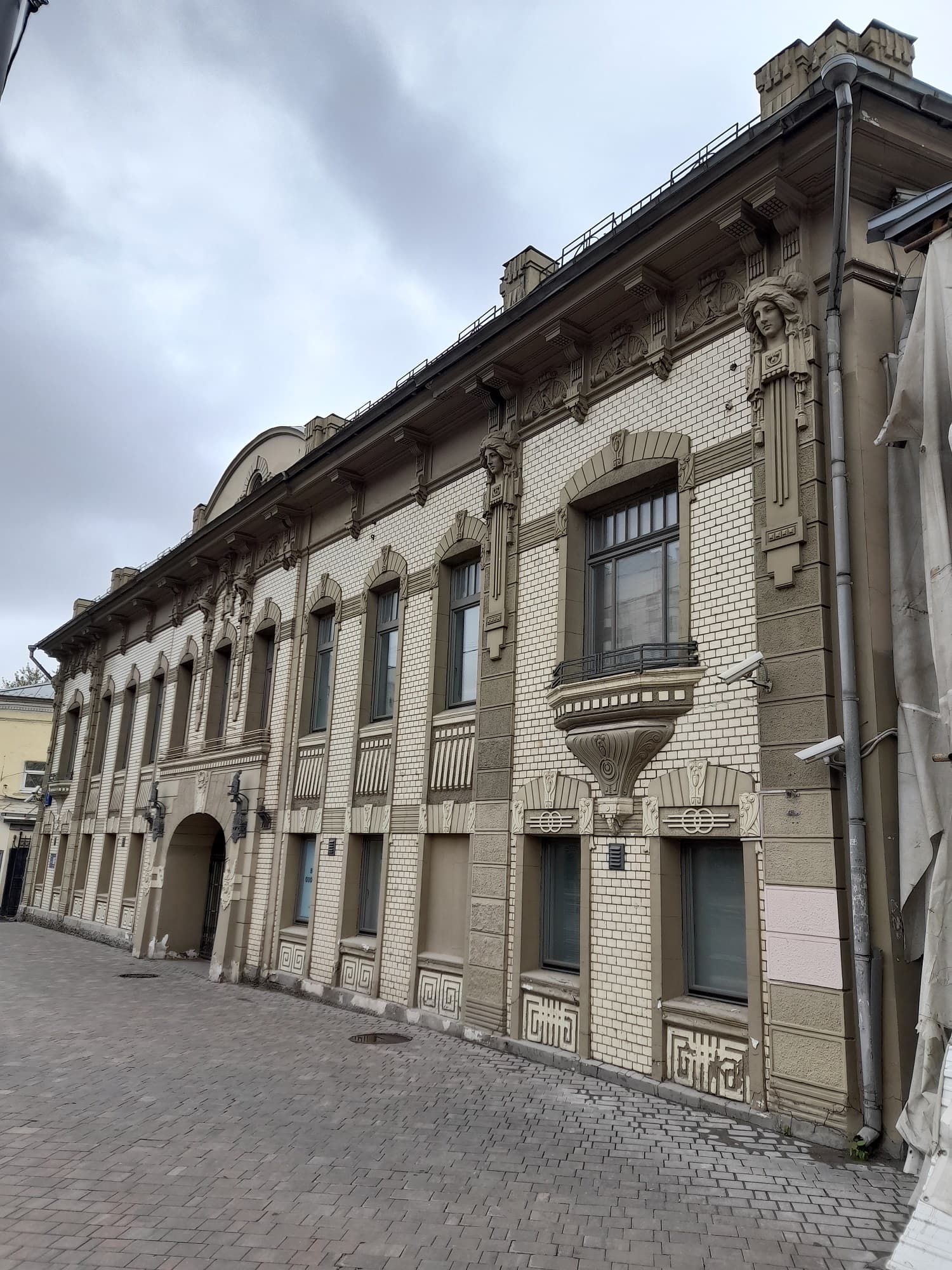
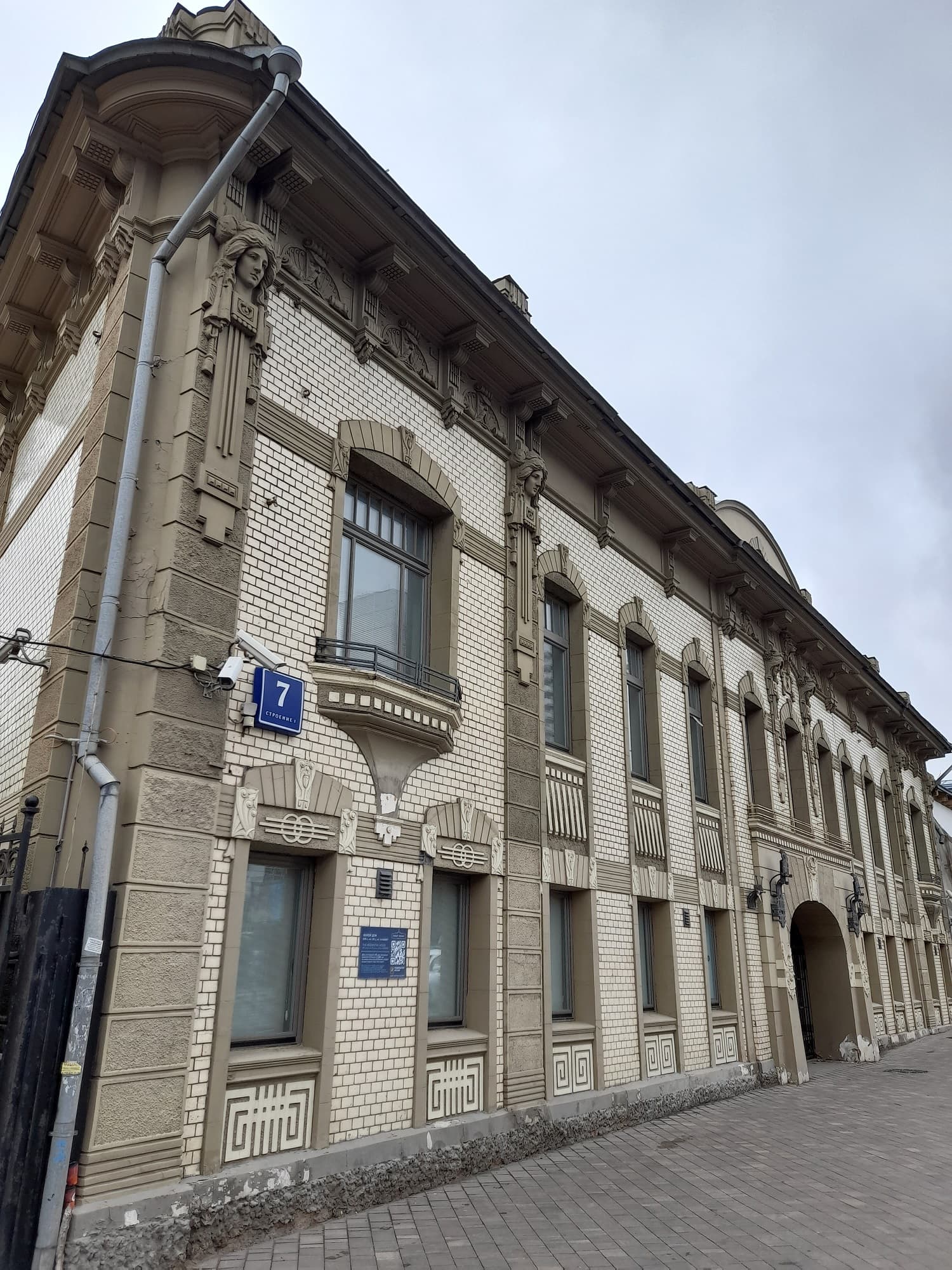
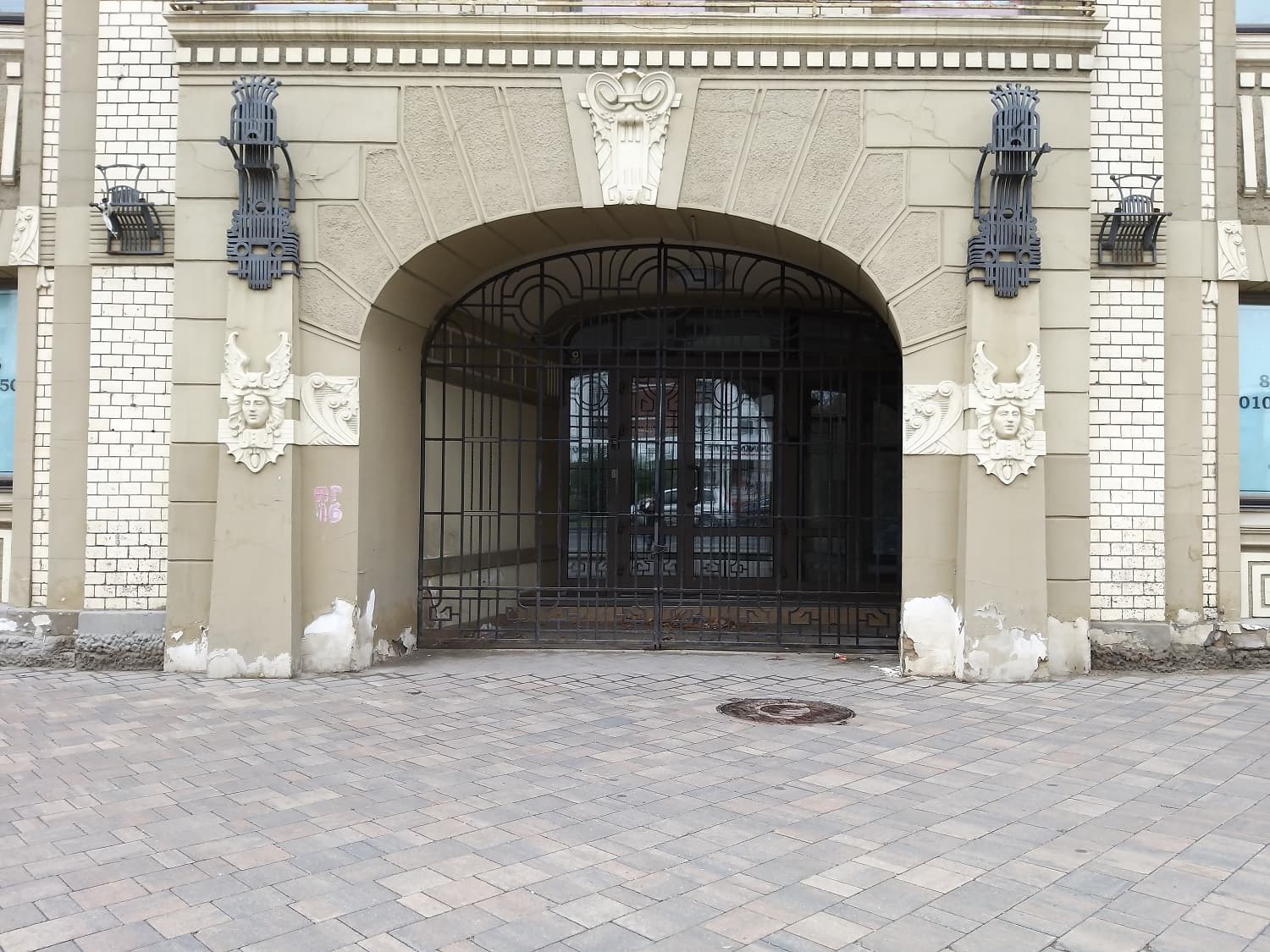
Фасад с характерными текучими линиями декора, большим выносом венчающего карниза, сложными формами кронштейнов, облицовкой керамической плиткой, украшен маскаронами - женскими головками, весьма распространенными в московском модерне. Однако, тут имеются свои отличия: несколько маскаронов изображены в виде суровых мужских лиц с густыми пышными усами, что по всей видимости может свидетельствовать о строгом патриархальном укладе жизни владельца дома.
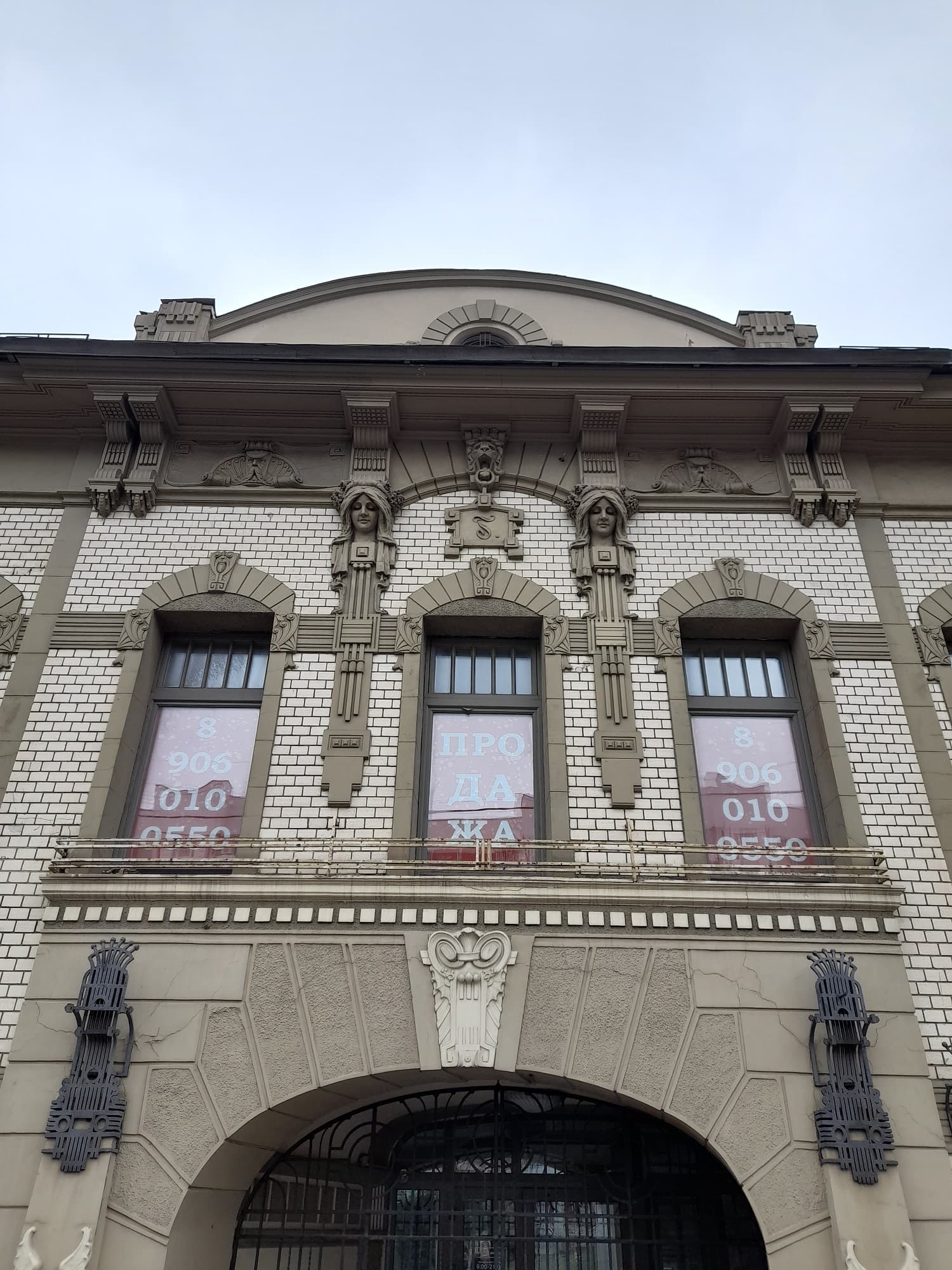
Также в центре фасада виден картуш с вензелем буквы «Г»- начальной буквой фамилии владельца. Кроме того, очень красиво оформлена въездная арка.
Венчает здание достаточно симпатичное слуховое окно под крышей, служившие выходом на крышу, а также для освещения и проветривания чердачных помещений.
Здание отреставрировано и сейчас тут находится банк «Пересвет».
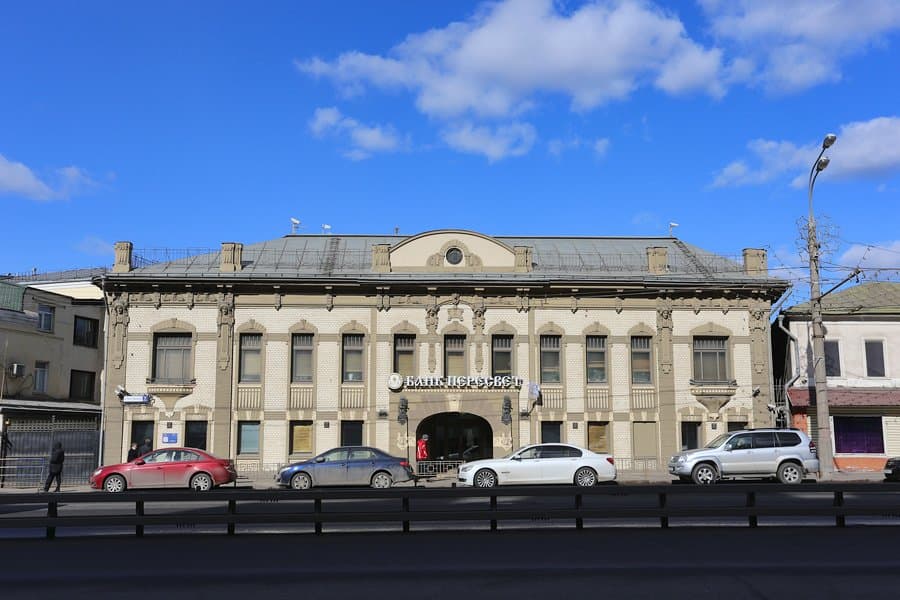
Фасад с характерными текучими линиями декора, большим выносом венчающего карниза, сложными формами кронштейнов, облицовкой керамической плиткой, украшен маскаронами - женскими головками, весьма распространенными в московском модерне. Однако, тут имеются свои отличия: несколько маскаронов изображены в виде суровых мужских лиц с густыми пышными усами, что по всей видимости может свидетельствовать о строгом патриархальном укладе жизни владельца дома.
Также в центре фасада виден картуш с вензелем буквы «Г»- начальной буквой фамилии владельца. Кроме того, очень красиво оформлена въездная арка.
Венчает здание достаточно симпатичное слуховое окно под крышей, служившие выходом на крышу, а также для освещения и проветривания чердачных помещений.
Здание отреставрировано и сейчас тут находится банк «Пересвет».
The Art Nouveau house with a slight touch of "Russian style" looks fresh and bright, pleasing the eye of a passerby.
In 1908, in the heart of Old Believers Rogozhsky coachmen settlement , the inhabitants of which were notable for their austerity and simplicity, the manufacturer K. Grjaznov ordered the architect Kaiser an alteration of the facade of his house , which was built in the 19th century. Kaiser also was an author of 13 Nikitsky Boulevard and 18 Shchepkin street buildings. The author have designed the house in modern style which came into vogue recently at the time.
Facade with characteristic flowing lines of decor, a large outflow of crowning cornice, complex forms of brackets lined with ceramic tiles, decorated mascarons (women's heads) , very common in the Moscow Art Nouveau . However, there was a slight differences: some mascarons depicted as a harsh male faces with thick mustache. That apparently indicated a strict patriarchal way of life of the house owner.
Also there was a cartouche bearing the monogram of the letter " G" in the center of the facade underlining the initial letter of the surname owner. Also the entry arch was decorated very nicely.
The building is crowned by quite cute dormer window under the roof that served as access to the roof, as well as for lighting and ventilation of attic spaces.
The building was restored and now there is a Peresvet (Relight) bank there.
Рекомендации



.jpg&w=1920&q=75)