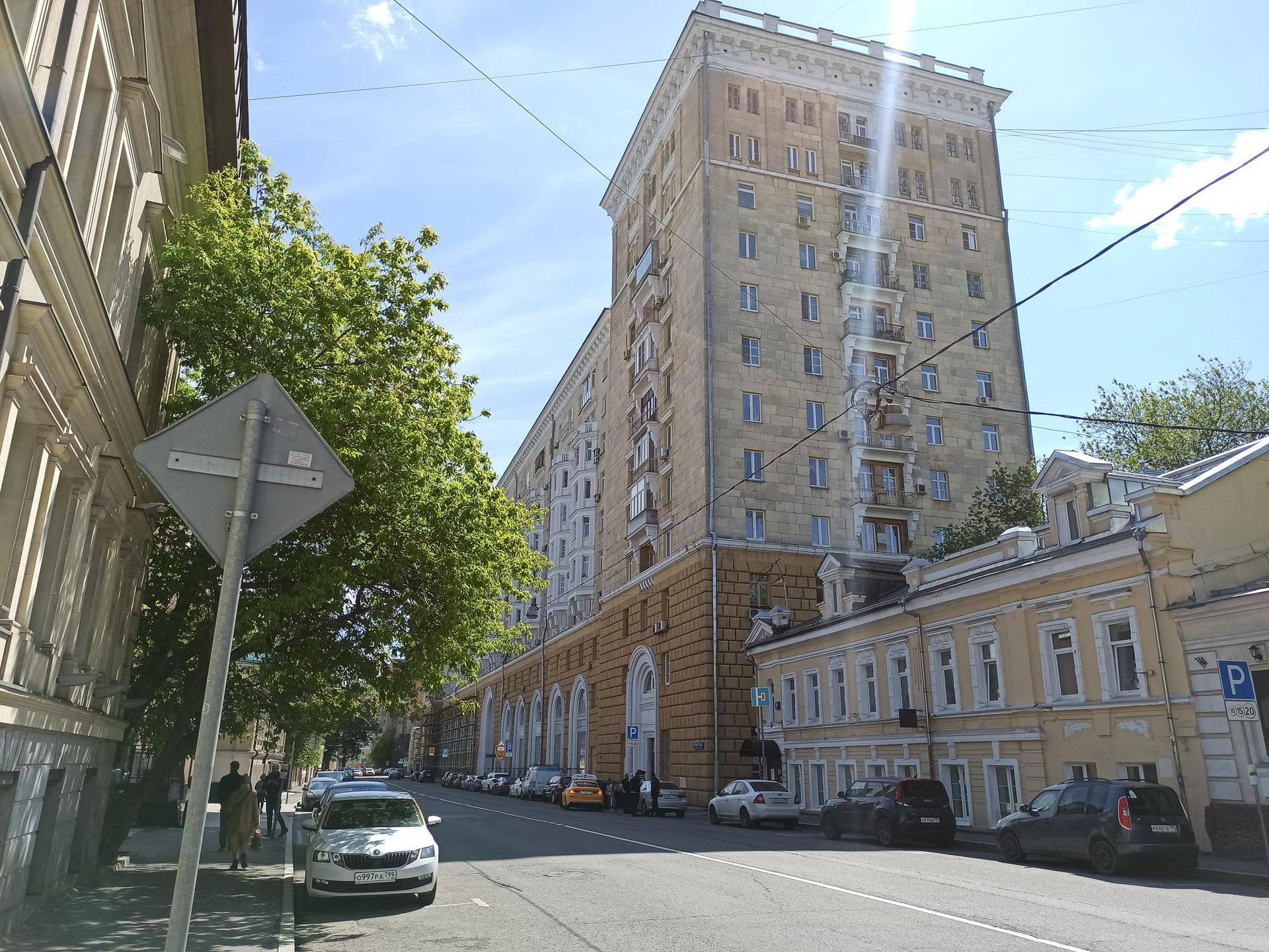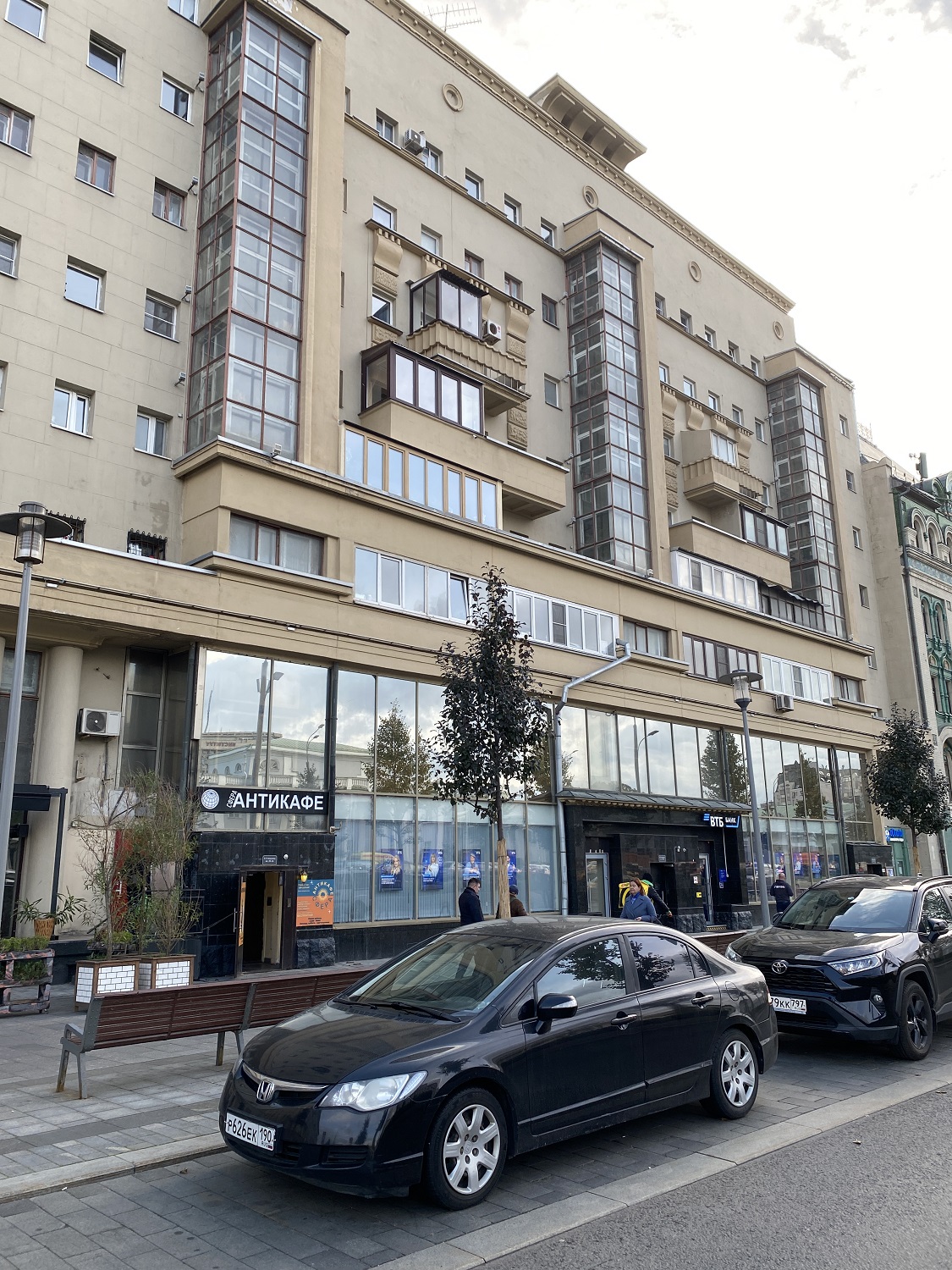
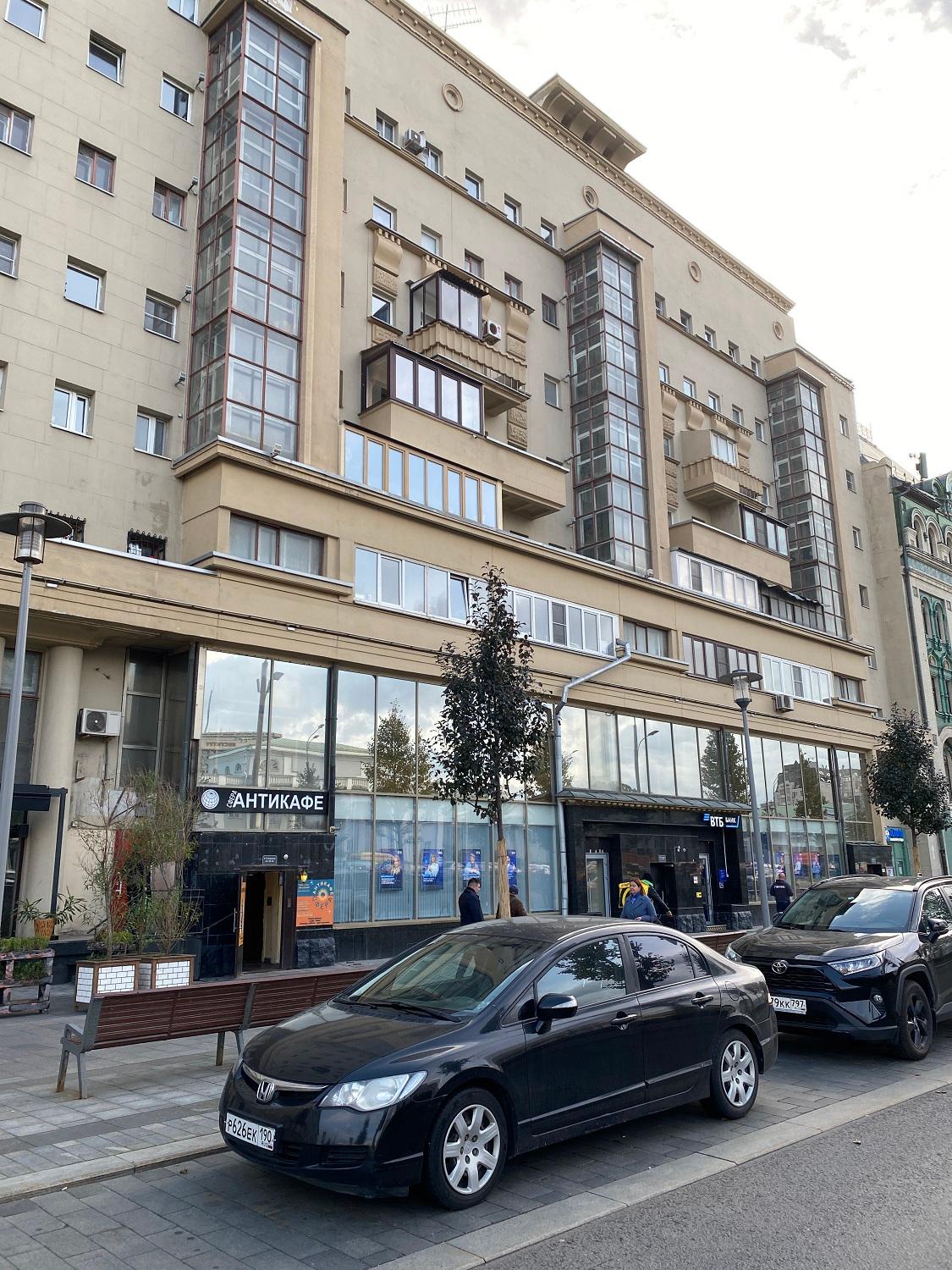
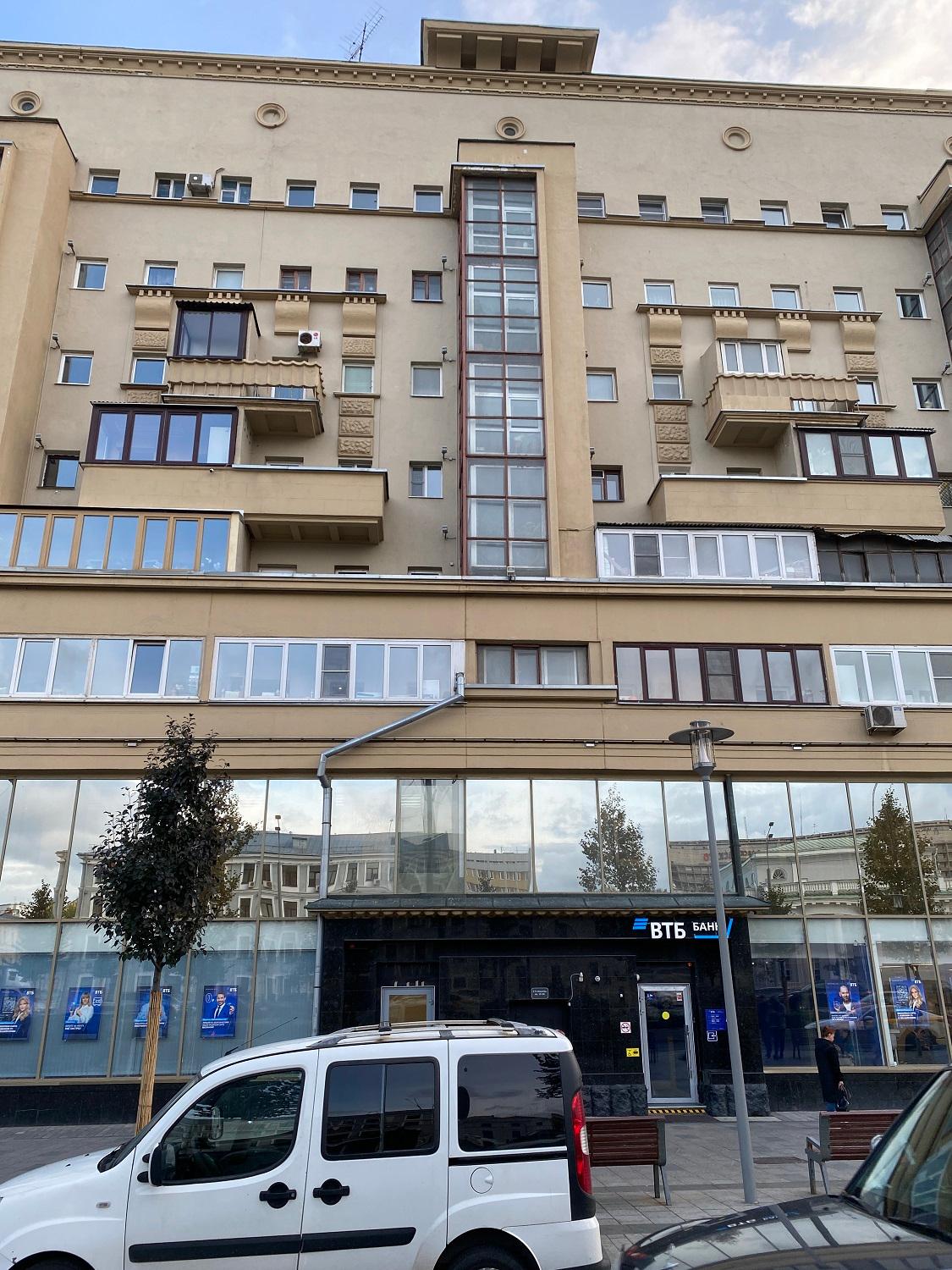
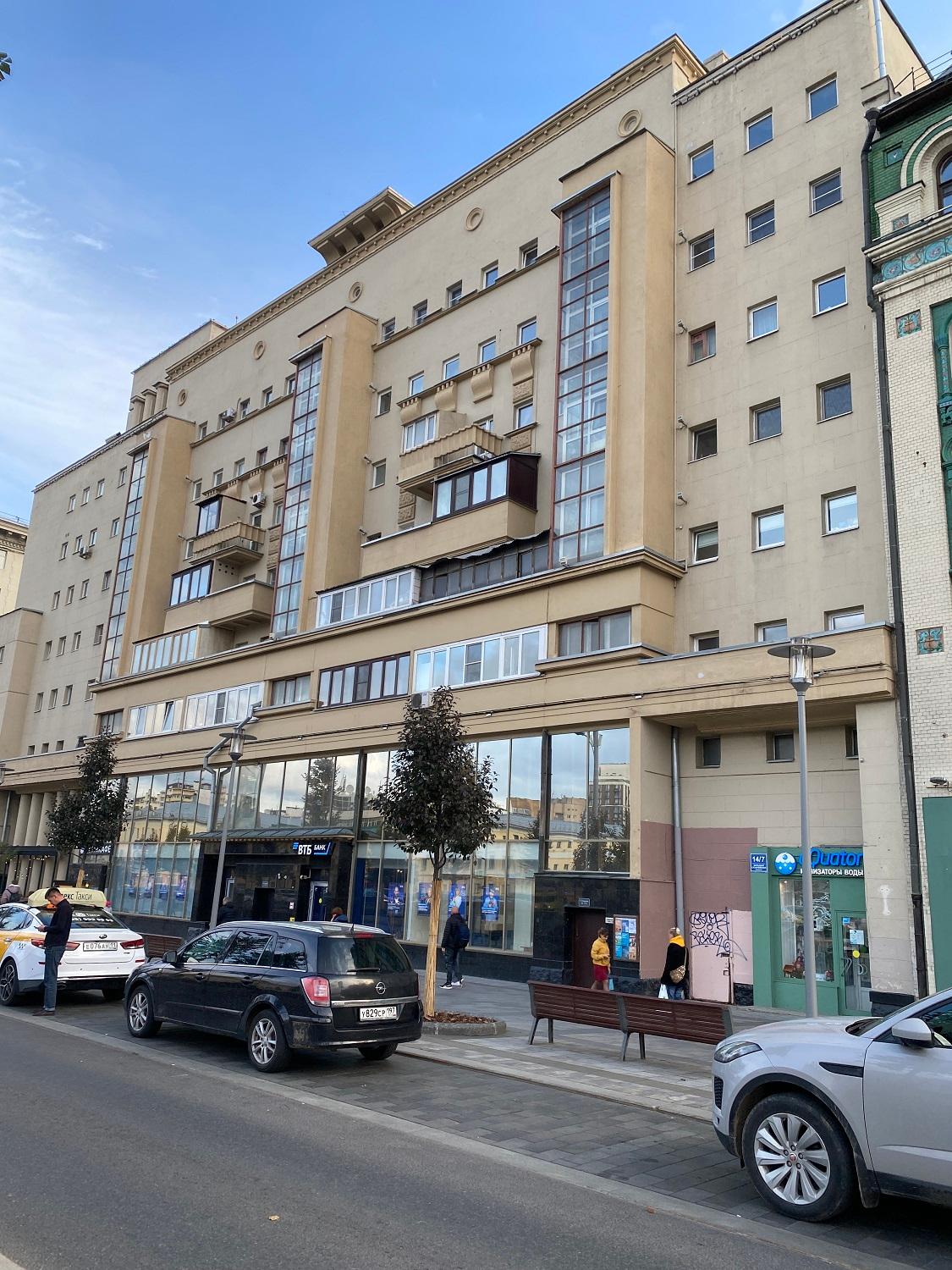
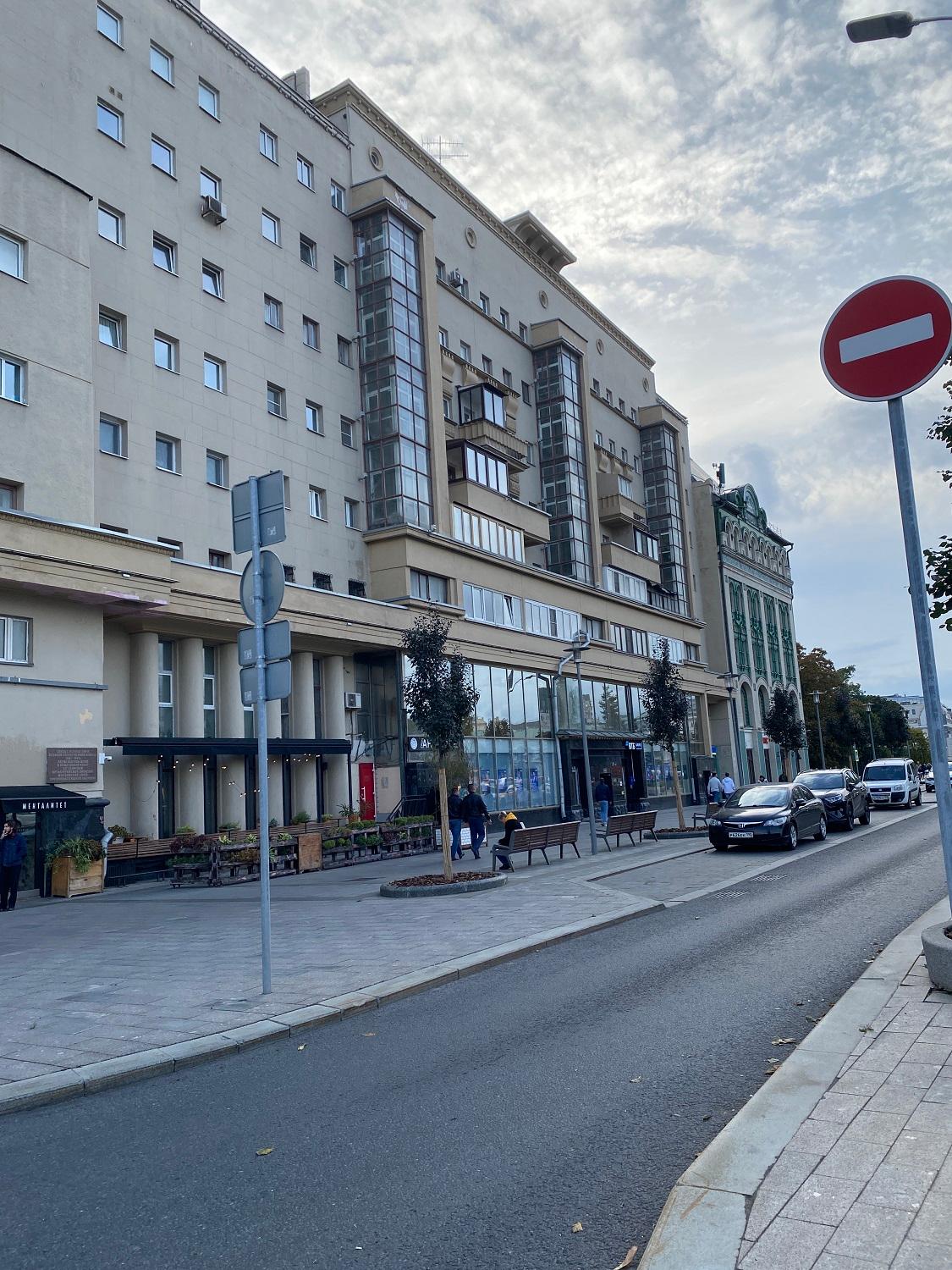
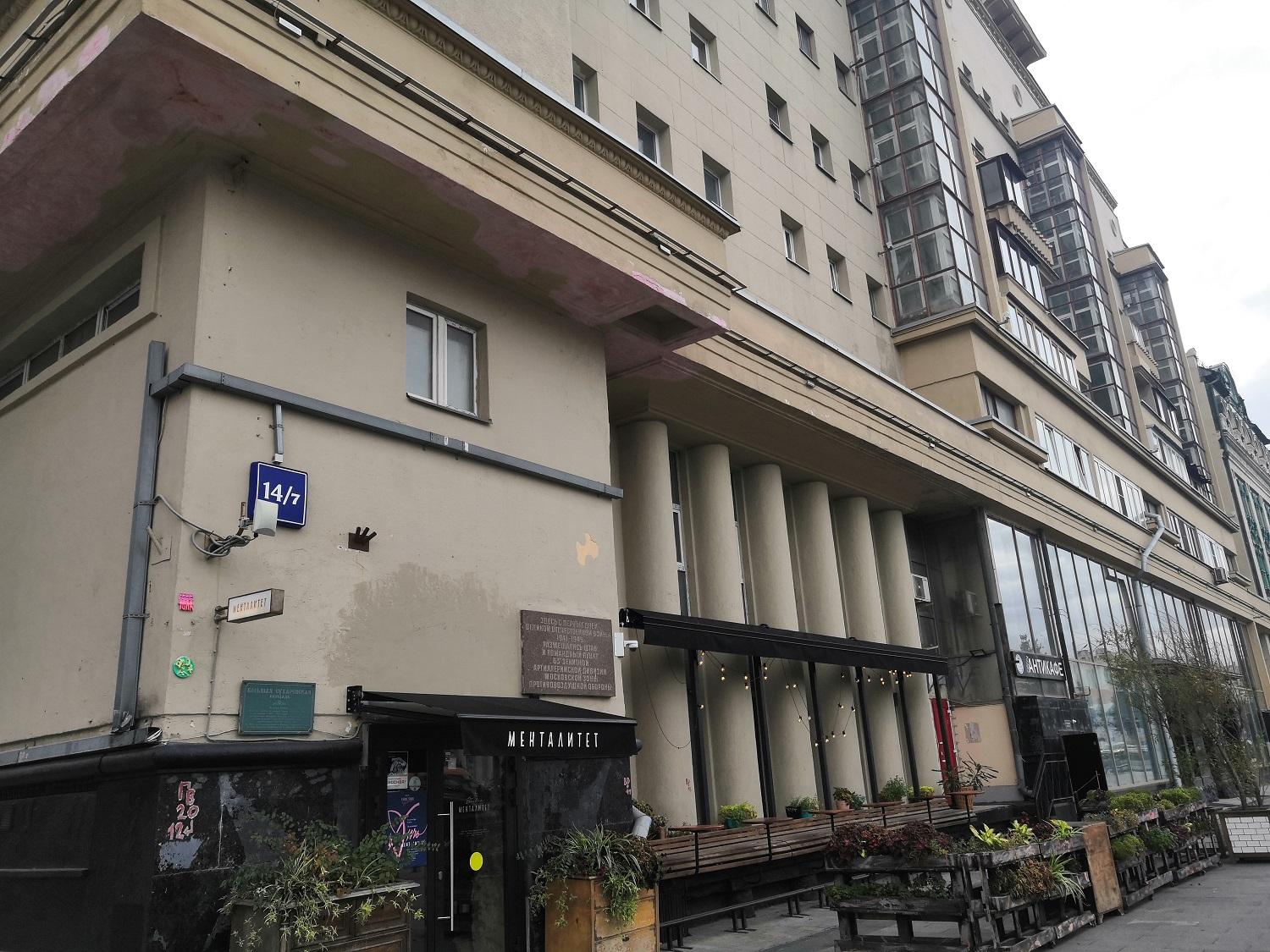
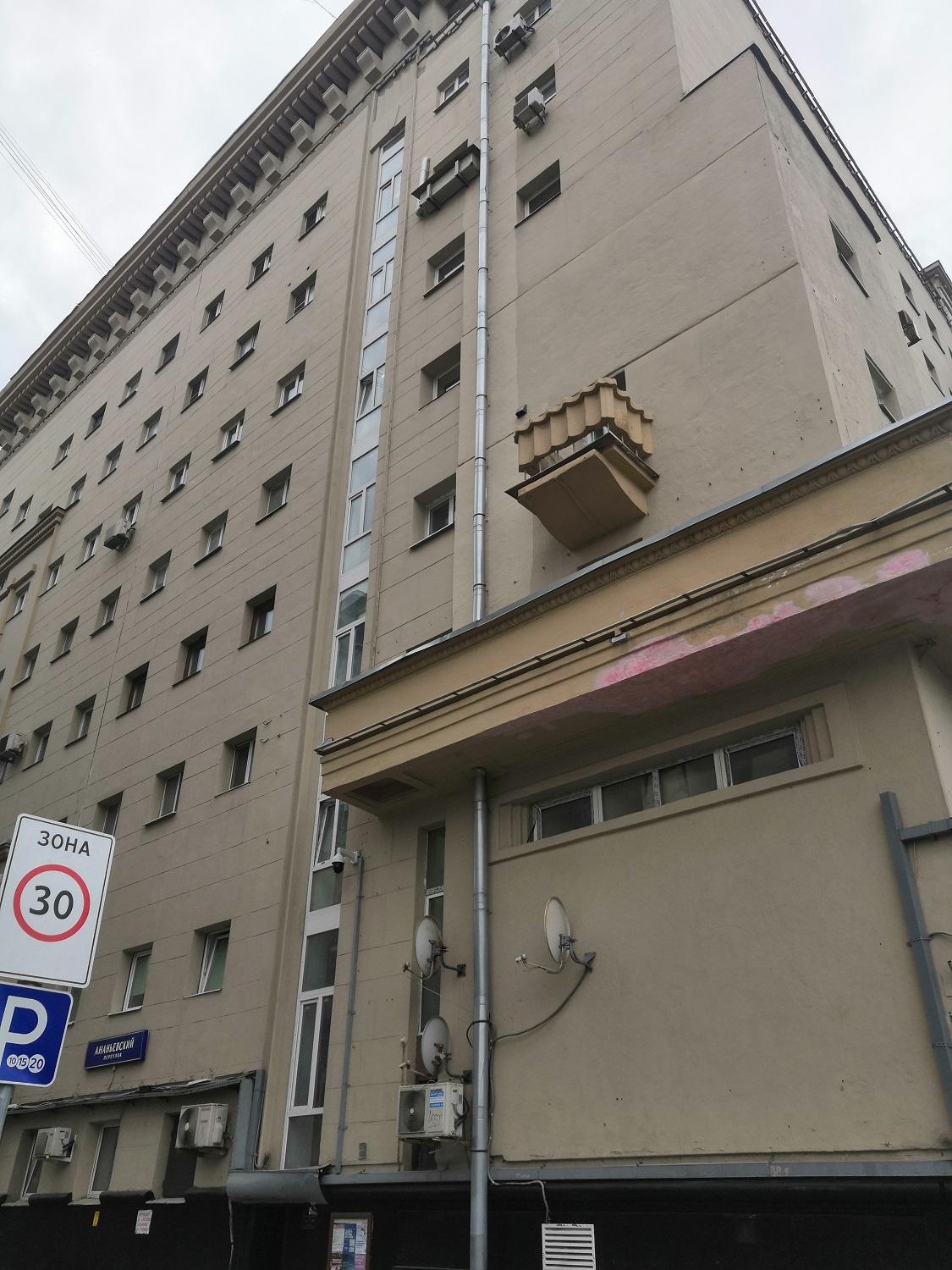
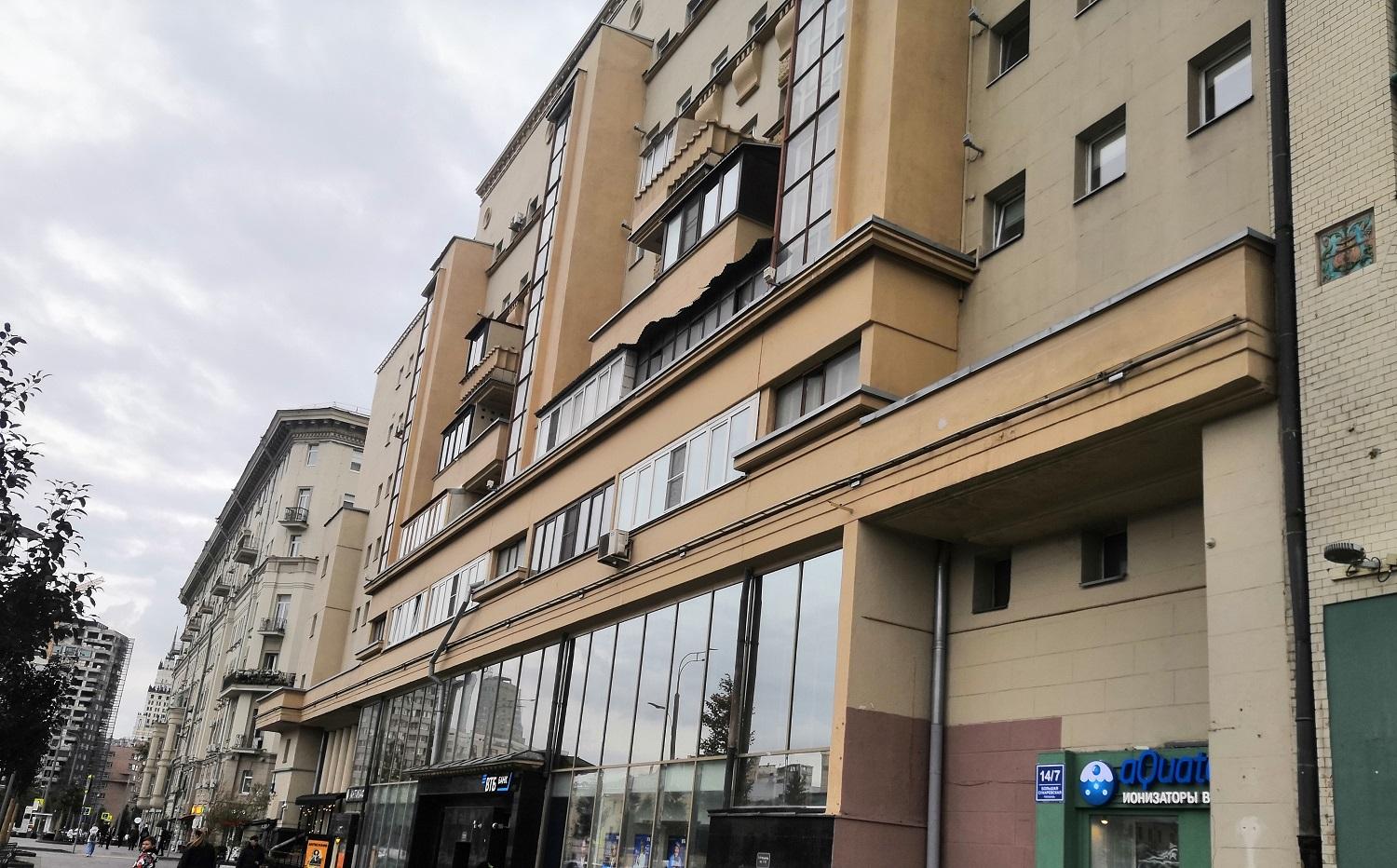
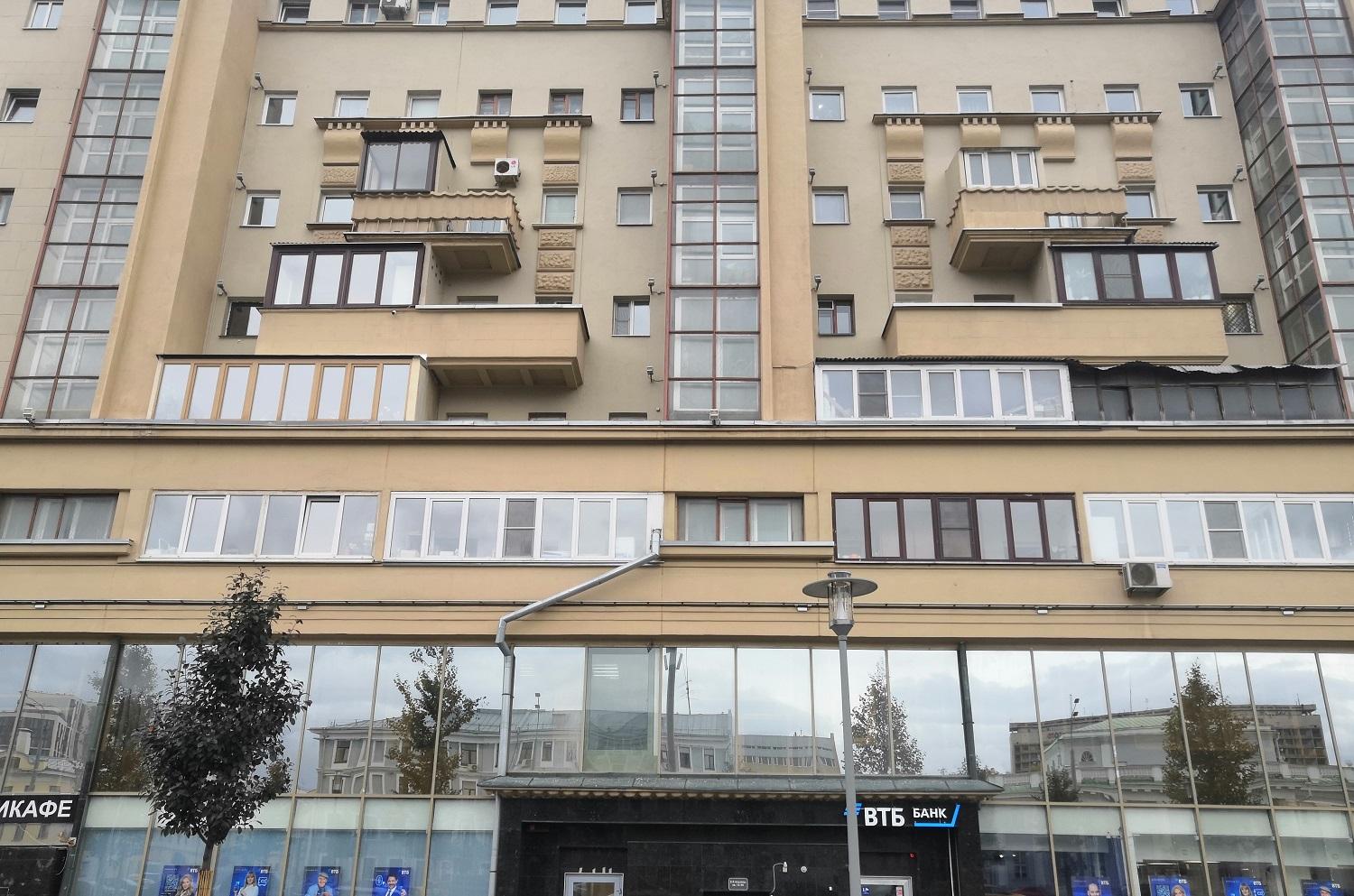
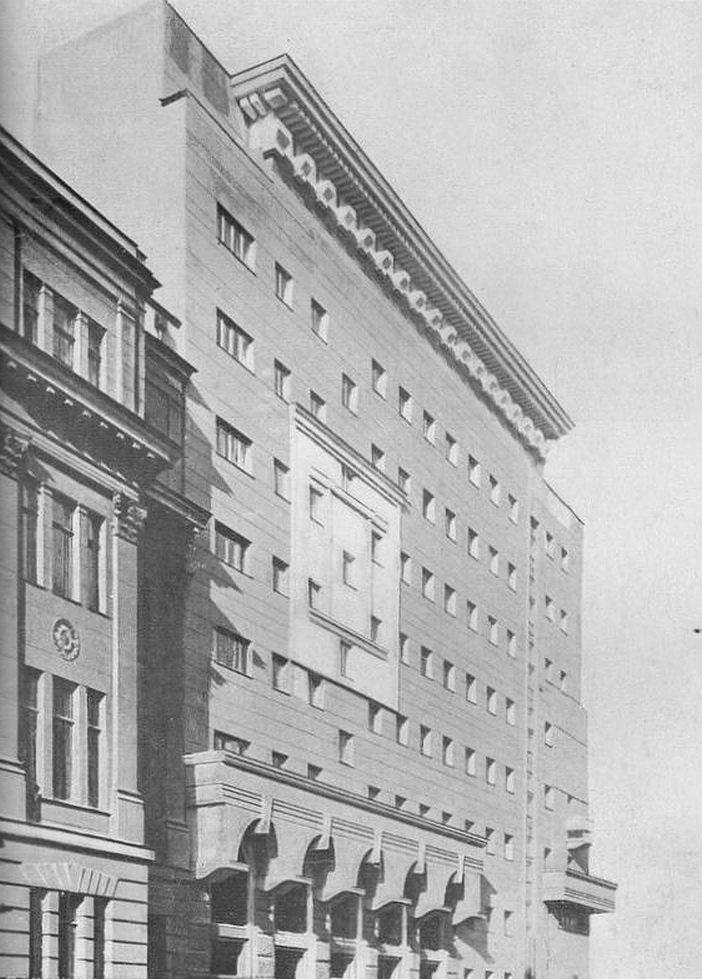
Этот дом интересен как пример изменения архитектурных вкусов в 1930-е годы - восьмиэтажный угловой жилой дом с выразительным декором на фасадах.
Сначала он был выстроен в аскетичных формах, типичных для немецкого функционализма. В 1931 году первоначальный проект выполнил немецкий архитектор Ханс Реммеле, бежавший в СССР от нацистов, но позже арестованный. Достраивать дом поручили Дмитрию Булгакову, молодому архитектору из мастерской Алексея Щусева, одного из соавторов каменного Мавзолея Ленина и административного здания Наркомзема. Здесь же, явно учитывая вкусы начальства могущественного советского ведомства (Заводстрой входил в Наркомтяжпром), ему пришлось придать лапидарным фасадам жилого дома новый декоративный вид. Зодчий очень своеобразно трактовал элементы классической архитектуры. Он сделал каждую деталь заметной издалека, дающей красивые тени в солнечную погоду. Над центральными частями двух уличных фасадов были сделаны огромные карнизы с гипертрофированными по размеру кронштейнами. Карнизам вторят протяженные балконы. Эти и другие детали, которых не так много на фасадах, выглядят очень нарядно на фоне гладких стен и полностью остекленных эркеров лестнично-лифтовых площадок. На выступающем башенном элементе на углу здания планировалось разместить скульптурную, композицию, так и не реализованную. Использование будто бы разрозненных элементов классической архитектуры – не буквальное копирование исторических стилей - такая творческая манера Булгакова сопоставима с манерой Ильи Голосова, лидера авангарда, примирившегося с нараставшей тенденцией декоративности в середине 1930-х. Так, дом стал уникальным творческим экспериментом. Сам Никита Хрущев, в то время поборник декоративной архитектуры, отзывался об этом доме, как об образце для других советских архитекторов.
This house is interesting as an example of changing architectural tastes in the 1930s - an eight-corner house with an expressive decor of fronts. At first, it was built in the austere forms typical of the German functionalism. In 1931, the original project executed by German architect Hans Remmele, who fled to the USSR from the Nazis, but was later arrested. Dmitry Bulgakov a young architect from the workshop Alexei Shchusev, one of the sponsors of the stone Lenin's Mausoleum and the administrative building of the People's Commissariat of Agriculture was finishing the project.
This house is interesting as an example of changing architectural tastes in the 1930s - an eight-corner house with an expressive decor of fronts. At first, it was built in the austere forms typical of the German functionalism. In 1931, the original project executed by German architect Hans Remmele, who fled to the USSR from the Nazis, but was later arrested. Dmitry Bulgakov a young architect from the workshop Alexei Shchusev, one of the sponsors of the stone Lenin's Mausoleum and the administrative building of the People's Commissariat of Agriculture was finishing the project.
Here, obviously taking into account the tastes of the heads of the mighty Soviet authorities (Zavodstroy was a part of Narkomtyazhprom), he had to give lapidary facades of apartment house new decorative appearance. Architect interpreted elements of classical architecture in a very peculiar way. He made every detail visible from afar, giving a beautiful shade in sunny weather. Over the central part of the two street facades were made huge cornices with hypertrophied size brackets. Extended balconies echo the cornices. These and other details, which are not so much on the facades look very elegant on the background of smooth walls and fully glazed bay windows staircase-lift platforms. On projecting tower element at the corner of the building was planned to place the sculptural composition, which was not implemented. Using supposedly disparate elements of classical architecture - not a literal copying historical styles - such a creative manner to the manner of Bulgakov comparable to Ilya Golosov’s style, the leader of the avant-garde, to reconcile with the growing trend of decoration in the mid-1930s. So, the house has become a unique creative experiment. Nikita Khrushchev himself, admirer of decorative architecture at the time, spoke about the house, as a model for other Soviet architects.