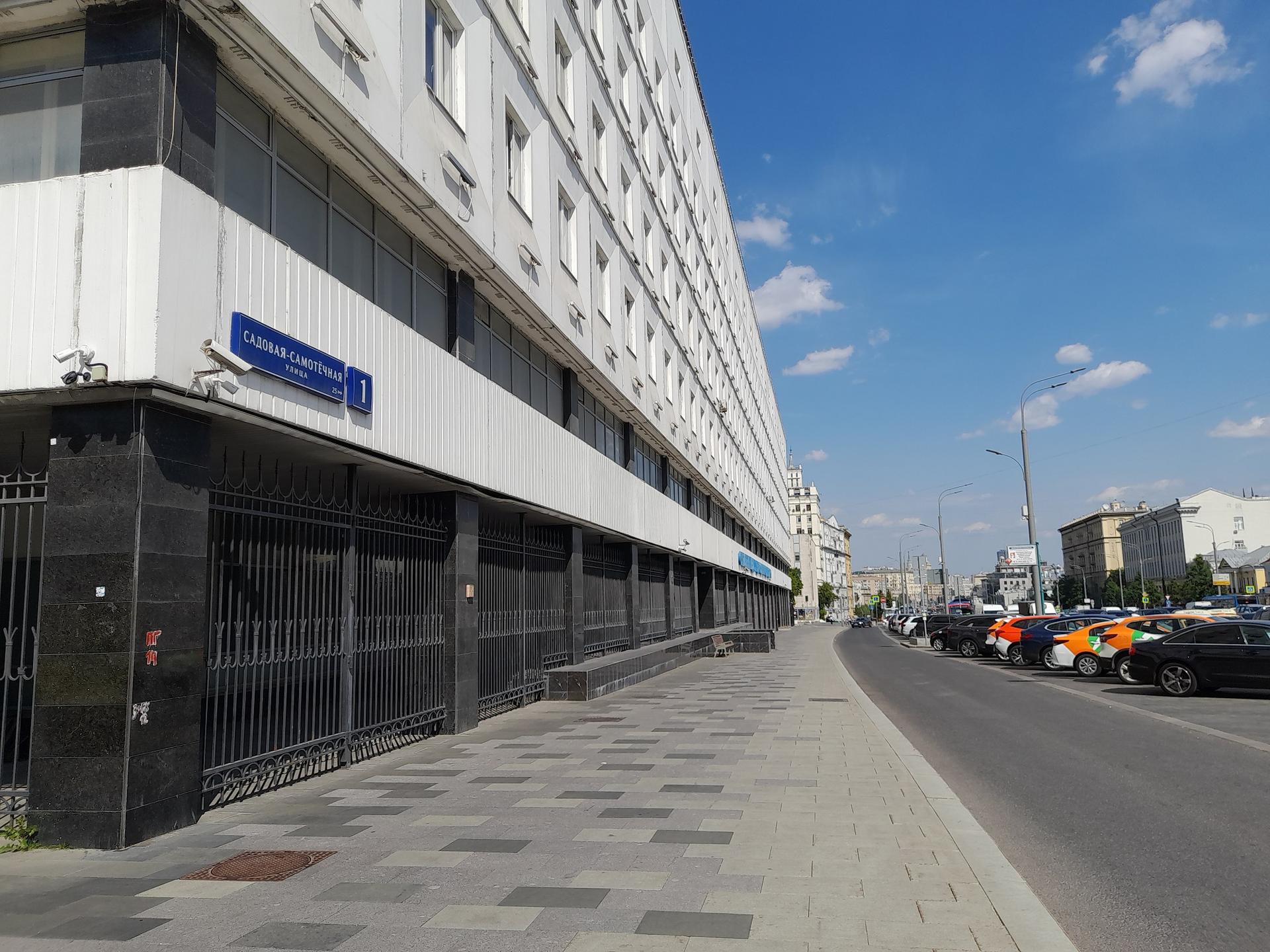
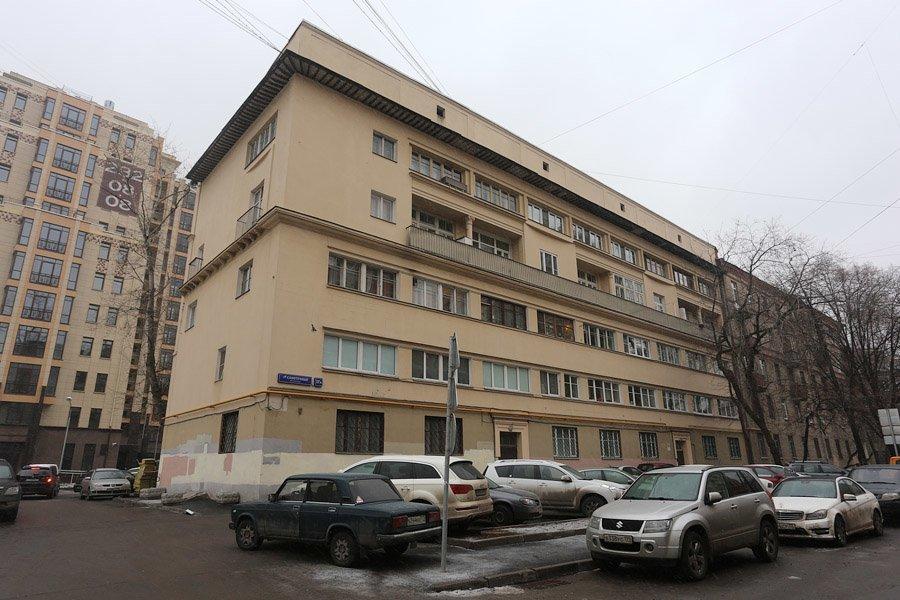
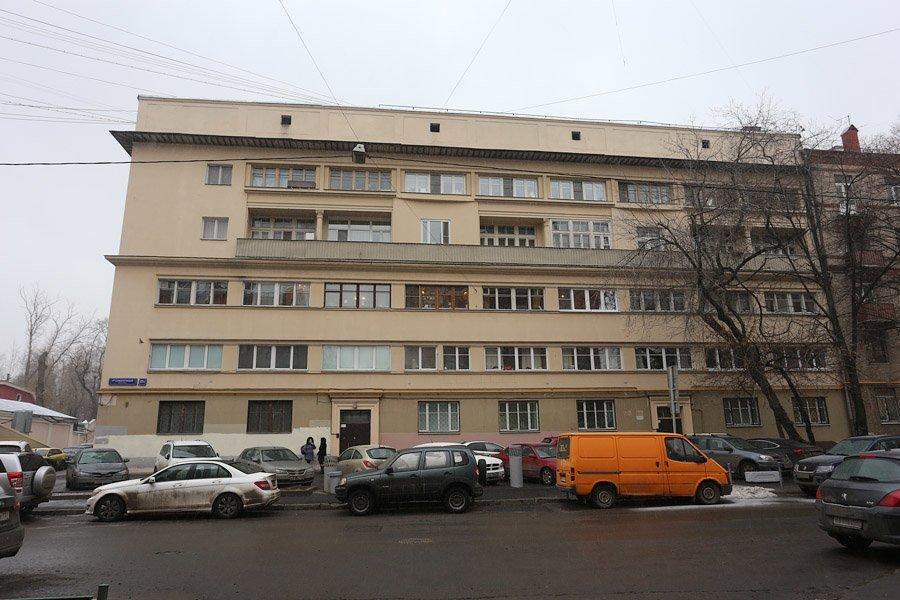
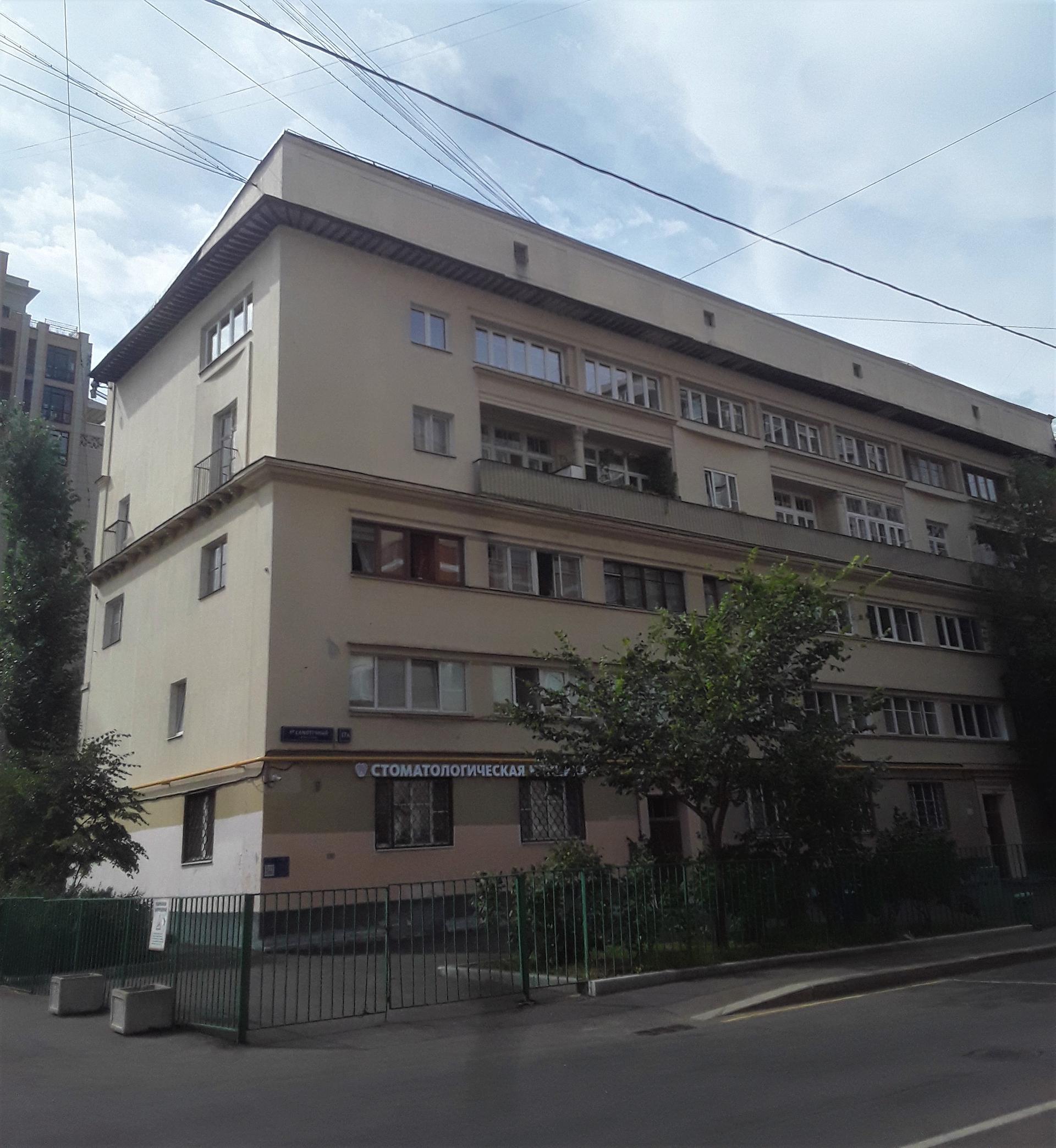
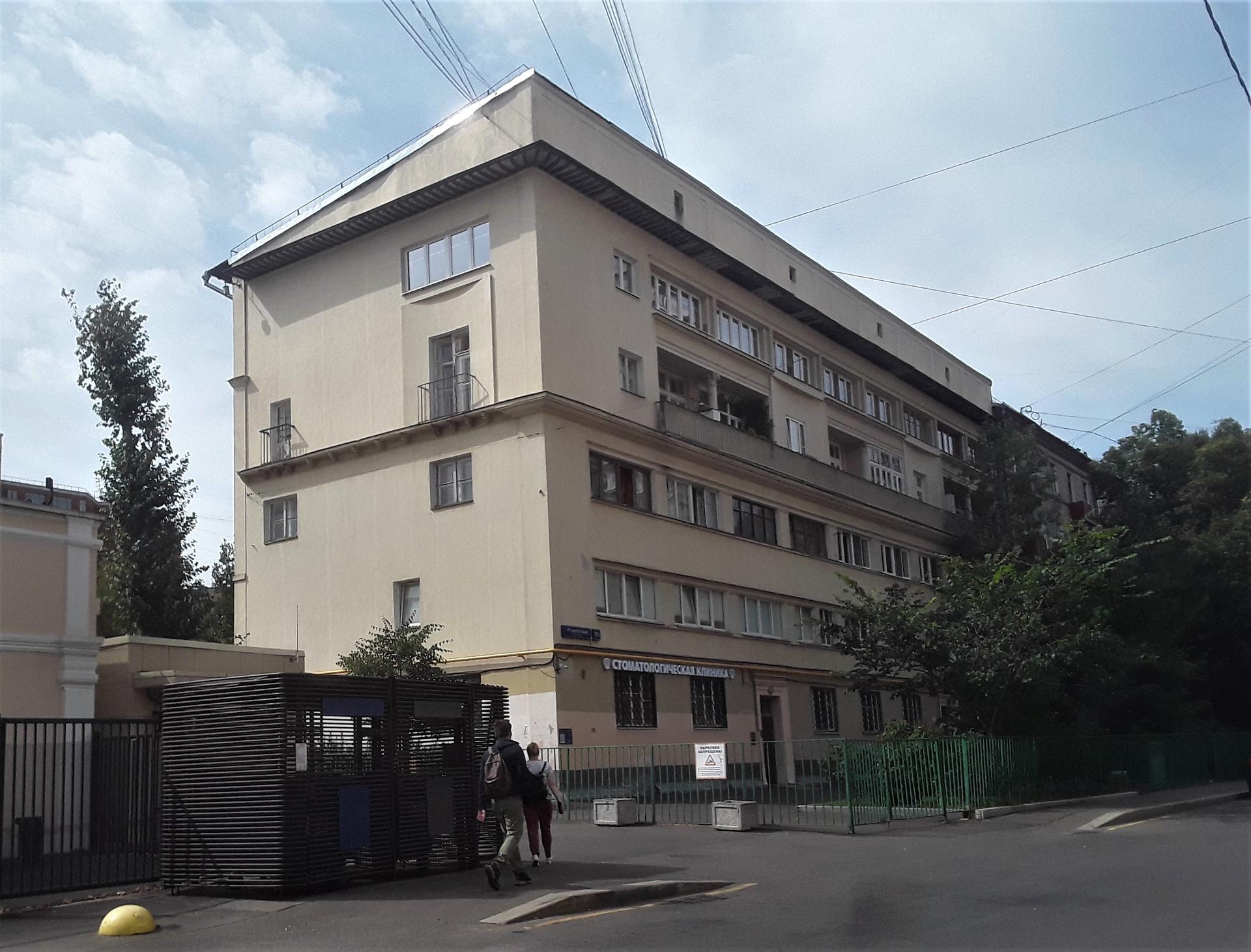
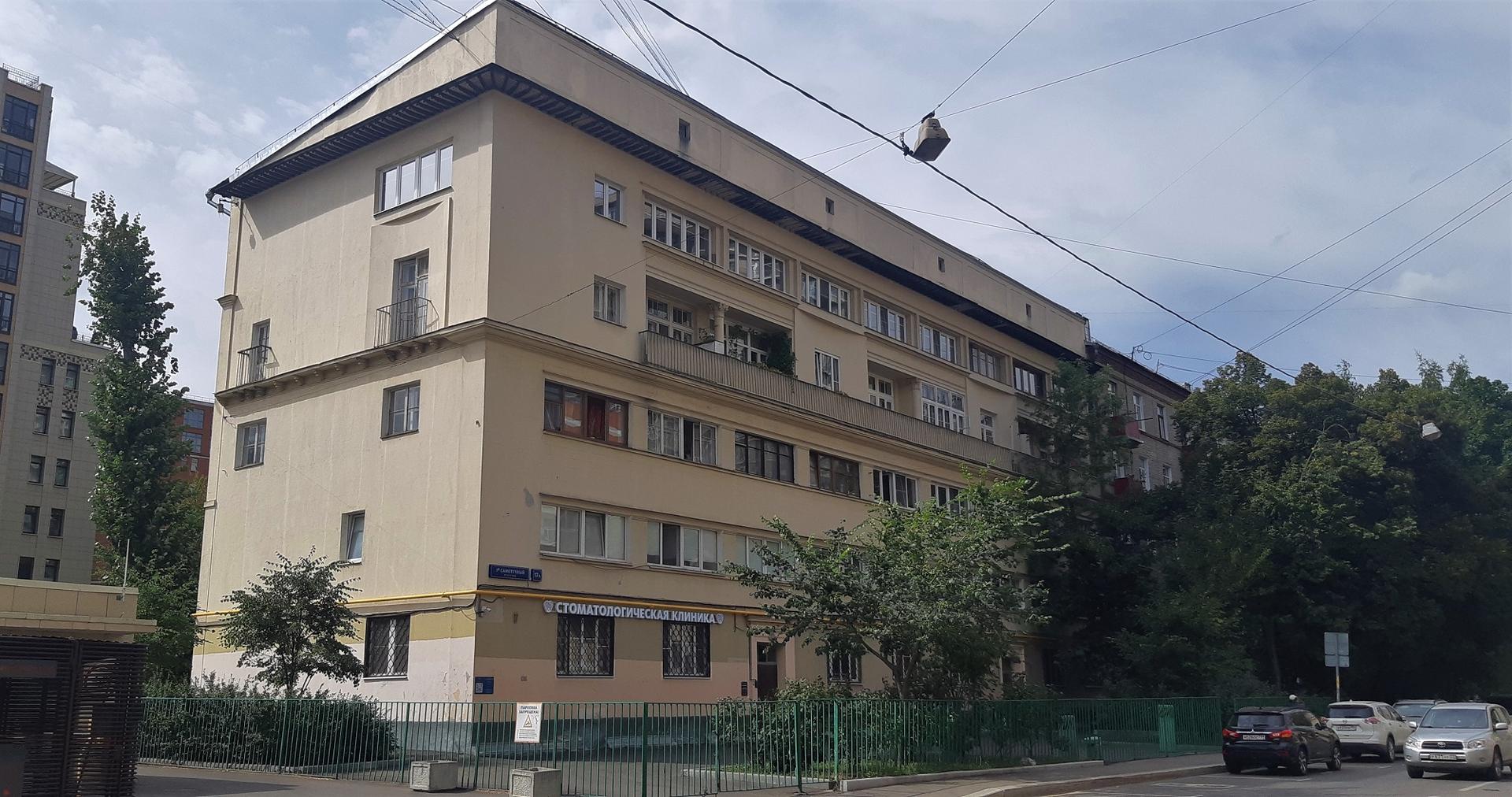
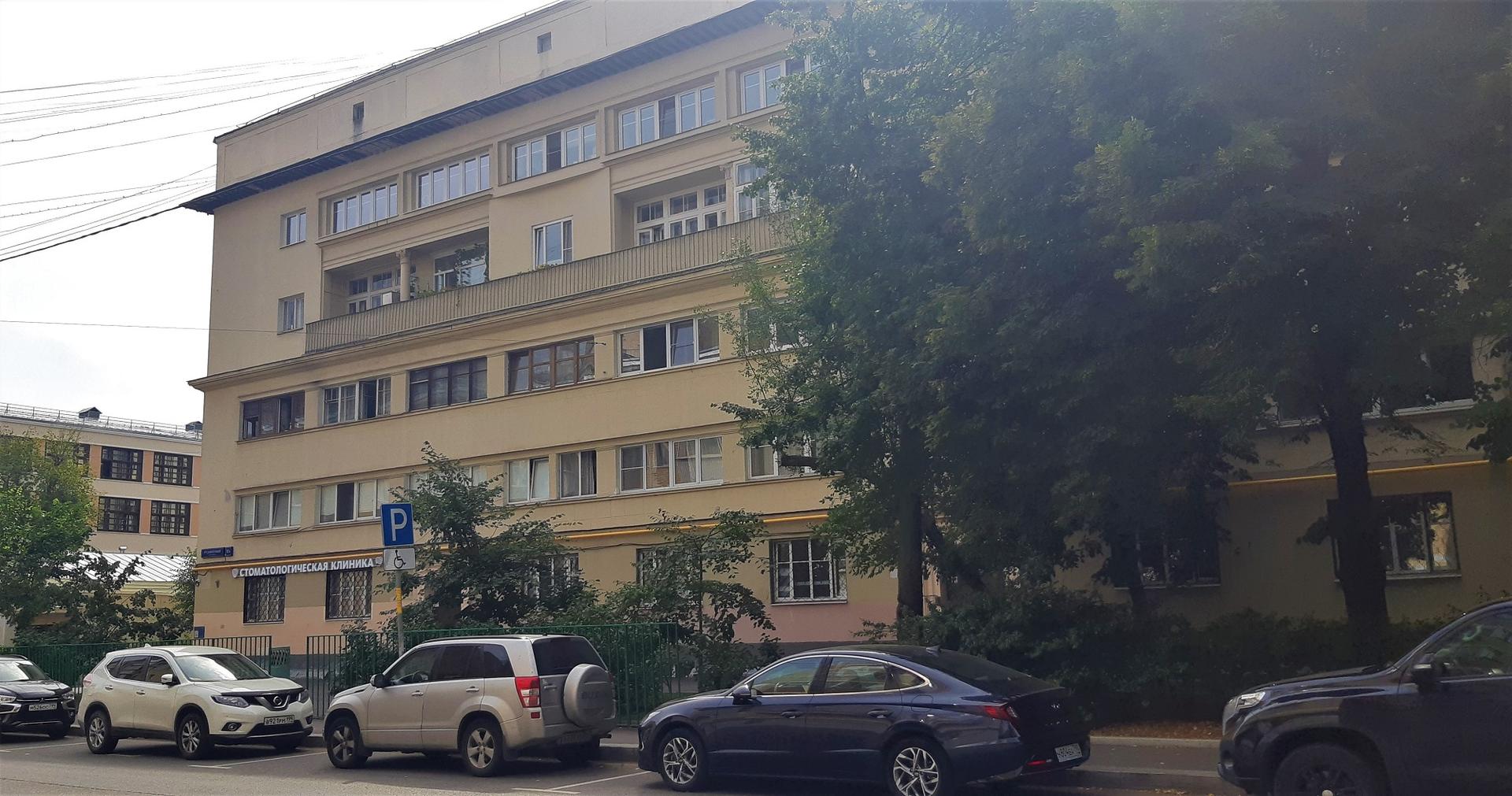
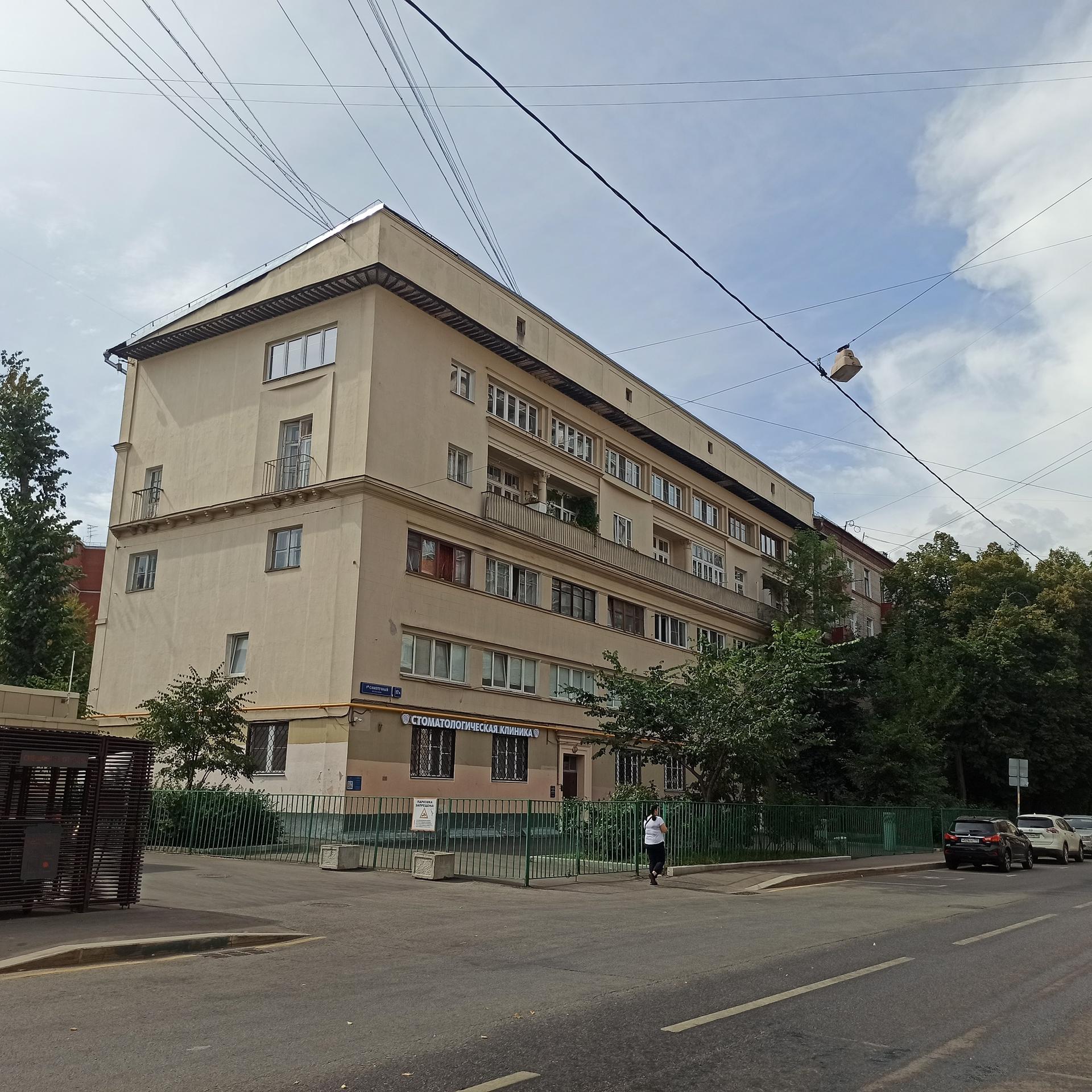
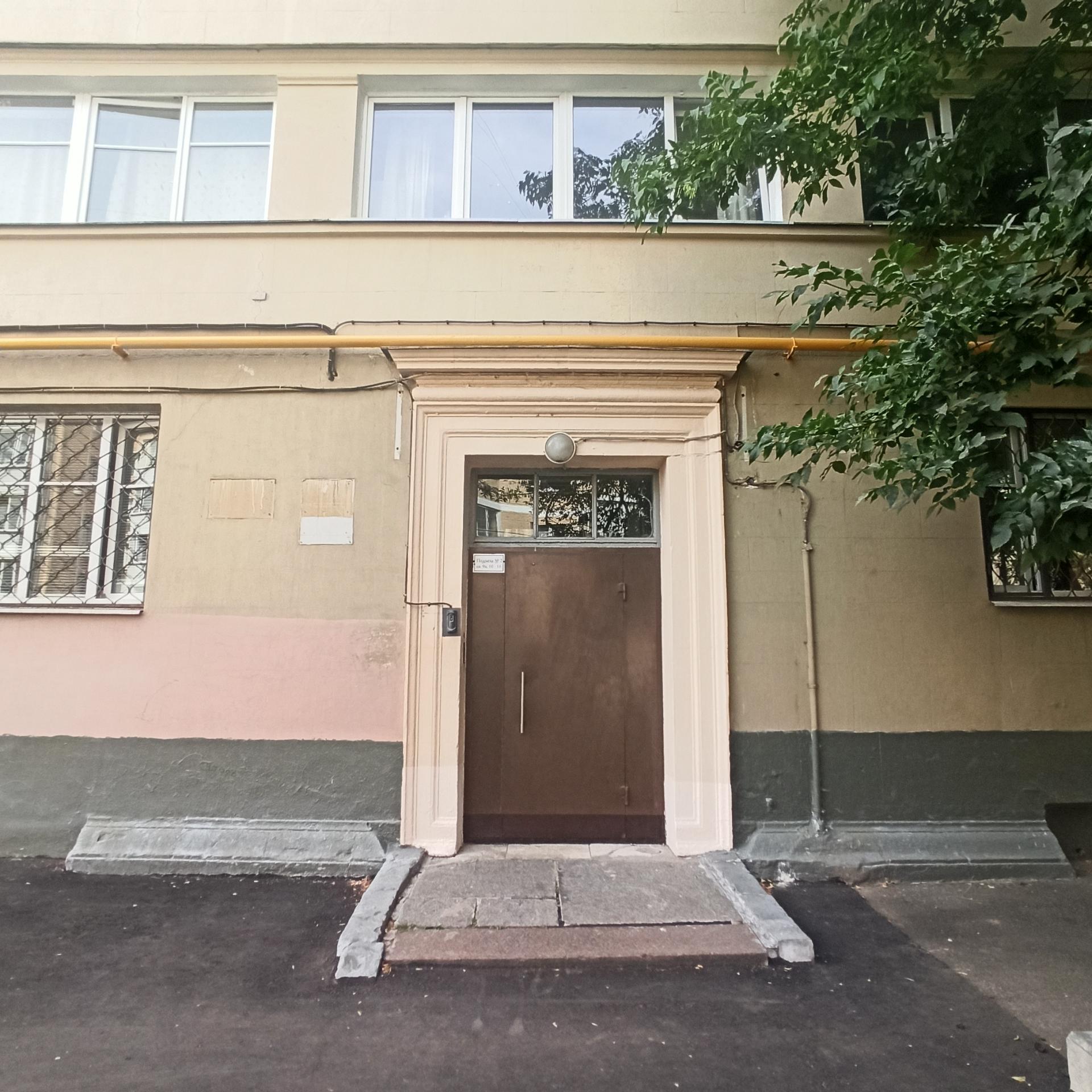
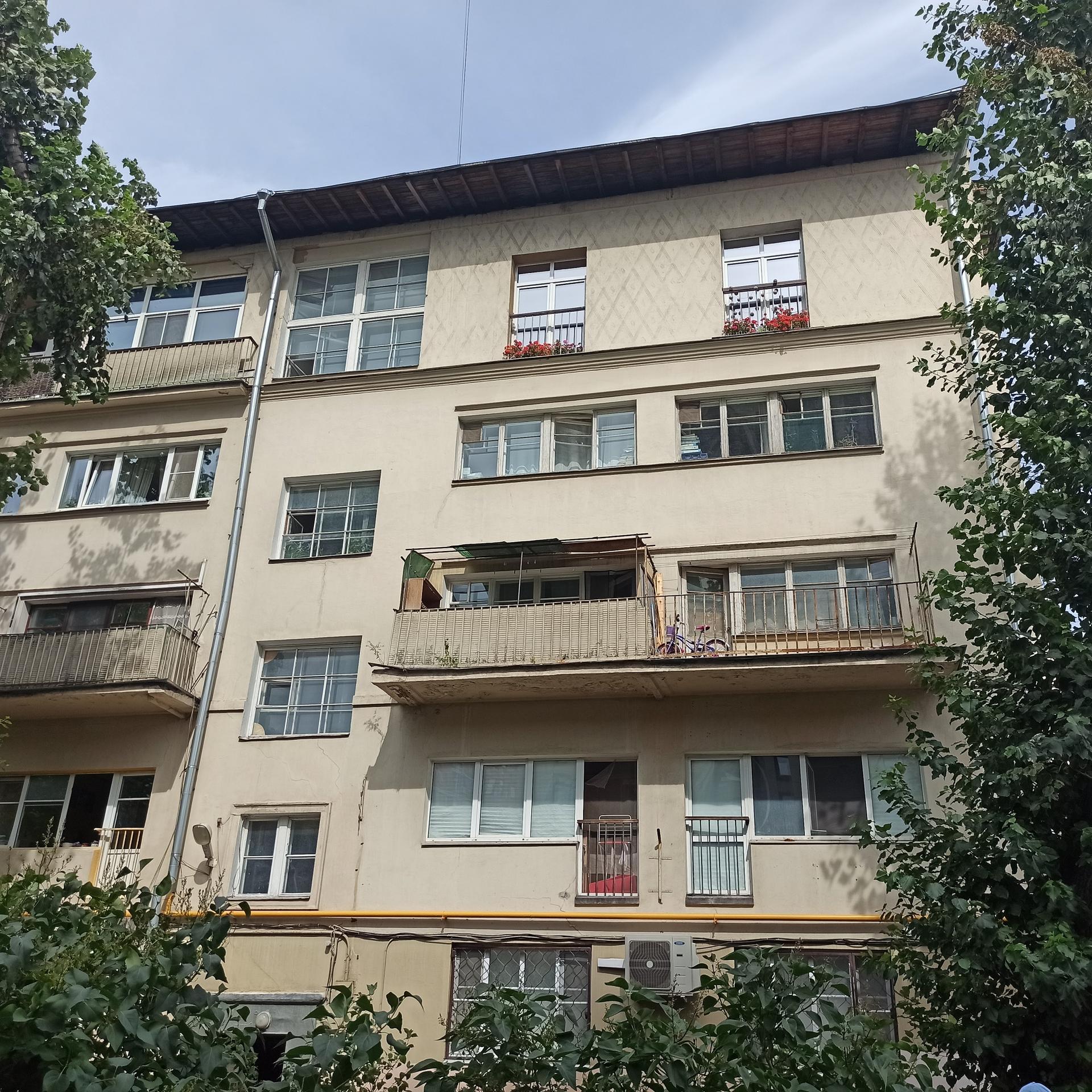
Угловой производственный корпус типографии акционерного общества «Огонек», по проекту Лисицкого выходивший на 1-ый Самотечный и 2-ой Щемиловский переулки, осуществлен не был. На его месте для работников Журнально-газетного объединения (ЖУРГАЗа) – журналистов, редакторов и работников типографии был построен жилой дом. Его спроектировали архитекторы М. О. Барщ и Г. А. Зундблат. Напомним, что первый из них был автором московского Планетария - шедевра архитектуры авангарда 1920-х годов, а второй - создателем целого ряда замечательных жилых зданий.
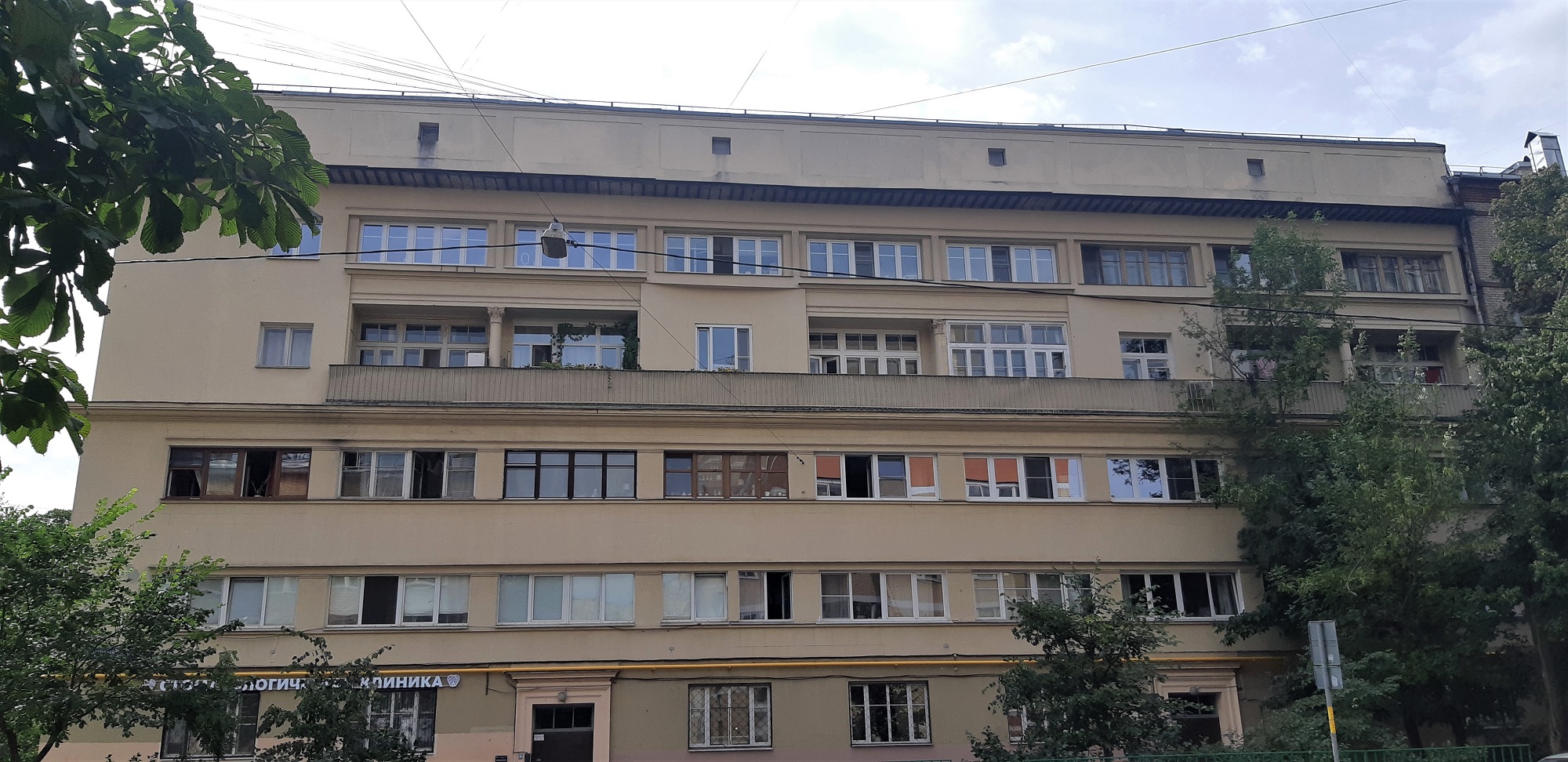
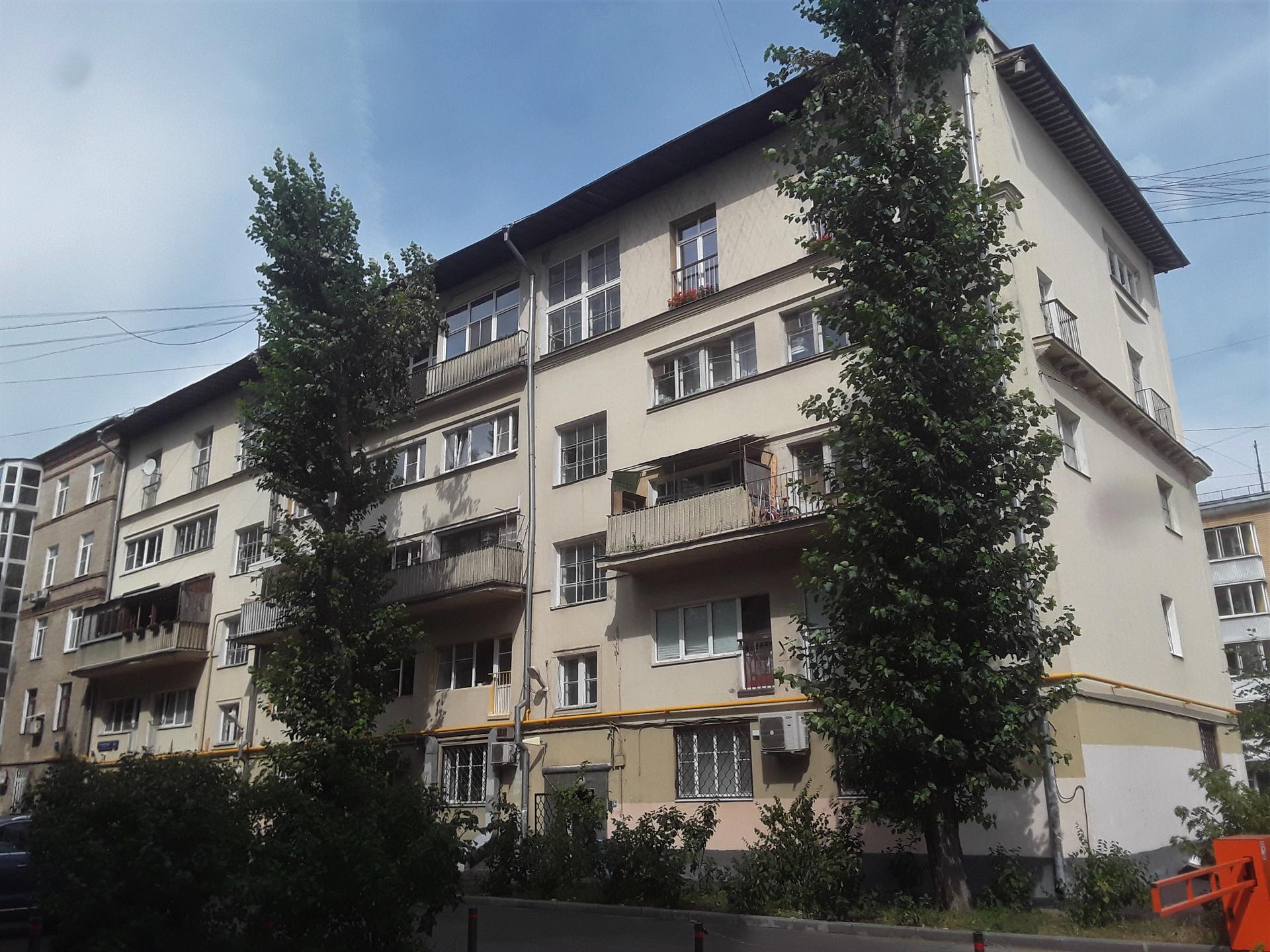
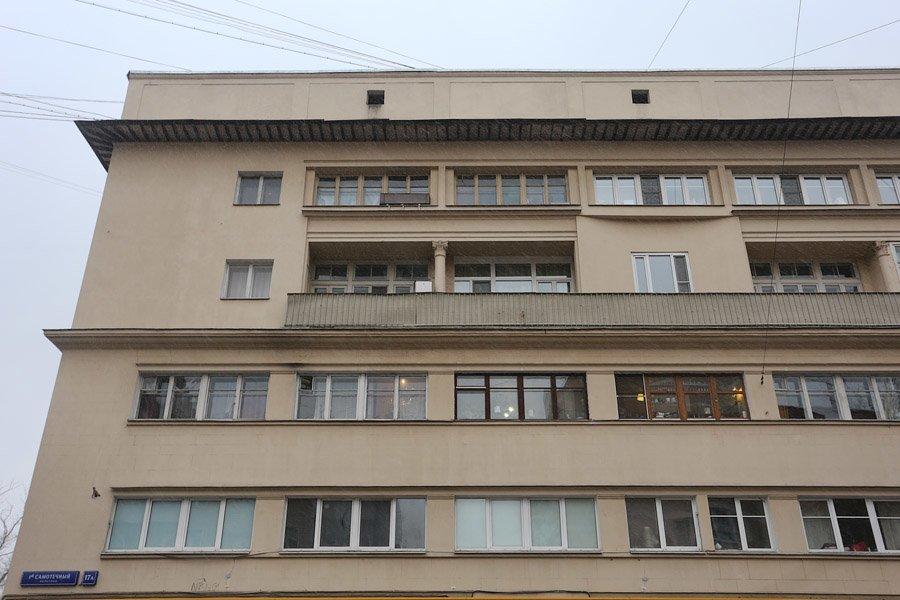
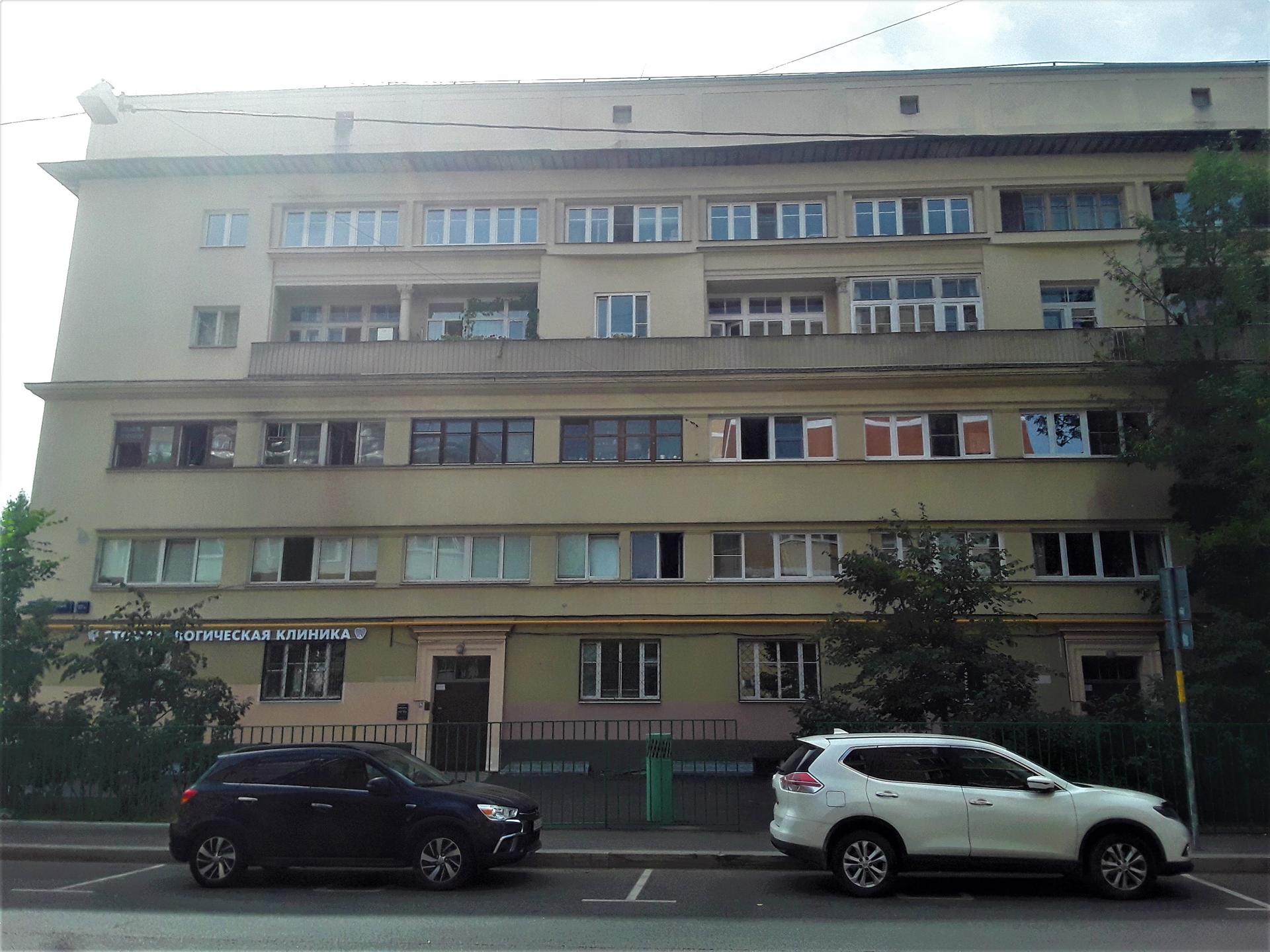
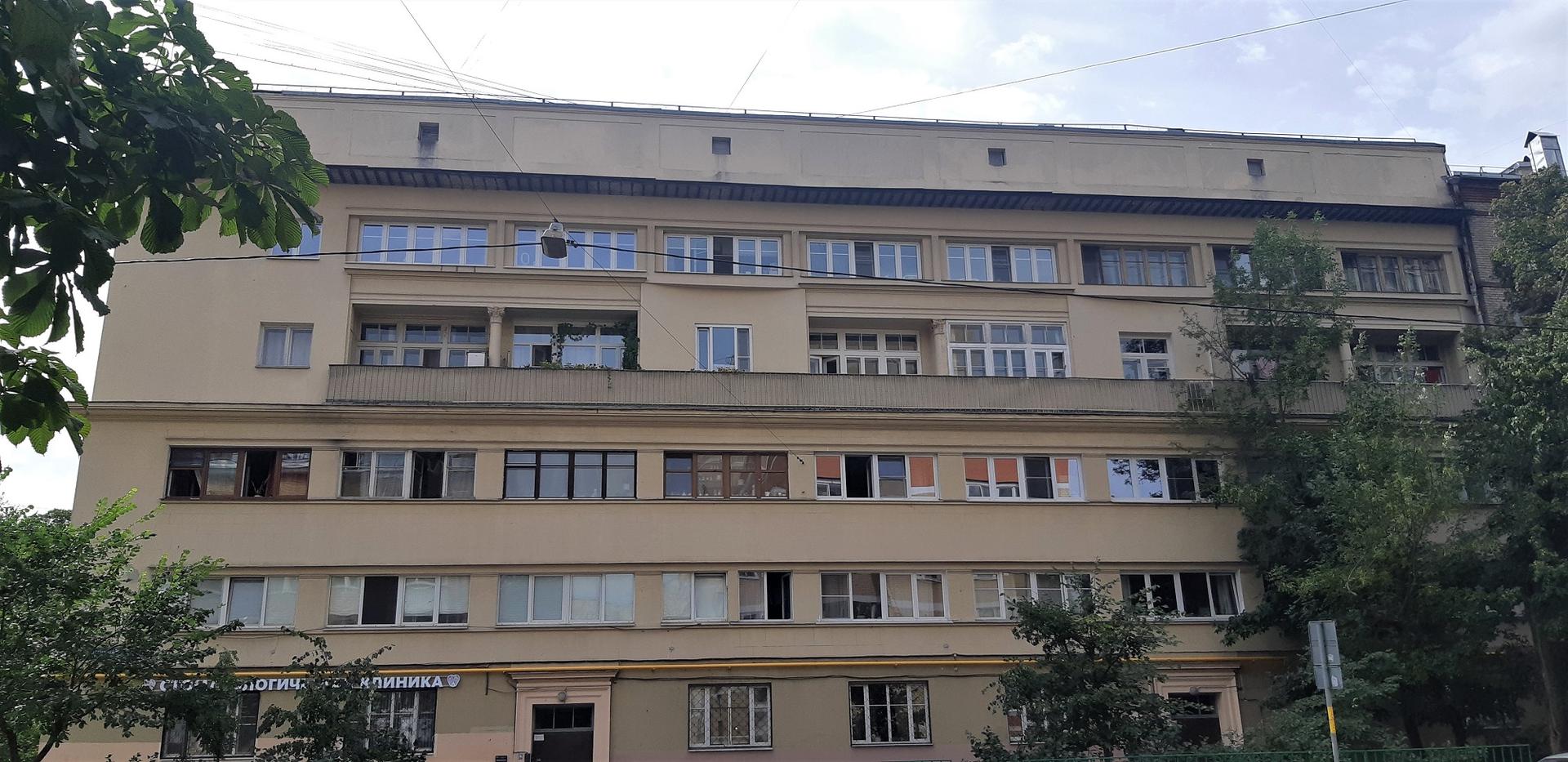
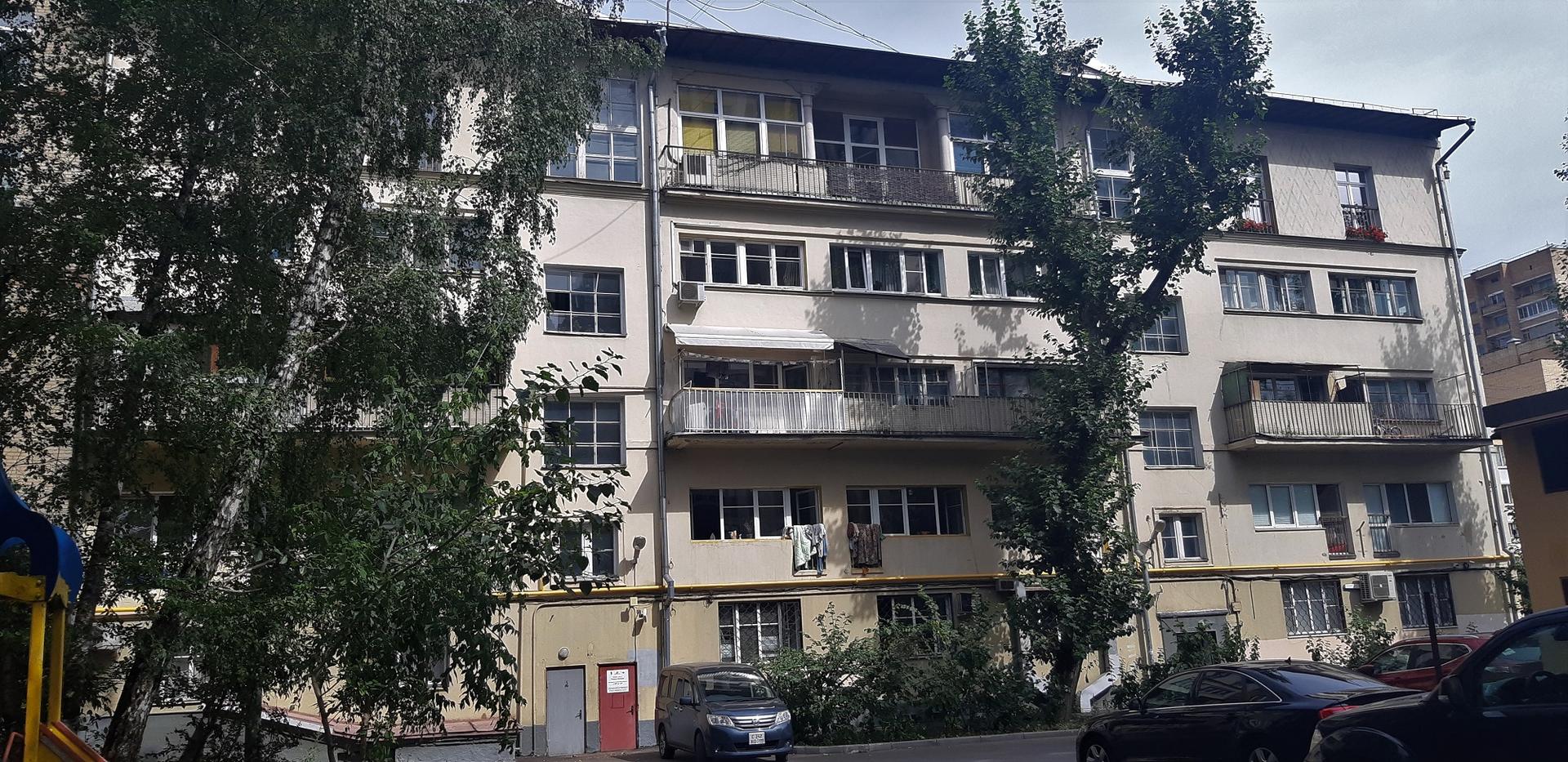
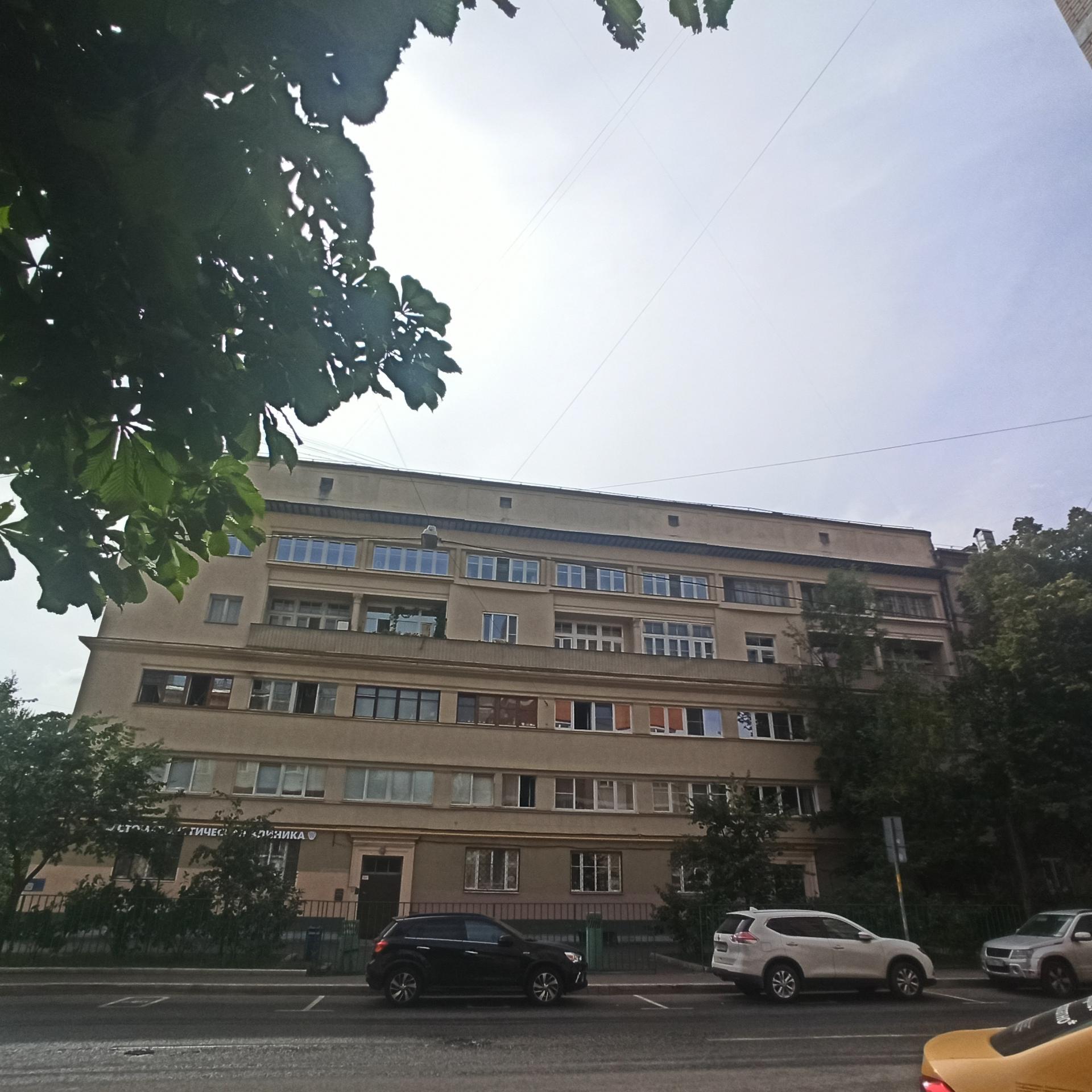
Этот пятиэтажный жилой дом примечателен не только потому, что в нем жили Михаил Кольцов и деятели Коминтерна. Его архитектура отражает типичную тенденцию начала 1930-х годов, когда простой по геометрии объем (в духе архитектуры авангарда 1920-х), с прекрасно спланированными светлыми квартирами украшался элегантным упрощенным декором, еще не перешедшим в пышные формы неоклассики 1930-х годов. Лоджии здесь украшены коринфскими колоннами (небольшого масштаба, ещё не спорящего с плоскостью стен), простенки между ними сделаны вогнутыми. Фасад отделан горизонтальными тягами, а деревянный карниз снизу расписан.
Дом ЖУРГАЗа представляет собой уникальный по сохранности пример, где обобщенная форма и декор не соперничают друг с другом. Поразительна сохранность интерьеров в подъездах, в этом явная заслуга жильцов. Здесь сохранились кафельные и наливные полы с декоративными вставками на лестничных площадках, лестницы с оригинальными и ограждениями, кессонированные потолки лестничных холлов.
Дом состоит из удобных квартир, занимающих всю ширину корпуса (двухсторонних, со сквозным проветриванием), оборудованных лоджиями и балконами. Едва ли не каждая из них - своего рода музей (здесь живут многие потомки советских издателей и другие представители московской культурной элиты). Раньше в нижних этажах размещалось общежитие для коминтерновцев, в основном немцев, бежавших из Германии после прихода к власти нацистов. Семья Кольцова усыновила немецкого сироту Губерта, героя прогремевшей по всему СССР книги «Губерт в стране чудес», написанной гражданской женой Кольцова немкой Марией Остен.
This five-story apartment building is notable not only because Mikhail Koltsov and leaders of the Comintern lived here. Its architecture reflects the typical trend of the early 1930's, when a simple in terms of geometry volume (in the spirit of avant-garde architecture of the 1920s ), with a well -planned bright apartments featured elegant simplistic decor has not yet changed to curvy neoclassicism shapes of 1930s. Loggia is decorated with Corinthian columns (small-scale, yet not arguing with the plane of the wall), partitions between them made concave. The facade is decorated with horizontal rods and wooden cornice bottom painted.
ZhURGAZ House is a unique example of preservation, where the generalized form and decoration do not compete with each other. Striking in doorways to keep the interior, this is a clear merit tenants. Tile and leveling floors with decorative inserts on the landings, stairs and railings with original, coffered ceilings stair halls preserved here.
The house consists of comfortable apartments, occupying the entire width of the body (bilateral, with continuous ventilation) equipped with loggias and balconies. Almost each of them is a kind of museum (many descendants of Soviet publishers and other representatives of the Moscow cultural elite live here). Earlier in the lower floors was a dormitory for Comintern, mostly Germans who left Germany after the Nazis came to power. The Koltsov family adopted the German orphan Hubert, the hero of the book "Hubert in Wonderland", written all over the USSR by the German wife of Koltsov, the German Maria Osten.
Koltsov had been arrested together with many members of the Comintern in 1938. Hubert, the adopted German boy went to the orphanage. However, some families of original tenants live here until now.

_by_shakko_01.jpg&w=1920&q=75)