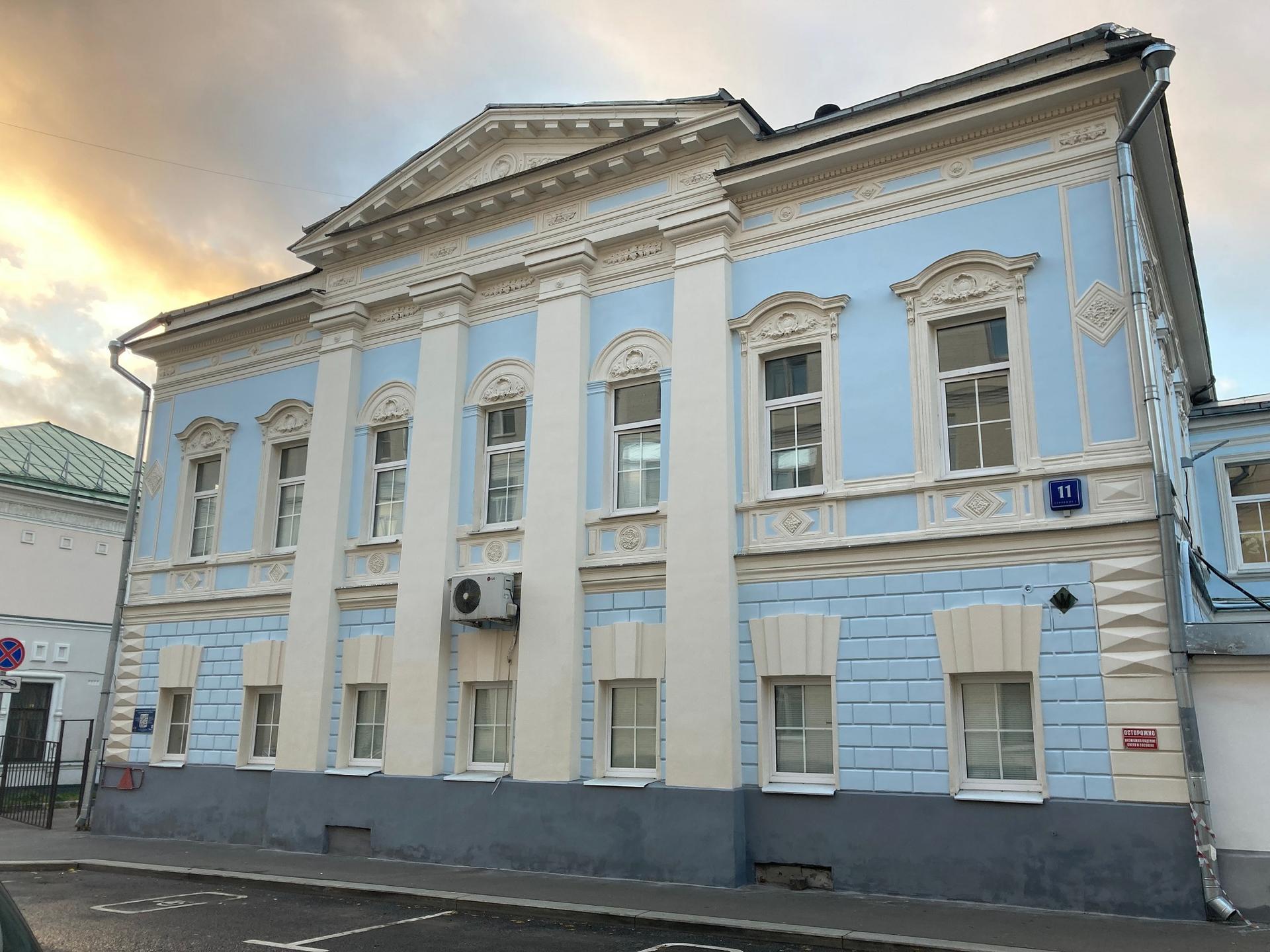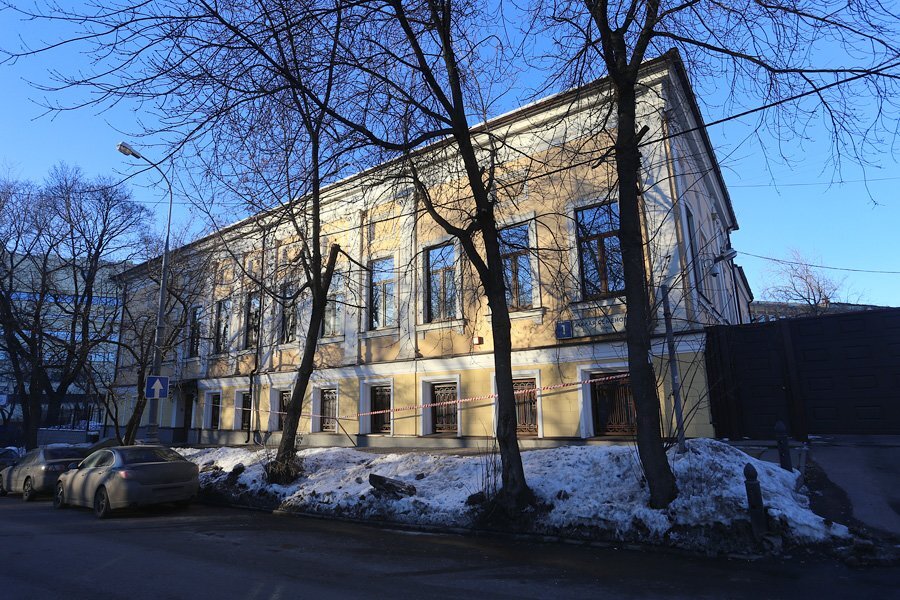
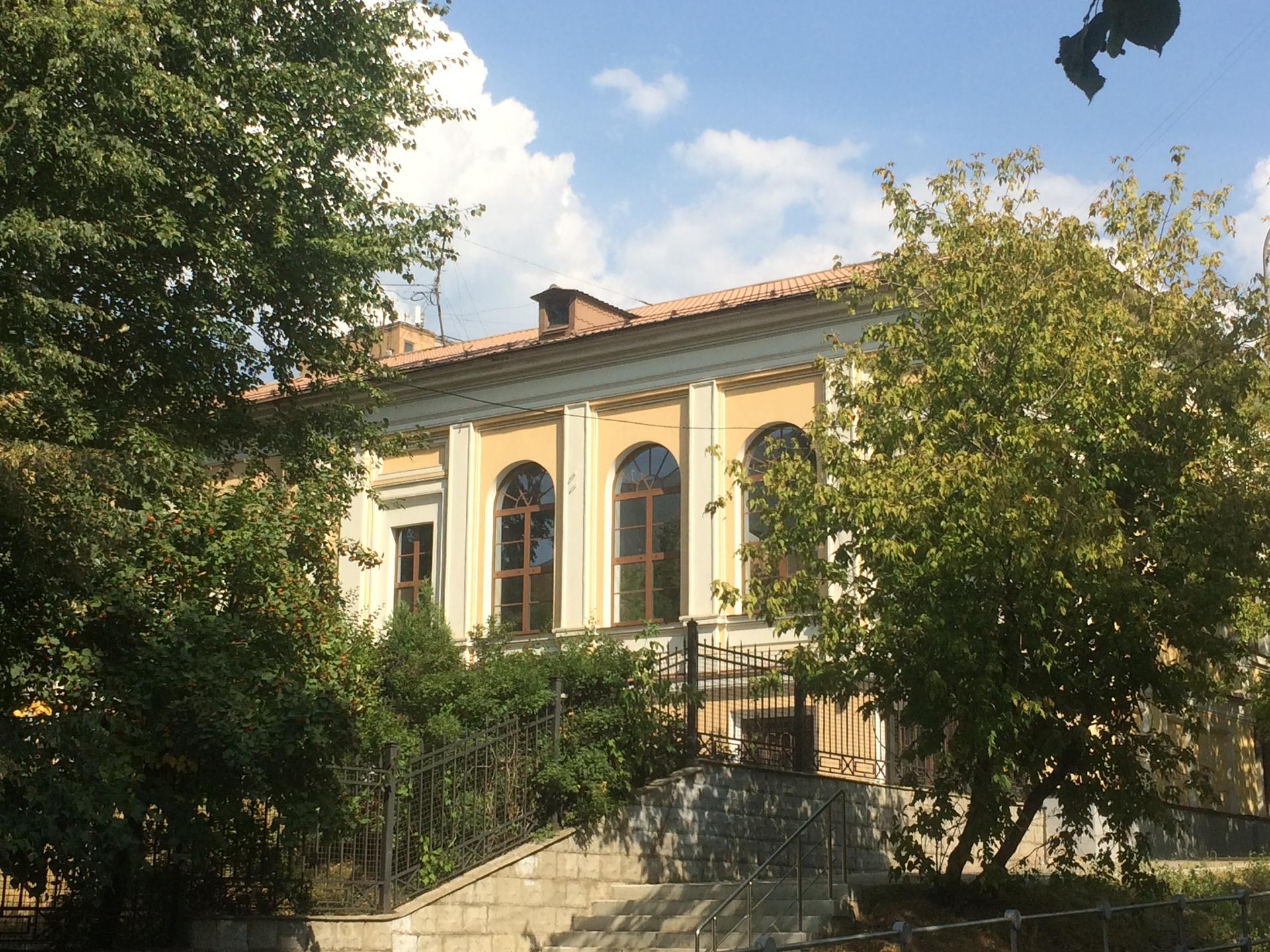

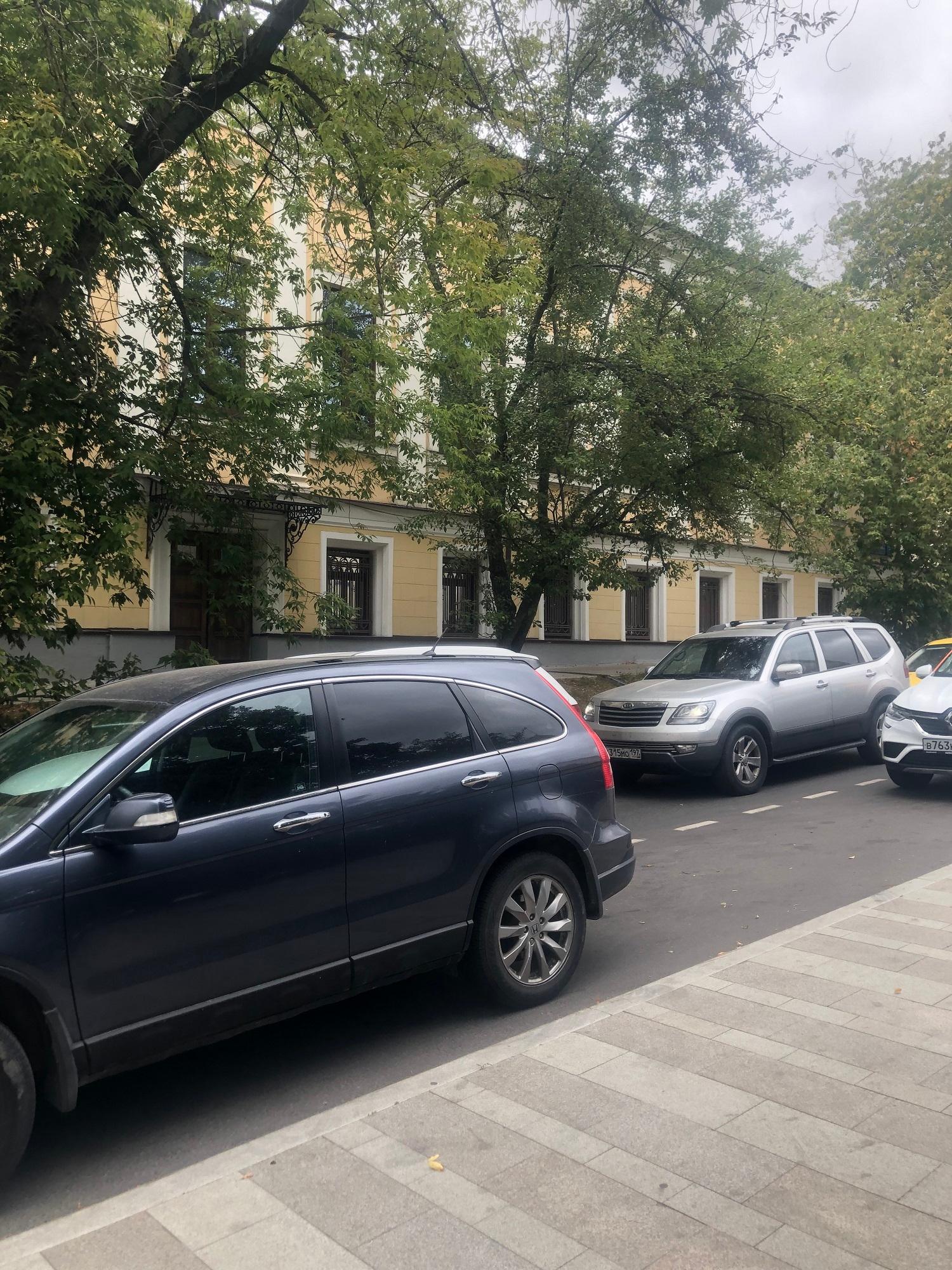
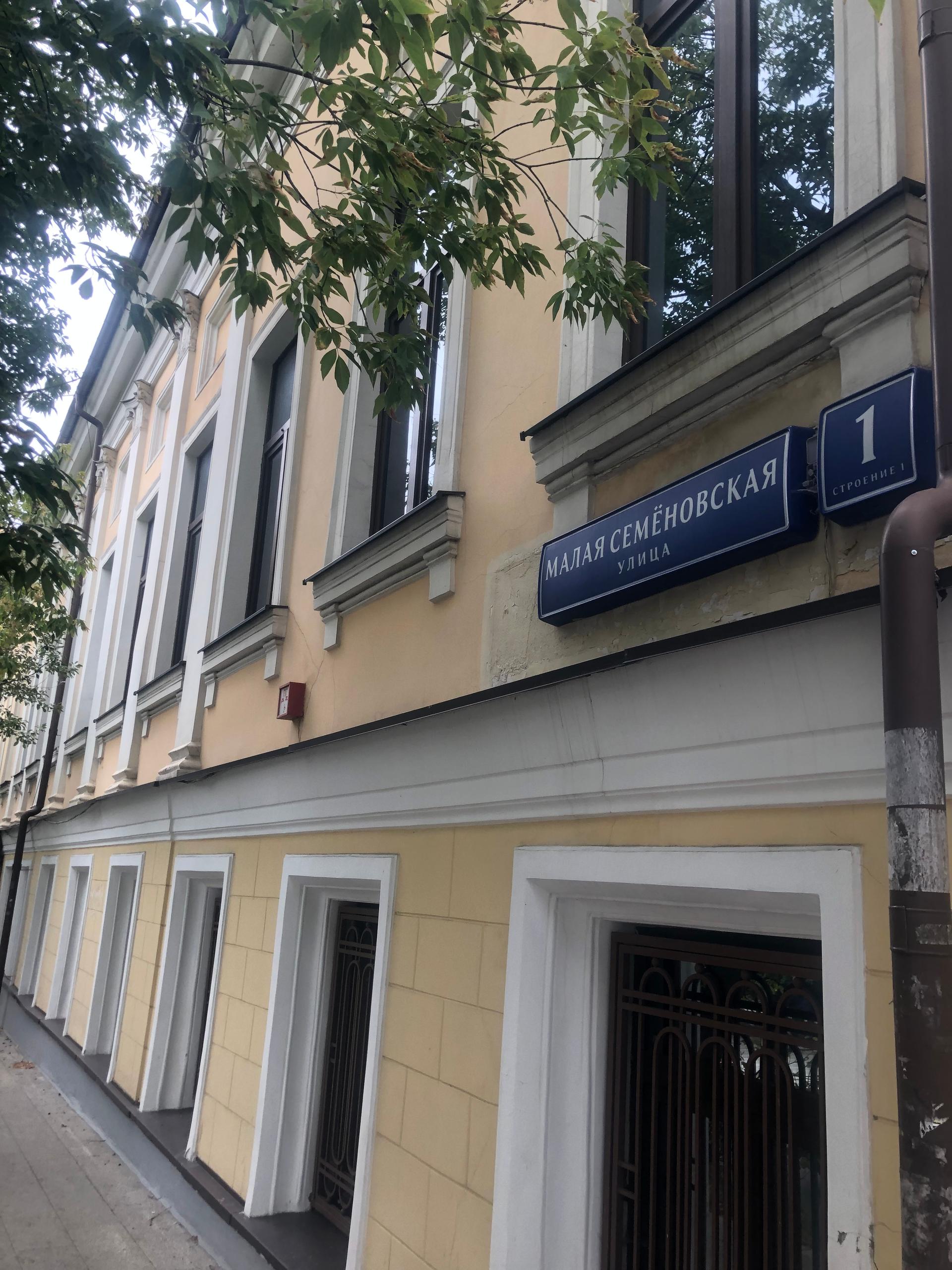
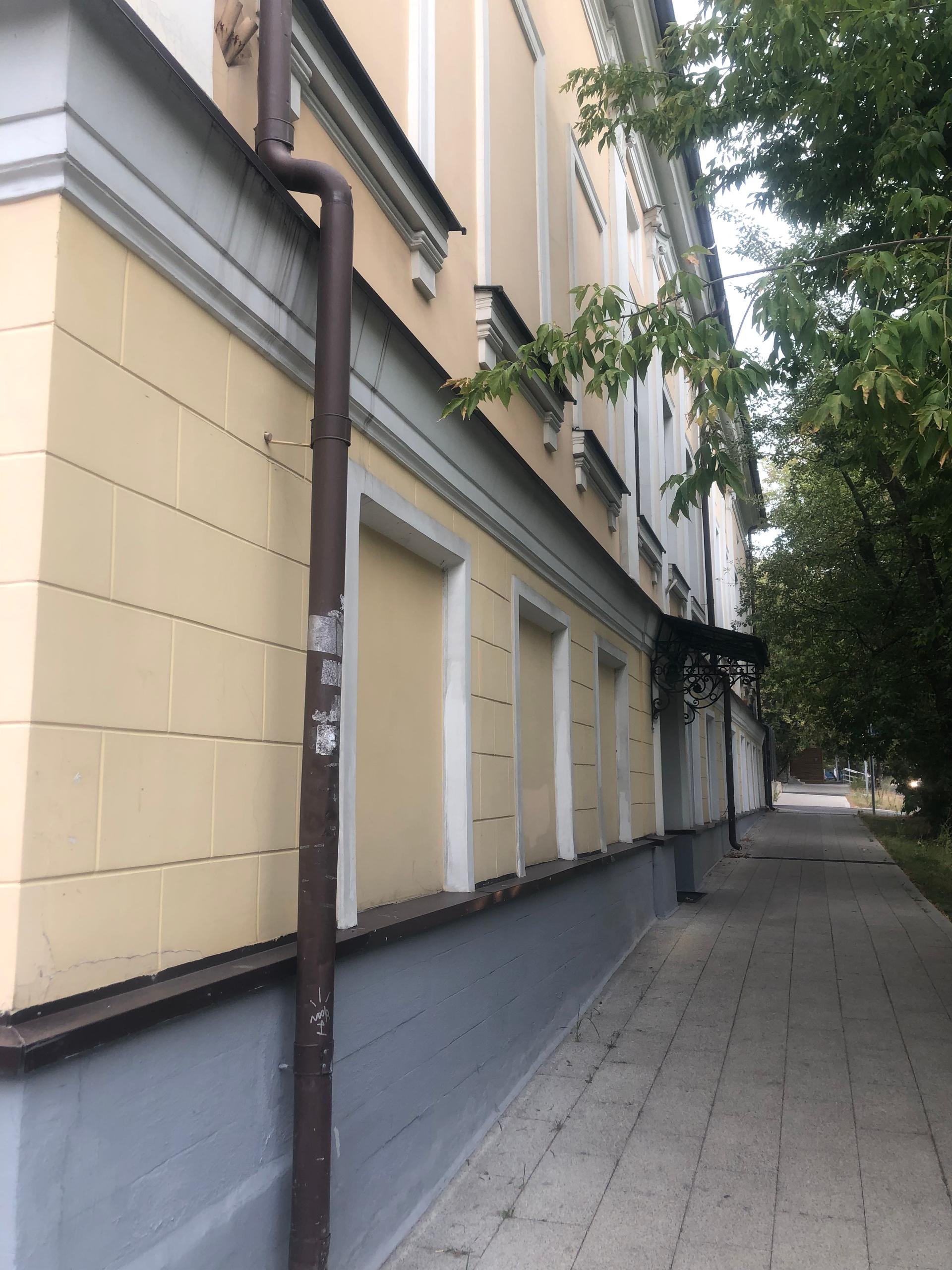
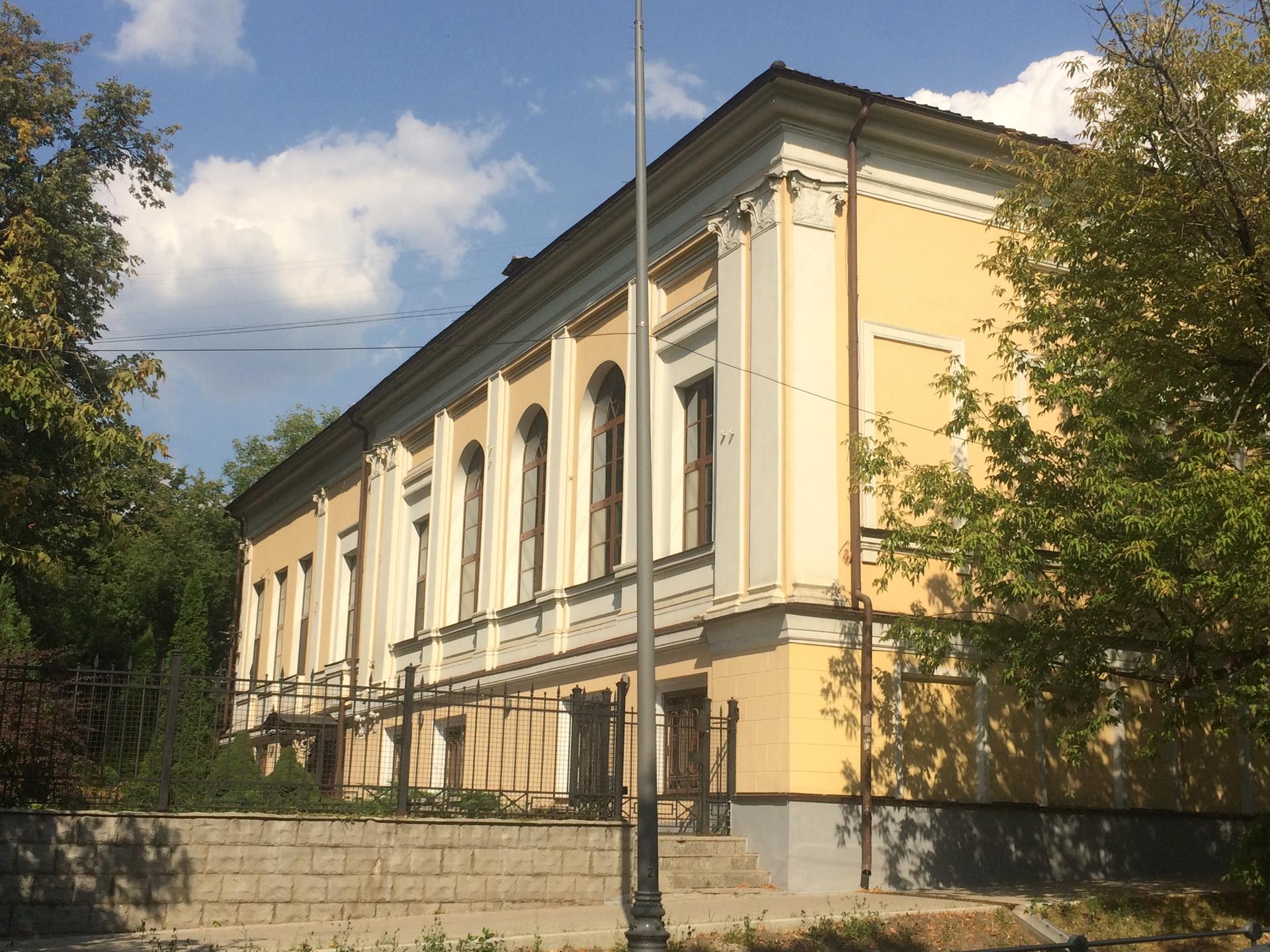
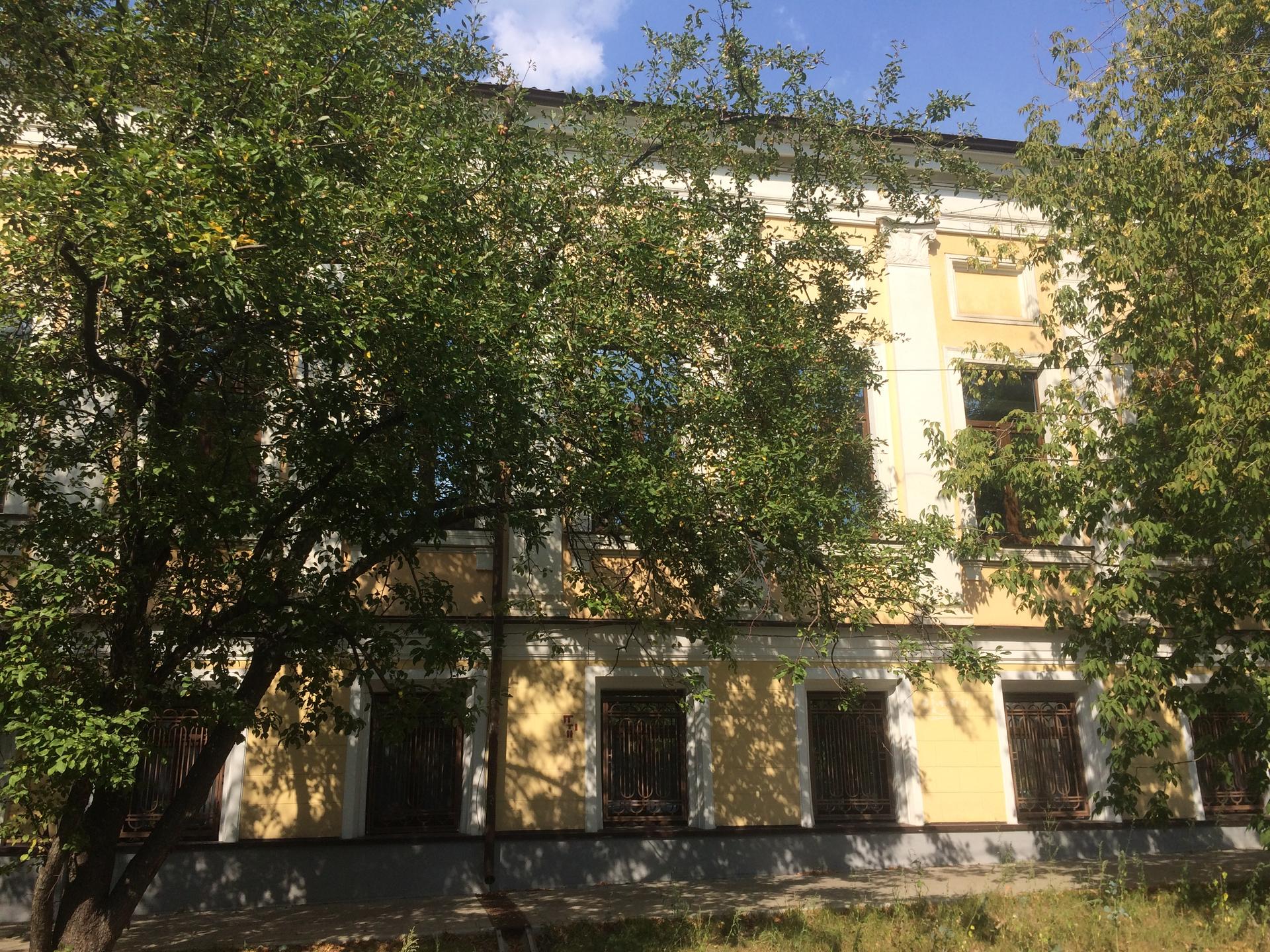
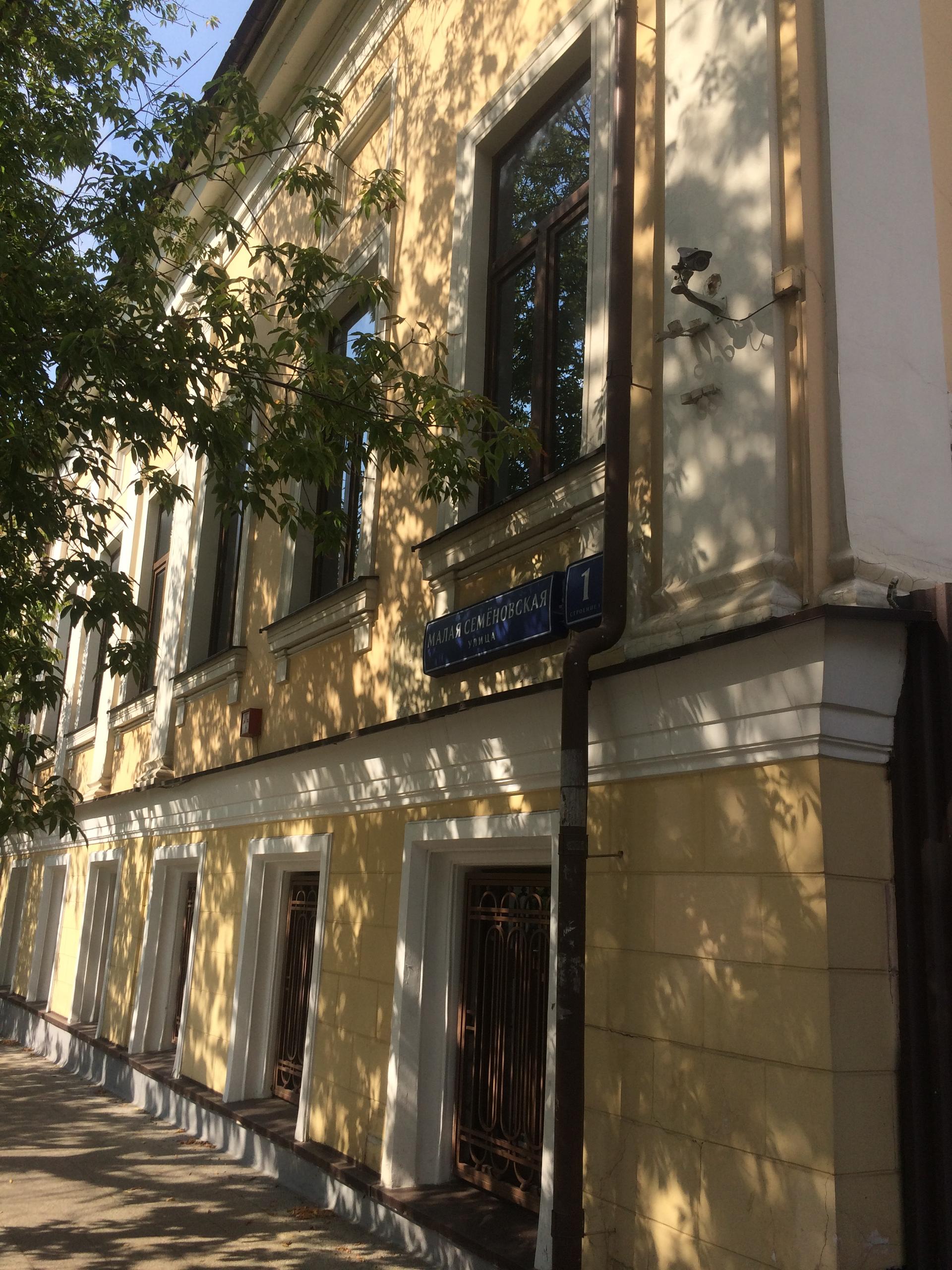
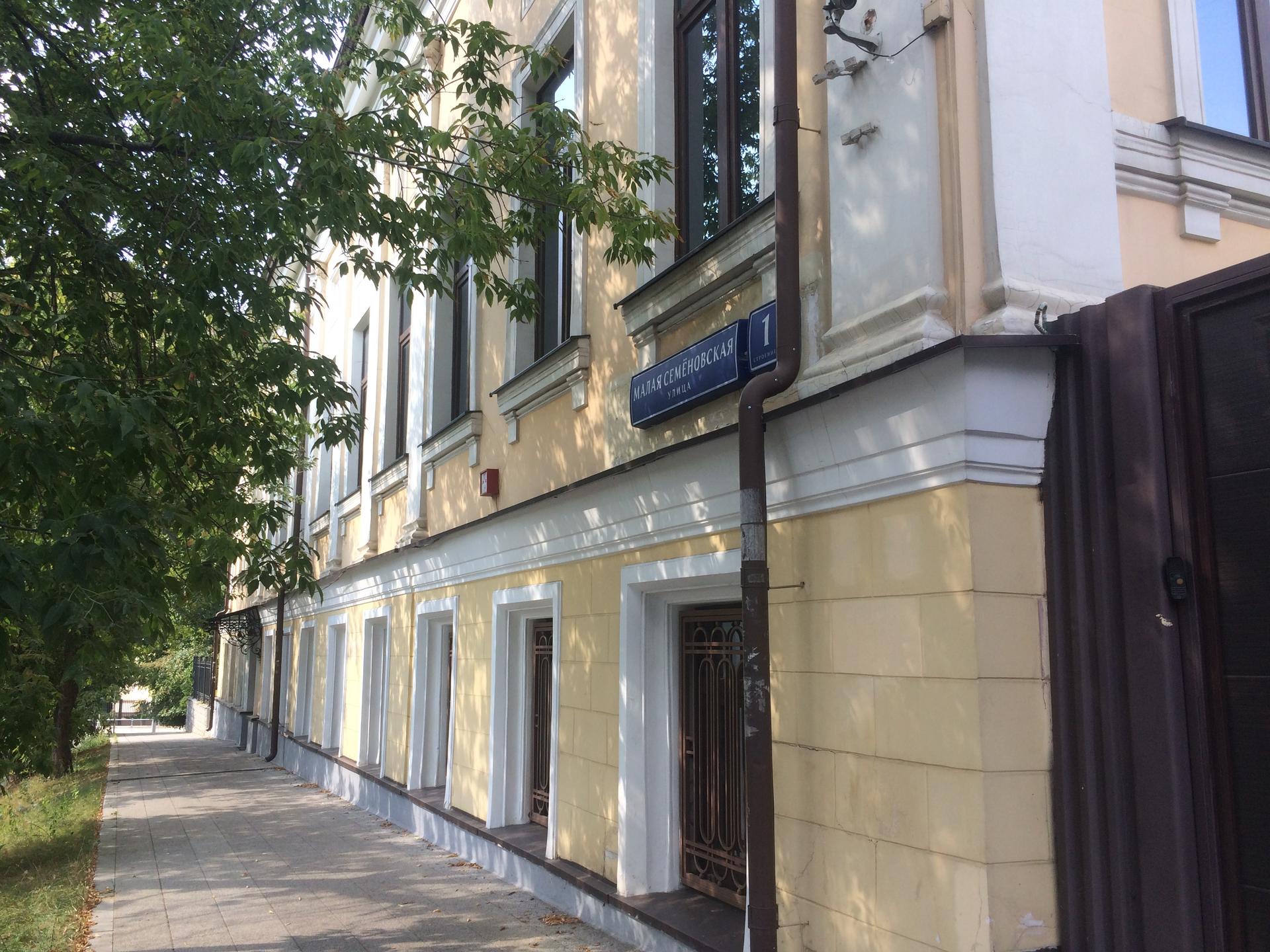
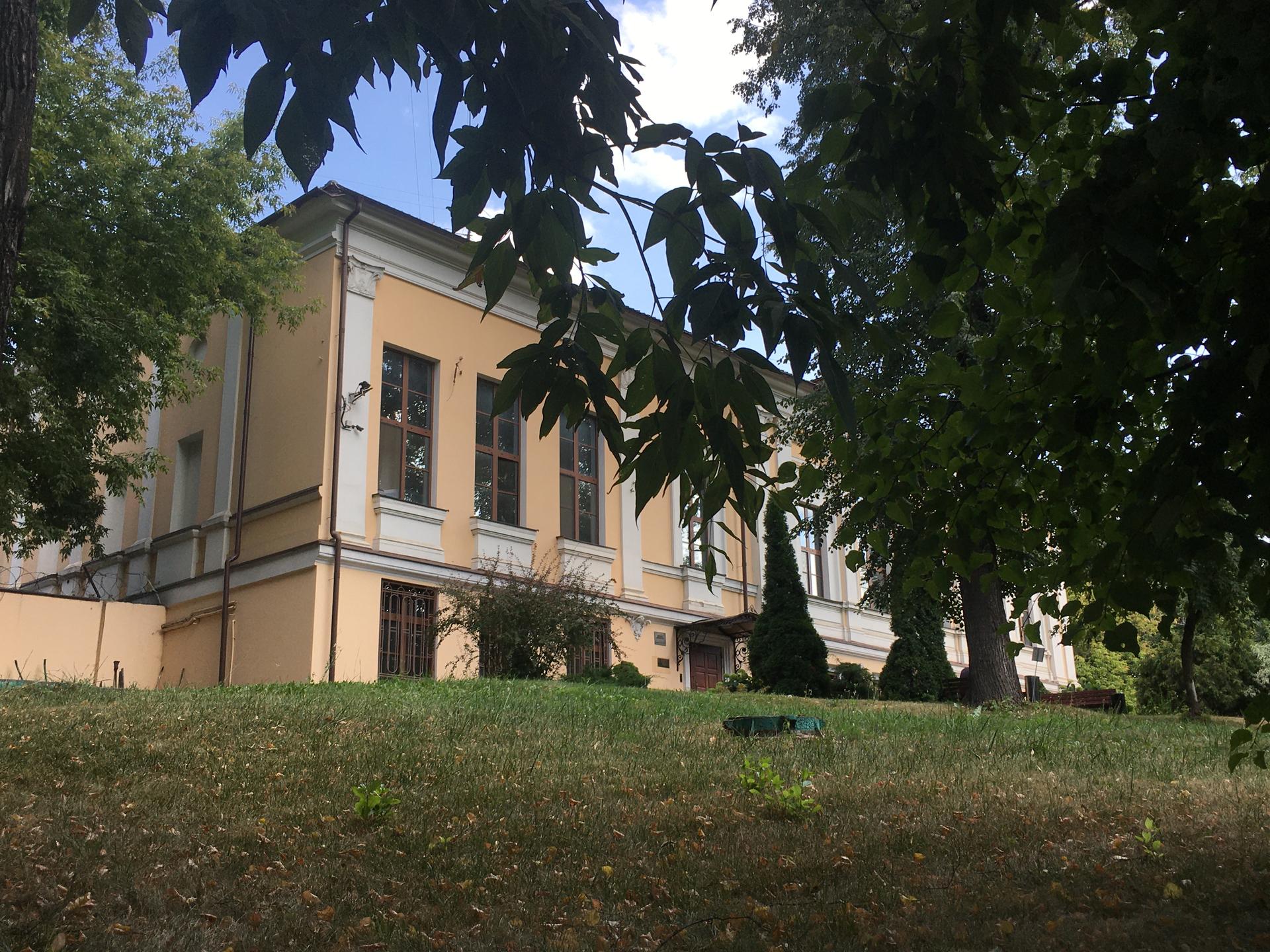
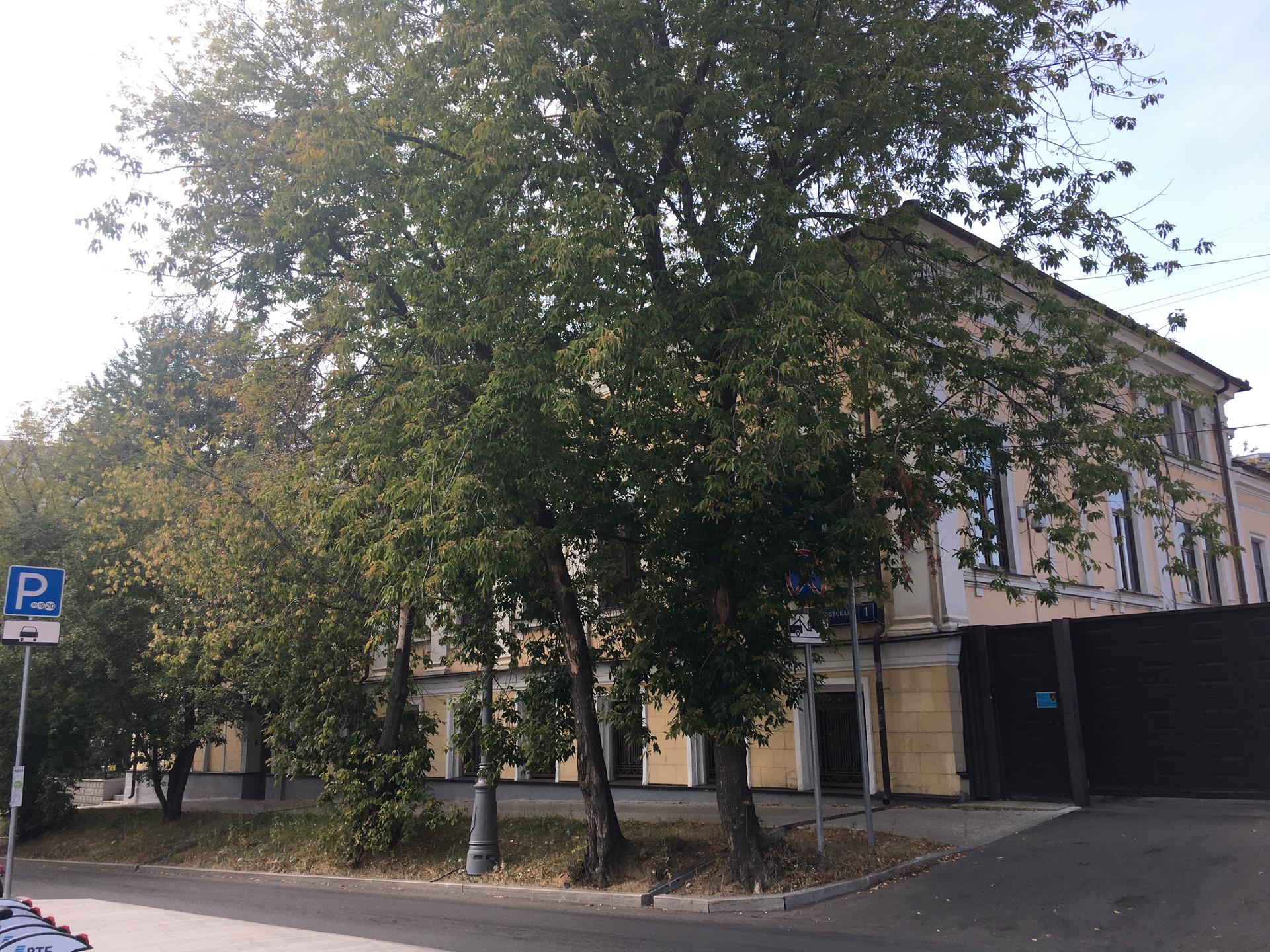
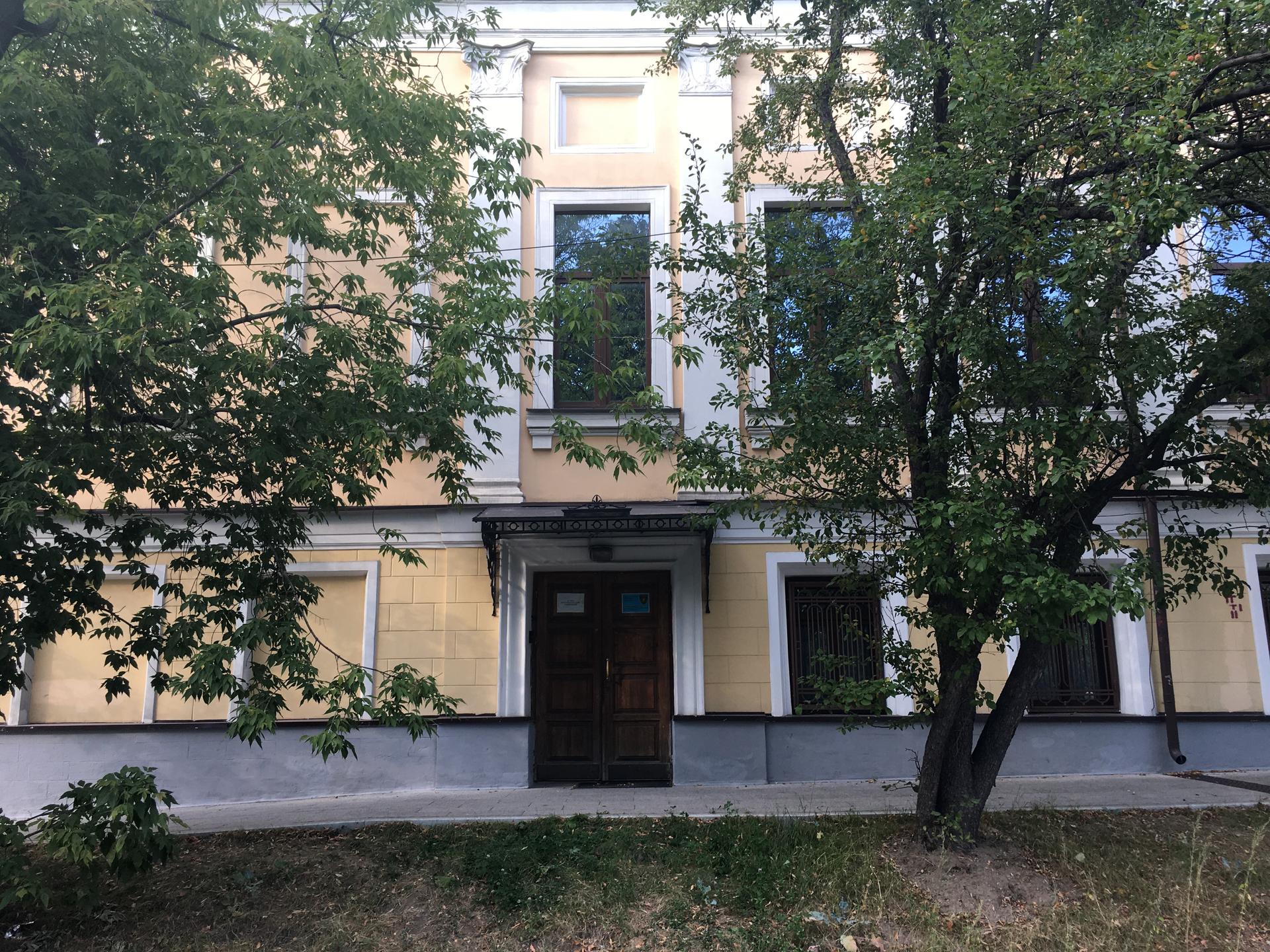
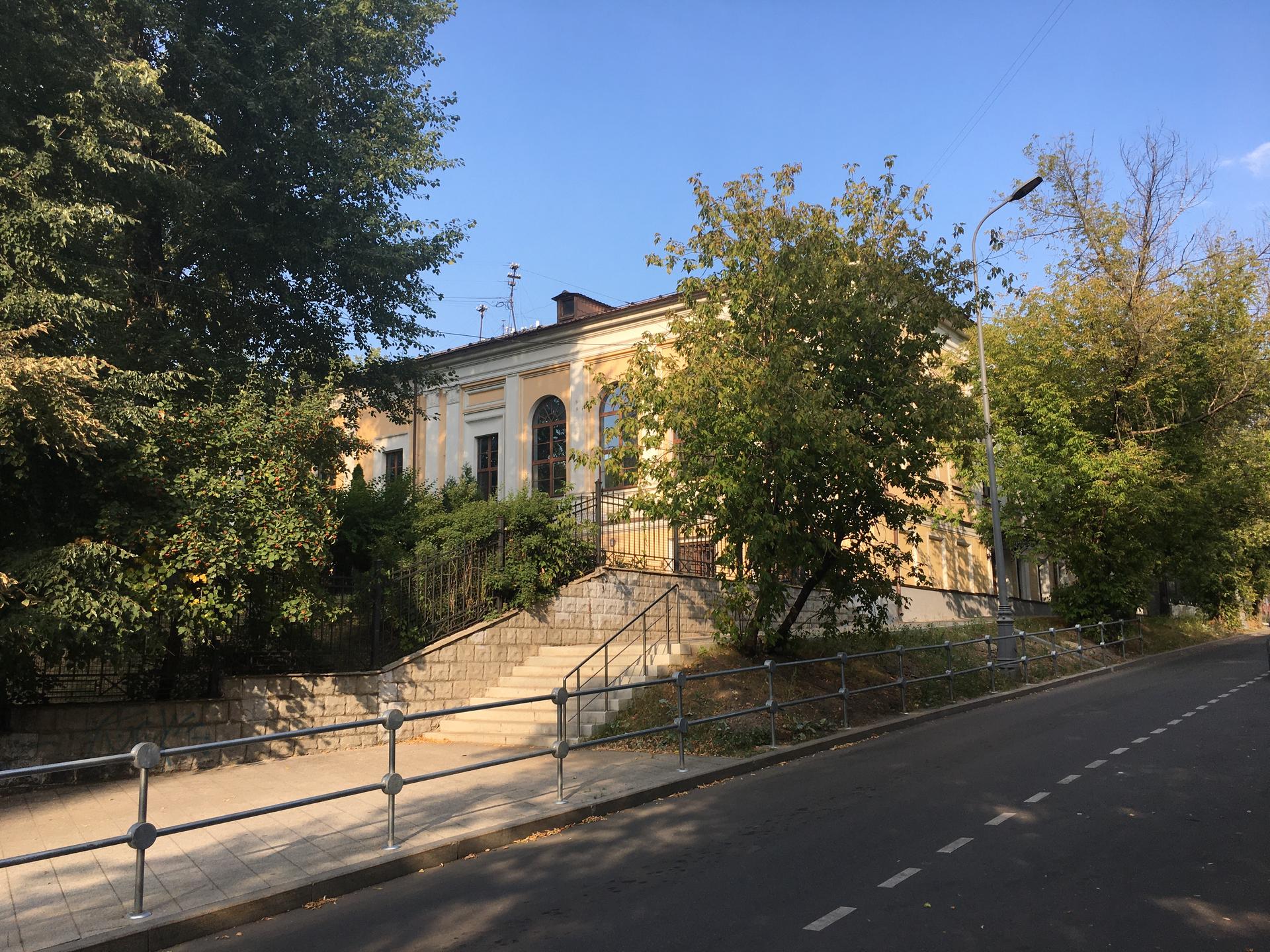
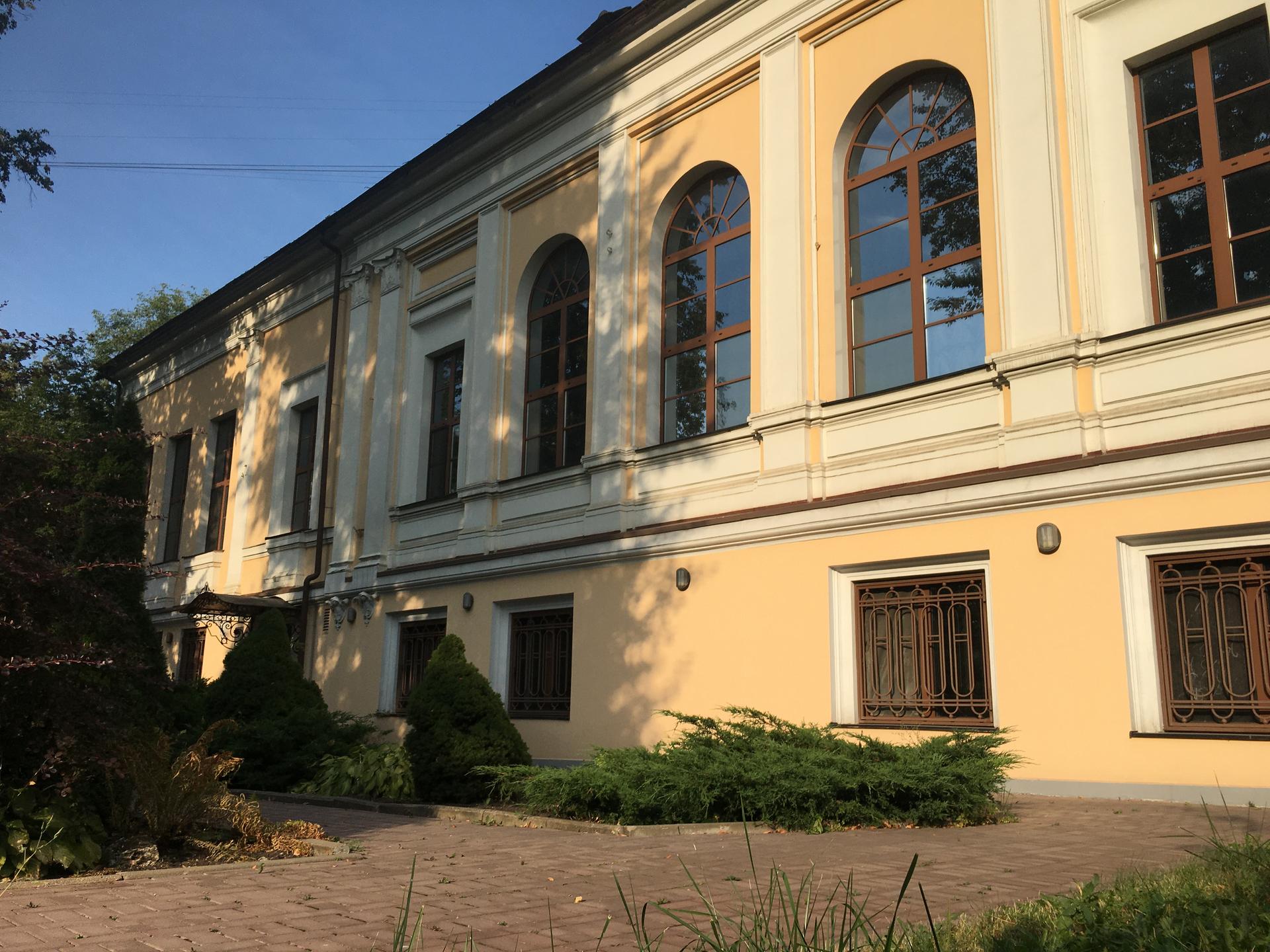
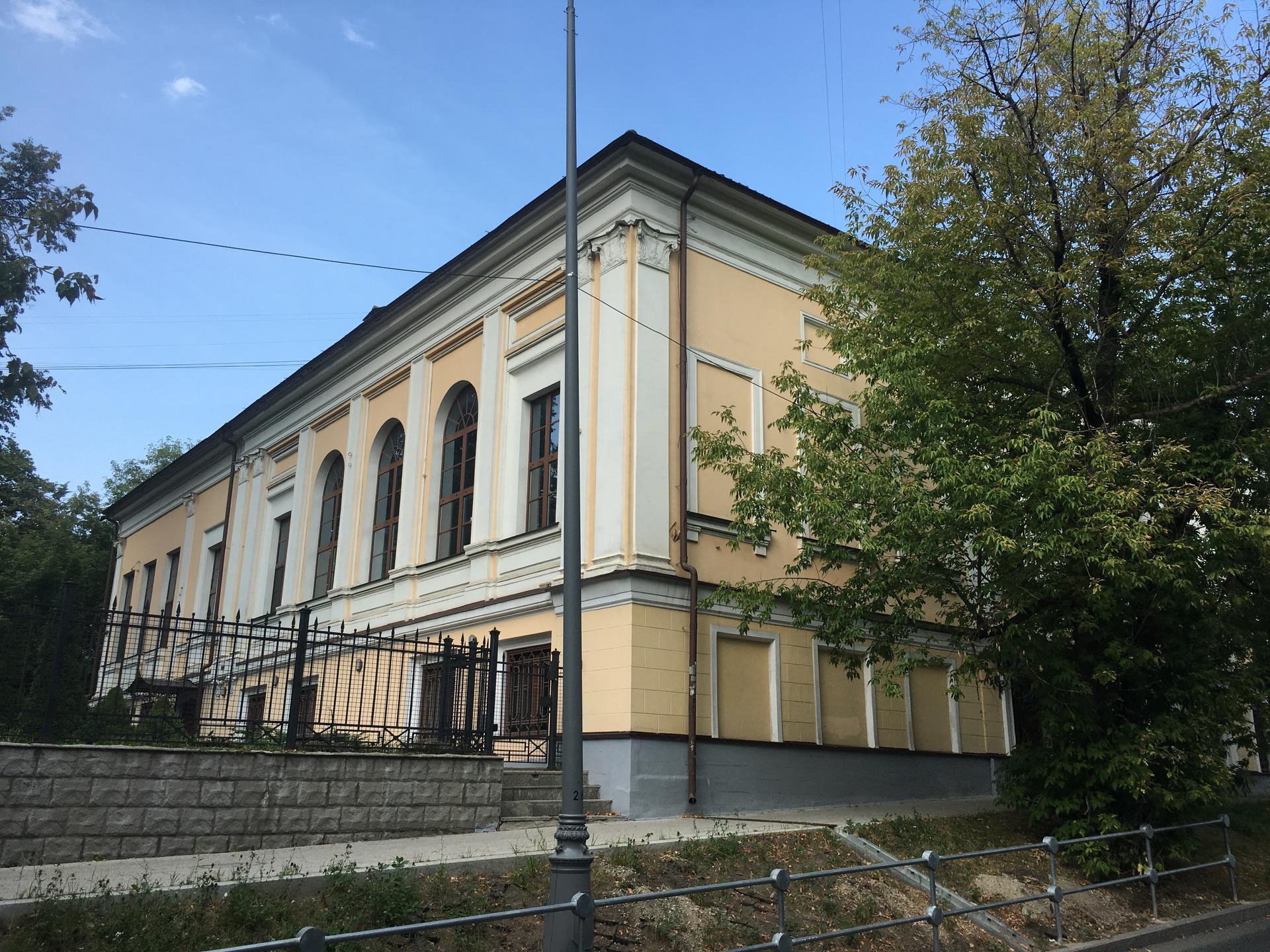


Василий Носов, глава семейной фирмы, выстроил этот двухэтажный дом в начале 1880-х годов на каменном фундаменте 1870-х, по проекту архитектора П. Щеголева. К дому примыкал огромный сад.
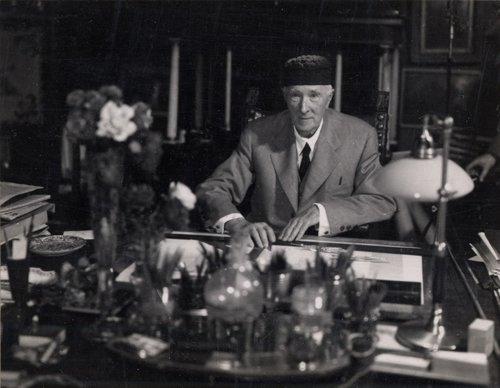
Когда его сын Василий вырос и женился на Евфимии Рябушинской, старик Носов переселился в другой дом усадьбы, разделил сад пополам, а свой особняк оставил молодым. Эмансипированная супруга Василия стала подлинной хозяйкой дома. Носова стала превращать купеческий дом в изысканный салон «серебряного века». Ее мечтой было, чтобы «выдающиеся и нравящиеся ей современные русские художники в этом доме сделали нечто». Интерьеры в 1907 году был приглашен заново отделать будущий классик советской архитектуры Иван Жолтовский. В реконструкции дома поучаствовали также Лев Кекушев и гражданский инженер А. Агеенко, пристроивший к нему левое крыло. Внешний вид дома не изменился с 1910-х годов.
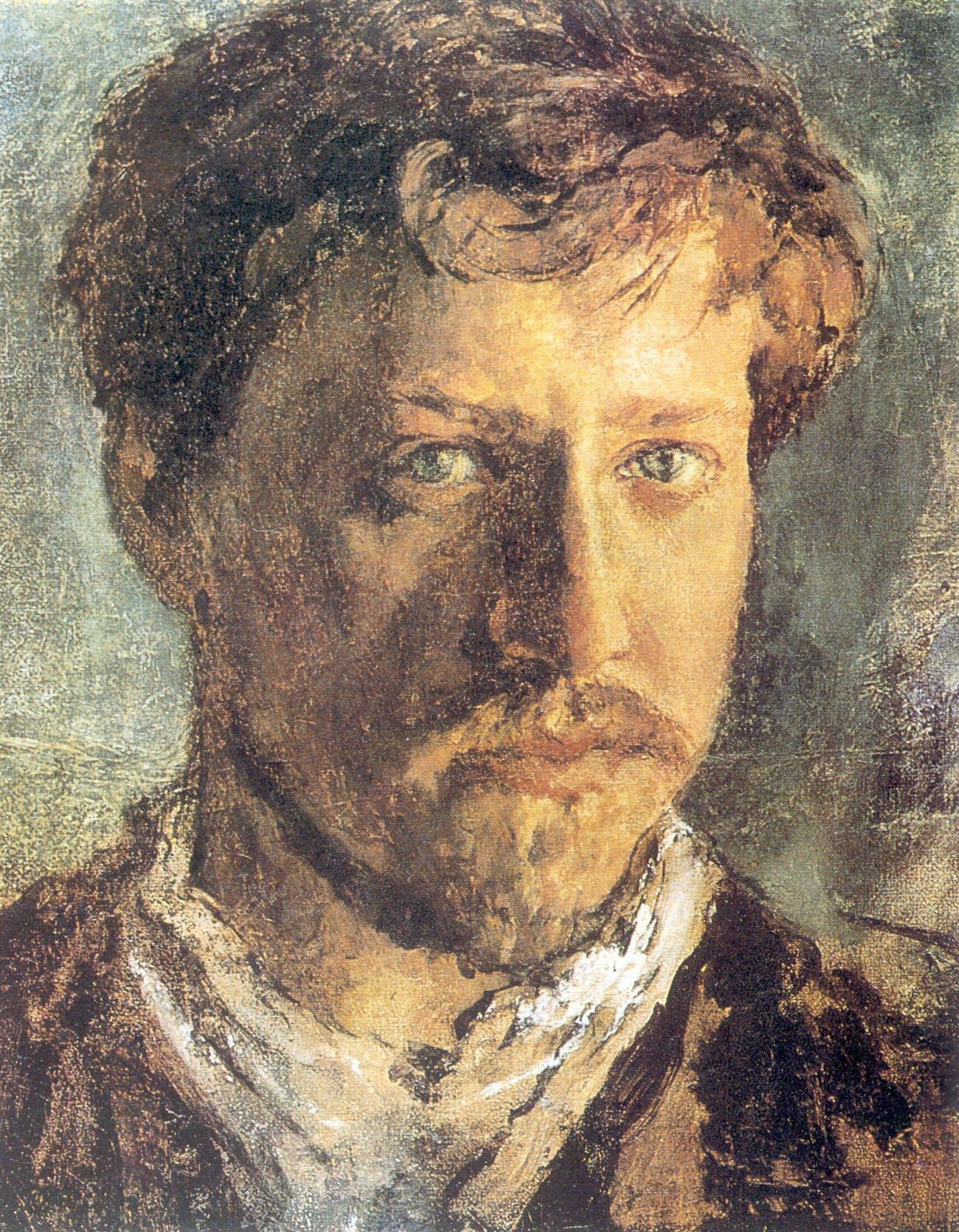
Внутри Жолтовский создал парадный мраморный зал с колоннами коринфского ордера и огромными зеркалами. Расписывать стены парадной столовой в 1911 году Носова пригласила В. Серова. Он сделал 29 эскизов на тему «Диана и Актеон», но смерть от сердечного приступа помешала Серову закончить работу. На помощь пришли живописцы С. Судейкин и Н. Сапунов. Парадную лестницу дома оформлял в 1912–13 годах М. Добужинский, которого Носова предварительно отправила в командировку в Италию для ознакомления с первоисточниками. Фреска Добужинского в была выполнена по образцу росписей дворца Козимо Медичи во Флоренции. В 1940 году ее закрасили, но предварительно заклеили бумагой. Когда в начале 1970-х покрытие удалили, фреска оказалась как новая.
Особняк в Москве полушутя стали называть «дворцом Козимо Медичи», а Евфимию Носову, уже всерьез – «хозяйкой модного салона, привлекавшего виднейших живописцев и писателей». Со временем Носова собиралась передать особняк со всем художественным содержимым в дар городу Москве и сделать его музеем.
Осенью 1917 года, опасаясь реквизиций, Носова передала все художественные богатства в Третьяковскую галерею и вскоре уехала за границу. А в ее доме в 1917 году уже работала бесплатная столовая для 2500 красногвардейцев и рабочих.
Vasiliy Nosov, the head of the family firm, built this two-story house in the early 1880s on a stone foundation of 1870, designed by architect P. Schegolev. The house adjoins a huge garden.
When his son Basil grew up and married Euphemia Ryabushinskaya, old man Nosov moved to another manor house, shared garden in half, and left his mansion to the young couple. Emancipated wife of Basil became a true lady of the house. Nosova have started to turn a merchant's house in the exquisite saloon of the "Silver Age". Her dream was to "outstanding and popular with her contemporary Russian artists in this house have done something." future classic Soviet architecture Ivan Zholtovsky was invited to re-decorate interiors in 1907. In the reconstruction of the house also participated loyal to Leo Kekushev and civil engineer A. Ageenko, has attached to it the left wing. Exterior of the house has not changed since the 1910s.
Inside Zholtovsky created a grand marble hall with Corinthian columns and huge mirrors. Paint the walls in the front dining room 1911 Nosov invited Serov. He made 29 sketches on the theme of "Diana and Acteon", but the death of a heart attack prevented Serov finish the job. Came to the aid painters Sudeikin S. and N. Sapunoff. Grand staircase designed the house in 1912-13 M. Dobuzhinskii, which Nosov pre- sent on a mission to Italy to become familiar with the primary sources. The mural was completed in Dobuzhinskiy modeled on the murals in the Palace of Cosimo de 'Medici in Florence. In 1940, she was painted over, but the pre- pasted paper. When in the early 1970s covering removed, the mural was like new.
Mansion in Moscow jokingly became known as "the palace of Cosimo de 'Medici," and Euphemia Nosov, already seriously - " mistress of the fashionable salon which attracted the most prominent painters and writers." Over time, Nosov was going to pass a mansion with all the artistic content to the city of Moscow and make it a museum.
In autumn 1917, for fear of requisitions, Nosov gave all the artistic wealth to the Tretyakov Gallery and soon went abroad. And in her home in 1917, has worked as a soup kitchen for the 2500 Red Guards and workers.
Until 1935 the nationalized house Nasal remained unchanged, due to the fact that it was open Proletarian Museum Blagushe - Lefortovo district. But then the house was given to the District Palace of Pioneers, subjected to redevelop, was taken away somewhere mirrors and chandeliers. From 1962 until 1997 the house again fit "Museum of Local History of Pervomaiski district." Since the late 1990s, the house was virtually inaccessible. The fate of the interiors of the "Silver Age" is unclear; it is known that some of the paintings and decoration lost.