Интерактивный гид по городу
С мобильным приложением бродить по городу гораздо интереснее!

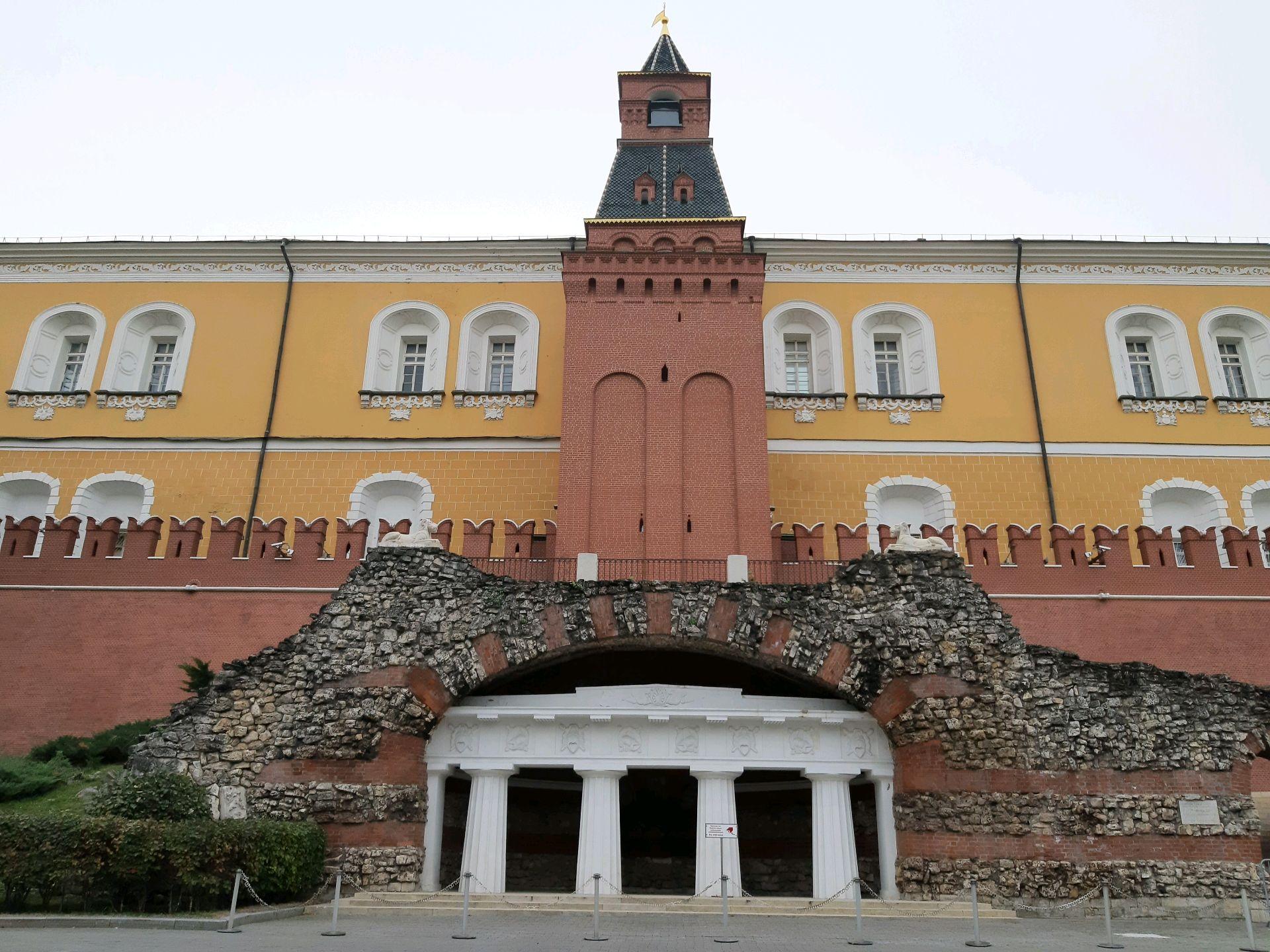
Александровский сад, около Средней Арсенальной башни
5.00
Вы можете воспользоваться QR-кодом, чтобы открыть эту страницу в нашем приложении
Object of cultural heritage of federal significance
Годы постройки:
1821
Скульпторы:
Назначение постройки:
Historical events
Информация о памятнике

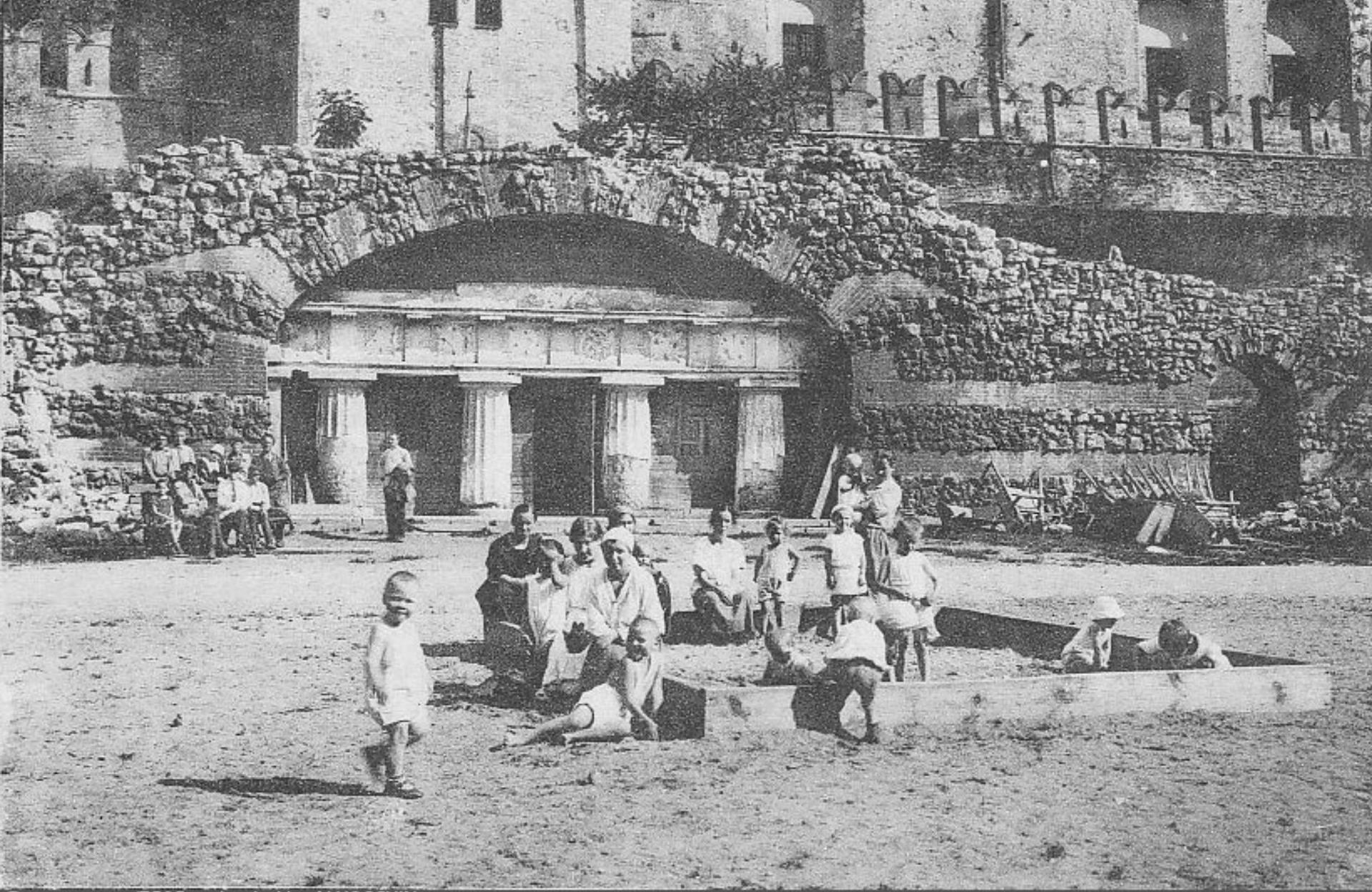
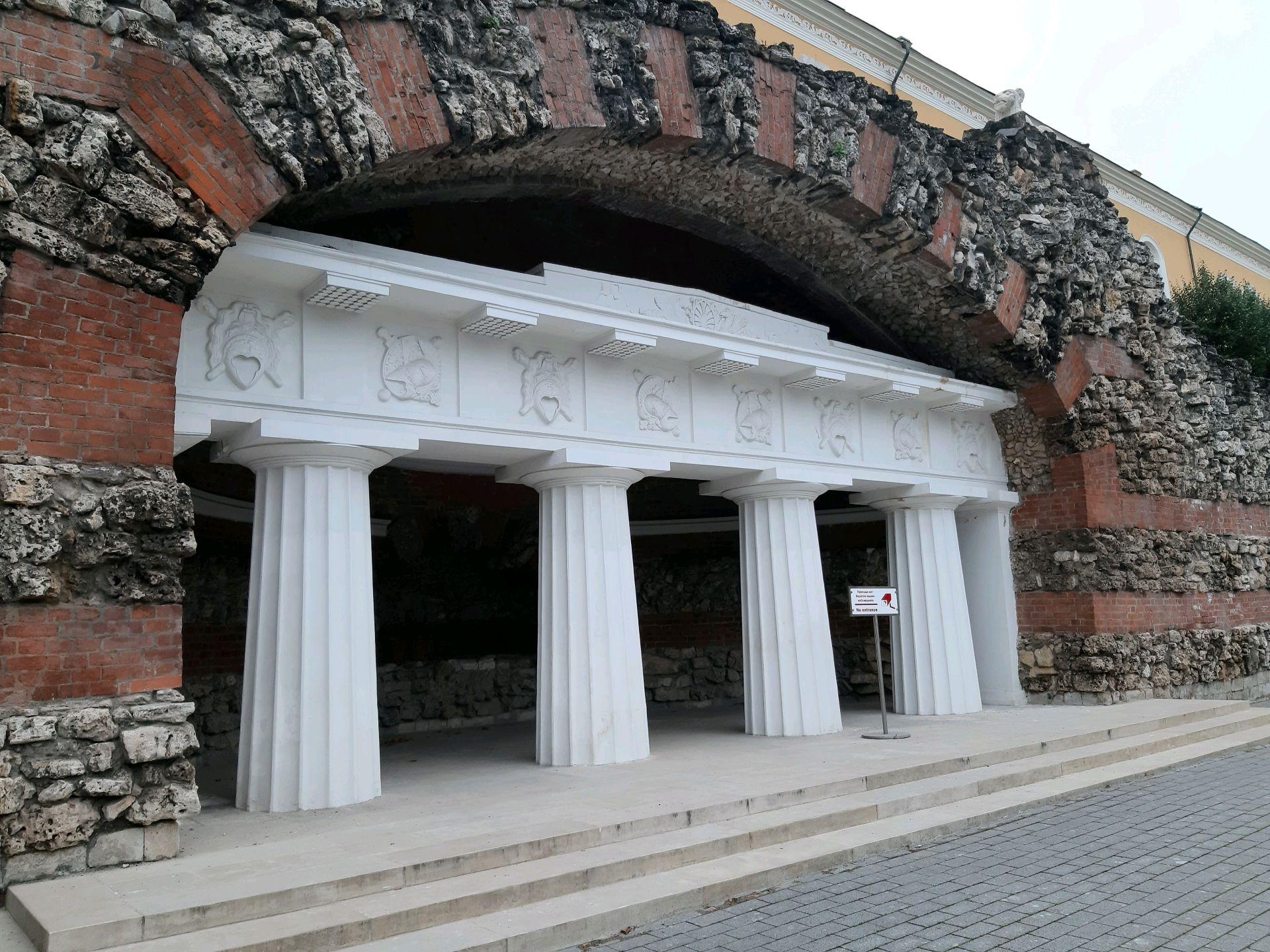
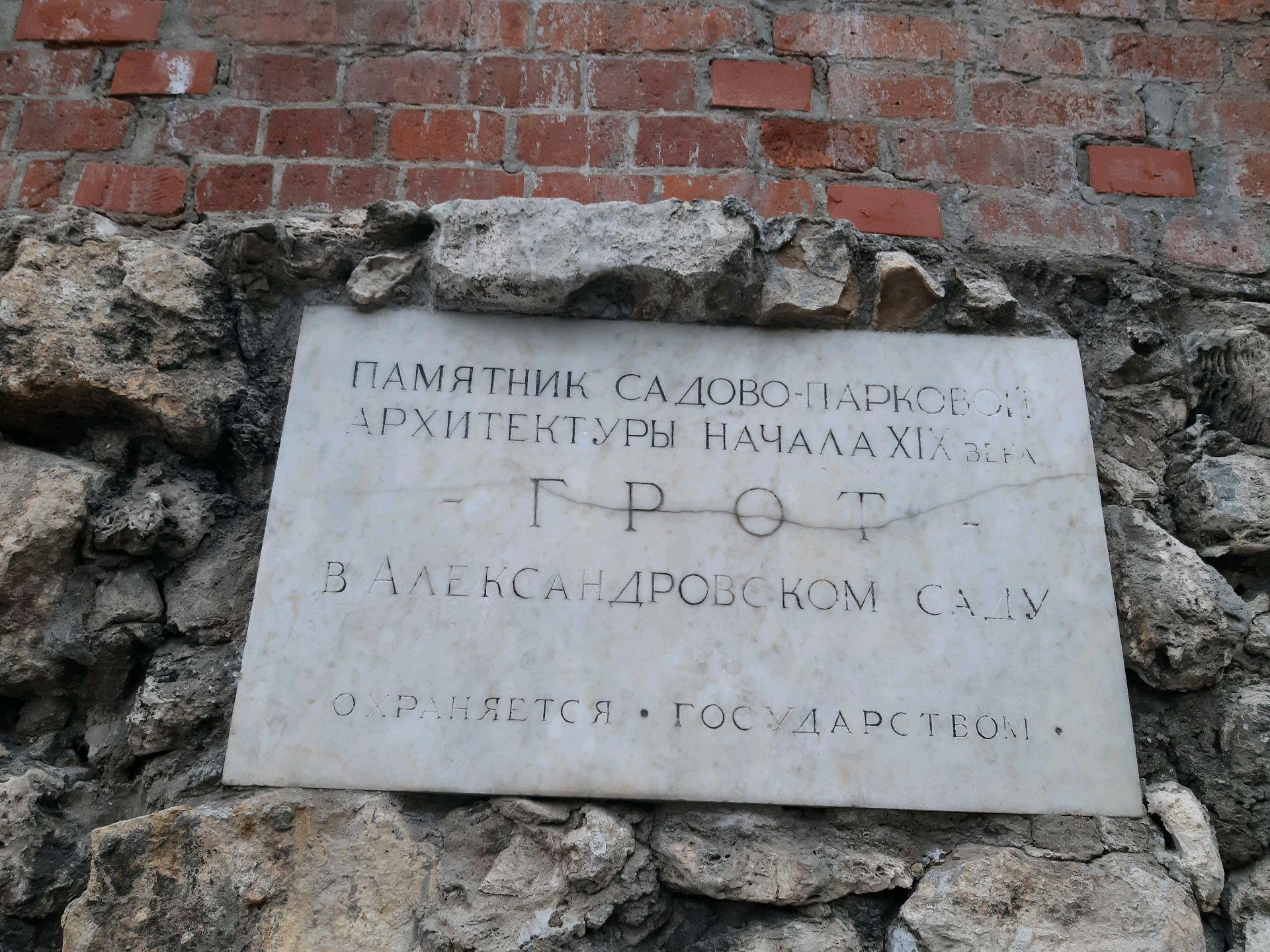
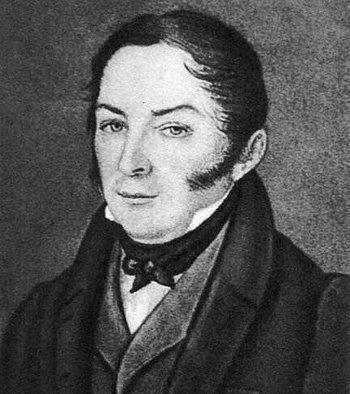
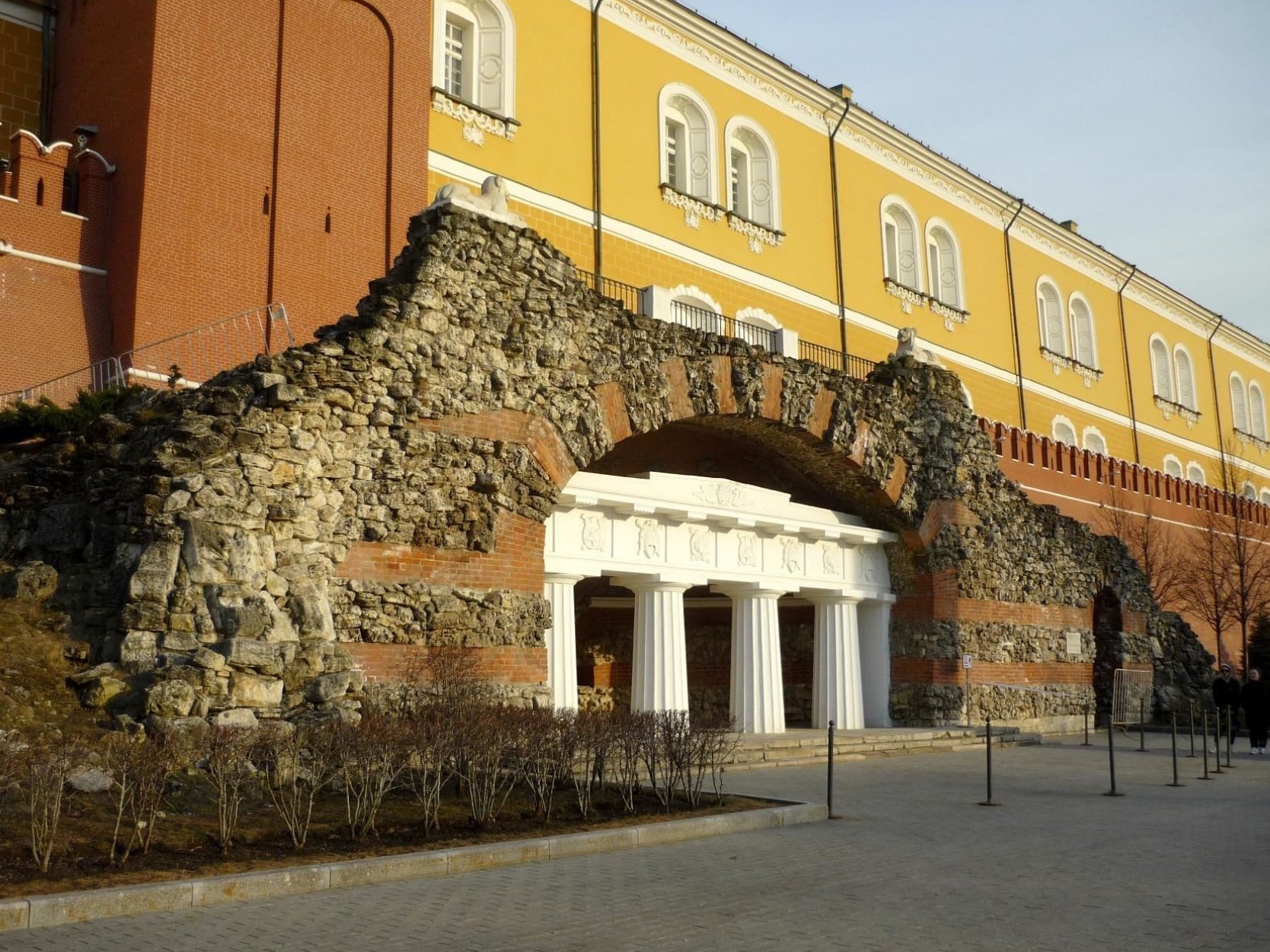
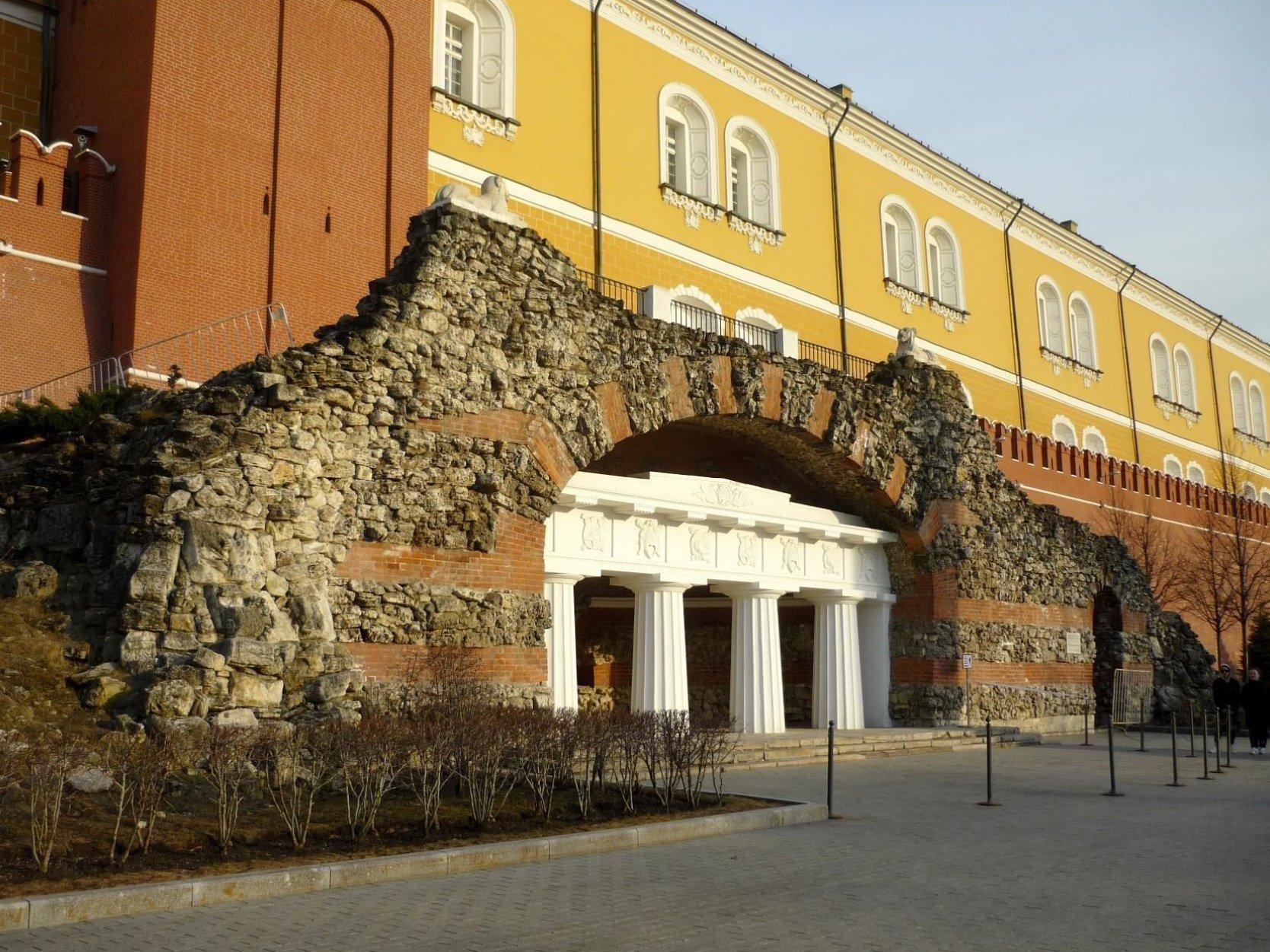
Грот был спроектирован архитектором Осипом Ивановичем Бове (1784-1834) во время его работы над созданием Кремлевских садов, названных Александровскими в 1856 году.

Грот был основной достопримечательностью Верхнего Александровского сада, открытого в 1821 году. В начале сентября 1820 года Комиссия для строений, организованная для восстановления города после пожара в ходе Отечественной войны 1812 года, рассмотрела проект архитектора Бове на постройку грота. Согласно этому проекту, грот должен был находиться около Кремлевской стены между Воскресенским и Троицким мостом. Комиссия утвердила проект, но с условием, что работа должна быть выполнена в течение 1 месяца. 18 октября того же года Бове представил в Комиссию рапорт о том, что грот построен. При этом строительство грота осуществлялось из казенных материалов, но рабочие и инструменты, принадлежали подольскому купцу Василию Стрельцову.

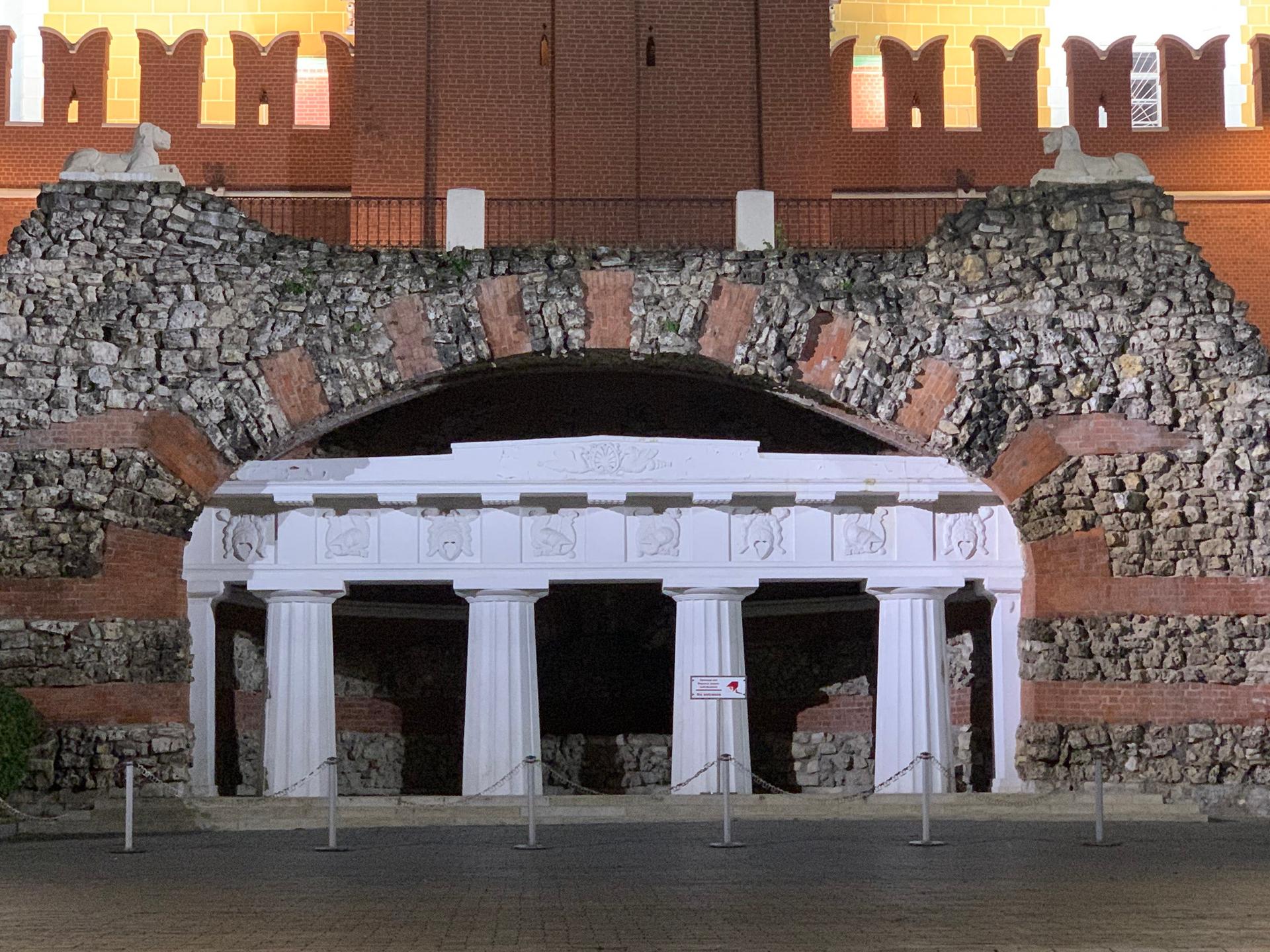
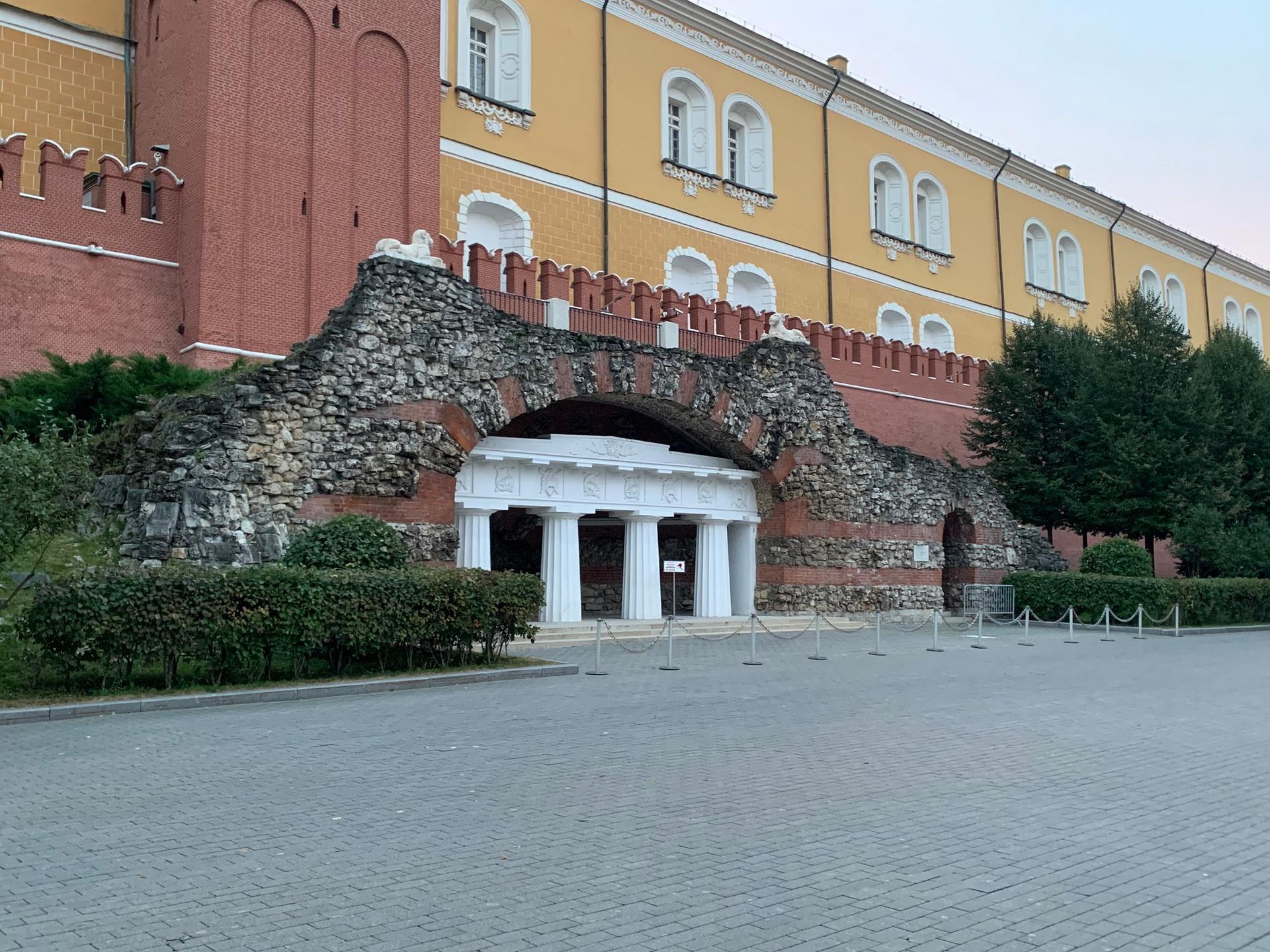
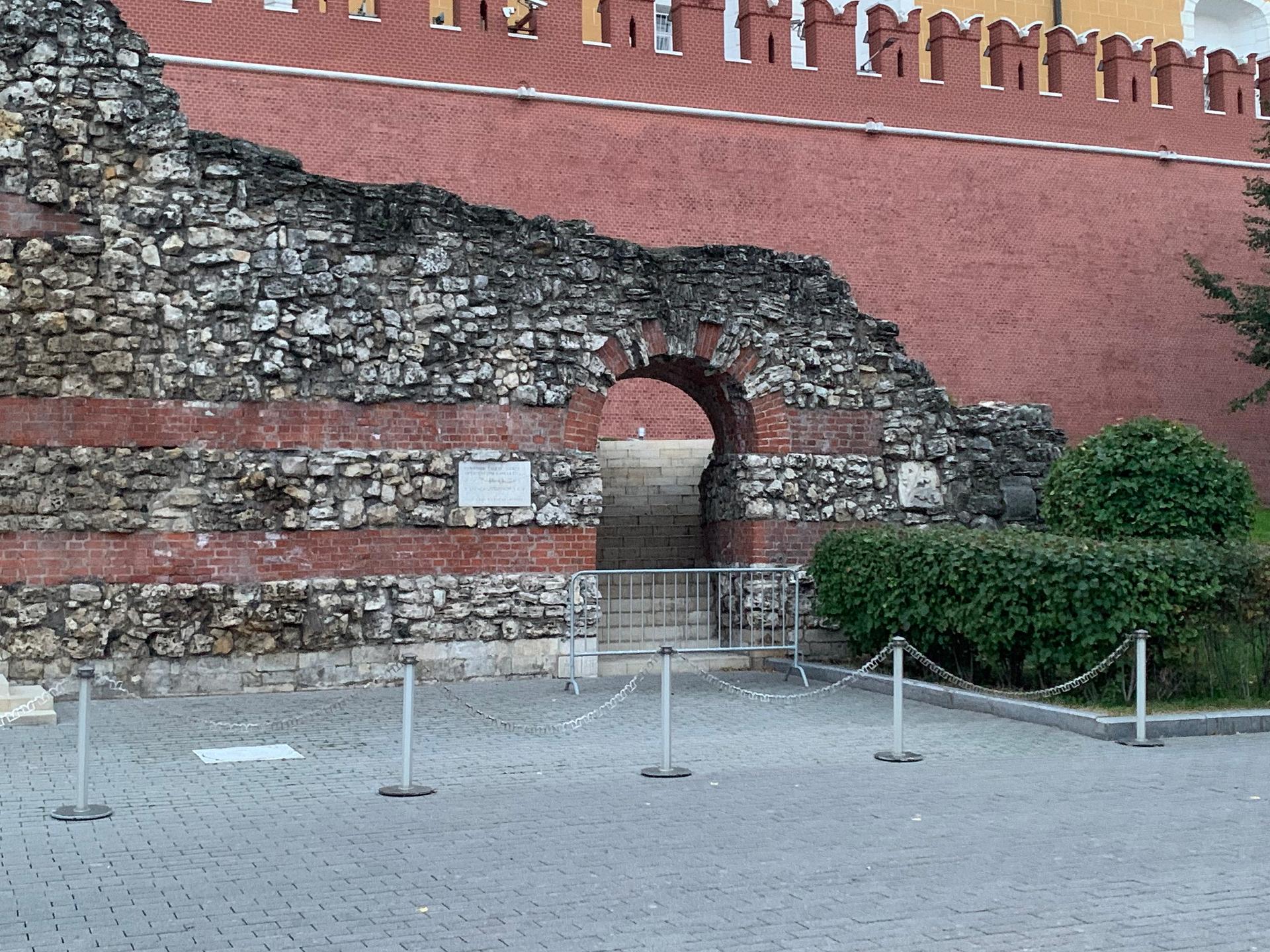
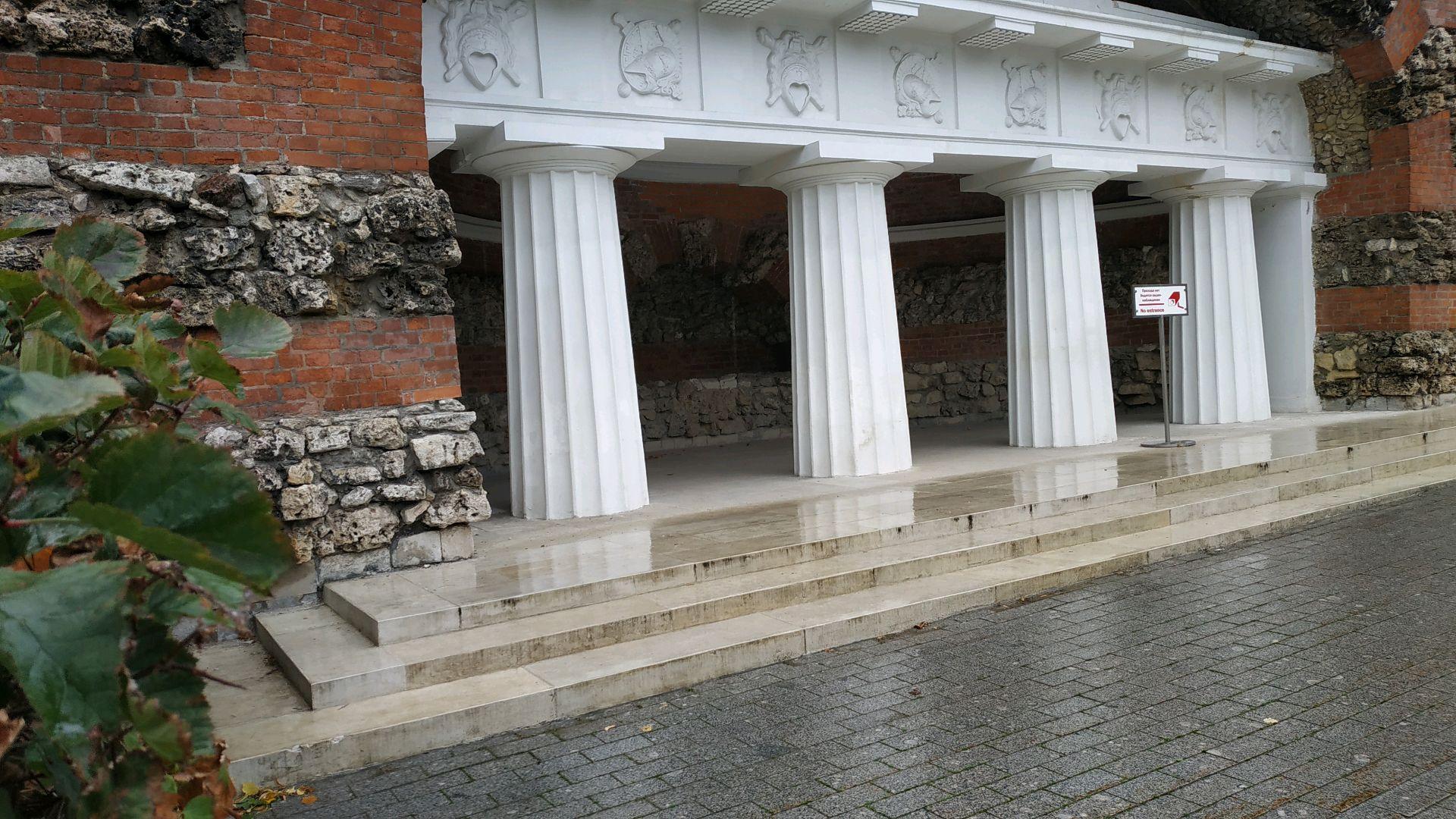
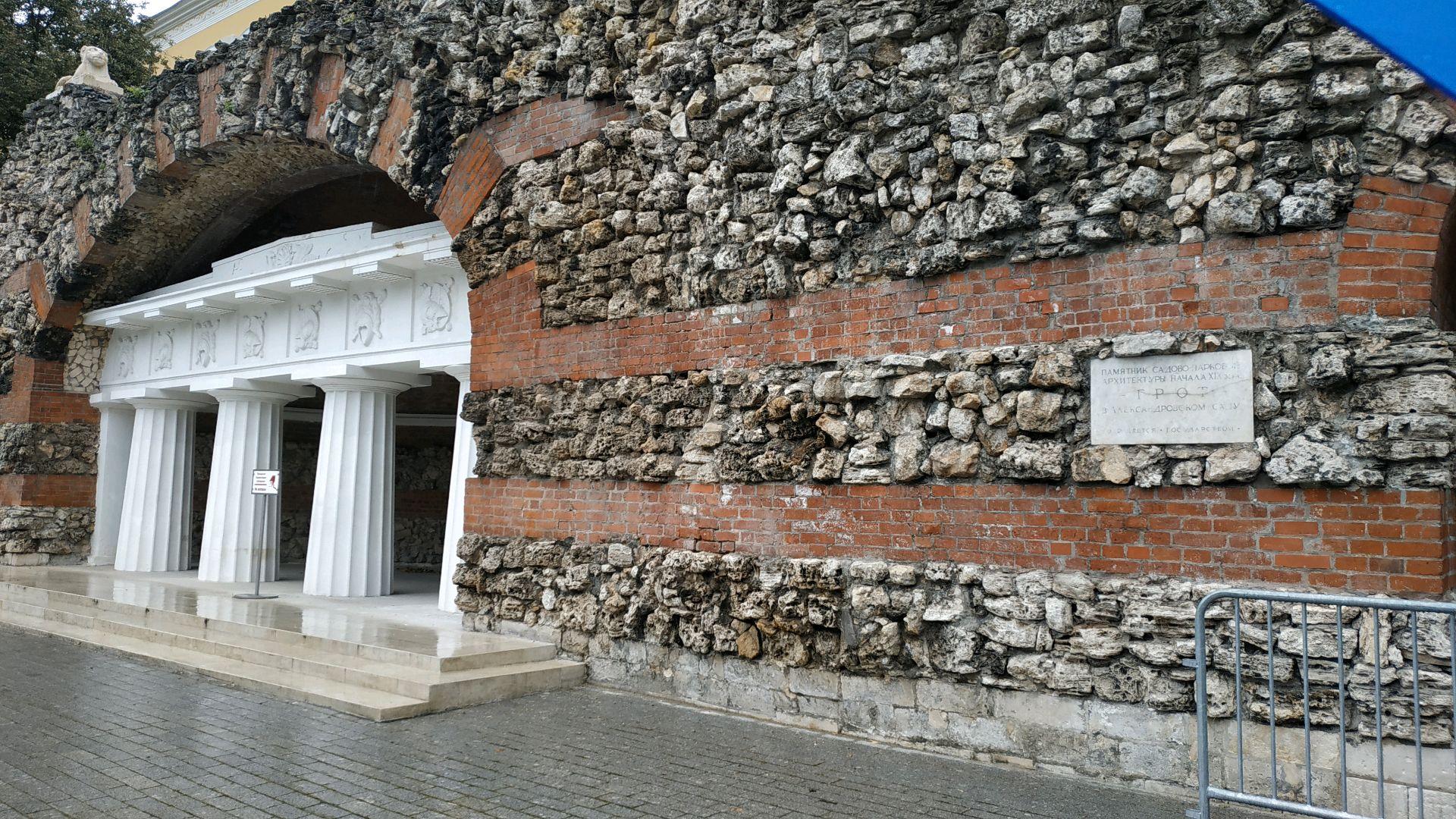
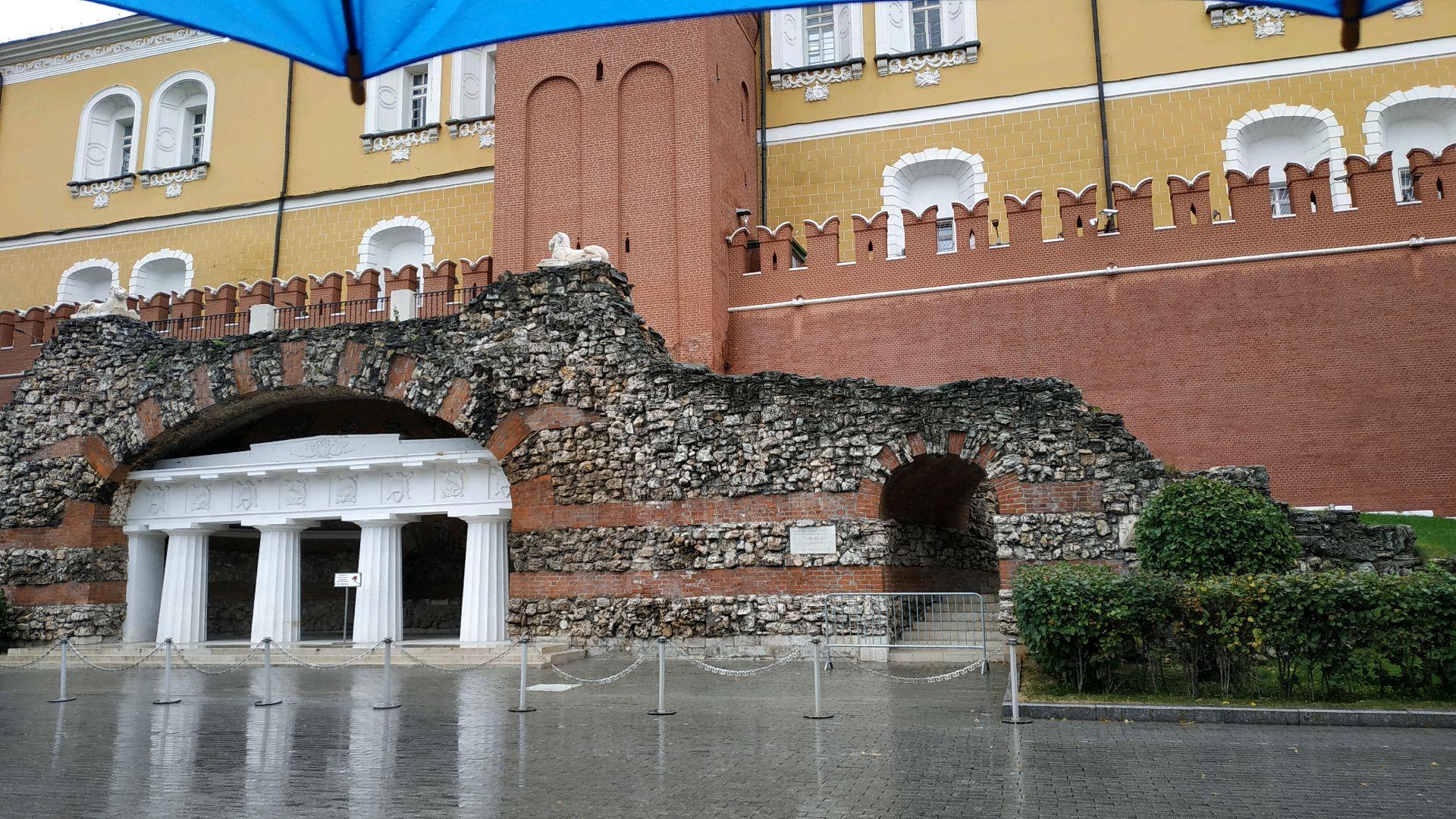
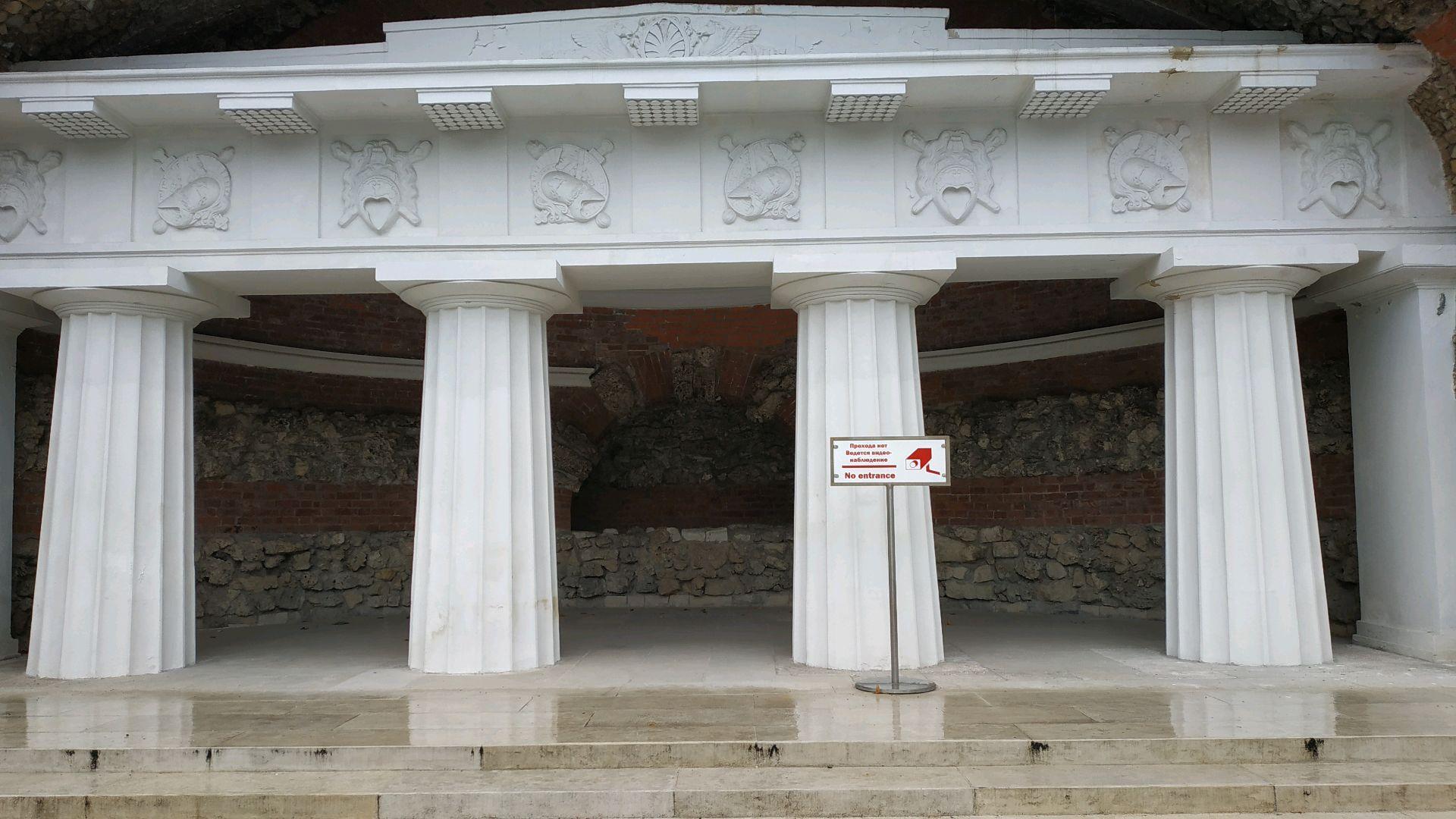
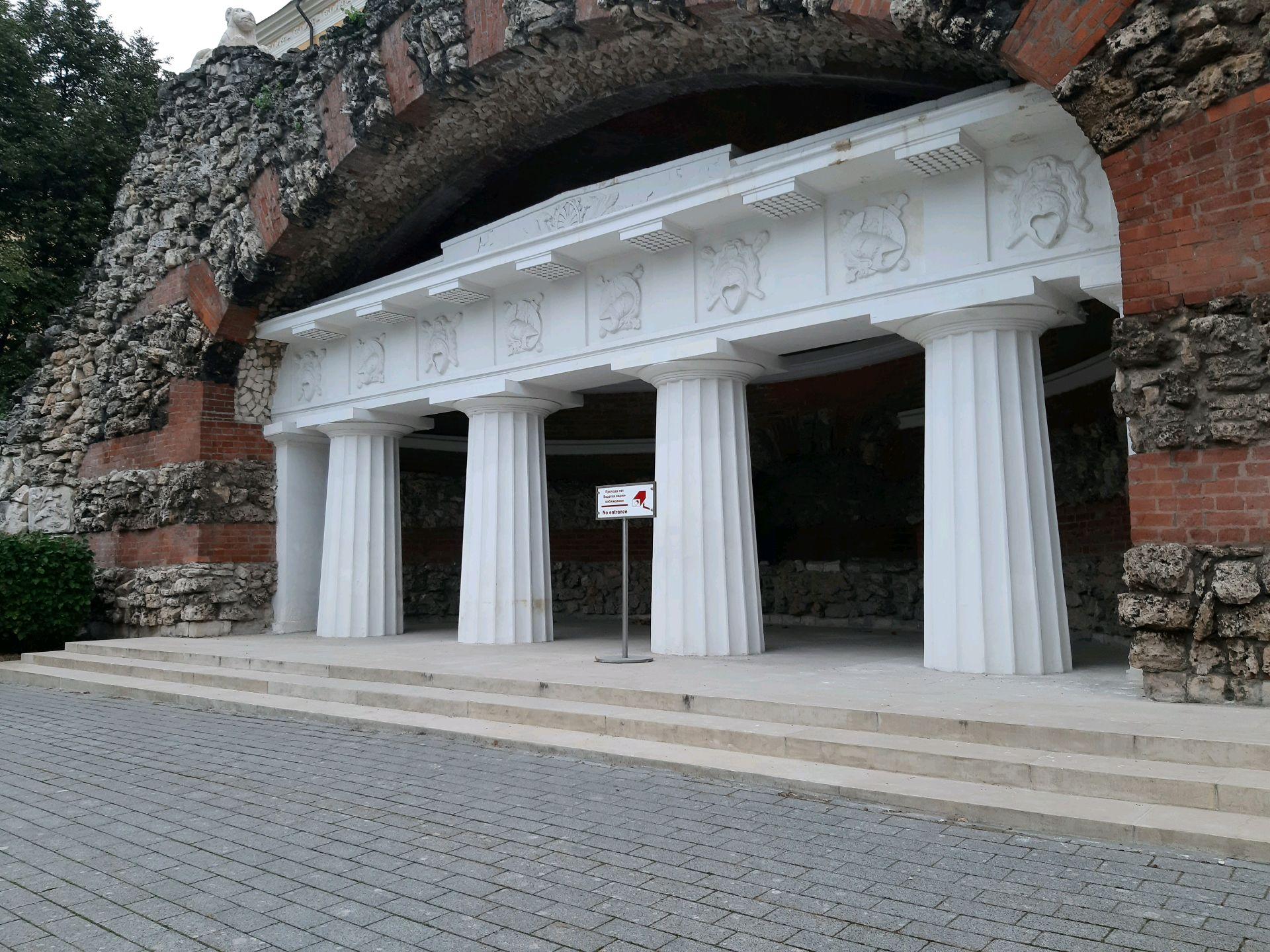
Бове расположил грот у Средней Арсенальной башни Кремля напротив Манежа. Грот представляет собой арку, в которую вписан антаблемент, поддерживаемый четырьмя колоннами дорического ордера с каннелированными стволами. Строгие ордерные формы контрастно сочетаются с нагромождением камней и обломков зданий, разрушенных в ходе войны и пожара. Грот является прекрасным памятником стиля ампир: строгая композиция дополняется декором с изображением военных доспехов, так называемой арматурой. Она вписана в метопы фриза.

Согласно путеводителю по Москве 1831 года, в саду «по самой середине к стороне стены сделано земляное возвышение в виде природной горы. На оной со вкусом сделанный павильон (где обыкновенно по воскресеньям играет полковая музыка), в самой горе сделан прекрасный грот в образе развалин; по сторонам грота видны разные обломки пьедесталей, колон и пр.: перемешанныя с огромные каменными ядрами, которые употреблялись в древности вместо чугунных».
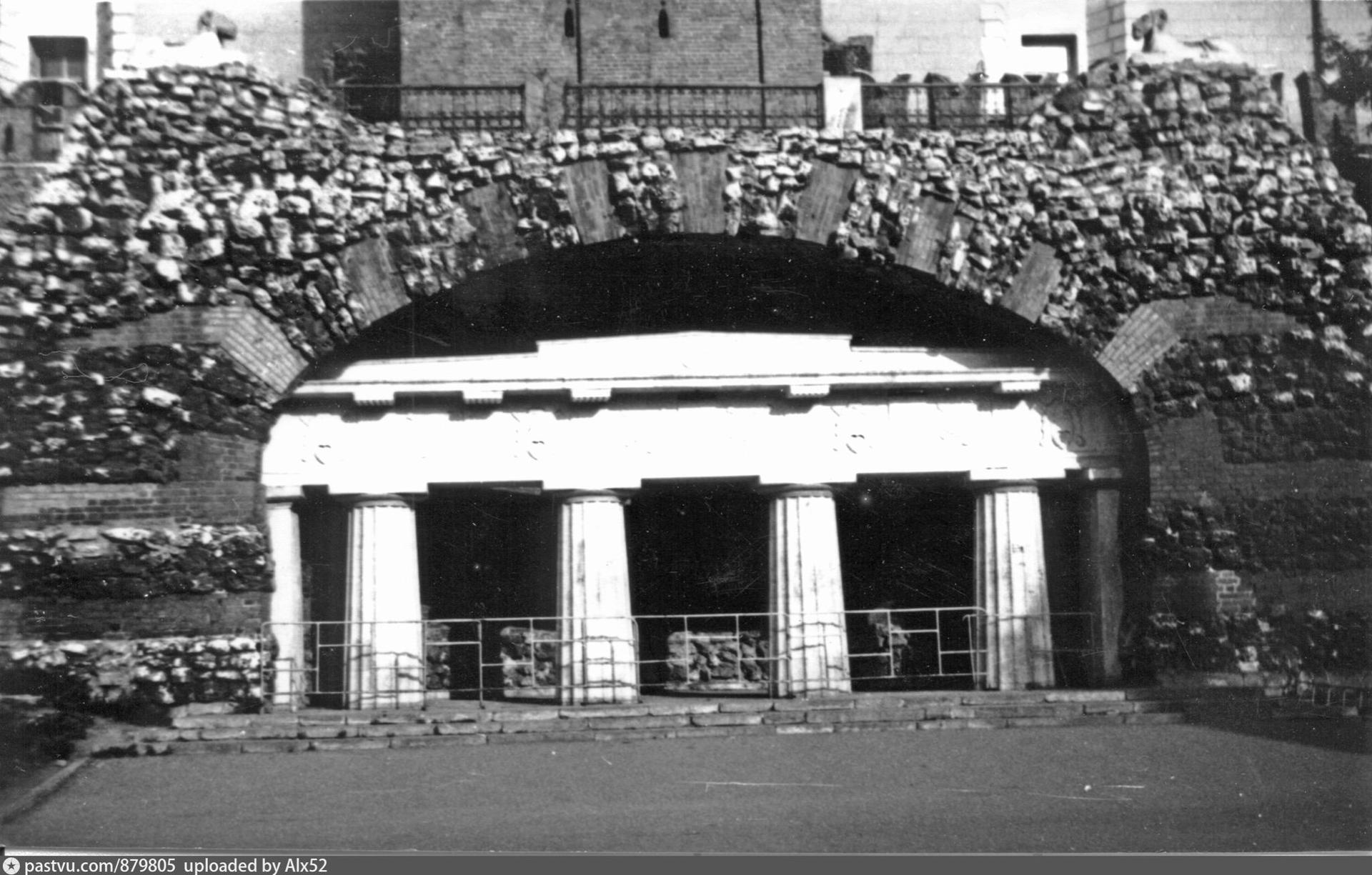
Реставрация

В ходе реставрации 1958-1959 гг. на верхней площадке грота были установлены две фигуры львов.
Автор статьи: Вероника Иванова
Отзывы
(2)
Поделитесь статьей с друзьями
Интересное рядом(43)
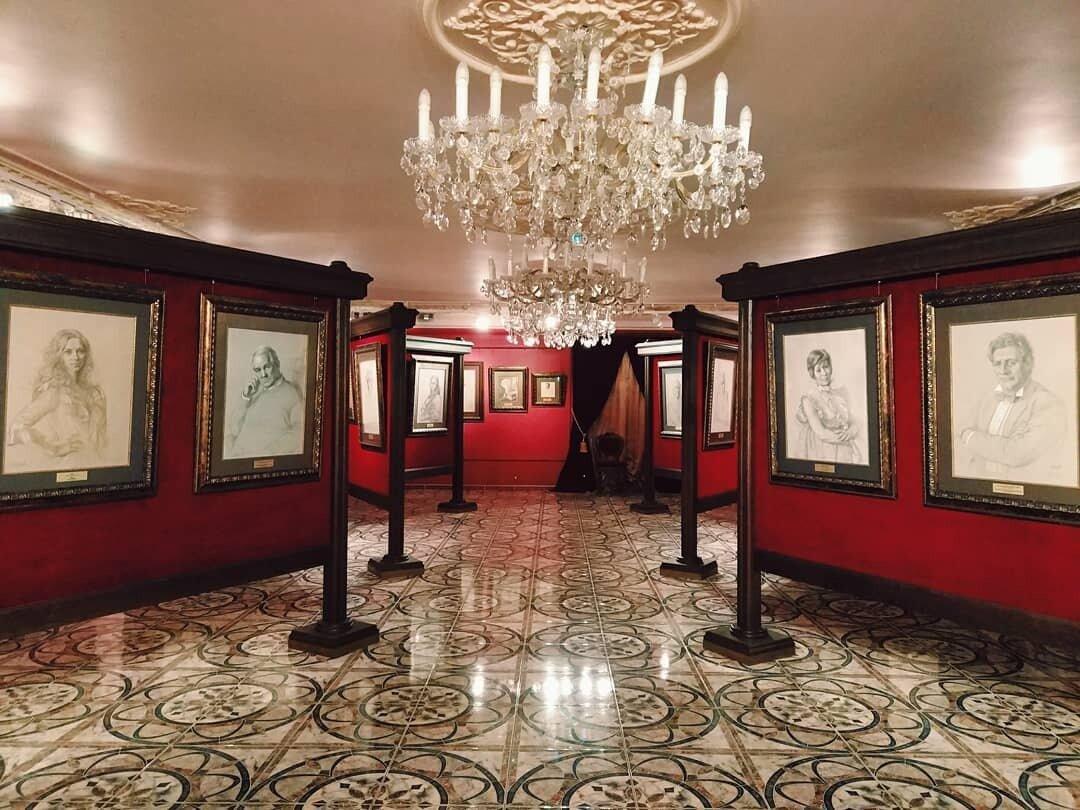
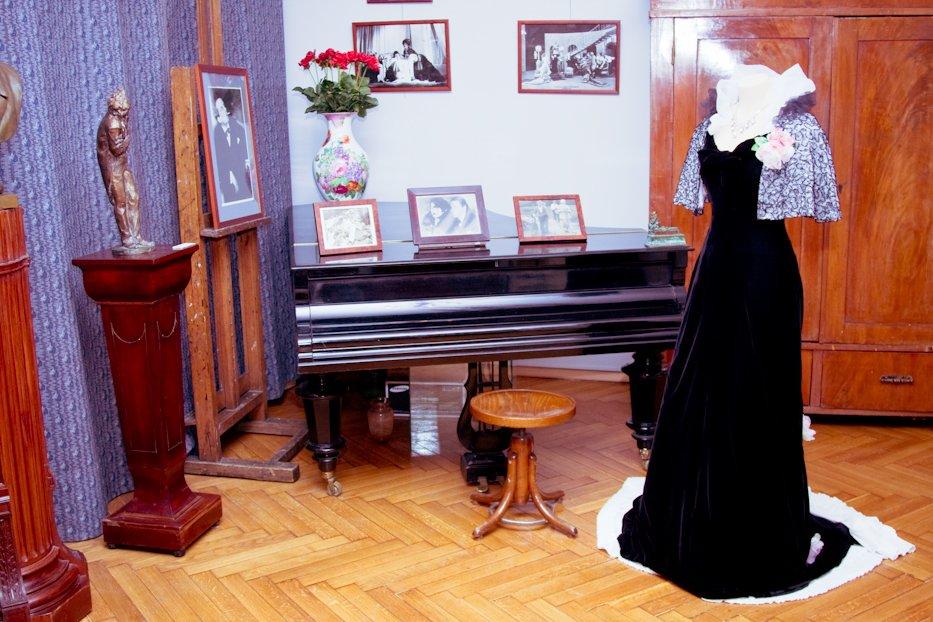
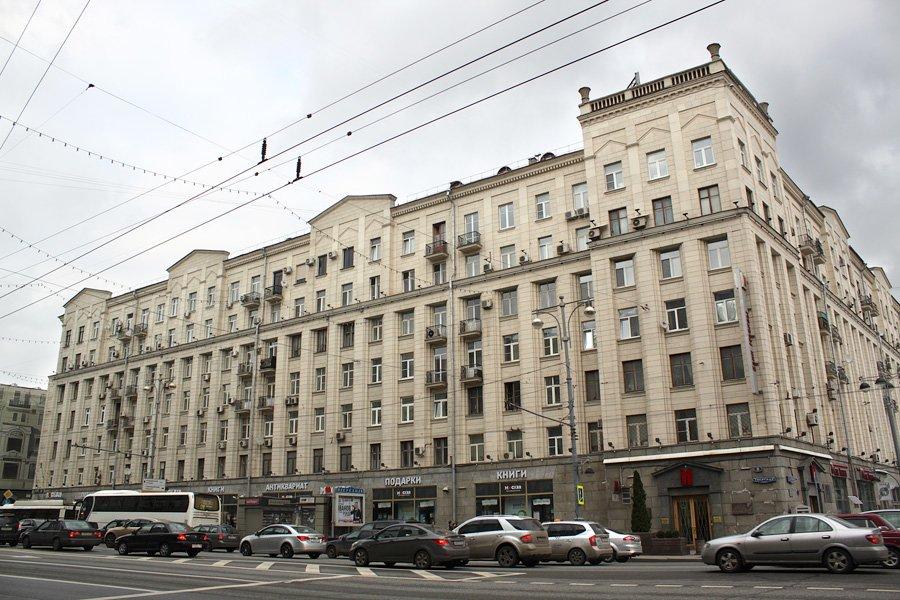
Museum-studio of the soviet artist of D. NalbandyanThe museum-studio of D. Nalbandyan was created by the Moscow Government on the basis of the collection which was donated by the artist to the city at the end of 1992. Dmitry Nalbadyan moved to an apartment on Gorky Street (Tverskaya), 8/2 in 1956. The windows of the second building looked out onto the building of Moscow City Council and Sovetskaya (Terskaya) Square with a monument to the city’s founder, Yury Dolgoruky, which was opened in 1954. Demian Bedny, Ilya Ehrenburg, and Mikhail Romm lived in this house. In 1958, the bookstore № 100 of the Moscow House of Books was opened here. The last floors of the house were decided to be given to artists - Kukriniks, Nikolay Zhukov, Fyodor Konstantinov, Vladimir Minaev, Dmitry Nalbandyan and others. Today there are more than 1500 work of artist in the collection of the museum-studio, the structural division of the Museum and Exhibition Association "Manege". Among collection there are paintings, sketches, drawings, photographs, personal things. Dmitry Nalbadyan was born in 1906 in Tiflis. In 1931, Nalbadyan came to Moscow after graduation of Academy of Arts of Georgia in Evgeny Lansere and Egishe Tatevosyan's classes. He worked as the caricaturist in "Crocodile" magazine, the animator at Mosfilm and the poster artist in “Izogiz” (State publishing house of the fine arts). In 1934 there was an event, which in many respects defined the fate of the artist. In the Kremlin he meets Sergo Ordzhonikidze, the friend of the father Arkady Nalbandyan, who was killed by Mensheviks in Georgia. Ordzhonikidze acquaints Nalbandyan with Sergey Kirov and enters into a circle of party elite. Soon Nalbandyan writes the first big cloth "S.M. Kirov's Speech at the XVII congress of the All-Union Communist Party (bolsheviks)" – the picture is exposed in the State museum of Fine Arts, published in the Pravda and Izvestia newspapers, duplicated in reproductions… Already later Nalbandyan will become the member of the Moscow union of the Soviet artists and the member of Academy of Arts. He will get the Stalin award for Stalin's portrait and Lenin – for images of a leniniana. For the Soviet viewer, Nalbandyan was "the first brush" of the Politburo, the classic of socialist realism, the portraitist-reporter of an era, the author of the thought-up and directed pictures: "Vladimir Mayakovsky in Georgia (Baghdadi) in 1927", "V.I. Lenin and A.M. Gorky among fishermen on the island of Capri 1908", "Vernatun (The Five), a group portrait of outstanding figures of the Armenian culture", acquaintances much on reproductions in the ‘Ogoniok’ magazine. Nalbandyan’s Landscapes and still-life paintings are much less known, though they speak about him as about “the impressionist of the korovinsky sense (Korovin K. A. as Russian painter and theater artist)”, capable to transfer mood by a fast and easy brush. Nalbandyan’s graphics is known even less. His drawings - it is gallery of the top officials of policy and art: Lenin, Stalin, Khrushchev, Brezhnev, Chernenko, Saryan, Roerich, Wang Klibiern, Katayev, Leonov, and others – behind a clear exception became from nature and today submit surprising documents of time. In the beginning of 1990s, Nalbadyan bequeathed part of his collection of works to the city, provided that they didn’t leave the walls of his studio. Today the Museum D. A. Nalbandyan recreates the space of life and creativity of artist of the Soviet time, as it was then.
Tverskaya Street, 8, building 2, apartment 31
Pushkinskaya, Tverskaya, Chekhovskaya
г. Москва, пл. Революции, д. 2/3
г. Москва, ул. Волхонка, д. 10
Borovickaya, Kropotkinskaya
Волхонка ул., д. 13 (у храма Христа Спасителя)
Suzdal Compound
Lubyanka, Kuzneckij most
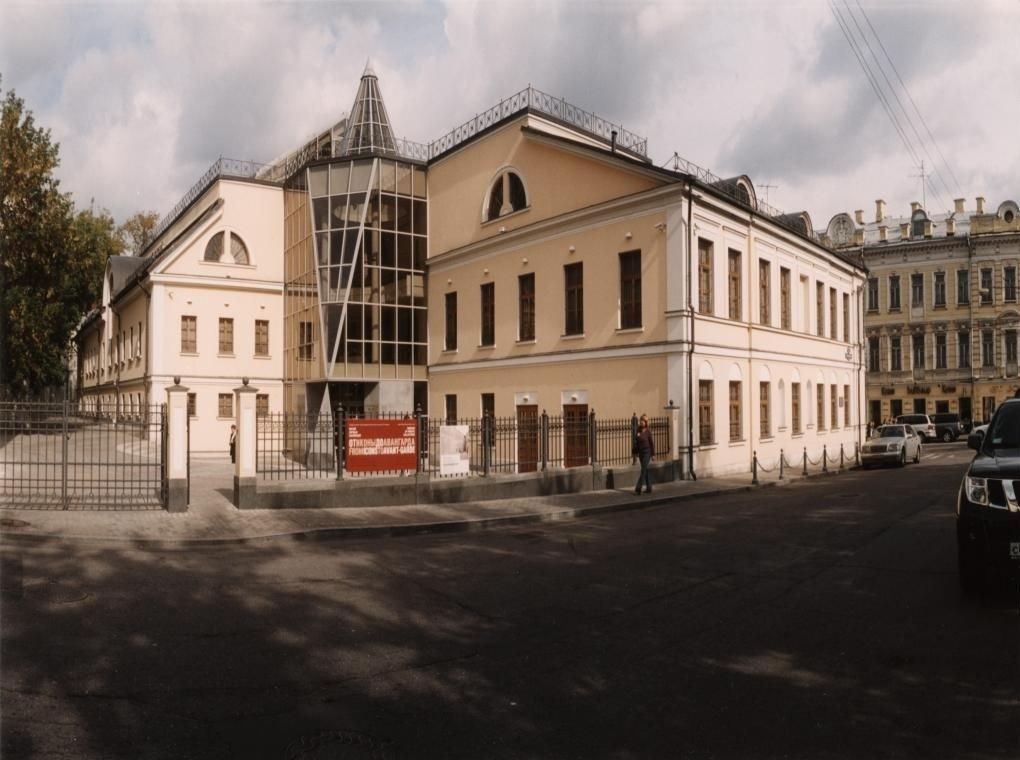
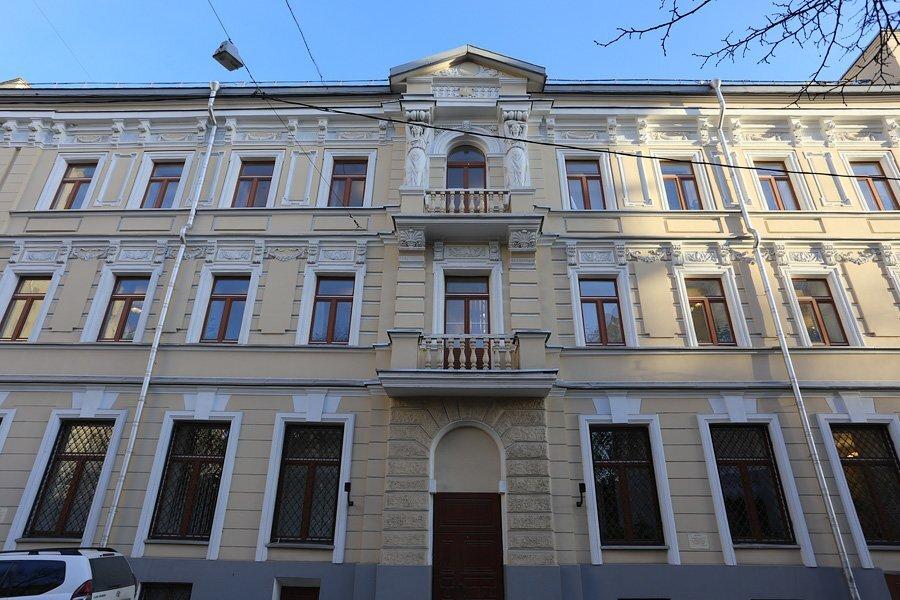
Shilov GalleryMoscow State art gallery of the National Artist of the USSR A. Shilov was opened in May, 1997. Taking into account the demand for the master's work, the audience’s love for his art, the importance of A. Shilov’s activities in continuing the realistic traditions of Russian classical art, the artist’s importance in civic education and patriotism, a unanimous resolution of the State Duma and the Government of Moscow decided to allocate an old mansion of the 19th century to house there is a collection in it, originally consisting of 355 paintings and graphic works, donated by the Artist to his Fatherland. The collection was constantly replenished, and in 2003, a new building of Gallery was built according to the project of architect M. Posokhin. In 2010, the reconstruction of the Gallery complex was completed. The complex of the Gallery constituted a single architectural and artistic ensemble, which returned Znamenka Street to the cozy atmosphere of old Moscow. Today, the Gallery has more than 950 paintings and graphics, donated by the artist to his people. From the very first days of its existence, the gallery has become one of the most beloved and visited places by Muscovites and guests of the capital places and a special cultural center. The concerts “Stars on a visit to A. Shilov”, creative evenings “Meeting at a portrait”, evenings of classical music and ancient romance, which create a special atmosphere of spirituality and beauty, continuity of Russian classical art culture, so necessary to our contemporaries, have become traditional. Great Russia from time immemorial gave birth to talents with which all mankind is justly proud. They entered the history of world culture. Their names are immortal. A. M. Shilov is one of the outstanding artists of our time, a living legend, pride and glory of Russia. In the portrait gallery of the Artist the multifaceted creativity of the master is reflected. It is based on the best traditions of classical realistic art and affirms the enduring value of the ideals of humanism and beauty.
Znamenka Street, 3
Borovickaya, Biblioteka Lenina
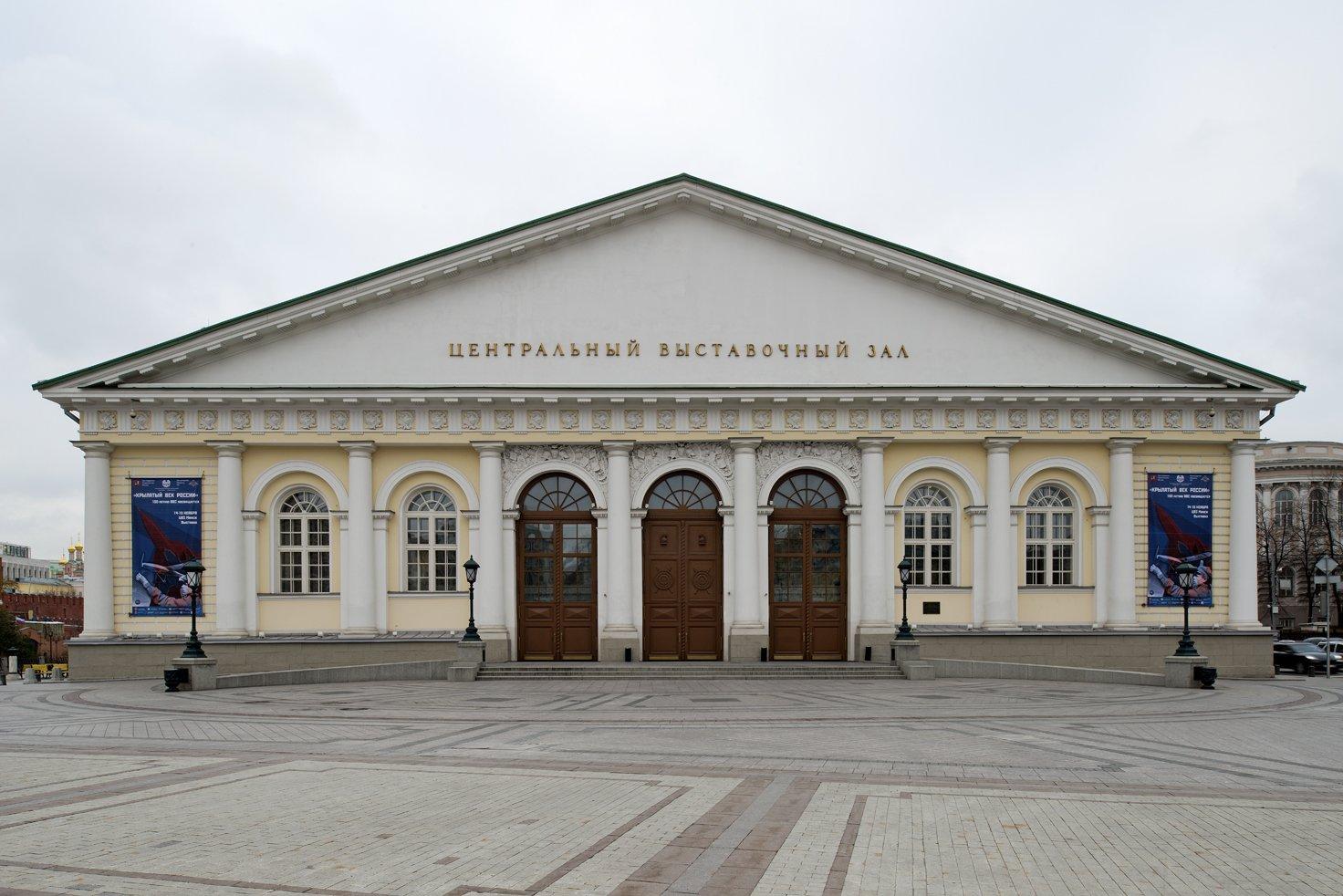
Manege Central Exhibition HallThe building of Big Manege was built by the order of Alexander I for 8 months in 1817 on the occasion of the 5th anniversary of the victory in the war of 1812. The construction was carried out according to the project of engineer Augustine Betancourt by a special staff of engineers and architects subordinated to the Chief Inspector of hydraulic and earthworks in Moscow, Major-General Lev Carbonier. The building was called then “Ekzersirgauz” (home for military exercises). It impossible to tell that deal with construction went well. The idea, offered by Betancourt and which was carried out by Carbonier, meant the unique technological principle: the unique wooden construction of rafters, covering 44.86 m of space without intermediate supports. However, with the onset of a heat at the end of July, 1818 two rafter farms of the Manege cracked. They were fixed, but a year later, in the heat, the damaged in the rafters happened again. By the highest order of Alexander I, from September 1823 to May 1824, farms were rebuilt, and their numbers increased from 30 to 45. In August 1824, a ceiling was sewn to the roof of the Manege. Miracle of the equipment of times of an empire style is a result of joint action of many architects. A. Betancourt and L. Carbonier’s ideas were brought to mind by honest and modest professionals whom history is almost silence: Colonel R.R. Bausa, lieutenant engineer A. Ya. Kashperov and others. In 1825, the main architect of the Commission of Buildings, famous moscow architect Osip Bove decorated the Manege with stucco and plaster decorations. Since 1831, concerts and festivities were regularly held in the Manege. After the revolution, there was a government garage in the Manezh and in the times of Nikita Khrushchev (since 1957), the Central Exhibition Hall opened in the building. An interesting fact was told by the researcher Sergey Petrov, who had studied the construction of the Manege for many years as the head of the Main Directorate for the Preservation of Monuments of the USSR. It turns out that in order to preserve wooden structures, in the days of Bove, the entire attic was covered with a makhorka (shag). On half-meter. All sorts of rodents and insects do not like this smell. In spite of the fact that the makhorka itself was smoked during the war of 1941–1945, all the constructions were as good as new in the 1970s. But even then in the attic there was still a thick smell of tobacco. Interestingly, the makhorka case at the Manege pulls along a beautiful train of cultural associations. Associations concern, first of all, the history of national architecture. Here - a makhorka! Saying this, today is almost an exotic word, how can you not recall the symbol of the transformations of modern Moscow - The Central Park of Culture and Leasure named after Maxim Gorky, on whose territory in 1923, hosted the first All-Union Agricultural Exhibition - VSHV. And its symbol for subsequent generations was the Makhorka pavilion built by the young architect Konstantin Melnikov - one of the first examples of avant-garde design.
г. Москва, Брюсов пер., д. 12
Ohotnyj ryad, Chekhovskaya
State Scientific-Research Museum of Architecture named after A.V. ShchusevThe idea of creating a museum of architecture was born in Russia at the end of the 19th century under the influence of an increased interest in national heritage. The material accumulated by various institutions and museums in the XIX century in the process of research and restoration of architecture monuments, needed to be generalized. There was a need for a higher-level scientific and educational center of a new type - in the museum of architecture. The museum was established on January 1, 1934, simultaneously with the establishment of the Academy of Architecture of the USSR. The museum was a division of this Academy. The largest domestic specialists in the history and theory of architecture worked at the museum. In 1935, the territory and buildings of the Donskoy Monastery were transferred to it. The main exhibition is located in the Great Cathedral. Inside the open-air monastery walls, artistic fragments of destroyed monuments were found, saved by the museum staff and becoming part of the collection. The object of the museum collection and display was declared world architecture from ancient times to the XIX century. The funds of the museum combined materials on Russian architecture, which made up the greater part of the collection, with materials on European, Byzantine, and Middle Eastern architecture. There were even such exotic exhibits as sample mock-ups from New Zealand huts and Indo-Chinese pile dwellings. The key object of the show was the monastery buildings and the preserved necropolis of the XVIII-XIX centuries.
Bové O. I.
архитектор