Интерактивный гид по городу
С мобильным приложением бродить по городу гораздо интереснее!

Мира пр-т, Аллея Героев Космонавтов (у станции метро «ВДНХ»)
Вы можете воспользоваться QR-кодом, чтобы открыть эту страницу в нашем приложении
Object of cultural heritage of federal significance
Годы постройки:
1967
Скульпторы:
А.П. Файдыш-Крандиевский
Назначение постройки:
Historical figures
Информация о памятнике

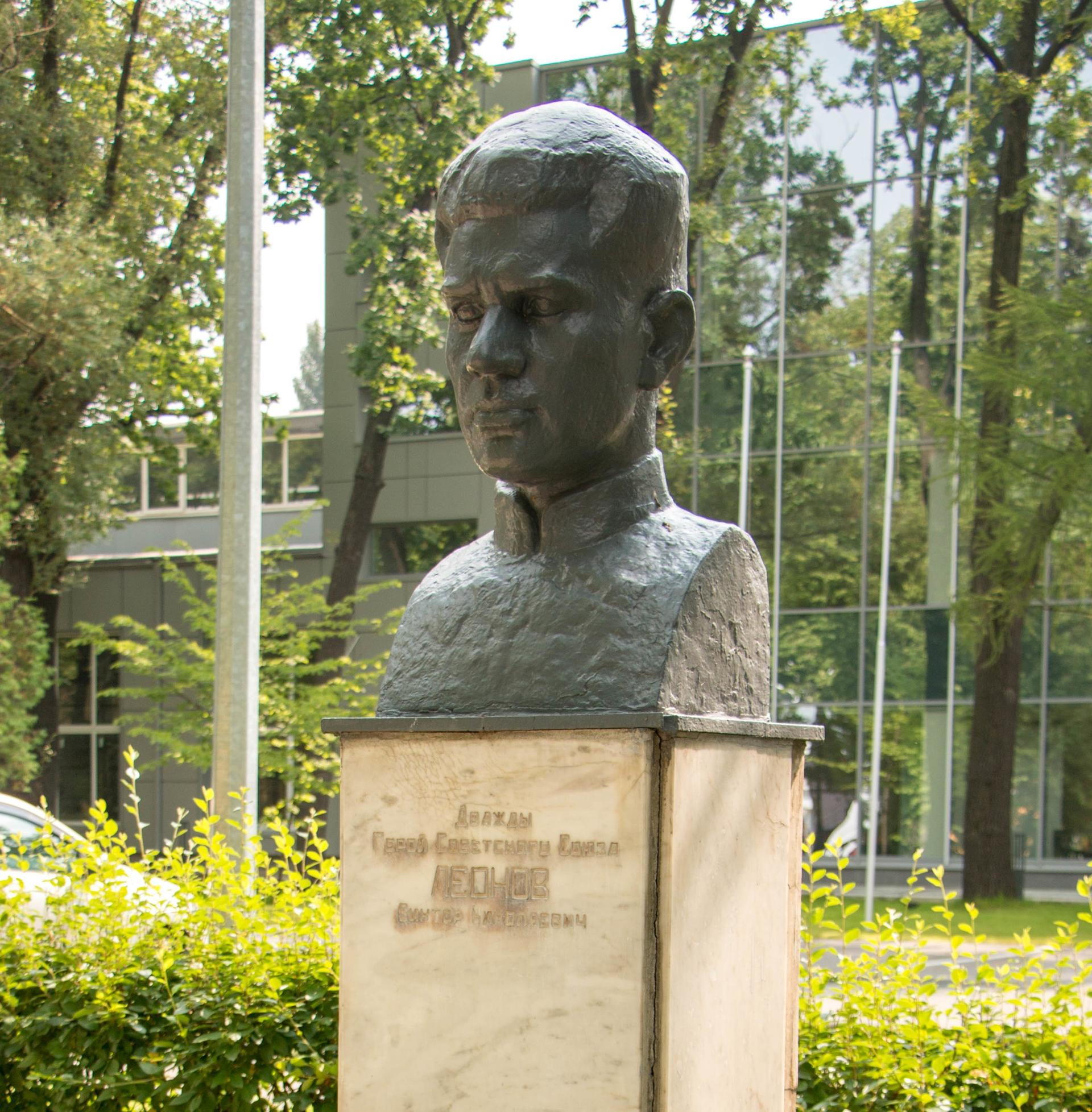
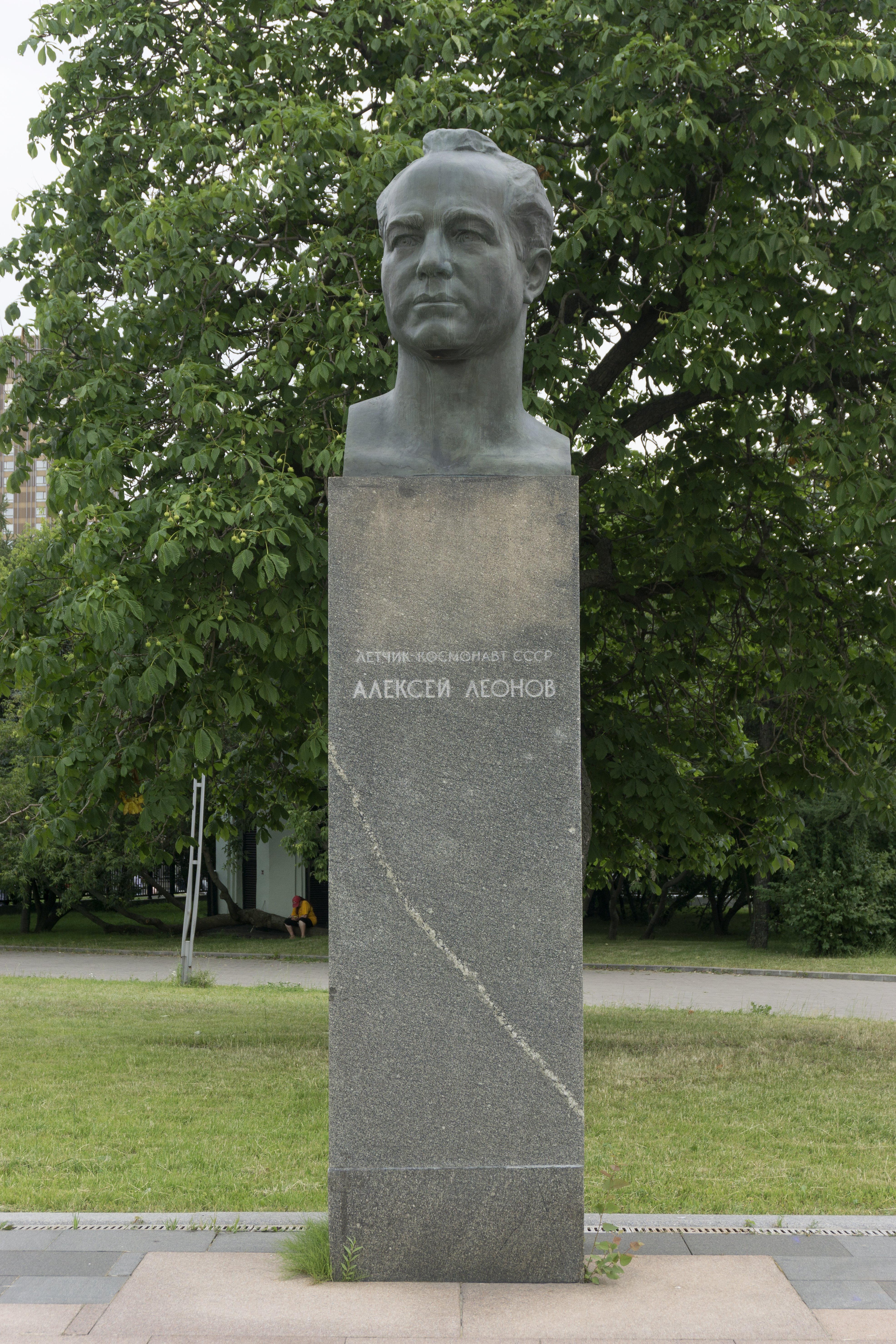
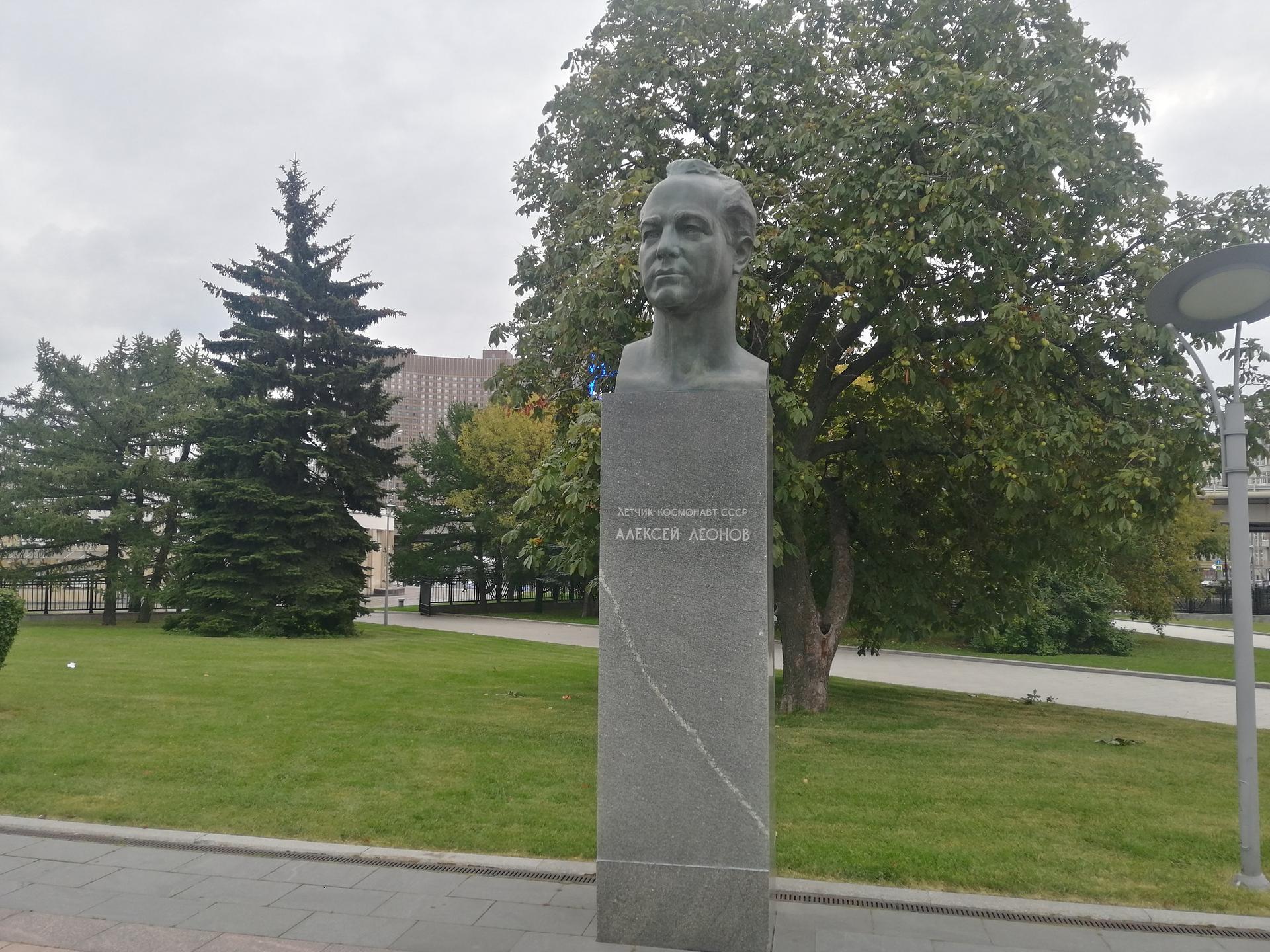
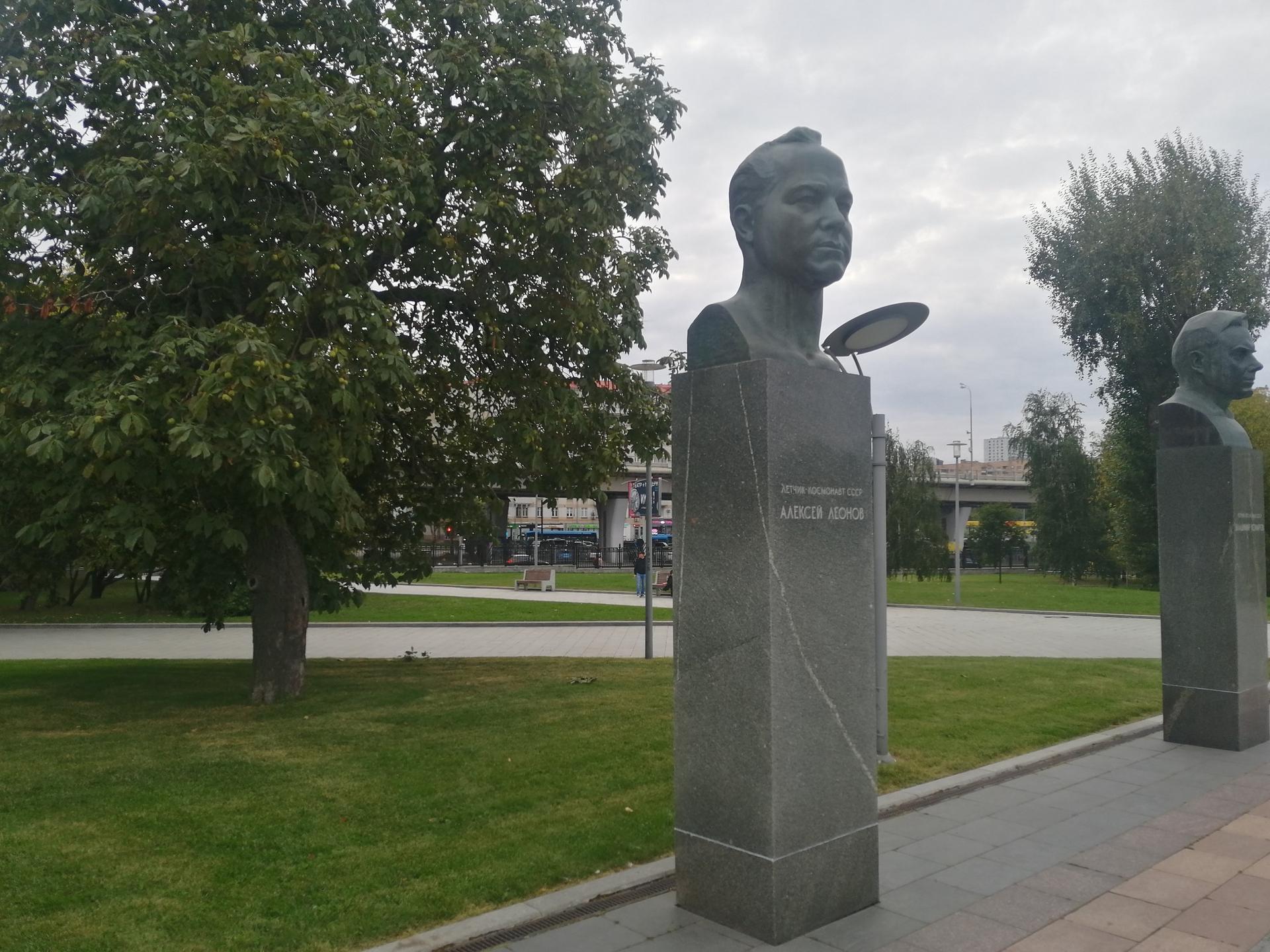
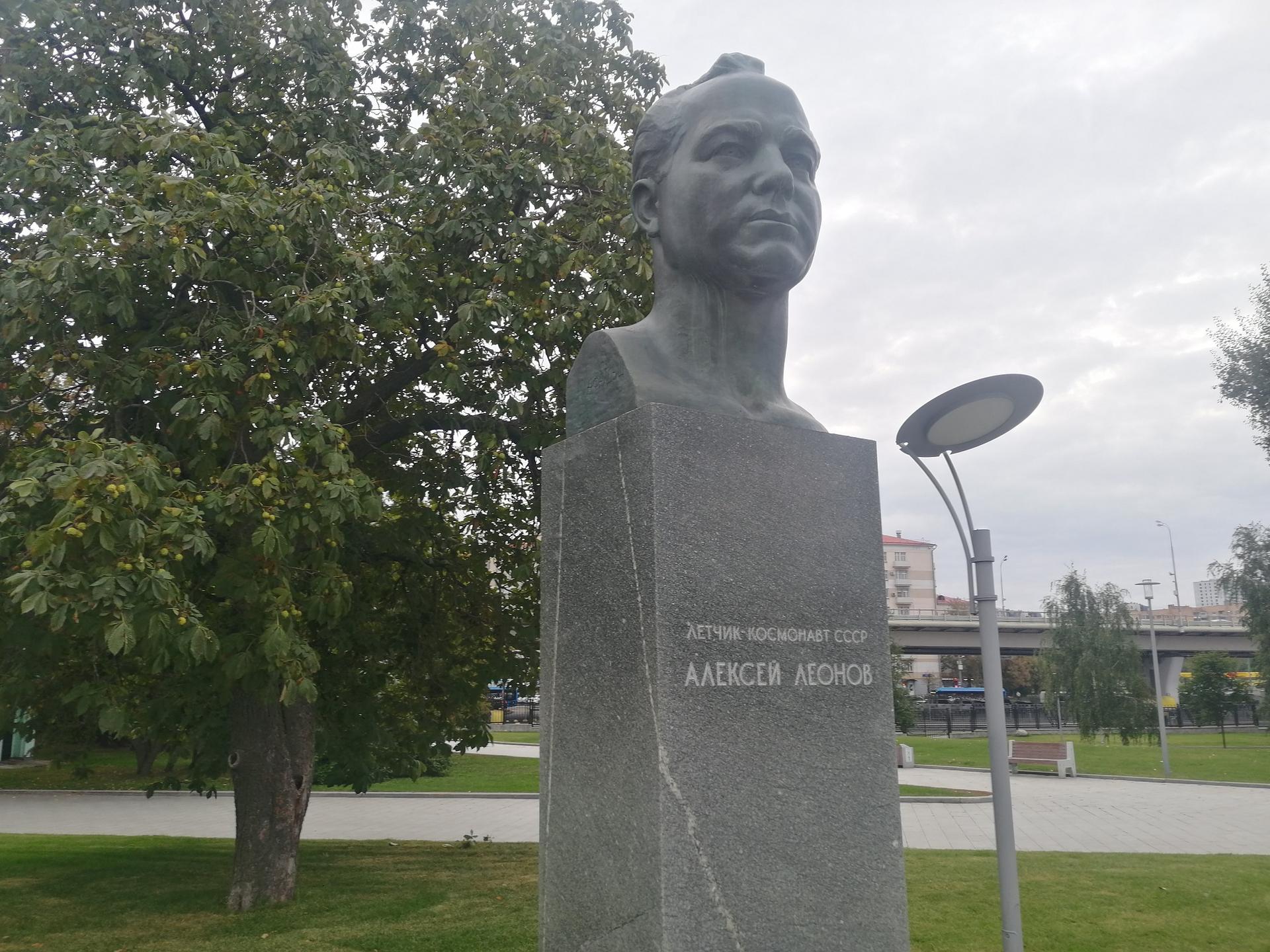
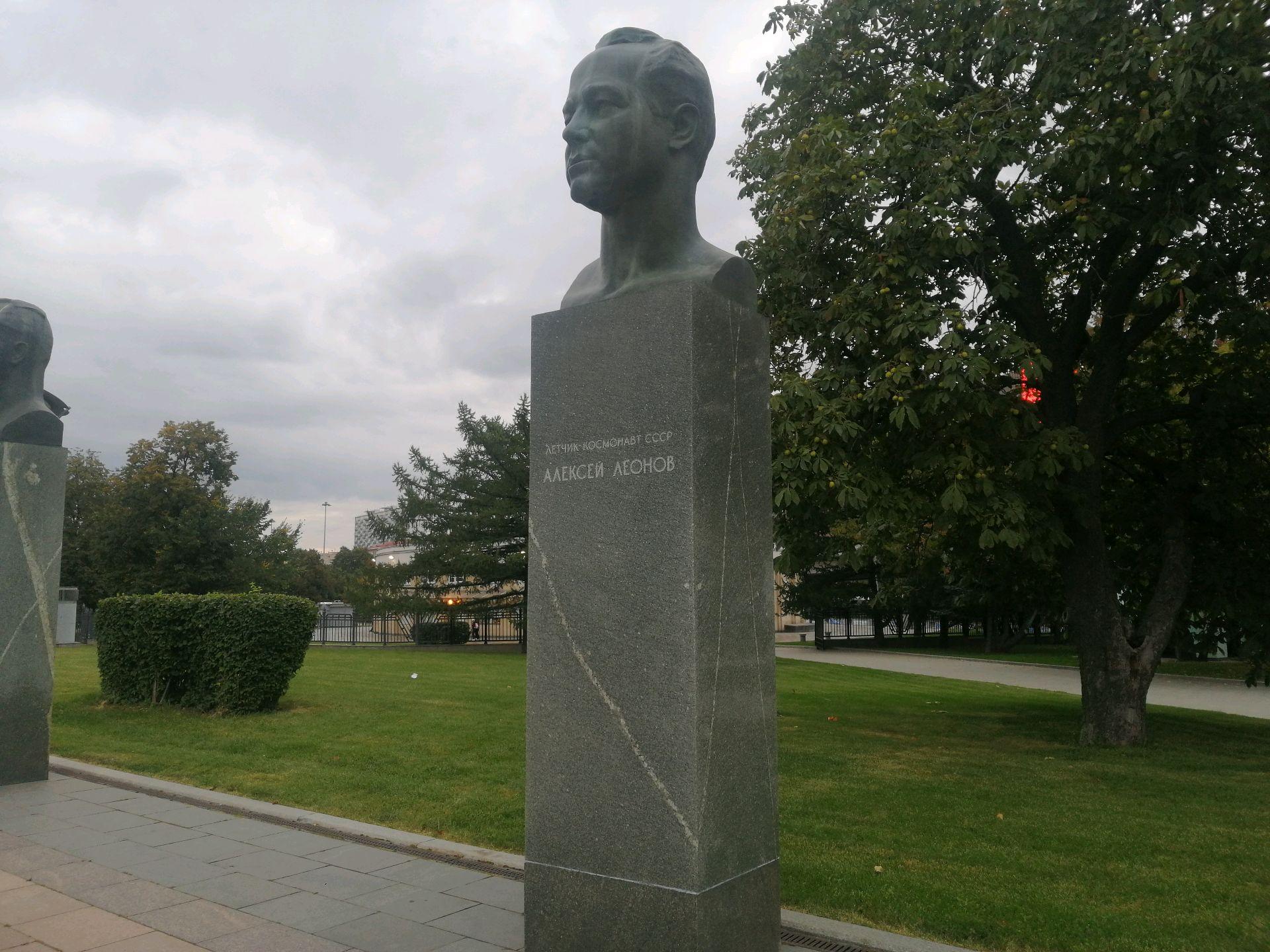
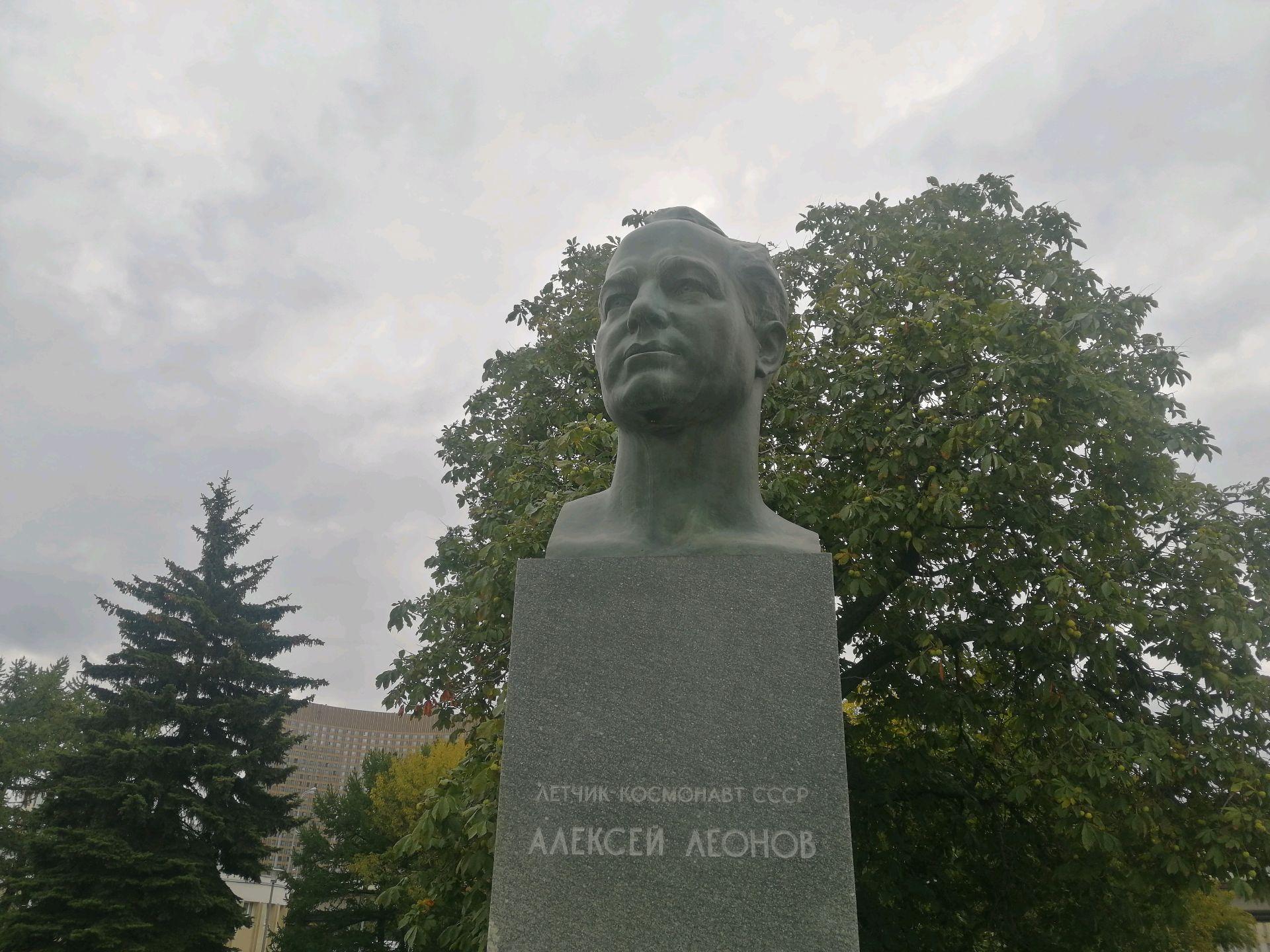
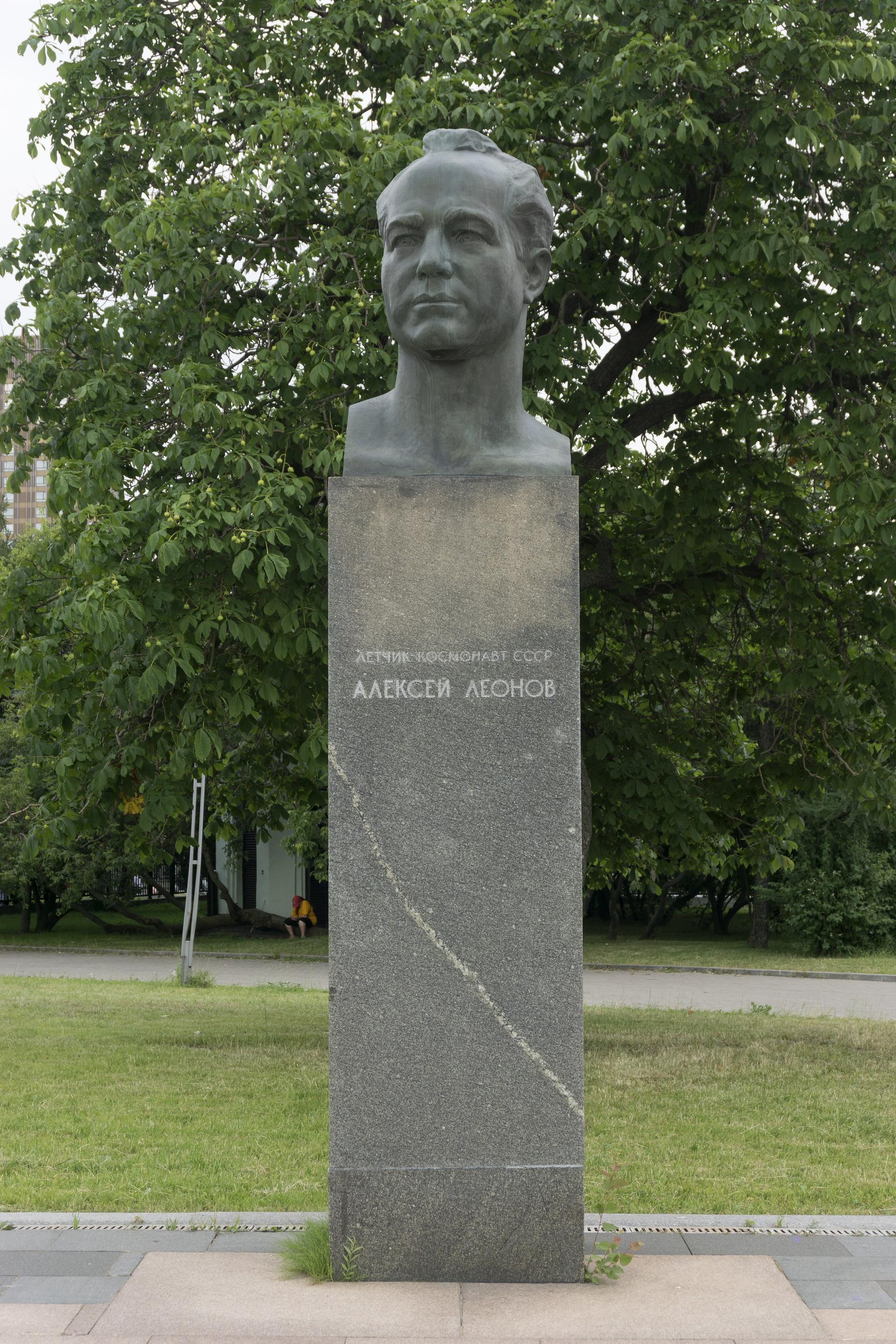
Бюст А. А. Леонова входит в скульптурный ансамбль памятников героям-летчикам и основоположникам государственной космонавтики. Погрудное изображение Леонова, установленное на гранитном постаменте, выполнено с портретным сходством. Памятная надпись гласит: «Летчик-космонавт СССР Алексей Леонов».

Архитекторы: А. Н. Колчин, М. О. Барщ
Материалы: бронза, гранит

Автор статьи: Департамент культурного наследия города Москвы
Поделитесь статьей с друзьями
Интересное рядом(12)
Мира пр-т, д. 150 (перед зданием гостиницы «Космос»)
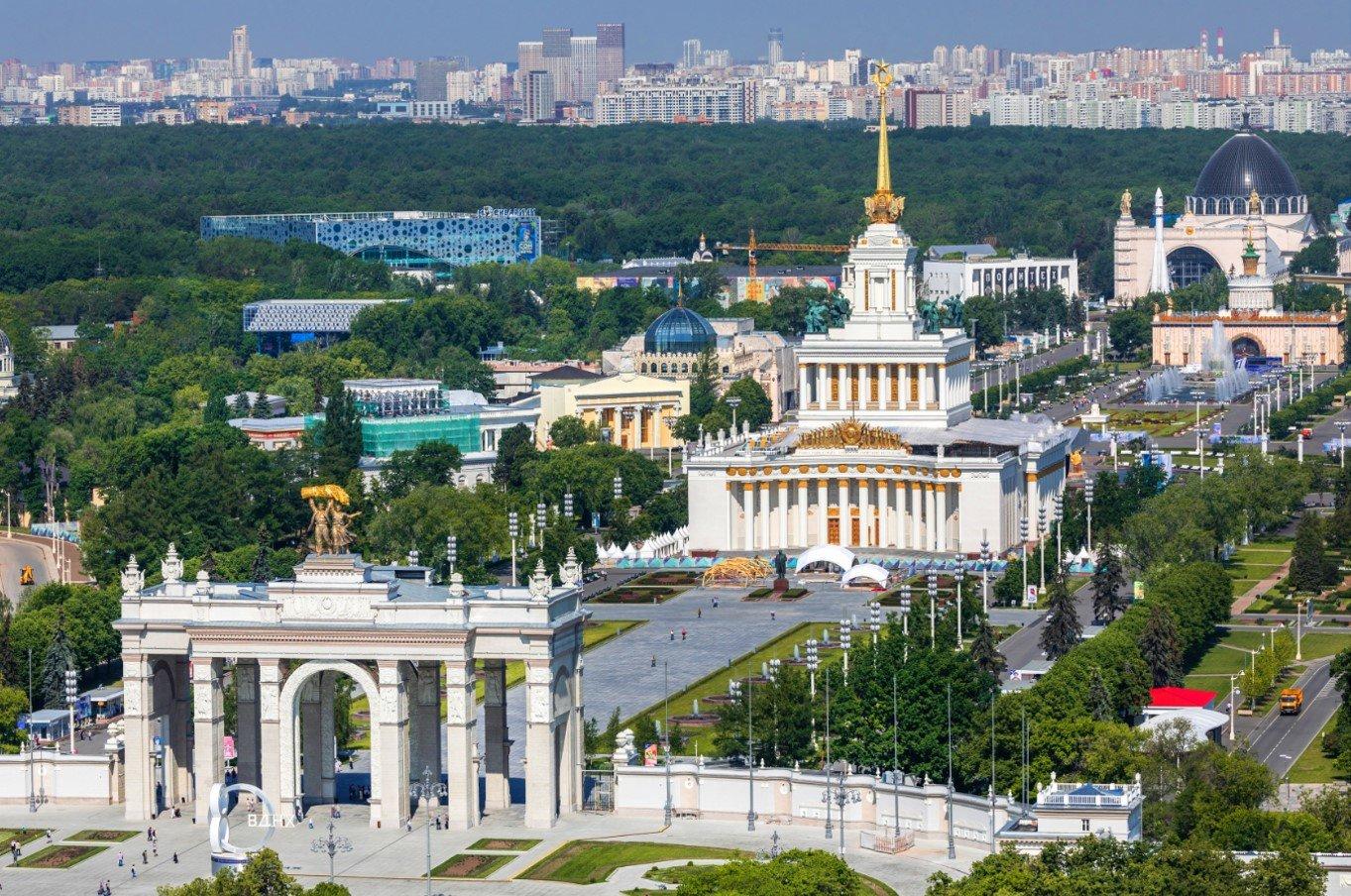
Мира пр-т, вл. 119 (у главного входа ВВЦ)
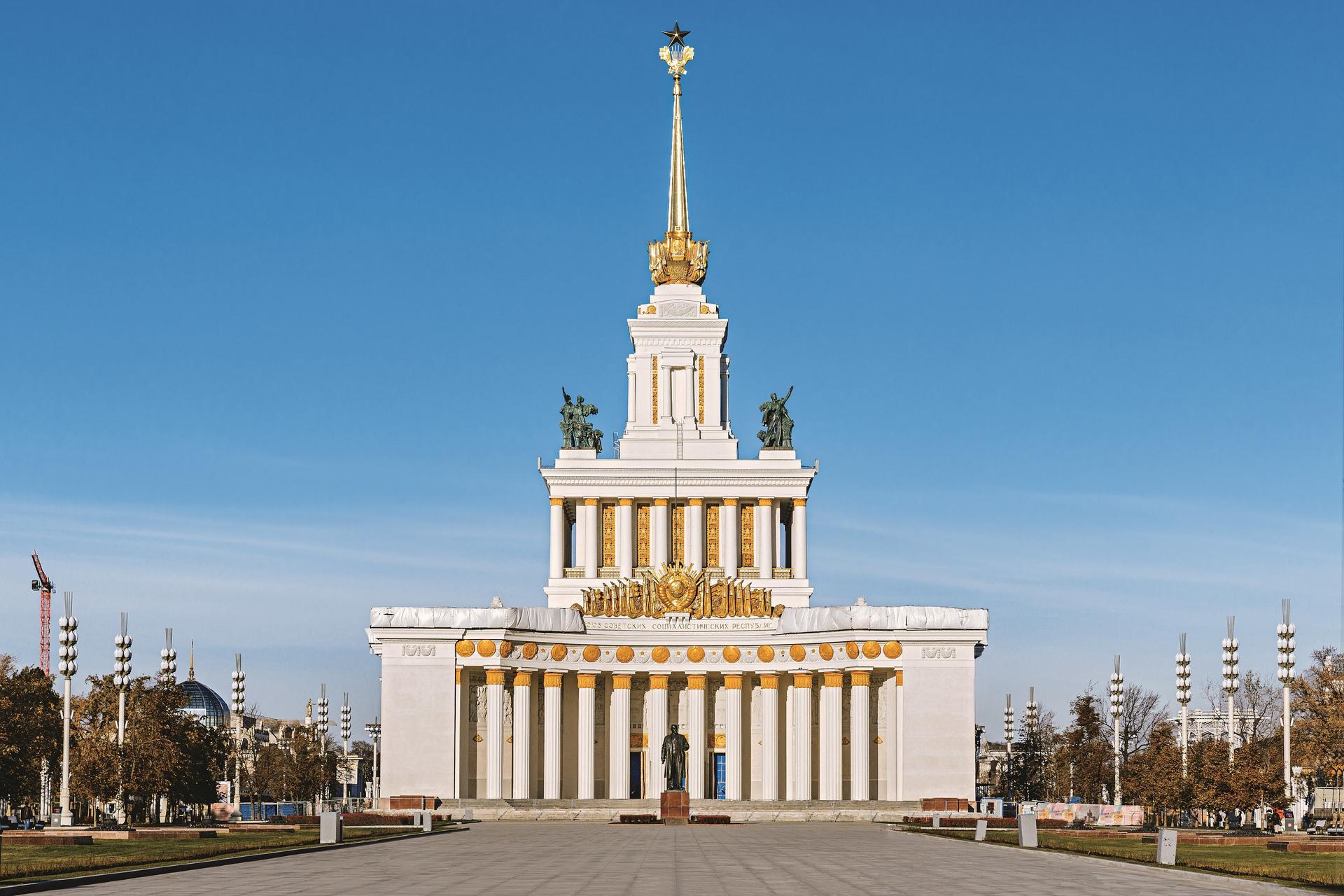
ВДНХ, Центральный павильон (проспект Мира, 119)
Проспект Мира, 119
‘Worker and Kolkhoz Woman’ Museum and Exhibition CentreThe museum and exhibition centre opened in September 2010 inside a new basement of a legendary sculpture by Vera Mukhina – ‘Worker and Kolkhoz Woman’. The 24-meter sculpture of Worker and Kolkhoz Woman, a masterpiece of soviet and world modernism of the first half of XX century, was created using new technologies discovered by Russian metallographist, Professor P. Lvov. A shell made of chrome-nickel steel was welded to a very heavy frame. The statue was made for the Soviet pavilion of the 1937 World's Fair in Paris and placed opposite the Nazi German pavilion, crowned with a ruffled eagle and the swastika. The collection of the museum and exhibition centre contains materials reminding that the architect of the exhibition pavilion, Boris Iofan, was the author of the idea. It was the antique statue ‘Tyrannicides’ representing the plastic arts that inspired him. The hands with swords raised to the sky were replaced with the hands holding attributes of peace, symbols of the Soviet country - a hammer and sickle. The fact that the author of the image was Iofan is confirmed by the sketches of the sculpture made for the closed 1936 competition by V. Andreev, V. Mukhina and M. Manizer. At first glance, all the works (except for the expressionist monument of I. Shadr that also participated in the competition) are very similar: the same position of the figures and their raised hands. Only among male authors the statues looked like the cold ancient gods in their perfection, and V. Mukhina filled her work with the indomitable force of internal energy and passion. On its return home the sculpture greeted visitors at the northern entrance of the All-Union Agricultural Exhibition – All-Union Exhibition of Achievements of National Economy for 70 years (VSHV-VDNKh – the Russian acronyms). It was placed on a low pedestal (11 m) and was slowly deteriorating. Until the end of their lives, both Mukhina and Iofan fought for erecting a pedestal which would be proper in height, for transferring the statue to those places where it would become the visual supplement of the urban space (Mukhina wanted to see her creation on the Lenin Hills). During their life that did not happen. However, representatives of modern post-Soviet art fell in love with the monument and considered it to be an object of new happenings and performances. Suffice it to recall the 1998 performance, when architects and artists dressed the Worker and the Kolkhoz Woman in real overalls and dresses in the colours of the Russian flag. Nowadays the sculpture is erected on a pedestal-pavilion, created in the way that Iofan designed for the 1937 Paris exhibition. Thus, the idea of the relay of the new domestic art is deliberately emphasized, from the innovations of the first half of the 20th century to the avant-garde of the first half of this century. Sergey Khachaturov
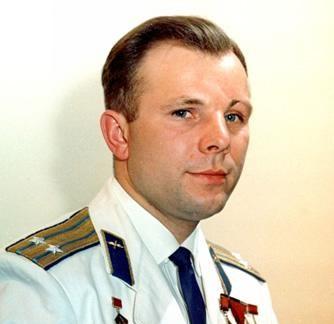
Gagarin Y.A.
First human in space
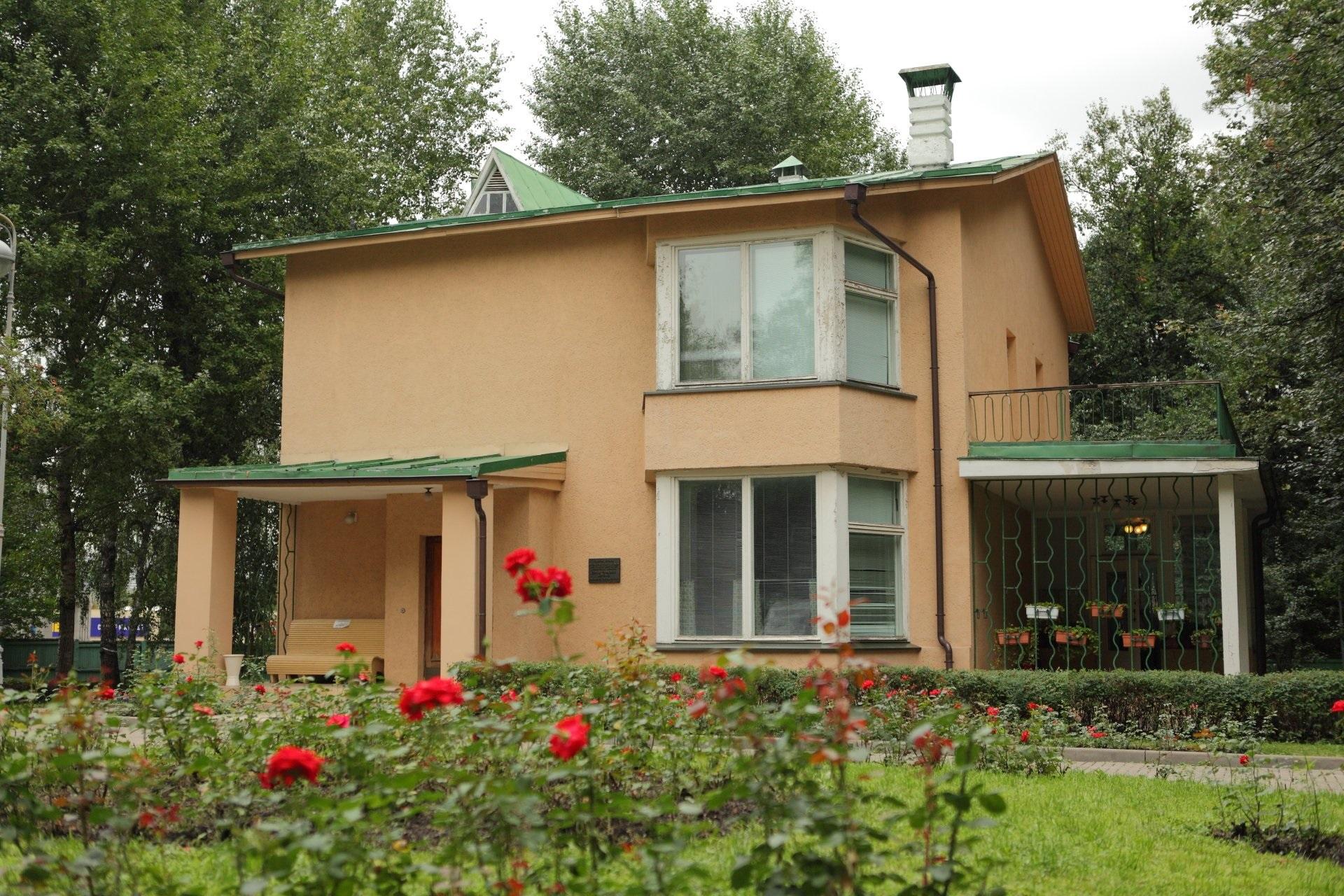
Дом-музей академика С. П. Королева

Недалеко от монумента «Покорителям космоса», в одном из Останкинских переулков, за деревянным зеленым забором стоит двухэтажный особняк, окруженный садом. Дом, построенный в 1959 году по проекту архитектора Р. И. Семерджиева, был подарен С. П. Королёву Советским правительством за создание и успешный запуск 4 октября 1957 года первого в мире искусственного спутника Земли.
Шесть лет прожил в этом доме Сергей Павлович (1959–1966). Это были годы титанического труда Королёва и его соратников. Легендарный конструктор космических кораблей стоял во главе всех приоритетных проектов века по освоению космического пространства, главные из которых – запуск первого ИСЗ и полет первого человека в космос.

1 августа 1975 года в соответствии с решением Исполкома Моссовета в Останкинском доме, где жил Сергей Королёв, был открыт Мемориальный дом-музей.

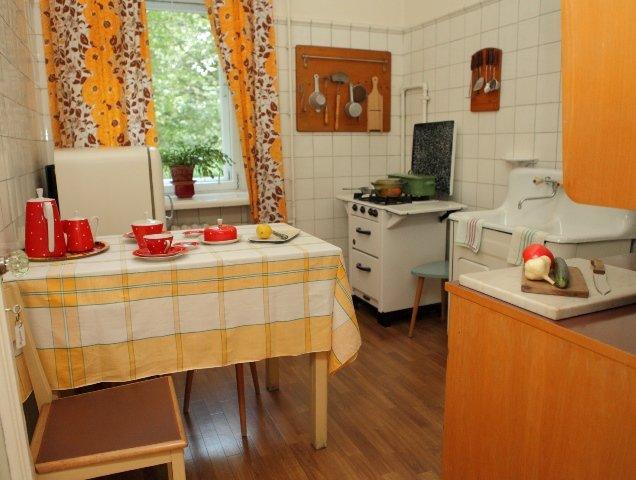
В Доме-музее сохранено всё так, как было при жизни Сергея Павловича. В музее, уникальном подлинностью своих экспонатов, в экспозиции и в закрытых фондах находится около 19 тысяч единиц хранения. Это личные вещи Королёва, документы, письма, фотографии, мебель, предметы быта, произведения изобразительного искусства, научно-техническая и художественная библиотеки.

г. Москва, ул. Останкинская 1-я, д. 28
Проспект Мира, на территории Космопарка (м. ВДНХ)
Barshch M. O.
архитектор