Интерактивный гид по городу
С мобильным приложением бродить по городу гораздо интереснее!

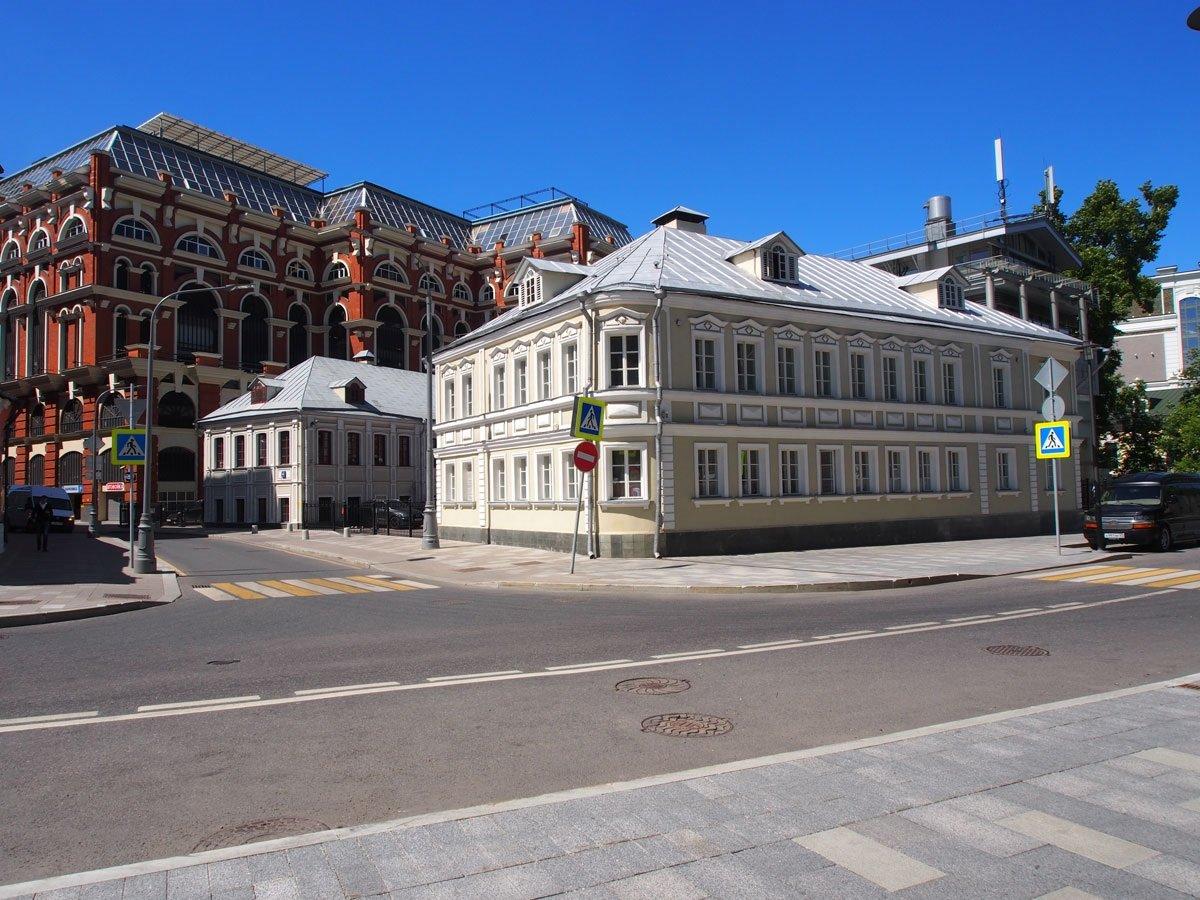
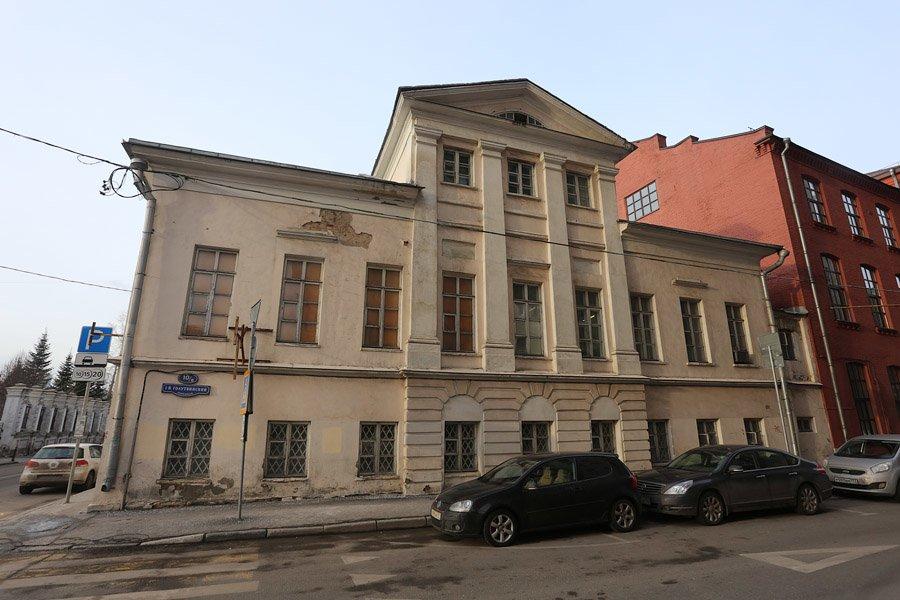
Голутвинский 3-й пер., 8/10, стр. 5
Polyanka
Вы можете воспользоваться QR-кодом, чтобы открыть эту страницу в нашем приложении
Годы постройки:
Послевоенное время
Назначение постройки:
Historical events, Связано с ВОВ
Информация о памятнике

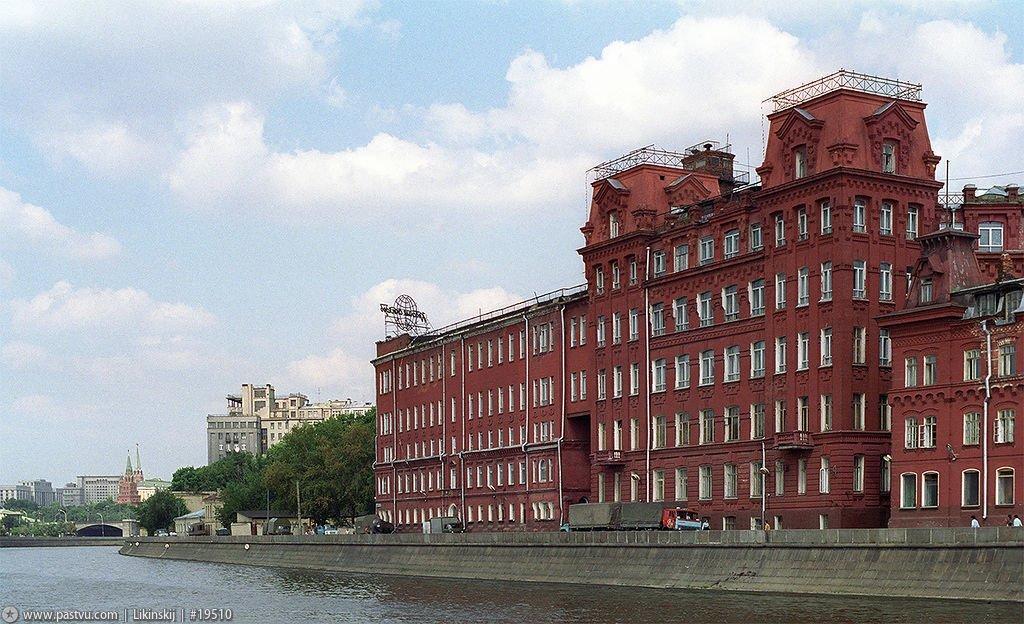
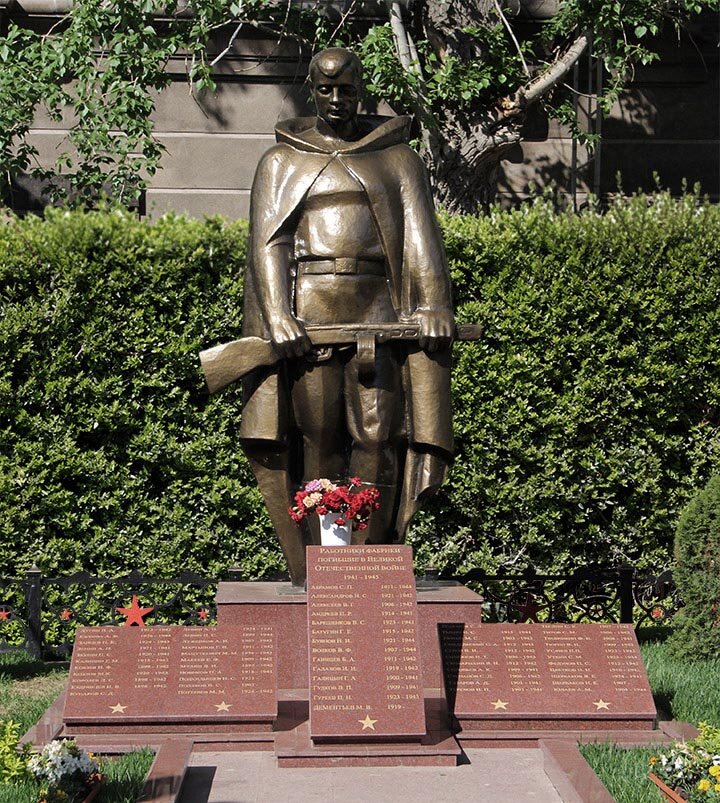
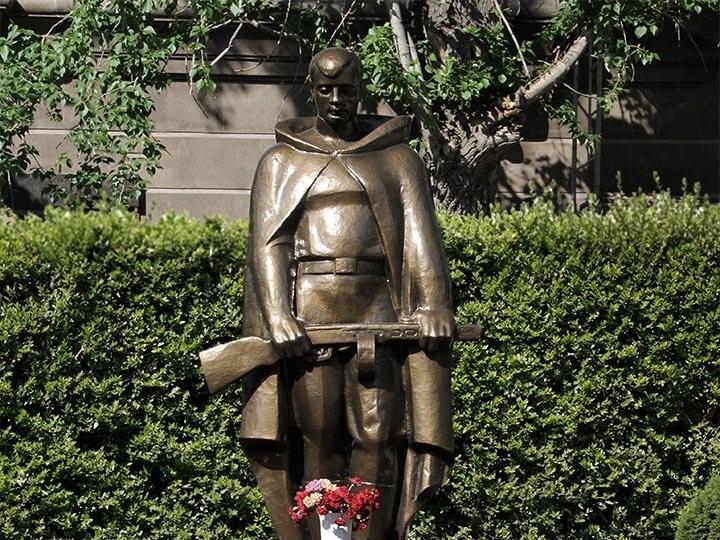
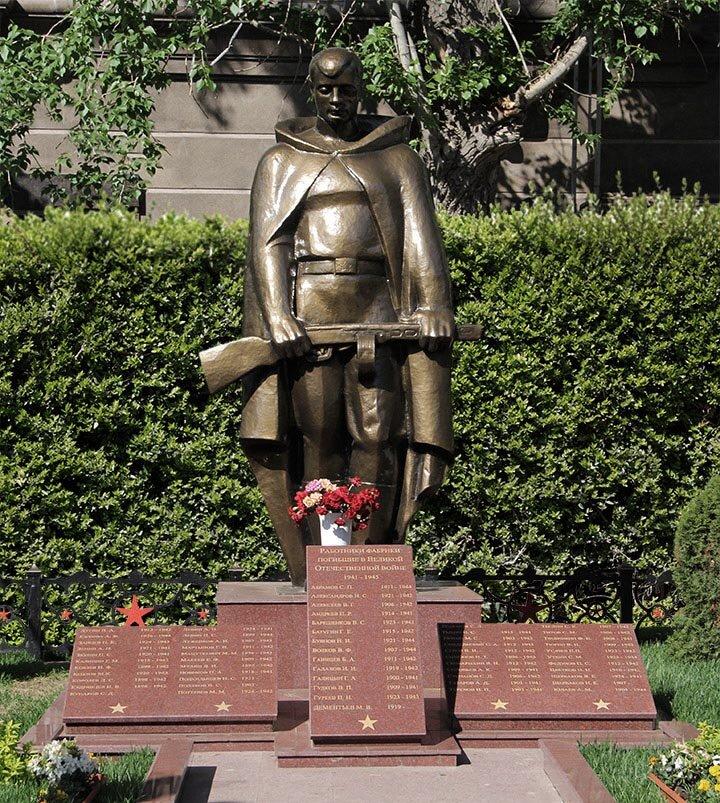
В годы войны 267 сотрудников фабрики (Голутвинской мануфактуры) были призваны на фронт, многие из них не вернулись. На установленном во дворе предприятия памятнике сотрудникам фабрики, погибшим в годы Великой Отечественной войны, перечислены 58 имён.


1. Абрамов Сергей Петрович 1911-1944
2. Александров Николай Сергеевич 1921-1942
3. Алексеев Василий Григорьевич 1906-1942
4. Андреев Павел Родионович 1914-1941
5. Барешенков Валентин Степанович 1923-1943
6. Батугин Григорий Егорович 1915-1942
7. Буянов Николай Иванович 1921-1944
8. Волков Василий Федорович 1907-1944
9. Гаинцев Борис Александрович 1911-1942
10. Галахов Иван Иванович 1919-1942
11. Галицын Георгий Алексеевич 1900-1941
12. Гудков Василий Петрович 1909-1943
13. Гуреев Петр Николаевич 1923-1943
14. Дементьев Михаил Васильевич 1919-
15. Дугин Виктор Арсентьевич 1913-1942
16. Ежкова Антонина Федоровна 1926-1944
17. Зайцев Николай Кузьмич 1924-1943
18. Зенин Александр Николаевич 1921-1941
19. Зюлин Петр Степанович 1920-1941
20. Калинин Георгий Михайлович 1915-1942
21. Кобзев Иван Федорович 1899-1942
22. Козлов Михаил Константинович 1920-1943
23. Королев Дмитрий Семенович 1898-1942
24. Кудрявцев Иван Васильевич 1898-1942
25. Кунаков Сергей Дмитриевич
26. Левин Александр Петрович 1924-1941
27. Левин Петр Сергеевич 1899-1944
28. Луженков Алексей Игнатьевич 1903-1942
29. Мартынов Григорий Иванович 1911-1942
30. Мацуткевич Михаил Михайлович 1896-1943
31. Мекаев Егор Фролович 1909-1942
32. Мухин Василий Иванович 1895-1942
33. Новиков Петр Александрович 1918-1941
34. Подкидышев Николай Семенович 1921-
35. Поляков Василий Степанович 1902-
36. Потеряев Михаил Михайлович 1924-1942
37. Редюков С. Л.
38. Рыбин Николай Сергеевич 1915-1944
39. Рюхин Михаил Сергеевич 1903-1943
40. Свидельский Степан Александрович 1912-1945
41. Серов Василий Ильич 1912-1942
42. Симонов Иван Трофимович 1896-1943
43. Скобарыхин Василий Иванович 1912-1942
44. Соловьев Александр Константинович 1909-1941
45. Степанов Сергей Дмитриевич 1906-1942
46. Татаров Андрей Дмитриевич 1901-1941
47. Терехов Иван Павлович 1901-1941
48. Теслин Степан Кириллович 1907-1942
49. Титов Сергей Михайлович 1906-1942
50. Травинкин Федор Иванович 1908-1941
51. Тюрин Вячеслав Николаевич 1909-1942
52. Усачев Николай Павлович 1923-1943
53. Уткин Сергей Михайлович 1925-1944
54. Федулов Петр Сергеевич 1912-1942
55. Цветков Николай Иванович 1916-1942
56. Щербаков Владимир Ефимович 1924-1941
57. Щербаков Иван Егорович 1907-
58. Юдаев Александр Михайлович 1904-1944
Поделитесь статьей с друзьями
Интересное рядом(33)
Кремлёвская набережная
Москва, Берсеневский переулок д. 2 стр. 1
Polyanka, Kropotkinskaya
Most Ordinka

Here a road to the Golden Horde.

г. Москва, ул. Большая Ордынка
Polyanka, Dobryninskaya, Novokuzneckaya, Третьяковская (Калининская линия), Третьяковская (Калужско-Рижская линия)
Болотная наб. (сквер)
Tretyakovskaya, Novokuzneckaya
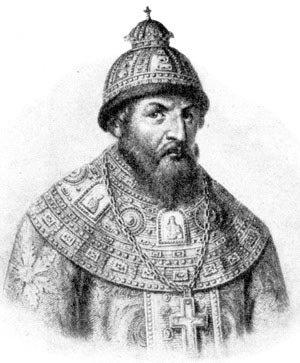
Ivan the Terrible
First Tsar of All the Russias
г. Москва, ул. Волхонка, д. 10
Borovickaya, Kropotkinskaya
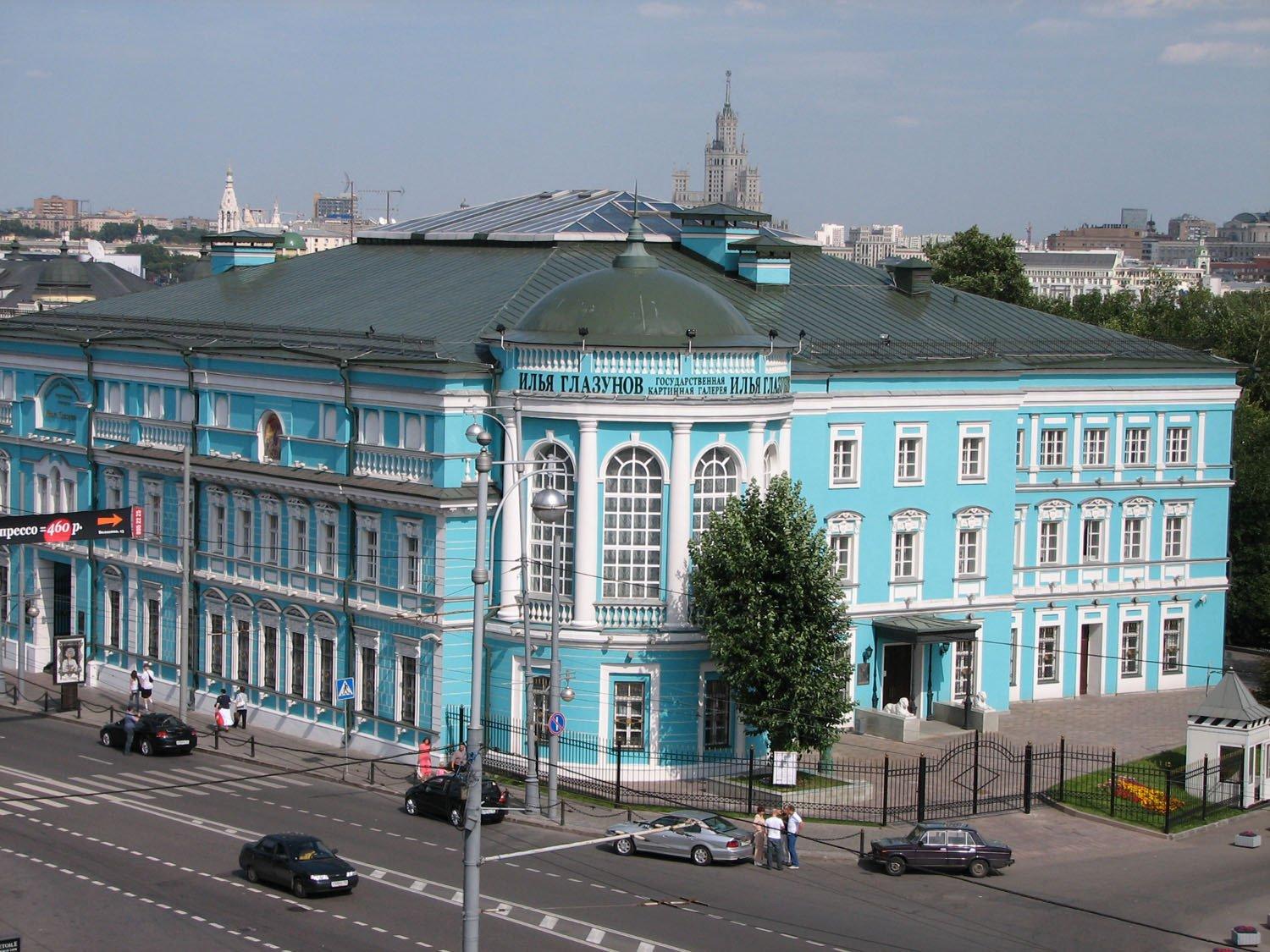
Ilya Glazunov GalleryMoscow State Painting Gallery of national artist USSR Ilya Galzunov was opened in August, 31, 2004. Ilya Sergeevich Glazunov gave his painting and graphics works as a gift to Moscow. There are over 700 paintings of world-known artists in the exposition of gallery. Ilya Sergeevich Glazunov is real member of Russian Academy of Arts, academician, laureate of the State Prize of the Russian Federation, honorary member of the Royal Academies of Arts of Madrid and Barcelona, holder of the UNESCO award - the Picasso Gold Medal for his contribution to world culture and civilization. Ilya Glazunov gallery is located in the historical Moscow district near the Cathedral of Christ the Savior. Its uniqueness is a huge world of images created by the artist during the second half of the XX - beginning of the XXI century: His monumental canvases, historical paintings, illustrations to the works of Russian classical literature, numerous portraits, images of the “City” cycle, sketches of theatrical scenery for Russian classical opera N.A. Rimsky-Korsakov, A.P. Borodin, P.I. Tchaikovsky. A feature of the gallery, which distinguishes it from modern galleries and museums, is that, in addition to works of art, there are masterpieces of Old Russian icon painting, wooden sculpture, cast copper icons and folding XV - XIX centuries; pieces of furniture of the XIX - XX centuries from the collection of Ilya Sergeevich Glazunov. In the modern press, they often write about the “phenomenon of Ilya Glazunov”, whose talent is extremely multifaceted, which the gallery’s exposition allows us to judge. He is not only an artist, but also an architect, author of interiors (the gallery’s rooms are decorated according to his projects), historian, journalist, writer (author of the well-known book “Crucified Russia”), public figure, founder and rector of the Russian Academy of Painting, Sculpture and architecture of Ilya Glazunov. In addition to the paintings and graphic works of Ilya Sergeevich Glazunov, the gallery contains photographic materials: the interiors of the Grand Kremlin Palace, the Russian Embassy in Spain, the Russian Academy of Painting, Sculpture and Architecture, performed according to his designs. The photos reflect the artist’s extremely rich and diverse life. The spectators see him in the trenches of Nicaragua and on the stage of the Bolshoi Theater, in Rome and in Copenhagen, next to Patriarch Alexy II and Pope John Paul II, V.V. Putin and King of Spain Juan Carlos I.I.S. Glazunov rightly called in the press: "the artist of kings and the king of artists." He was posed by the kings of Spain, Sweden, Vietnam, Laos, many great personalities of the twentieth century: Indira Gandhi, Italian President Pertini and others. The gallery holds guided tours for all categories of the population, concerts of classical and folk music, conferences, lectures.
Volkhonka Street, 13
г. Москва, ул. Волхонка, д. 13, стр. 2
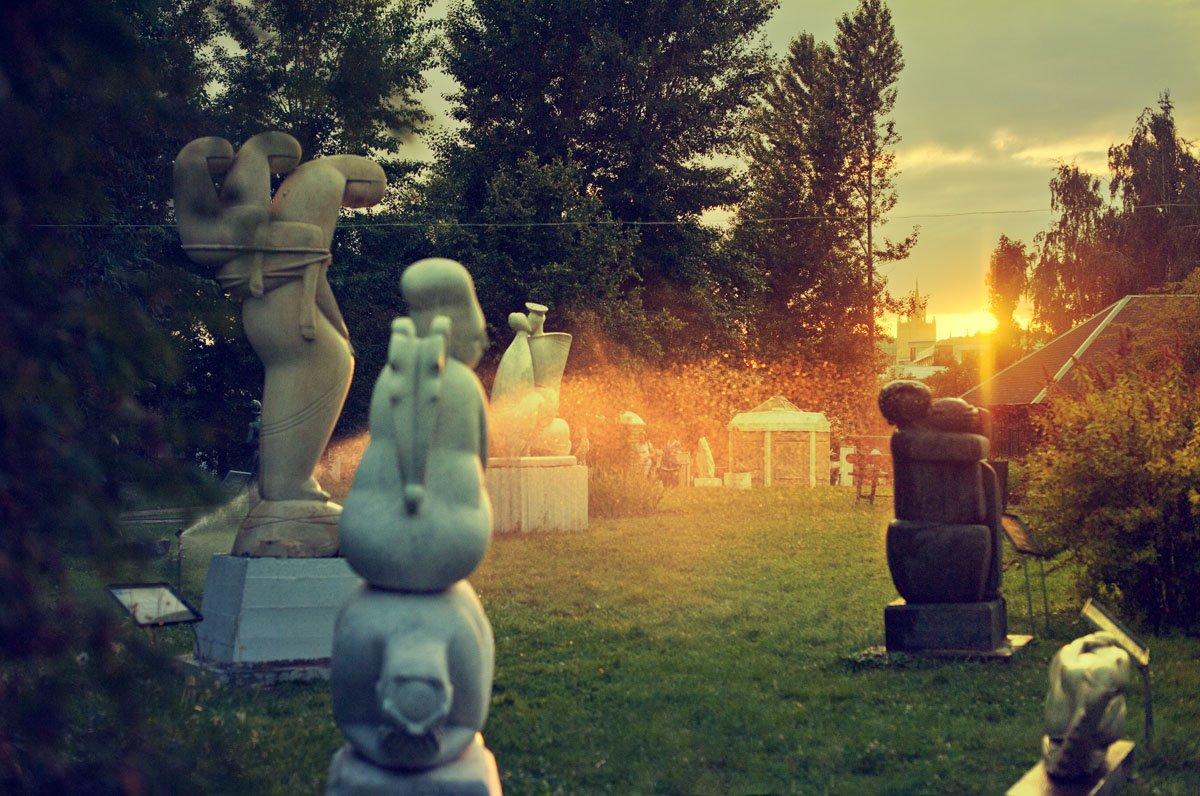
MUZEON Park of ArtsMUZEON Park of Arts is the largest museum of sculpture under open sky in Russia. In the collection there are unique monuments of soviet era, which got here during the foundation of the museum since 1992.It is a monumental sculpture of the 1930s – 1950s, which served not only to ideas of propaganda, but also town forming concept – a monument to Dzerzhinsky by Evgeny Vuchetich and a monument To Gorky by Ilya Shadr performed by the Artel of Vera Mukhina, for many years were sculptural dominants of the two central Moscow squares. Also in the MUZEON collection there are interesting monuments of the era of social realism, numerous busts of heroes of socialist labor, traditional portraits of soviet leaders, obligatory for installation in every soviet institution. Preservation of these unique monuments, the relation to which changed on the course of change of a political policy of the country, was always one of the museum’s tasks. All sculptures in the collection and iconic buildings of the soviet period have not only artistic value, which can be controversial, but historical value. They are artifacts of their era, necessary to study it. In connection with it, preservation and scientific description of all exhibits are the one of the museum’s purposes. In addition to the “program” monuments of the soviet period, MUZEON also exhibits works by Russian avant-garde sculptors, who, under ideological reasons, couldn’t be exhibited under soviet power. They were kept in workshop for a long time and weren’t presented to the general public. Among them are rare works of Evgeny Chubarov, Alexei Grigoriev and Leonid Rabins. Today MUZEON actively exhibits modern sculptors, expanding the boundaries of its collection and replenishing it with plein-air painting and materials of thematic photo exhibitions, modern art-objects and video-art materials.
Krymsky Vall, possession 2
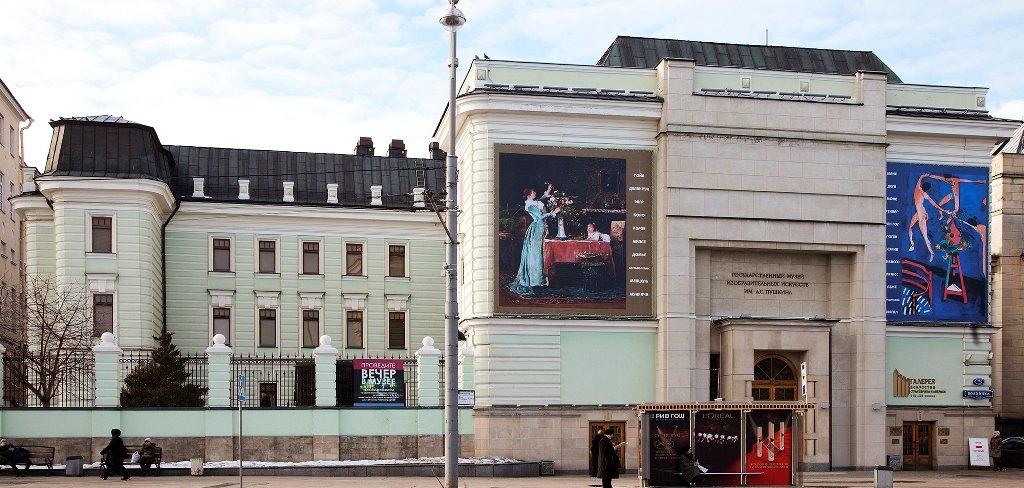
Gallery of 19th and 20th century European and American ArtThe Gallery of 19th and 20th century European and American Art is the new department of the Pushkin State Museum of Fine Arts — opened its doors to the public in August 2006. A collection of works of masters of the XIX – XX centuries is deployed in twenty-six halls of the Gallery. Entire halls are devoted to individual trends of European art or the work of one artist. The German school of painting of the beginning of the 19th century, represented by the works of K. D. Friedrich and the Nazarene artists, is on display in a specially designated room. Chamber halls allow the public to see well-known paintings by E. Delacroix and J.A. D. Ingres. Spanish school is the work of F. Goya. Participants in the Paris Salon received a separate room: J. Jerome, P. Delaroche, and E. L. Isabe. The works of French landscape painters C. Corot and the artists of the Barbizon school T. Rousseau, J. Dupre, V. Diaz de la Peña, S. Daubigny seem to be specially designed for the interiors of the Gallery. Cloths G. Courbet, J.F. Millet, O. Domier complement the panorama of the art of French realism. The pride of the Gallery is the painting of French impressionists, post-impressionists and masters of the beginning of the 20th century: C. Monet, O. Renoir, A. Sisley, C. Pissarro, E. Degas, P. Cezanne, P. Gauguin, V. van Gogh, A. de Toulouse-Lautrec, members of the Nabi group, A. Matisse, P. Picasso, A. Derain, A. Russo. In the new exhibition you can see the work of representatives of other European schools, as well as works of American art. Paintings by A. Funi, C. Hofer, F. Casorati, X. Grundig, F. Behringer and R. Kent are shown along with the paintings by V. Kandinsky, M. Chagall and J. de Chirico. Also the works of the largest sculptors of Europe - A. Bari, O. Rodin, A. Majol, E. Burdel, O. Tzadkina and X. Arpa are presented in the gallery.
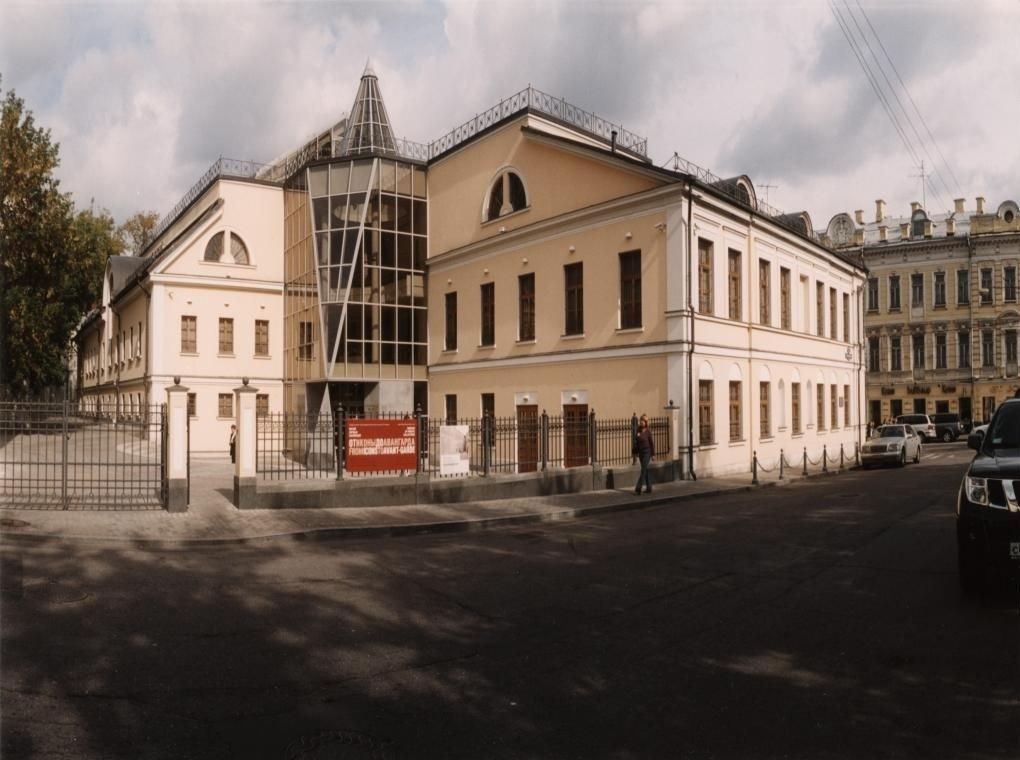
The Golitsyn Family ManorDuring the three centuries of its history, the Golitsyn Family Manor in Volkhonka repeatedly changed appearance. The author of the original project was the famous Petersburg architect Savva Chevakinsky. In 1774, the manor was rebuilt and became the central part of the Prechistensky Palace, built according to the design of Matvey Kazakov for Catherine II. The walls of this house have seen many famous people. A.S. Pushkin appeared on luxurious balls more than once. Alexander Sergeevich was even going to get married with Natalia Goncharova in the home church of Prince Golitsyn, but the wedding ceremony was arranged in the Church of the Ascension of the Lord at the Nikitsky Gate. Alexander Nikolaevich Ostrovsky settled in the main house in 1877. Here he finished the play “The Last Sacrifice,” wrote “Dowryless,” “Heart is not a Stone,” “Talents and Fans.” In 1885, Ivan Sergeevich Aksakov, one of the leaders of the Slavophile movement, occupied the neighboring apartment. In 1865, a free museum was opened consisting of family collections in the five halls of the main house of the Golitsyn manor. The museum had three sections: Western European painting, sculpture and decorative and applied art, ancient monuments, library. Works by Bruegel, van Dyck, Veronese, Canaletto, Caravaggio, Perugino, Poussin, and Rembrandt were presented in the picturesque meeting of the owners of the house. A year later, due to financial difficulties, the collection of the museum was sold to the Hermitage. After the revolution, in the late 1920s, the main house of the estate became the Communist Academy; it was built on two floors, as a result of which the pediment was lost. The imposing gates, crowned with the Golitsyn princely coat of arms, are the only things that have survived in their original form. After completion of the reconstruction, the Impressionist and Post-Impressionist Art Gallery opens in the former building of the Golitsyn estate. Works by outstanding masters of the second half of the 19th and early 20th centuries will be exhibited in this Art Gallery: Manet, Monet, Renoir, Degas, Pissarro, Cezanne, Gauguin, van Gogh, Matisse and Fauves, Picasso and Cubists, originating from the collections of the famous pre-revolutionary Moscow collectors S. I. Shchukin and I. A. Morozov.
Moscow, Volkhonka Street, 14
Жилой дом, архитектор Е.Д.Тюрин
ЦАО, Знаменка ул., дом 5
Borovickaya, Biblioteka Lenina