.jpg&w=1920&q=75)
.jpg&w=1920&q=75)
.jpg&w=1920&q=75)
Информация о музее
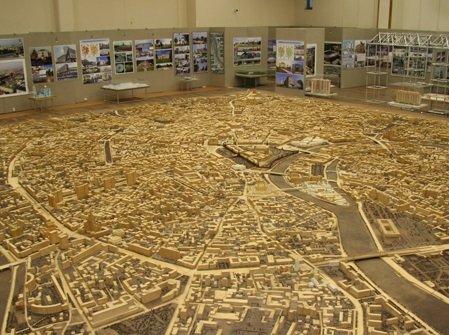
«Дом на Брестской» - это конгрессно-выставочный центр ГБУ «Мосстройинформ», ключевая площадка для демонстрации планов градостроительного развития и результатов работы Стройкомплекса Москвы. Основная задача центра - проведение конгрессно-выставочных мероприятий в сфере градостроительства, архитектуры и дизайна. «Дом на Брестской» начинает свою историю с момента создания первого деревянного макета Москвы. В 1975 году в связи с 30-летием освобождения Будапешта от немецко-фашистских захватчиков была организована Венгерская выставка на ВДНХ, в рамках которой одним из экспонатов стал макет центральной части Будапешта. Главный архитектор Москвы в 1960-1982 гг. М.В.Посохин высоко оценил макет и обратился к Председателю Моссовета В.Ф.Промыслову с предложением создать аналогичный макет Москвы. Идея была одобрена и в течение 10 лет, с 1976 по 1986 годы, две бригады макетчиков на фабрике «Картолитография» создавали макет. Сразу было ясно – не стоит пытаться делать макет всей Москвы, он будет слишком огромен, учитывая выбранный масштаб 1:500. Поэтому ограничились лишь центральной частью города в пределах Садового кольца. На основе имеющейся геоподосновы, дополнительных геодезических съемок, фотографий существующих зданий и материалов проектируемых зданий архитекторы «Моспроекта-1» и «Моспроекта-2» разрабатывали макетные чертежи. К работе также был привлечен «Мосгоргеотрест». Здания были изготовлены из клена, рельеф – из березы. Кремлевский ансамбль – из красного дерева, лимонного дерева, амаранта, падуба. Купола соборов Кремля покрыты сусальным золотом. Москва-река и река Яуза выполнены из палисандра.
Одновременно решался вопрос размещения макета, размеры которого были определены 12х12м (144 кв.м.) и в марте 1986 года макет был установлен в зале специально построенного здания на Брестской улице. Макет служил рабочим инструментом для архитекторов, все дома на нем съемные, сам макет состоит из раздвижных частей 2х2 метра. Архитекторы могли снять дома с макета в зоне проектируемого здания, поставить на это место новое здание и оценить планировочное решение. Одними из первых посетителей экспозиции в «Доме на Брестской» были Фидель Кастро и Борис Ельцин. Здесь проходили приемы иностранных делегаций. В настоящее время макет разобран и законсервирован, хранится в "Доме на Брестской". Идея создания нового современного макета Москвы возникла в 2011 году. Первоначально планировалось сделать макет в цвете по аналогии с макетом Нью-Йорка в масштабе 1:1200, охватывающем всю территорию Москвы в исторических границах. Однако после присоединения к столице новых территорий, концепция макета была пересмотрена. По решению Мэра Москвы Сергея Собянина работа над новым макетом началась осенью 2012 года и была включено в государственную программу «Градостроительная политика города Москвы», реализуемую столичным Стройкомплексом. С увеличением масштаба до 1:400 акцент был сделан на центральной части города, охватывающей ТТК, все ж/д вокзалы, а также территорию Воробьевых гор (включая самую высокую «сталинскую высотку» - здание МГУ) и активно развивающуюся в настоящее время территорию промзоны ЗИЛ.
Главная отличительная особенность нового макета - поразительная детализация всех 6,5 тысяч зданий и воссоздание ландшафтного рельефа столицы. На фасадах исторических домов воссозданы мозаика и барельефы. А гладь Москвы-реки выполнена в специальной технике, создающей эффект водной ряби. Макет оснащен интерактивной системой подсветки зданий изнутри, которой можно управлять, выбирая объекты в соответствии со сценарием - от административного деления территории города до типологии объектов (жилые дома, административные здания, объекты культуры, транспортные объекты и т.д.). Добиться еще большей выразительности позволила миниатюрная архитектурная подсветка, которая использовалась в оформлении выходов из метро, храмовых комплексов, мостов и таких знаковых сооружений, как Московский Кремль. Знаменитый бой курантов на Спасской башне Кремля и звон колоколов храма Христа Спасителя с точностью воспроизводятся на макете за счет вмонтированных внутри динамиков. В настоящее время площадь экспонируемого макета составляет 120 кв.метров. Работа по изготовлению будет завершена в 2017 году и составит площадь 945 кв.метров, которая охватит срединную зону Москвы, выходящую за пределы ТТК.
В 2012 году принимается решение о создании карты города, которая будет вмонтирована в пол. Начинаются разработки проекта и подготовка к строительным работам в "Доме на Брестской". Макет города перевозится на территорию ВДНХ в пав. №75.
В 2014 году состоялось торжественное открытие карты Москвы в масштабе 1:500. Этонапольный «лайтбокс» размером 178 кв.метров. Карта по сути своей уникальна, стеклянные блоки подсвечиваются снизу, а сверху проецируется заданные программным обеспечением изображения, из которых составляются сценарии показов карты.
Сегодня специалисты "Дома на Брестской" с помощью карты и видеостены рассказывают москвичам и гостям столицы о программах развития города, архитектурных стилях, истории Метрополитена, реновации промышленных зон, реконструкции МКЖД, истории градостроительства.
Одновременно решался вопрос размещения макета, размеры которого были определены 12х12м (144 кв.м.) и в марте 1986 года макет был установлен в зале специально построенного здания на Брестской улице. Макет служил рабочим инструментом для архитекторов, все дома на нем съемные, сам макет состоит из раздвижных частей 2х2 метра. Архитекторы могли снять дома с макета в зоне проектируемого здания, поставить на это место новое здание и оценить планировочное решение. Одними из первых посетителей экспозиции в «Доме на Брестской» были Фидель Кастро и Борис Ельцин. Здесь проходили приемы иностранных делегаций. В настоящее время макет разобран и законсервирован, хранится в "Доме на Брестской". Идея создания нового современного макета Москвы возникла в 2011 году. Первоначально планировалось сделать макет в цвете по аналогии с макетом Нью-Йорка в масштабе 1:1200, охватывающем всю территорию Москвы в исторических границах. Однако после присоединения к столице новых территорий, концепция макета была пересмотрена. По решению Мэра Москвы Сергея Собянина работа над новым макетом началась осенью 2012 года и была включено в государственную программу «Градостроительная политика города Москвы», реализуемую столичным Стройкомплексом. С увеличением масштаба до 1:400 акцент был сделан на центральной части города, охватывающей ТТК, все ж/д вокзалы, а также территорию Воробьевых гор (включая самую высокую «сталинскую высотку» - здание МГУ) и активно развивающуюся в настоящее время территорию промзоны ЗИЛ.
Главная отличительная особенность нового макета - поразительная детализация всех 6,5 тысяч зданий и воссоздание ландшафтного рельефа столицы. На фасадах исторических домов воссозданы мозаика и барельефы. А гладь Москвы-реки выполнена в специальной технике, создающей эффект водной ряби. Макет оснащен интерактивной системой подсветки зданий изнутри, которой можно управлять, выбирая объекты в соответствии со сценарием - от административного деления территории города до типологии объектов (жилые дома, административные здания, объекты культуры, транспортные объекты и т.д.). Добиться еще большей выразительности позволила миниатюрная архитектурная подсветка, которая использовалась в оформлении выходов из метро, храмовых комплексов, мостов и таких знаковых сооружений, как Московский Кремль. Знаменитый бой курантов на Спасской башне Кремля и звон колоколов храма Христа Спасителя с точностью воспроизводятся на макете за счет вмонтированных внутри динамиков. В настоящее время площадь экспонируемого макета составляет 120 кв.метров. Работа по изготовлению будет завершена в 2017 году и составит площадь 945 кв.метров, которая охватит срединную зону Москвы, выходящую за пределы ТТК.
В 2012 году принимается решение о создании карты города, которая будет вмонтирована в пол. Начинаются разработки проекта и подготовка к строительным работам в "Доме на Брестской". Макет города перевозится на территорию ВДНХ в пав. №75.
В 2014 году состоялось торжественное открытие карты Москвы в масштабе 1:500. Этонапольный «лайтбокс» размером 178 кв.метров. Карта по сути своей уникальна, стеклянные блоки подсвечиваются снизу, а сверху проецируется заданные программным обеспечением изображения, из которых составляются сценарии показов карты.
Сегодня специалисты "Дома на Брестской" с помощью карты и видеостены рассказывают москвичам и гостям столицы о программах развития города, архитектурных стилях, истории Метрополитена, реновации промышленных зон, реконструкции МКЖД, истории градостроительства.
Рекомендации