Интерактивный гид по городу
С мобильным приложением бродить по городу гораздо интереснее!

Museum-Apartment of N.S. Golovanov

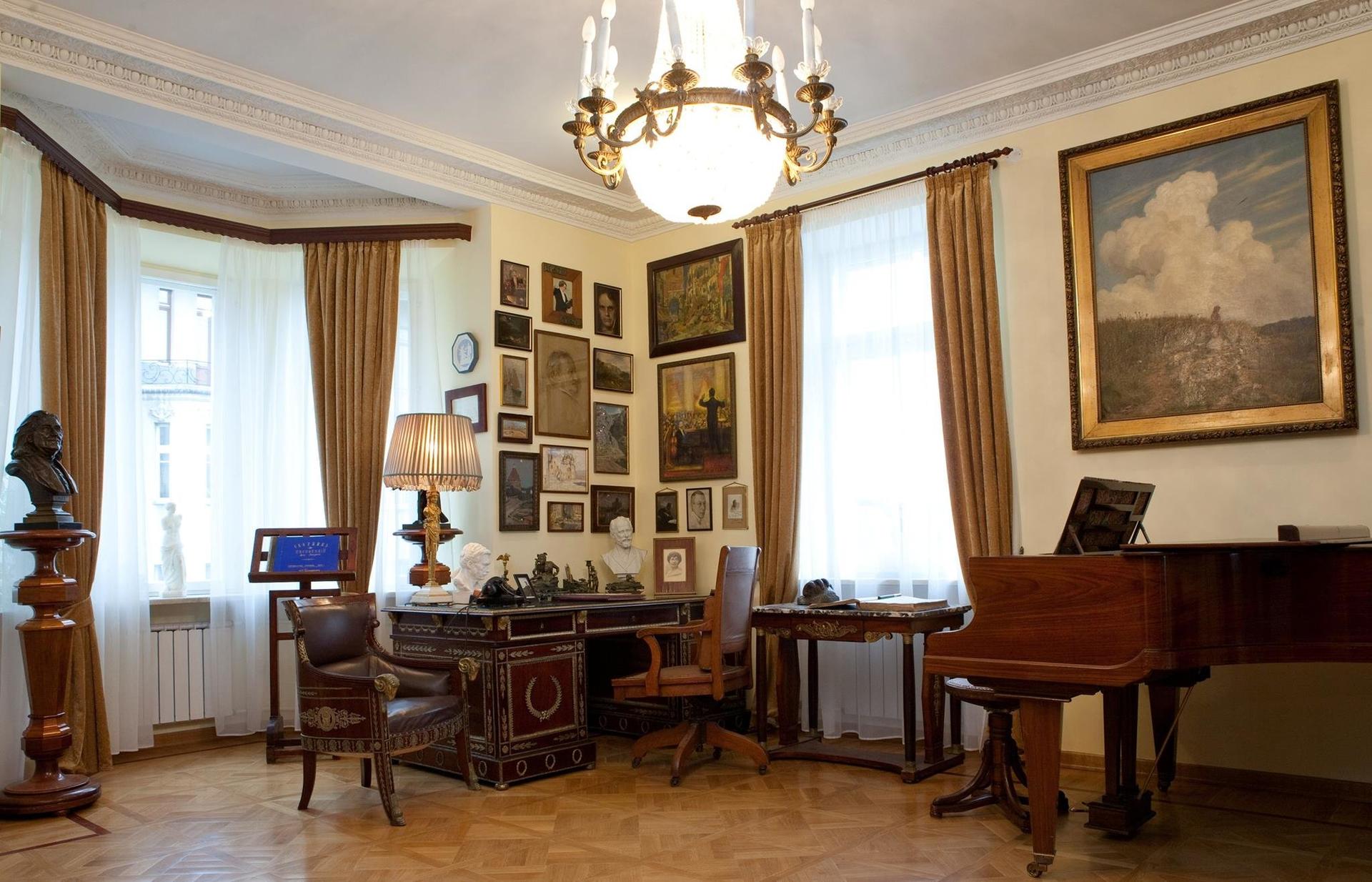
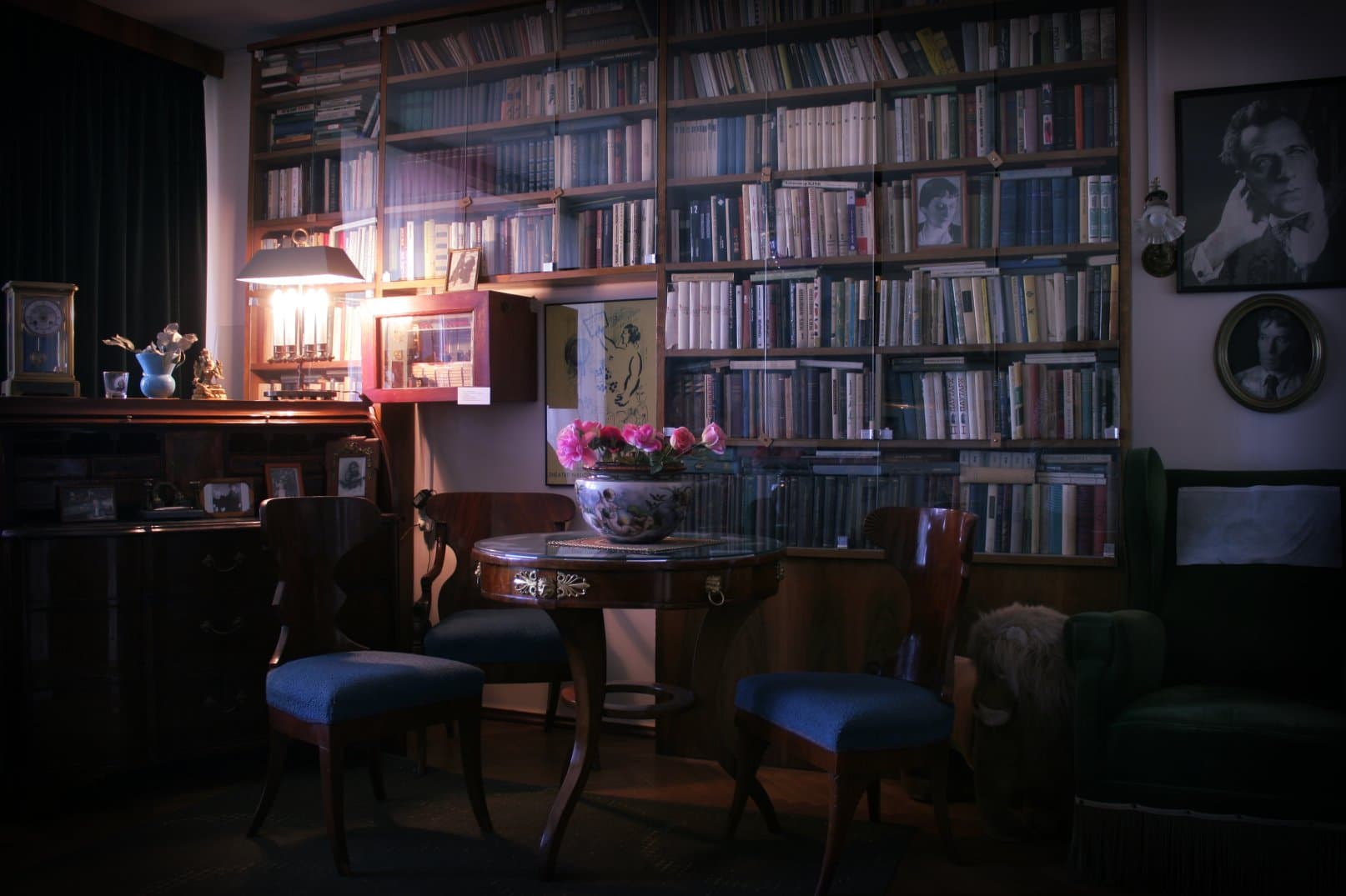
The museum-apartment of Nikolai Semenovich Golovanov (1891–1953), a great conductor, composer and pianist, has been going on since 1969, when, after the death of the musician’s sister, this apartment became part of the Russian National Museum of Music. The base of foundations was the richest heritage of the musician: his collection of paintings, sculptures, applied arts, a library, an archive and a music library. Over the years, the value of this heritage has steadily increased. Golovanov’s status as a conductor and composer has changed: now this master is recognized as great. Wonderful concentration of spirituality, creative energy, the true scope of his work amazes. His personality attracts, above all, loyalty to the high moral principles established from childhood and uncompromising, selfless service to art. The memorial apartment of the conductor, which stores a variety of rarities, is also amazing. The house itself in Bryusov Lane, in which it is located, is a cultural monument. He belonged to the Bolshoi Theater. Such luminaries of Moscow’s vocal art as A.V. Nezhdanova, N.A. Obukhova, I.S. Kozlovsky, A.S. Pirogov, M. P. Maksakova had been living here since 1935. Golovanov lived in this house for about twenty years (1935–1953). During these years, he became a leading figure in the musical life of Moscow. He leaded the orchestra of the All-Union Radio and later the Bolshoi Theater. Three rooms of this apartment (study, living room, dining room) are memorials. Here almost every object remembers Golovanov. And in the former bedroom the archive materials are concentrated, allowing to trace the path of the musician. The initial stage is study at the Synodal School of Church Singing (1900–1909), which was conducted under the guidance of such masters as choir masters V. S. Orlov, N. M. Danilin, composers P. G. Chesnokov, A. D. Kastalsky, Vic. S. Kalinnikov. Golovanov wrote at the declension of years: “The Synodal school gave me everything: moral principles, principles of life, iron discipline, the ability to work a lot and systematically, instilled in me a sacred love of work.” The next stage is studying at the Moscow Conservatory in the class of composition and theory with S. N. Vasilenko and A. A. Ilinsky. At the same time, Golovanov did not lose contact with the Synodal School, becoming his teacher and regent’s assistant of the famous Synodal Choir. From 1915 to almost the last days - work at the Bolshoi Theater (with three forced breaks). These were the culminating years in the theater's life. Such masterpieces as productions by “Boris Godunov”, “Sadko”, “ Khovanshchina " (1948-1950) were created under the direction of Golovanov and his eminent “team” (artist F. F. Fedorovsky, directors L. V. Baratov, B. A. Pokrovsky and other outstanding masters). The management of Golovanov Large Symphony Orchestra of Radio was no less effective. Especially his activity in Moscow during the Great Patriotic War is important. Live broadcasts of the orchestra performances raised the spirit of even people far from music. In the photo of 1943 we see the conductor during the first performance of the Third Symphony in the USSR by S. V. Rakhmaninov. The exposition also reflected Golovanov’s composer’s work of various years, starting with the piano variations of his childhood years and ending with the spiritual chants of the 1940s. A special section is devoted to the long-term union of Golovanov and A. V. Nezhdanova: the musician was the accompanist and husband of the great singer. Entering the memorial rooms of the Museum, visitors immediately plunge into the world of art. Pictures of first-class artists (I. I. Levitan, M. V. Nesterov, K. A. Korovin and many others), sculptural portraits, antique furniture in the Empire style, stucco molding on the ceilings - everything creates a unique atmosphere. At the same time, the “handwriting” of Golovanov is felt. Features of theatricality are already visible in the planning of the apartment: the living room corresponds with the library like a theater hall and a stage. Doors with bronze mythological figures are remarkable. Although the genres, themes of paintings and sculptures presented in the memorial rooms are diverse, each room has its dominants. The study is the most "musical" room. There are many portraits of composers, conductors, as well as people of art and literature. Images related to religious themes, and images that embody the ideals of female beauty occupy a significant place in the living room. Travel in time and space: Russia and England, Italy and Egypt, India and the fabulous Berendeyev Kingdom, ancient antiquity and the 20th century is the thematic dominant in the dining room. Architectural masterpieces of the world come to life on paintings - the Taj Mahal mausoleum painted by V.V. Vereshchagin, the Pskov Kremlin by V.V. Meshkov, and the Venetian Doges Palace in the picture by I.K. Aivazovsky. And another attraction of the Museum is its visitors in the past and in the present. After all, Golovanov was visited by many outstanding musicians and artists. The owner of the apartment loved to arrange a feast on holidays and memorable days. Frequent guests were the singers of the Bolshoi Theater, who lived in the same house - Obukhov, Maksakova, Pirogov, Kozlovsky and others. Conductors B. E. Khaikin, K. P. Kondrashin, G. N. Rozhdestvensky, F. Sh. Mansurov, Yu. I. Simonov spoke here with memories and conversations after the Museum was opened (1974). Among the visitors of the concerts are the composer V. A. Gavrilin, the ballerina E. S. Maximova, the singer Z. A. Dolukhanova. And at the present time there are many things in the Museum that attract both conductors, professional musicians, painting connoisseurs, music lovers, and a wide circle of people who want to touch the world of beauty.

Museum-Apartment of N.S. Golovanov
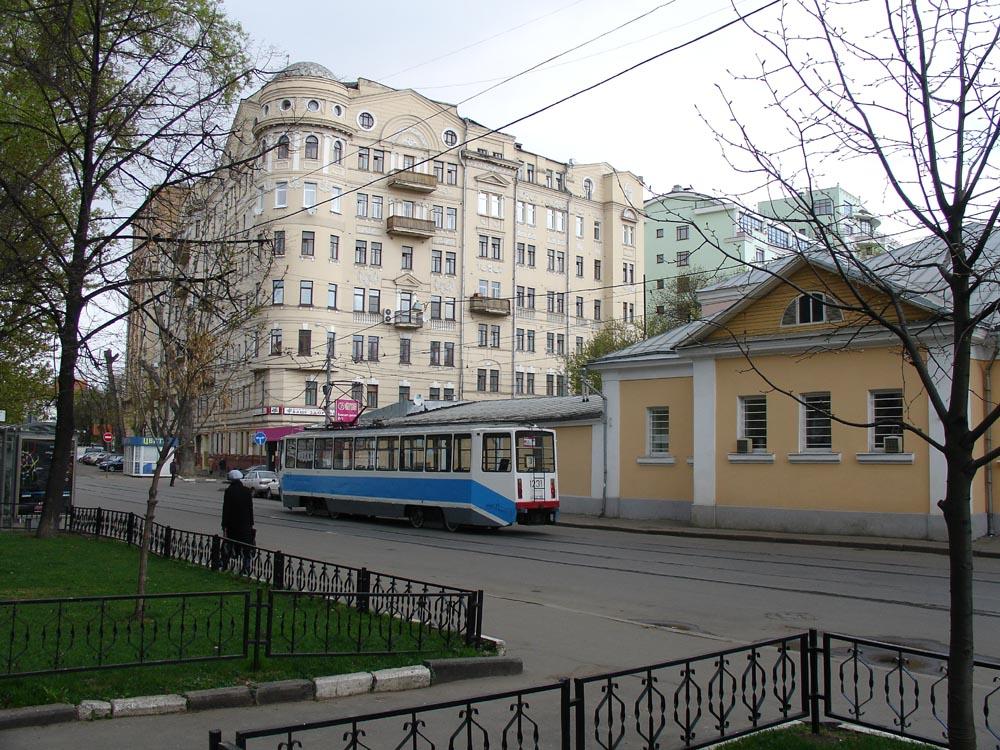
Moscow, Bryusov lane, house 7, apartment 10
The museum-apartment of Nikolai Semenovich Golovanov (1891–1953), a great conductor, composer and pianist, has been going on since 1969, when, after the death of the musician’s sister, this apartment became part of the Russian National Museum of Music. The base of foundations was the richest heritage of the musician: his collection of paintings, sculptures, applied arts, a library, an archive and a music library. Over the years, the value of this heritage has steadily increased. Golovanov’s status as a conductor and composer has changed: now this master is recognized as great. Wonderful concentration of spirituality, creative energy, the true scope of his work amazes. His personality attracts, above all, loyalty to the high moral principles established from childhood and uncompromising, selfless service to art. The memorial apartment of the conductor, which stores a variety of rarities, is also amazing. The house itself in Bryusov Lane, in which it is located, is a cultural monument. He belonged to the Bolshoi Theater. Such luminaries of Moscow’s vocal art as A.V. Nezhdanova, N.A. Obukhova, I.S. Kozlovsky, A.S. Pirogov, M. P. Maksakova had been living here since 1935. Golovanov lived in this house for about twenty years (1935–1953). During these years, he became a leading figure in the musical life of Moscow. He leaded the orchestra of the All-Union Radio and later the Bolshoi Theater. Three rooms of this apartment (study, living room, dining room) are memorials. Here almost every object remembers Golovanov. And in the former bedroom the archive materials are concentrated, allowing to trace the path of the musician. The initial stage is study at the Synodal School of Church Singing (1900–1909), which was conducted under the guidance of such masters as choir masters V. S. Orlov, N. M. Danilin, composers P. G. Chesnokov, A. D. Kastalsky, Vic. S. Kalinnikov. Golovanov wrote at the declension of years: “The Synodal school gave me everything: moral principles, principles of life, iron discipline, the ability to work a lot and systematically, instilled in me a sacred love of work.” The next stage is studying at the Moscow Conservatory in the class of composition and theory with S. N. Vasilenko and A. A. Ilinsky. At the same time, Golovanov did not lose contact with the Synodal School, becoming his teacher and regent’s assistant of the famous Synodal Choir. From 1915 to almost the last days - work at the Bolshoi Theater (with three forced breaks). These were the culminating years in the theater's life. Such masterpieces as productions by “Boris Godunov”, “Sadko”, “ Khovanshchina " (1948-1950) were created under the direction of Golovanov and his eminent “team” (artist F. F. Fedorovsky, directors L. V. Baratov, B. A. Pokrovsky and other outstanding masters). The management of Golovanov Large Symphony Orchestra of Radio was no less effective. Especially his activity in Moscow during the Great Patriotic War is important. Live broadcasts of the orchestra performances raised the spirit of even people far from music. In the photo of 1943 we see the conductor during the first performance of the Third Symphony in the USSR by S. V. Rakhmaninov. The exposition also reflected Golovanov’s composer’s work of various years, starting with the piano variations of his childhood years and ending with the spiritual chants of the 1940s. A special section is devoted to the long-term union of Golovanov and A. V. Nezhdanova: the musician was the accompanist and husband of the great singer. Entering the memorial rooms of the Museum, visitors immediately plunge into the world of art. Pictures of first-class artists (I. I. Levitan, M. V. Nesterov, K. A. Korovin and many others), sculptural portraits, antique furniture in the Empire style, stucco molding on the ceilings - everything creates a unique atmosphere. At the same time, the “handwriting” of Golovanov is felt. Features of theatricality are already visible in the planning of the apartment: the living room corresponds with the library like a theater hall and a stage. Doors with bronze mythological figures are remarkable. Although the genres, themes of paintings and sculptures presented in the memorial rooms are diverse, each room has its dominants. The study is the most "musical" room. There are many portraits of composers, conductors, as well as people of art and literature. Images related to religious themes, and images that embody the ideals of female beauty occupy a significant place in the living room. Travel in time and space: Russia and England, Italy and Egypt, India and the fabulous Berendeyev Kingdom, ancient antiquity and the 20th century is the thematic dominant in the dining room. Architectural masterpieces of the world come to life on paintings - the Taj Mahal mausoleum painted by V.V. Vereshchagin, the Pskov Kremlin by V.V. Meshkov, and the Venetian Doges Palace in the picture by I.K. Aivazovsky. And another attraction of the Museum is its visitors in the past and in the present. After all, Golovanov was visited by many outstanding musicians and artists. The owner of the apartment loved to arrange a feast on holidays and memorable days. Frequent guests were the singers of the Bolshoi Theater, who lived in the same house - Obukhov, Maksakova, Pirogov, Kozlovsky and others. Conductors B. E. Khaikin, K. P. Kondrashin, G. N. Rozhdestvensky, F. Sh. Mansurov, Yu. I. Simonov spoke here with memories and conversations after the Museum was opened (1974). Among the visitors of the concerts are the composer V. A. Gavrilin, the ballerina E. S. Maximova, the singer Z. A. Dolukhanova. And at the present time there are many things in the Museum that attract both conductors, professional musicians, painting connoisseurs, music lovers, and a wide circle of people who want to touch the world of beauty.
4.50
Вы можете воспользоваться QR-кодом, чтобы открыть эту страницу в нашем приложении
Monday - day off
Tuesday - 11:00 - 18:00
Wednesday - 11:00 - 18:00
Thursday - 12:00 - 21:00
Friday - 11:00 - 18:00
Saturday - 11:00 - 18:00
Sunday is a day off
Информация о музее

Музей-квартира Николая Семеновича Голованова (1891–1953) – великого дирижера, композитора и пианиста – ведет свою историю с 1969 года., когда после смерти сестры музыканта эта квартира перешла в состав Российского национального музея музыки. Основой фондов послужило богатейшее наследие музыканта: его коллекции картин, скульптуры, прикладного искусства, библиотека, архив и фонотека. С годами ценность этого наследия неуклонно росла.  

Изменился сам статус Голованова как дирижера и композитора: теперь этот мастер признан великим. Поражает удивительная концентрация духовности, творческой энергии, подлинный размах его творчества. Притягивает и его личность, прежде всего, верность заложенным с детства высоким моральным принципам и бескомпромиссное, беззаветное служение искусству. 

Также удивительна по сосредоточию духовных ценностей мемориальная квартира дирижера с ее разнообразными раритетами. Сам дом в Брюсовом переулке, в котором она расположена, является памятником культуры. Он принадлежал Большому театру. С 1935 года здесь жили такие корифеи вокального искусства Москвы, как А. В. Нежданова, Н. А. Обухова, И. С. Козловский, А. С. Пирогов, М. П. Максакова. Голованов прожил здесь около двадцати лет (1935–1953). Именно в эти годы, возглавляя оркестр Всесоюзного радио и позже Большого театра, он стал ведущей фигурой в музыкальной жизни Москвы. Три комнаты этой квартиры (кабинет, гостиная, столовая) мемориальные. Здесь едва ли не каждый предмет помнит Голованова. А в бывшей спальне сосредоточены материалы архива, позволяющие проследить путь музыканта. 

Начальный этап – учеба в Синодальном училище церковного пения (1900–1909), проходившая под руководством таких мастеров, как хормейстеры В. С. Орлов, Н. М. Данилин, композиторы П. Г. Чесноков, А. Д. Кастальский, Викт. С. Калинников. Голованов писал на склоне лет: «Синодальное училище дало мне все: моральные принципы, жизненные устои, железную дисциплину, умение работать много и систематически, привило мне священную любовь к труду». 

Следующий этап – учеба в Московской консерватории по классу композиции и теории у С. Н. Василенко и А. А. Ильинского. При этом Голованов не терял связь и с Синодальным училищем, став его преподавателем и помощником регента знаменитого Синодального хора. С 1915 года и почти до последних дней – работа в Большом театре (правда, с тремя вынужденными перерывами). Это были кульминационные годы в жизни театра. Под управлением Голованова и его именитой «команды» (художник Ф. Ф. Федоровский, режиссеры Л. В. Баратов, Б. А. Покровский и другие выдающиеся мастера) создавались такие шедевры, как постановки «Бориса Годунова», «Садко», «Хованщины» 1948–1950 годов. 

Не менее результативно – руководство Голованова Большим симфоническим оркестром радио. Особенно важна его деятельность в Москве в период Великой Отечественной войны. Прямые трансляции выступлений оркестра поднимали дух даже далеких от музыки людей. На фотографии 1943 года мы видим дирижера во время первого исполнения в СССР Третьей симфонии С. В. Рахманинова. В экспозиции нашло отражение и композиторское творчество Голованова разных лет, начиная с фортепианных вариаций детских лет, кончая духовными песнопениями 1940-х годов. 

Специальный раздел посвящен многолетнему союзу Голованова с А. В. Неждановой: музыкант был аккомпаниатором и мужем великой певицы. Вступая в мемориальные комнаты Музея, посетители сразу погружаются в мир искусства. Картины первоклассных художников (И. И. Левитан, М. В. Нестеров, К. А. Коровин и многие другие), скульптурные портреты, антикварная мебель в стиле ампир, лепнина на потолках – все создает неповторимую атмосферу. При этом чувствуется «почерк» Голованова. Уже в планировке квартиры видны черты театральности: гостиная соотносится с кабинетом наподобие театральных зала и сцены. Замечательны и двери с бронзовыми мифологическими фигурами. Хотя жанры, тематика картин и скульптур, представленных в мемориальных комнатах, разнообразны, в каждом помещении есть свои доминанты. Рабочий кабинет – самая «музыкальная» комната. Здесь множество портретов композиторов, дирижеров, а также деятелей искусства и литературы. В гостиной значительное место занимают изображения, связанные с религиозной тематикой, и образы, воплощающие идеалы женской красоты. В столовой тематическая доминанта – путешествия во времени и пространстве: Россия и Англия, Италия и Египет, Индия и сказочное Берендеево царство, глубокая древность и ХХ век. На живописных полотнах оживают архитектурные шедевры мира – мавзолей Тадж-Махал кисти В. В. Верещагина, Псковский кремль В. В. Мешкова, венецианский Дворец дожей на картине И. К. Айвазовского. 

И еще одна достопримечательность Музея – его посетители в прошлом и в настоящем. Ведь Голованова посещали многие выдающиеся музыканты и деятели искусства. Хозяин квартиры любил устраивать по праздникам и памятным дням застолье. Завсегдатаями бывали певцы Большого театра, жившие в этом же доме – Обухова, Максакова, Пирогов, Козловский… А уже после открытия Музея (1974 год) здесь выступали с воспоминаниями и беседами дирижеры Б. Э. Хайкин, К. П. Кондрашин, Г. Н. Рождественский, Ф. Ш. Мансуров, Ю. И. Симонов. Среди посетителей концертов – композитор В. А. Гаврилин, балерина Е. С. Максимова, певица З. А. Долуханова. И в нынешнее время в Музее много того, что притягивает и дирижеров, музыкантов-профессионалов, и знатоков живописи, и любителей музыки, и широкий круг людей, стремящихся прикоснуться к миру прекрасного.

Отзывы
(4)