Интерактивный гид по городу
С мобильным приложением бродить по городу гораздо интереснее!

State Museum of Oriental Art

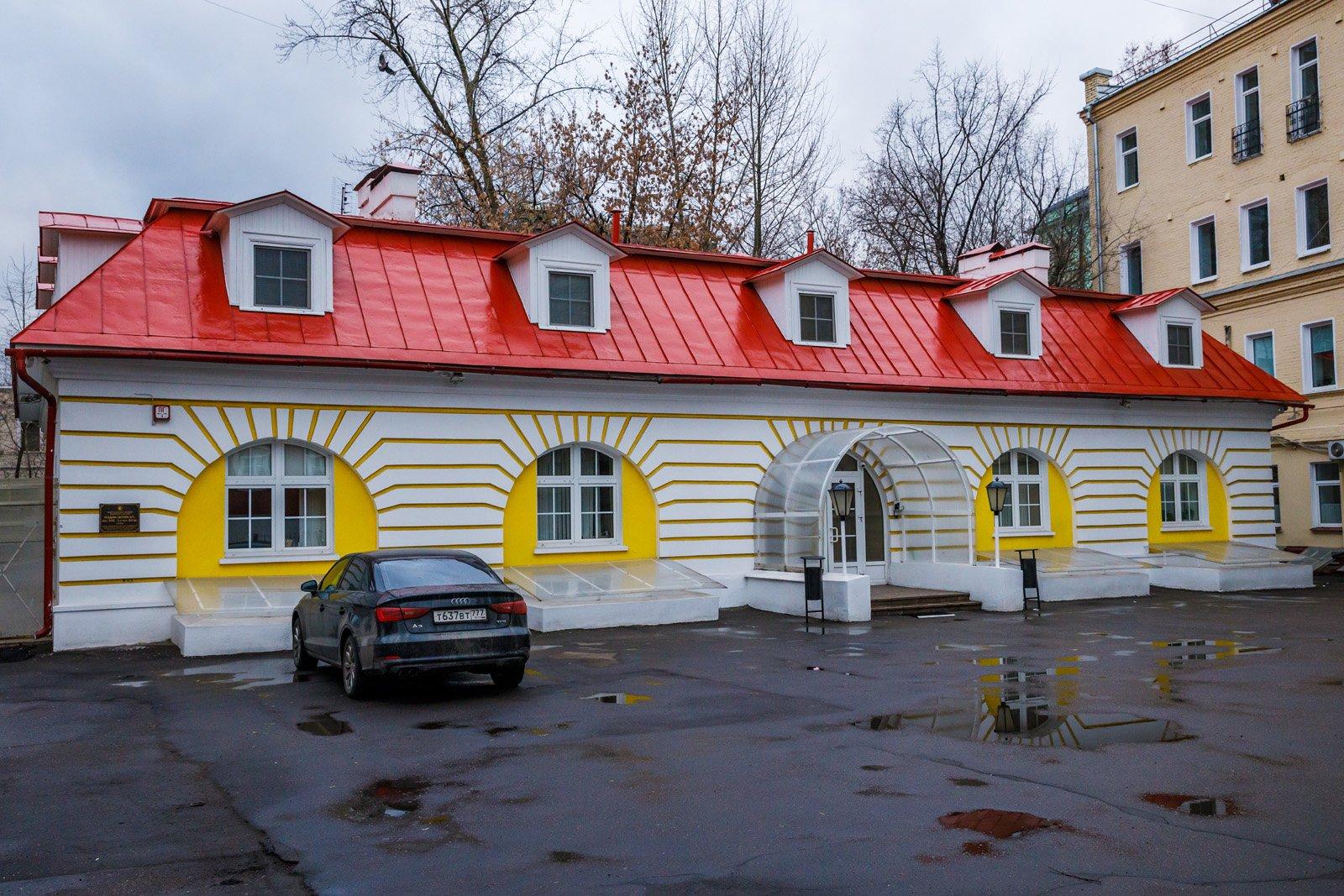
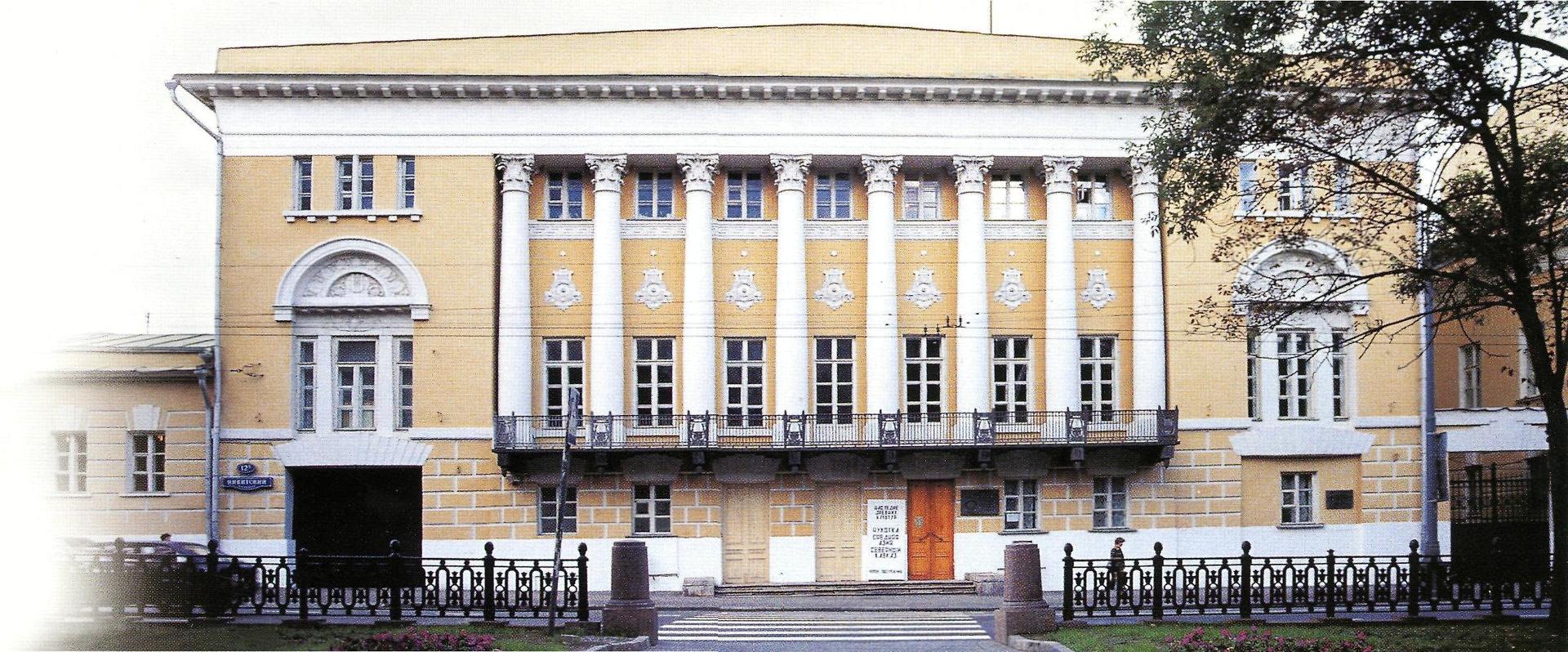
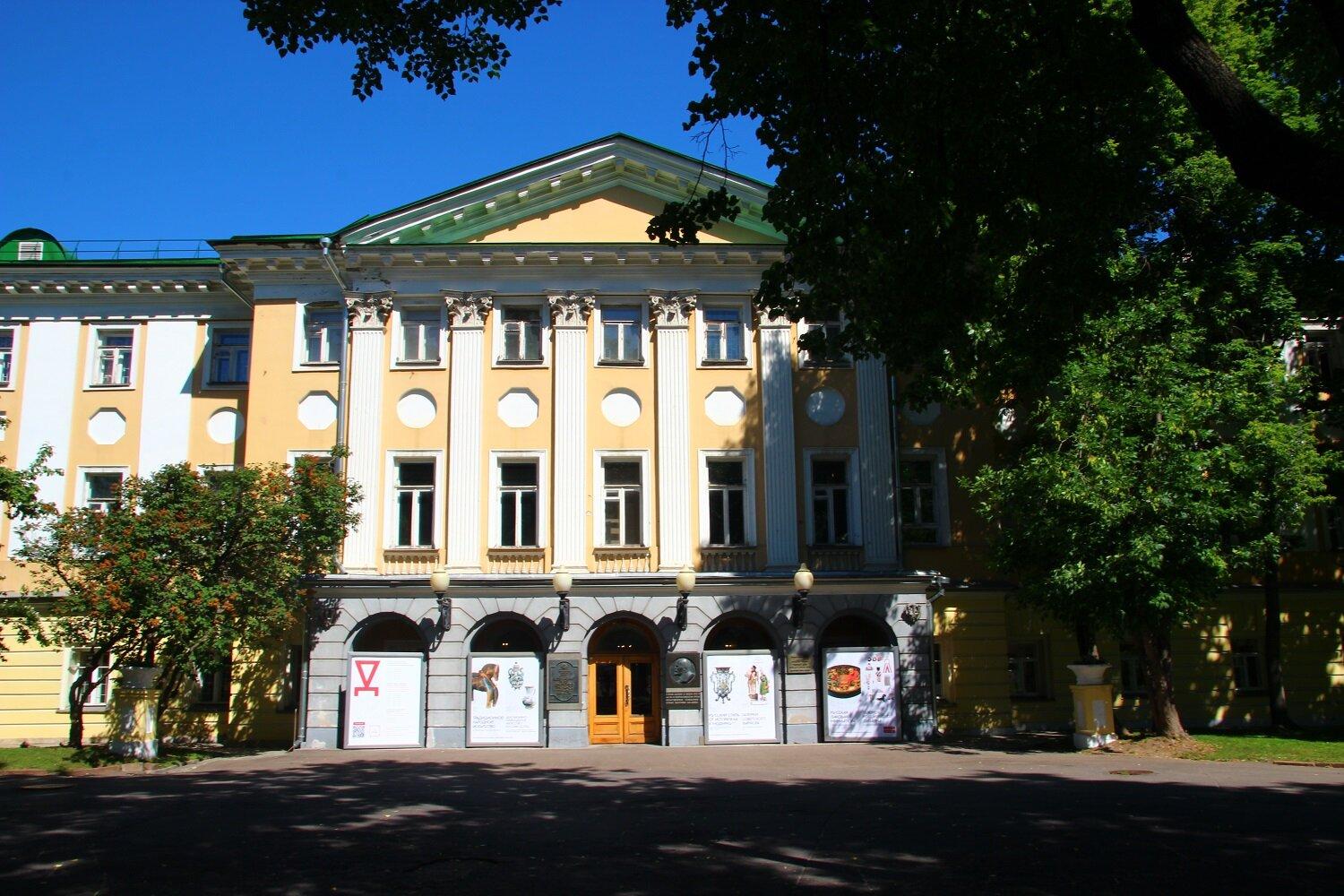
"The museum keeps paintings, graphics, sculptures, objects of decorative and applied arts, as well as archaeological artifacts from more than a hundred countries. The museum was founded in 1918 on the wave of the interest of the Soviet authorities in the preservation of world heritage: in the five post-revolutionary years more than 250 museums around the country were opened. At that time, the Oriental collections of the National Museum Fund, the museum of the former Stroganov School, carpet and antique shops, and warehouses of the Northern Company were included in the fund of the Museum of Oriental Art, or Ars Asiatica, as it was then called. Over time, the museum received its oriental collections from the State Historical Museum, the Pushkin State Museum of Fine Arts, the Polytechnic Museum and many others. The fund also expanded significantly due to private collections, procurement and archaeological expeditions. Many exhibits were donated to the museum by the republics and allied countries that are part of the USSR. A special place in the permanent exhibition of the Soviet period was occupied by the section “The Image of the Leaders of the Proletarian Revolution in the Art of the National Republic”. In particular, it was possible to see how the image of Lenin was revealed in the works of artists of the Soviet East. The final location of the museum and its collection was not immediately determined. Among the former halls of the Museum of Oriental Art are the Hirschman House at the Red Gate, the Historical Museum, the Stroganov School, the Tsvetkov Gallery on Kropotkinskaya Embankment and the building of the Church of Elijah the Prophet on Vorontsov Field. Today, the oldest Chinese ceramics of the II millennium BC is adjacent to traditional ritual objects from Buryatia, which seem to the inexperienced eye to be as ancient as the Chinese, but in fact were created no more than a hundred years ago. This creates the illusion that time is different in the East, but somewhere has completely stopped. On one floor you can see a masterpiece of world importance - a nap silk carpet from India of the XVII century - and a modern wool carpet from Afghanistan, where images of Kalashnikov tanks and machine guns are completely naturally woven into the traditional pattern. If the concept of ""design"" is applicable to antiquity, then for thousands of years in Asian design, little has changed. Each hall or group of museum halls is dedicated to a particular country or region of the East: thus, starting from Iran, you end up traveling in Kazakhstan, having seen the rhino skin shield in India, giant masks for the Buddhist religious mystery Tsam in Mongolia, Japanese katana combat swords, Chinese cricket jars, an Indonesian shadow theater, a handwritten book on palm leaves in Laos, carpets of the Caucasus and suzani embroidery in Uzbekistan. In the Japanese hall there is a unique figure composition: a snow-white eagle on a pine against the background of a screen with the image of a raging sea. The figure of an eagle is made in the most complicated technique of a combined assembly: the body and wings are made of wood, and the plumage consists of 1500 individual ivory plates. But it is particularly interesting that this composition was brought to Russia in 1896 as a gift to Nicholas II on the occasion of his coronation from the Japanese emperor Meiji. The emperor himself as part of the delegation that arrived in Russia was not, the imperial family was represented by Prince Sadanara Fushim. All vases, pitchers, swords and carpets, each item has its own story. And these stories have guardians. The research institute at the museum employs over 300 specialists. The last hall in the painting of the Caucasus and Central Asia, where works by the world's greatest artists of the 20th century, Niko Pirosmani and Martiros Saryan, deserve special attention after such a trip through the traditional East."

State Museum of Oriental Art
"The museum keeps paintings, graphics, sculptures, objects of decorative and applied arts, as well as archaeological artifacts from more than a hundred countries. The museum was founded in 1918 on the wave of the interest of the Soviet authorities in the preservation of world heritage: in the five post-revolutionary years more than 250 museums around the country were opened. At that time, the Oriental collections of the National Museum Fund, the museum of the former Stroganov School, carpet and antique shops, and warehouses of the Northern Company were included in the fund of the Museum of Oriental Art, or Ars Asiatica, as it was then called. Over time, the museum received its oriental collections from the State Historical Museum, the Pushkin State Museum of Fine Arts, the Polytechnic Museum and many others. The fund also expanded significantly due to private collections, procurement and archaeological expeditions. Many exhibits were donated to the museum by the republics and allied countries that are part of the USSR. A special place in the permanent exhibition of the Soviet period was occupied by the section “The Image of the Leaders of the Proletarian Revolution in the Art of the National Republic”. In particular, it was possible to see how the image of Lenin was revealed in the works of artists of the Soviet East. The final location of the museum and its collection was not immediately determined. Among the former halls of the Museum of Oriental Art are the Hirschman House at the Red Gate, the Historical Museum, the Stroganov School, the Tsvetkov Gallery on Kropotkinskaya Embankment and the building of the Church of Elijah the Prophet on Vorontsov Field. Today, the oldest Chinese ceramics of the II millennium BC is adjacent to traditional ritual objects from Buryatia, which seem to the inexperienced eye to be as ancient as the Chinese, but in fact were created no more than a hundred years ago. This creates the illusion that time is different in the East, but somewhere has completely stopped. On one floor you can see a masterpiece of world importance - a nap silk carpet from India of the XVII century - and a modern wool carpet from Afghanistan, where images of Kalashnikov tanks and machine guns are completely naturally woven into the traditional pattern. If the concept of ""design"" is applicable to antiquity, then for thousands of years in Asian design, little has changed. Each hall or group of museum halls is dedicated to a particular country or region of the East: thus, starting from Iran, you end up traveling in Kazakhstan, having seen the rhino skin shield in India, giant masks for the Buddhist religious mystery Tsam in Mongolia, Japanese katana combat swords, Chinese cricket jars, an Indonesian shadow theater, a handwritten book on palm leaves in Laos, carpets of the Caucasus and suzani embroidery in Uzbekistan. In the Japanese hall there is a unique figure composition: a snow-white eagle on a pine against the background of a screen with the image of a raging sea. The figure of an eagle is made in the most complicated technique of a combined assembly: the body and wings are made of wood, and the plumage consists of 1500 individual ivory plates. But it is particularly interesting that this composition was brought to Russia in 1896 as a gift to Nicholas II on the occasion of his coronation from the Japanese emperor Meiji. The emperor himself as part of the delegation that arrived in Russia was not, the imperial family was represented by Prince Sadanara Fushim. All vases, pitchers, swords and carpets, each item has its own story. And these stories have guardians. The research institute at the museum employs over 300 specialists. The last hall in the painting of the Caucasus and Central Asia, where works by the world's greatest artists of the 20th century, Niko Pirosmani and Martiros Saryan, deserve special attention after such a trip through the traditional East."
5.00
Вы можете воспользоваться QR-кодом, чтобы открыть эту страницу в нашем приложении
Monday - Tuesday: 11:00 - 20:00
Wednesday: 12:00 - 21:00
Thursday - Saturday: 11:00 - 20:00
Информация о музее

В музее хранятся произведения живописи, графики, скульптуры, предметы декоративно-прикладного искусства, а также археологические экспонаты из более чем ста стран.

Музей возник в 1918 году на волне интереса советской власти к сохранению мирового наследия: за пять послереволюционных лет было открыто более 250 музеев по стране. На тот момент в фонд Музея Востока, или Ars Asiatica, как он тогда назывался, вошли восточные коллекции Национального музейного фонда, музея бывшего Строгановского училища, ковровых и антикварных магазинов, складов «Северной компании». Со временем музею передали свои восточные коллекции Государственный исторический музей, Государственный музей изобразительных искусств им. А. С. Пушкина, Политехнический музей и многие другие. Также фонд значительно расширялся благодаря частным собраниям, закупочным и археологическим экспедициям. Многие экспонаты были переданы в дар музею входящими в состав СССР республиками и союзными странами. Особое место в постоянной экспозиции советского периода занимал раздел «Образ вождей пролетарской революции в искусстве нацреспублик». В частности, можно было увидеть, как в творчестве художников советского Востока раскрывается образ Ленина.

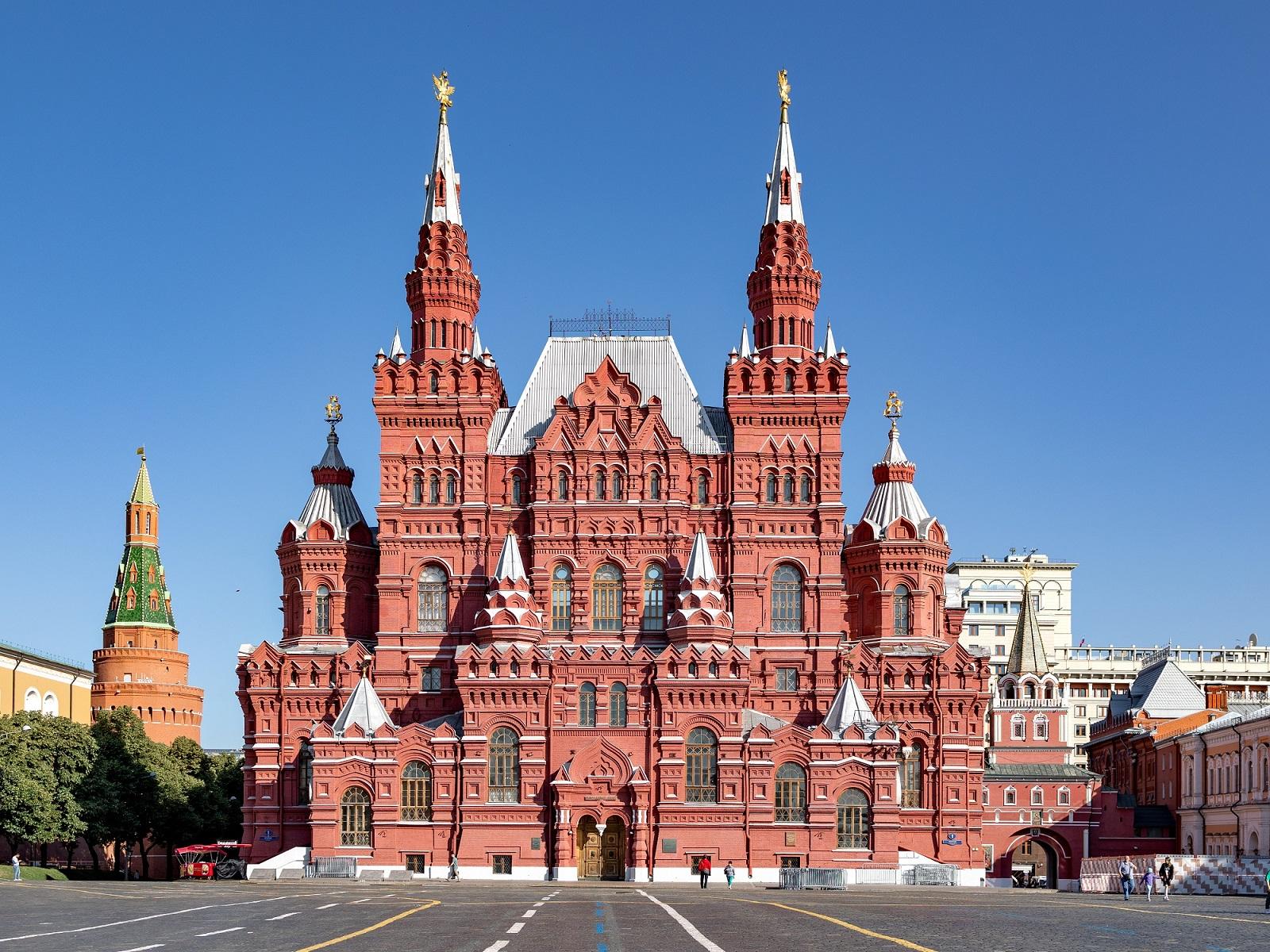
Окончательное местоположение музея и его коллекции было определено не сразу. Среди бывших залов Музея Востока − дом Гиршмана у Красных ворот, Исторический музей, Строгановское училище, Цветковская галерея на Кропоткинской набережной и здание церкви Илии Пророка на Воронцовом поле.

Сегодня древнейшая китайская керамика II тысячелетия до н. э. соседствует здесь с традиционными ритуальными предметами из Бурятии, которые неопытному глазу кажутся такими же древними, как и китайские, но на деле созданы не более ста лет назад. Это создает иллюзию, будто на Востоке время идет иначе, а где-то и вовсе остановилось. На одном этаже можно увидеть шедевр мирового значения − ворсовый шелковый ковер из Индии XVII века − и современный шерстяной ковер из Афганистана, где в традиционный узор совершенно естественно вплетены изображения танков и автоматов Калашникова. Если понятие «дизайн» применимо к древности, то за тысячи лет в азиатском дизайне мало что изменилось.

Каждый зал или группа залов музея посвящены отдельной стране или региону Востока: таким образом, начав с Ирана, вы заканчиваете путешествие в Казахстане, успев осмотреть щит из кожи носорога в Индии, гигантские маски для буддистской религиозной мистерии Цам в Монголии, японские боевые мечи катана, китайские баночки для сверчков, индонезийский теневой театр, рукописную книгу на пальмовых листьях в Лаосе, ковры Кавказа и вышивки сюзани в Узбекистане. В японском зале представлена уникальная фигурная композиция: белоснежный орел на сосне на фоне ширмы с изображением бушующего моря. Фигура орла выполнена в сложнейшей технике комбинированной сборки: туловище и крылья изготовлены из дерева, а оперение состоит из 1500 отдельных пластин слоновой кости. Но особенно интересно то, что эта композиция была привезена в Россию в 1896 году в качестве подарка Николаю II по случаю его коронации от японского императора Мэйдзи. Самого императора в составе делегации, прибывшей в Россию, не было, императорскую семью представлял принц Саданару Фушима. У всех ваз, кувшинов, мечей и ковров, у каждого предмета своя история. И у этих историй есть хранители. В научно-исследовательском институте при музее работает более 300 специалистов.

По-настоящему неожиданным после такого путешествия по традиционному Востоку становится последний зал живописи Кавказа и Средней Азии, где особого внимания заслуживают работы крупнейших мировых художников XX века Нико Пиросмани и Мартироса Сарьяна.
Рекомендации
Отзывы
(7)