

Информация о музее
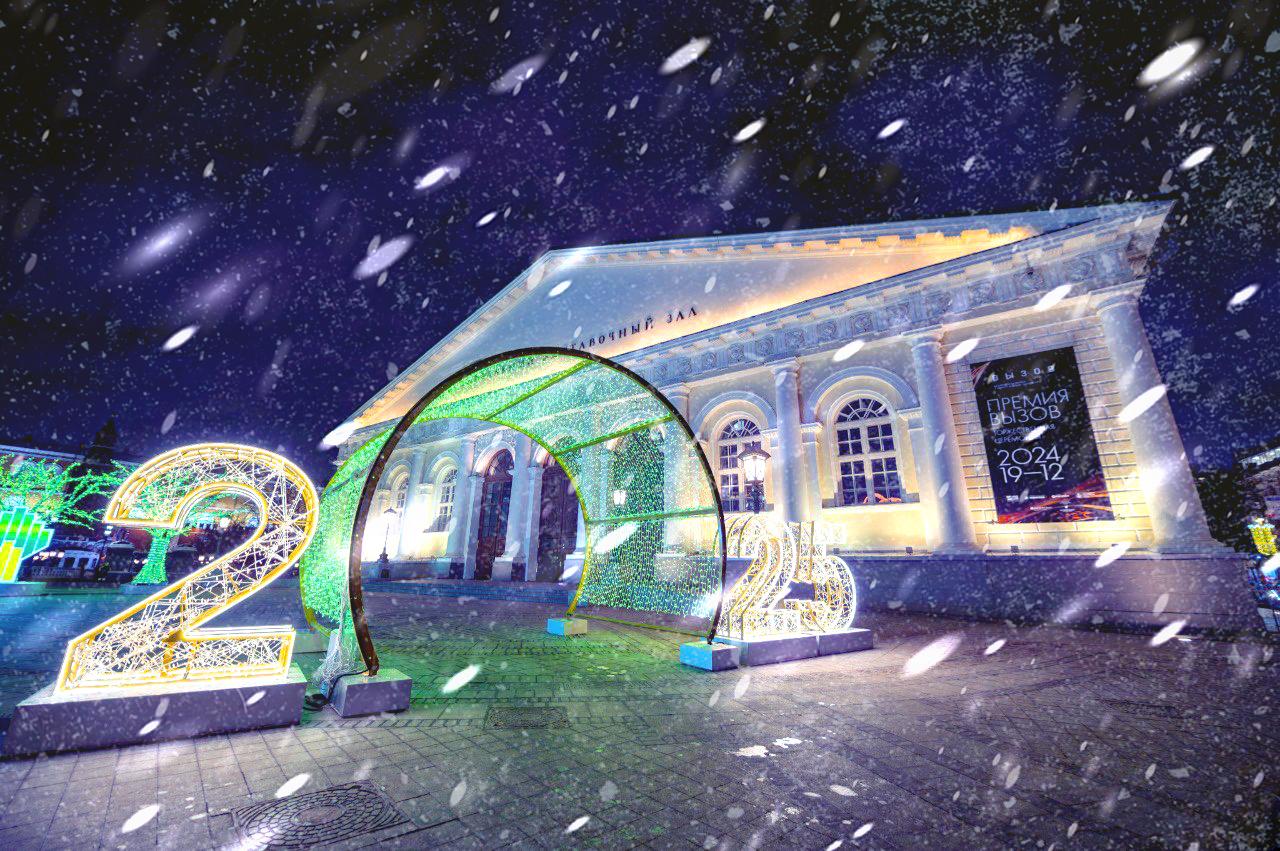
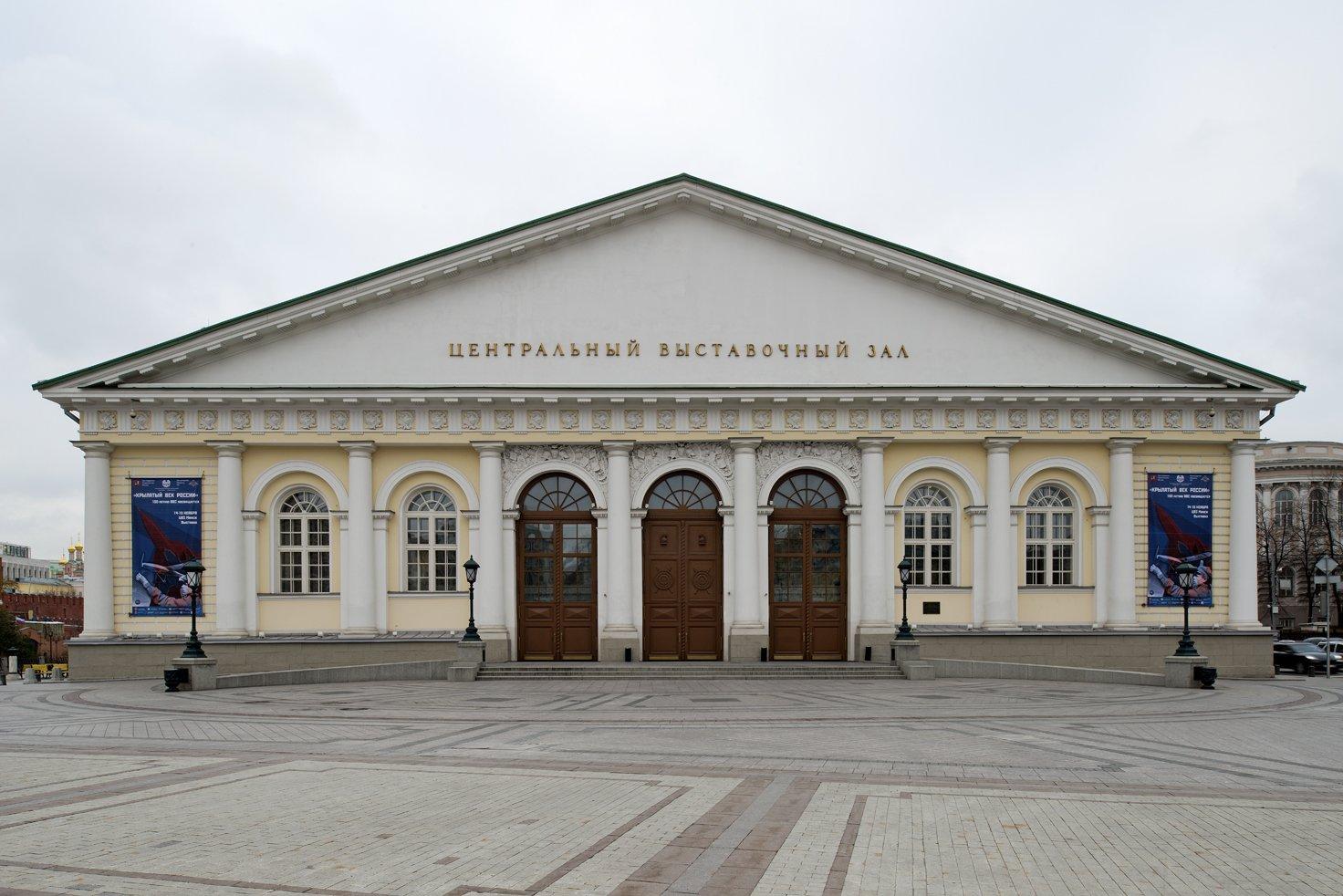
Здание Большого Манежа было построено по приказу Александра I в течение восьми месяцев в 1817 году по случаю пятилетия победы в войне 1812 года. Постройка производилась по проекту инженера Августина Бетанкура особым штатом инженеров и архитекторов, подведомственных главному инспектору гидравлических и земляных работ в Москве генерал-майору Льву Карбонье. Здание называлось тогда «экзерциргауз» (дом для военных упражнений).
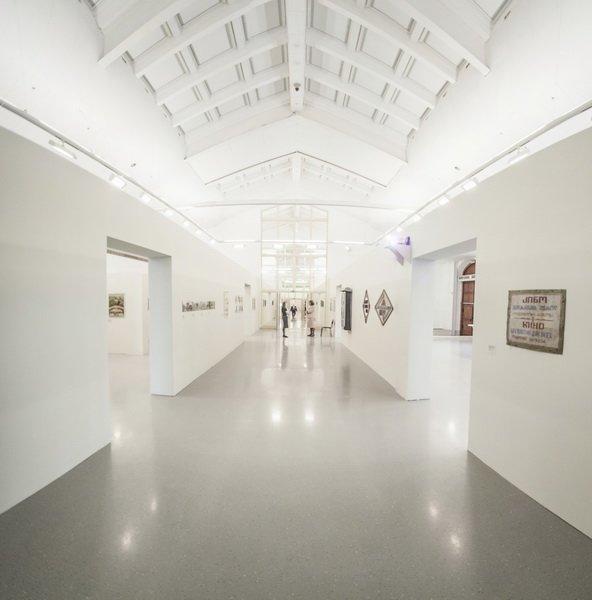
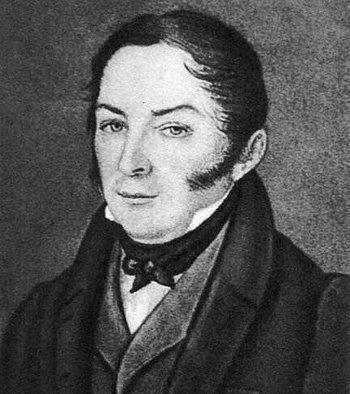
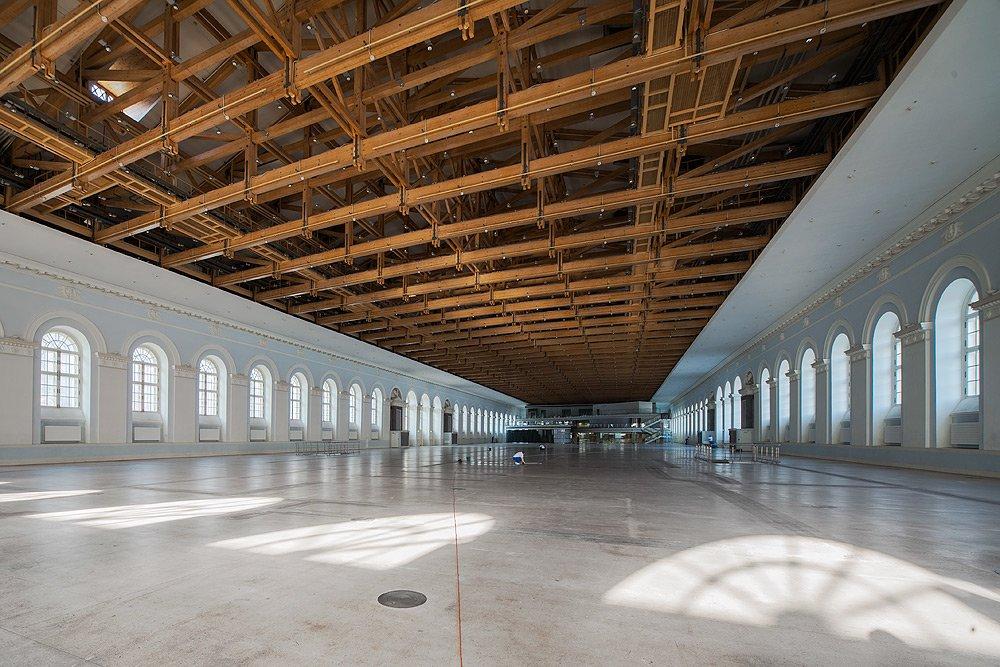
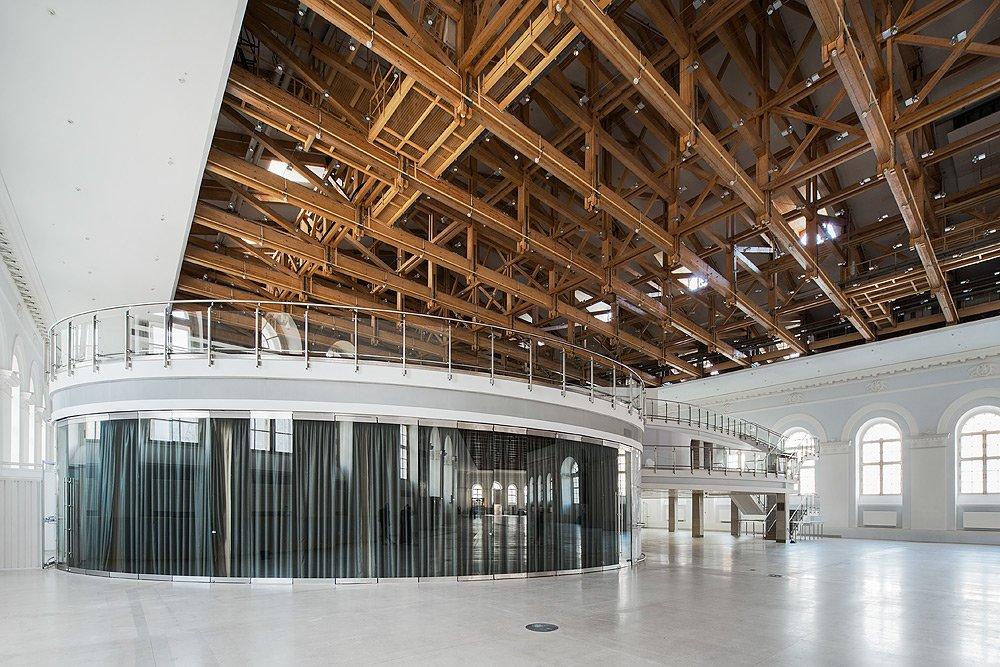
Нельзя сказать, что дело со строительством шло гладко. Идея, предложенная Бетанкуром и осуществленная Карбонье, подразумевала уникальный технологический принцип: единственную в своем роде деревянную конструкцию стропил, перекрывавшую без промежуточных опор пространство в 44,86 м. Однако с наступлением жары в конце июля 1818 года две стропильные фермы Манежа дали трещины. Их исправили, но через год в жару снова случилось повреждение в стропилах. По высочайшему распоряжению Александра I с сентября 1823-го по май 1824-го фермы были перестроены, а их количество увеличилось с 30 до 45-ти. В августе 1824 года к кровле Манежа был пришит потолок. Чудо техники времен ампира – результат совместного действия многих архитекторов. Идеи А. Бетанкура и Л. Карбонье доводили до ума честные и скромные профессионалы, о которых история почти умалчивает: полковник Р.Р. Бауса, инженер-поручик А.Я. Кашперов и другие. Главный архитектор Комиссии для строений знаменитый московский зодчий Осип Бове в 1825 году отделал Манеж лепными и штукатурными украшениями.
С 1831 года в Манеже регулярно проводились концерты и народные гулянья. После революции в Манеже был правительственный гараж, а во времена Никиты Хрущева (с 1957 года) в здании открылся Центральный выставочный зал. Интересный факт рассказал исследователь Сергей Петров, много лет изучавший конструкцию Манежа в должности начальника Главного управления охраны памятников СССР. Оказывается, чтобы сохранить деревянные конструкции, во времена Бове весь чердак был засыпан махоркой. На полметра. Всевозможные грызуны и насекомые не любят этот запах. Несмотря на то, что саму махорку выкурили в войну 1941–1945 гг., все конструкции еще в семидесятые годы XX века были как новенькие. Но и тогда на чердаке еще стоял густой запах табака.
Занятно, что случай с махоркой в Манеже тянет за собой красивый шлейф культурных ассоциаций. Ассоциации касаются, прежде всего, истории отечественной архитектуры. Вот ведь – махорка! Произнося это, сегодня уже почти экзотическое, слово, как тут не вспомнить символ преобразований современной Москвы – ЦПКиО имени Максима Горького, на территории которого в 1923 году разместилась первая Всесоюзная сельскохозяйственная выставка – ВСХВ. И ее символом для последующих поколений стал выстроенный молодым архитектором Константином Мельниковым павильон «Махорка» – один из первых образцов авангардного формотворчества.
Сергей Хачатуров
Нельзя сказать, что дело со строительством шло гладко. Идея, предложенная Бетанкуром и осуществленная Карбонье, подразумевала уникальный технологический принцип: единственную в своем роде деревянную конструкцию стропил, перекрывавшую без промежуточных опор пространство в 44,86 м. Однако с наступлением жары в конце июля 1818 года две стропильные фермы Манежа дали трещины. Их исправили, но через год в жару снова случилось повреждение в стропилах. По высочайшему распоряжению Александра I с сентября 1823-го по май 1824-го фермы были перестроены, а их количество увеличилось с 30 до 45-ти. В августе 1824 года к кровле Манежа был пришит потолок. Чудо техники времен ампира – результат совместного действия многих архитекторов. Идеи А. Бетанкура и Л. Карбонье доводили до ума честные и скромные профессионалы, о которых история почти умалчивает: полковник Р.Р. Бауса, инженер-поручик А.Я. Кашперов и другие. Главный архитектор Комиссии для строений знаменитый московский зодчий Осип Бове в 1825 году отделал Манеж лепными и штукатурными украшениями.
С 1831 года в Манеже регулярно проводились концерты и народные гулянья. После революции в Манеже был правительственный гараж, а во времена Никиты Хрущева (с 1957 года) в здании открылся Центральный выставочный зал. Интересный факт рассказал исследователь Сергей Петров, много лет изучавший конструкцию Манежа в должности начальника Главного управления охраны памятников СССР. Оказывается, чтобы сохранить деревянные конструкции, во времена Бове весь чердак был засыпан махоркой. На полметра. Всевозможные грызуны и насекомые не любят этот запах. Несмотря на то, что саму махорку выкурили в войну 1941–1945 гг., все конструкции еще в семидесятые годы XX века были как новенькие. Но и тогда на чердаке еще стоял густой запах табака.
Занятно, что случай с махоркой в Манеже тянет за собой красивый шлейф культурных ассоциаций. Ассоциации касаются, прежде всего, истории отечественной архитектуры. Вот ведь – махорка! Произнося это, сегодня уже почти экзотическое, слово, как тут не вспомнить символ преобразований современной Москвы – ЦПКиО имени Максима Горького, на территории которого в 1923 году разместилась первая Всесоюзная сельскохозяйственная выставка – ВСХВ. И ее символом для последующих поколений стал выстроенный молодым архитектором Константином Мельниковым павильон «Махорка» – один из первых образцов авангардного формотворчества.
Сергей Хачатуров