Интерактивный гид по городу
С мобильным приложением бродить по городу гораздо интереснее!

Москва, Берсеневский переулок д. 2 стр. 1
Polyanka, Kropotkinskaya
4.94
Вы можете воспользоваться QR-кодом, чтобы открыть эту страницу в нашем приложении
Информация о музее

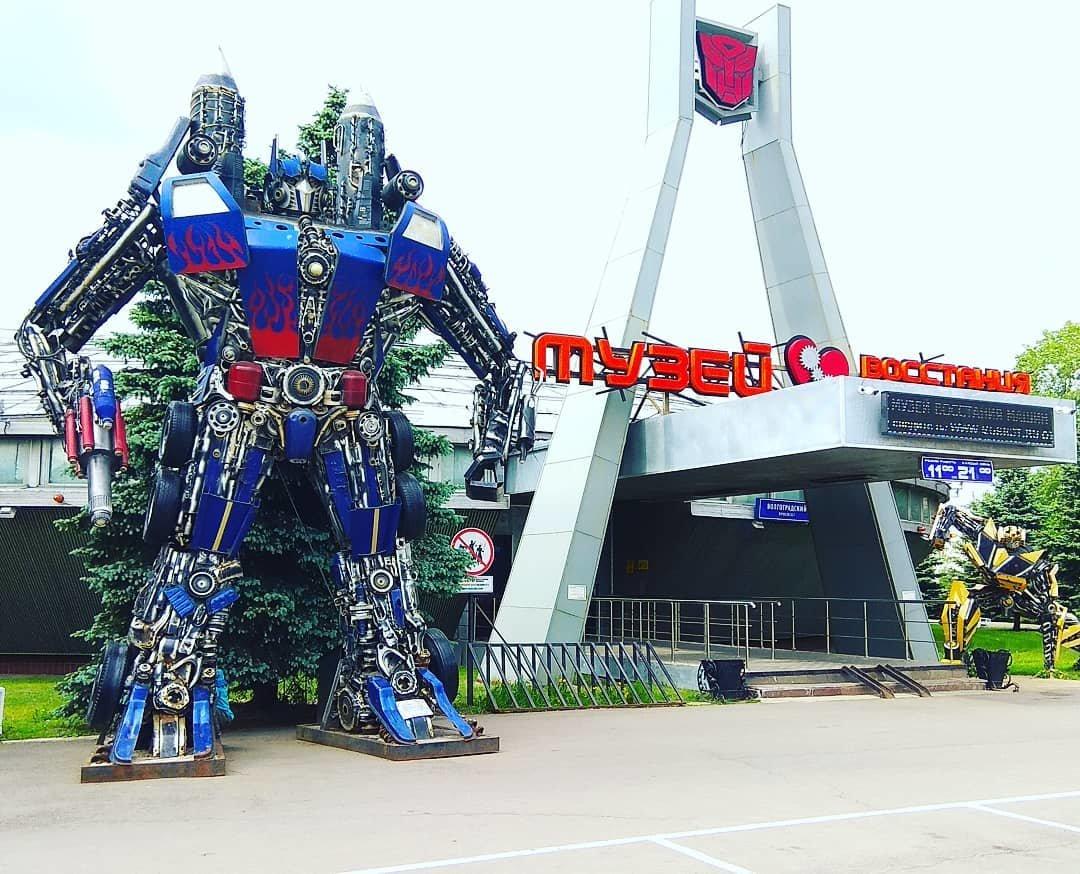
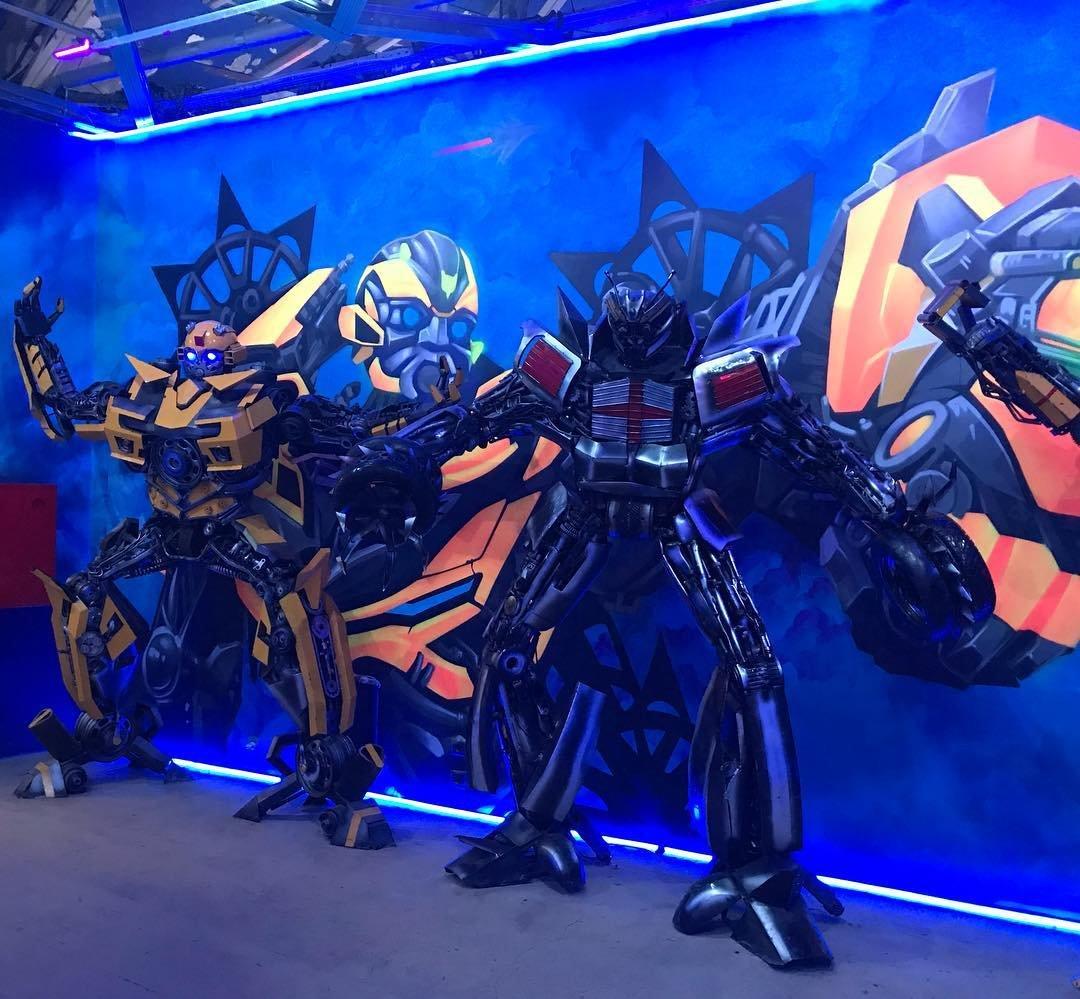
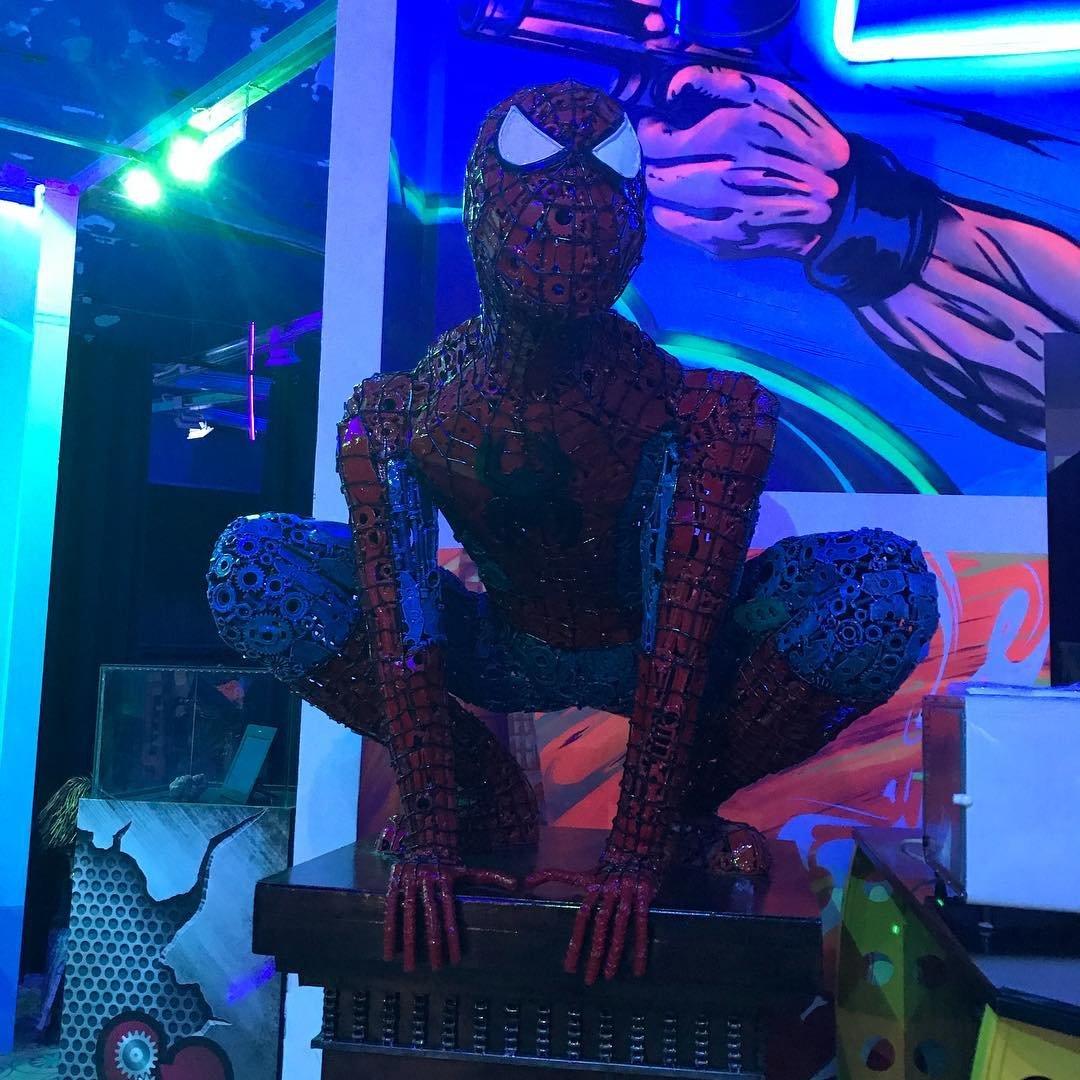
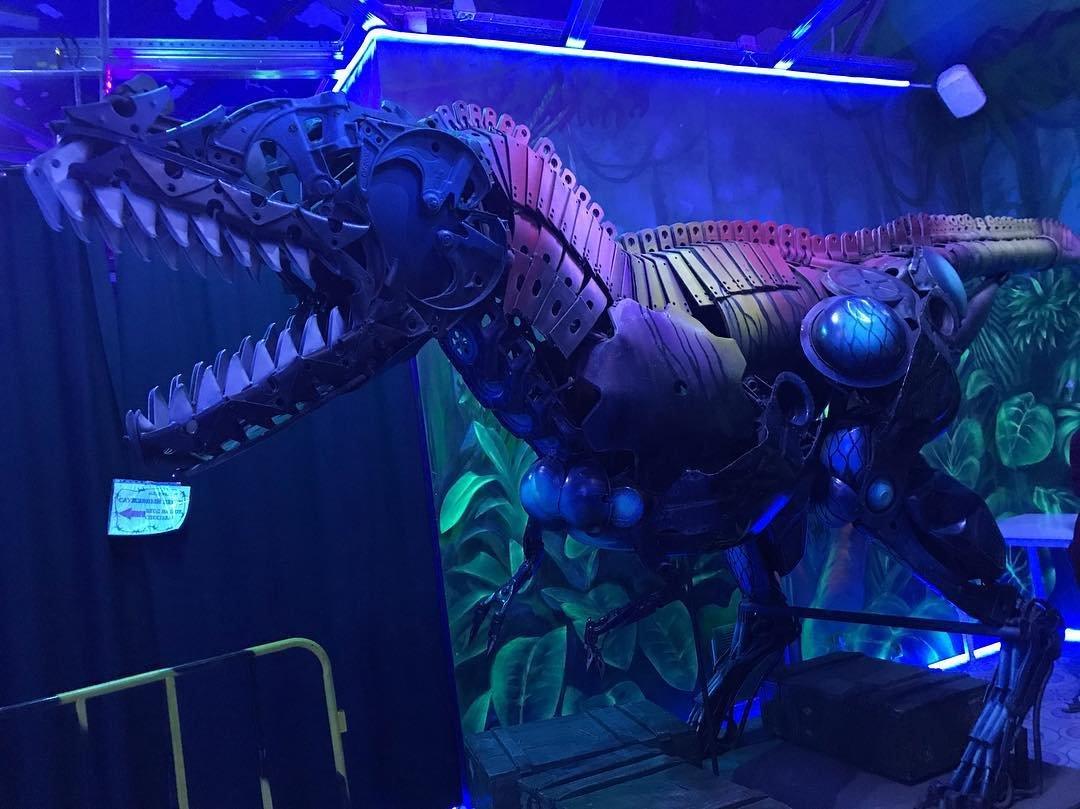
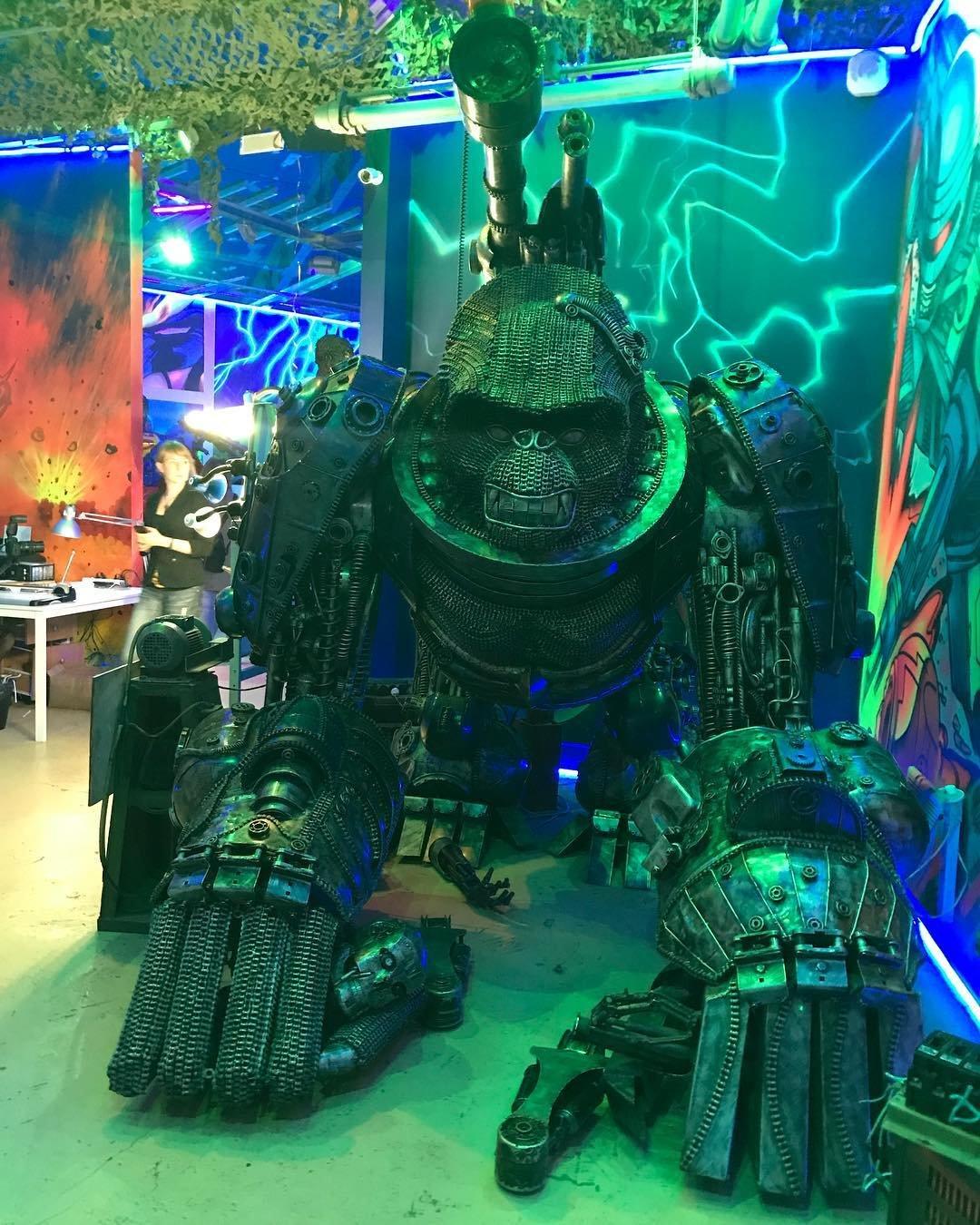
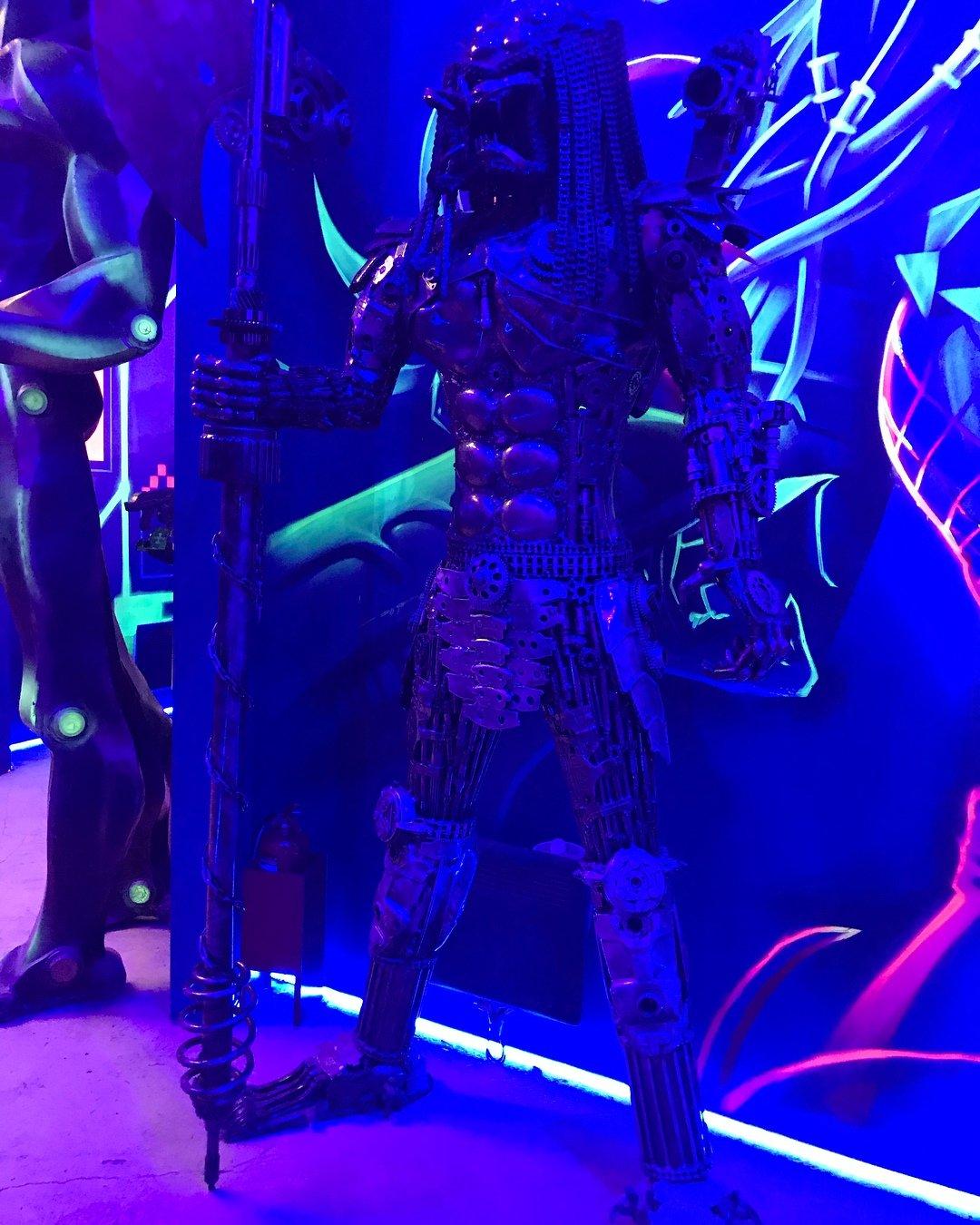
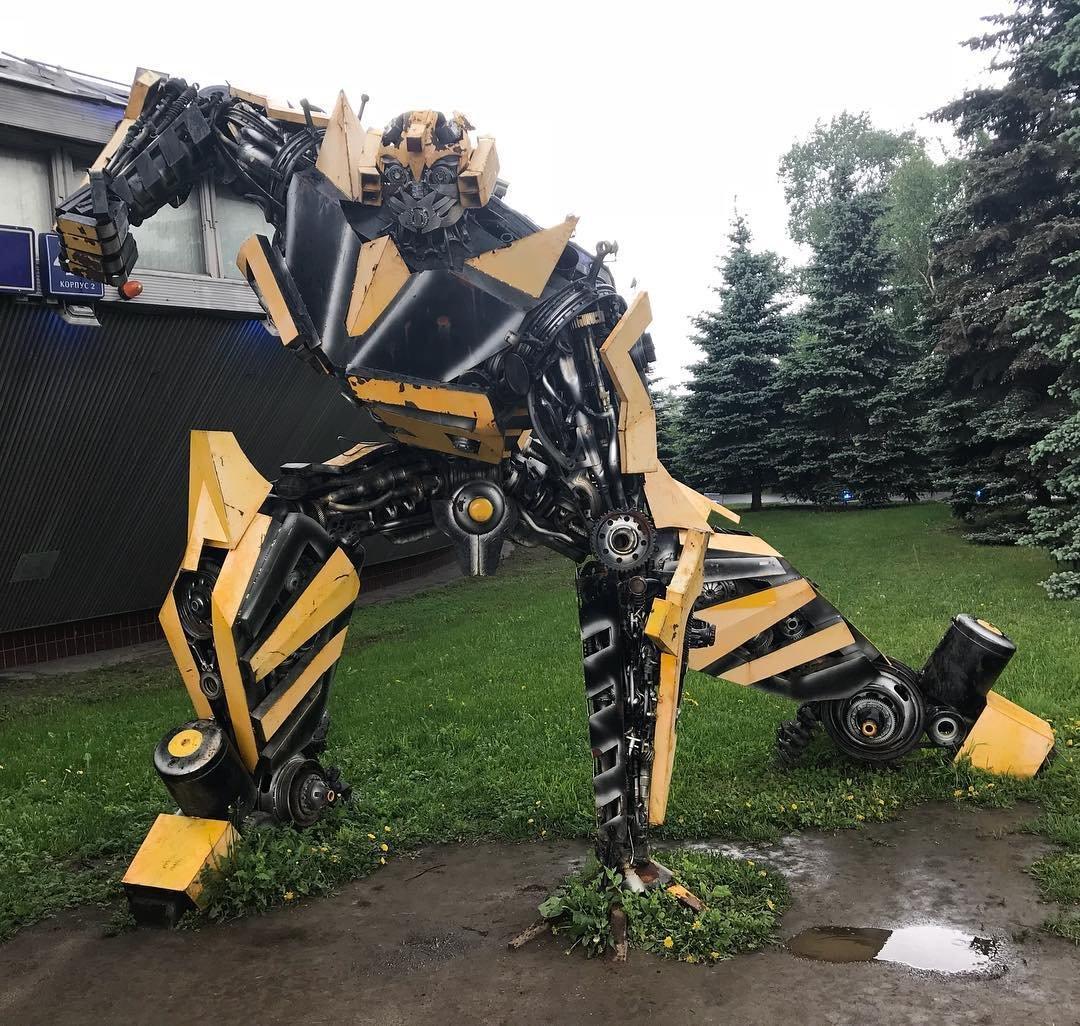
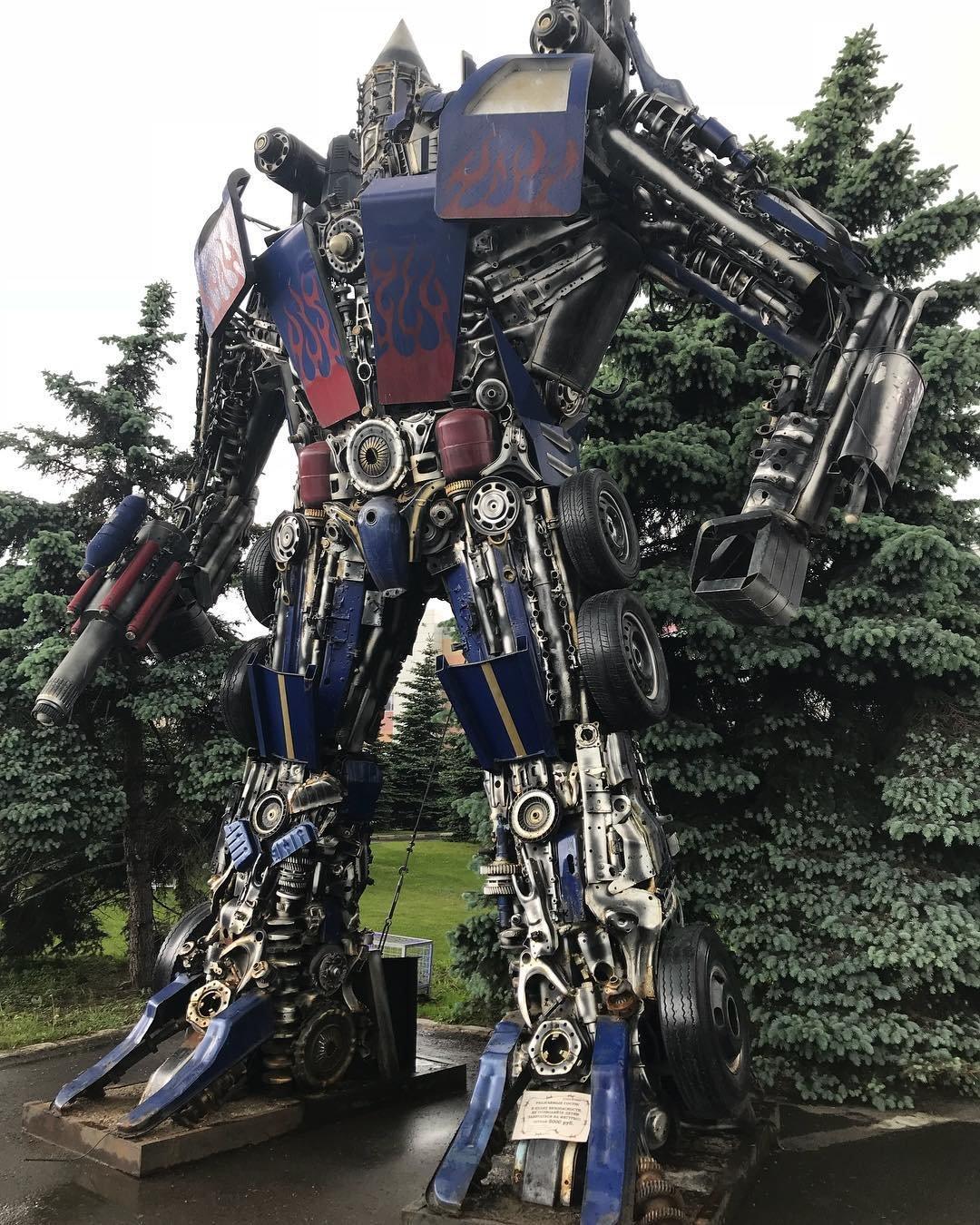
Музей восстания машин – настоящий футуристический мир, населенный жителями из разных фантастических фильмов, выполненных из металла в натуральную величину. Музей основан 2 января 2017 года.

12 тематических залов – 2 000 кв. м, на которых соседствуют автоботы и десептиконы, лаборатория Тони Старка, супергерои MARVEL и DC, Терминатор, мифические животные, аниматронные роботы, персонажи фильмов ужасов, различные мотобайки и даже культовые транспортные средства – «Призрачный гонщик», автомобиль Багги.

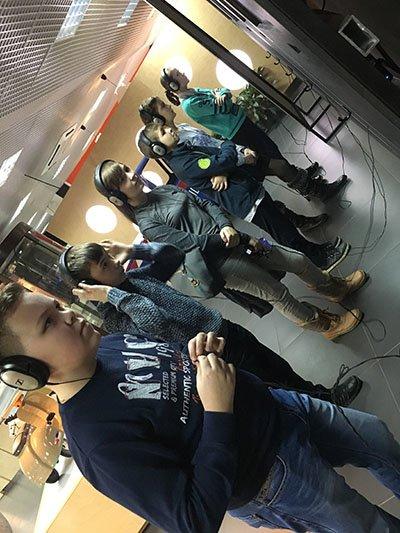
Для посетителей: зона аквагрима, аттракцион виртуальной реальности, инстабудка, сувенирный магазин, атрибутика для фотосессий (маски и оружие супергероев), автомат с памятными монетами.

Все экспонаты можно и нужно трогать, фотографироваться с ними.
Рекомендации
Museum of Automobile Stories
Koptevskaya Street, 71
Koptevo
Отзывы
(16)
Поделитесь статьей с друзьями
Интересное рядом(21)
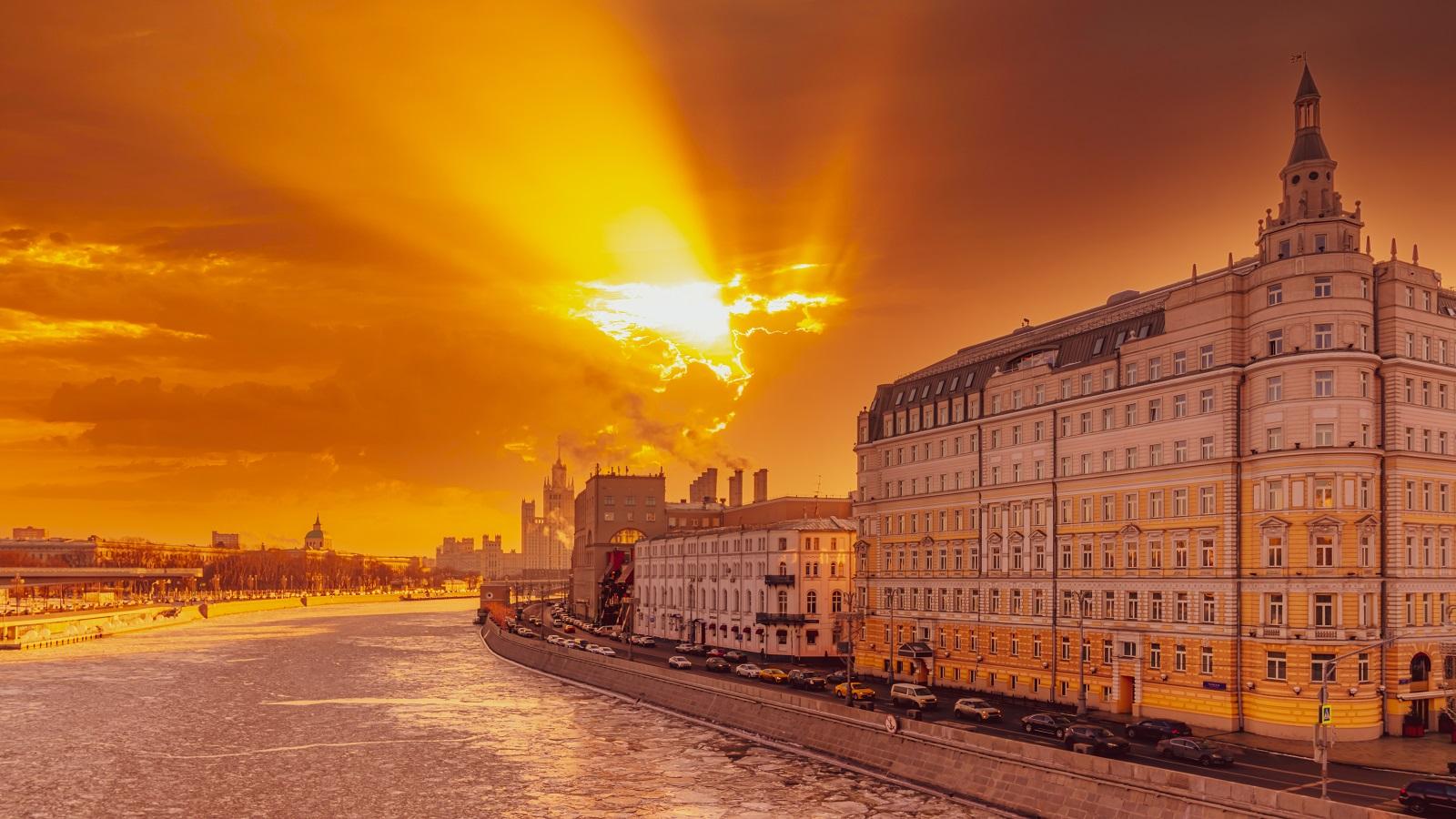
Болотная наб. (сквер)
Tretyakovskaya, Novokuzneckaya
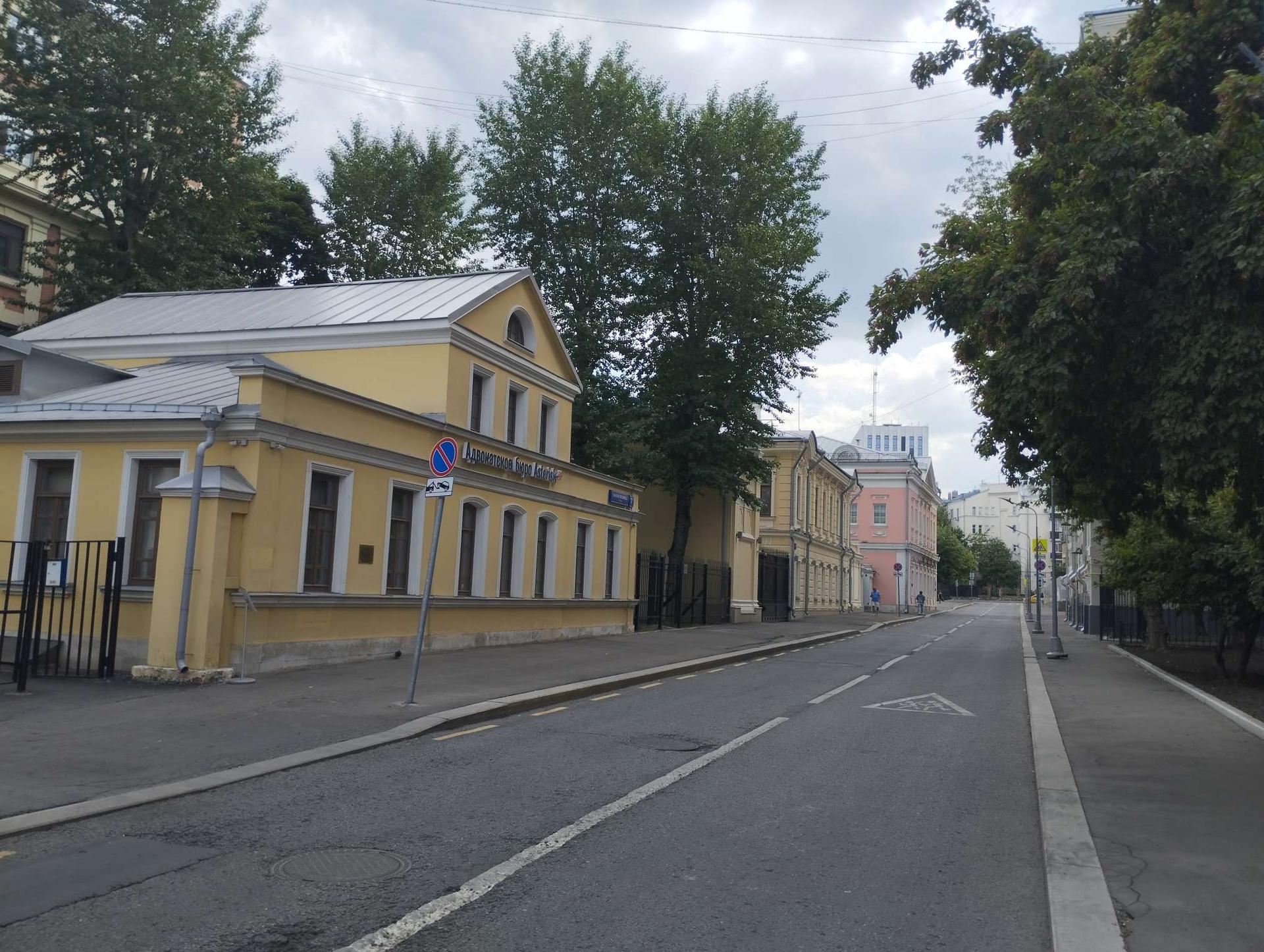
Malaya Polyanka

Long ago, here begins the field.

Улица Малая Полянка
Polyanka, Oktyabrskaya
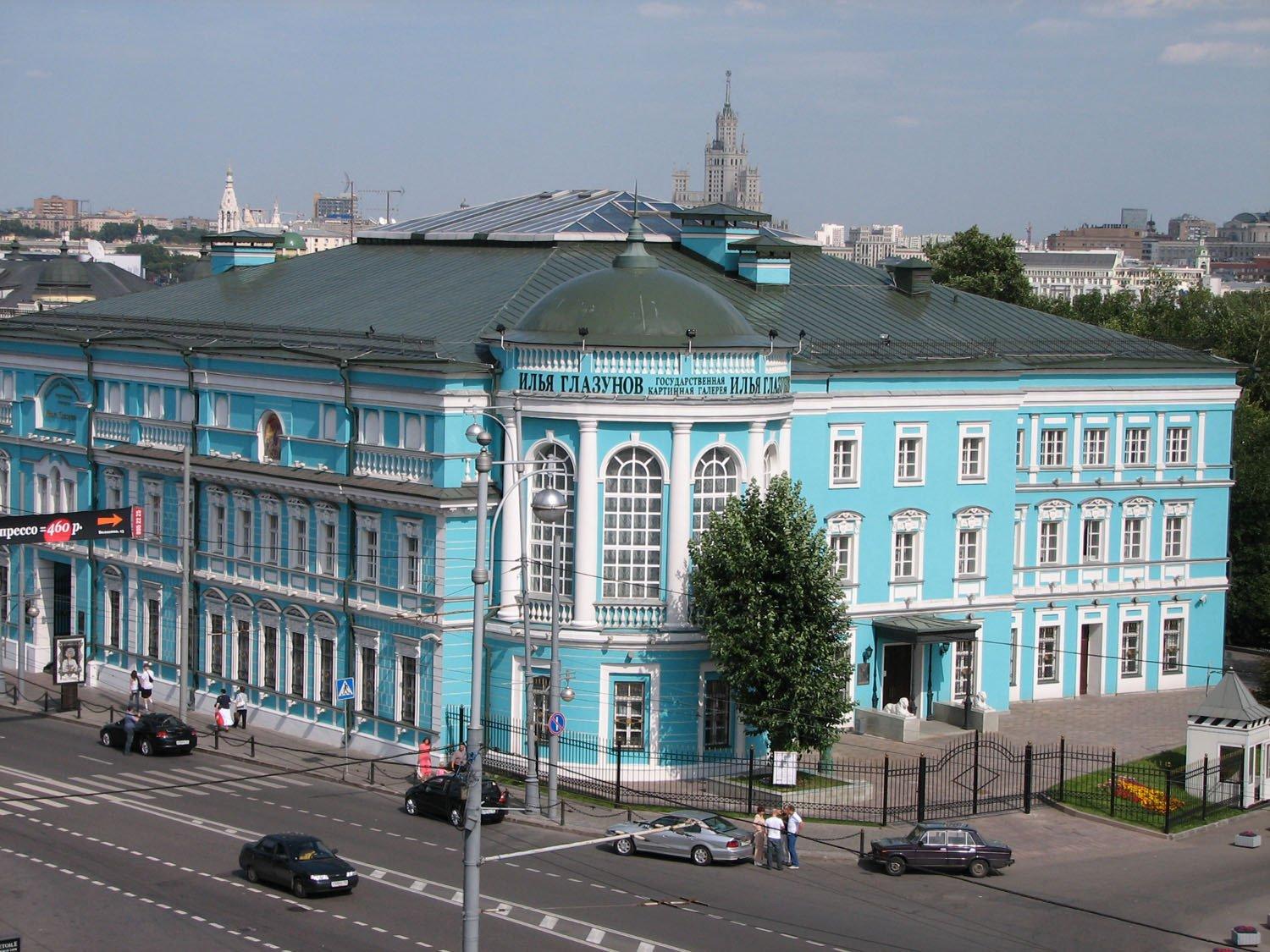
Ilya Glazunov GalleryMoscow State Painting Gallery of national artist USSR Ilya Galzunov was opened in August, 31, 2004. Ilya Sergeevich Glazunov gave his painting and graphics works as a gift to Moscow. There are over 700 paintings of world-known artists in the exposition of gallery. Ilya Sergeevich Glazunov is real member of Russian Academy of Arts, academician, laureate of the State Prize of the Russian Federation, honorary member of the Royal Academies of Arts of Madrid and Barcelona, holder of the UNESCO award - the Picasso Gold Medal for his contribution to world culture and civilization. Ilya Glazunov gallery is located in the historical Moscow district near the Cathedral of Christ the Savior. Its uniqueness is a huge world of images created by the artist during the second half of the XX - beginning of the XXI century: His monumental canvases, historical paintings, illustrations to the works of Russian classical literature, numerous portraits, images of the “City” cycle, sketches of theatrical scenery for Russian classical opera N.A. Rimsky-Korsakov, A.P. Borodin, P.I. Tchaikovsky. A feature of the gallery, which distinguishes it from modern galleries and museums, is that, in addition to works of art, there are masterpieces of Old Russian icon painting, wooden sculpture, cast copper icons and folding XV - XIX centuries; pieces of furniture of the XIX - XX centuries from the collection of Ilya Sergeevich Glazunov. In the modern press, they often write about the “phenomenon of Ilya Glazunov”, whose talent is extremely multifaceted, which the gallery’s exposition allows us to judge. He is not only an artist, but also an architect, author of interiors (the gallery’s rooms are decorated according to his projects), historian, journalist, writer (author of the well-known book “Crucified Russia”), public figure, founder and rector of the Russian Academy of Painting, Sculpture and architecture of Ilya Glazunov. In addition to the paintings and graphic works of Ilya Sergeevich Glazunov, the gallery contains photographic materials: the interiors of the Grand Kremlin Palace, the Russian Embassy in Spain, the Russian Academy of Painting, Sculpture and Architecture, performed according to his designs. The photos reflect the artist’s extremely rich and diverse life. The spectators see him in the trenches of Nicaragua and on the stage of the Bolshoi Theater, in Rome and in Copenhagen, next to Patriarch Alexy II and Pope John Paul II, V.V. Putin and King of Spain Juan Carlos I.I.S. Glazunov rightly called in the press: "the artist of kings and the king of artists." He was posed by the kings of Spain, Sweden, Vietnam, Laos, many great personalities of the twentieth century: Indira Gandhi, Italian President Pertini and others. The gallery holds guided tours for all categories of the population, concerts of classical and folk music, conferences, lectures.
Volkhonka Street, 13
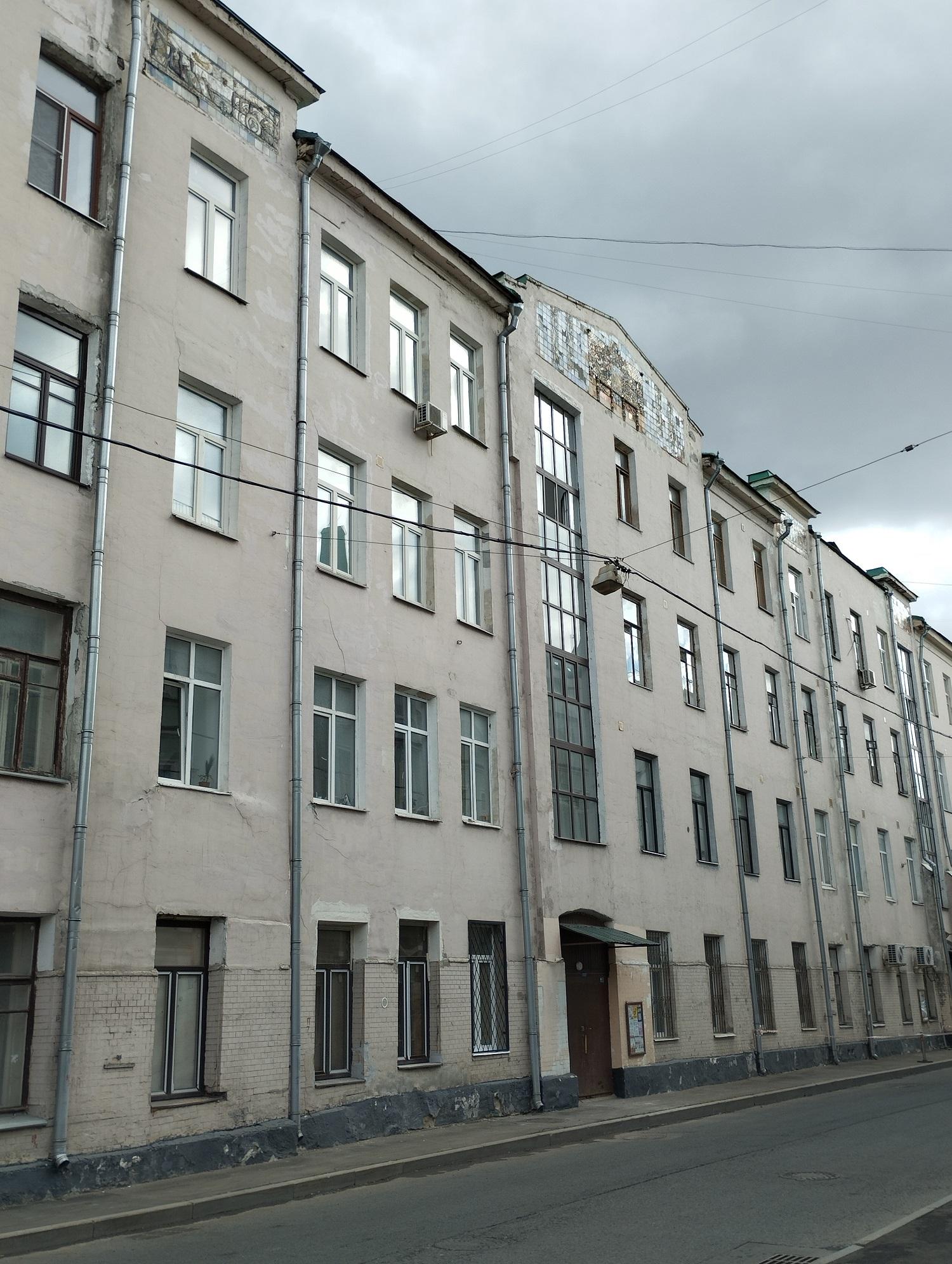
Голутвинский 3-й пер., 8/10, стр. 5
Polyanka
ул. Крымский Вал, д.9, стр.11
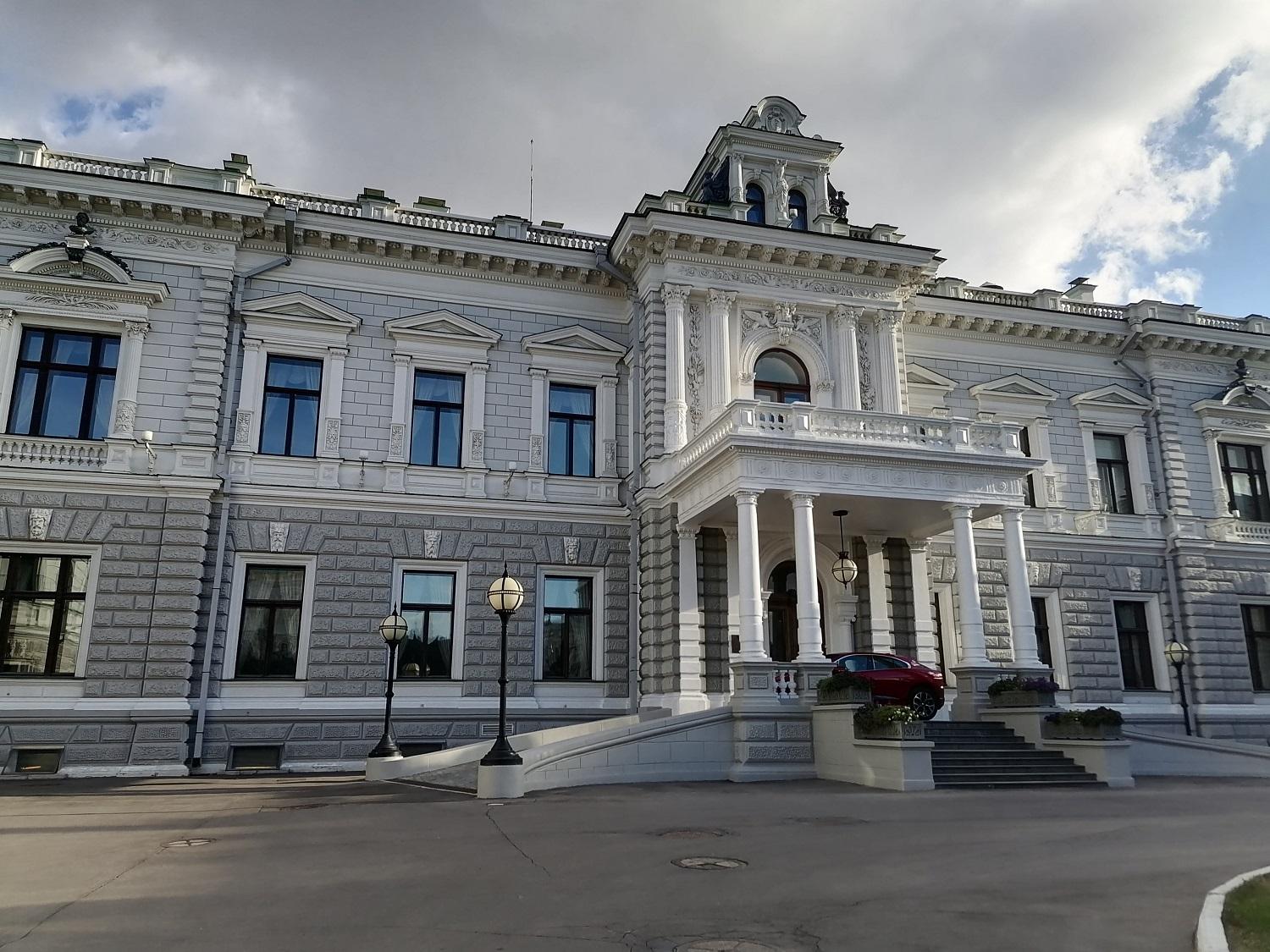
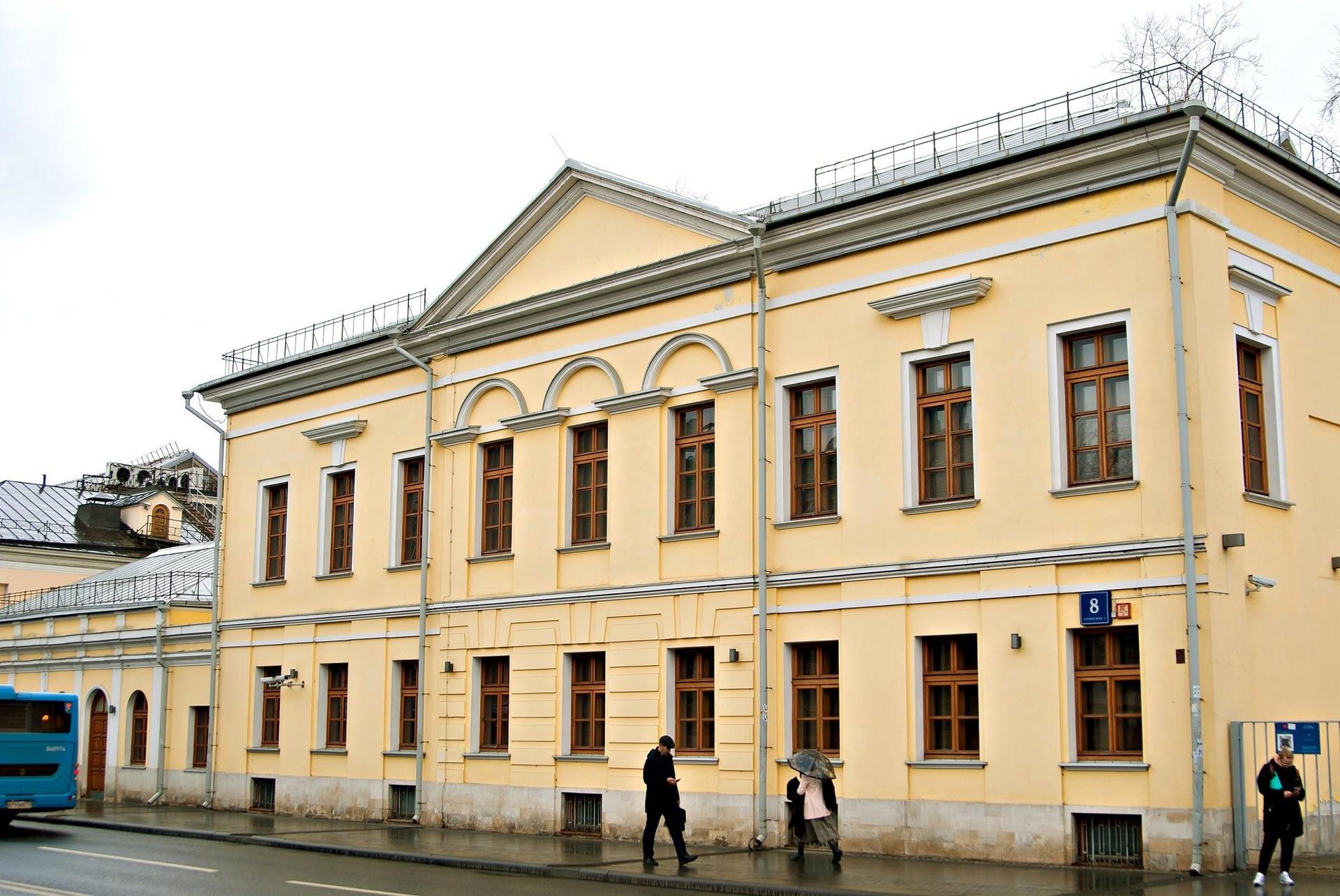
The Golitsyn Family ManorDuring the three centuries of its history, the Golitsyn Family Manor in Volkhonka repeatedly changed appearance. The author of the original project was the famous Petersburg architect Savva Chevakinsky. In 1774, the manor was rebuilt and became the central part of the Prechistensky Palace, built according to the design of Matvey Kazakov for Catherine II. The walls of this house have seen many famous people. A.S. Pushkin appeared on luxurious balls more than once. Alexander Sergeevich was even going to get married with Natalia Goncharova in the home church of Prince Golitsyn, but the wedding ceremony was arranged in the Church of the Ascension of the Lord at the Nikitsky Gate. Alexander Nikolaevich Ostrovsky settled in the main house in 1877. Here he finished the play “The Last Sacrifice,” wrote “Dowryless,” “Heart is not a Stone,” “Talents and Fans.” In 1885, Ivan Sergeevich Aksakov, one of the leaders of the Slavophile movement, occupied the neighboring apartment. In 1865, a free museum was opened consisting of family collections in the five halls of the main house of the Golitsyn manor. The museum had three sections: Western European painting, sculpture and decorative and applied art, ancient monuments, library. Works by Bruegel, van Dyck, Veronese, Canaletto, Caravaggio, Perugino, Poussin, and Rembrandt were presented in the picturesque meeting of the owners of the house. A year later, due to financial difficulties, the collection of the museum was sold to the Hermitage. After the revolution, in the late 1920s, the main house of the estate became the Communist Academy; it was built on two floors, as a result of which the pediment was lost. The imposing gates, crowned with the Golitsyn princely coat of arms, are the only things that have survived in their original form. After completion of the reconstruction, the Impressionist and Post-Impressionist Art Gallery opens in the former building of the Golitsyn estate. Works by outstanding masters of the second half of the 19th and early 20th centuries will be exhibited in this Art Gallery: Manet, Monet, Renoir, Degas, Pissarro, Cezanne, Gauguin, van Gogh, Matisse and Fauves, Picasso and Cubists, originating from the collections of the famous pre-revolutionary Moscow collectors S. I. Shchukin and I. A. Morozov.
Moscow, Volkhonka Street, 14