Информация о музее
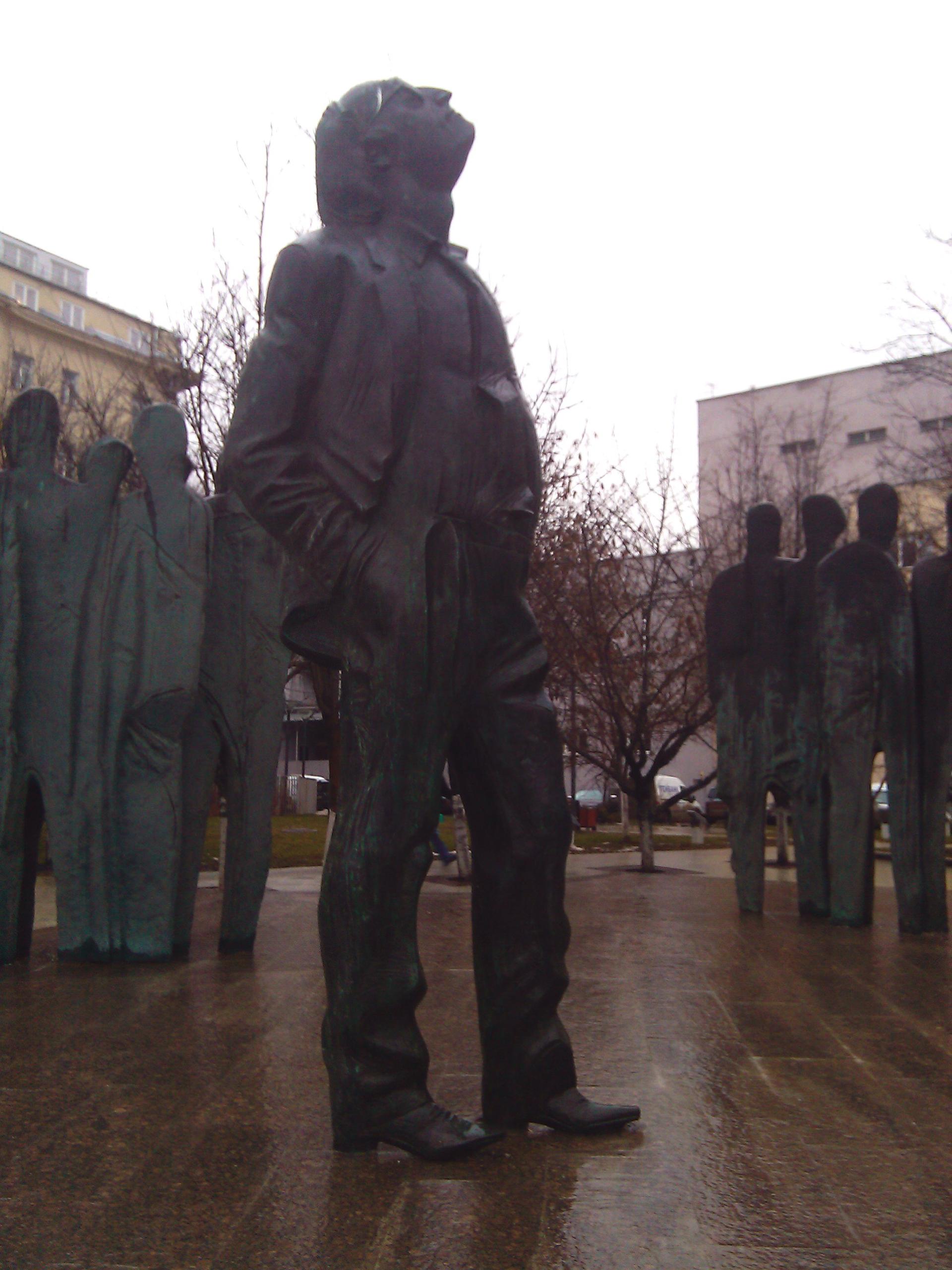
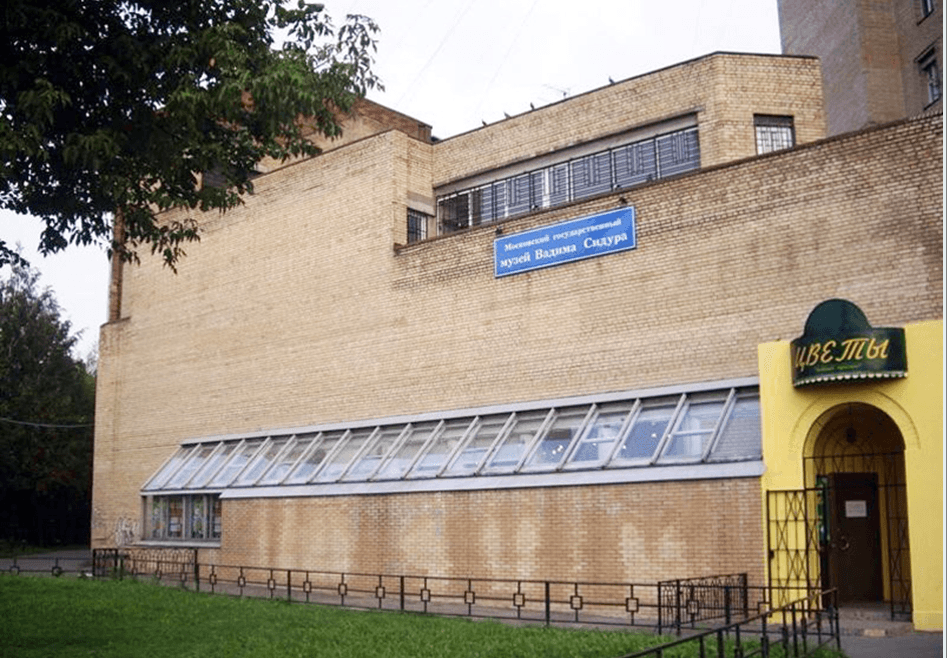
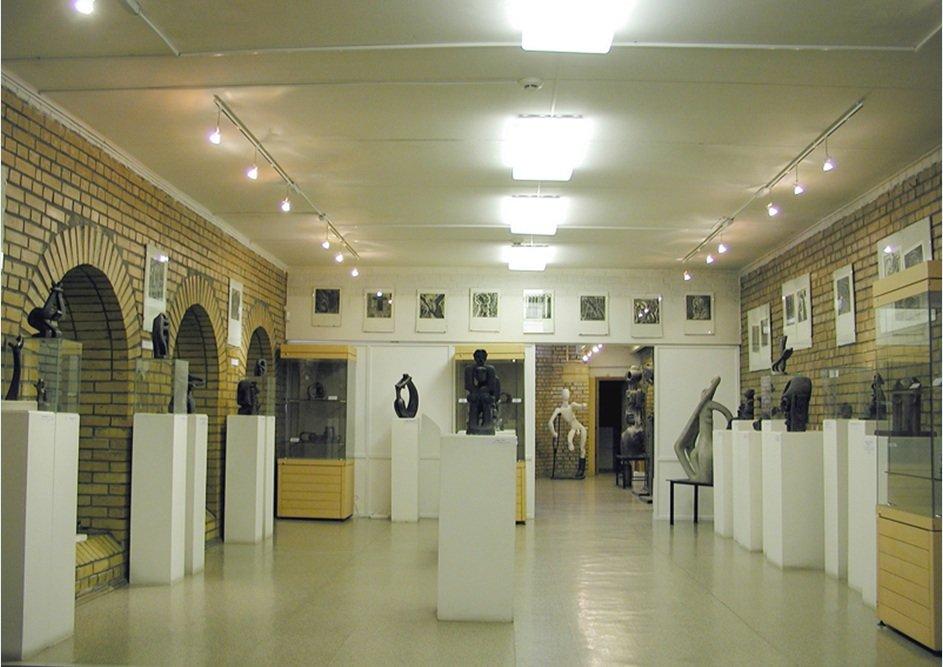
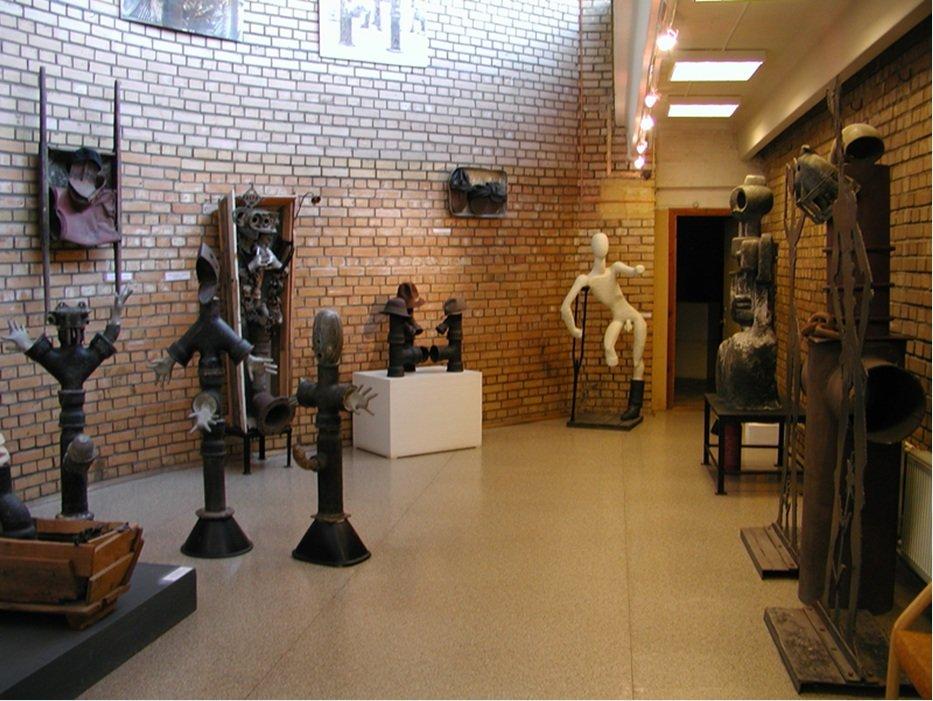
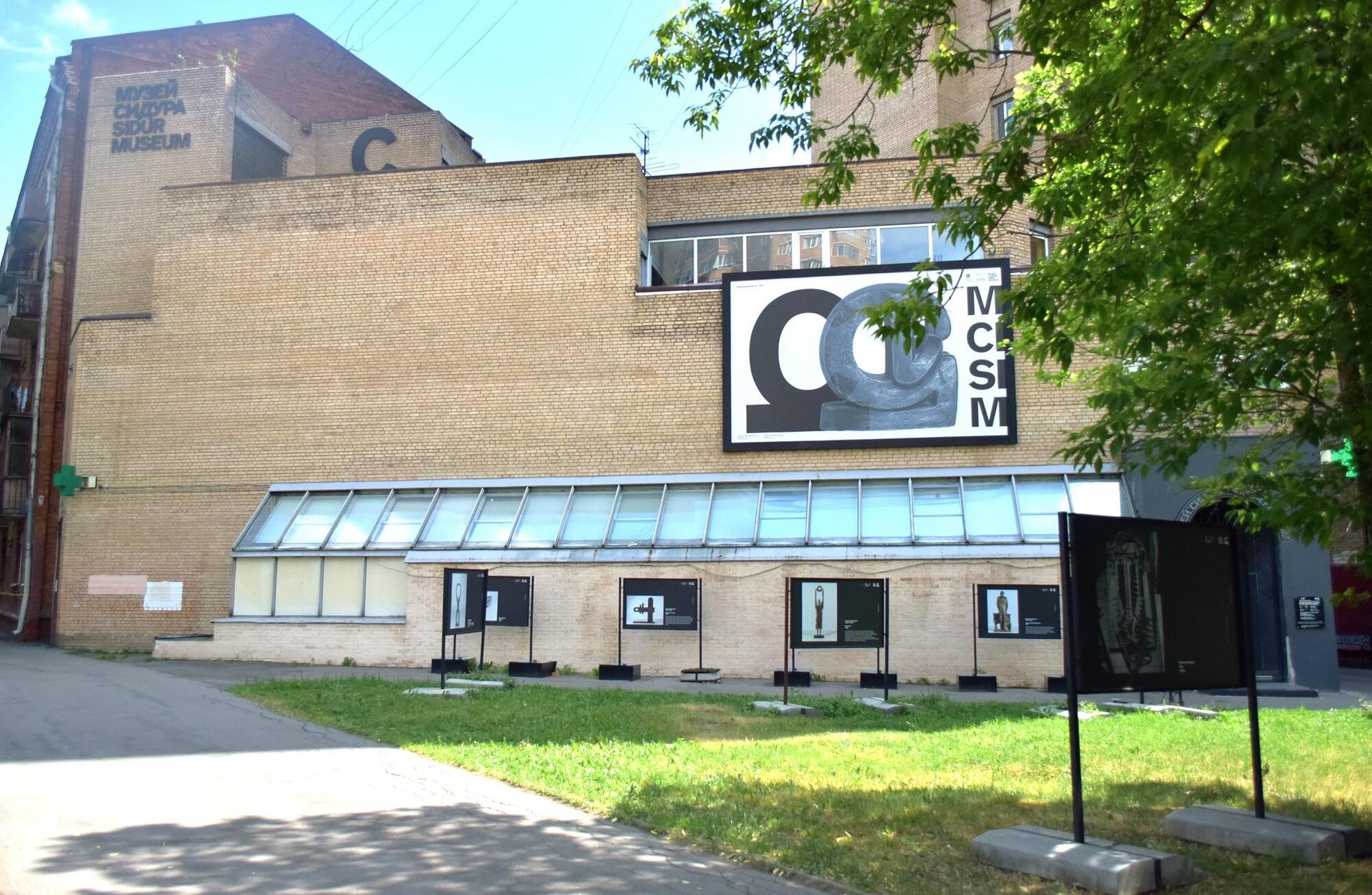
Музей Вадима Сидура был создан в Москве в 1989 году. Это единственный московский государственный музей, целиком посвященный современной скульптуре. Творчество Вадима Сидура столь своеобразно и многогранно (его наследие включает в себя не только огромное количество скульптурных и графических работ, но и поэзию, прозу и даже кинематографию), что само по себе представляет собой целую эпоху в истории отечественного искусства.
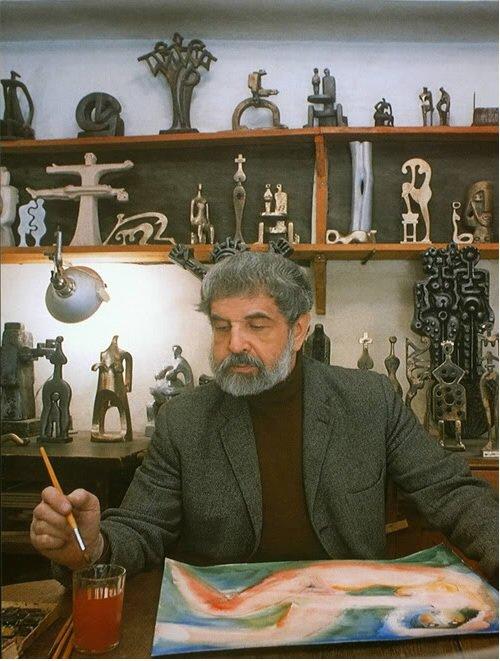
Вадим Сидур (1924-1986) - крупнейший российский художник и скульптор, "советский Генри Мур", как его еще в 70-е годы называли западные журналисты. Художник-нонконформист, он подвергался притеснениям со стороны советских властей за то, что его работы - как по форме, так и по содержанию - резко контрастировали с канонами социалистического реализма. За тридцать лет творческой жизни он создал более пятисот скульптурных и тысячи графических работ. Еще при его жизни многочисленные выставки и публикации принесли Вадиму Сидуру широкую известность на Западе. В разное время его работы пополнили собрания канцлера ФРГ Гельмута Шмидта, лауреатов Нобелевской премии по литературе Самюэля Беккета и Пабло Неруды, председателя совета директоров "Дойче Банк" Фридриха Кристианса, лауреатов Нобелевской премии по физике Яна Оорта и Джона Бардина, композитора Бенджамина Бриттена, писателей Милана Кундеры и Генриха Белля, промышленника Нортона Доджа и многих других. После смерти Вадима Сидура, совпавшей с началом горбачевской перестройки, его творческое наследие было публично признано национальным достоянием России.
Вадим Сидур (1924-1986) - крупнейший российский художник и скульптор, "советский Генри Мур", как его еще в 70-е годы называли западные журналисты. Художник-нонконформист, он подвергался притеснениям со стороны советских властей за то, что его работы - как по форме, так и по содержанию - резко контрастировали с канонами социалистического реализма. За тридцать лет творческой жизни он создал более пятисот скульптурных и тысячи графических работ. Еще при его жизни многочисленные выставки и публикации принесли Вадиму Сидуру широкую известность на Западе. В разное время его работы пополнили собрания канцлера ФРГ Гельмута Шмидта, лауреатов Нобелевской премии по литературе Самюэля Беккета и Пабло Неруды, председателя совета директоров "Дойче Банк" Фридриха Кристианса, лауреатов Нобелевской премии по физике Яна Оорта и Джона Бардина, композитора Бенджамина Бриттена, писателей Милана Кундеры и Генриха Белля, промышленника Нортона Доджа и многих других. После смерти Вадима Сидура, совпавшей с началом горбачевской перестройки, его творческое наследие было публично признано национальным достоянием России.
Рекомендации