Интерактивный гид по городу
С мобильным приложением бродить по городу гораздо интереснее!

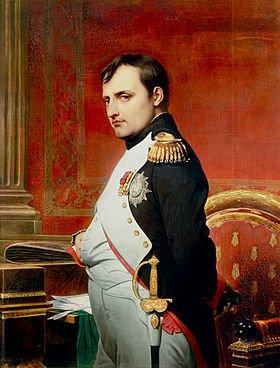
Bonaparte Napoleon

Bonaparte Napoleon
Bonaparte Napoleon
Emperor of the French
3.51
Дата и место рождения:
15 августа 1769, Аяччо, Франция
Дата и место смерти:
5 мая 1821, Лонгвуд-Хаус, Лонгвуд, о. Св. Елены
Сфера деятельности:
Politics, Warfare
Эпоха:
Russian Empire 18th-19th century
Рождение и происхождение

Наполеон I Бонапарт (15 августа 1769 — 5 мая 1821) — император в 1804—1815 годах, великий полководец и государственный деятель, заложивший основы современного французского государства.

Будущий император французов Наполеон I Бонапарт родился в городе Аяччо на острове Корсика 15 августа 1769 г. в семье Карло Бонапарта и его супруги Летиции Рамолино. 

Образование

После углубленного обучения французскому языку в Отэнском колледже, в 1779 г. Наполеон был принят в Бриеннскую военную школу. В 1784 г. - перешел в Парижскую военную школу, где занятия были серьезнее и где он глубоко изучал математику, мечтая о службе в артиллерии.

После окончания в 1785 г. Парижской военной школы он прослужил несколько лет в провинциальных гарнизонах, настойчиво занимаясь самообразованием. Бурные события Великой французской революции отразились и на родине Наполеона, откуда его семья в 1793 г. вынуждена была переехать во Францию.

Деятельность

Наполеон стал интересоваться политикой и высказывать республиканские взгляды. Политические взгляды Наполеона обеспечили ему подчиненное командование в тулонском гарнизоне, где впервые он обратил на себя внимание военными талантами осенью 1793 г. После успешного военного дебюта в Тулоне, Наполеон, произведенный в генералы, жил в неизвестности, занимаясь укреплением южных берегов Франции, дважды по политическим мотивам попадал в тюрьму, безуспешно пытался получить командование в Вандее и намеревался уехать служить в Турцию.

В октябре 1795 г. Наполеон помог главе Французской директории Баррасу подавить вандемьерское восстание и разгромить мятеж роялистов. После этого он попал в милость Французской Директории, устроил свою личную жизнь, женившись на Жозефине Богарне и получил назначение командовать армией в Италии.

Одержав ряд блистательных побед в Италии в 1796-1797 гг. Наполеон заключил выгодный для Франции мир с австрийцами в Кампо-Формио (17 октября 1797 г.). Вернувшись во Францию, Наполеон при поддержке министра Ш.М. Талейрана устроил свою экспедицию в Египет. В период Египетской экспедиции во Франции обострилось внутриполитическая борьба за власть и Наполеон поспешил в Париж, оставив армию в Египте. Заручившись поддержкой влиятельных руководителей Директории, Наполеон арестовал Барраса и, опираясь на армию, стал во главе триумвирата консулов вместе с Сийесом и Рожером Дюко.

Утвердив Конституцию, Наполеон сделался первым консулом, имея рядом уже Камбасереса и Лебрена. В августе 1802 г. Наполеон стал пожизненным консулом, а 18 мая 1804 г. провозгласил себя императором. Наполеон хотел создать свою династию на французском троне и, не имея детей от Жозефины, наследниками его были назначены сыновья его братьев Жозефа и Луи.

В период 1805-1807 гг. император одержал ряд побед над австрийскими, прусскими и российскими войсками в Европе. Наметившееся сближение России и Франции в 1808-1809 гг. выявило невозможность для императора Всероссийского Александра I долговременно действовать в союзе с Наполеоном. Одержав вновь ряд побед над Австрией в 1809 г. и достигнув вершины могущества, Наполеон развелся с императрицей Жозефиной и 2 апреля 1810 г. сочетался новым браком с эрцгерцогиней Марией-Луизой Австрийской. 20 марта 1811 г. родился единственный законный сын Наполеона – Римский король.

Среди выдающихся правовых проектов Наполеона стоит отметить принятие Гражданского кодекса, который был одним из самых последовательных для укрепления власти императора в свое время. Гражданский кодекс Наполеона стал началом кодификационного процесса во многих странах мира.

Ведя многочисленные войны в период 1804-1814 гг., Наполеон подорвал экономическое развитие Франции: затяжная война в Испании (1808-1814) и военный поход на Россию в 1812 г. привели к краху стратегии завоевания им мирового господства.

После возвращения из похода на Россию в декабре 1812 г. Наполеон вновь принялся создавать армию и в кампаниях 1813 г. одержал несколько побед над армиями Пруссии, Австрии и России, но в «битве народов» осенью 1813 г. под Лейпцигом Наполеону пришлось отступить. Весной 1814 г. армии союзников вступили в Париж и Наполеон принужден был отречься от престола и отправиться в изгнание на остров Эльбу.

Воцарившиеся сторонники короля Людовика XVIII из династии Бурбонов, который укрепился в 1814 г. во Франции опираясь на военную силу Великобритании, Пруссии, Австрии и России, за несколько месяцев обратили общественное мнение французов в сторону опального императора Наполеона. В разгар заседаний Венского конгресса, 26 февраля 1815 г., Наполеон отплыл с гвардией и немногочисленной свитой с острова Эльба и 1 марта высадился в Порто-Ферайо близ мыза Антиб, а через несколько дней при поддержке армии и населения Франции воцарился в Париже.

«Сто дней» Наполеона закончились поражением в июне 1815 г. от войск Пруссии и Великобритании в битве при Ватерлоо. Наполеон уехал в Рошфор и там 15 июля 1815 г. вступил на британский корабль «Беллерофон», отдавая себя всецело в руки правительства Великобритании.

Союзники на Венском конгрессе определили ему для проживания остров Святой Елены в Атлантическом океане, куда бывший император прибыл 17 октября 1815 г. в сопровождении своей маленькой свиты под охраной британских офицеров солдат пехотного полка. На Святой Елене император Наполеон занимался садоводством, прогулками и диктовал свои мемуары. Положение императора Наполеона в изгнании ухудшилось с прибытием на остров Св. Елены нового британского губернатора генерала Хадсона Лоу.

Смерть

5 мая 1821 г. император Наполеон скончался и был первоначально похоронен на острове Св. Елены, в 1840 г. его прах торжественно был перевезен во Францию в парижский Дом Инвалидов, где покоится до настоящего времени. 
As Napoleon I, he was Emperor of the French from 1804 until 1814, and again in 1815. Napoleon dominated European and global affairs for more than a decade while leading France against a series of coalitions in the Napoleonic Wars. He won most of these wars and the vast majority of his battles, building a large empire that ruled over continental Europe before its final collapse in 1815. One of the greatest commanders in history, his wars and campaigns are studied at military schools worldwide. He also remains one of the most celebrated and controversial political figures in human history.
Автор статьи: Сергей Щербаков
Отзывы
(2)
Поделитесь статьей с друзьями
Связанные объекты(49)
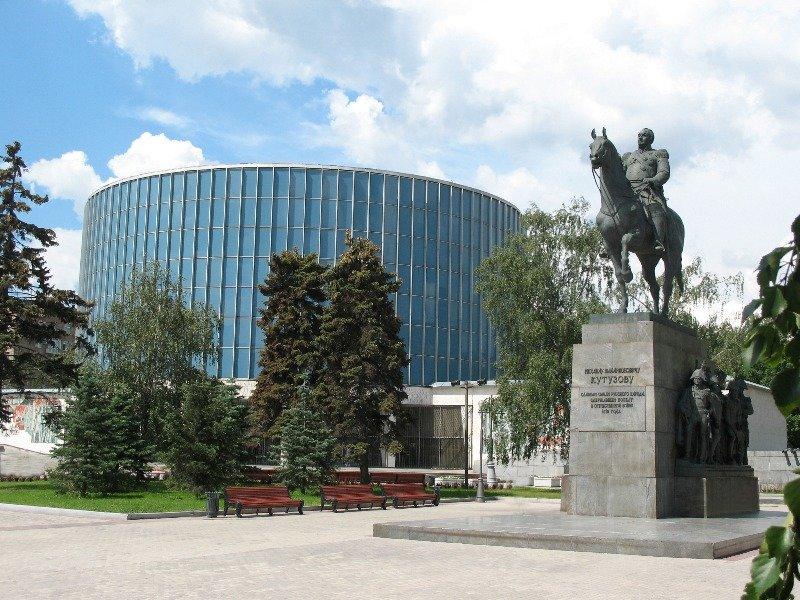
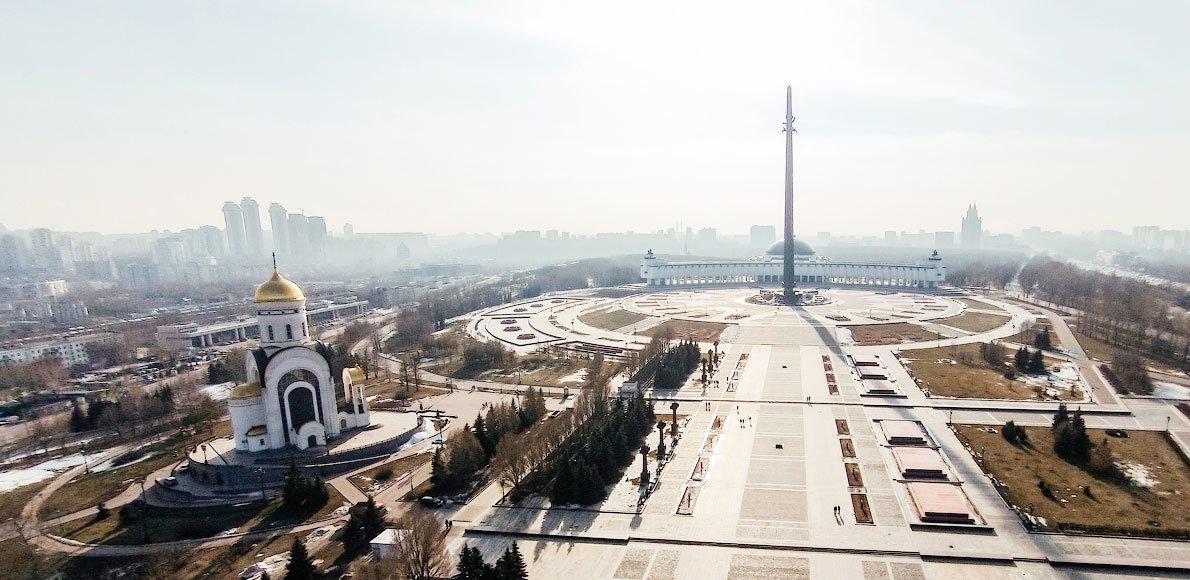
The Museum-panorama the Borodino BattleThe Museum-panorama “Battle of Borodino” currently includes several departments and has three expositions. The main building of the museum has an exposition telling about the events of the Patriotic War of 1812 and the general battle of the village of Borodino. In the Kutuzov hut, visitors can learn more about the military council of Russian generals, held in the village of Fili on September 13, 1812. The exposition of the "Museum of Heroes of the Soviet Union and Russia" is devoted to the deep traditions of Russian heroism. The formation of the museum and its collections has a long and eventful history. In 1887, a wooden building, in which a museum was opened, was purposely built on the site of the burned-out Huts of the Military Council. Its exposition told about the events of the Patriotic War of 1812 and, first of all, about the Military Council in Fili, as well as about Highness prince M.I. Kutuzov. It was one of the first museums in the country dedicated to the Epoch of 1812. The building for the demonstration of a work of art created by the painter F. A. Rubo, a panorama of the Battle of Borodino, was built by decree of Emperor Nicholas II in Moscow, at Chistye Prudy, in 1912. The building was constructed according to the design of a military engineer, Colonel P.A. Vorontsov-Velyaminov. From the first days, the new institution subordinated to the military department, acted as a state museum, performing the functions of storing, studying and presenting the historical and cultural heritage associated with the memory of the central event of the war of 1812. In early 1918, the museum was closed. In 1962, the panorama of F.Rubo was restored in the central scientific and restoration workshop by a team of artists under the supervision of M.Ivanov-Churonov. A building designed by the architects A.R. Korabelnikov, S.I. Kuchanov, A.A. Kuzmin and the engineer Yu.E.Avrutin was erected specifically for its location on Kutuzovsky Avenue. The Museum of the Battle of Borodino reopened. Together with the "Kutuzovsky hut", which became part of it as a department, the panorama has become an integral part of the memorial complex that has been formed around the former Poklonnaya Hill and is associated with the events of the Patriotic War of 1812. In 2006, the Museum of Heroes of the Soviet Union and Russia, created in 2001 by the Heroes Support Fund, was included in the Museum-Panorama Battle of Borodino. After several years of activity, the Moscow mayor’s office decided to build a new building for the Museum of Heroes and to transfer it to the Museum of Battle of Borodino.
Kutuzov Avenue, 38
Park Pobedy
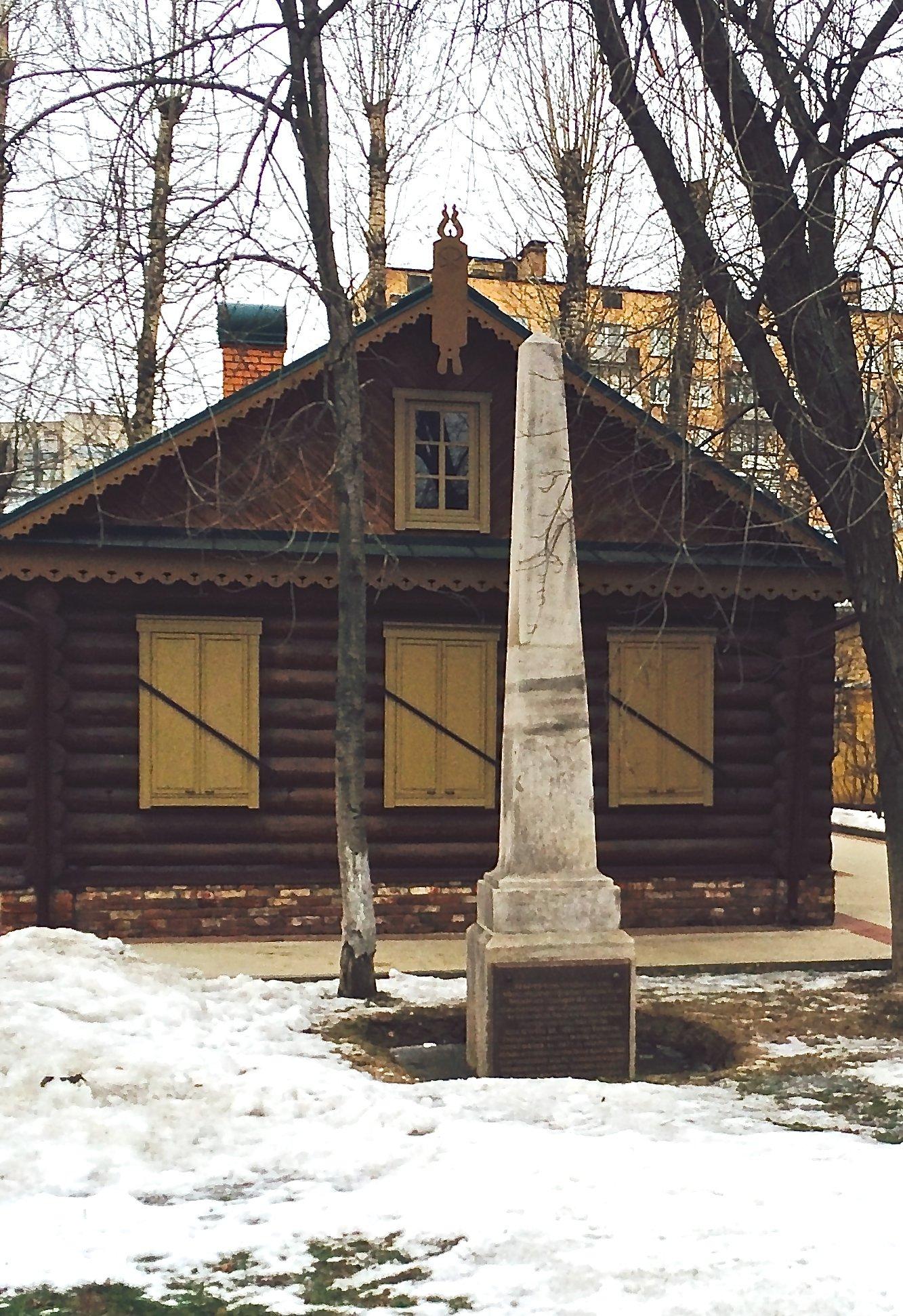
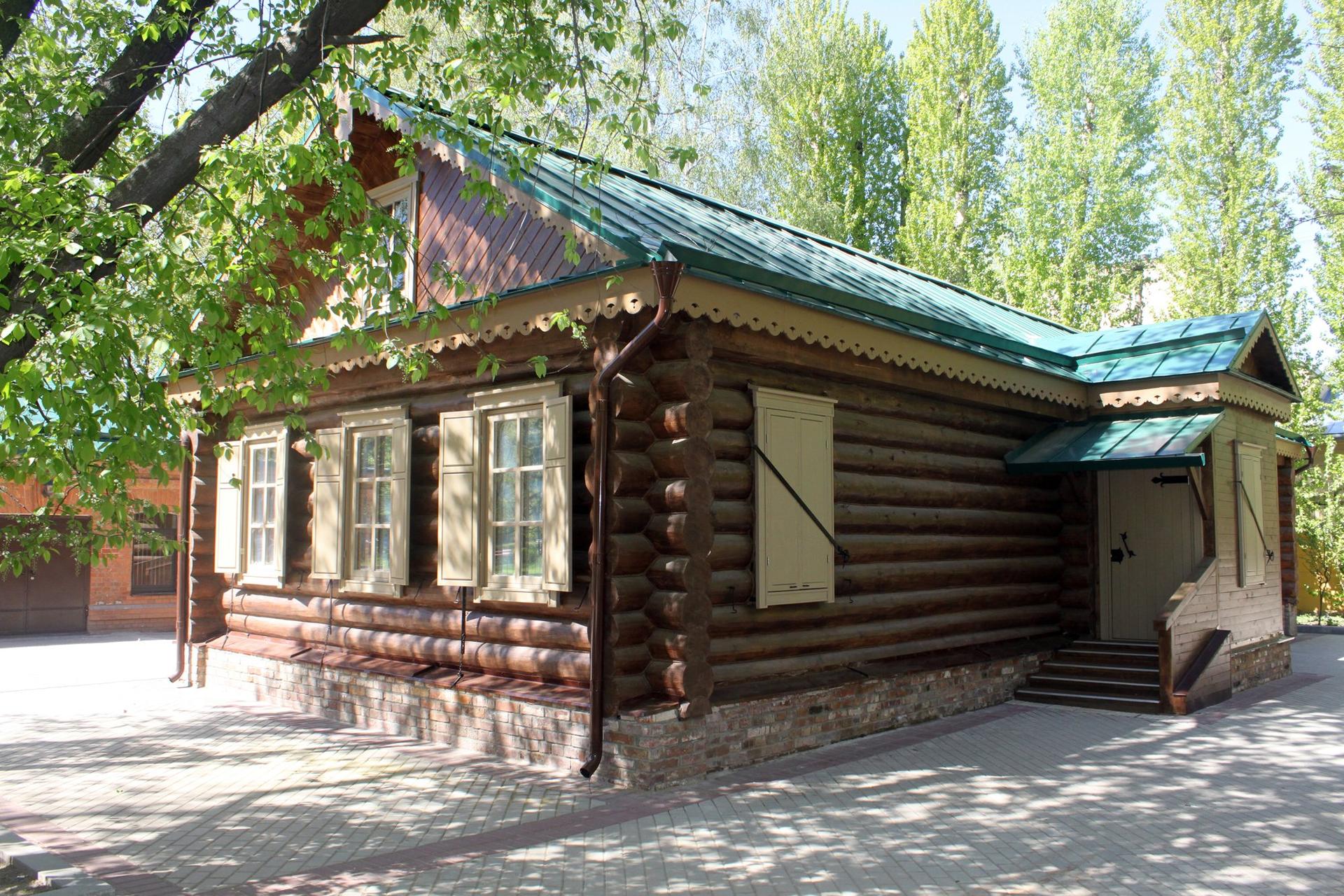
Kutuzov Hut MuseumThe Kutuzov Hut Museum is dedicated to the key event of the Patriotic War of 1812 - the Military Council, held on September 1 (13). After the Battle of Borodino, the United Russian armies withdrew to Moscow and camped near the Dorogomilovskaya outpost. The main apartment is located in Fili, and the commander-in-chief himself stopped at the Mikhail Frolov hut. On September 1 (13), the Military Council was convened in this peasant hut, at which the question was decided whether to give the enemy a new battle, or leave the Holy See capital without a fight. Concluding the burning dispute of the commanders present, M.I. Golenishchev-Kutuzov declared: "With the loss of Moscow, Russia has not been lost. I put my main task in preserving the army. I order to retreat." Objects that were in it during the Military Council (table, shops, icons) were carefully preserved in the hut after the end of the Patriotic War. In 1868 the hut burned down. Only a few years later, in 1886, on the initiative and at the expense of the Society of banners, the Cathedral of Christ the Savior, a new building was built, “Kutuzov's Hut”, a museum and a shelter for four disabled people were organized there. On August 3, 1887, the reconstructed hut was consecrated. In 1962, "Kutuzov hut" became a department of the Museum-Panorama "Battle of Borodino". The museum hosts a tour of the “Hut of the Military Council”, which introduces all visitors to the events that took place on this place more than 200 years ago.
Moscow, Kutuzov Avenue, 38, building 2
Park Pobedy
Lubyanka, Kuzneckij most
Odoevsky’s omestead
Trubnaya, Pushkinskaya, Tverskaya, Chekhovskaya
Golitsyn hospital
Shabolovskaya, Oktyabrskaya, Октябрьская (радиальная)
Pokrovsky monastery
Proletarskaya, Krestyanskaya zastava
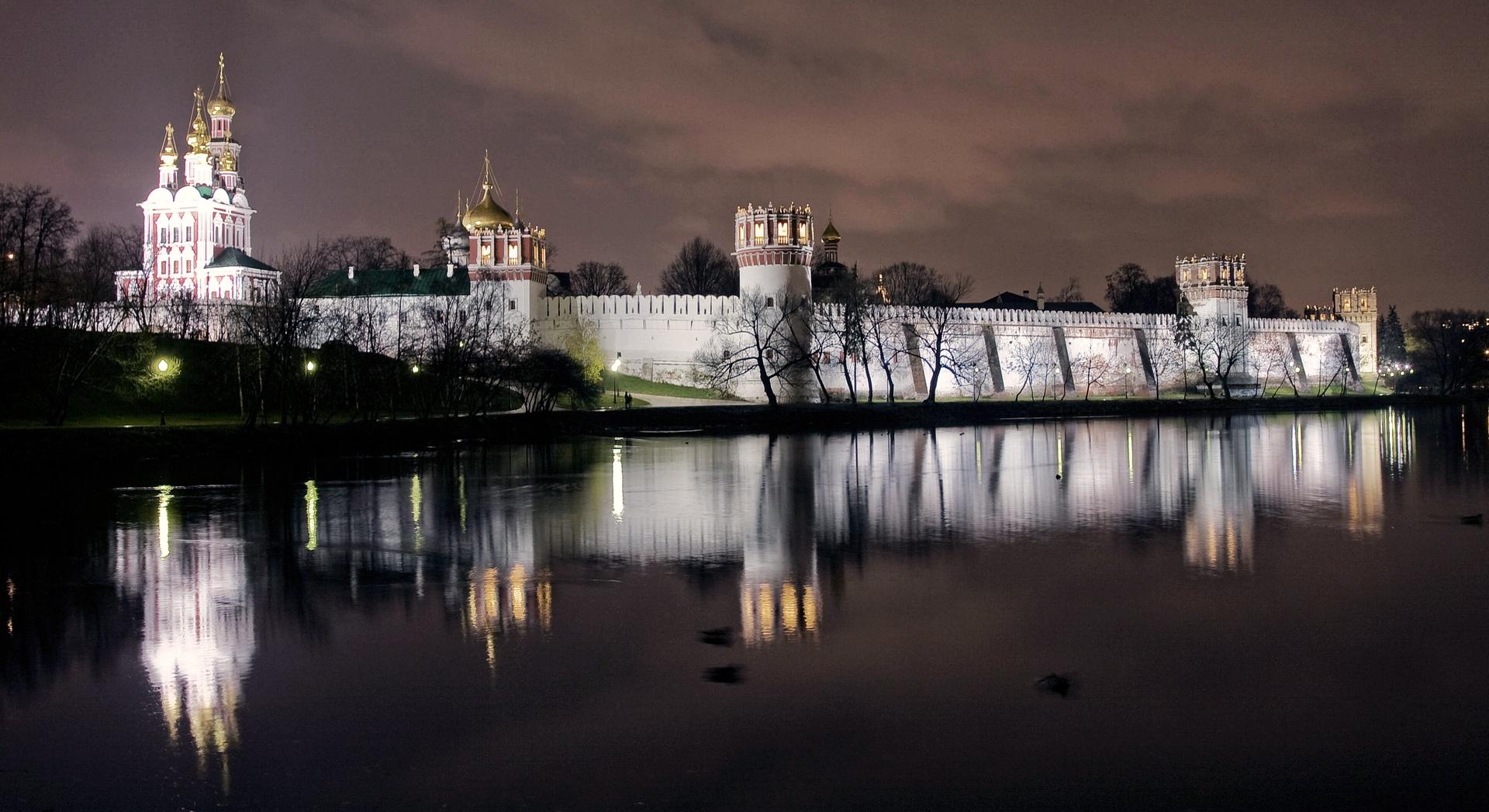
Novodevichy convent
Лужники (МЦК), Sportivnaya
Novoyasenevskaya, Bitcevskij Park
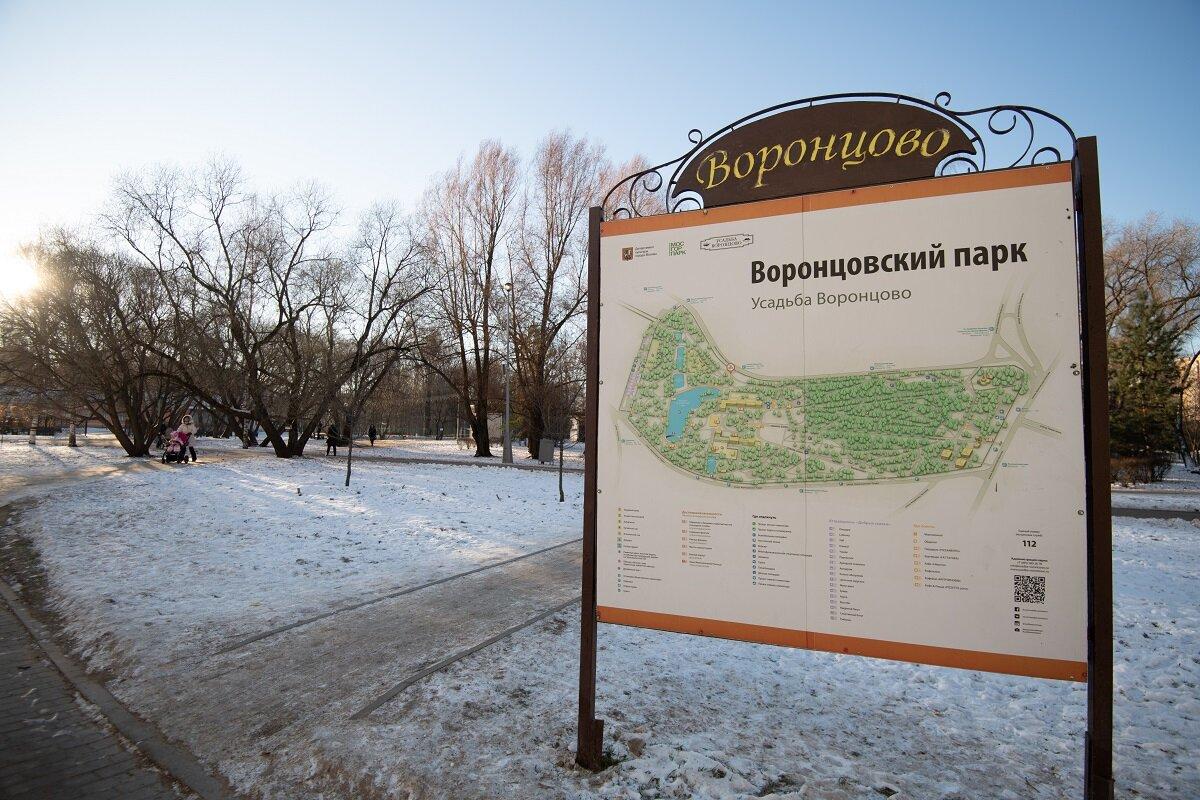
Vorontsovo homestead
Kaluzhskaya, Novye Cheryomushki
Most Suharevskaya area

Once the most, perhaps, a noisy area.

г. Москва, Большая Сухаревская пл.
Suharevskaya
пл. Победы, 3
Park Pobedy
Manor Tepliy

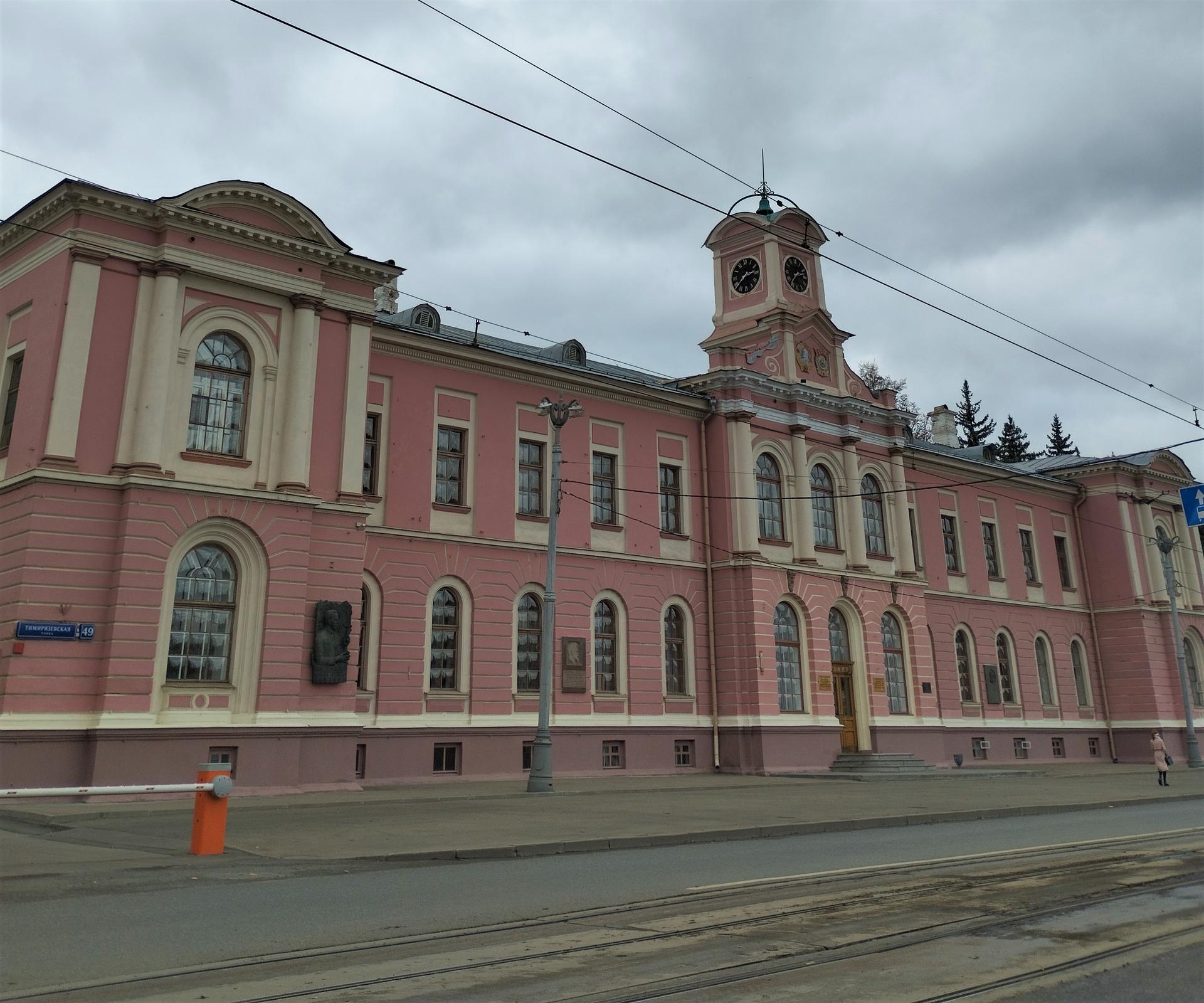
In 1865, in an old mansion opened Academy of agricultural sciences and forestry.

ул. Тимирязевская, д. 47-49
Petrovsko-Razumovskaya, Koptevo
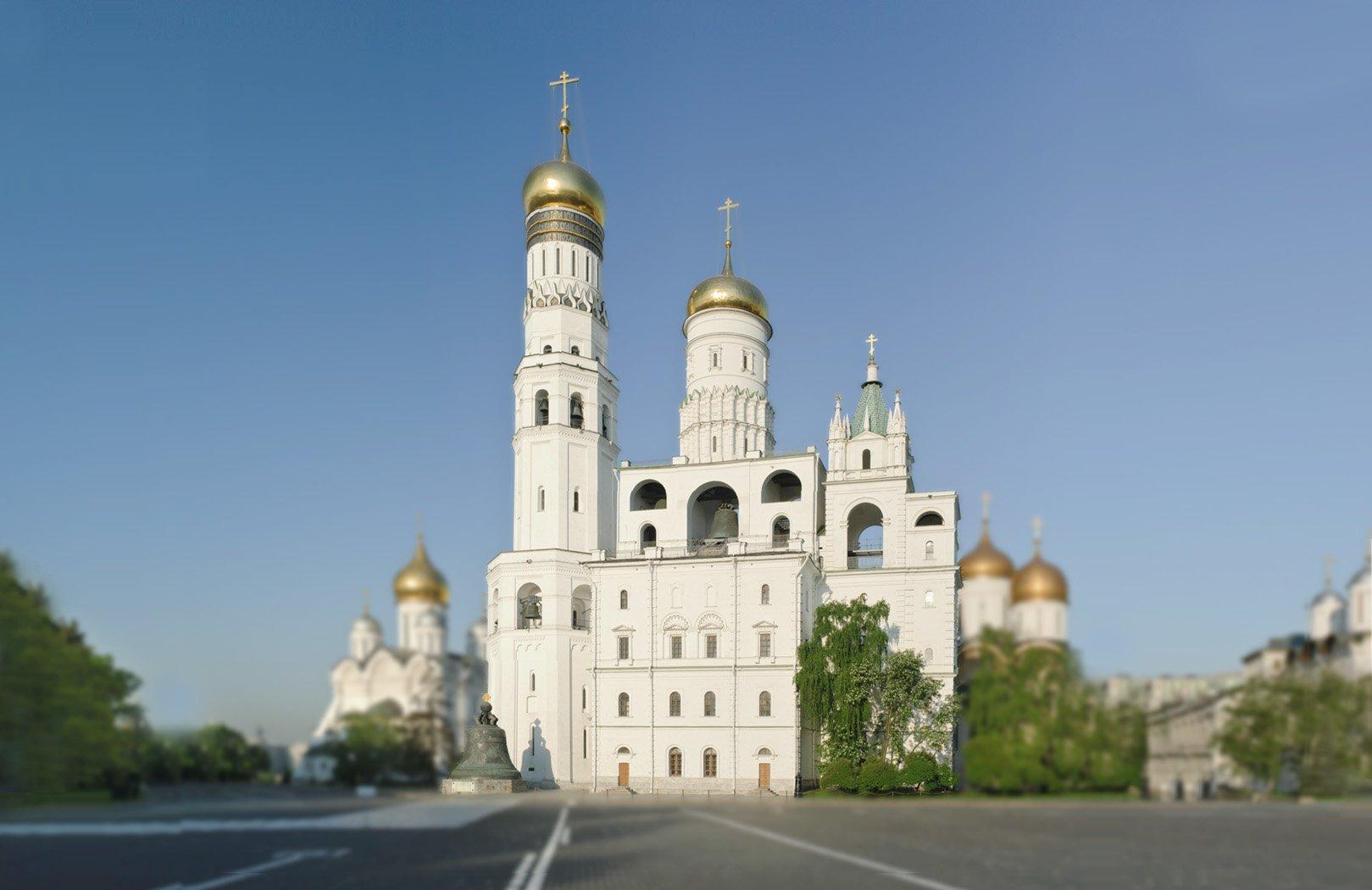
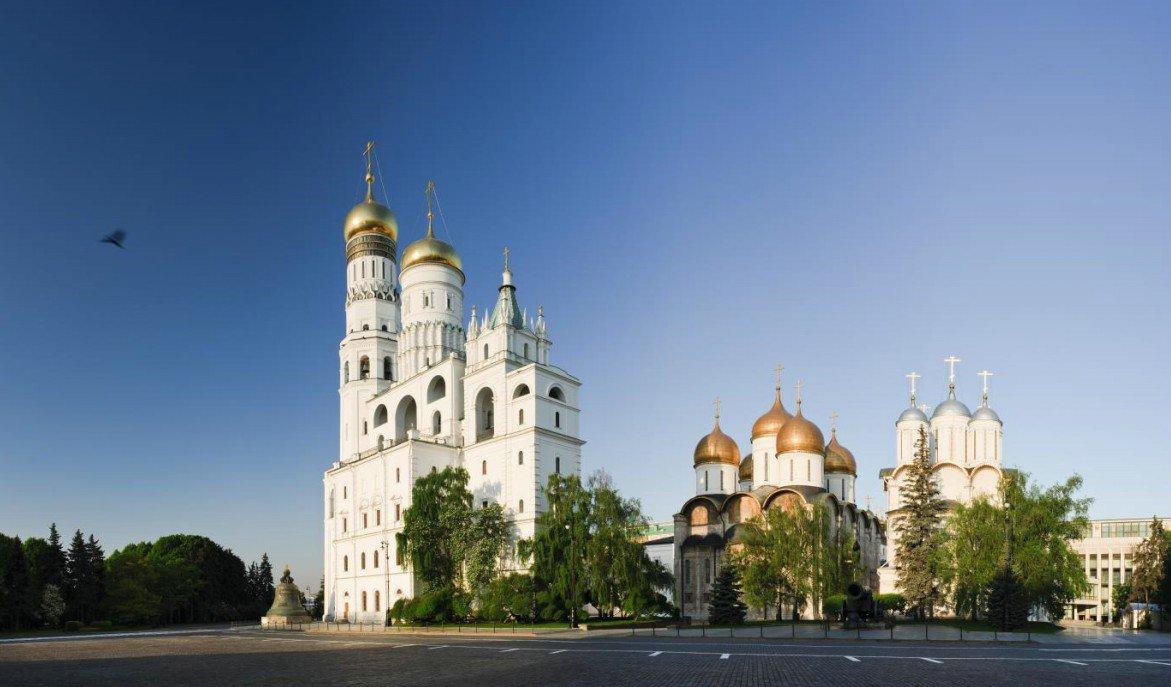
Ivan the Great Bell TowerThe ensemble of the Ivan the Great bell tower, located on the border between the Cathedral and the Ivanovo Squares. It is the compositional center of the Kremlin. It was created over more than three centuries - from 1505 to 1815 - and consists of three different-time objects: the pillar of the Ivan the Great Bell Tower, the Assumption Belfry and the Filaret Annex. The bell tower was built in 1505-1508 by the Italian architect Bon Fryazin. A century later, it received another ringing tier, and its height reached 81 meters. This is reminiscent of the inscription under the dome, containing the date - 1600, as well as the names of Tsar Boris Godunov and his son Fedor. In 1532–1552, a church was built near the bell tower according to the design of the Italian architect Petrok Maloi, which at the end of the 17th century was transformed into a belfry called the Assumption. In 1624, Bazhen Ogurtsov placed a belfry with a tent-top, the Filaret extension, close to it. In 1812, Napoleon’s retreating troops from Moscow blew up the bell tower ensemble, but the pillar of Ivan the Great stood. The belfry and the Filaret extension were demolished to the ground, but in 1814-1815 they were restored to their former volumes. Today, 24 bells of the XVI – XVII centuries are located on the belfry and the belfry. The exhibition hall of the Moscow Kremlin Museums is located on the first floor of the Assumption Belfry, where works of art from both the Kremlin collection and other Russian and foreign museums are exhibited. A museum, dedicated to the history of the Moscow Kremlin architectural ensemble, is opened in a unique monument of ancient Russian architecture. The exposition of the bell tower presents authentic fragments of white-stone decor of ancient buildings of the Kremlin, known only from the chronicle mentions. Tour of the museum is accompanied by individual audio guides. At the end of the audio excursion, visitors go to the bypass gallery, which offers a beautiful view of the Kremlin and the surrounding area from a bird's eye view.
Moscow, Kremlin Street
Borovickaya, Biblioteka Lenina
ТиНАО, Троицк, ул. Парковая, 7А
Kommynarka