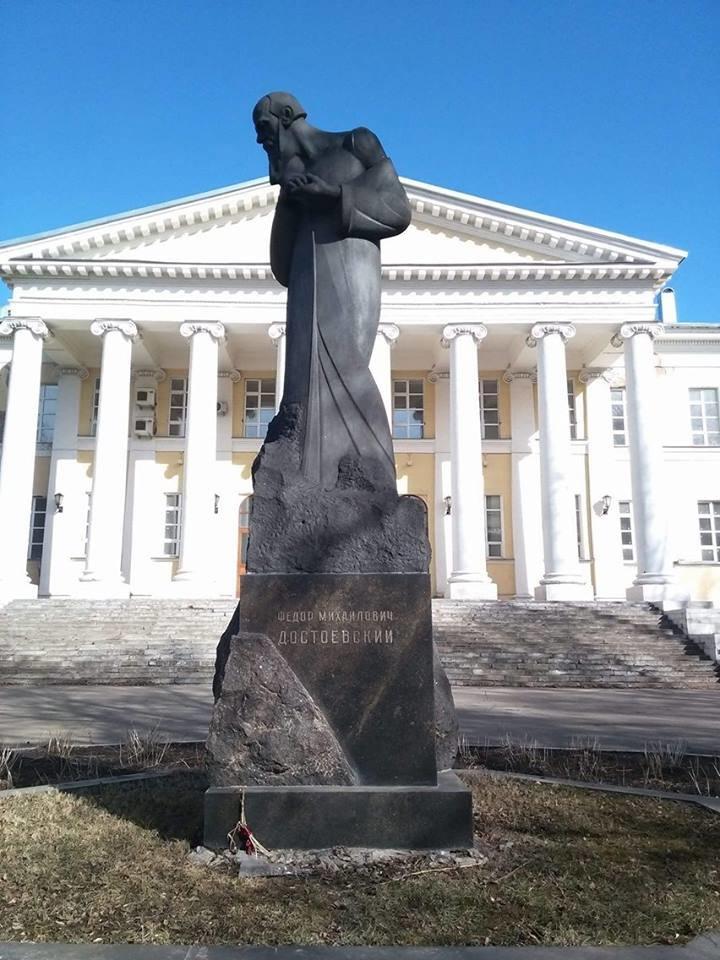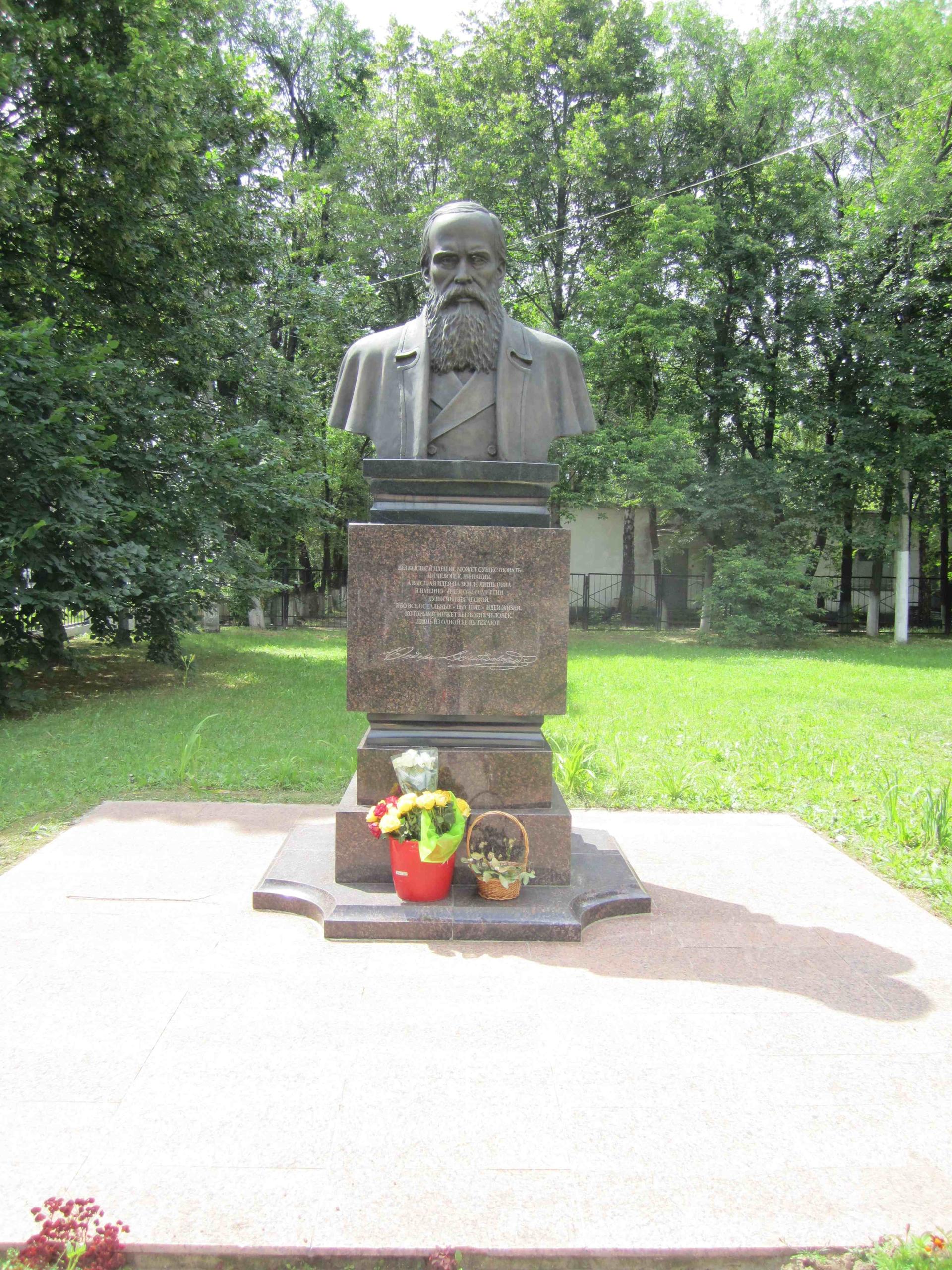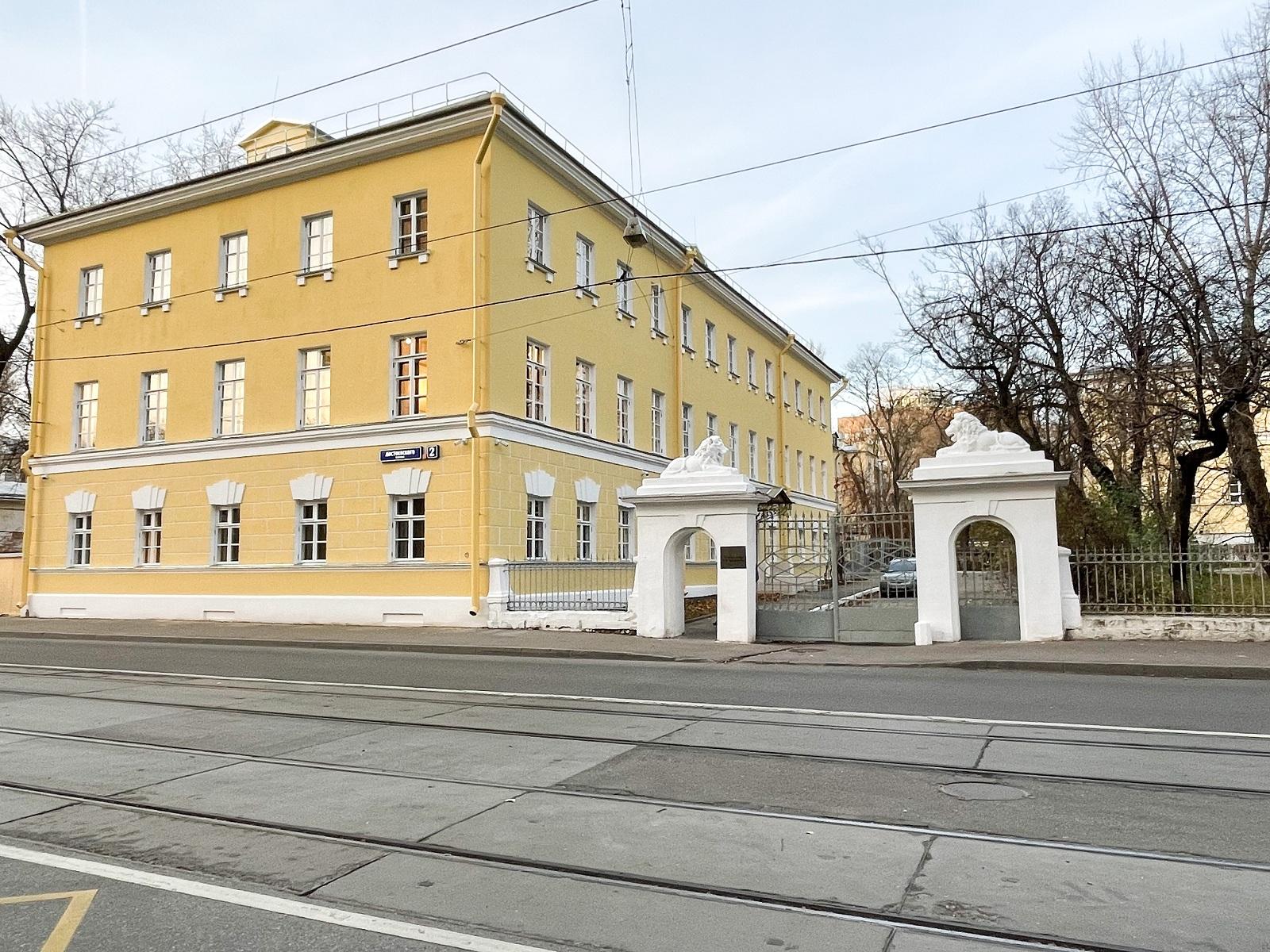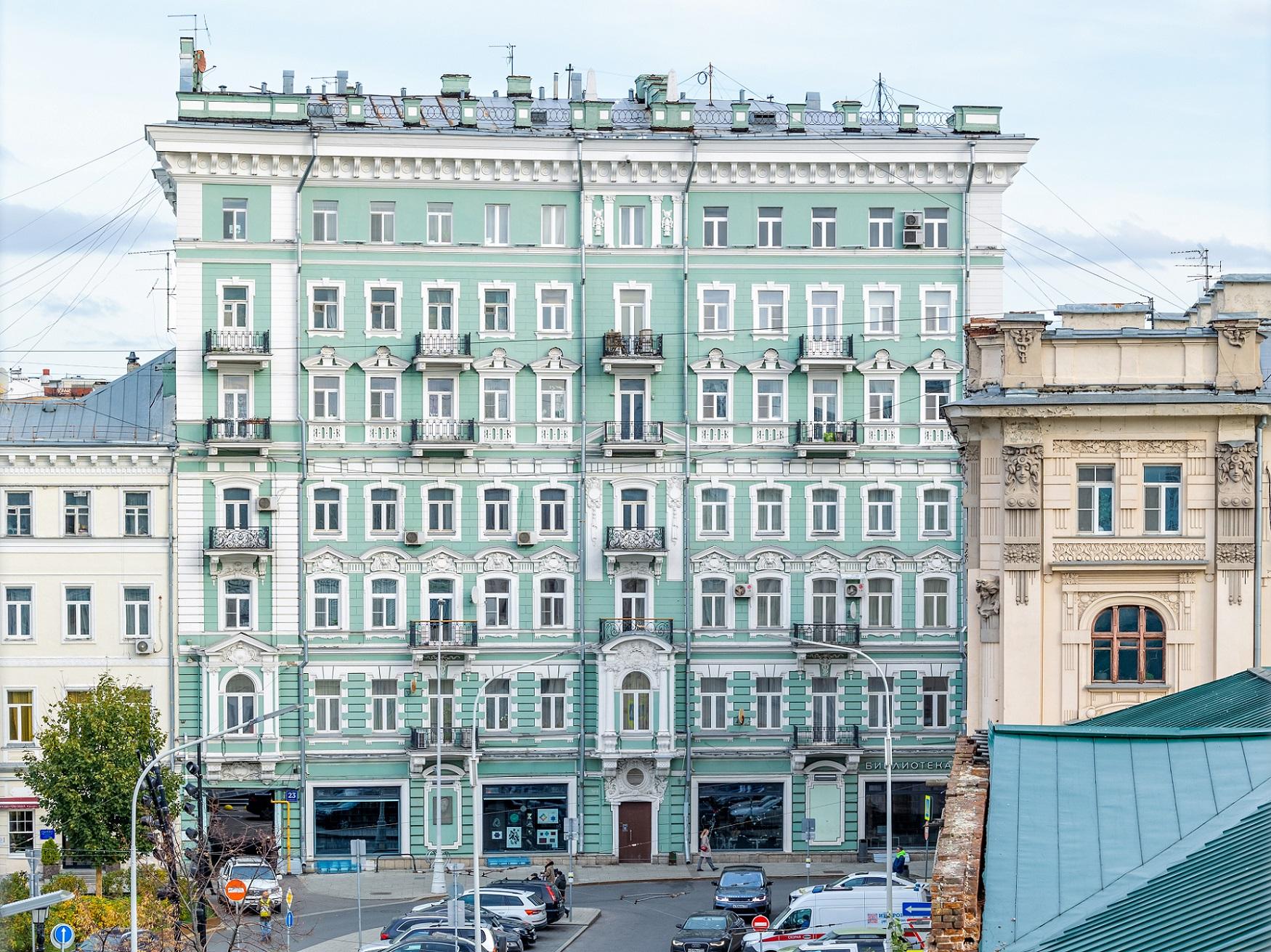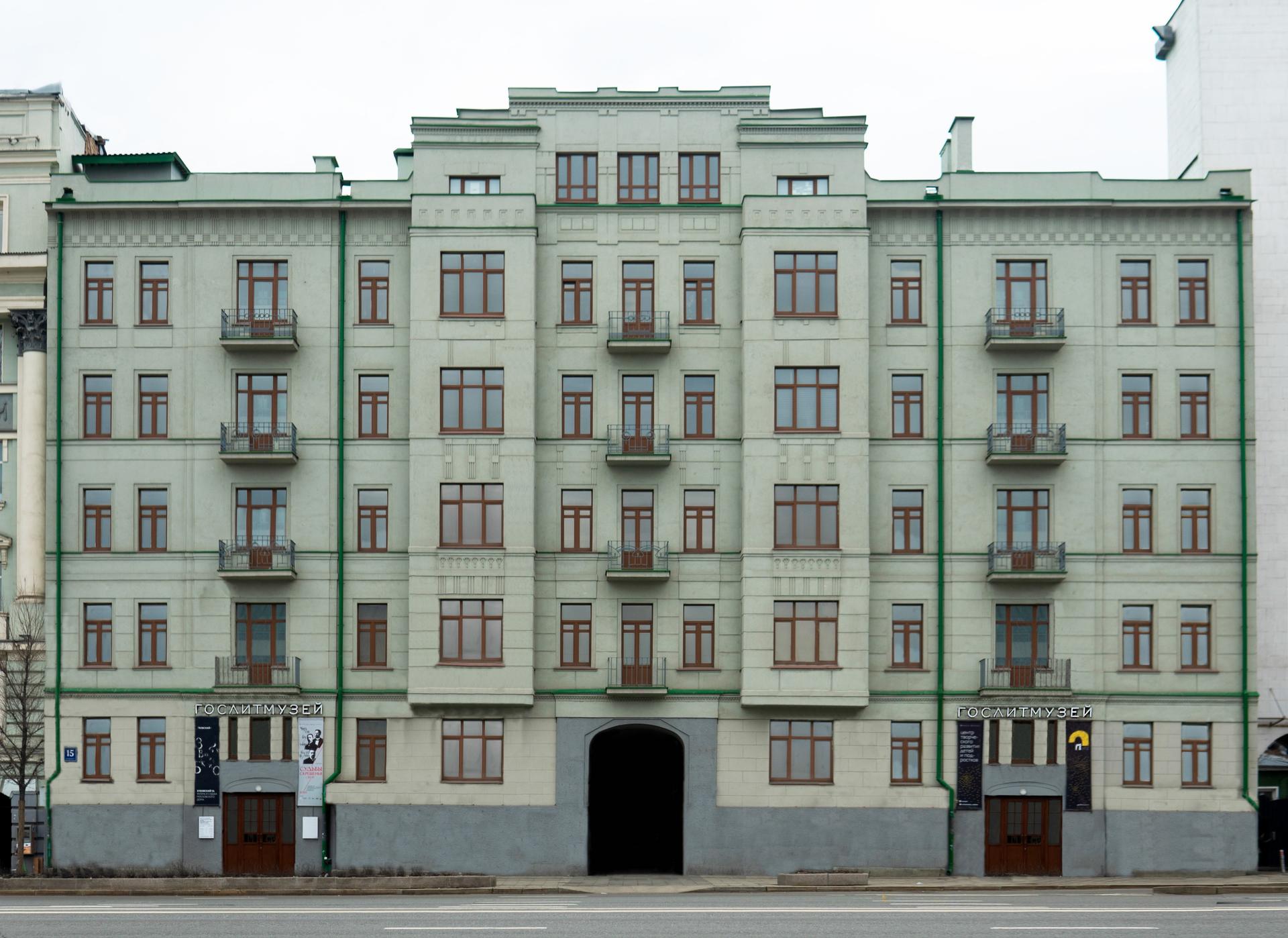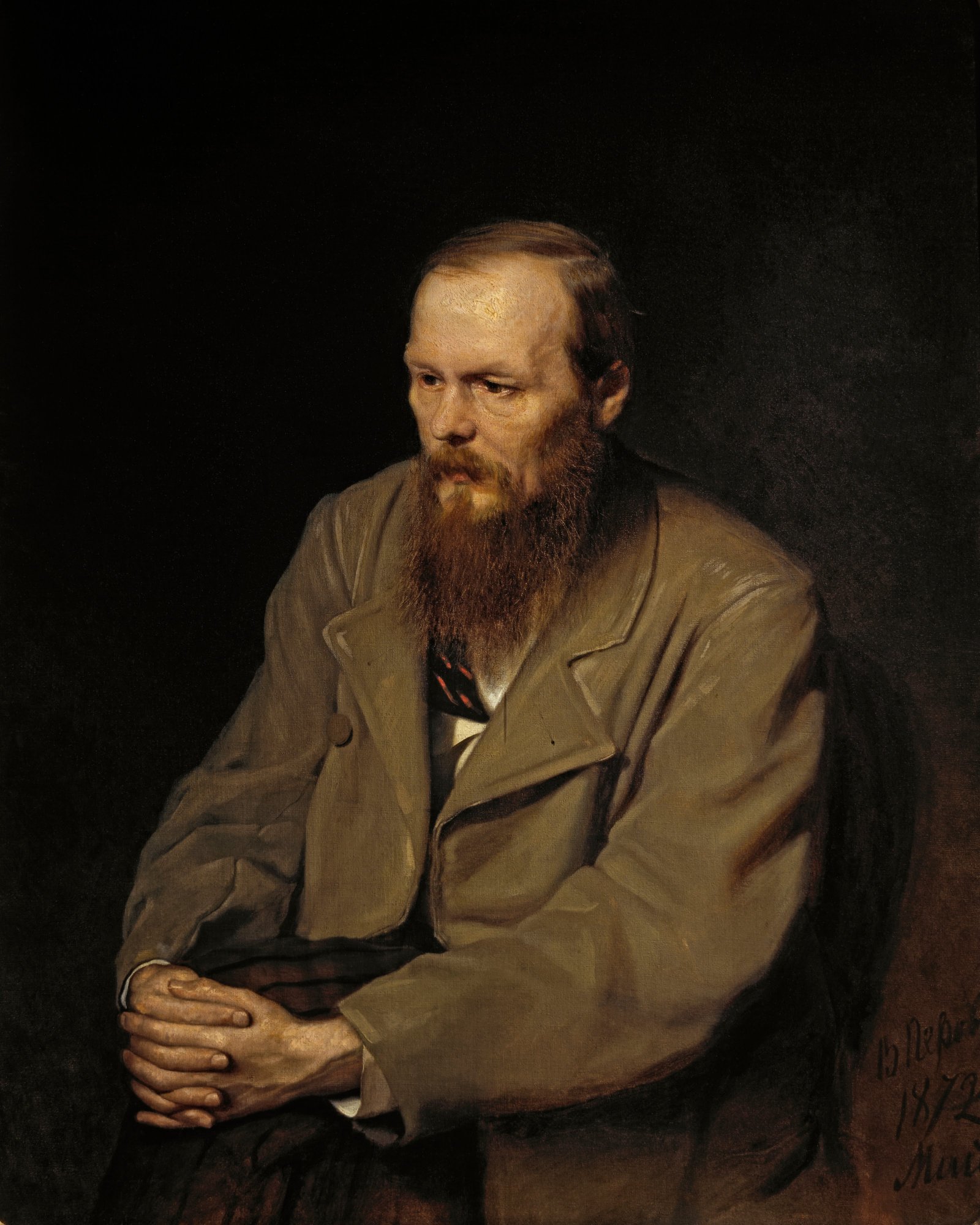

Достоевский Федор Михайлович (30 октября (11 ноября) 1821 – 29 января (9 февраля) 1881) - русский писатель, мыслитель, философ и публицист. Член-корреспондент Петербургской АН с 1877 года.
Родился в Москве. Сын штаб-лекаря Мариинской больницы Михаила Андреевича Достоевского, убитого крепостными крестьянами, и дочери купца Марии Федоровны, урожденной Нечаевой, умершей от туберкулеза.
С детства страдал эпилепсией.
С 1834 г. учился в московском пансионе, с 16 лет в инженерном училище. Закончив курс в 1843 г., поступил на службу в петербургскую инженерную команду. Но через год оставил службу и целиком посвятил себя литературной деятельности. Его первое произведение «Бедные люди» произвело огромное впечатление на Н.А. Некрасова и В.Г. Белинского, который ввел его в свой кружок.
В 1849 г. Достоевский был арестован по политической статье за участие в кружке М.В. Петрашевского и заключен в Петропавловскую крепость. Ему грозила смертная казнь, которую заменили на четыре года каторги. По окончании срока в 1854 г. писателя определили рядовым в сибирский линейный батальон, где он прослужил до 1859 г.
Выйдя в отставку и поселившись в Петербурге, вместе с братом литератором Михаилом начал издавать журнал «Время», который имел большой успех. Но подорванное на каторге здоровье и тяжелая болезнь (туберкулез) жены Марии Дмитриевны заставили писателя поехать на лечение за границу в Париж, Лондон и Женеву.
В 1864 г. Достоевского постигло несколько тяжелых ударов. В Москве умерла его жена, вскоре неожиданно скончался его брат, затем друг А.А. Григорьев. Потеряв близких людей и имея множество долгов, Федор Михайлович выехал за границу и, в надежде поправить свое материальное состояние, стал играть на рулетке, в результате чего проиграл абсолютно все.
Вернувшись в Москву, написал романы «Игрок» и «Преступление и наказание». Женившись второй раз, он снова уехал за границу, где продолжал безуспешно играть на рулетке. По возвращении в Петербург жена писателя Анна Григорьевна взяла в свои руки обустройство их жизни. Последние восемь лет жизни были наиболее удачными и светлыми годами Достоевского. В это время им написаны такие романы как «Идиот», «Бесы», «Братья Карамазовы» и др.
Женат дважды. Первый раз на Марии Дмитриевне Констант, вдове надзирателя Исаева. Второй раз женат с 1867 г. на Анне Григорьевне Сниткиной, стенографистке. От этого брака имел детей: Софью, умершую во младенчестве от воспаления легких; Любовь, писательницу; Федора, коннозаводчика; Алексея, умершего во младенчестве от эпилепсии.
Dostoevsky is a classic of Russian literature and one of the best novelists of world importance.
Dostoevsky's works occupy a worthy place in the treasury of world literature, "The Brothers Karamazov" are among the 100 greatest novels of all time. Corresponding Member of the St. Petersburg Academy of Sciences since 1877.
On the father Fyodor came from a noble family of Dostoevsky, leading its origin from 1506. Biographies of writers LI Saraskina notes that Dostoevsky did not know her so ancient pedigree. Genealogy kind Dostoevsky began to engage in the writer's widow after his death.
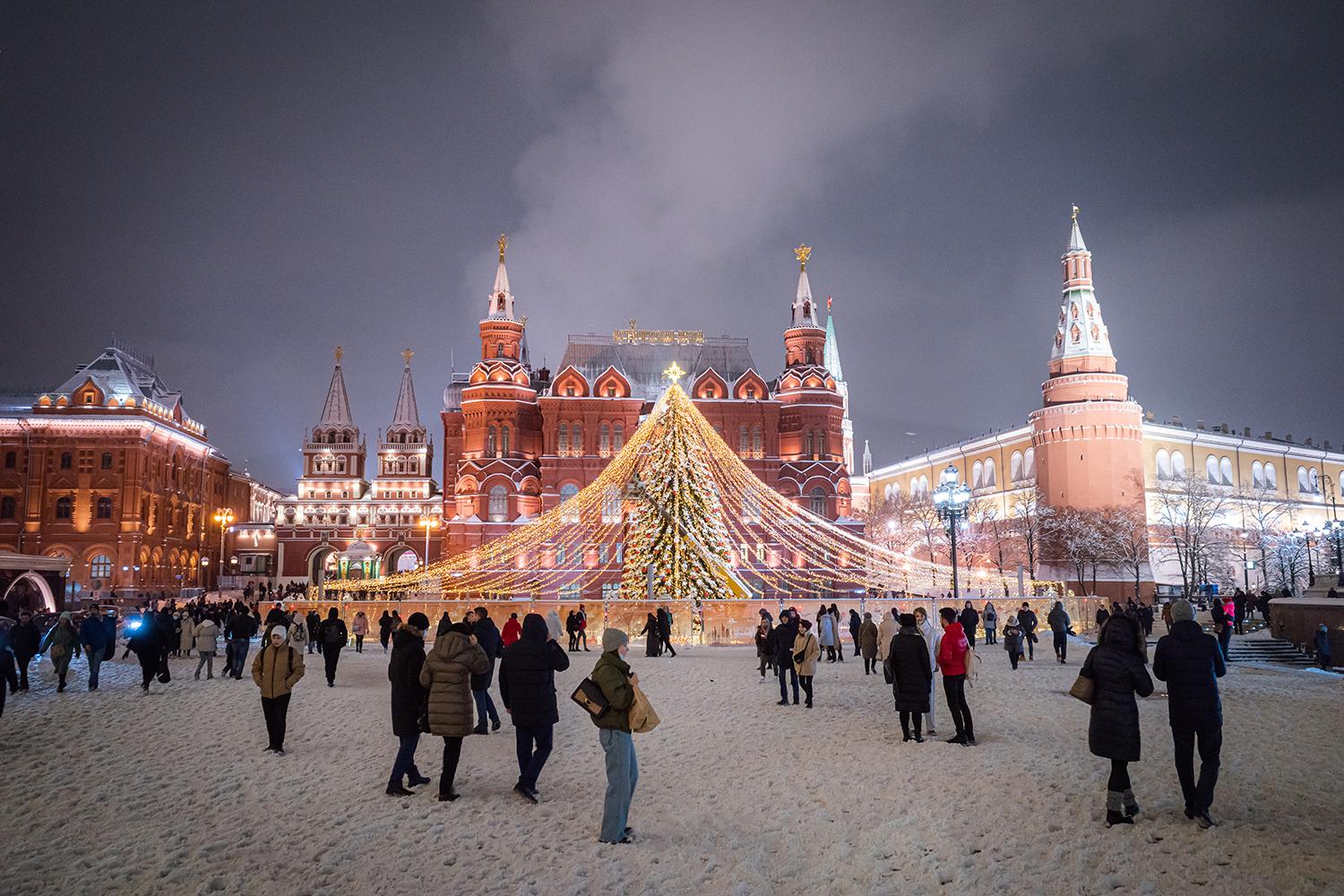
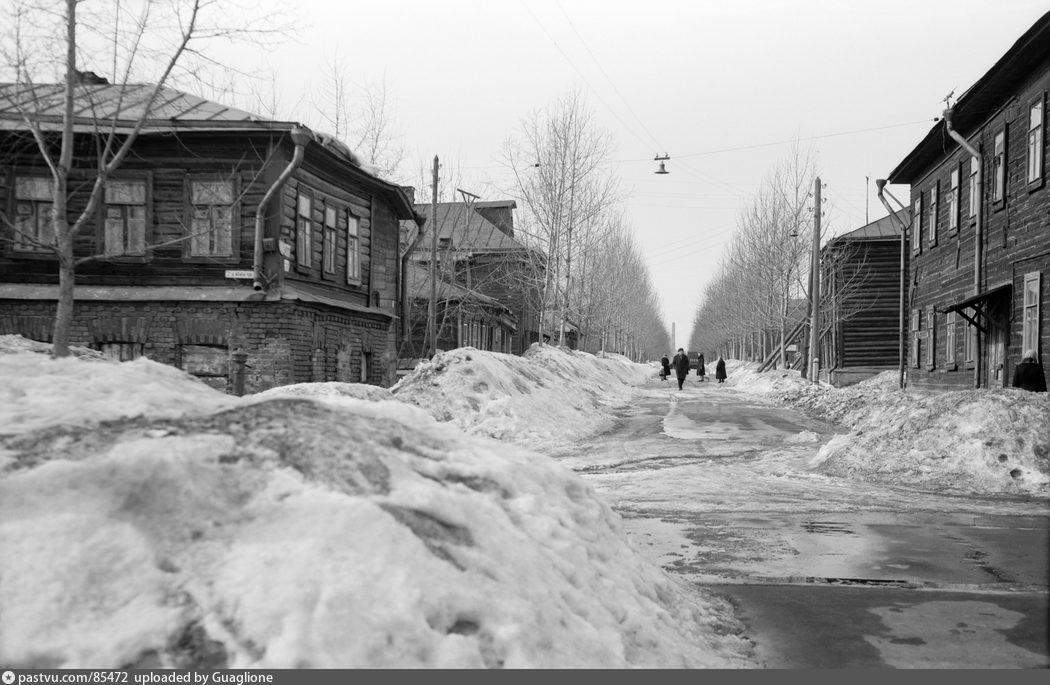
Fyodor Dostoevsky was born on October 30 (November 11) in Moscow in 1821, and was the second son of a family of eight children. Younger sister Love died in 1829 shortly after the birth, when the future writer was 7 years old.
Fyodor Dostoyevsky recalled that his "father and mother were not rich people and workers." Despite the poverty of his father, Dostoevsky received an excellent education and training, for which his whole life was grateful parents. Read his mother taught by the book "One hundred and four sacred history of the Old and New Testament." In the novel "The Brothers Karamazov" elder Zosima says that this book as a child he learned to read. A great impression on the child then made biblical Book of Job. Subsequently, the writer thought of the Book of Job were used to work on the novel "Teenager".
Since childhood, and then especially in prison where Dostoyevsky could read the New Testament edition of 1823, presented by the wives of the Decembrists, the Gospel was the main book in the writer's life.
Since the beginning of 1831 the family leave Moscow for the summer in his modest estate, where Fyodor Dostoevsky met with farmers and learned Russian village. It was then, at the first exit, frightened boy Fedor reassured graying plowman. His recollection of the scene Dostoyevsky described in the story "The Peasant Marey" in "Diary of a Writer".
According to the writer's childhood was the best times of his life. Father taught Latin older brothers. At the end of home schooling Fyodor Dostoevsky with his older brother Michael spent a year studying French on half board teacher Catherine and Alexander schools NI Drashusova whose son AN Drashusov Let's take lessons in mathematics and the other son (VN Drashusov) taught them literature.
From 1834 to 1837, Michael and Fyodor Dostoevsky attended the prestigious Moscow hostel L. Cermak.
When Dostoevsky was 16 years old, his mother died of tuberculosis, and his father sent eldest sons, Theodore and Michael (later also became a writer), a board of KF Kostomarov in St. Petersburg to prepare for entrance to engineering school.
1837 was an important date for Dostoevsky. This year his mother died, the year of death of Pushkin, creativity which he (and his brother) was read from childhood, a year of moving to St. Petersburg, and admission to the Main Engineering School.
Michael and Fyodor Dostoevsky want to engage in literature, but his father thought that the work of the writer can not ensure the future of older sons, and insisted on their admission to the Engineering School, at the end of service that is guaranteed to material well-being. In "Diary of a Writer" Dostoevsky recalled how on the way to St. Petersburg with his brother, "we dreamed only of poetry and poets", "I constantly in mind composing a novel of Venetian life".
While studying at the school from 1840 to Dostoevsky in 1842 worked on the drama "Mary Stuart" and "Boris Godunov". In January 1844 Dostoevsky wrote to his brother that he has finished the drama "The Jew Yankel." These first youthful works have not survived. In late 1843 and early 1844, Dostoevsky translated novel Eugene Sue "Matilda" and, a little later, George Sand's novel "The Last of the Aldini", at the same time to begin work on his own novel "Poor People". Both translations were not completed. At the same time, Dostoevsky wrote stories that have not been completed.
Less than a year before leaving the military Dostoevsky in January 1844 completed the first Russian translation of the novel "Eugenie Grandet" Balzac. Translation can be considered free adaptation, because it contains some errors, omissions, inaccuracies, but also some additions from the Dostoevsky. Translation of "Eugenie Grandet" at the earliest edition, published in 1834, and therefore to some extent distant from the final version of the original. First translation of Dostoevsky was published in the magazine "Repertoire and the Pantheon" in 1844 without specifying the name of the translator.
At the end of May 1845 an aspiring writer completed his first novel, "Poor People". With the mediation of DV Grigorovich manuscript reviewed Nekrasov and Belinsky. "Furious Vissarion" initially praised this work. Dostoevsky was hospitably received in a circle Belinsky [25] and became famous before the publication of the novel NA Nekrasov in January 1846. All spoke of a "new Gogol".
However, the following work &quфot;The Double" was met with incomprehension. According to DV Grigorovich enthusiastic recognition and erection of Dostoevsky's "almost at the level of genius" was replaced by disappointment and discontent. Belinsky changed his initial favorable attitude to aspiring writers. Critics of the "natural school" written on Dostoevsky as a newly-minted and unrecognized genius with sarcasm. Belinsky was not able to assess the innovation "double", which Bakhtin wrote only many years later. In addition to "furious Vissarion" positive evaluation the first two works of Dostoevsky gave just a beginner and promising critic VN Mike.
Dostoevsky's close relationship with the circle Belinsky ended break after an altercation with Turgenev at the end of 1846. At the same time, Dostoevsky finally fell out with the editorial "Contemporary" in the face of Nekrasov and were published in "Notes of the Fatherland" A. Krajewski.
Great fame allowed Dostoevsky significantly broaden their dating. Many familiar characters became prototypes for future works of the writer, with other related long-term friendship, intimacy ideological views, literature and journalism.
In the spring of 1846 AN Pleshcheyev acquainted with Dostoevsky admirer of Charles Fourier MV Petrashevsky. But Dostoevsky began attending arranged by Petrashevsky "Friday" at the end of January 1847, where the main issues discussed were the freedom of printing, the reverse procedure and liberation of the peasants. Among Petrashevists there were several independent circles. Dostoevsky attended a literary-musical circle SF Durov, consisting of members "Friday", which went to the Petrashevsky political views.
In the autumn of 1848 Dostoevsky met with call themselves Communists NA Speshnev around which soon rallied seven most radical Petrashevists, making a special secret society. Dostoevsky became a member of this society, the purpose of which was to create an illegal printing press and the implementation of a coup in Russia.
Trial and harsh sentence to death 22 December 1849 on the parade ground Semenov was furnished as a mock execution. At the last moment announced the pardon convicted, sentenced to hard labor. One of those sentenced to death, Nikolai Grigoriev crazy. Feeling that he could experience before his execution, Dostoevsky gave words of Prince Myshkin in one of the monologues in the novel "The Idiot".
After his release from prison, Dostoevsky spent about a month in Omsk, where he met and became friends with Chokan Valihanov future prominent Kazakh explorer and ethnographer.
January 26 (February 7) 1881 Dostoevsky's sister Vera came to the house of Dostoevsky, to ask his brother to give up his share of the Ryazan estates inherited him by inheritance from her aunt AF Kumanin in favor of sisters. According to the story Lyubov Dostoyevskaya was stormy scene with explanations and tears, after which Dostoevsky was bleeding throat. Perhaps this unpleasant conversation was the impetus for the aggravation of his disease (emphysema) - Two days later the writer has died.







.jpg&w=1920&q=75)