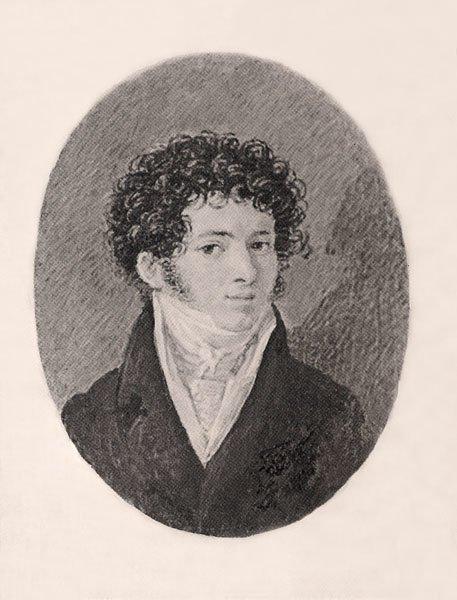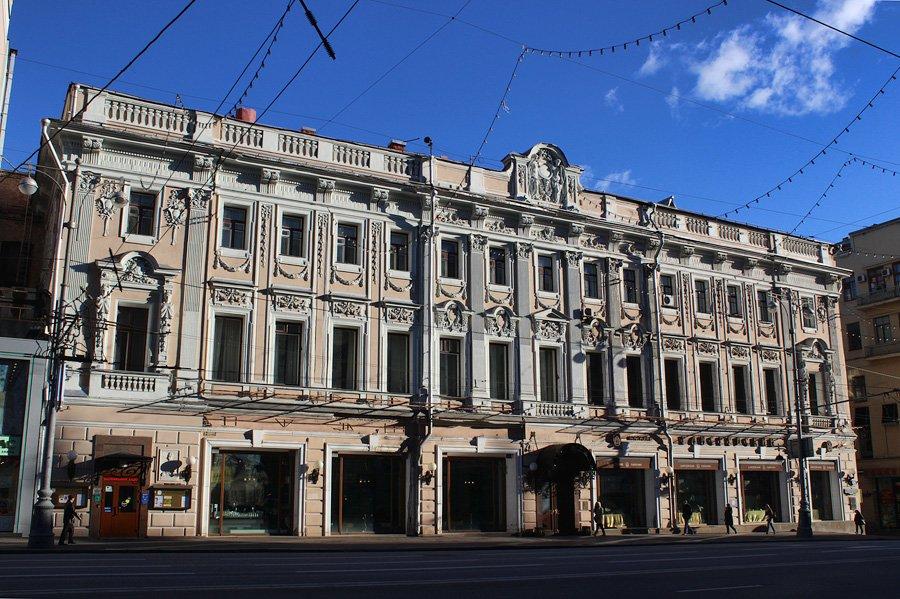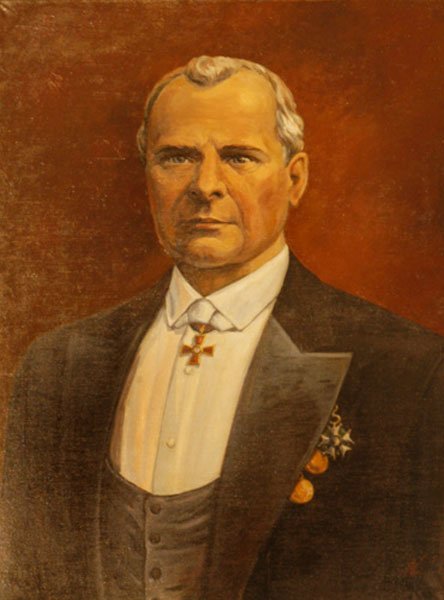
Григорий Григорьевич Елисеев (21 августа 1864, Санкт-Петербург, Россия — январь 1949 (или 1942), Париж, Франция) – предприниматель, выстроивший первый фирменный гастроном «Елисеевский», коннозаводчик русских рысаков, один из учредителей первой российской автомобильной фабрики «Фрезе и К», был награжден орденами Святого Владимира третьей и четвертой степени, французским орденом Почетного Легиона, гласный Петербургской городской думы 1898-1914 гг., действительный статский советник.
Родился младшим ребенком в купеческой семье Елисеевых, когда отцу было 60 лет, матери больше 40, а старшему брату Александру исполнилось 25 лет. Маленький Григорий получил блестящее домашнее образование сначала у лучших учителей в Москве, потом за границей, свободно говорил на английском и французском языках.
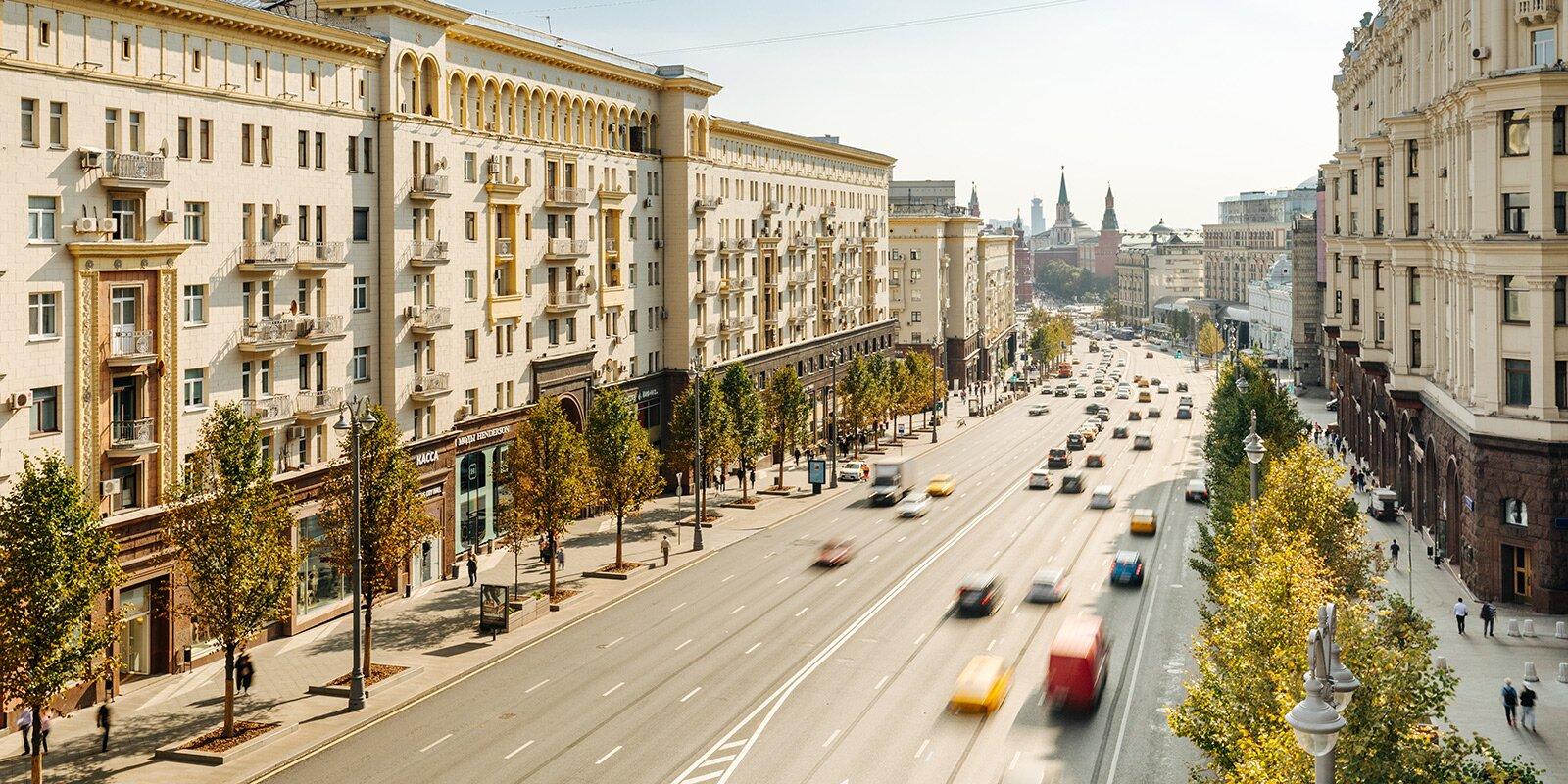
Дед, Петр Елисеевич Касаткин, был крепостным садовником графа Н. Шереметьева и получил вольную и 100 рублей денег, преподнеся графу и его гостям на празднование Рождества 1812 года свежую землянику. Он уехал с женой и сыновьями Сергеем, Григорием, Степаном в Санкт-Петербург, где купил мешок апельсинов и начал продавать на Невском проспекте. Дела пошли хорошо и в следующем году он выкупил брата Григория.
Уже в 1813 году Петр Елисеев открыл магазин по торговле вином и колониальными товарами на Невском проспекте и через 6 лет стал купцом, записав всю семью в купеческое сословие Елисеевыми.
В 1871 году Григорий Елисеев-младший обвенчался с дочерью купца первой гильдии Марией Дурдиной.
В 1892 году Григорий Петрович Елисеев передал семейное дело сыновьям. Большую часть - четыре каменные лавки, подвалы и амбары на Васильевском острове, дом на Каменном острове и участок земли на Выборгской стороне отдал Григорию. Ее оценивали в 1 миллион 203 тысячи рублей. В 1895 году старший Александр Елисеев предпочел работу в Петербургском ссудном банке и отошел от торговых дел семейной фирмы.
Григорий Григорьевич в 32 года стал единственным владельцем торгового дома Елисеевых с основным капиталом в 3 миллиона рублей. В 1896 году было учреждено «Торговое товарищество «Братья Елисеевы», чей оборот в первый же год вырос до 64 миллионов рублей. В тот же год Григорий Елисеев за благотворительность получил орден Святого Владимира четвертой степени.
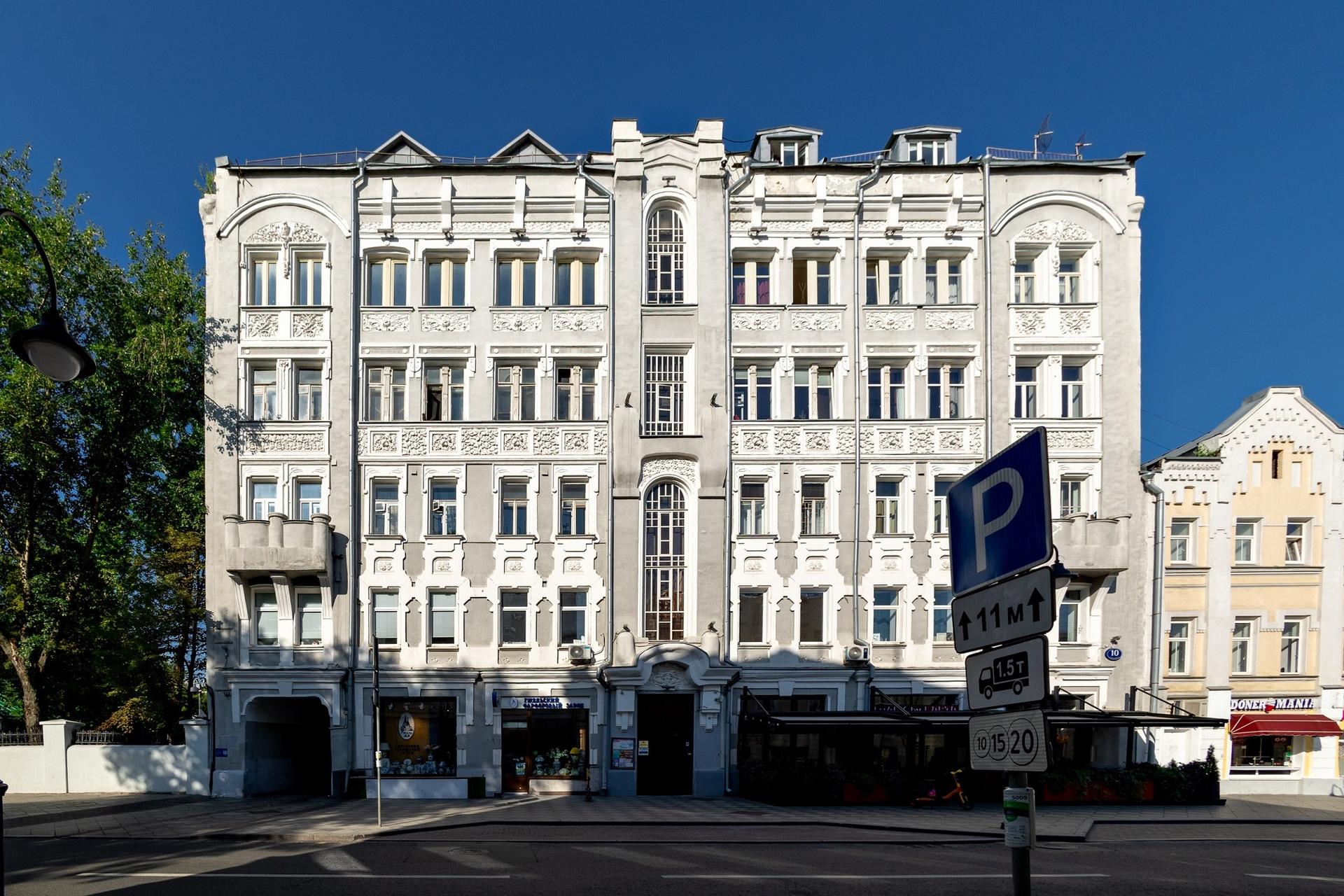
В 1898 году был приобретен дом Е.И. Козицкой на Тверской улице, построенный в XVIII веке по проекту архитектора Матвея Казакова. Был приглашен архитектор и инженер Г.В.Барановский, который «зашил весь дом тесом, что было для Москвы новинкой, и получился гигантский деревянный ящик, настолько плотный, что и щелочки не осталось». В создании интерьеров участвовали архитекторы В. В. Воейков и М. М. Перетяткович.
В 1900 на Всемирной выставке в Париже представил коллекцию вин вне конкурса — «Retour Russie», за что был награжден орденом Почетного легиона во Франции. Он принял орден в следующем году по особому указу царя, так как российским подданные не могли принимать награды иностранных государств.
21 января 1901 году леса убрали, и был открыт «Магазин Елисеева и погреба русских и иностранных вин» с отделами кондитерским, фруктовым, бакалеи, колониально-гастрономических товаров, хрусталя Баккара. Писатель В. А. Гиляровский писал: «Горами поднимались заморские фрукты; как груда ядер высилась пирамида кокосовых орехов, с голову ребенка каждый; необъятными пудовыми кистями висели тропические бананы; перламутром отливали разноцветные обитатели морского царства — жители неведомых глубин, а над всем этим блистали электрические звезды на батареях бутылок, сверкая и отражаясь в глубоких зеркалах, вершины которых терялись в туманной высоте». Продавцы работали резво, знали вкусы покупателей и относились ответственно - «на гроздьях винограда найти хотя бы одну обмякшую ягодку» было невозможно».
В 1910 году Г.Г. Елисеев был награжден орденом святого Владимира третьей степени и «за особые заслуги на пользу и преуспеяние отечественной промышленности Всемилостивейше возведен в потомственное дворянское Российской империи достоинство».
22 октября 1913 году широко отпраздновали столетие дома Елисеевых. Катастрофа разразилась 1 октября 1914 года: жена Григория Григорьевича Мария Андреевна покончила жизнь самоубийством, повесившись на собственной косе. Она категорически не давала развода мужу, тайно полюбившему Веру Федоровну Васильеву, бывшую на двадцать лет моложе и замужем за купцом второй гильдии Васильевым. Сыновья в день ее похорон отказались от наследства и разорвали отношения с отцом. Поскольку было высочайшее повеление внести в самую почетную первую часть Дворянской родословной книги его новую жену, с которой он обвенчался через три недели после смерти жены. Это было величайшее оскорбление покойной матери.
В 1914 году Григорий Елисеев с женой ухали в Париж. В 1918 году все имущество семьи Елисеевых было национализировано.
Grigory Grigorievich Eliseev (August 21, 1864, St. Petersburg, Russia - January 1949 (or 1942), Paris, France) - entrepreneur, built the first "Eliseevskiy" branded deli, horseman Russian trotters. One of the founders of the first Russian automobile factory "Frese and K ", was awarded the Order of St. Vladimir third and fourth degree, French Legion of Honor, the vowel of the St. Petersburg city Council 1898-1914, the actual state councilor.
Born the youngest child in a family of merchants Eliseev, when his father was 60 years old, his mother more than 40, and his older brother Alexander was 25 years old. Little Gregory received an excellent education at home, first at the best teachers in Moscow, then abroad, fluent in English and French.
Grandfather, Peter Eliseevich Kasatkin, was a serf gardener of Count N. Sheremetyev and received his freedom and 100 rubles in cash for presenting the count and his guests with fresh strawberries to celebrate Christmas 1812. He left with his wife and sons, Sergei, Gregory, Stepan in St. Petersburg, where he bought a bag of oranges and started selling on Nevsky Prospect. Things went well, and the next year he bought out his brother Gregory.
Already in 1813, Peter Eliseev opened a shop on the wine trade and colonial goods on Nevsky Prospect and 6 years later became a merchant, written the whole family in the merchant class Eliseev.
In 1857 was established "Brothers Eliseev," trading house. Gregory Eliseev, the son of Peter Eliseev and the father of then little Grisha headed the store. Trading house had its own sailboats fleet of "Archangel Michael", "Saint Nicholas", "Concordia" ships and later added a steamer "Alexander II» purchased in Holland in 1845. The best wines from the island of Madeira, papayas, pineapples, tangerines, truffles and oysters from France delivered to Russia and sold in Moscow, St. Petersburg, Kiev and other major cities. In 1874 the "Eliseev Brothers" company won the right to represent the State Emblem of Russia on their signs, labels and stamps. Sons Gregory and Alexander took an active part in all the affairs of their father.
In 1871, Grigory Eliseev Jr. was married to the daughter of a merchant of the first guild Maria Durdin.
In 1892, Grigory Petrovich Eliseev handed the family business to his sons. Gregory received the majority of the business including four stone stores, basements and barns on Vasilevsky Island, home in Stone Island and land in the Vyborg. It was evaluated in 1,203,000 rubles. In 1895, the elder Alexander Eliseev preferred work in the St. Petersburg loan bank and moved away from the trade affairs of the family firm.
At age 32Grigory, became the sole owner of the Eliseev trading house with capital of 3 million rubles. In 1896 was established "commercial partnership" Eliseev Brothers" with up to 64 million rubles turnover in the first year. In the same year Grigory Eliseev received the Order of St. Vladimir of the fourth degree for charity.
In 1898 EI Kozitsky’s house built in the XVIII century by the architect Matvei Kazakov on Tverskaya Street was purchased. Architect and engineer G.V.Baranovsky was invited and he decorated the entire house with boards. It was a novelty for Moscow. The house become a giant wooden box, so tight that no slits left." Architects VV Voeikov and MM Peretyatkovich designed interiors.
Eliseev presented a collection of wines out of the competition - «Retour Russie» in 1900 at the World Exhibition in Paris. He was awarded the Order of the Legion of Honor in France. He received the Order next year by a special decree of the Tsar since Russian citizens were not allowed to receive awards of foreign countries.
On January 21, 1901 the scaffolding was removed, and " Eliseev Shop and Cellars of Russian and foreign wines" was opened. There were confectionery, fruit, groceries, colonial-gastronomic products, Baccarat crystal departmens. Writer Gilyarovskii wrote: "Mountains of overseas fruits rising; like a pile of nuclear towered pyramid coconuts, with each child's head; immense pood tassels hanging tropical bananas; pearl cast multicolored inhabitants marine realm - the inhabitants of unknown depths, and above all this shining star on the electric-powered bottle, sparkling and reflected in the deep mirrors, the tops of which were lost in the misty height." Sellers worked quickly, knew the tastes of buyers and treated responsibly: "it was impossible to find at least one limp berry on the bunch of grapes "
In 1910, GG Eliseev was awarded the Order of St. Vladimir third degree and "for special merits for the benefit and prosperity of the domestic industry Merciful elevated to the hereditary noble dignity of the Russian Empire."
On October 22, 1913 century jubilee of Eliseev house was widely celebrated. The disaster broke out October 1, 1914: Grigory’s wife Maria Andreevna committed suicide by hanging herself on her own spit. She categorically would not give a divorce to her husband, who secretly fell in love with Vera Fedorovna Vasilyeva. She was twenty years younger and married to the second guild merchant Vasiliev. Sons abandoned their bequest and broke up with the father on her funeral day. Since it was an imperial command to make the most honorable in the first part of book of noble families his new wife, whom he married three weeks after the death of his wife. It was the greatest insult to his dead mother.
In 1914, Grigory Eliseev with his wife left for Paris. In 1918, all the property of Eliseev’s family was nationalized. Gregory Eliseev lived in Paris until his death in 1949 at the age of 84 years. He was buried in the cemetery of Sainte-Genevieve-des-Bois, near Paris.