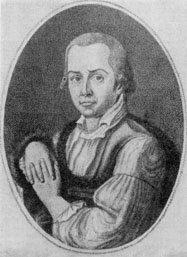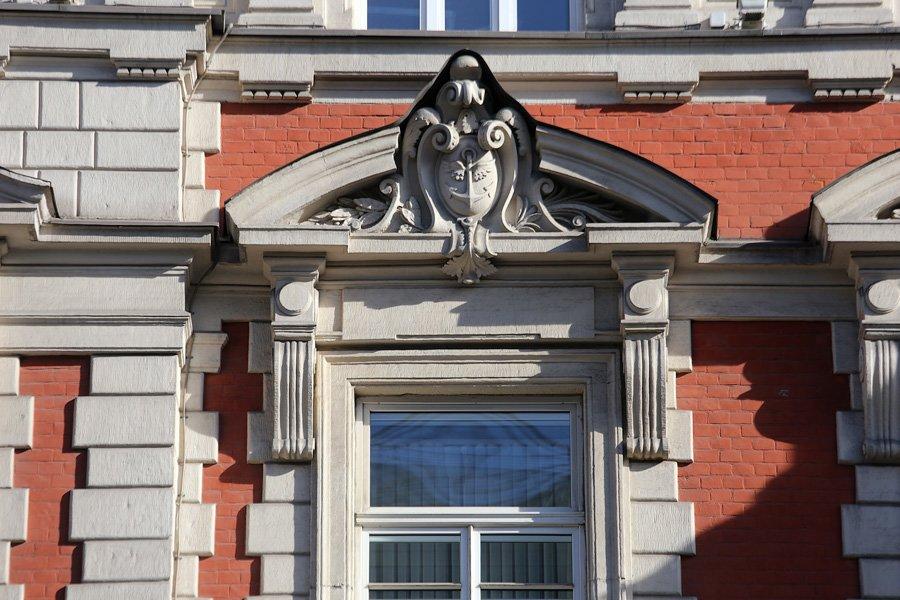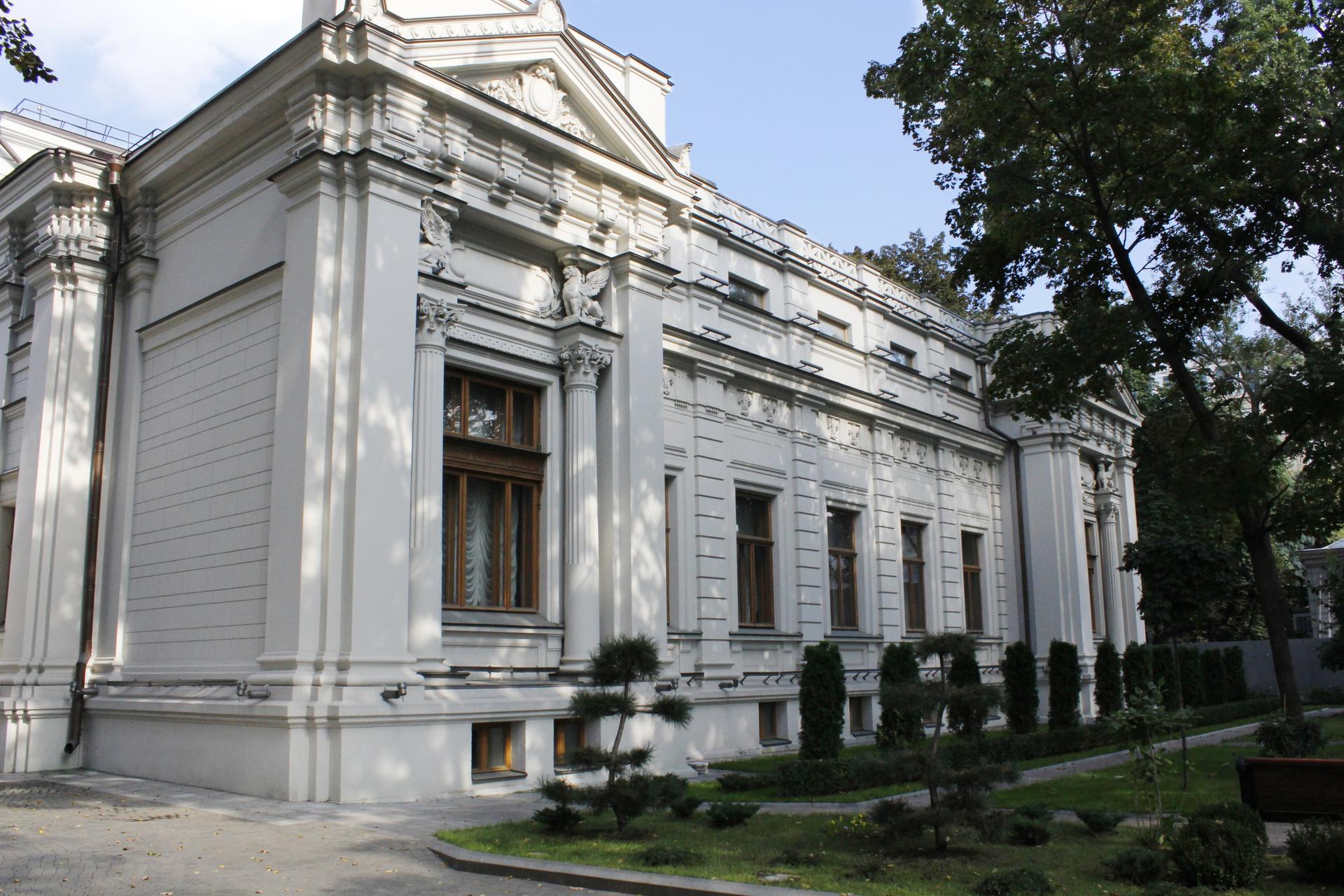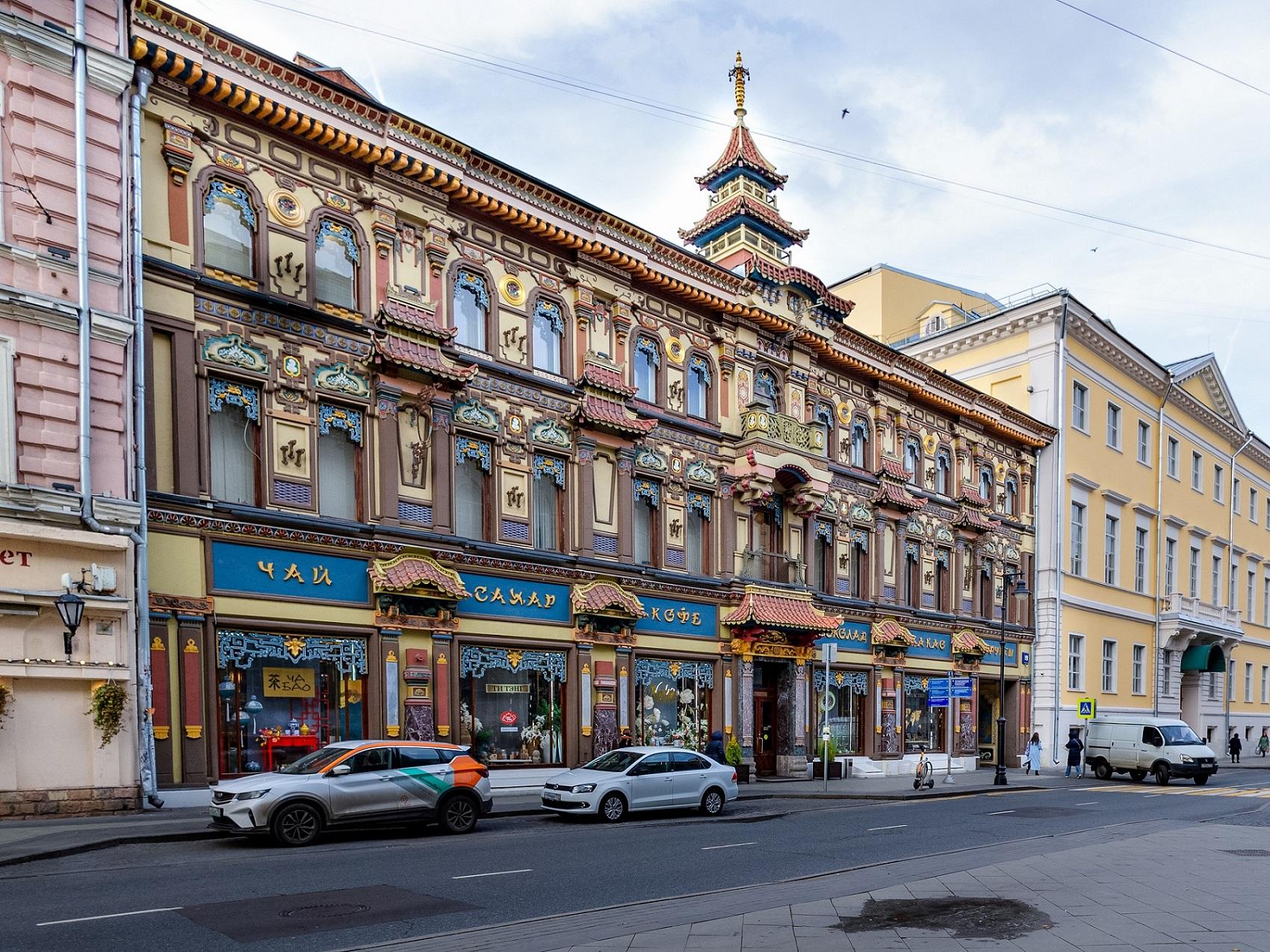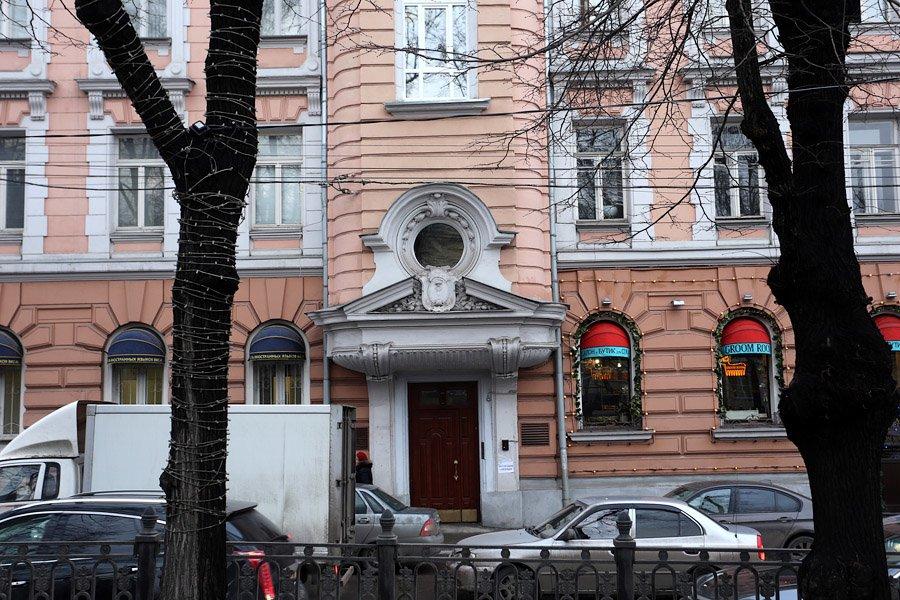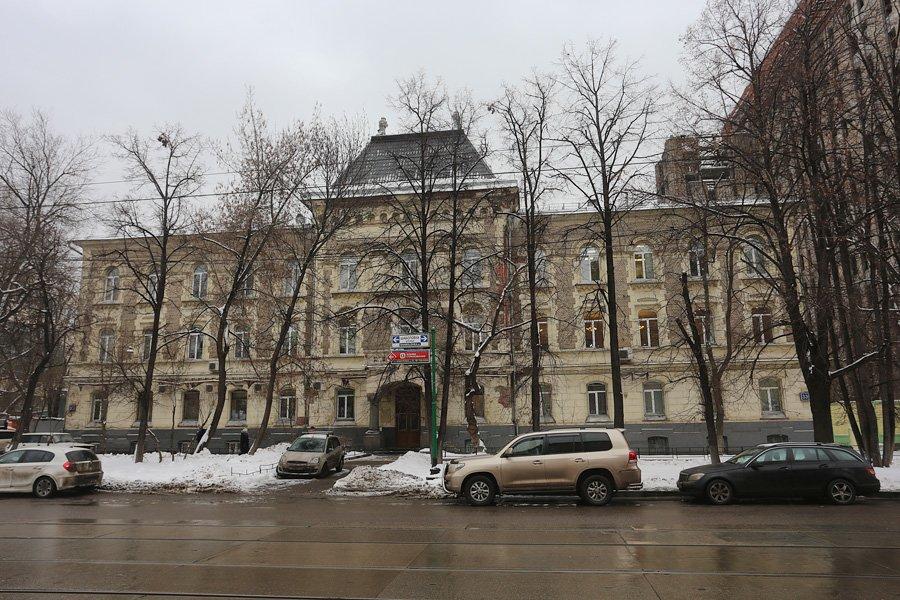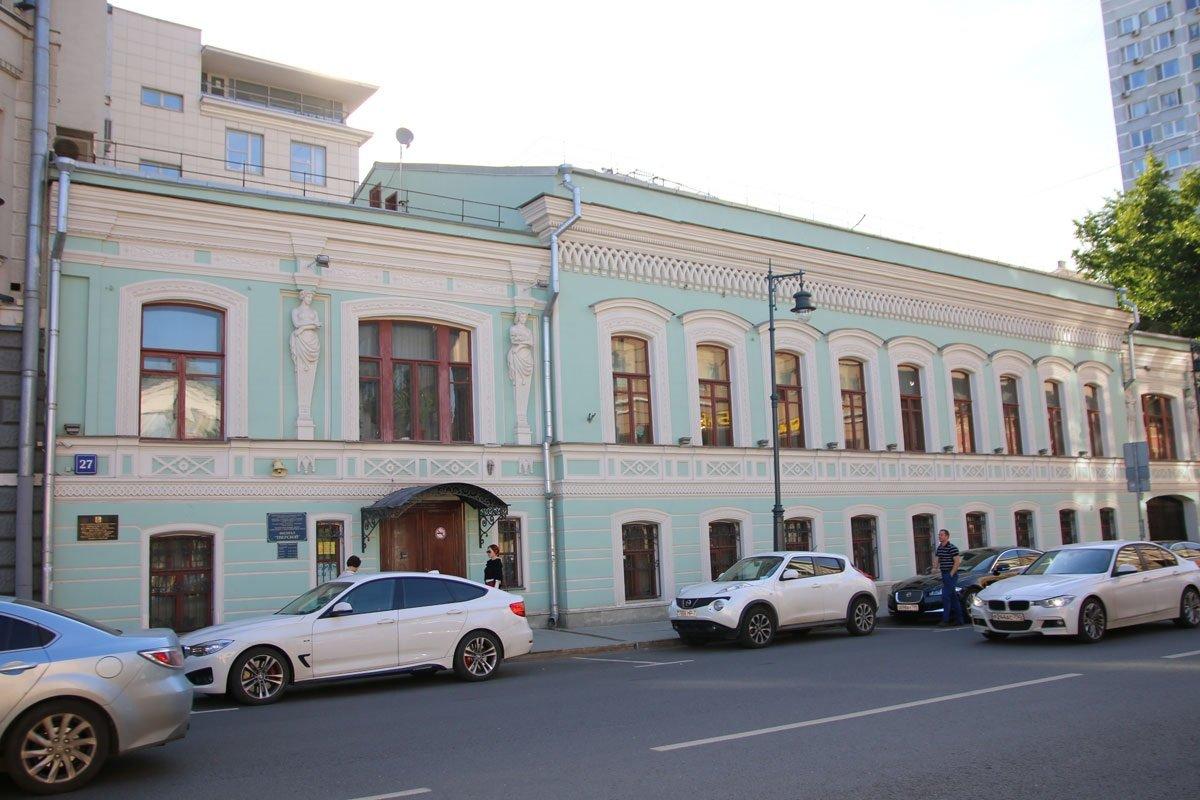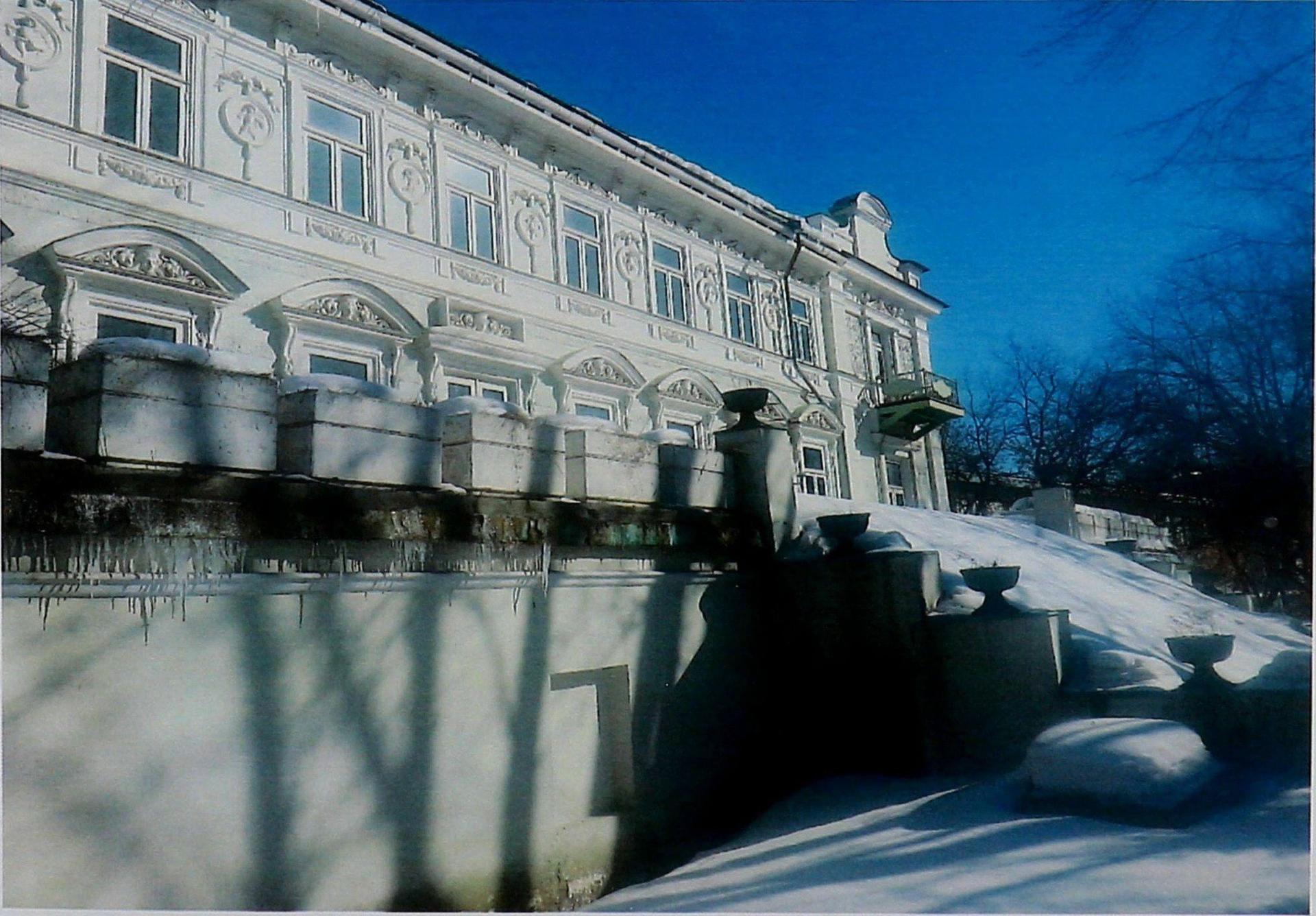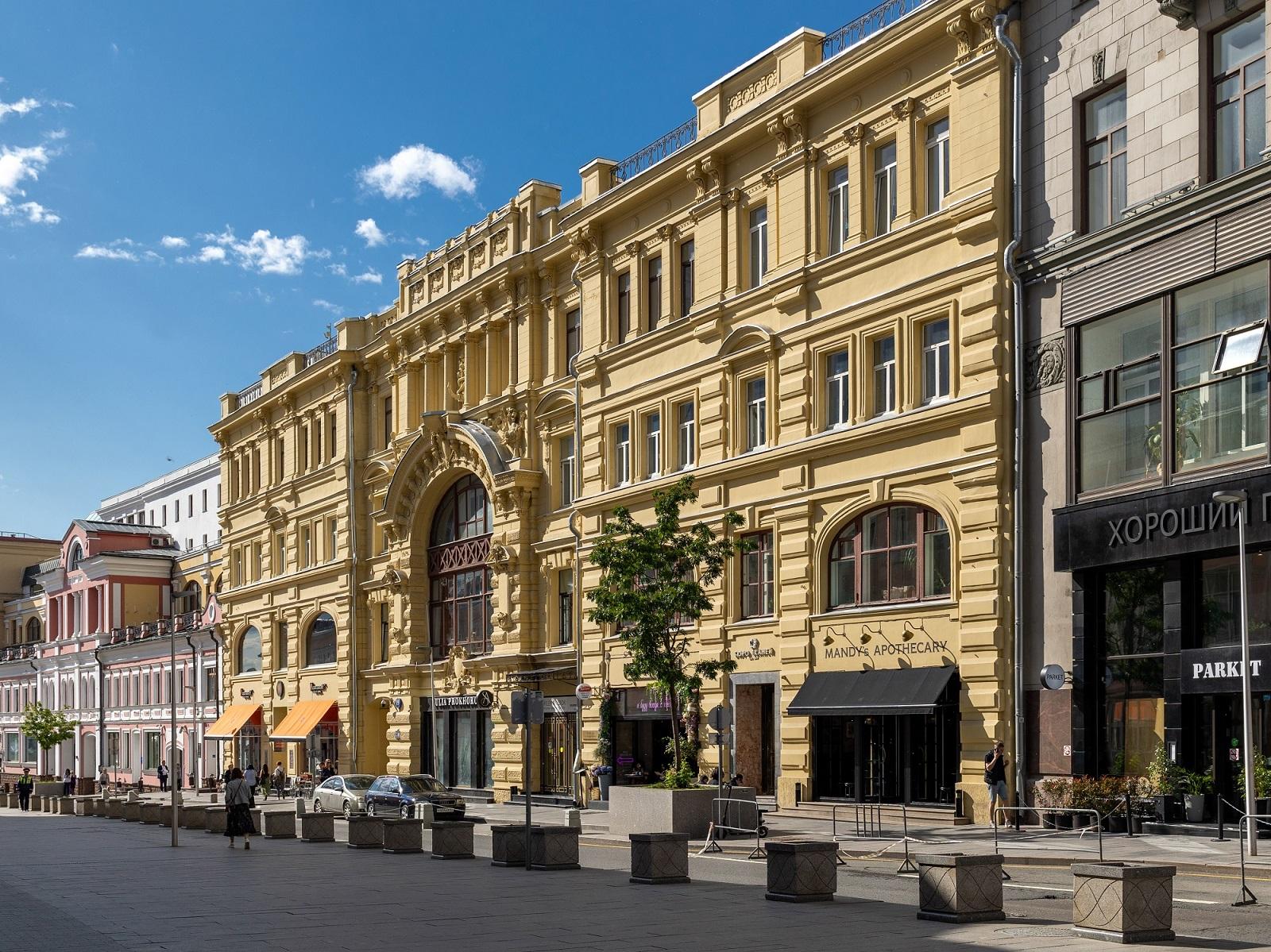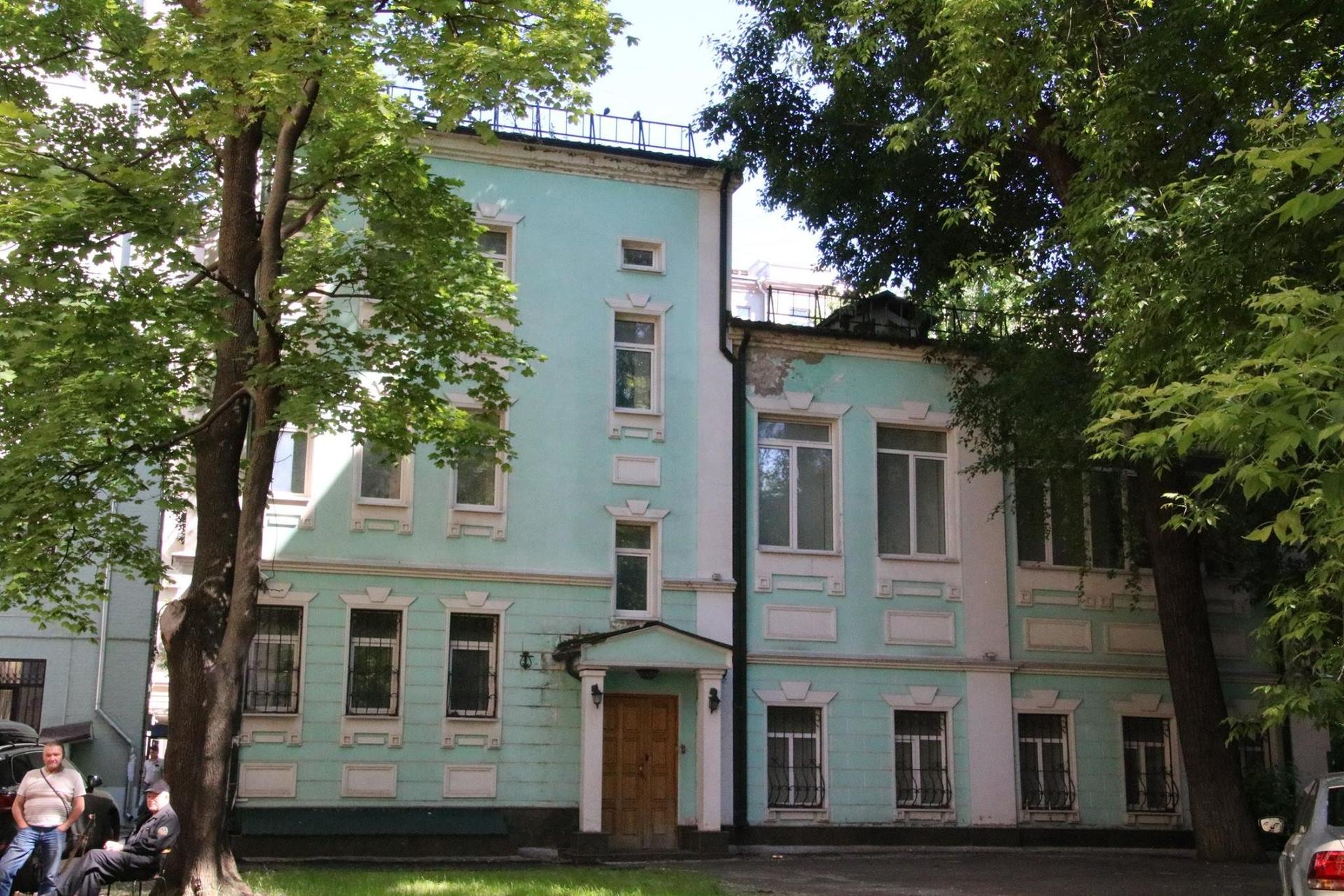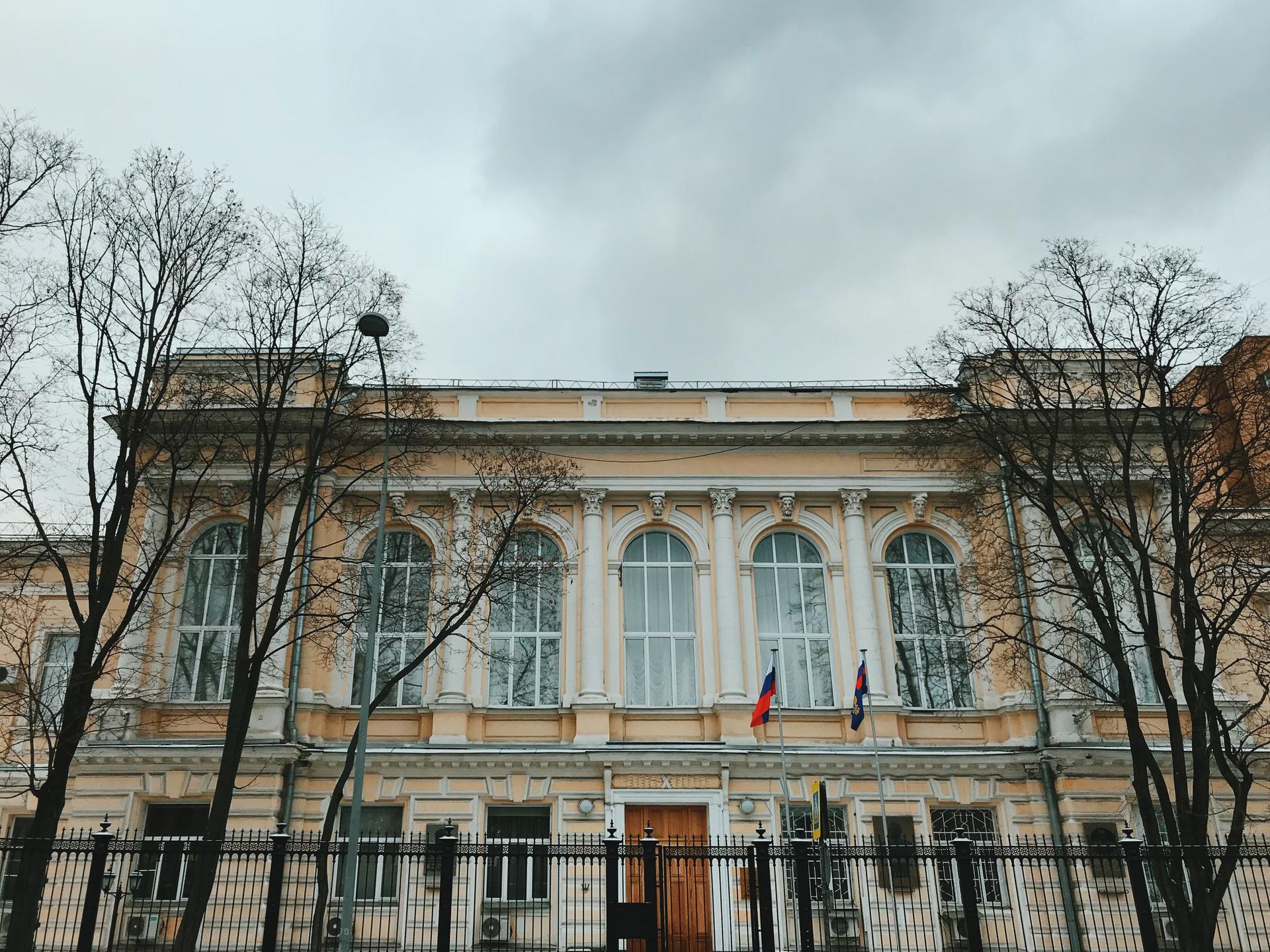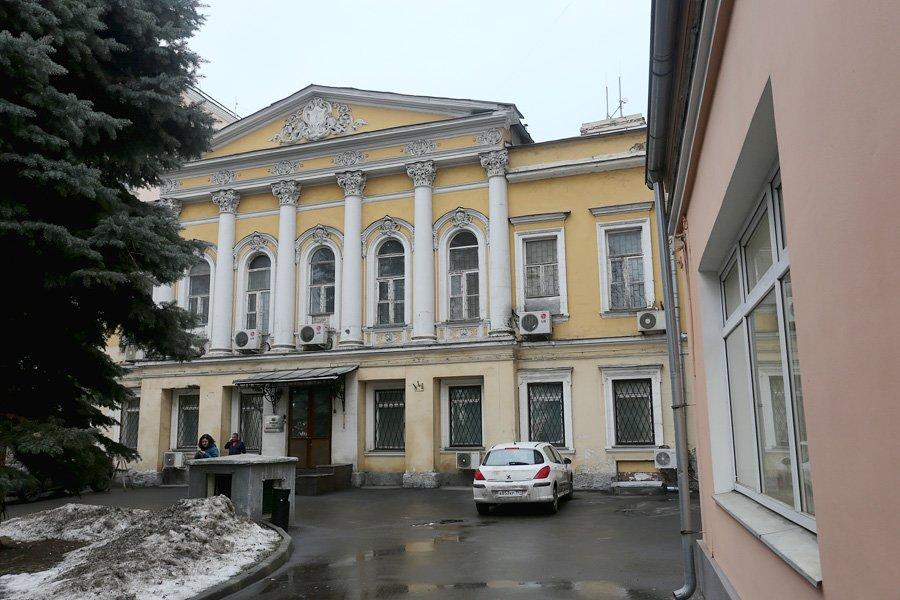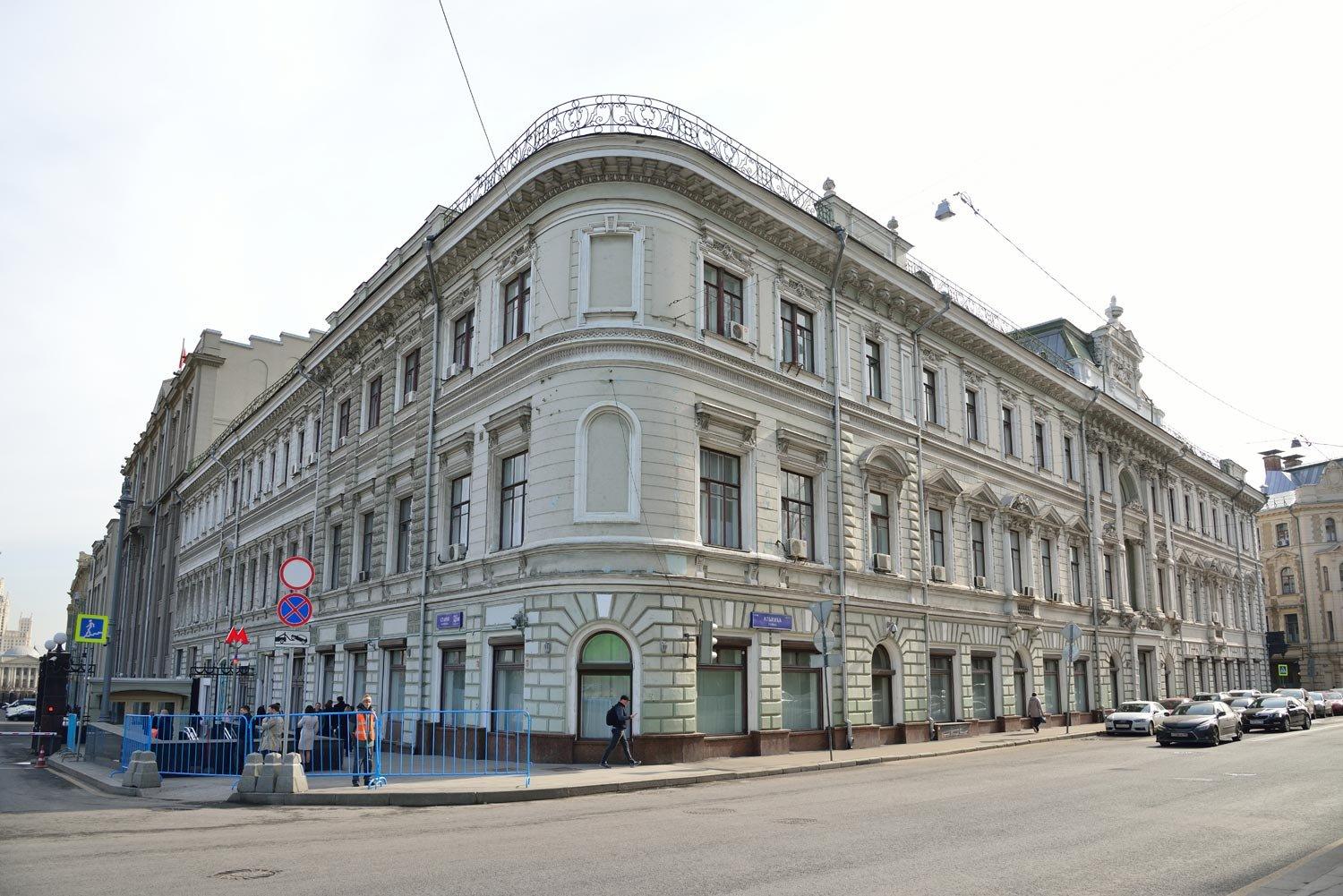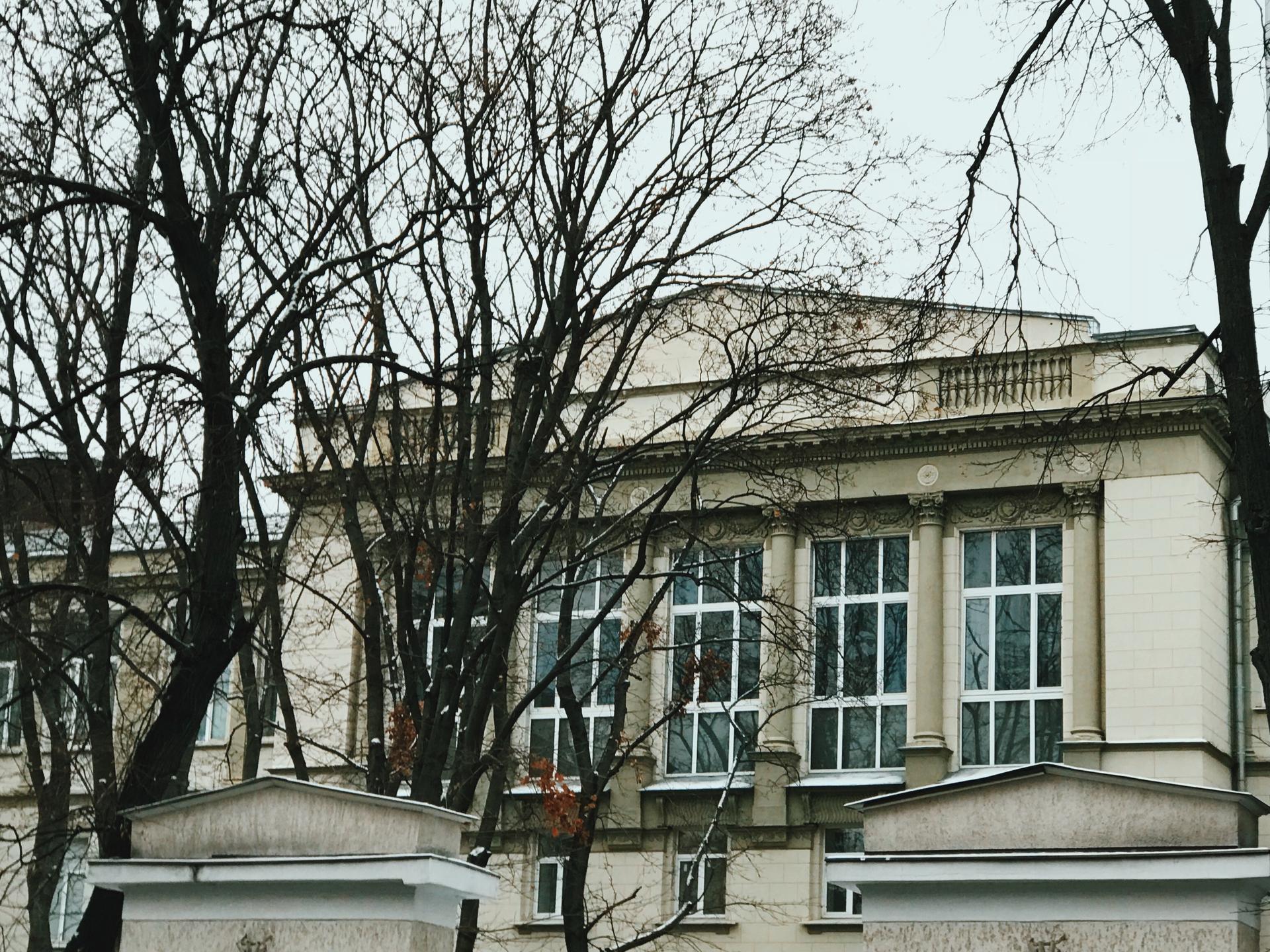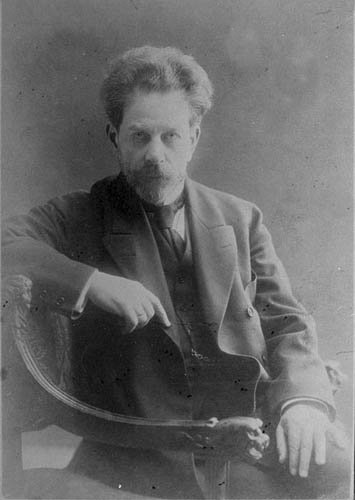
Роман Иванович (Роберт Юлиус) Клейн (19 (31) марта 1858 года, Москва, Россия – 3 мая 1924 года, Москва, СССР) – архитектор, реставратор, педагог. Родился в семье купца первой гильдии Ивана Макаровича Клейна и его жены Эмилии Ивановны. Есть версия, что родители Клейна были крещенными немецкими евреями. Известно, что с 1878 года им принадлежал дом И.Г. Григорьева - В.П. Писемской на Малой Дмитровке, где прежде жил И.С. Аксаков. В гостях у Клейнов бывали музыканты Антон и Николай Рубинштейны, архитектор Александр Вивьен, который десятилетнего Романа начал возить на строительство и показывать архитектурные чертежи, художники, литераторы, поэты, музыканты.
В 1873 – 1874 годах Роман Клейн учился в гимназии Креймана и посещал курсы Московского училища живописи, ваяния и зодчества, где был отмечен двумя наградами за свои успехи в учебе.
В 1877 году Роман Клейн поступает в Императорскую Академию художеств, которую оканчивает в 1882 году со званием классного художника архитектуры 3-й степени. После этого он отправляется в пенсионерскую поездку в Италию и Францию, где участвует в создании павильонов для Парижской выставки 1889 года в мастерской архитектора Шарля Гарнье.
Вернувшись в 1885 году, молодой архитектор работал помощником в архитектурных мастерских В.О. Шервуда и А.П. Попова.
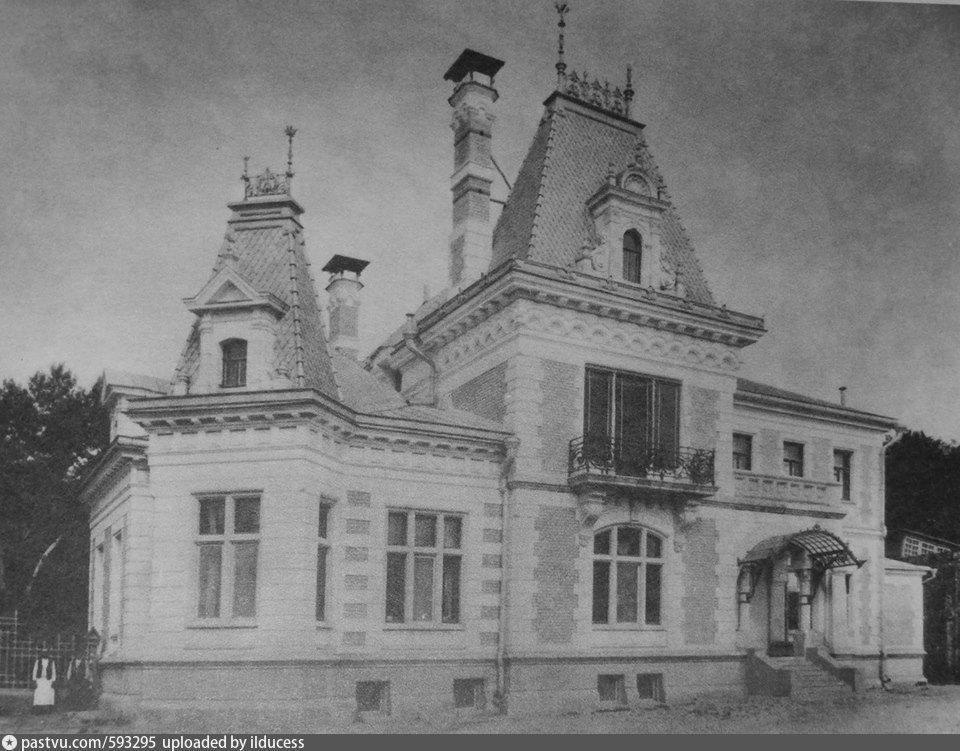
В 1886-1888 годах Роман Клейн осуществил свой первый самостоятельный проект – особняк В.А. Морозовой на Воздвиженке, 14. Эта постройка ввела его в круг заказчиков купцов-старообрядцев.
11 ноября 1888 года был объявлен конкурс на строительство Верхних торговых рядов и 26 февраля конкурсной комиссией первая премия в 6 000 рублей была присуждена проекту под названием «Московскому купечеству» А.Н. Померанцева, вторая премия в 3 000 рублей под названием «По программе» - Р.И. Клейну, третья премия в 2000 рублей досталась проекту под названием «С богом» архитектора А.Е. Вебера.
В 1889 году Роман Клейн, благодаря этой премии, получил заказ на возведение Средних торговых рядов на Красной площади.
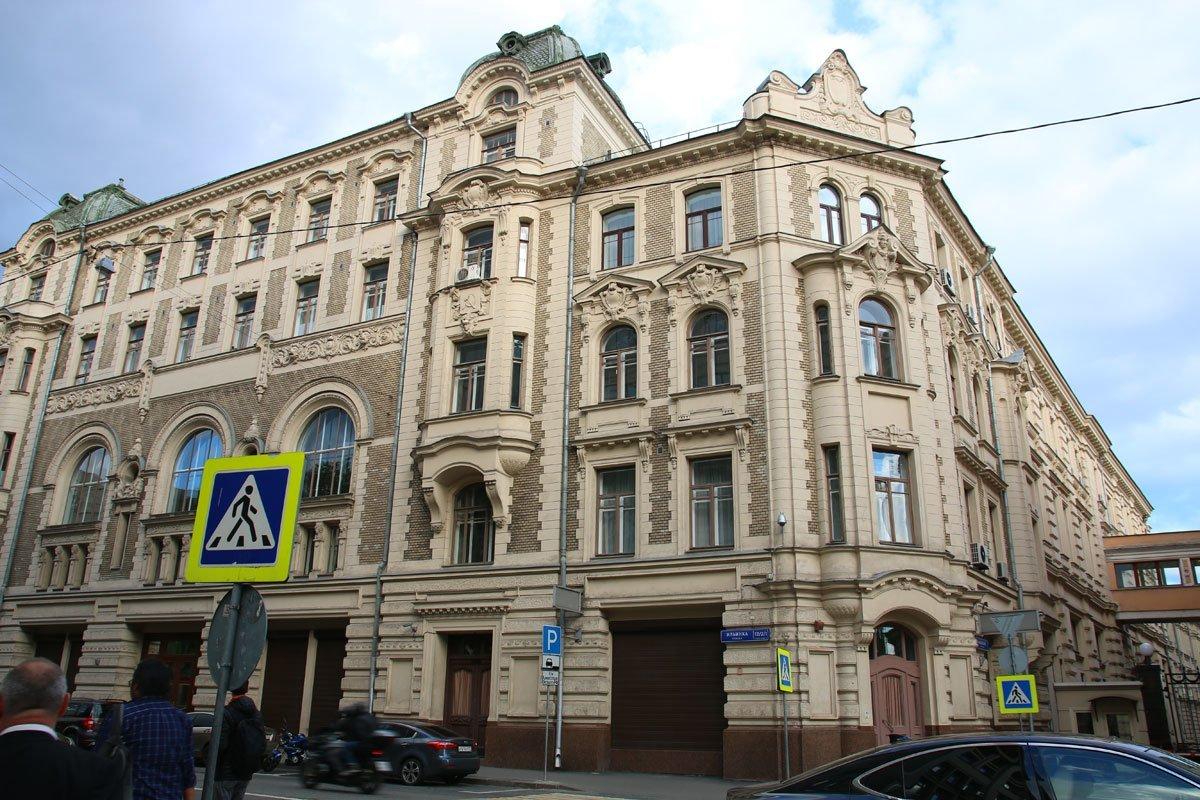
В 1888 – 1889 году им также было перестроено здание для Сибирского и Русского для Внешней торговли банков на Ильинке, 12/2.
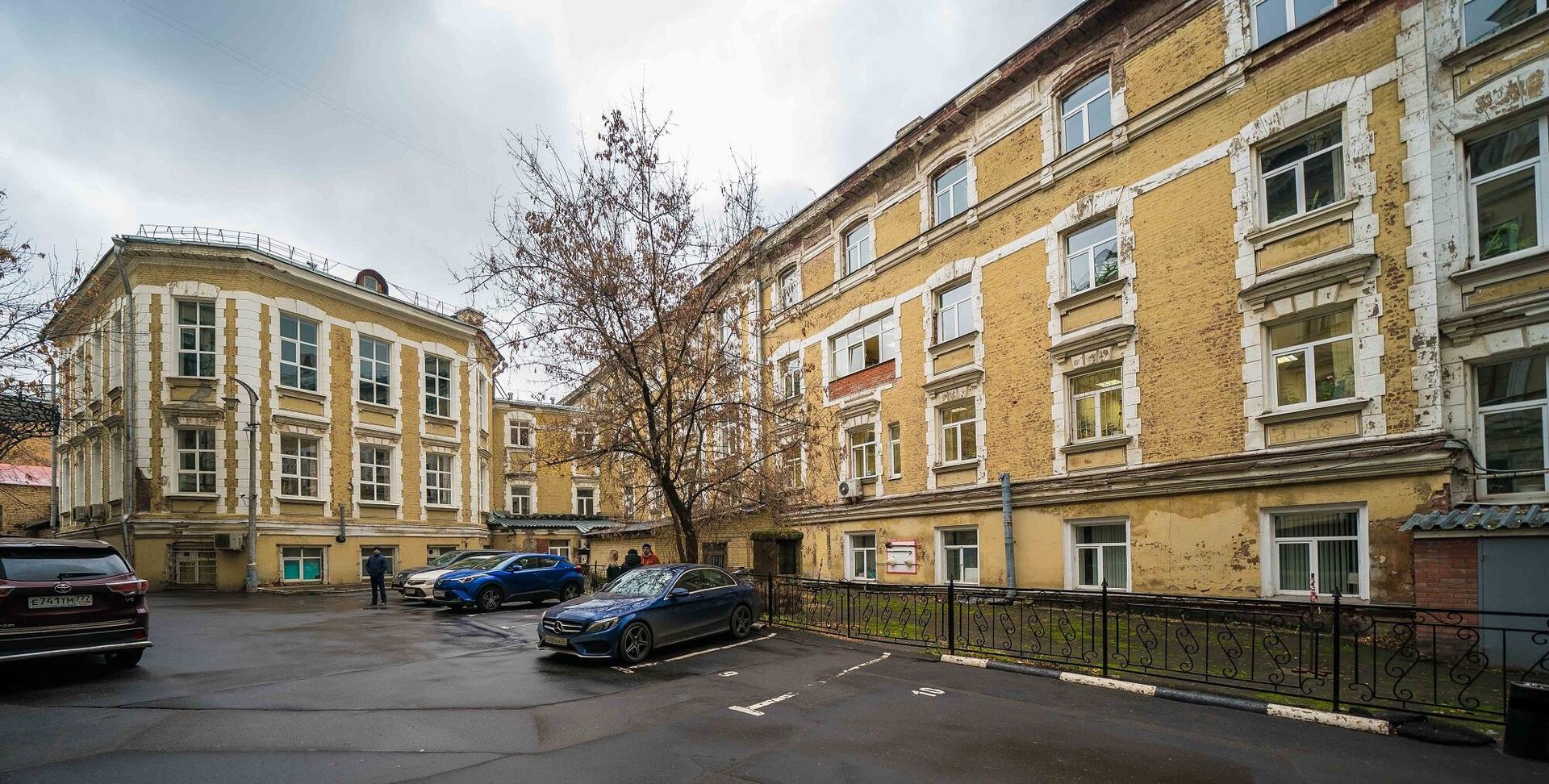
В 1888 – 1903 году был построен Торговый дом Серпуховского городского общества в Ипатьевском переулке.
В 1890 – 1892 годах построен Торговый дом «Варваринское подворье» на углу Варварки, 7 – Никольского переулка, 11.
В 1893 – 1896 годах архитектор Роман Клейн строит Гинекологический институт им. А.П. Шелапутиной при Московском университете.
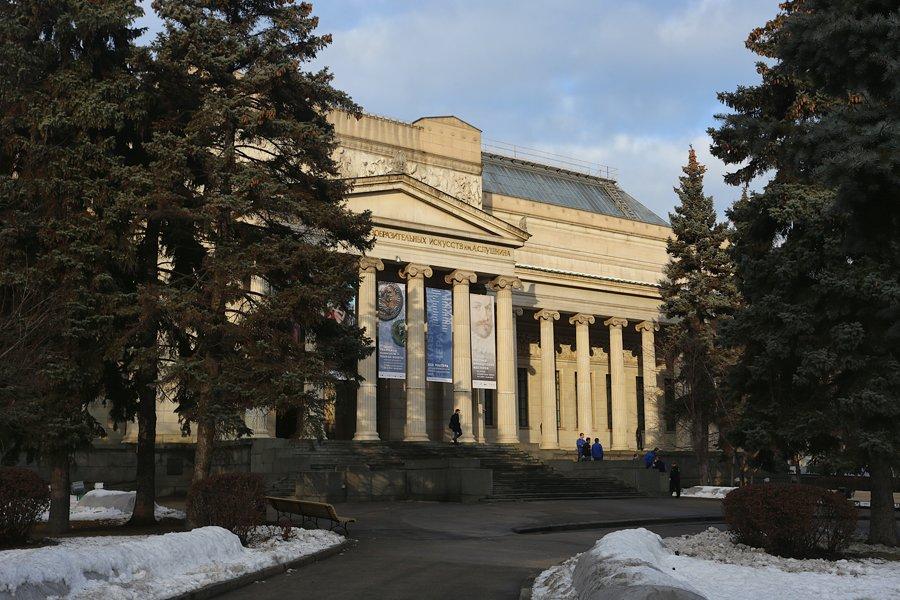
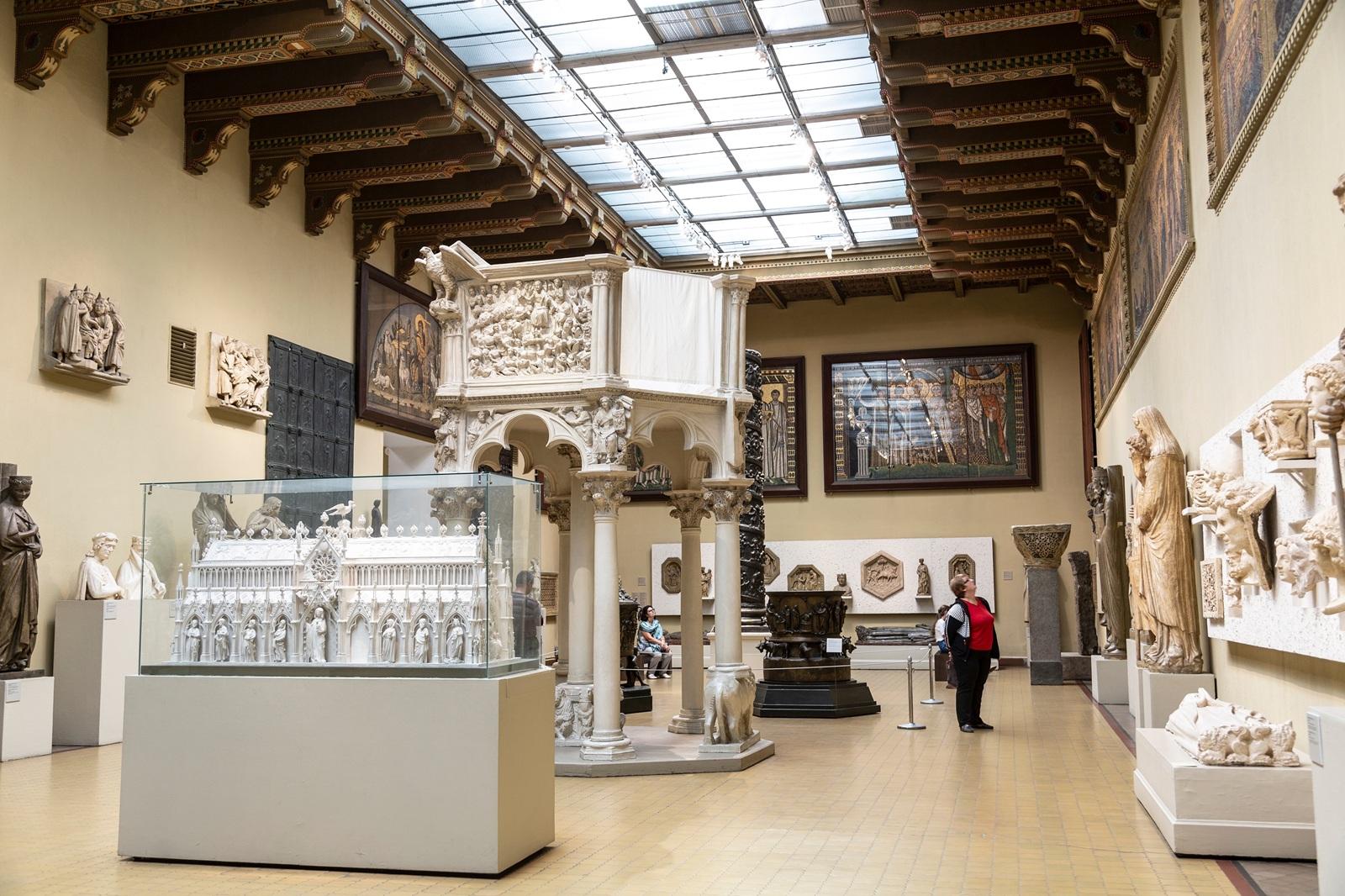
В 1896 году Академией художеств был объявлен конкурс проектов здания Музея изящных искусств им. Александра III. Роман Клейн получил золотую медаль и в течение почти двадцати лет возводил здание, совмещающее функции университетского и художественного музеев – просветительского центра. Музей изящных искусств был построен при участии архитекторов Г.Б. Бархина, И.И. Рерберга, А.Д. Чичагова, инженера В.Г. Шухова, художников И.И. Нивинского, П.В. Жусковского, А.Я. Головина, скульптора Г.Р. Залемана на Волхонке, 12, в 1912 году.
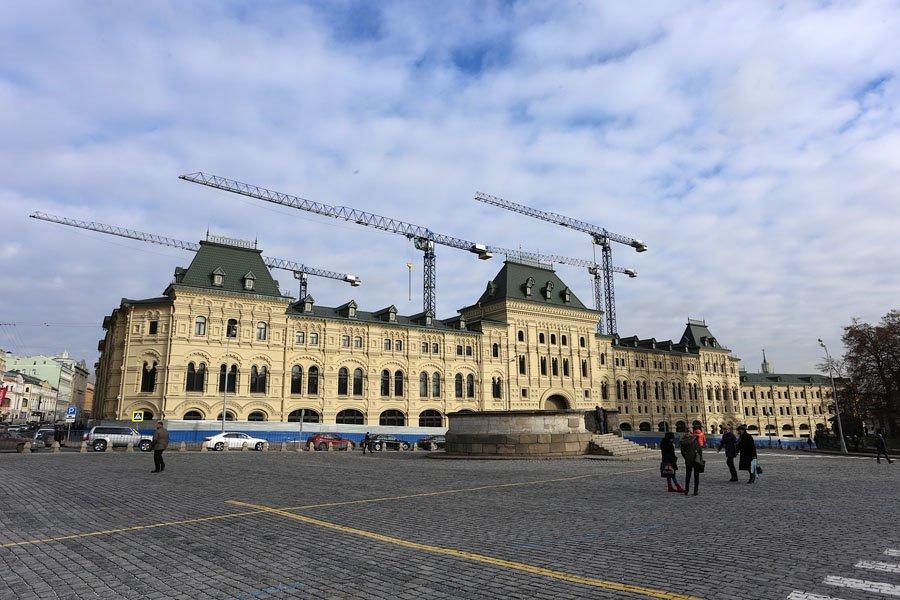
В 1901 – 1902 годах были построены Средние торговые ряды на Красной площади, 5. Московский путеводитель того времени сообщал: «Главный корпус здания представляет из себя неправильный четырехугольник, выходящий фасадом на 4 окружающих его улицы, образующих двор, внутри которого находятся остальные 4 корпуса. В главном кольцевом здании три этажа, местами с палатками. Во внутренних корпусах два этажа и также с палатками. Два внутренних корпуса разделены коридорами, перекрытыми стеклом. Наружные въезды на поверхности двора находятся с трех сторон». «Площадь, занимаемая рядами, простирается до 4000 саженей. Здание вмещает более 400 торговых помещений и вместе с землею оценивается в 5 миллионов рублей».
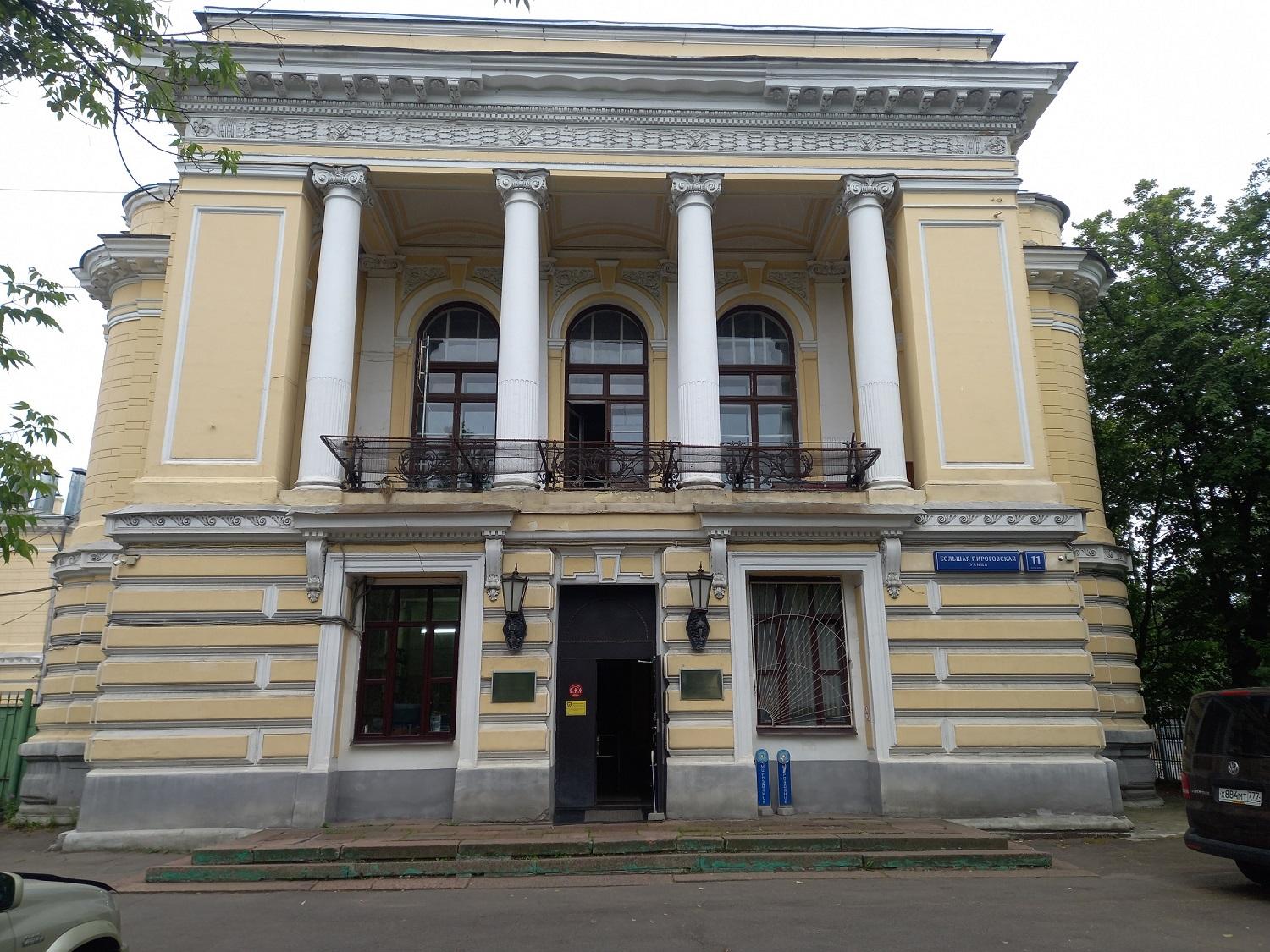
В 1900-1903 годы Роман Клейн построил Институт для лечения злокачественных опухолей имени Морозовых по заказу Московского университета на Малой Пироговской, 20.
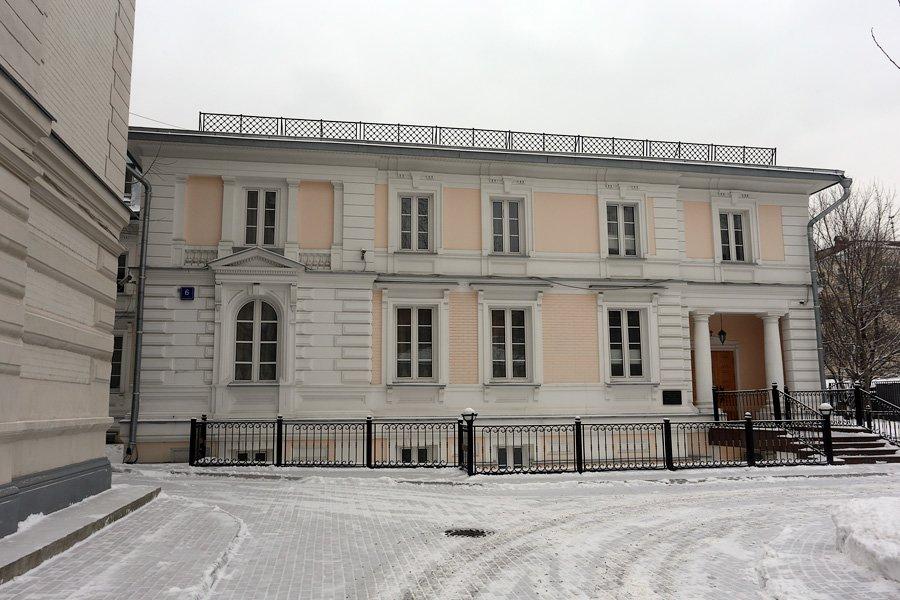
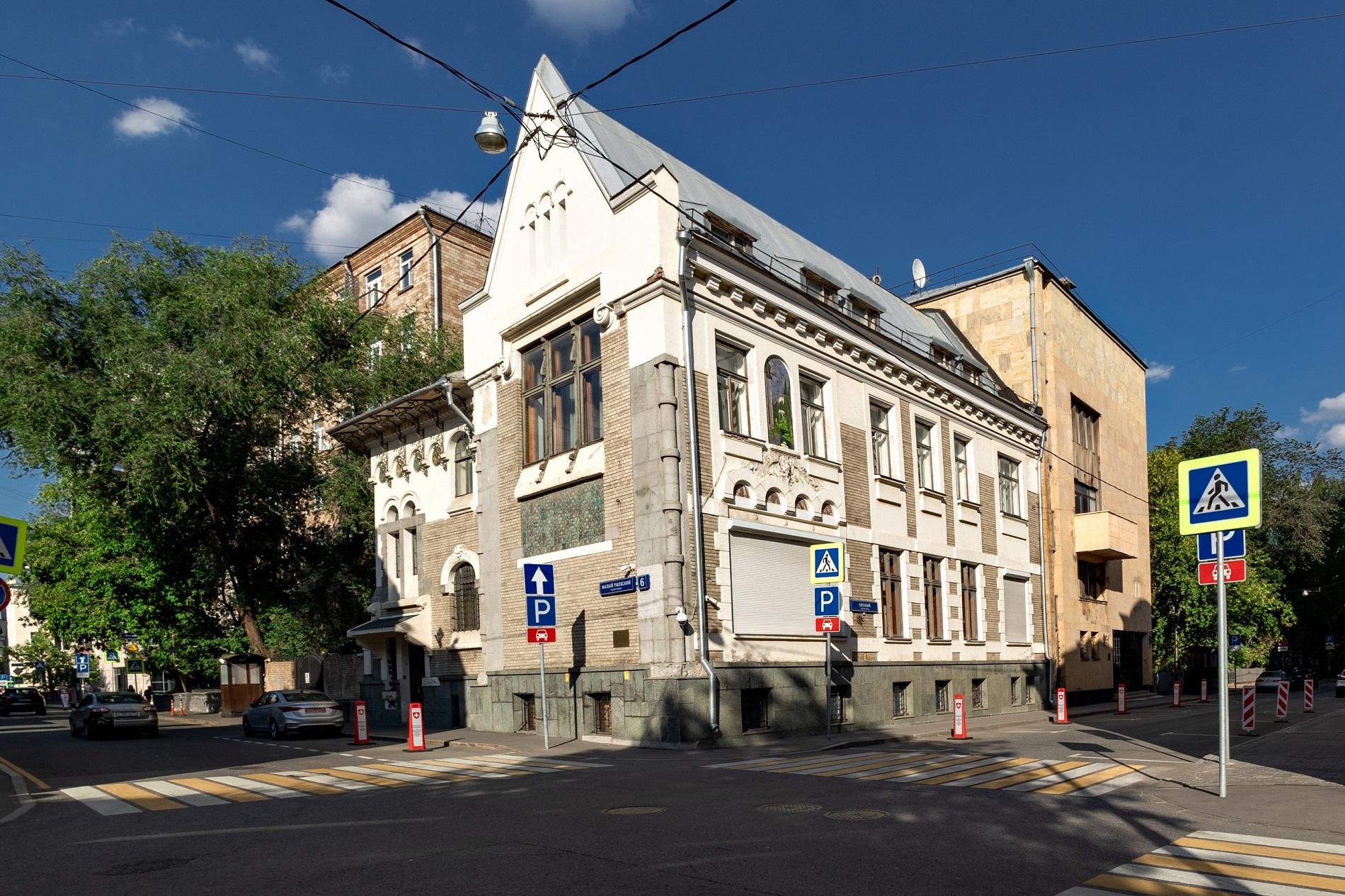
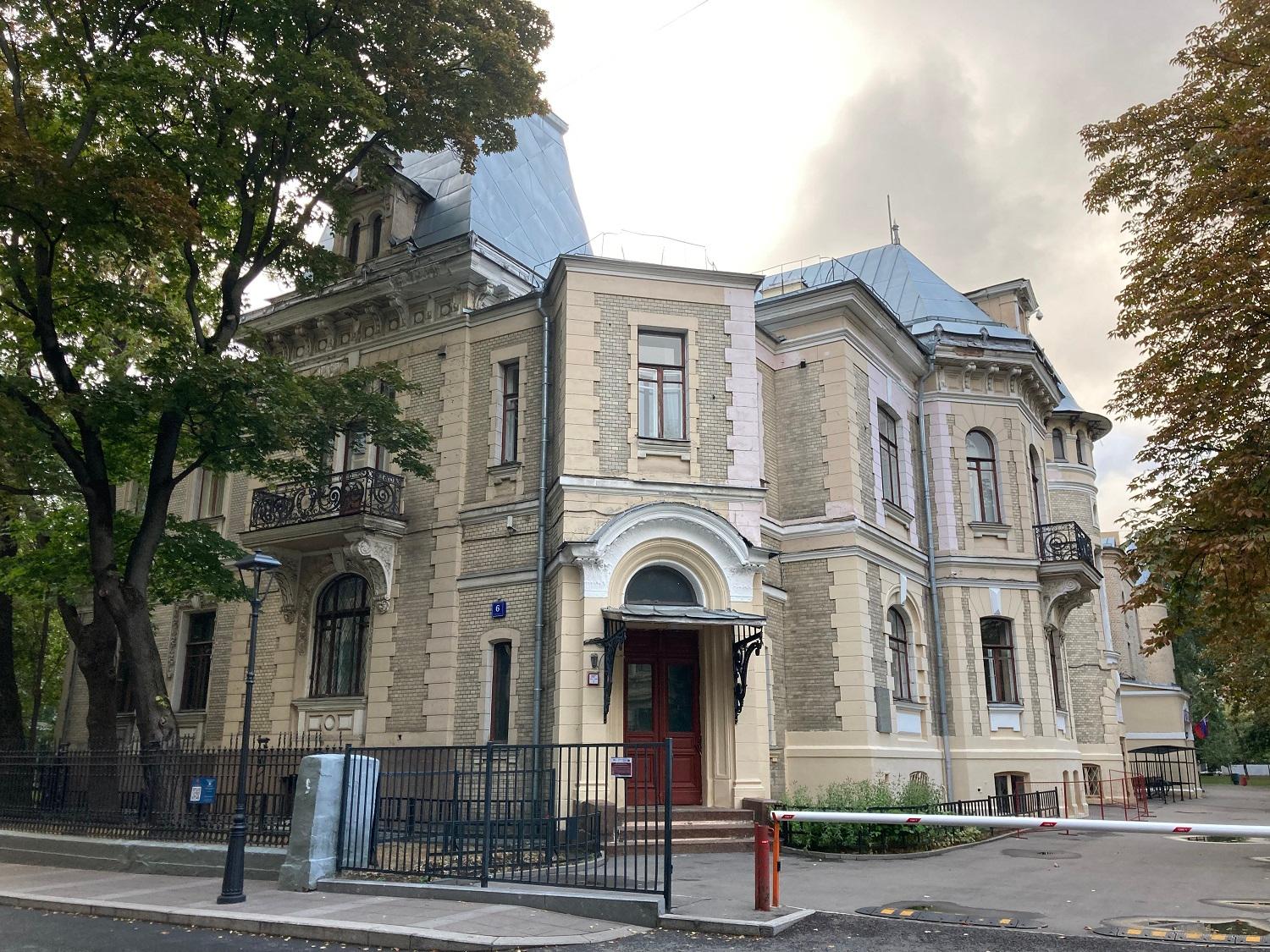
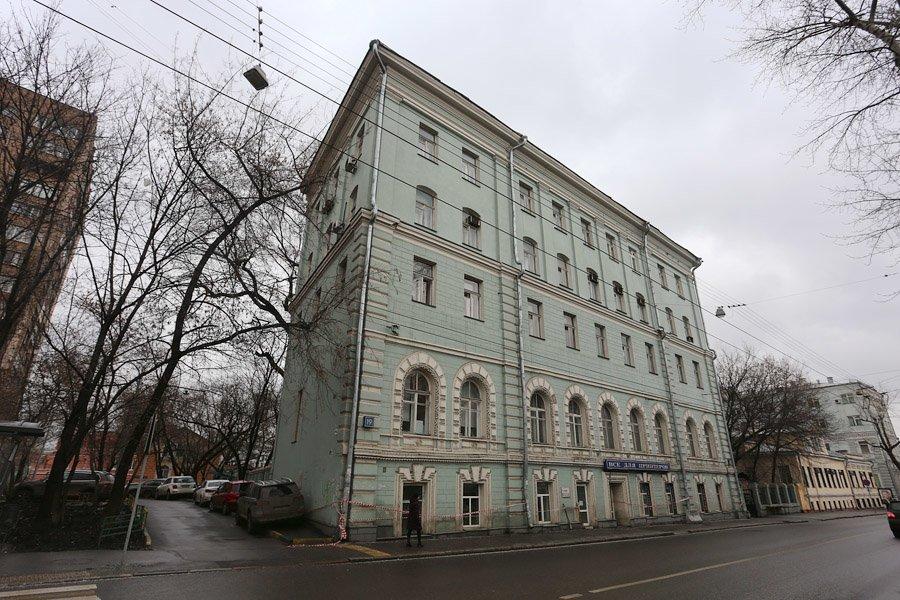
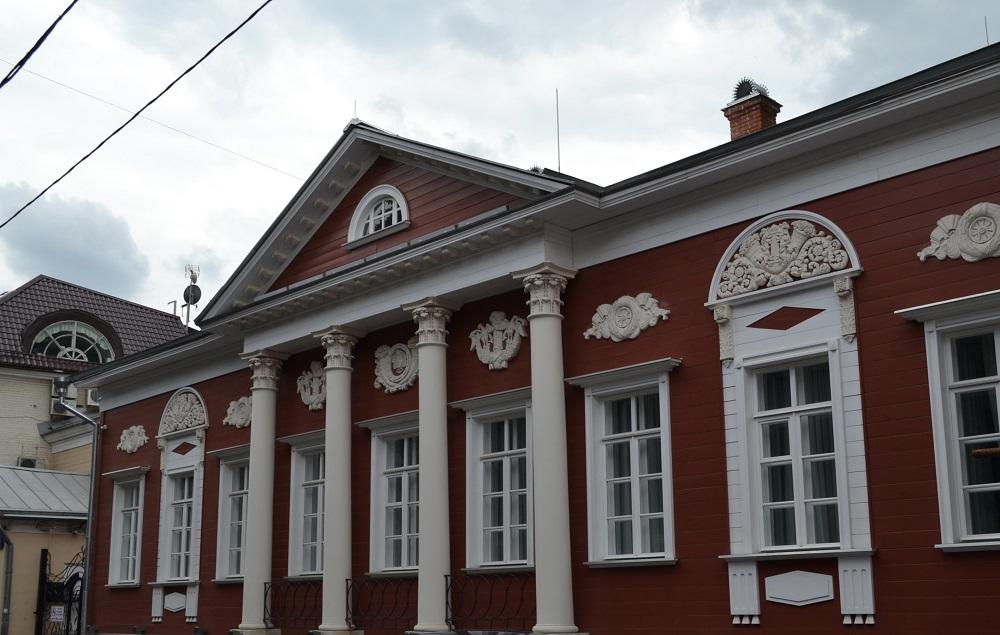
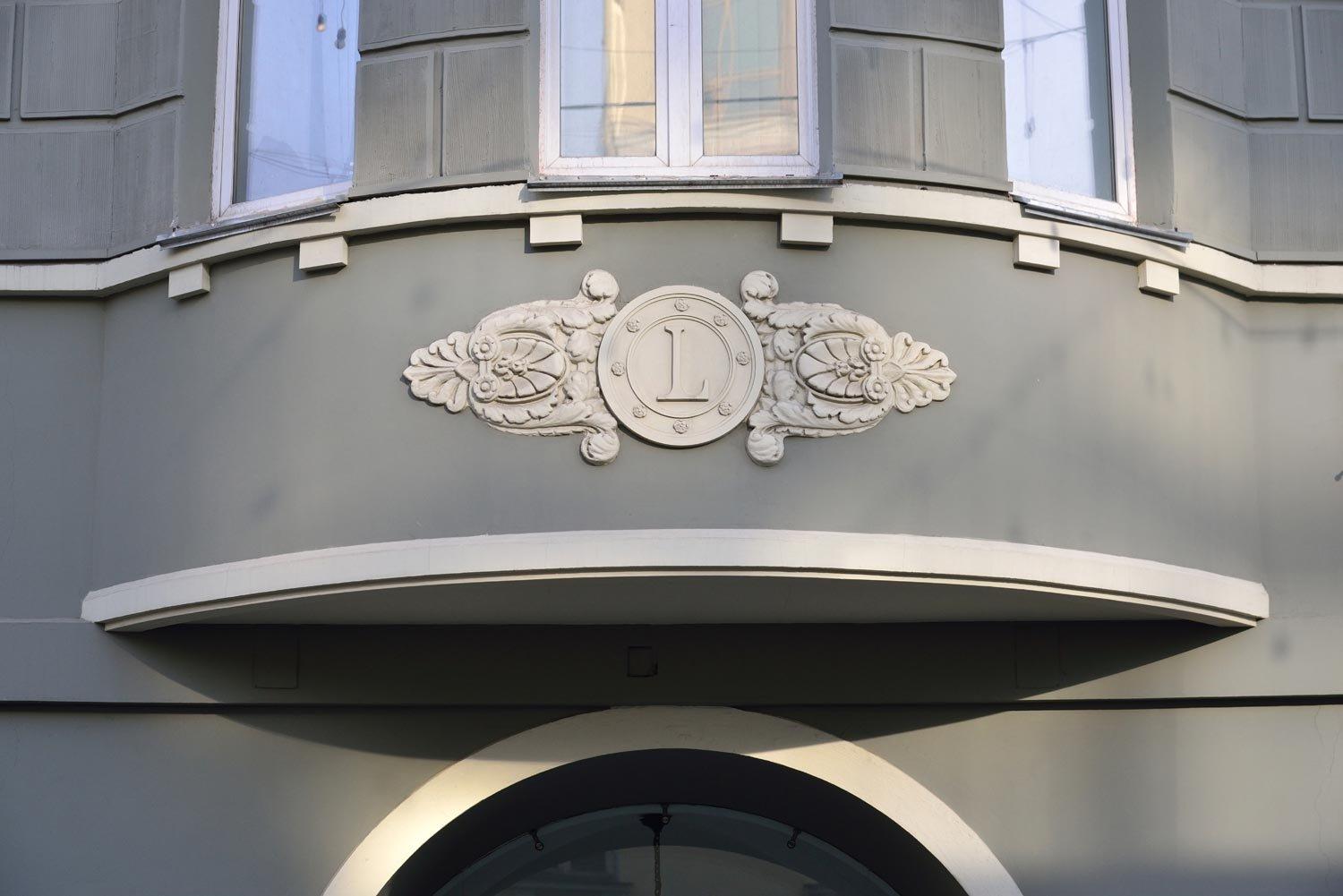
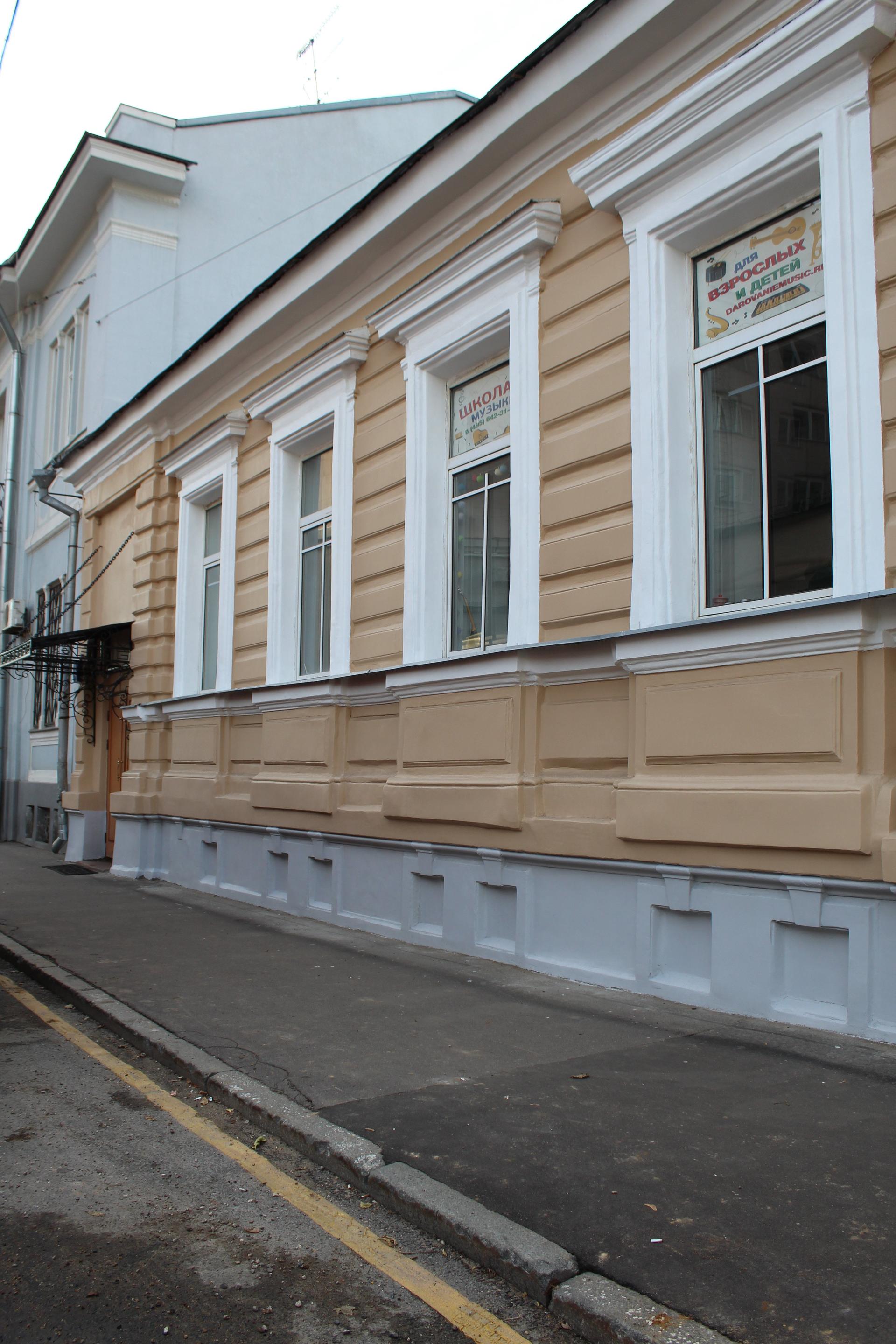
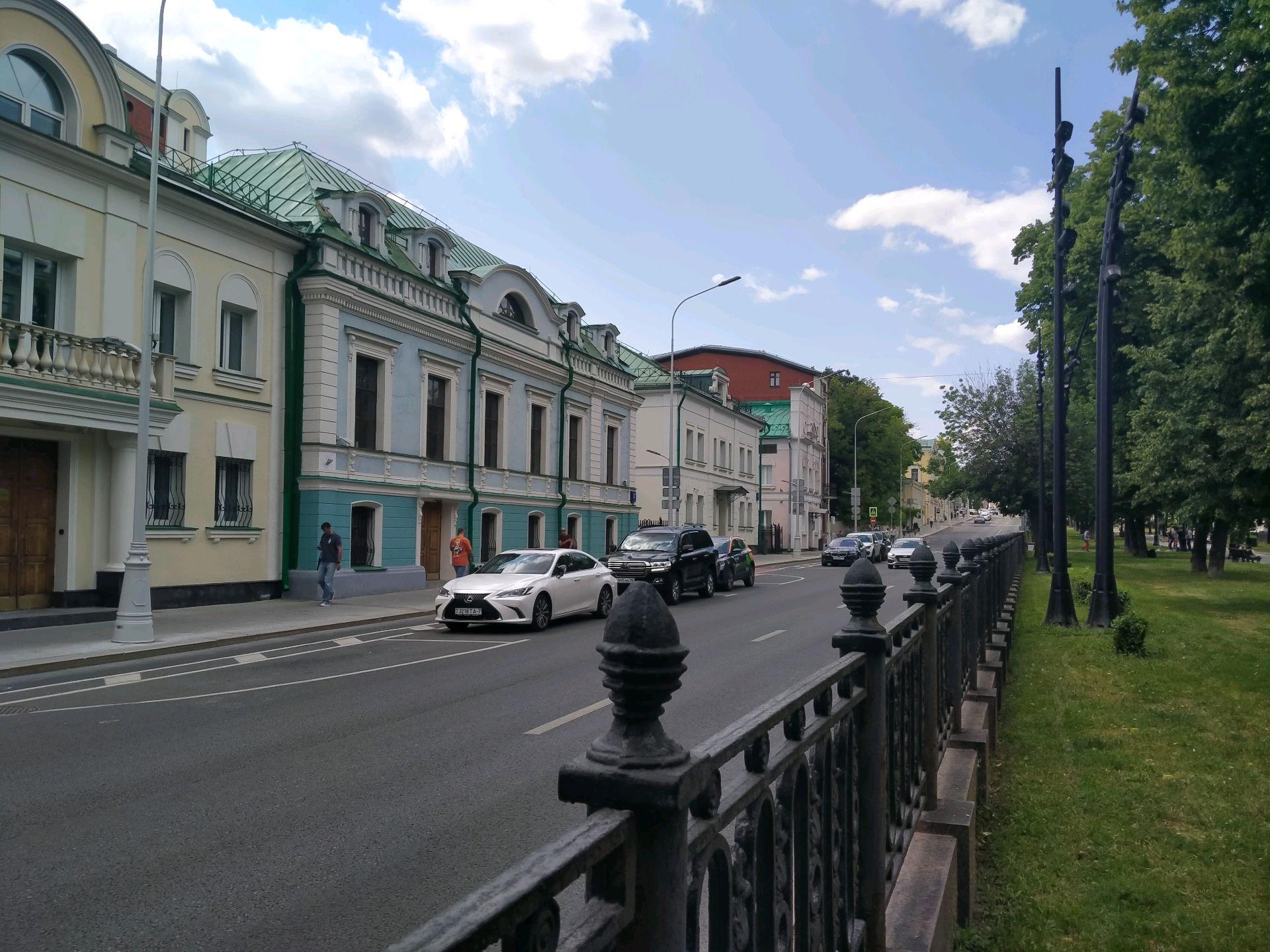
В 1900 году он выстроил собственный дом в Олсуфьевском переулке, 6.
В 1905 – 1907 годах архитектор Роман Клейн построил электростанцию Общества электрического освещения на Раушской набережной, 8.
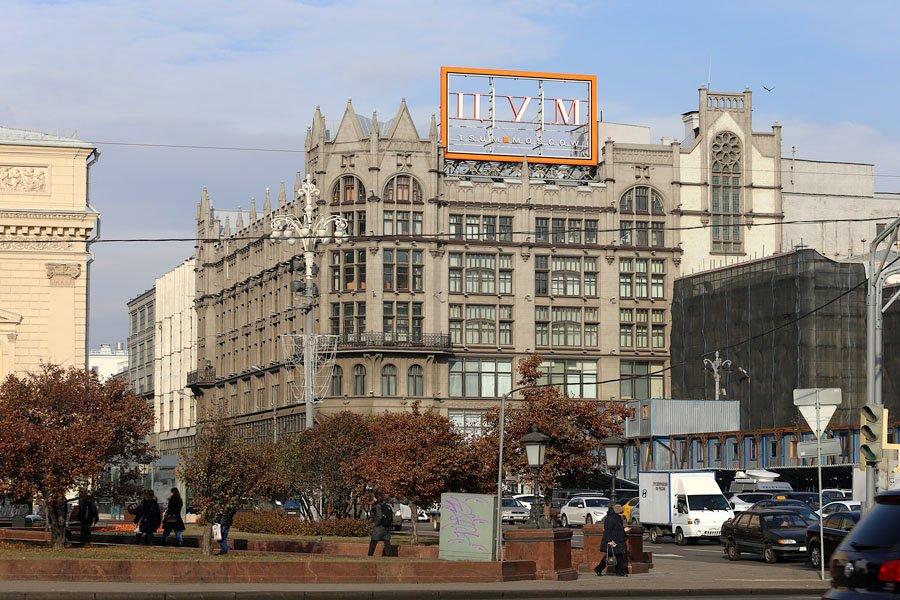
В 1908 – 1910 годах им выстроено новаторское здание на железном каркасе, изобретенном американскими инженерами, – Торговый дом товарищества Мюр и Мерелиз, ставший позднее магазином ЦУМ, на Петровке, 2.
В 1903 году в промышленной архитектуре Роман Клейн расширил пристройками здание Трехгорного пивоваренного товарищества на Кутузовском проспекте, 12. В 1906, 1909 – 1910 годах он перестроил там элеватор и водонапорную башню.
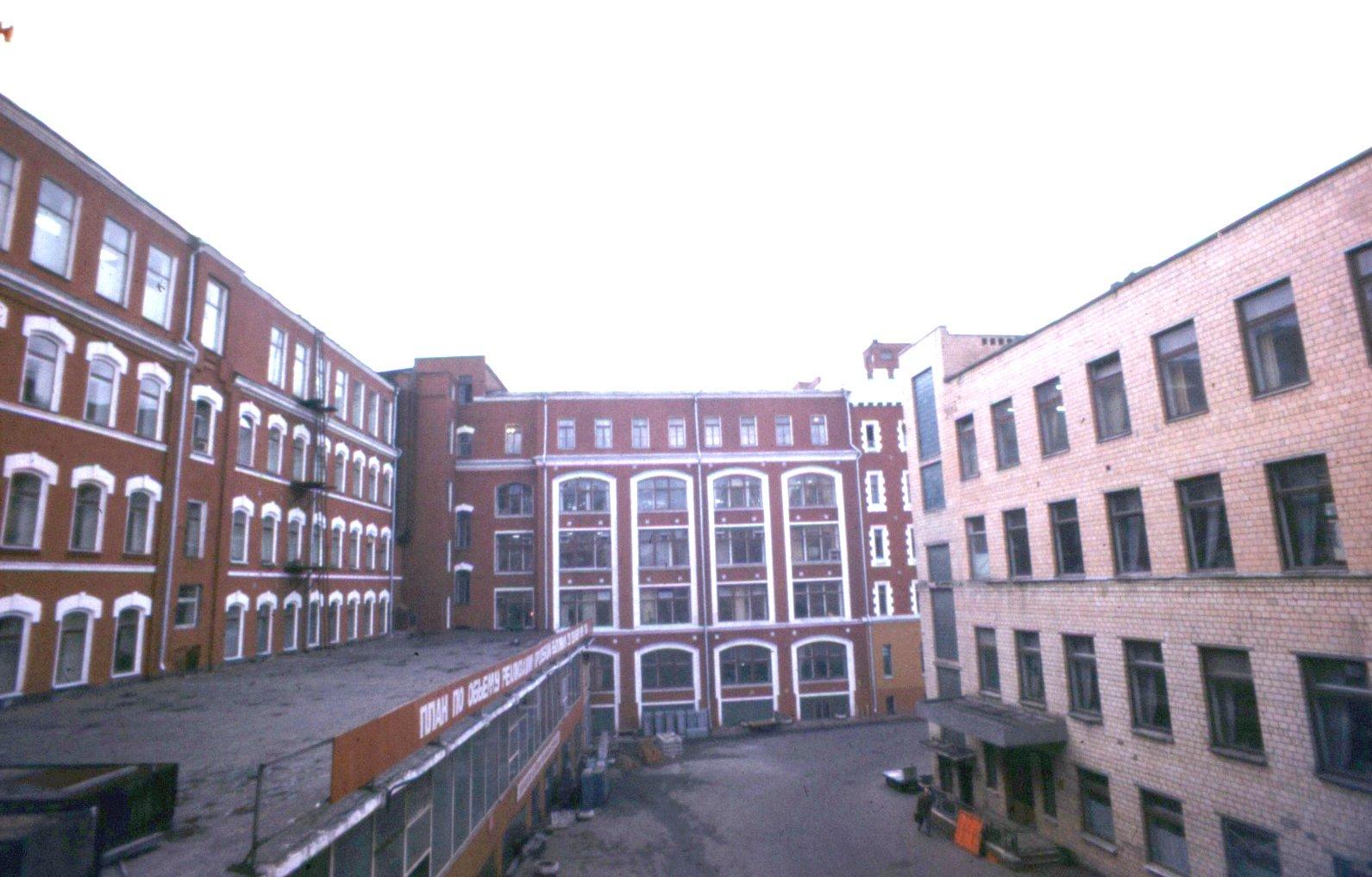
В 1907 – 1914 годах построил восемь производственных корпусов шелковой фабрики К.О. Жиро на улице Тимура Фрунзе, 11.
В 1915 – 1916 годах Роман Клейн построил здания фабрики Акционерного Общества «Каучук» на улице Усачева, 11.
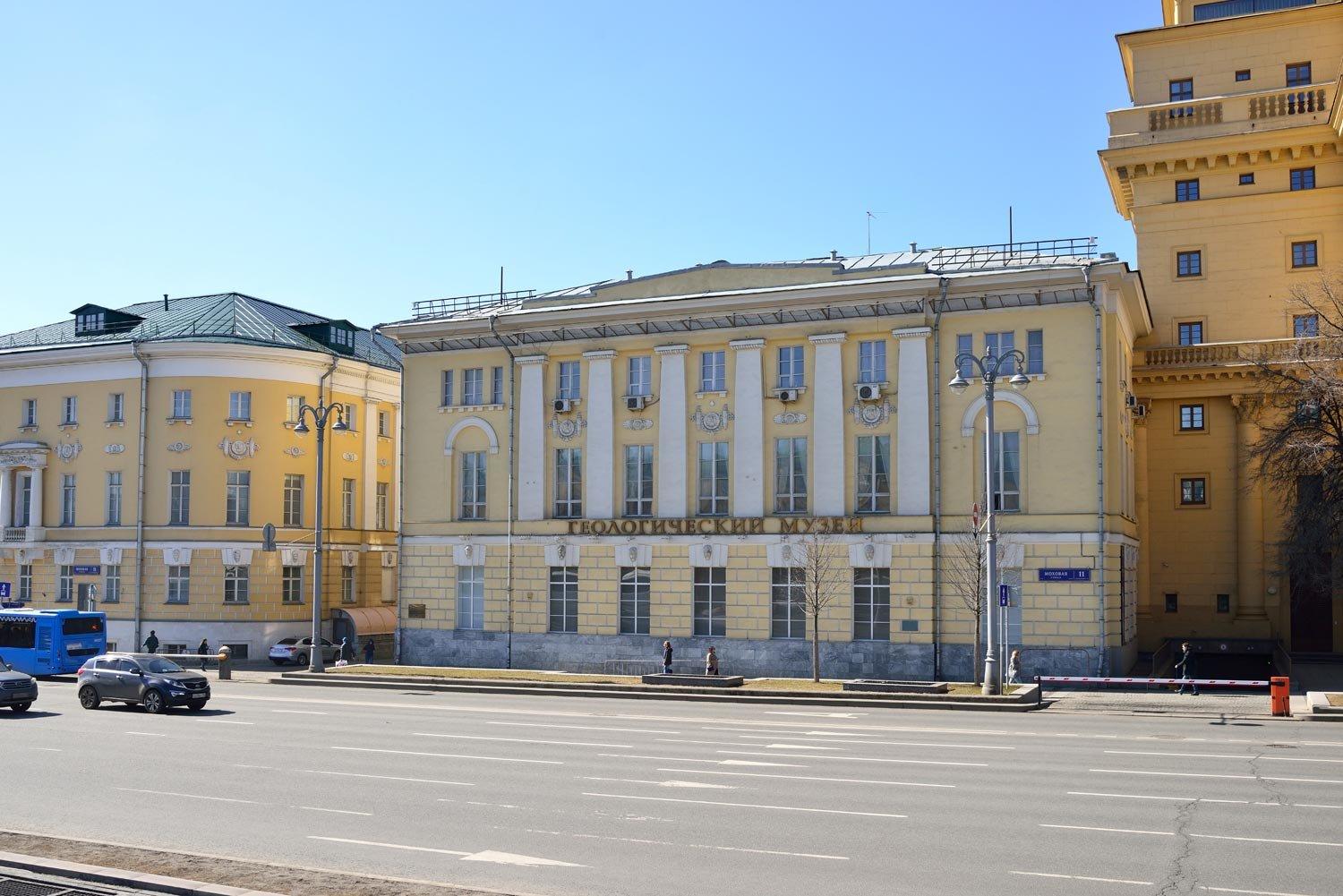
После 1917 года и смены власти, архитектор Роман Клейн пытался продолжать заниматься архитектурой. Он работал штатным архитектором Пушкинского музея, состоял в правлениях Казанской и Северной железных дорог, возглавлял кафедру МВТУ.
Roman Ivanovich (Robert Julius) Klein (March 19 (31) 1858, Moscow, Russia - May 3, 1924, Moscow, USSR) - architect, restorer, teacher.
Born into a family of Jewish merchant of the first guild Ivan Makarovich Klein and his wife Emilia Ivanovna in the house on Malaya Dmitrovka. Musicians Anton and Nikolay Rubinstein, architect Alexander Vivien that the ten-year affair began to carry on the construction and architectural drawings show, artists, writers, poets, musicians visited Klein’s house.
In 1873 - 1874 years of Roman Klein studied at the Kreyman gymnasium and attended courses at the Moscow School of Painting, Sculpture and Architecture, where he was honored with two awards for their academic achievements.
In 1875, the future architect decided to separate from their parents. He refused financial support, and taking with another tiny room without furniture, sleeping on a spring mattress, bought from the junk. Mattress for the night was on the drawing box, and the day put down. At this time the Roman Klein began to work as a junior draftsman in the architect V.O.Shervud studio, that was designing the Historical Museum buildings on Red Square.
In 1877, Roman Klein enters the Imperial Academy of Arts, which ends in 1882 with the rank of class artist architecture of the 3rd degree. After that he went to a pensioner's trip to Italy and France, where it participates in the creation of the pavilions for the Paris Exhibition of 1889 in the studio of architect Charles Garnier.
Back in 1885, a young architect worked as an assistant in the architectural studios of V.O.Shervud and A.P.Popov.
In 1886-1888 Roman Klein made his first independent project - V.A.Morozov’s mansion on 14 Vozdvizhenka street. This building has introduced him to the new circle of customers the Old Believer merchants.
On November 11, 1888 a competition was announced for the construction of the Upper Trading Arcades and on February 26 competition commission awarded the first prize of the 6000 rubles to the project titled "To Moscow merchants” by AN Pomerantsev, the second prize of the 3000 rubles was awarded for the project entitled "Under the program" by RI Klein, third prize of the 2000 rubles went to the project entitled "With God" by architect AE Weber.
In 1889, Roman Klein received an order for the construction of the Middle Trading Rows on Red Square thank to this award.
In the 1888 - 1889 a building of Siberian and Russian Bank for Foreign Trade on 2/12 Ilyinka street was rebuilt.
In 1888 - 1903 the trading house of Serpukhov urban society in Ipatiev alley was constructed.
In 1890 - 1892 built Trading House "Varvarinskoe farmstead" on the corner 7 Varvarka street and 11 Nikolsky lane.
In 1893 - 1896 by architect Roman Klein builds Gynecologic Institute named after AP Shelaputina at Moscow University.
In 1896, the Academy of Arts design declared a competition of projects for the Museum of Fine Arts building named after Alexander III. Roman Klein received a gold medal and worked to erect the building that combined functions of a university and art museums - educational center for nearly twenty years. Museum of Fine Arts was built with participation of architects GB Barkhin, II Rerberg, AD Chichagova engineer VG Shukhov, artists II Nivinsky, PV Zhuskovskogo, AJ Golovin, sculptor GR Zaleman at 12 Volkhonka street in 1912.
In 1901 - 1902 Middle Trading Rows on 5 Red Square, Moscow were built. Street guide of that time stated: "The main body of the building is a irregular quadrangle, facing frontage on 4 surrounding streets, forming a courtyard, inside which are the remaining 4 cases. In the main building of three floors of the ring, sometimes with tents. The inner housing two floors and also with tents. Two internal body divided corridors overlapped glass. Exterior entrances are located on the surface of the yard on three sides. ""The area occupied by rows stretching to 4000 yards. The building accommodates more than 400 commercial and together with the land is estimated at 5 million rubles. "
In the years 1900-1903 Roman Klein build institutions for the treatment of malignant tumors of the name of the Morozov commissioned by the Moscow University in 20 Malaya Pirogovskaya street.
In 1900 he built his own house in 6 Olsufevsky lane.
In 1905 - 1907 architect Roman Klein built a power plant for Electric Lighting Company at 8 Raushskaya waterfront.
In 1908 - 1910 he built an innovative building based on an iron frame, invented by an American engineer - Trading house of Mereliz and Muir partnership, which later became a Central Department Store at 2 Petrovka street.
In 1903, Roman Klein continued his development in the field of industrial architecture and expanded Tryokhgornaya brewing partnership building at 12 Kutuzov Avenue. In 1906, 1909 - 1910 he rebuilt the elevator and the water tower there.
In 1907 – 1914 Klein built eight industrial buildings of the KO Giraud silk factory at 11 Timur Frunze Street.
In 1915 - 1916 Roman Klein built a factory building of the JSC "Rubber" at 11 Usachev street.
After 1917 and the change of government, the architect Roman Klein tried to pursue architecture. He worked as a staff architect of the Pushkin Museum, was on the boards of Kazan and Northern railways, headed the department in the Bauman Technology Institute.
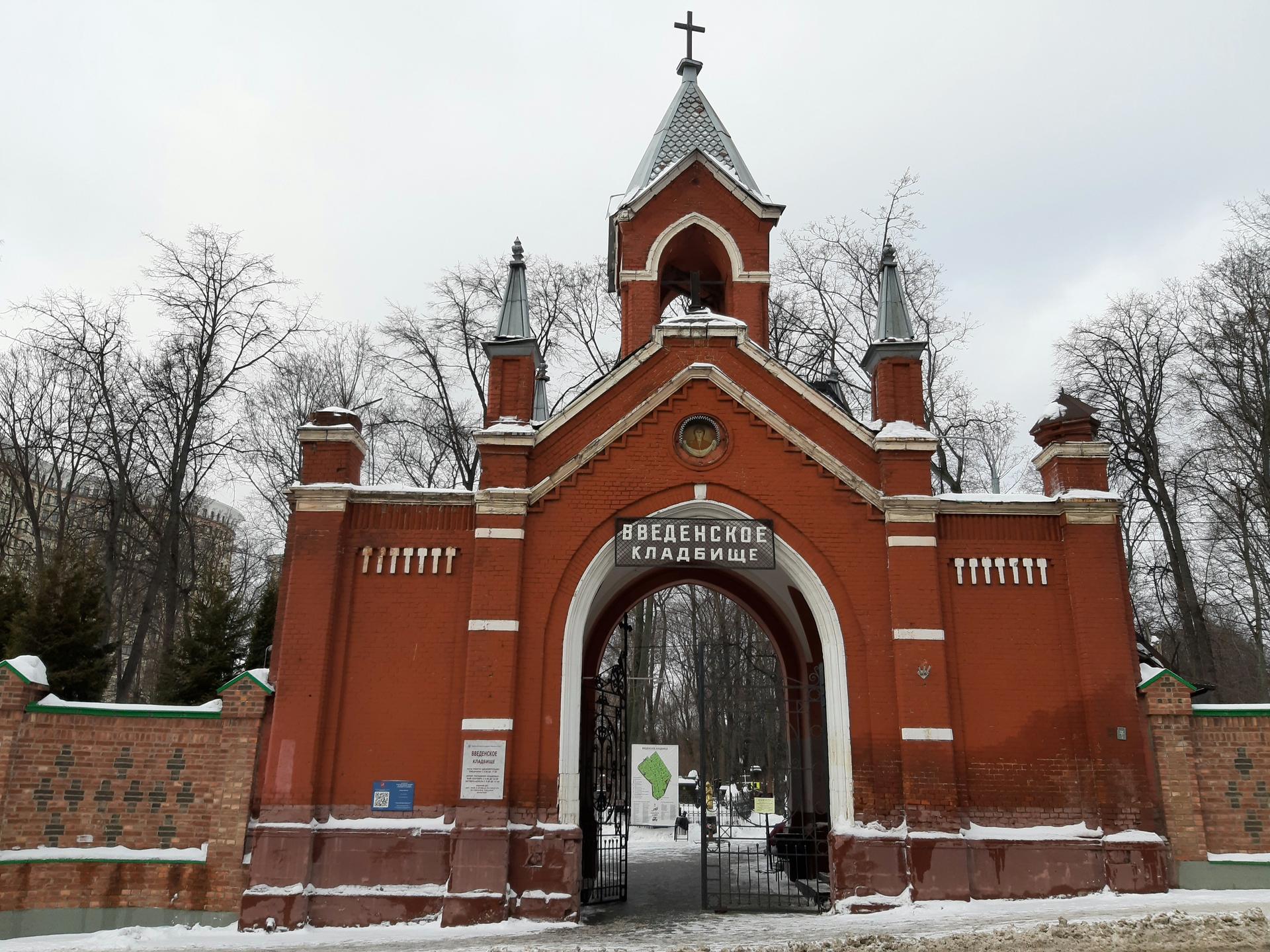
In 1924 he began to lead the design bureau of Narcompros and died four months after the appointment. Buried on Vvedenskoye cemetery.