Интерактивный гид по городу
С мобильным приложением бродить по городу гораздо интереснее!

скульптор
4.05
Вы можете воспользоваться QR-кодом, чтобы открыть эту страницу в нашем приложении
Дата и место рождения:
19 июня (1 июля) 1889, Рига
Дата и место смерти:
6 октября 1953, Москва
Сфера деятельности:
Architecture
Эпоха:
Soviet time, Russian Empire 18th-19th century
Рождение и происхождение

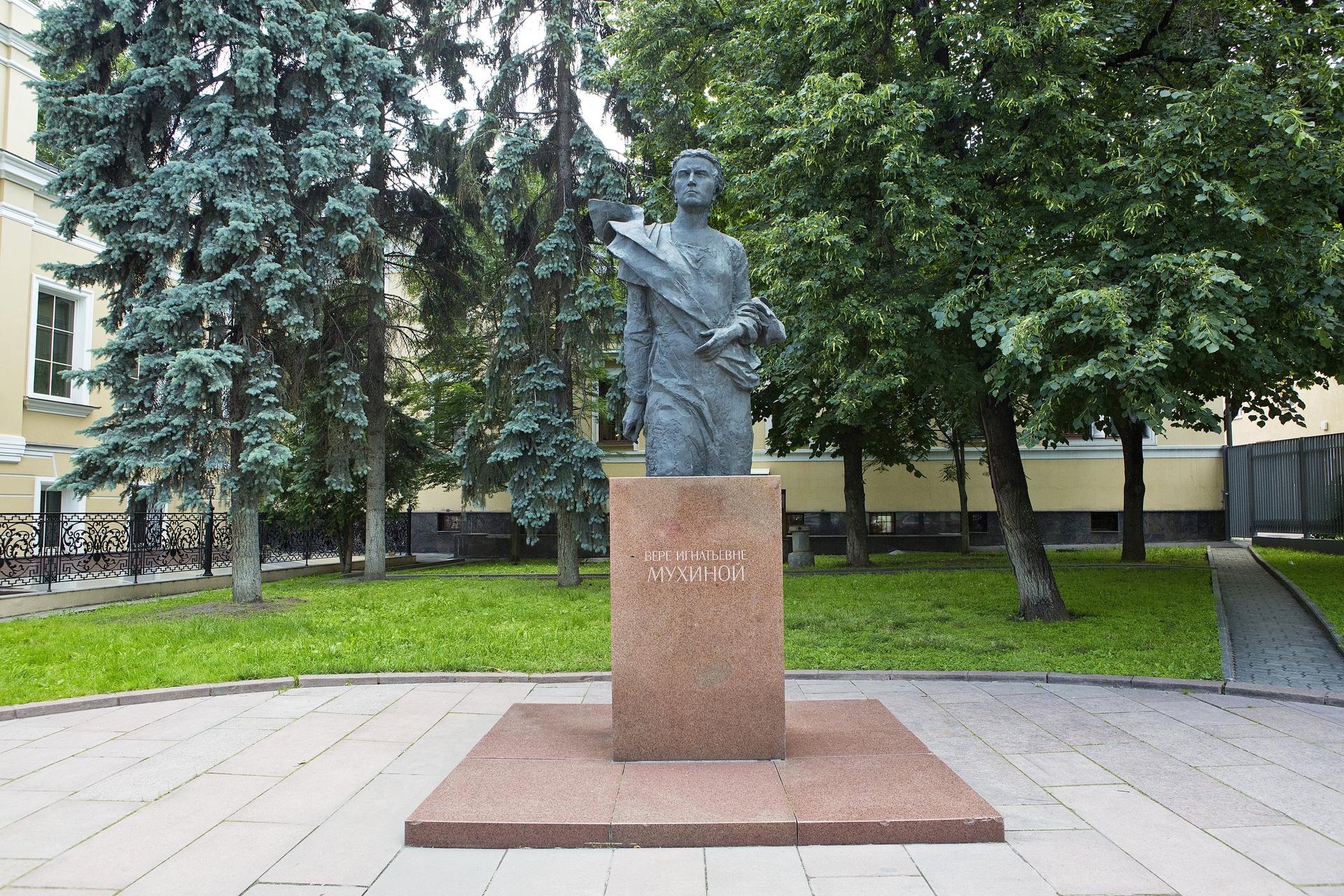
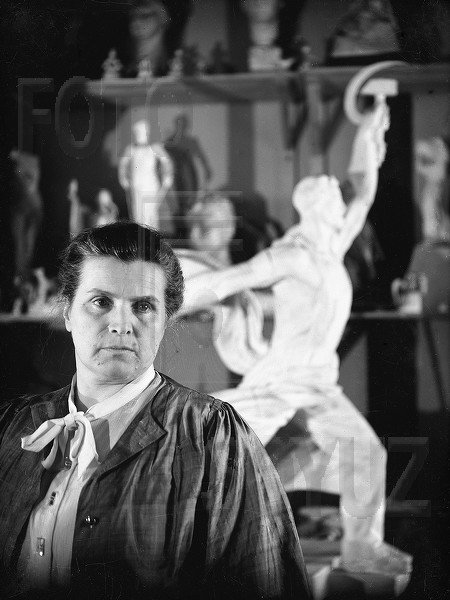
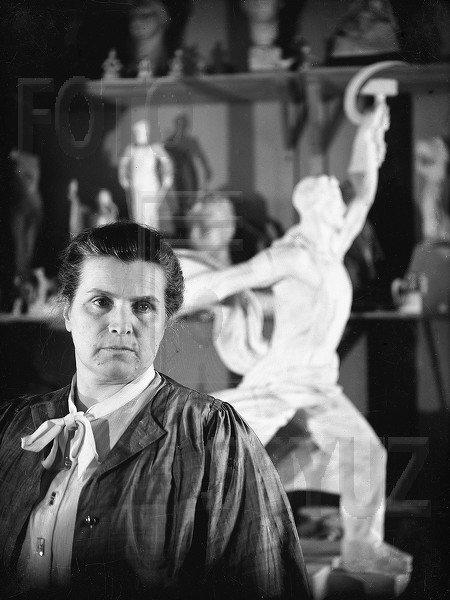
Вера Игнатьевна Мухина (19 июня (1 июля) 1889, Рига, Россия – 6 октября 1953, Москва, СССР) – скульптор-монументалист, академик Академии художеств СССР, лауреат пяти Сталинских премий.Родилась в богатой купеческой семье оптового торговца пенькой, пшеницей, льном Игнатия Мухина. Мухины поселились в Риге после Отечественной войны 1812 года. Им принадлежали склады, дома и лесопилка. Известно, что они много жертвовали денег на строительство церкви Благовещения Богородицы и Троице-Задвинской церкви, помогали православным церквям в Риге, участвовали в благотворительных мероприятиях для малоимущих.

В 1892 году, когда Вере исполнилось два года, ее мать умерла от туберкулеза и отец увез ее в Феодосию, где она получила первые уроки рисунка и живописи.

Образование

В 1904 году Вера Мухина окончила гимназию в Феодосии и переехала в Москву, где начала учиться живописи в студиях К.Ф. Юона, И.О. Дудина, И.И. Машкова.

В 1912 – 1914 годах уехала в Париж, где училась у скульптора-монументалиста Э.А. Бурделя в Академии Гранд Шомьер.

Деятельность

В 1914 году путешествовала по Италии, изучала скульптуру и живопись Ренессанса. Вернувшись в Россию, Вера Мухина во время Первой мировой войны работала сестрой милосердия инфекционного отделения в военном госпитале в Москве. В 1916 году она выходила больного тифом молодого хирурга-офицера Алексея Замкова. И в 1918 году вышла за него замуж.

В 1923 году Мухина оформила павильон газеты «Известия» вместе с А.А. Экстер на первой Всероссийской сельскохозяйственной и кустарно-промышленной выставке в Москве.

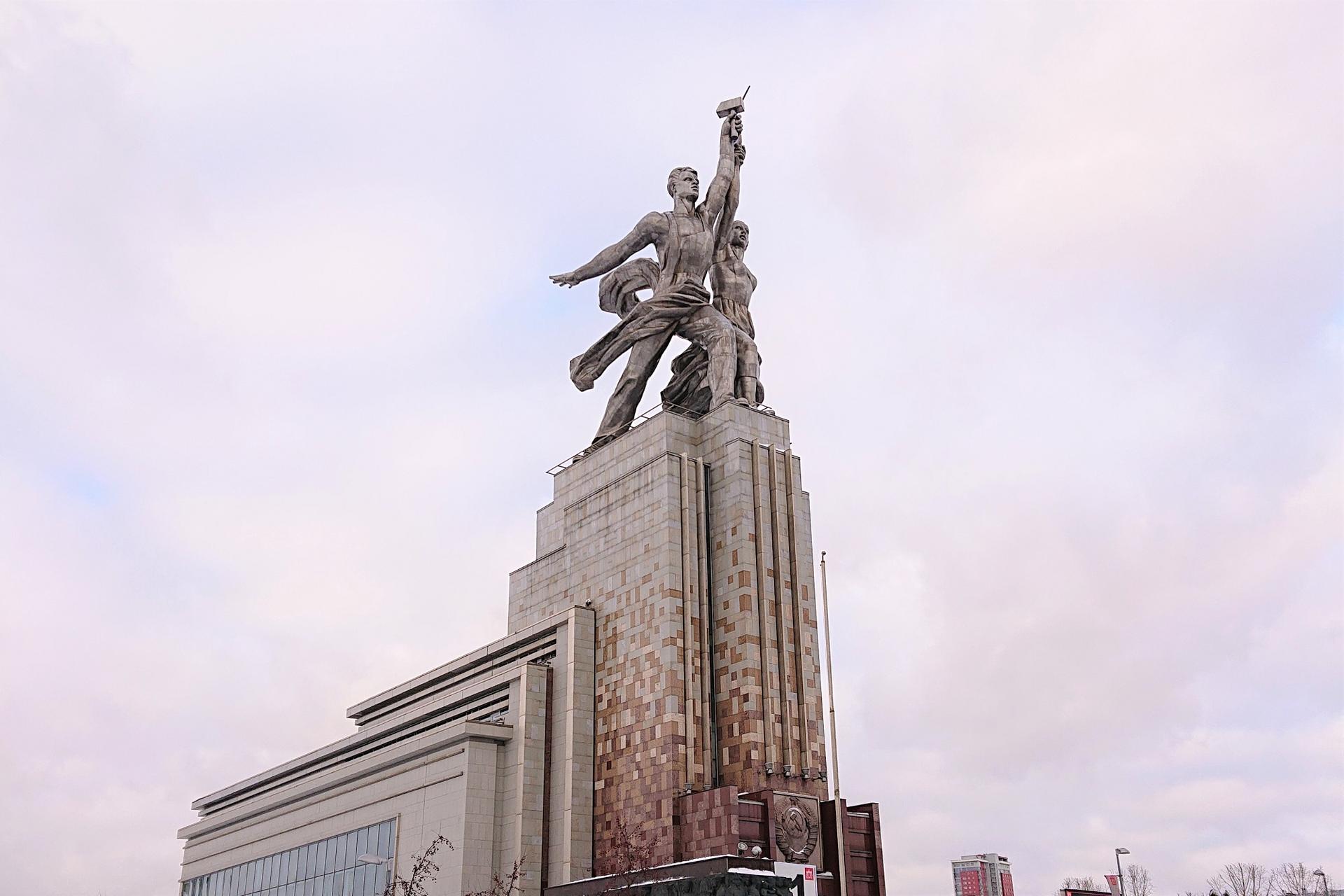
В 1937 году ее монумент «Рабочий и колхозница» был установлен на Всемирной выставке 1937 года в Париже, он венчал советский павильон архитектора Б.М. Иофана. За эту скульптура Вера Мухина была награждена орденом Трудового Красного Знамени. В 1939 году скульптура была установлена у северного входа на Выставку достижений народного хозяйства (ВДНХ).

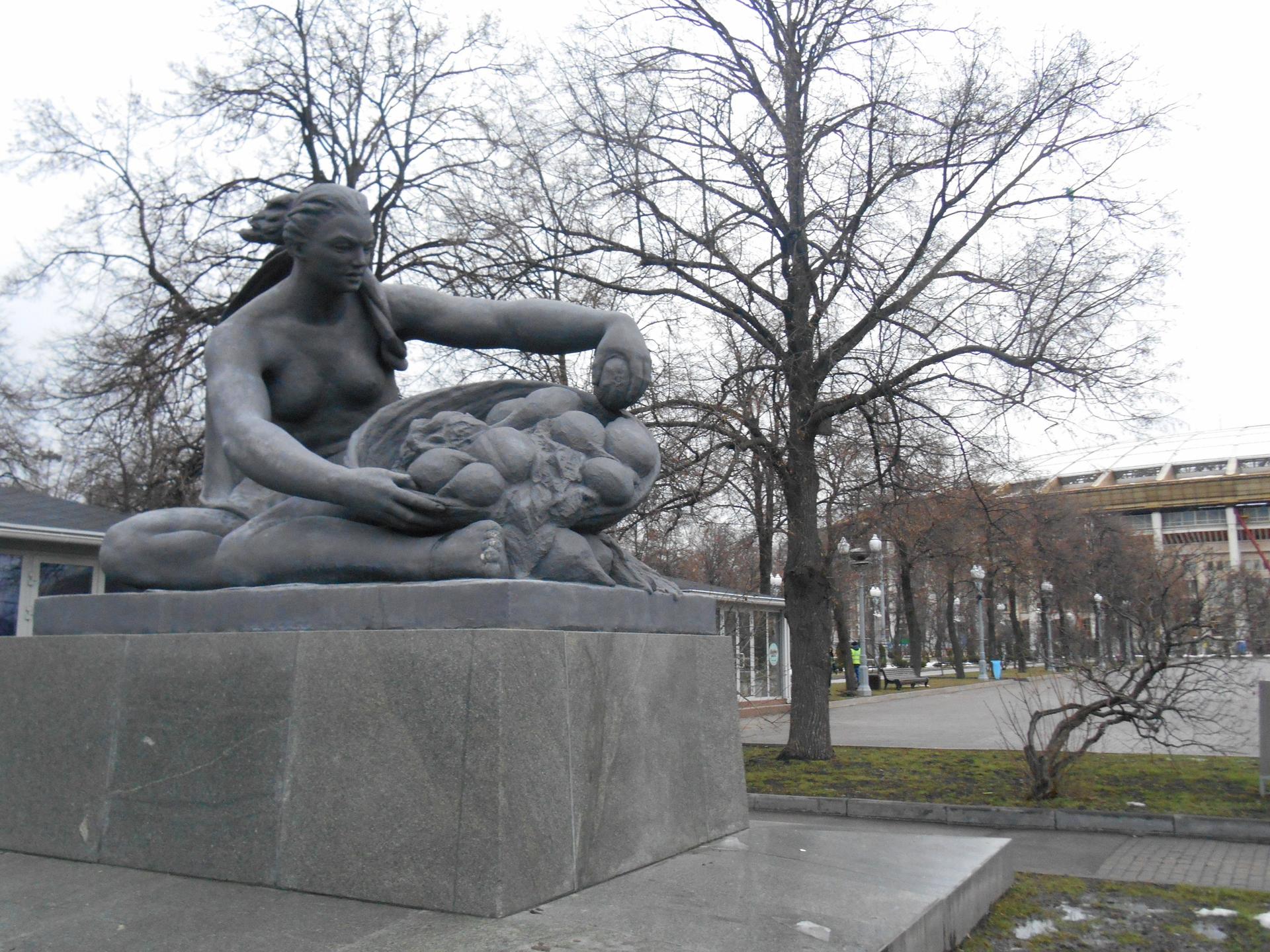
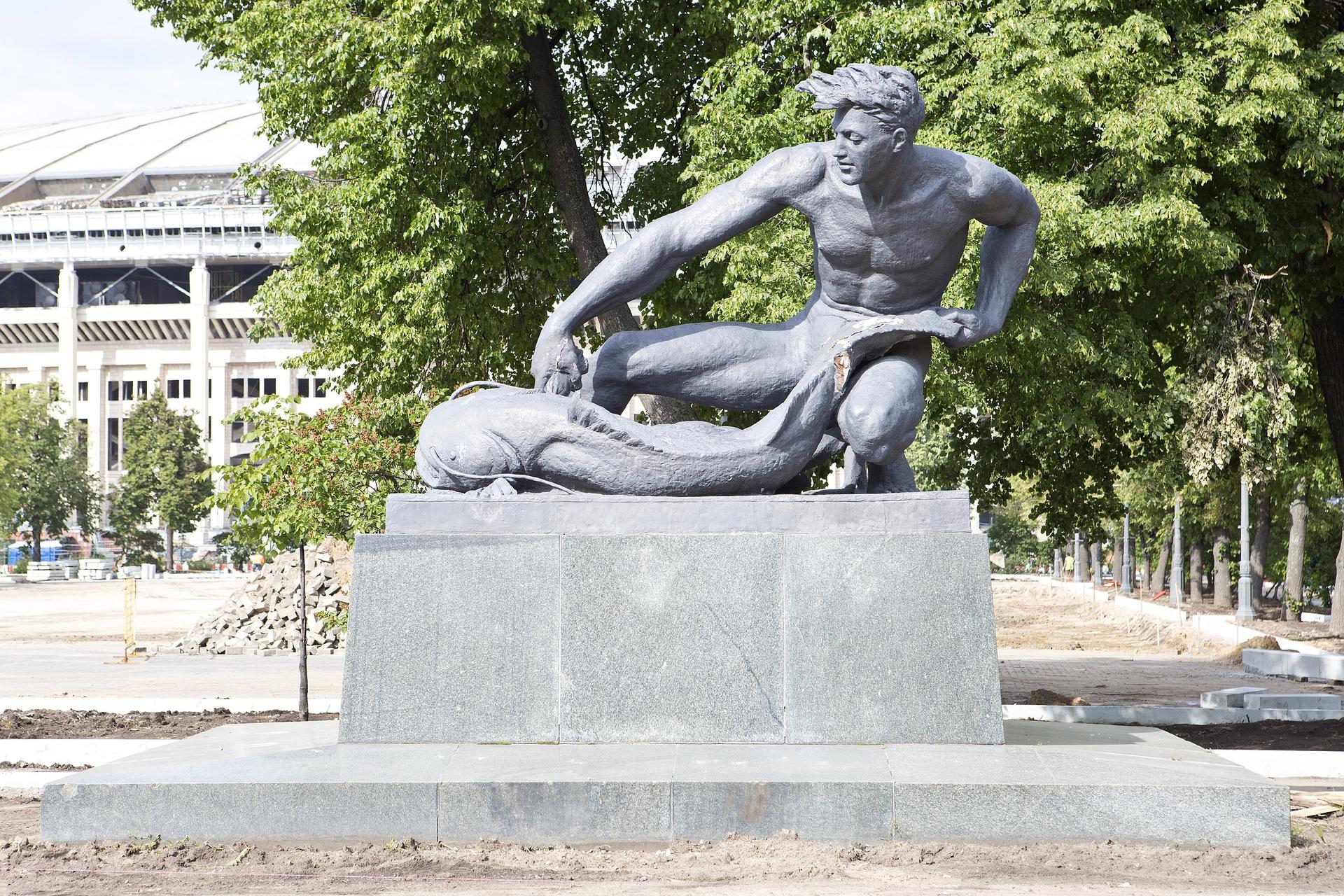
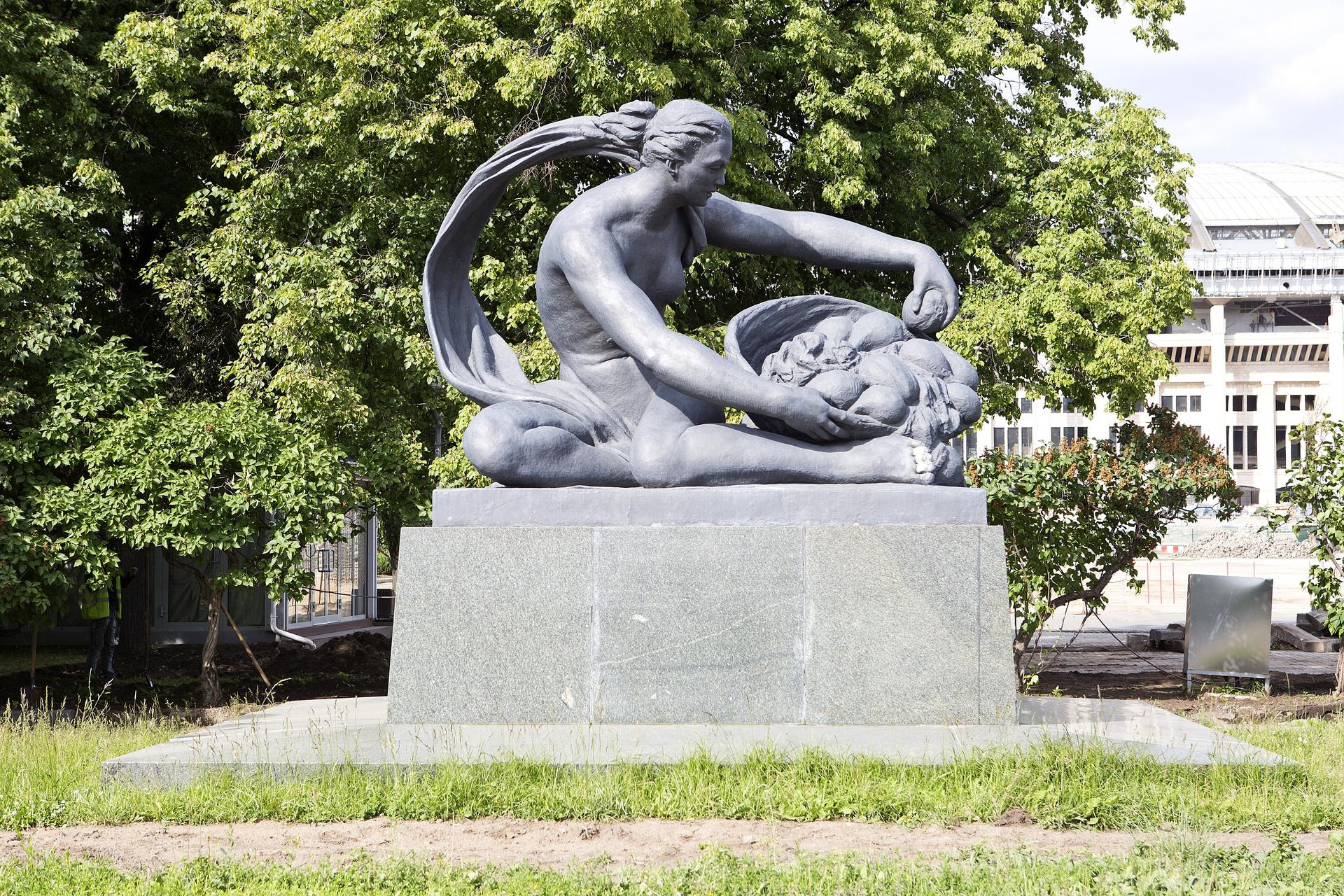
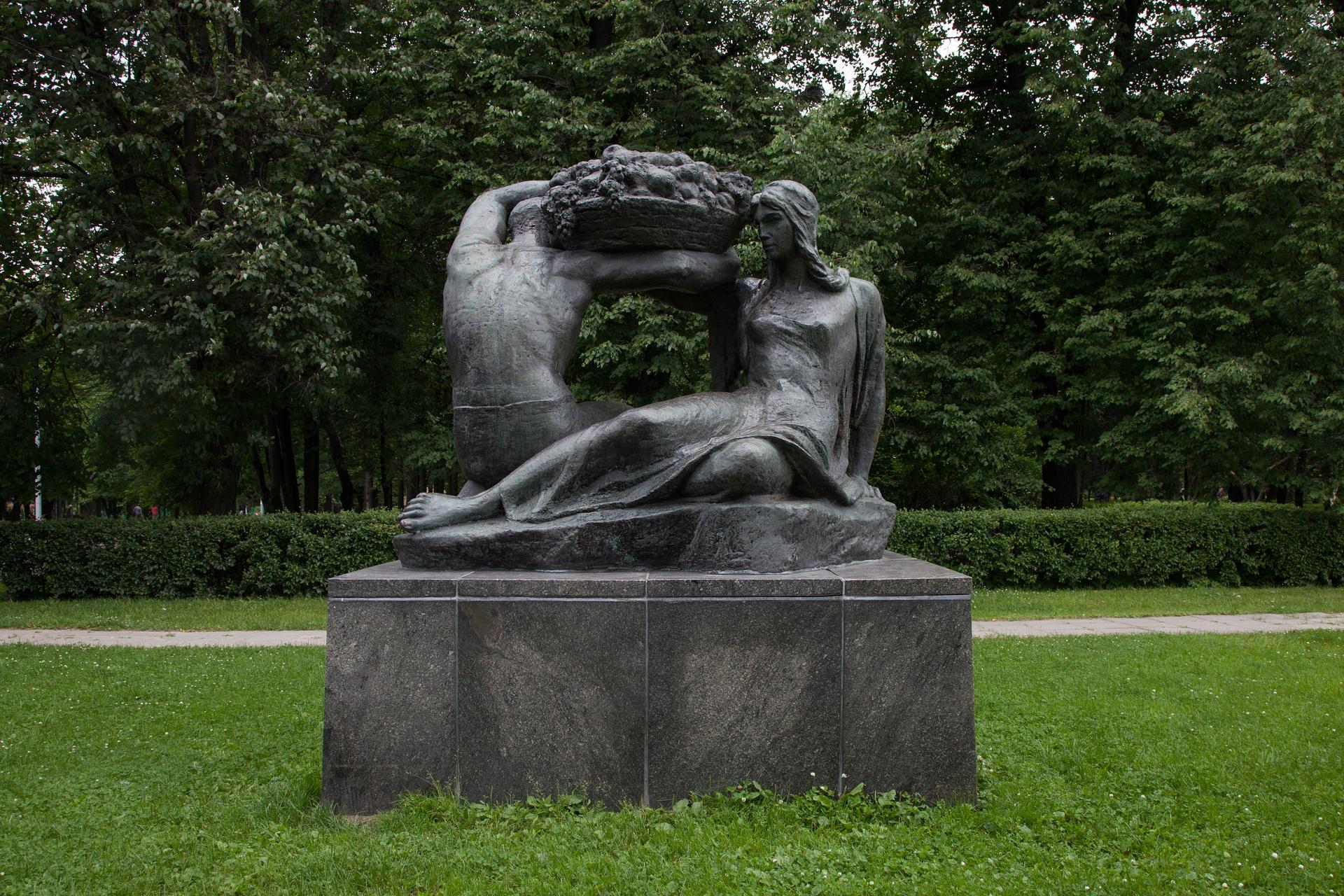
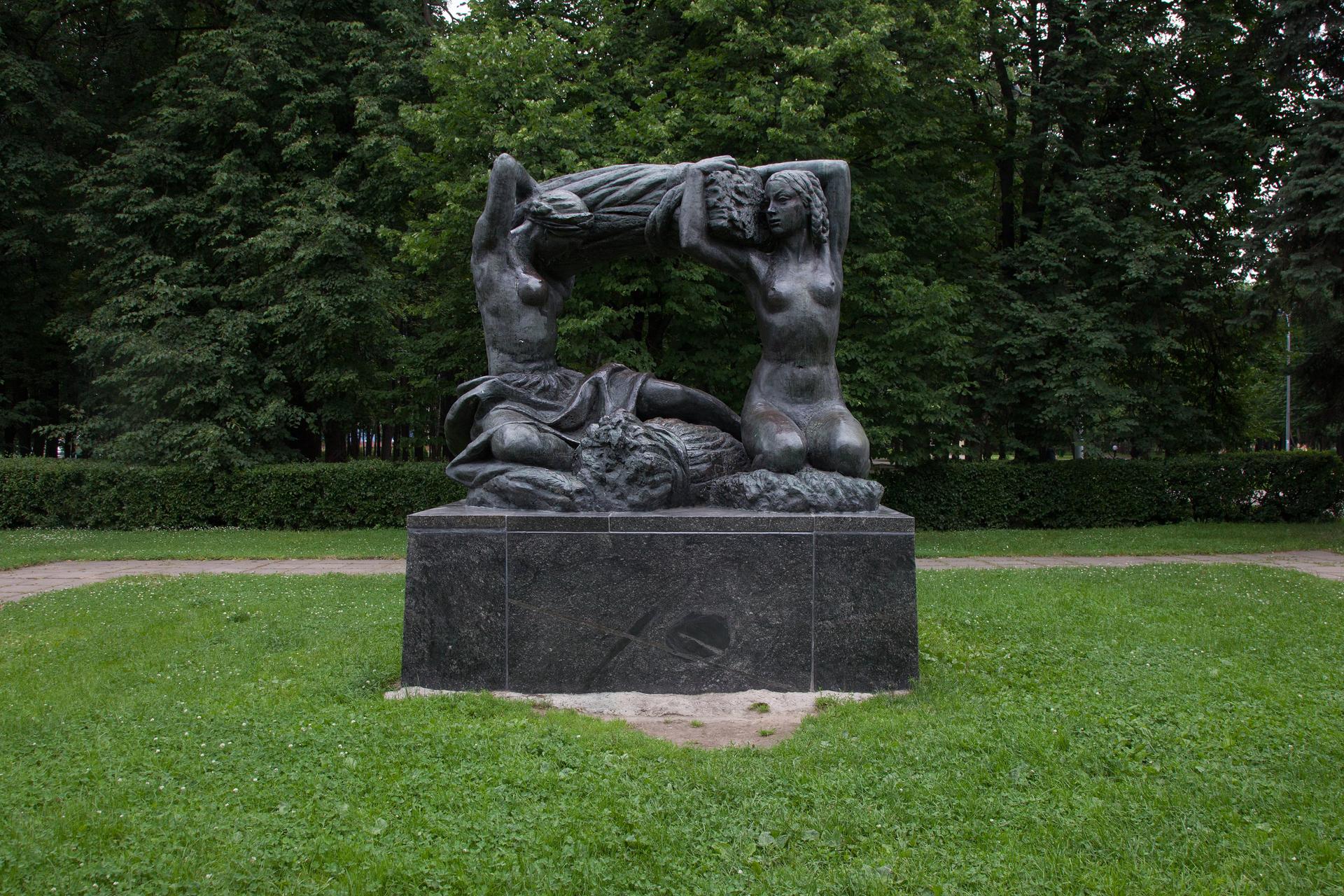
В 1937 году создана скульптура «Хлеб». В 1938 – 1939 годах - скульптуры «Гимн Интернационалу», «Пламя революции», «Море», «Земля», «Плодородие» для Москворецкого моста, воссозданные по эскизам Мухиной после ее смерти.

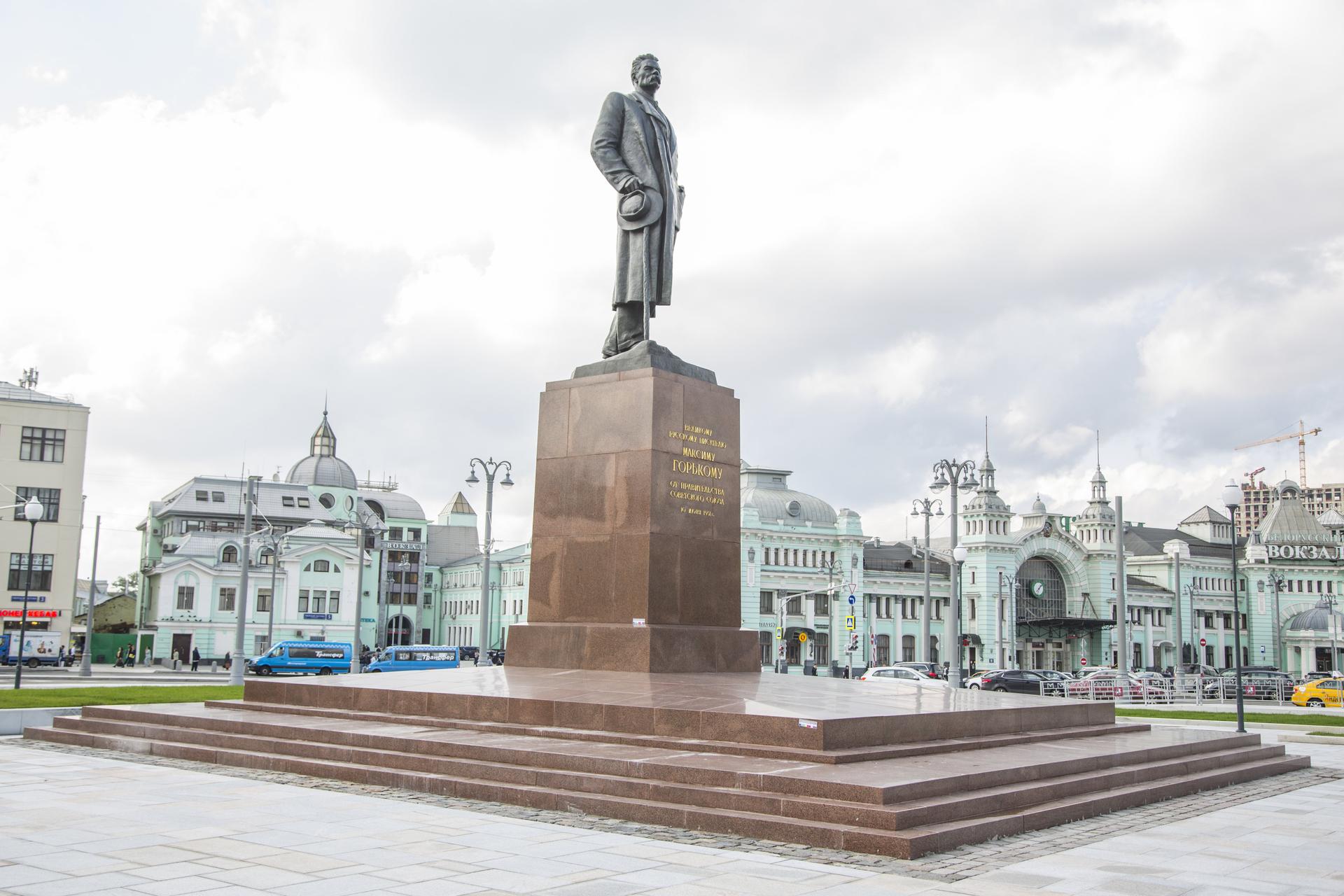
В 1943 году у Белорусского вокзала в Москве был установлен ее памятник Максиму Горькому.

В 1950 - 1952 годах была создана ее скульптура "Наука", установленная перед зданием МГУ.
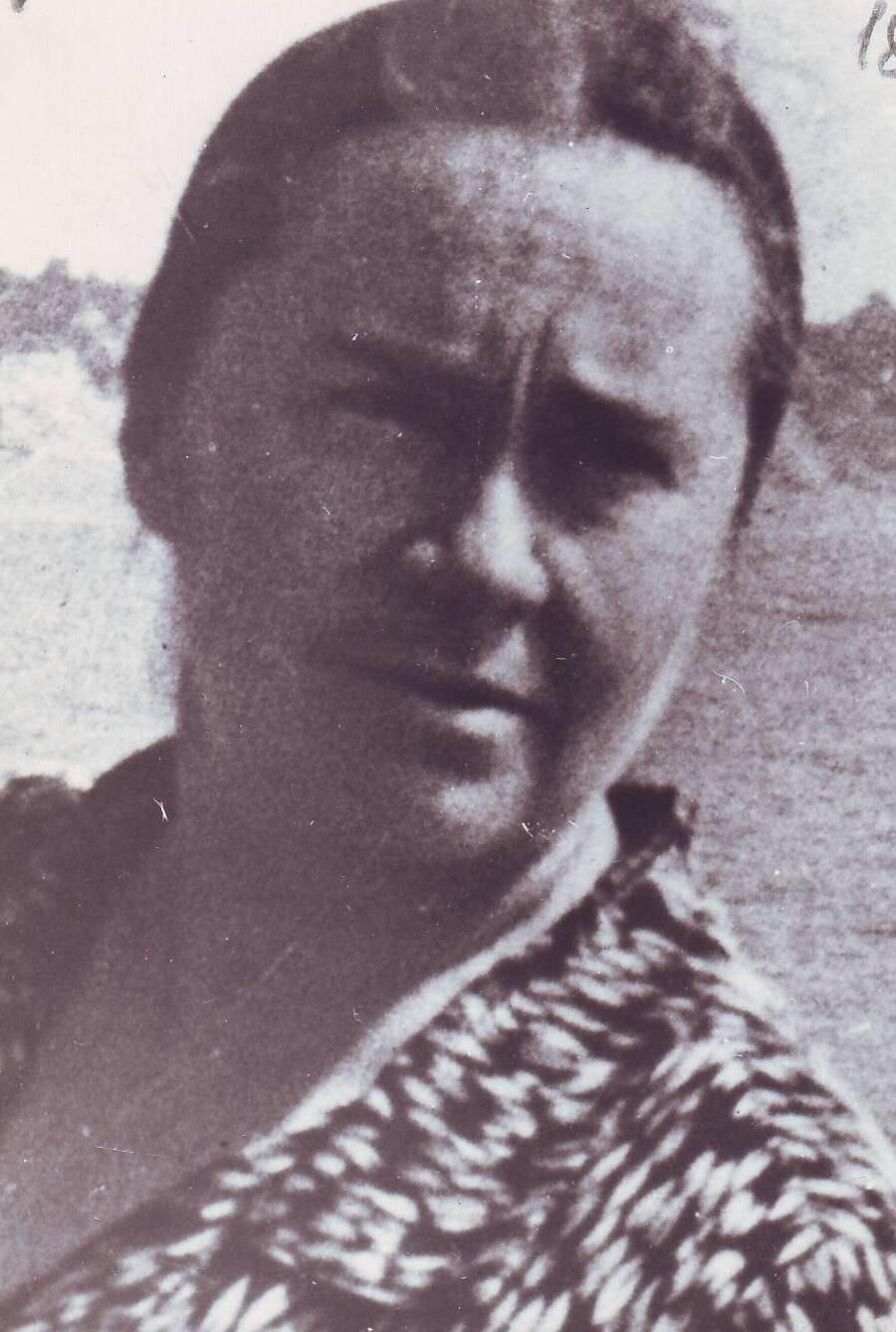
Смерть

Вера Мухина скончалась 6 октября 1953 года и похоронена на Новодевичьем кладбище.
Автор статьи: Юлия Ларионова
Отзывы
(2)
Поделитесь статьей с друзьями
Связанные объекты(25)
Мухина В. И.
Пречистенка ул., д. 18
«Лужники» (Центральный стадион им. В. И. Ленина)
Лужники (МЦК), Vorobevy gory
Площадь Тверской Заставы
«Лужники» (Центральный стадион им. В. И. Ленина)
Лужники (МЦК), Vorobevy gory
Плодородие
Ленинградское ш. (Фестивальная ул., вход в парк Дружбы
Ленинградское ш. (Фестивальная ул.)
‘Worker and Kolkhoz Woman’ Museum and Exhibition CentreThe museum and exhibition centre opened in September 2010 inside a new basement of a legendary sculpture by Vera Mukhina – ‘Worker and Kolkhoz Woman’. The 24-meter sculpture of Worker and Kolkhoz Woman, a masterpiece of soviet and world modernism of the first half of XX century, was created using new technologies discovered by Russian metallographist, Professor P. Lvov. A shell made of chrome-nickel steel was welded to a very heavy frame. The statue was made for the Soviet pavilion of the 1937 World's Fair in Paris and placed opposite the Nazi German pavilion, crowned with a ruffled eagle and the swastika. The collection of the museum and exhibition centre contains materials reminding that the architect of the exhibition pavilion, Boris Iofan, was the author of the idea. It was the antique statue ‘Tyrannicides’ representing the plastic arts that inspired him. The hands with swords raised to the sky were replaced with the hands holding attributes of peace, symbols of the Soviet country - a hammer and sickle. The fact that the author of the image was Iofan is confirmed by the sketches of the sculpture made for the closed 1936 competition by V. Andreev, V. Mukhina and M. Manizer. At first glance, all the works (except for the expressionist monument of I. Shadr that also participated in the competition) are very similar: the same position of the figures and their raised hands. Only among male authors the statues looked like the cold ancient gods in their perfection, and V. Mukhina filled her work with the indomitable force of internal energy and passion. On its return home the sculpture greeted visitors at the northern entrance of the All-Union Agricultural Exhibition – All-Union Exhibition of Achievements of National Economy for 70 years (VSHV-VDNKh – the Russian acronyms). It was placed on a low pedestal (11 m) and was slowly deteriorating. Until the end of their lives, both Mukhina and Iofan fought for erecting a pedestal which would be proper in height, for transferring the statue to those places where it would become the visual supplement of the urban space (Mukhina wanted to see her creation on the Lenin Hills). During their life that did not happen. However, representatives of modern post-Soviet art fell in love with the monument and considered it to be an object of new happenings and performances. Suffice it to recall the 1998 performance, when architects and artists dressed the Worker and the Kolkhoz Woman in real overalls and dresses in the colours of the Russian flag. Nowadays the sculpture is erected on a pedestal-pavilion, created in the way that Iofan designed for the 1937 Paris exhibition. Thus, the idea of the relay of the new domestic art is deliberately emphasized, from the innovations of the first half of the 20th century to the avant-garde of the first half of this century. Sergey Khachaturov
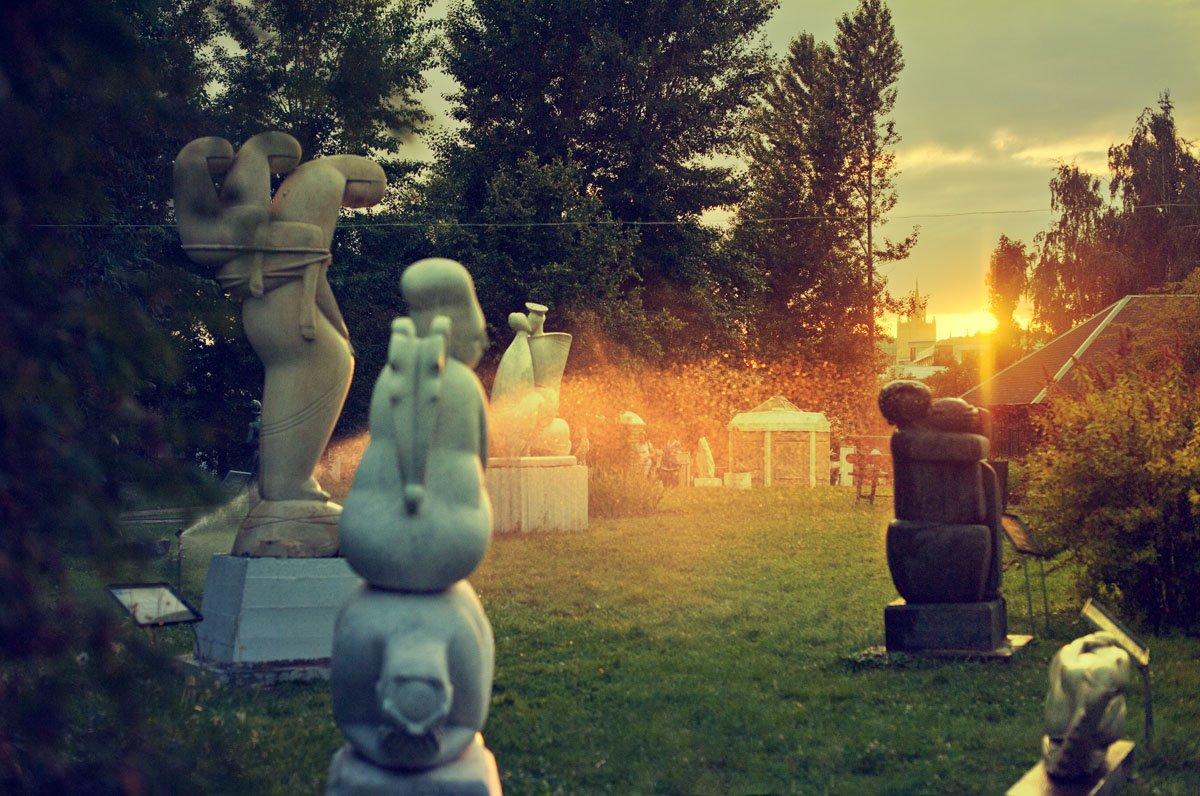
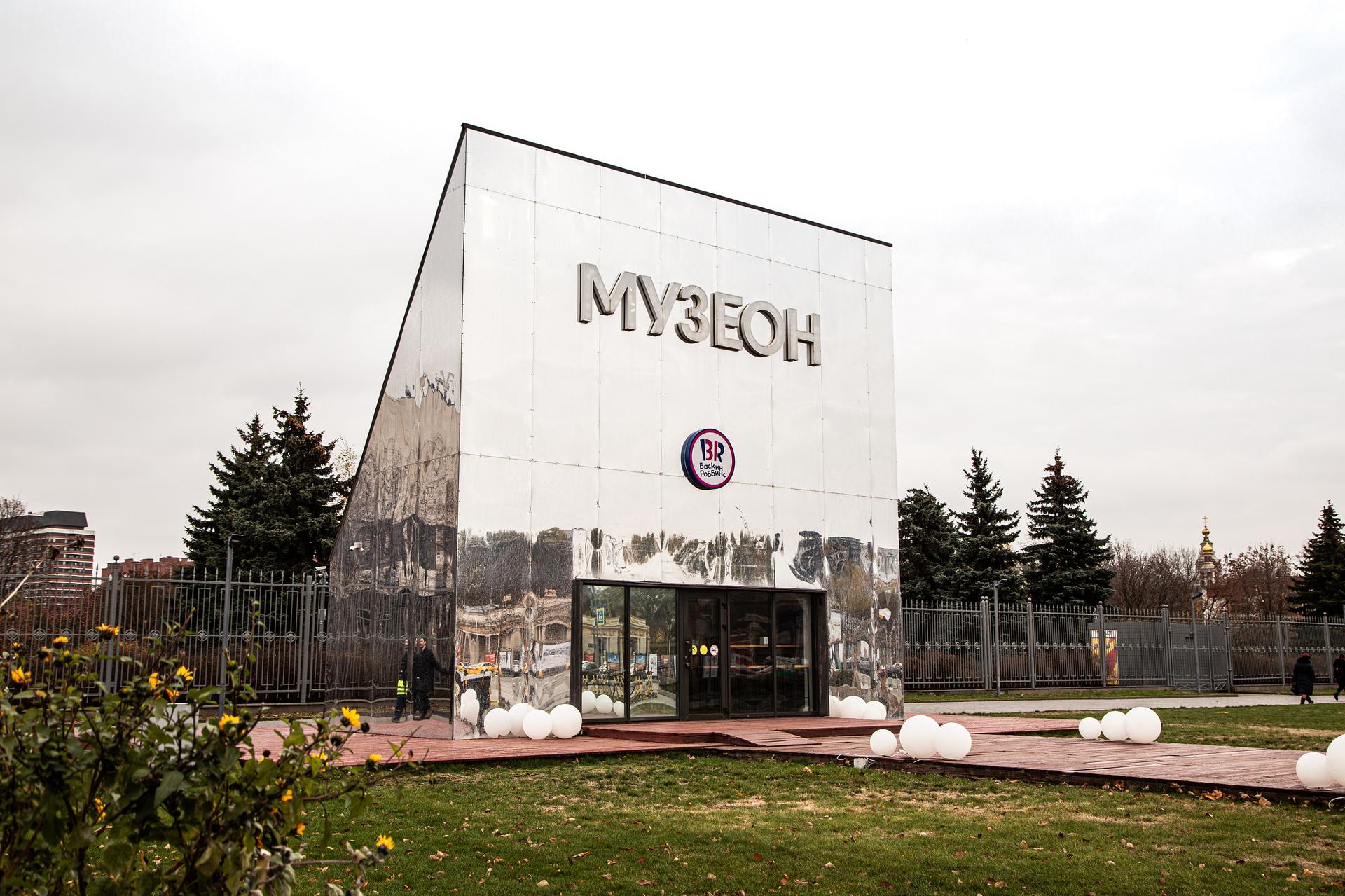
MUZEON Park of ArtsMUZEON Park of Arts is the largest museum of sculpture under open sky in Russia. In the collection there are unique monuments of soviet era, which got here during the foundation of the museum since 1992.It is a monumental sculpture of the 1930s – 1950s, which served not only to ideas of propaganda, but also town forming concept – a monument to Dzerzhinsky by Evgeny Vuchetich and a monument To Gorky by Ilya Shadr performed by the Artel of Vera Mukhina, for many years were sculptural dominants of the two central Moscow squares. Also in the MUZEON collection there are interesting monuments of the era of social realism, numerous busts of heroes of socialist labor, traditional portraits of soviet leaders, obligatory for installation in every soviet institution. Preservation of these unique monuments, the relation to which changed on the course of change of a political policy of the country, was always one of the museum’s tasks. All sculptures in the collection and iconic buildings of the soviet period have not only artistic value, which can be controversial, but historical value. They are artifacts of their era, necessary to study it. In connection with it, preservation and scientific description of all exhibits are the one of the museum’s purposes. In addition to the “program” monuments of the soviet period, MUZEON also exhibits works by Russian avant-garde sculptors, who, under ideological reasons, couldn’t be exhibited under soviet power. They were kept in workshop for a long time and weren’t presented to the general public. Among them are rare works of Evgeny Chubarov, Alexei Grigoriev and Leonid Rabins. Today MUZEON actively exhibits modern sculptors, expanding the boundaries of its collection and replenishing it with plein-air painting and materials of thematic photo exhibitions, modern art-objects and video-art materials.
Krymsky Vall, possession 2
Пречистенский пер., д. 5А
Парк Дружбы
ул. Фестивальная
Ленинградское ш., 51