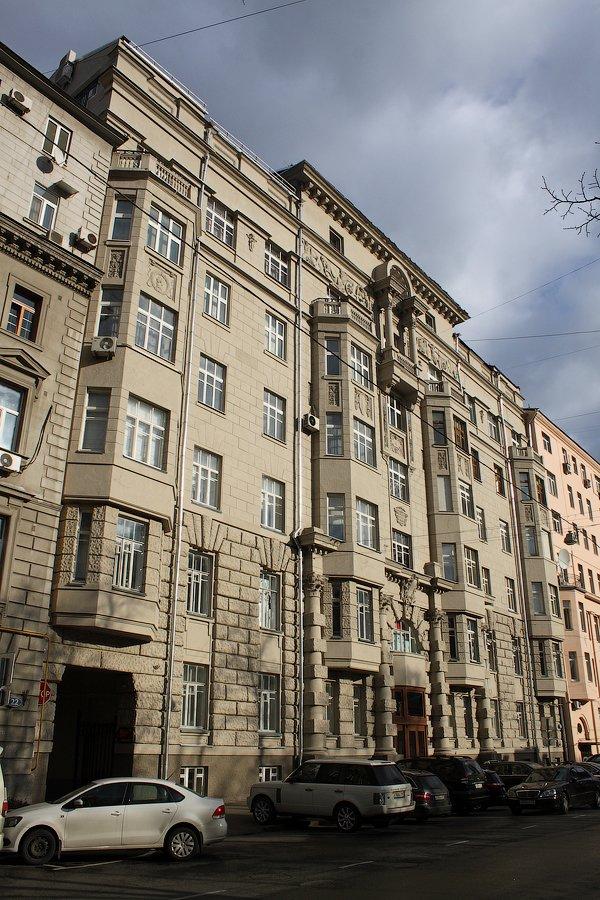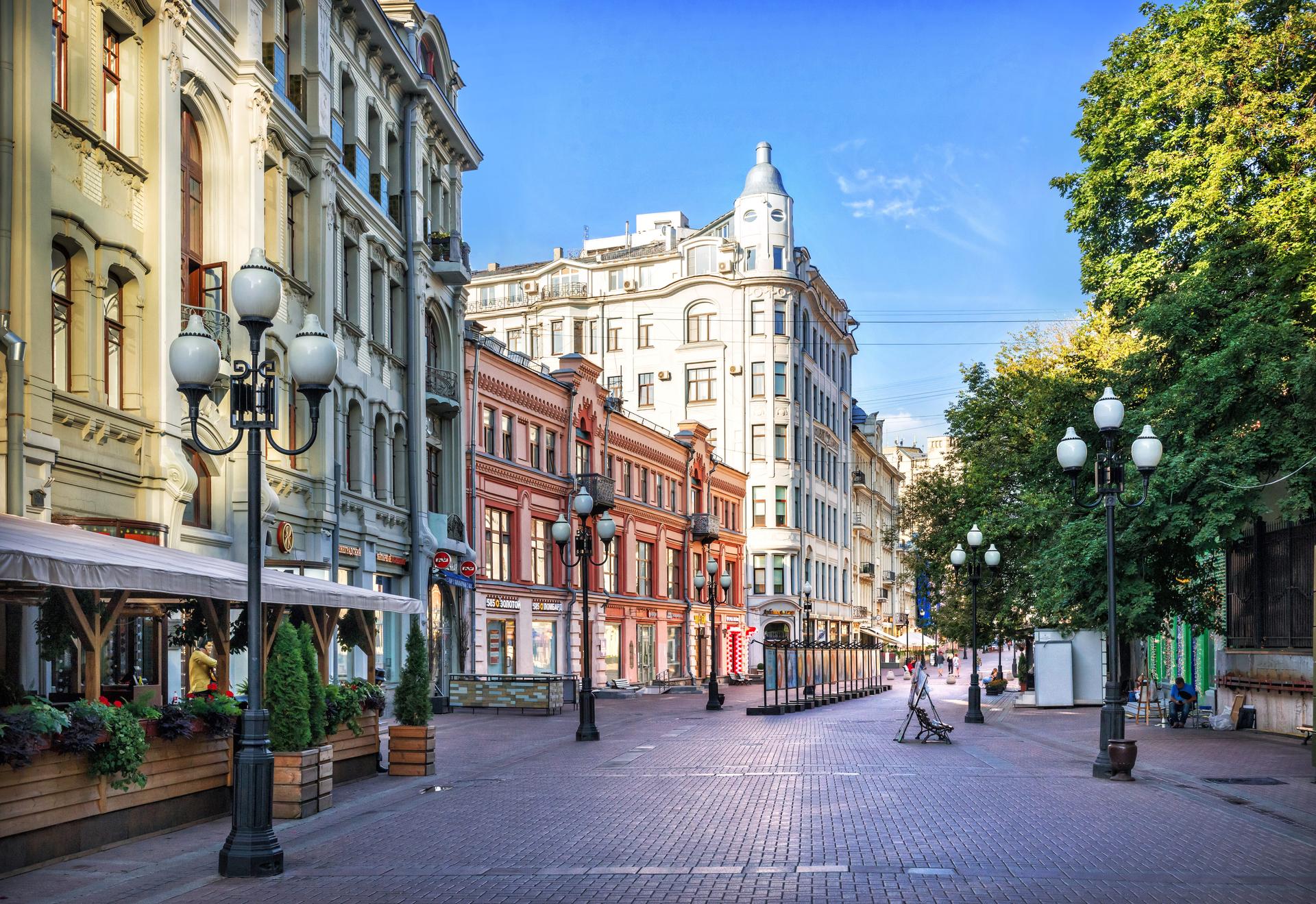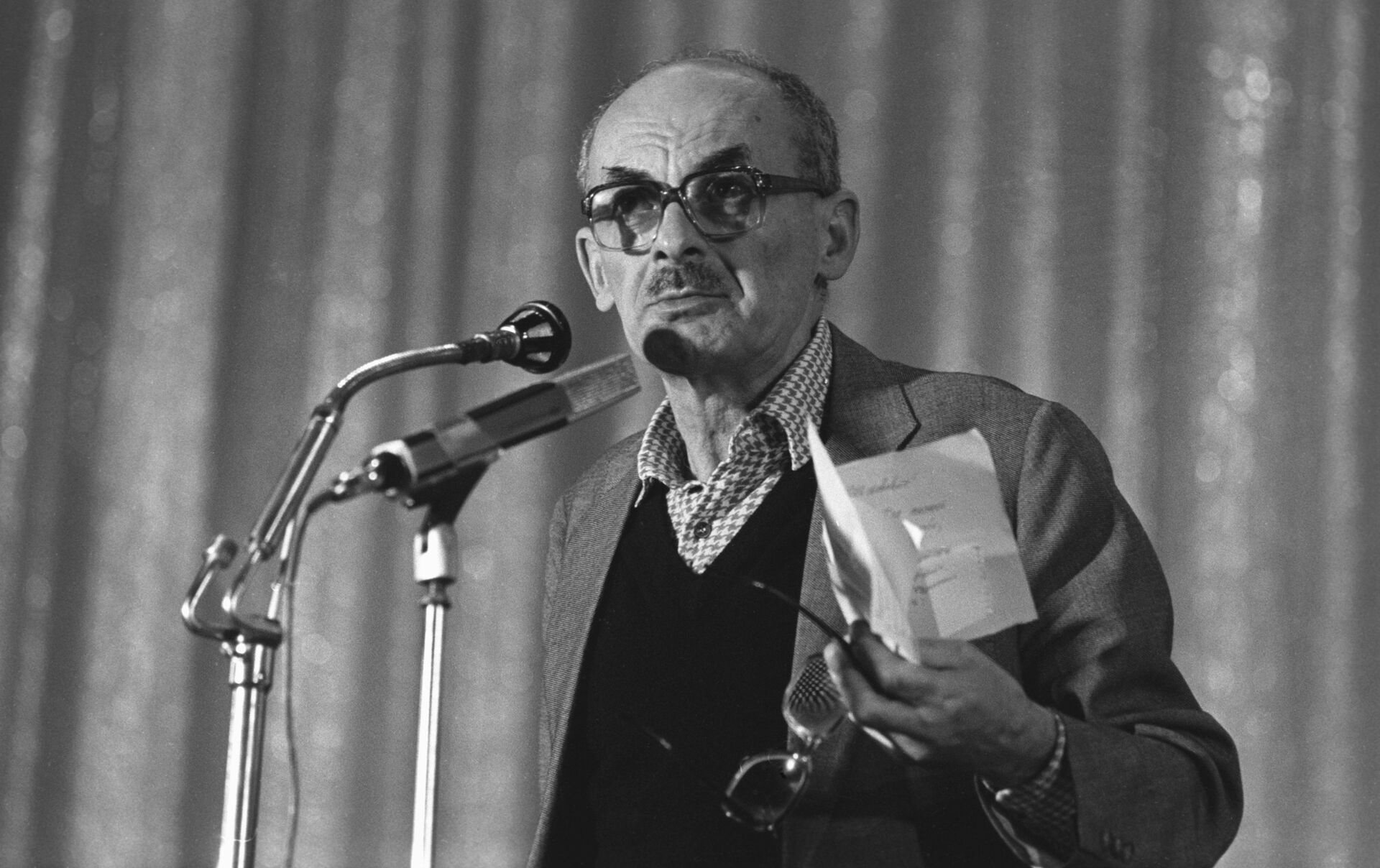
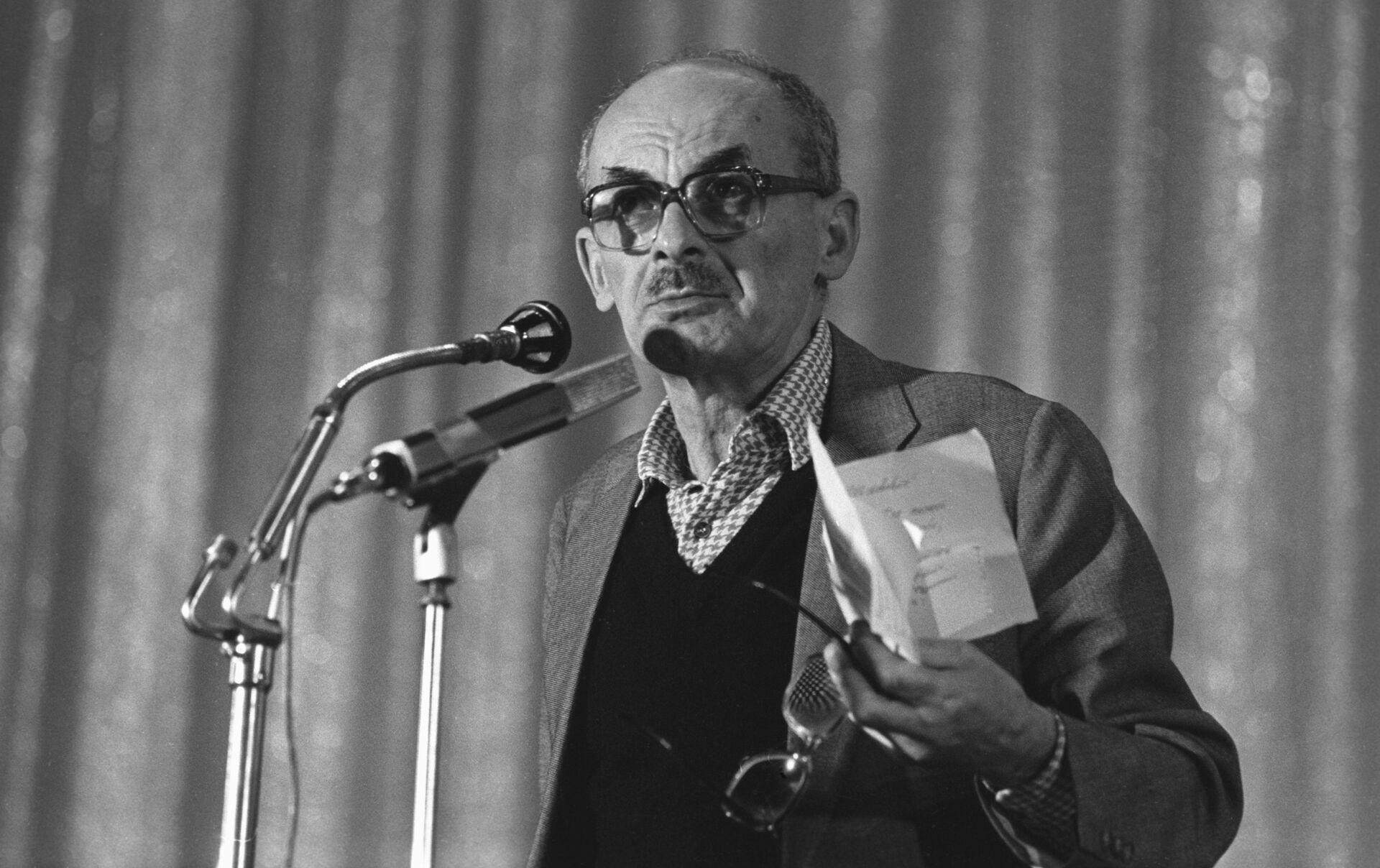
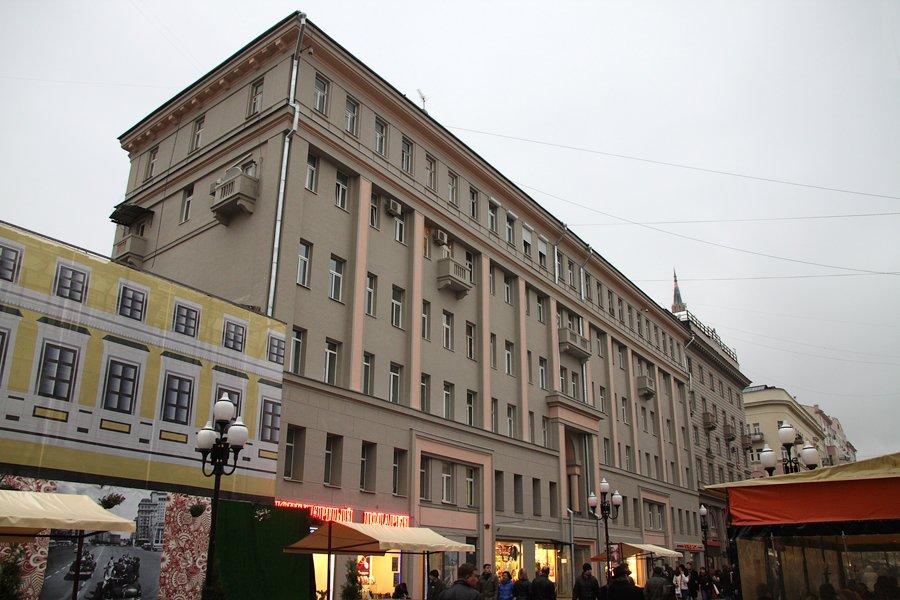
Булат Шалвович Окуджава (9 мая 1924, Москва, СССР – 12 июня 1997, Кламар, Франция) – советский и российский поэт, певец, прозаик, сценарист. Один из создателей жанра авторской песни в 1950 - 1980-е г., автор более 200 песен, написанных на собственные стихи.Булат Шалвович Окуджава родился 9 мая 1924 года в Москве на ул. Арбат № 43 в коммунальной квартире. Его отец-коммунист Шалва Степанович Окуджава, грузин, был переведен по партийной линии из Тифлиса в Москву для учебы в Коммунистической Академии. Мать - коммунистка Ашхен Степановна Налбандян, армянка, так же работала в партийных органах.
Очень скоро его отец был назначен комиссаром грузинской дивизии и переведен на Кавказ, мать продолжила свою работу в Москве. Позднее отец вырос до секретаря Тбилисского горкома партии, но вскоре обратился к Серго Орджоникидзе с просьбой отправить его работать в Россию. Считается, что поводом для этого обращения стали его натянутые отношения с всесильным Лаврентием Берией. Шалва Степанович Окуджава получил назначение на Урал в Нижний Тагил парторгом строящегося вагоностроительного завода. Проявив себя на этой работе, он был назначен 1-м секретарём Нижнетагильского горкома партии. И только после этого выписал всю семью к себе в Нижний Тагил. Юный Булат сначала учился в Тбилиси в русском классе, затем в школе № 32.
Лишившись родителей в 1937 году (мать и отец были реабилитированы только в 1955м), тринадцатилетний Булат снова стал жить с бабушкой в доме № 43 на Арбате, где общался с обычной «дворовой» шпаной, бродягами и мелкими жуликами. В 16 лет переехал к родственникам в Тбилиси.
Когда началась война, юноша пошел на фронт добровольцем из 9 класса школы в 1942 году. На фронте стал минометчиком, но был ранен в том же году и после госпиталя переквалифицировался в связисты в артиллерийской дивизии. Первая песня «Нам в холодных теплушках не спалось» была написана в 1943 году на фронте.
Булат Окуджава демобилизовался в 1945 году, приехал в Тбилиси и начал работать токарем на заводе. После демобилизации экстерном сдал экзамены по программе средней школы. В 1950 году окончил филологический факультет Тбилисского университета и два года преподавал русский язык и литературу в школе села Шамордино Калужской области.
В 1953-1954 гг. Булат Окуджава начал сотрудничать с областной калужской газетой "Молодой ленинец". Первая книга его стихов-песен была издана в Калуге в 1956 году. В этом же году он переехал в Москву и устроился сначала в издательстве «Молодая гвардия», затем в «Литературной газете» заведующим отделом. Мать присоединилась к нему, и они начали жить вместе. В 1957 году стал заместителем редактора литературного отдела газеты «Комсомольская правда».
В это время начинается народная любовь к его стихам-песням. Булат Шалвович выступает как исполнитель песен под гитару "Полночный троллейбус", "Сентиментальный марш", "Король", "Песенка о солдатских сапогах", "Не бродяги, не пропойцы...", "Ванька Морозов", "Веселый барабанщик", "До свидания, мальчики", "Песенка о комсомольской богине".
В 1961 году К.Паустовский включил повесть «Будь здоров, школяр» в альманах «Тарусские страницы», по которой была снята киноповесть «Женя, Женечка и «катюша», или Необыкновенные достопоучительные фронтовые похождения гвардии рядового Евгения Колышкина, вчерашнего школяра"» В.Мотылем в 1968 году. В ней сам поэт поет свою песню под гитару в эпизодической роли солдата.
В1962 году стал членом Союза писателей СССР и с этого момента Булат Окуджава занялся только творческой работой. В этом же году состоялся кинодебют – исполнение песни «Полночный троллейбус» в фильме «Цепная реакция». Песни на стихи Булата Окуджавы были исполнены более чем в 80-ти фильмах. Начали публиковаться повести - «Бедный Авросимов» в 1969 г. о движении декабристов, «Похождения Шипова, или Старинный водевиль» в 1971, романы «Путешествие дилетантов» (часть 1. — 1976; часть 2. — 1978) и «Свидание с Бонапартом» (1983), написанные на основе исторических фактов XIX века.
Официальное советское писательское руководство имело свое мнение о его творчестве: повесть «Будь здоров, школяр» была раскритикована за пацифизм, песни не годились потому что «большинство этих песен не выражали настроений, дум, чаяний нашей героической молодёжи». Но поэт держался независимо. Подписывал письма в защиту Ю.Даниэля и А.Синявского, издавался за границей – первый диск вышел в 1968 году во Франции, затем диск с песнями в исполнении польских артистов, а одна песня «Прощание с Польшей» в исполнении автора. В СССР его песни стали издаваться с середины 70-х годов.
Всеобщая народная слава пришла после фильма Андрея Смирнова «Белорусский вокзал», где прозвучала песня «А нам нужна одна победа». Песни начали распространяться на магнитофонных кассетах и скоро песни «Возьмемся за руки, друзья…», «Пока Земля ещё вертится…» («Молитва Франсуа Вийона») стали неформальными гимнами интеллигенции на слетах КСП и фестивалей самодеятельной песни. С началом 90-х годов Булат Окуджава выступал с концертами в Москве, Санкт-Петербурге, США, Канаде, Германии, Израиле, Франции. Последний концерт был в Штаб-квартире Юнеско в Париже 23 июня 1995 года.
В эпоху перестройки в Советском Союзе поэт начал заниматься политической деятельностью, проживая на даче в Переделкине под Москвой.
Поэт Булат Шалвович Окуджава скончался 12 июня 1997 года в пригороде Кламар Парижа в военном госпитале. Перед смертью он крестился с именем Иоанн в память о святом мученике Иоанне Воине. Похоронен на Ваганьковском кладбище в Москве. Через неделю президент России Борис Ельцин подписал указ об увековечивании его памяти. В 1999 году и. о. Президента России В. В. Путин распорядился создать Дом-музей Б. Ш. Окуджавы в Переделкине.
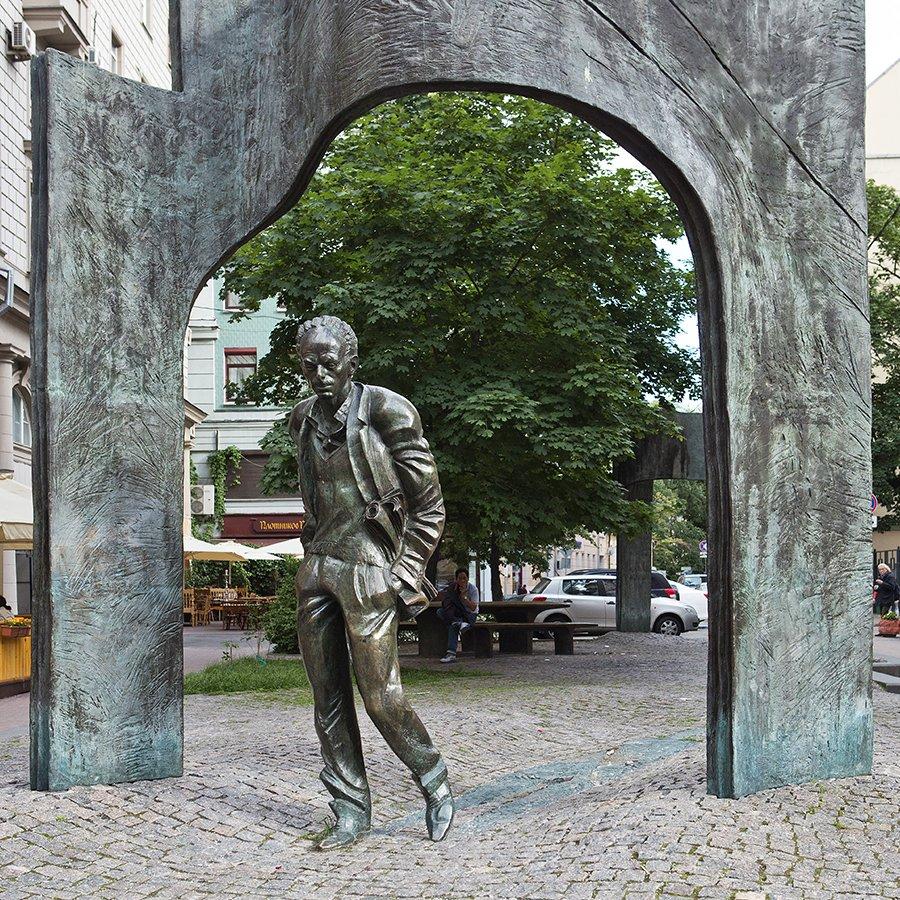
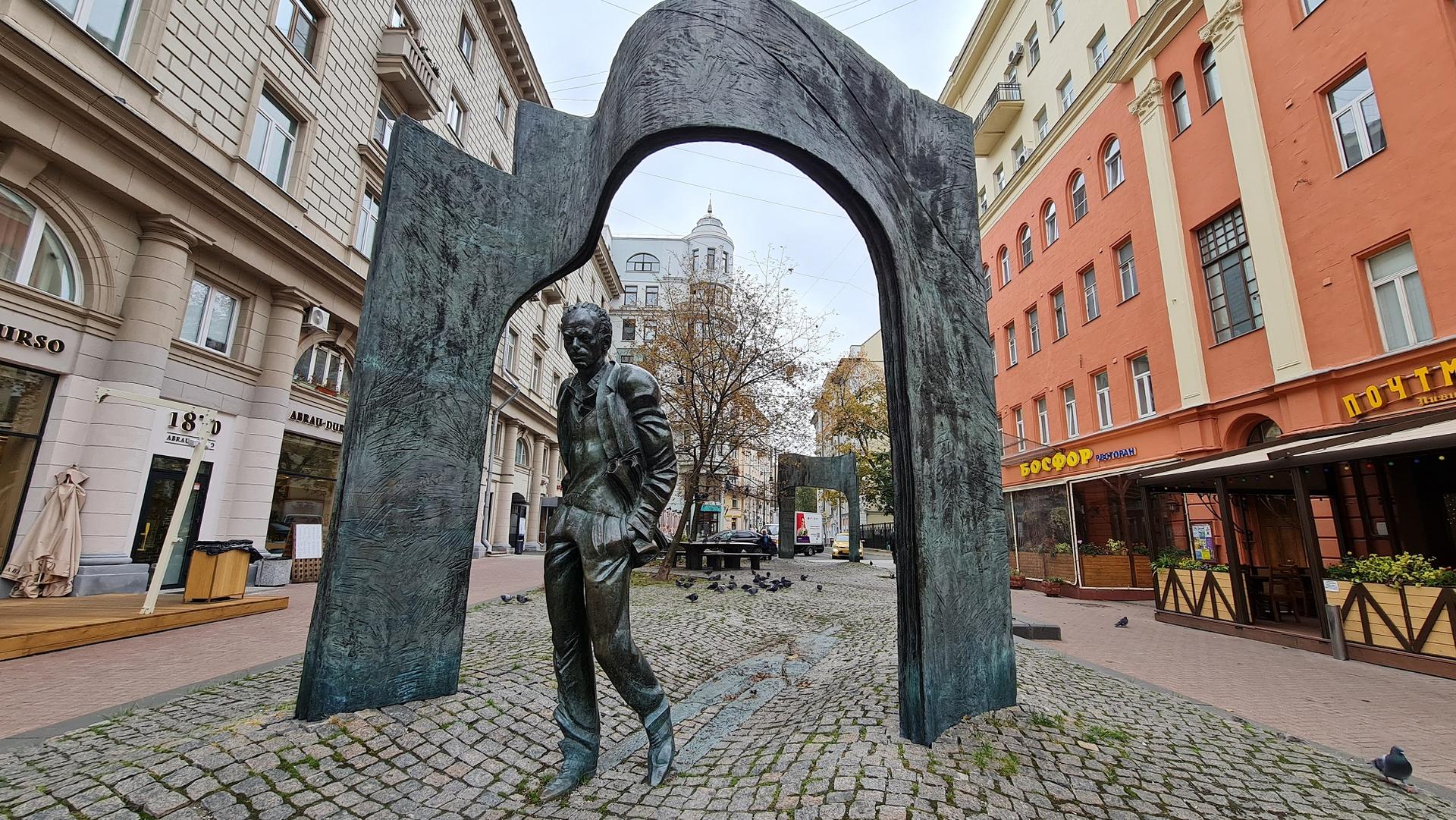
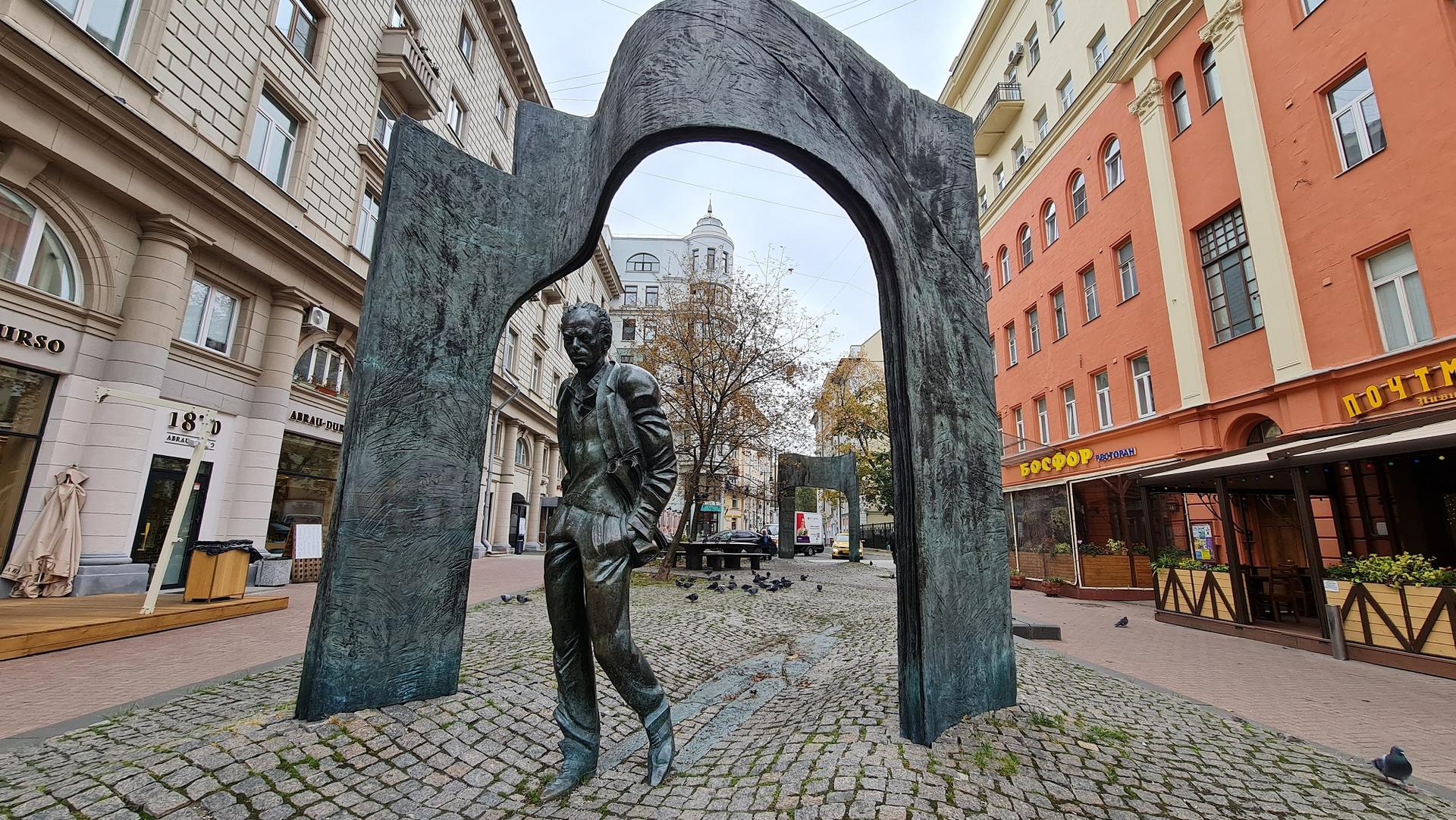
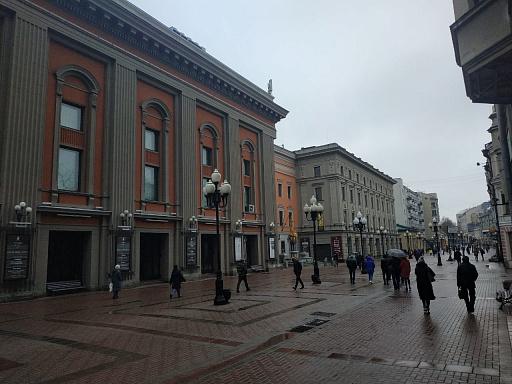
8 мая 2002 года у дома № 43 на Арбате был установлен памятник скульптора Георгия Франгуляна, созданный совместно с архитекторами Игорем Поповым и Валентином Прошляковым, поэту Булату Окуджаве.
Bulat Shalvovich Okudzhava (May 9, 1924, Moscow, USSR - June 12, 1997, Clamart, France) - Soviet and Russian poet, singer, novelist and screenwriter. One of the founders of the genre of art song in the 1950 - 1980-s, the author of more than 200 songs written in his own lyrics.
Bulat Shalvovich Okudzhava was born May 9, 1924 in Moscow on 43 Arbat street in a communal apartment. His father was a communist Shalva Okudzhava, Georgians, was transferred by the order of the Communist party from Tbilisi to Moscow to study at the Communist Academy. Mother - Communist Ashkhen Nalbandyan, Armenian, also worked in the Party offices.
Very soon, his father was appointed Commissioner of the Georgia Division and transferred to the Caucasus, the mother continued her work in Moscow. Later, father rose to the Secretary of the Tbilisi City Party Committee, but soon turned to Sergo Ordzhonikidze with a request to send him to work in Russia. It is believed that the reason for this appeal began his strained relationship with the omnipotent Lawrence Beria. Shalva Okudzhava was appointed to the Urals in Nizhny Tagil party organizer under construction Carriage Works. He proved himself to this work, he was appointed 1st secretary of Party Committee of Nizhny Tagil. Only then wrote to his whole family in Nizhny Tagil. Young Bulat first studied in Tbilisi in Russian class, then at school number 32.
And there came in 1937 in Soviet Russia. Father of the poet was arrested and executed on 4 August 1937 in the wave of purges of the top party and military leadership of the Soviets. Mother sent to the Karaganda camp, then to exile - she and my father were rehabilitated only in 1955.
Thirteen years old Bulat again began to live with her grandmother in the house number 43 on the Arbat, where he socialized with the usual "yard" punks, vagrants and petty criminals. In 16 years, moved to live with his relatives in Tbilisi. When the war began, the young man went to the front as a volunteer from the 9th grade school in 1942. At the front became a mortar, but was wounded in the same year and after the hospital turned into communicators in an artillery division. The first song, "We could not sleep in the cold supply trucks," was written in 1943 on the front.
Okudzhava was demobilized in 1945, arrived in Tbilisi and started working as a turner at the factory. After demobilization externally passed the exams for secondary school program. In 1950 he graduated from the Faculty of Philology of Tbilisi State University and two years teaching Russian language and literature at the school in the village Shamordino Kaluga region.
In 1953-1954 Okudzhava started to cooperate with the regional newspaper Kaluga "Young Leninist". The first book of his poems-songs was published in Kaluga in 1956. In the same year he moved to Moscow and settled first in publishing "Young Guard", then in the "Literary Gazette," head of the department. Mother joined him, and they began to live together. In 1957 he became deputy editor of the literary department of the newspaper "Komsomolskaya Pravda".
At this time, the people's love begins his poems-songs. Bulat Shalvovich acts as a performer of songs with a guitar "Midnight trolley," "Sentimental march", "King", "Song of the soldiers' boots," "Not a tramp, not drunkards ...", "Vanya Morozov," "Merry drummer" "Goodbye, boys," "Song of the Komsomol goddess."
In 1961, K. Paustovsky included the story "Be healthy, scholar" in the almanac "Tarusa Pages" on which was filmed narrative is "Zhenya, Zhenya and" Katyusha ", or Unusual and instructive frontline adventures Guard soldier Eugene Kolyshkina, yesterday's schoolboy" by V. Motyl in 1968. The poet sings his song with a guitar in a cameo of a soldier.
In 1962 he became a member of the Writers' Union and from that moment Okudzhava engaged only in creative work. In this same year film debut - performance of the song "Midnight trolley" in the film "Chain Reaction". Songs on poems by Bulat Okudzhava were performed in more than 80 films. Began to publish the story - "Poor Avrosimov" in 1969 on the motion of the Decembrists, "The Adventures of Shipov, or ancient vaudeville" in 1971, the novels "Journey dilettantes" (Part 1 - 1976; Part 2 - 1978) and "Rendezvous with Bonaparte "(1983), written on the basis of historical facts of the XIX century.
Official Soviet writer's leadership had an opinion about his work: the story "Be Healthy, scholar" has been criticized for pacifism, songs were not good because "most of these songs did not express feelings, thoughts, aspirations of our heroic youth." But the poet held independently. Signed the letter in defense and A.Sinyavskogo Y. Daniel, published abroad - first CD was released in 1968 in France, then a disc with songs performed by Polish artists, and one song "Farewell to Poland" performed by the author. In the USSR, his songs were published from the mid 70s.
Grate people's fame came after the Andrei Smirnov’s film, "Belarusian Station", which featured the song "We only need one victory." Songs began to spread on a cassette tape and soon the song "Joining Hands, friends ..." "As long as the earth revolves more ..." ("Prayer of François Villon") became anthems informal gatherings of intellectuals on the PCB and festivals amateur song. Since the beginning of the 90s Okudzhava played concerts in Moscow, St. Petersburg, United States, Canada, Germany, Israel, France. The last concert was at the UNESCO headquarters in Paris on 23 June 1995.
In the era of perestroika in the Soviet Union, therefore, begin to engage in political activity while living at the cottage in Peredelkino outside Moscow.
Poet Bulat Okudzhava died June 12, 1997 in a suburb of Clamart military hospital in Paris. Before his death, he was baptized with the name John in memory of the Holy Martyr John the Warrior. He was buried at the Vagankovsky cemetery in Moscow. A week later, Russian President Boris Yeltsin signed a decree to perpetuate his memory. In 1999 and. o. Russian President Vladimir Putin ordered to establish House-Museum S. B. Okudzhava in Peredelkino.
May 8, 2002 at the house number 43 on the Arbat was a monument in memory of the poet Bulat Okudzhava by sculptor George Frangulyan created in conjunction with architects and Igor Popov Valentin Proshlyakov.






2.jpg&w=1920&q=75)