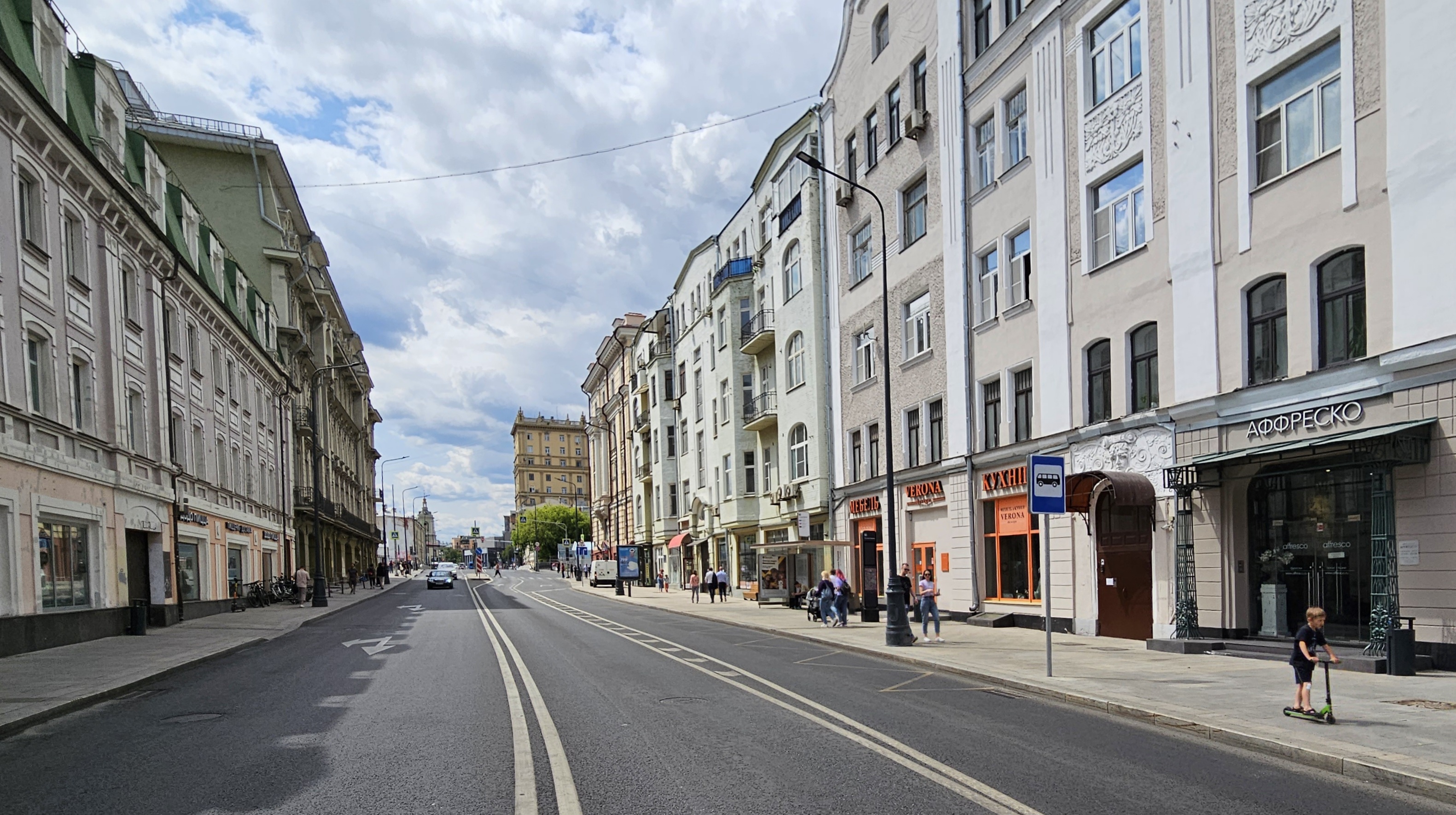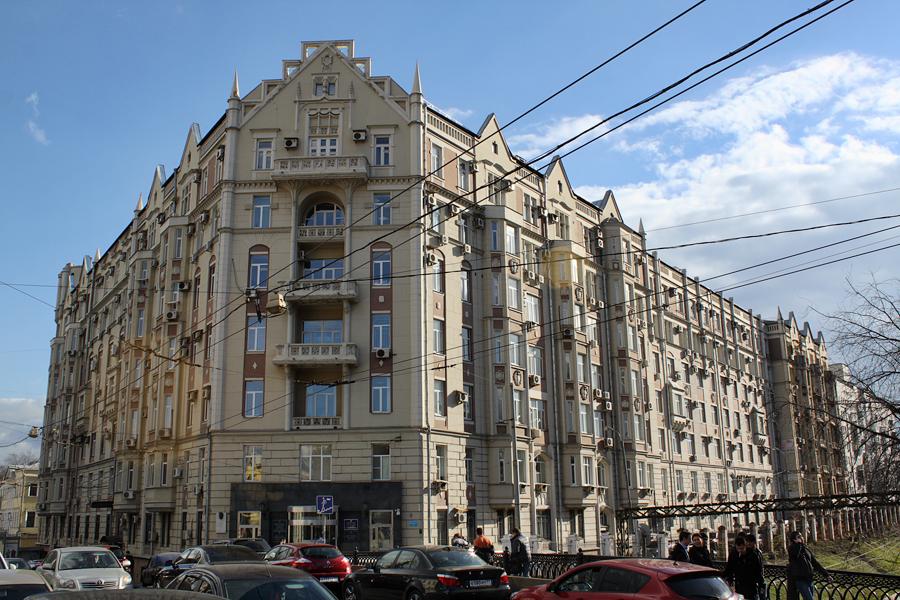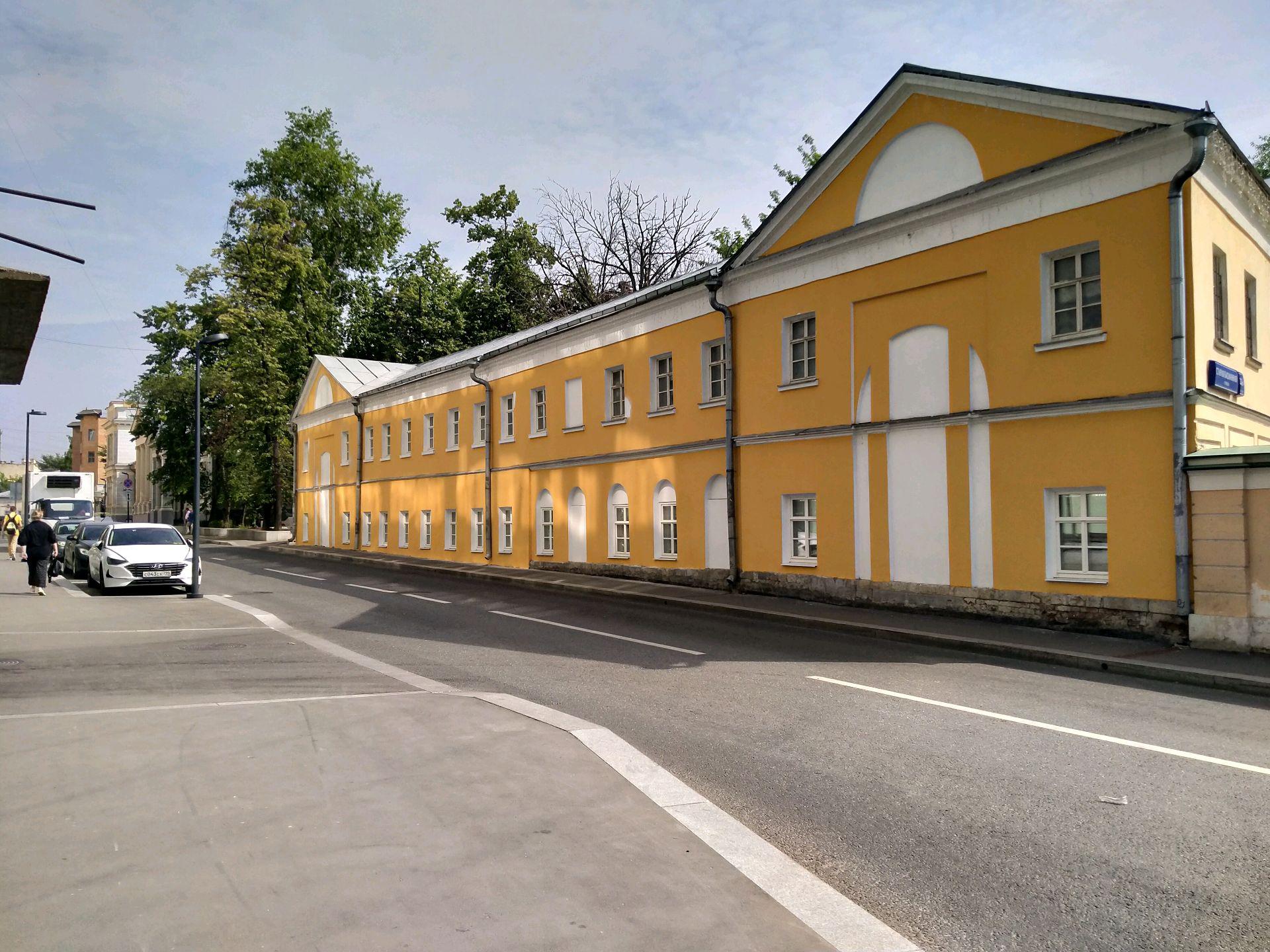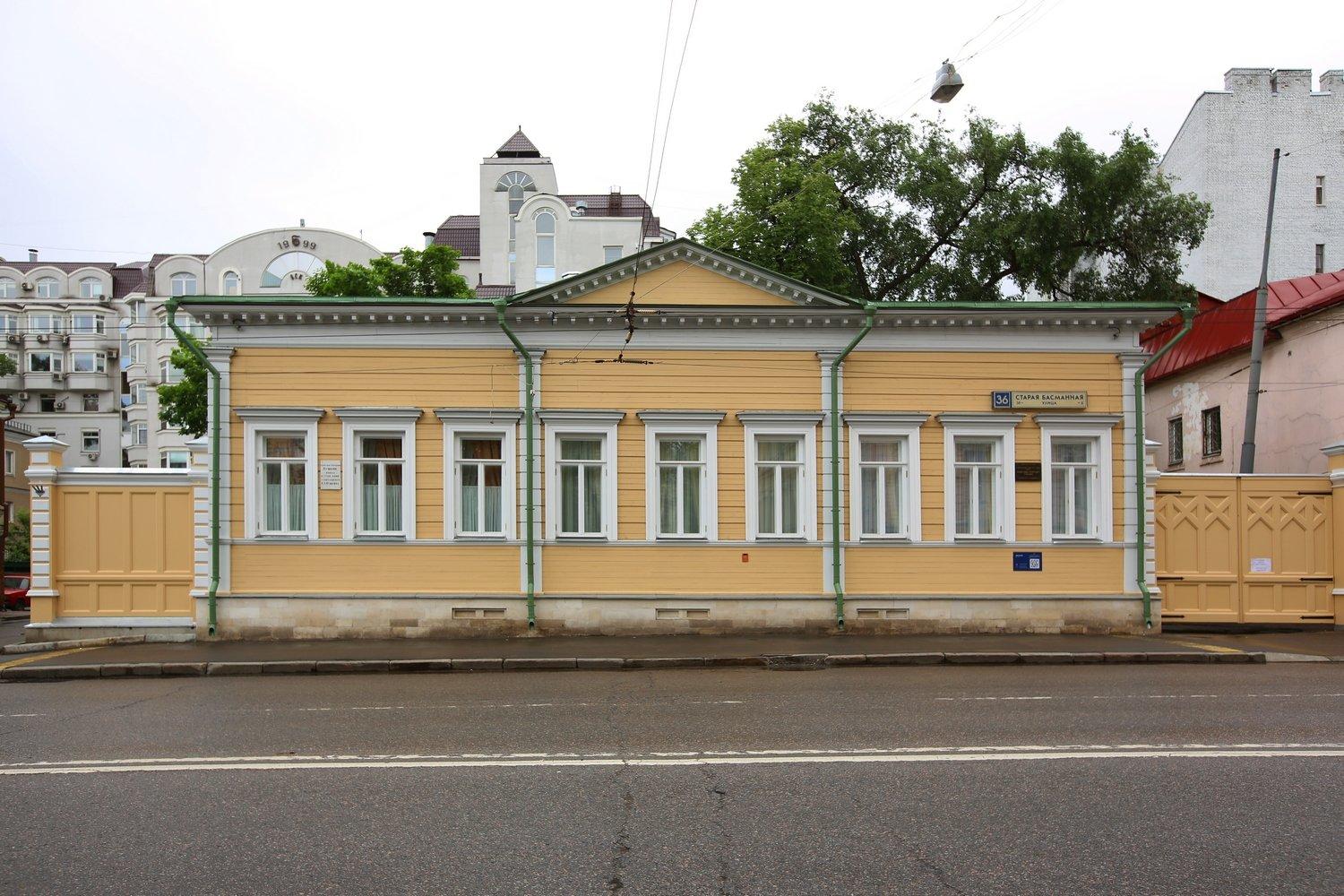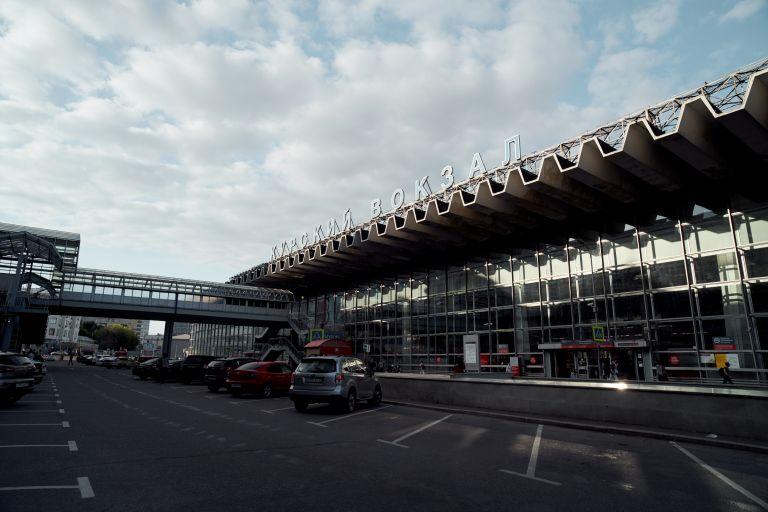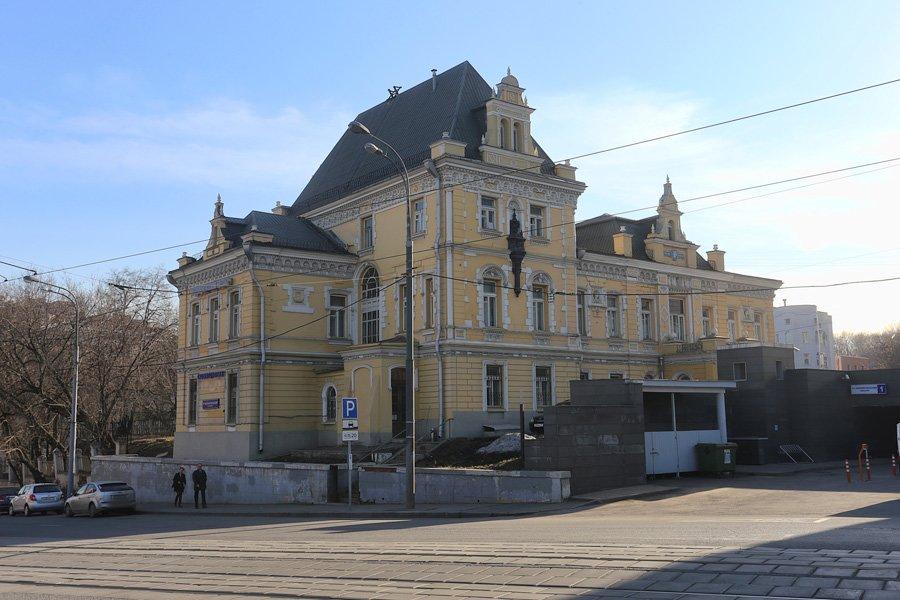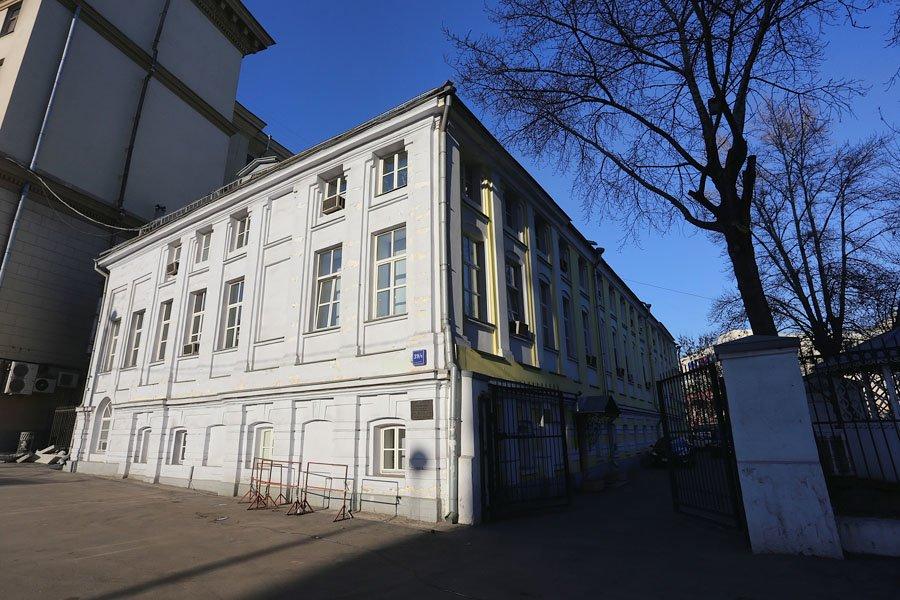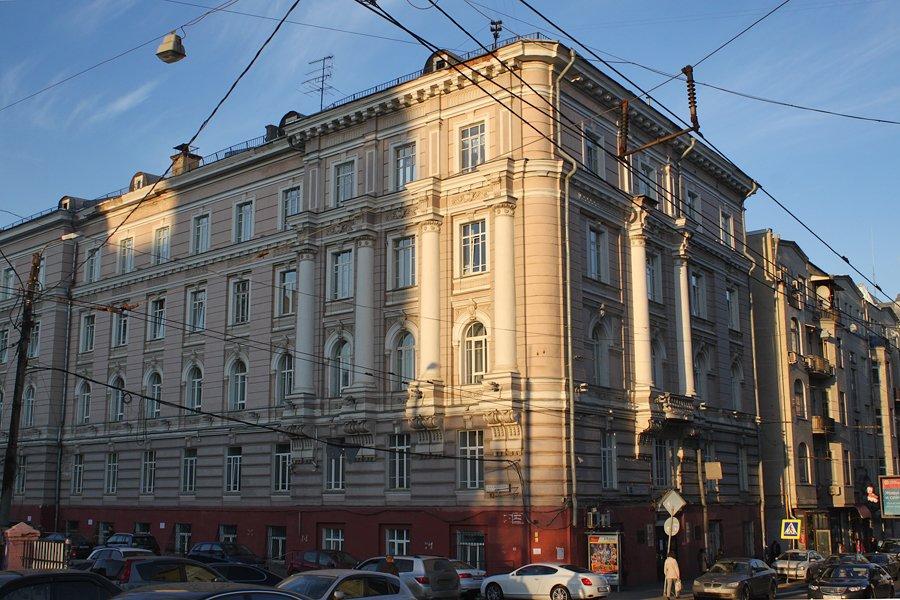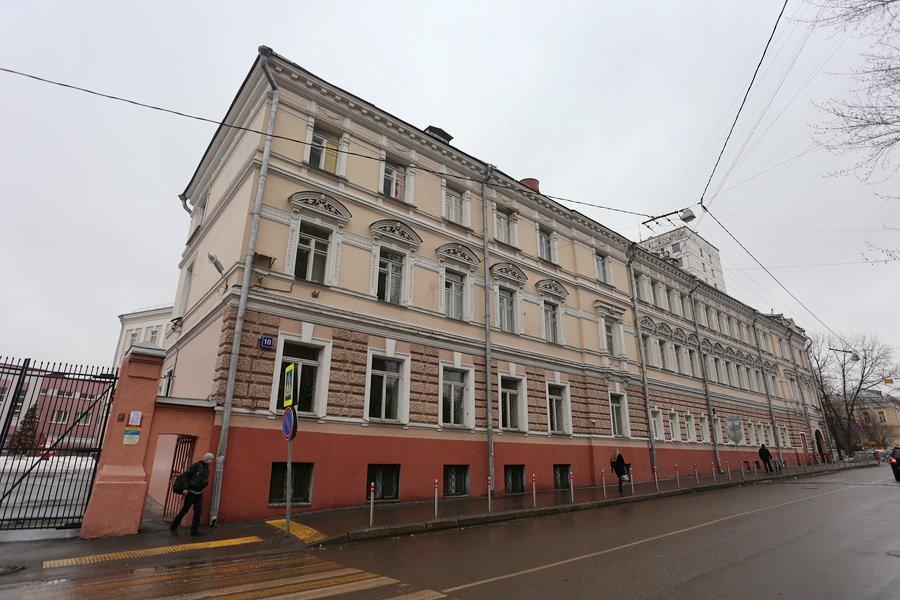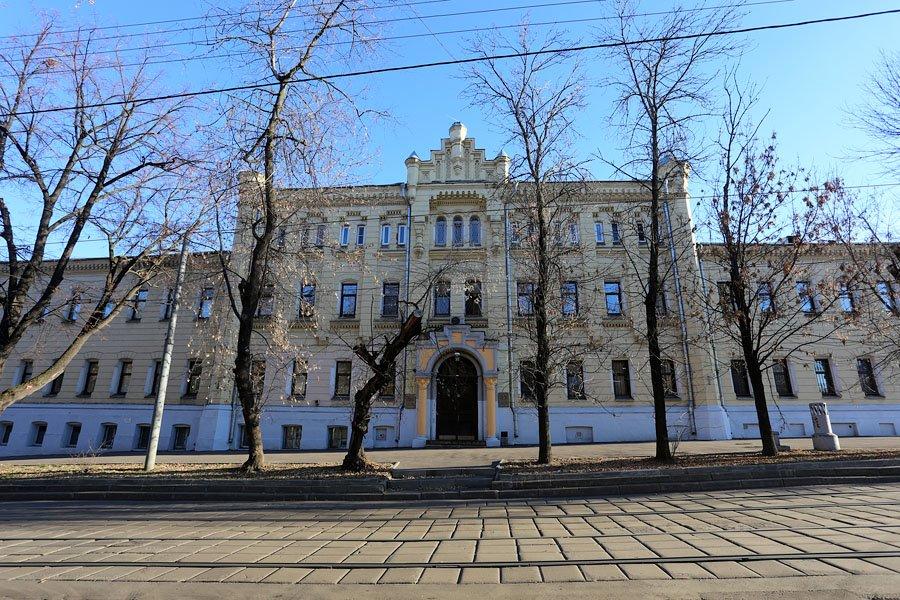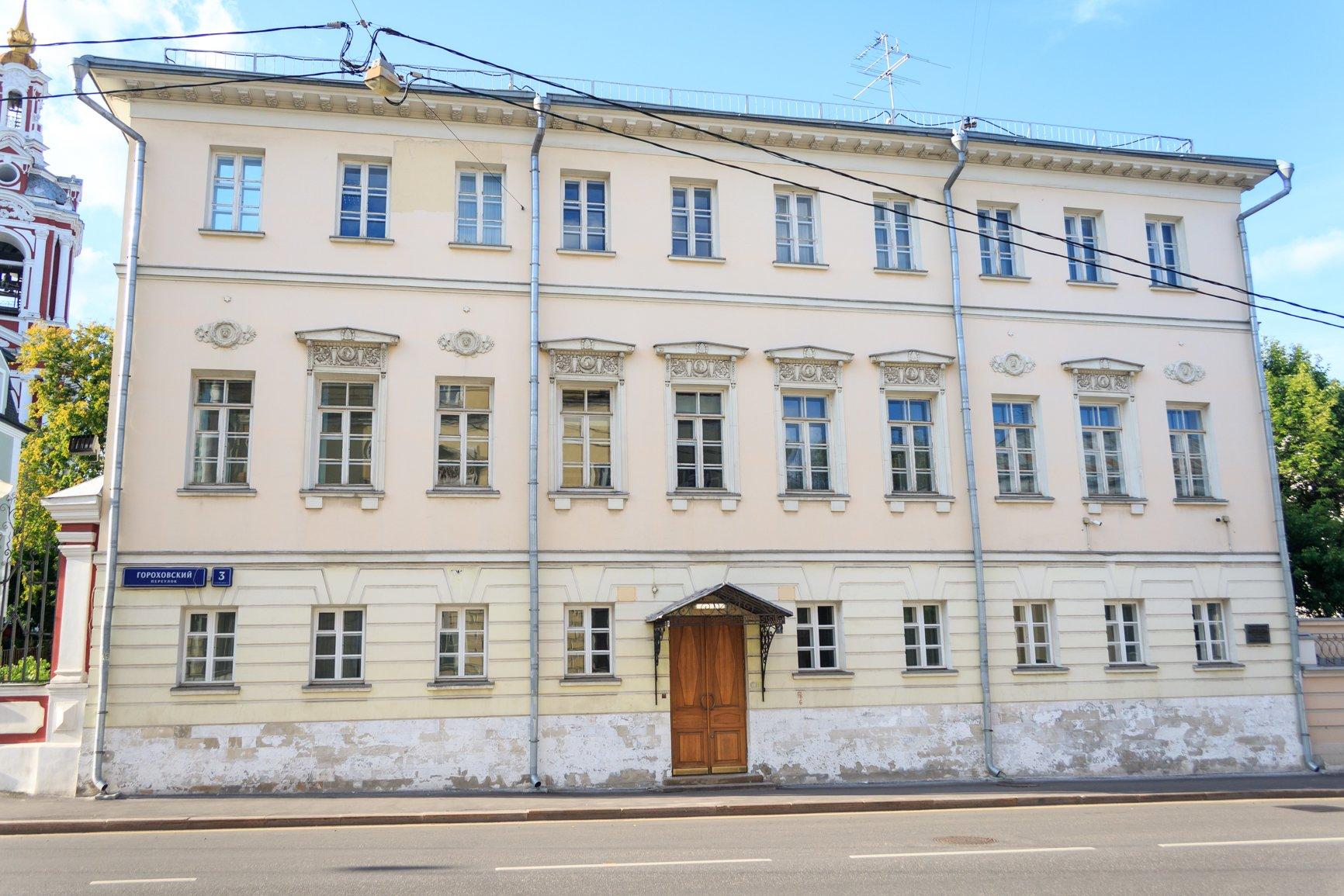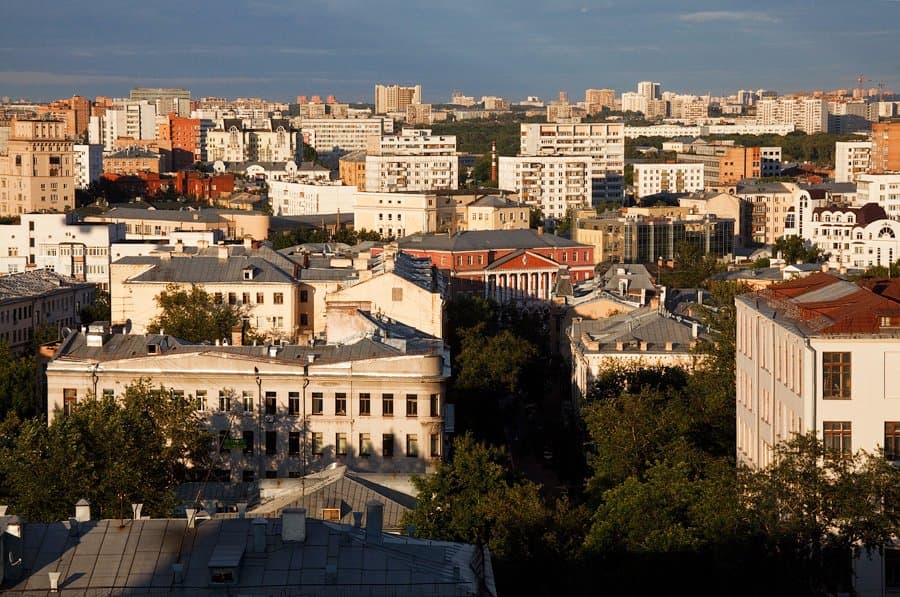
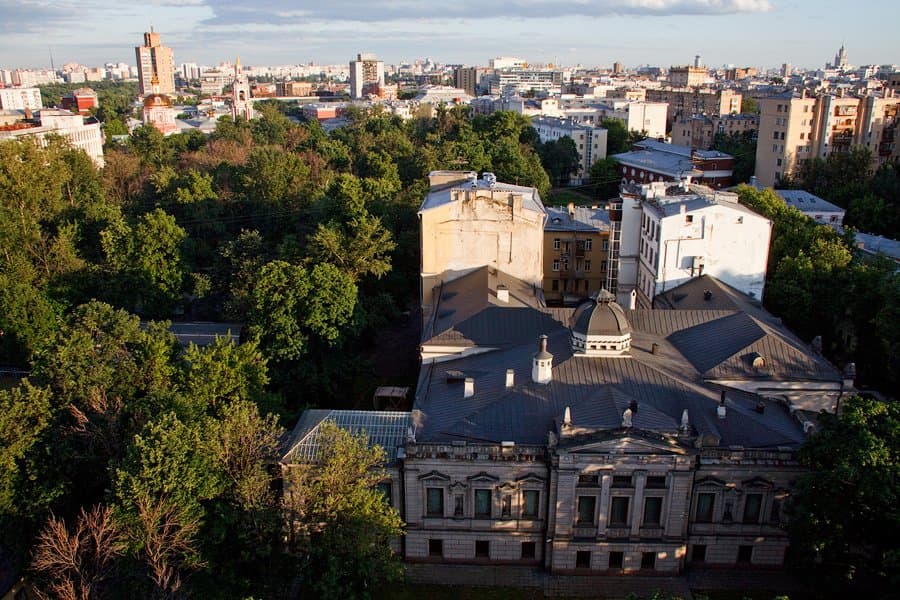
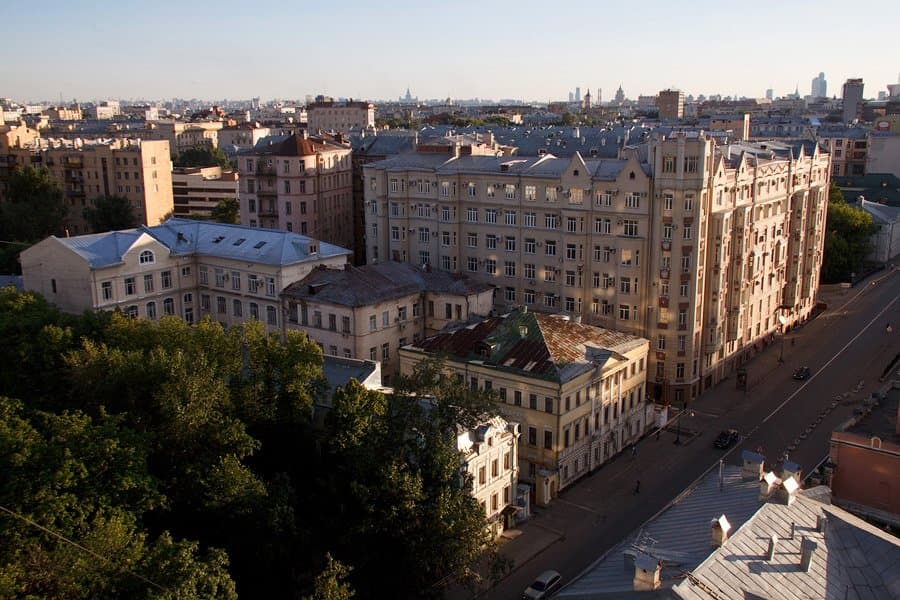
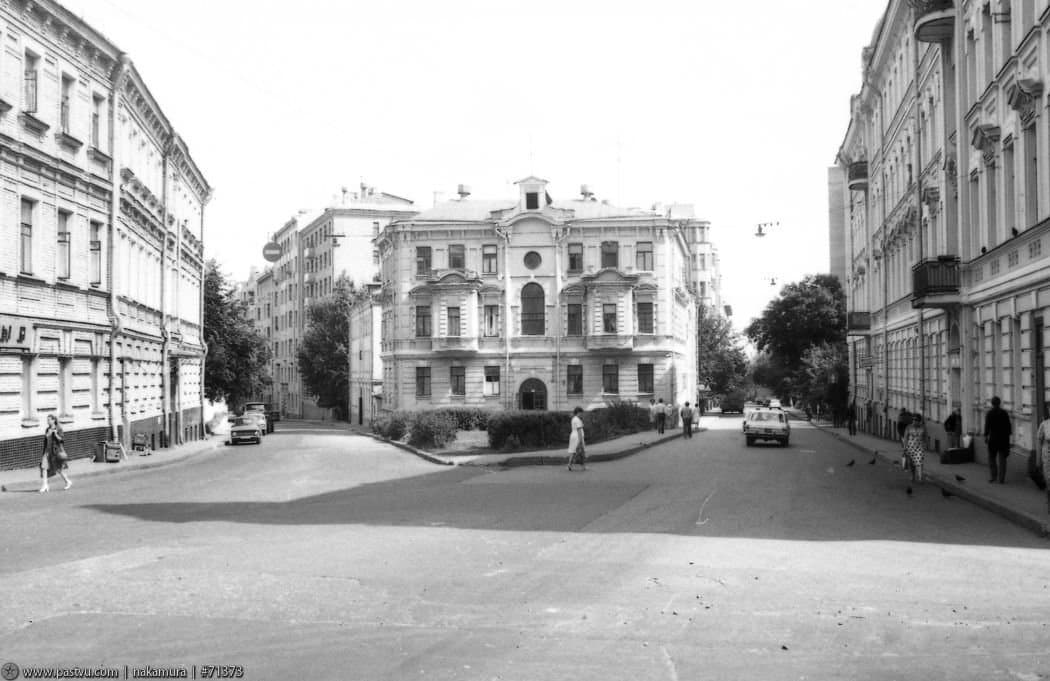
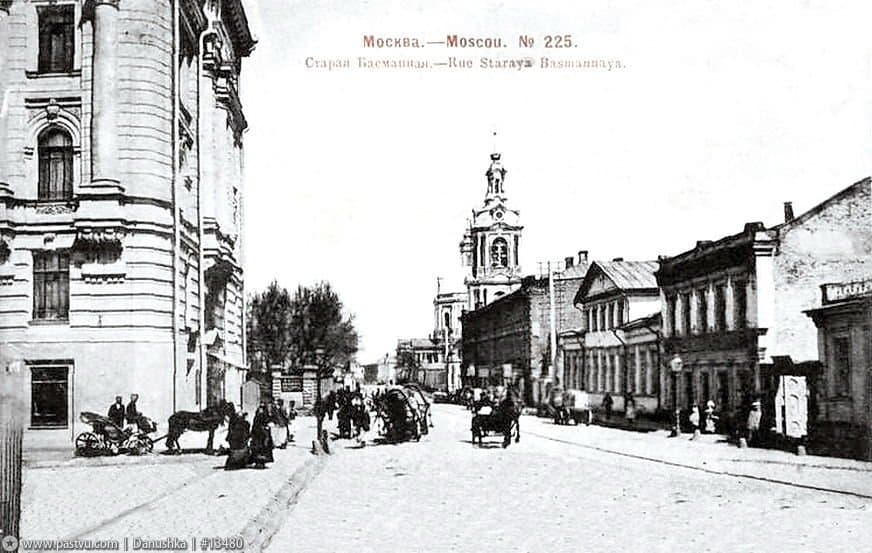
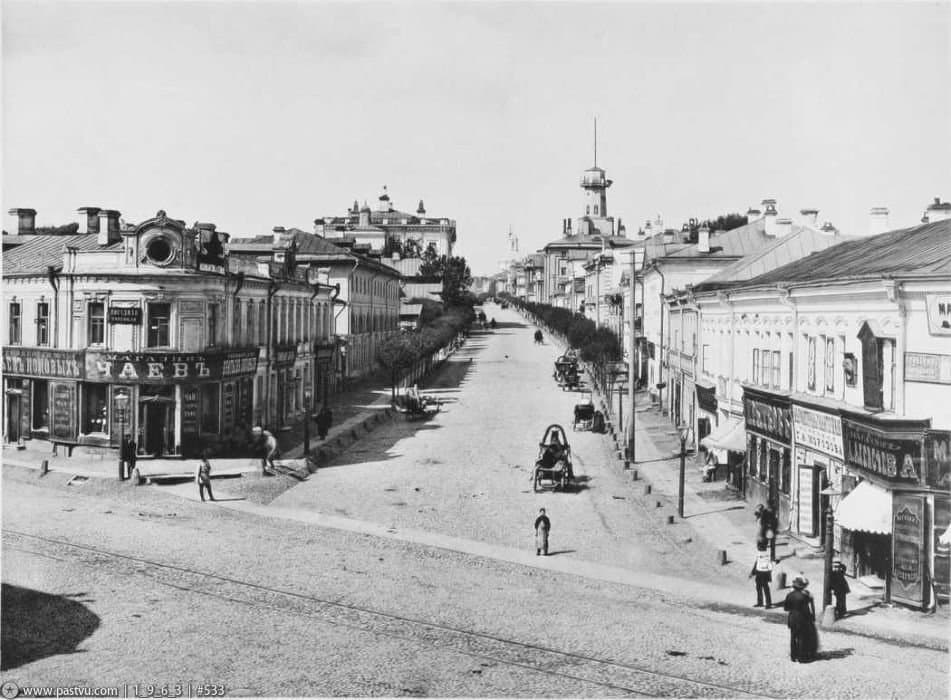
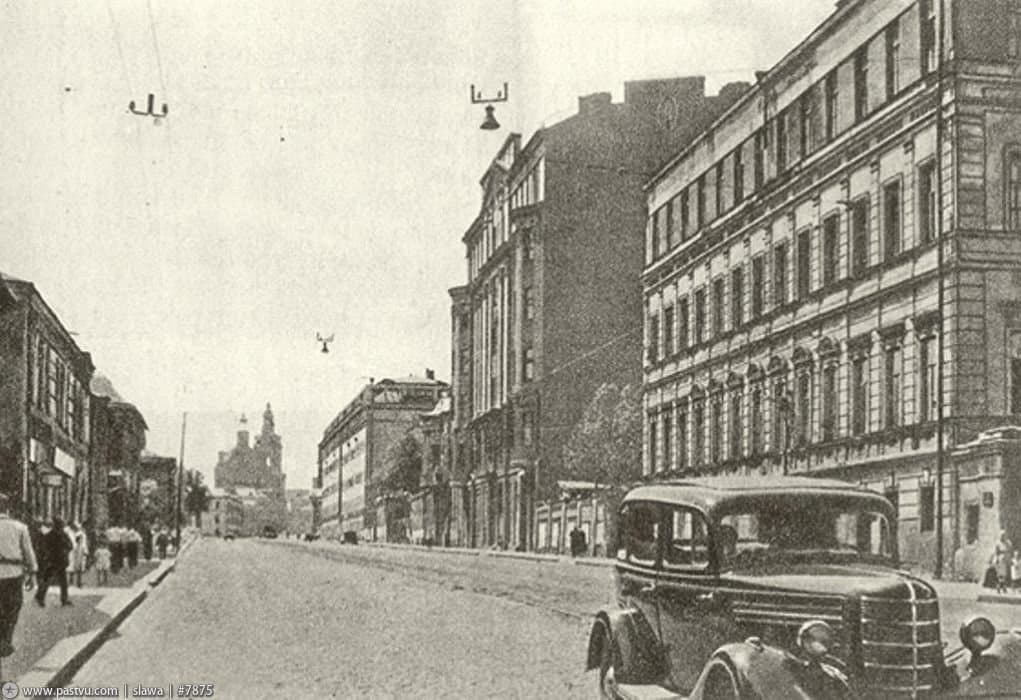
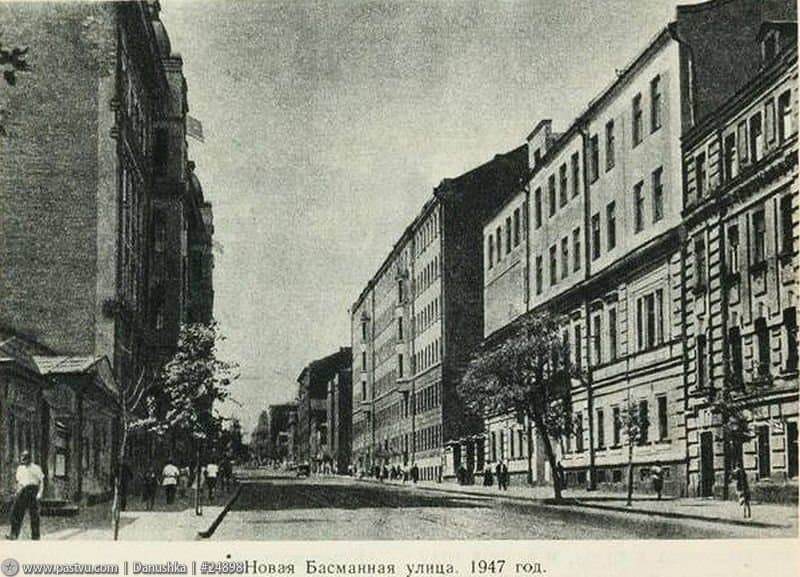
Басманный район занимает особое место в истории Москвы. Именно здесь пролегала знаменитая Царская дорога из Кремля. Здесь селилась вся знать, соперничая друг перед другом роскошными усадьбами, здесь зародилась европейская государственность, как результат тесной связи юного Петра с наставниками из Немецкой Слободы. История развития района также связана со становлением русской культуры, науки и искусства… Территорию района пересекают 15 автомагистралей. Основные места массового гуляния населения – Сад им. Баумана, Чистопрудный и Покровский бульвары.
Свое название район получил по имени дворцовой Басманной слободы, память о которой сохранилась в именах Старой и Новой Басманных улиц. Здесь жили басманники. Есть несколько версий рода их занятий. По одной из них, здесь жили пекари, готовившие особый дворцовый или казенный хлеб, который назывался басманом. Но по историческим книгам мы знаем, что пекари селились в другом месте - в районе нынешнего Хлебного переулка. По другой версии, басмой на Руси называли тонкие листы металла (серебряные, медные, золотые) с вытесненным, вычеканенным рельефным рисунком, применявшиеся для различных украшений. В частности, они применялись для украшения икон. Поэтому более вероятной кажется версия, что в слободе жили чеканщики по металлу.
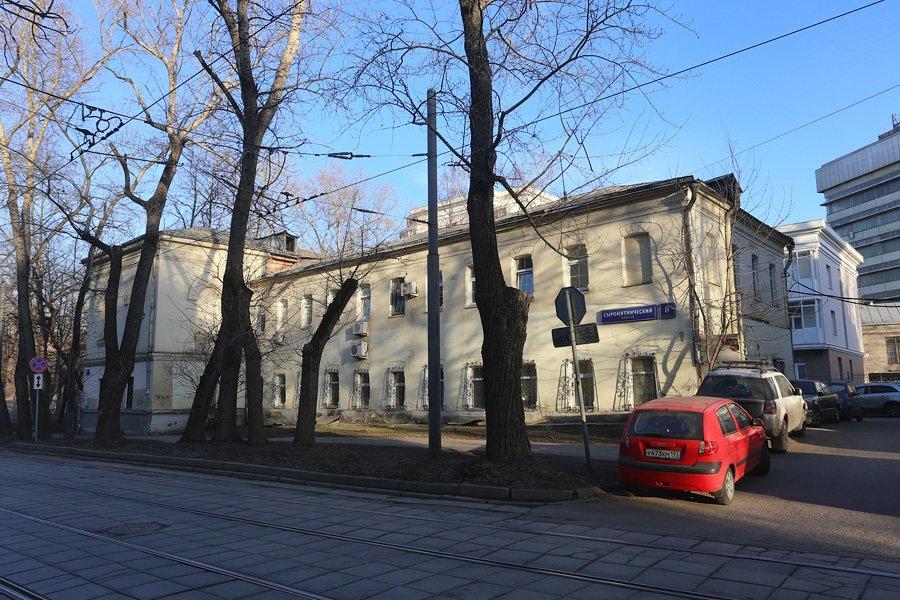
Кроме Басманной слободы, в территорию нынешнего Басманного района входили: Лучниковая слобода, жители которой изготовляли стрелковое оружие; Блинниковая Слобода, где жили блинопеки; Гавриловская слобода, названная по располагавшейся здесь церкви Архангела Гавриила; село Кулишки. Свое название Кулишки получили от слова «кулига» — мокрое, топкое место. По преданию, именно здесь располагалось одно из сел боярина Стефана Ивановича Кучки, первоначального владельца Москвы в тот период, когда она являлась еще сельским поселением; село Подкопаево, село Глигищи- где жили глинники-печных дел мастера; Колпачная слобода, где шили колпаки – особые, княжеские головные уборы; Хохловка, где селились украинцы; Котельники, где изготовляли котлы; Огородная слобода, обитатели которой поставляли овощи к царскому столу, и даже ухитрялись выращивать арбузы и дыни; Барашевская слобода, где жили бараши - княжеские, а затем царские слуги, возившие за государем в походах шатры и раскидывавшие их в поле для царского отдыха; Казенная слобода, где жили хранители царского имущества (или казны); Сыромятники, где жили кожевники; село Елохово - согласно словарю В.И. Даля, «елоха» обозначало ольху, дерево, в изобилии произраставшее по берегам здешнего ручья Ольховца, правого притока речки Чечеры, впадавшей в Яузу; село Покровское-Рубцово, раньше бывшее ближним пригородом Москвы, и, конечно, Немецкая слобода (или Кукуй), где селились иностранцы после царского указа 4 октября 1652 года. Именно здесь появились первый университет, аптека, фарфоровый завод и многое другое. Здесь же, благодаря Гордону и Лефорту, Петр заразился идеей реформирования государства российского, а во времена петровских реформ - зародилось техническое обновление России, военная и морская реформа.
Род занятий жителей старинных московских слобод во многом определил названия современных улиц Басманного района. Так интересно складывается преемственность поколений, и никакие евроремонты не смогут стереть с лица Москвы память о ее первых обитателях.
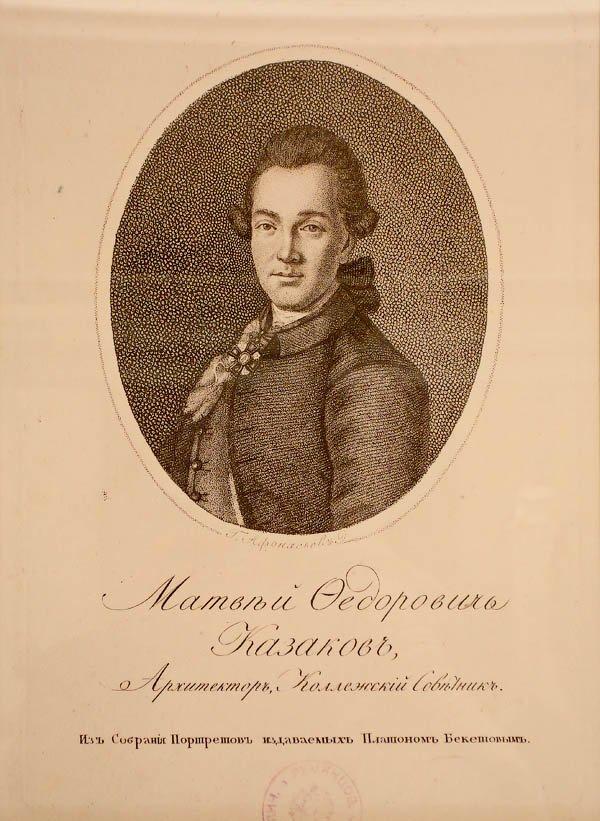
Basmanny district occupies a special place in the history of Moscow. It was here that the famous Kings Highway ran from the Kremlin. Here selilas all know each other competing luxury estates, was born here of European government as a result of close association with mentors young Peter of German settlement. The history of the area is also associated with the development of Russian culture, science and art ... The district is crossed by highways 15. The main places of mass celebrations of the population - Garden them. Bauman Chistoprudni and Pokrovsky Boulevard area received its name by the name of the palace Basman settlement, the memory of which is preserved in the names of the Old [http://mosopen.ru/street/9670] and New [http://mosopen.ru/street/1300 ] Basmannoe streets. Here lived basmanniki. There are several versions of their occupation. On one of them, there lived bakers who prepared a special palace official or bread, which was called Basmanov. But in the history books, we know that bakers settled elsewhere - in the area of present Bread lane. According to another version, basmoj in Russia called thin sheets of metal (silver, copper, gold) with the repressed, chiseled relief pattern, are used for a variety of decorations. In particular, they were used to decorate the icons. Therefore, it is more likely a version that lived in the village for metal engravers. In addition Basman settlement in the territory of present Basmanny district included: Luchnikova settlement whose inhabitants manufactured small arms; Blinnikova Sloboda, where they lived blinopeki; Gavrilovskaya settlement, named for the church was situated here Archangel Gabriel; Kulishki village. Kulishki got its name from the word "swarm" - wet, swampy place. According to legend, it housed one of the villages nobleman Stefan Ivanovich piles, the original owner of Moscow in the period when it was still rural settlements; Podkopaev village, the village where they lived Gligischi- Glinnikov-furnace as a master; Kolpachny settlement, where sewed caps - special, princely headgear; Khokhlovka where Ukrainians settled; Boilermakers, which produced boilers; Ogorodnaya settlement, the inhabitants of which supplies vegetables to the royal table, and even managed to grow watermelons and melons; Barashevsky settlement where they lived Barash - the prince, and then the king's servants, vozivshie sovereign in campaigns for tents and scatter them in the field for the king's rest; Breech settlement where they lived keeper of the king of the property (or Treasury); Syromyatnikov inhabited by tanners; Yelokhovo village - according to the dictionary VI Dahl, "Elohim" meant alder tree, grows abundantly along the banks of the local creek the villagers, right tributary of the river Checher flowing into Yauza; Pokrovskoe-Rubtsovo, before former neighbor suburb of Moscow, and, of course, German settlement (or Kukui), where foreigners settled after the king's decree of October 4, 1652. That's where the first university, a pharmacy, a porcelain factory and much more. Here, thanks to Gordon and Lefort, Peter has caught the idea of reforming the Russian state, as in the days of Peter the Great's reforms - originated technical renewal of Russia's military and naval reform. Occupation inhabitants of ancient settlements of Moscow is largely defined the modern street names Basmanny district. So I wonder develops the succession of generations, and no Eurorepair not be able to wipe out the memory of Moscow its first inhabitants. The history of the area is closely linked with the activities of well-known representatives of Russian culture, the most striking of them: Roars - in art, Pushkin - in literature, Chaadayev - in philosophy, Zhukovsky - in aviation science. Pushkin's uncle's house Old Basman associated with the presence of progressive people of that time - Derzhavina Viazemsky, Karamzin, and others. On the same street lived Ants-Apostol, the Decembrists Muravyovs father of three. The district retained the beautiful monuments and valuable buildings of historic buildings: the Cathedral of the Epiphany in Yelokhovo, Nikita Martyr Church, Church of the Ascension, the estate Razumovsky palace Demidov house Musin-Pushkin architect Kazakov and many others. That is why, Basman is a favorite destination for local history tours, which every year becomes more and more.