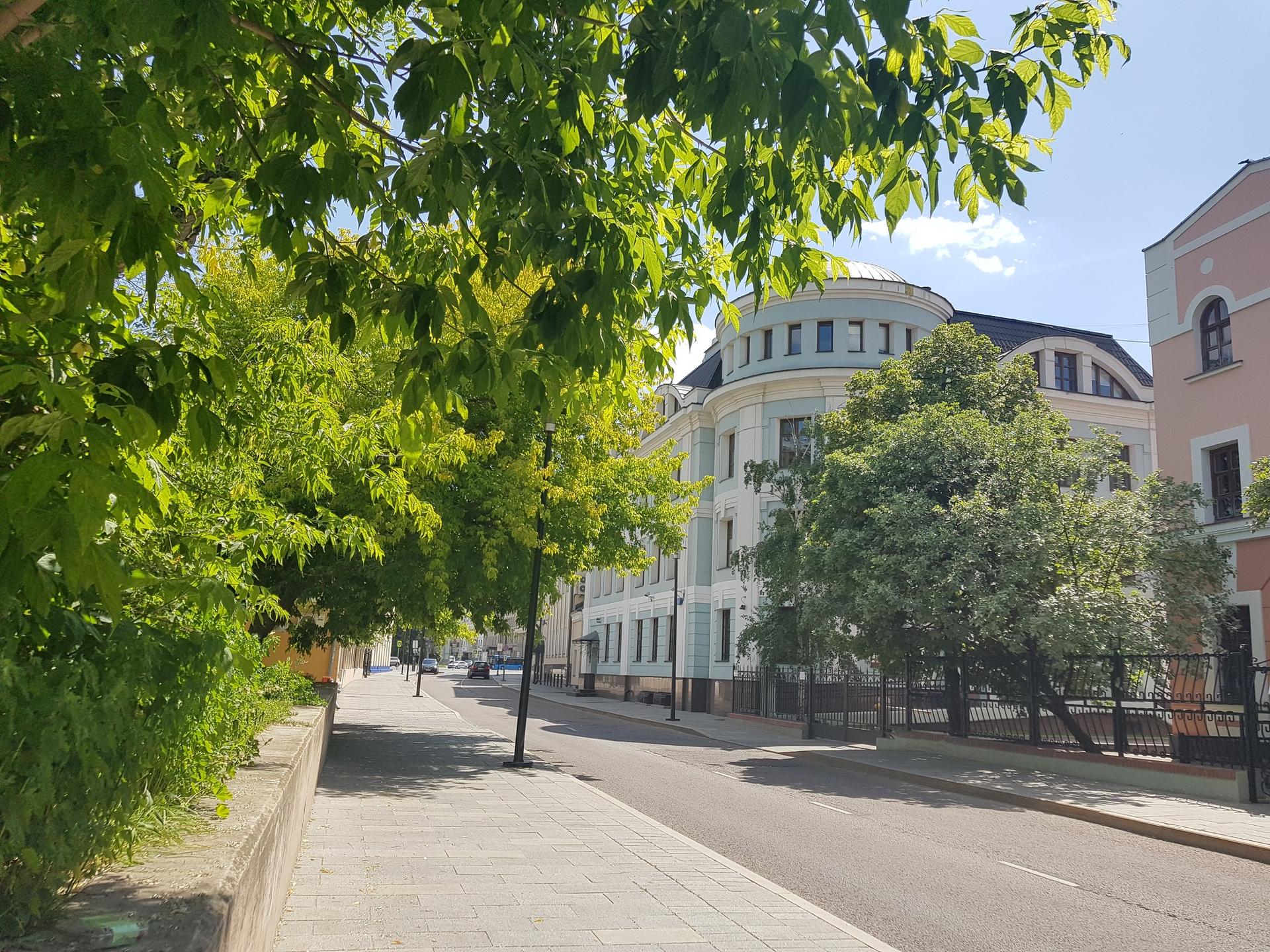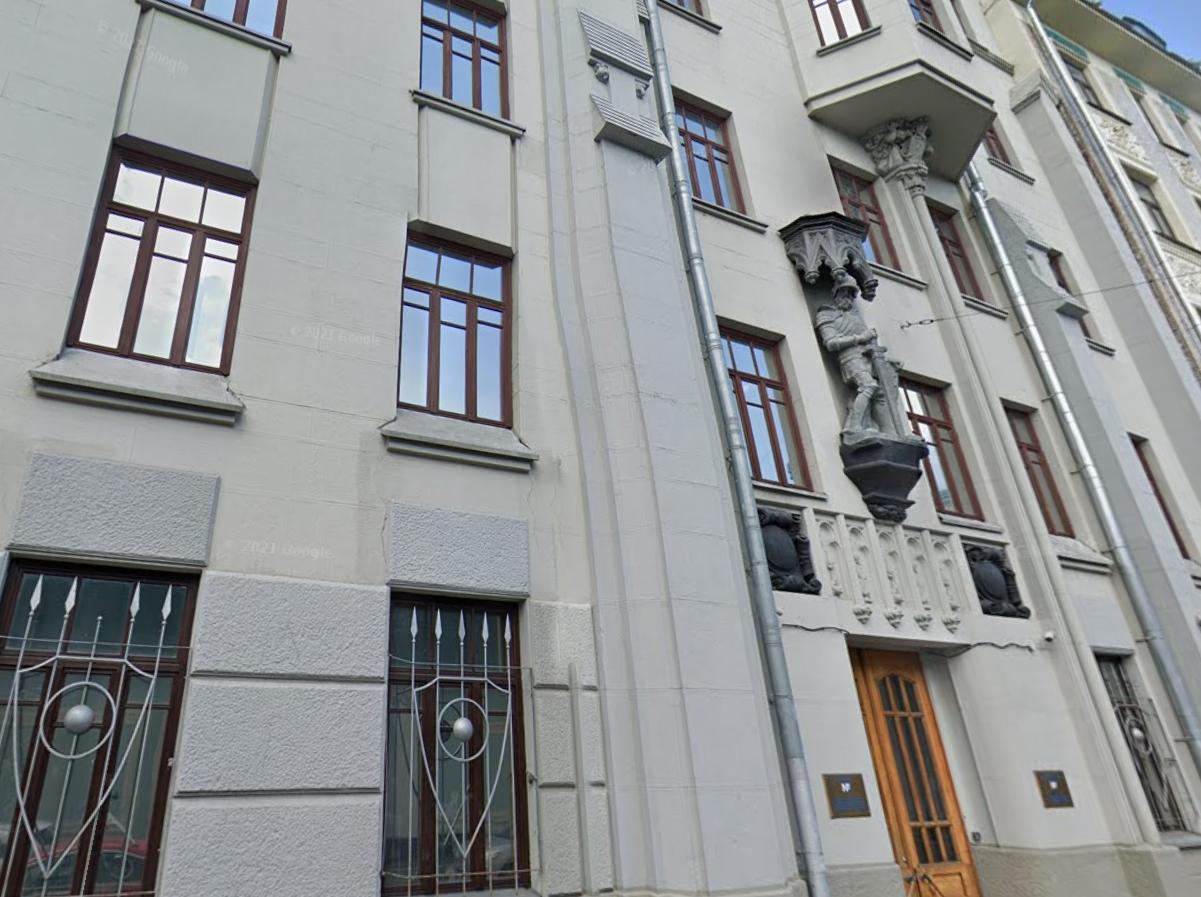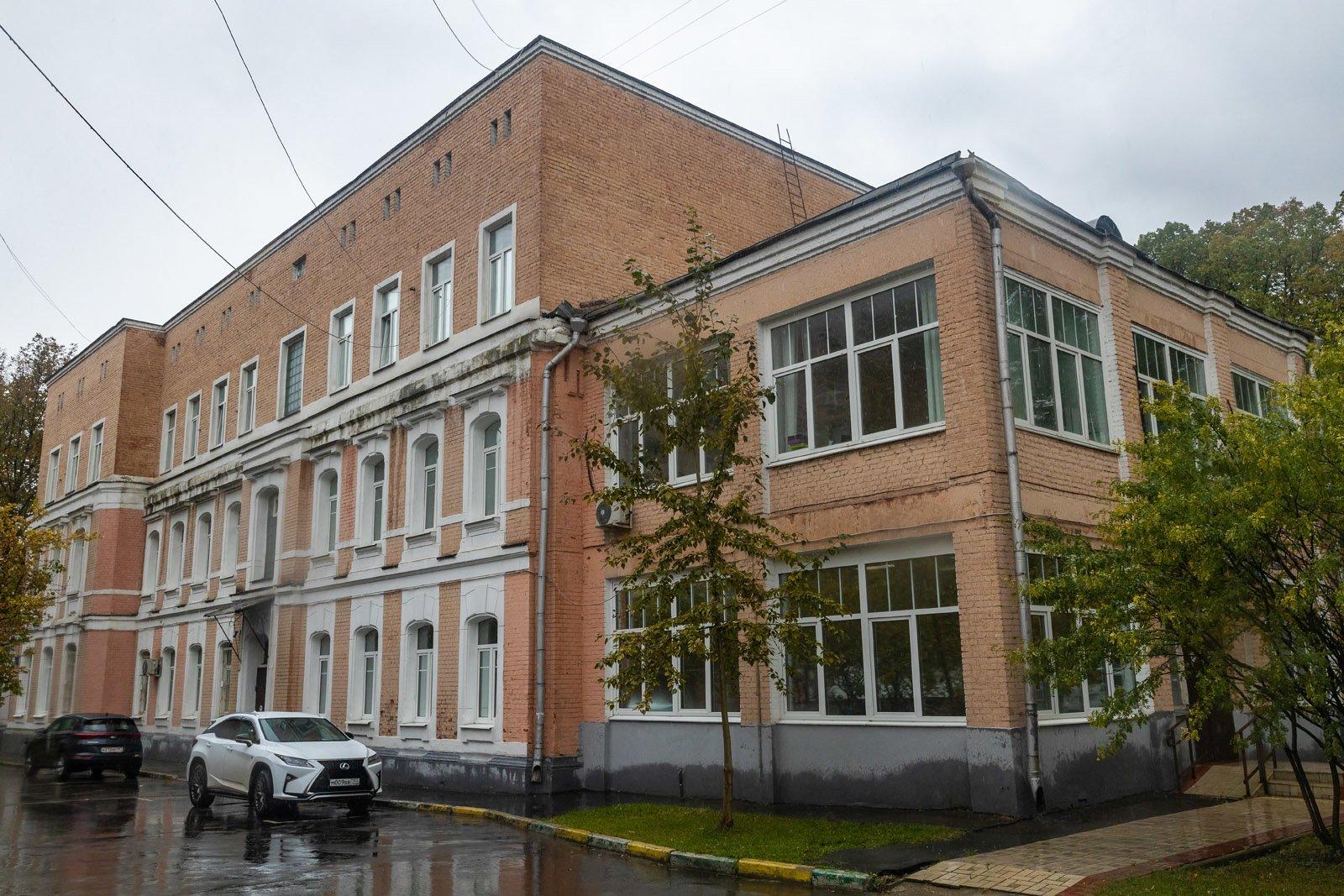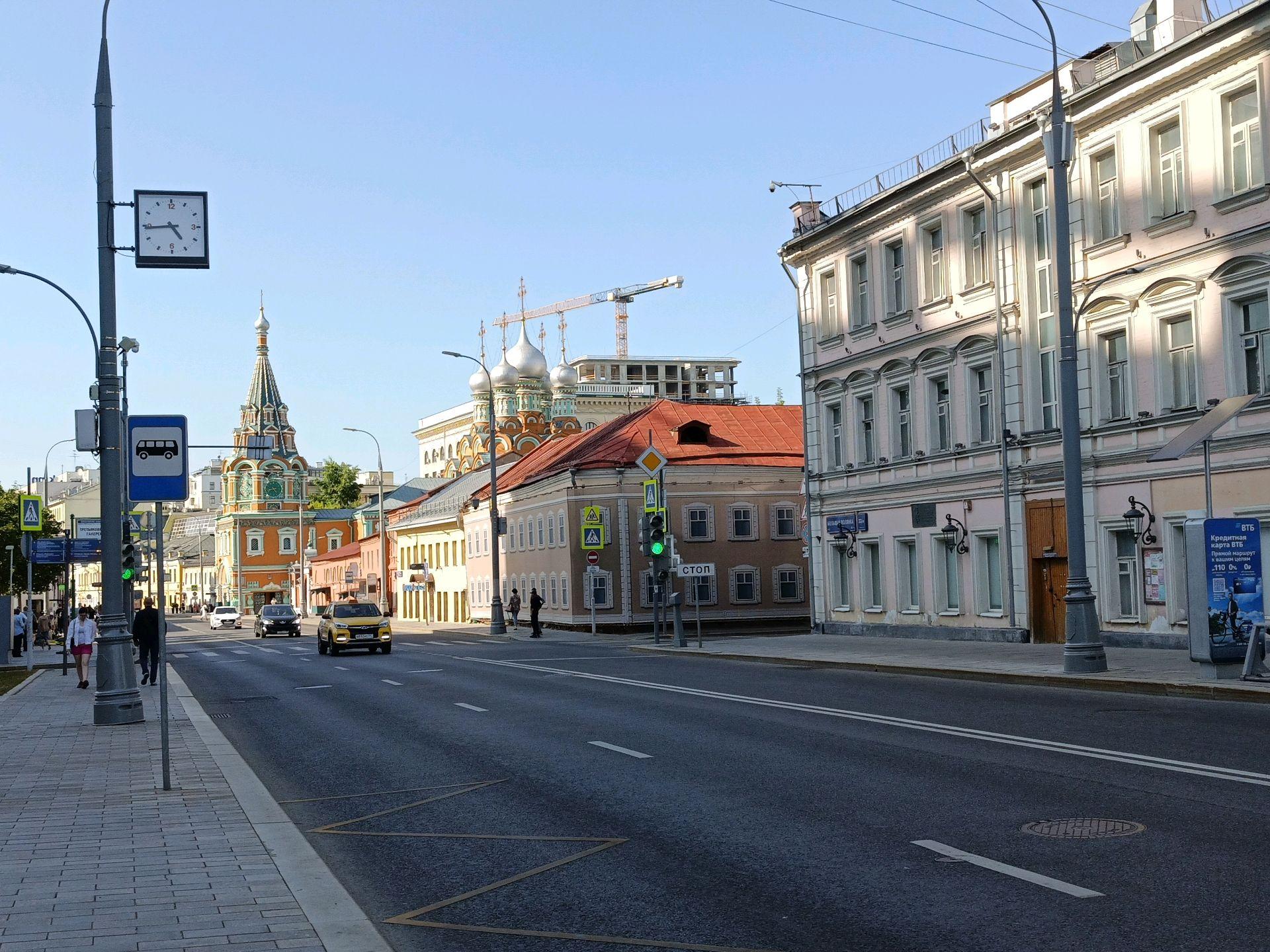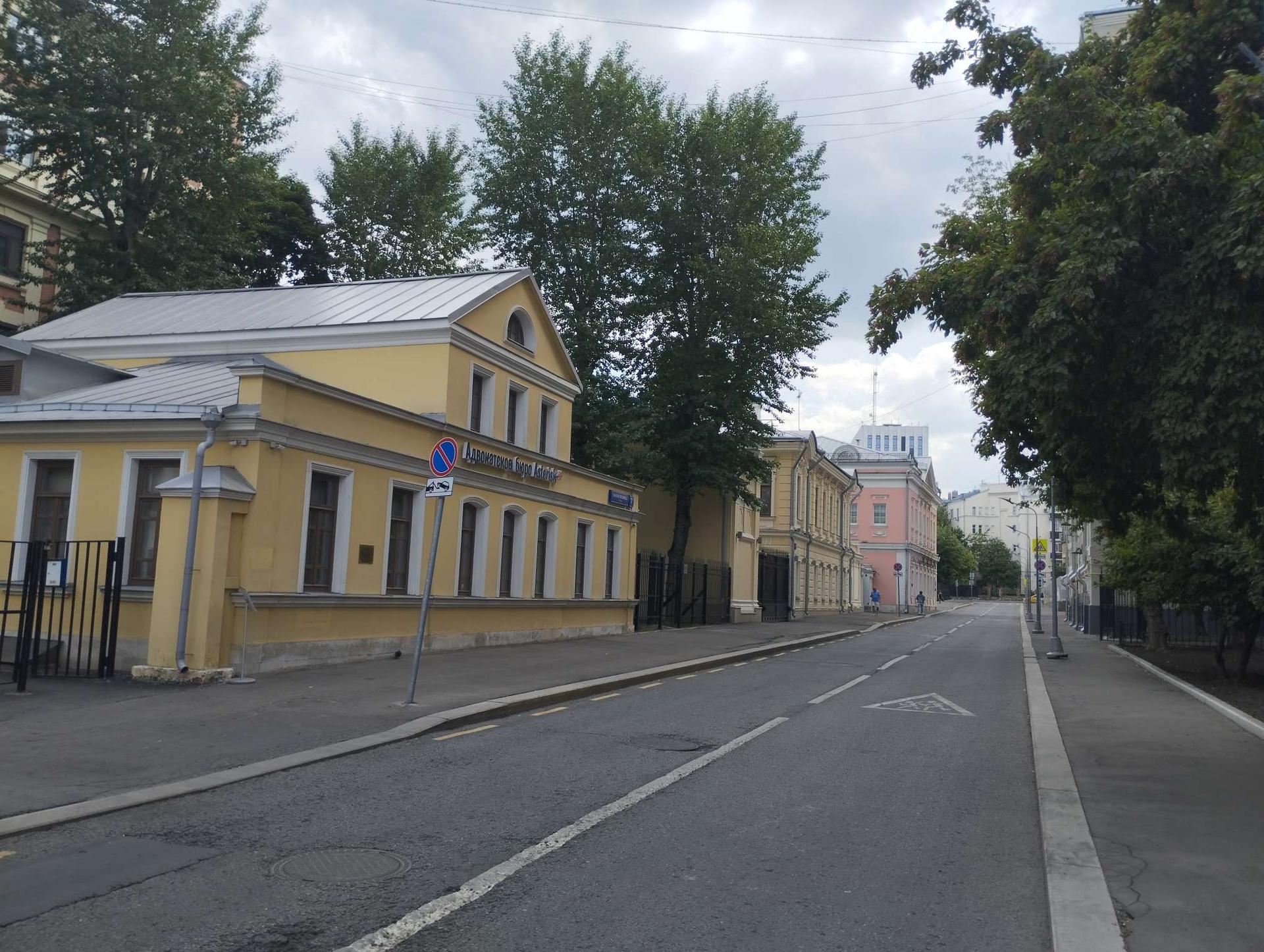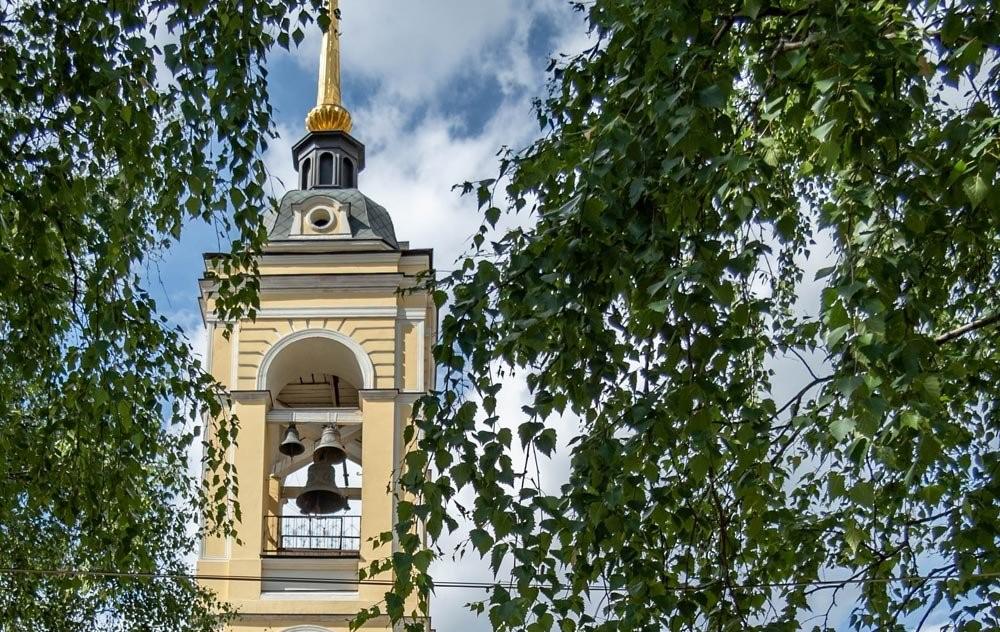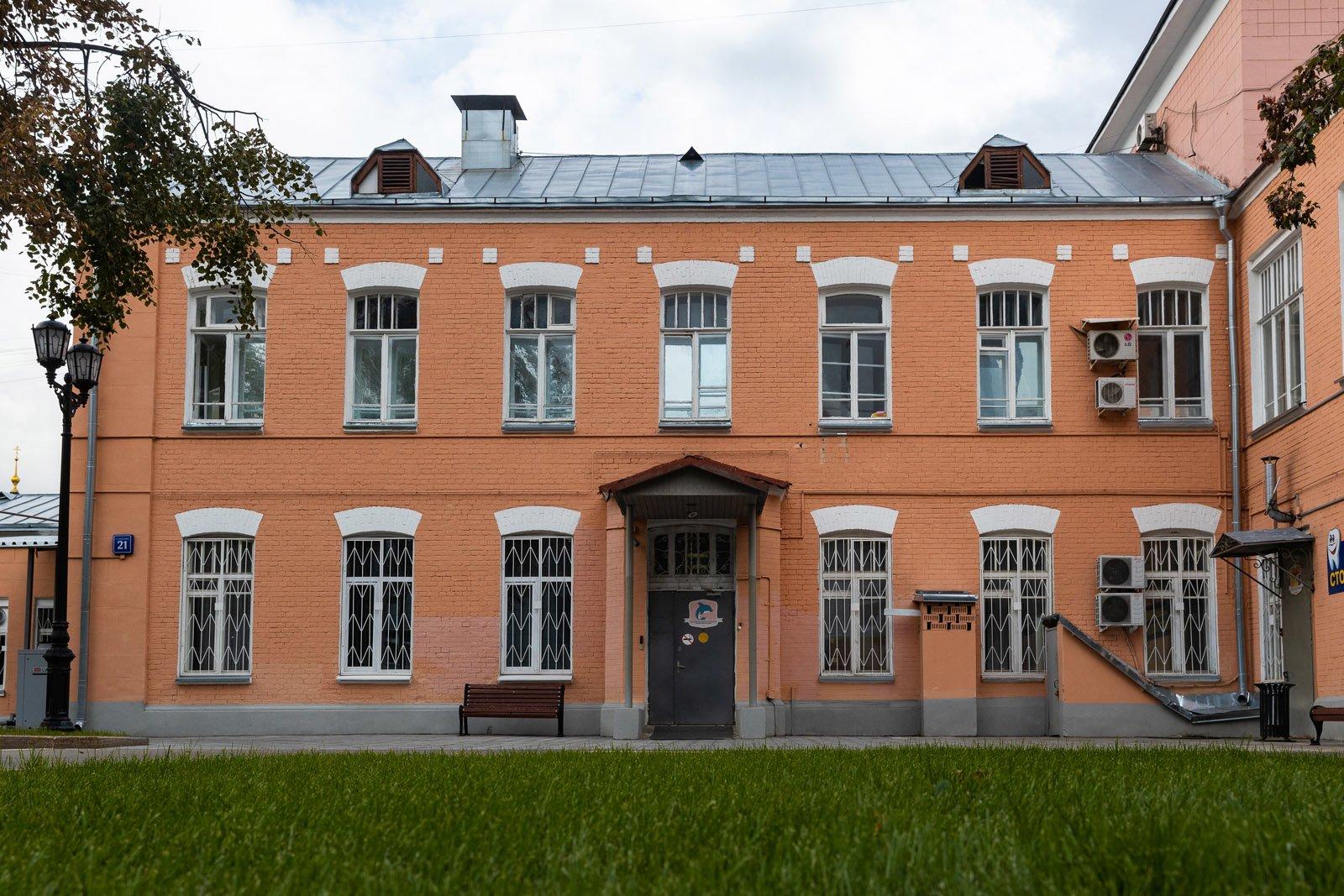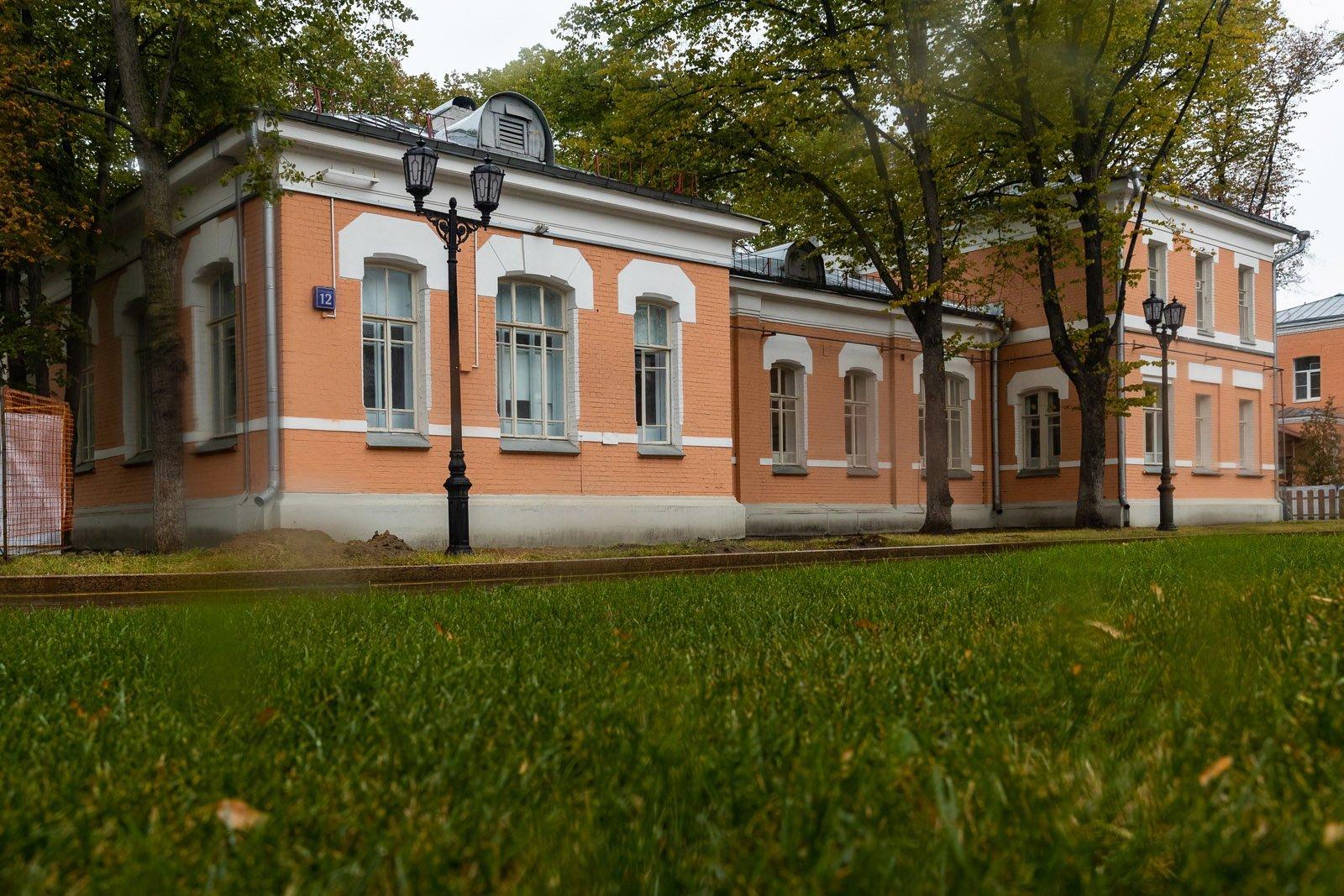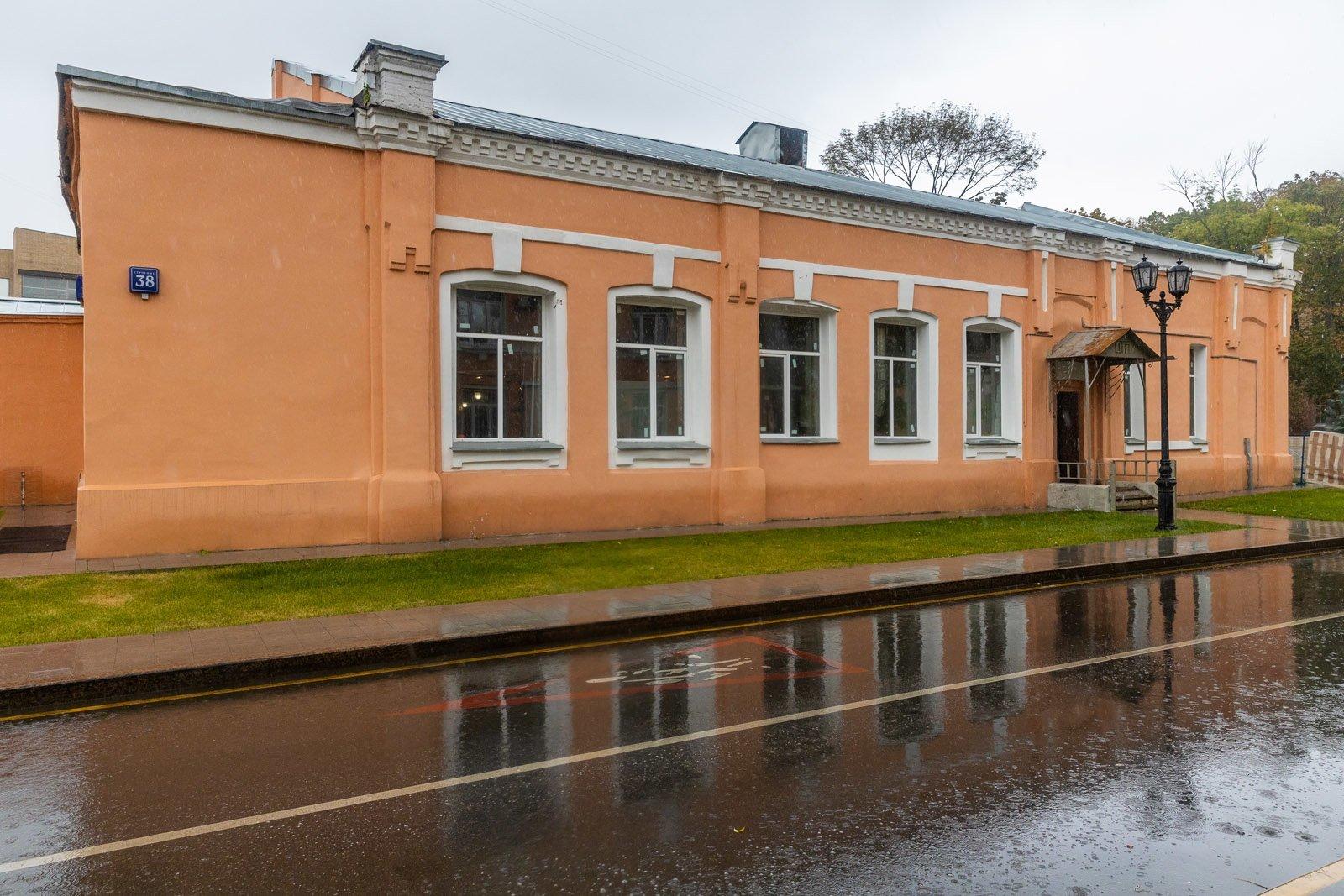
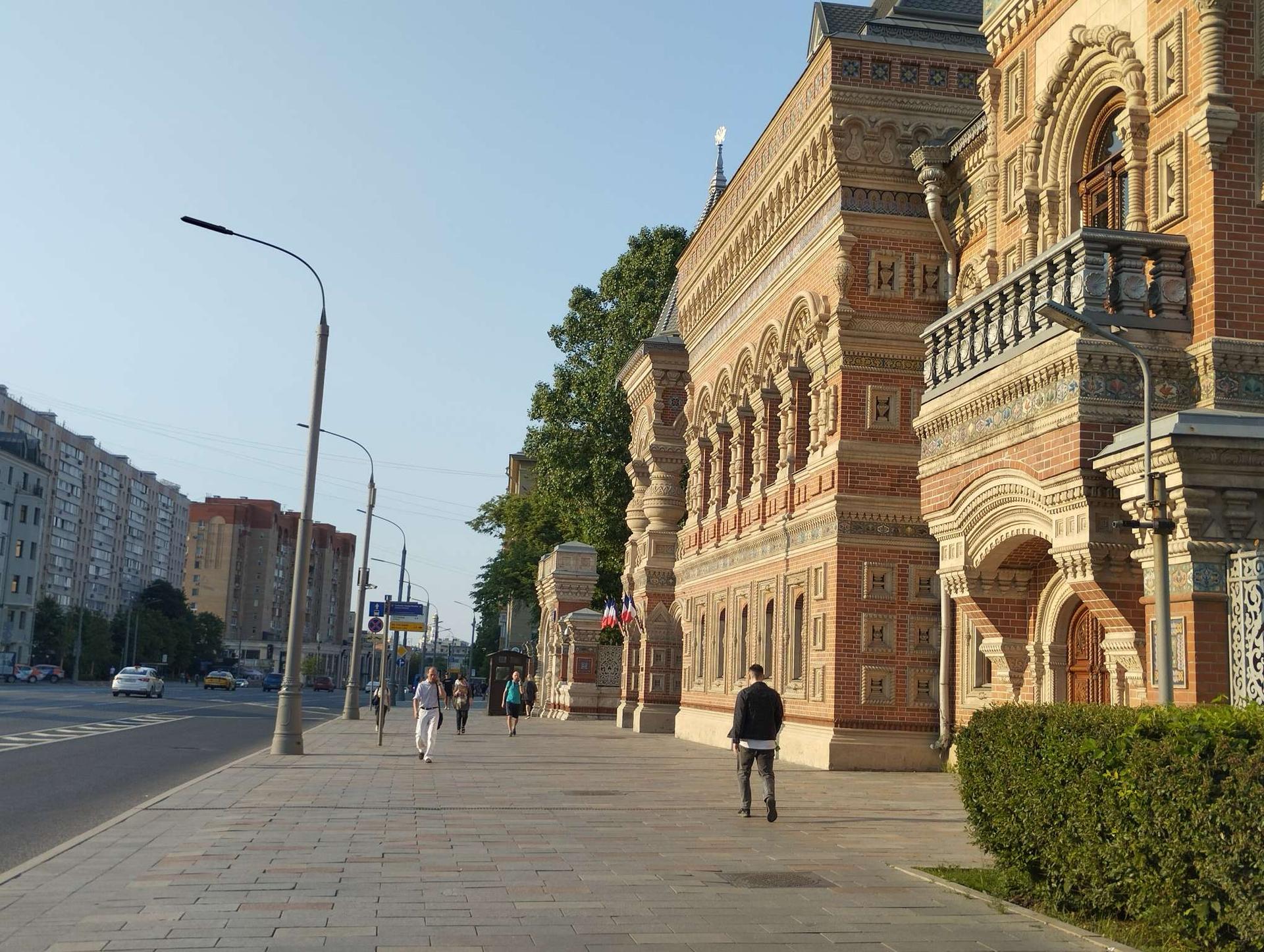
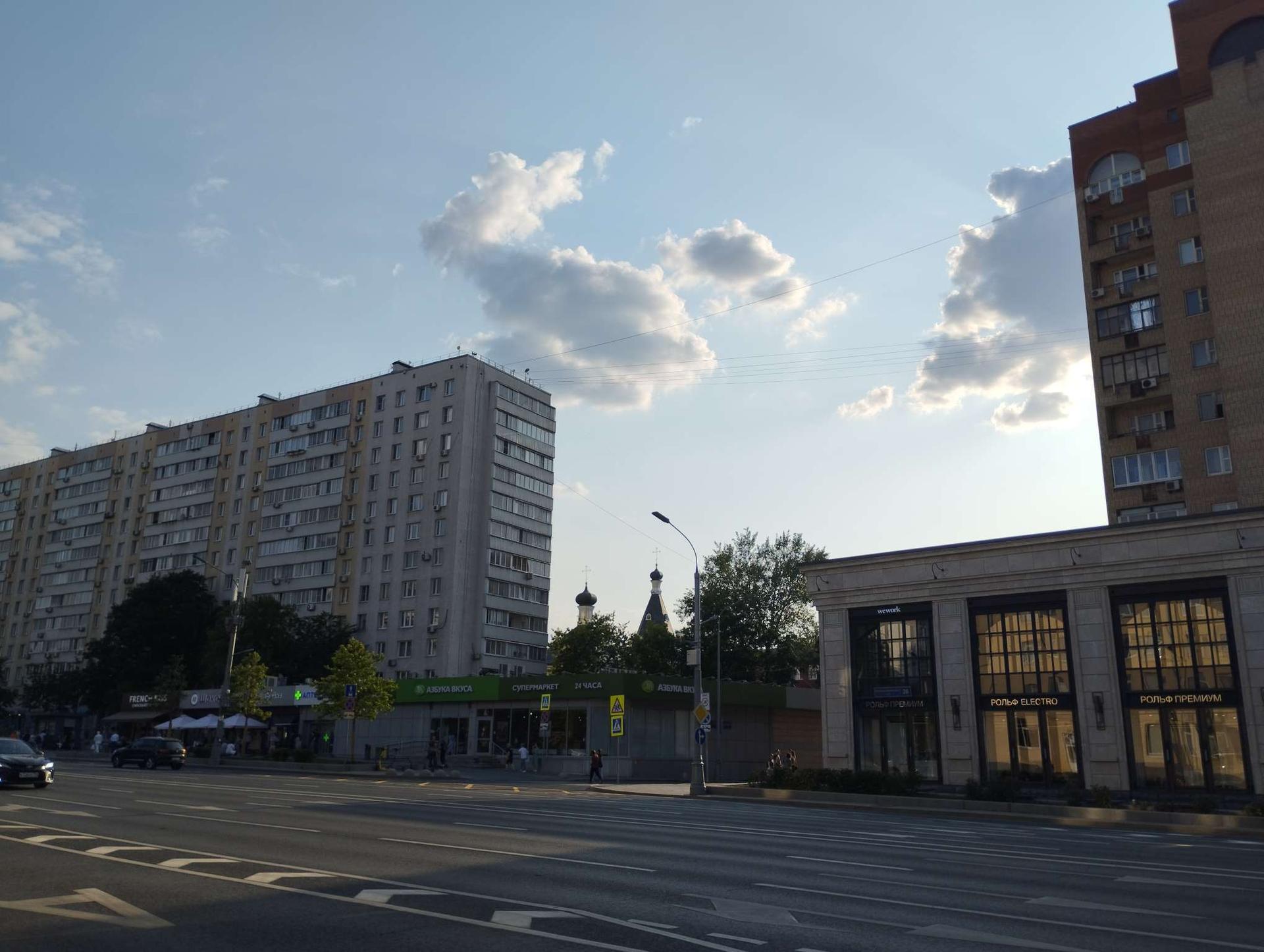
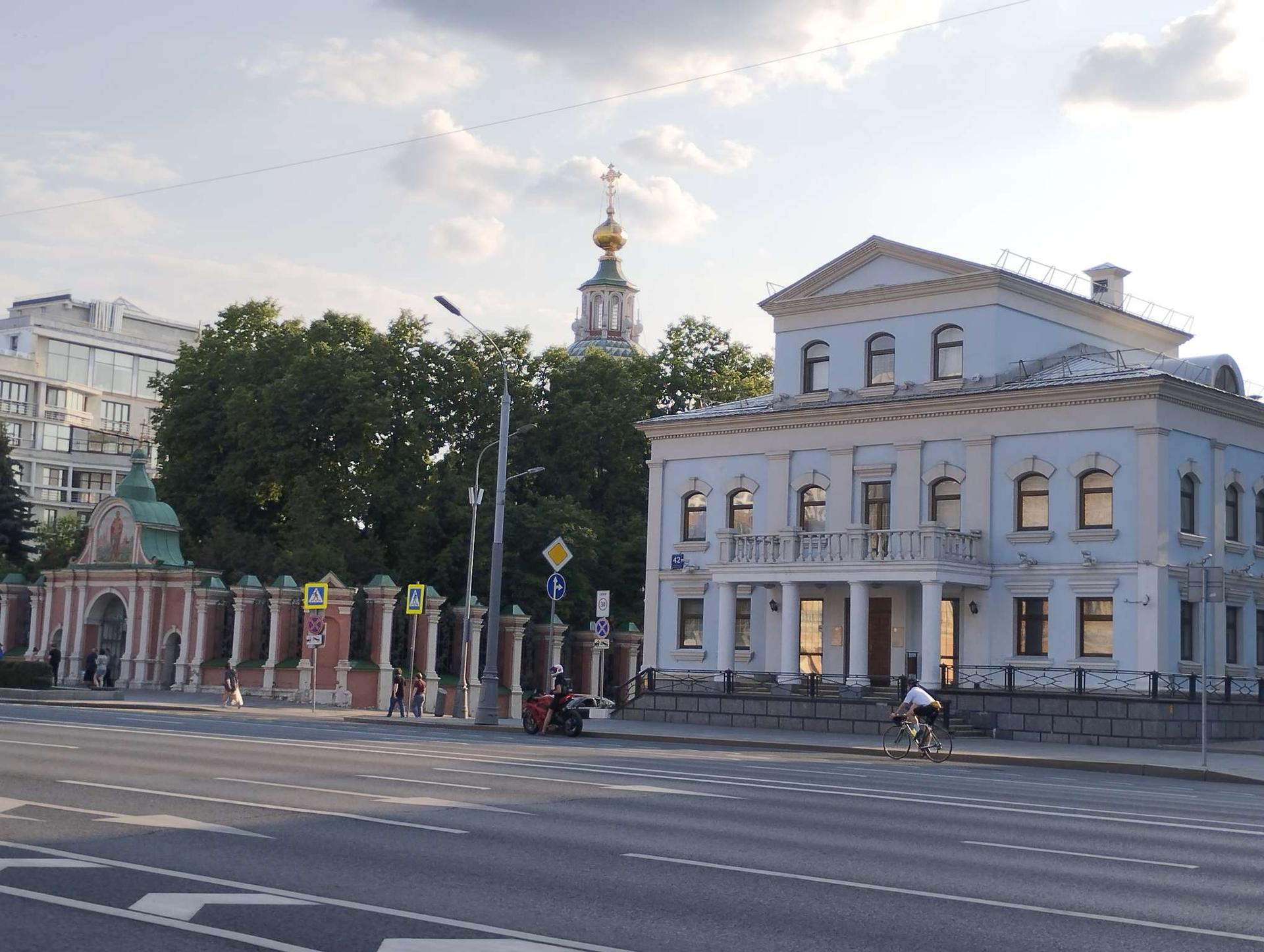
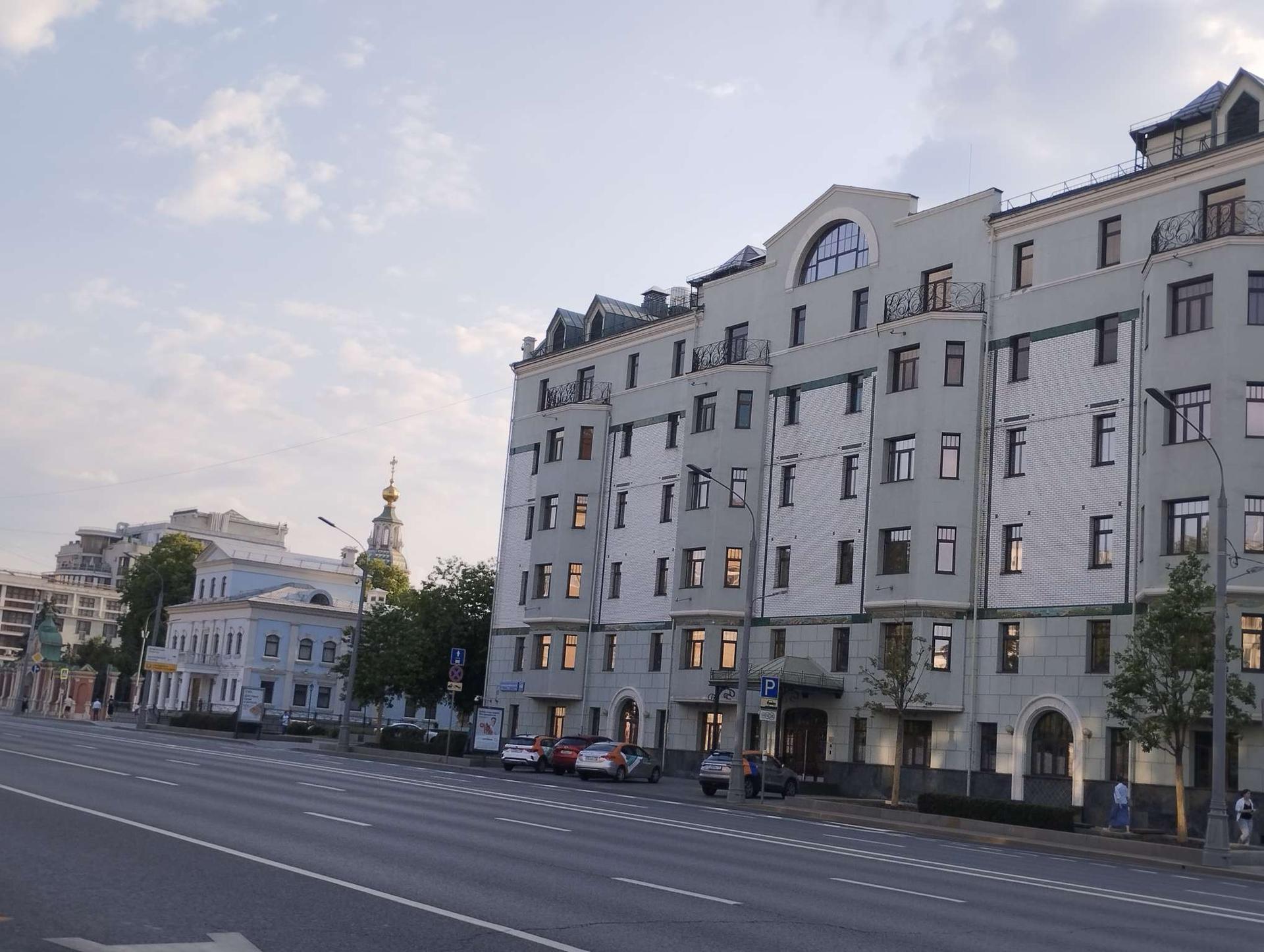
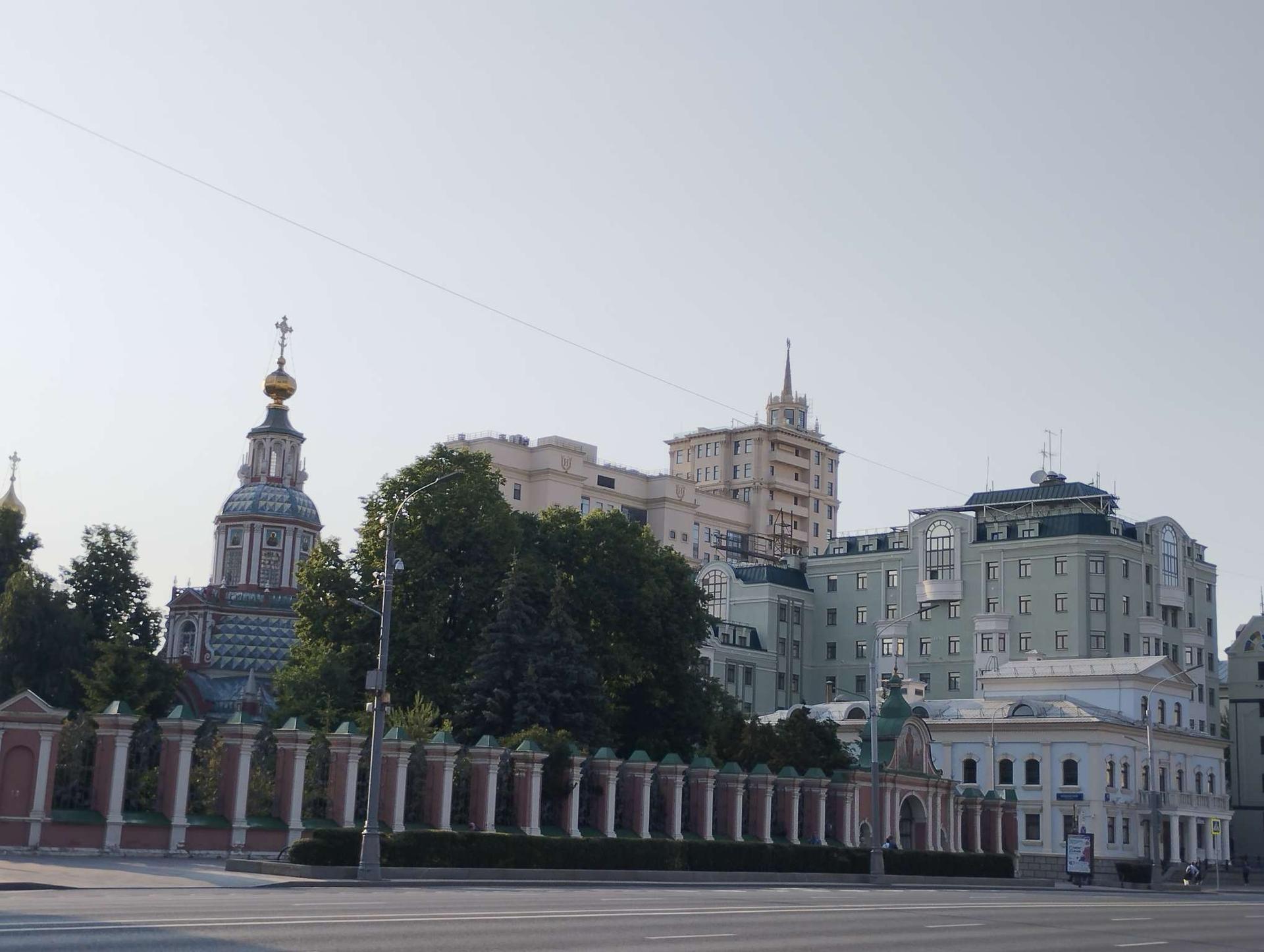
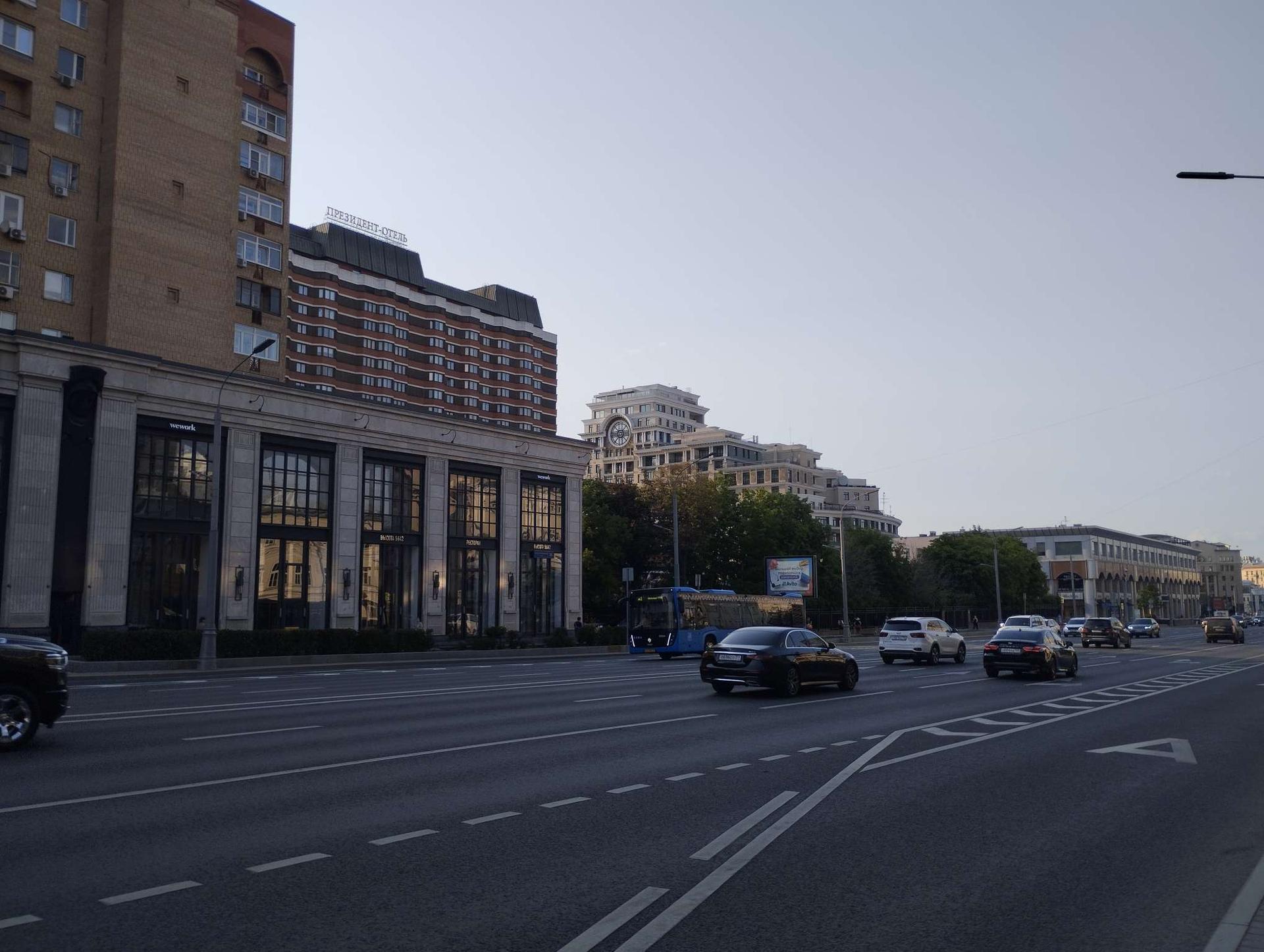
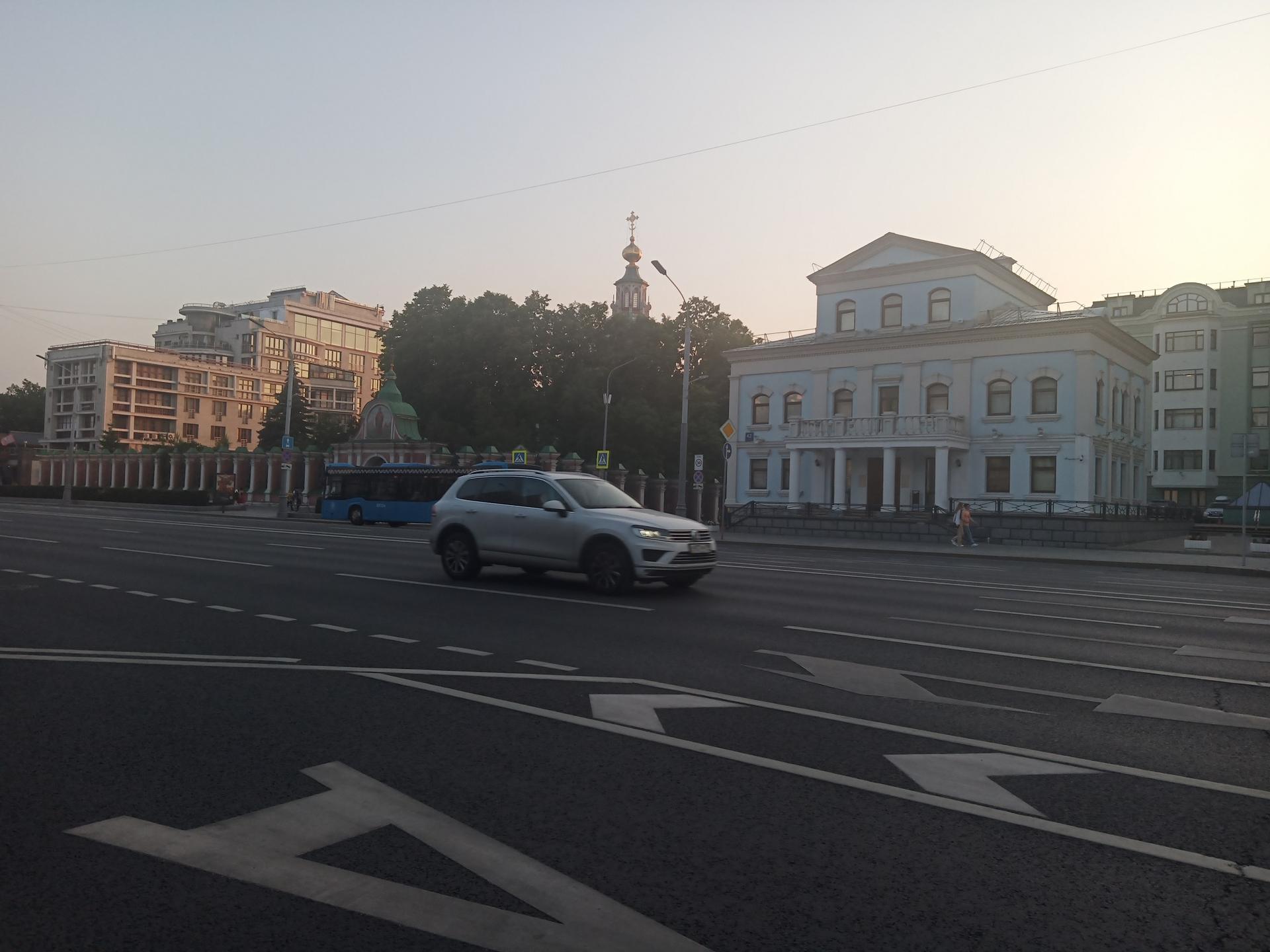
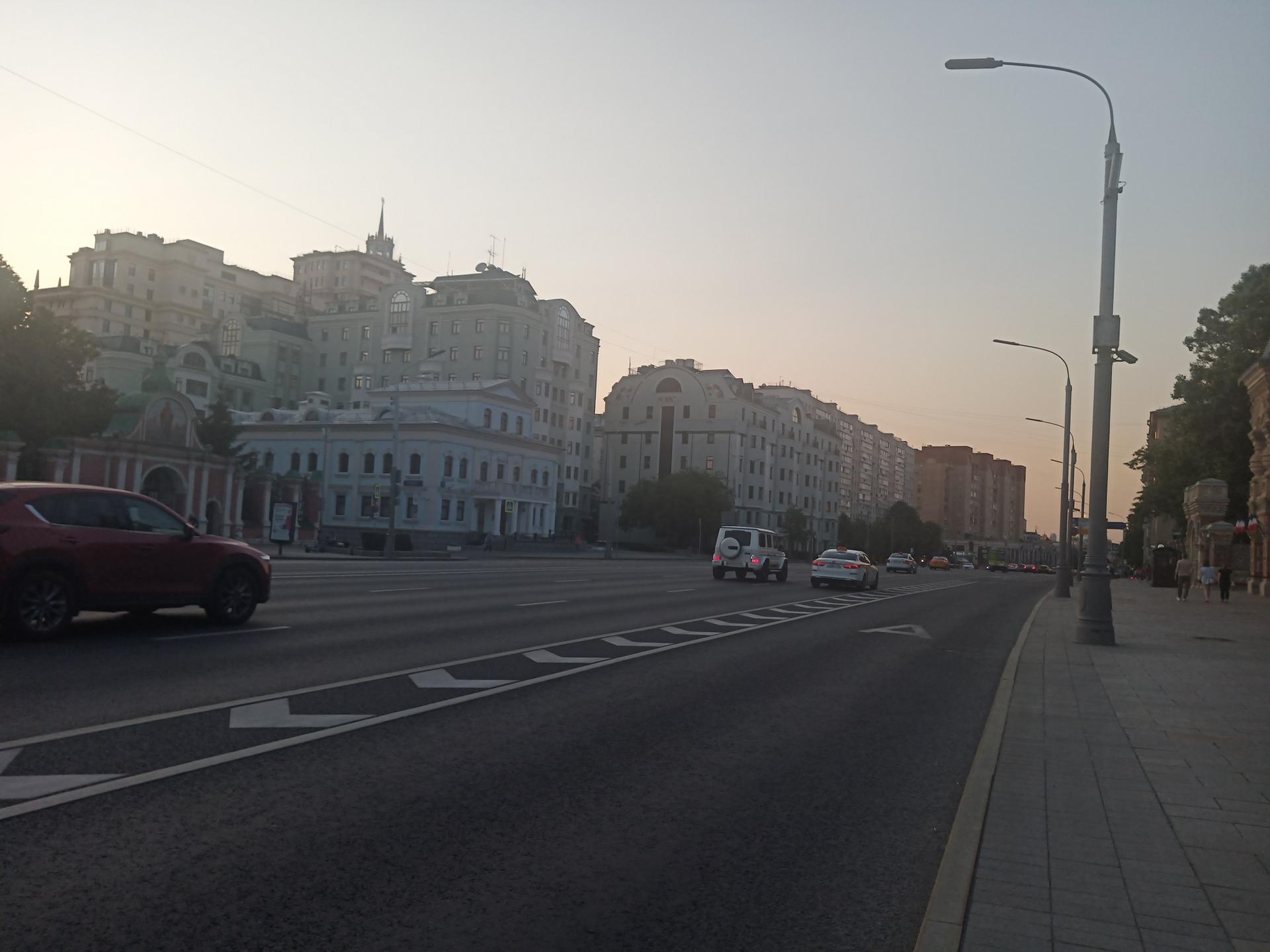
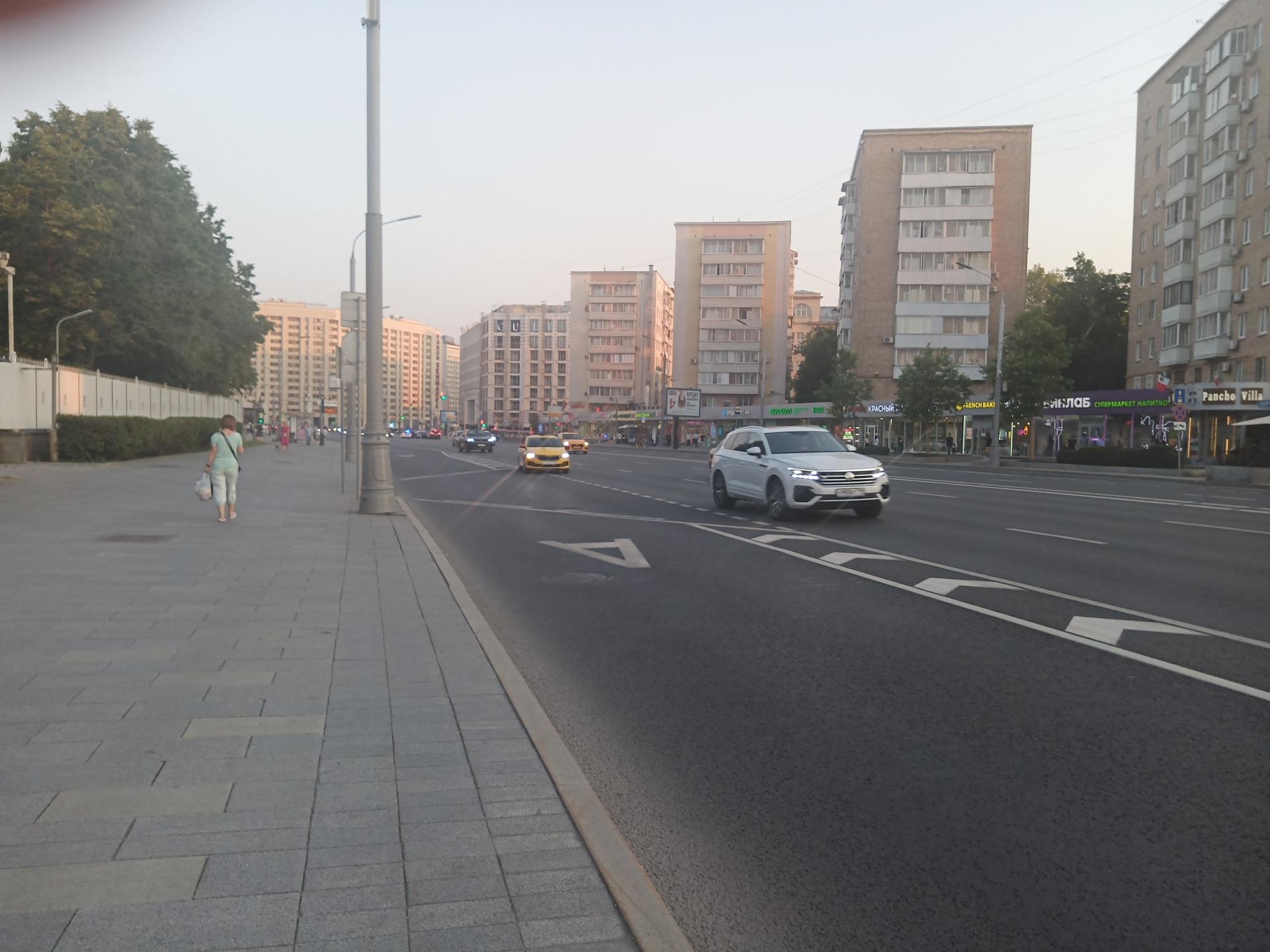
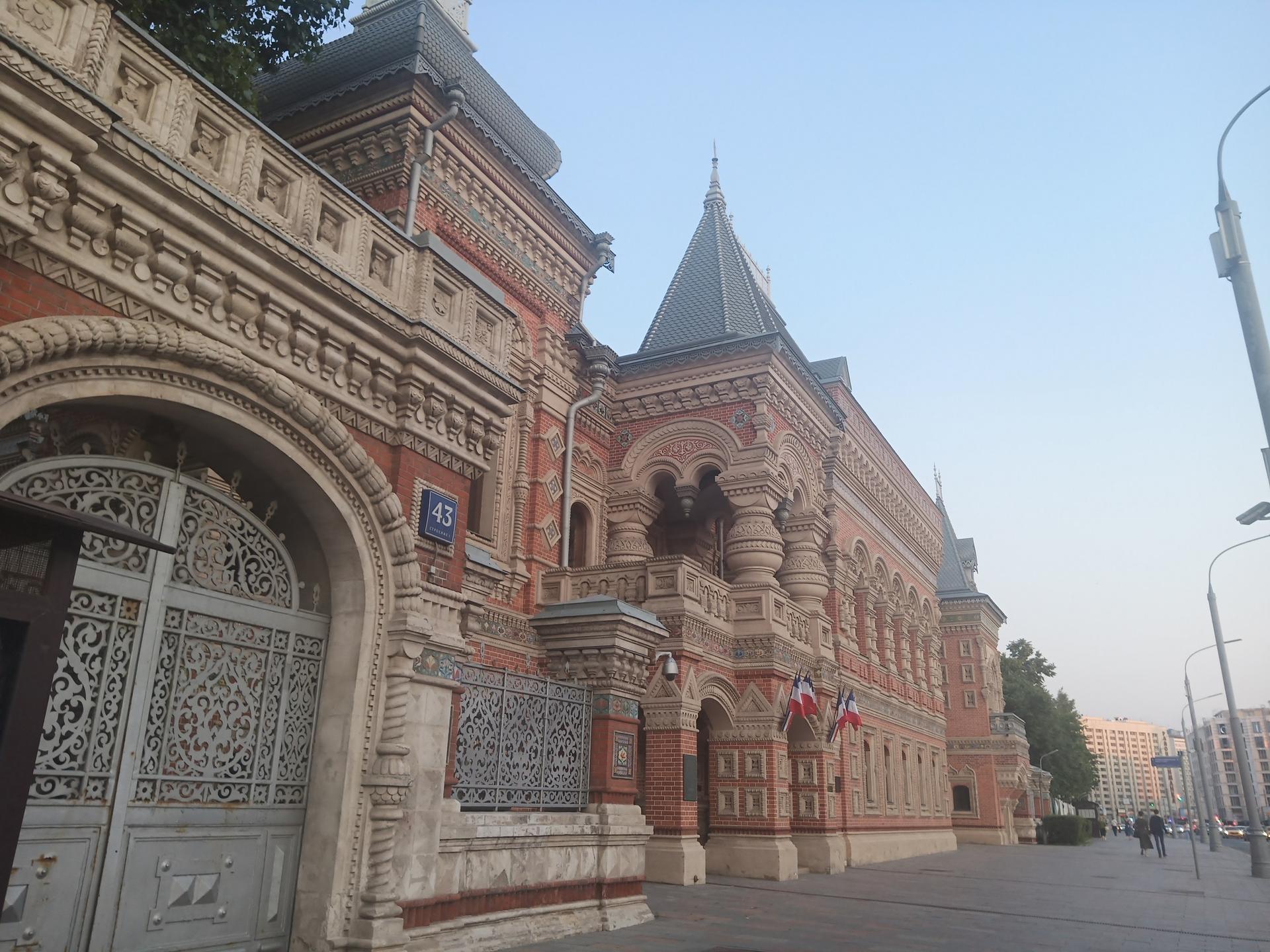
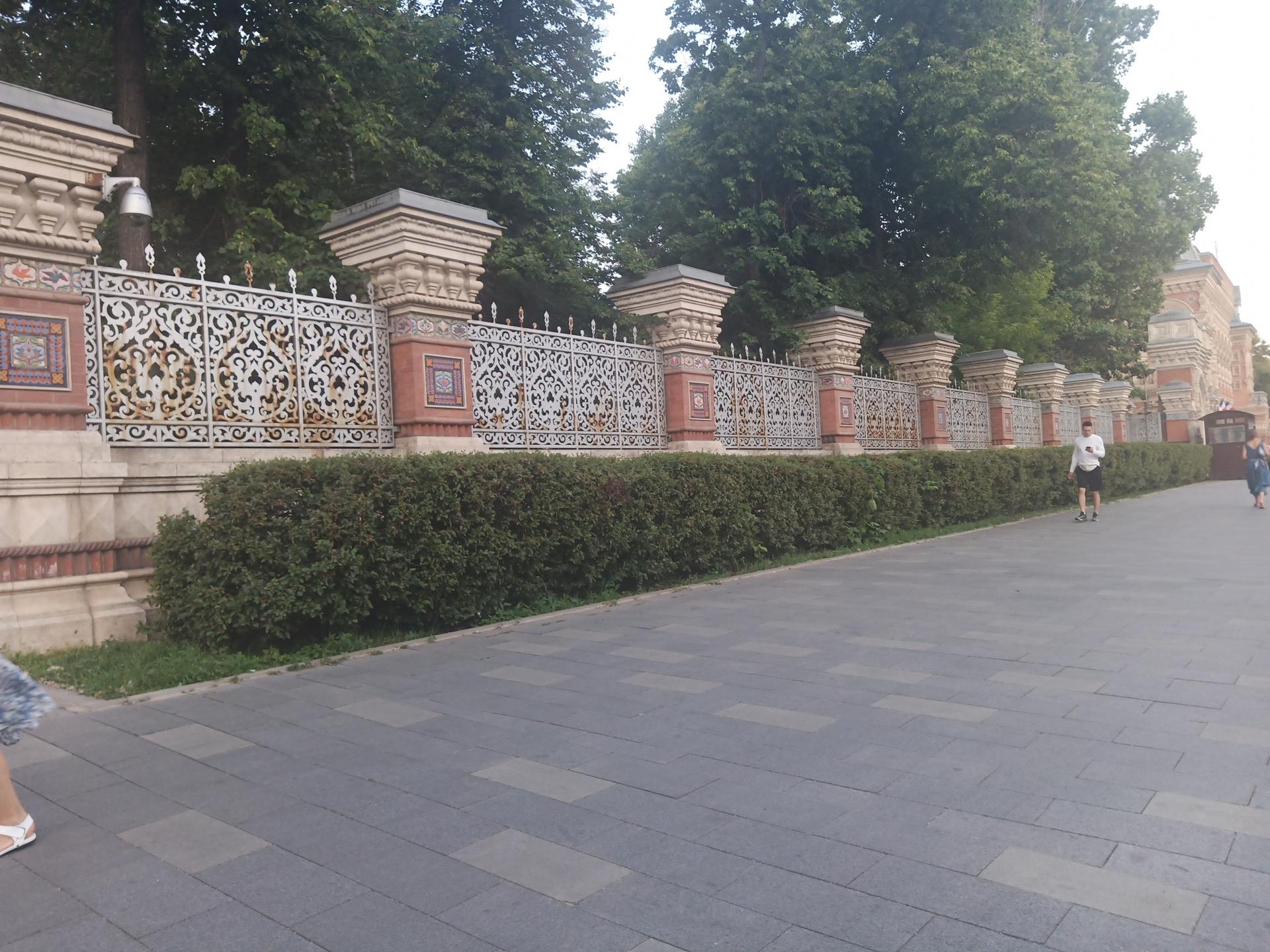
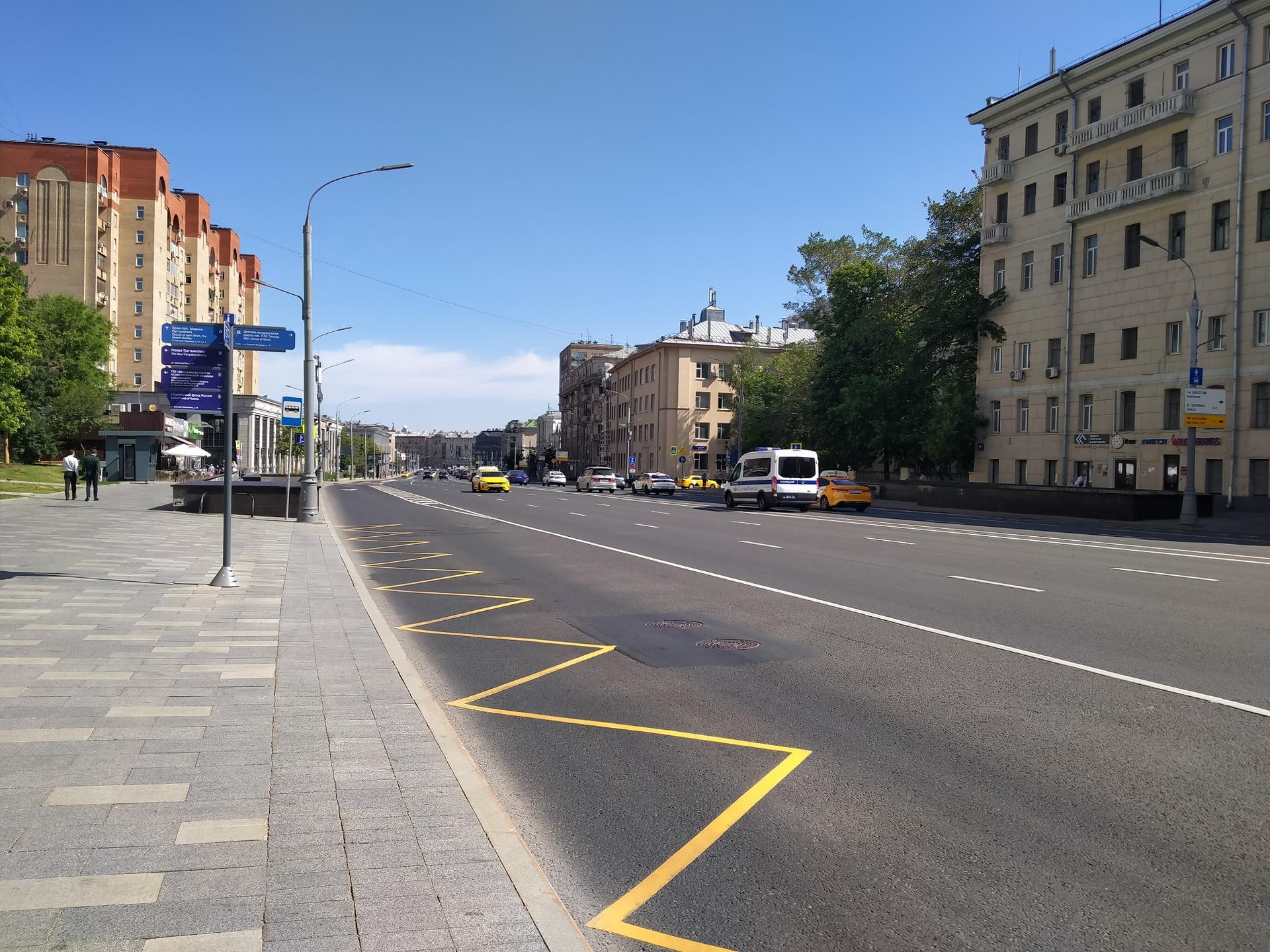
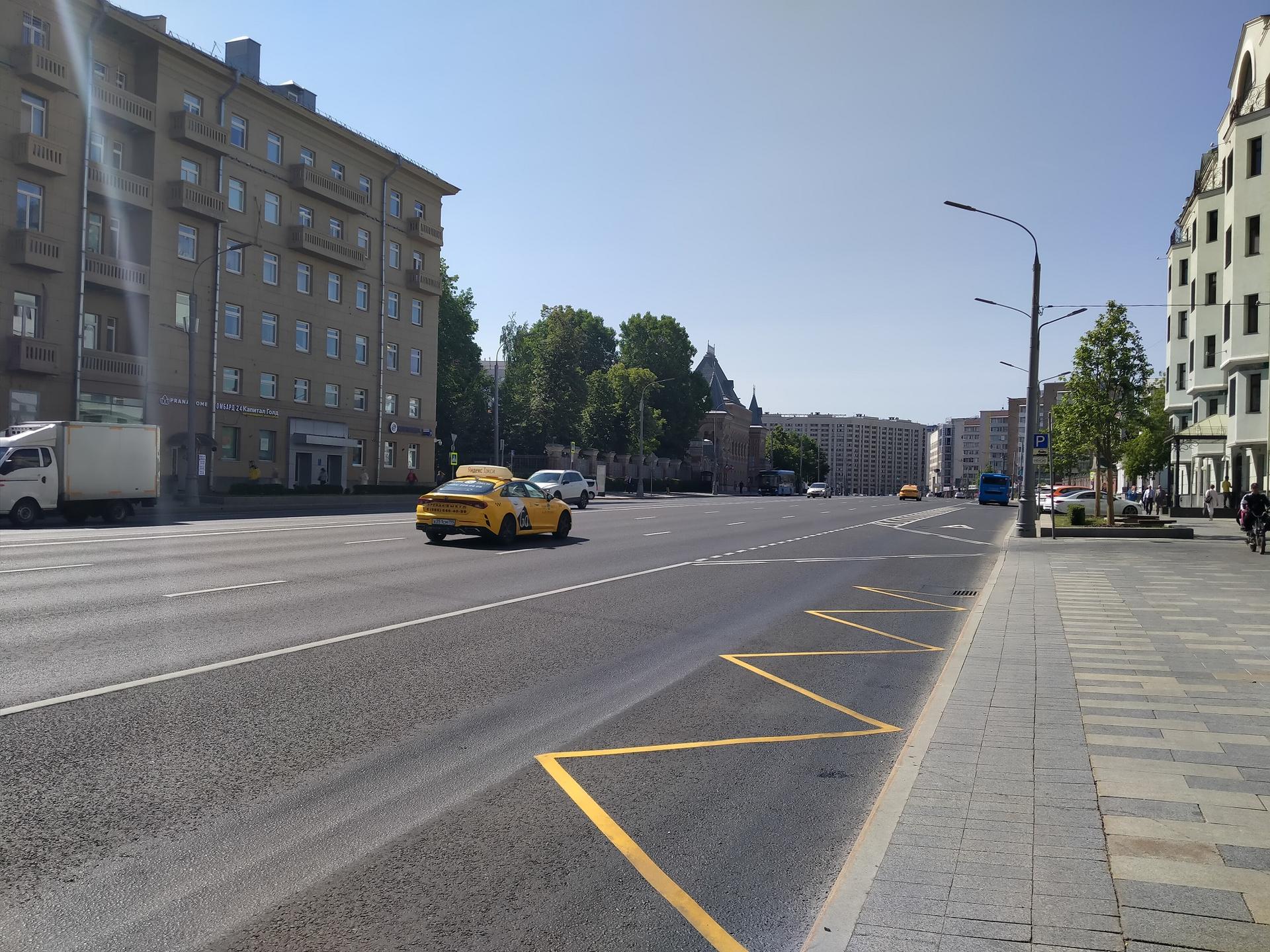
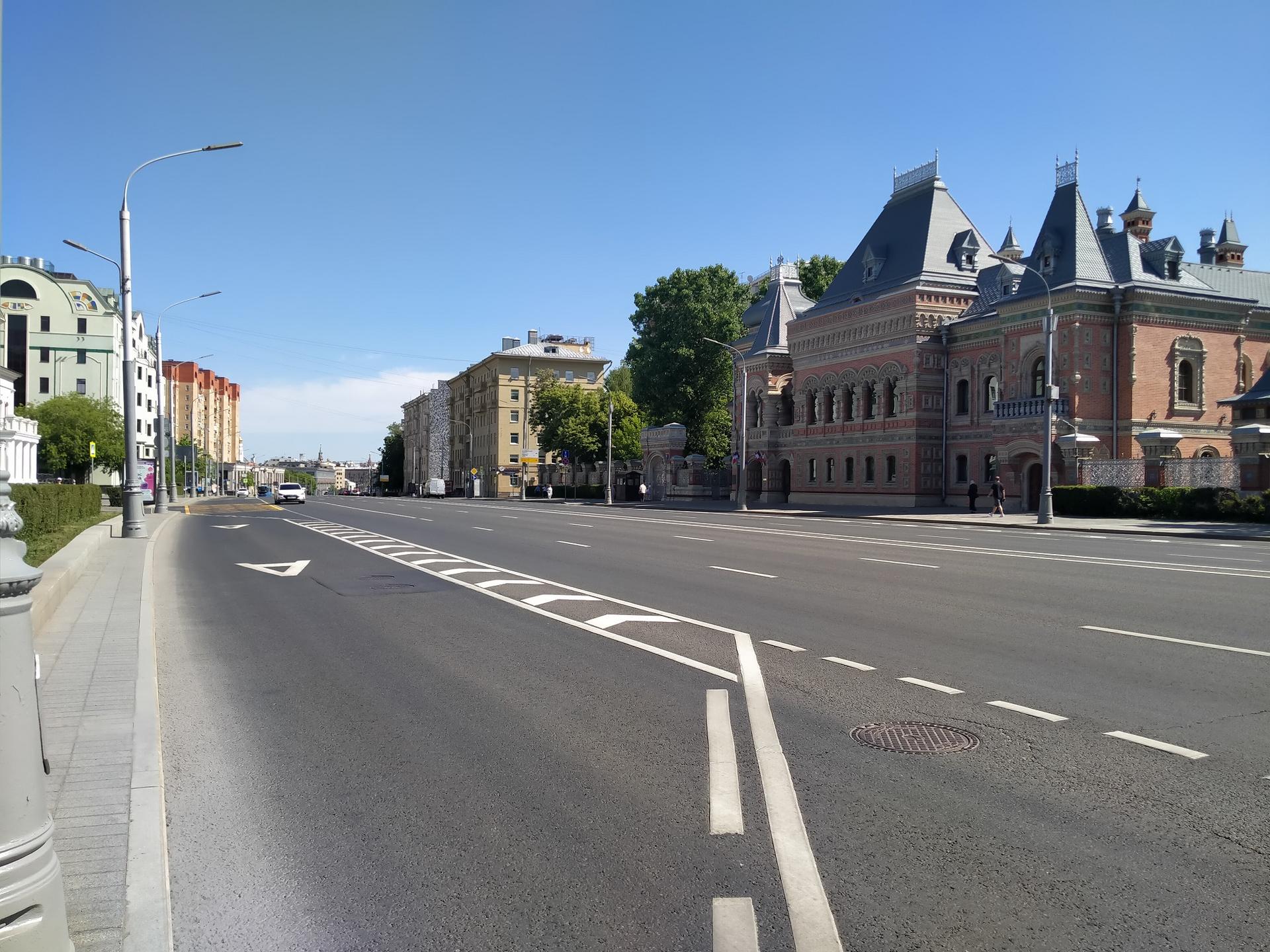
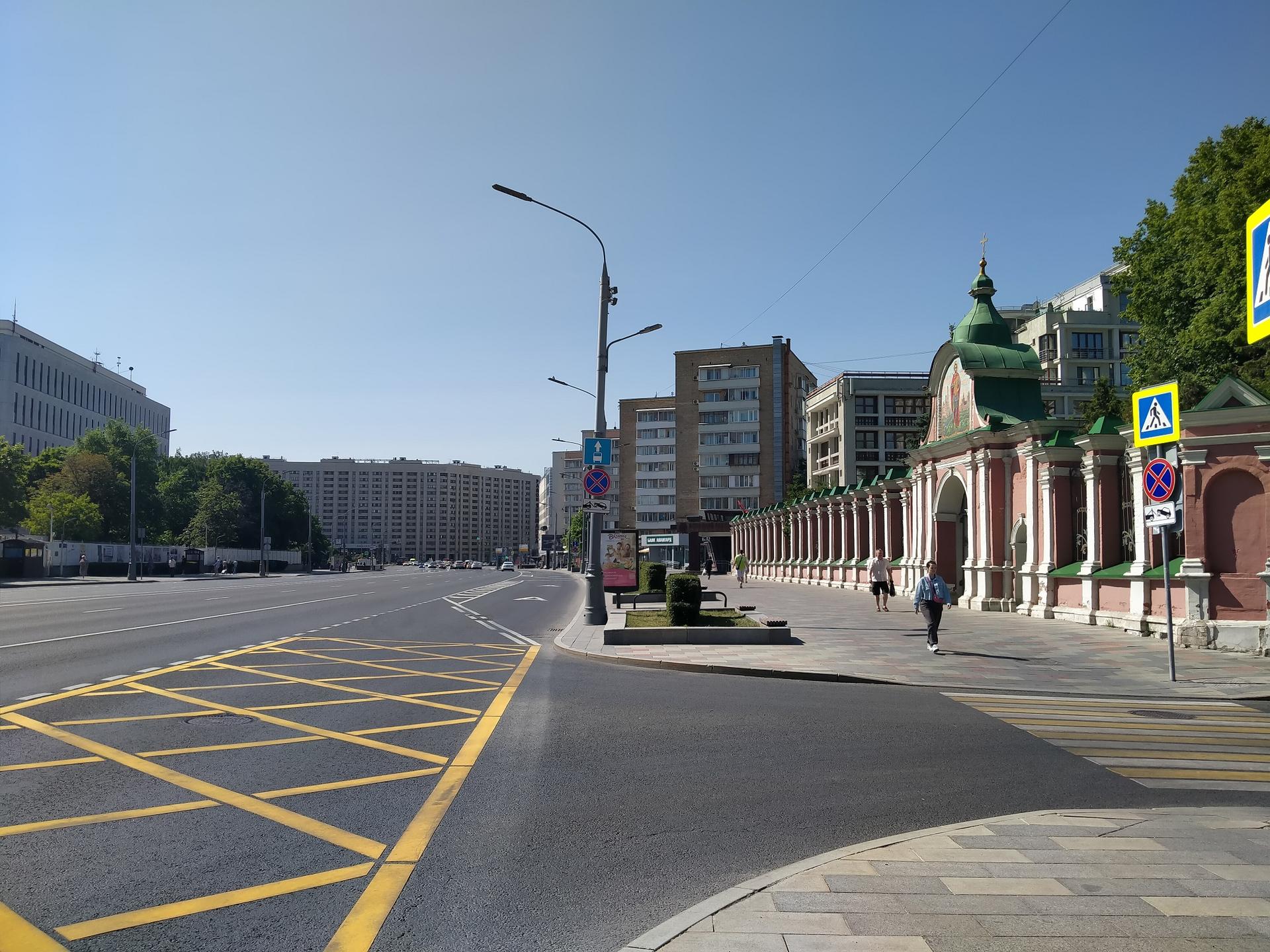
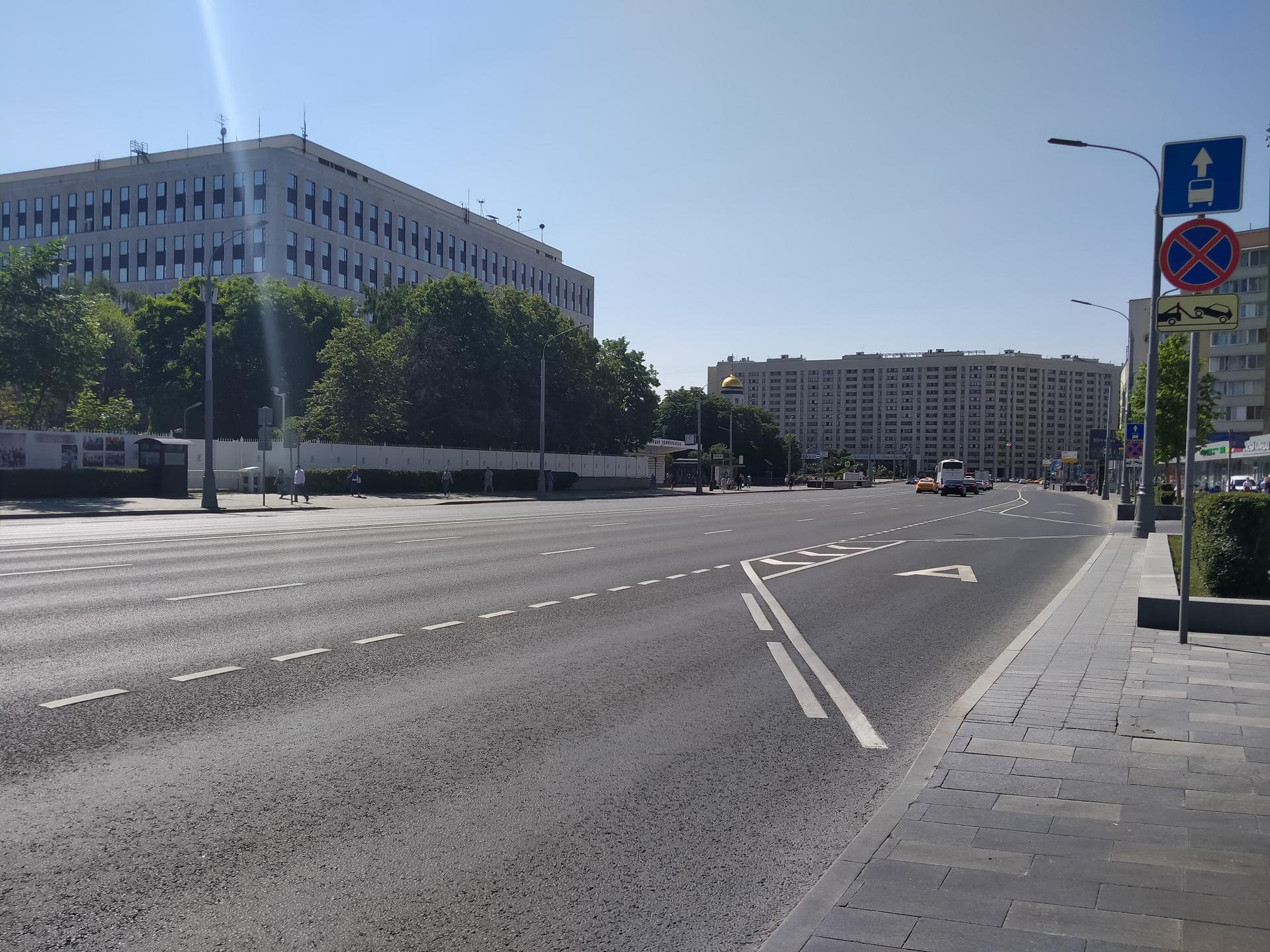
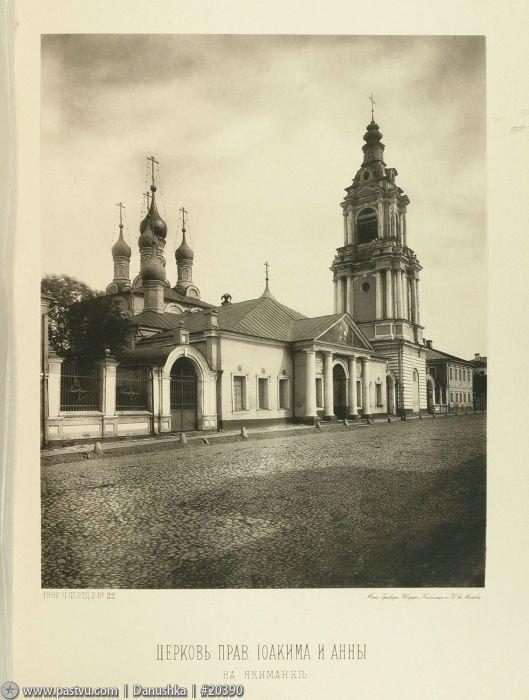
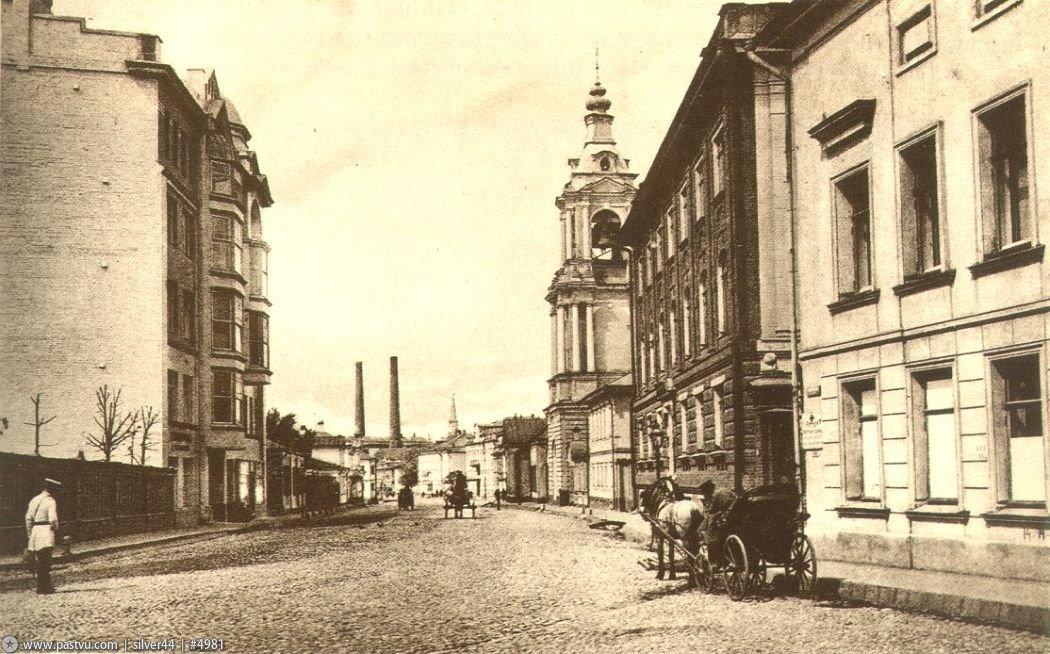
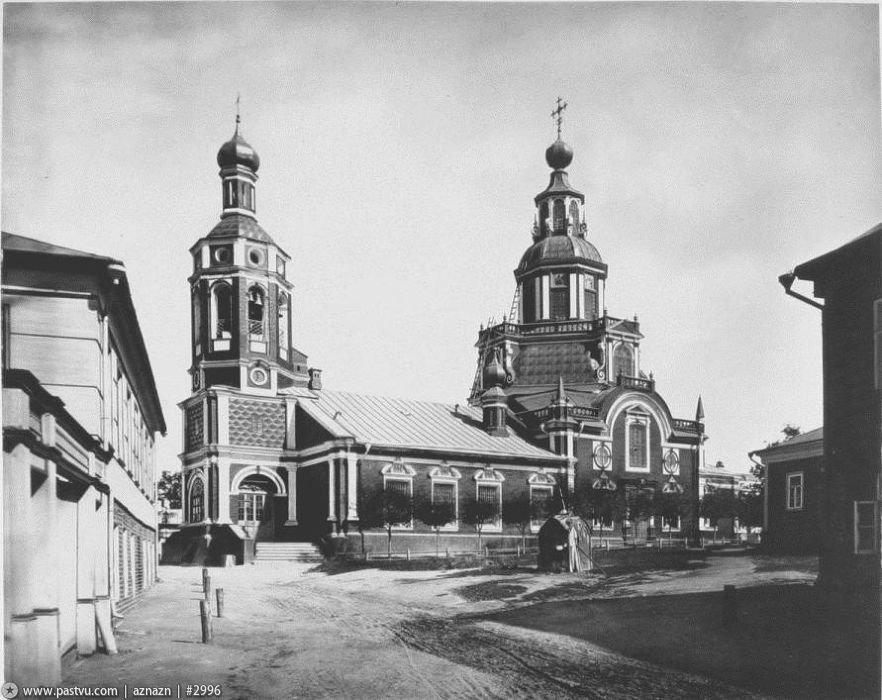
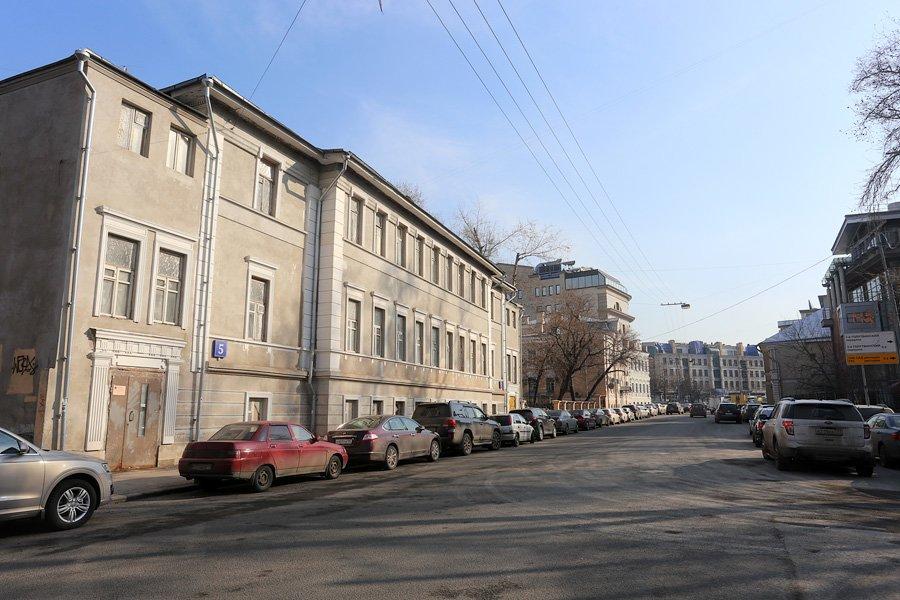
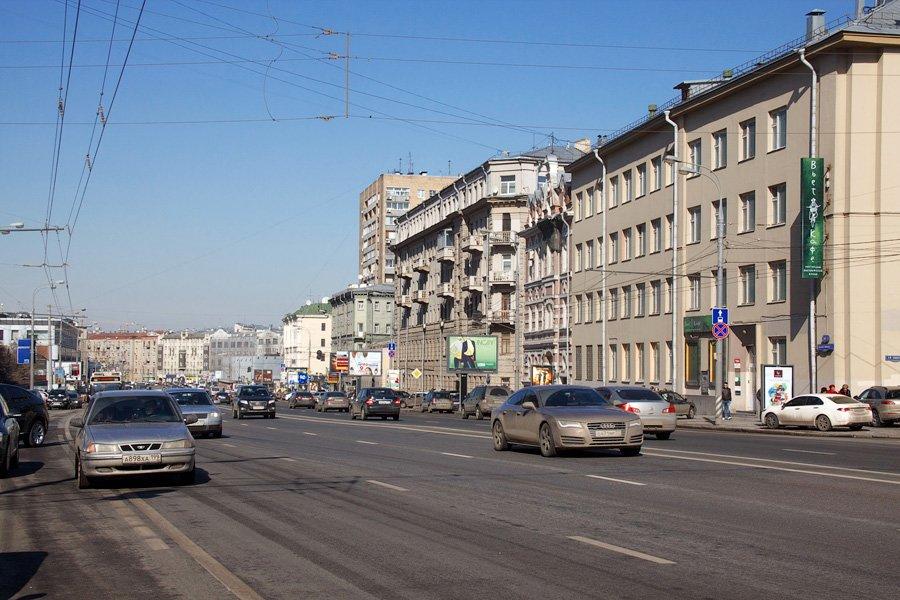
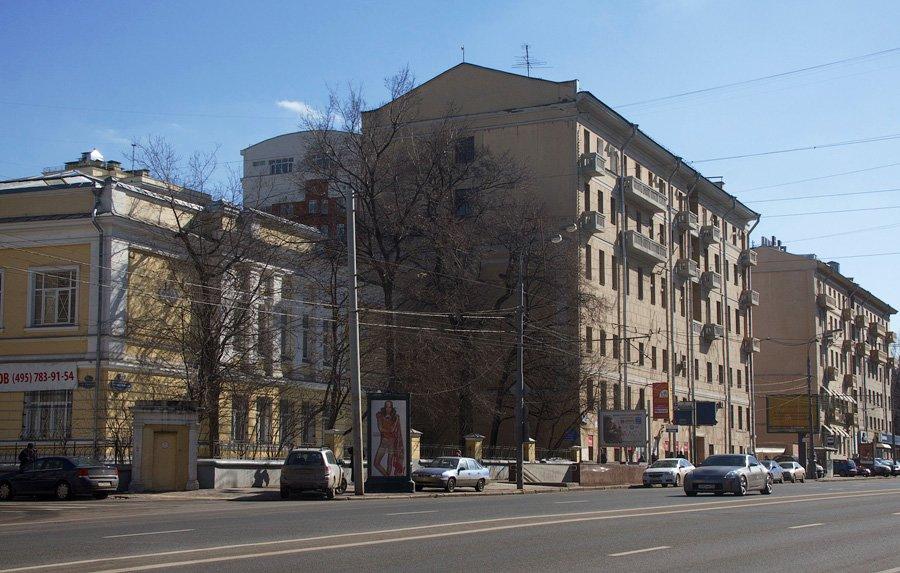
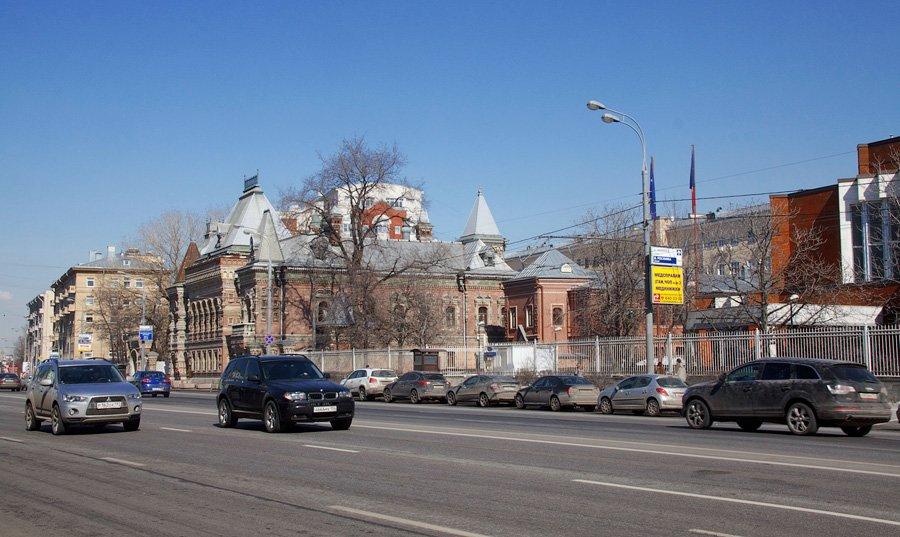
Название улицы напоминает о церкви Иоакима и Анны, построенной в районе Голутвенных переулков в XVII в.
В XIV-XV в. здесь пролегала дорога из Москвы в Калугу, и улица долгое время называлась Калужской. В то время водоотводного канала Москва-реки еще не было, улица брала свое начало у озерка. Гильдянский мост через озеро выходил прямо к Большому Каменному мосту через Москва-реку.
По правую сторону Якиманки размещалась Голутвина слобода, участок земли, принадлежавший Голутвину монастырю в Коломне. Сейчас о слободе напоминают Голутвинские переулки, сохранившие свое название до наших дней.
По левой стороне улицы простиралась богатая Кадашевская слобода, населенная мастерами, изготовлявшими «кади» – кадушки для царева двора.
В XVII в. этот район был мало заселен. Здесь жили стрельцы, получали двора иноземцы, располагалась слобода жителей Польши – Панская, а также иноземная слобода, где располагался кабак. Эта местность называлась у москвичей Налейки, а потом Наливки. Церковь, построенная в слободе в XVII в., именовалась Спас в Наливках. Сейчас это район Спасоналивковских переулков.
В XVIII в. на Якиманке появилась церковь Иоанна Воина, сохранившаяся до наших дней. Тогда улица перестала быть стрелецкой, здесь селились купцы, чиновники, дома строились деревянные с садами и усадьбами.
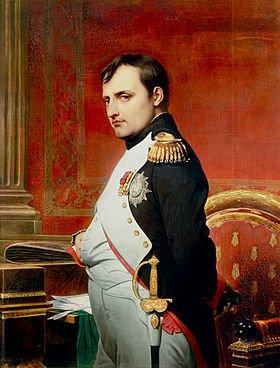
В 1812 г. улица не пострадала. Именно по Якиманке наполеоновская армия уходила из Москвы в сторону Калуги.
Иван Шмелев в книге «Лето Господне» так описывал свое детское путешествие по Якиманке конца XIX в.: «Улица очень длинная, скучная, без лавок, жаркая. Дремлют дворники у ворот, раскинув ноги. И все дремлет: белые дома на солнце, пыльно-зеленые деревья, за заборчиками с гвоздями, сизые ряды тумбочек, похожих на голубые гречневики, бурые фонари, плетущиеся извозчики».
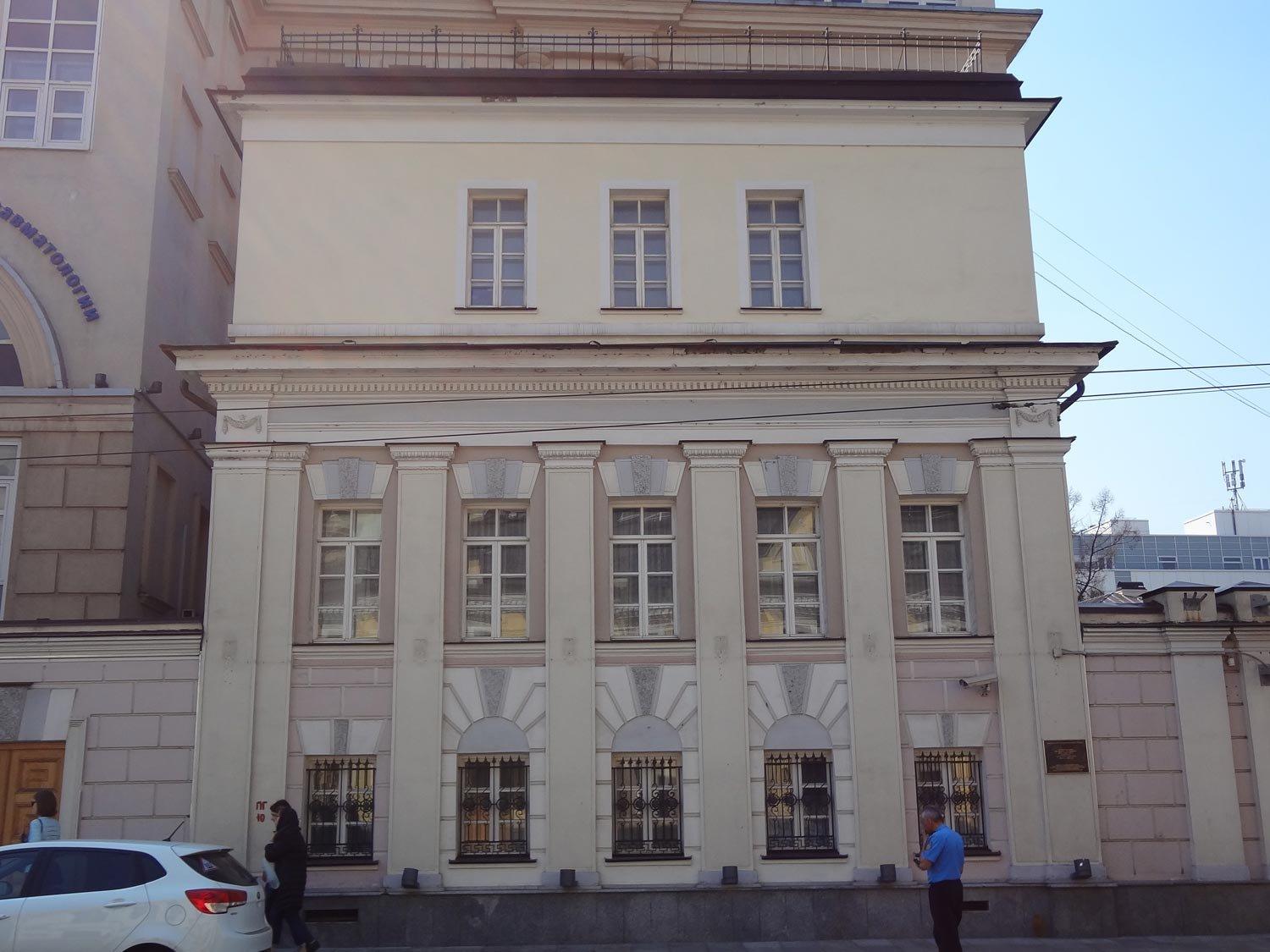
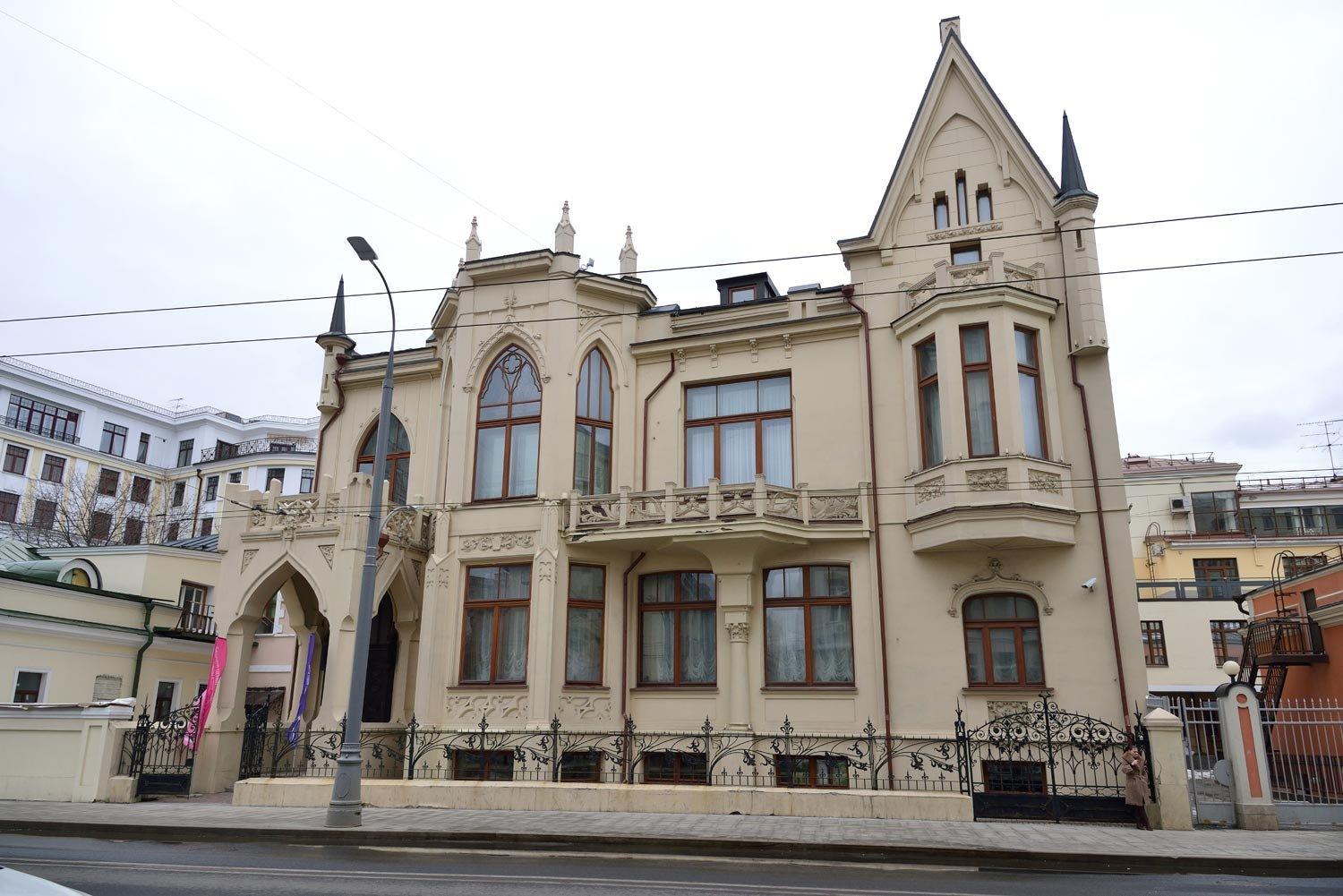
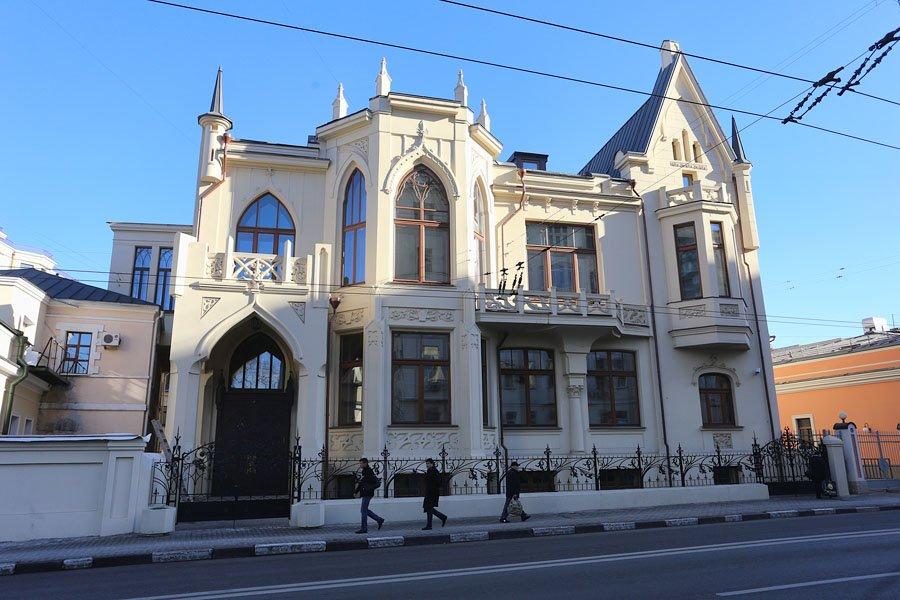
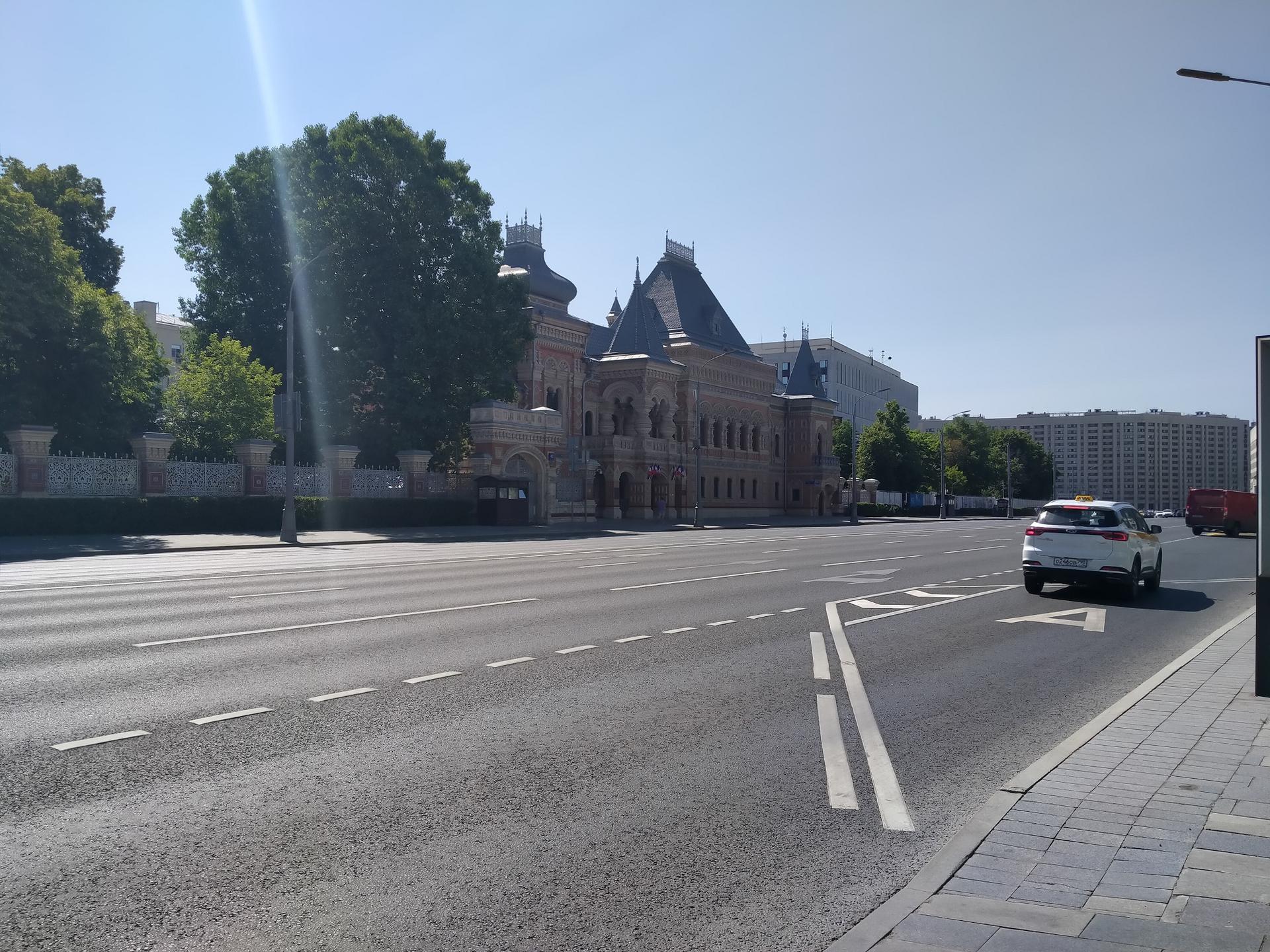
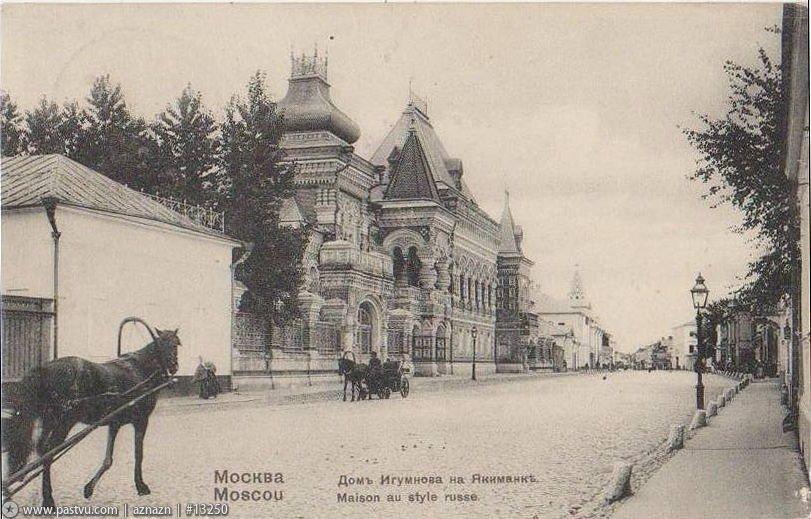
Только во второй половине XIX в. на Якиманке началось каменное строительство. Был построен дом Игумнова, дом Клименкова. В начале ХХ в. появились и многоэтажные доходные дома.
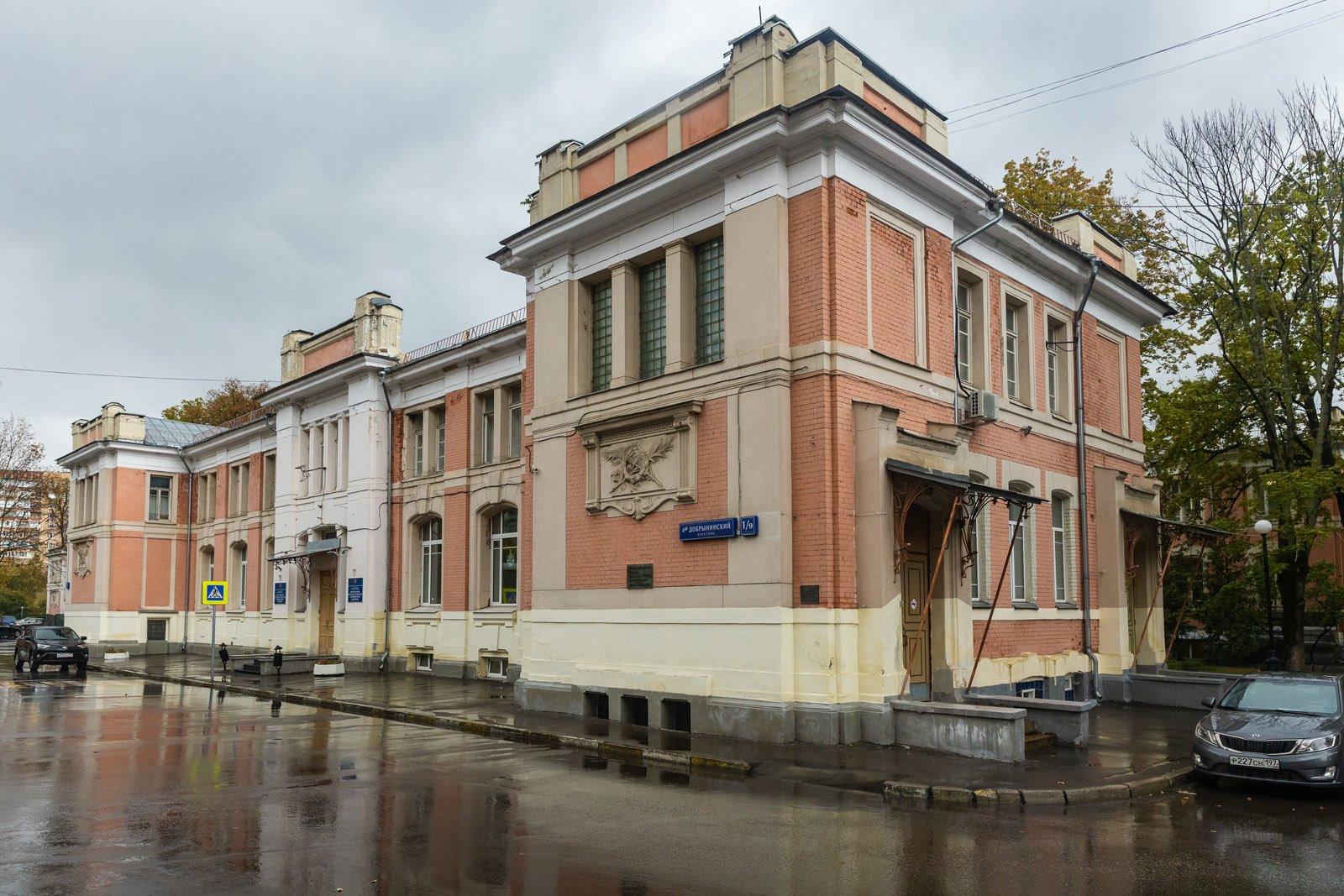
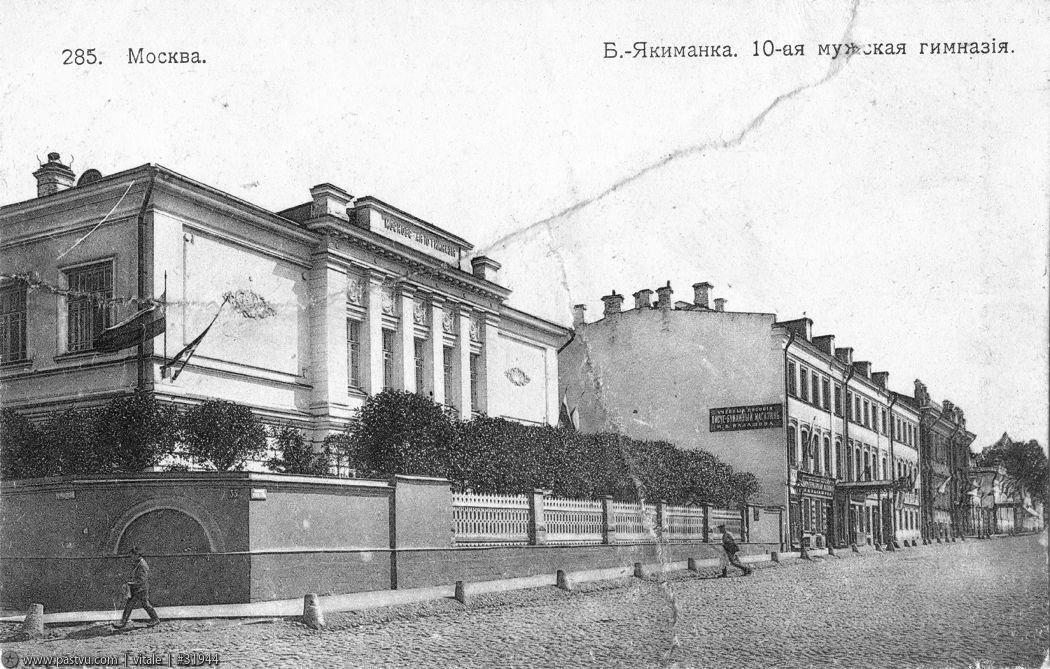
Кроме жилых домов на улице были построены две гимназии, училище и богадельня.
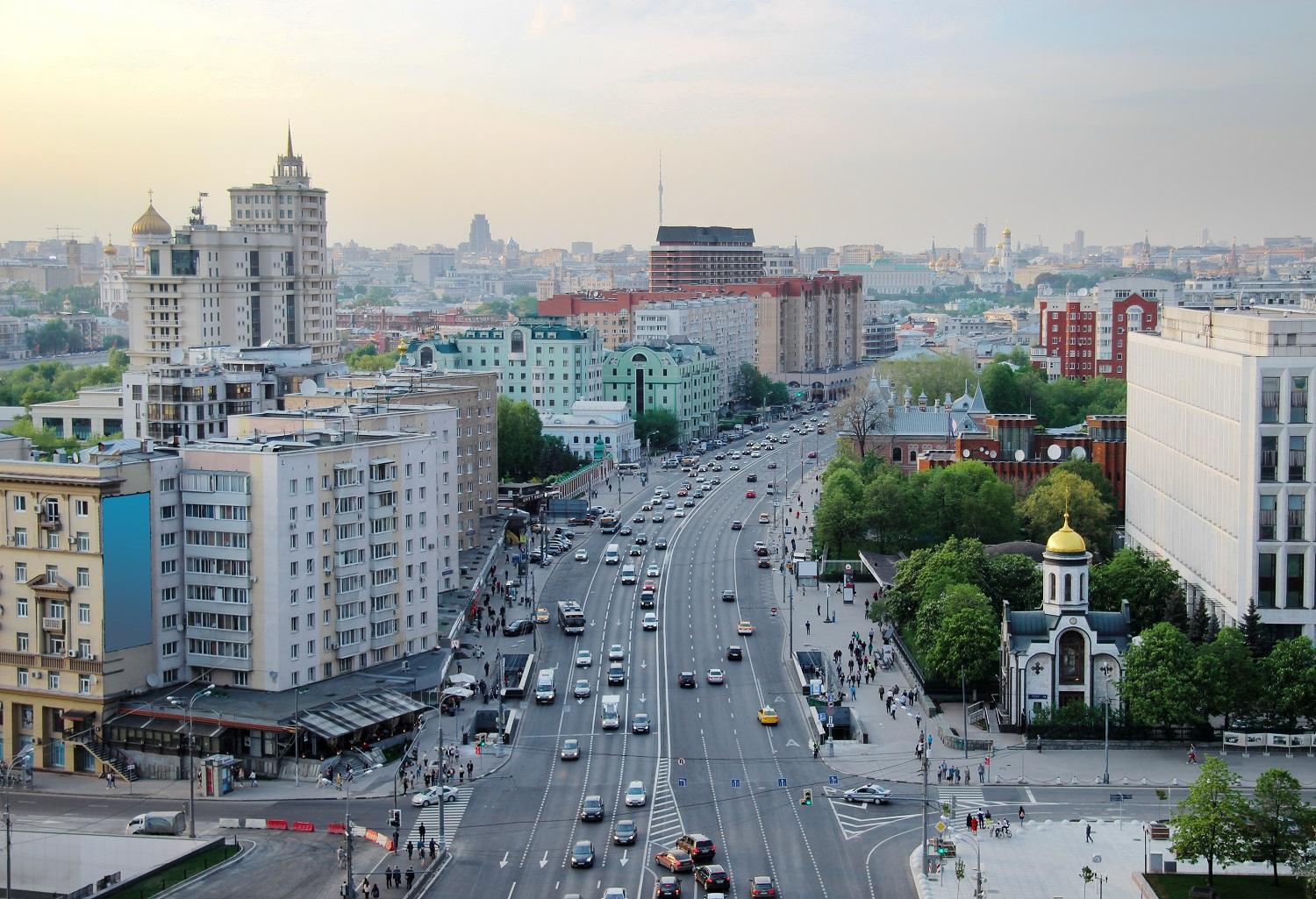
После строительства Водоотводного канала улица берет свое начало на Якиманской набережной и делает плавный изгиб. Это обстоятельство несколько затрудняло движение на Юго-Запад Москвы. После строительства больших жилых комплексов в этом районе, в 1970-х, Якиманка была соединена с Б. Полянкой Якиманским проездом, который сейчас выглядит как единое целое с Б. Якиманкой, а начало улицы уходит вбок и смотрится второстепенным переулком.
При строительстве Якиманского проезда была взорвана церковь Иоакима и Анны, располагавшаяся как раз в районе стрелки, образовавшейся при строительстве проезда.
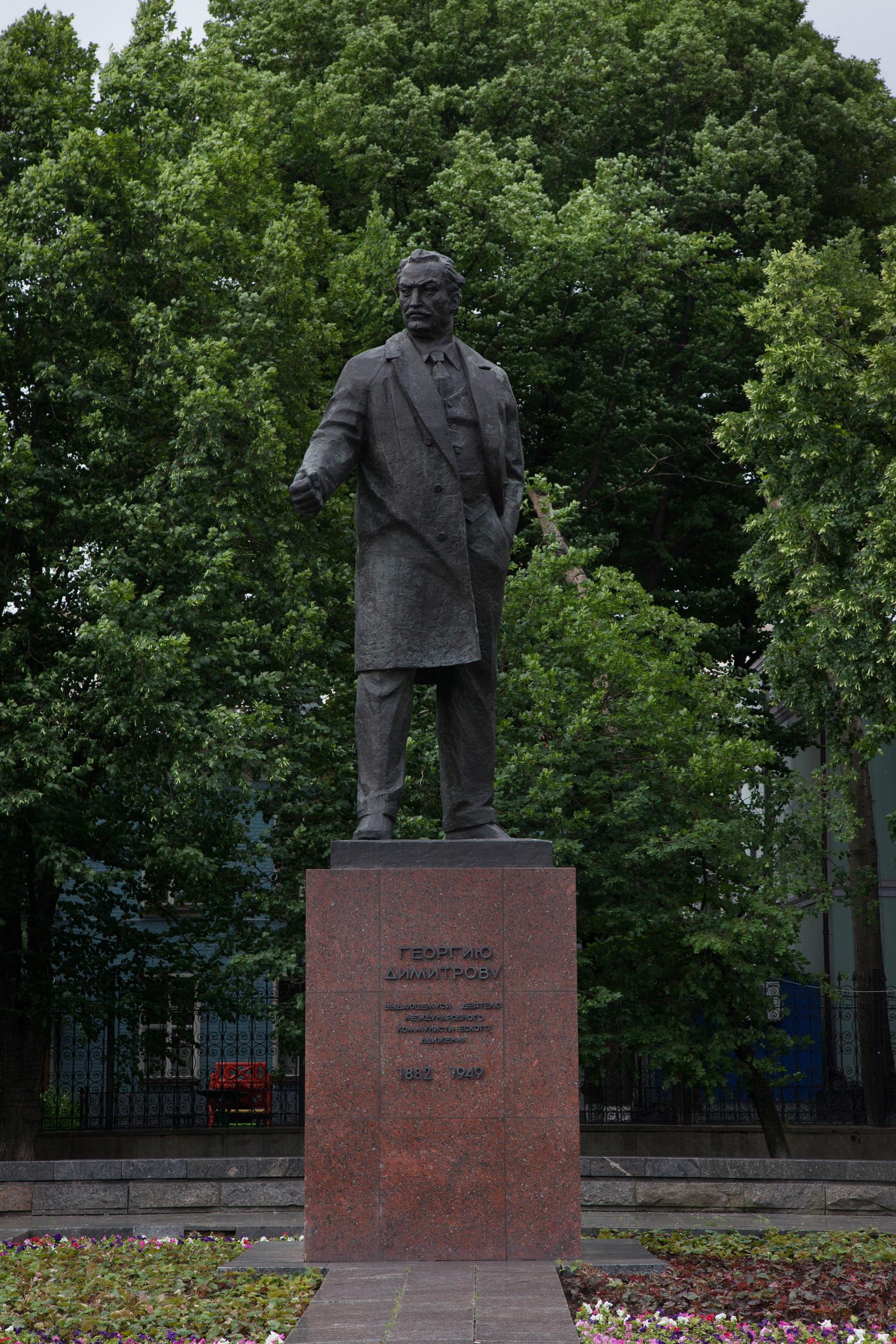
В 1957 г. улица была названа именем болгарского революционера и общественного деятеля Г.М. Димитрова. Таким образом было решено отметить 75-летие со дня рождения Димитрова, жившего в свое время около Каменного моста.
В 1992 г. ей возвращено прежнее название.
Street name recalls the Church of Joachim and Anna, built in the area Golutvennyh lanes in the XVII century. In XIV-XV centuries. Here lies the road from Moscow to Kaluga, and the street has long called Kaluga. While the drainage channel of the Moskva River there was no street ran by the little lake. Gildyansky bridge over the lake went straight to a large stone bridge over the Moscow River. On the right side Yakimanka housed Golutvina settlement, plot of land, which belonged to the monastery Golutvin in Kolomna. Now about the settlement remind Golutvinsky lanes, will retain its name to the present day. On the left side of the street stretched rich Kadashevskaya Sloboda populated masters, manufactures "kadi" - tubs for the Tsar court. In the XVII century. The area was thinly populated. Here lived the archers, the court received the foreigners, located settlement of Poles - Panskaya and foreign settlement, where there was a tavern. This area was called the Muscovites Naleyki and then liqueur. The church, built in the village in the XVII century., Was called Christ in liqueurs. Now this area Spasonalivkovsky lanes. In the XVIII century. Yakimanka appeared Church of St. John the Warrior, preserved to this day. Then the street ceased to be the Strelets, settled here merchants, officials, wooden houses were built with gardens and estates. In 1812, the street is not affected. That Yakimanka Napoleon's army from Moscow went to the side of Kaluga. Ivan Shmelev in his book "Summer of the Lord" describes his childhood trip to Yakimanka end of XIX century .: "The street is very long, boring, no shops, hot. Wipers asleep at the gate, legs spread. And slumbers: white houses in the sun, dusty green trees, fences for nails, gray series cabinets, similar grechneviki blue, brown, lights, twine cabs. " Only in the second half of the XIX century. Yakimanka stone construction began. The house was built Igumnova [http://um.mos.ru/houses/dom_n_v_igumnova/], Klimenkova house. In the early twentieth century. appeared and multi-storey apartment buildings. In addition to residential buildings on the street were built two high schools, college and hospice. After the construction of Vodootvodny Canal Street begins at the Yakimanskaya waterfront and makes a smooth bend. This circumstance hindered movement in the South-West of Moscow. After the construction of large apartment complexes in the area, in 1970, was connected to Yakimanka B. Polyanka Yakimanskaya travel, which now looks like a single unit with B. Yakimanka, and the beginning of the street goes sideways and looks minor lane. During the construction was blown Yakimanskaya directions Church of Joachim and Anna, located just near the arrows formed during the construction of the passage. In 1957 the street was named after Bulgarian revolutionary and public figure GM Dimitrov. Thus it was decided to mark the 75th anniversary of the birth of Dimitrov, who lived at the time about the Stone Bridge [http://um.mos.ru/houses/kamennyy_most/]. In 1992, she returned to the original name.