Интерактивный гид по городу
С мобильным приложением бродить по городу гораздо интереснее!

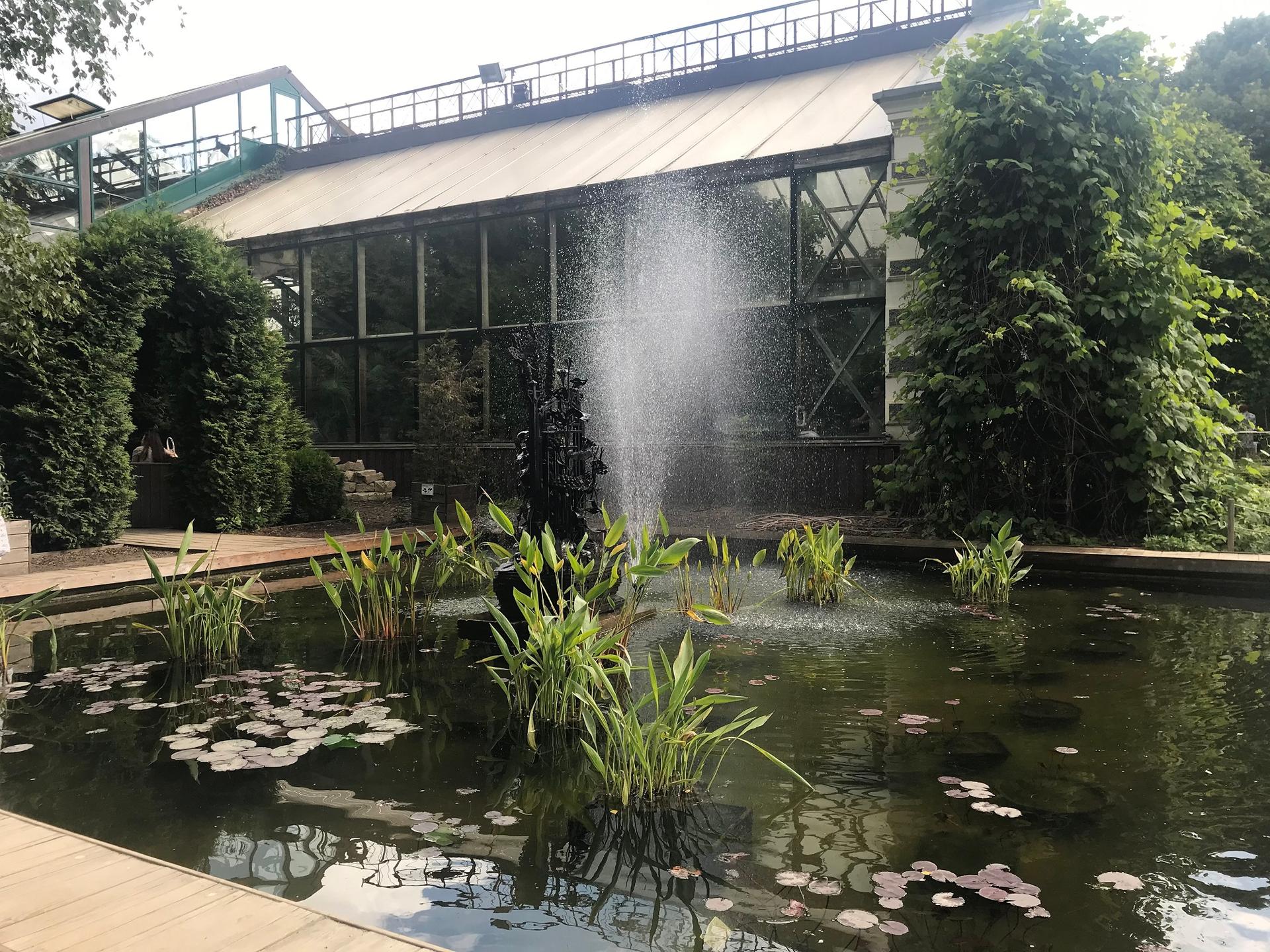
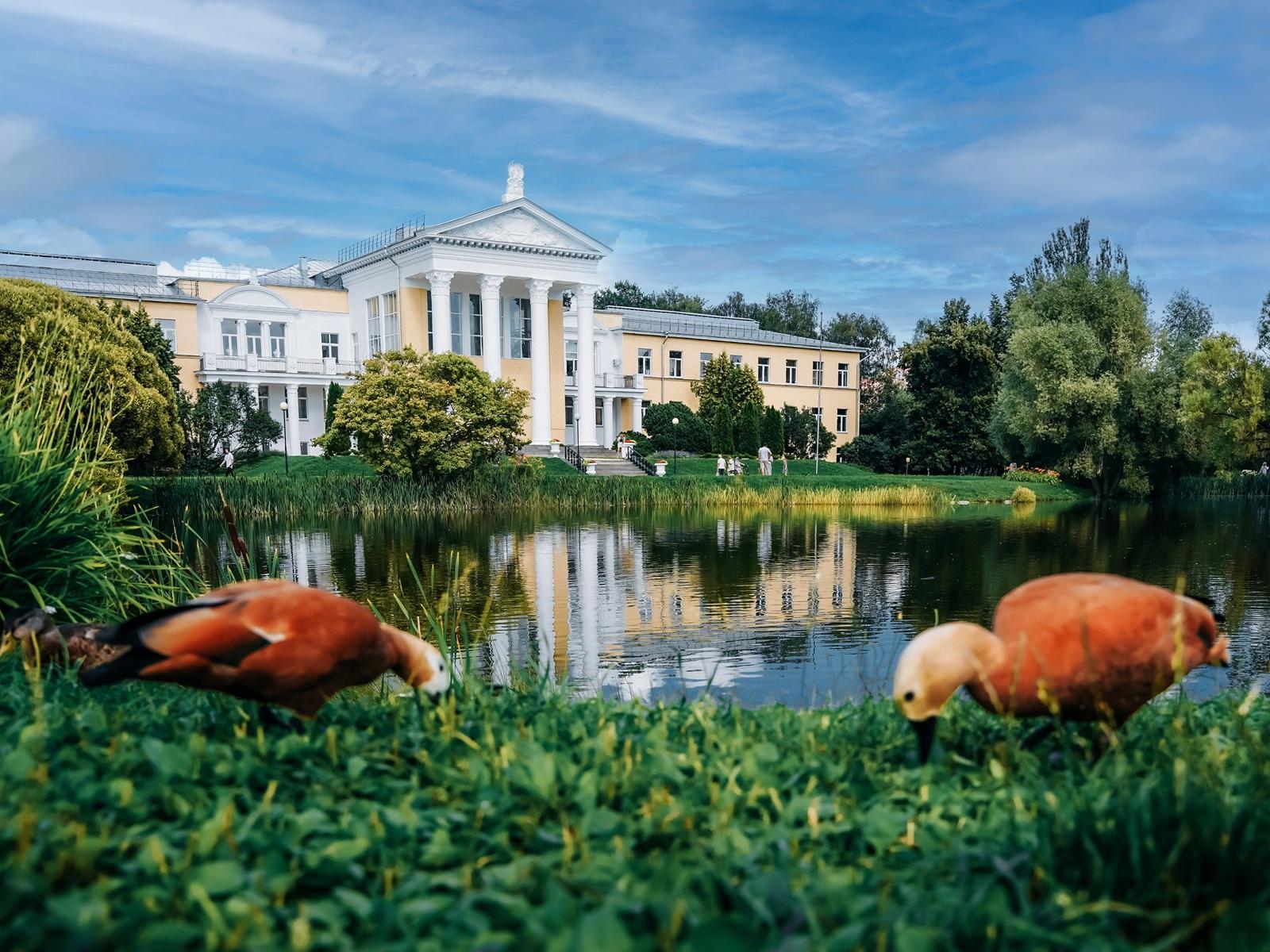
Botanical Garden of Moscow State University on Prospekt Mira Avenue

Apothecary Garden founded by Peter the Great in 1706 for the cultivation of medicinal herbs.

Botanical Garden of Moscow State University on Prospekt Mira Avenue
пр-т Мира, 26, строение 1
Prospekt Mira, Проспект Мира (радиальная)

Apothecary Garden founded by Peter the Great in 1706 for the cultivation of medicinal herbs.

5.00
Вы можете воспользоваться QR-кодом, чтобы открыть эту страницу в нашем приложении
Вид территории:
Parks and estates
Расположение и происхождение

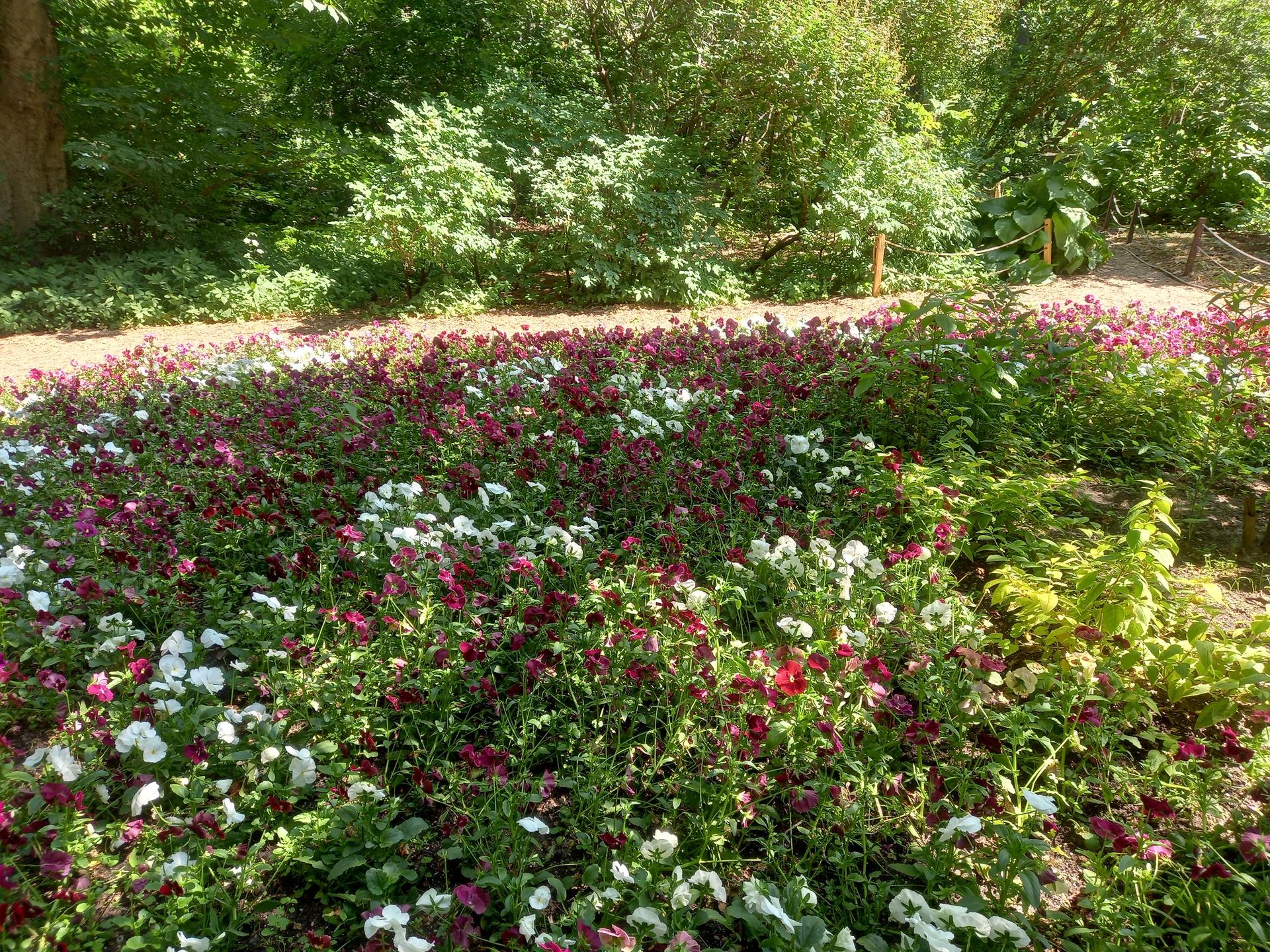
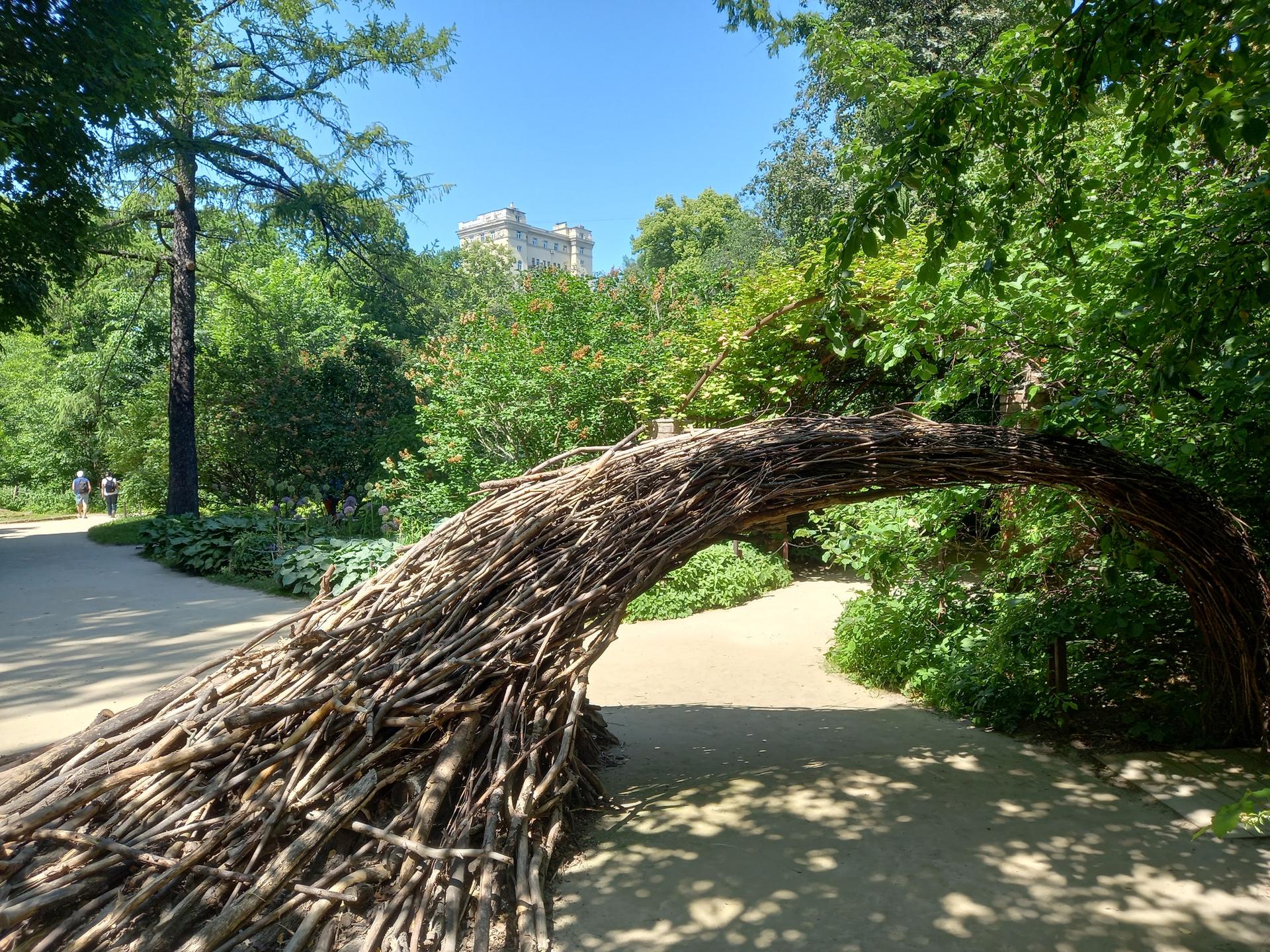
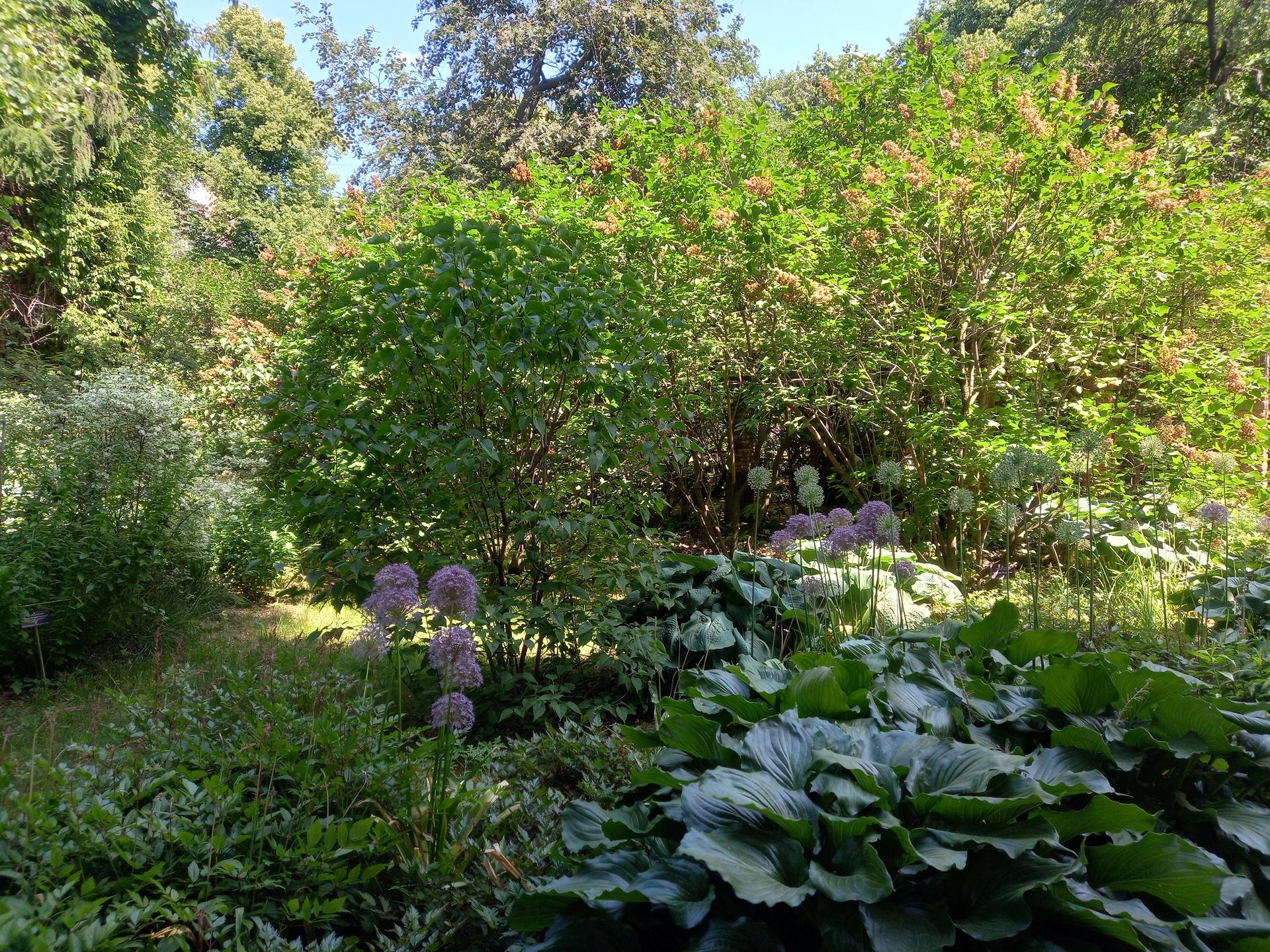
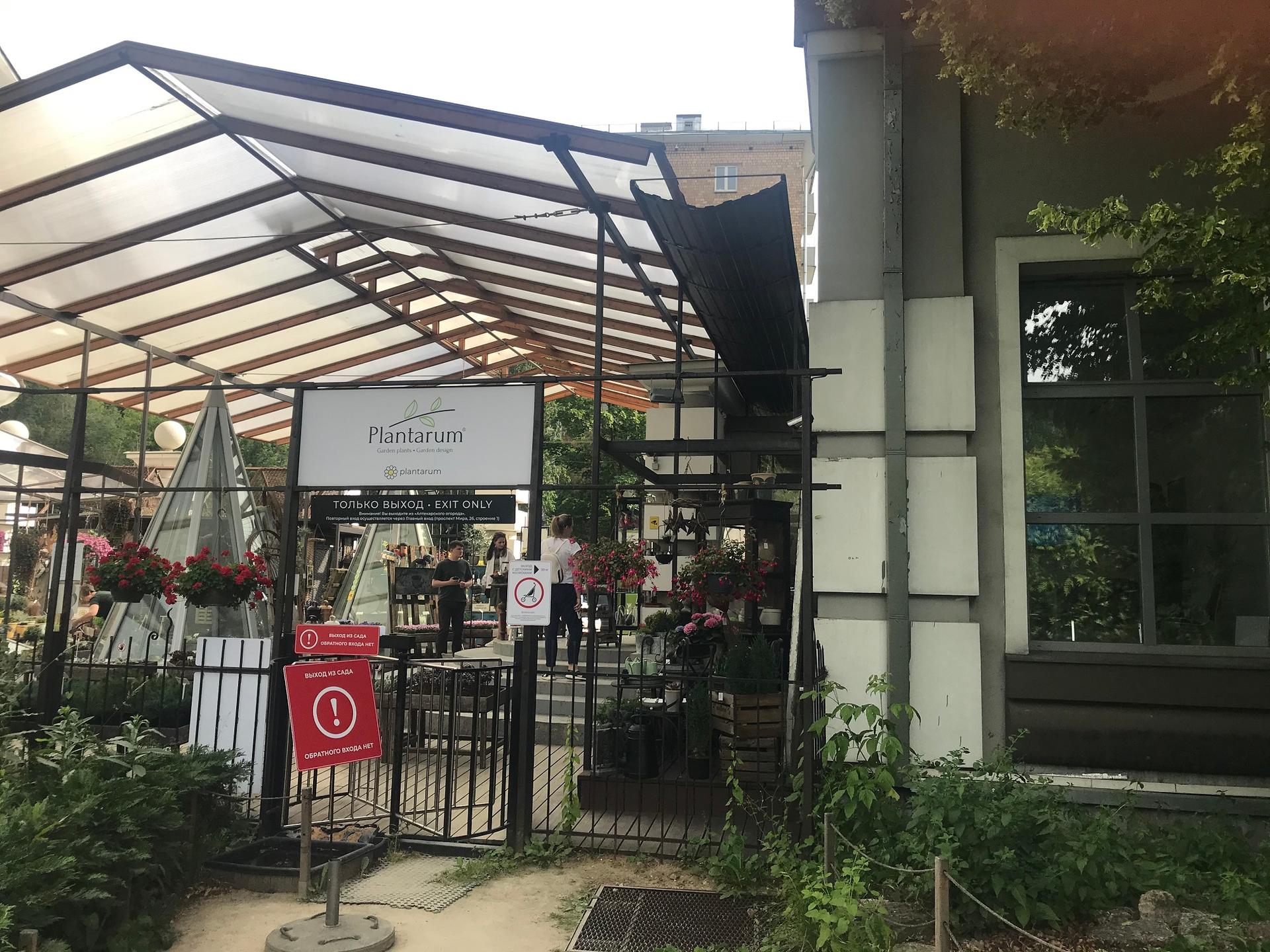
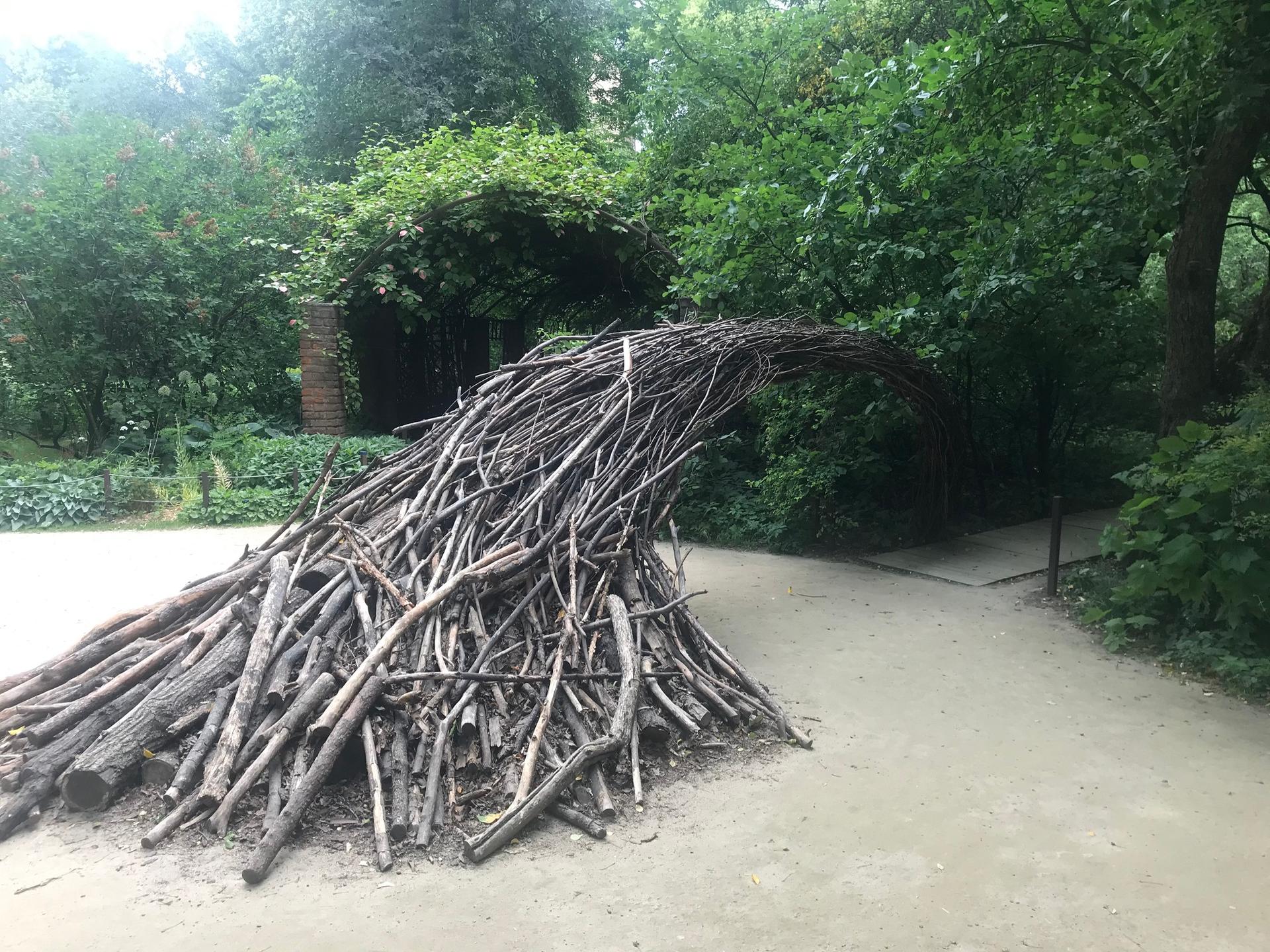
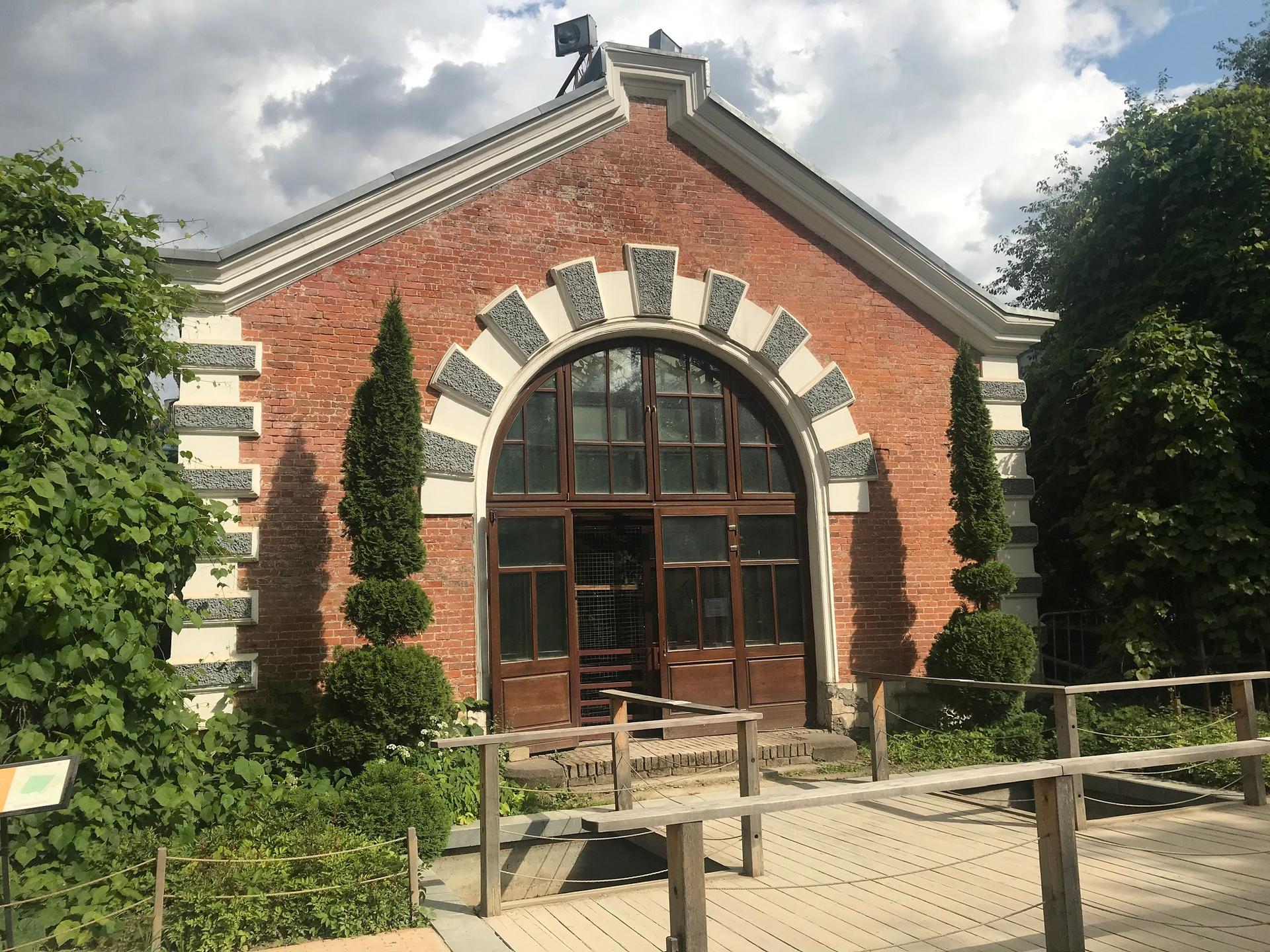
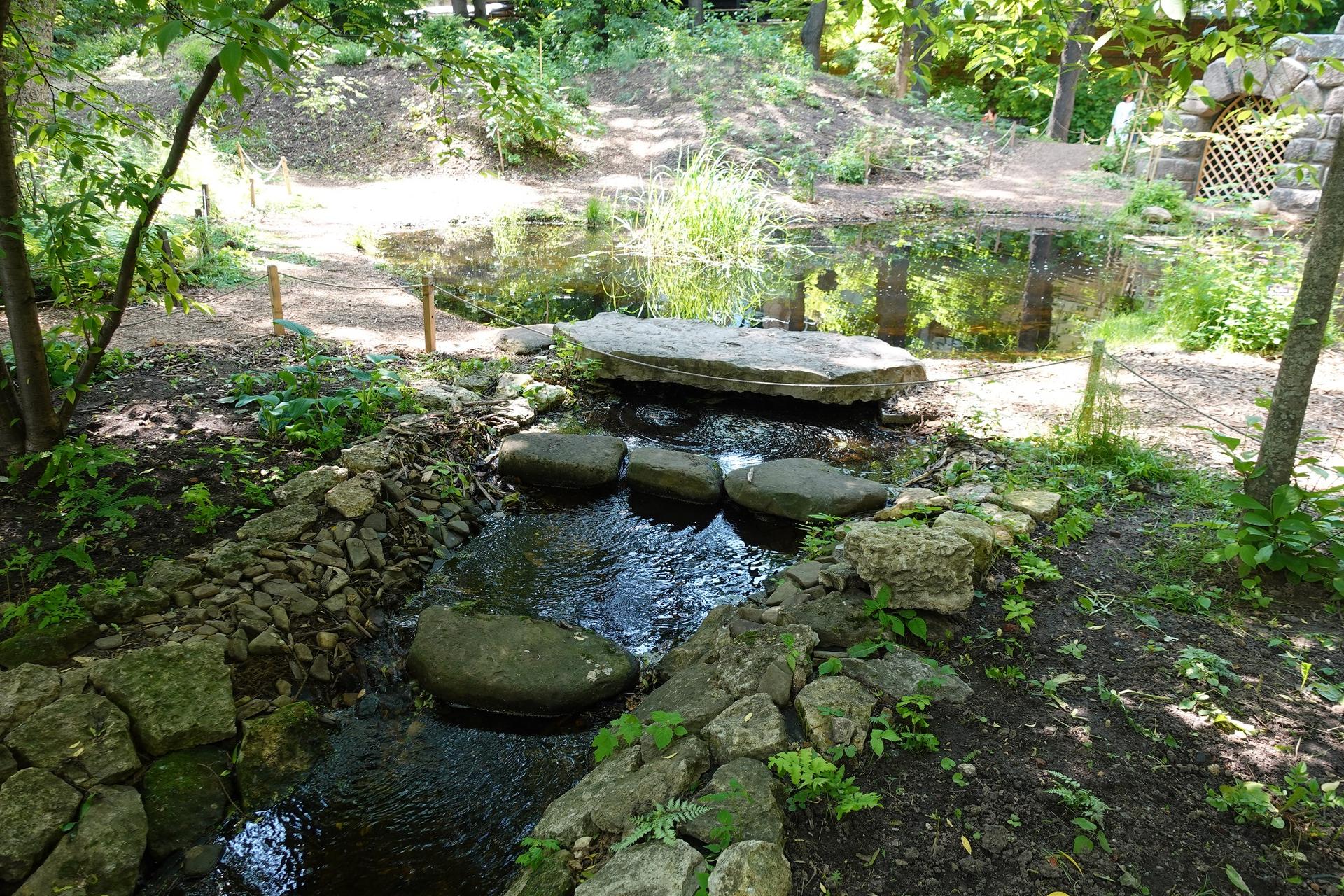
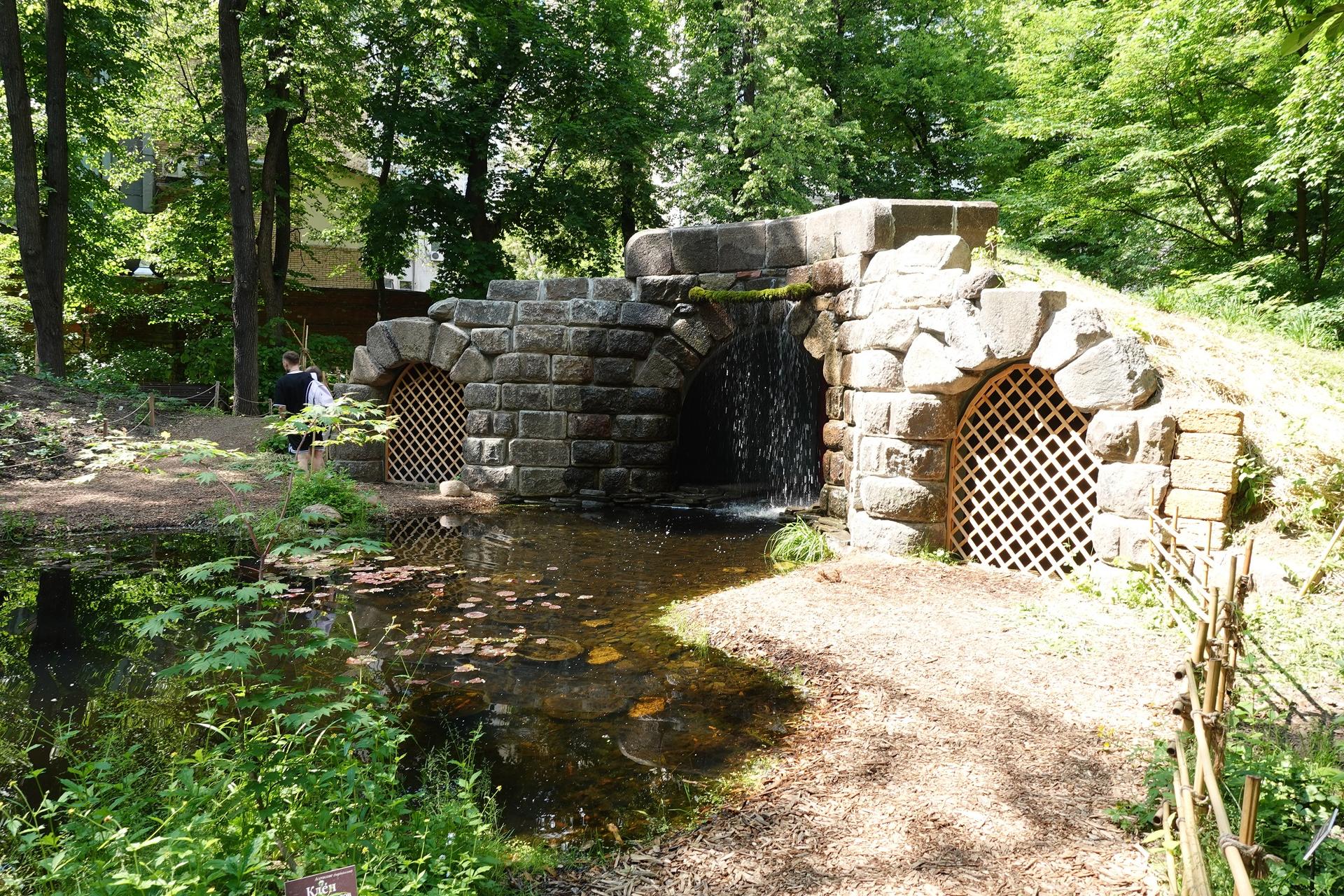
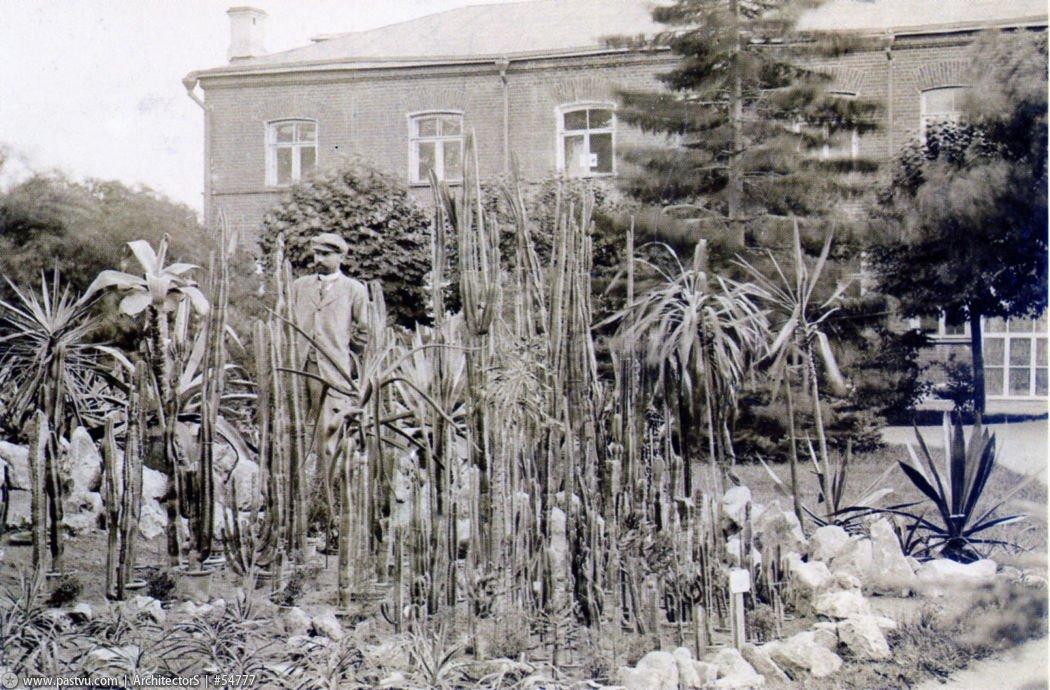
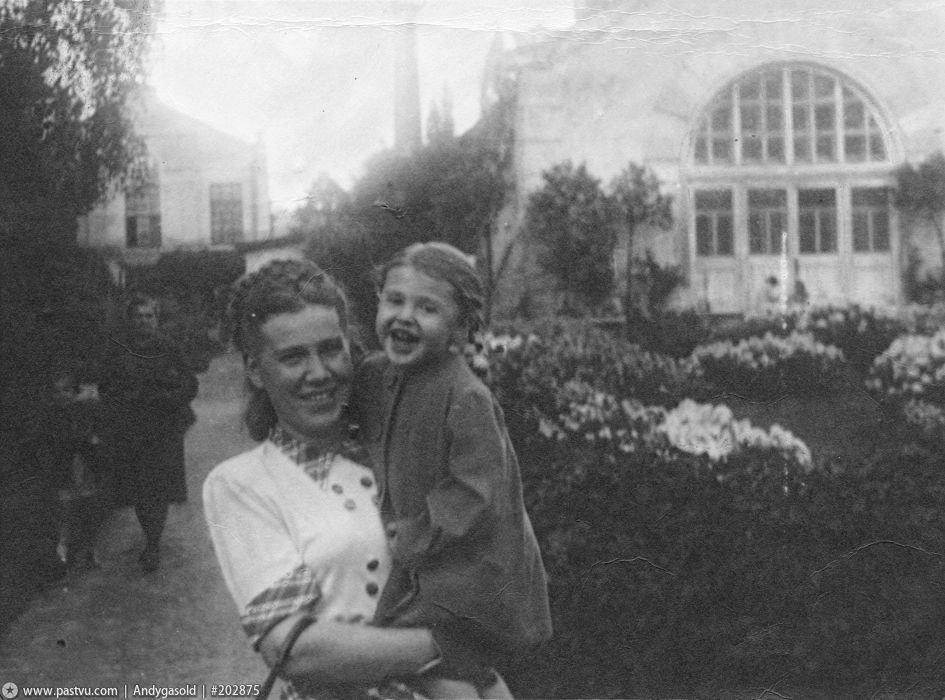
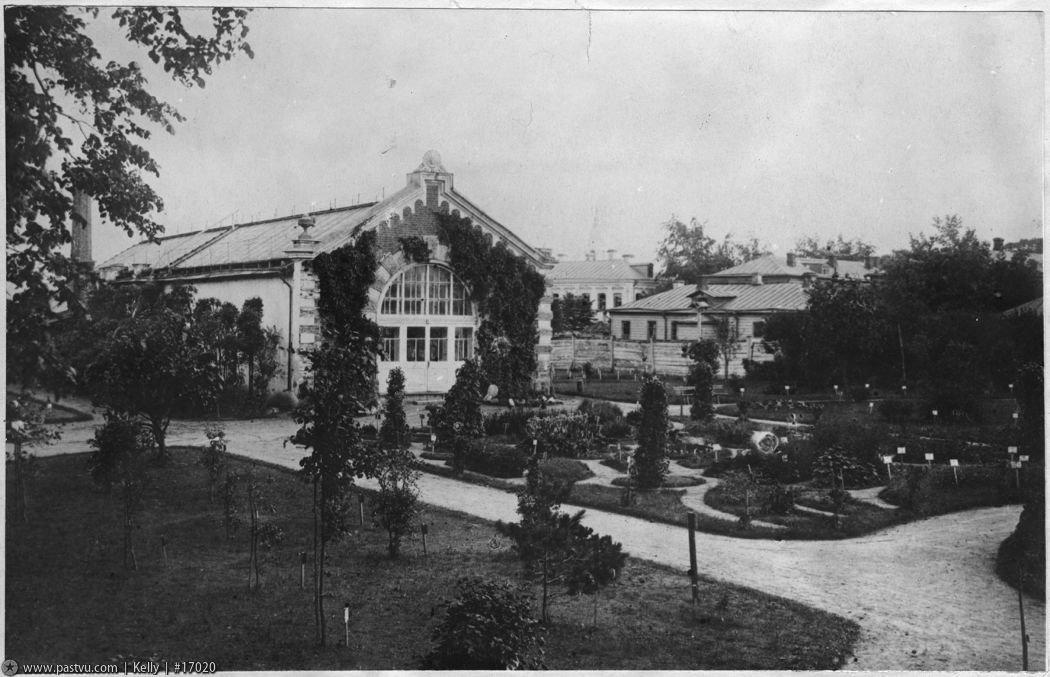
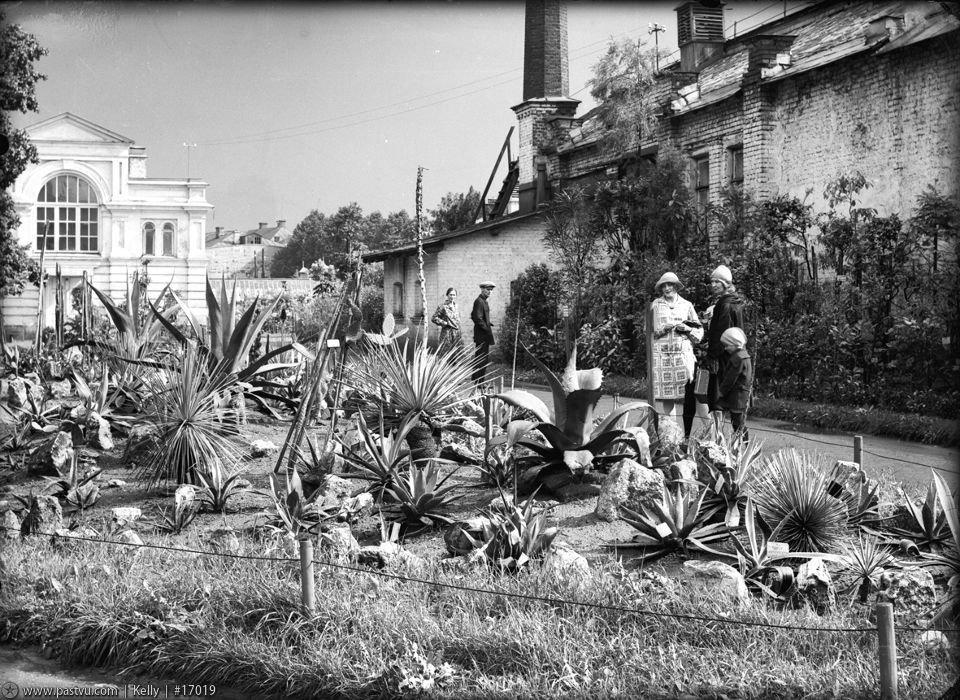
Полное название сада – филиал Ботанического сада МГУ «Аптекарский огород», и это одно из немногих мест в центре Москвы, где можно погрузиться в тишину и спокойствие, а во время зимы оказаться среди лета.

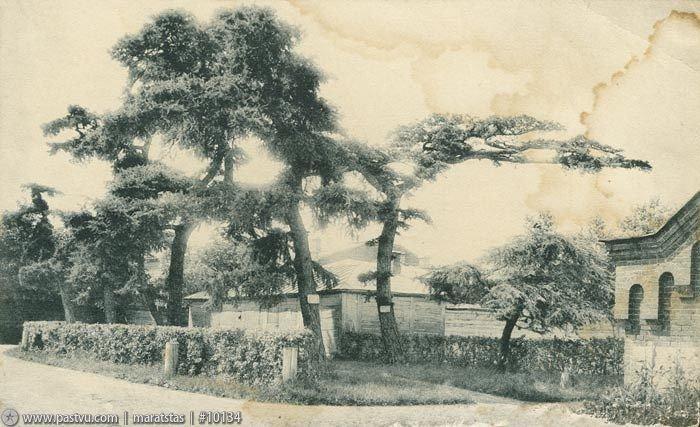
Аптекарский огород был основан по указу Петра I в 1706 году для выращивания лекарственных трав. Существует легенда, что сам Петр Великий здесь посадил три хвойных дерева, одно из которых – лиственница – существует до сих пор.

На протяжении XVIII века огород принадлежал нескольким учреждениям: Аптекарскому приказу, Московскому госпиталю и Медико-хирургической академии. Здесь не только выращивали растения, но и изготавливали из них лекарственные средства. Здесь проходили обучение будущие врачи. Здесь же начали собирать первые коллекции диковинных растений.

XIX - XXI в.

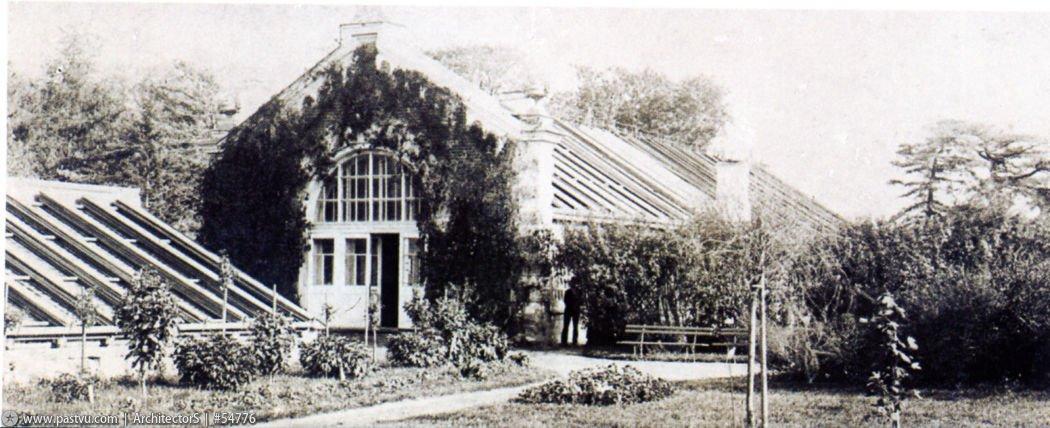
В 1805 году за 11 тысяч рублей серебром огород приобрел Московский университет. У университета, конечно, был и свой ботанический сад, но он располагался в самом центре Москвы на Моховой, и ему катастрофически не хватало территории. Пожар 1812 года полностью уничтожил сад на Моховой и нанес большой урон Аптекарскому огороду. Поэтому было принято решение о продаже части его территории для частного строительства, а на вырученные деньги его восстановили.

В XIX веке Аптекарский огород стал центром отечественной ботаники: там работами знаменитые ученые, а коллекции растений не уступали коллекциям известных ботанических садов Европы.

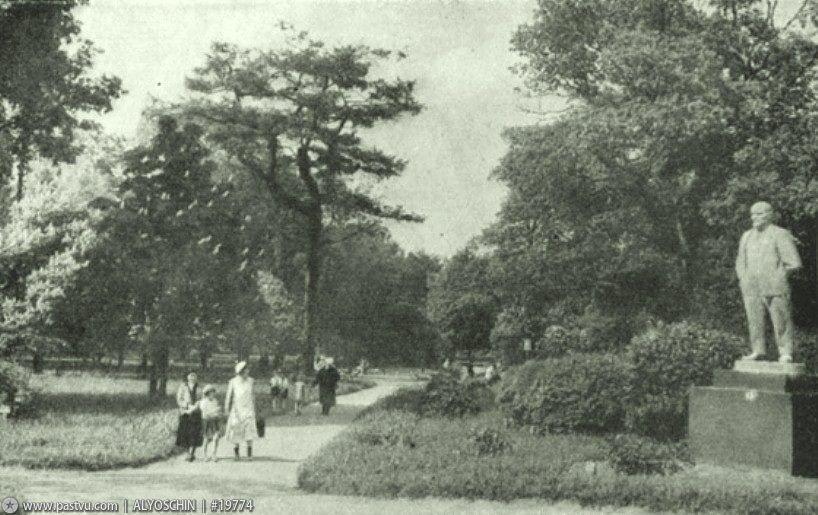
В середине XIX века сад открыли для посетителей: его реконструировали, установили удобные скамейки.

В начале XX века сад находился в плачевном состоянии, туда перестали пускать горожан, многие растения были уничтожены. Но после войны Аптекарский огород возродился, в нем опять закипела научная жизнь, появились посетители.

В наше время Аптекарский огород – как оазис в шуме и гаме центра города. Свернув с оживленной магистрали проспекта Мира, попадаешь совершенно в другой мир, мир зеленых растений и красоты.

The full name of the garden - a branch of the Botanical Garden of Moscow State University "Apothecary Garden", and this is one of the few places in Moscow where you can immerse yourself in the peace and quiet, and during the winter be the middle of summer.

Apothecary Garden founded by Peter I in 1706 for the cultivation of medicinal herbs. Legend has it that Peter the Great himself landed here three coniferous tree, one of which - larch - still exists. During the XVIII century garden belonged to several institutions: Apothecary order, Moscow hospitals and the Medico-Surgical Academy. Here, not only the grown plants, but also made of these drugs. There were training future doctors. It also began to collect the first collection of strange plants. In 1805, over 11 thousand silver rubles gained garden Moscow University [http://um.mos.ru/houses/moskovskiy_universitet/]. The university, of course, there was also a botanical garden, but it was located in the center of Moscow on Moss, and it lacked the territory. Fire in 1812 completely destroyed the garden Moss and inflicted great damage Apothecary Garden. It was therefore decided to sell part of its territory for private construction, and the money to restore it. In the XIX century Apothecary Garden became the center of national botany: it works by famous scientists, and collection of plants is not inferior to the famous collections of botanical gardens in Europe. In the middle of the XIX century garden is open to the public: it was reconstructed, comfortable benches installed. In the early XX century, the garden was in a deplorable state, there stopped to let the townspeople, many plants were destroyed. But after the war Apothecary Garden revived it again boil scientific life, there were visitors. In our time, Apothecary Garden - like an oasis in the noise and din of the city center. Turning off the busy highway Prospect Mira, you get a completely different world, a world of green plants and beauty.

Hamovniki

About the origin of the name Hamovniki long debate.

Hamovniki - District of Moscow, located in the Central Administrative District, as well as the same name intracity municipal unions. Located in a bend of the Moskva River. Includes historic district of the same name, as well as the Luzhniki, Maiden Field, Plyushchikha and Ostozhenka. On Sparrow Hills far seen lowlands along the left bank, enclosed in a large bend of the coated once meadows inundated flood.
Автор статьи: Евгения Стаханова
Рекомендации
Отзывы
(1)
Поделитесь статьей с друзьями
Интересное рядом(19)
Sretenka

Ancient Moscow street that swept through the centuries and preserved its historical name.

г. Москва, ул. Сретенка
Suharevskaya, Sretenskij bulvar
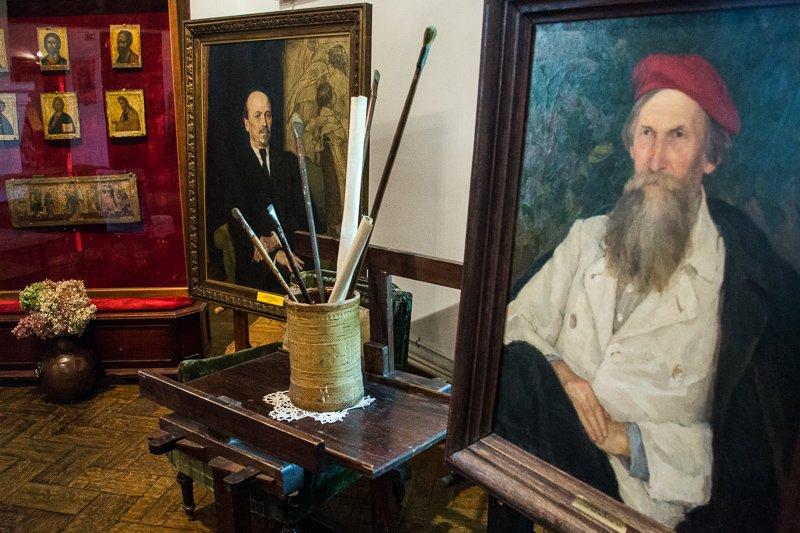
V.M. Vasnetsov House - MuseumThe house of the outstanding Russian artist V. M. Vasnetsov is located behind the Sadovoe Ring, not far from the Moscow Courtyard of the Holy Trinity St. Sergius Lavra, in a quiet, shady lane. It was built in 1894 by the artist himself in the neo-Russian style. VM Vasnetsov lived here the last 32 years of his life (1894–1926). On August 25, 1953, a museum was opened in the house, in 1954 the 3rd Trinity Lane, in which the house stands, was renamed Vasnetsov Lane.

Immediately after the death of the artist, the relatives had the idea of “to preserve everything, as it were, to arrange something like a house-museum”. Turning to the Tretyakov Gallery for help, they received consent to work together to organize a posthumous exhibition of works by V. M. Vasnetsov with the further perspective of creating a museum.

On January 27, 1927, the artist's son, Alexey Viktorovich Vasnetsov, submitted to the Gallery's Board a statement that the family was ready to accept all the obligations related to the arrangement of the exhibition. He was also approved as the ombudsman. Alexey Viktorovich was helped by his sister Tatyana Viktorovna and wife Zinaida Konstantinovna. M. V. Nesterov, P. Korin, An. M. and Vl. V. Vasnetsov and Scientific Secretary of the Tretyakov Gallery N. S. Morgunov participated in the design of the exhibition. The necessary repairs were carried out, several hundred posters with information about the exhibition were printed and posted, tickets were prepared and a catalog was published.

The exhibition opened on March 13, 1927. On the first day, about 600 people visited it. In the following days, many interested visitors and school groups came to the exhibition, there were excursions. The exhibition remained until 1933.

In the preface to the catalog it was stated that the works exhibited at the exhibition, in particular the fairy-tale cycle, were presented to the public for the first time and that in the future landscapes, sketches and sketches will be shown, “which, combined with what is shown now, should be composed by the Victor Vasnetsov Museum ". The exhibition featured 212 exhibits: painting, graphics and objects of decorative and applied arts. The exhibits were located in the living room, the former classroom and in the workshop. Fabulous epic paintings the authors of the catalog provided with short texts from the literary source.

During the Great Patriotic War, the artist's family continued to live in the house. Large paintings were rolled up, the rest of the work laid out in boxes. The house itself was not damaged, but the fence and the terrace were not preserved. In September 1946, the heirs expressed a desire to organize a museum in the house by the centenary of the birth of V. M. Vasnetsov in 1948 and negotiate with the Tretyakov Gallery about it. The exhibition of paintings by the master, which opened in May 1948 in the exhibition hall of the Union of Soviet Artists, aroused great interest among the visitors and contributed to the decision to organize the museum.
On June 29, 1950, an order was issued by the Council of Ministers of the USSR on the organization of the House Museum of V. M. Vasnetsov. The Committee on Arts at the Council of Ministers of the USSR issued an order to proceed with the organization of the museum, for which purpose it is possible to receive the house, as well as art collections and property, which the heirs of the artist donate to the state.

A month later, on July 29, 1950, the heirs signed a statement to the Committee for Arts at the Council of Ministers of the USSR on the donation of property and valuables to the state for the organization of the V.M. Vasnetsov House-Museum. On July 18, 1951, the Order of the Committee approved the “Regulations on the House-Museum of V.M. Vasnetsov”. On August 28, 1951, an act was signed by the commission of the house, works of art — painting, graphics, works of decorative and applied arts, household items and property of V. M. Vasnetsov from his heirs.

The first director of the museum (from 1951 to 1957) was the nephew of the artist Dmitry Arkadyevich Vasnetsov, a member of the First World War and the Great Patriotic War, the actor of the Musical Theater K. S. Stanislavsky and V. I. Nemirovich-Danchenko, the director of the Children's Music School. Z.K. Vasnetsova was appointed chief custodian. Together with Tatiana Viktorovna D. A. Vasnetsov was engaged in repairing the house, restoring its planning and recreating the situation that was during the life of V. M. Vasnetsov. The architecture of the house was fully preserved. The decor of the house was restored at the beginning of the twentieth century. The decoration of the dining room, living room and workshop is almost completely preserved. Also, genuine objects, which were transferred to the museum by the artist's family, were presented in all the other rooms, including exposition ones.
The part of the collection that remained in the ownership of the heirs was transferred to the museum under the will of T. V. Vasnetsova in 1959 and on the basis of its deed of gift in 1961. Thus, all collections: painting, graphics, objects of decorative and applied arts and everyday life, the personal archive and library of the artist, photography and reproduction were included in the museum collection, which was replenished with gifts from various individuals, procurement, and currently has about 25 thousands of museum items.

In 1978–80, the house was restored, the outbuildings of the outbuildings were restored, where the janitor’s, the laundry room and the coach house were located under the common roof, and the cobblestone pavement and brick path were restored in the courtyard. A firewall (brick wall) erected in the 80s of the 19th century was preserved from the east, to which in the 1970s "the Savior on the Throne" mosaic, made at the beginning of the 20th century according to the design of V.M. Vasnetsov in the Petersburg mosaic workshop, was transferred under the leadership of V. A. Frolov. On the north and west side of the house there is a garden with centuries-old oaks and elms.

At the time of its organization, the museum was under the jurisdiction of the Committee for Arts at the Council of Ministers of the USSR. The practical management of the museum was carried out by the General Directorate of Fine Arts. In 1954, the museum was transferred to the jurisdiction of the Ministry of Culture of the RSFSR, in January 1955 - under the jurisdiction of the Department of Culture of the Moscow City Council. In 1963, it was decided to join the Museum of History and Reconstruction of Moscow, and in 1986 the House Museum of V.M. Vasnetsov became part of the All-Union Museum Association "State Tretyakov Gallery" as a scientific department.
Moscow, Vasnetsov Lane, 13
Suharevskaya, Prospekt Mira
Kirchhoff’s house
Suharevskaya
The hospice
Suharevskaya
г. Москва, ул. Щепкина, д. 47, стр. 2
Suharevskaya