Интерактивный гид по городу
С мобильным приложением бродить по городу гораздо интереснее!

Крымский вал, д.9
Oktyabrskaya, Октябрьская (радиальная)
5.00
Вы можете воспользоваться QR-кодом, чтобы открыть эту страницу в нашем приложении
Вид территории:
Ponds and Lakes
Информация о месте

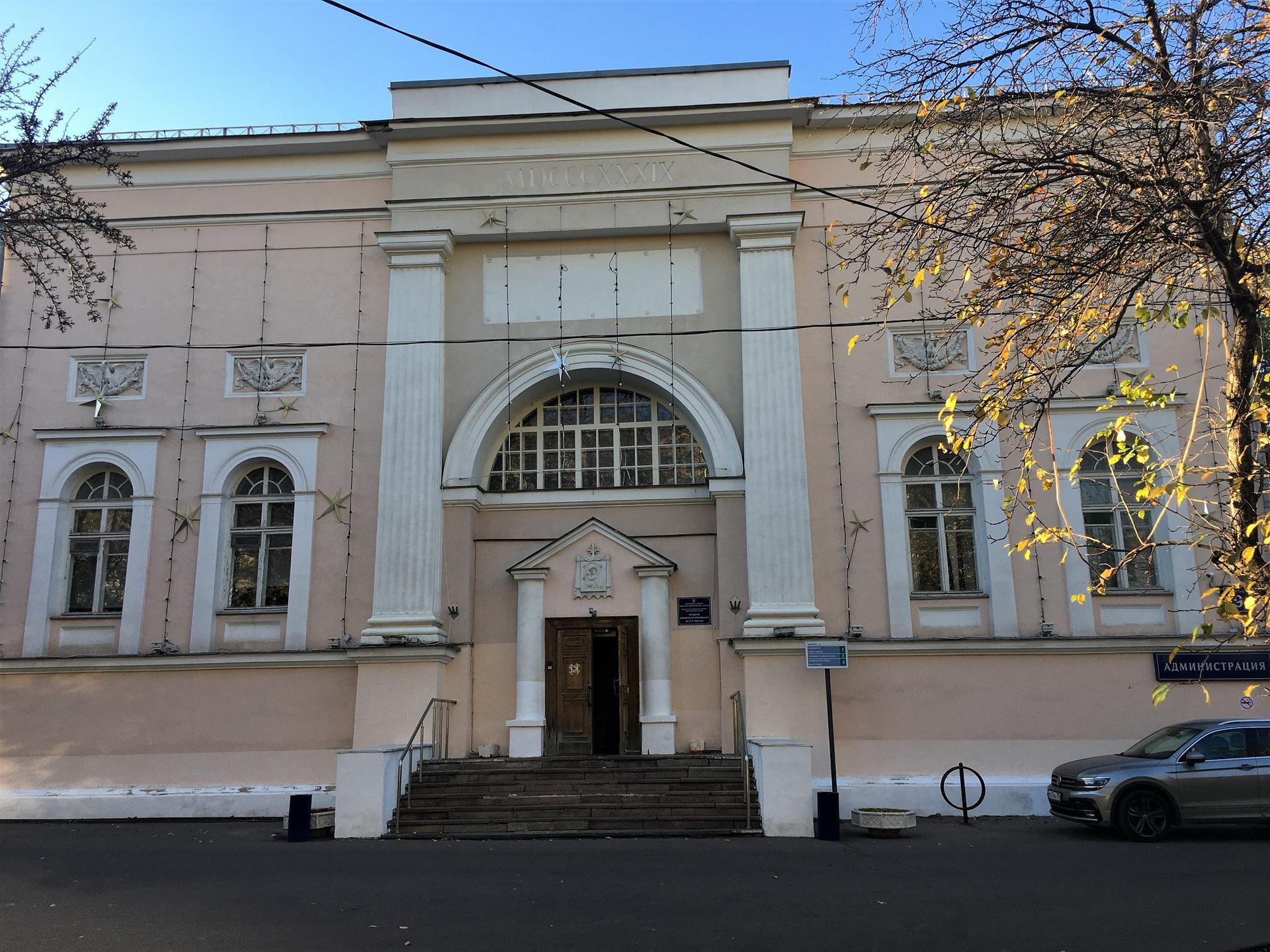
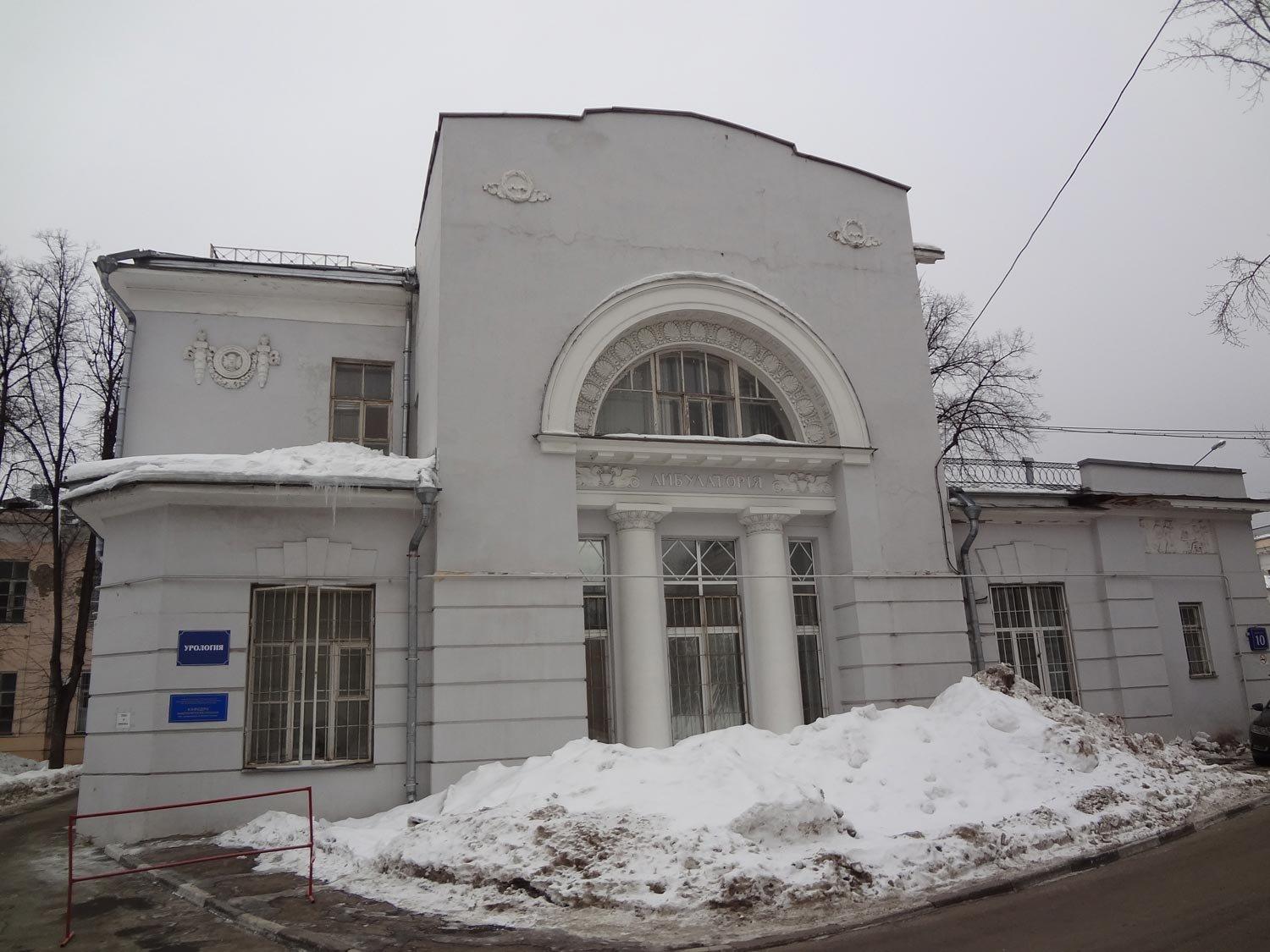
В 1796 году на средства, завещанные князем Дмитрием Михайловичем Голицыным у Калужской дороги (современный Ленинский проспект) началось строительство "учреждения Богу угодного и людям полезного" - больница, названная в народе Голицынской.

Архитектором больницы был Матвей Фёдорович Казаков, руководил строительством двоюродный брат князя - обер-камергер Александр Михайлович Голицын.

Больница, предназначавшаяся для неимущих слоев населения, была открыта в 1802 году и вмещала 180 человек. До середины XIX столетия больницу возглавляли профессора Московского университета, помимо своей основной деятельности она являлась клинической базой медицинского факультета МГУ и анатомическим театром в храме Архистратига Михаила (Титовский проезд).

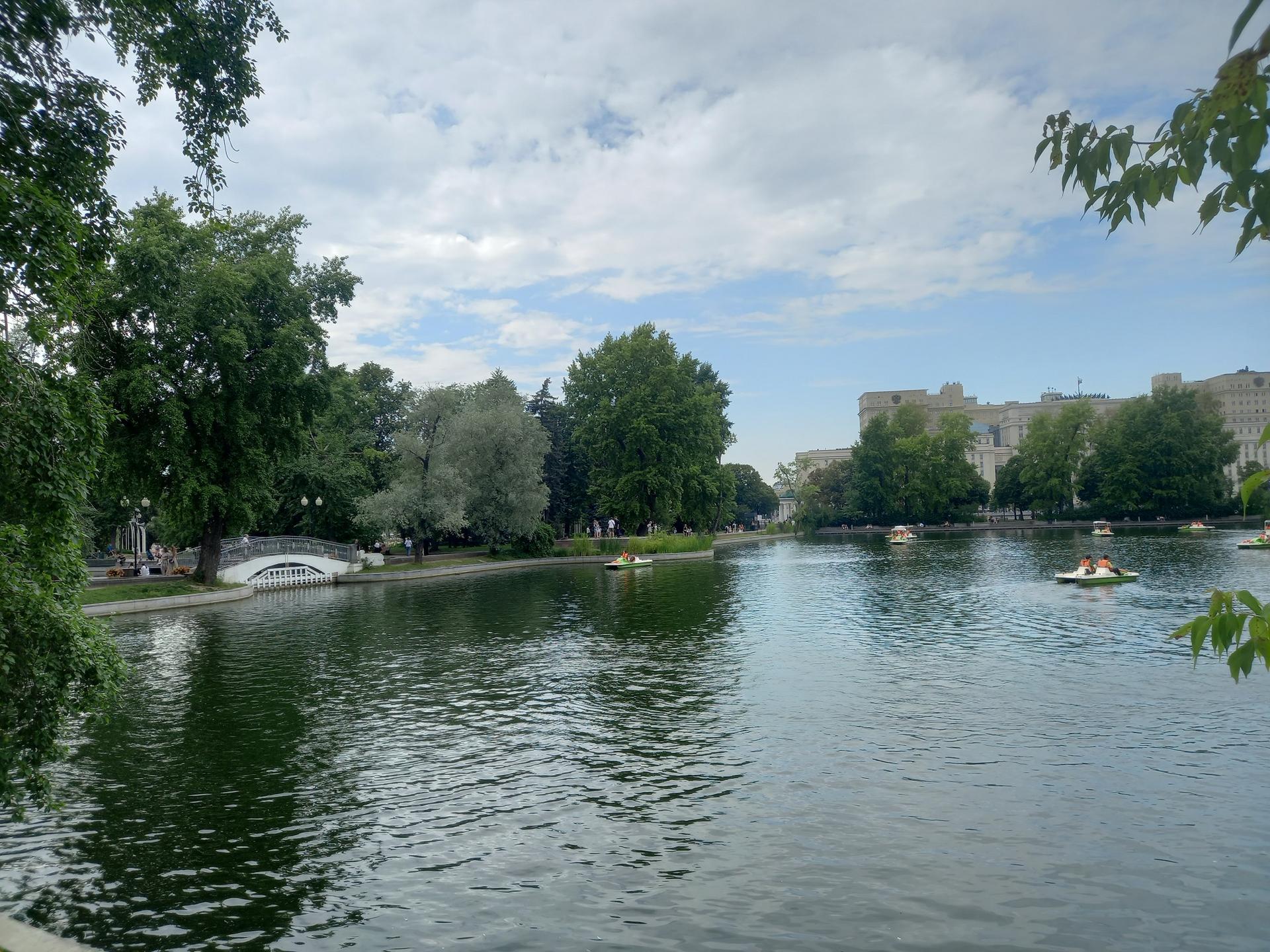
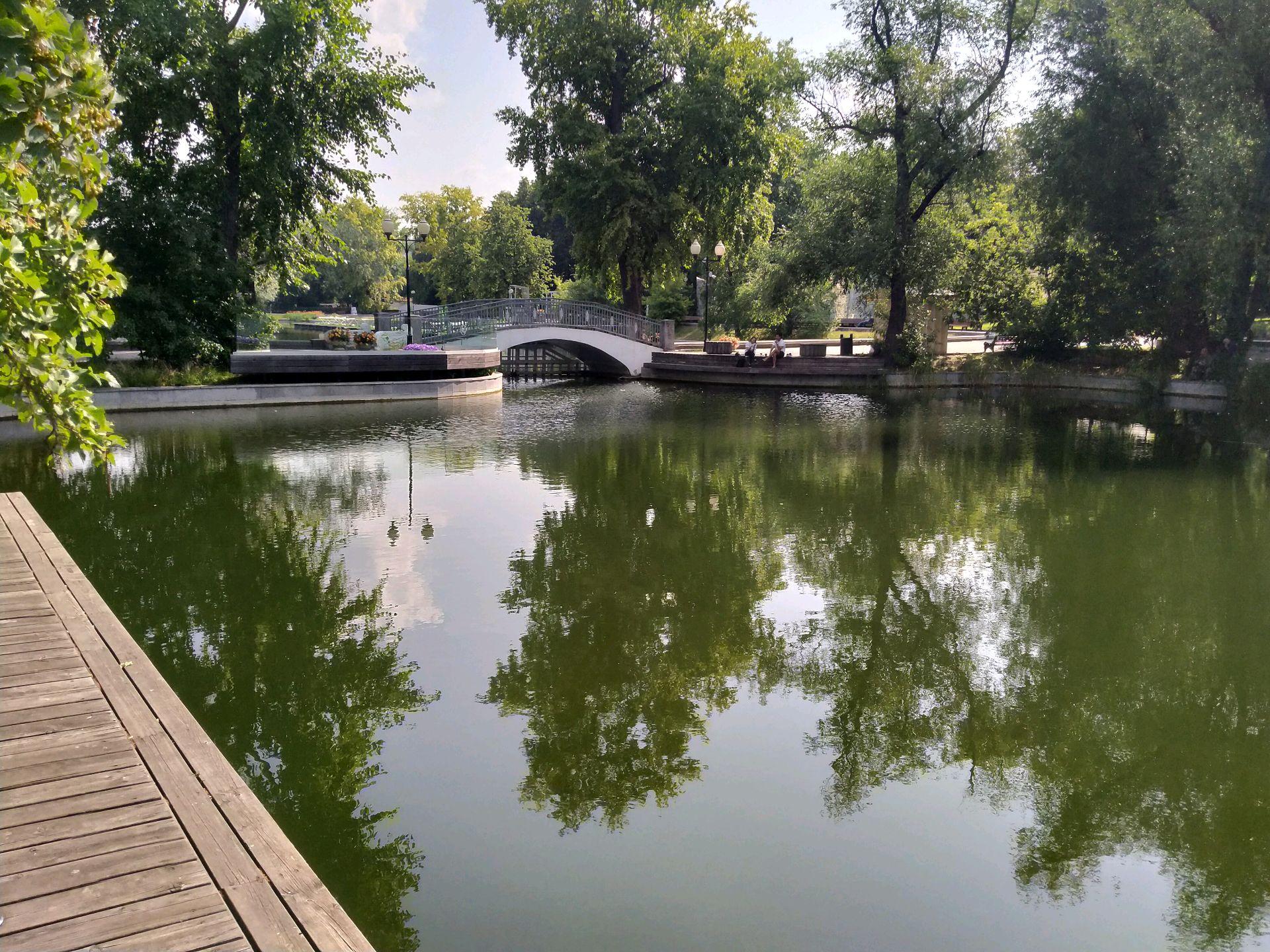
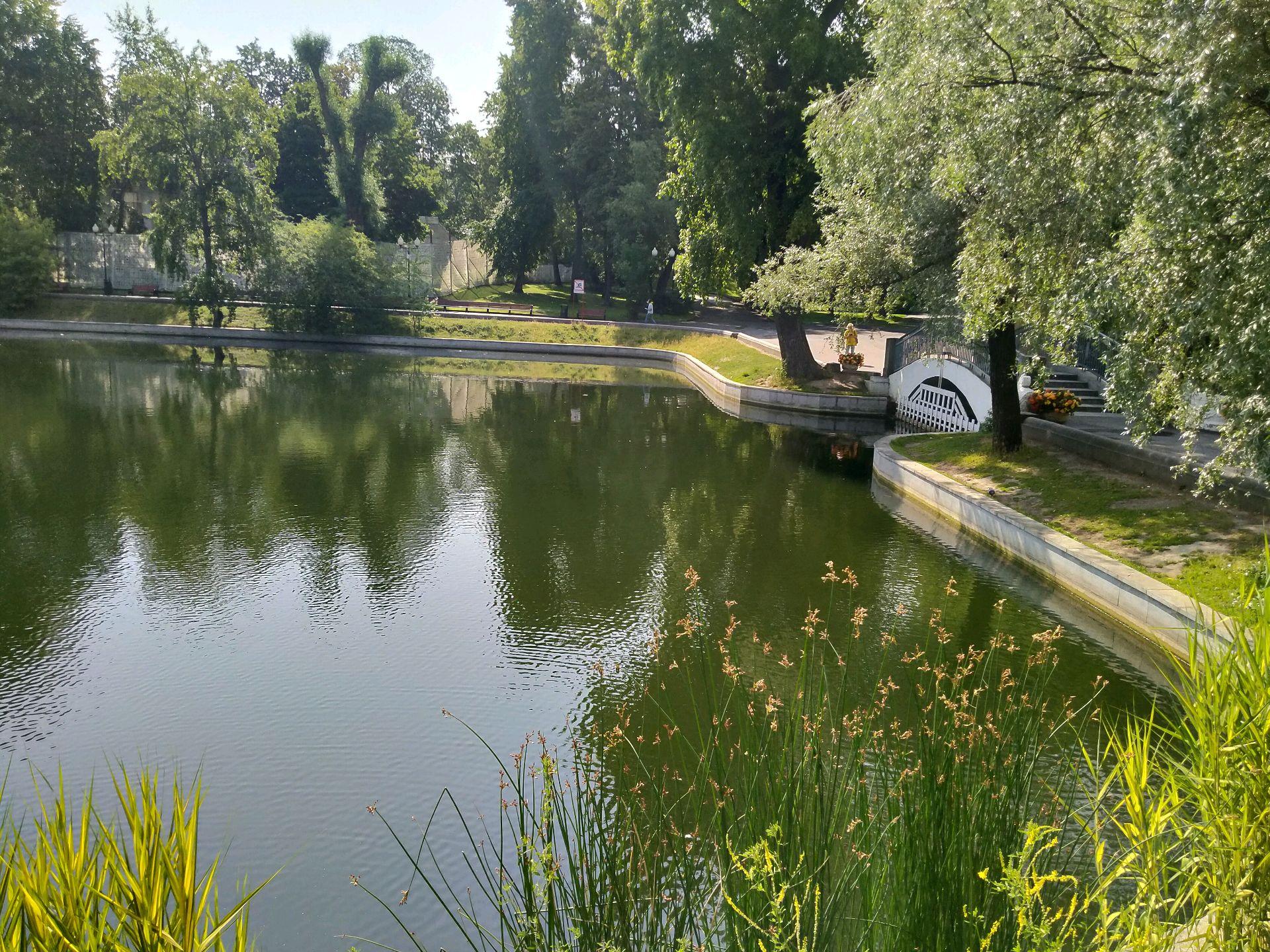
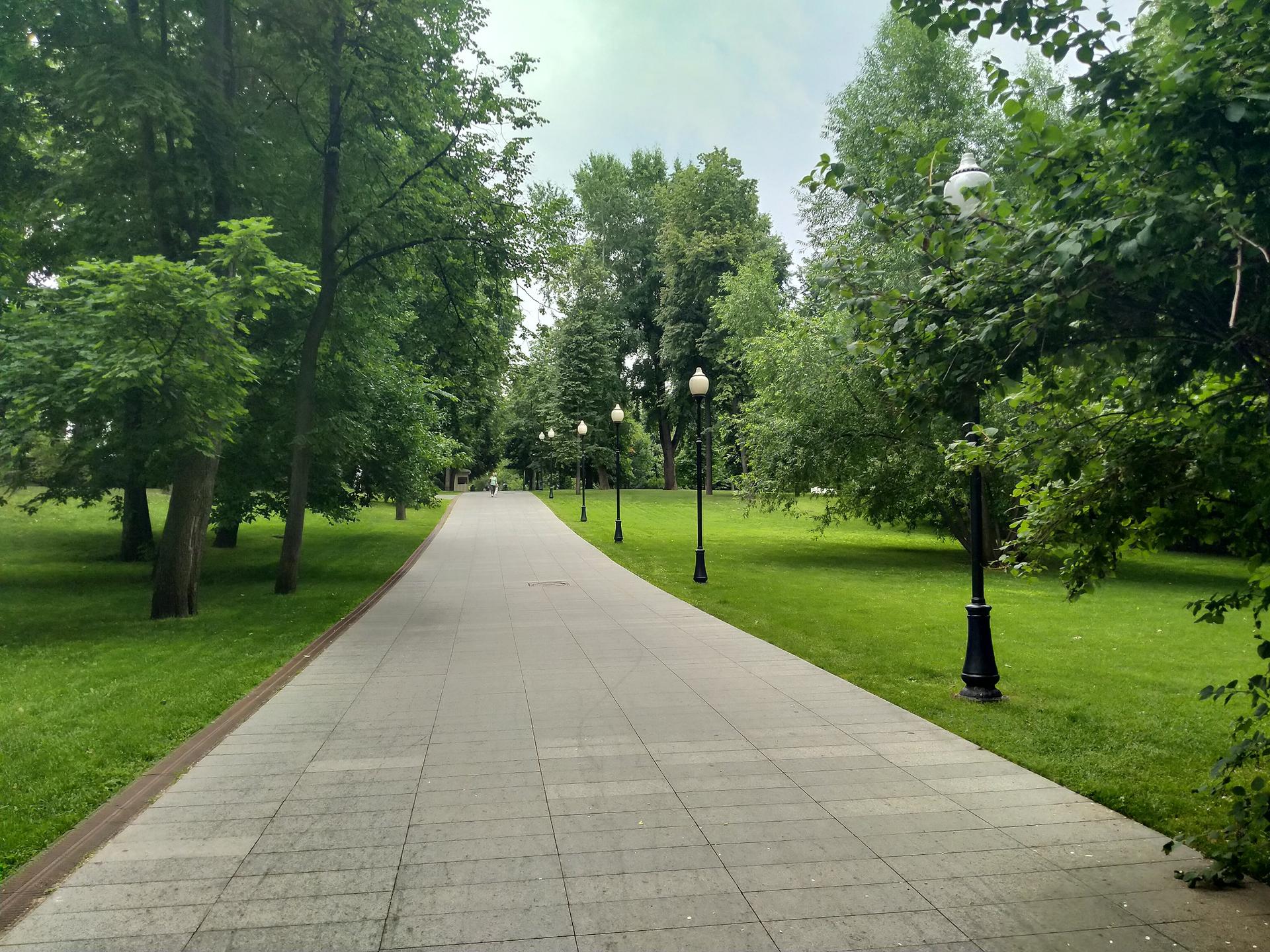
От больницы в сторону Москвы-реки М.Казаков разбивает сад для прогулок пациентов. Территория сада и само здание больницы, по желанию князей Голицыных создается максимально похожим на территорию дворянской усадьбы: обустраиваются аллеи, искусственный остров и пруды, скульптуры и фонтаны.

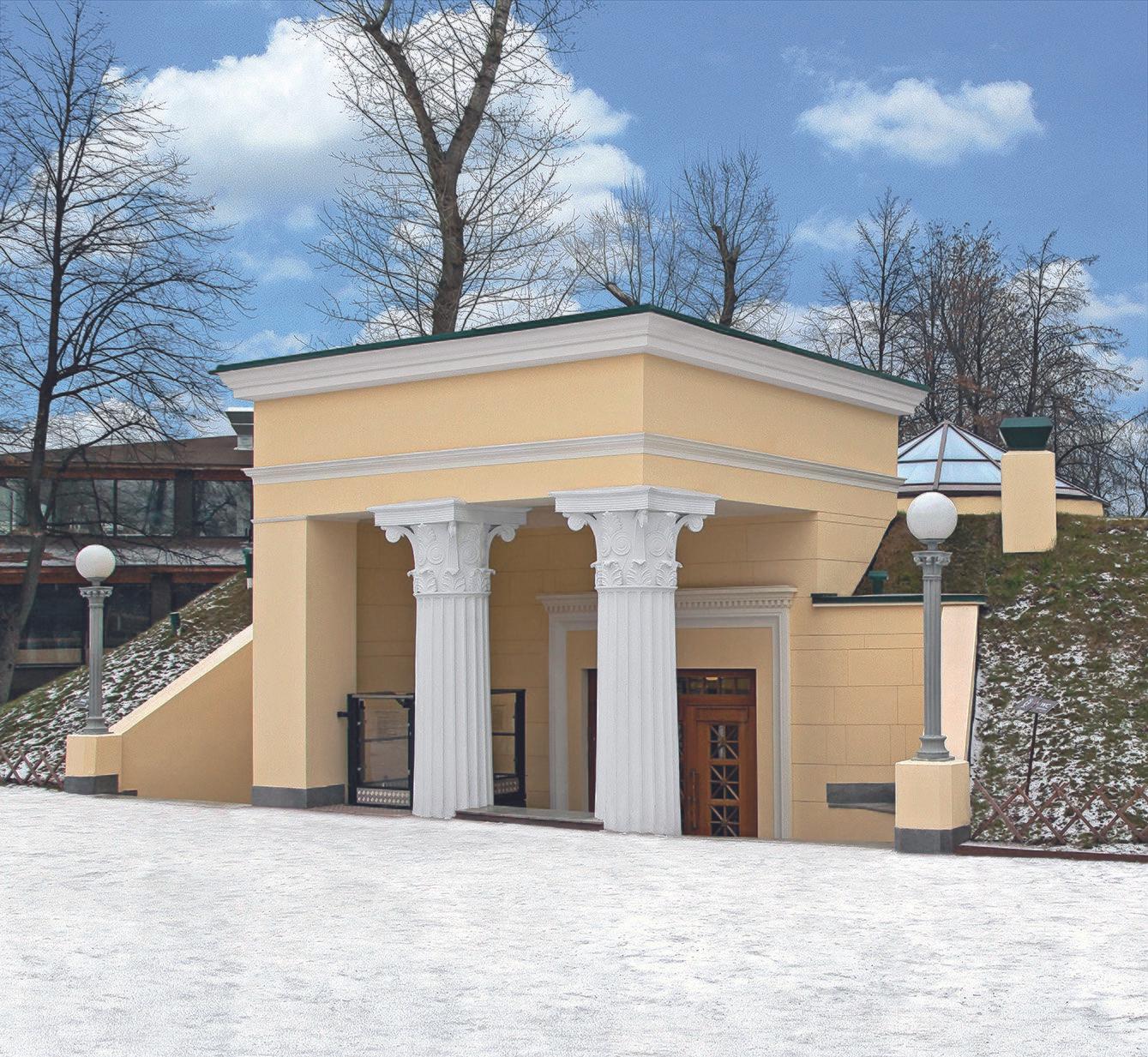
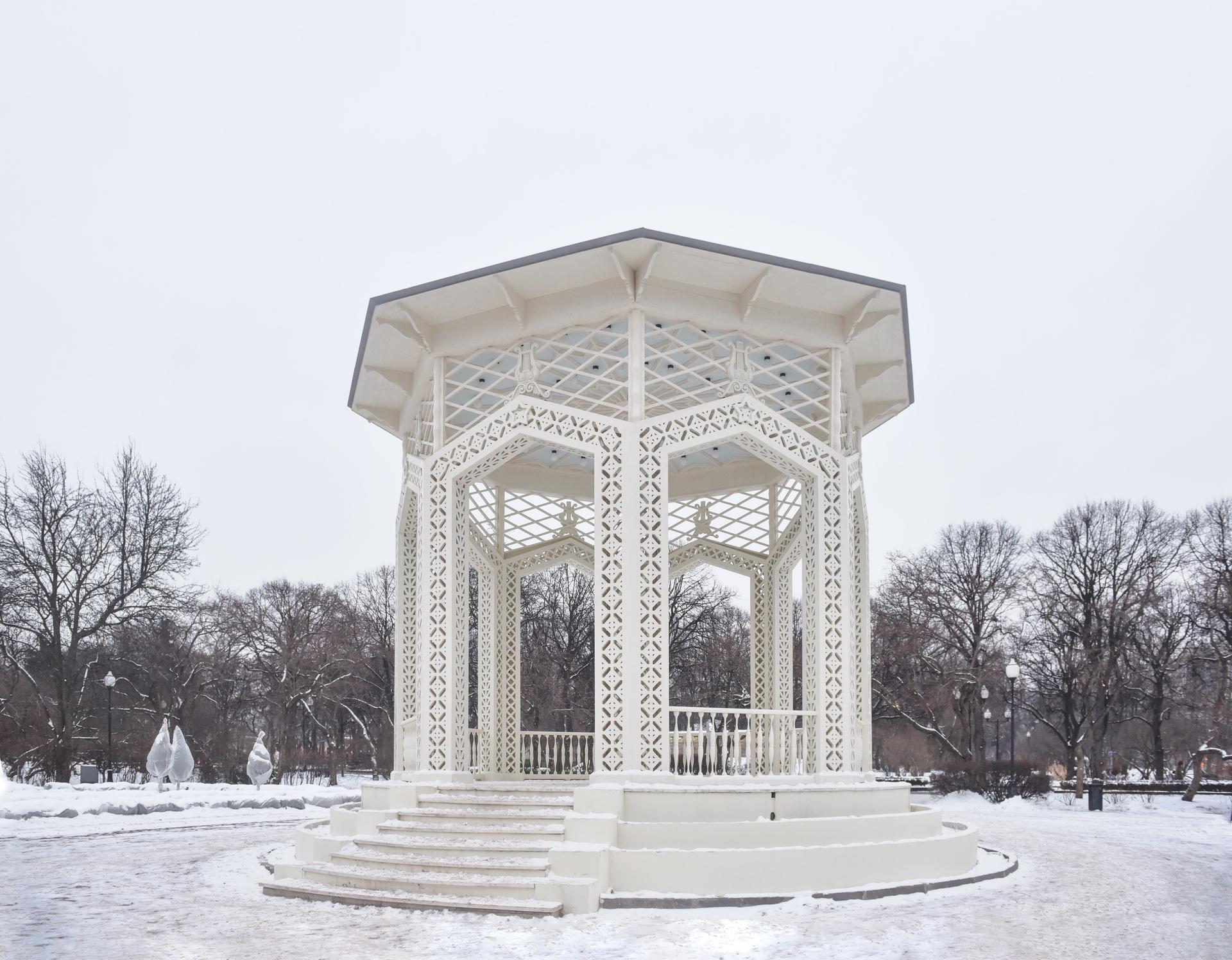
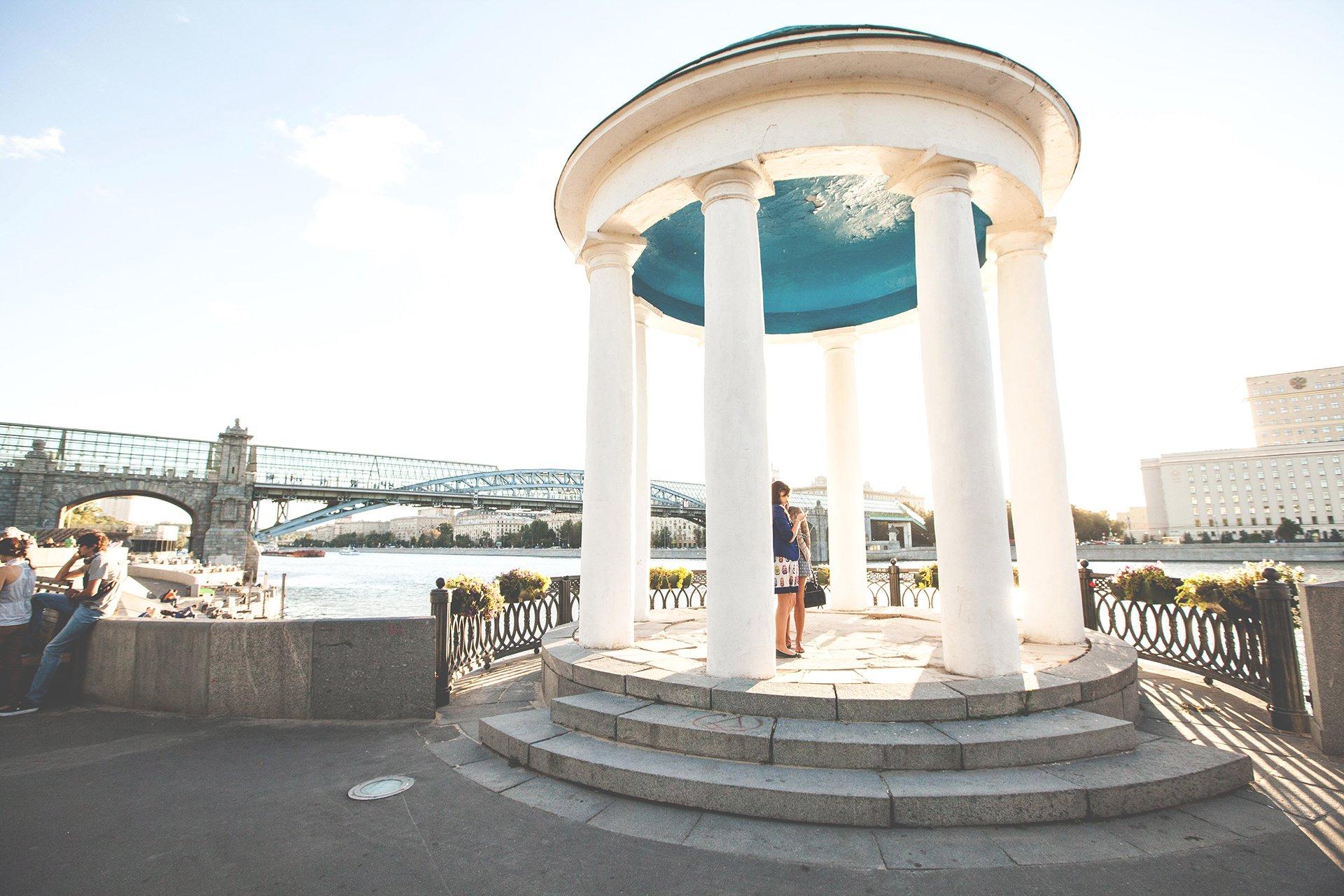
Границами сада на набережной по проекту М.Казакова стали две беседки-ротонды, часть набережной между ними была облечена в гранит и получила название Голицынской стенки.

После Октябрьской революции Голицынская больница стала корпусом Первой градской больницы, а территория сада была передана для организации Всероссийской сельскохозяйственной и кустарно-промышленной выставки в 1923 году, а с 1928 - территорией Парка Горького.

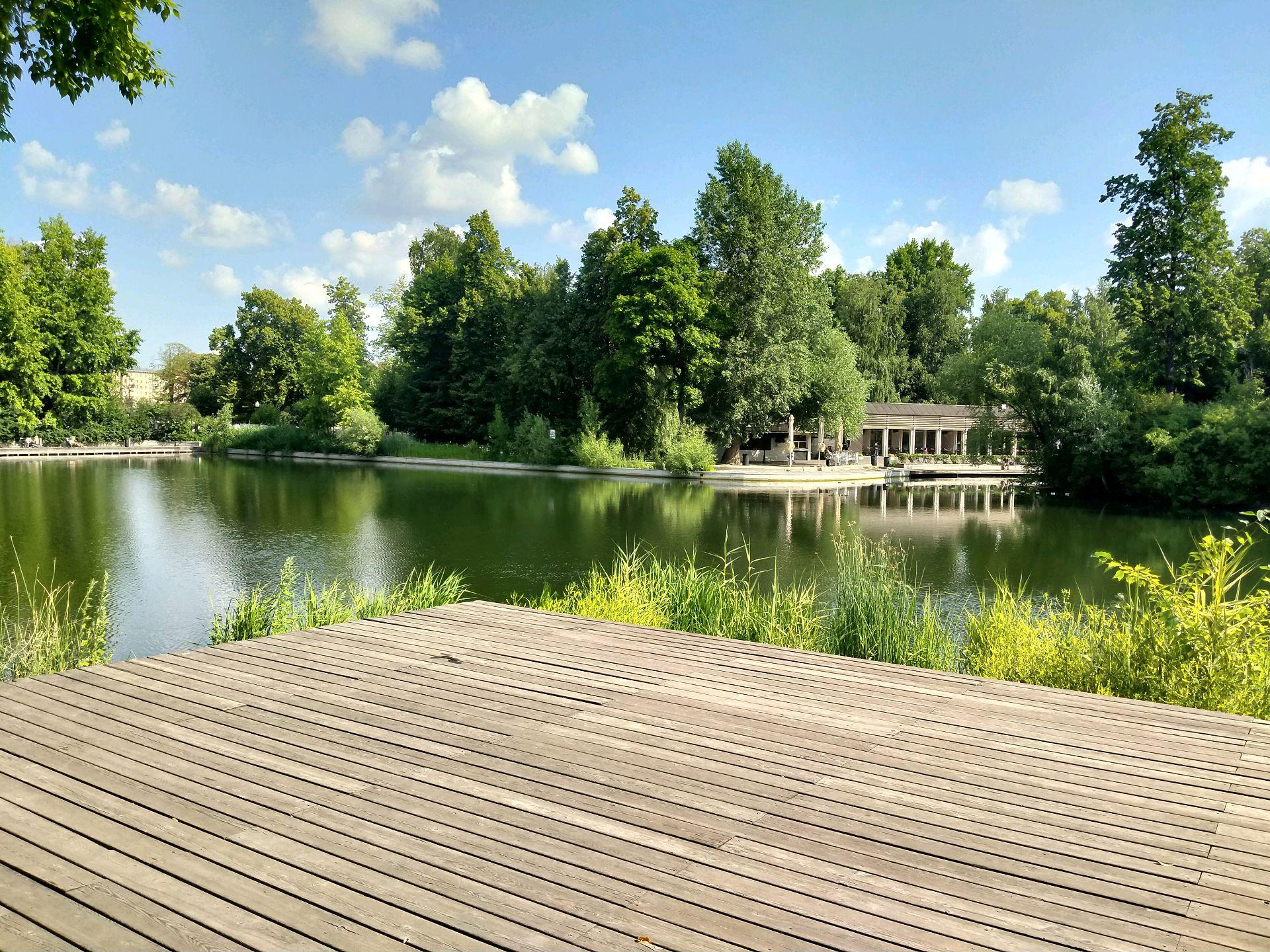
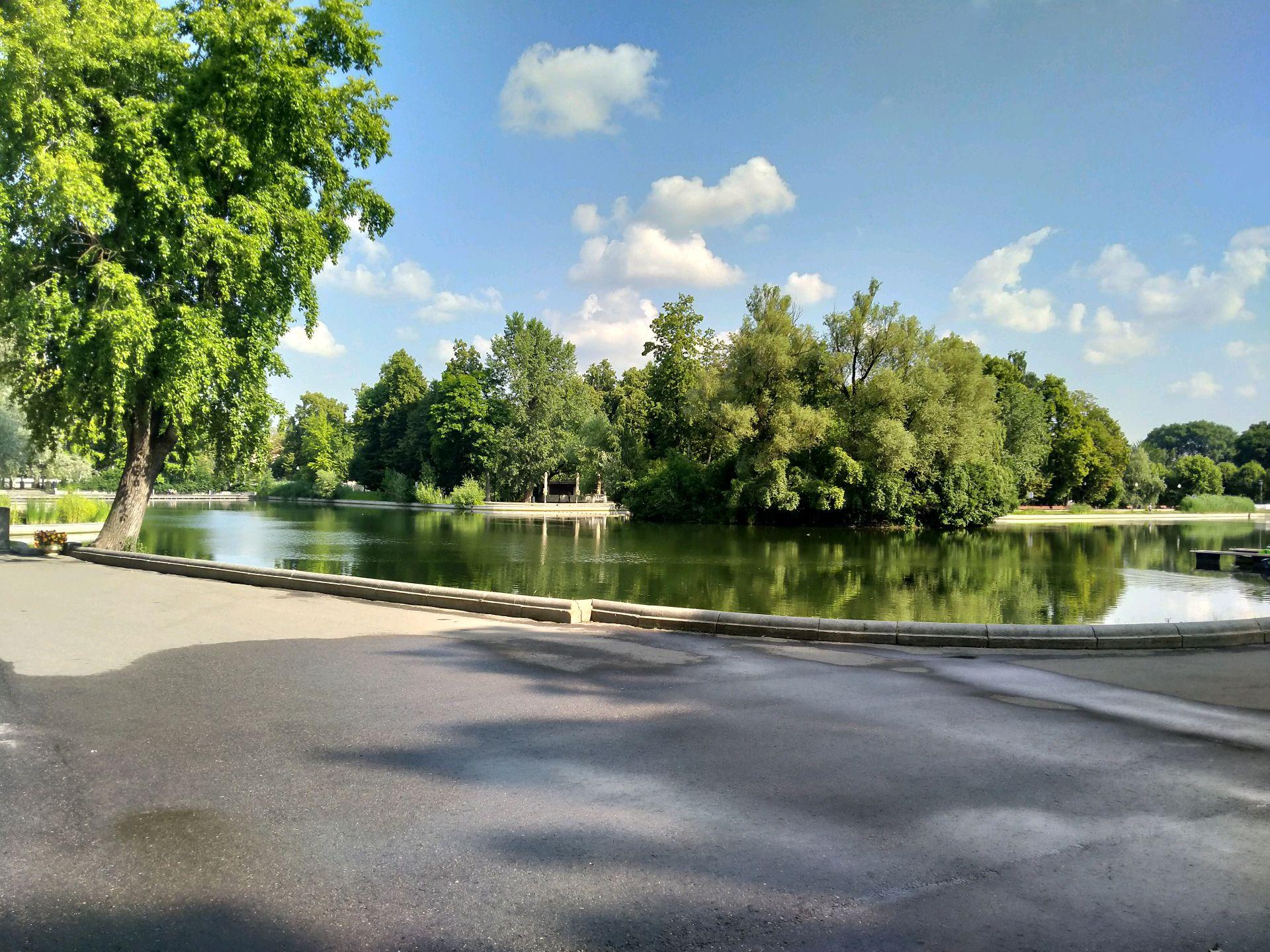
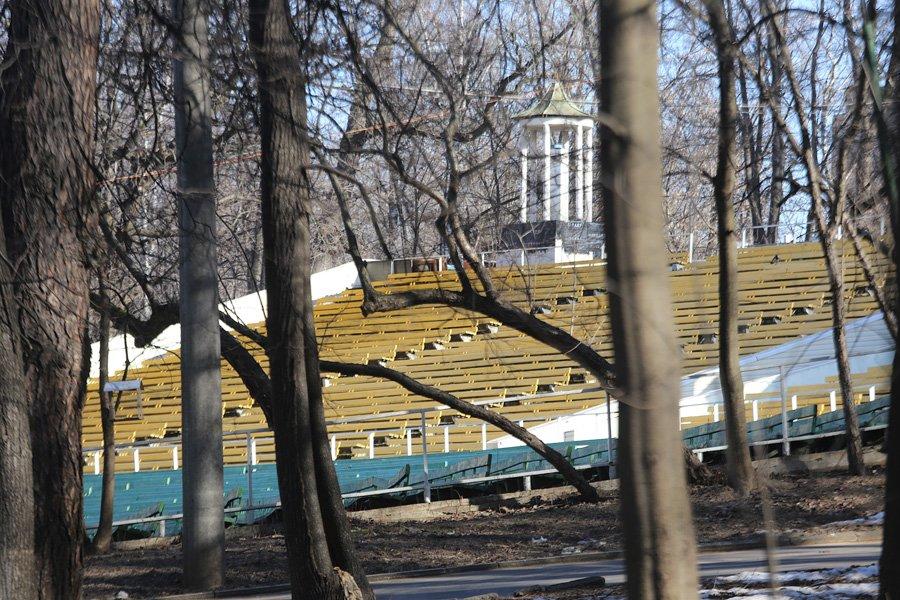
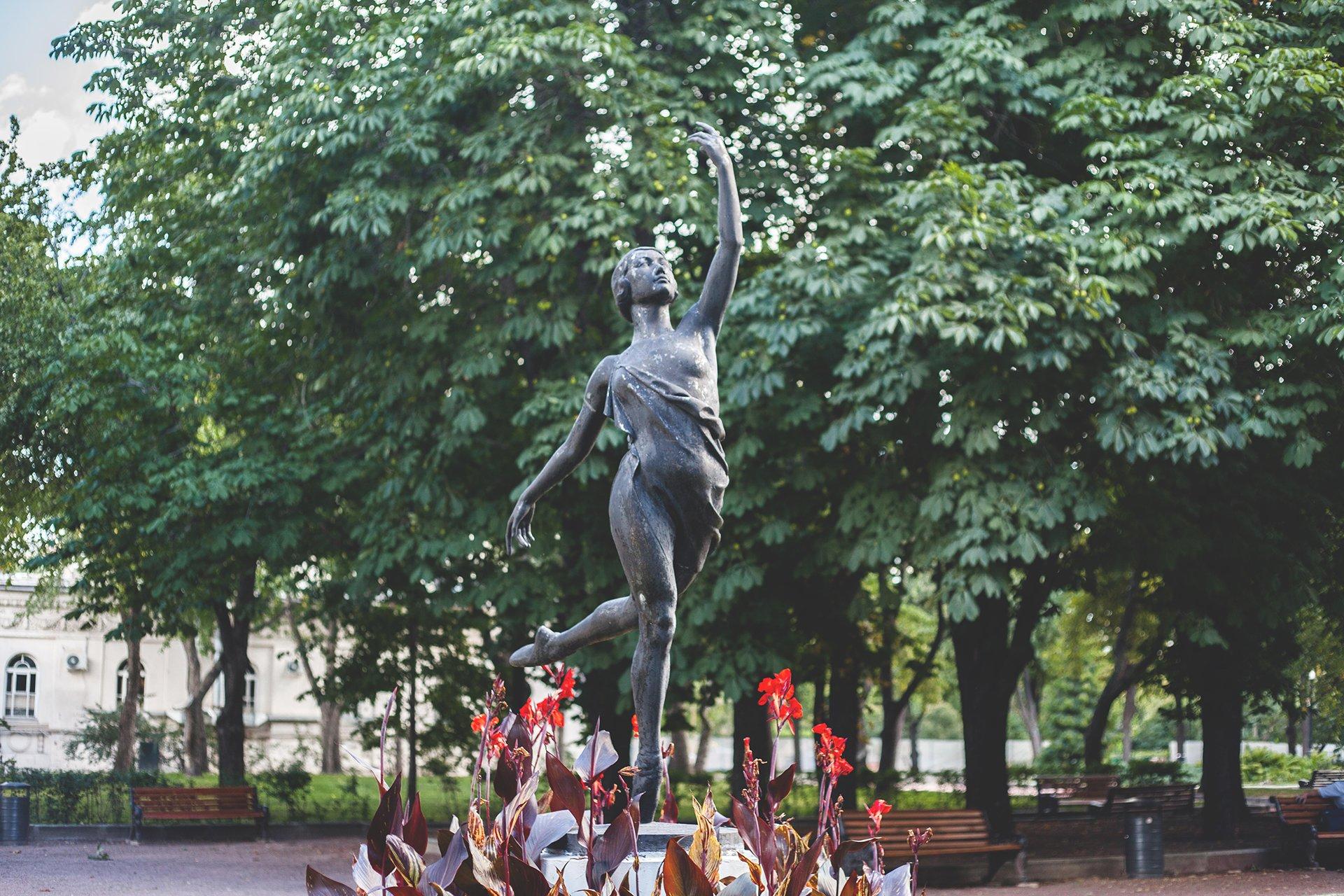
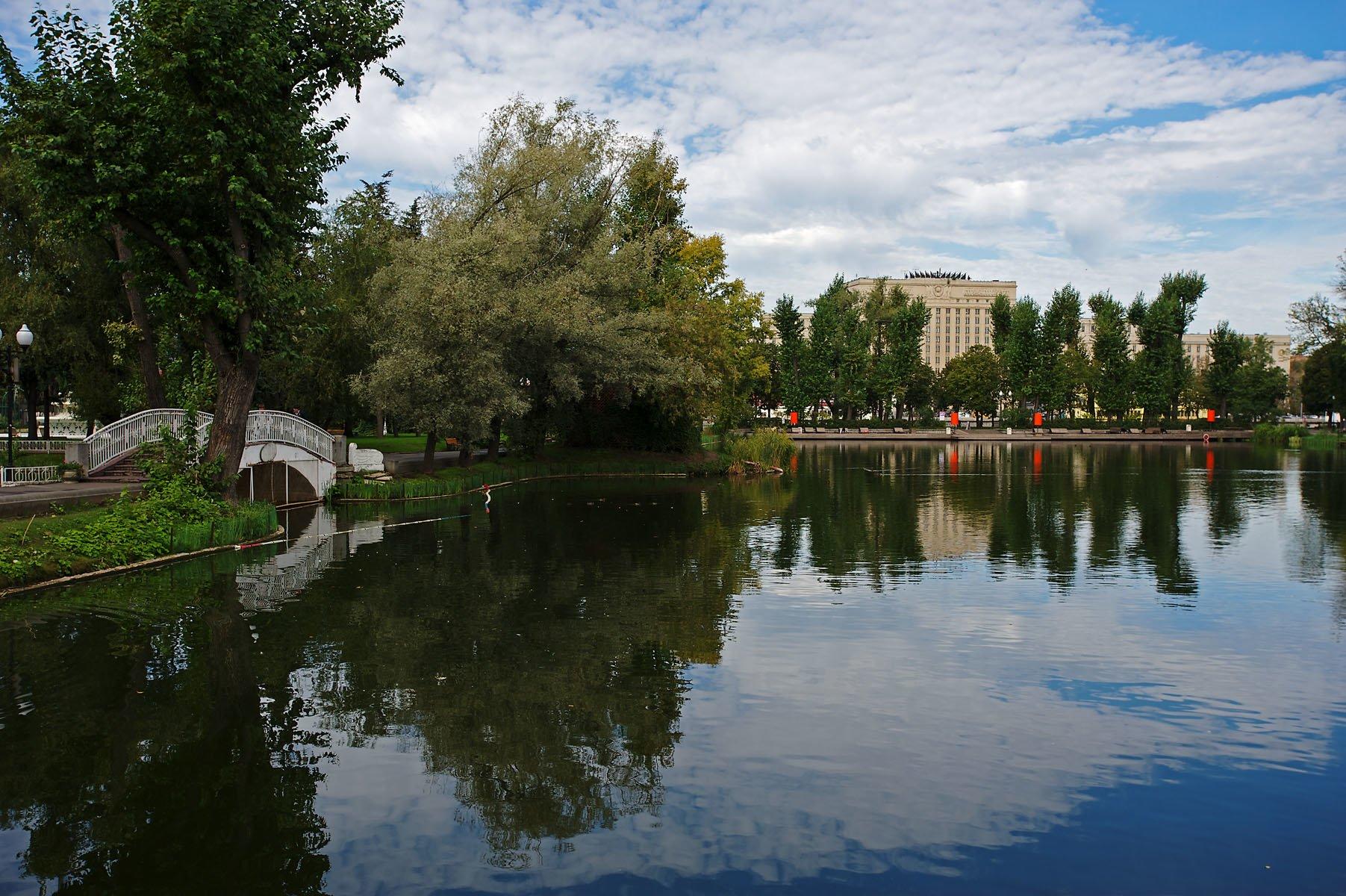
Украшением территории Голицынского сада были декоративные пруды (большой и малый) с искусственным островком. В 1930 году островок получил название Остров танца, где была сооружена театральная сцена, а на берегу пруда оборудован амфитеатр для зрителей на 800 мест. В репертуаре театра преобладали балетные постановки, была собственная балетная труппа. Некоторые спектакли ставили при участии артистов Большого и Малого театров.

Среди спектаклей, поставленных на острове были классические произведения "Сказка о царе Салтане","Кащей бессмертный", "Руслан и Людмила", "Волшебная флейта", "Жизель", а также постановки, создававшиеся специально для этого уникального места - балеты "Марко Бомба", "Красный мак", "Танцы народов советской страны".

Иногда для представлений использовалась и акватория Голицынского пруда – тогда на воде наводили понтонные мосты и актеры, по сюжету спектакля, перемещались между островом и понтонами. Эта великолепная сцена на Острове танца просуществовала до начала Великой Отечественной войны.

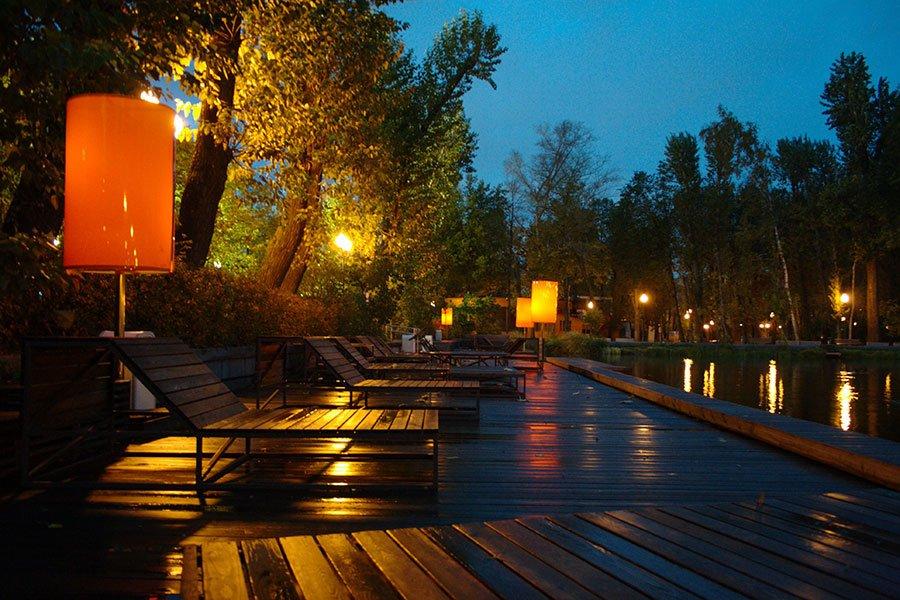
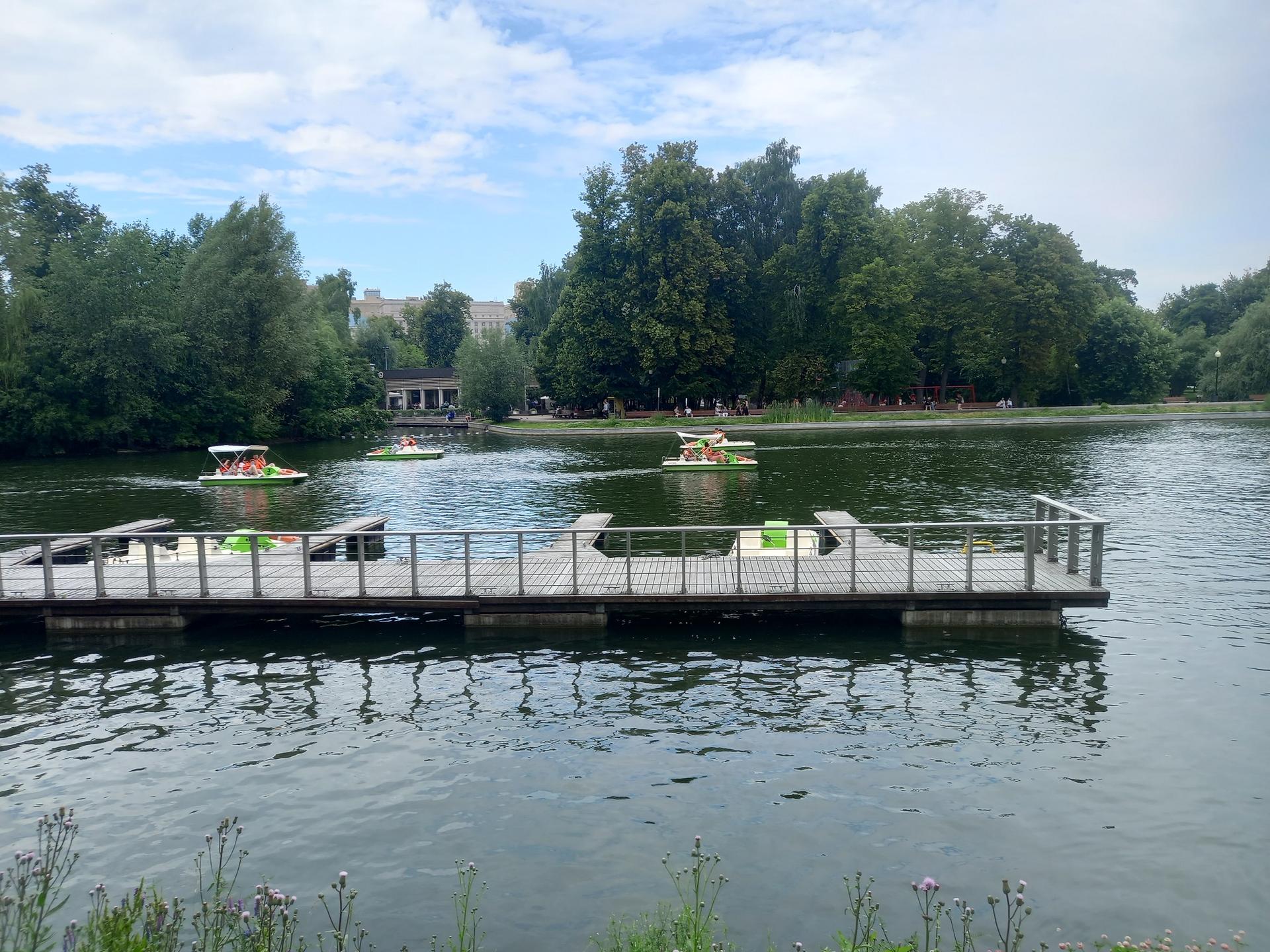
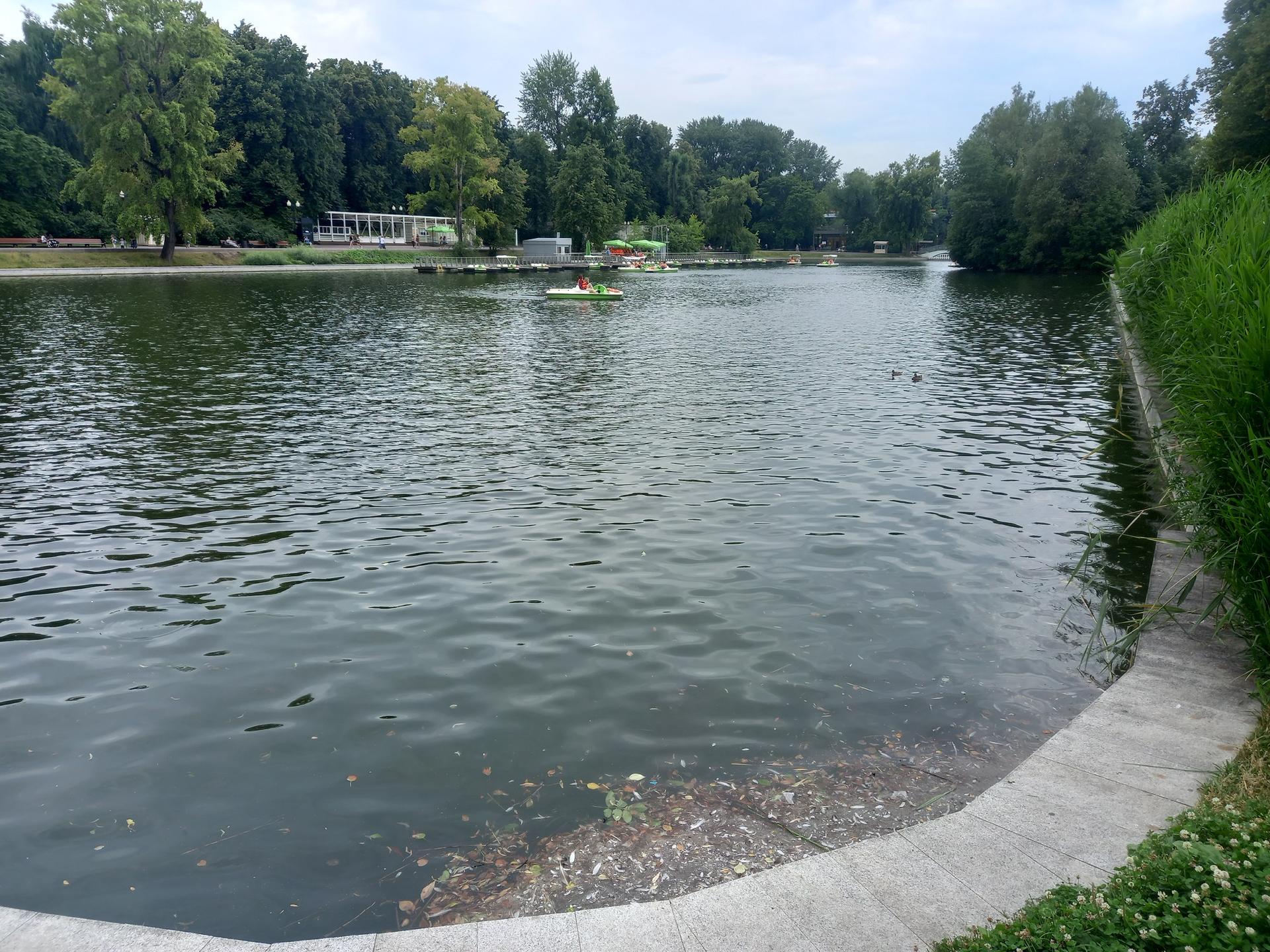
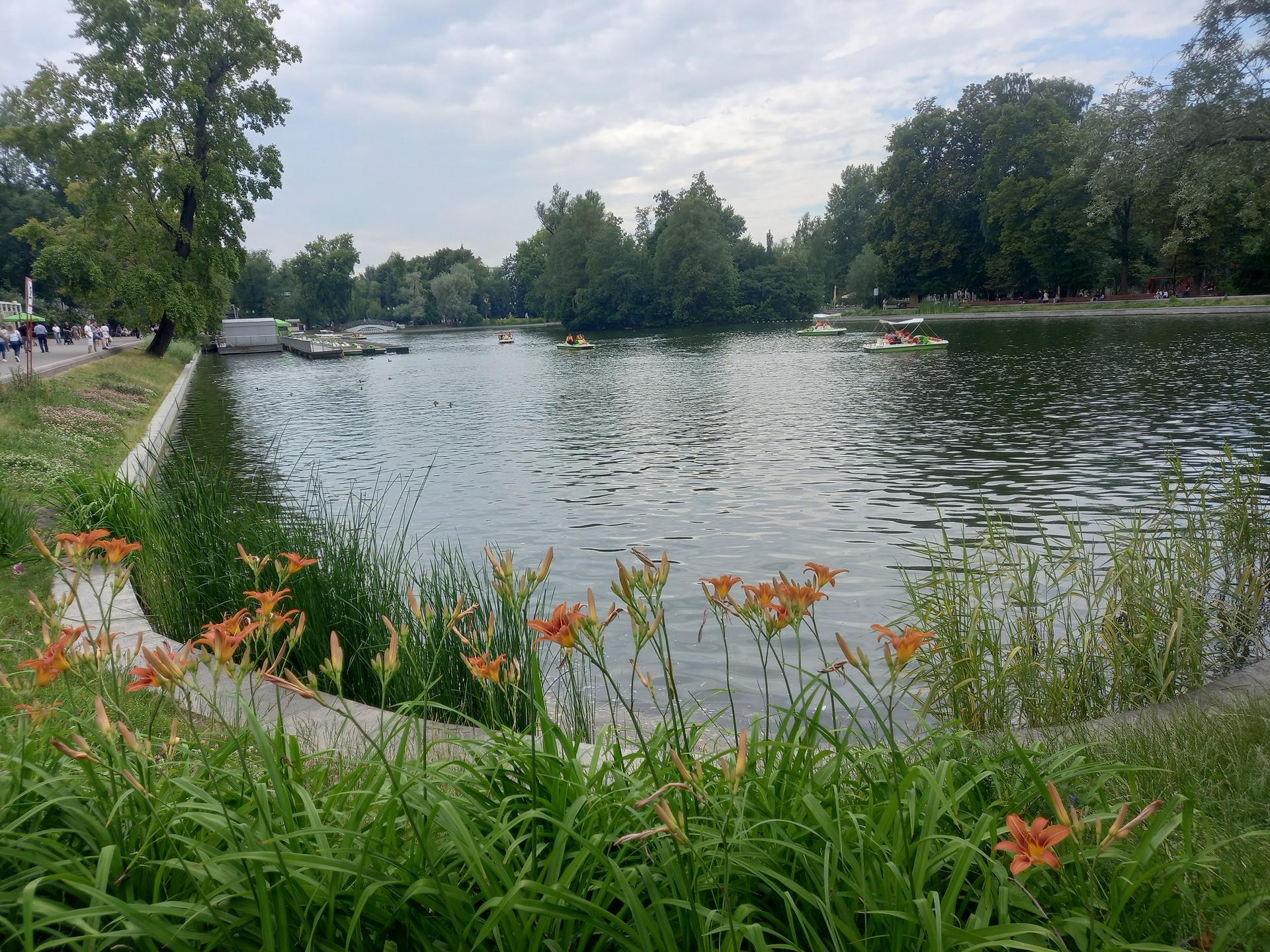
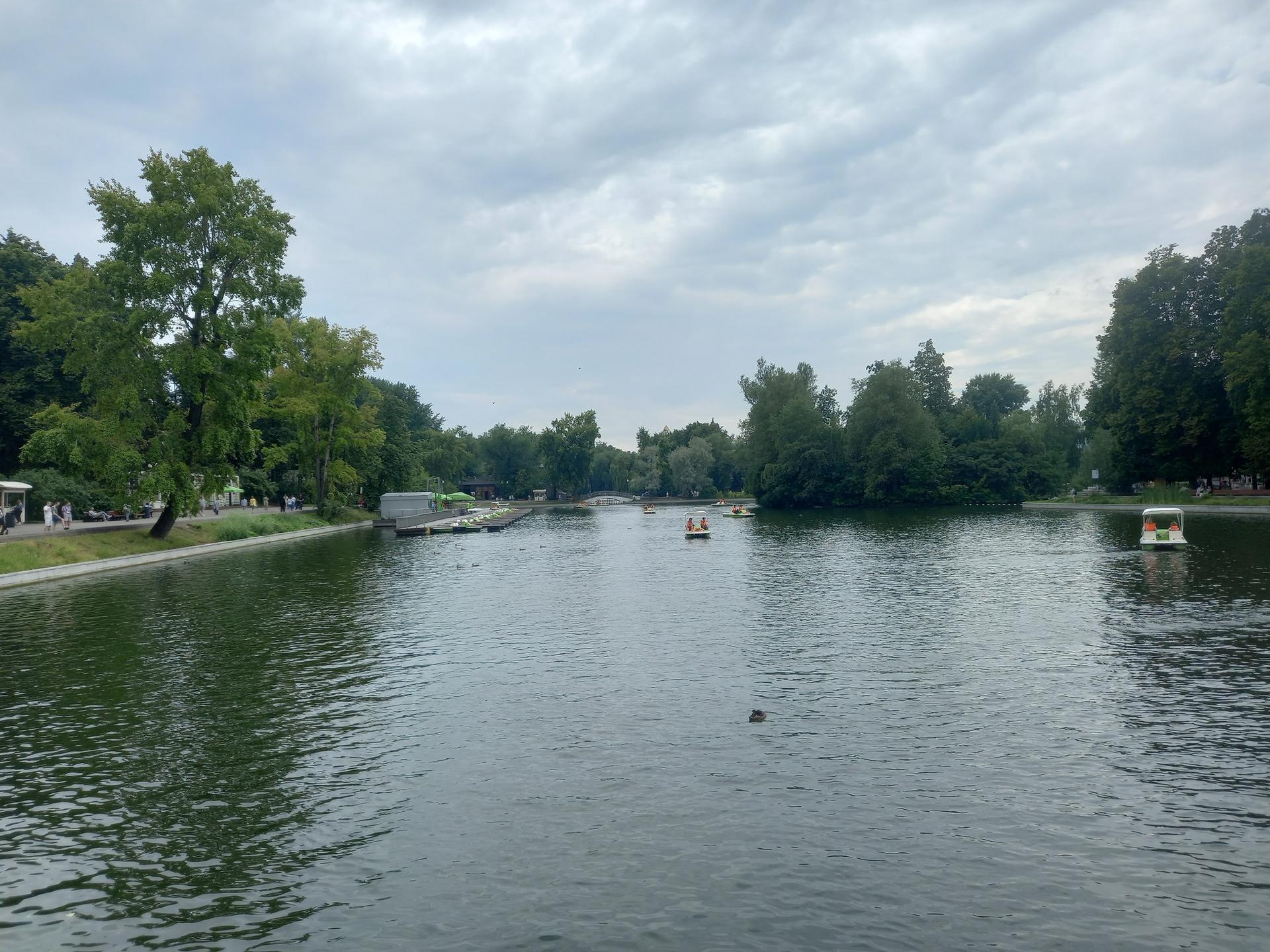
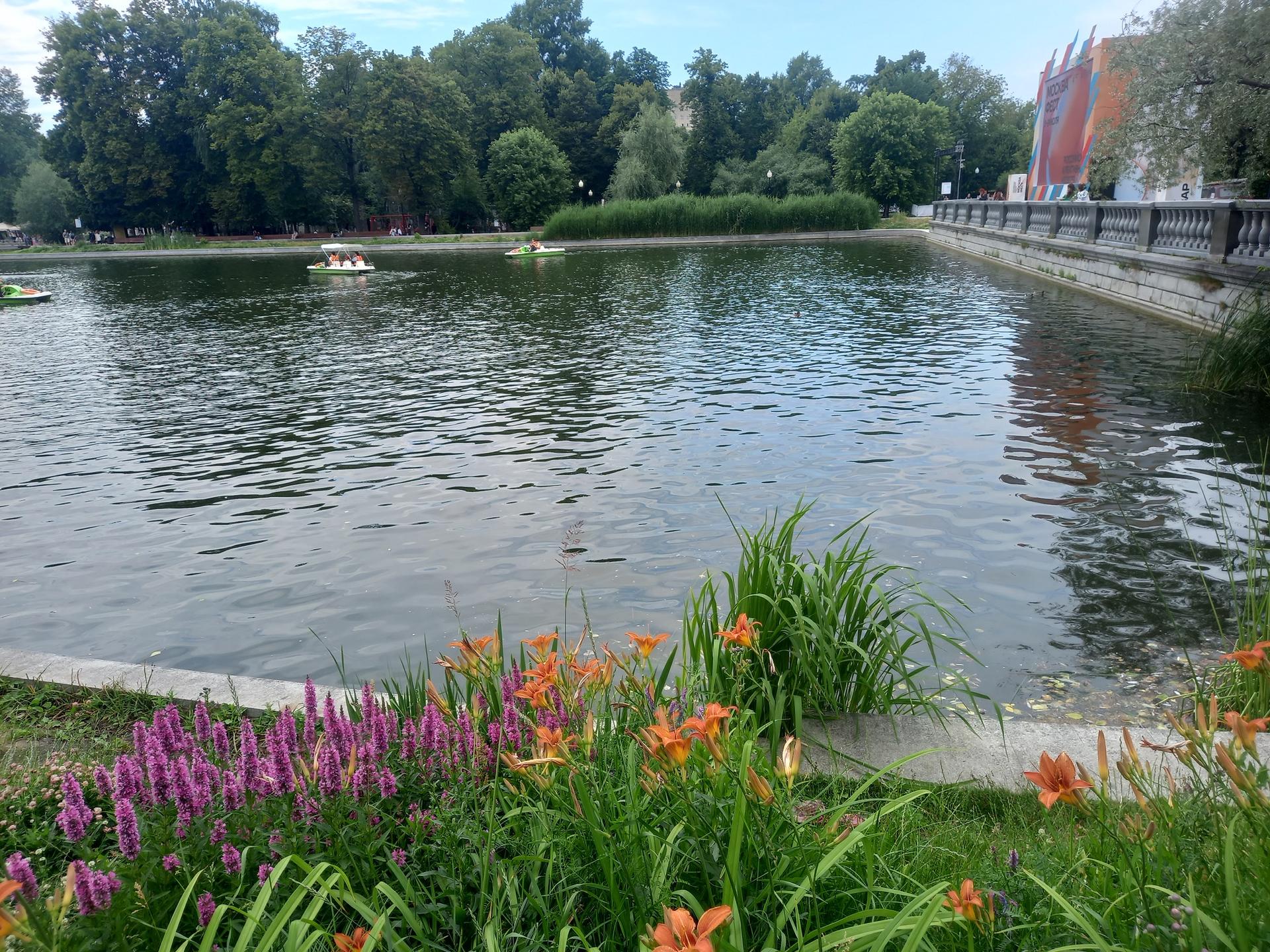
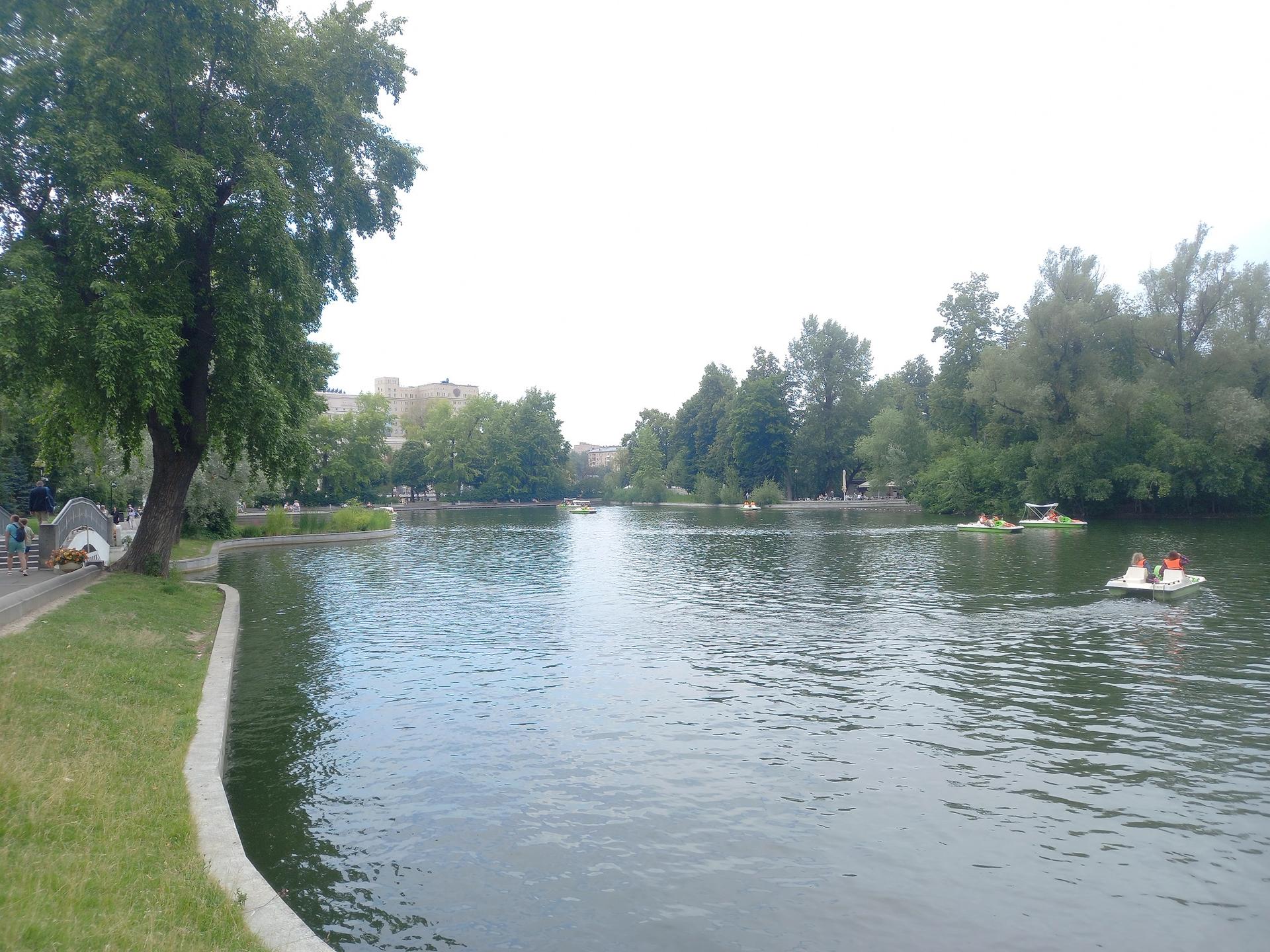
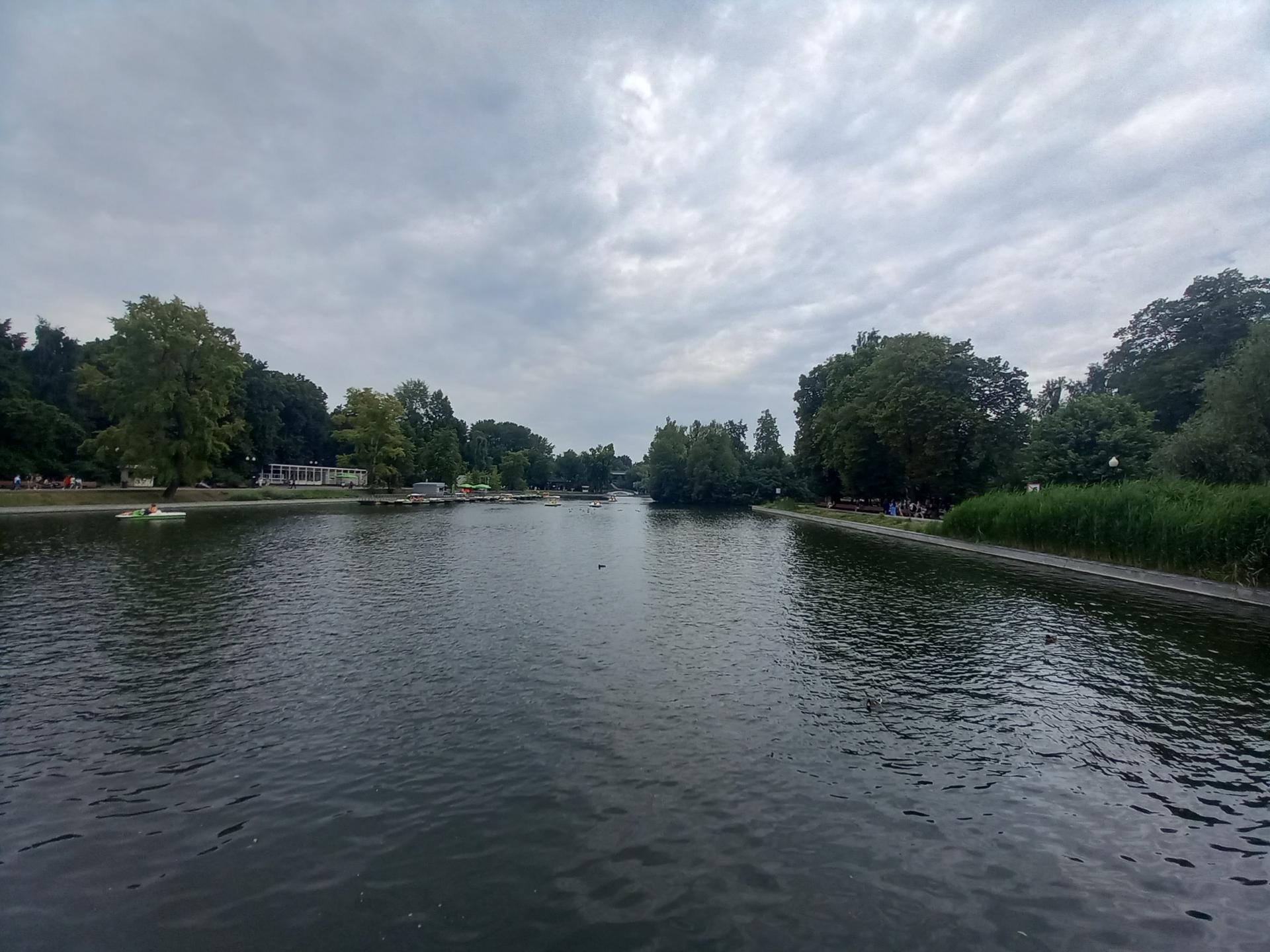
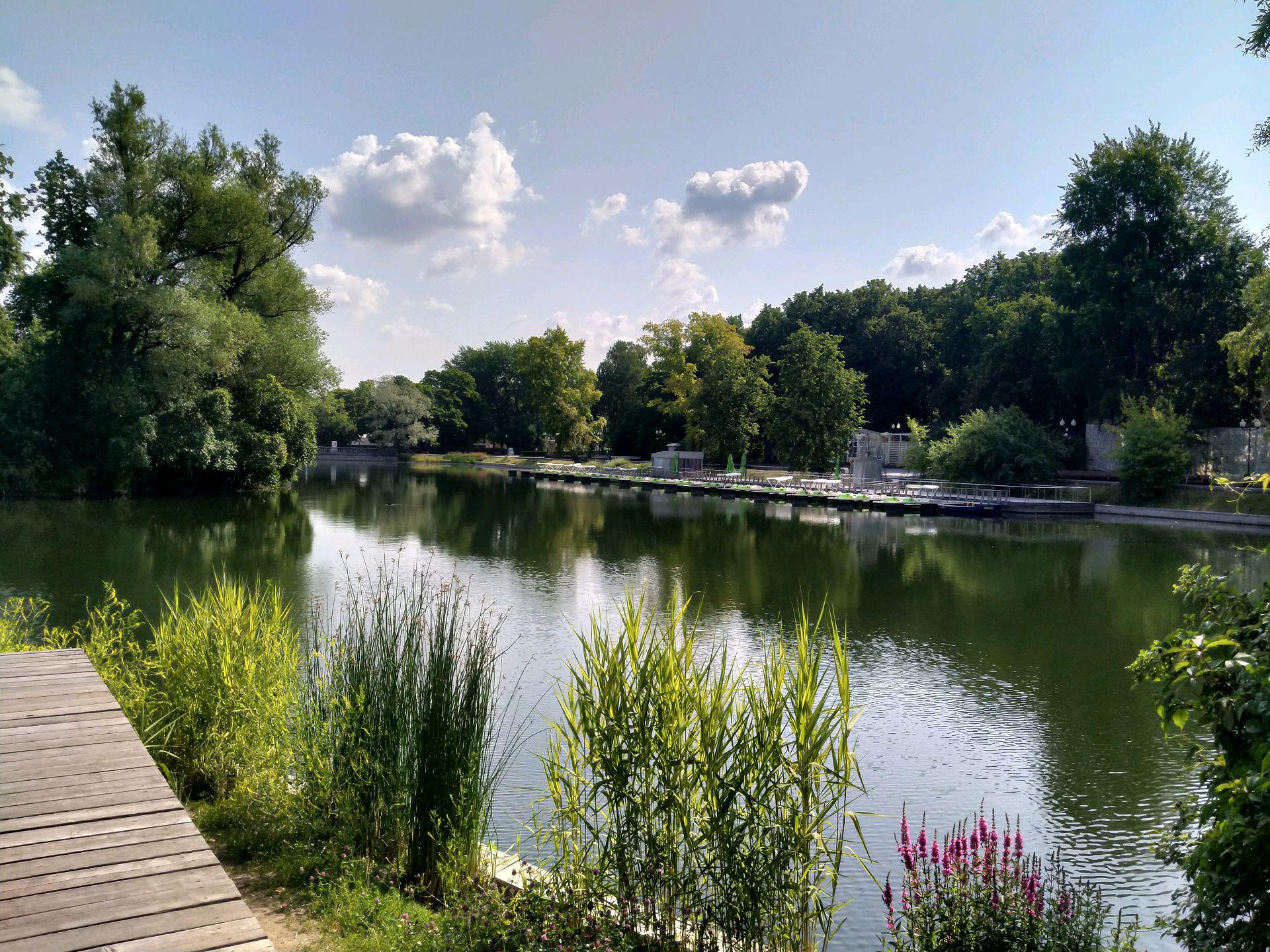
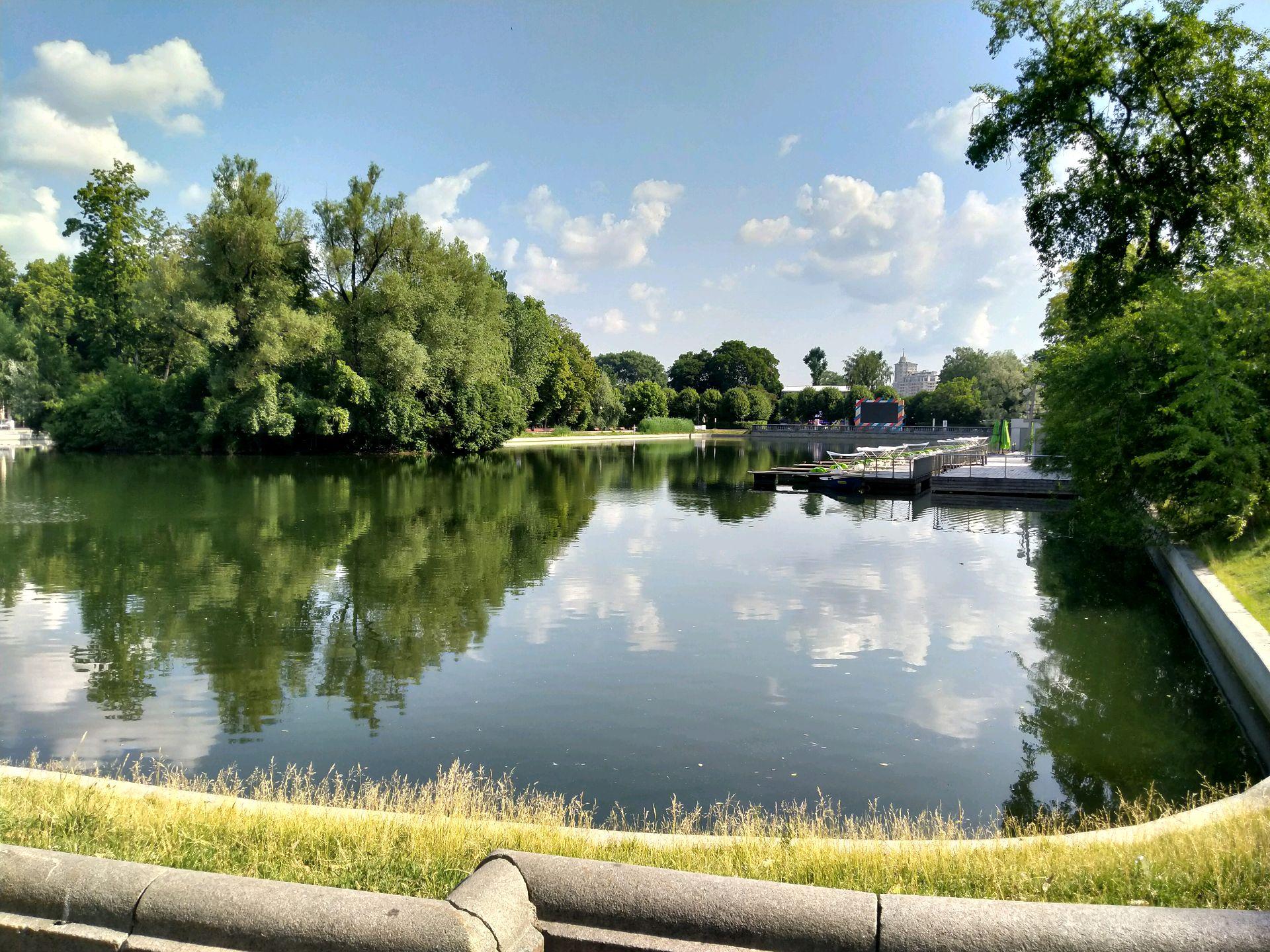
Сегодня Голицынский пруд является основной акваторией парка с прокатом водных велосипедов для посетителей и огромном количество разных видов уток и лебедей.
Автор статьи: ЦПКиО им. Горького
Отзывы
(1)
Поделитесь статьей с друзьями
Интересное рядом(15)
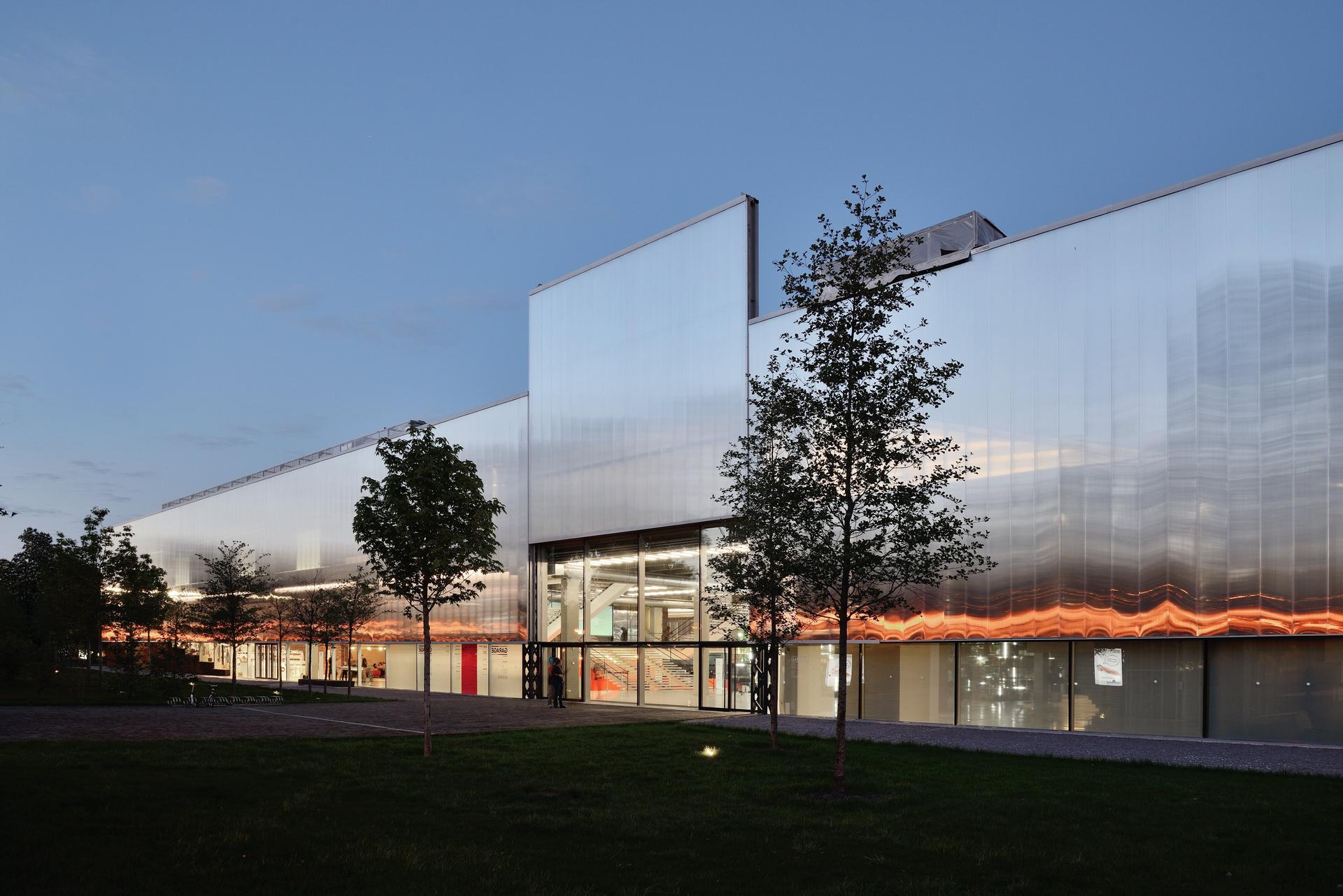
Garage Museum of Contemporary Art

Garage Museum of Contemporary Art is a place for people, art, and ideas to create history.

Founded in 2008 by Dasha Zhukova and Roman Abramovich, Garage is the first privately owned philanthropic organization in Russia to create a comprehensive public mandate for contemporary art and culture. 

One of the Museum’s key missions is the promotion of contemporary art as a space for public dialogue and reflection on the questions societies are facing today. As well as exhibitions by some of the most influential Russian and international artists working today (including Marina Abramović, Raymond Pettibon, Viktor Pivovarov, and Yayoi Kusama), Garage offers visitors a broad-ranging education program for children and adults, as well as film screenings, concerts, performances, and other events. 

Garage Guides run regular tours introducing visitors to the world of contemporary art. The Museum offers tours in Russian, English, and Russian Sign Language. They are happy to help translators adapt Museum tours to other languages. 

The entire history of the museum has been connected to architecture. Initially housed in the renowned Bakhmetevsky Bus Garage in Moscow, designed by the Constructivist architect Konstantin Melnikov (hence the museum’s name), in 2012 Garage relocated to the very center of the city and opened a temporary pavilion in Gorky Park, commissioned from Japanese architect Shigeru Ban. In June 2015, the museum welcomed visitors to its first permanent home: the 1960s building that once housed the popular Soviet restaurant Vremena Goda (Seasons of the Year) was masterfully restored by architect Rem Koolhaas and his OMA studio and became one of Moscow’s newest landmarks. One of the many historical elements preserved during the restoration is the mosaic in Garage Atrium that features an image of a girl surrounded by autumn leaves. Every spring and autumn, Garage Atrium hosts a new art project commissioned for the space, which is free to visit. To date Garage Atrium Commissions have been made by Erik Bulatov, Rashid Johnson, Yin Xiuzhen, and Irina Korina. 

Garage Bookshop is open daily and offers a great selection of books, magazines, and souvenirs produced in Moscow, including some made in collaboration with artists. In our comfortable café with a summer terrace and original cuisine you can even order breakfast at any time of day. 

At the center of Garage’s exhibition, publishing, and research projects is the museum’s collection—the world’s largest archive on the history of Russian contemporary art from the 1950s to the present. Garage Archive Collection is open to Russian and international researchers, and currently holds over 400,000 documents. Garage is also home to the first Russian public library on contemporary art, which is located in Garage Education Center and is open to all. 

The Museum’s Inclusive Programs Department, the first of its kind in Russia, adapts Garage exhibition and education programs for visitors with disabilities. It runs regular tours and special events for deaf and hard of hearing, blind and partially sighted visitors, and visitors with developmental disabilities. All Garage buildings are equipped with ramps for wheelchair users. 

Whatever you are looking for, we have something to offer: exhibitions, lectures, meetings with experts, open-air film screenings, cocktails, festivals, concerts, performances, discussions, park walks, and more. 

See you at Garage!


The cost of tickets: 0 - 300 rubles

More information about the cost of the visit you can find here: https://garagemca.org/en/visit


9 Krymsky Val, Building 32, Gorky Park, Moscow, Russia, 119049
ул. Крымский Вал, 9
Oktyabrskaya, Октябрьская (радиальная)
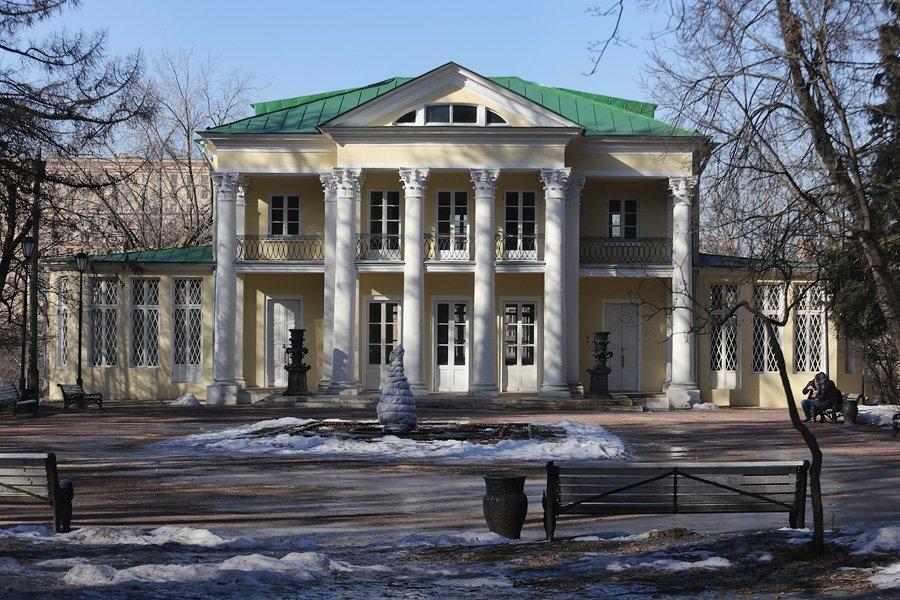
Graf Orlov’s summer housesThe Royal family used the house for open air tea parties during its stay in Moscow.
Shabolovskaya, Ploshad Gagarina, Oktyabrskaya, Октябрьская (радиальная)
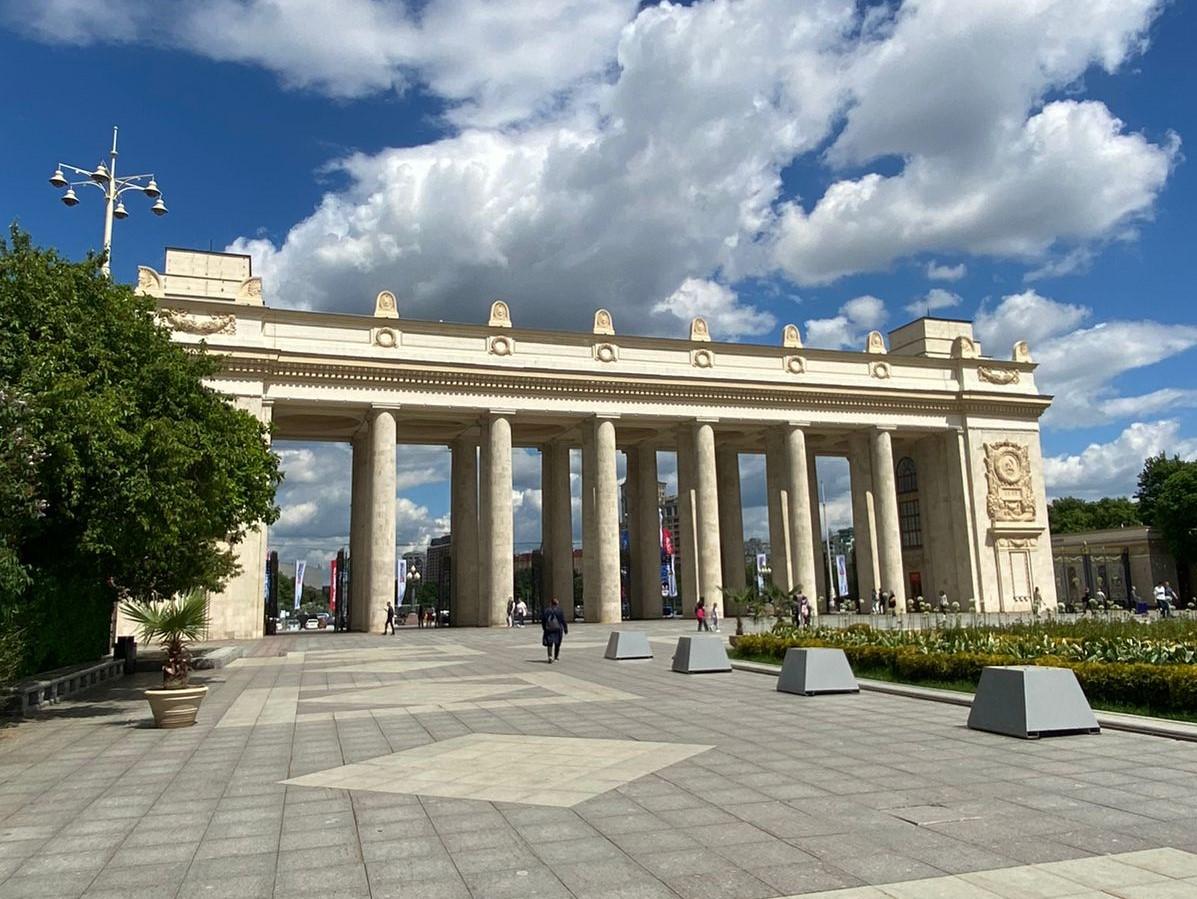
Парк Горького
г. Москва, ул. Крымский Вал, д. 9 (Парк Горького)
Пушкинская набережная (Парк Горького)
Shabolovskaya, Oktyabrskaya, Октябрьская (радиальная)