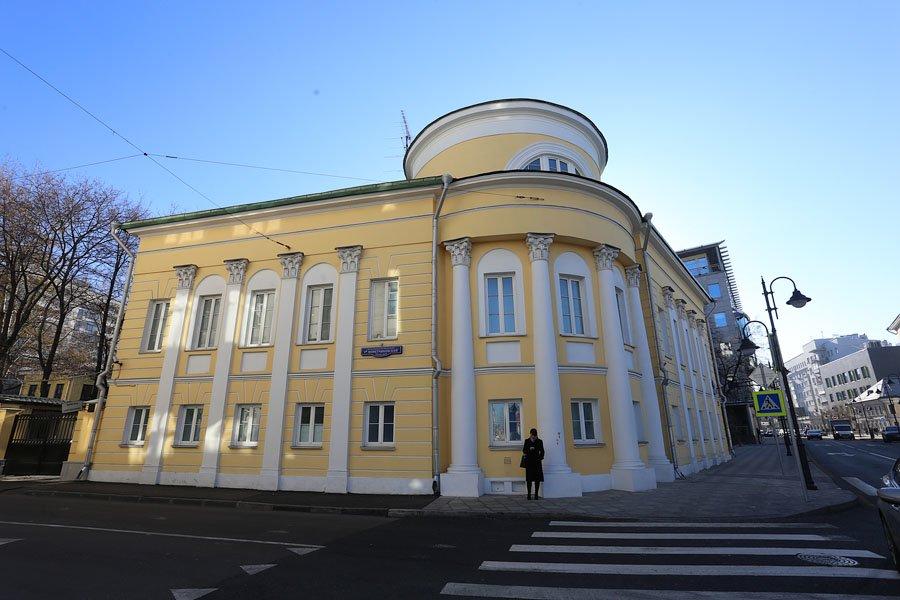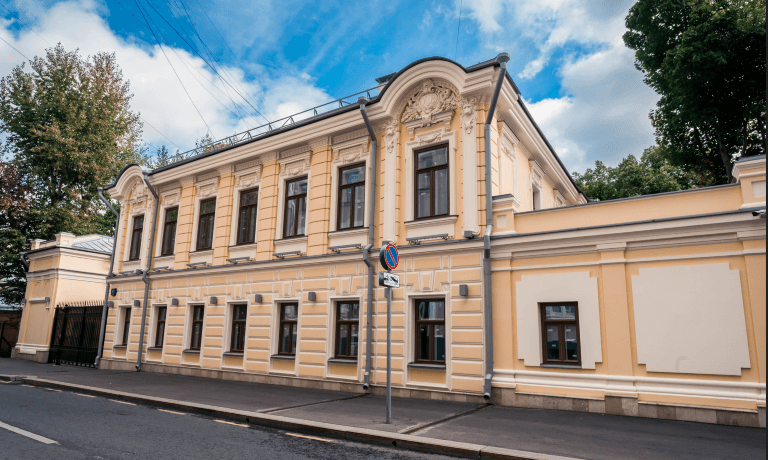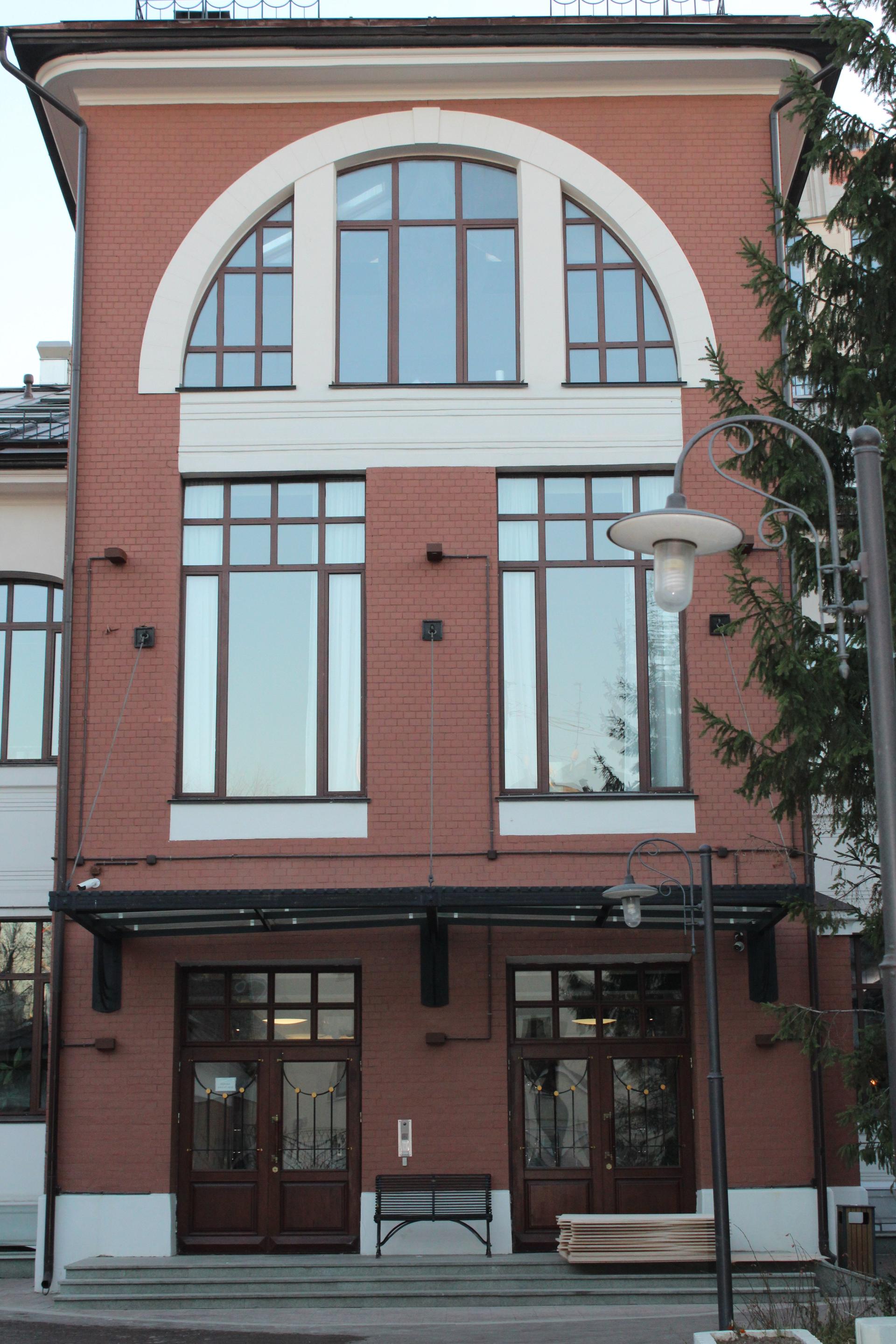
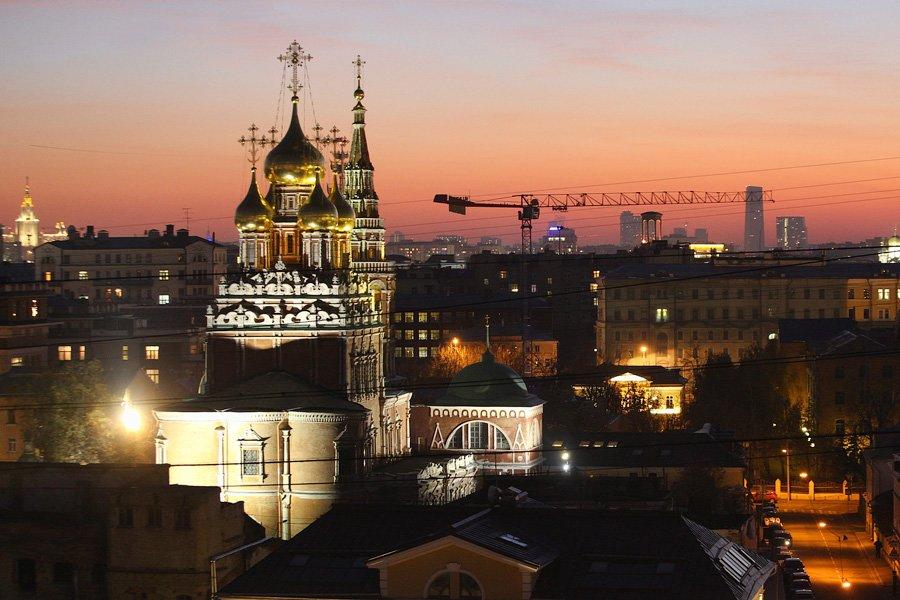
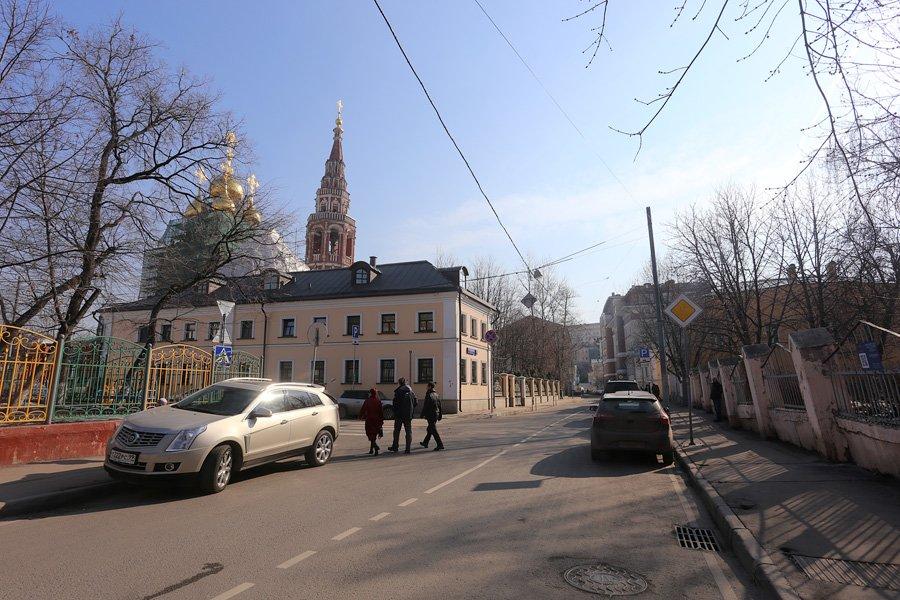
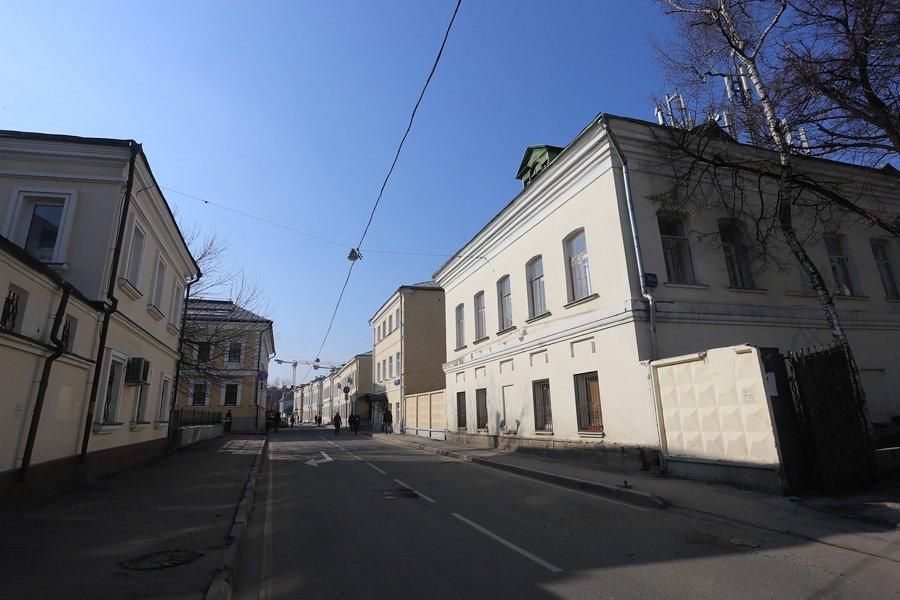
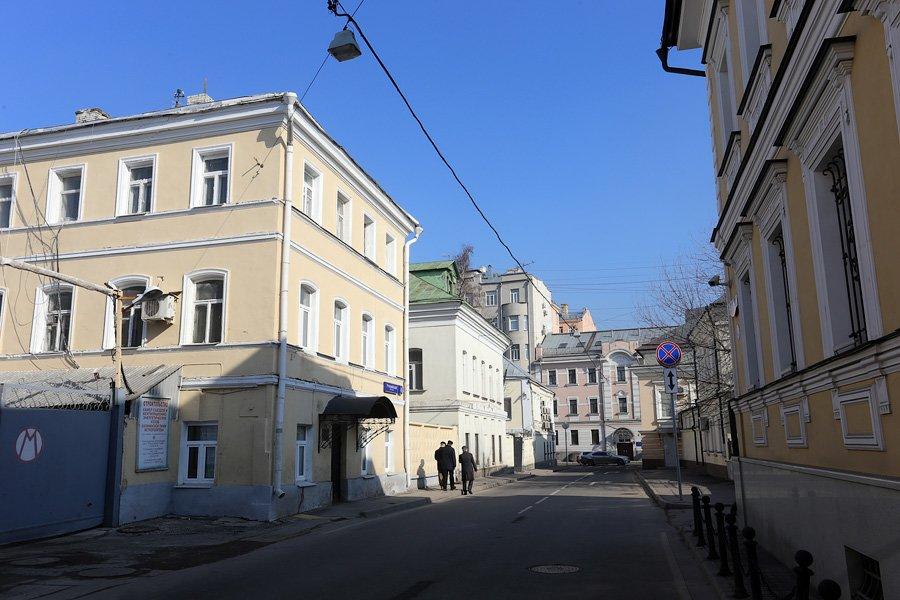
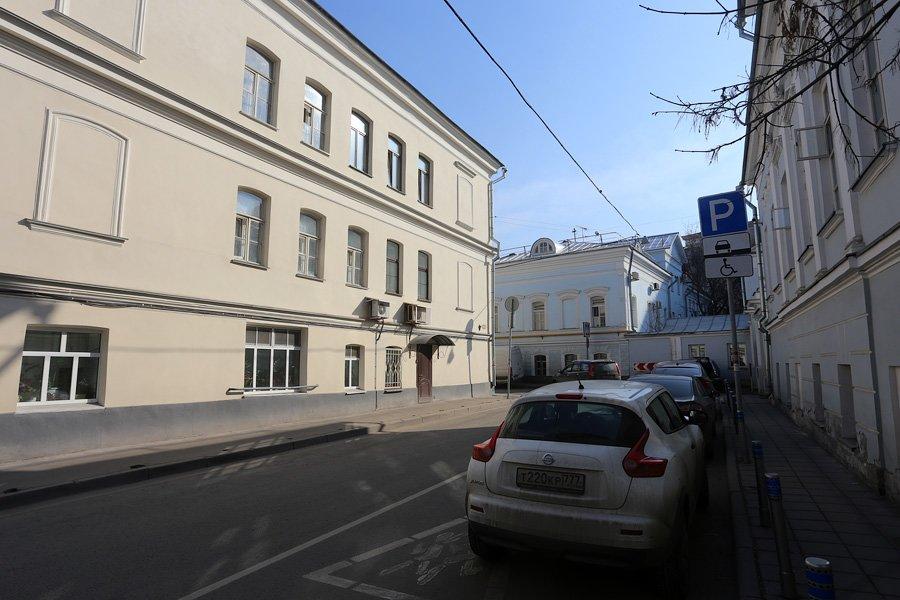
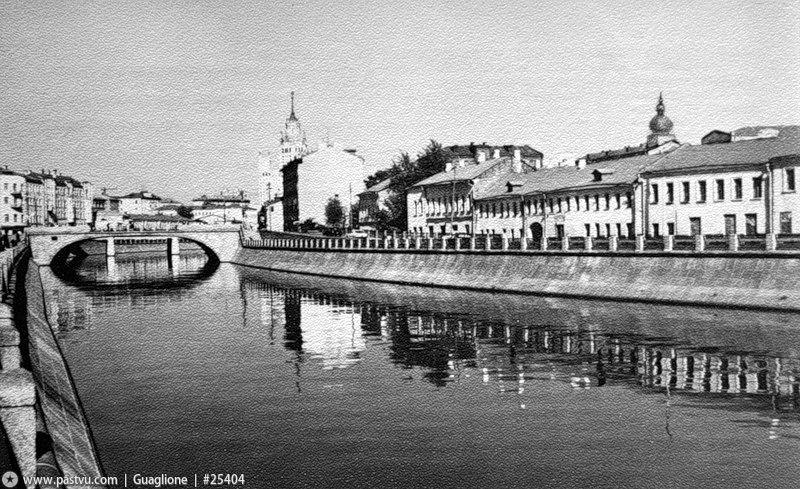
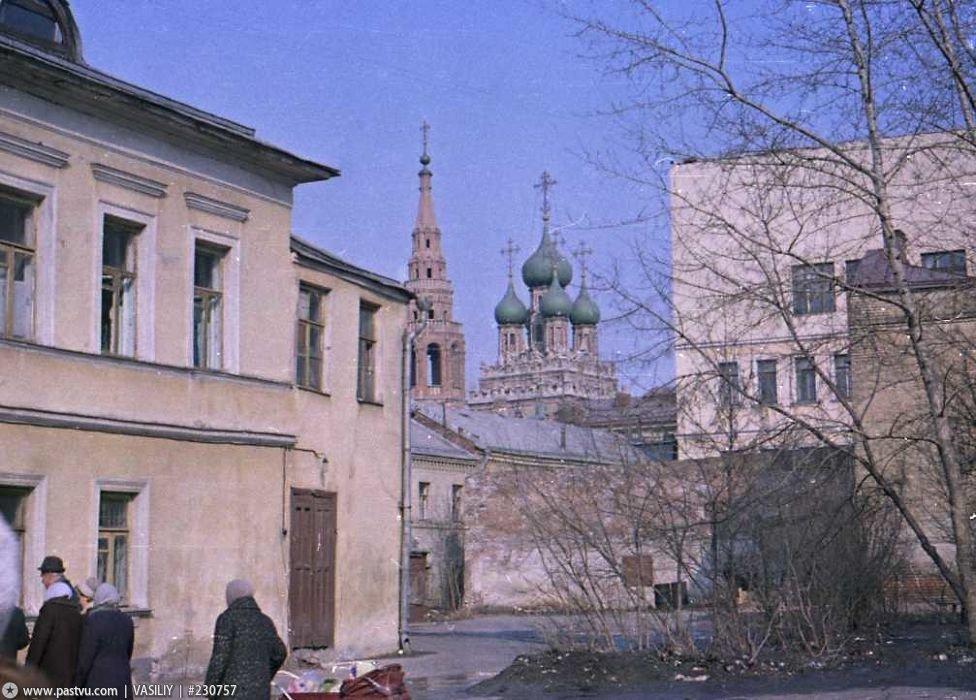
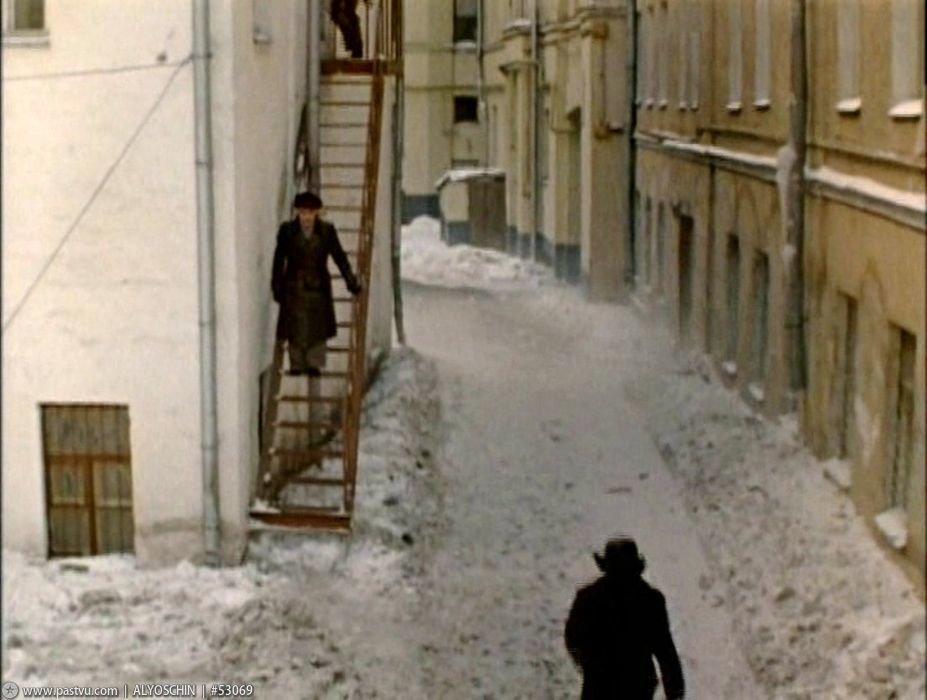
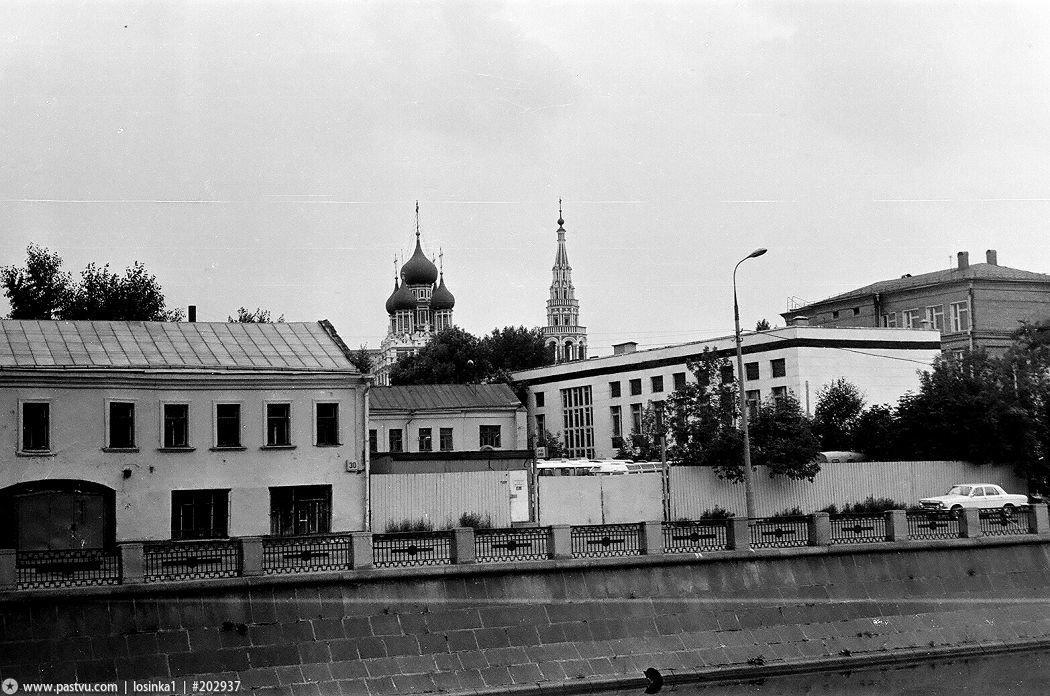
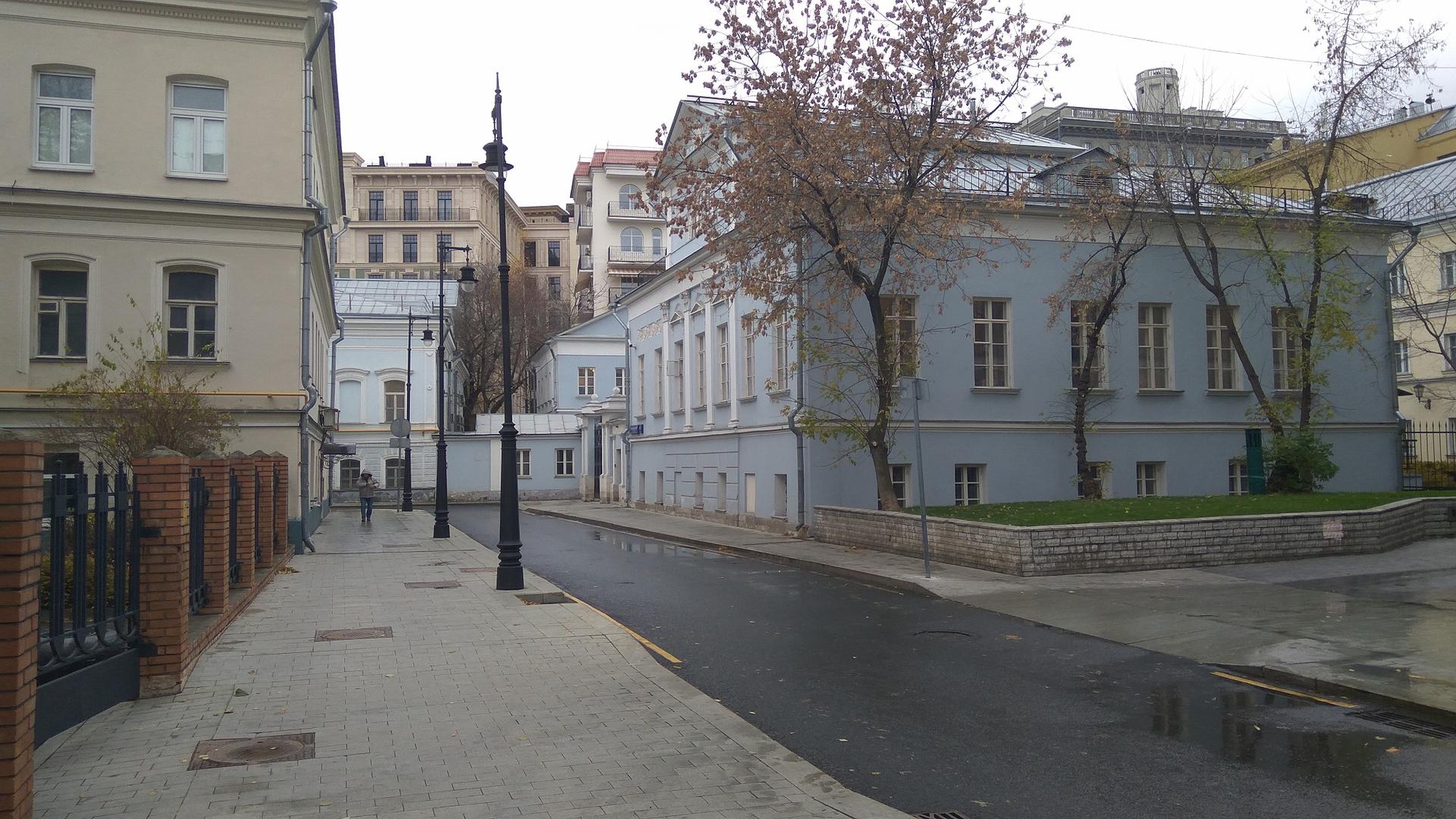
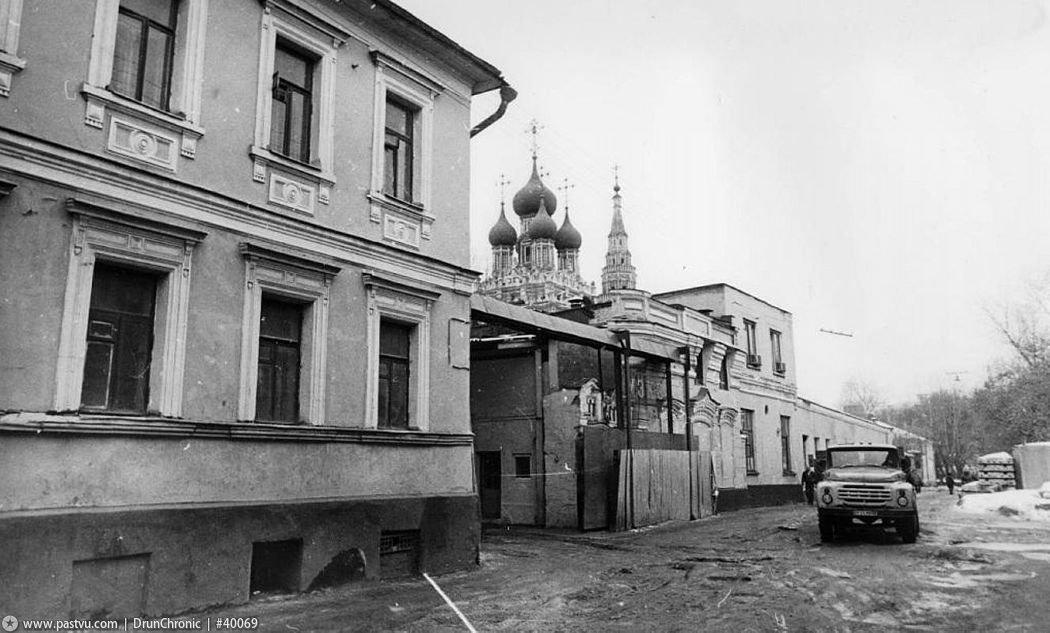
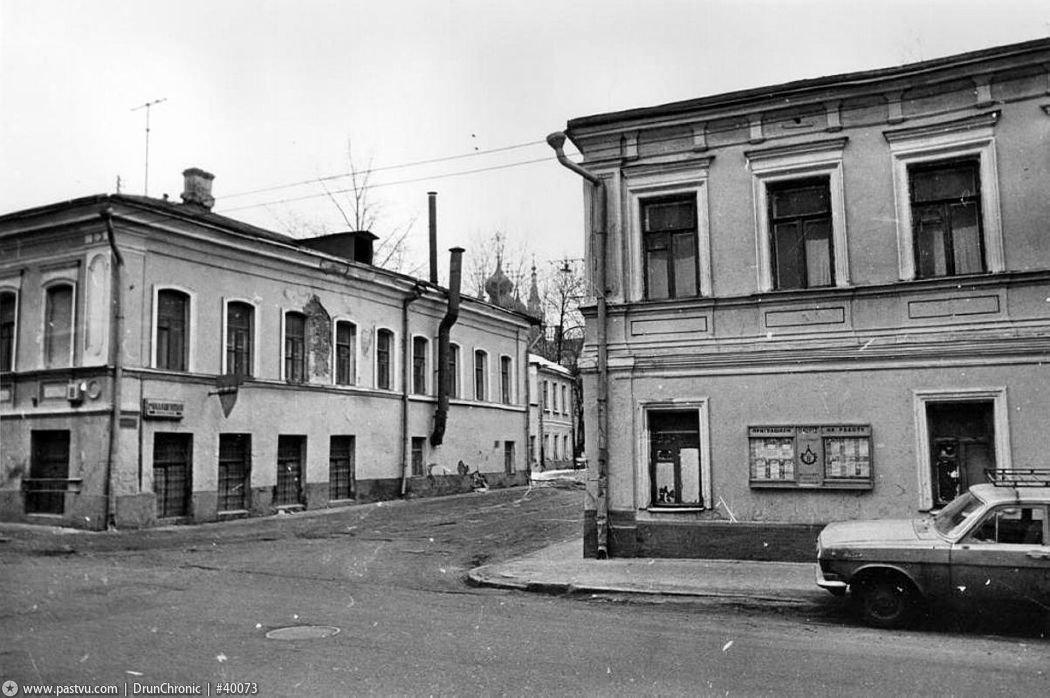
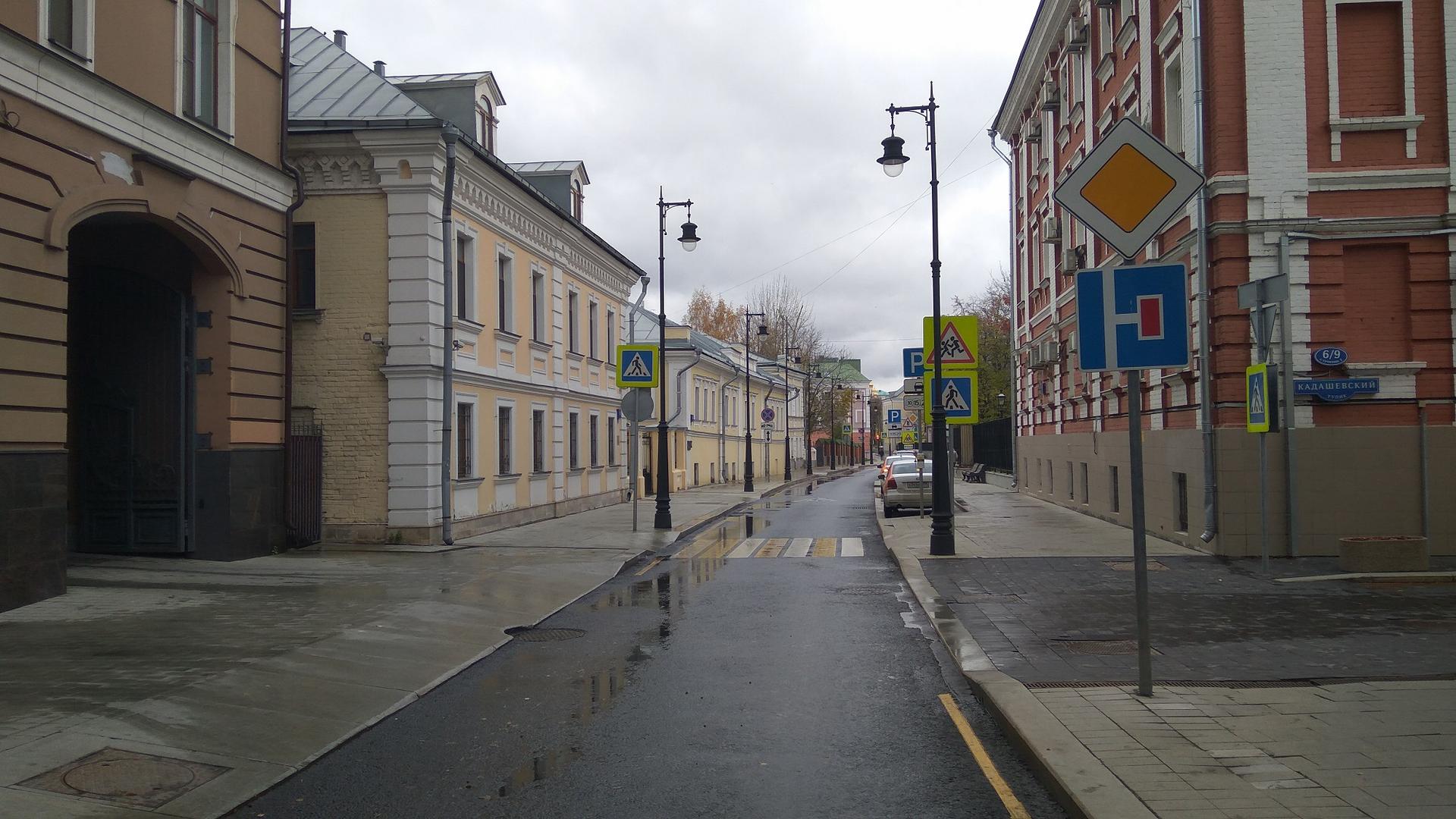
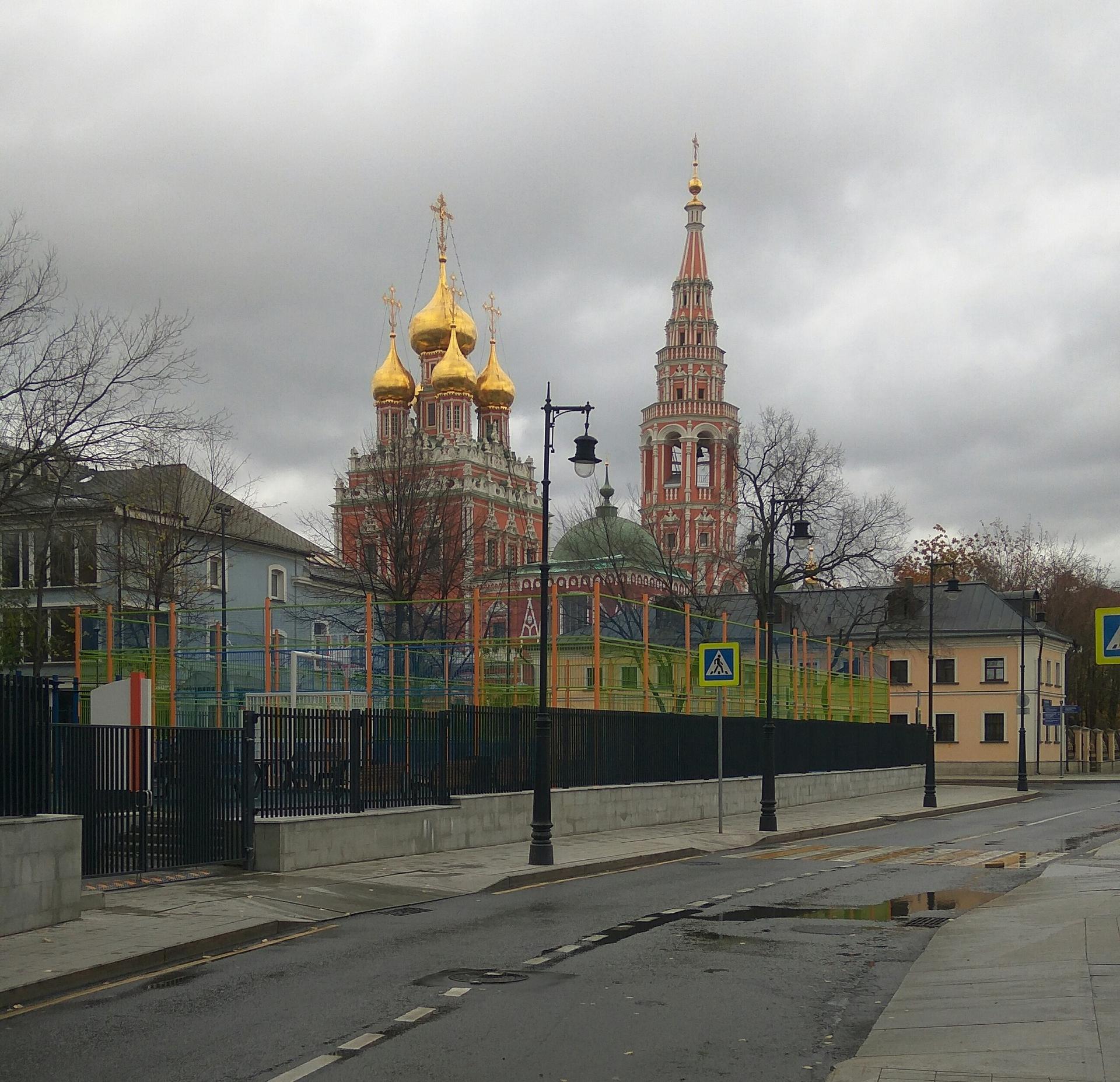
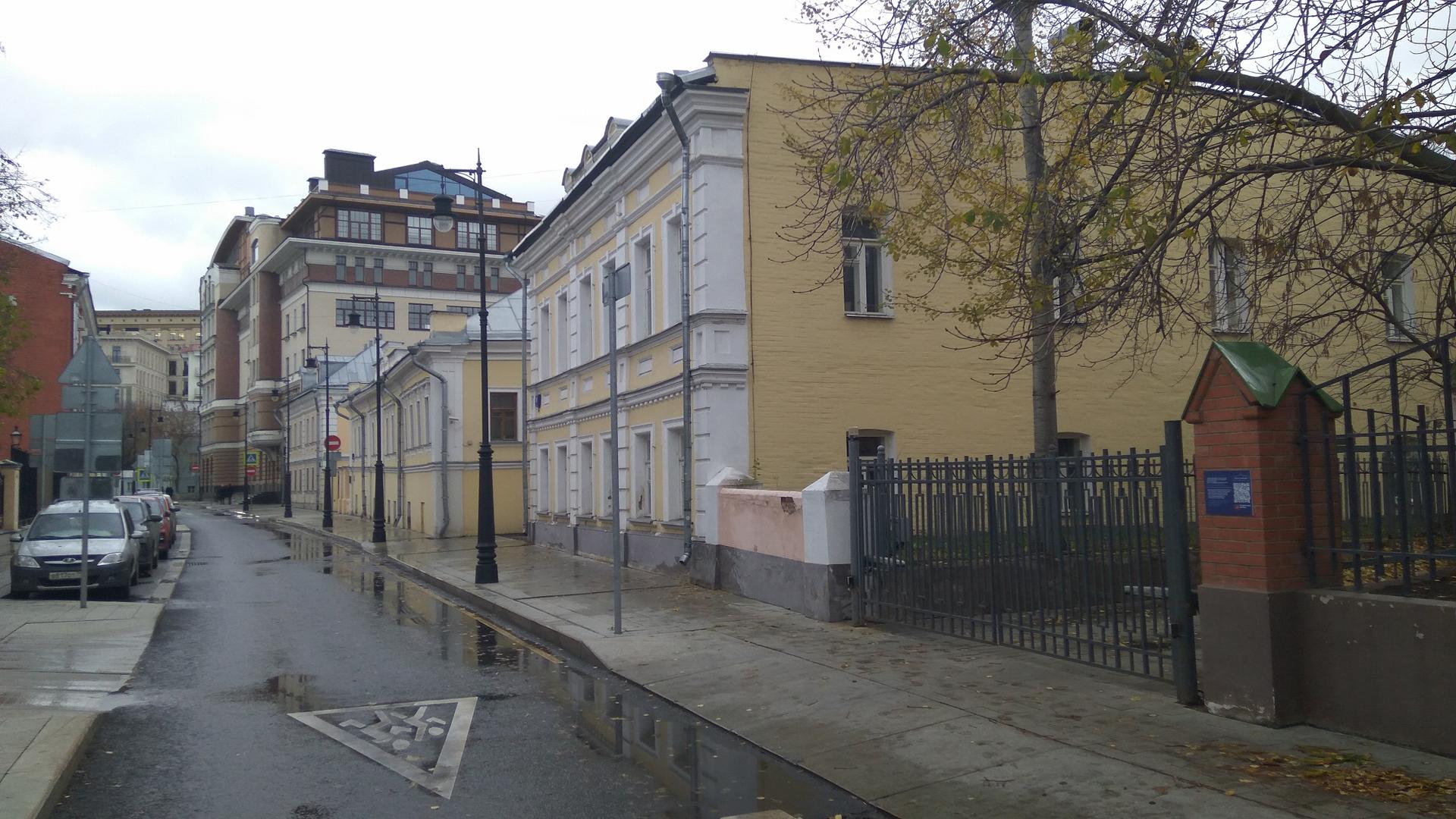
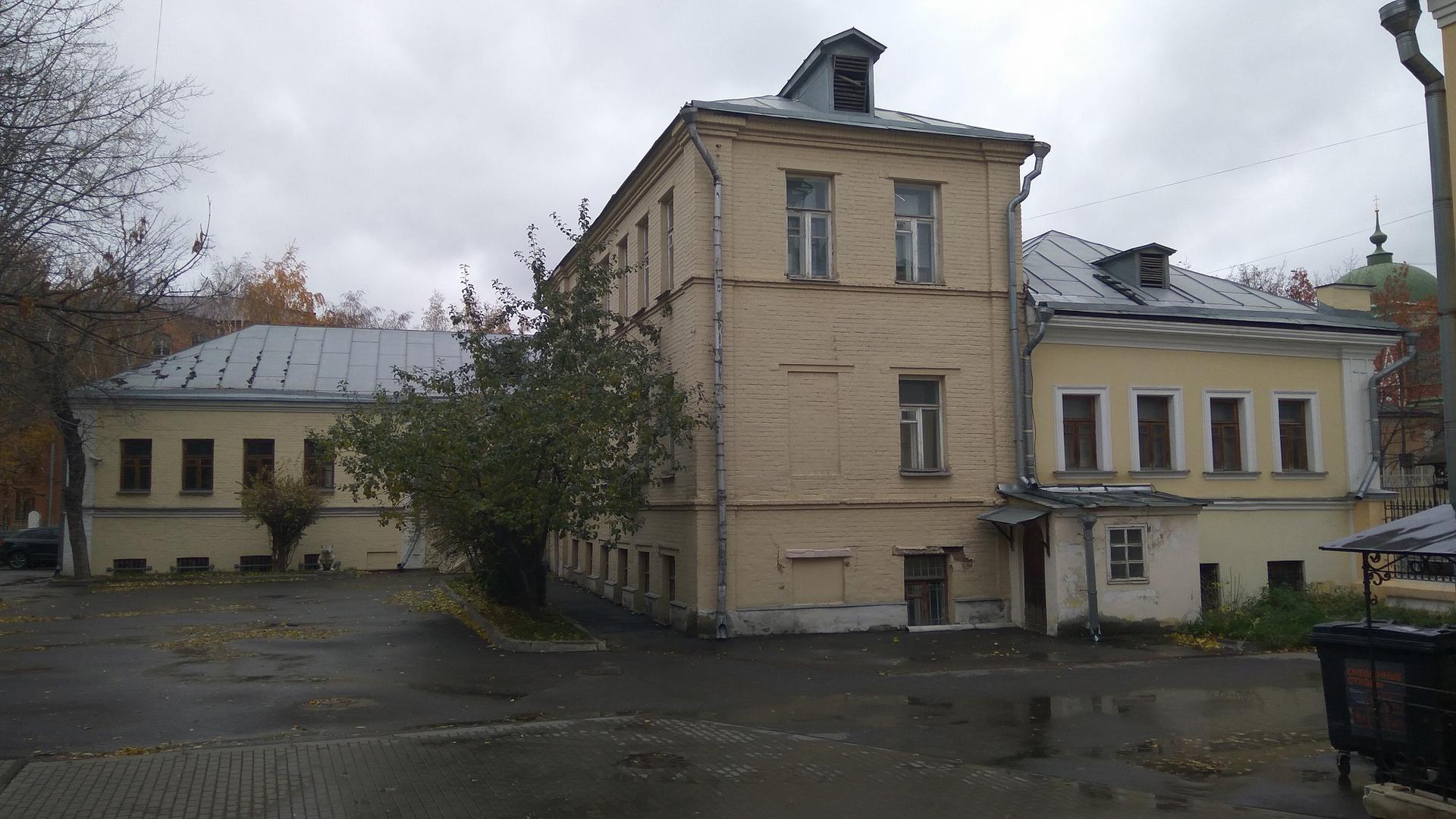
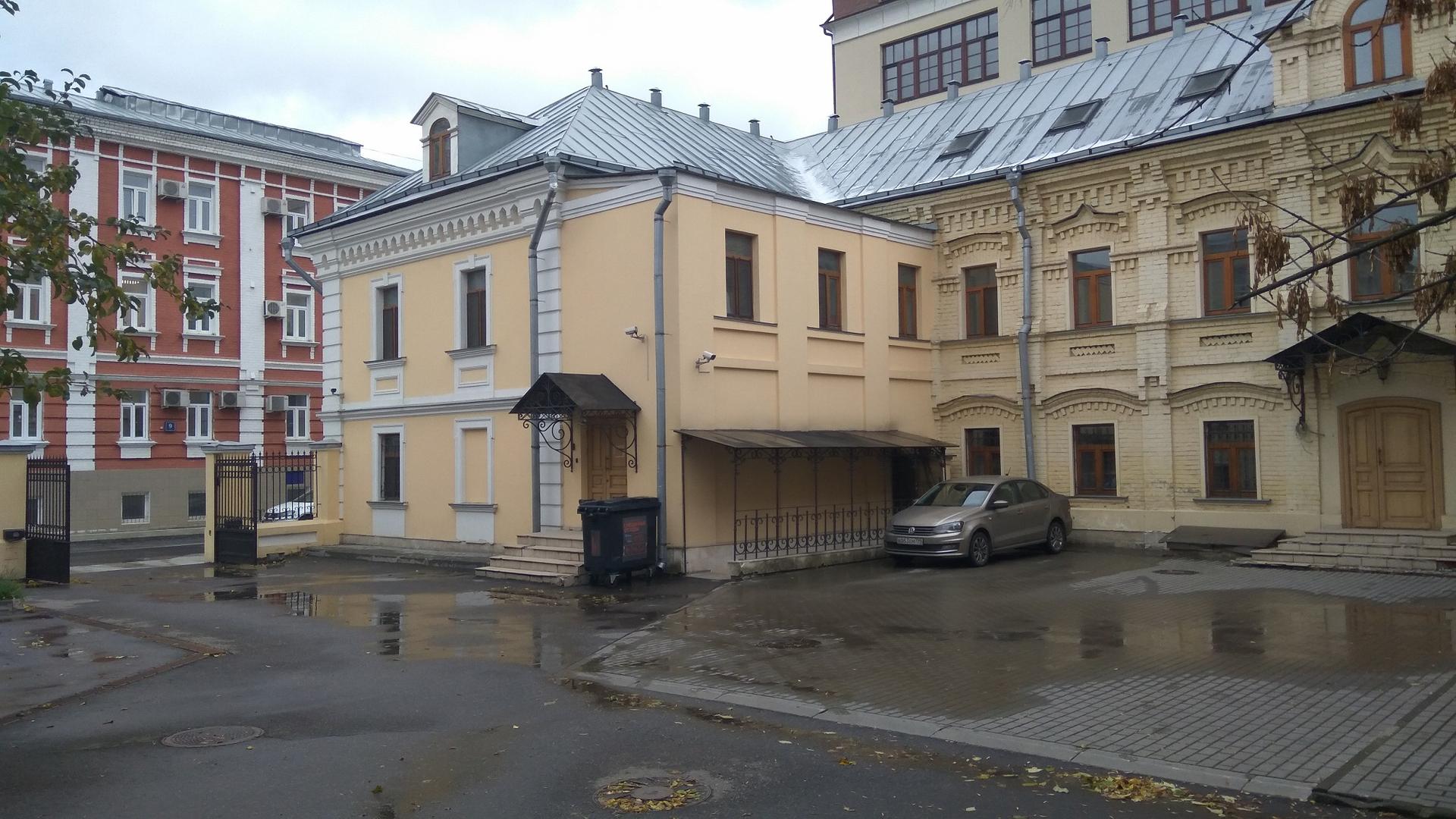
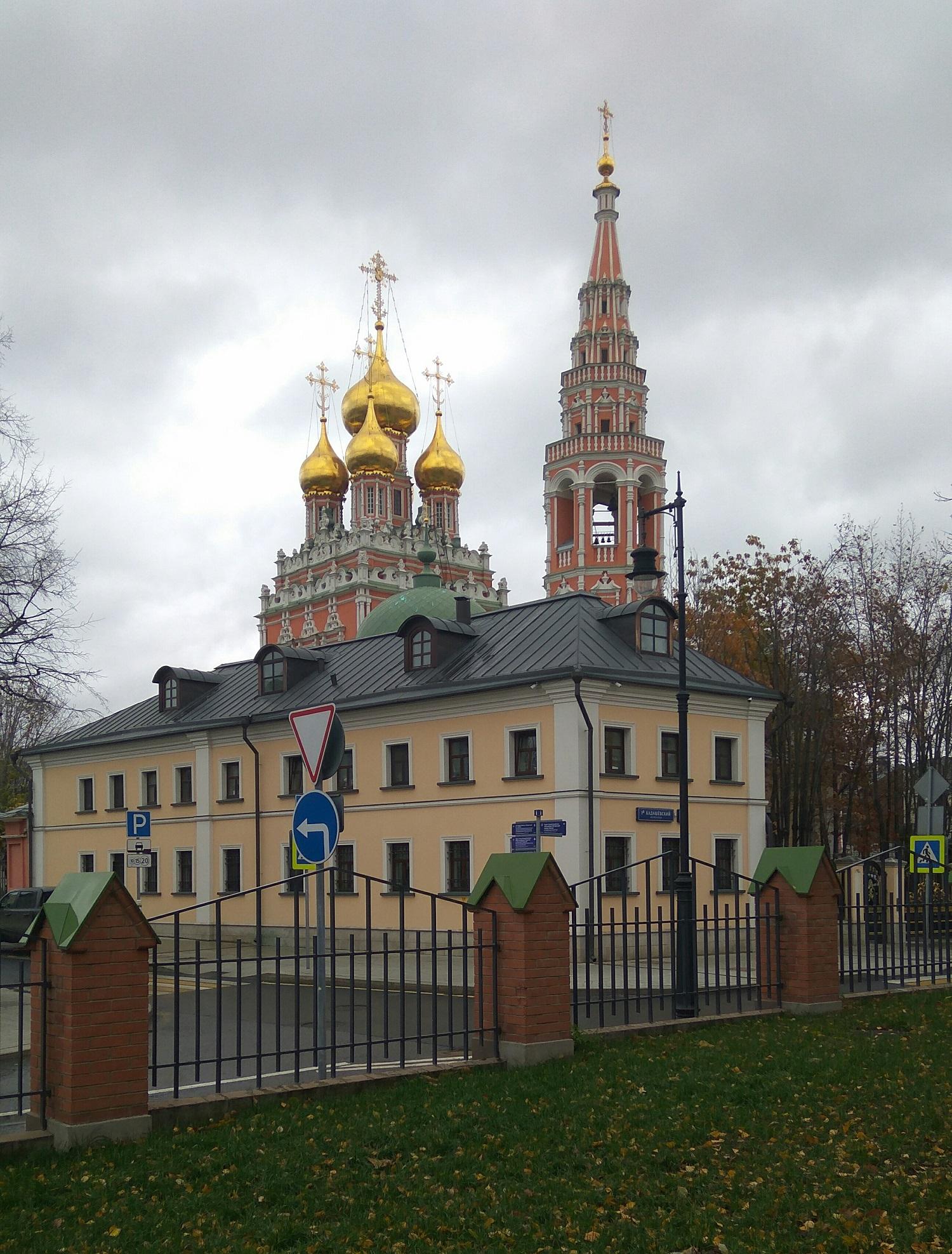
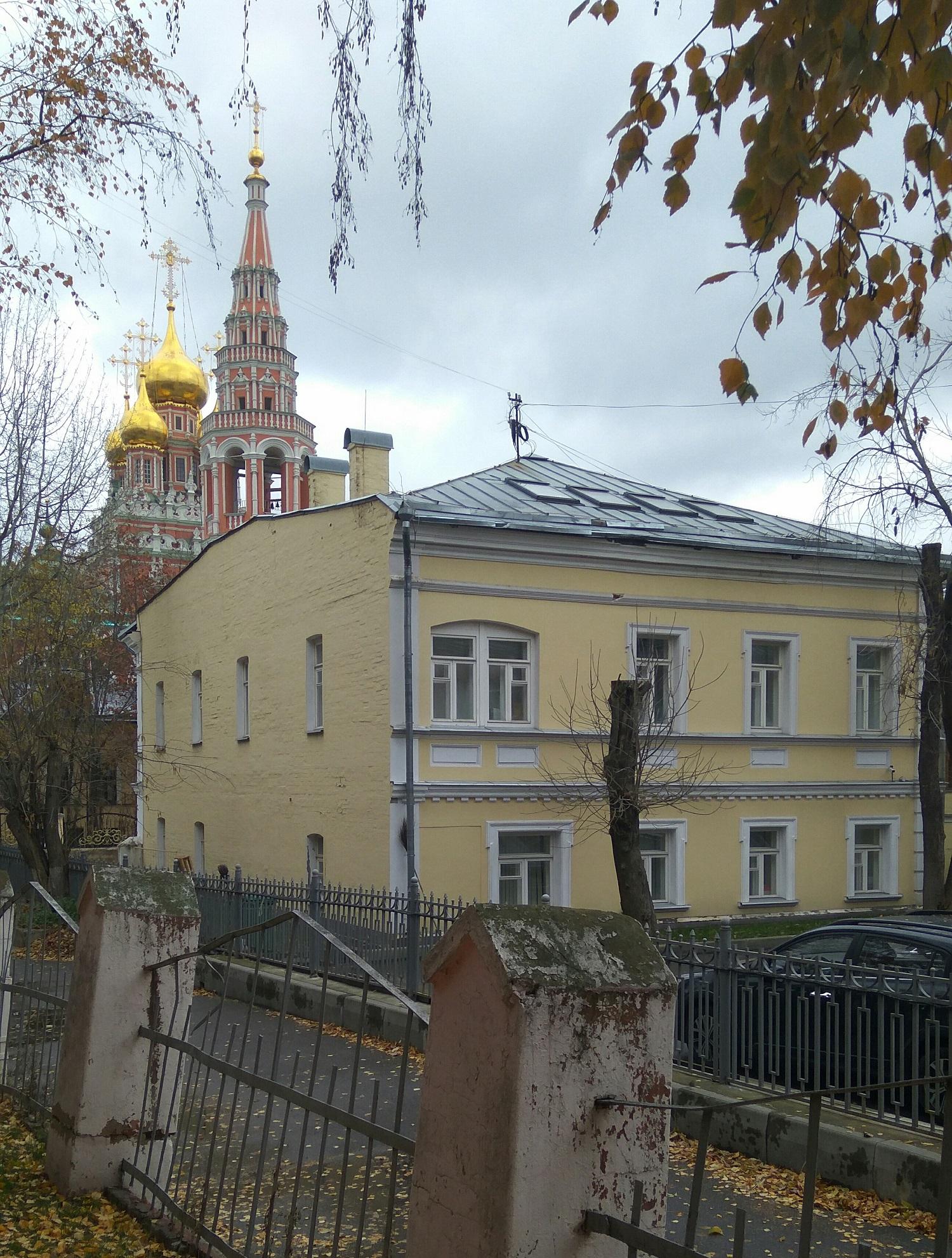
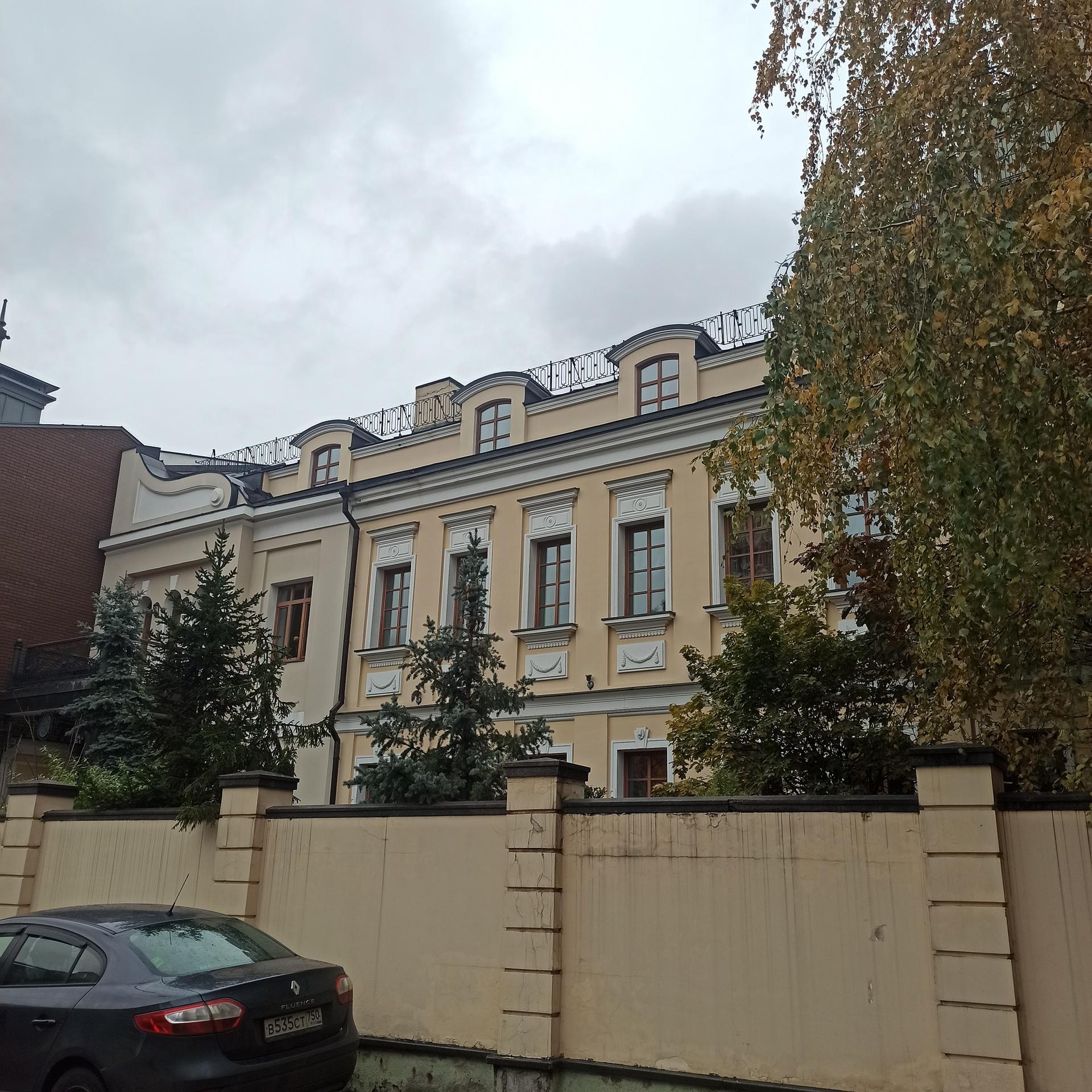
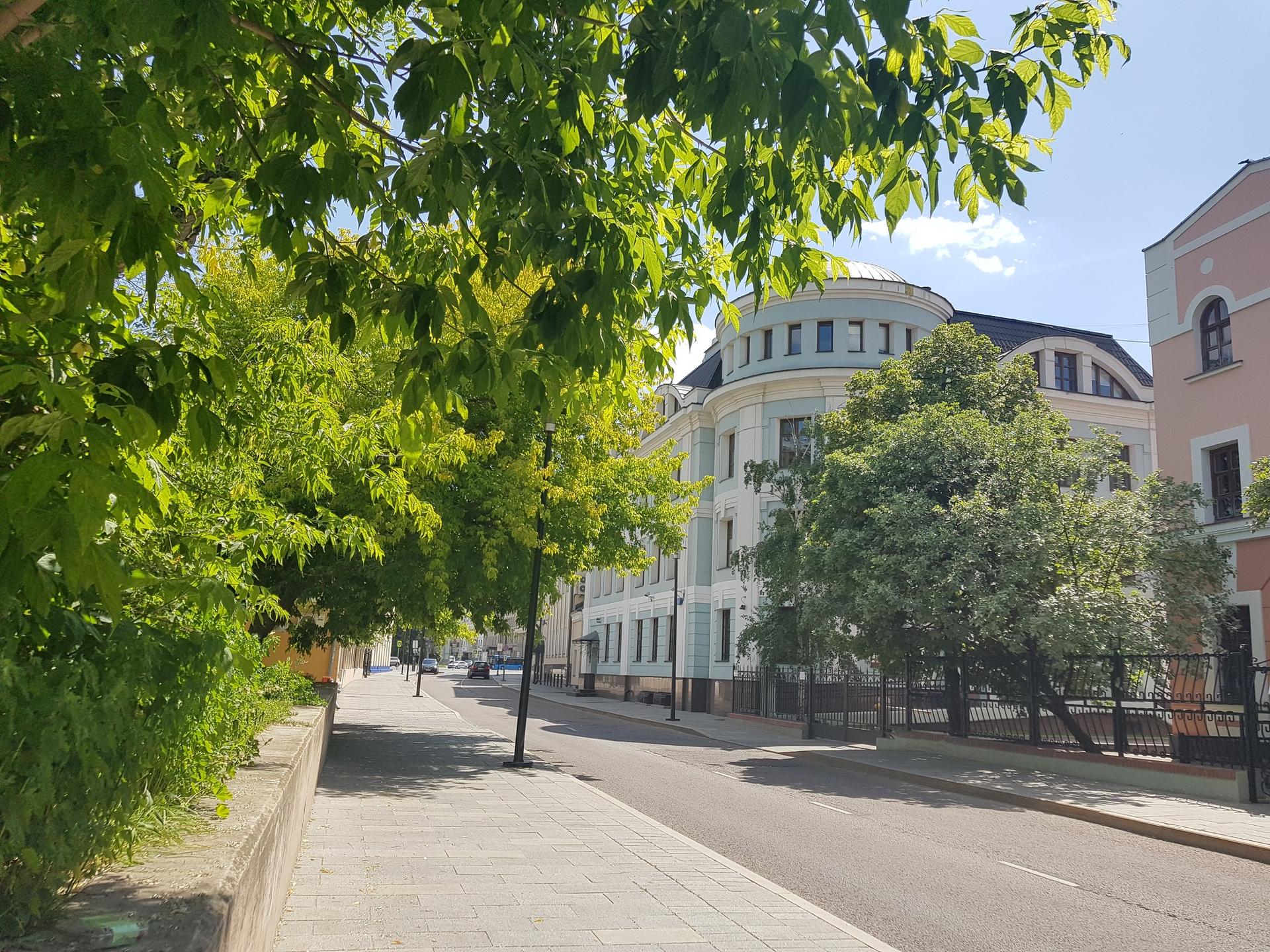
Кадашевская слобода находится на низком берегу Москвы-реки, ее название топонимически восходит к кадашам – мастерам, изготовлявшим кадушки и бочки. Впервые местность упомянута в духовной грамоте Ивана III как село Кадашево, а расцвет слободы приходится на время правления первых царей династии Романовых.
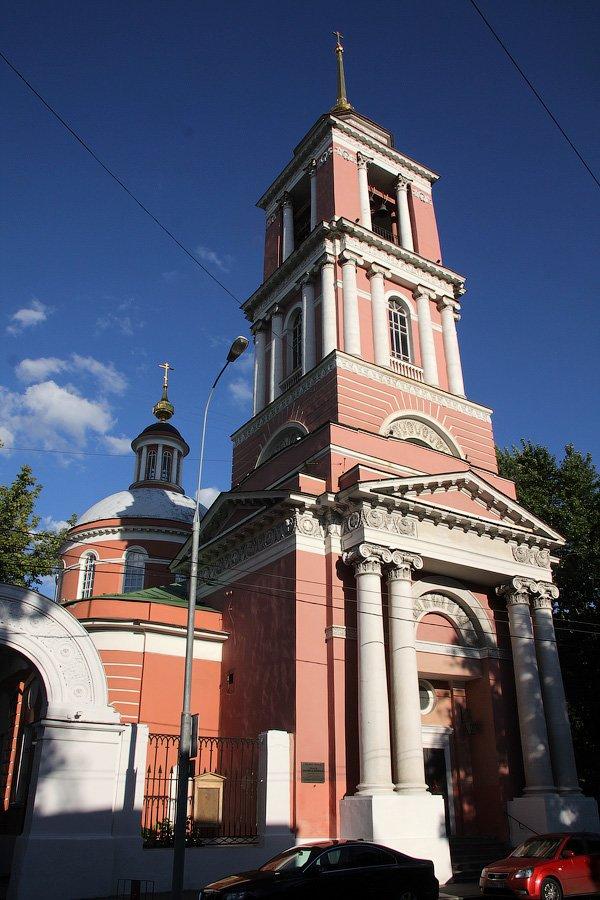
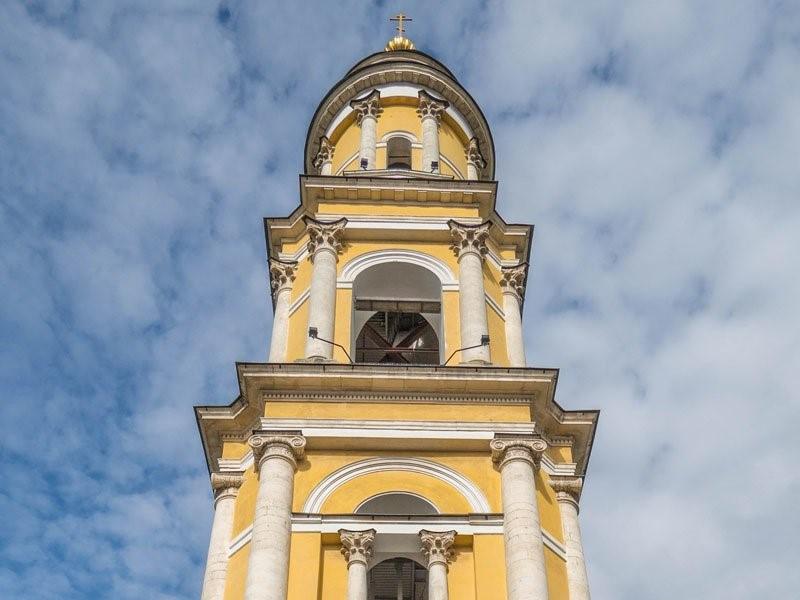
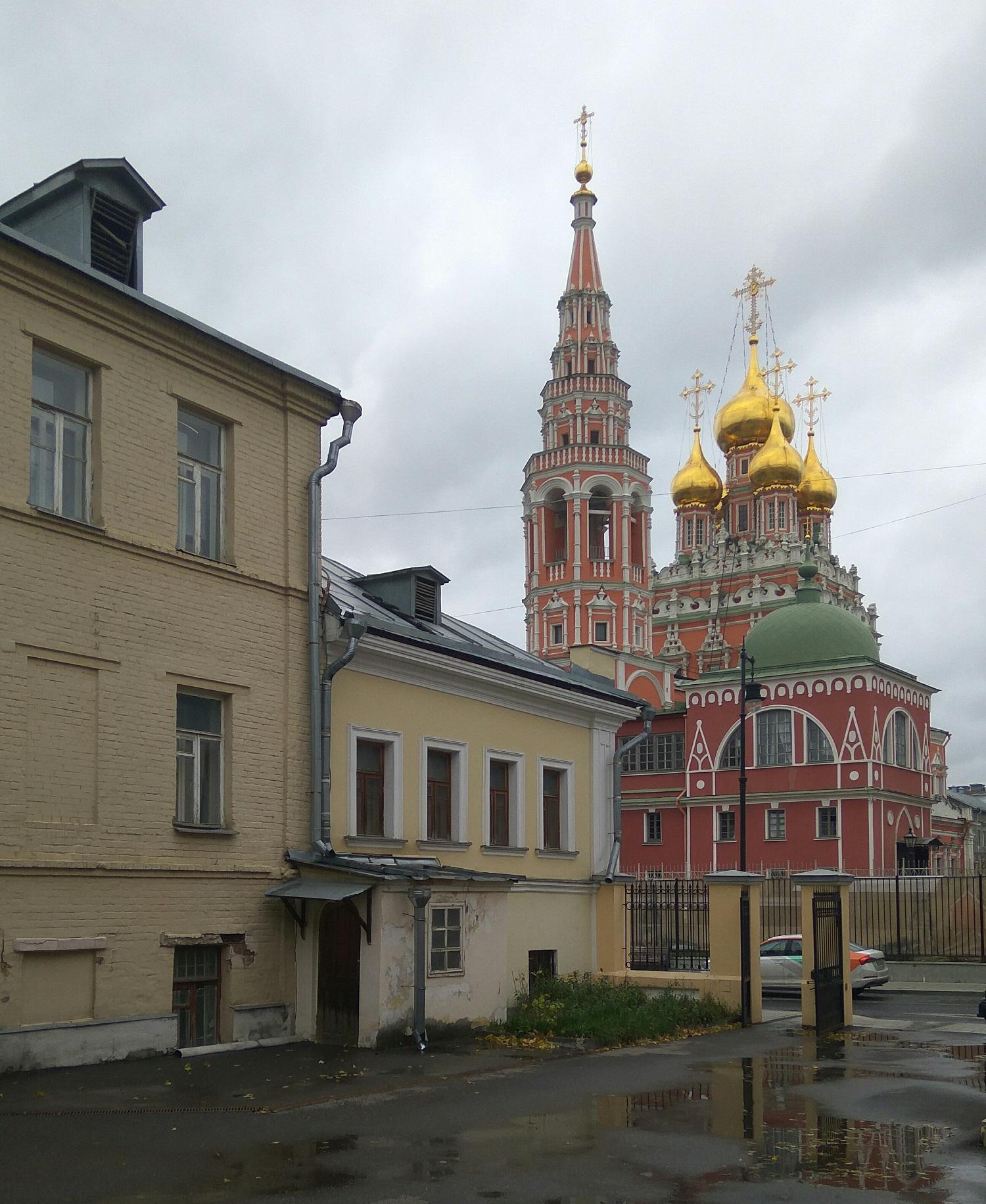
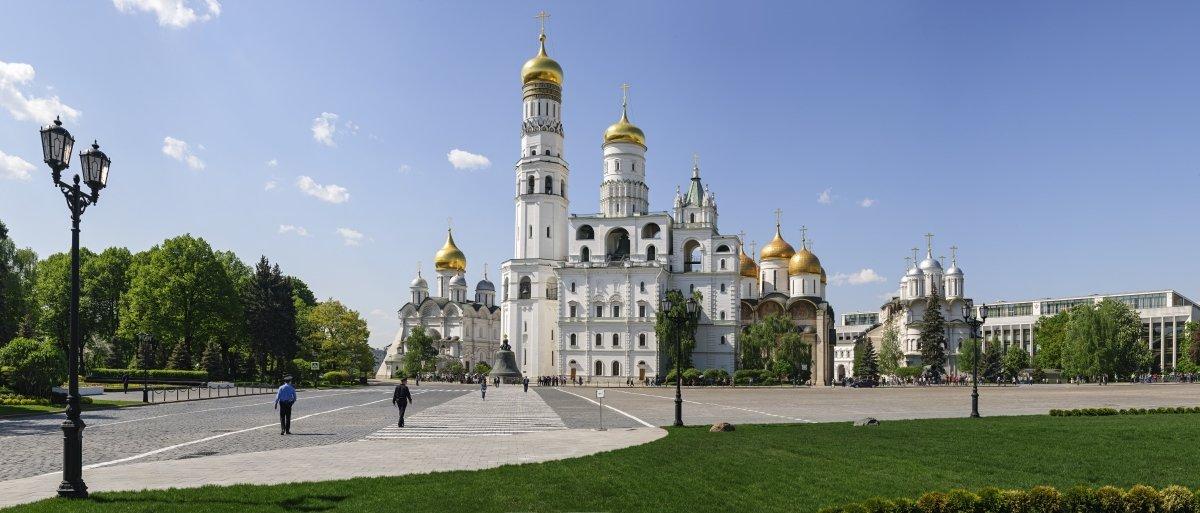
Исторический центр Кадашевской слободы находился у храма Косьмы и Дамиана Ассийских – сейчас на его месте газон у дома 4 на Б. Полянке. Потом центр несколько сместился: в конце 15 века был построен новый храм – предшественник нынешнего храма Воскресения в Кадашах, а 1-й Кадашевский переулок повторяет линию главной улицы нового ядра слободы – Воскресенской. В 17 веке слобода занимала совершенно особое положение: новый Воскресенский храм находился на одной линии от колокольни Ивана Великого к храму Вознесения в Коломенском, а статус его определялся порядком звона. Первым звонили в Кремле, потом звонил Кадашевский храм – а потом уже все остальные приходские церкви. В 16 веке к Кадашевской слободе с разных сторон подступили разросшиеся другие сильные слободы: Толмачевская, Голутвинская – а поблизости находились государевы Садовнические слободы. Таким образом, на низком берегу Москвы-реки, напротив Кремля возник некий сильный слободской центр, уравновешивающий аристократические улицы высокого берега.
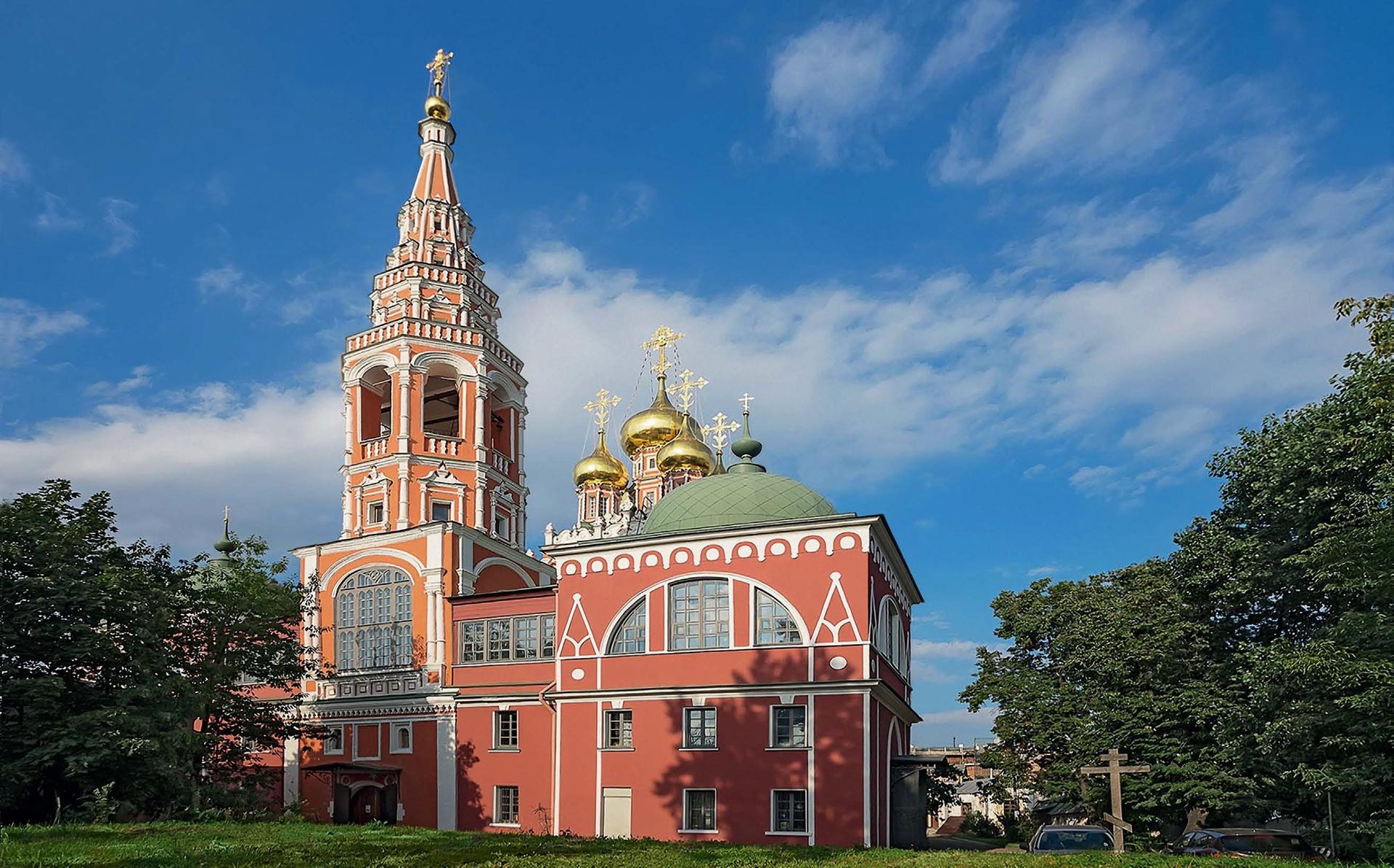
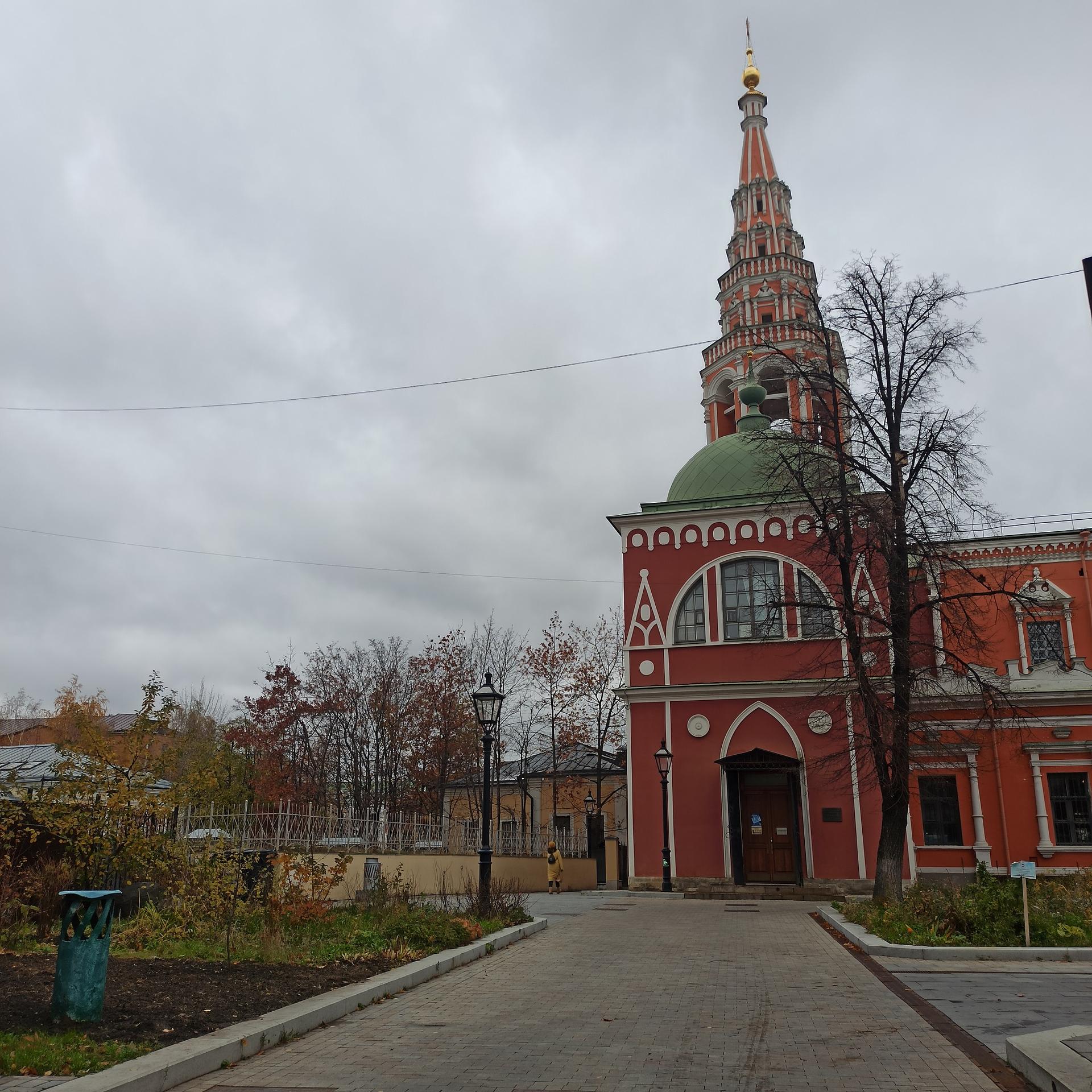
Привилегированное положение слободы определялось принадлежностью государю. В 1613 году в слободе было учреждено ткацкое производство, а вскоре слобода стала «государевой хамовной» и стала поставлять узорчатые ткани, ювелирные украшения и другие предметы роскоши ко двору. Кадашевцы были свободны от налогов. Свободно занимались торговлей и богатели. Самой крупной постройкой слободы стал Хамовный двор, располагавшийся на месте домов 5-11 по нынешнему Старомонетному переулку – впоследствии двор стал Монетным. В самом конце 17 века строится современный храм Воскресения в Кадашах – заметный и очень богато украшенный. Тогда же строятся большие слободские храмы в Толмачах и в Пыжах – однако, политические условия изменяются, стрельцы (жители Пыжевской слободы) попадают в немилость после стрелецкого бунта, а новый царь Петр I предпочитает основать ткацкое производство в селе Преображенском, отказывая кадашевским ткачам в заказах и поддержке.
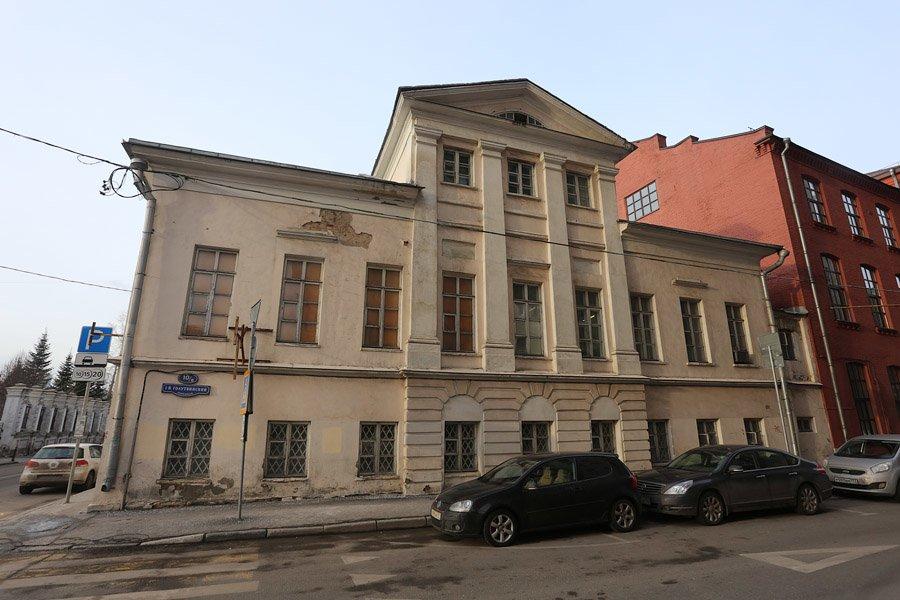
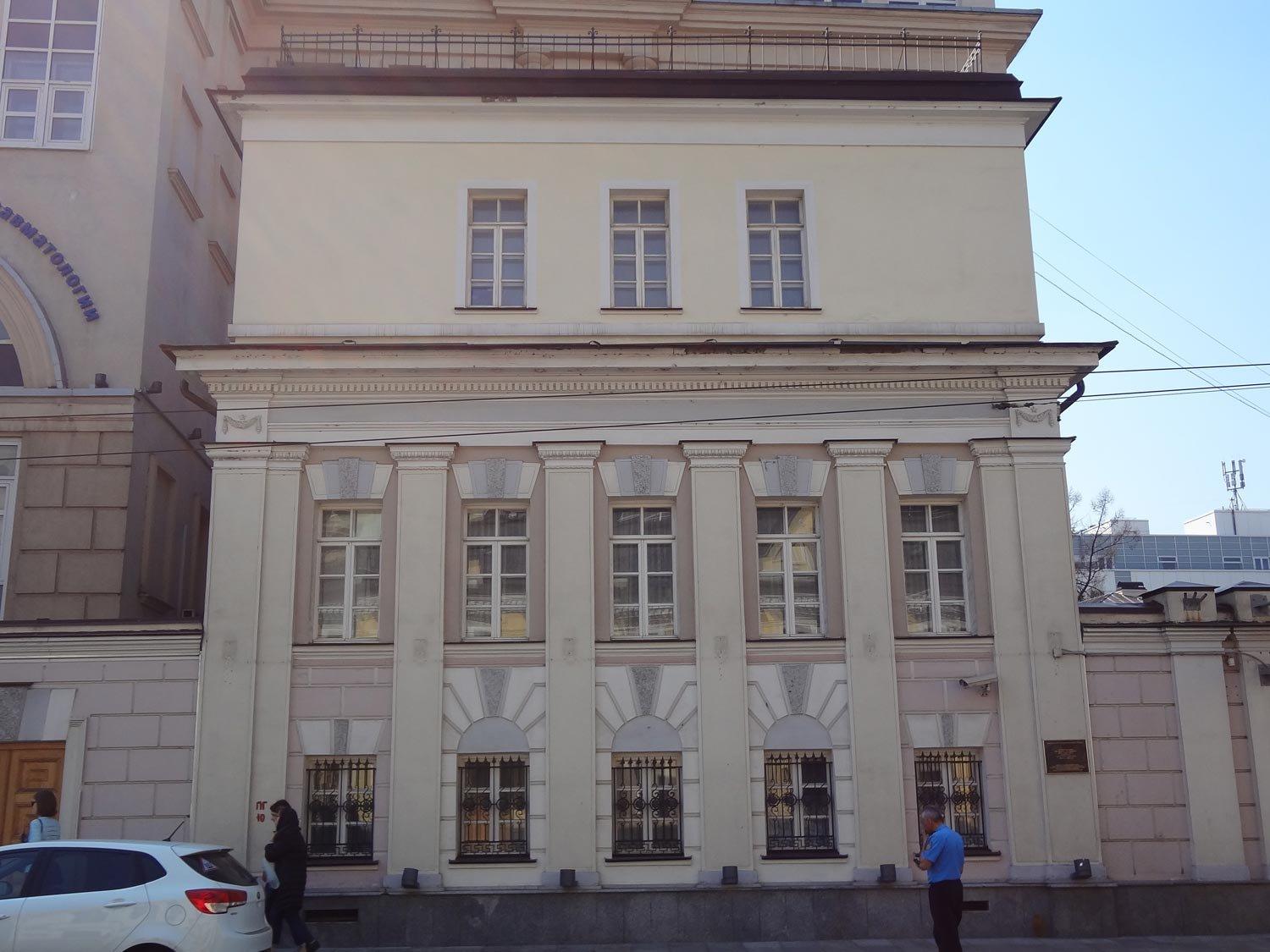
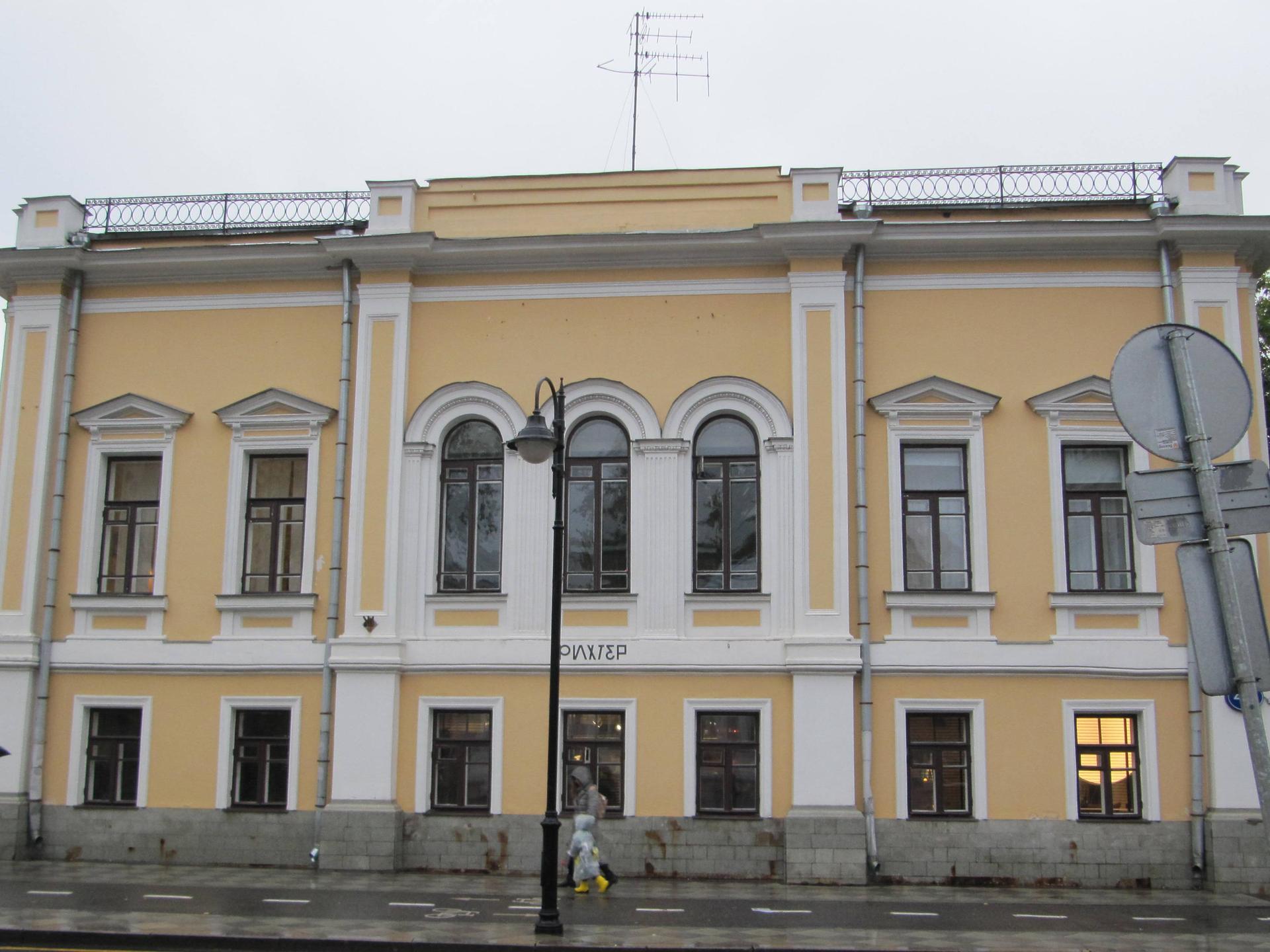
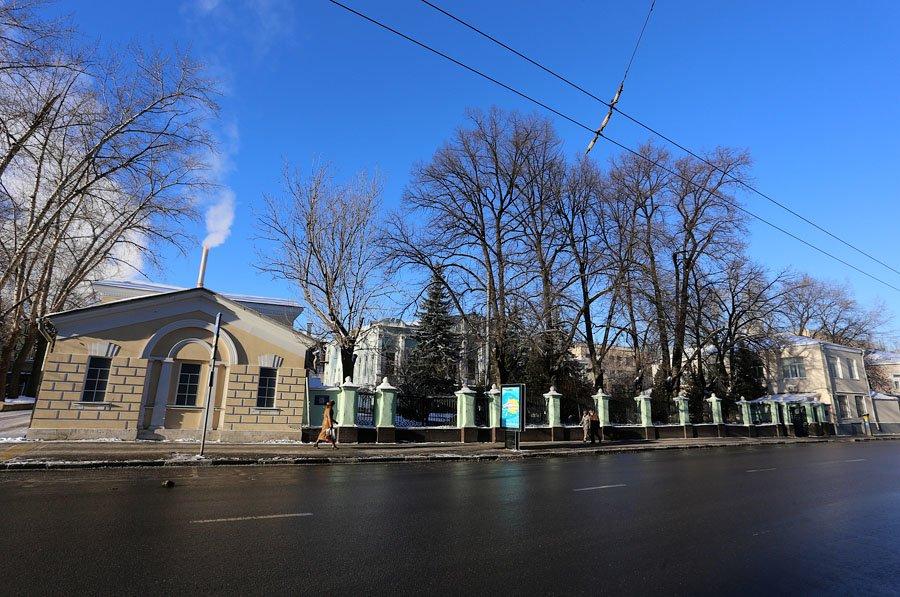
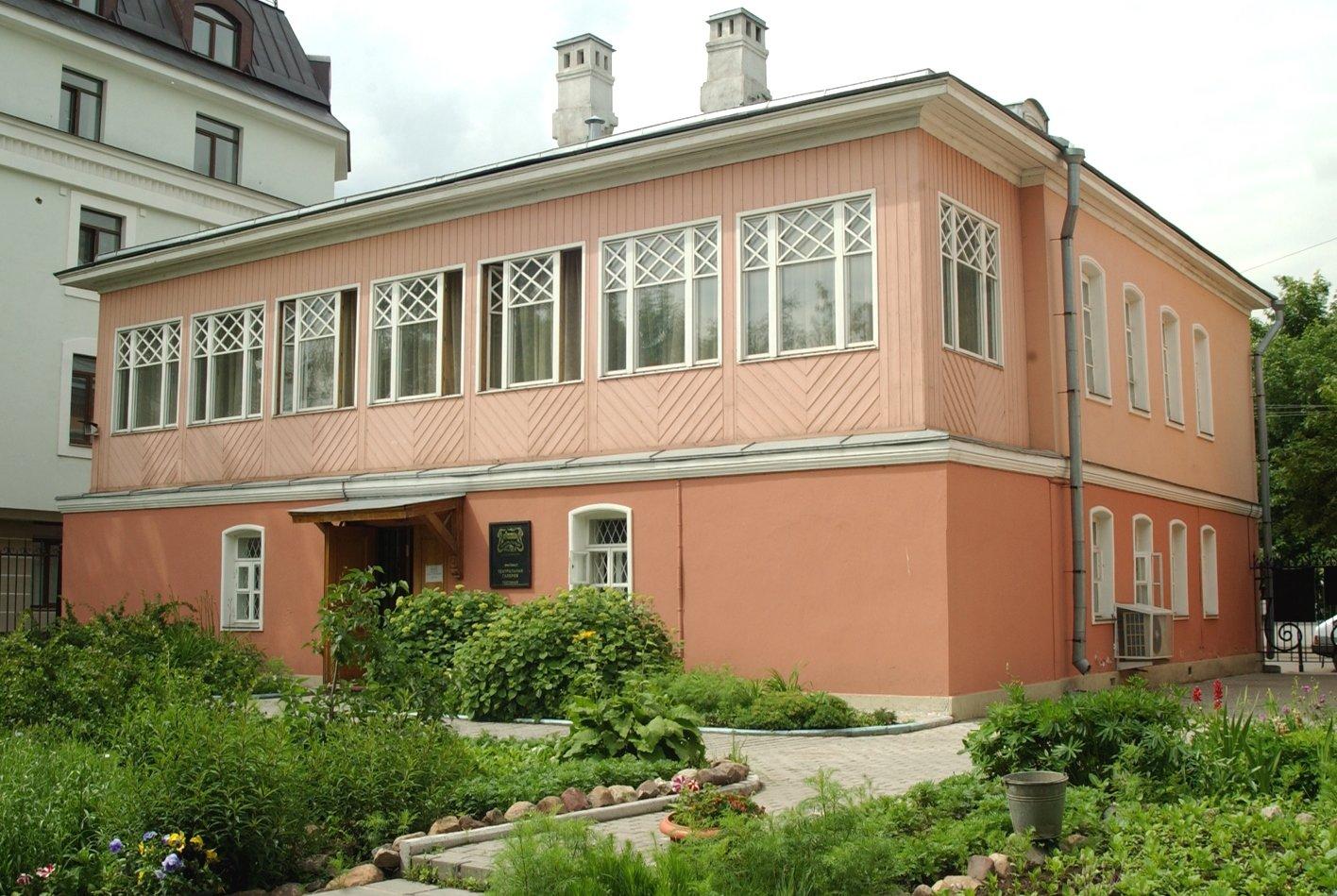
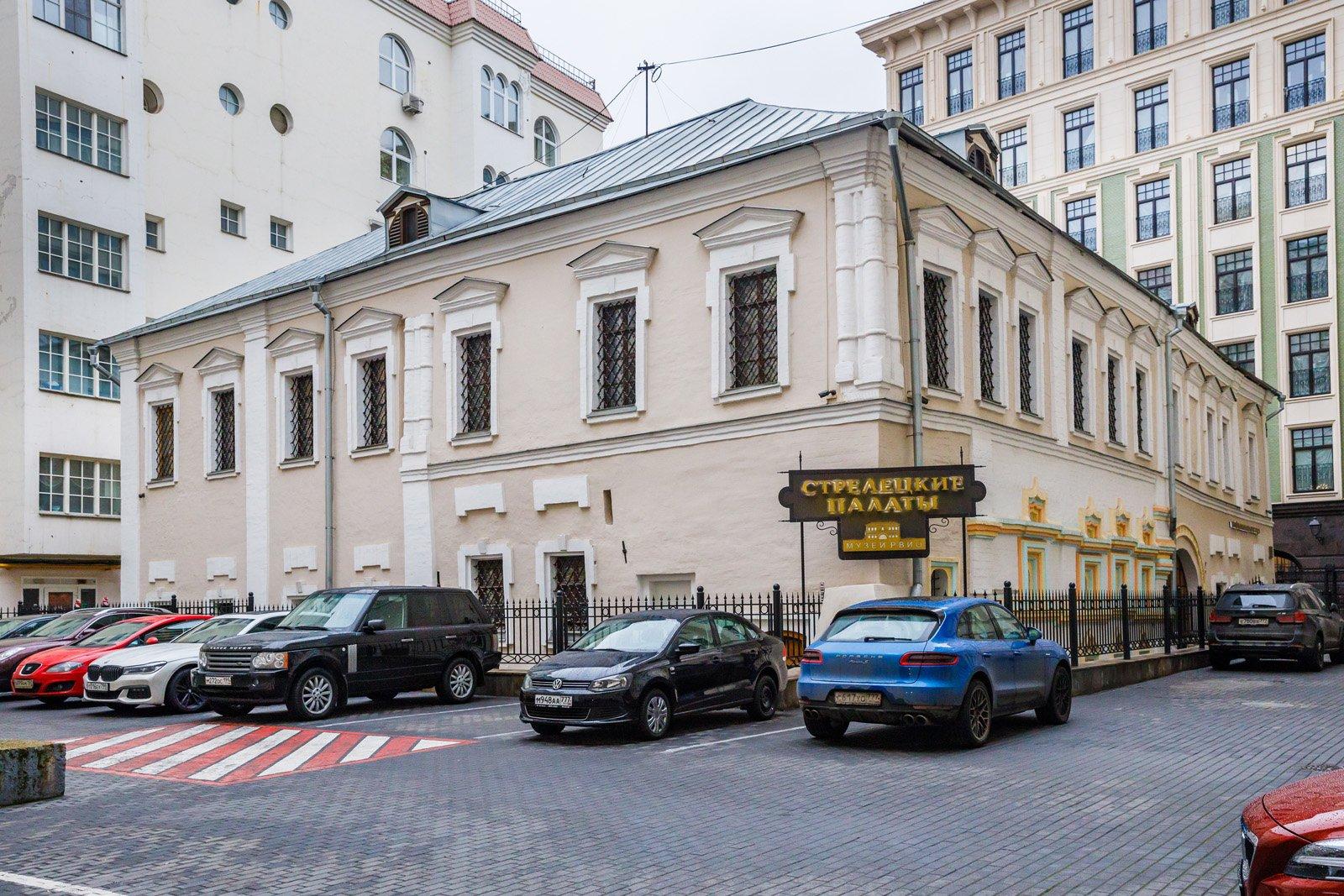
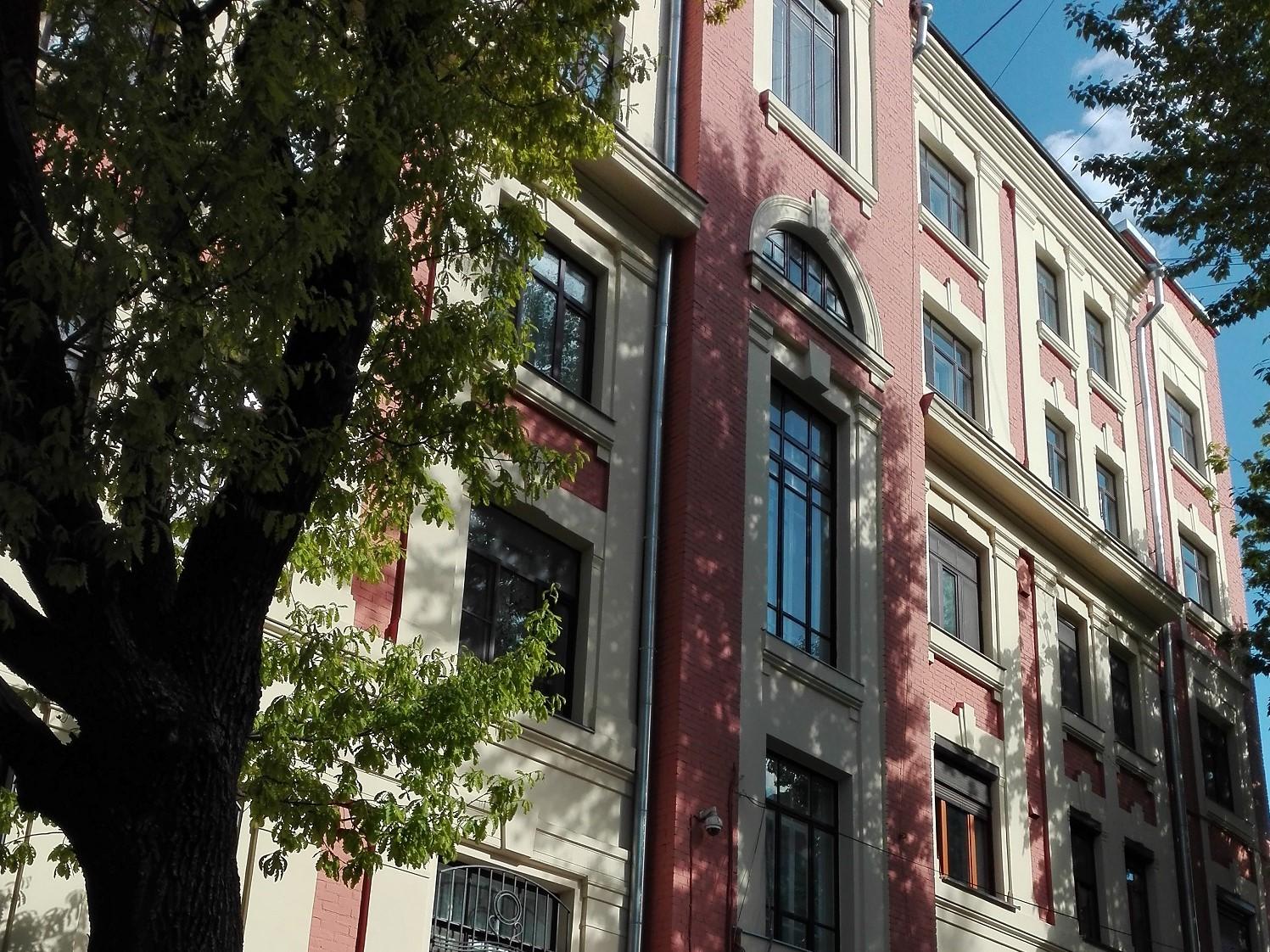
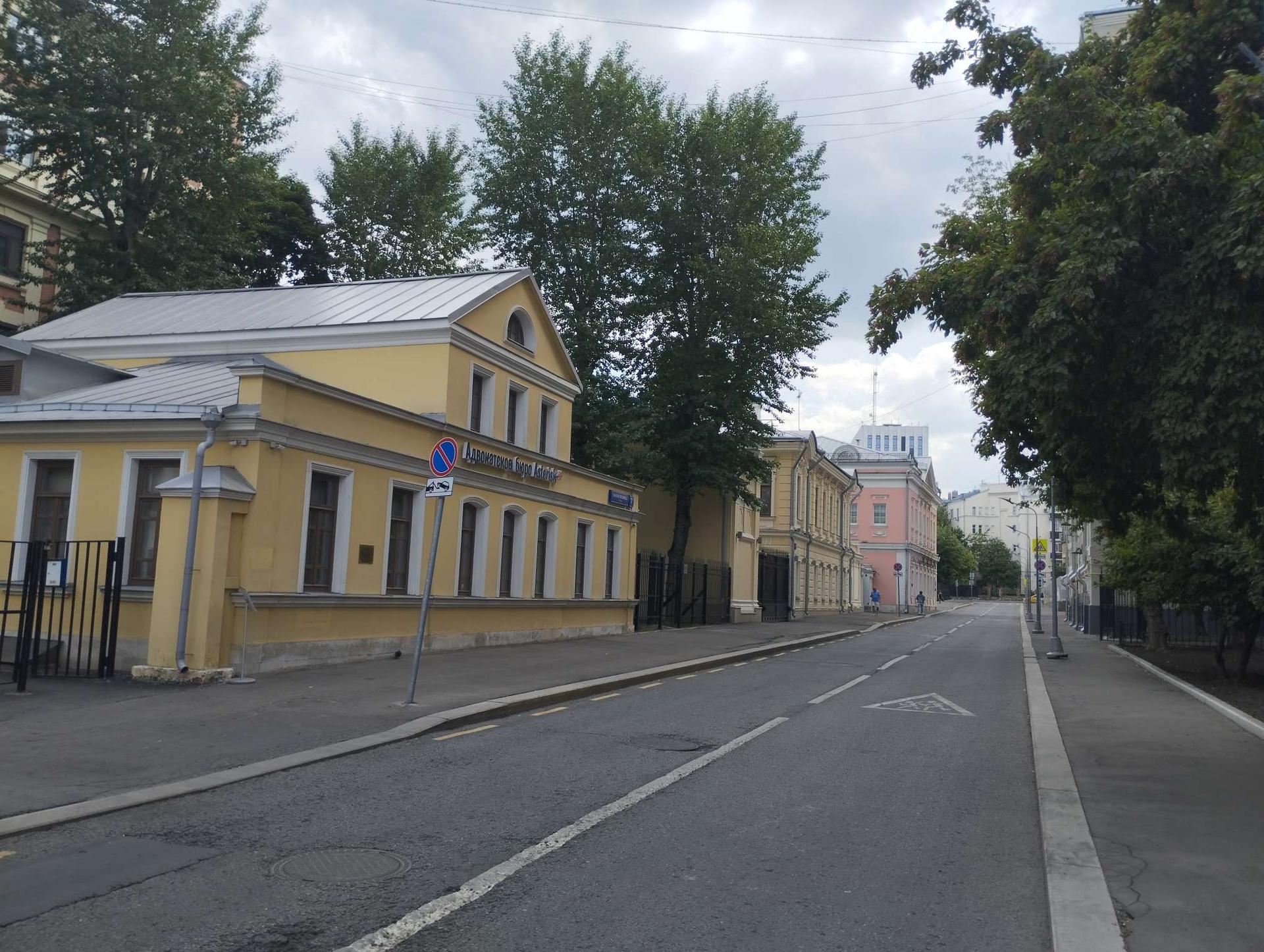
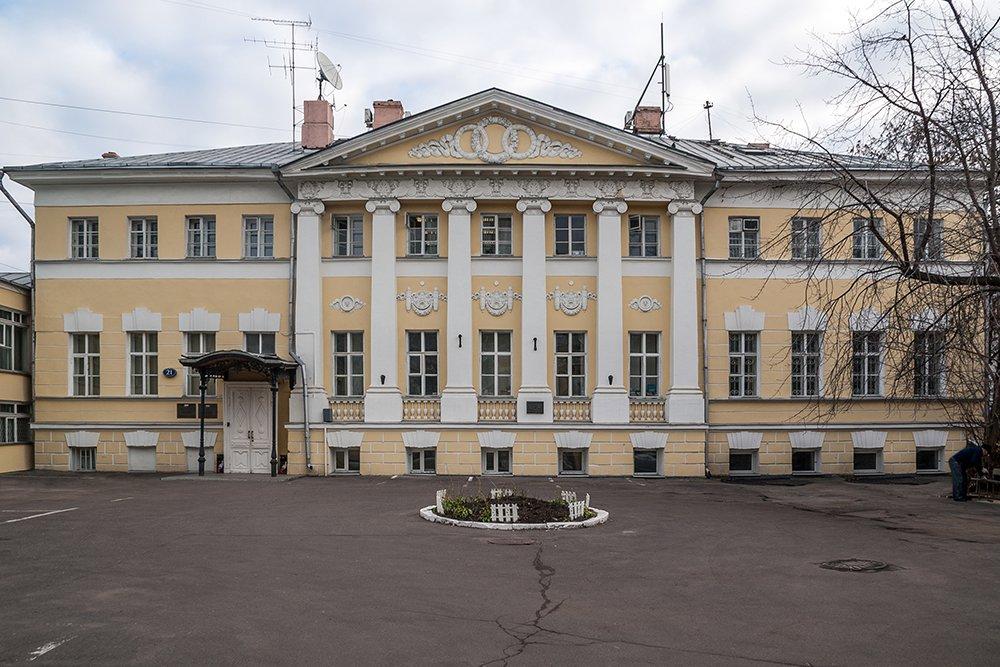
С переводом столицы в Петербург и запретом каменного строительства богатые замоскворецкие слободы пришли в упадок. Изменилась и структура застройки: патриархальная знать, не желавшая переезжать в новую столицу, скупала усадьбы на центральных улицах замоскворецких слобод, меняя масштаб строений. Поэтому слободской уклад жизни уже в 18 веке можно было найти только в глубине кварталов. С 16-18 веков до нас дошло как минимум три здания, имеющие в основе свое древние палаты. Это очень много для такого небольшого пятачка.
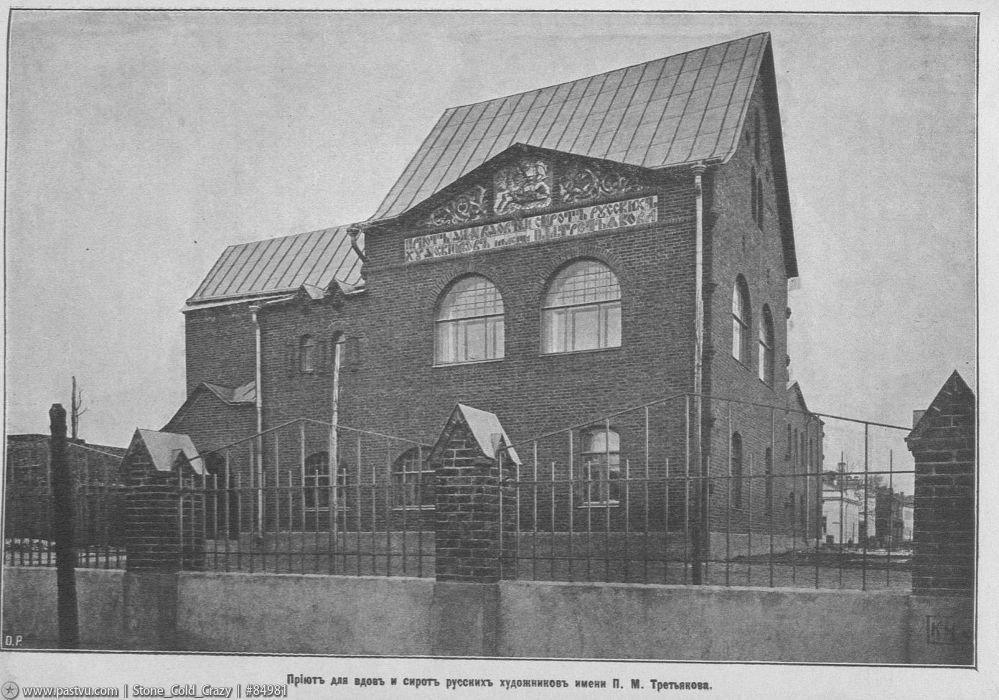
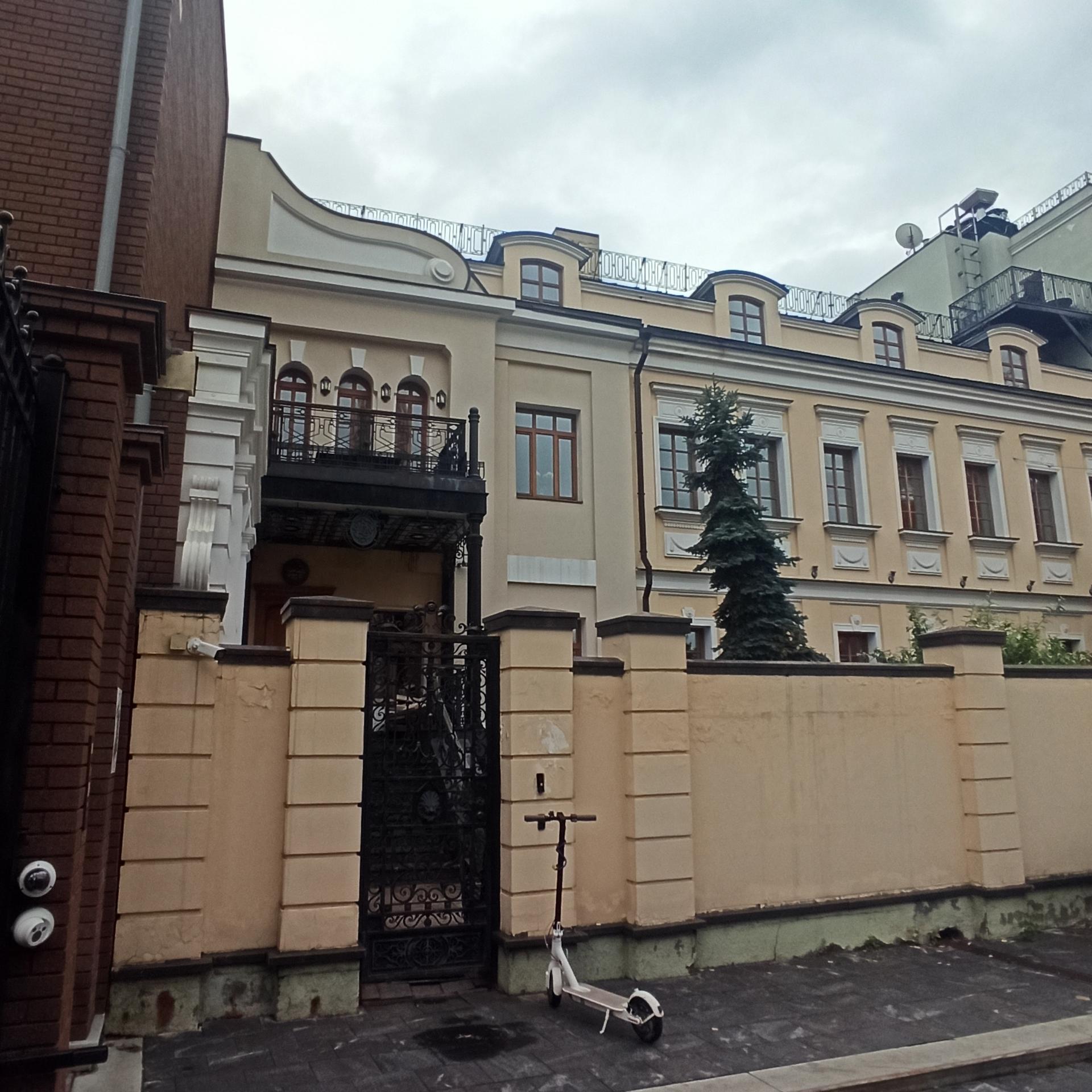
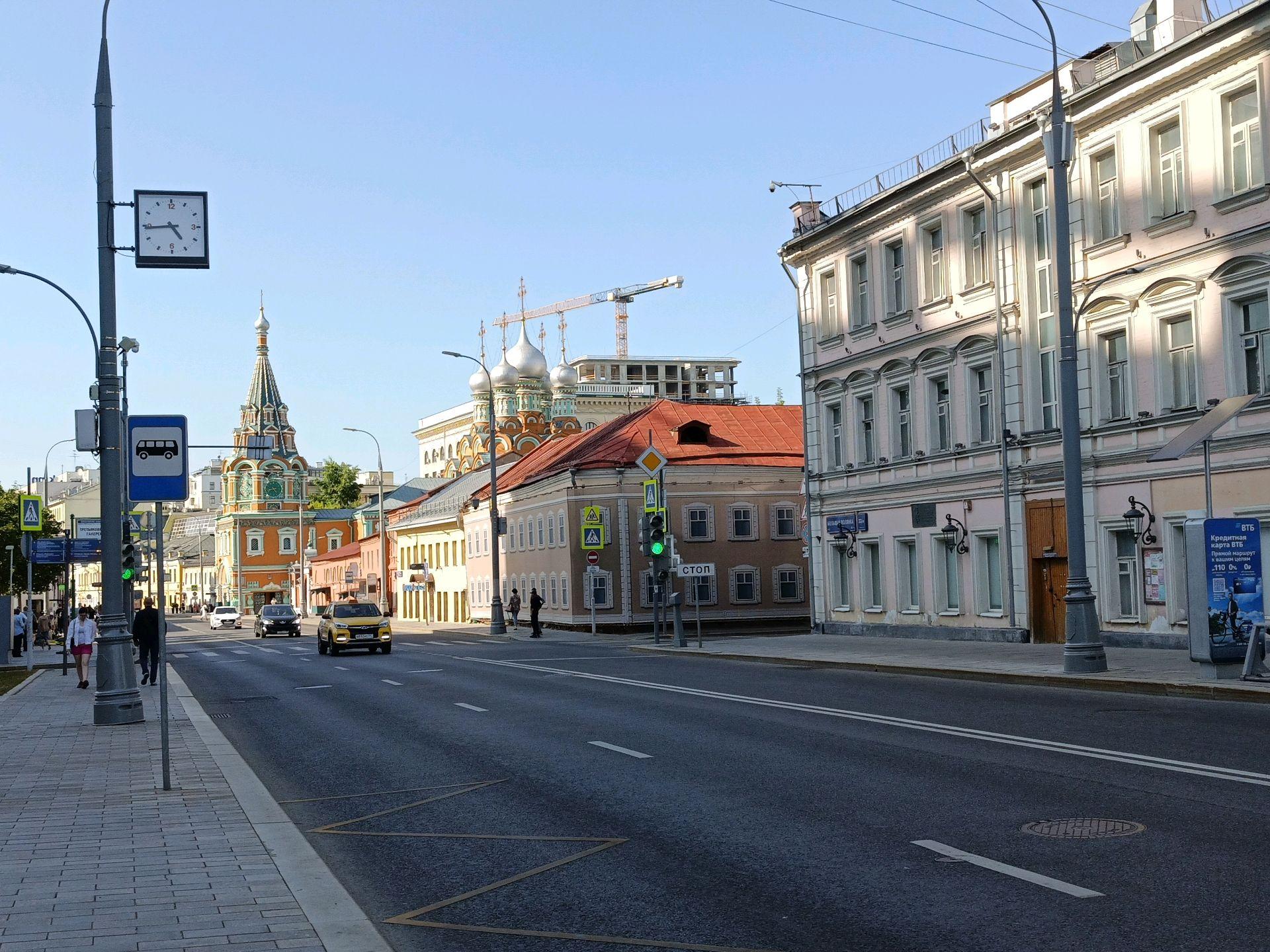
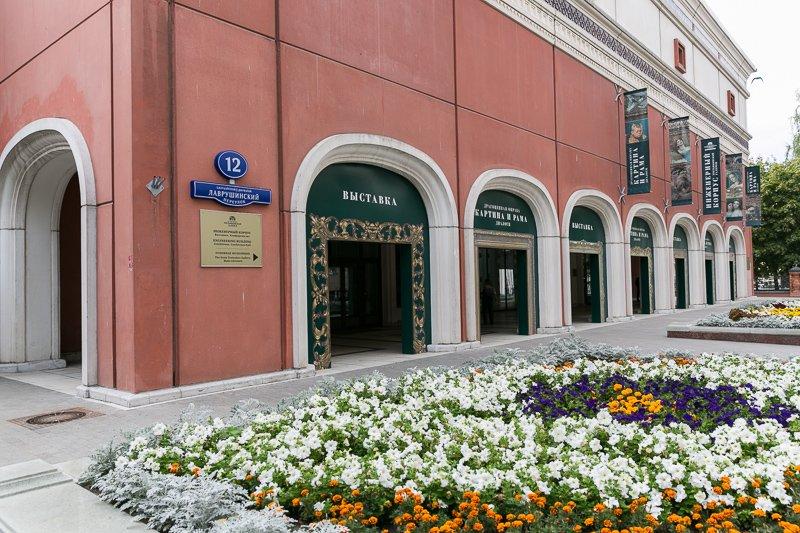
В конце 19 века наступил новый этап жизни слободы: позади храма Воскресения была выстроена колбасная фабрика Н. Григорьева, главная контора которой расположилась в старинном доме князей Оленевых. Усадьба Кологривовых была куплена Третьяковыми, сейчас галереей занят и дом, построенный для коллекции картин, и дом самого хозяина.
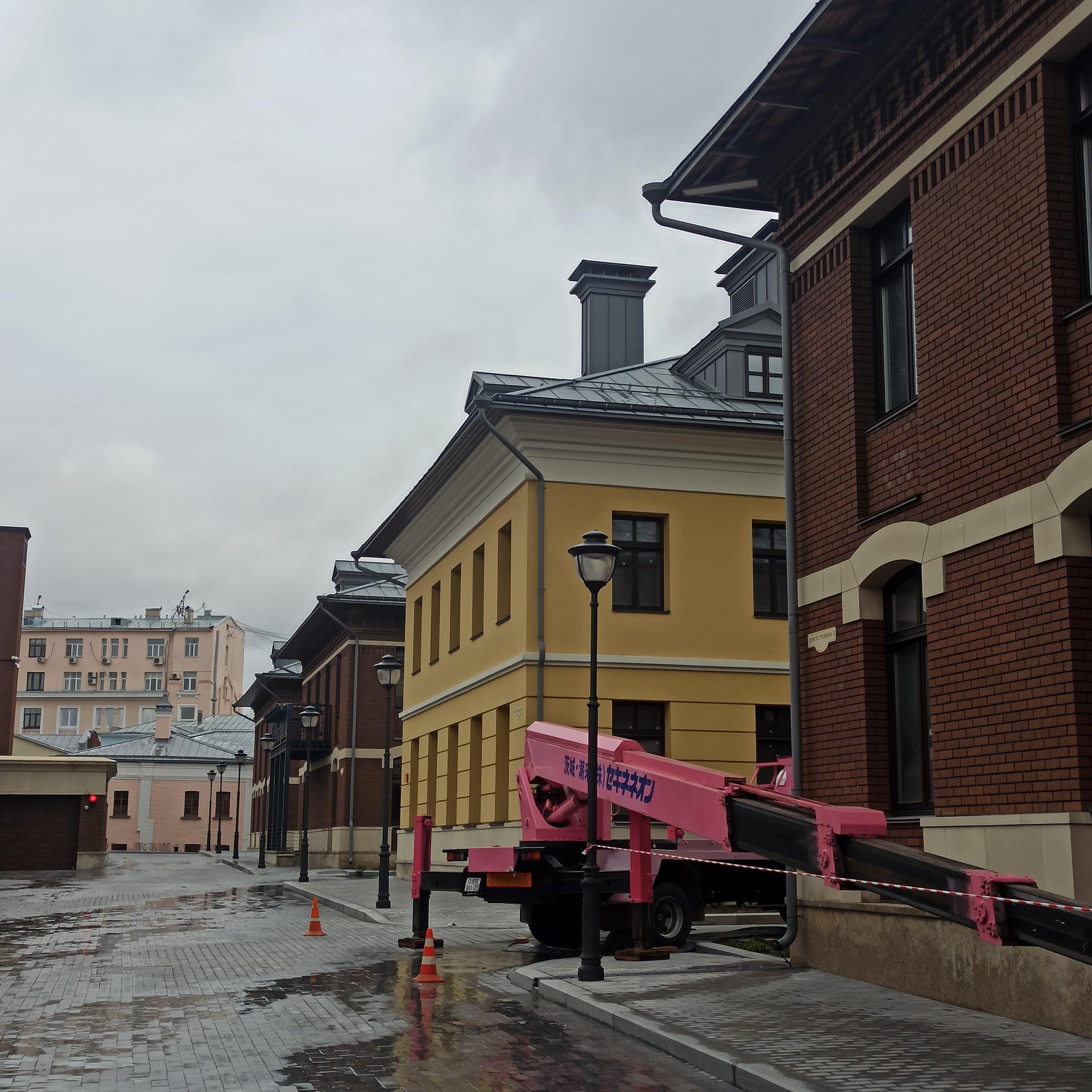
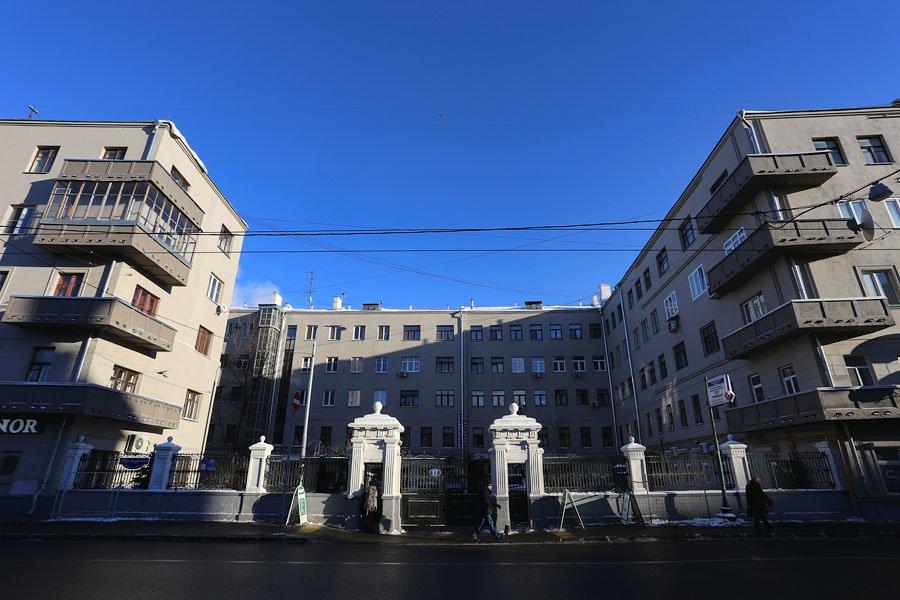
Генплан 1935 года предполагал строительство широкой магистрали от Останкино до Серпуховского шоссе. Согласно проекту, Кадашевская слобода должна была быть уничтожена, однако, генплан не был претворен в жизнь. Сейчас в Кадашах от старомосковской атмосферы, чувствовавшейся еще в 1990-х осталось мало: много новостроек, а на территории храма Воскресения до сих пор идет борьба за более гуманное по отношению к исторической части новое строительство.
Kadashevskaya settlement is located on the lower bank of the Moskva River, its name dates back to tomonimically Kadashi - masters, manufacturing vats and barrels. For the first time the area mentioned in the spiritual literacy Ivan III as a village Kadasheva and flourishing settlement falls on the reign of the first kings of the Romanov dynasty. The historic center of Kadashevskaya settlement was at the temple Cosmas and Damian Assiyskih - now in its place the lawn near the house 4 B. Polyanke. Then the center of slides at the end of the 15th century was built a new church - the predecessor of the present Church of the Resurrection in Kadashi and 1st Kadashevsky lane line repeats the main street of the new core settlement - Resurrection. In the 17th century settlement occupied a special position: new Resurrection Church was on one line from the Ivan the Great Bell to Church of the Ascension in Kolomenskoye, and the status of its defined procedures ringing. First called in the Kremlin, then called Kadashevsky temple - and then all the other parish churches. In the 16th century to the Kadashevskaya Sloboda from different sides rushed overgrown other strong settlement: Tolmachevskaya, Golutvinsky - and is surrounded by sovereign horticultural settlement. Thus, the low bank of the Moskva River from the Kremlin emerged a strong suburban center, balancing aristocratic high street bank. Privileged position settlements determine the status of the emperor. In 1613 a settlement was established weaving, and soon the settlement was "sovereign hamovnoy" and began to supply diapers, jewelry and other luxury items to the court. Kadashevtsy were free from taxes. Freely traded and grew rich. The largest settlement building became Hamovny yard, located on the site of homes at the current 5-11 Staromonetny alley - subsequently became Mint yard. At the end of the 17th century built the modern Church of the Resurrection in Kadashi - noticeable and very ornate. Then build more temples in suburban Tolmachi and Pyzhi - but political conditions change, archers (residents Pyzhevskii settlement) fall out of favor after a riot musketeers, and the new Tsar Peter I prefer to set up weaving in the village of Transfiguration, denying Kadashevsky weavers in orders and support. With the transfer of the capital to St. Petersburg and the prohibition of stone building rich Zamoskvoretskaya settlement fell into disrepair. Changed the structure of building: patriarchal know, who did not want to move to the new capital, buying up the estate in the central streets Zamoskvoretskaya settlements, changing the scale of the buildings. Therefore, the suburban way of life in the 18th century could be found only in the depths of quarters. From ages 16-18 reached us at least three buildings have their basis in ancient chamber. That is a lot for such a small patch. In the late 19th century, a new stage of life settlement: behind the Church of the Resurrection was built sausage factory N. Grigoriev, head office which is located in an old house princes cervids. Kologrivov Manor was purchased Tretyakov Gallery is now busy and a house built for the collection of paintings, and the house of the owner. General Plan in 1935 involved the construction of a broad line of Ostankino to Serpukhov highway. According to the draft, Kadashevskaya settlement had to be destroyed, however, the master plan was not implemented. Now Kadashi of old Moscow atmosphere felt back in 1990 is low: a lot of new buildings, and in the Church of the Resurrection is still a struggle for a more humane in relation to the historical part of the new construction.





.jpg&w=1920&q=75)