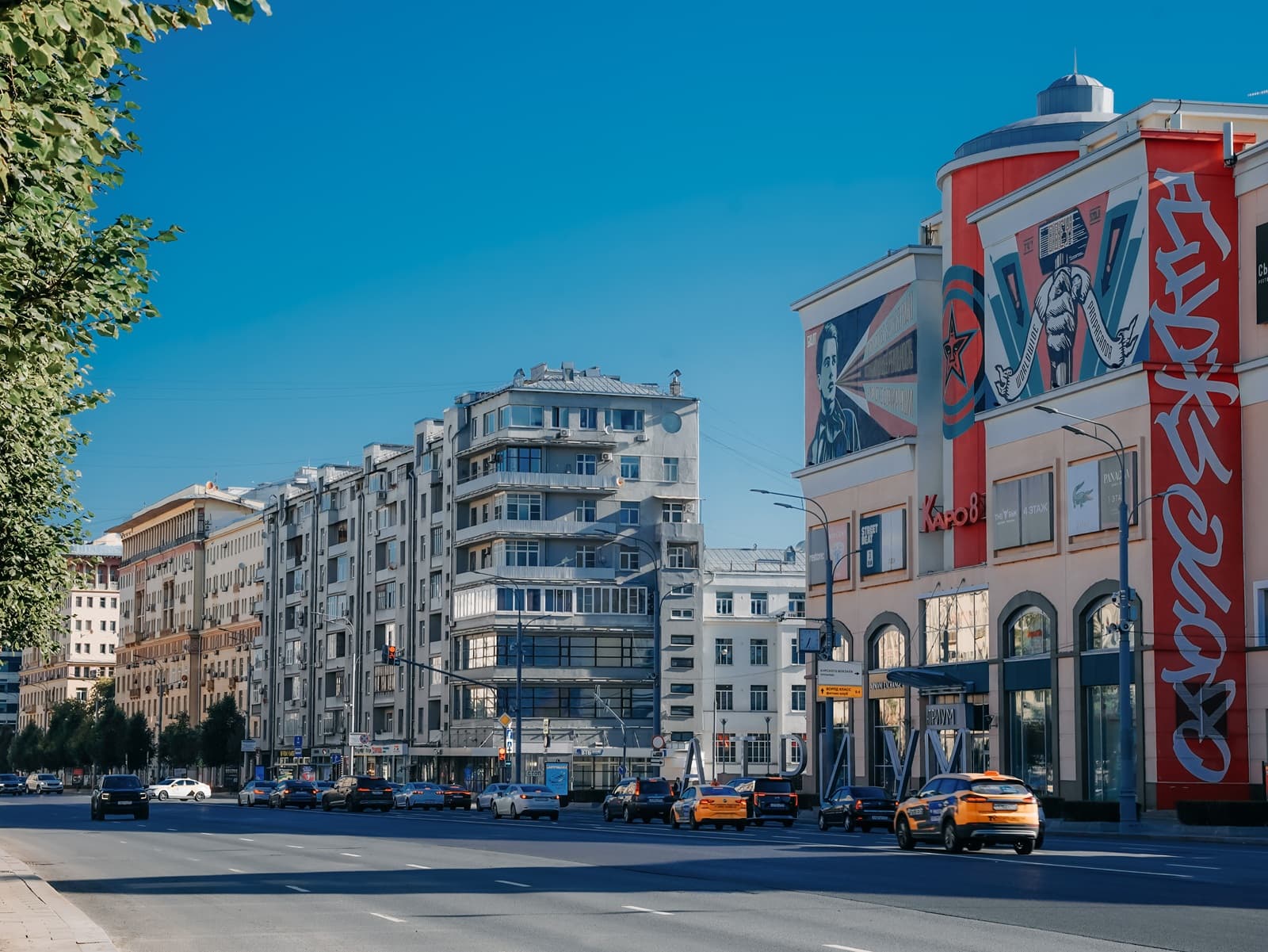

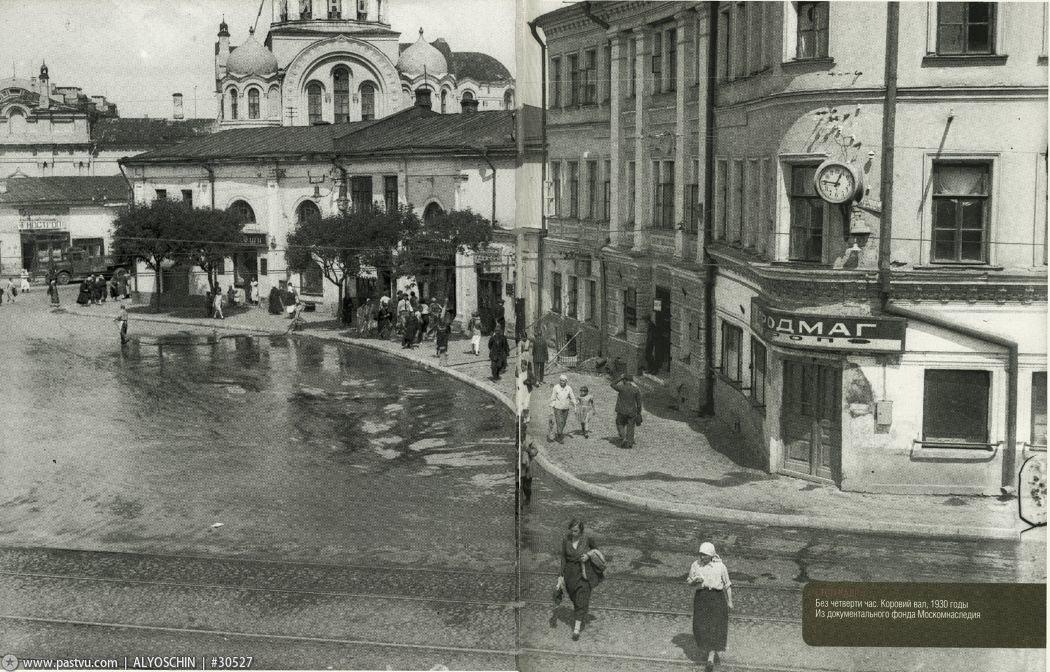
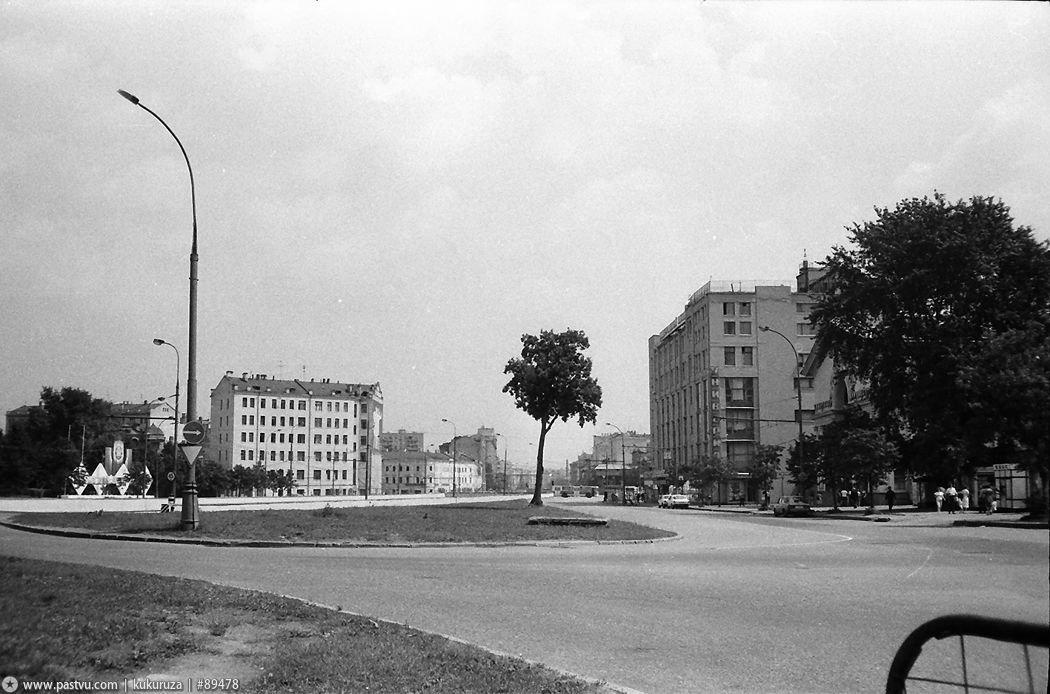
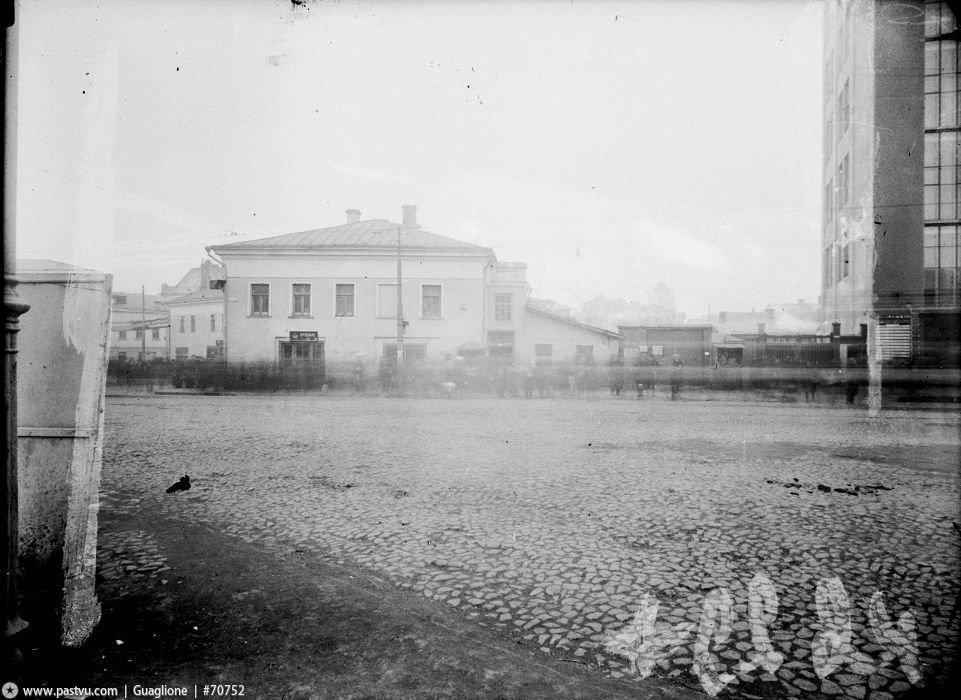
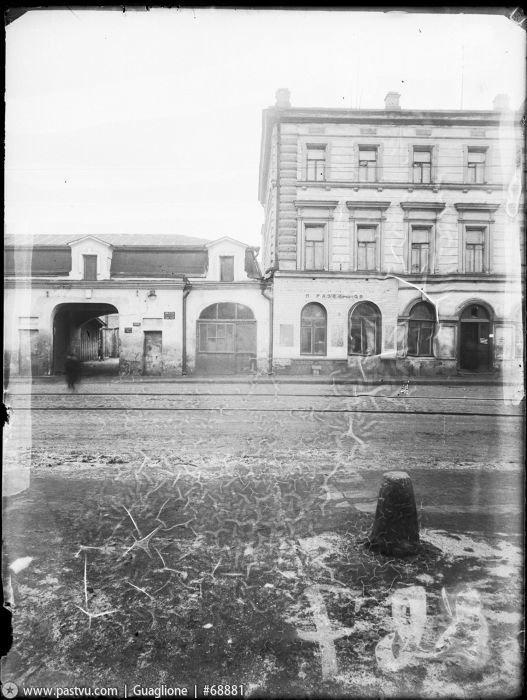
Улица Коровий вал – участок Земляного вала, проходивший между Калужскими и Серпуховскими воротами. Название напоминает о конце XVIII века, когда на площади Серпуховских ворот находился Животинный двор – рынок крупного рогатого скота, который перевели сюда от Мясницких ворот. В основном, на рынке торговали коровами, поэтому он получил название Коровий, а участок Земляного вала, разделявший город и огромное поле, на которое пригоняли скот – Коровьим валом.
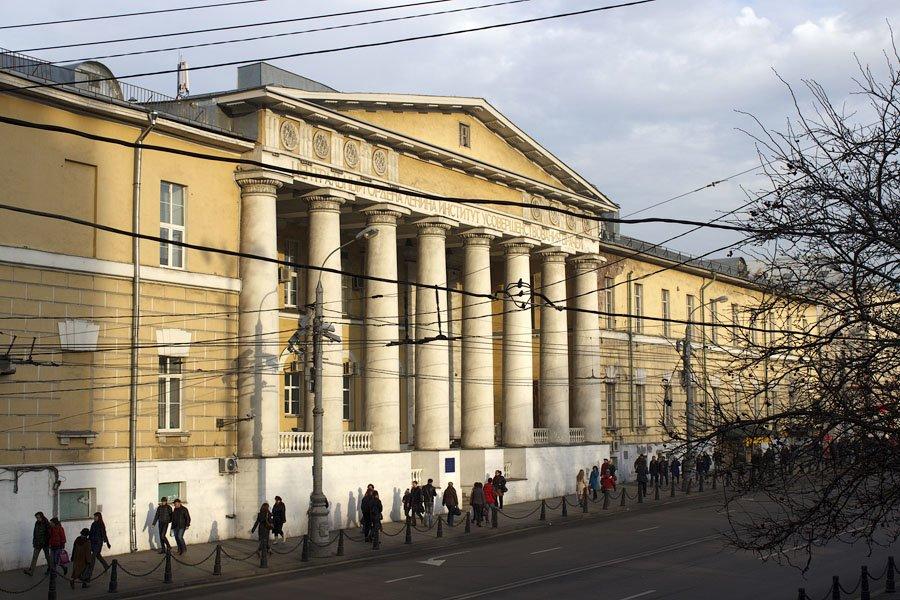
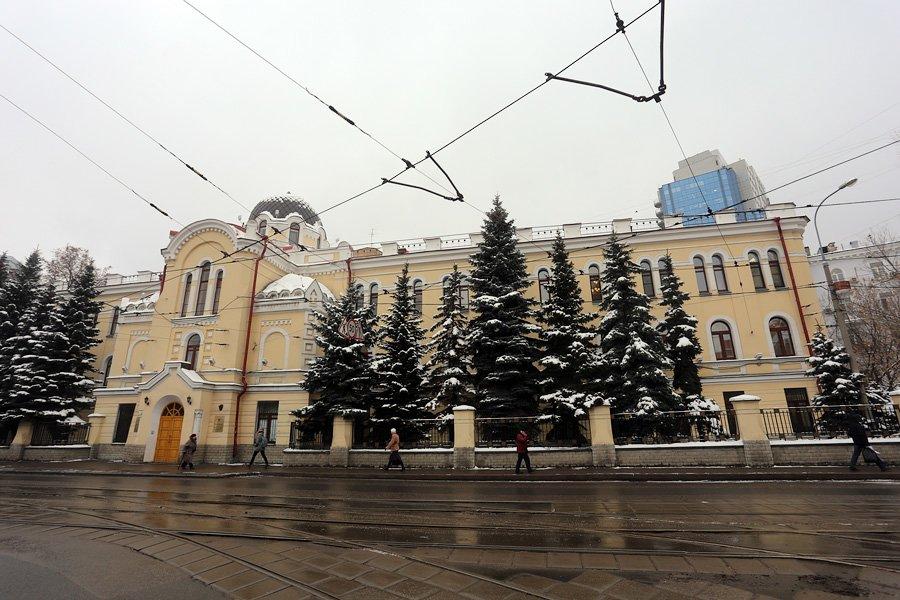
Неподалеку располагался и Конный рынок, сейчас на его месте корпуса детской Морозовской больницы.
На Коровьем валу располагались кузницы, здесь же был построен Мытный двор – место, где клеймили скот.
Вдоль Коровьего вала со стороны Москвы шла Житная улица. На ней со времен Петра I стояли амбары с зерном – житницы.
В 1812 году все деревянные строения в этом районе Москвы выгорели. Вал был срыт, а на его месте образовалась улица – Коровий вал. Амбары Житной улицы сохранялись до ХХ века. Сейчас домов по правую сторону Коровьего вала не существует, а сам он отделен от Житной улицы сквером.
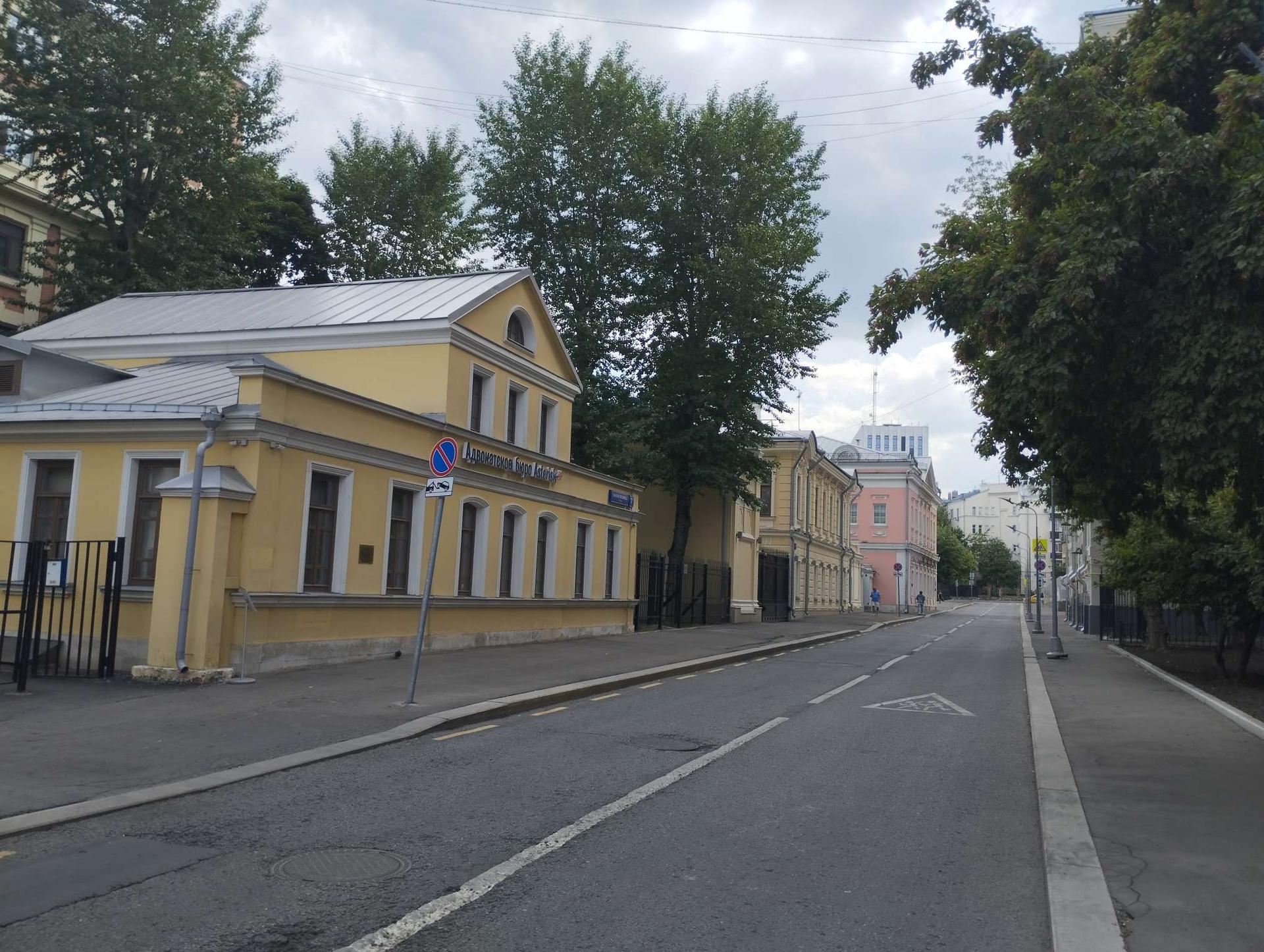
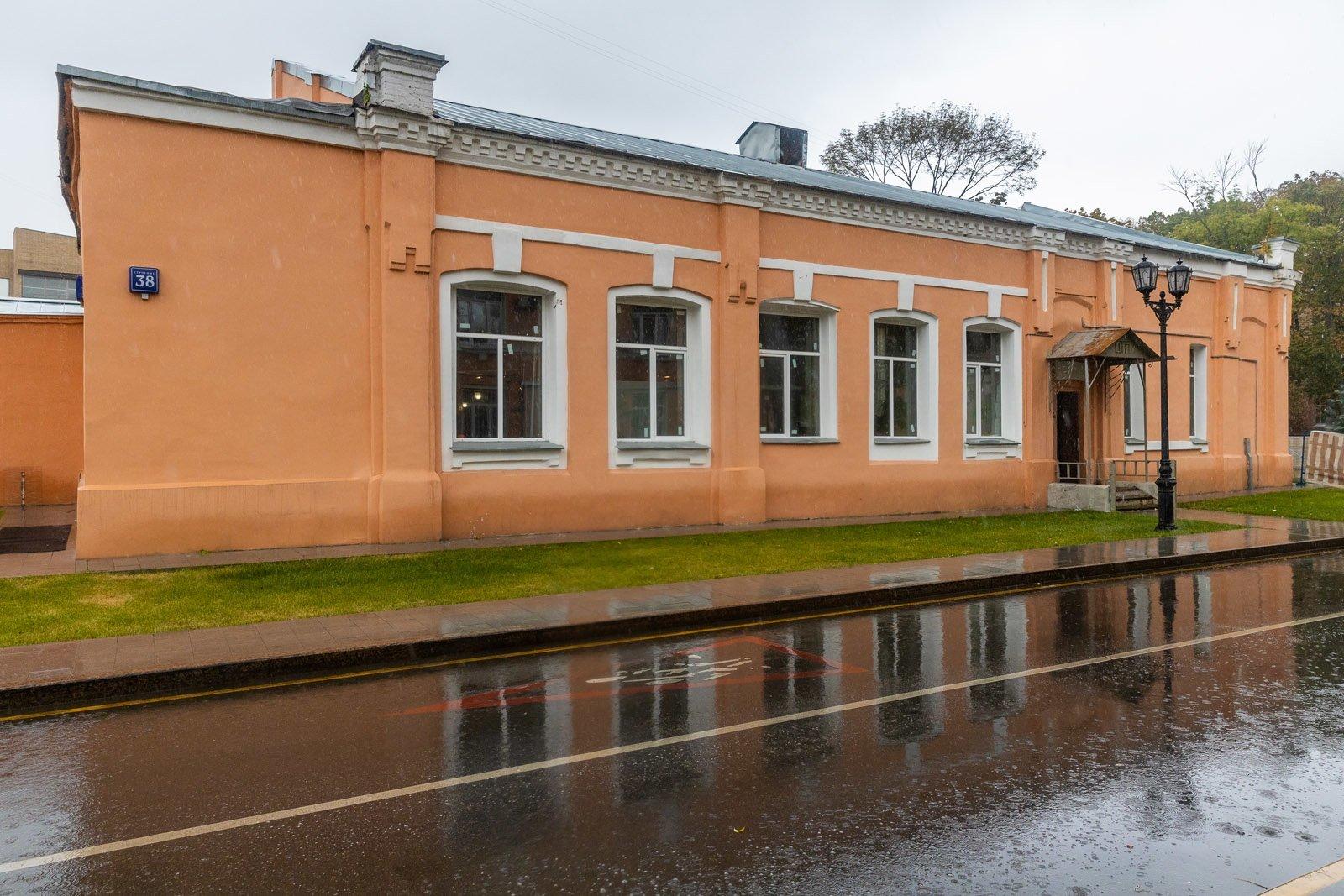
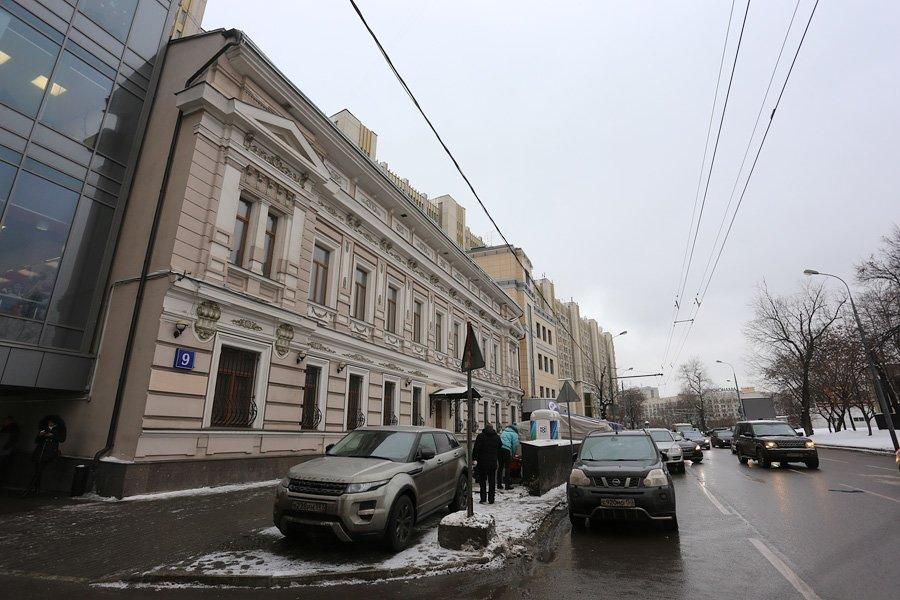
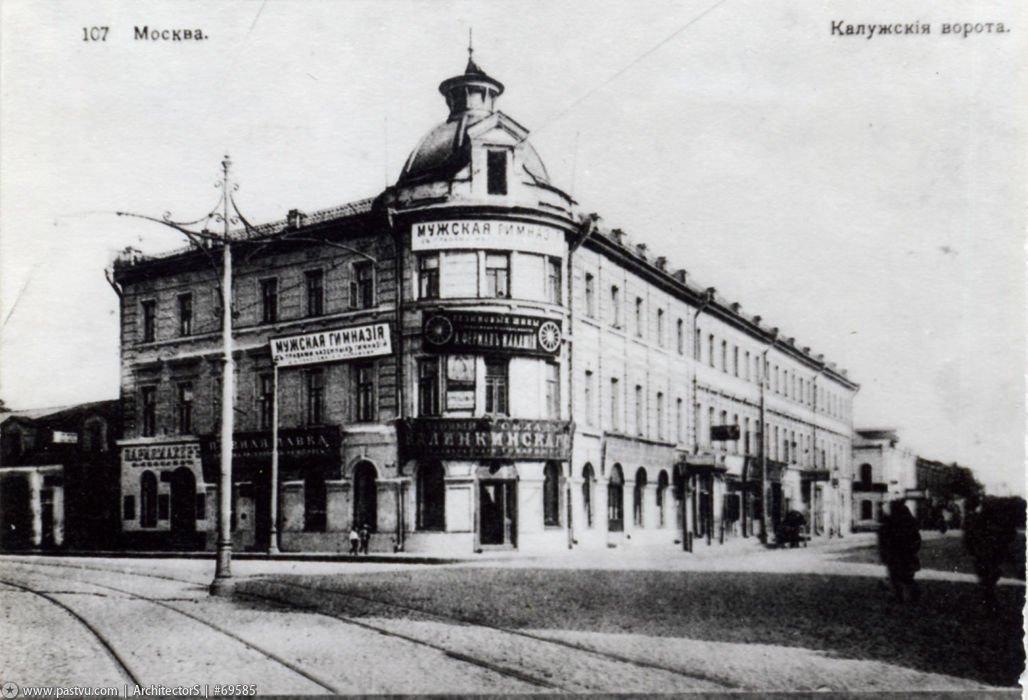
В 1880-х годах скотный рынок был упразднен, о нем напоминали только Коровьи переулки, сохранявшие свое название до ХХ века. Район был застроен деревянными домами, здесь жили купцы, мещане, мелкие чиновники. Сама улица была застроена небольшими в основном одноэтажными каменными домами, сохранявшимися до 1930-х.
В середине XIX в. два гектара земли около Коровьего вала принадлежали семье Ремизовых. Здесь были три обширных двора. В 1880-х ремизовские дворы были заняты парком городской конки, а потом хлебопекарней. Московский Добрынинский хлебозавод ведет свою историю с 1914 г. В 1936 г. это Хлебозавод им. М.Горького.
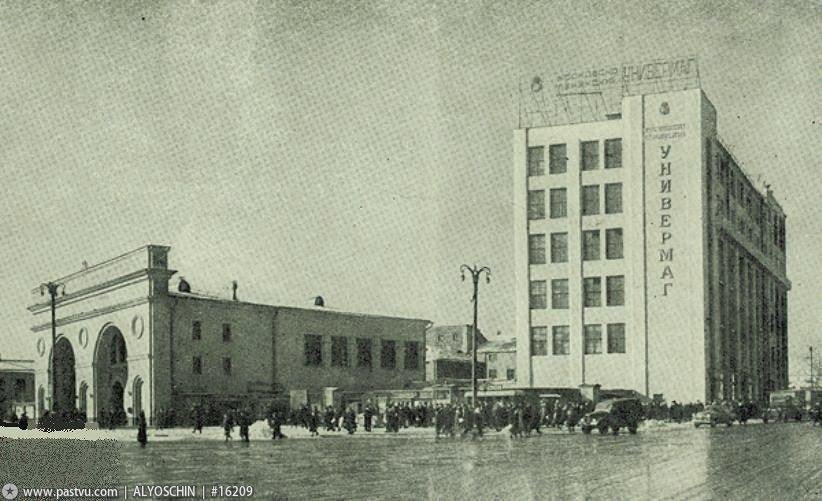
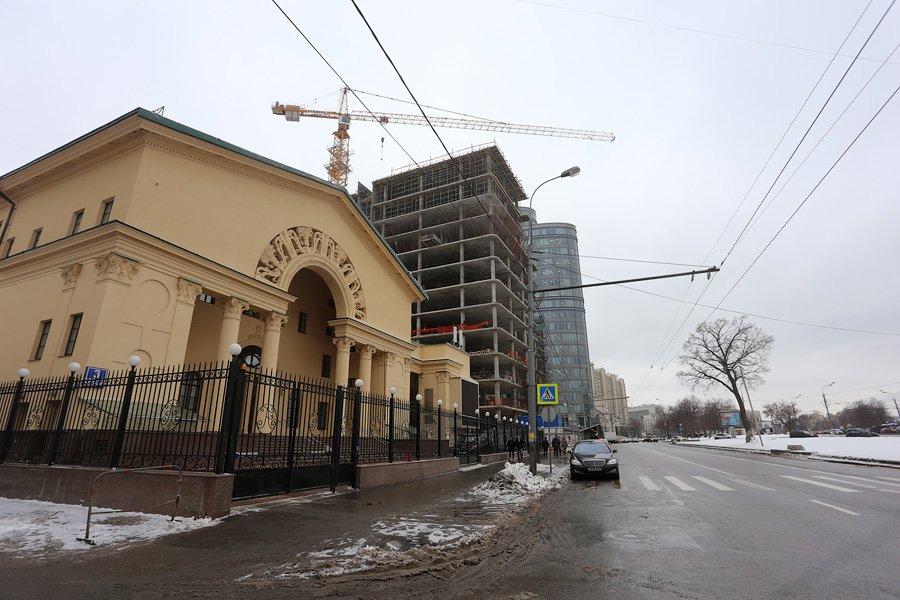
В 1913-1914 гг. в части Ремизовского парка был открыт кинотеатр «Великан». Самый большой в Москве кинотеатр простоял здесь до 1941 г. и был разрушен в ходе немецкой бомбардировки.
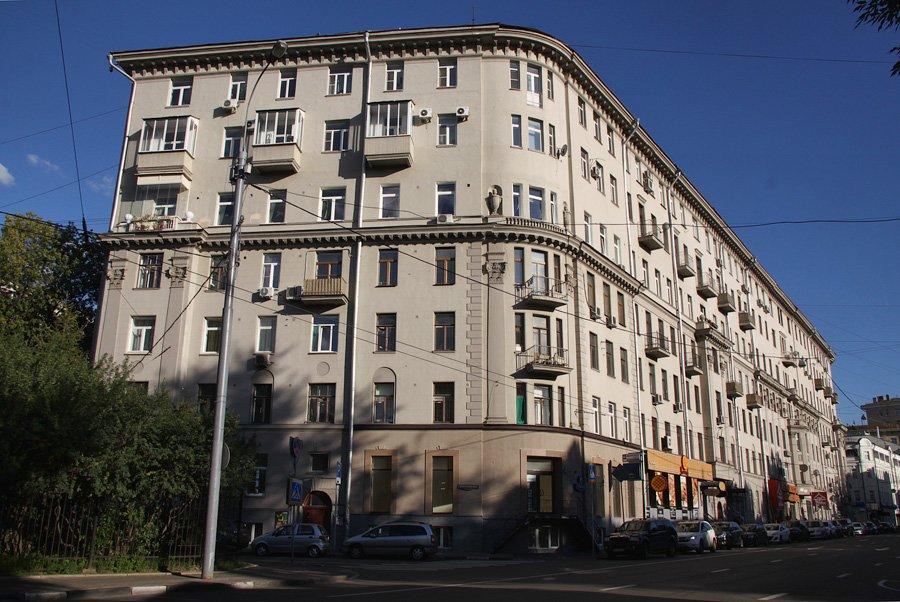
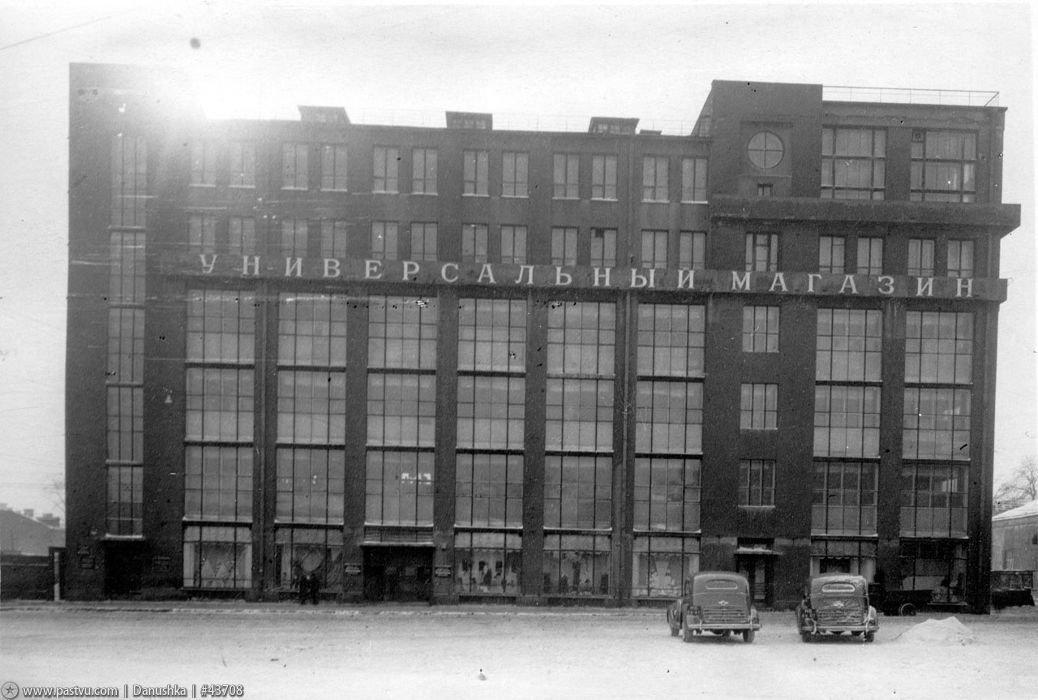
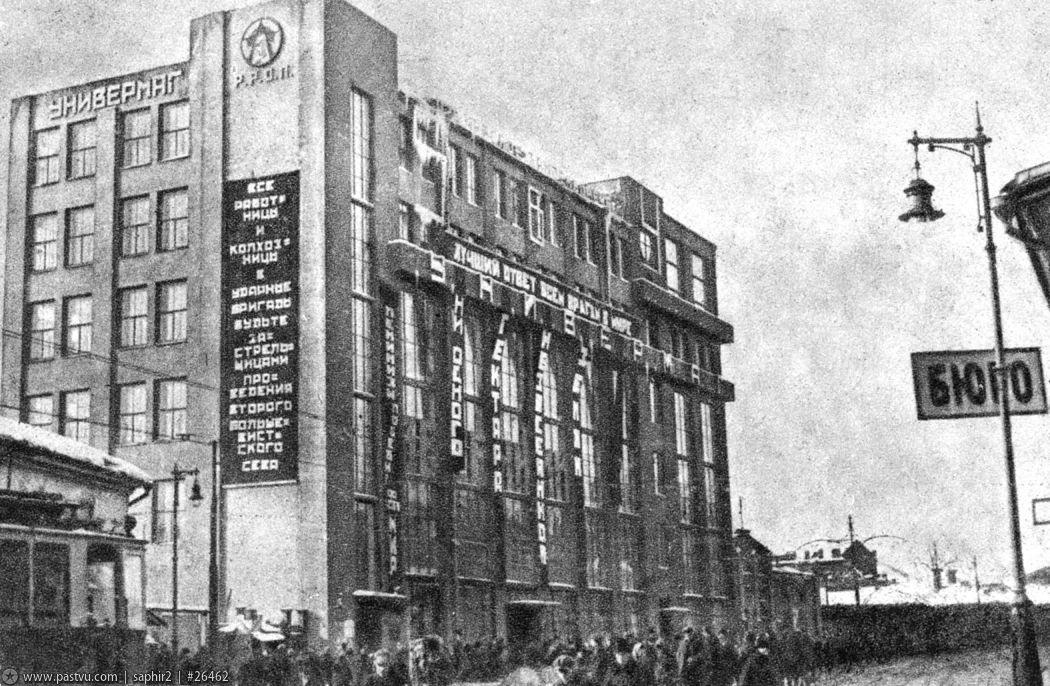
В 1930-х было построено многоэтажное здание Универсального магазина. В 1930-х это магазин «Красное Замоскворечье», построенный в стиле конструктивизм архитектором К.Н. Яковлевым.
В 1952 году улица была переименовала в Добрынинскую, как и Серпуховская площадь, которая стала Добрынинской. Петр Добрынин – революционер, участник Октябрьской революции и один из организаторов отрядов Красной гвардии в Замоскворечье.
К этому времени на улице выросли многоэтажные современные дома. В 1957 г. на месте разрушенного кинотеатра было построено новое здания кинотеатра «Буревестник» по проекту архитектора И.В. Жолтовского.
Street Cow shaft - plot rampart, which passed between the Kaluga and the Serpukhov gate. Name recalls the end of the XVIII century, when the square was Serpukhov gate beast yard - cattle market, which was transferred here from Myasnitsky gate. Basically, the market traded cows, so he was named Cow, and plot the rampart, which divides the city and a huge field where cattle; - cows shaft. Located nearby and Horse Market, now in its place the children's body Morozov Hospital. Cow on the shaft located forge, here was built Mytnaya yard - a place where cattle were branded. Cow along the shaft from Moscow was Zhitnyaya street. Her from the time of Peter I were barns with grain - barns. In 1812, all wooden buildings in the area of Moscow burned. Val was razed, and in its place was formed street - Cow shaft. Barns Zhitnaya streets remained until the twentieth century. Now the houses on the right side of the shaft Cow does not exist, and he is separated from the street Zhitnaya Square. In the 1880s, cattle market was abolished about it just reminds Cow lanes, retains its name to the twentieth century. The neighborhood was built with wooden houses, there lived merchants, tradesmen, petty officials. The street itself was built mainly in small one-story stone houses, stores up to 1930. In the middle of the XIX century. two hectares of land near Cow shaft belonged to the family of Remizov. There were three large yard. In 1880 Remizov yards were busy urban park tram, and then a bakery. Moscow Dobryninsky bakery dates back to 1914. In 1936 this Bakery them. Gorky. In 1913-1914 gg. in part Remizov park was opened cinema "Giant." The biggest movie theater in Moscow stayed there until 1941 and was destroyed during the German bombing. In 1930 was built multi-storey building department stores. In the 1930s, this shop "Red Zamoskvoreche", built in the style of constructivism architect KN Yakovlev. In 1952 the street was renamed in Dobryninsky as Serpukhovskaya area, which became Dobryninskaya. Peter Dobrynin - a revolutionary, a member of the October Revolution and one of the organizers of the Red Guard units now serving. By this time, the street grew multi-storey modern home. In 1957 on the site of the ruined theater was built a new building of the cinema "Petrel" by architect IV ZHOLTOVSKOGO [http://um.mos.ru/personalities/15608/].