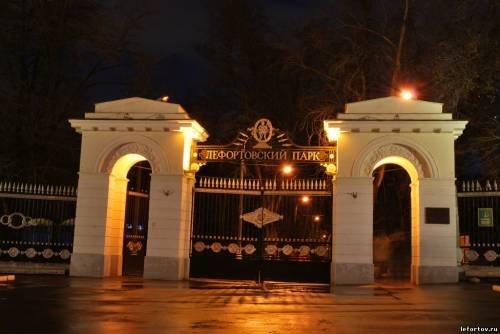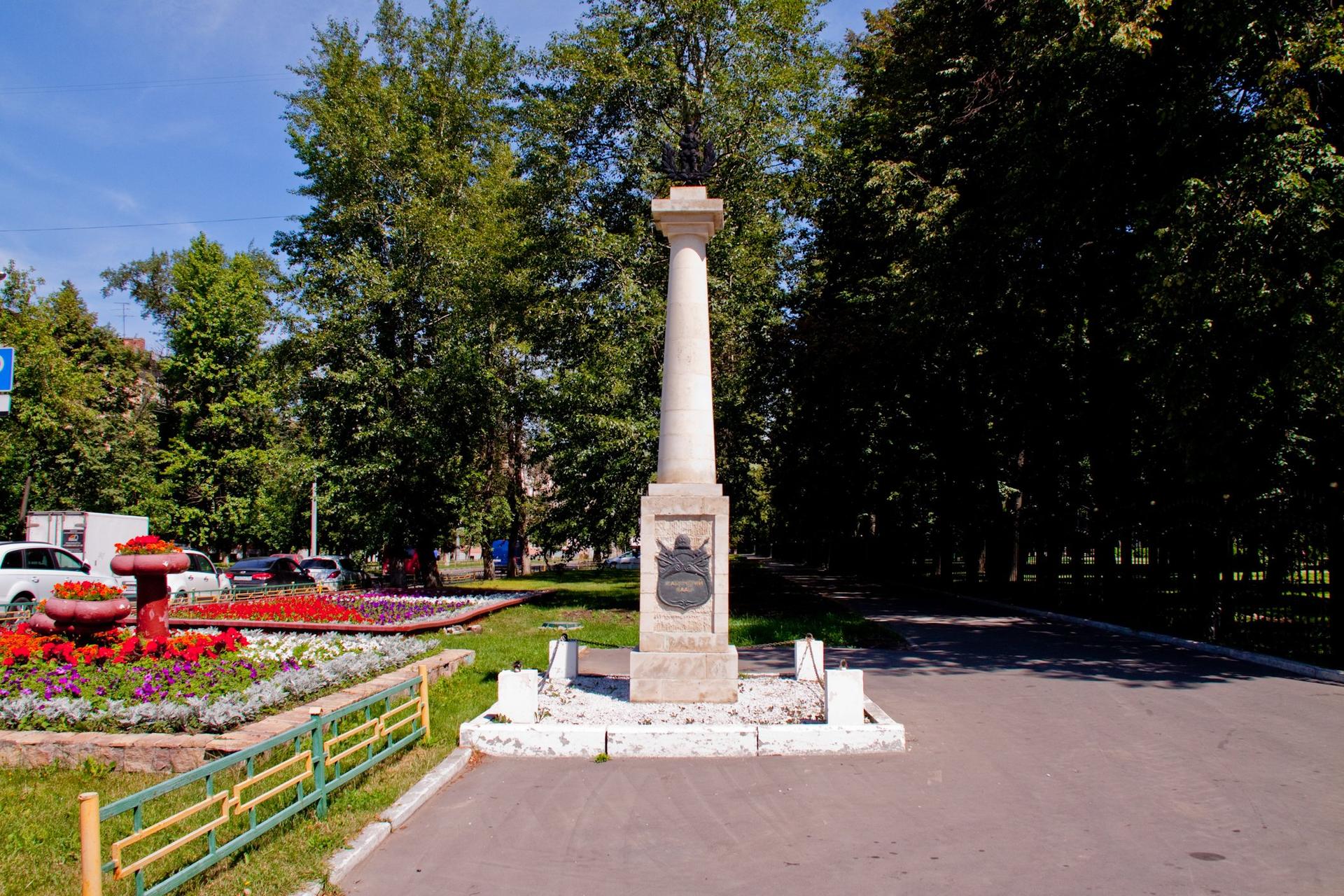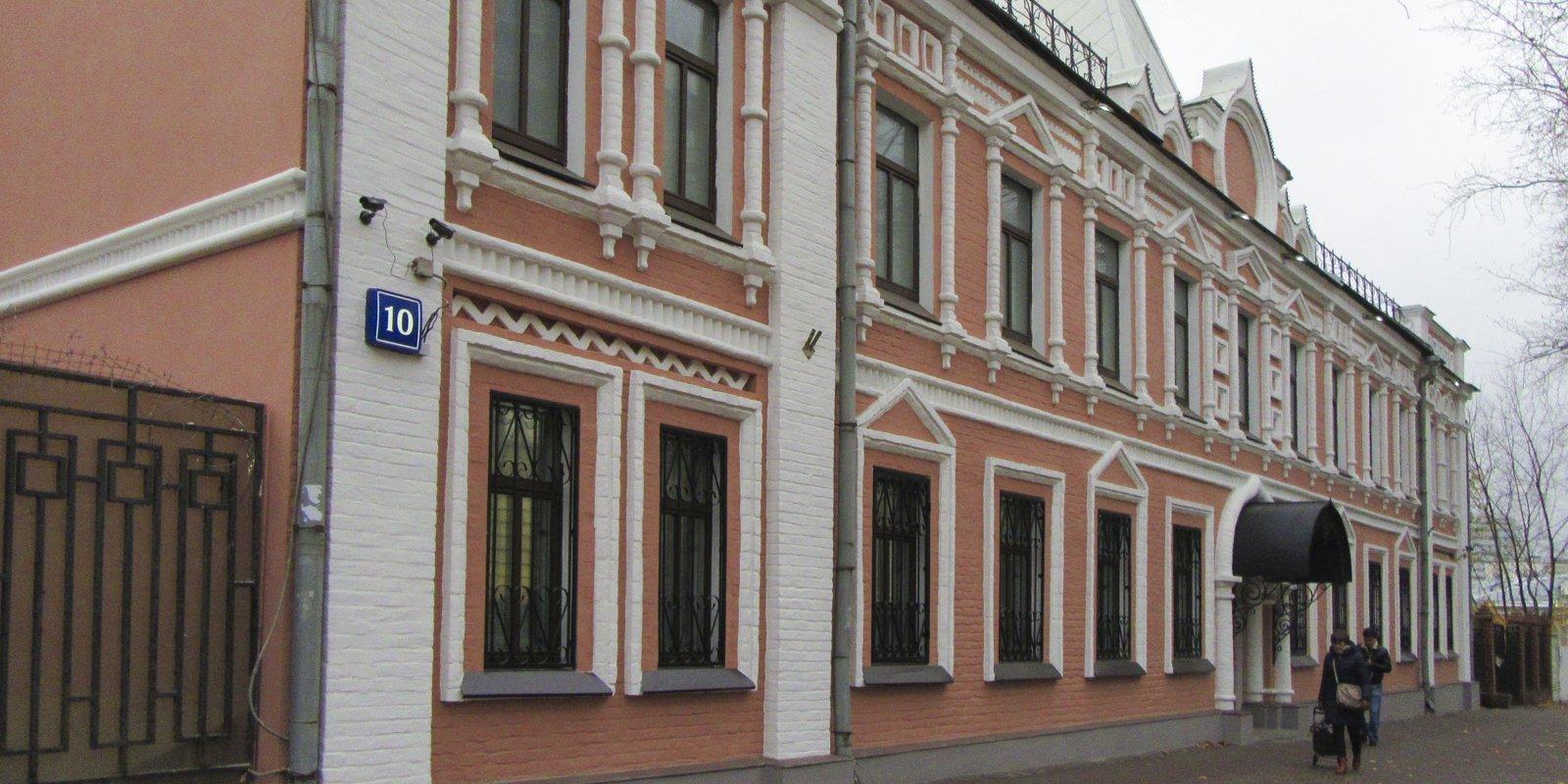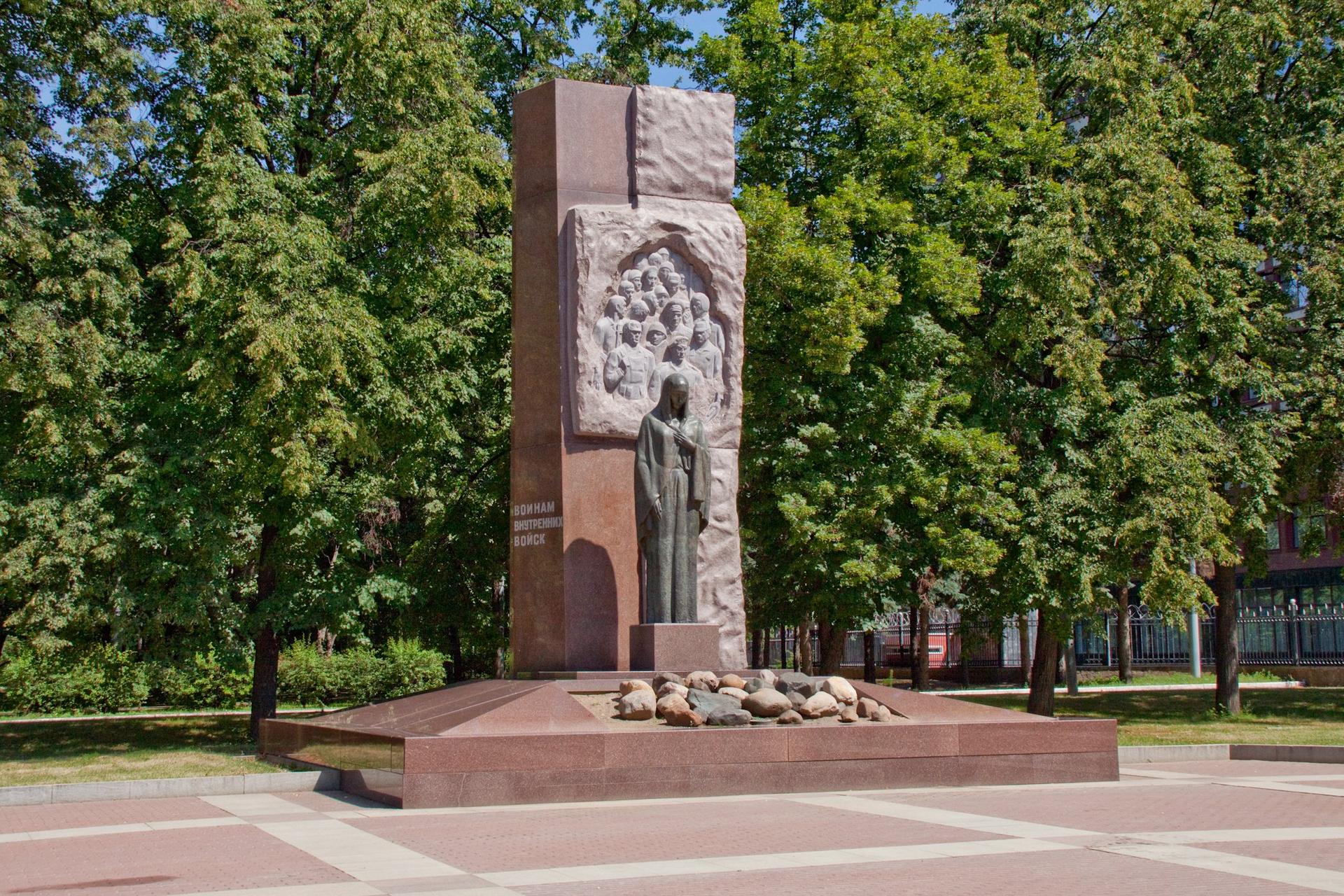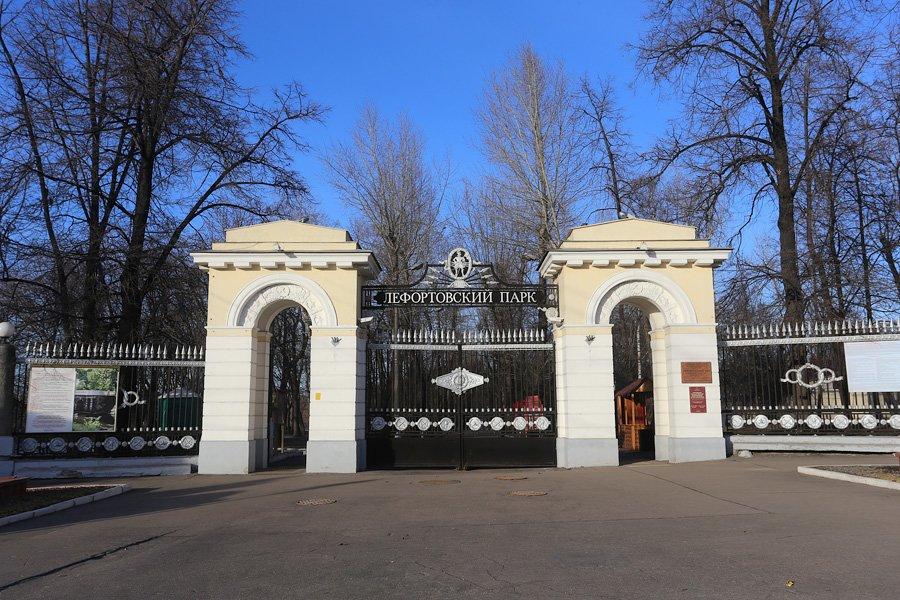
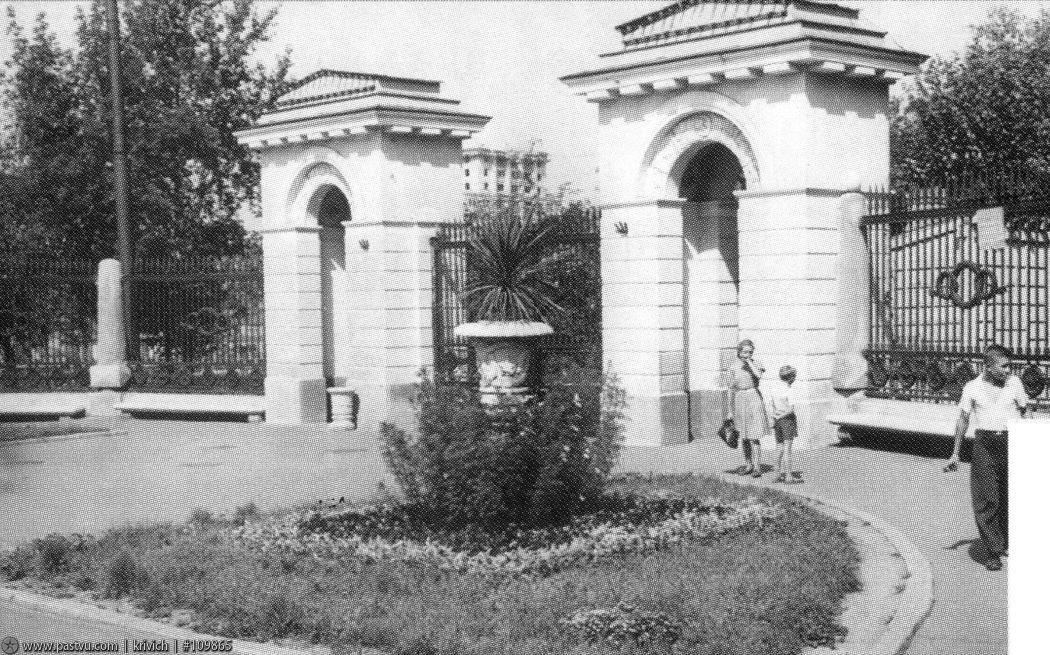
Лефортовский парк (изначально Головинский сад) — один из старейших парков Москвы, исторический и природный памятник архитектуры и садово-паркового искусства. Впервые он упоминается в 1703 г. как часть загородной усадьбы генерал-фельдмаршала Ф.А. Головина, сподвижника Петра I. Этот парк на берегу Яузы считается предшественником регулярных парков в Москве и Санкт-Петербурге.
Основанная при царе Алексее Михайловиче Тишайшем Немецкая слобода, где были обязаны проживать приехавшие на службу в Россию иностранцы (большинство их было военными), в конце XVII века представляла собой настоящий иностранный городок с чистыми прямыми улицами, аллеей на набережной, садами, цветниками, опрятными домами. Некоторые обитатели Немецкой слободы — швейцарец Франц Лефорт, шотландец Патрик Гордон и другие — стали первыми сподвижниками молодого царя Петра I, поддержав его искания и преобразования. В честь Лефорта, ближайшего советника и помощника царя, скончавшегося от горячки через год после возвращения из Великого посольства, этот район стал называться Лефортово.
Другой советник царя, генерал-фельдмаршал Фёдор Головин, глава внешнеполитического ведомства — Посольского приказа, в 1701 г. выкупил у вдовы Лефорта участок земли под свою усадьбу. За считанные месяцы была построена дворцовая резиденция с дворцом (архитектор Д. Иванов), хоромами для приёмов, Успенской церковью и регулярным парком, организованным по образцу Версаля. В марте 1703 года Пётр I принимал здесь посланника французского монарха Людовика XIV.
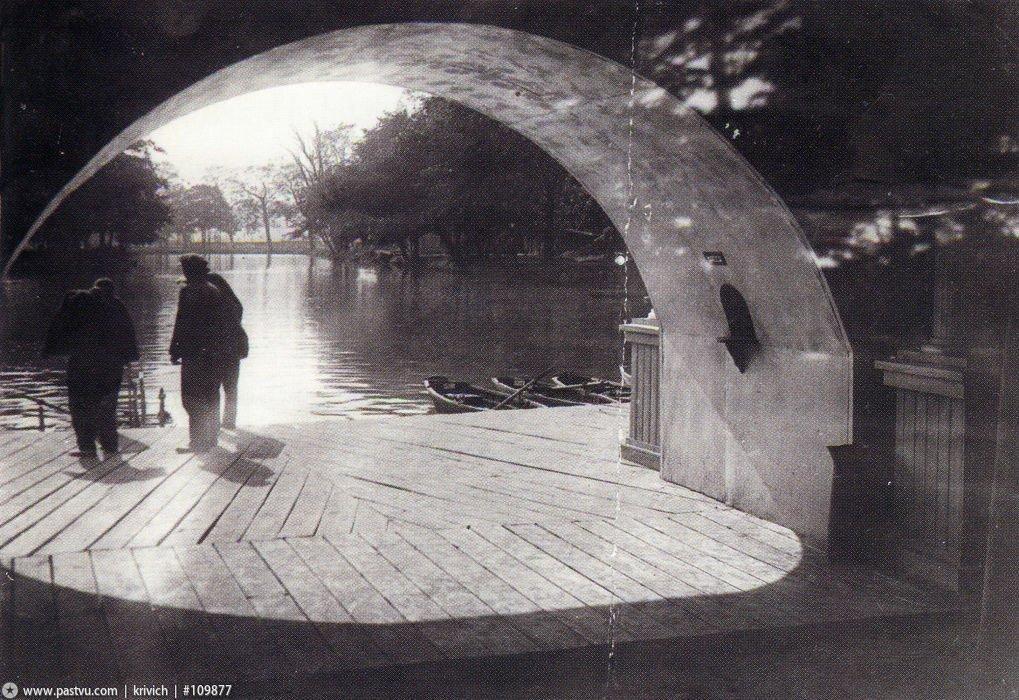
Первоначальная планировка Головинского сада, судя по сохранившимся гравюрам, была прямоугольной. Зелёные насаждения и дорожки занимали верхнюю террасу берега, а на пойменной террасе был спроектирован каскад прудов. Правее дворца находился Большой пруд для катания на лодках.
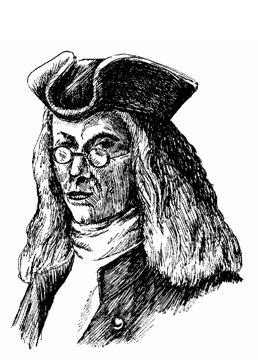
В 1722 году, уже после кончины Головина, Пётр I выкупил у наследников изрядно обветшавшую усадьбу в казну, намереваясь сделать из неё свою московскую резиденцию и, в частности, провести там торжества в честь коронации императрицы Екатерины I. В 1723 году к благоустройству парка по распоряжению Петра I приступил лейб-медик голландец Николас Бидлоо, проявивший к тому времени свои умения в архитектурном и инженерном деле. Он получил от государя наказ сделать увеселительный сад с водяными «потехами» на голландский манер. За короткое время Бидлоо удалось провести большие земляные работы: изменить течение ручьёв и заполнить водой многочисленные пруды и фонтаны, расчистить и выровнять площадки для симметричных дорожек. Уже после смерти Петра I при поддержке Екатерины I ему удалось частично реализовать проект большого каскада прудов с плотиной Крестового пруда. Скульптуры, украшавшие сад, беседка на острове и некоторые другие «потехи», сооружённые по указанию Бидлоо, до наших дней не сохранились.
После смерти Петра I в резиденции в Лефортове заседал Верховный тайный совет, пребывал двор императора Петра II, а в 1730 году здесь проводились торжества по случаю коронации новой императрицы — Анны Иоанновны. С её именем связан следующий этап в истории парка.
Императрица провозгласила Лефортово своей главной московской резиденцией, став именовать её на немецкий манер Анненгоф. По легенде, Анненгофская роща появилась здесь за одну ночь: по приказу императрицы в парке были высажены привезённые взрослые деревья.
По рекомендации своего фаворита, курляндского герцога Эрнста Иоганна Бирона, Анна Иоанновна пригласила в Москву молодого архитектора Франческо Бартоломео (Варфоломея) Растрелли, который возвёл в Лефортово деревянный дворец в стиле барокко — Летний Анненгоф. В 1736 г. для постоянного проживания императорского двора из Кремля перевезли сюда и тёплый деревянный дворец — Зимний Анненгоф. Оба дворца по размерам превосходили Головинский дворец; их предполагалось окружить обширной парковой зоной.
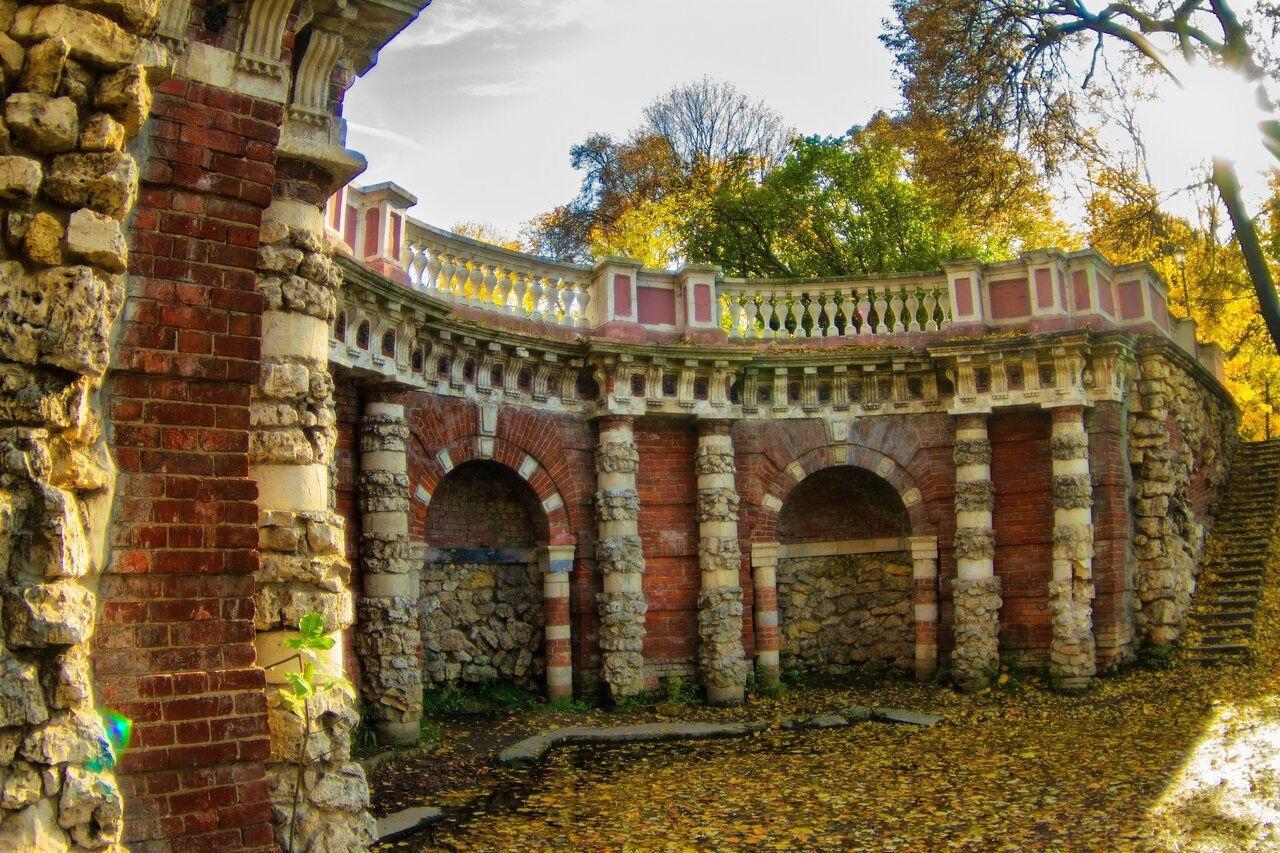
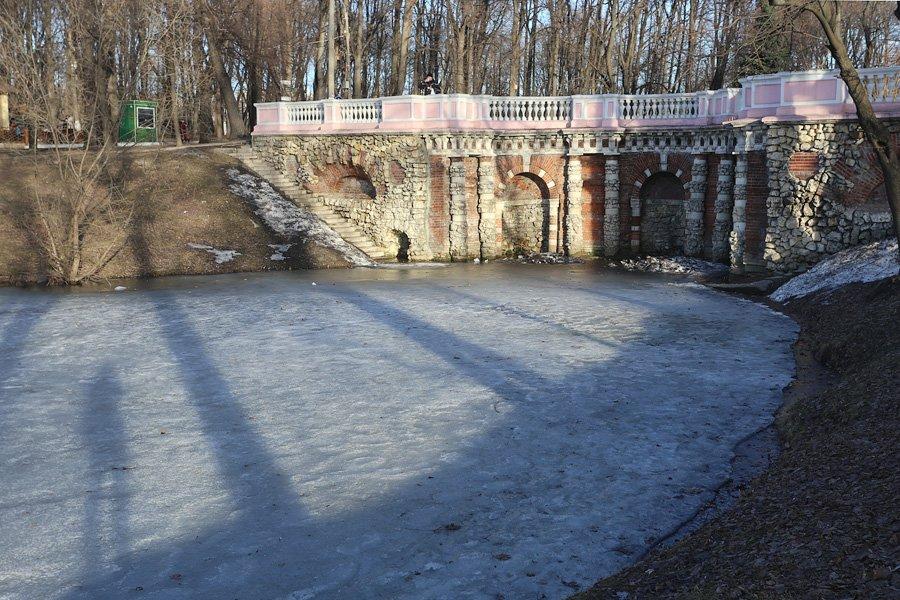
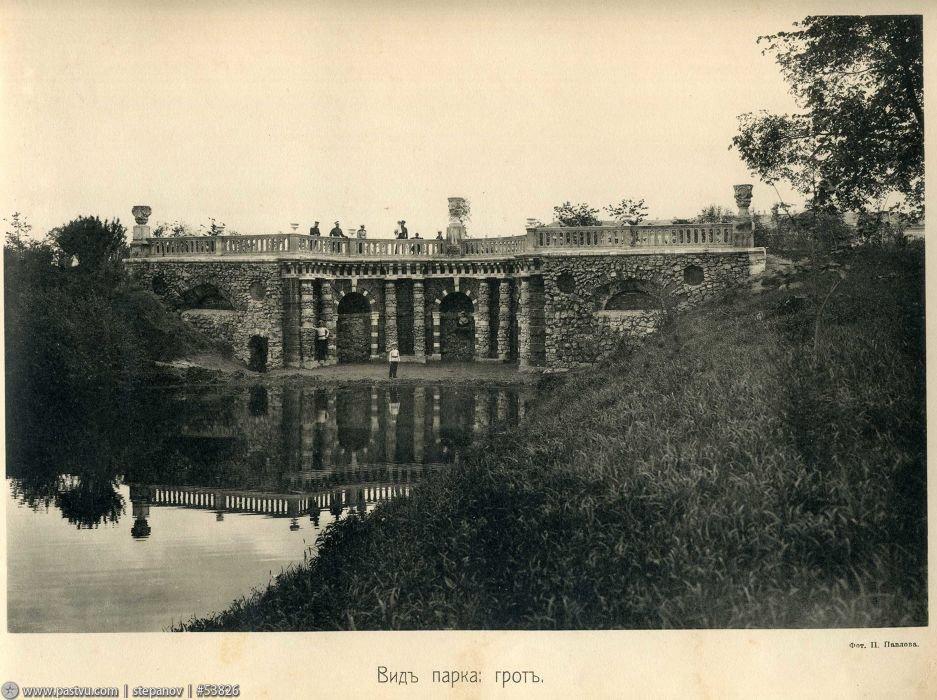
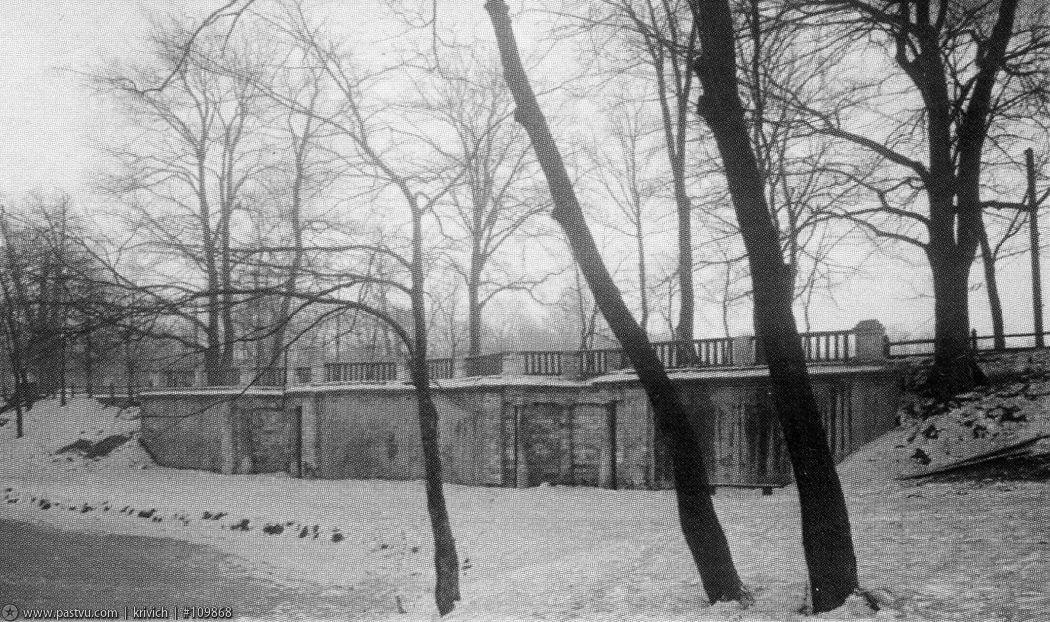
Прежний парк стал Нижним садом и был дополнен Верхним, планировку которого разработал Растрелли, а его отец, скульптор Бартоломео Растрелли, изготовил статуи для украшения парка. Дворцы и каскад прудов были объединены с помощью центральной оси парка длиной более километра, перед дворцом разбили партер. Одна из главных достопримечательностей этого периода — грот Растрелли, каменная подпорная стена с колоннами и нишами. Грот был возведен в парке в 1720-е годы под руководством Бидлоо, в 1731 году Растрелли переделал его, установив там белокаменные колонны и скульптуры. На протяжении XVIII века скульптурное оформление грота дополнялось: там были установлены статуя Геракла, каменные тюлени, сфинксы, композиция с фонтаном. Ничего, кроме колонн, в гроте не сохранилось, но позднее обломки скульптур находили при расчистке прудов и русла Яузы, во время археологических раскопок.
В 1742 г. императрица Елизавета Петровна вернула резиденции прежнее название — Головинский сад, а также сделала парк открытым, то есть доступным для посещения публикой. Появились новые деревянные строения: театр «Оперный дом», церковь Воскресения Христова и дворец по проекту Ивана Коробова и Растрелли.
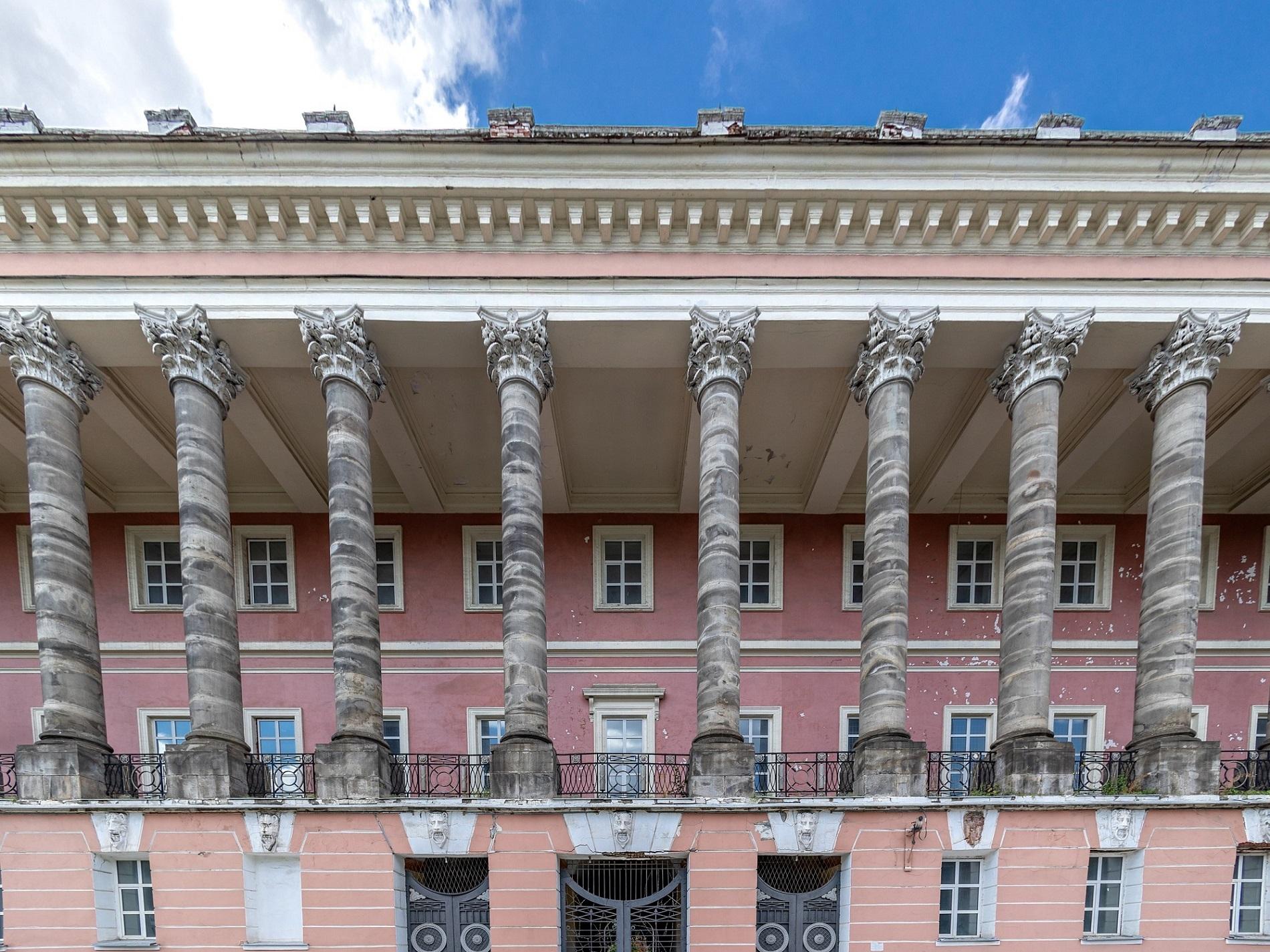
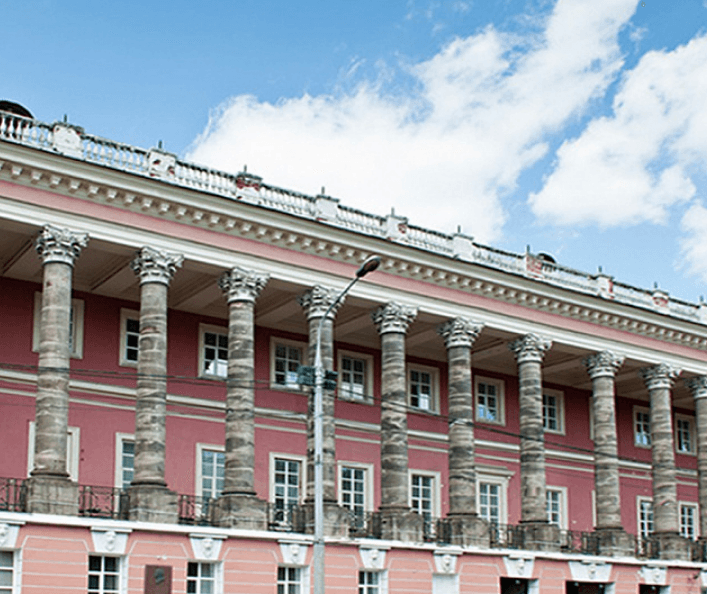
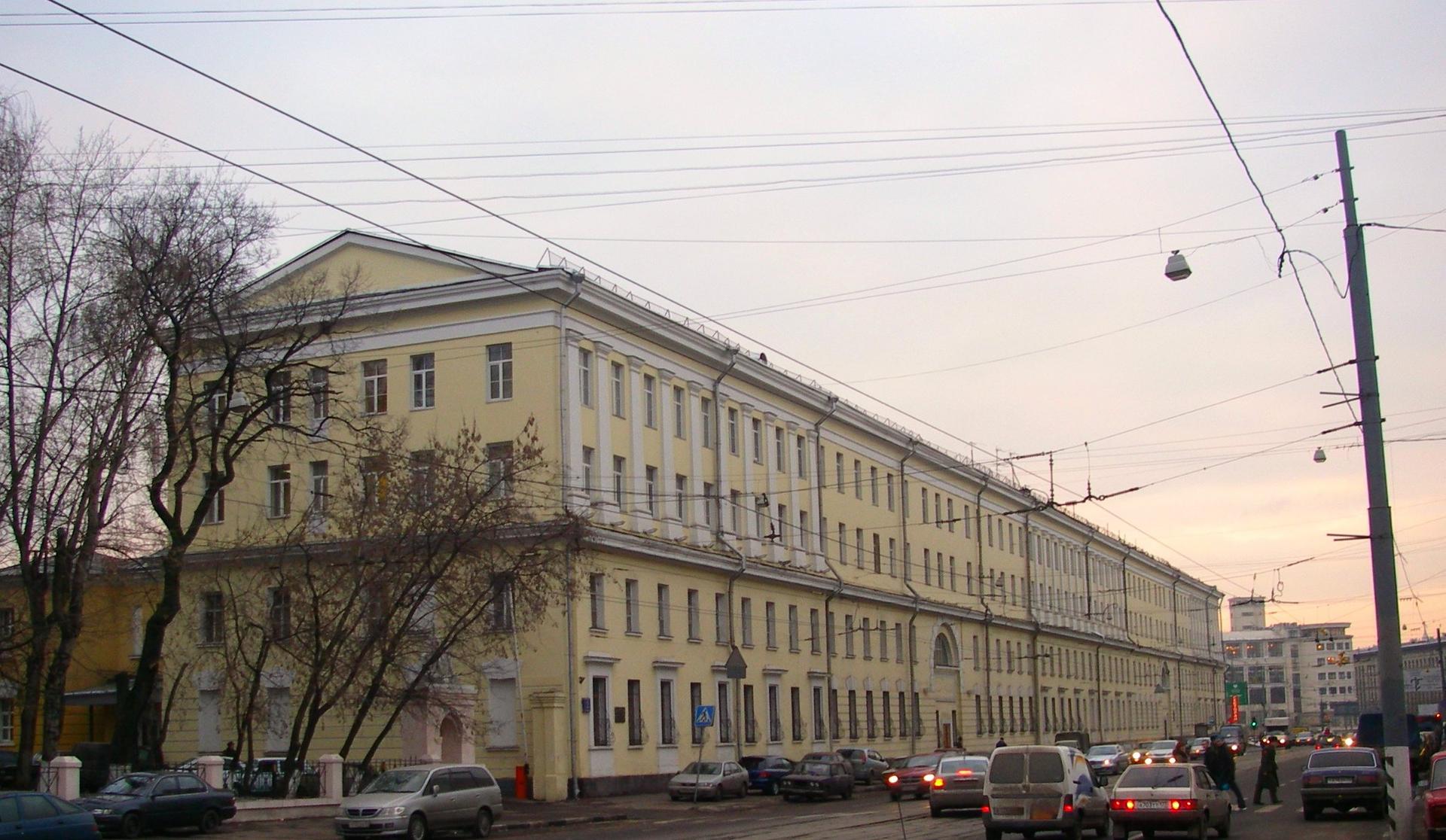
После пожара 1757 года деревянные дворцы в Лефортове пришли в запустение. Учитывая недолговечность деревянных построек, практичная Екатерина II задумала построить в парке кирпичный дворец по проекту князя Петра Макулова и архитектора Антонио Ринальди. Работы начались в 1773 году, но из-за низкого качества строительных материалов они затянулись на 25 лет; в частности от строительства был отстранён Макулов, допустивший кладку из негодного кирпича. Оригинальной особенностью Екатерининского дворца, построенного в стиле русского классицизма, стала лоджия с протяжённой колоннадой из 16 коринфских колонн, сложенных из серого камня, по проекту Дж. Кваренги, над лепниной работал Фр. Кампорези. Дворец был завершён в 1796 году и стал самым крупным на тот момент зданием в Москве. Пожить в этих чертогах Екатерине II не довелось.
Император Павел I после смерти Екатерины II отдал территорию парка и дворец военным. Во дворце разместились казармы полицейского полка Николая Архарова, а перед парадным входом во дворец был устроен плац. После смерти Павла I парк так и остался в ведении военных.
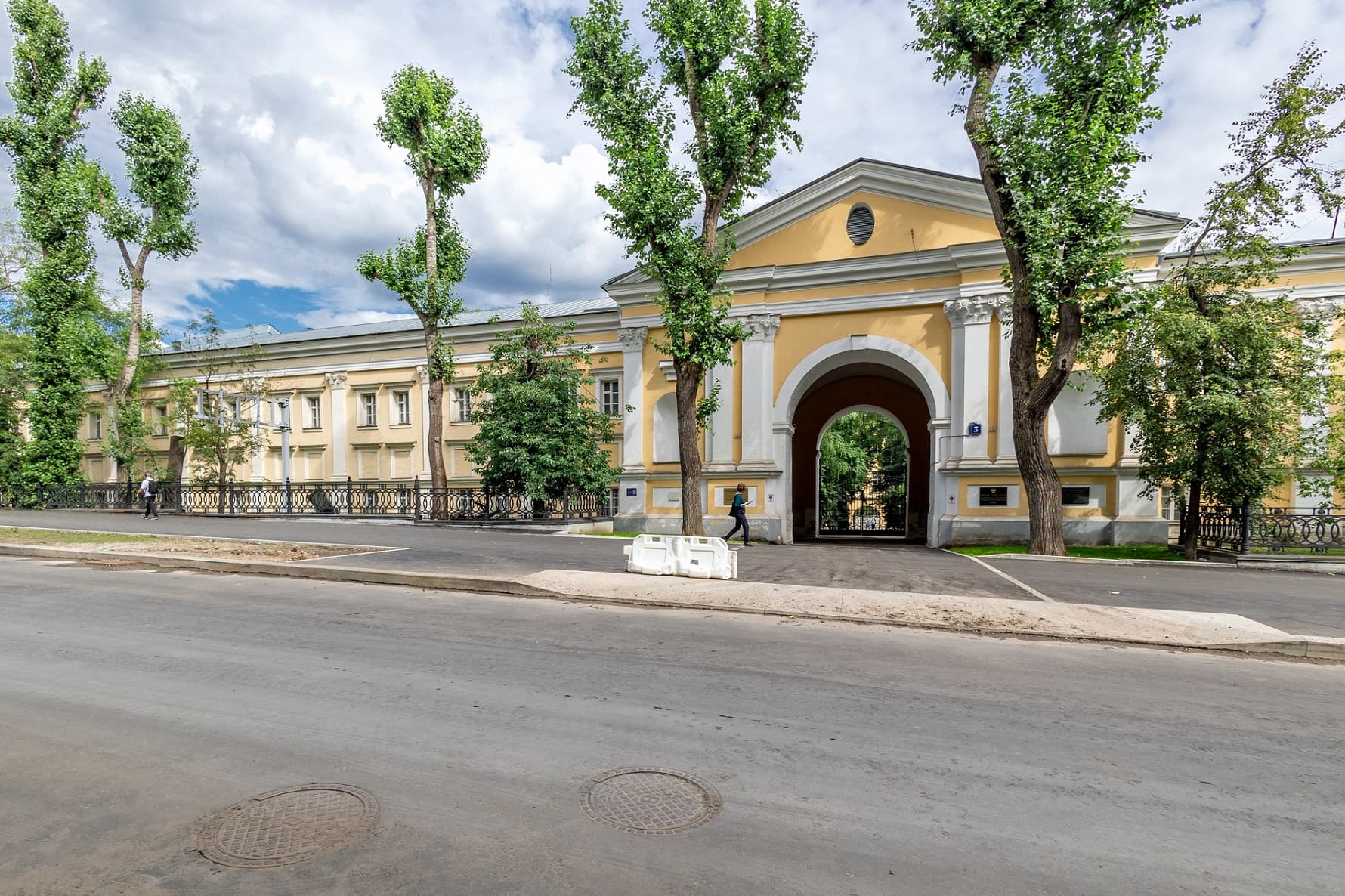
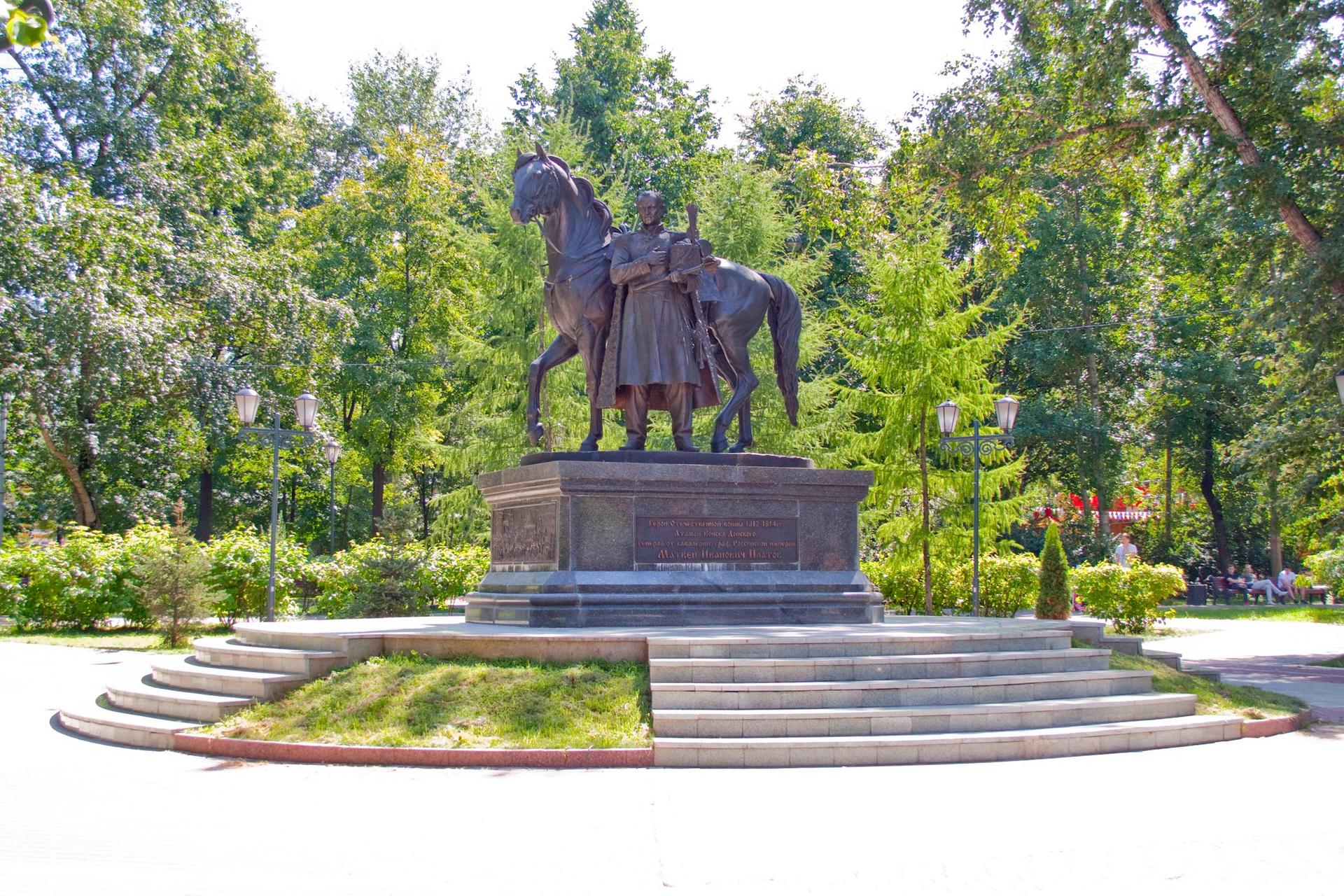
Во время Отечественной войны 1812 года Екатерининский дворец (тогда он уже назывался Красными казармами) сильно пострадал и был восстановлен в 1823 году. В 1824 году в здании разместили Московский кадетский корпус; реконструкция внутреннего устройства проводилась по проекту архитектора О.И. Бове. Кадетскому корпусу передали Анненгофскую рощу, а Головинский сад был открыт для публики.
К началу XX века Головинский сад зарос и одичал, пруды стояли заброшенными, территория парка начала несанкционированно застраиваться. Парк сильно пострадал от урагана 1904 года: множество старых деревьев было вырвано из земли с корнями. Ураганом была разрушена и построенная во второй половине XIX века беседка-ротонда — полукруглое сооружение на восьми колоннах из серого гранита. По распоряжению великого князя Константина Константиновича она была восстановлена. В беседке стоит бюст Петра I, на постаменте выбита его цитата: «Труды моего Миниха сделали меня здоровым. Я надеюсь некогда ехать вместе с ним водою из Петербурга в Москву и выйти на берег в Головинском саду».
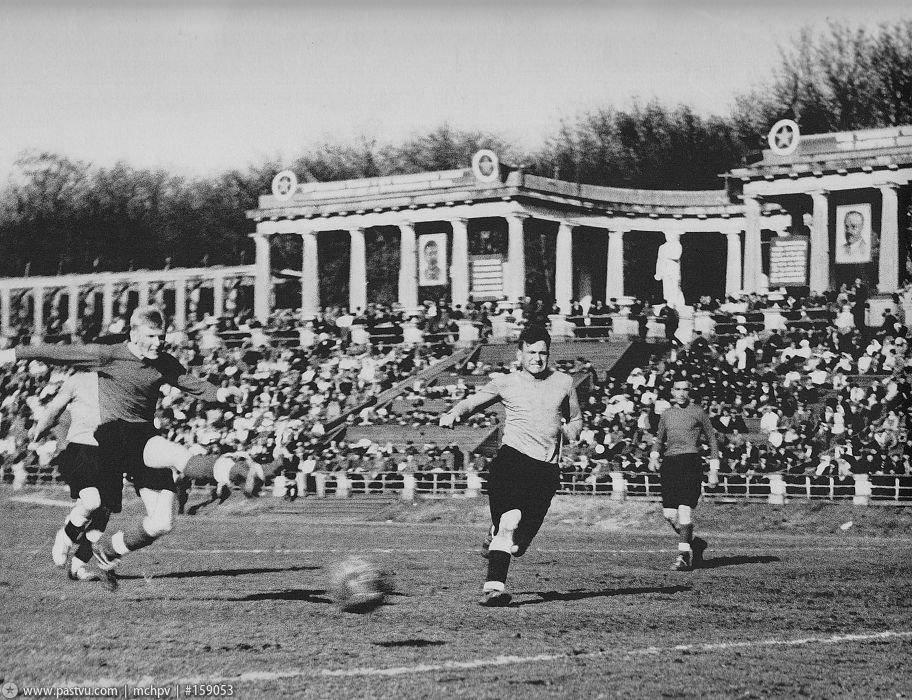
В начале 1930-х годов здесь был организован городской парк культуры и отдыха: построили стадион, зелёный театр, аттракционы. В 1937 году в бывшем Екатерининском дворце разместилась Военная академия бронетанковых войск (в настоящее время — Общевойсковая академия Вооруженных сил Российской Федерации). Дворец и ближайшая к нему территория остаются в ведении Министерства обороны и закрыты для посещения.
В 1999–2003 годах в Лефортовском парке велись археологические раскопки, которые позволили уточнить историческую структуру парка: расположение дорожек, площадок, беседок, лестниц и прочего. В ходе исследований обнаружили белокаменные элементы украшений подпорной стенки дворца Анненгоф — «Анненгофской кашкады». С 2005 года Лефортовский входит в состав Московского государственного музея-заповедника, проводятся работы по восстановлению исторической планировки парка.
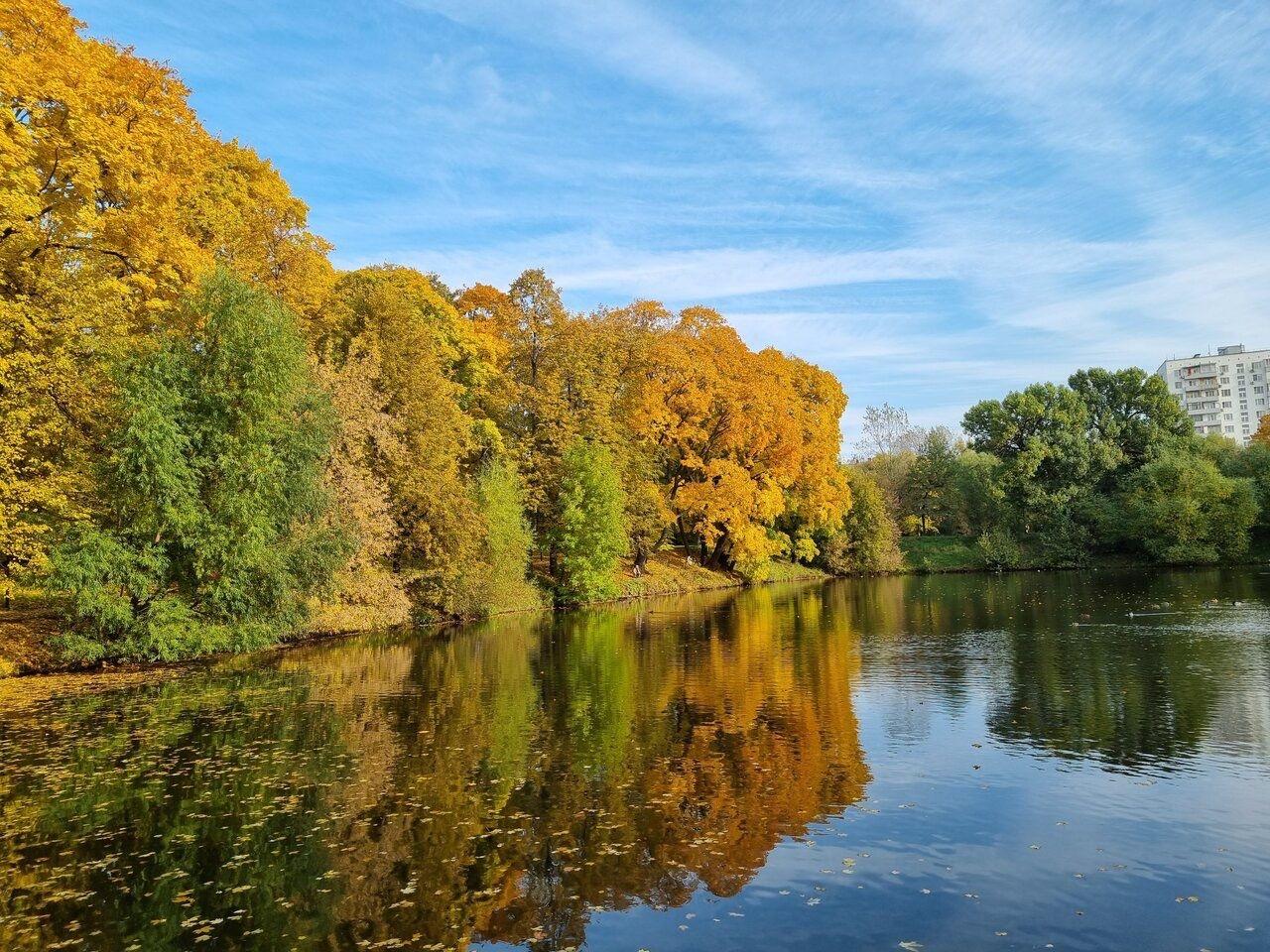
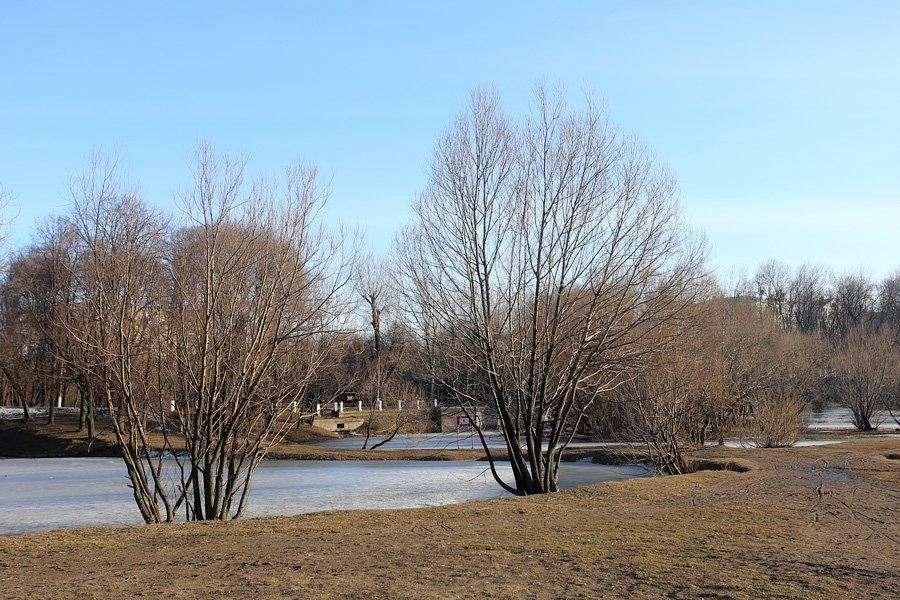
К настоящему времени восстановлены главные аллеи (прежде всего липовая — один из немногих объектов, сохранившихся от первоначального облика парка), Канал прямоугольного острова, а также семь прудов: Сапожок, Банный, Головинский, Восьмигранный, Крестовый, Большой и Овальный. Рядом с Крестовым прудом находится грот Растрелли (ныне в полуразрушенном состоянии).
Музей проводит обзорные и тематические экскурсии по парку, лекции и занятия с детьми по истории района Лефортово. Вход в Лефортовский парк свободный.