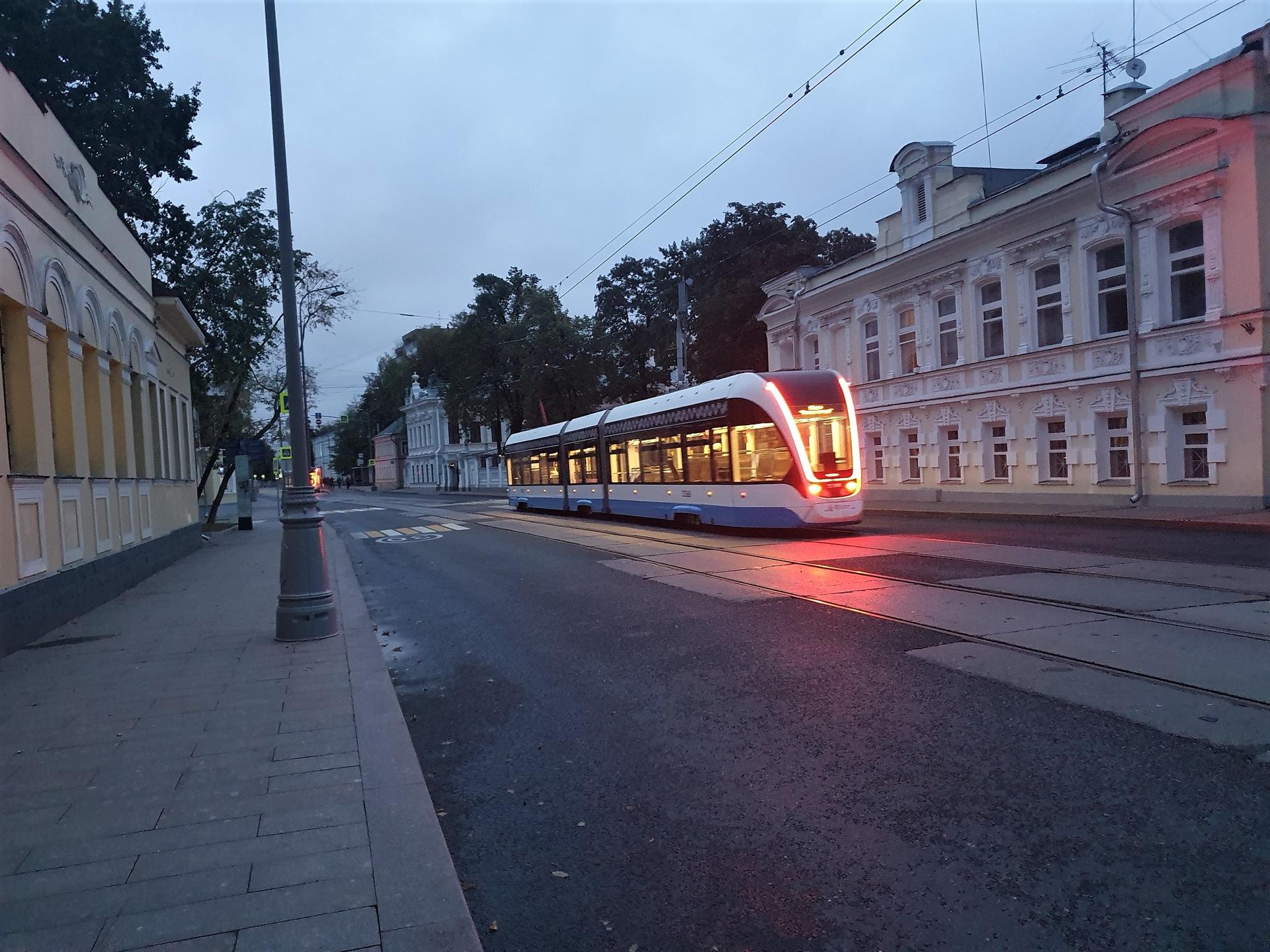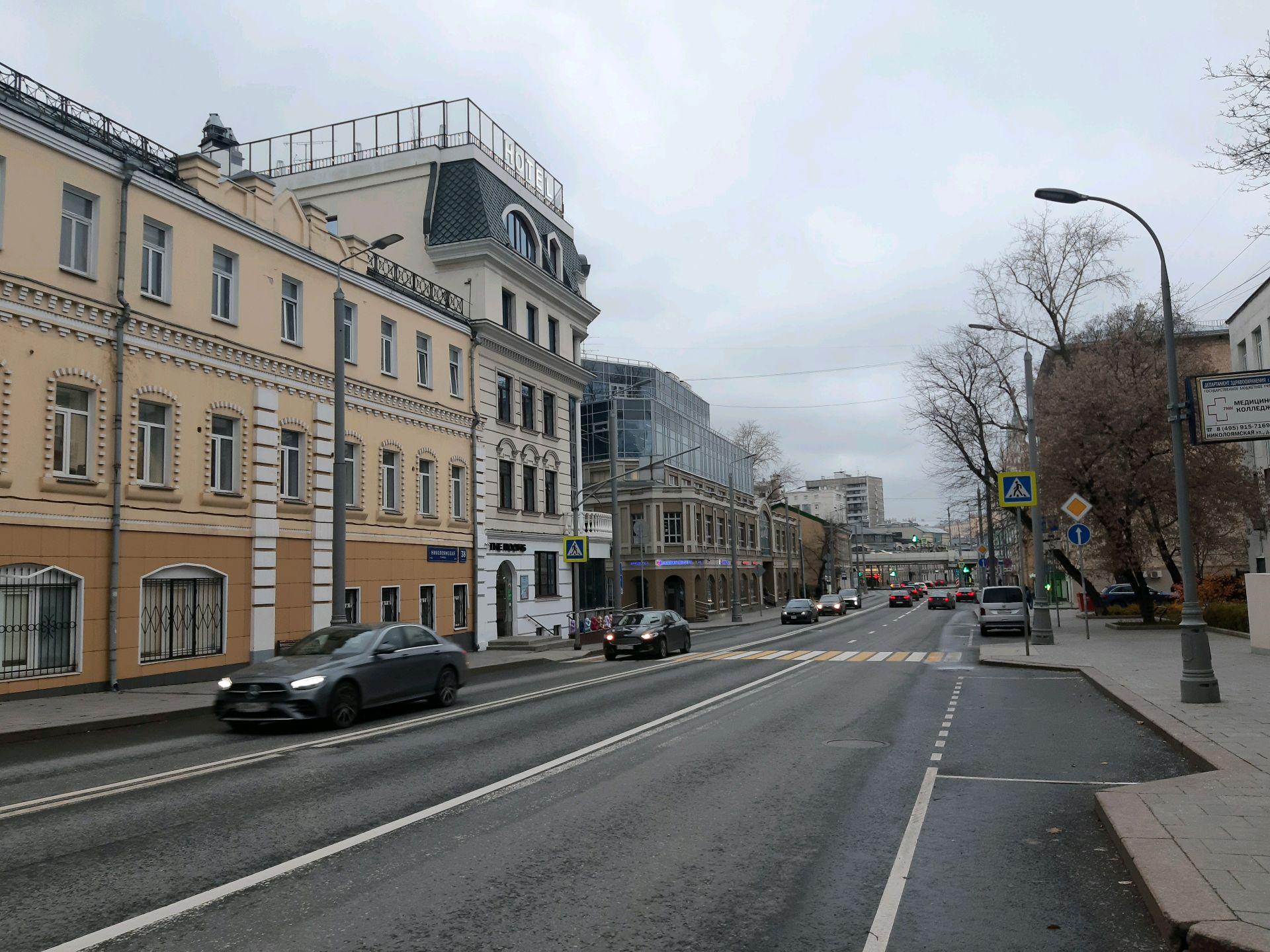
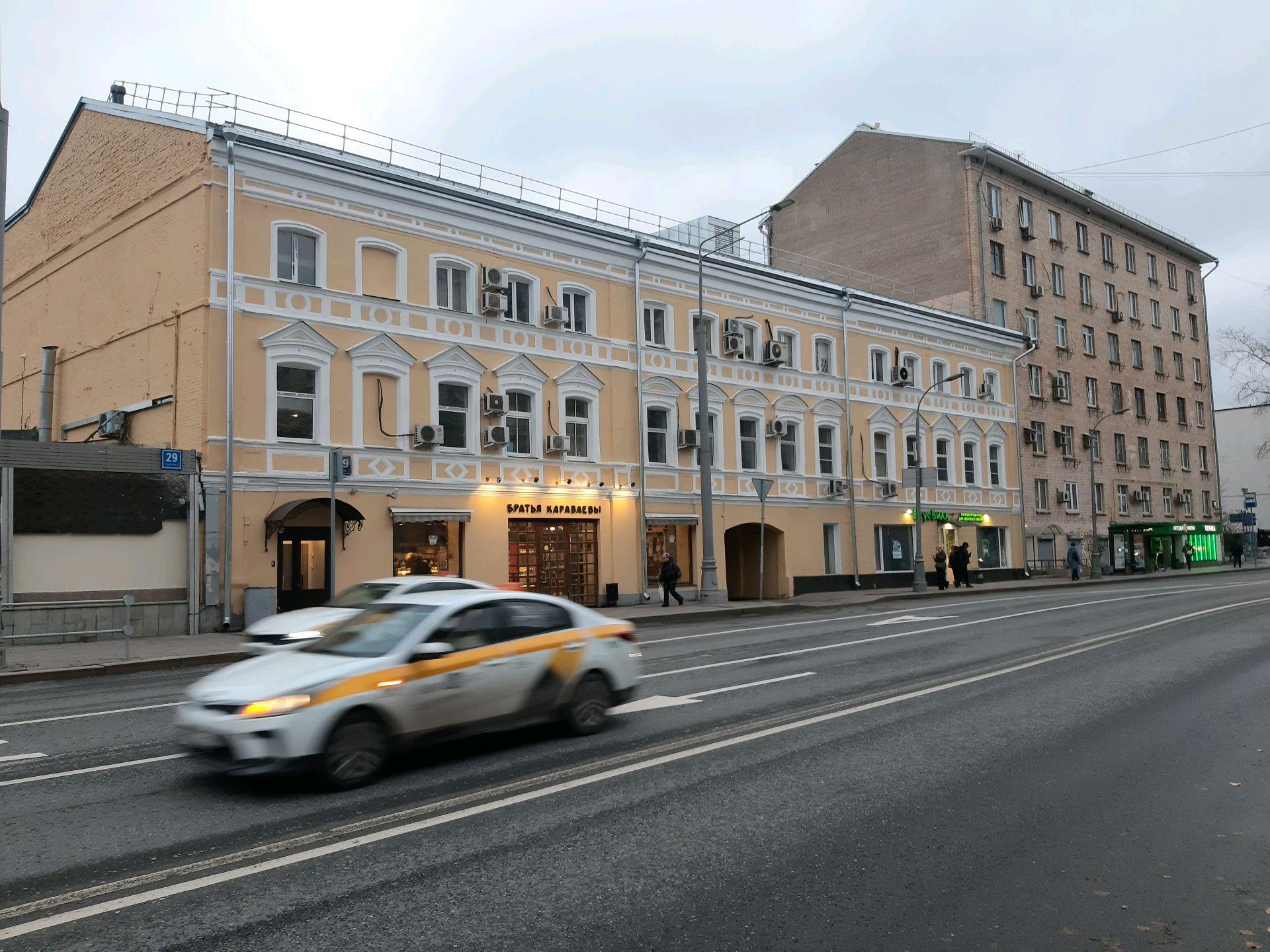
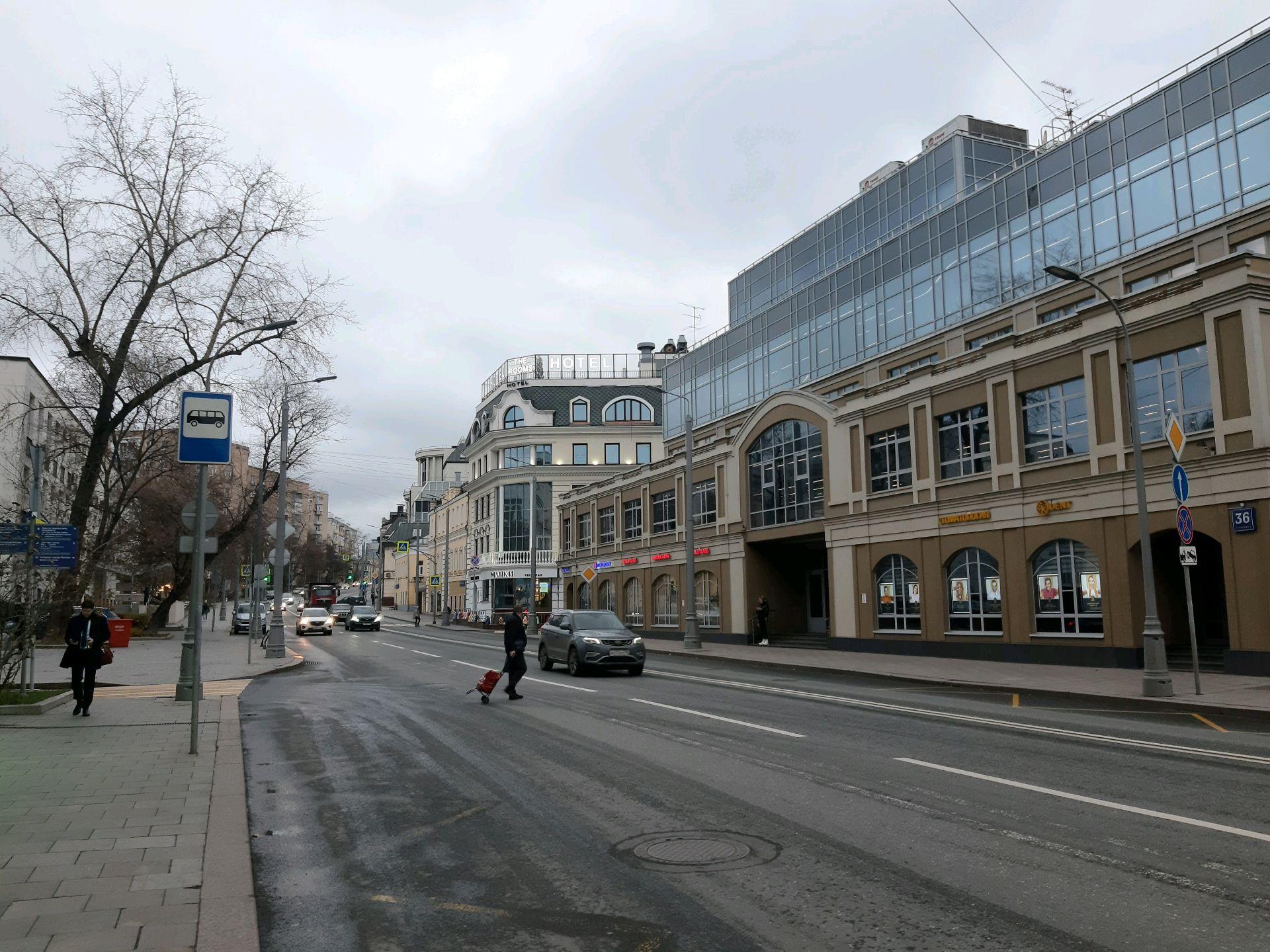
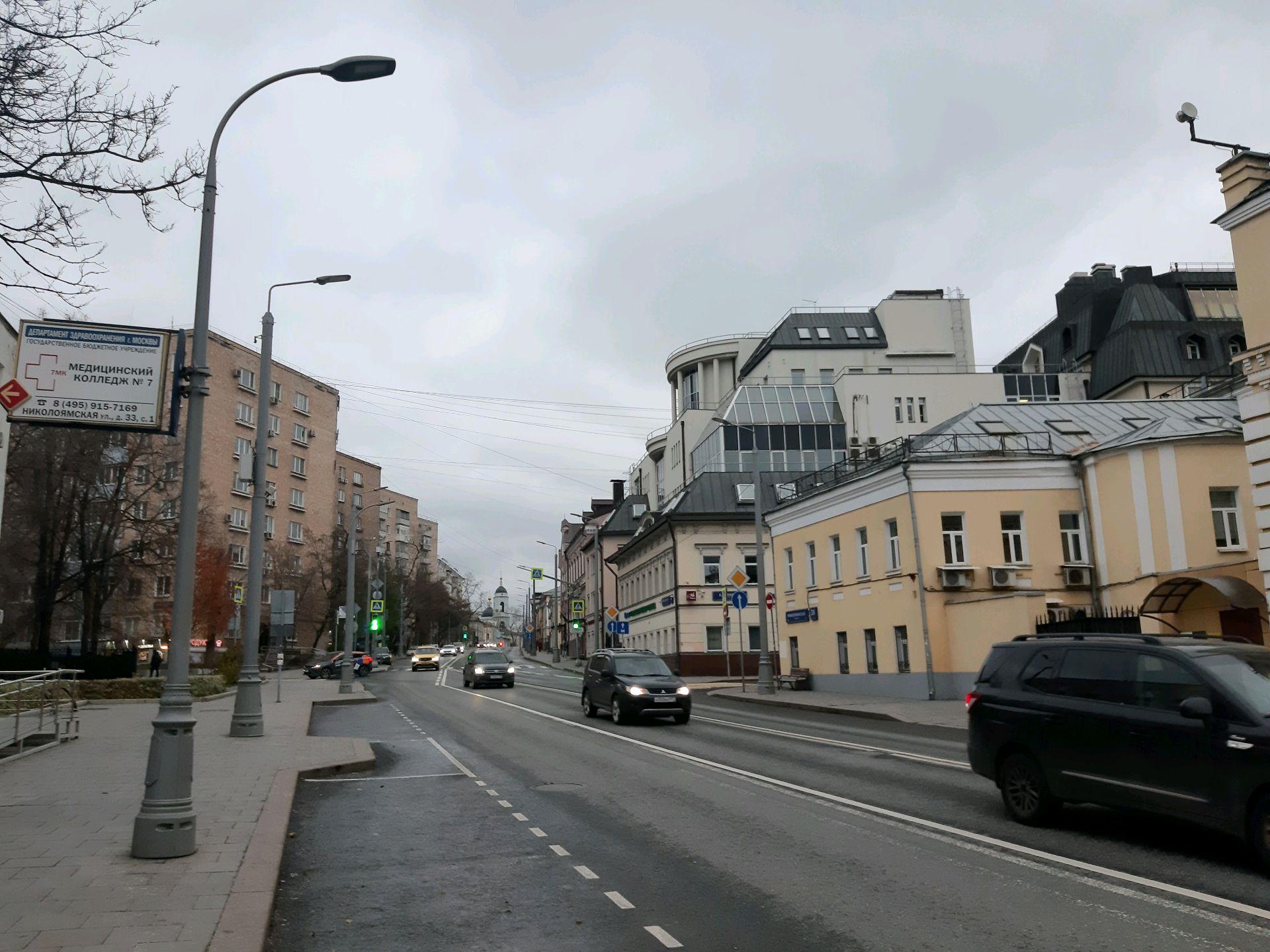
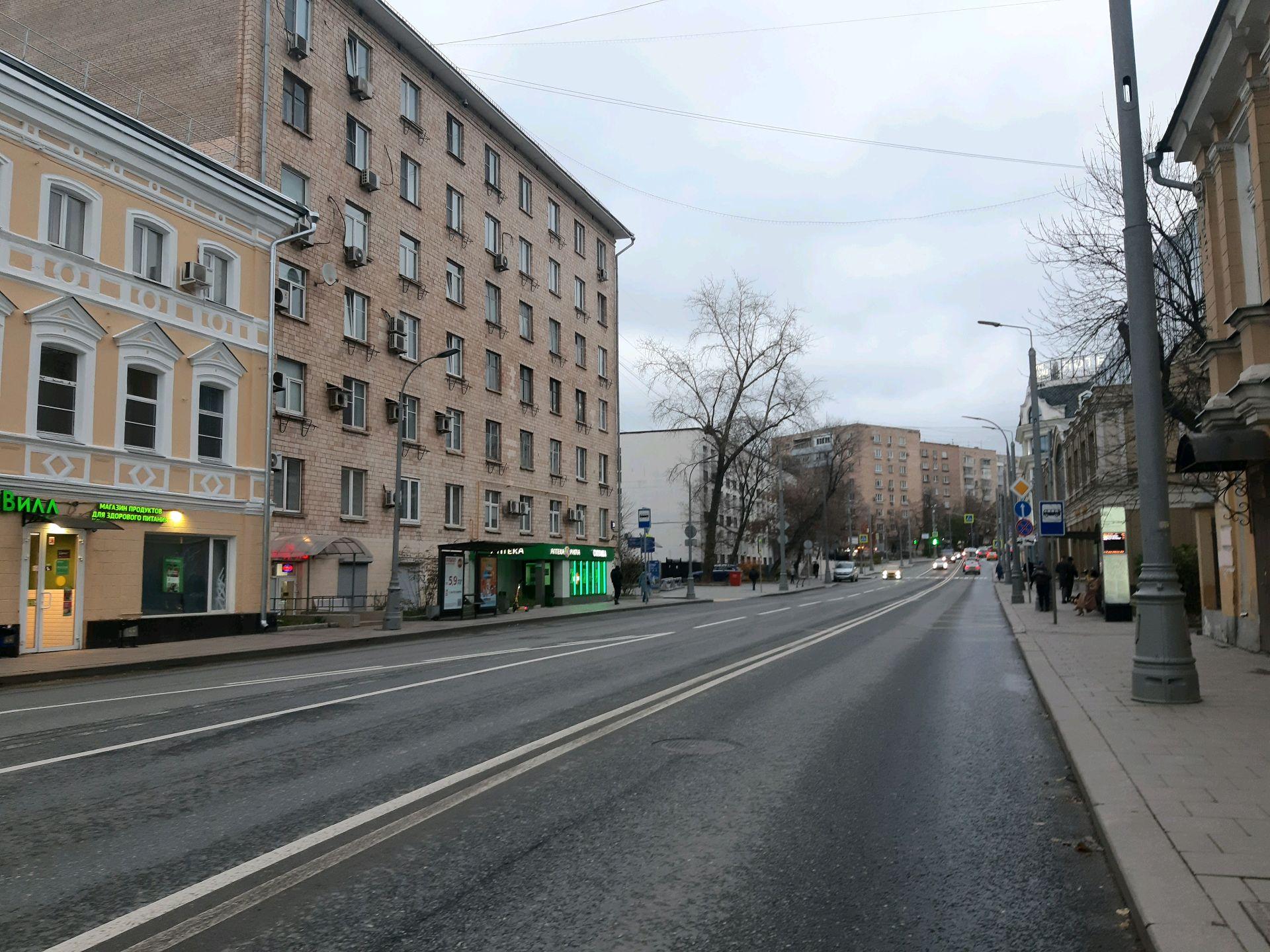
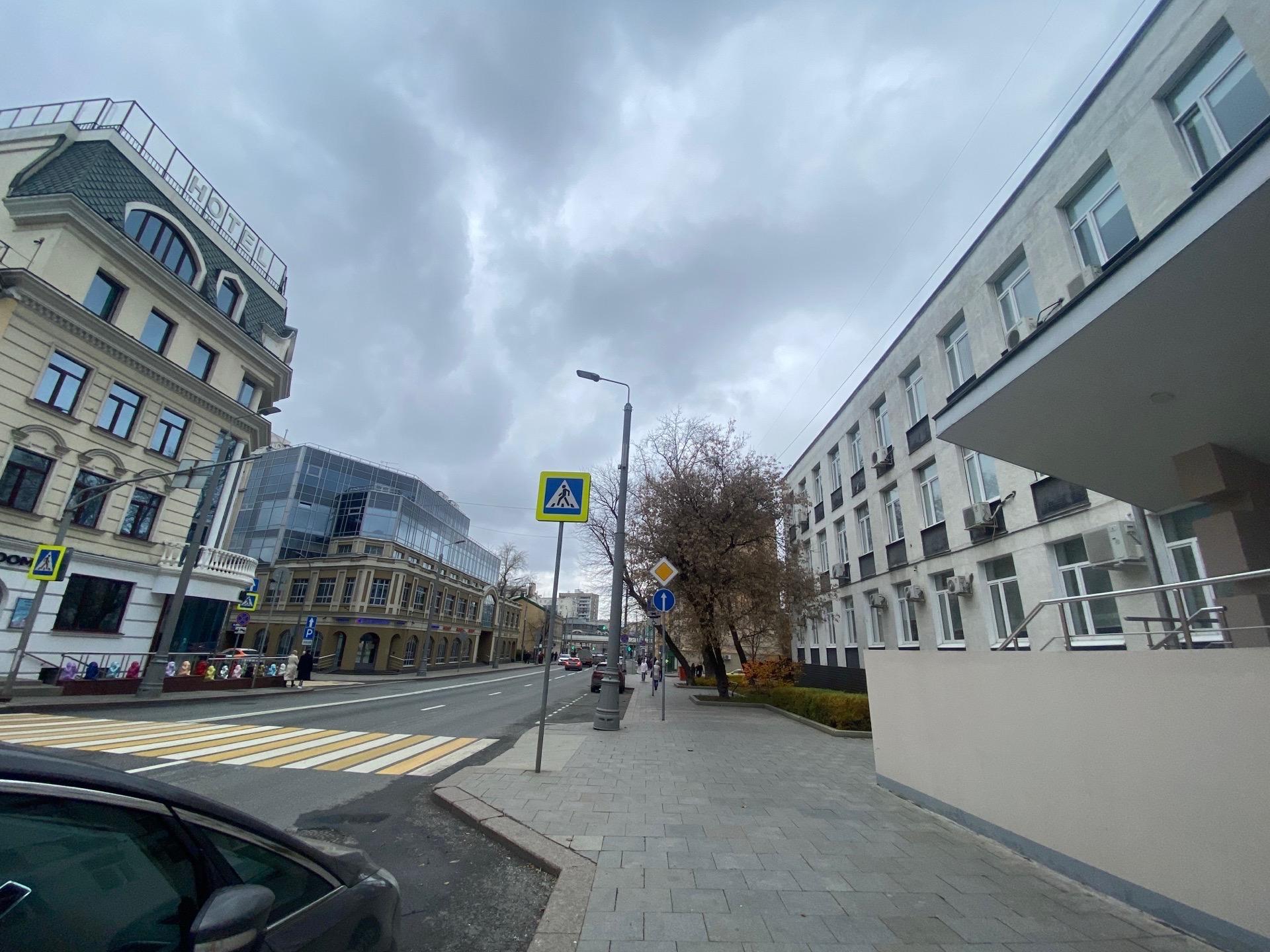
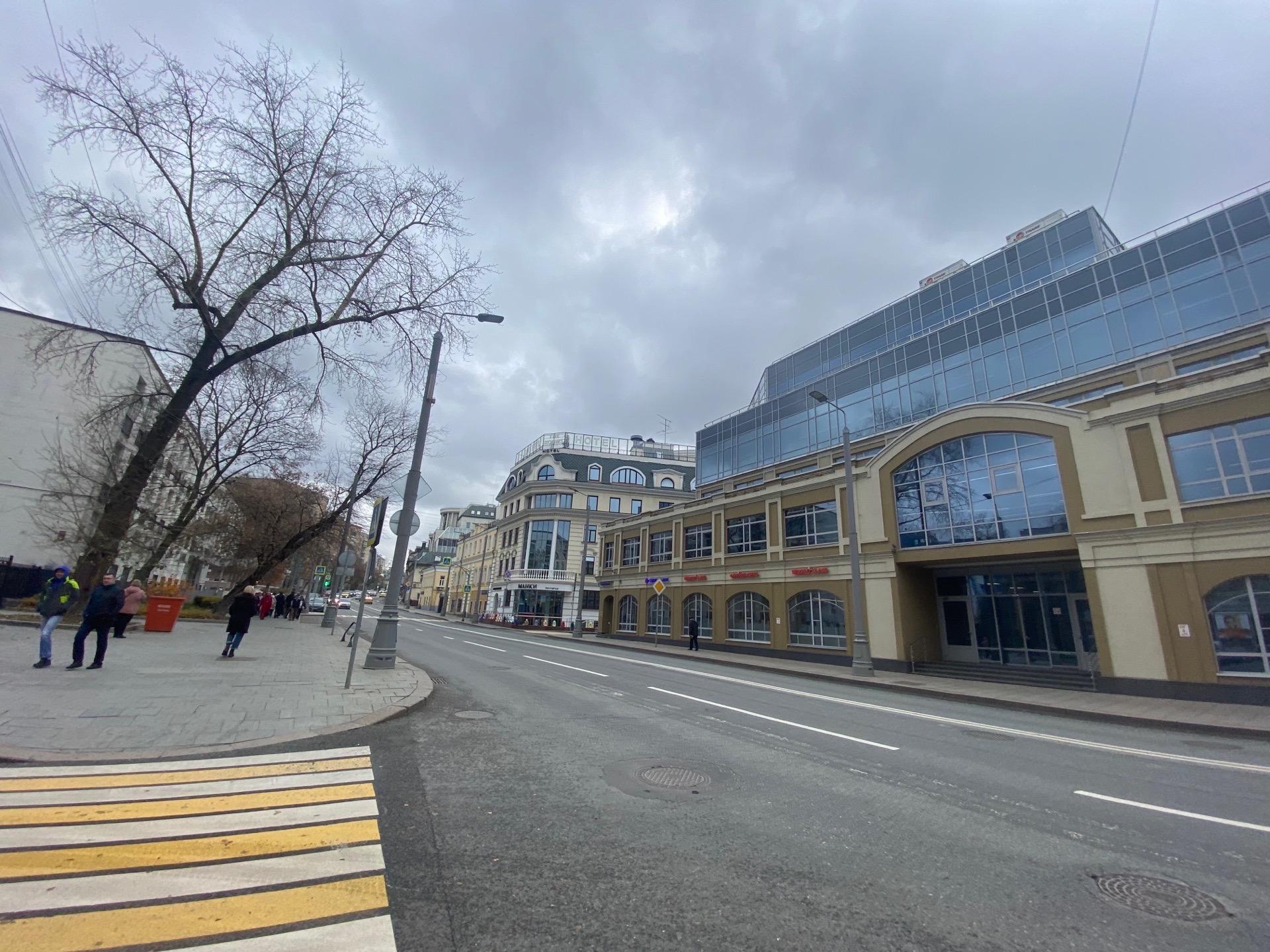
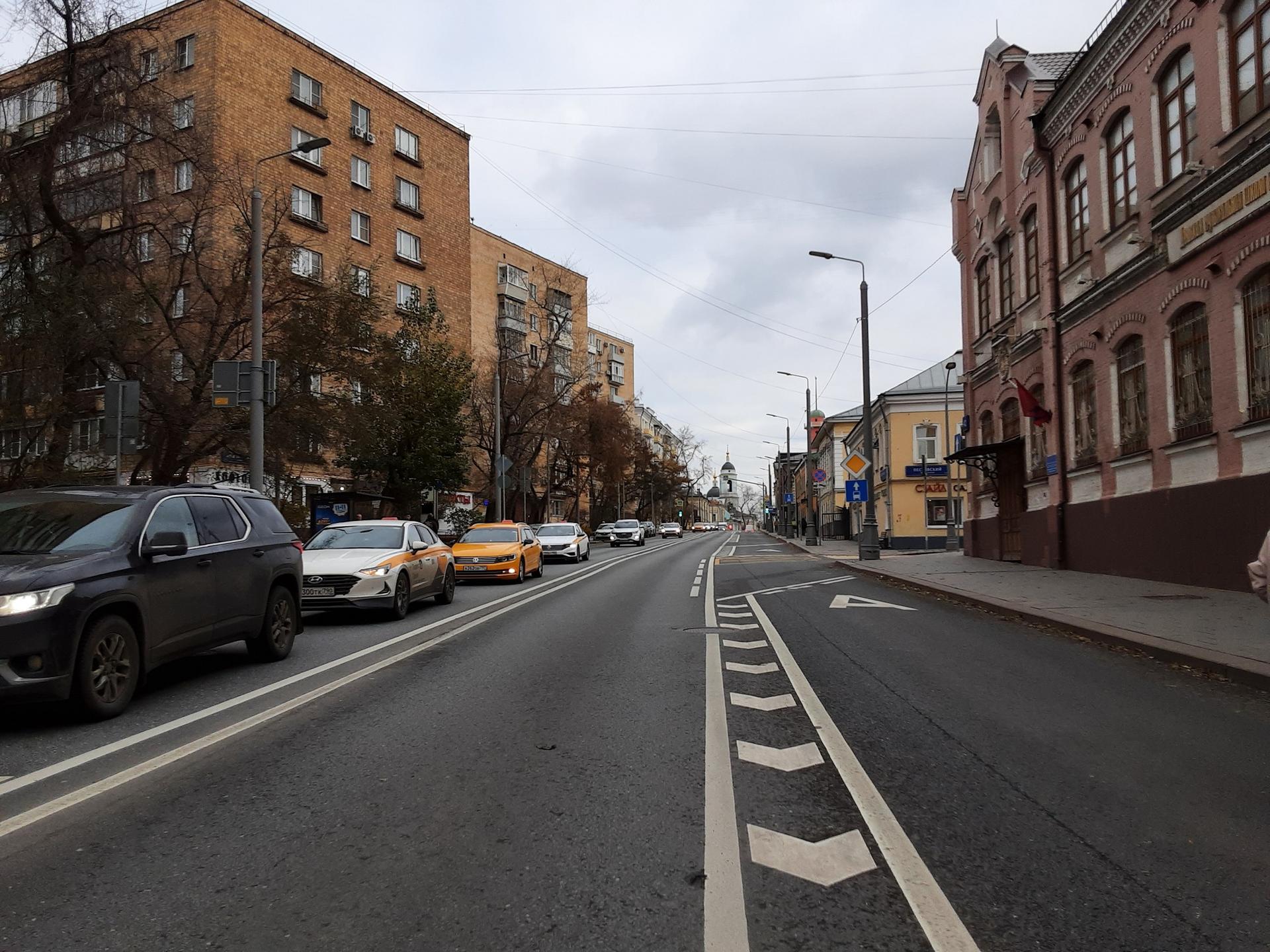
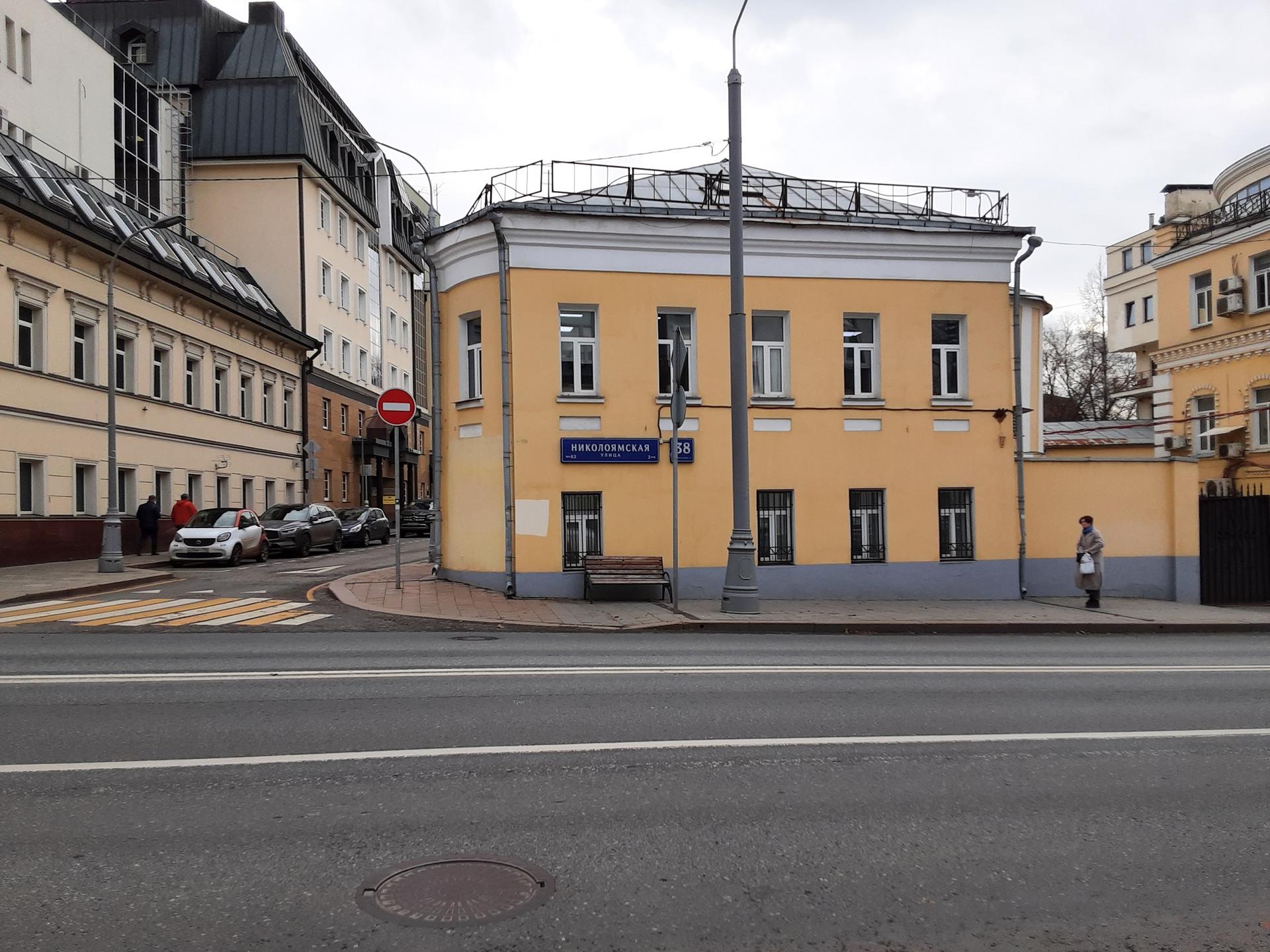
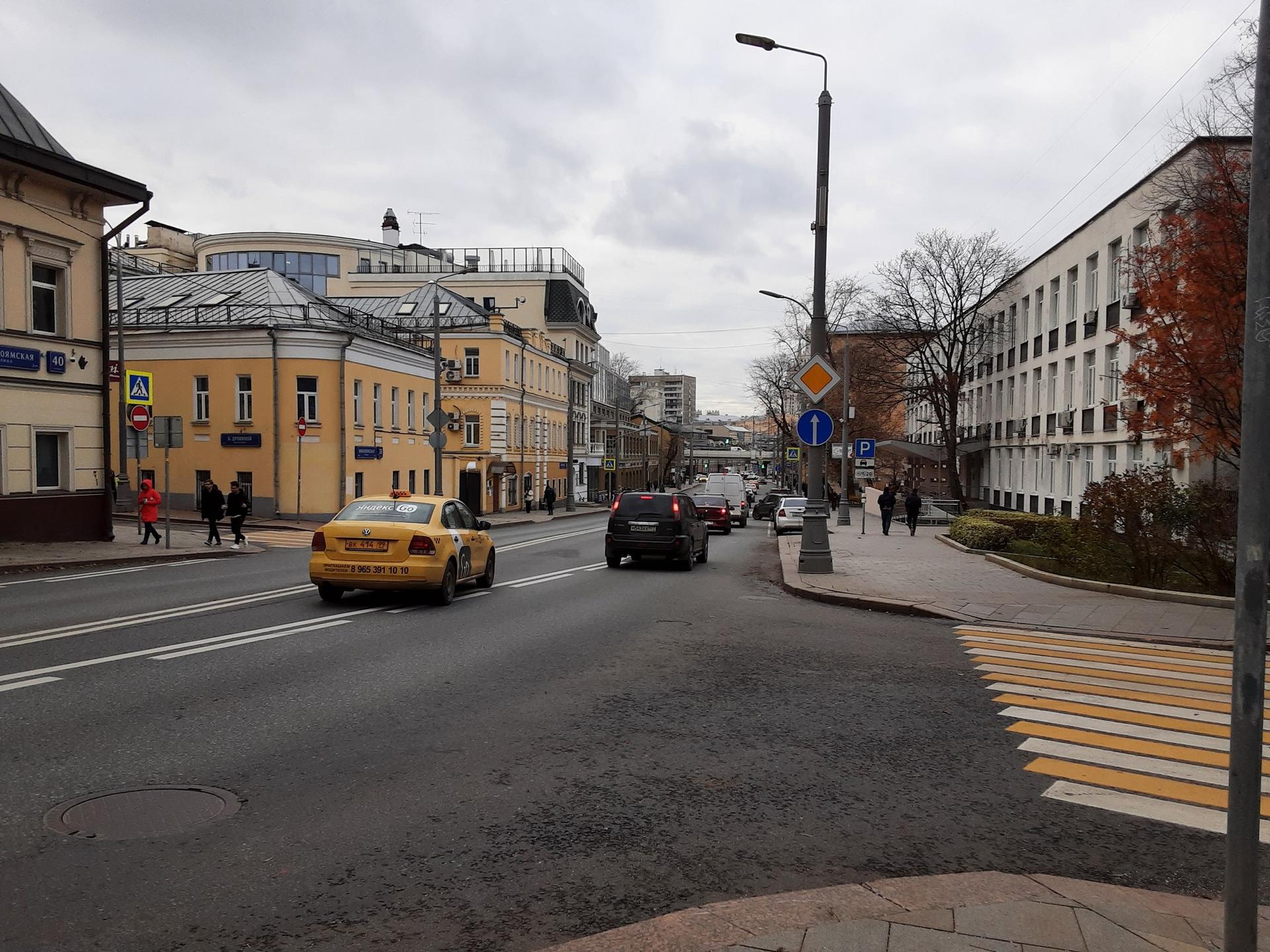
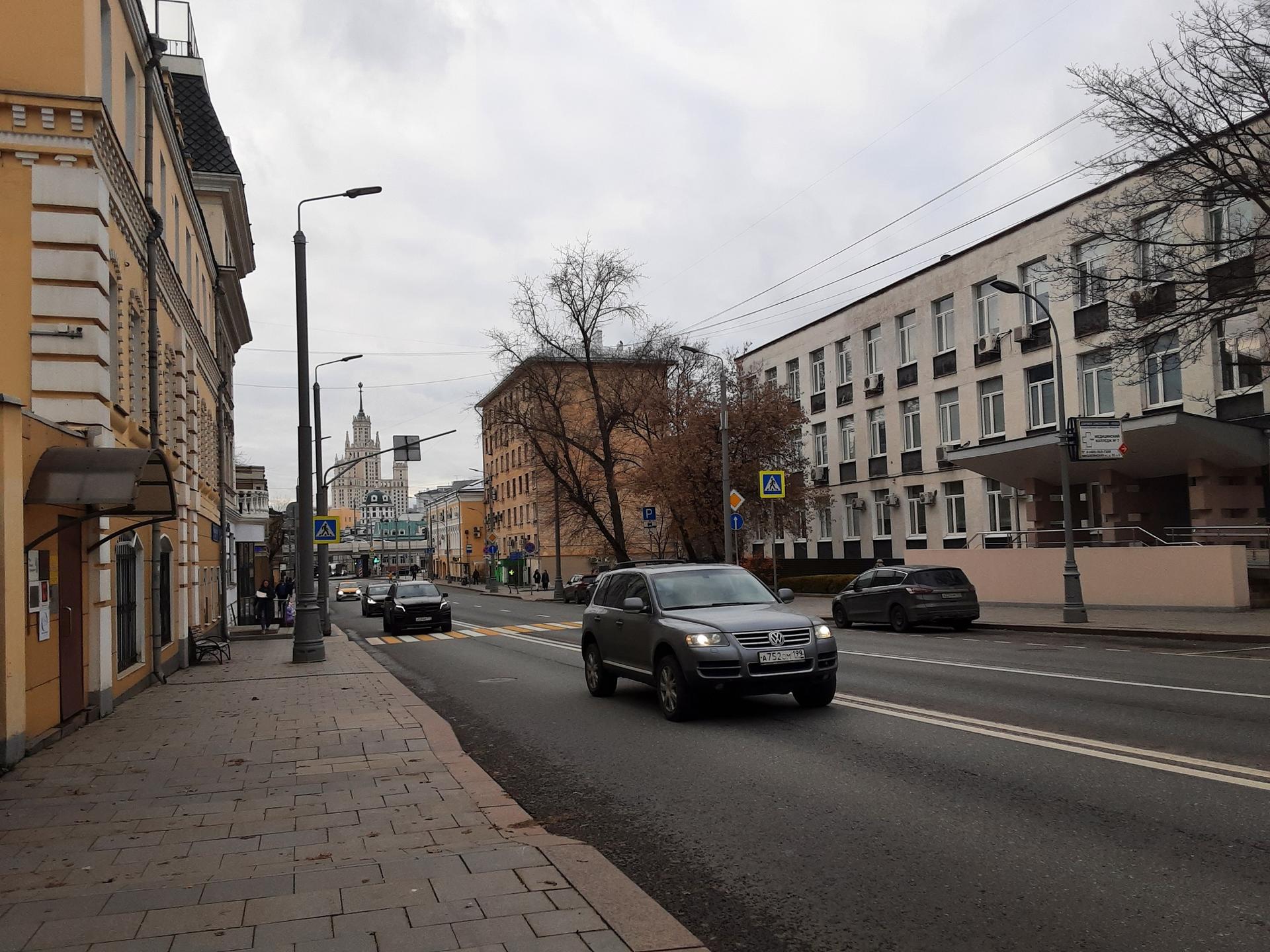
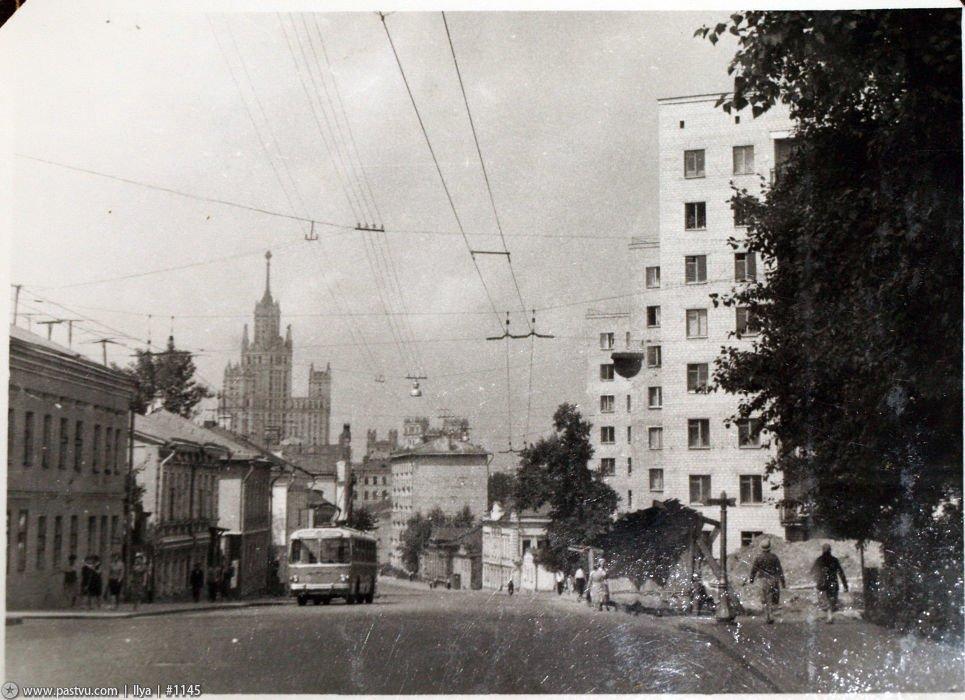
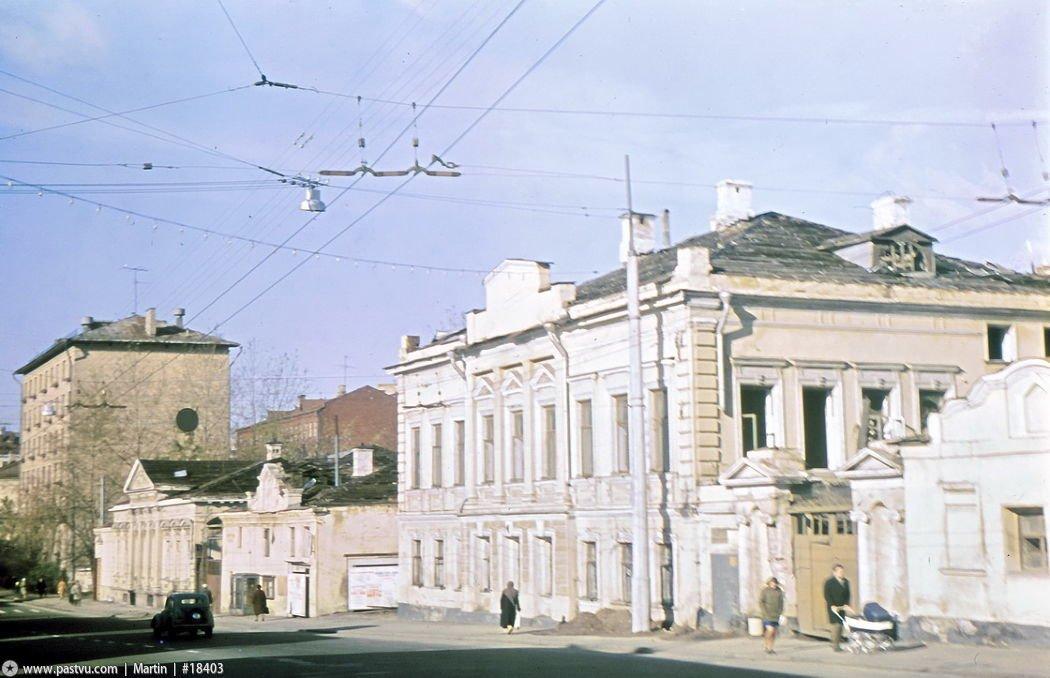
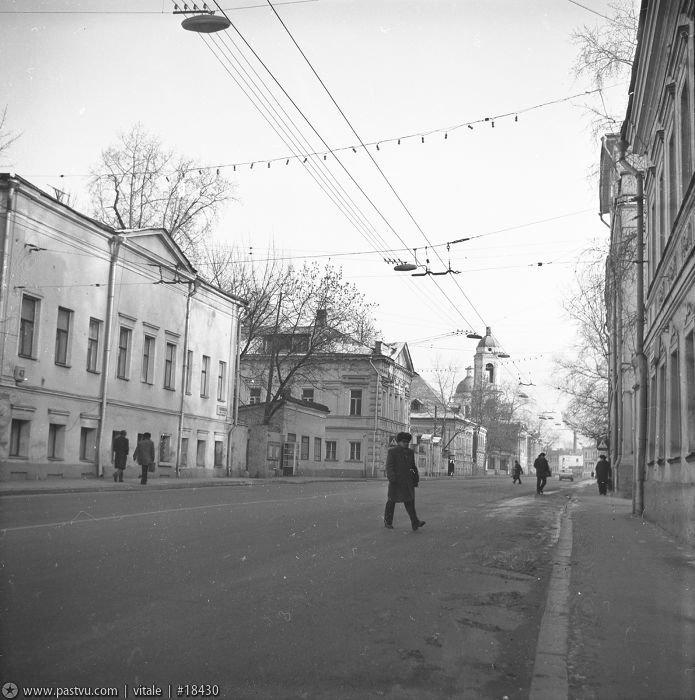
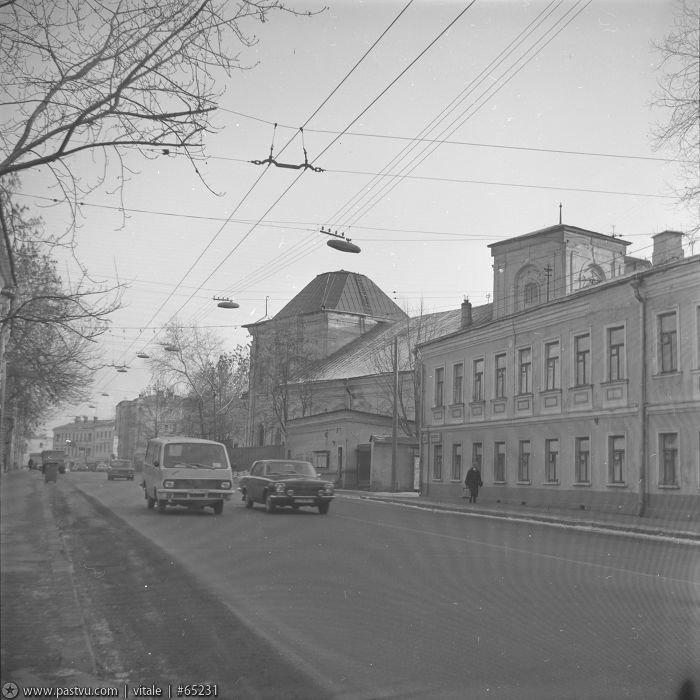
Одна из древнейших улиц Москвы, Николоямская связывает ее исторический центр с востоком. Улица начинается у слияния Яузы с Москвой-рекой и завершается у Андроньевской площади. Николоямская - одна из тех немногих улиц, что пересекает трассу Садового кольца в районе Земляного вала и продолжает свой путь далее. Вероятно, трасса улицы уже существовала к моменту сооружения укреплений Земляного города в конце XVI в. Это косвенно подтверждается сохранением в названиях окрестных переулков старинных московских урочищ: Лыщикова гора, Тетерки.
Здесь на окраине Москвы в конце XVI в. Борис Годунов разместил государеву ямскую слободу – компактное поселение служилых людей одной профессии. Словом «Ям» тогда называли почтовую станцию с постоялым двором. Как правило, она располагалась на оживленном тракте. Ямщики были обязаны содержать за государево жалование большое количеством свободных лошадей для перевозки людей и грузов. Постепенно жители Николоямской слободы стали заниматься частным извозом и гужевым транспортом: они постоянно ездили с грузами от Москвы до села Рогожи (современный Ногинск) и далее. Сразу же на выезде из слободы слободой располагался перекресток Рязанской и Владимирской дорог.
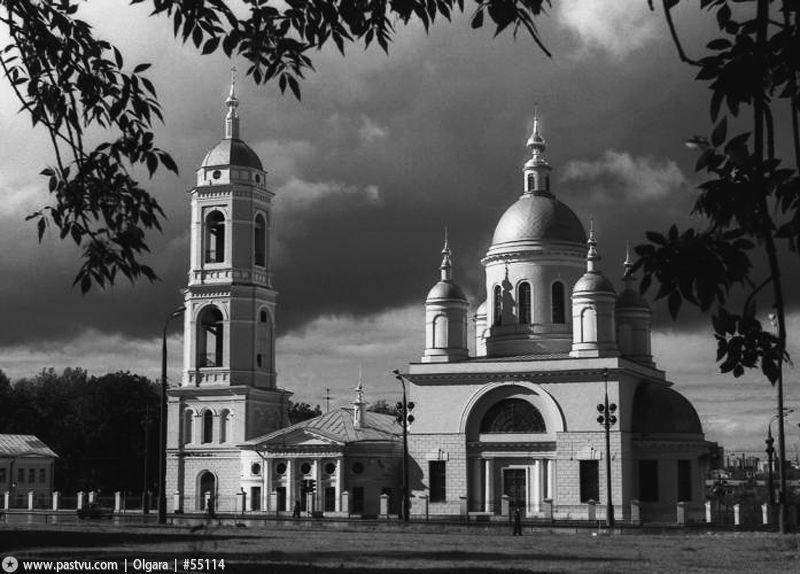
Само название слободы и улицы связано с церковью Николы на Ямах, т.е. на почтовой станции. Святитель Николай считался в народе покровителем мореходов, купцов и путешественников, поэтому посвящение главной слободской церкви не удивительно. Впервые храм упоминается в 1697 г., в 1870-е г. он был перестроен в русском стиле. Храм стоял на месте дома 35 и был снесен в советское время.
После основания Рогожского кладбища в 1770-е гг. здесь стали селиться старообрядцы, чья жизнь носила патриархальный и замкнутый характер. А со строительством Нижегородской железной дороги и открытием станции в 1861 г. ямская служба постепенно теряет былое значение, а жители слободы – свое особое положение. Здесь появляются доходные дома, селятся небогатые купцы и торговцы. Оживление на улице наступало лишь в связи с подготовкой к Всероссийской Нижегородской ярмарке.
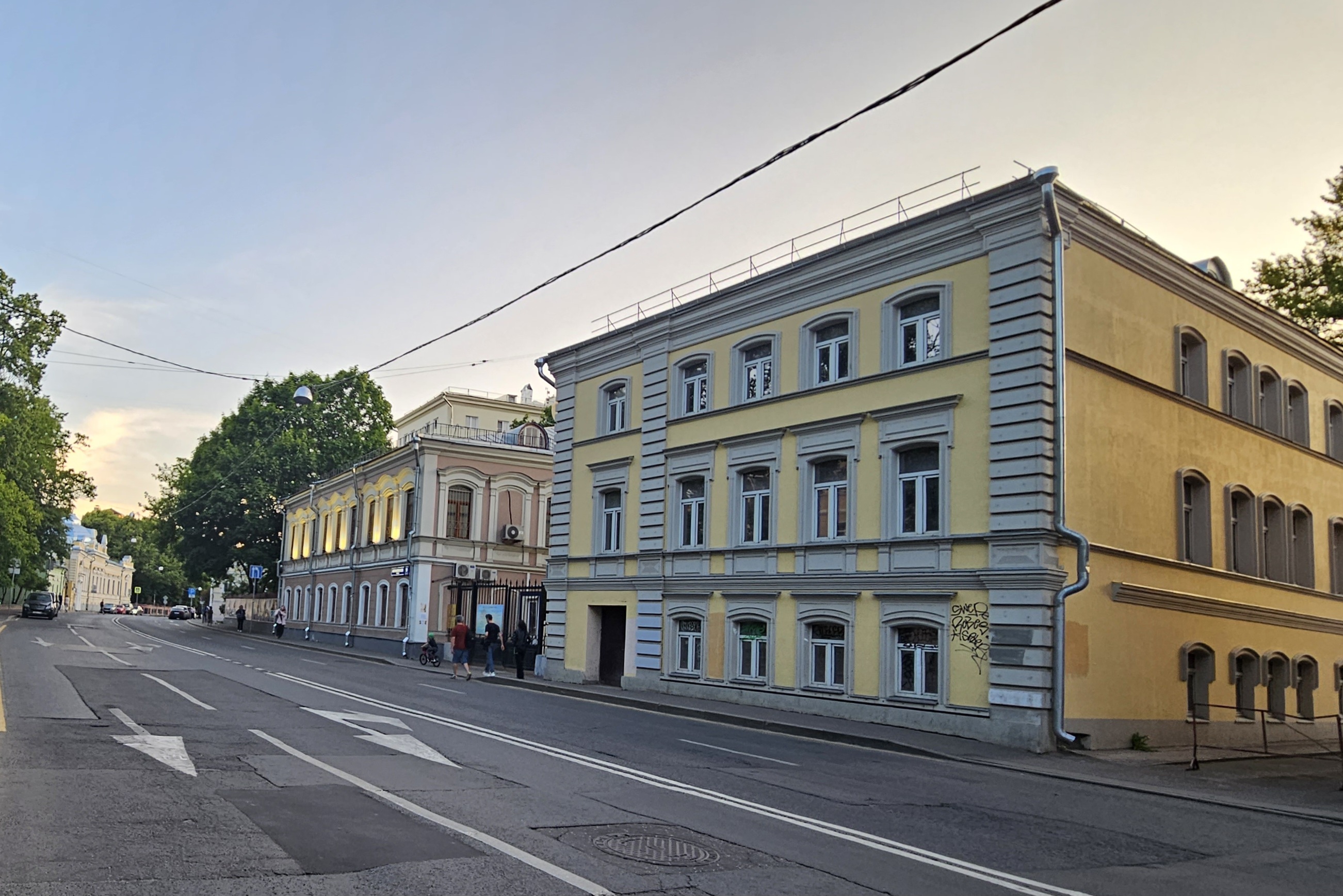
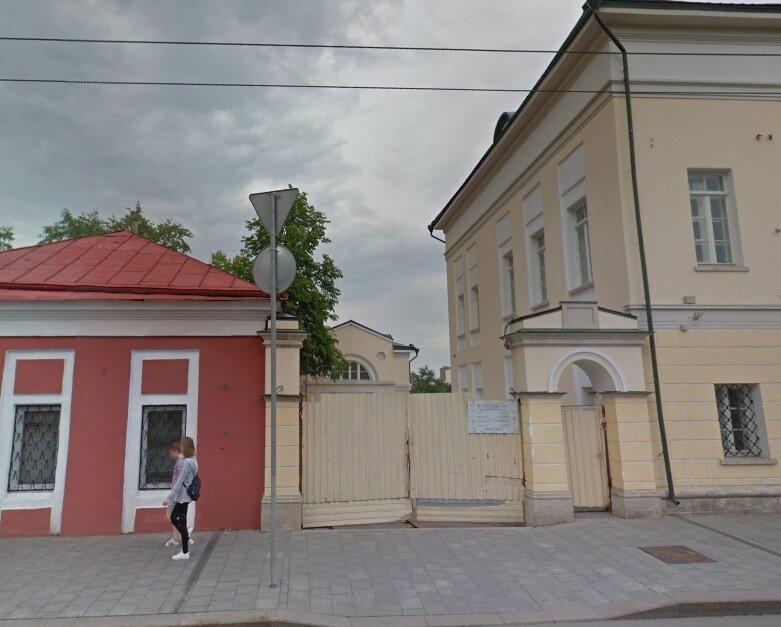
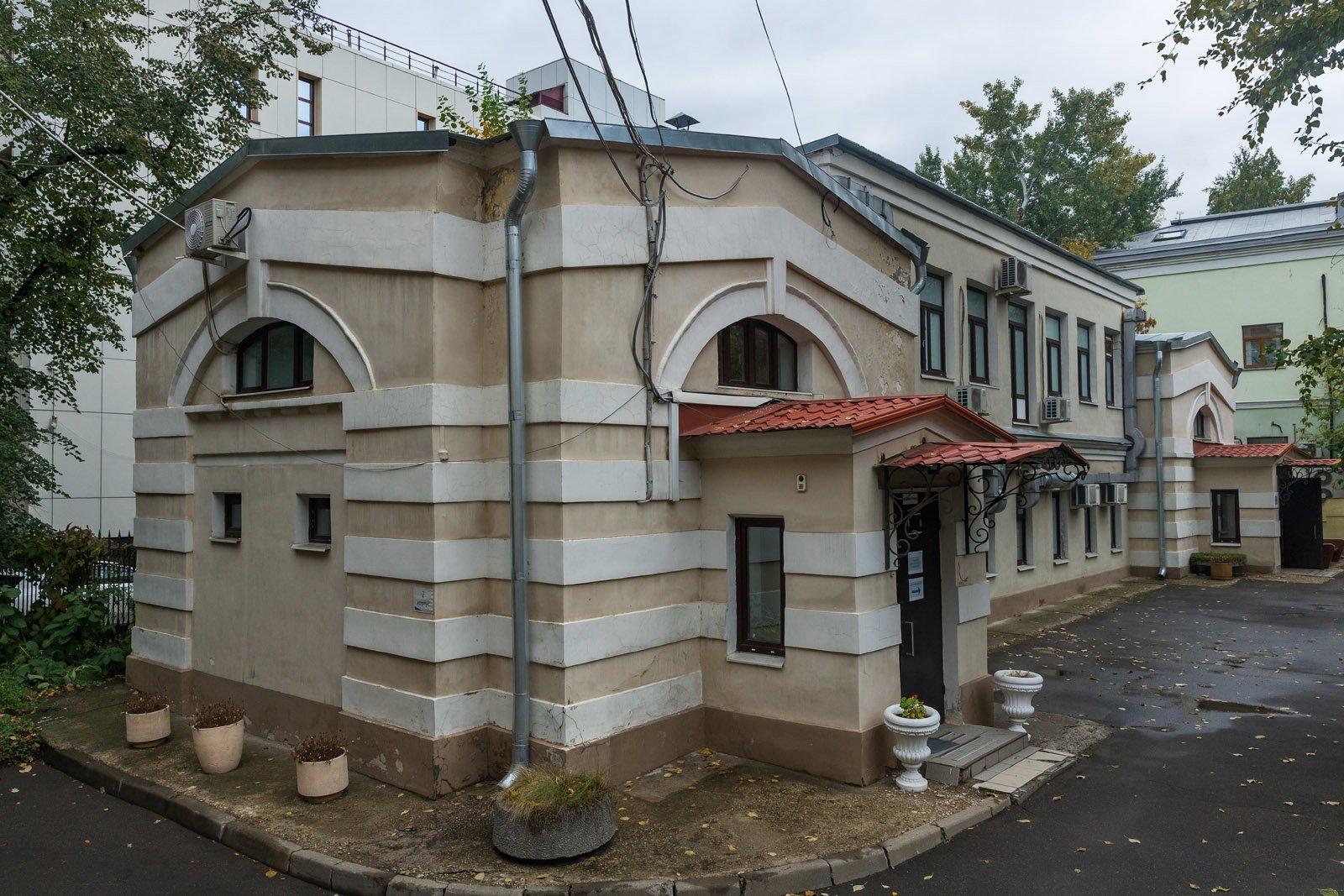
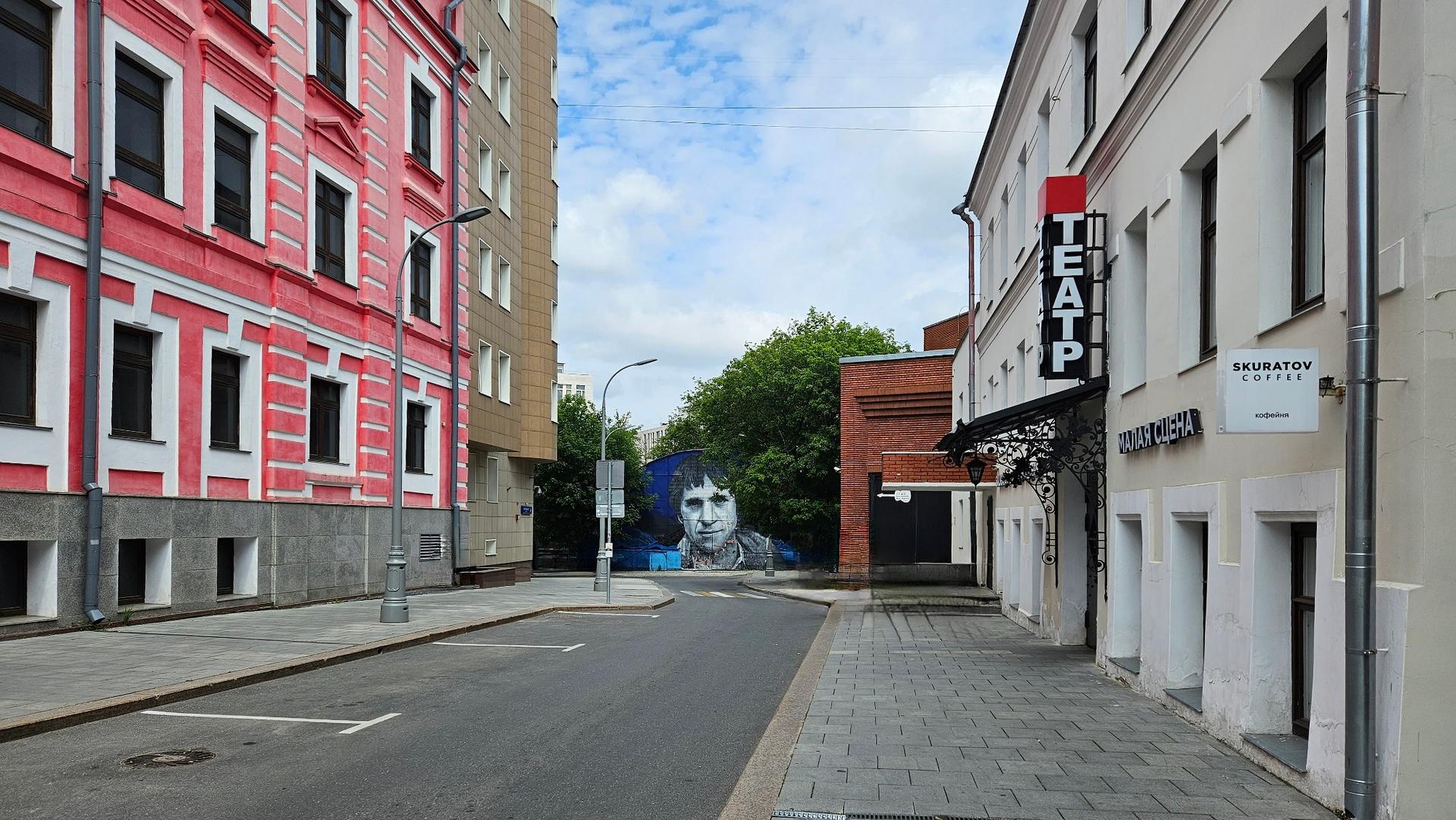
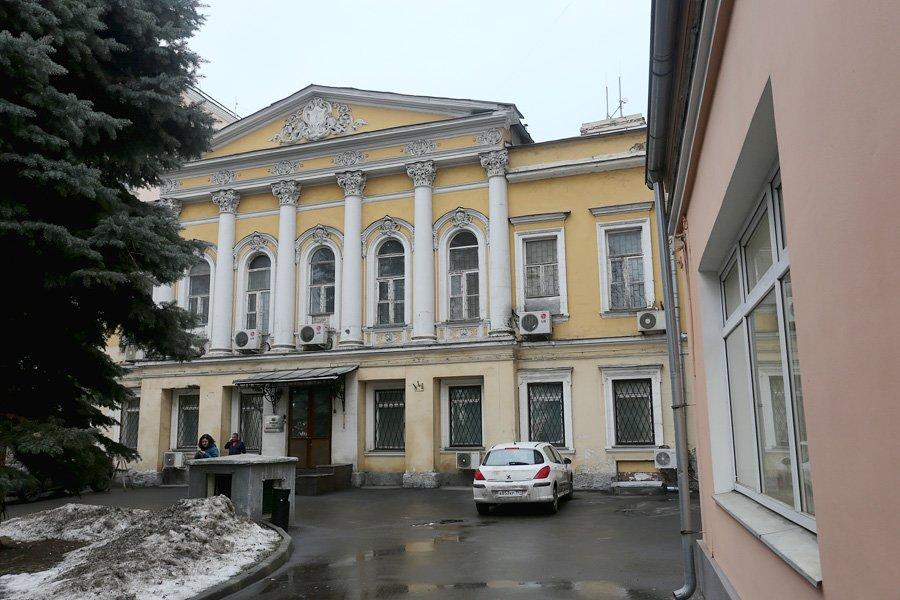
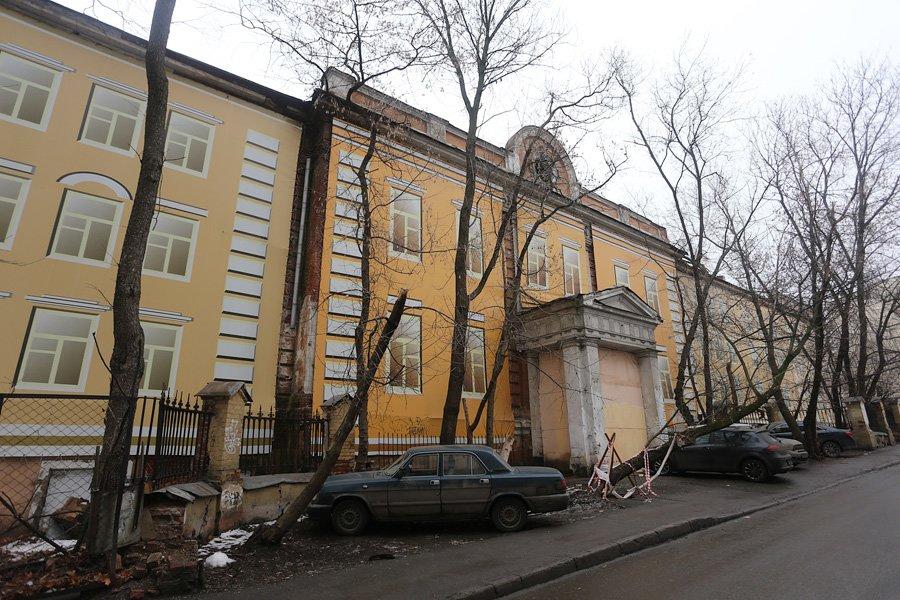
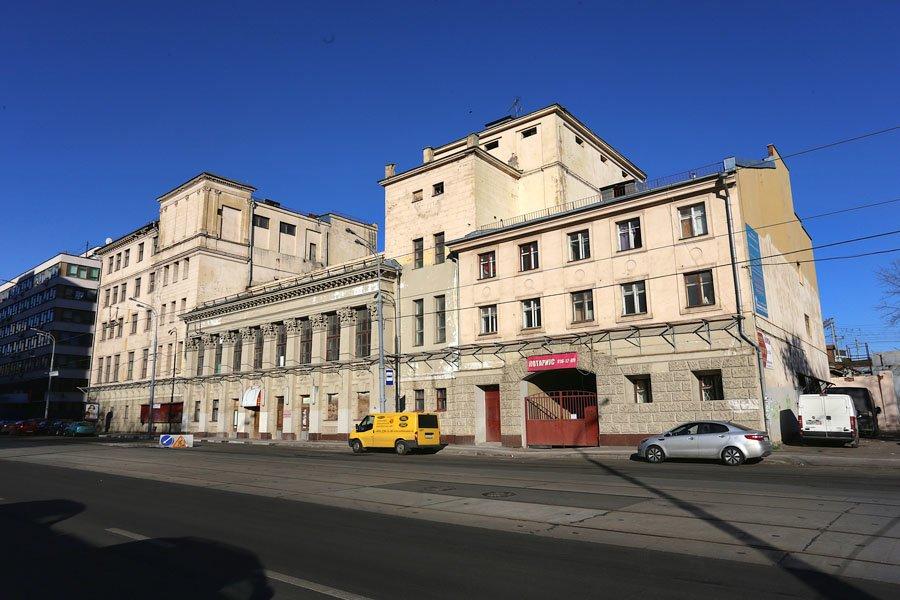
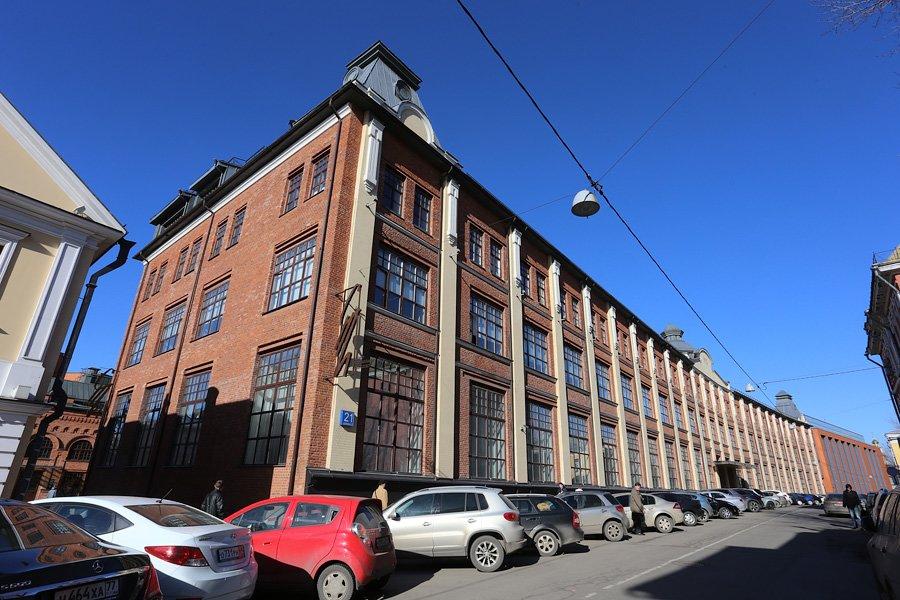
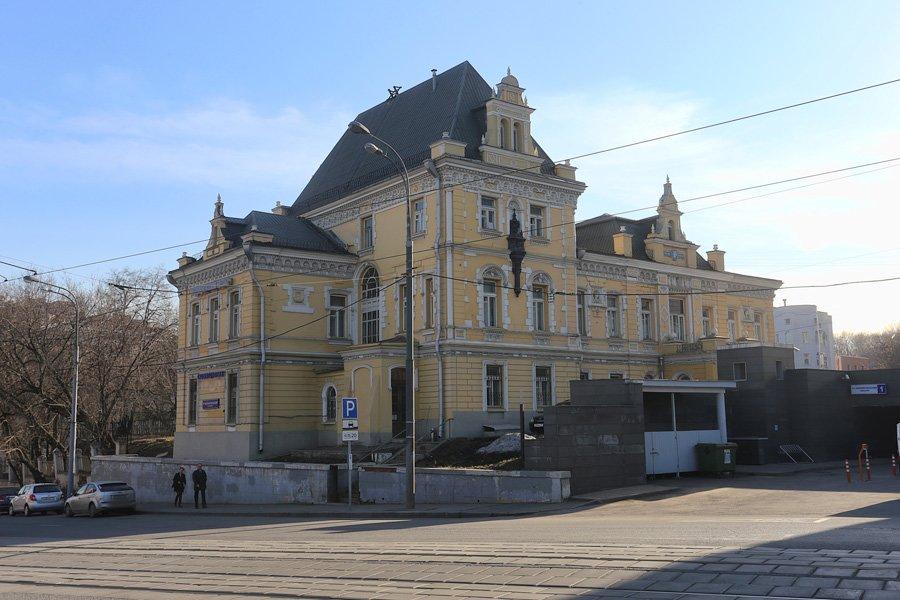
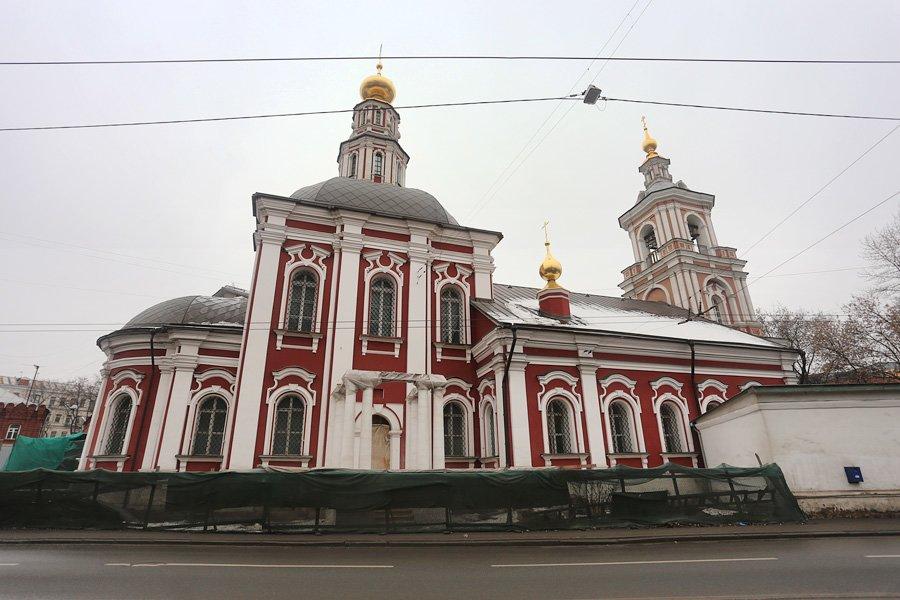
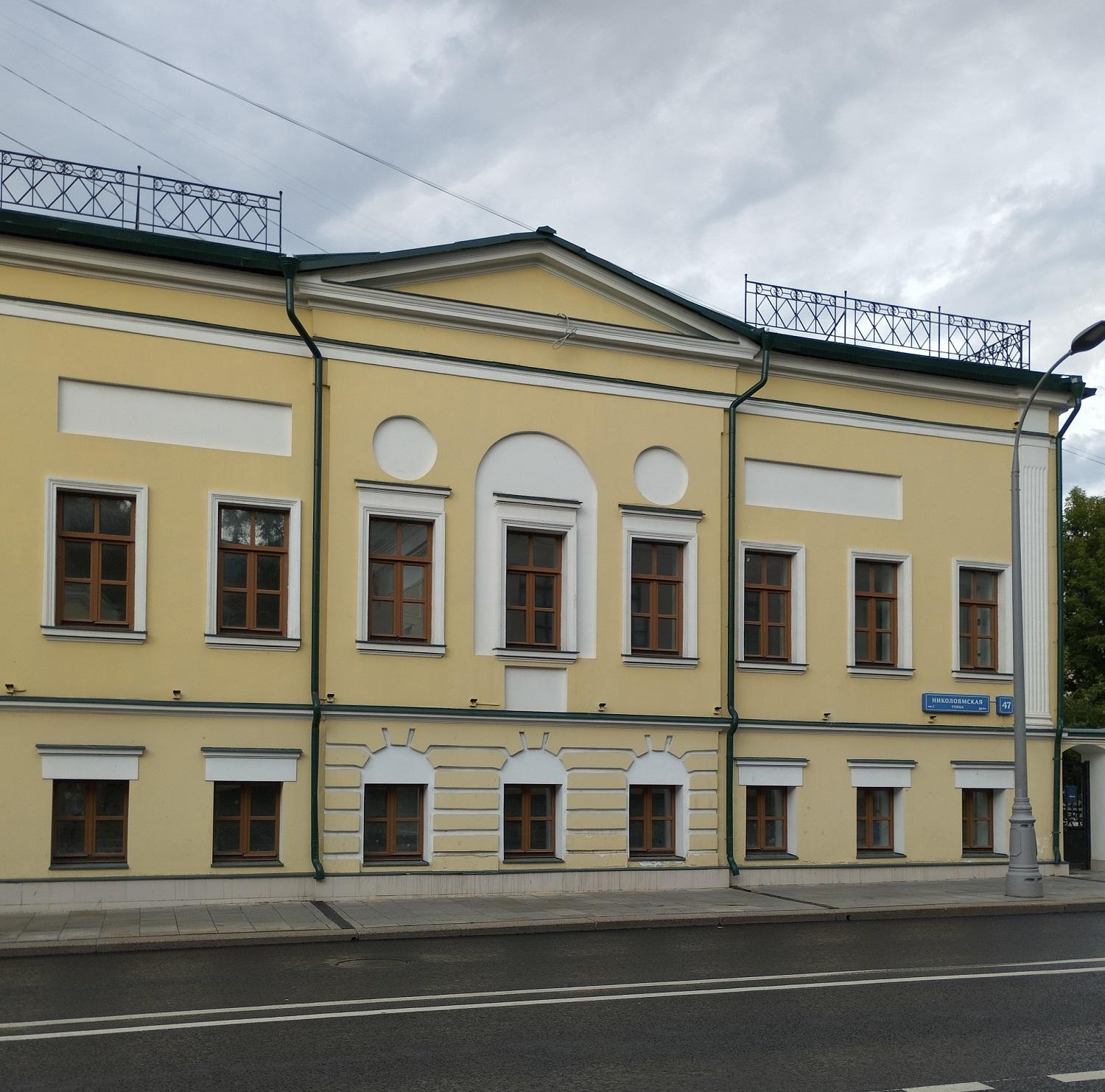
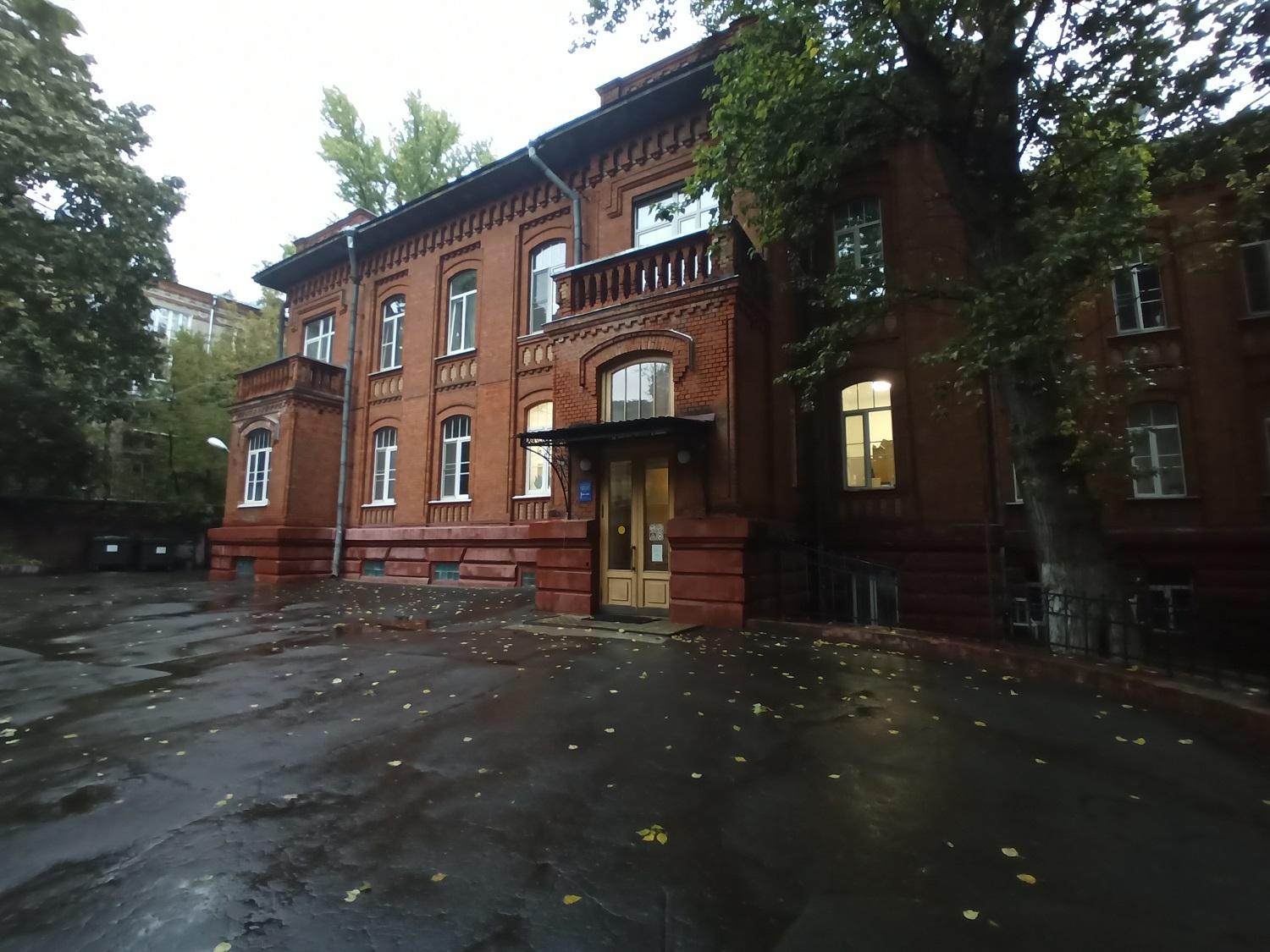
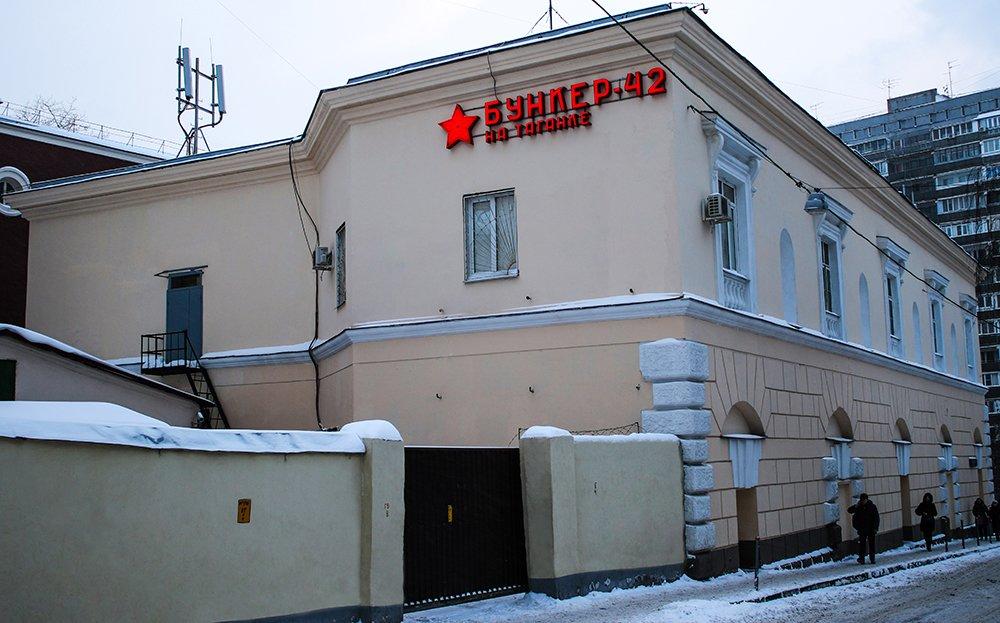
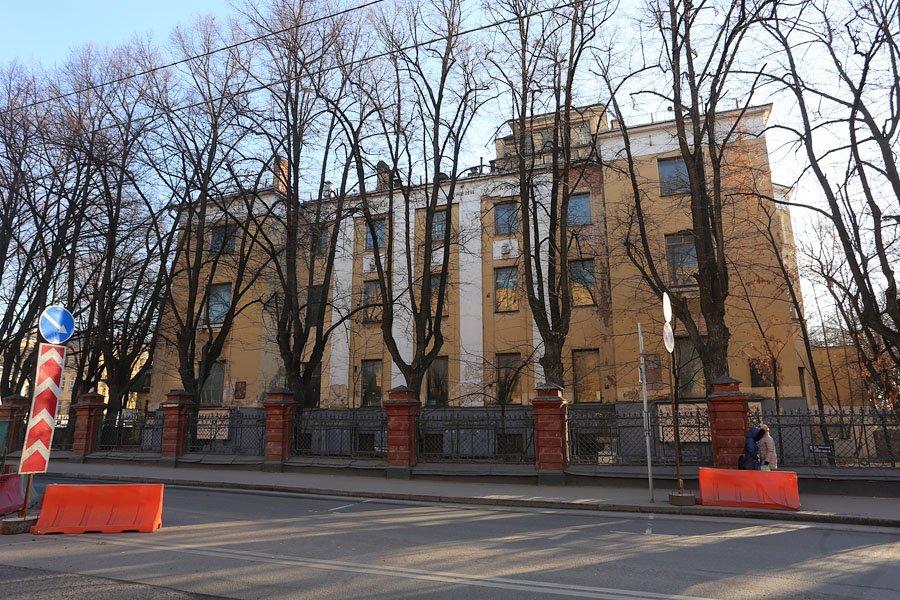
Несмотря на утрату главного слободского храма, на Николоямской сохранились и вновь действуют старинные храмы: Симеона Столпника, Святителя Алексия Московского, Покрова на Лыщиковой горе. Из примечательных зданий на улице сохранились палаты XVIII в., доходные дома и городские усадьбы. Являясь прямой связующей артерией между Заяузьем, Таганкой и Рогожской слободой, улица до сих пор перегружена транспортом.
One of the oldest streets in Moscow, Nikoloyamskaya connects the historic center with its east. The street begins at the confluence of Jauza with the Moscow River and ends at the Andronievskaya area. Nikoloyamskaya - one of the few streets that cross the Garden Ring road near the rampart and continues on his way on. Probably the street trail already existed at the time of the construction of fortifications Earthen city at the end of the XVI century. This indirectly confirms the continuation of the names of the surrounding alleys of old Moscow tracts: Lyschikova mountain Teterka. Here on the outskirts of Moscow at the end of the XVI century. Boris Godunov posted sovereign Yamskaya Sloboda - a compact settlement service people of the same profession. The word "yam" then called the postal station with an inn. As a rule, it was located on a busy path. The drivers were required to contain the sovereign's salary for a large number of free horses for transportation of people and goods. Gradually residents Nikoloyamskaya settlement became engaged in private carrying and carting: they always went with cargoes from Moscow to the village matting (modern Noginsk) and beyond. Immediately on the outskirts of the settlement was located Sloboda Ryazan and Vladimir intersection of roads. The very name of the settlement and the streets connected with the church of St. Nicholas in the pits, ie, at the post office. St. Nicholas was considered the patron saint of sailors in the people, merchants and travelers, so the main focus on suburban church is not surprising. For the first time the temple is mentioned in 1697, in 1870, he was rebuilt in the Russian style. The temple stood on the site of the house 35 and was demolished in Soviet times. After the base Rogozhskoe cemetery in the 1770s. Old Believers began to settle here, whose life was of a patriarchal and vicious character. And with the construction of the Nizhny Novgorod railway station and the opening in 1861 coachman service is gradually losing its former importance, and residents settlement - its special position. Here there are apartment buildings, settle not rich merchants and traders. The revival of the street comes only in connection with the preparation for the All-Russian Nizhny Novgorod Fair. Despite the loss of the main suburban church on Nikoloyamskaya preserved and re-apply the ancient temples: Simeon, St. Alexis of Moscow, Intercession on Mount Lyschikovoy. Of notable buildings in the street survived Chamber of the XVIII century., Apartment buildings and urban estates. As a direct connection between artetriey Zayauzem, Taganka and Rogozhskoy Sloboda, street still congested.