Интерактивный гид по городу
С мобильным приложением бродить по городу гораздо интереснее!

Tverskaya Zastava

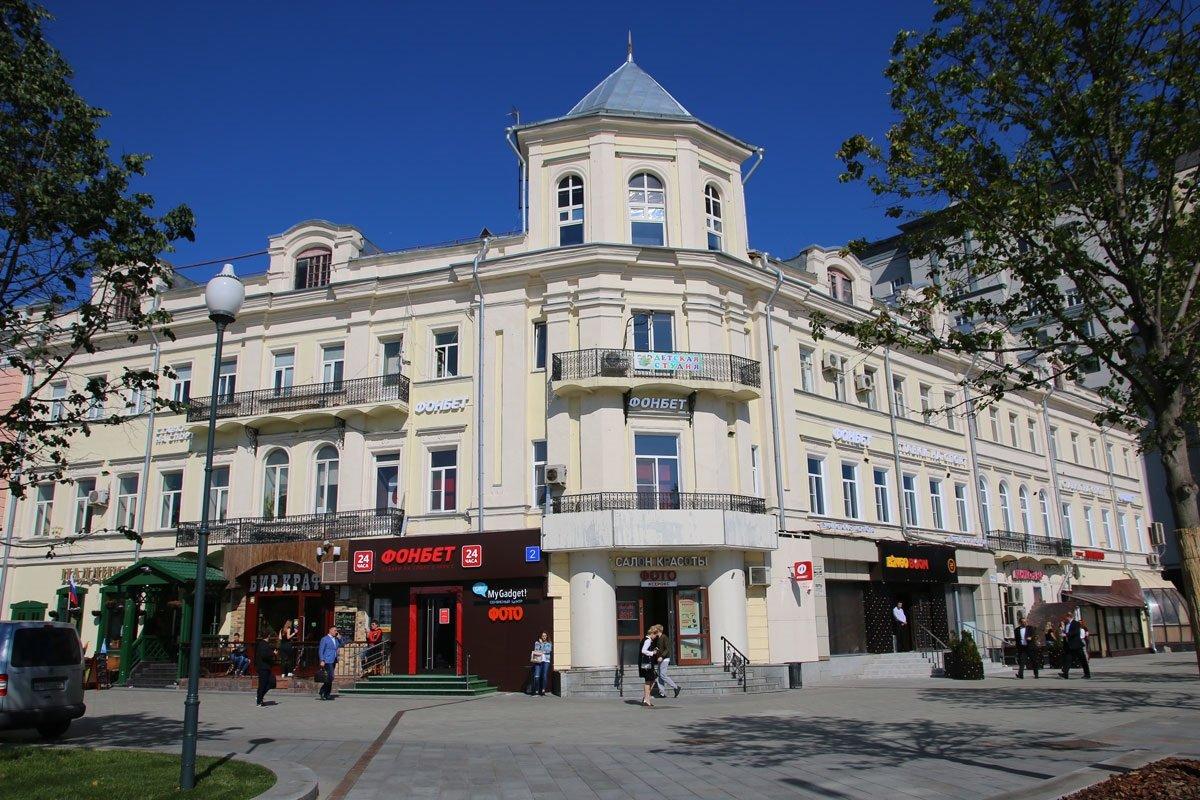
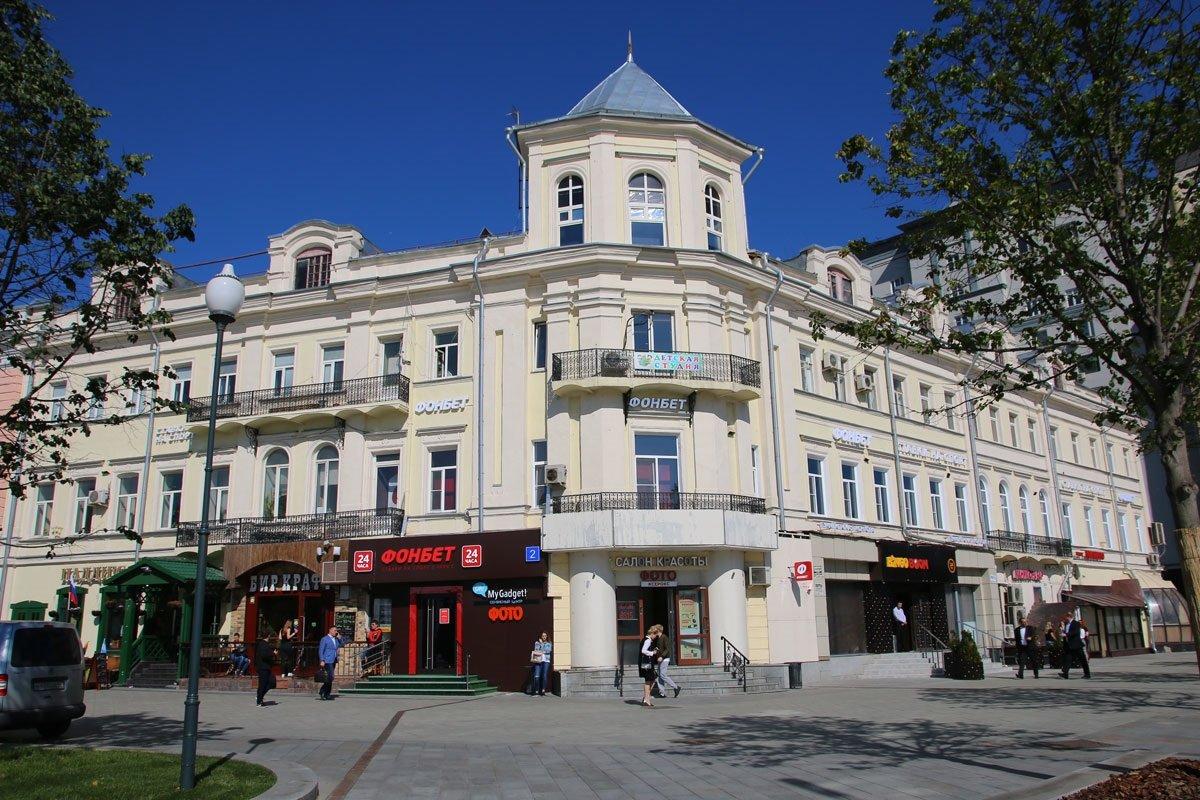
It is difficult to call this area a sqare per say.

Tverskaya Zastava
Tverskaya Zastava
Площадь Тверская застава

It is difficult to call this area a sqare per say.

Вы можете воспользоваться QR-кодом, чтобы открыть эту страницу в нашем приложении
Вид территории:
Squares
Расположение и происхождение

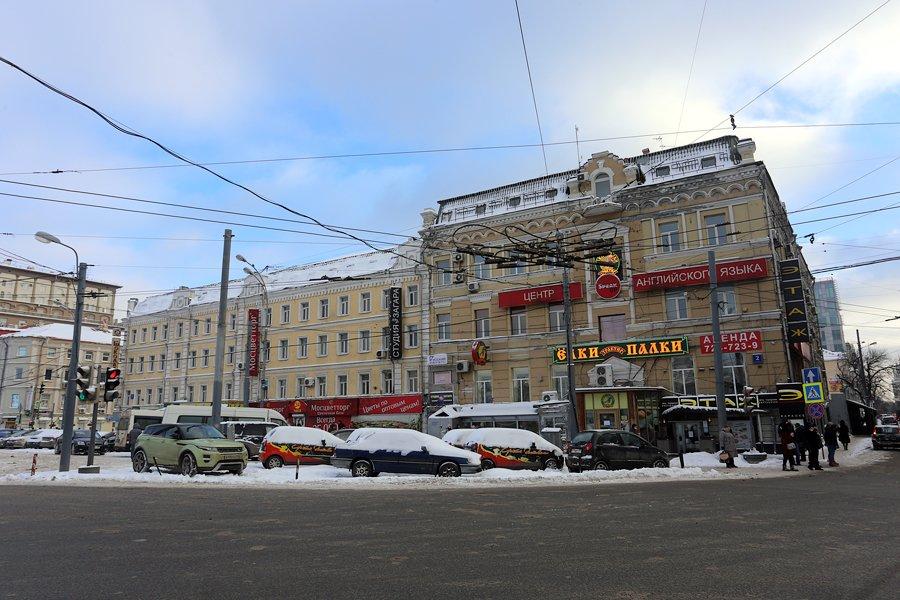
Площадь Тверской заставы образовалась на Тверской улице в 1742 году на пересечении с Камер-Коллежским валом. И сегодня об этой линии укреплений Москвы напоминают названия улиц Бутырский вал и Грузинский вал, уходящих от площади.

До XIX века здесь была огромная слобода ямщиков. Курные избы и дворы ямщиков с огородами и хозяйством занимали всю местность вдоль Тверских-Ямских улиц, Миусской площади и Большой Садовой.

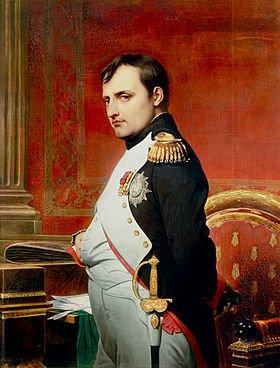
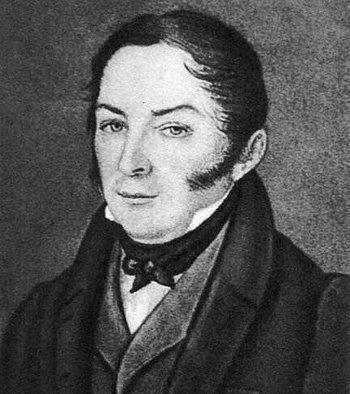
Раньше на площади находился шлагбаум. В 1829-1834 гг. году здесь были сооружены Триумфальные ворота в честь победы русского народа над Наполеоном. Площадь получила название – площадь Новых Триумфальных ворот. Проездные ворота со шлагбаумом и двумя кордегардиями для гвардейцев были выполнены по проекту архитектора Осипа Бове и простояли на площади до 1935 года. Они были разобраны и воссозданы в 1960-х гг. на Кутузовском проспекте.

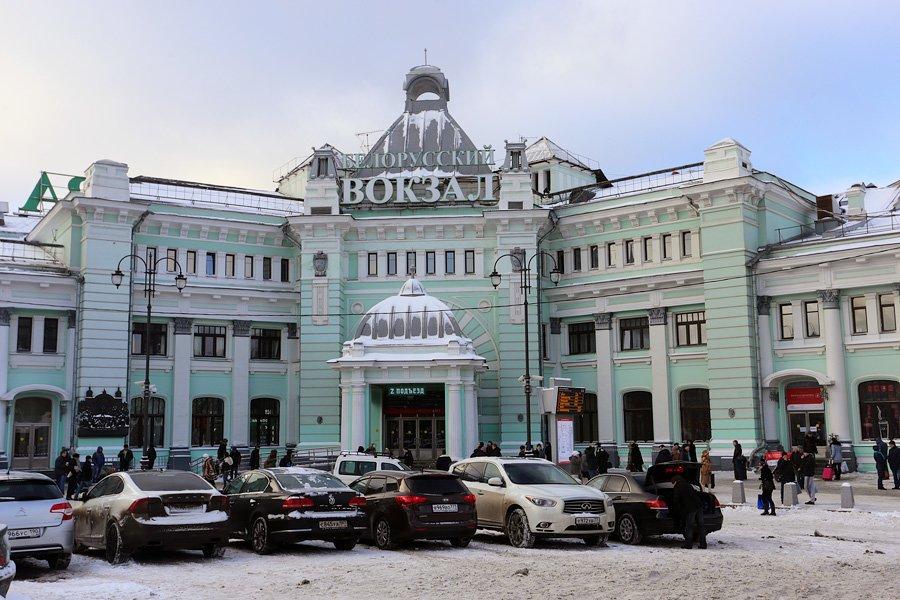
В конце XIX века на площади был построен Брестский вокзал (ставший потом Белорусским). Вокзал связал Москву с Вильнюсом, Минском, Варшавой, Берлином, Стокгольмом.

XX - XXI в.

В 1928 г. на площади встречали А.М. Горького, возвратившегося в Москву из Италии.

С 1932 по 1990 гг. площадь носила название площадь Белорусского вокзала.

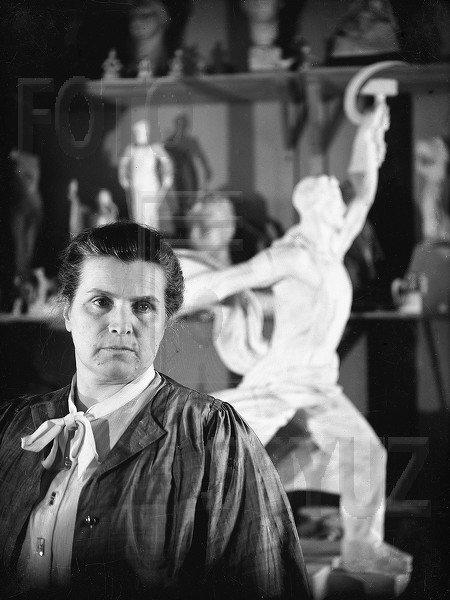
Площадь была несколько раз реконструирована, при последней переделке исчез сквер, разбитый в 1951 году. В сквере стоял памятник писателю М. Горькому, по эскизу И.Д. Шадра выполненный В.И. Мухиной, Н.Г. Зеленской и З.Г. Ивановой.

Сегодня площадь окончательно превратилась в автодорожную развязку с вечной пробкой на перекрестке.

Tverskaya Zastava formed on Tverskaya Street in 1742 at the intersection of Chambers-collegiate shaft. Today Moscow street names Butyrskiy and Gruzinsky Val running away from the square reminiscent of fortification line that used to be here. Until the XIX century, there was a huge coachmen’s settlement. Cournot huts and courtyards with gardens and coachmen economy occupied the whole area along Tverskaya-Yamskaya Street, Miusskaya Square and Bolshaya Sadovaya. There was a barrier earlier in the square. Triumphal Arch to commemorate the victory of the Russian people against Napoleon built here in 1829-1834. The area named New Triumphal Arch square at that time. Gate with a barrier and guardhouse for two guardsmen designed by the architect Osip Bove and was here on the square until 1935. It dismantled and reconstructed in the 1960s, placed on Kutuzov Avenue. Brest Railway Station ​​(which later became the Belorussian) built on the square at the end of the XIX century. Station linked Moscow to Vilnius, Minsk, Warsaw, Berlin, and Stockholm. In 1928, the square greeted AM Gorky that returned to Moscow from Italy. From 1932 to 1990 the square known under the name Belarusian railway station square. The square reconstructed several times, at the last alteration the small park planted in 1951 in the middle of the square disappeared. Monument to the writer Maxim Gorky designed by ID Shadr, VI Mukhina, NG Zelenskaya and ZG Ivanova was here. Today, the area finally turned into a road junction with the eternal traffic jam at the crossroads.
Автор статьи: Зинаида Одолламская
Рекомендации
Поделитесь статьей с друзьями
Интересное рядом(14)
Улица Расковой
Dinamo, Savelovskaya
House on Brestskaya Street“House on Brestskaya” is the congress and exhibition center of the state-owned institution “Mosstroyinform”, a key platform for demonstrating the plans for urban development and the results of the work of the Construction Complex of Moscow. The main task of the center is to hold congress and exhibition events in the field of urban planning, architecture and design. The House on Brest begins its history from the moment of the creation of the first wooden model of Moscow. In 1975, in connection with the 30th anniversary of the liberation of Budapest from the fascist aggressors, the Hungarian exhibition at the VDNH was organized, in which the model of the central part of Budapest was one of the exhibits. The chief architect of Moscow M.V.Posokhin highly appreciated the model and addressed the Chairman of the Moscow Soviet V. F. Promyslov with a proposal to create a similar model of Moscow in 1960-1982. The idea was approved and for 10 years, from 1976 to 1986, two brigades of mockups at the "Kartolitografiya" factory created a model. Since the model of the whole of Moscow would be too huge, given the chosen scale of 1: 500, it was decided to confine only to the central part of the city within the Garden Ring. The mockup drawings were developed on the basis of the existing geo-baseline, additional geodetic surveys, and photographs of existing buildings and materials of the designed buildings by the architects Mosproject-1 and Mosproject-2. Mosgorgeotrest was also brought to work. The buildings were made of maple, the relief - from birch. The Kremlin ensemble is made of mahogany, lemon tree, amaranth, and holly. The domes of the Kremlin cathedrals are covered with gold leaf. The Moscow River and the Yauza River are made of rosewood. At the same time the issue of model placement was resolved. In March 1986, a 12x12m model (144 sq.m.) was installed in the hall of a specially constructed building on Brest Street. The model served as a working tool for architects, all houses are removable. The model consists of sliding parts of 2x2 meters. Architects could remove houses from the model in the area of the designed building, put a new building on this place and evaluate the planning solution. Fidel Castro and Boris Yeltsin were among the first visitors to the exhibition at the House on Brestskaya. There were receptions of foreign delegations. At present, the model has been disassembled and mothballed, stored in the “House on Brestskaya”. The idea of creating a new modern model of Moscow appeared in 2011. It was originally planned to make the model in color by analogy with the model of New York at a scale of 1:1200, covering the entire territory of Moscow in the historical boundaries. However, after the joining to the capital of the new territories, the concept of the model was revised. According to the decision of the Mayor of Moscow Sergey Sobyanin, the work on the new model began in the fall of 2012 and was included in the state program “Urban Planning Policy of the City of Moscow”, implemented by the Moscow Building Complex. With an increase in scale up to 1:400, emphasis was placed on the central part of the city, covering the Third Transport Ring, all railway stations, as well as the territory of the Vorobyovy Gory (including the highest “Stalinist high-rise” - MSU building) and the currently actively developing ZIL industrial zone. The main distinctive feature of the new model is the amazing detailing of all 6.5 thousand buildings and the reconstruction of the landscape relief of the capital. Mosaics and bas-reliefs are recreated on the facades of historic houses. A smooth surface of the Moscow River is made in a special technique that creates the effect of water ripples. The model is equipped with an interactive system for illuminating buildings from the inside, which can be controlled by selecting objects in accordance with the plan - from the administrative division of the city to the typology of objects (houses, administrative buildings, cultural objects, transportation objects, etc.). To achieve even greater expressiveness allowed miniature architectural lighting, which was used in the design of exits from the subway, temple complexes, bridges and such iconic structures as the Moscow Kremlin. The famous chiming clock on the Spasskaya Tower of the Kremlin and the ringing of the bells of the Cathedral of Christ the Savior with accuracy reproduce on a model due to the speakers mounted inside. Currently, the area of he exposed model is 120 square meters. Work on the production will be completed in 2017 and will make an area of 945 square meters, which will cover the middle zone of Moscow, beyond the limits of the Third Transport Ring. In 2012, it was decided to create a map of the city, which will be installed in the floor. The development of the project and preparation for construction work begin in the "House on Brestskaya". The model of the city is transported to the territory of VDNH in pavilion №75. In 2014, the festive opening of the map of Moscow in the scale of 1:500 took place. This is a floor lightbox with a size of 178 square meters. The card is inherently unique, the glass blocks are illuminated from below, and the software-defined images are projected from above, from which the map display scenarios are composed. Today, with the help of a map and video walls, the specialists of "House on Brestskaya" tell the Muscovites and guests of the capital about the city’s development programs, architectural styles, the history of the Metropolitan, the renovation of industrial zones, the reconstruction of the Moscow Ring Railroad, the history of urban planning.
125047 Moscow, 2nd Brest Street, 6
Bonaparte Napoleon
Emperor of the French
Bové O. I.
архитектор
скульптор