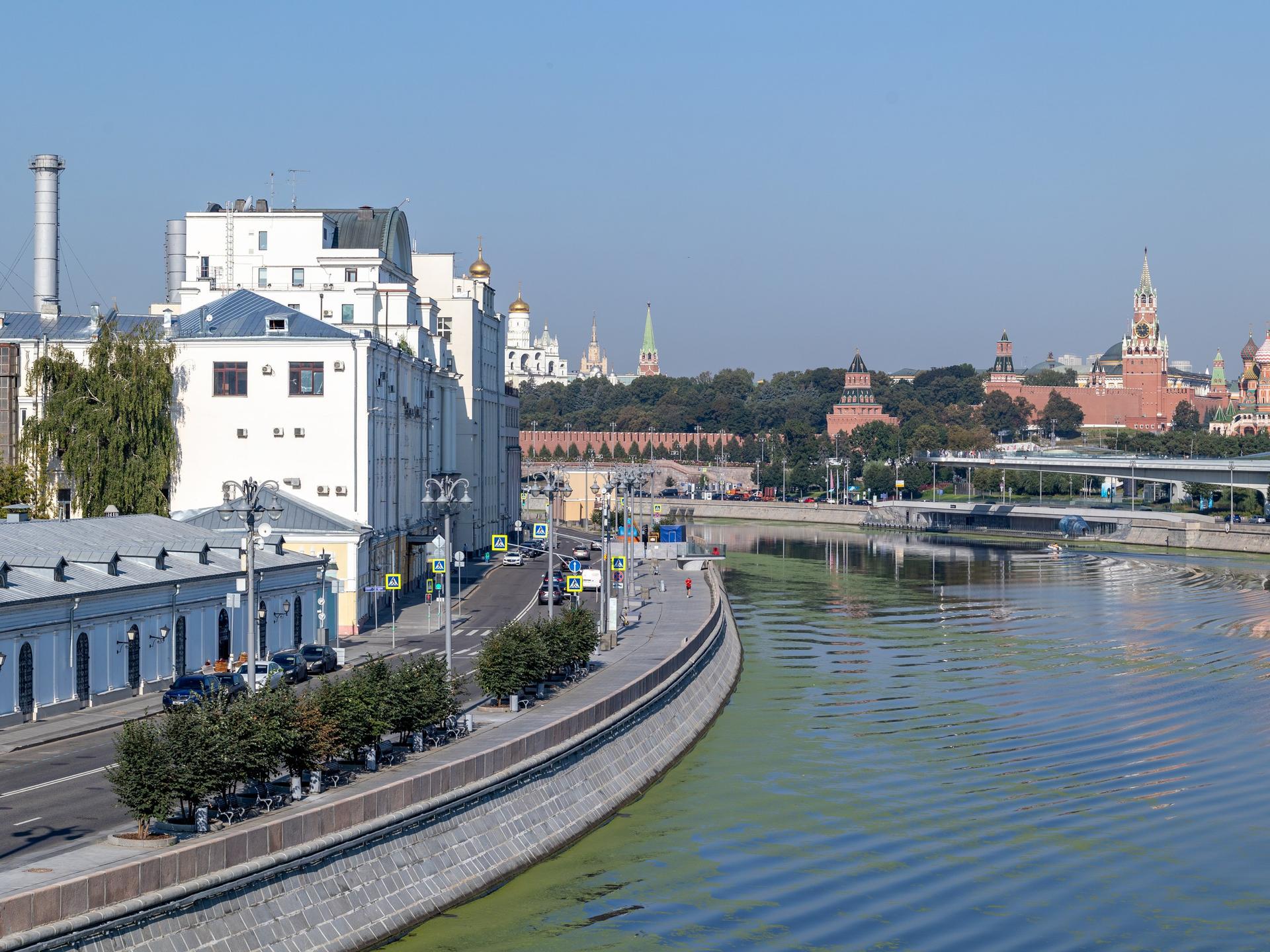
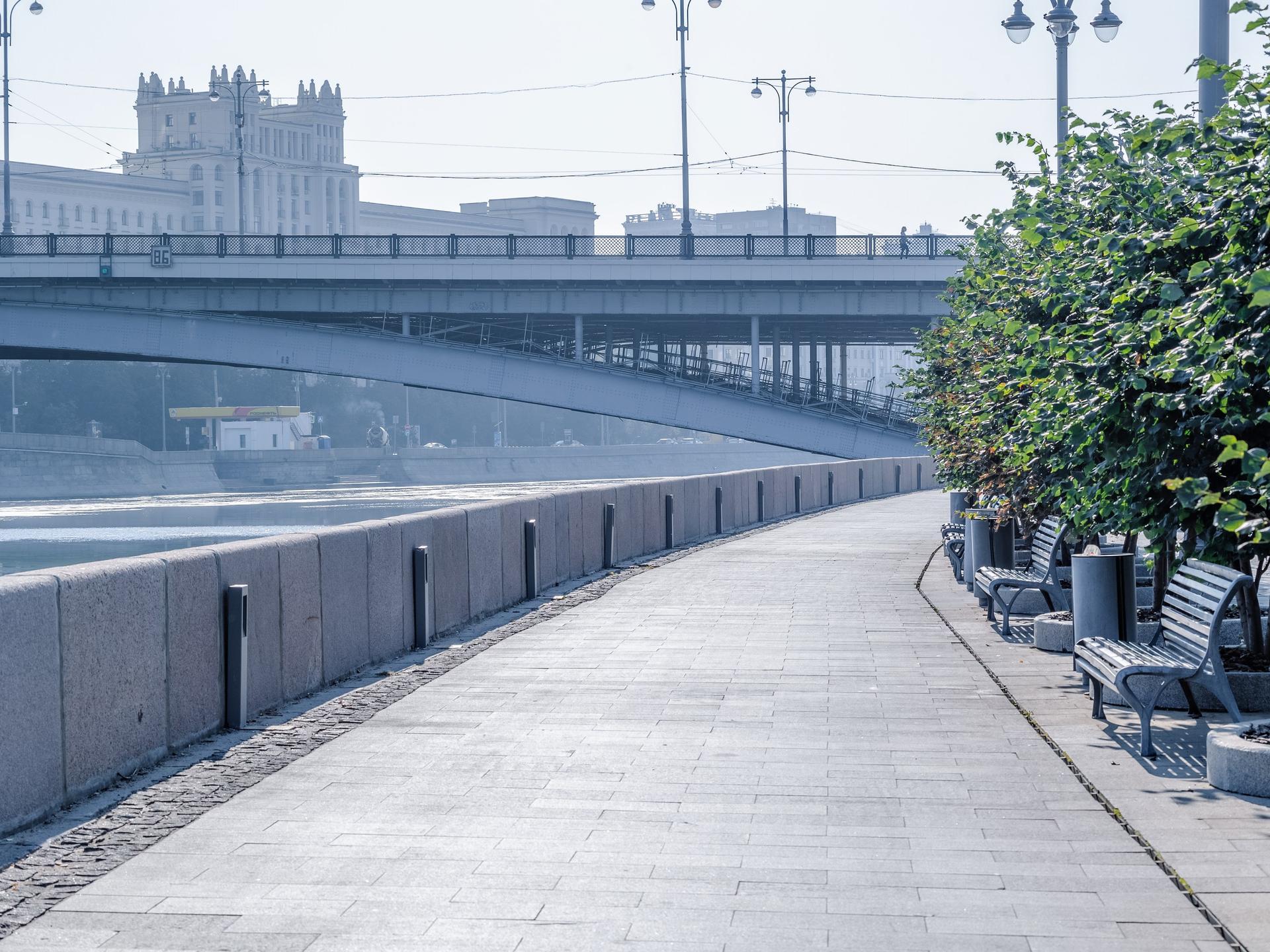
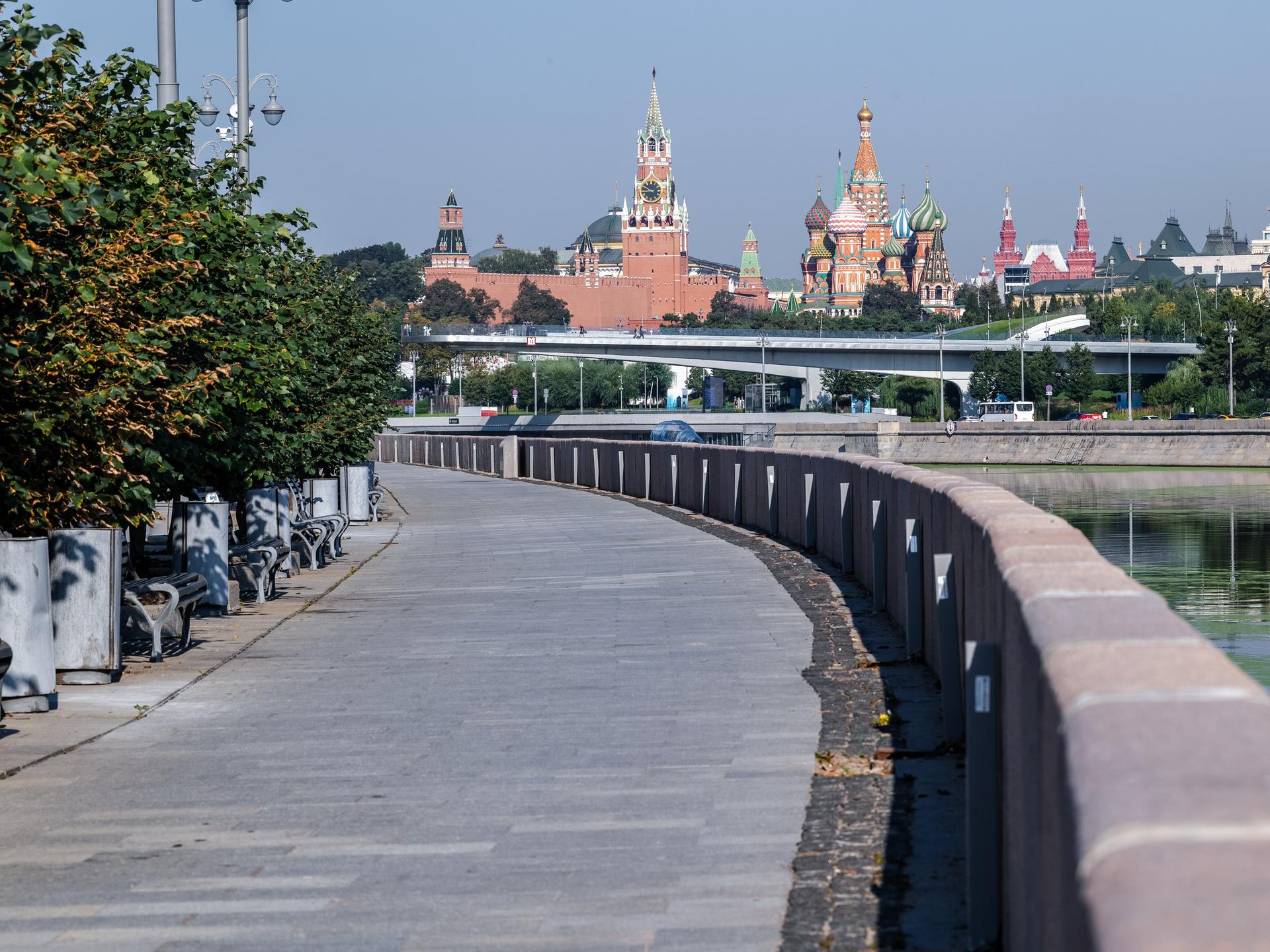
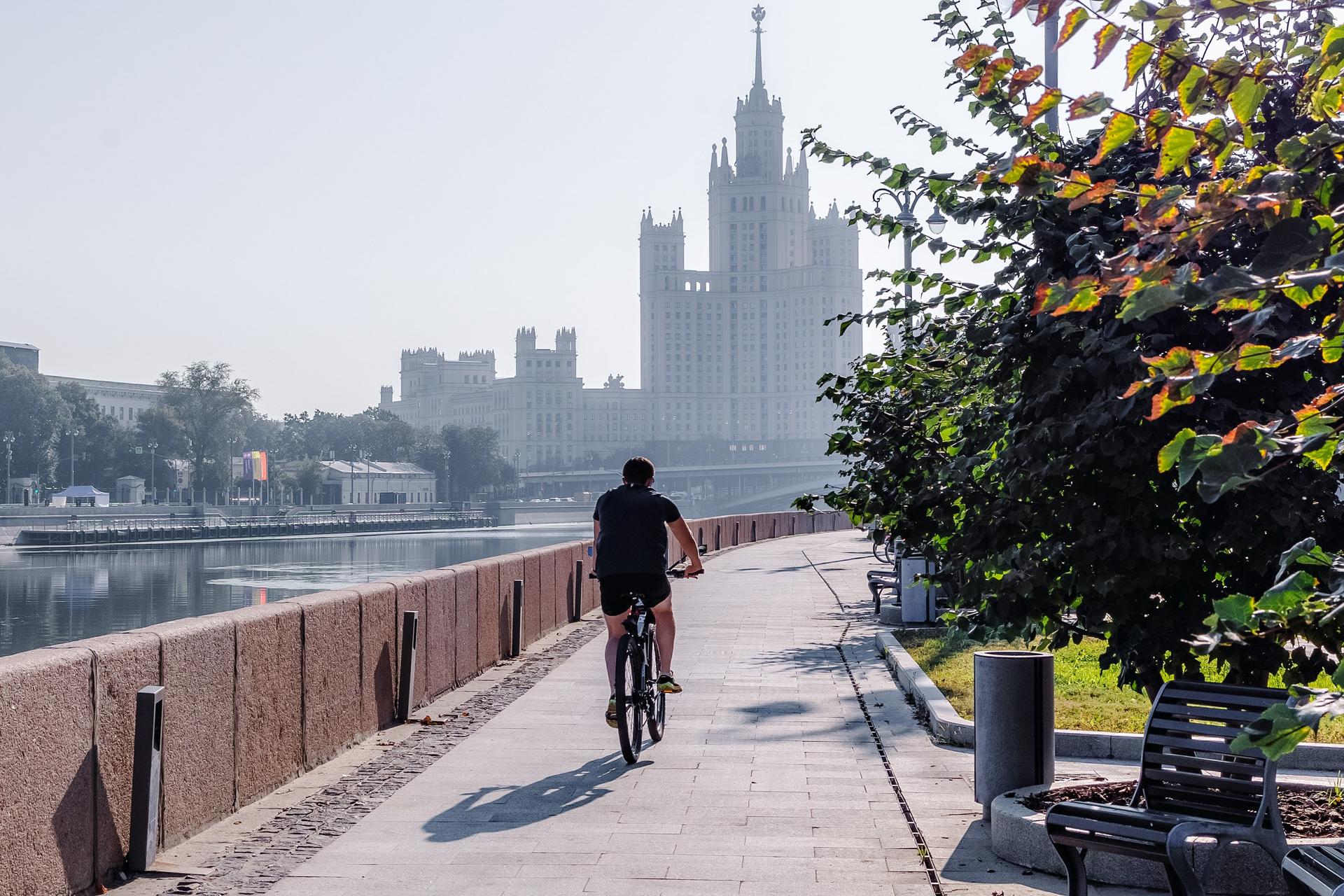
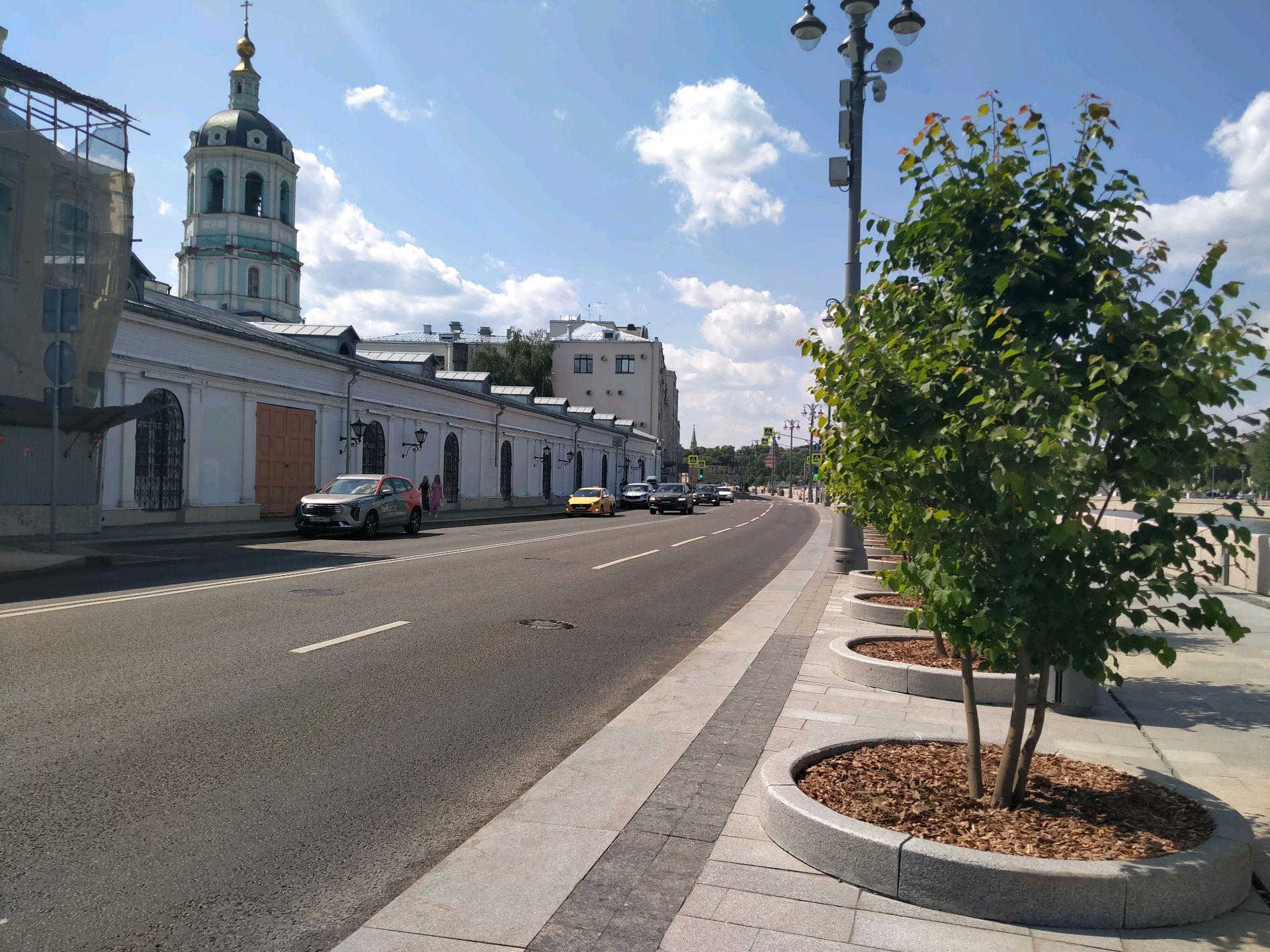
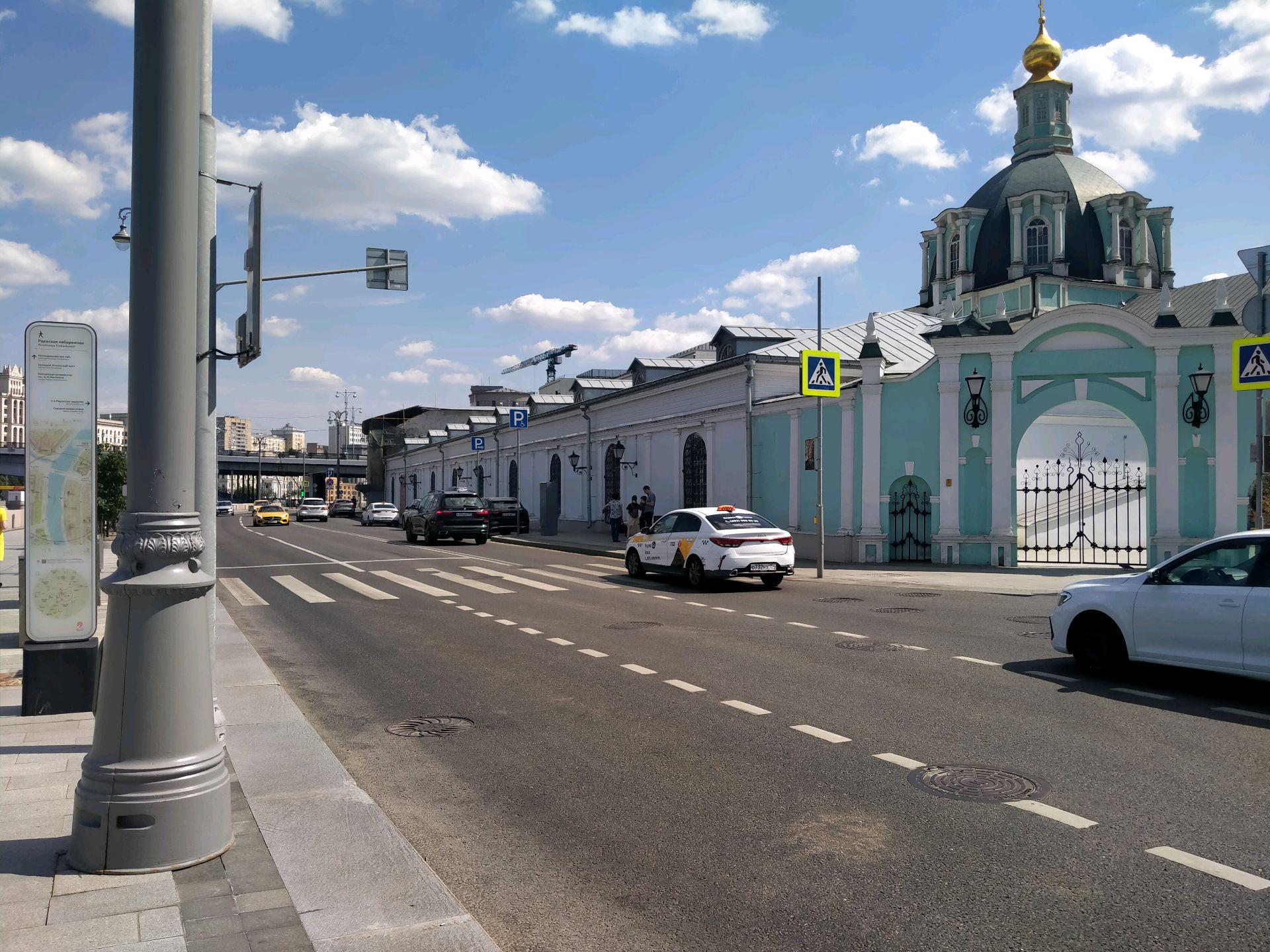
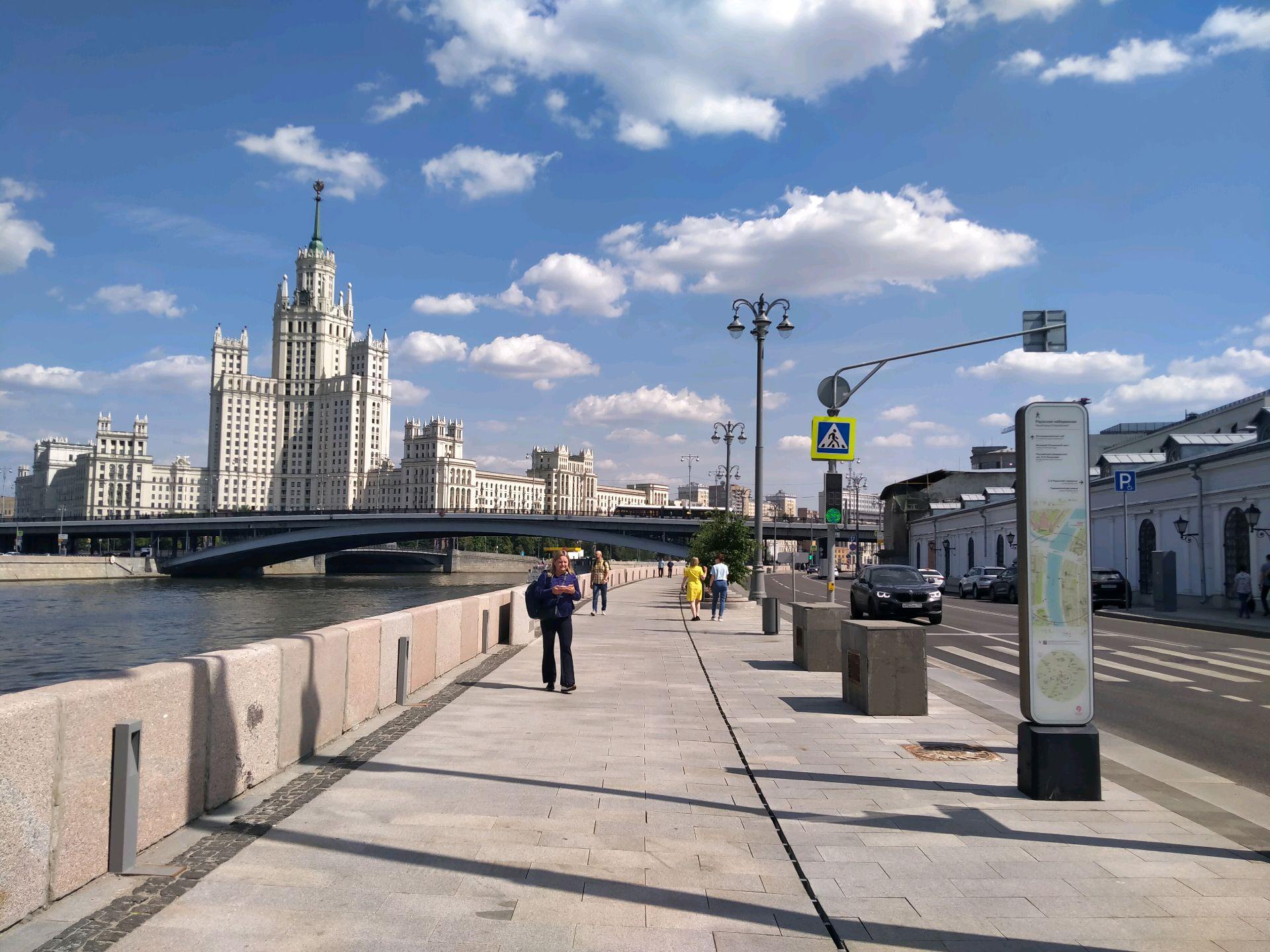
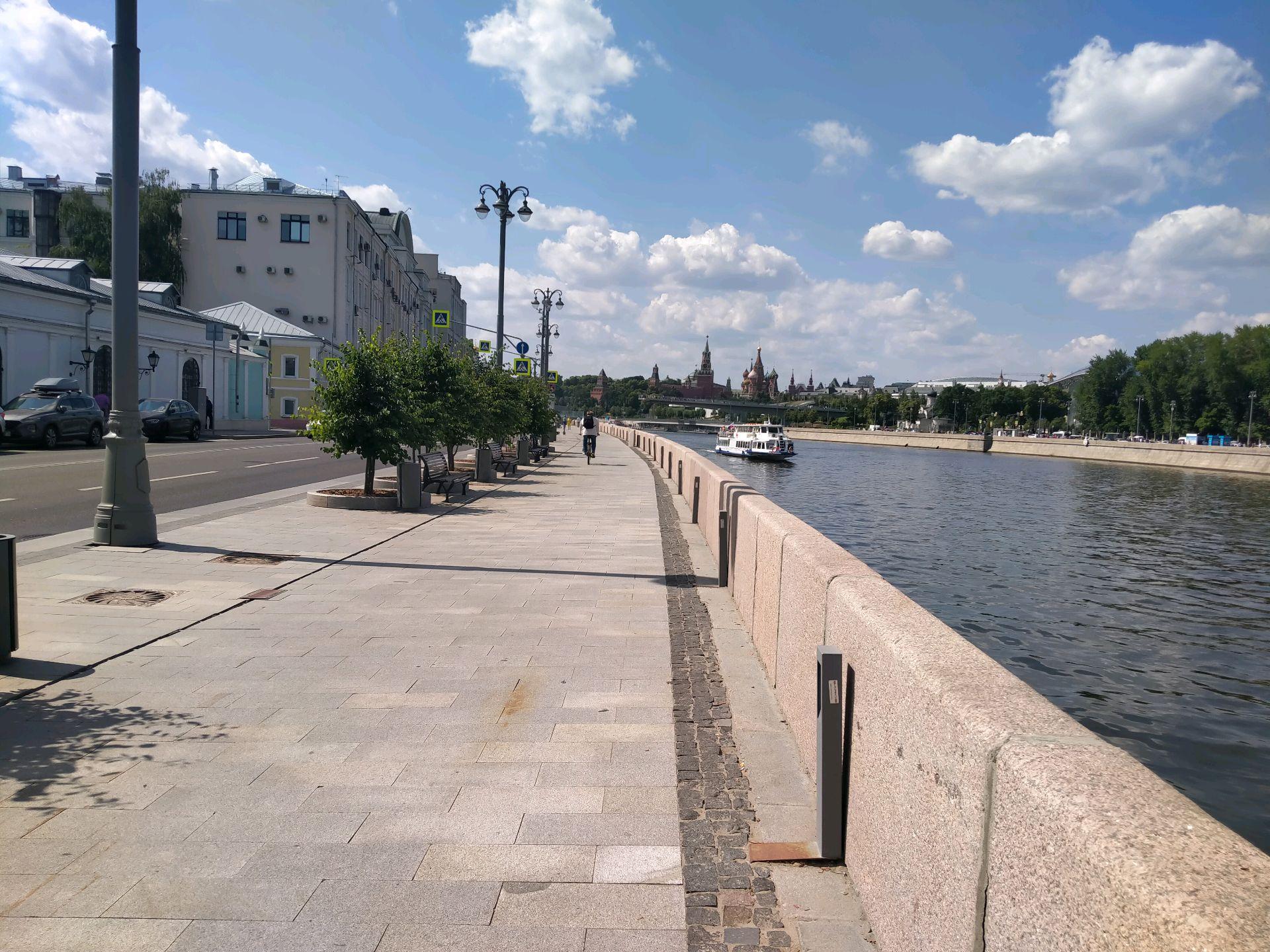
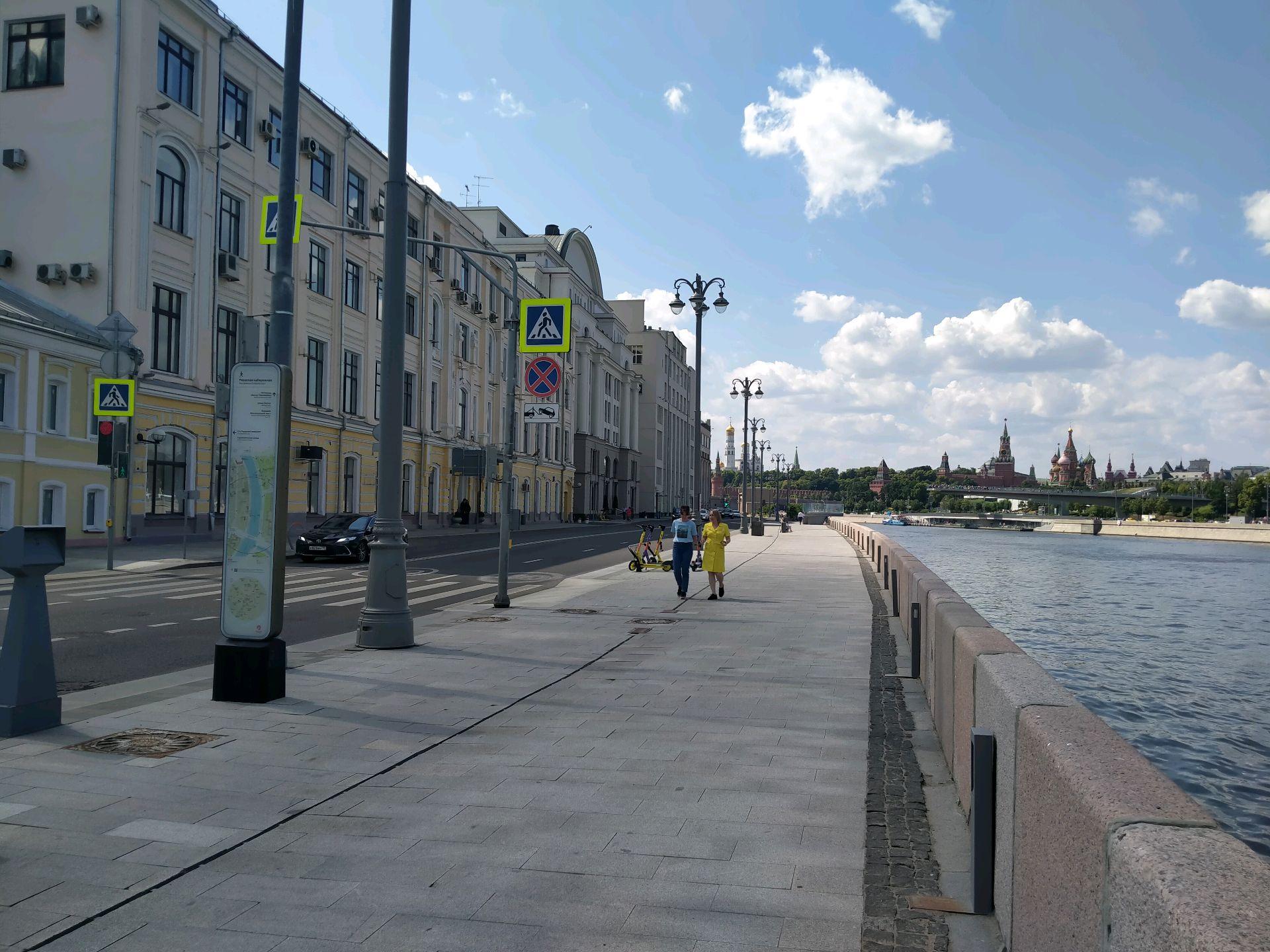
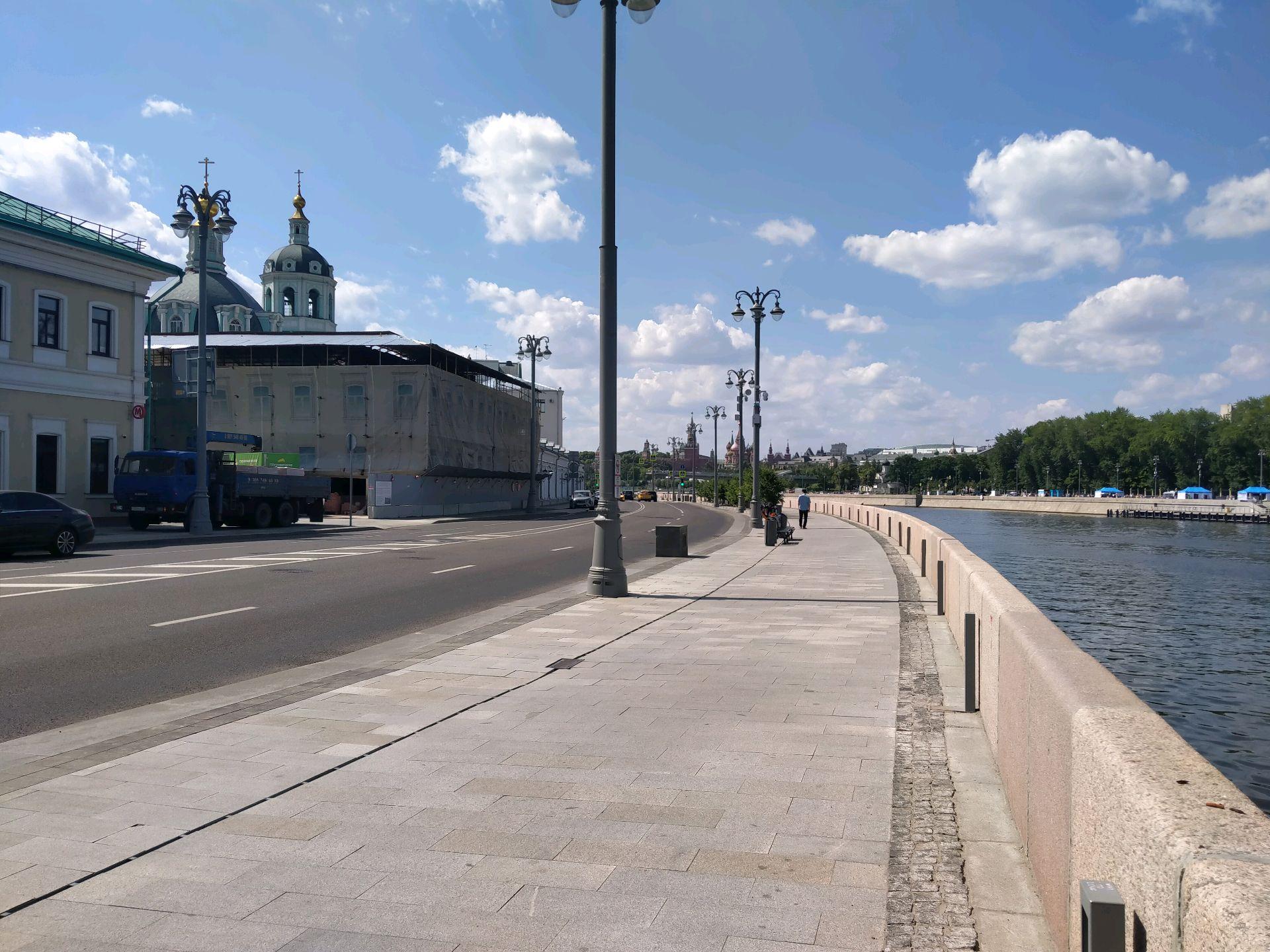
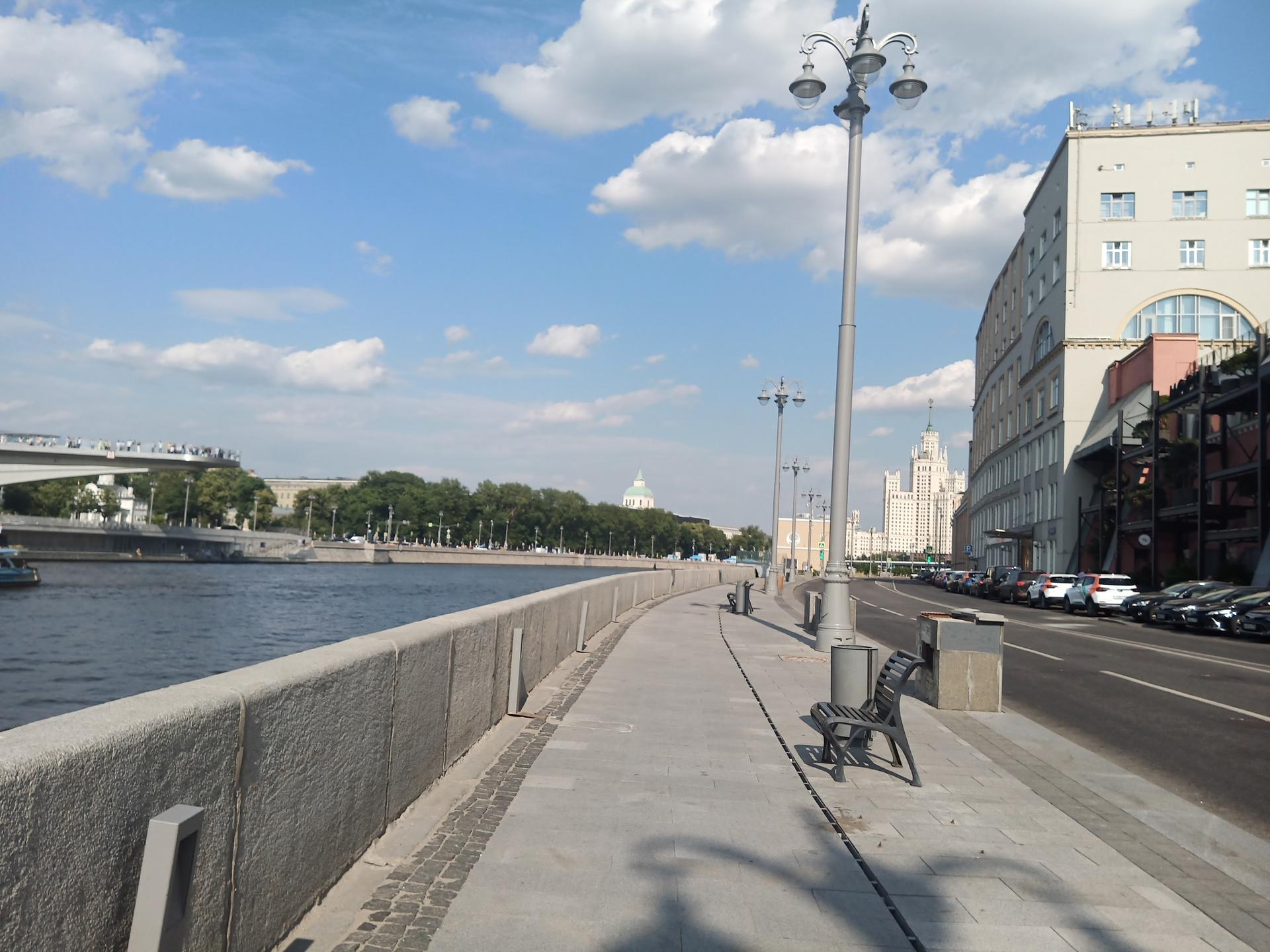
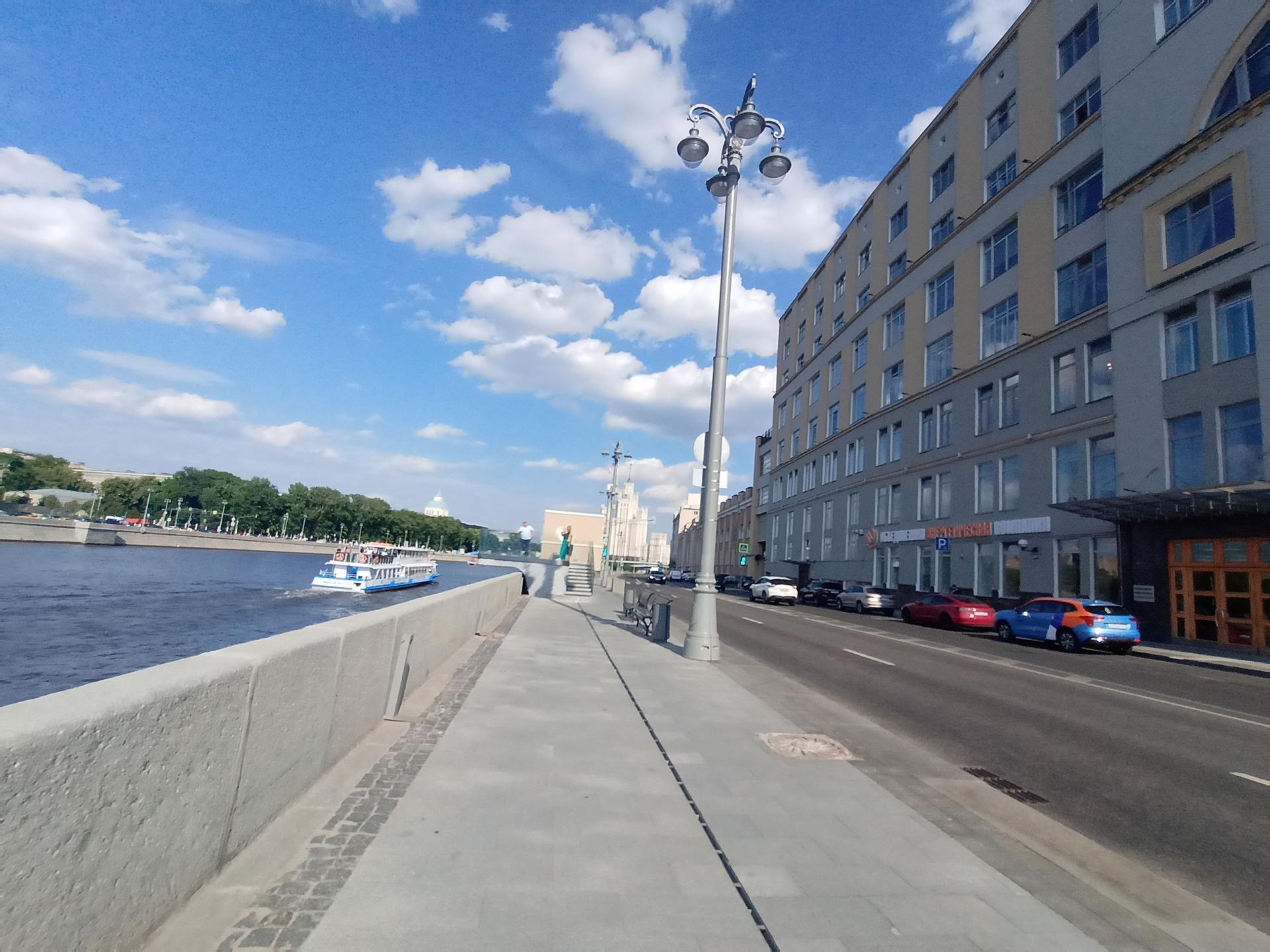
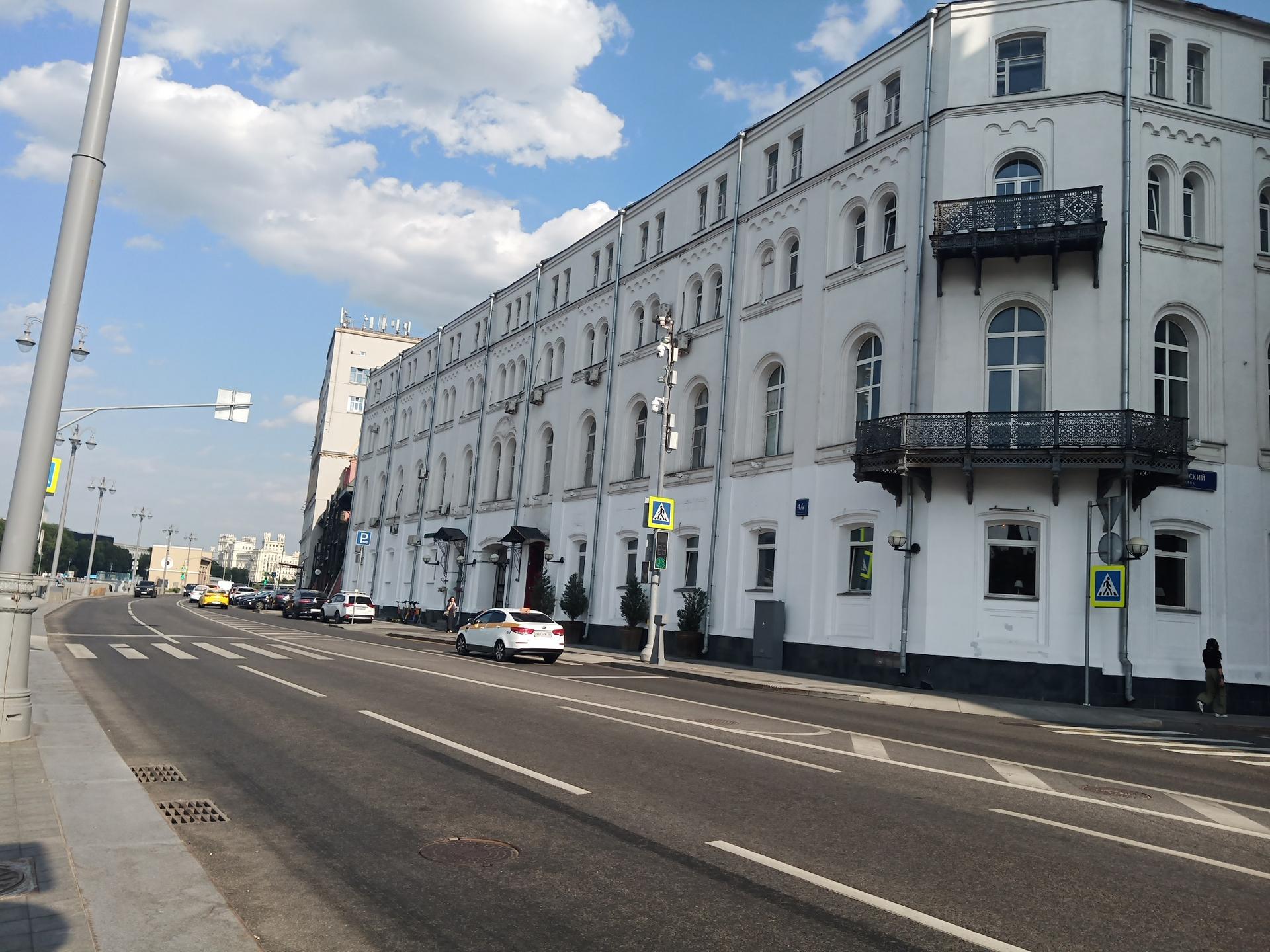
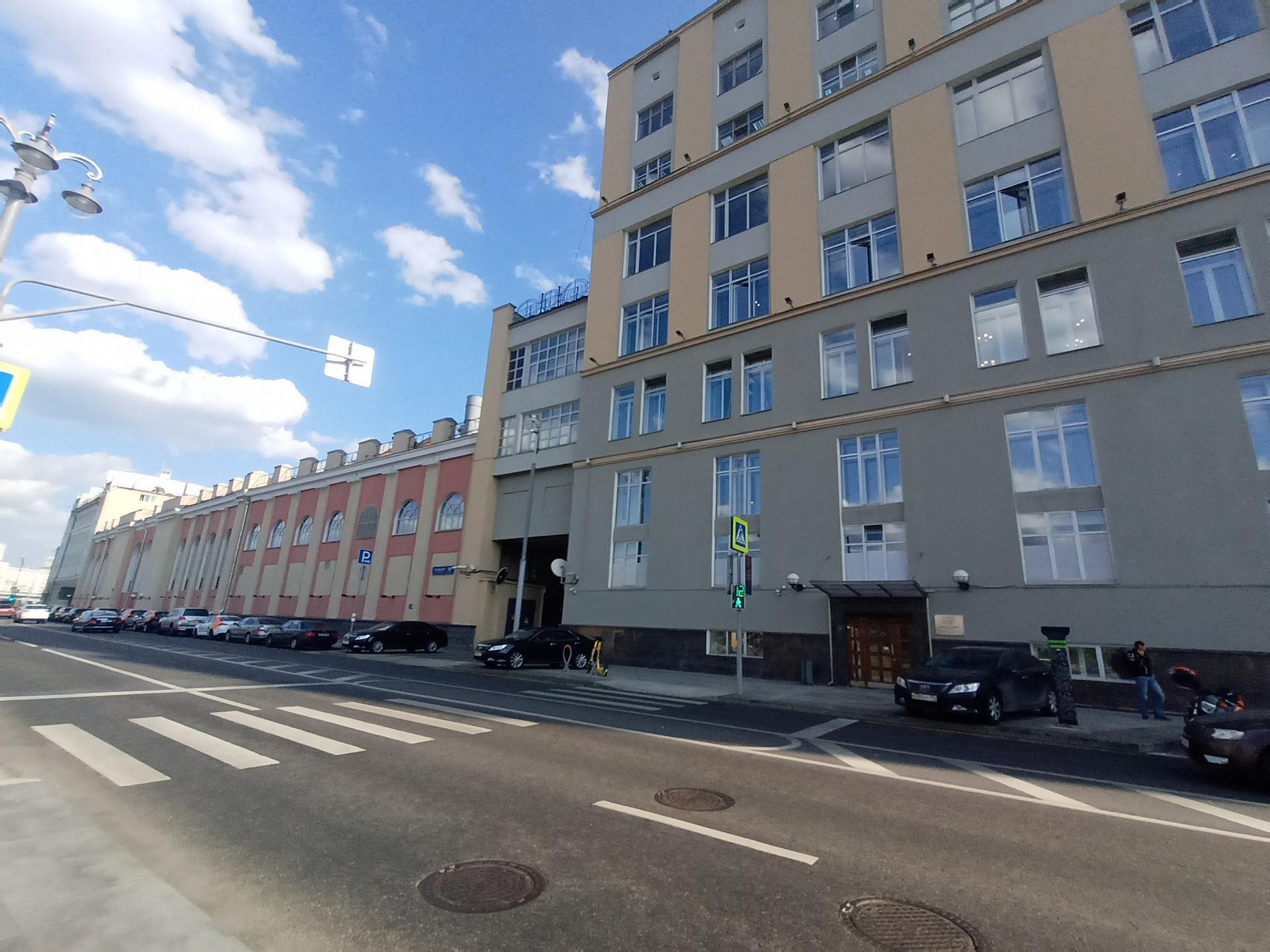
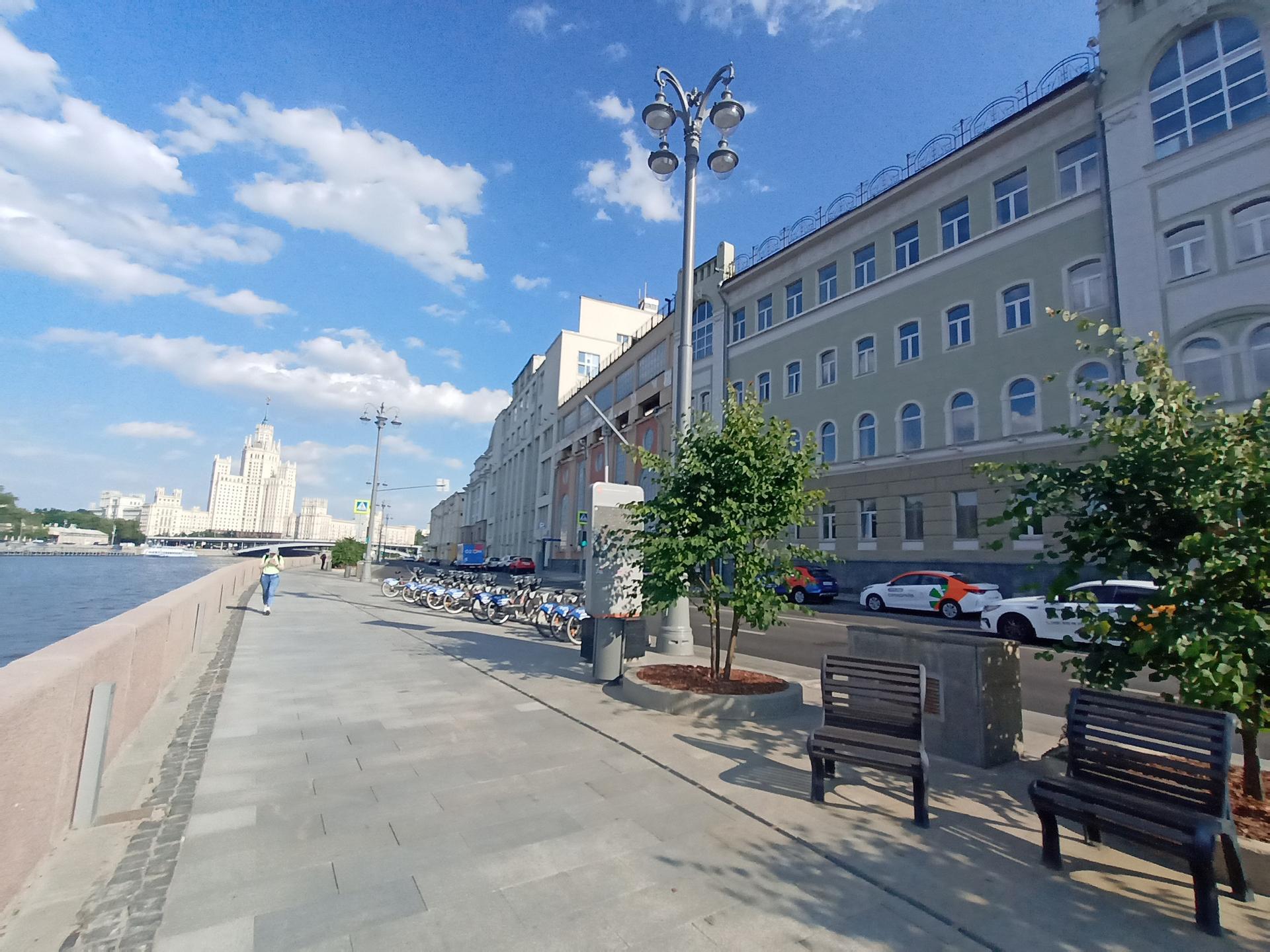
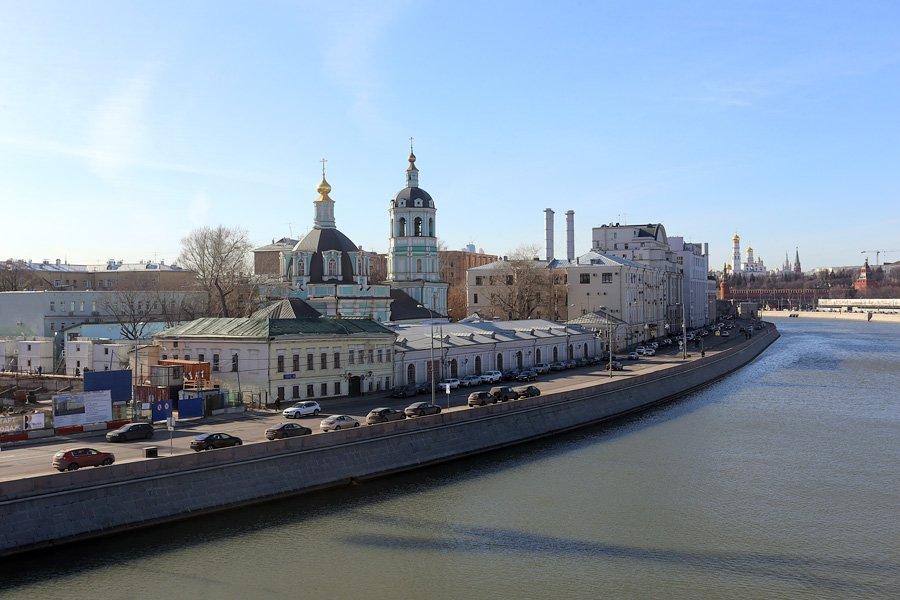
Согласно народной этимологии, название «Раушская» происходит от ровушек – то есть от рвов, которыми были изрыта местность. Это подтверждается старым написанием названия – «Роушская». Однако до 1870-х годов название было совсем другим, набережная называлась Заяйцкой – по имени храма св. Николая Чудотворца, на постройку которого собрали средства то ли заморские купцы из Средней Азии, из-за Яика, то ли заяйцкие казаки (жившие за той же рекой Яик, а в Смутное время обосновавшиеся в Москве). Название набережной изменилось тогда, когда в последней трети 19 века стали обустраиваться все московские набережные и, к тому же впервые был построен Устьинский мост.
В конце 15 века здесь была обустроена царская Садовническая слобода. Царские садовники селились на Берсеневской, Софийской набережных. Здесь, в Нижних Садовниках, местность была болотистая, Москва-река разливалась, затопляя все вокруг, и в конце 18 века был прорыт Водоотводный канал, что позволило осушить Нижние Садовники.
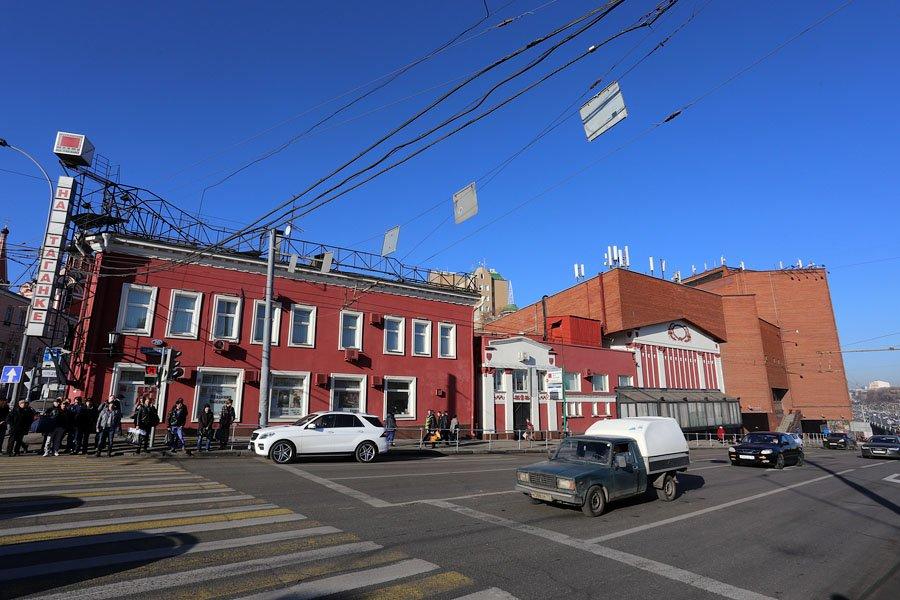
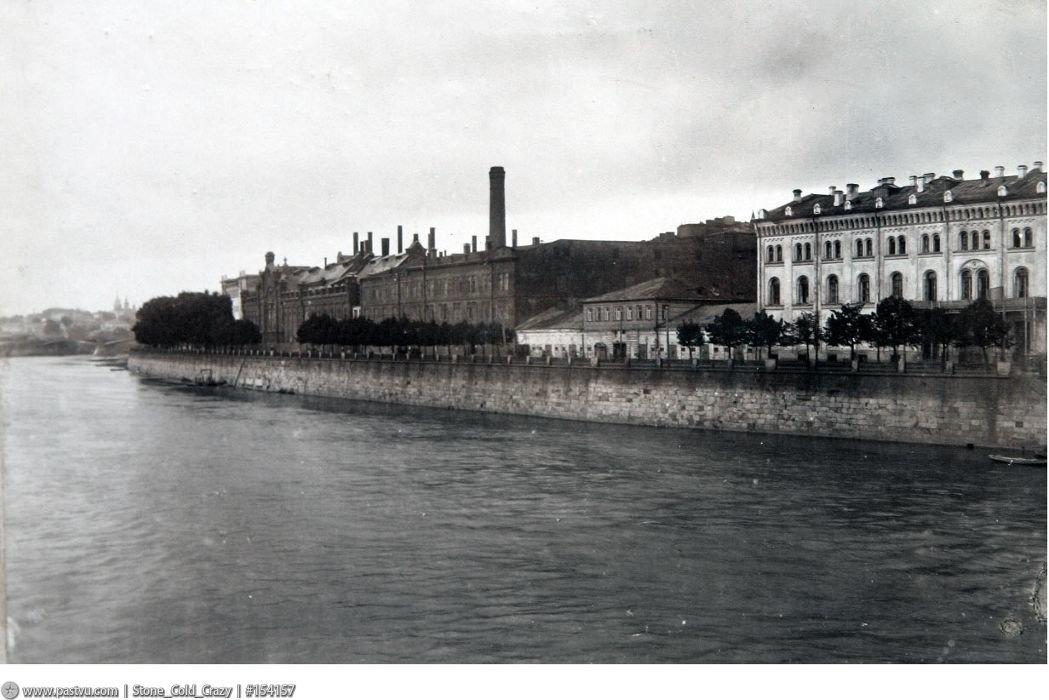
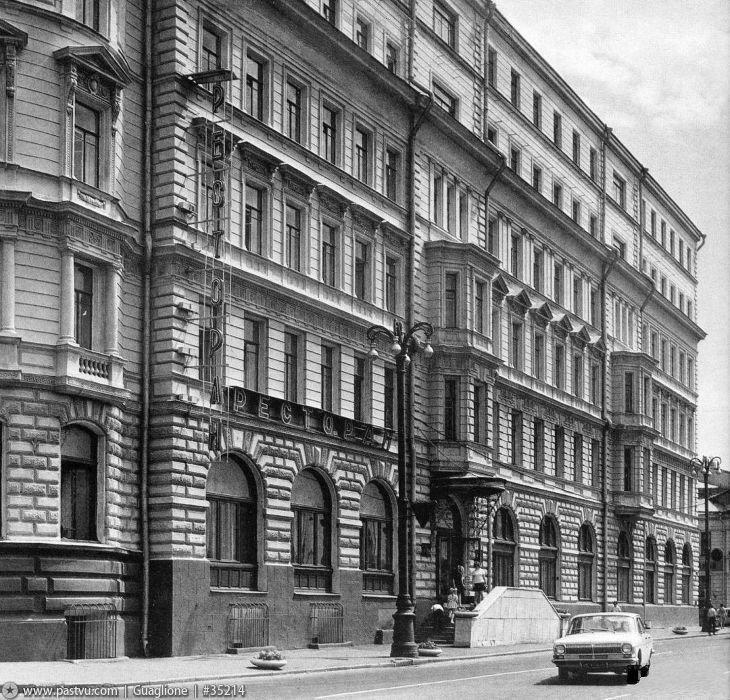
В конце 19 века Садовническая слобода стала застраиваться зданиями совсем иного типа: вместо двухэтажных лавок и небольших усадеб стали появляться многоэтажные доходные дома и промышленные сооружения.
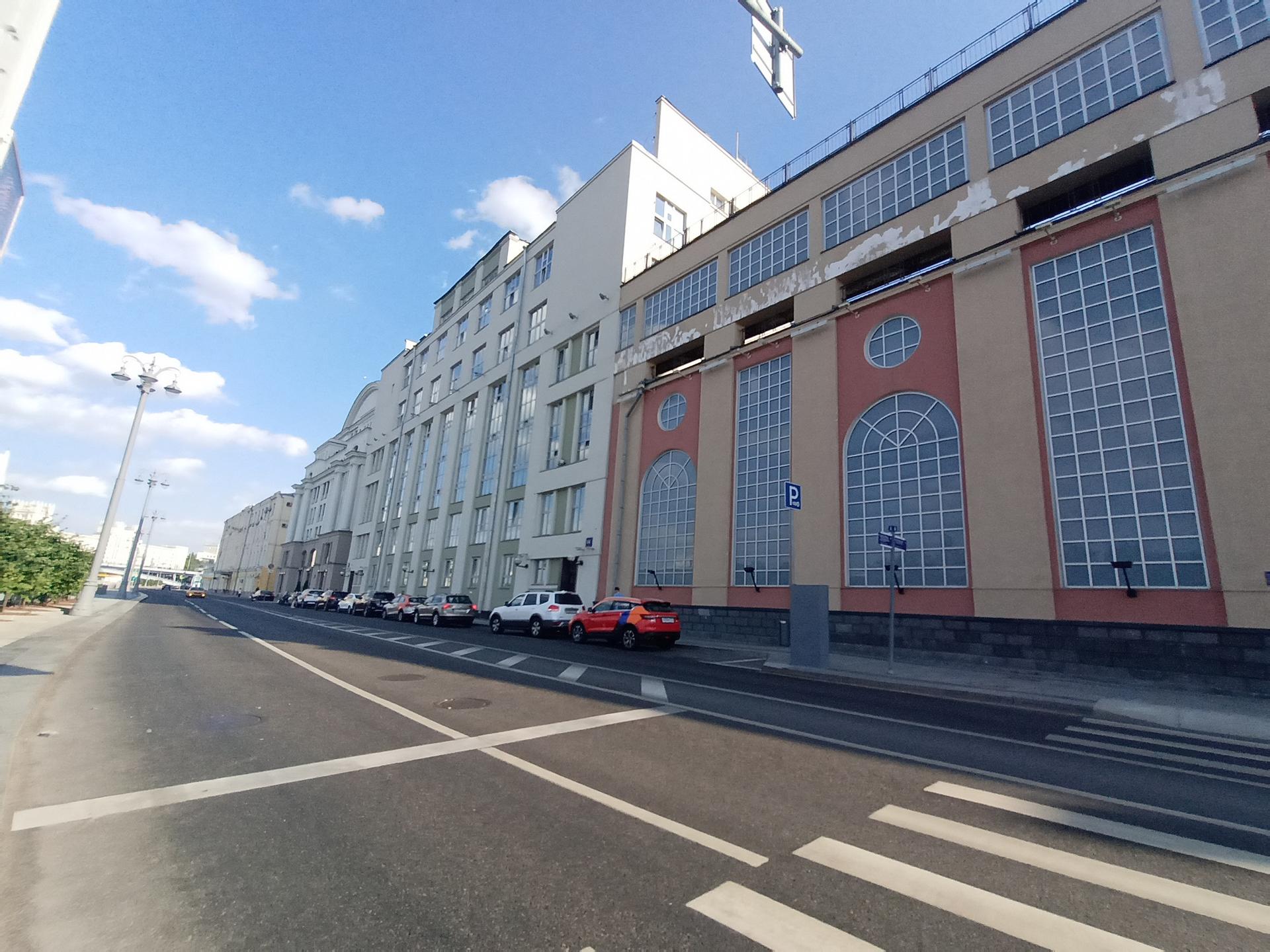
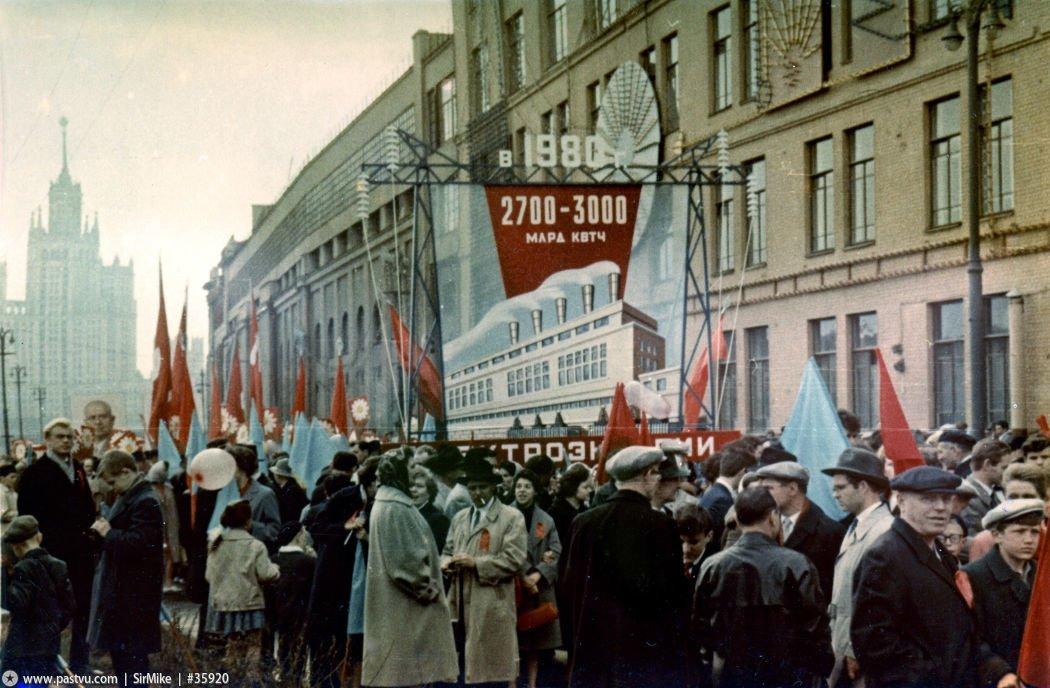
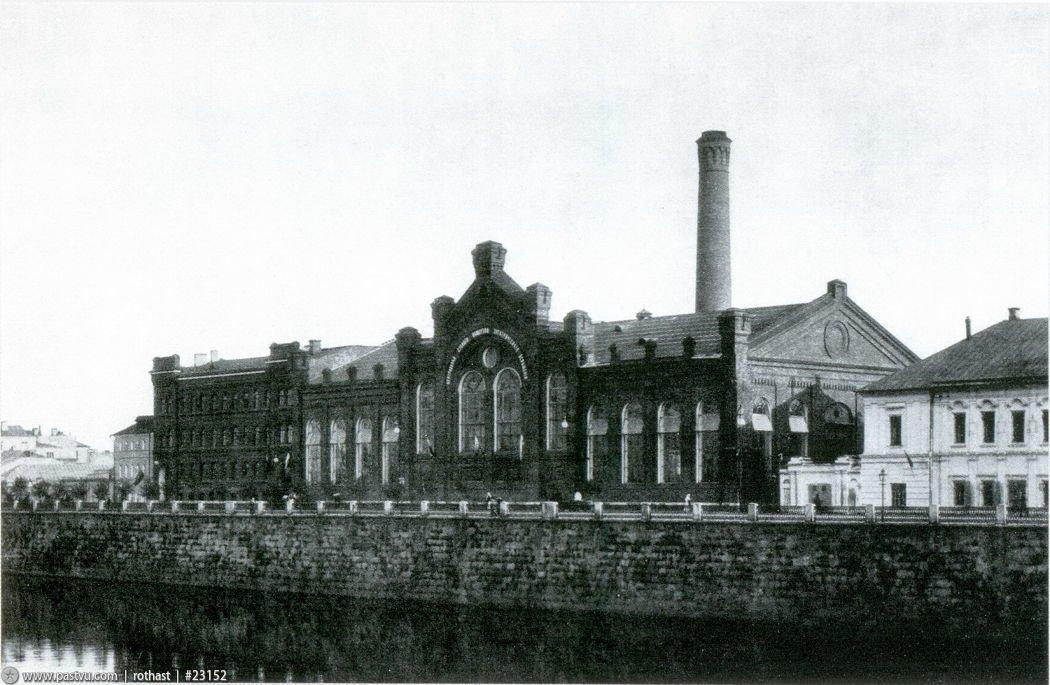
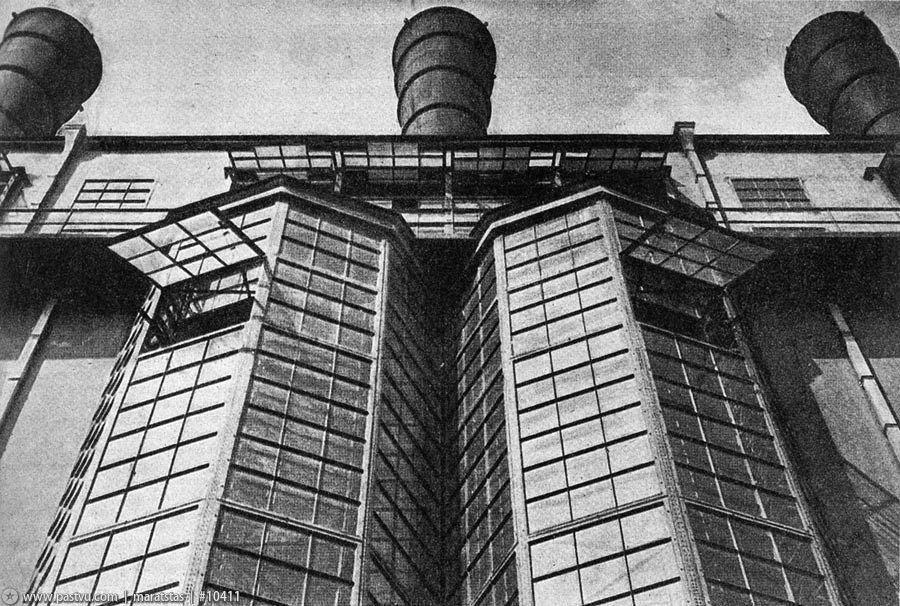
Так, в 1896 году на Раушской набережной была построена первая московская электростанция. В 1906 году она была перестроена, а в 1930-х прошла реконструкцию, обросла модными конструктивистскими корпусами, получила сверхмощные турбины и с тех пор безотказно работает, питая электричеством Кремль и ряд московских предприятий.
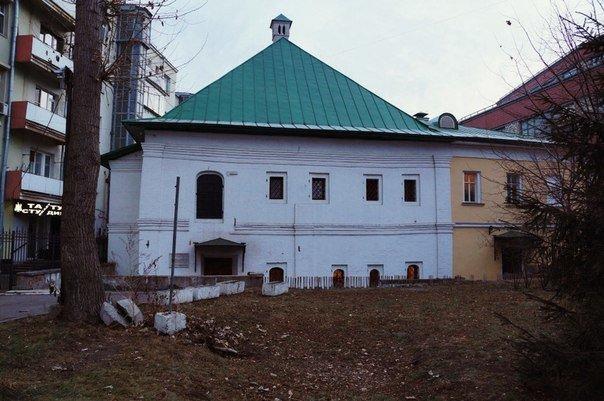
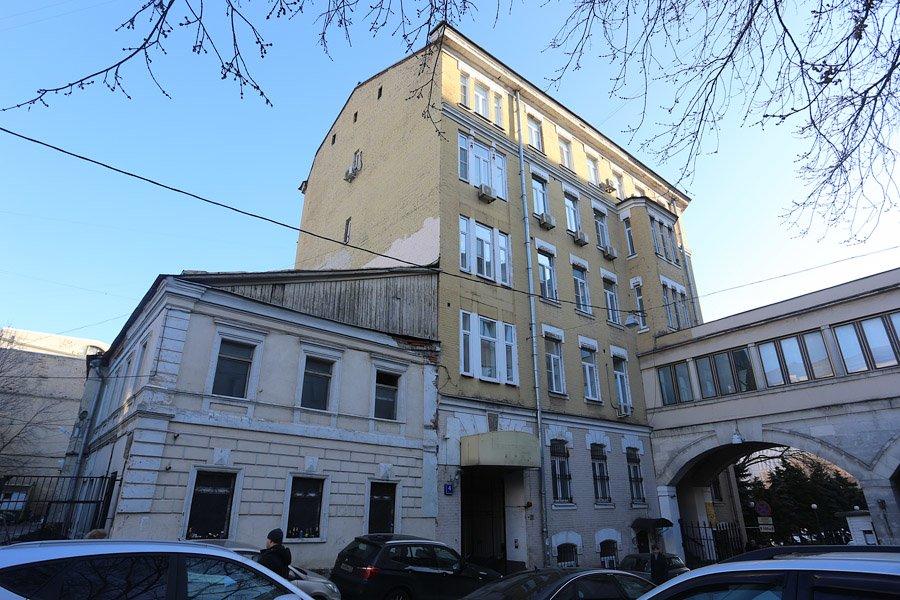
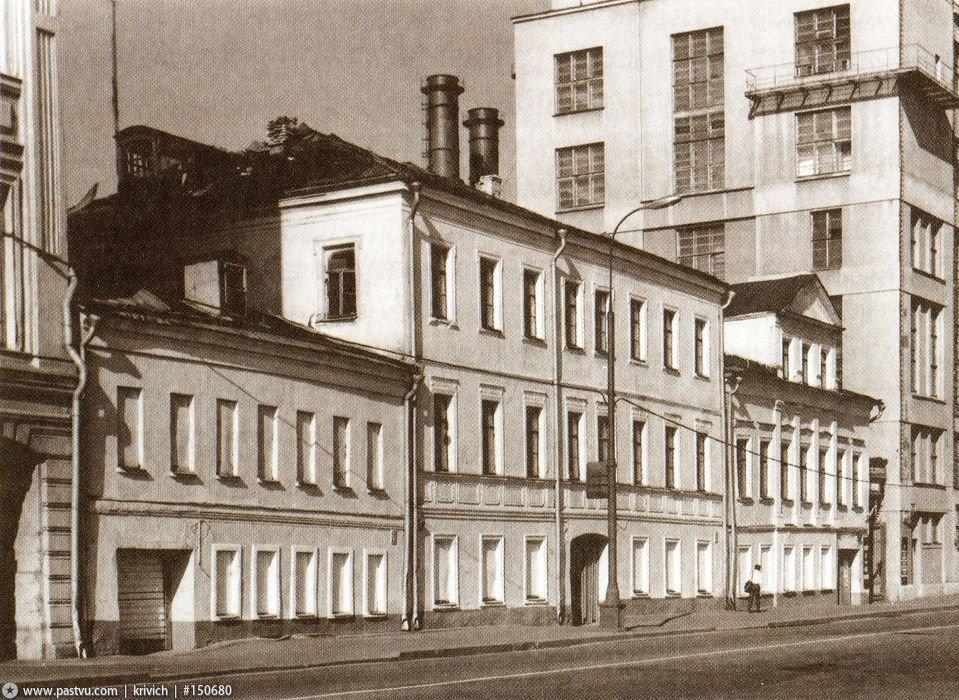
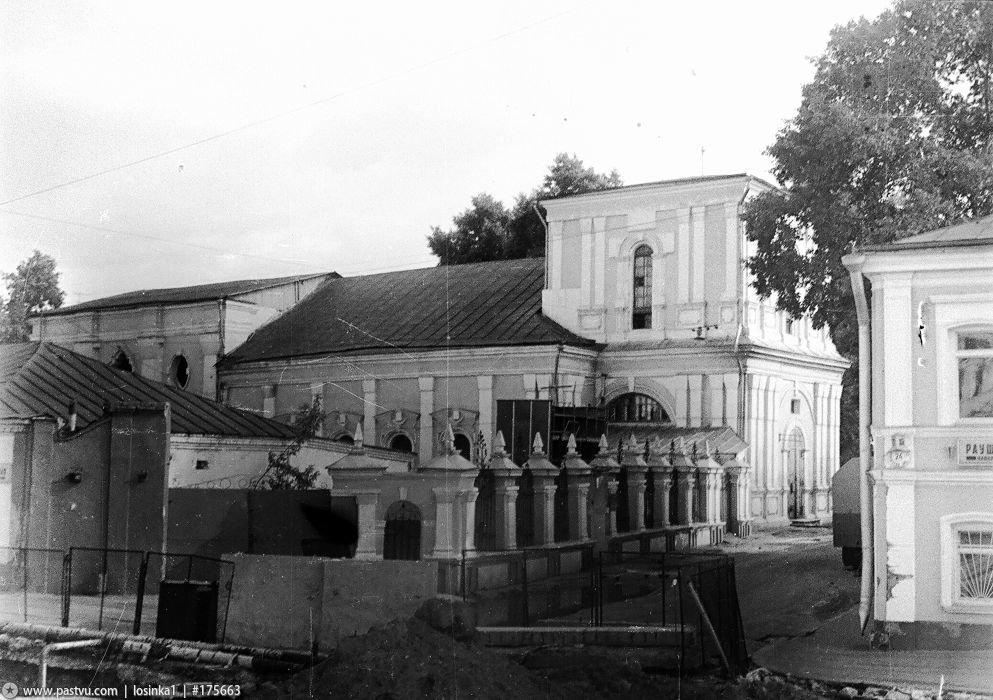
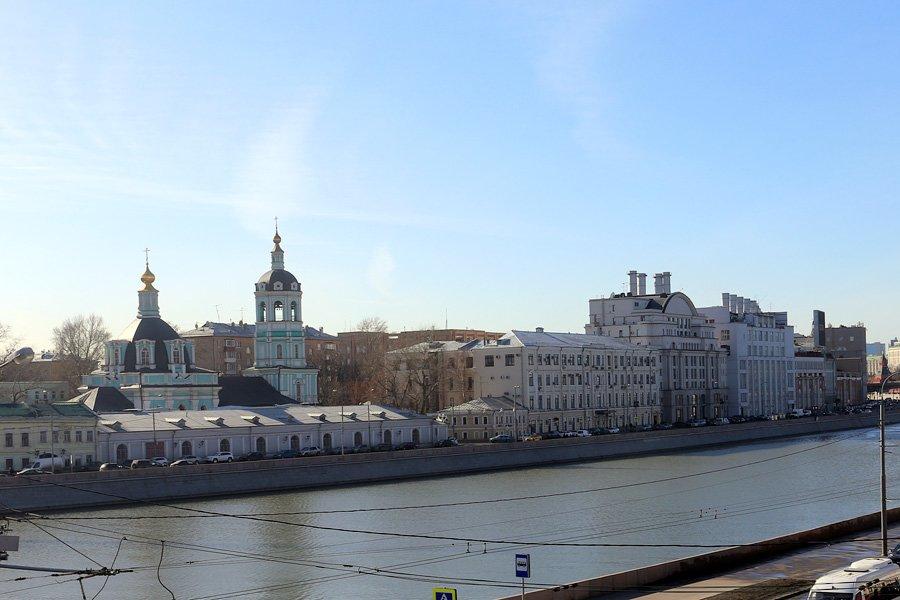
На Раушскую выходят спрятанные во дворе жилого дома уникальные палаты XVII века – случайно раскрытые реставраторами в середине 1990-х годов. Рядом находится дом причта и храм св. Николая Чудотворца – по которому набережная получила некогда свое первое название. Самый старый храм не сохранился, тот, который мы видим сегодня, был построен в 1754 году по проекту архитектора Ухтомского
According to folk etymology, the name "Raushskaya" comes from rovushek - that is, from the trenches that were dug up area. This is confirmed by the old spelling of the name - "Roushskaya." However, until the 1870s the name was quite different, the promenade called Zayaytskoy - on behalf of the Church of St. Nicholas, for which the building or whether raised funds overseas merchants from Central Asia, due to the Yaik, whether zayaytskie Cossacks (who lived at the same river Yaik, and in the Time of Troubles settled in Moscow). The name of the waterfront has changed when in the last third of the 19th century began to settle all Moscow embankments and, moreover, was first built Ustyinsky bridge. In the late 15th century there was undeveloped royal Sadovnicheskaya settlement. Royal gardeners settled on Bersenevskaya, Sofia Embankment. Here, the bottom Sadovniki, the area was marshy, Moscow River overflowed, flooding all around, and in the late 18th century was dug drainage channel that allowed to drain Lower Gardeners. In the late 19th century Sadovnicheskaya settlement was built up quite a different type of buildings instead of two-storey shops and small estates began to appear high-rise apartment buildings and industrial facilities. So, in 1896 Raushskaya embankment was built the first power station Moscow. In 1906, it was rebuilt, and in 1930 was reconstructed, overgrown fashionable constructivist buildings, received heavy duty turbines and has since worked flawlessly, feeding electricity Kremlin in Moscow and a number of enterprises. At the moment, almost the entire river frontage Raushskaya busy waterfront buildings Mosenergo housing 1930 are close to the housings of the late 1990s, because with Raushskaya waterfront is quite impossible to look inside the quarter. However, Raushskaya out hidden in the courtyard of an apartment house unique Chamber of the 17th century - the inadvertent disclosure of restorers in the mid-1990s. Nearby is the home of the clergy and the church of St. Nicholas - on which the embankment was once his first name. Of course, the old temple was not preserved, the one we see today was built in 1754 by architect Ukhtomskogo. These three buildings are not very well known to tourists, however, local historians believe their Moscow pearls. Nowadays Raushskaya embankment almost uninhabited: Mosenergo than shells, go here for show facades Baltschug Kempinski hotel, but in the courtyard of the adjoining house is well-known in the 1990s, the first Irish pub in Moscow Vermel. It offers views on a charge - unfortunately demolished and is now enclosed by boards with advertising. Perhaps, after his recovery, the view from Raushskaya better. In the meantime, tourists and tour of the waterfront do not go - and a very good reason!


.jpg&w=1920&q=75)