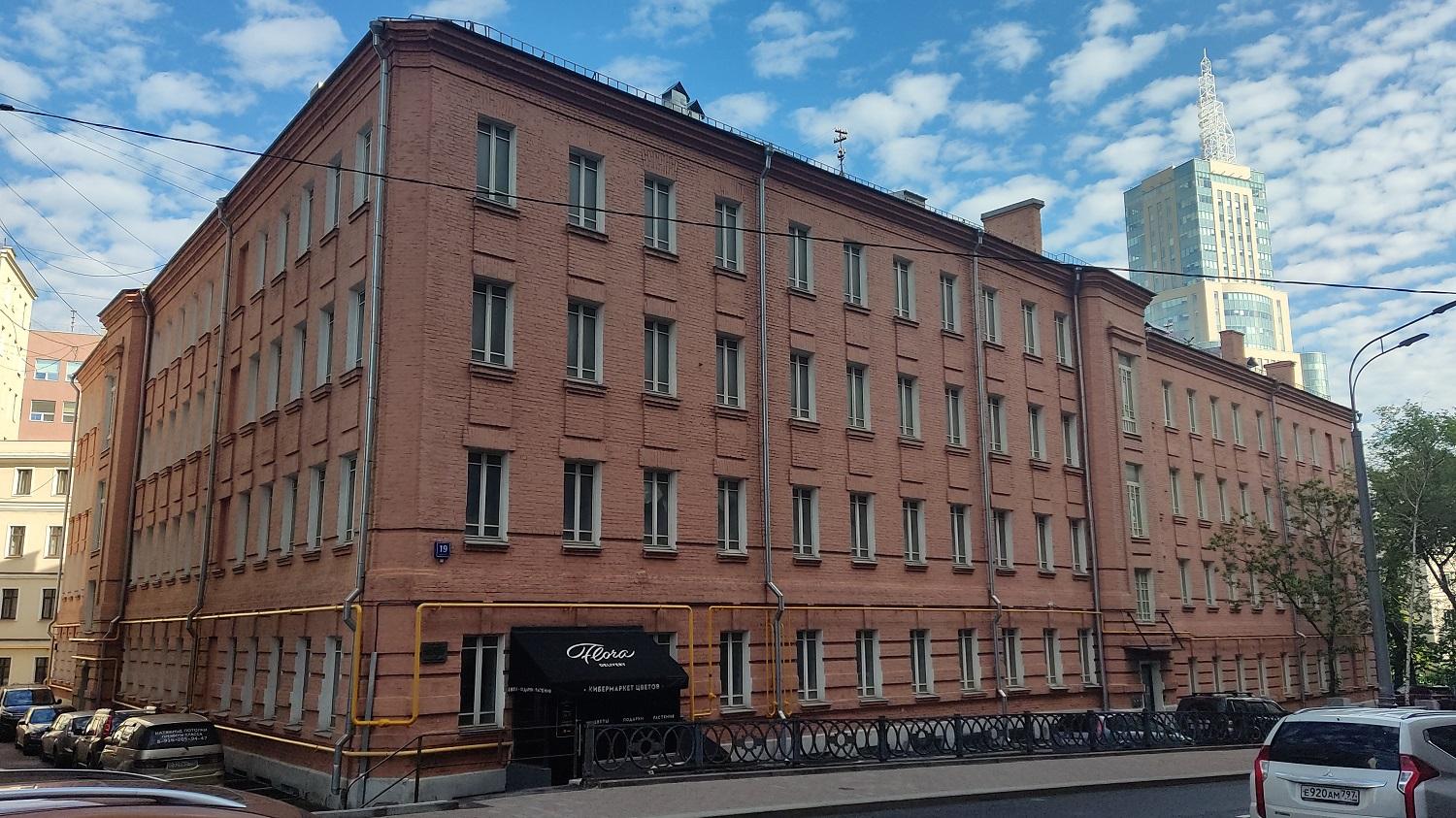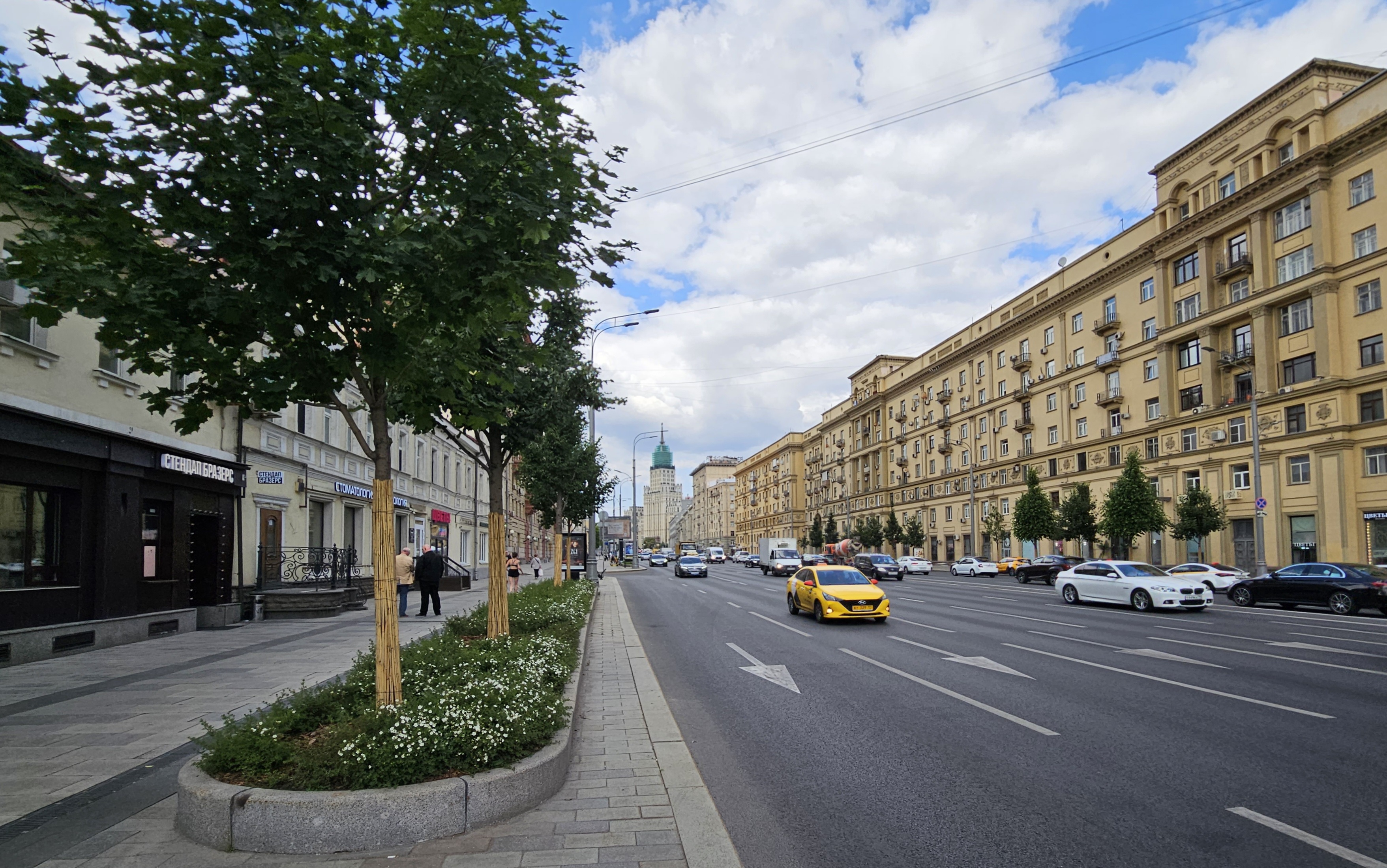
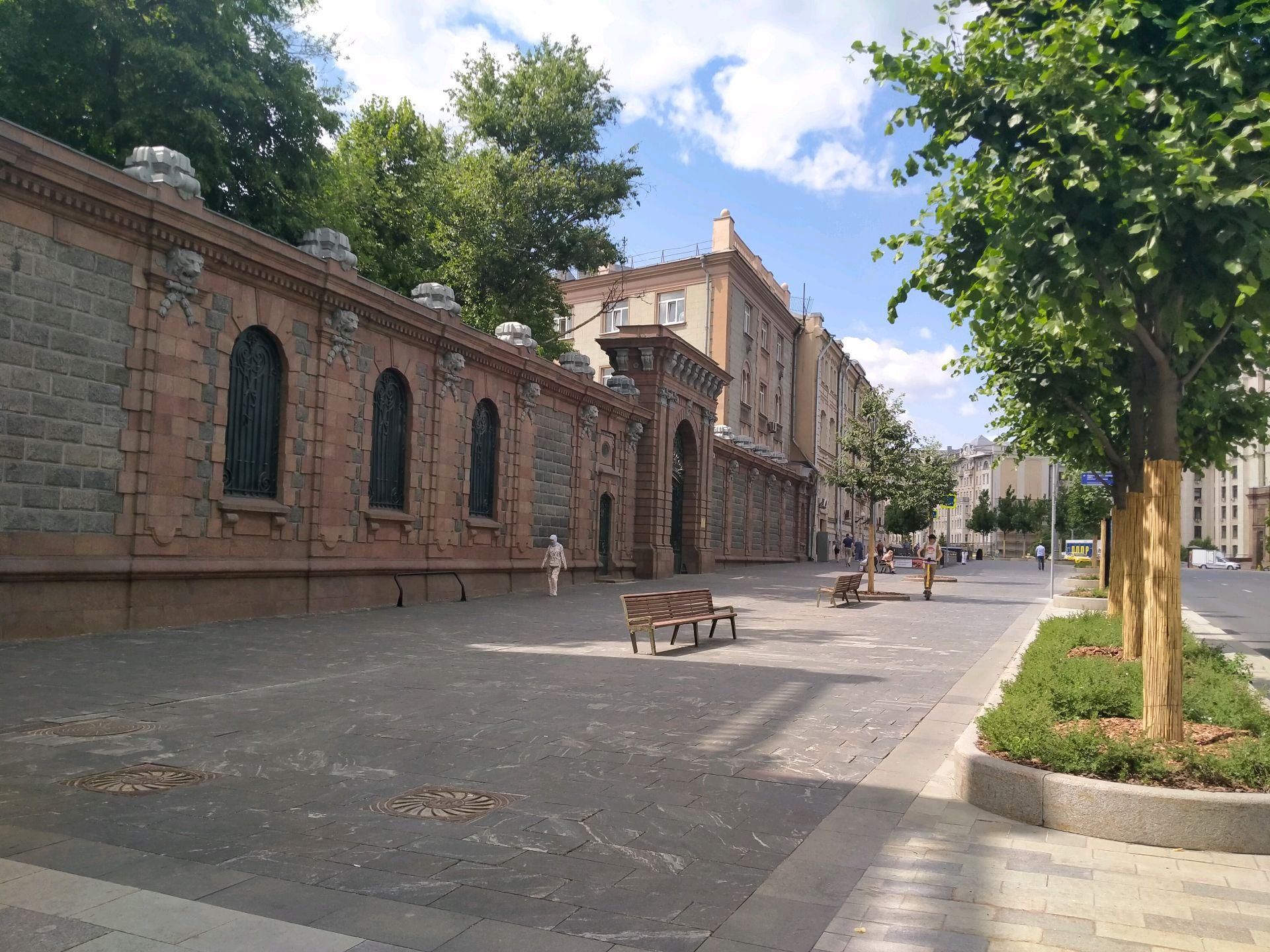
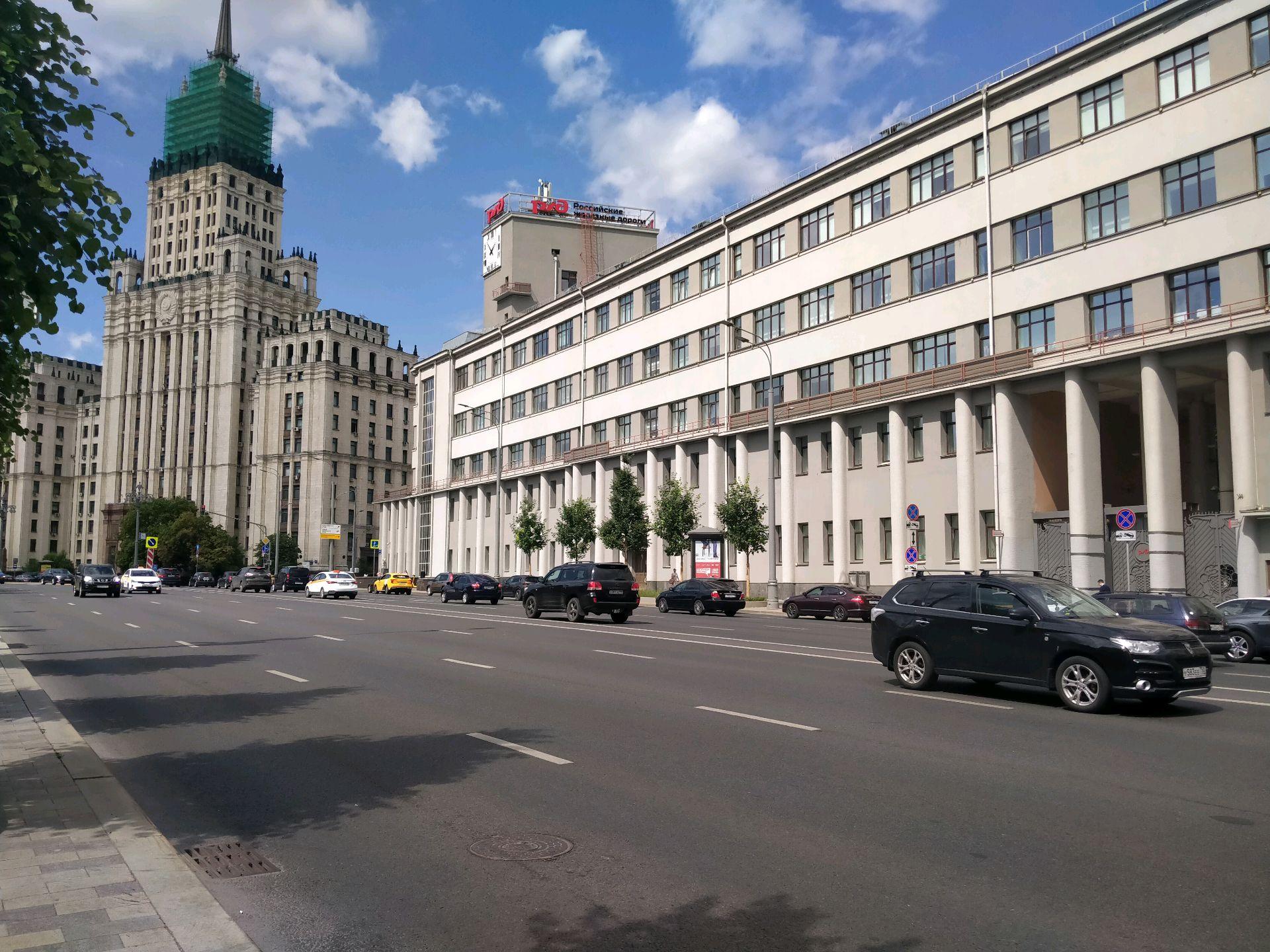
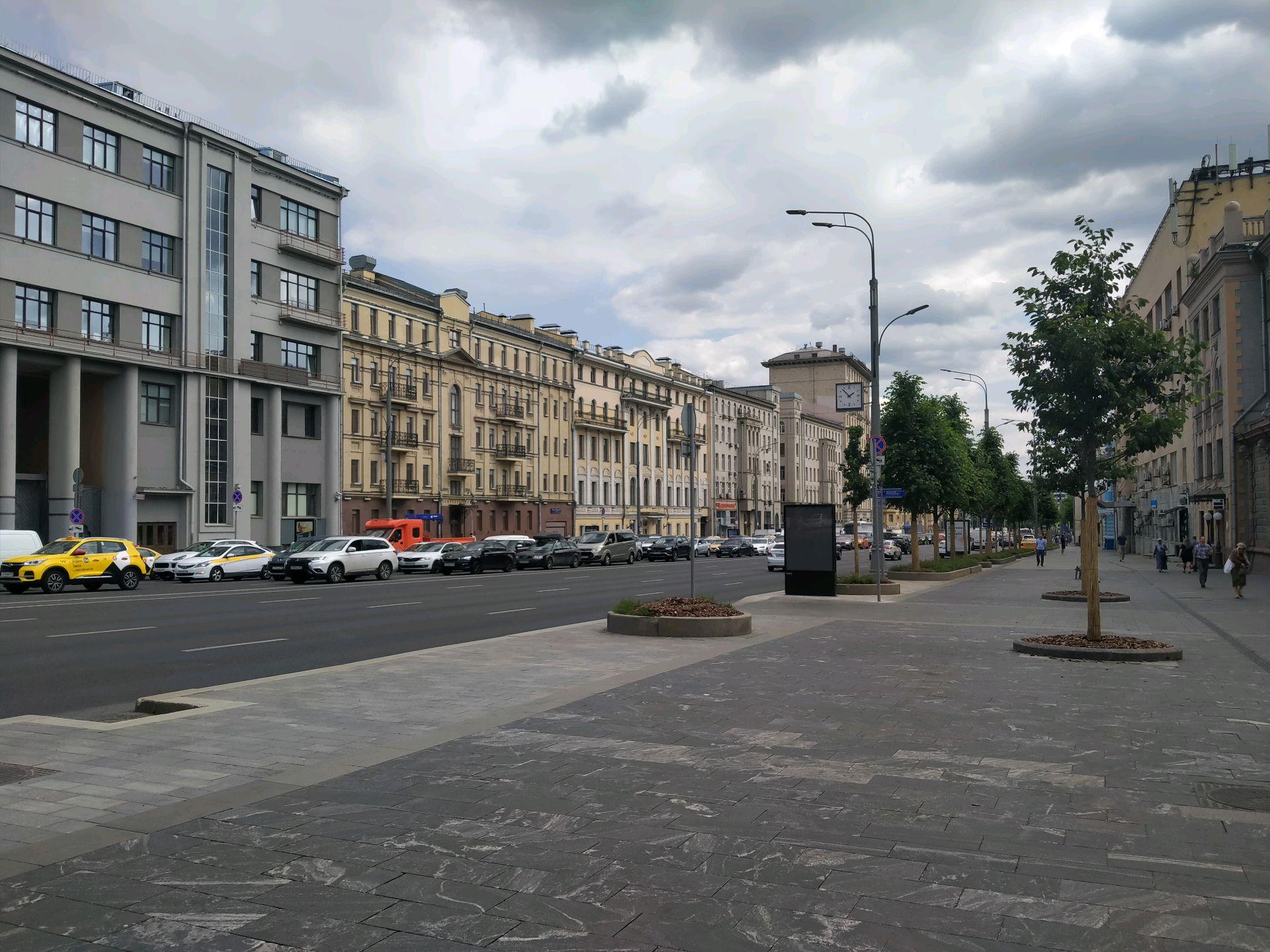
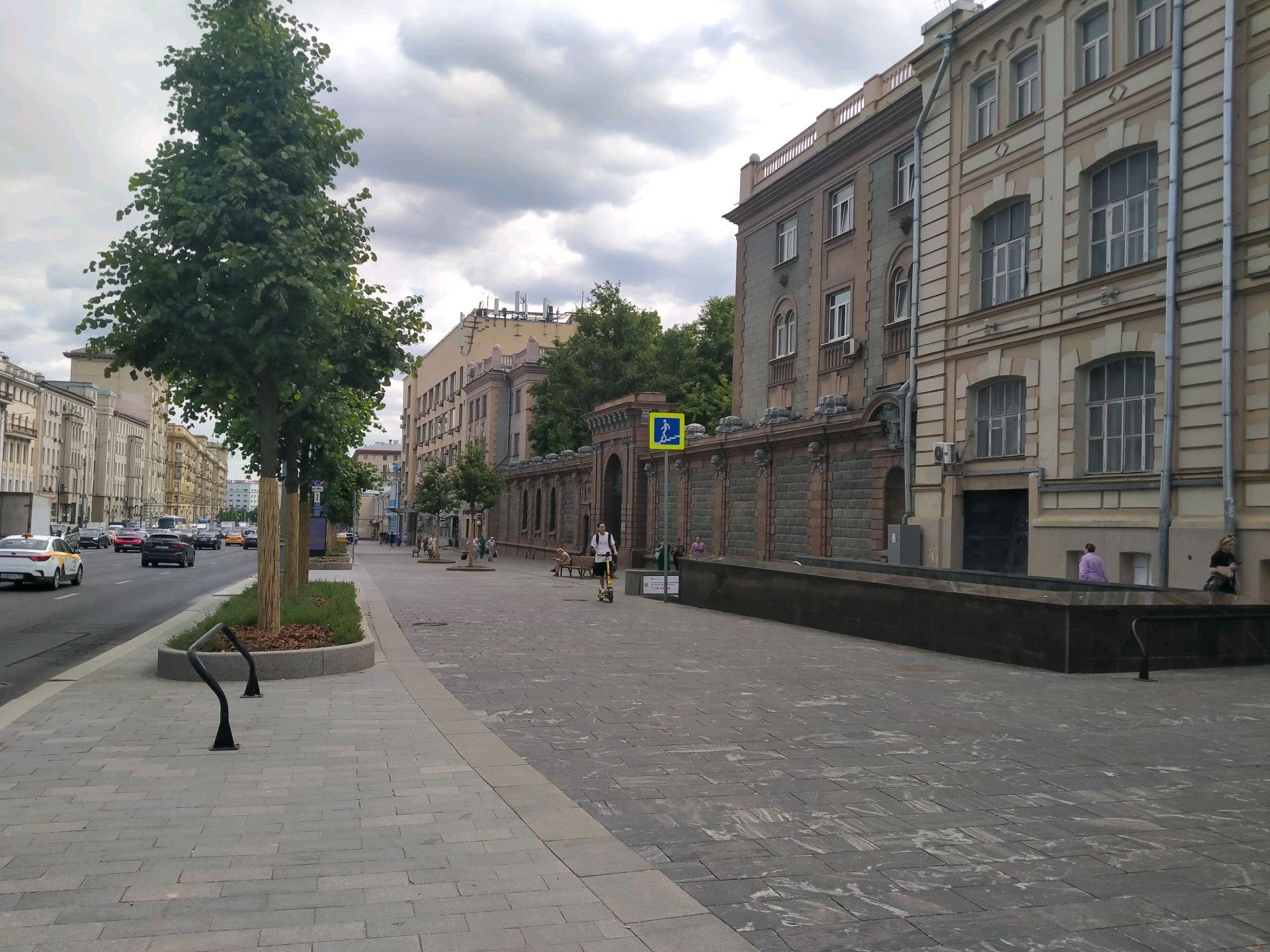
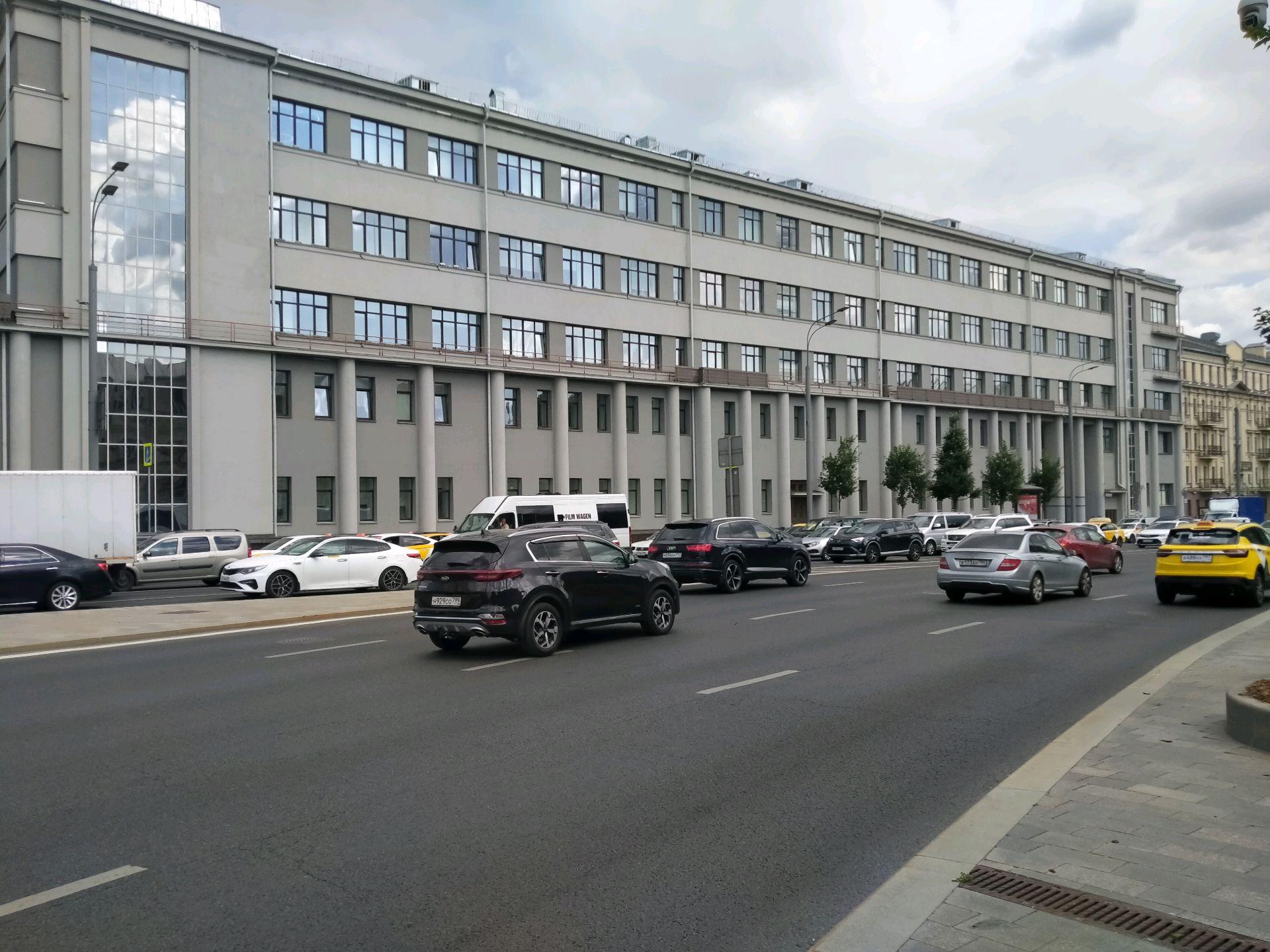
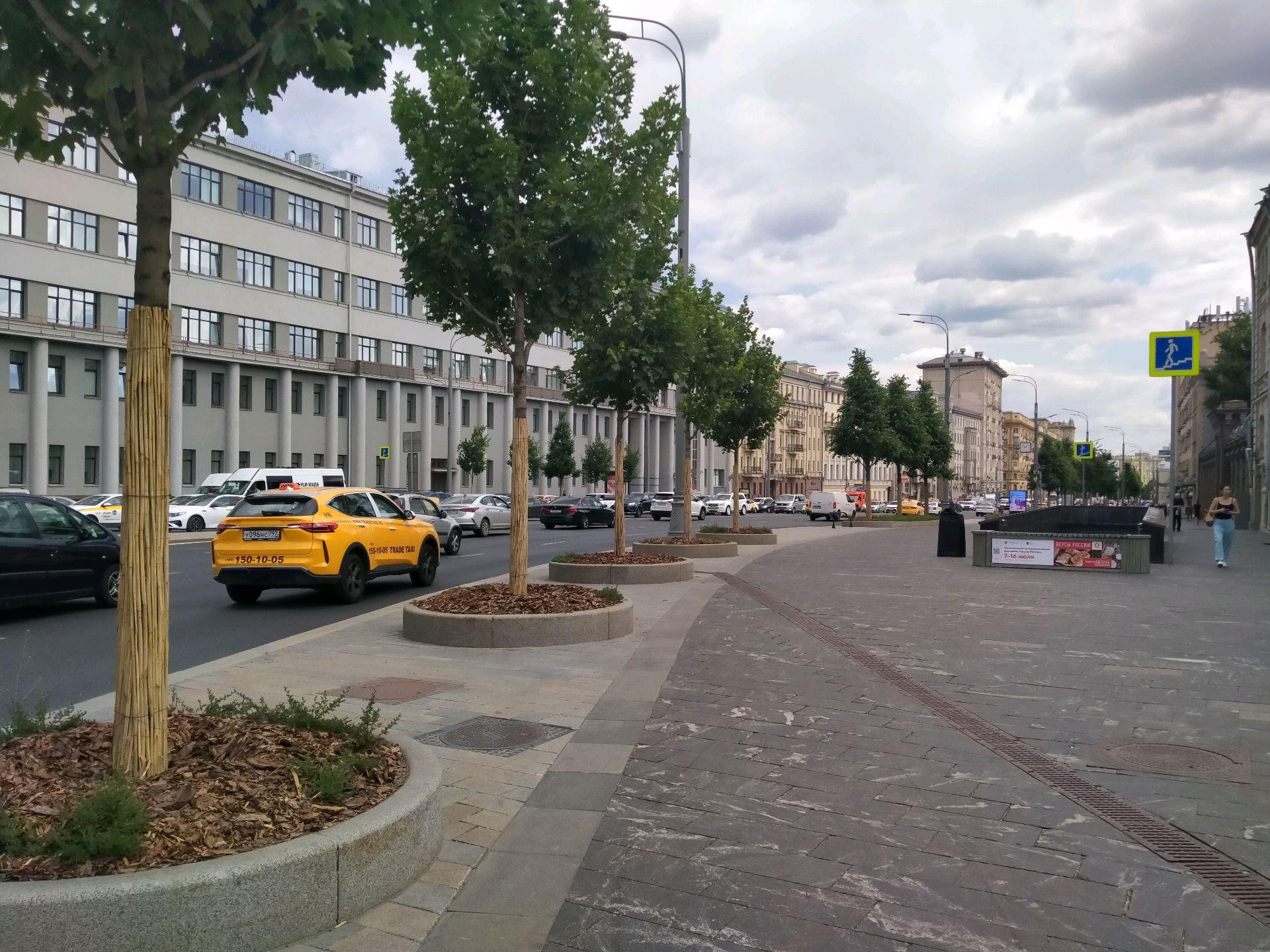
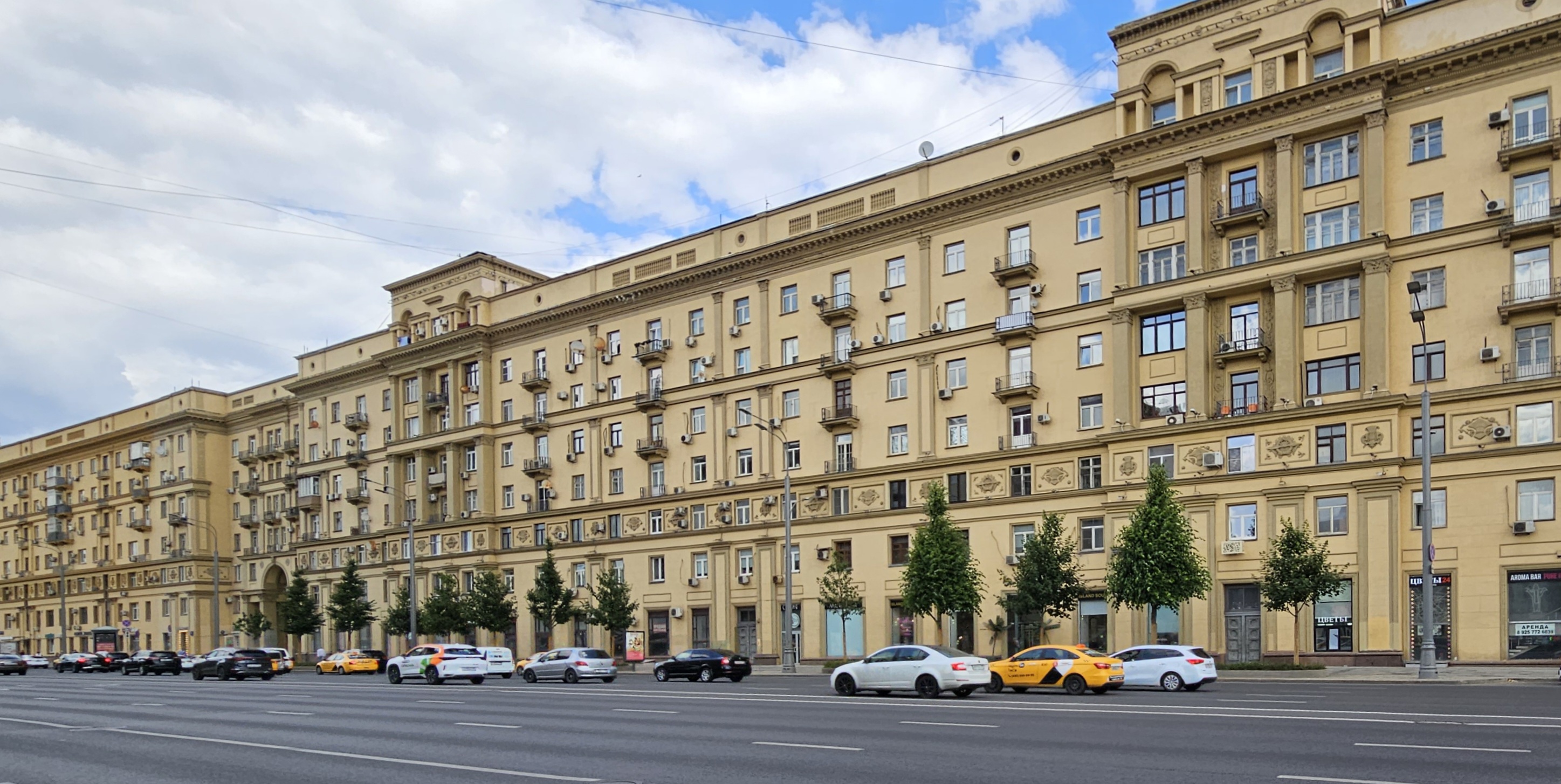
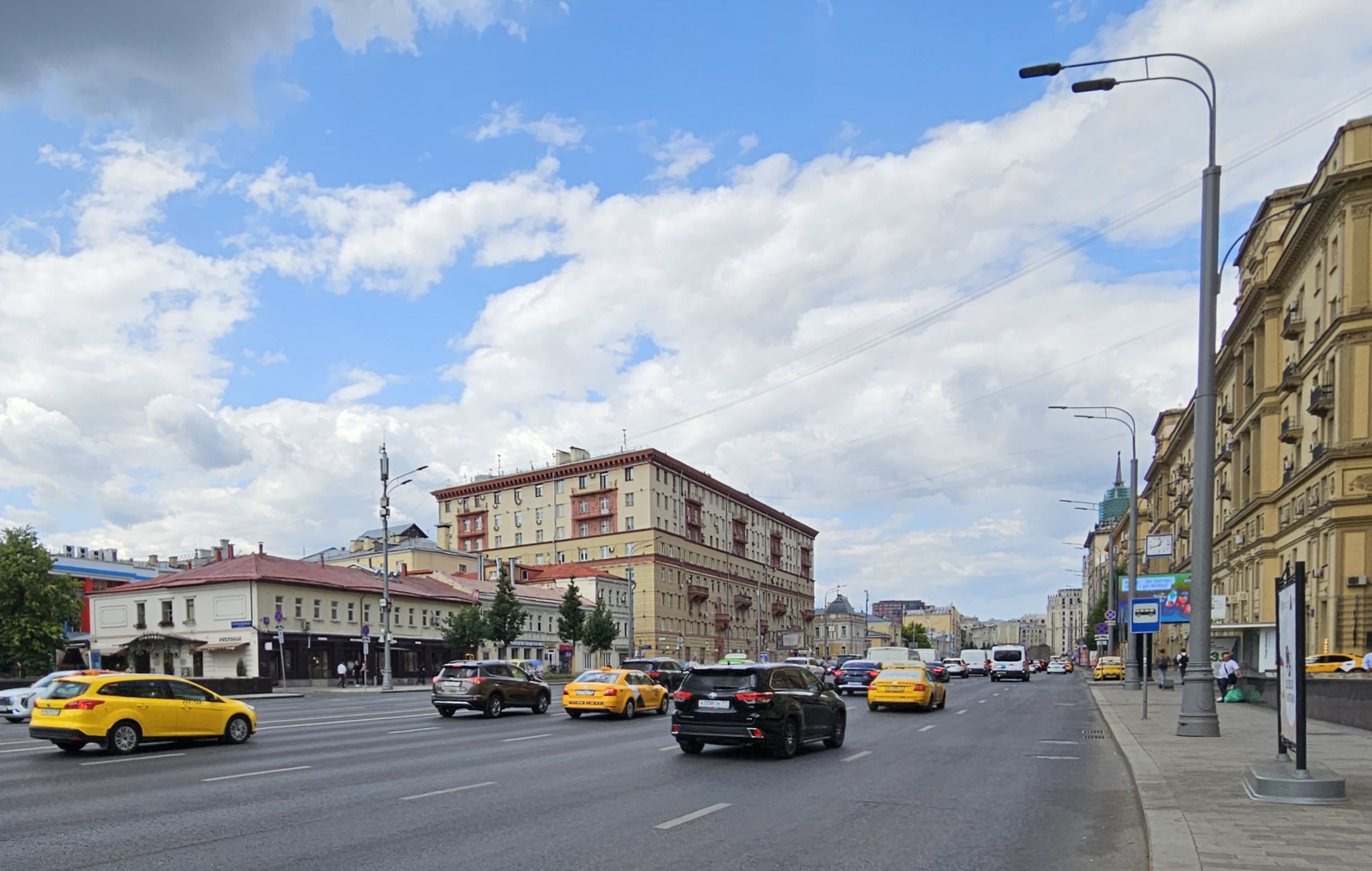
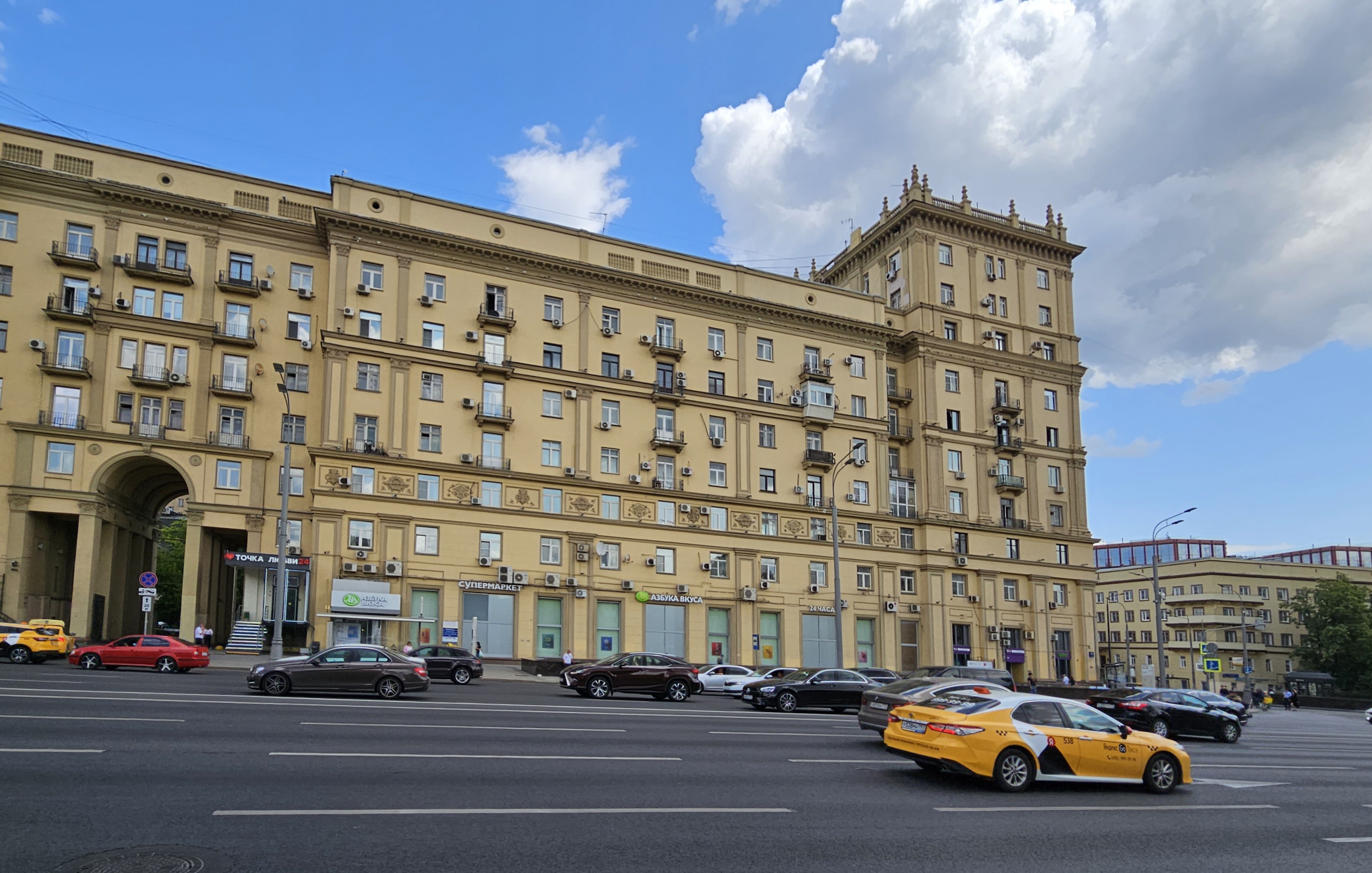
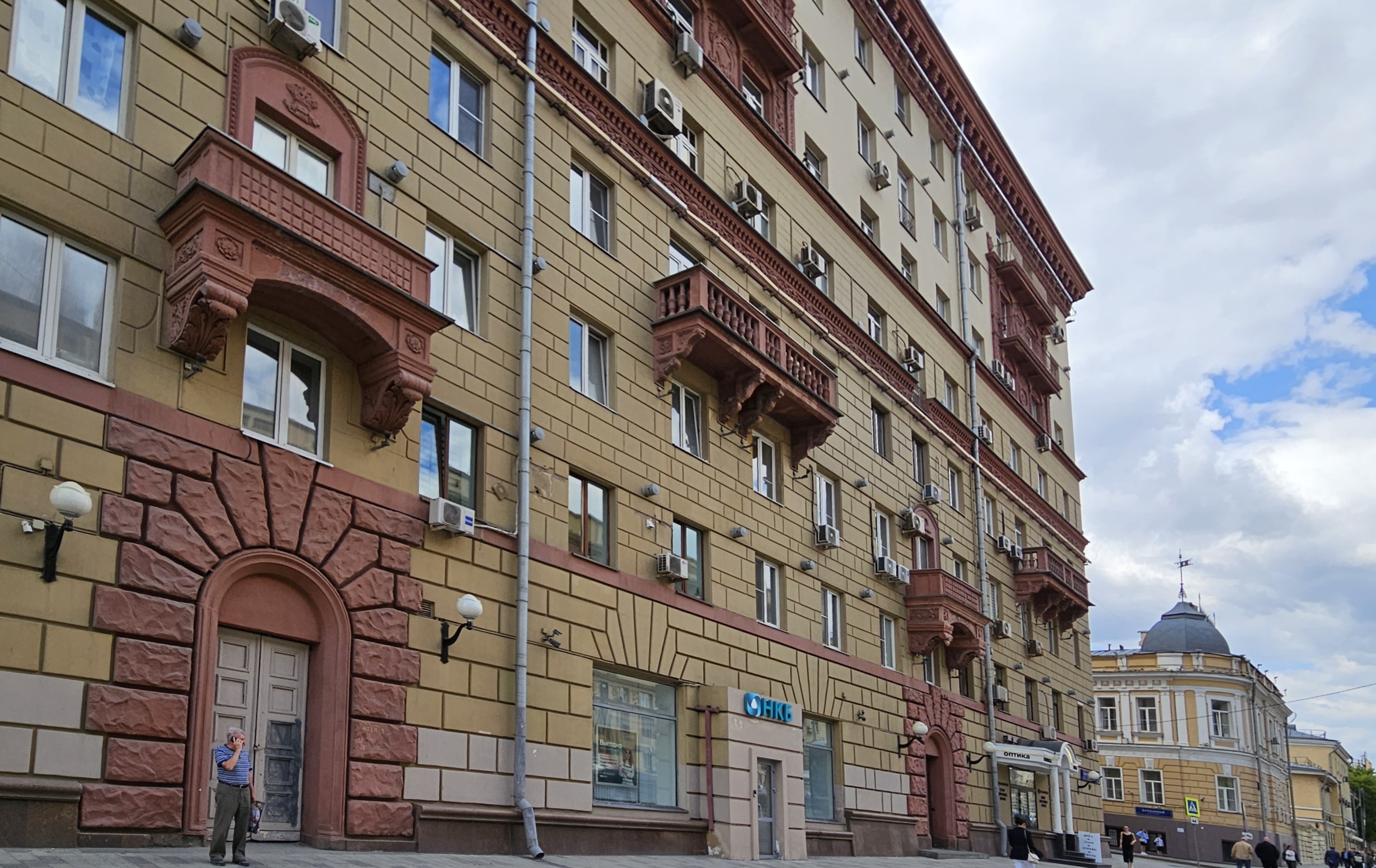
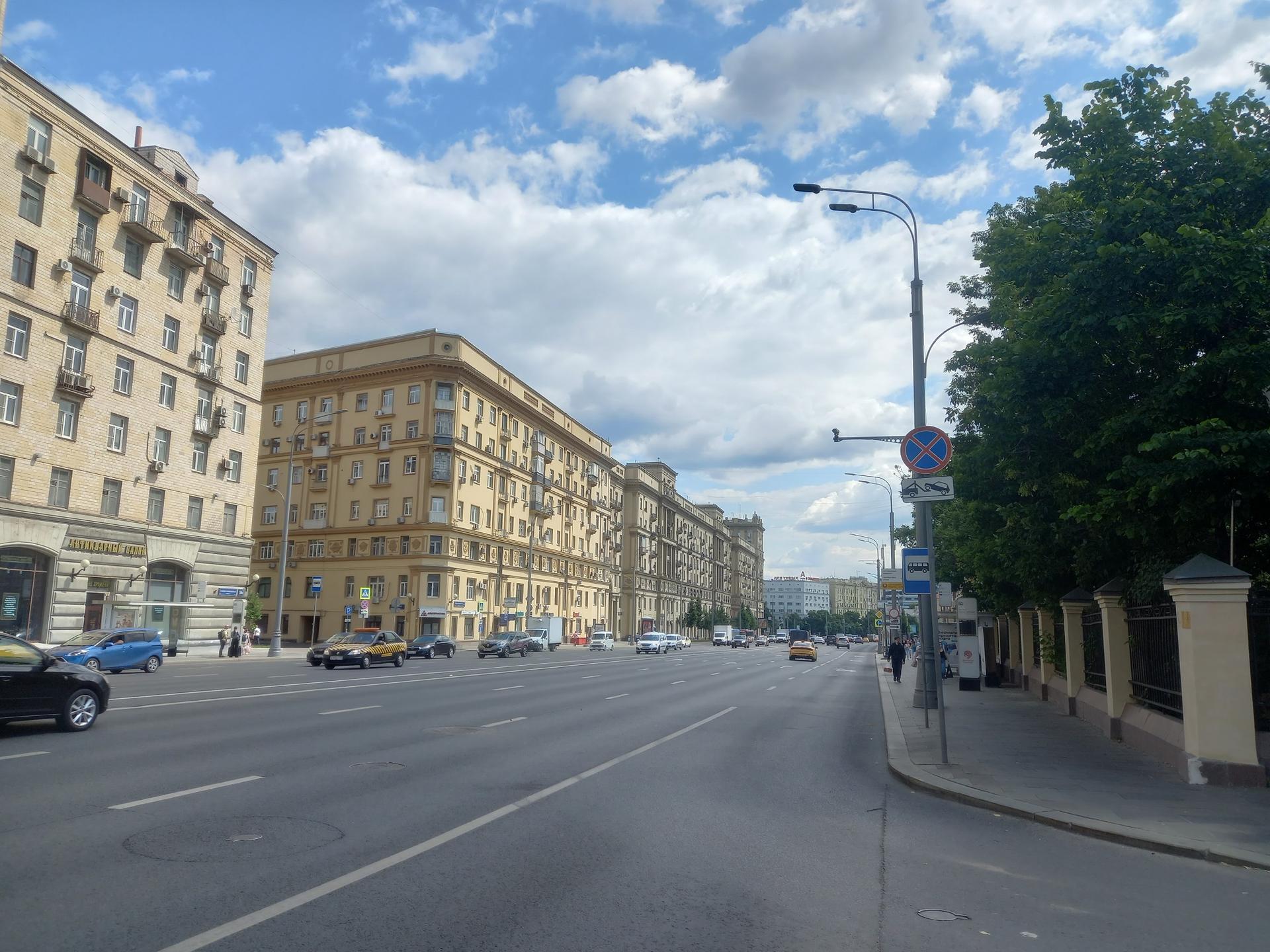
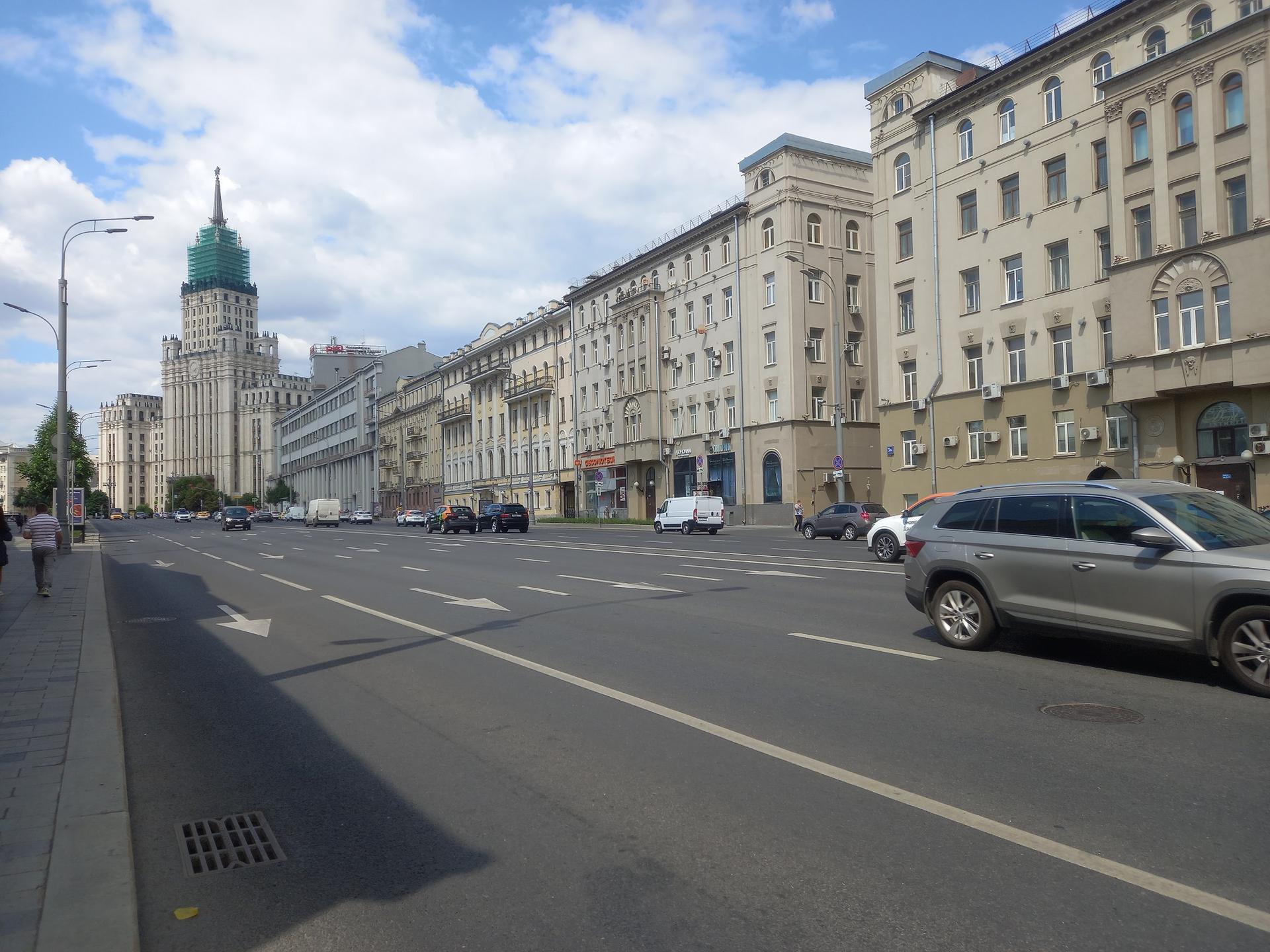
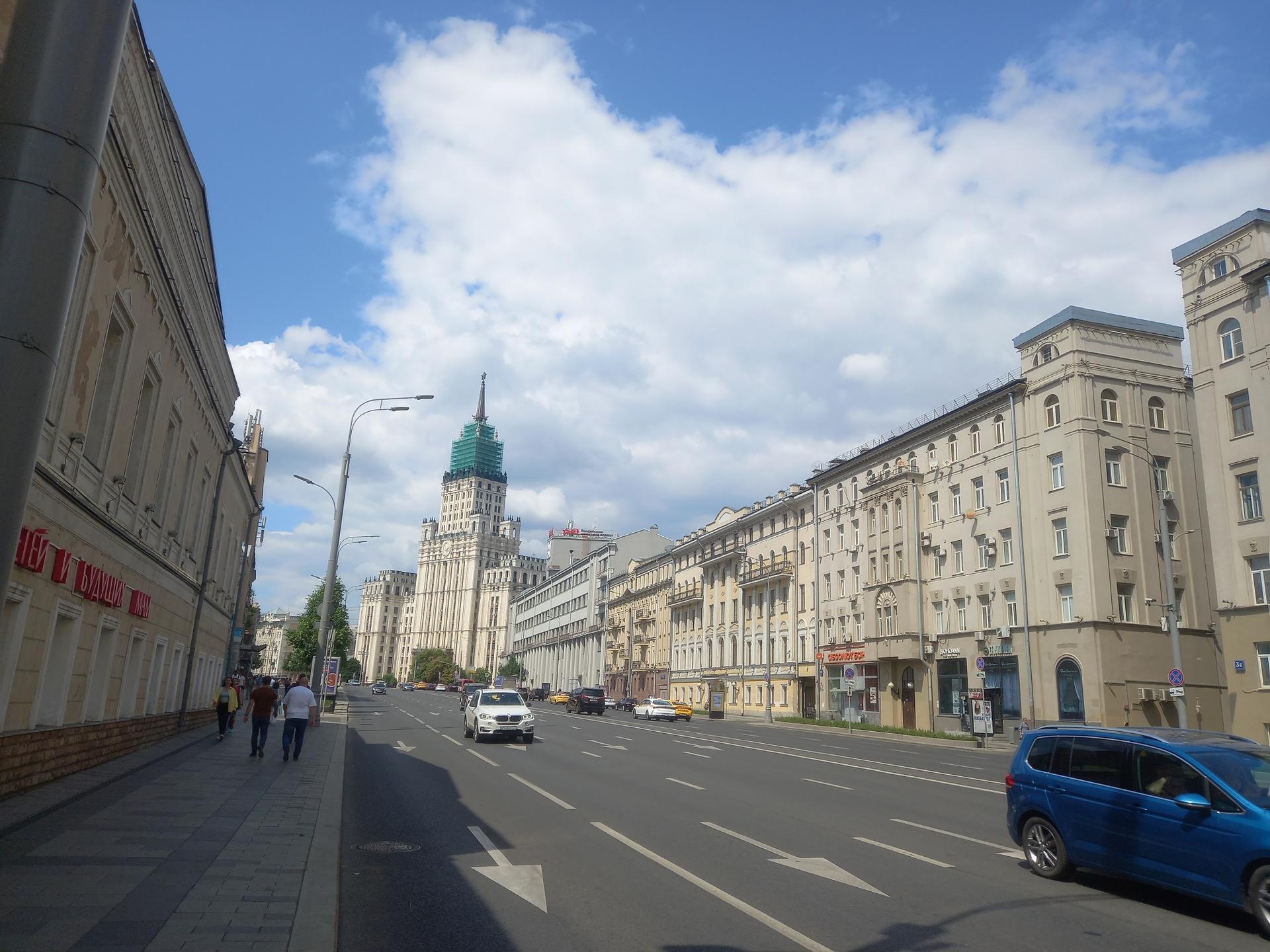
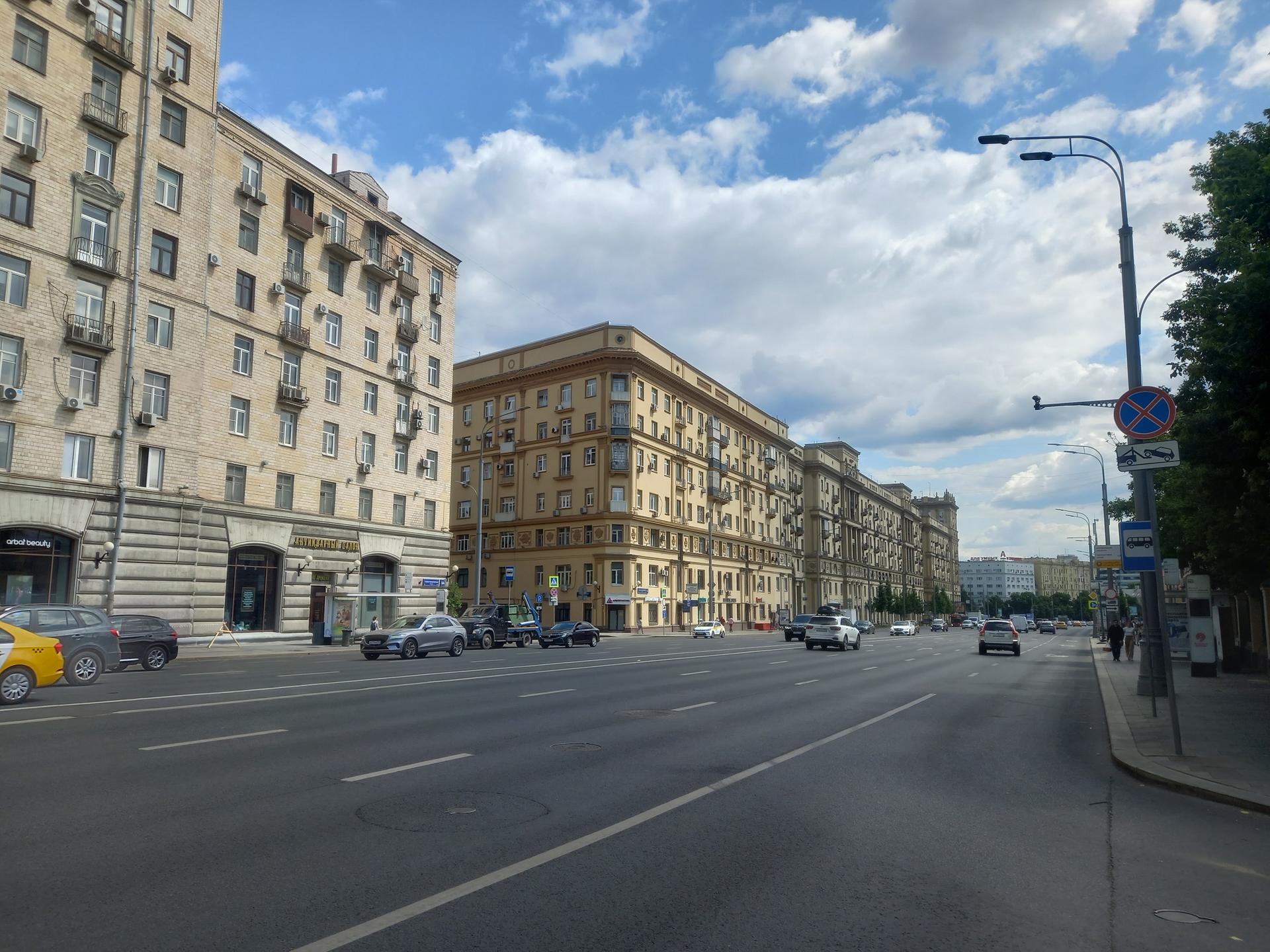
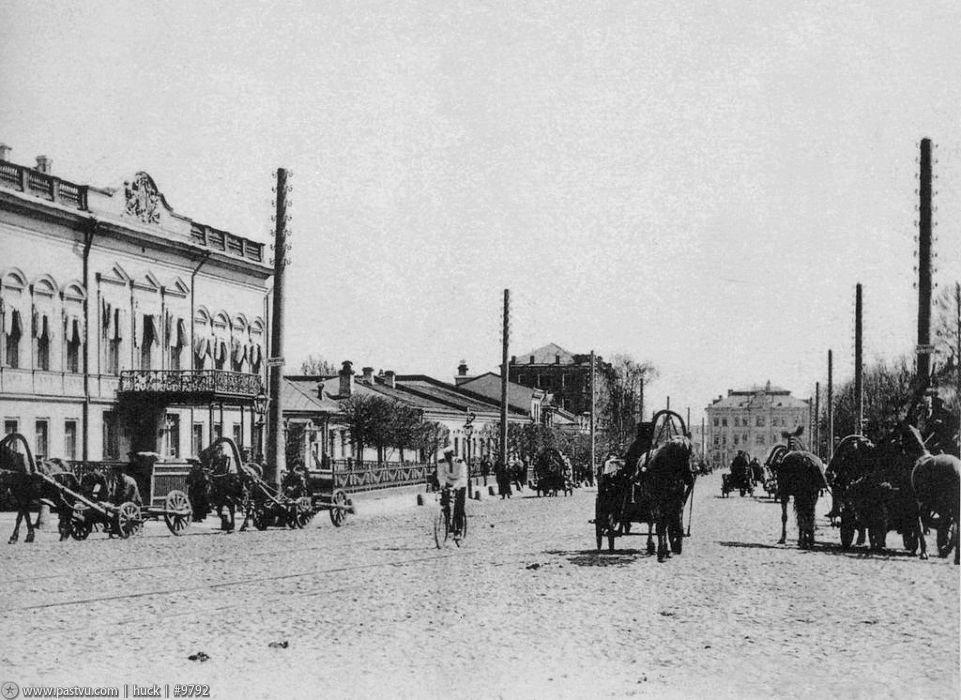
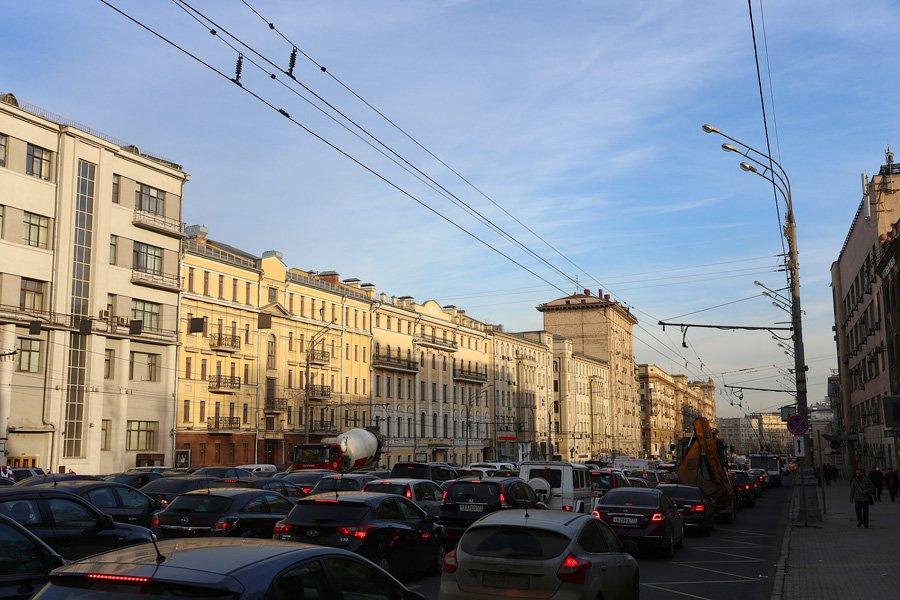
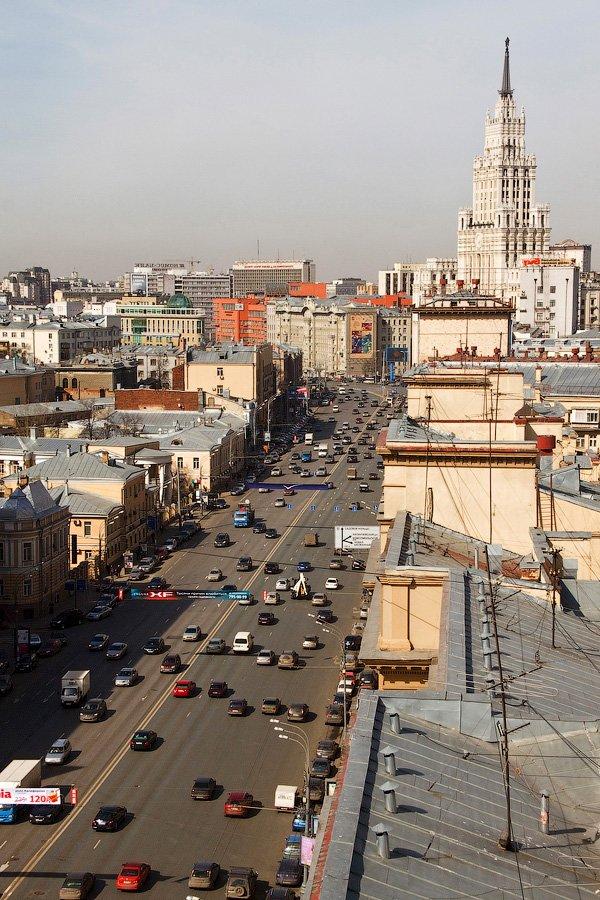
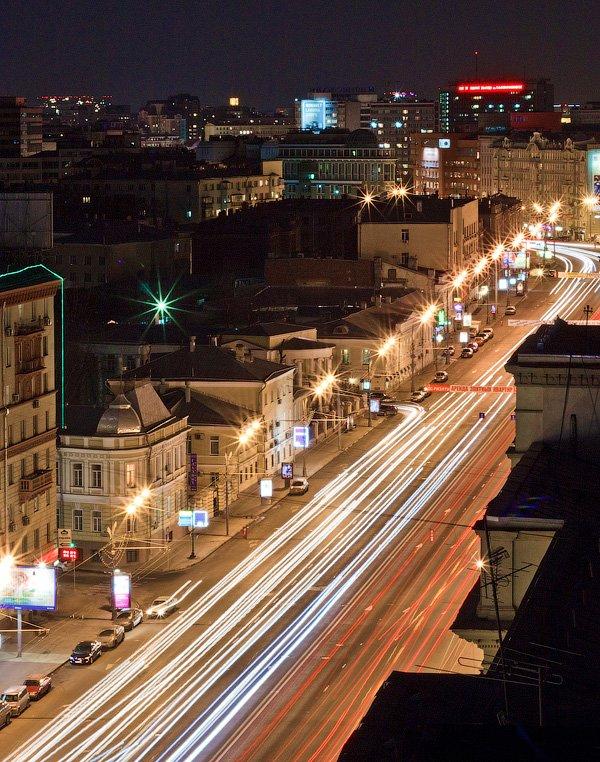
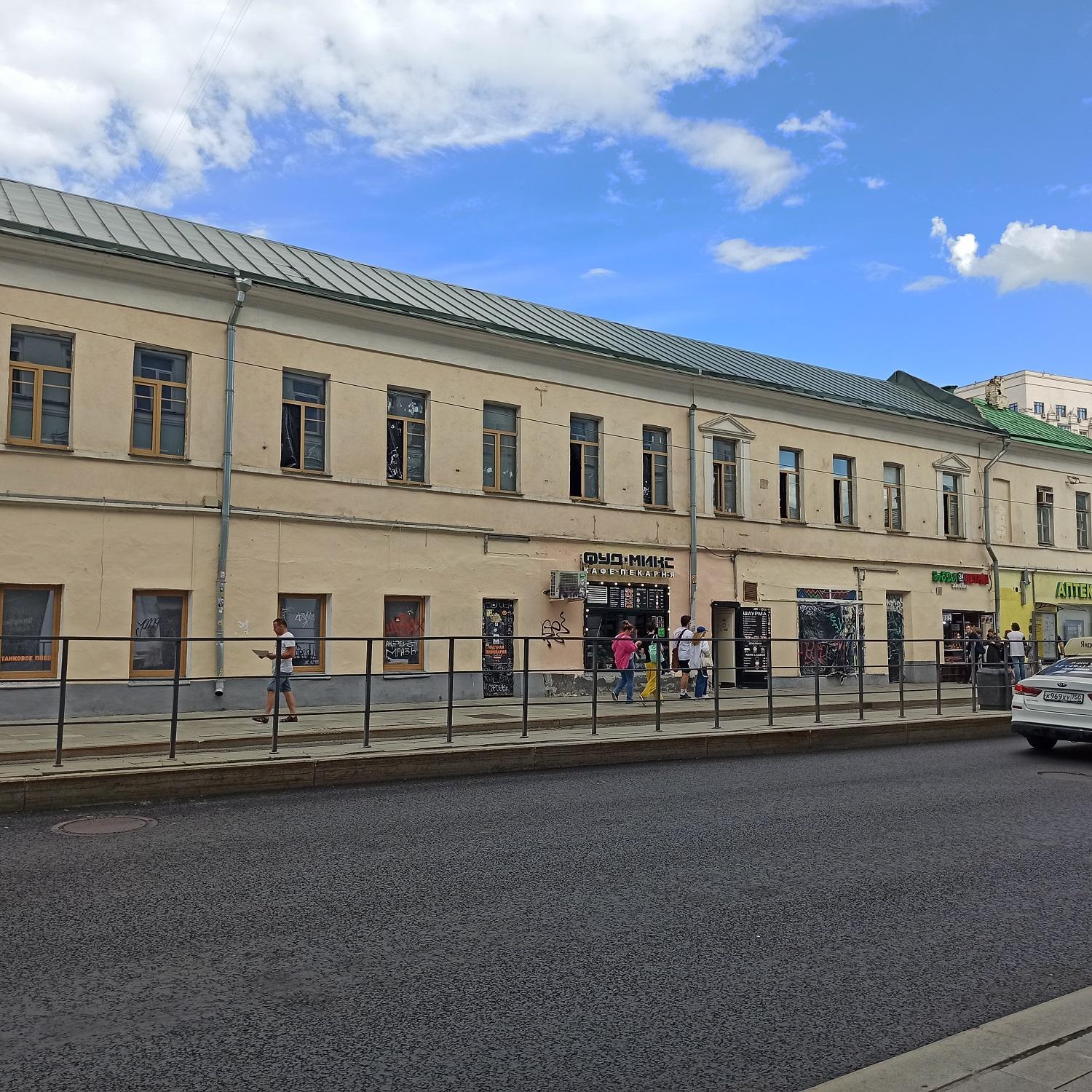
Многие думают, что имя свое улица получила по некогда покрывавшей ее непролазной грязи. Поспешим опровергнуть это заблуждение: название улицы произошло от пересекавшей ее речки Черногрязки — притока Яузы. Как и остальные Садовые, появилась на месте срытого в 1816 году Земляного вала. Слева от Земляного вала здесь находились владения Басманной слободы, где, по одной из версий, жили пекари, выпекавшие особый хлеб — басман, а по другой – чеканщики по металлу (басмой на Руси называли тонкие листы металла с вытесненным, вычеканенным рельефным рисунком, применявшиеся для различных украшений). Справа располагалась Огородная слобода, снабжавшая государев двор овощами и фруктами. В 1816 году остатки вала снесли, ров засыпали, а на их месте постановили создать широкую кольцевую улицу, мощённую булыжником. Под мостовую и тротуары отводилось 25 м из общего расстояния между двумя линиями домов, на остальном пространстве домовладельцы были обязаны устроить палисадники из насаждений по своему вкусу.
Особых исторических событий на улице не происходило, хотя пережила она пожар 1812 года и слышала залпы революций 1905 и 1917 годов; сражений на ней не было.
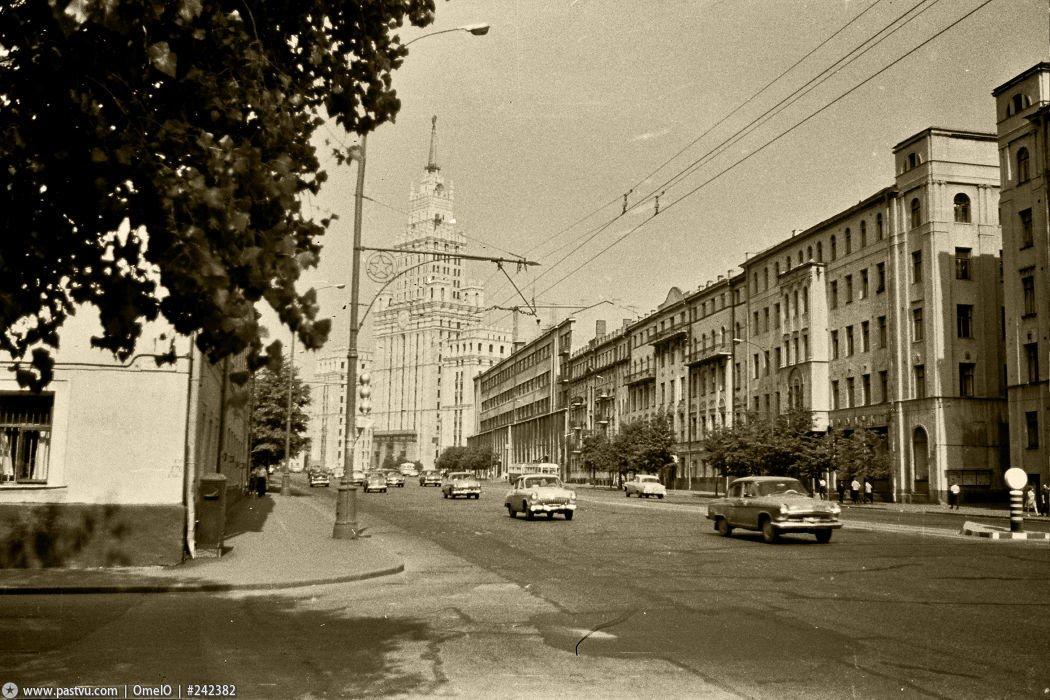
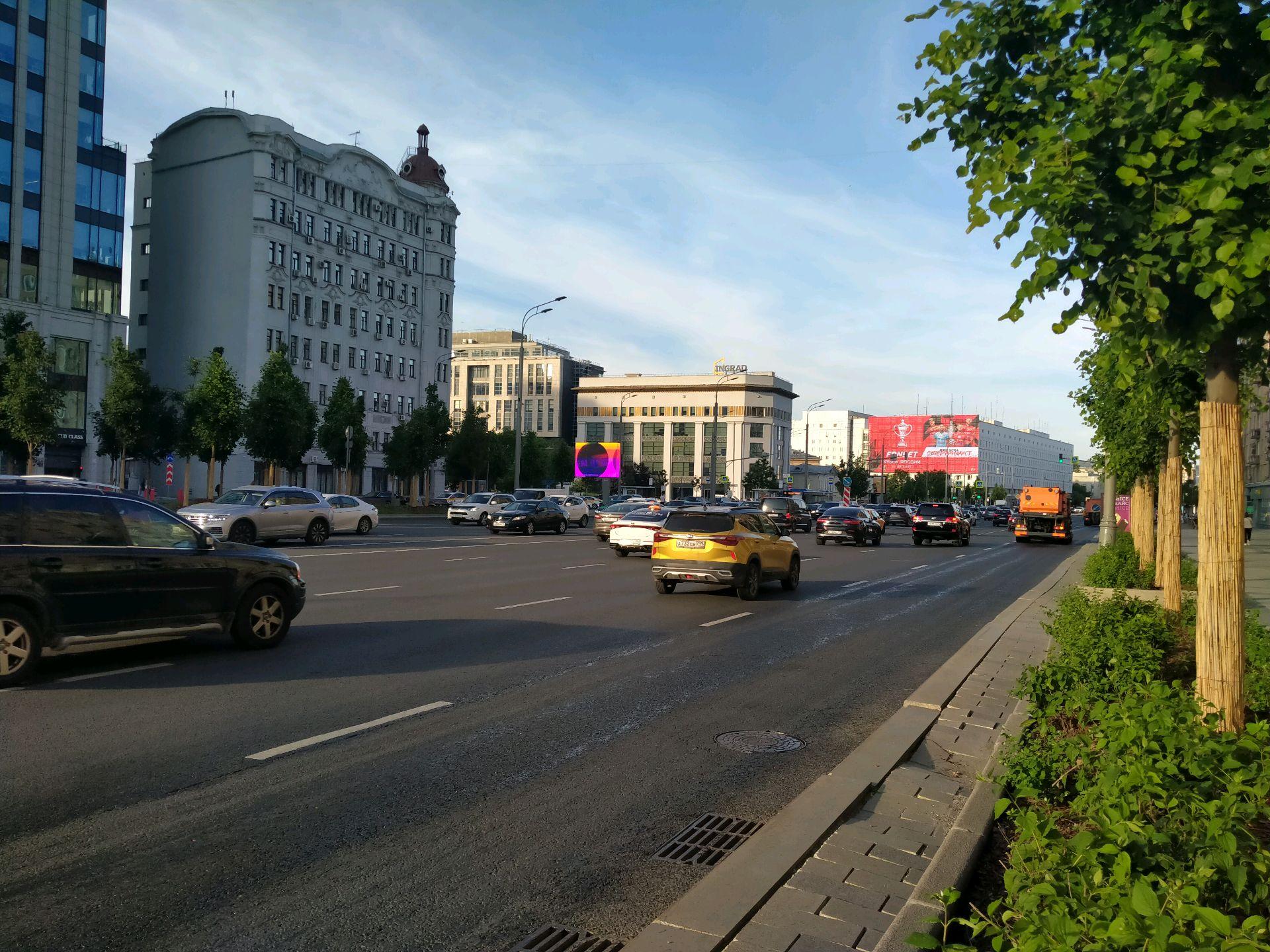
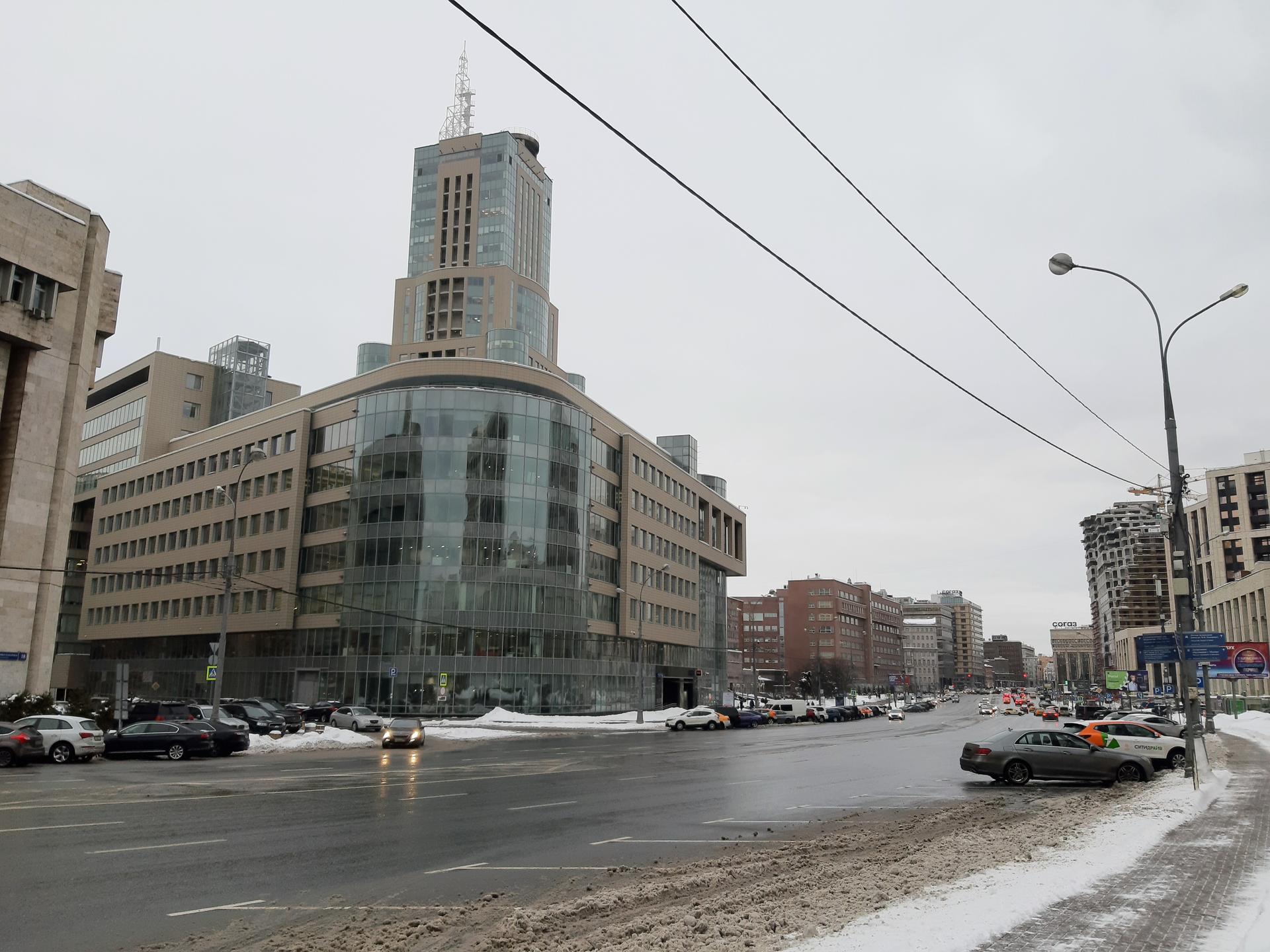
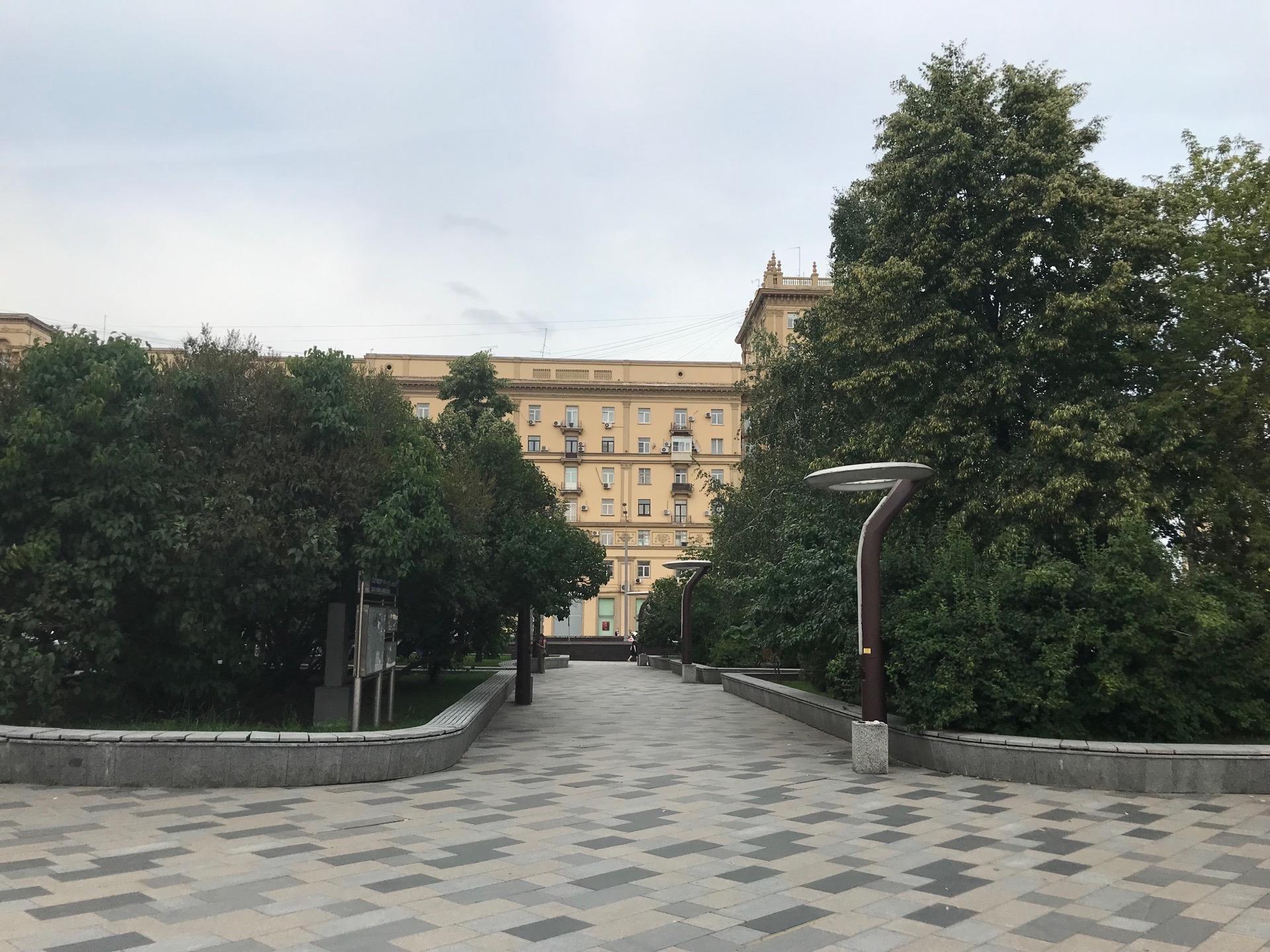
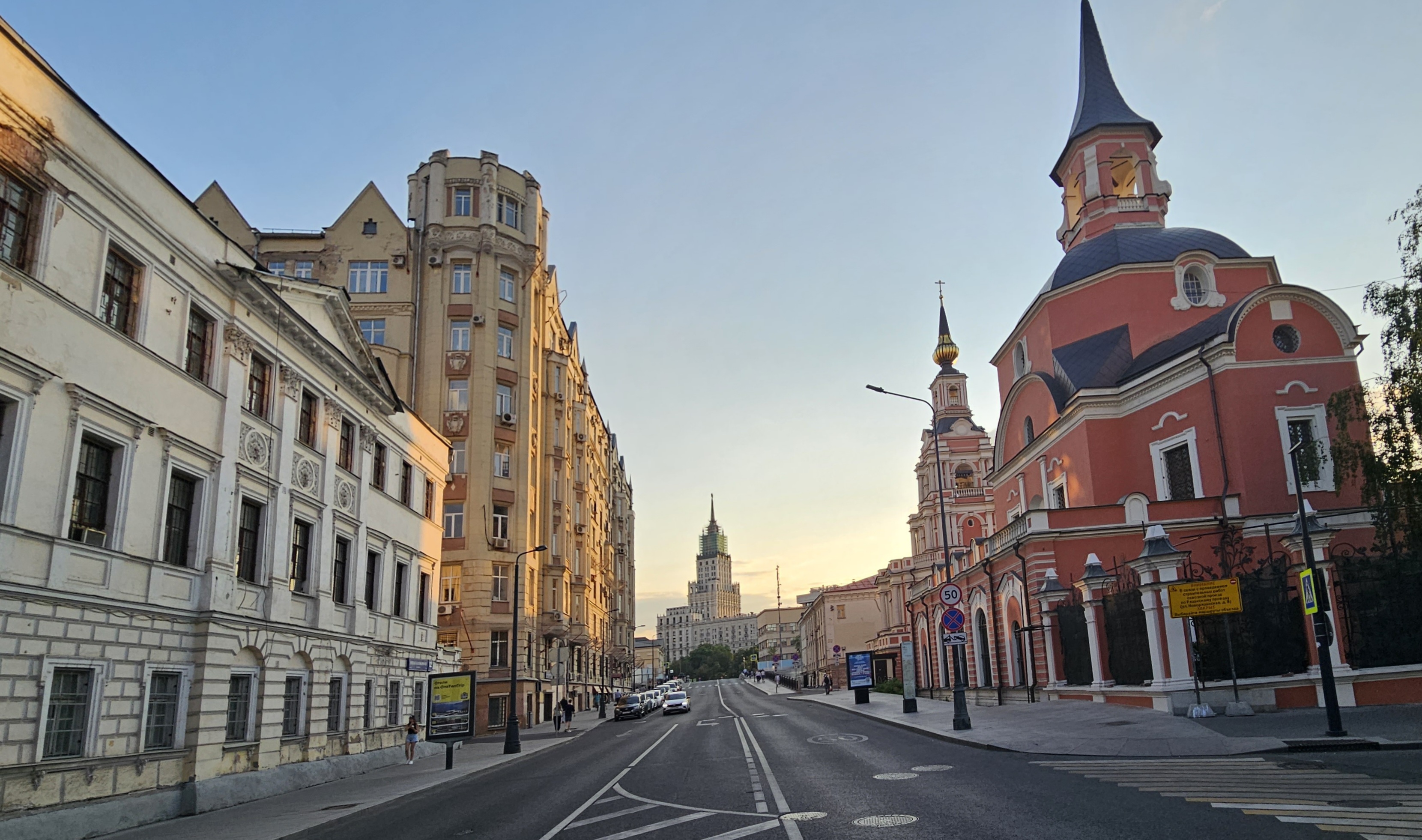
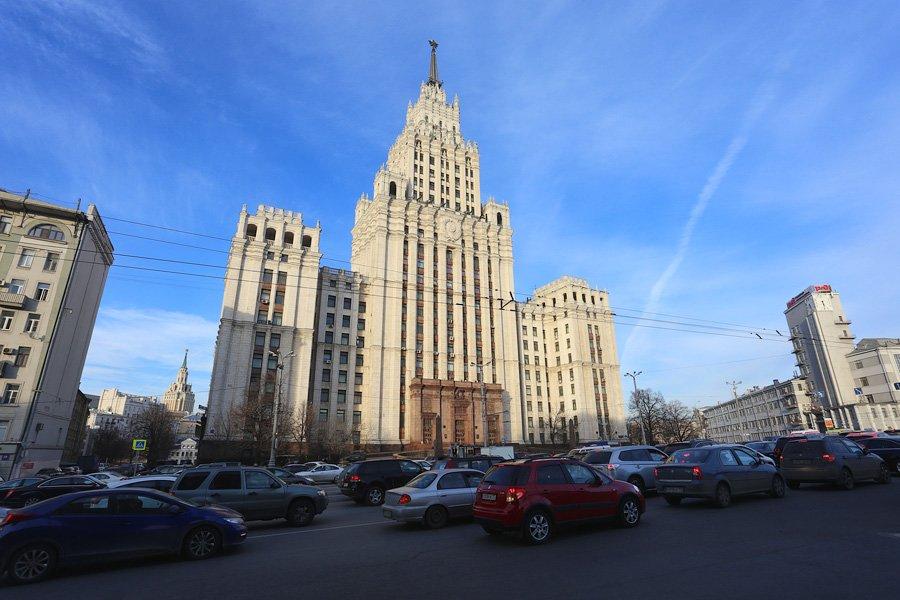
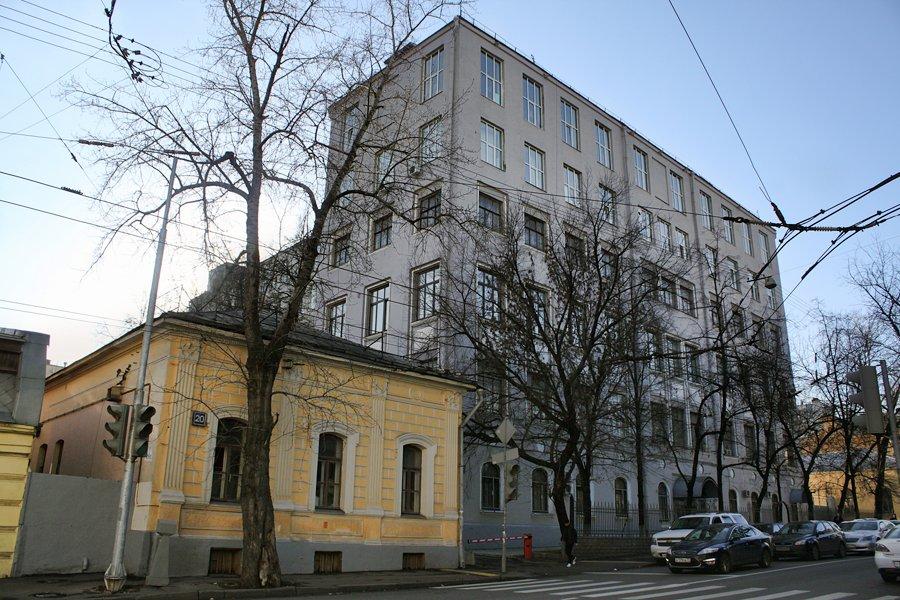
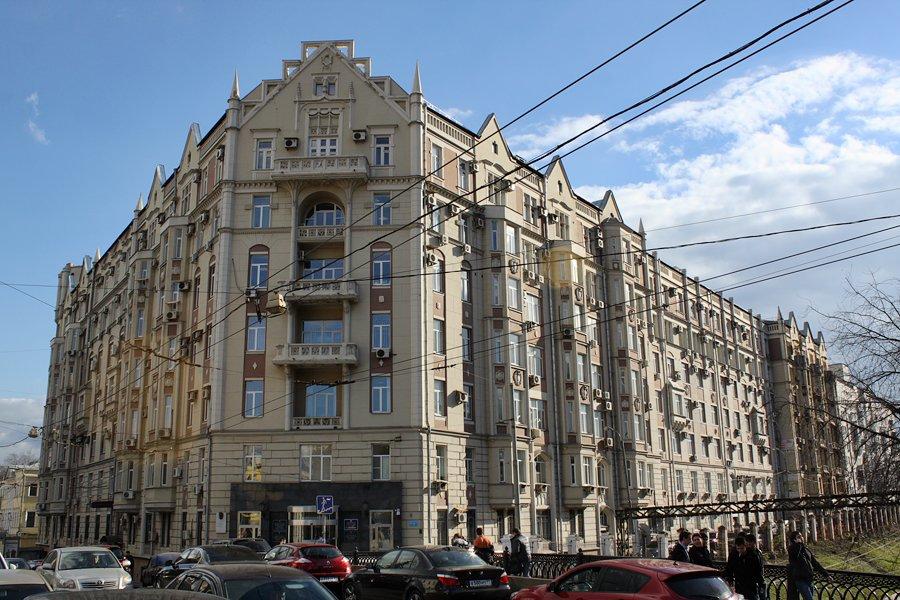
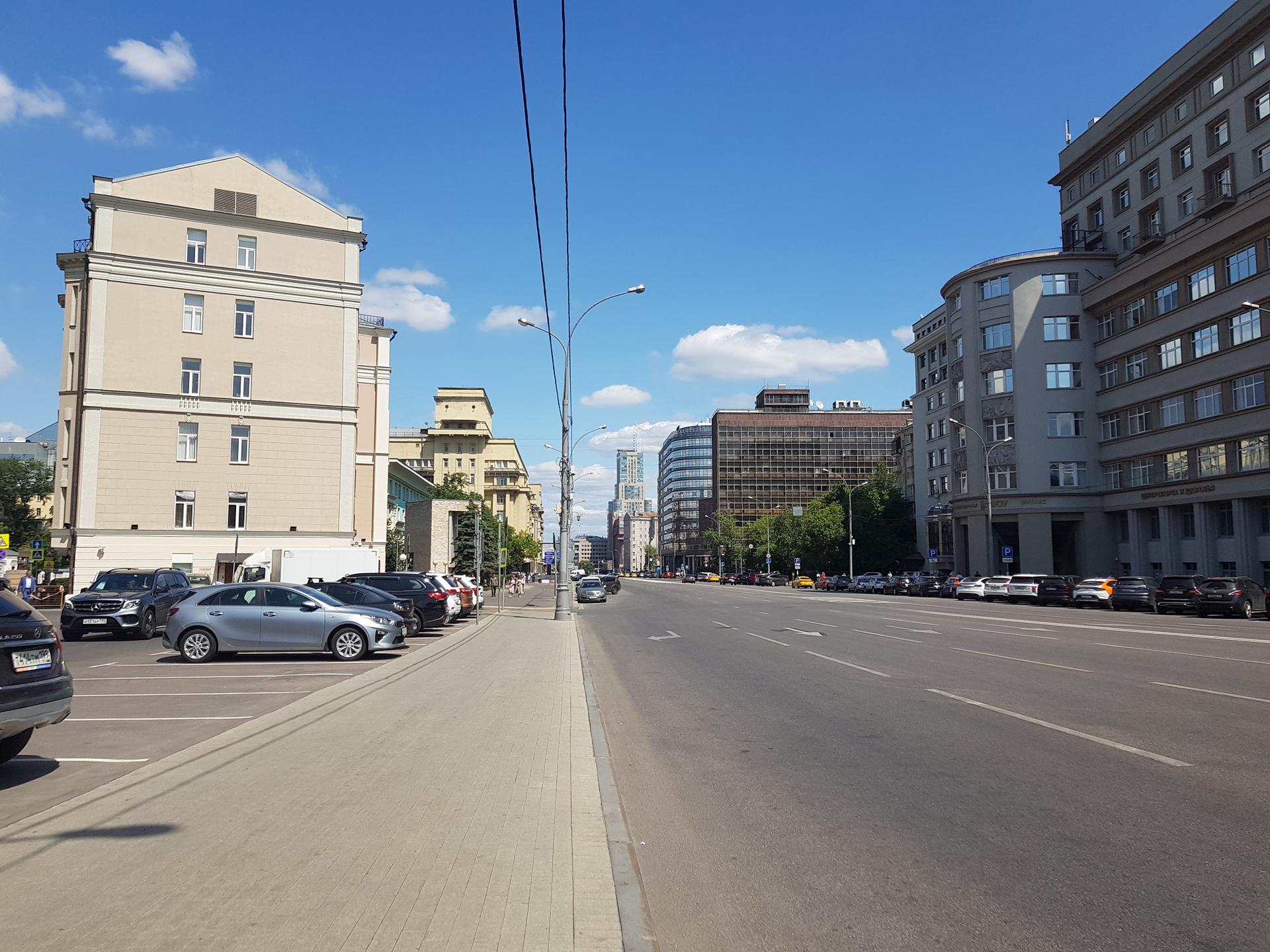
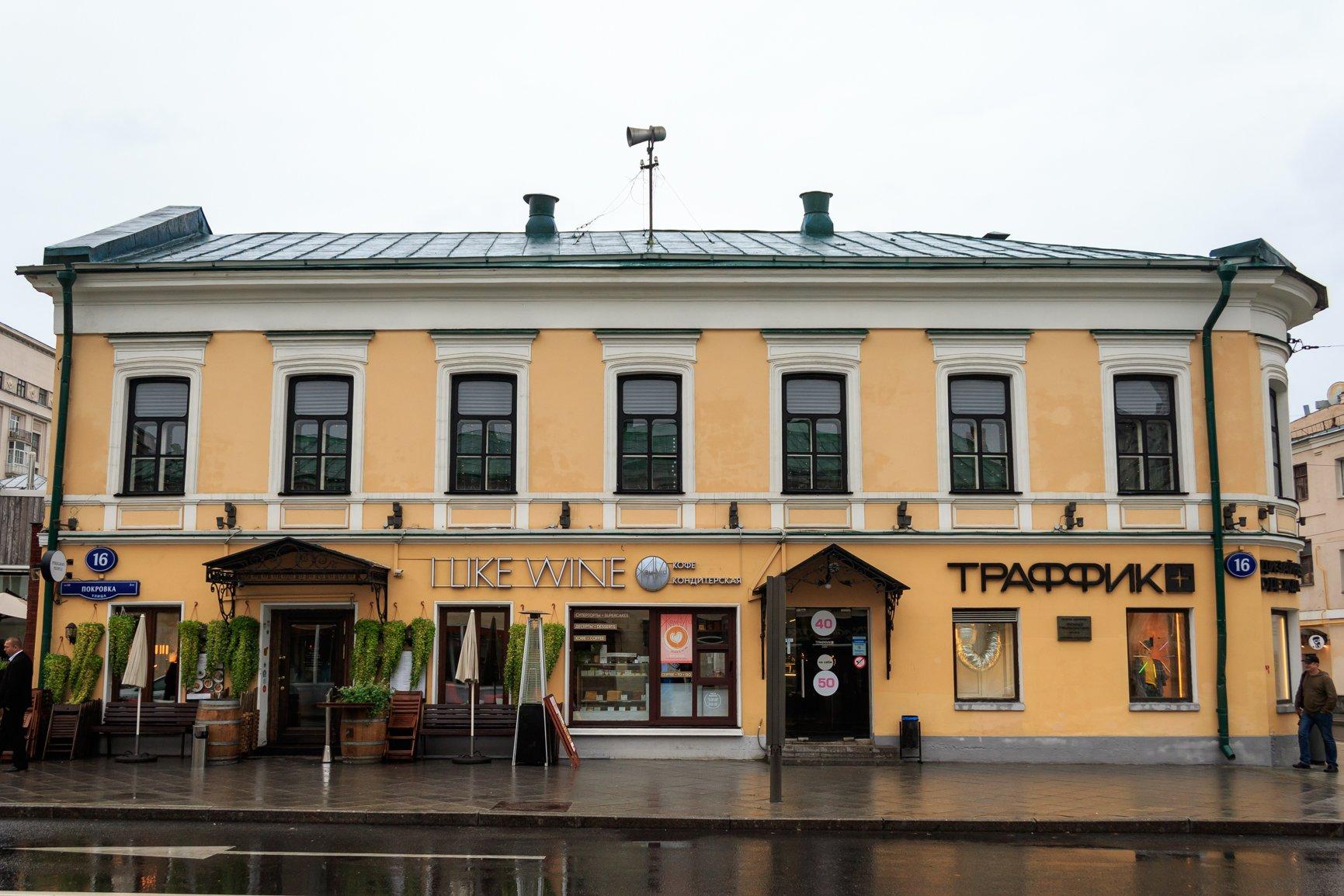
Сегодня Садовая-Черногрязская улица – это часть Садового кольца, она начинается от площади Красные Ворота, проходит на юго-восток, с внутренней стороны к ней примыкают Большой Харитоньевский и Фурманный переулки и улица Машкова, а с внешней стороны — Хомутовский тупик. Заканчивается на площади Земляной Вал. На углу Садовой-Черногрязской и Покровки находится площадь Цезаря Куникова, советского офицера, командира десантного отряда, захватившего в феврале 1943 года плацдарм «Малая Земля».
Many people think that the name of their street was once covered by its thick mud. Hastened to deny this misconception: street name comes from the river to cross it Chernogryazki - Jauza inflow. Like the rest of gardens, appeared on the site razed in 1816 rampart. To the left of the rampart, there were ownership Basman settlement, where, according to one version, lived bakers bake special bread - Basman, and on the other - chasers metal (basmoj in Russia called thin sheets of metal with a repressed, chiseled relief pattern, is used for various ornaments). On the right Ogorodnaya settlement supplying Sovereign yard fruit and vegetables. In 1816, the remains of the shaft was demolished, the moat was filled, and in their place have decided to create a broad circular street, paved with cobblestones. Under the pavement and sidewalks was given to 25 m of the total distance between the two lines of houses on the rest of the space, homeowners were required to arrange the front gardens of plants to your liking. Special historical events happened on the street, although it survived the fire of 1812 and heard volleys of revolutions of 1905 and 1917; battles it was not. Today Gardening-Chernogryazskaya street - it's part of the Garden Ring, it starts from the Red Gate Square, passes to the southeast, on the inner side adjoin Great Kharitonyevsky and Furmanniy alleys and street Mashkov, and from the outside - Khomutovskiy deadlock. Ends with Square Ground Shaft. At the corner of the Garden-Chernogryazskay and Pokrovka area is Caesar Kunikova, a Soviet officer, commander landing party, seized in February 1943 bridgehead "Little Earth."




.jpeg&w=1920&q=75)

_A.C._-5335.jpg&w=1920&q=75)