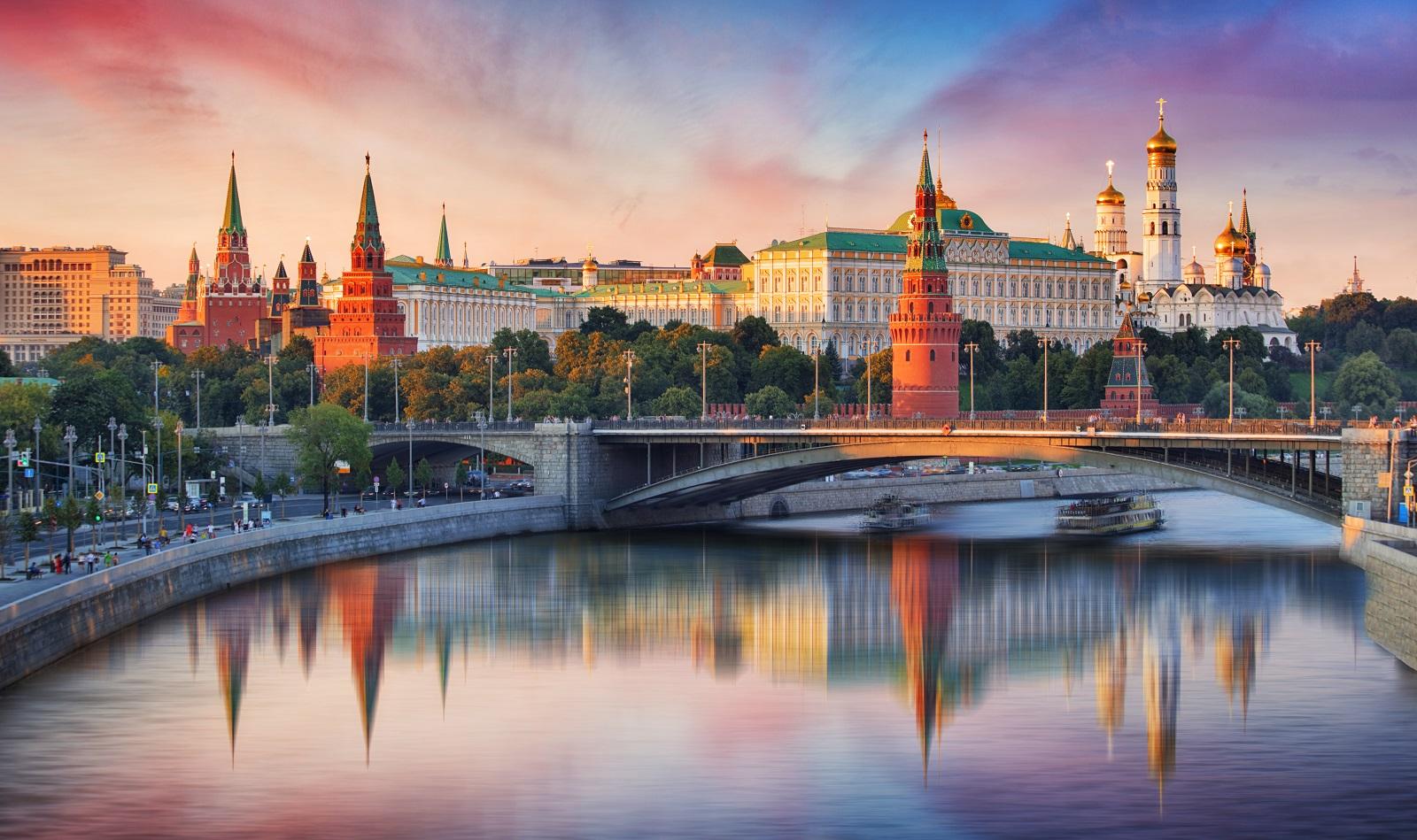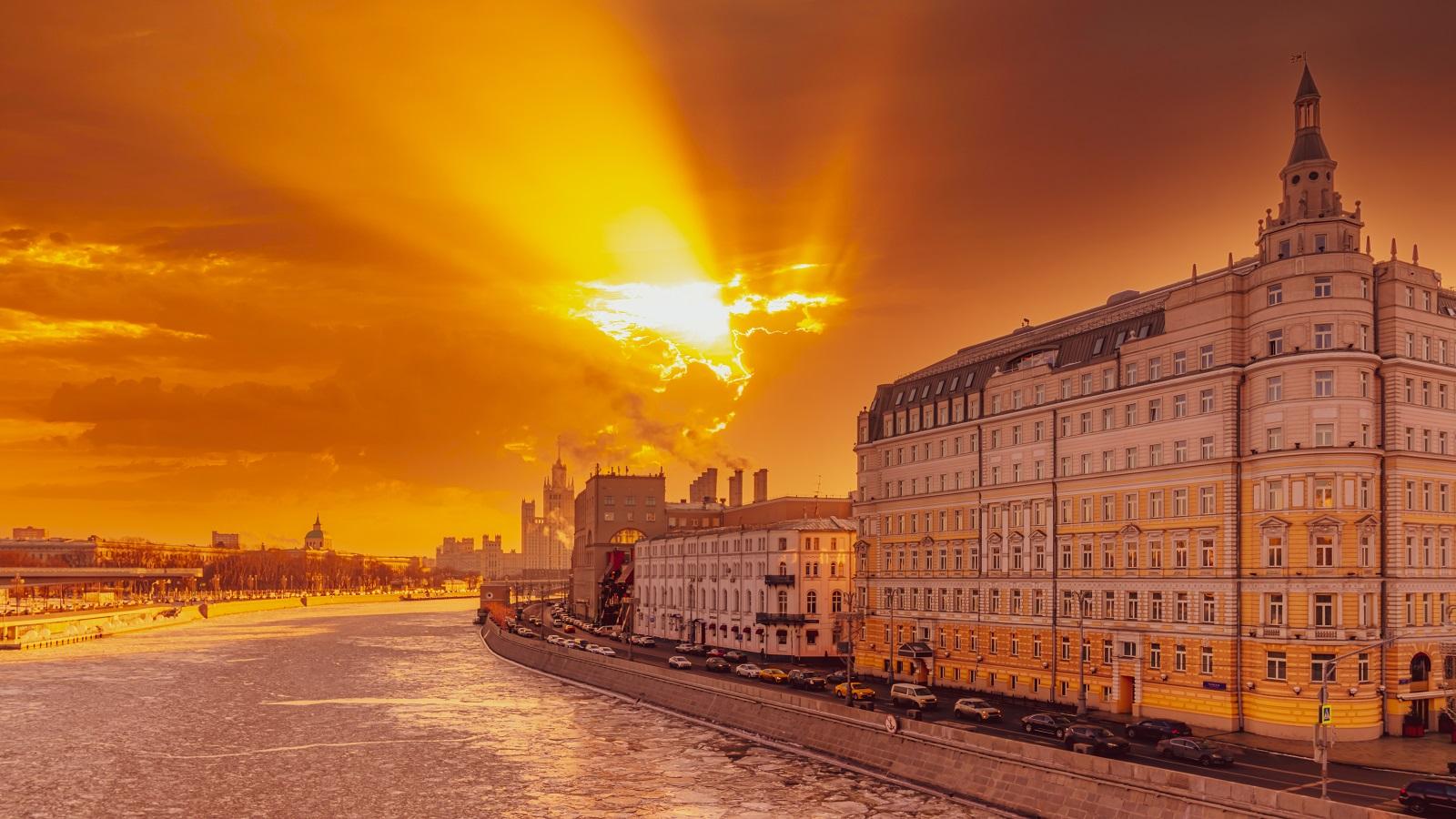
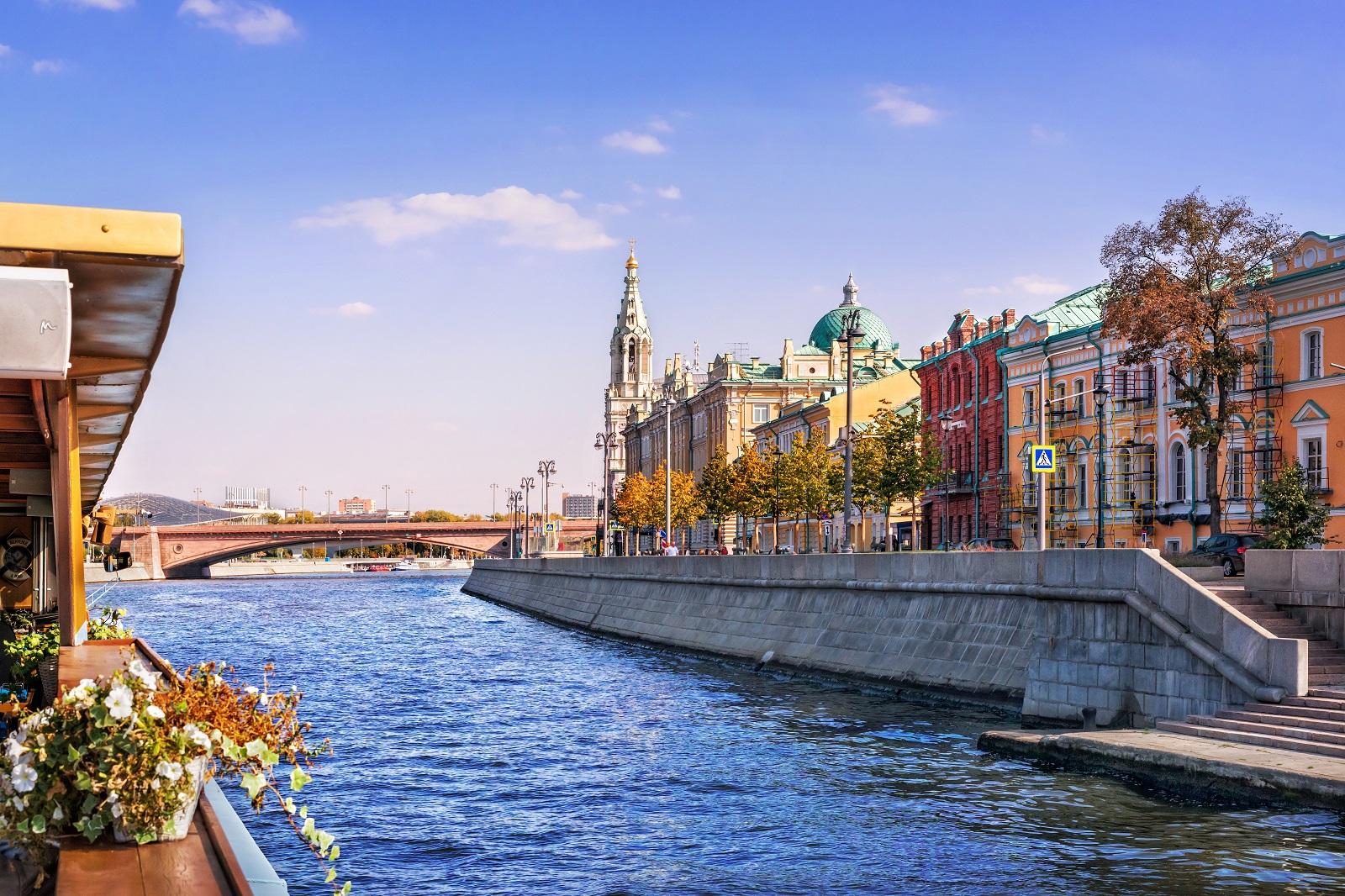
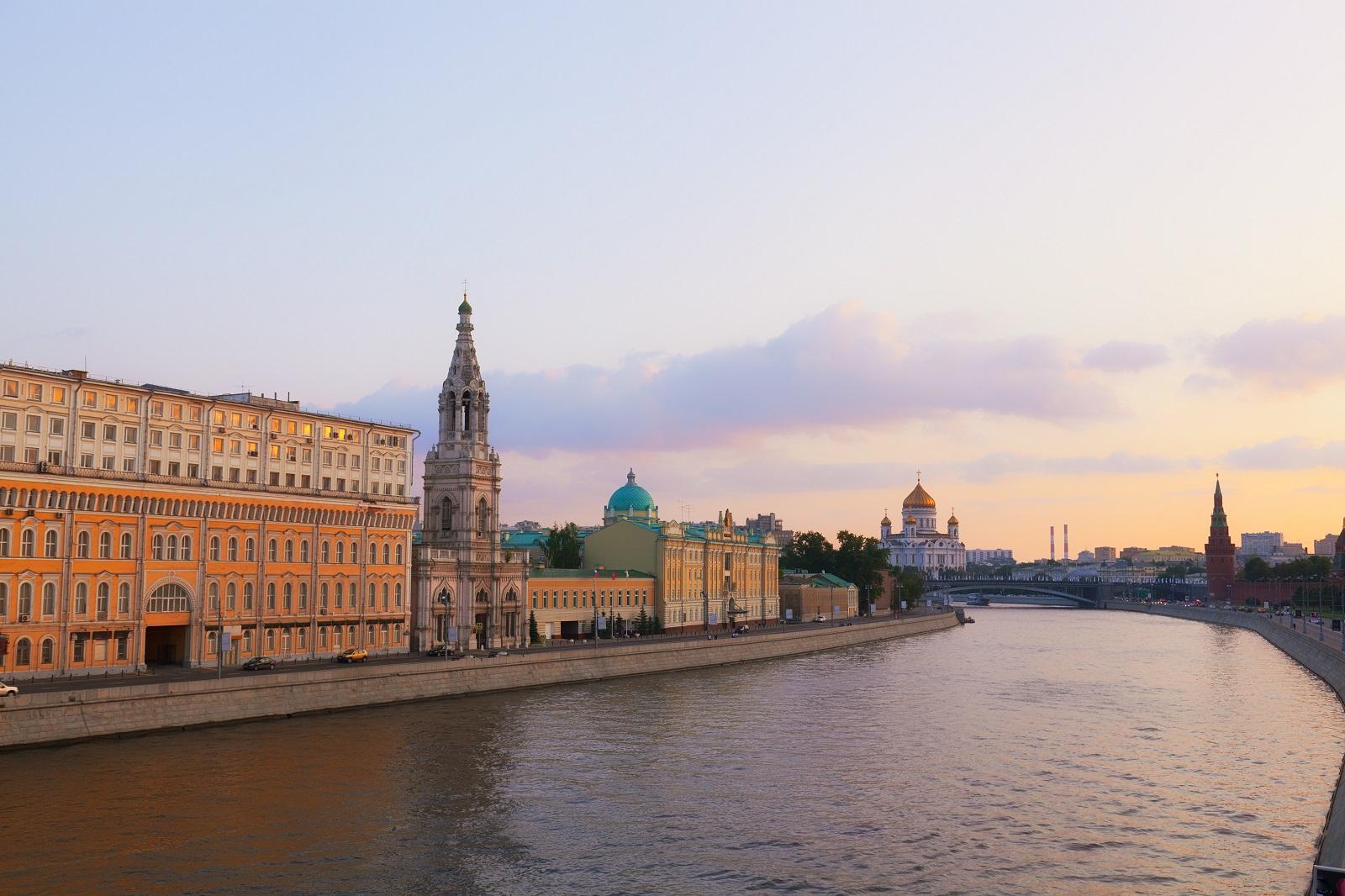
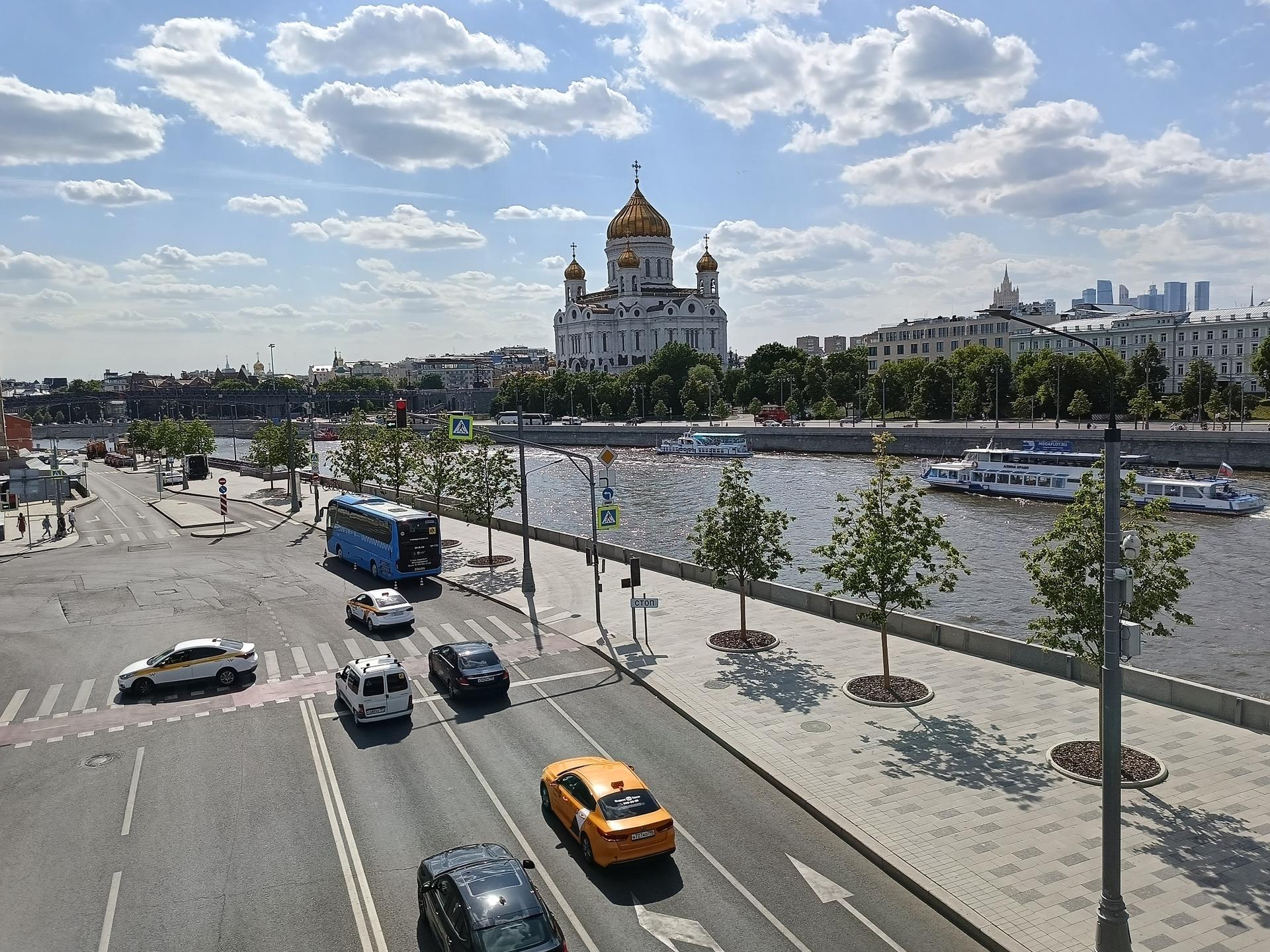
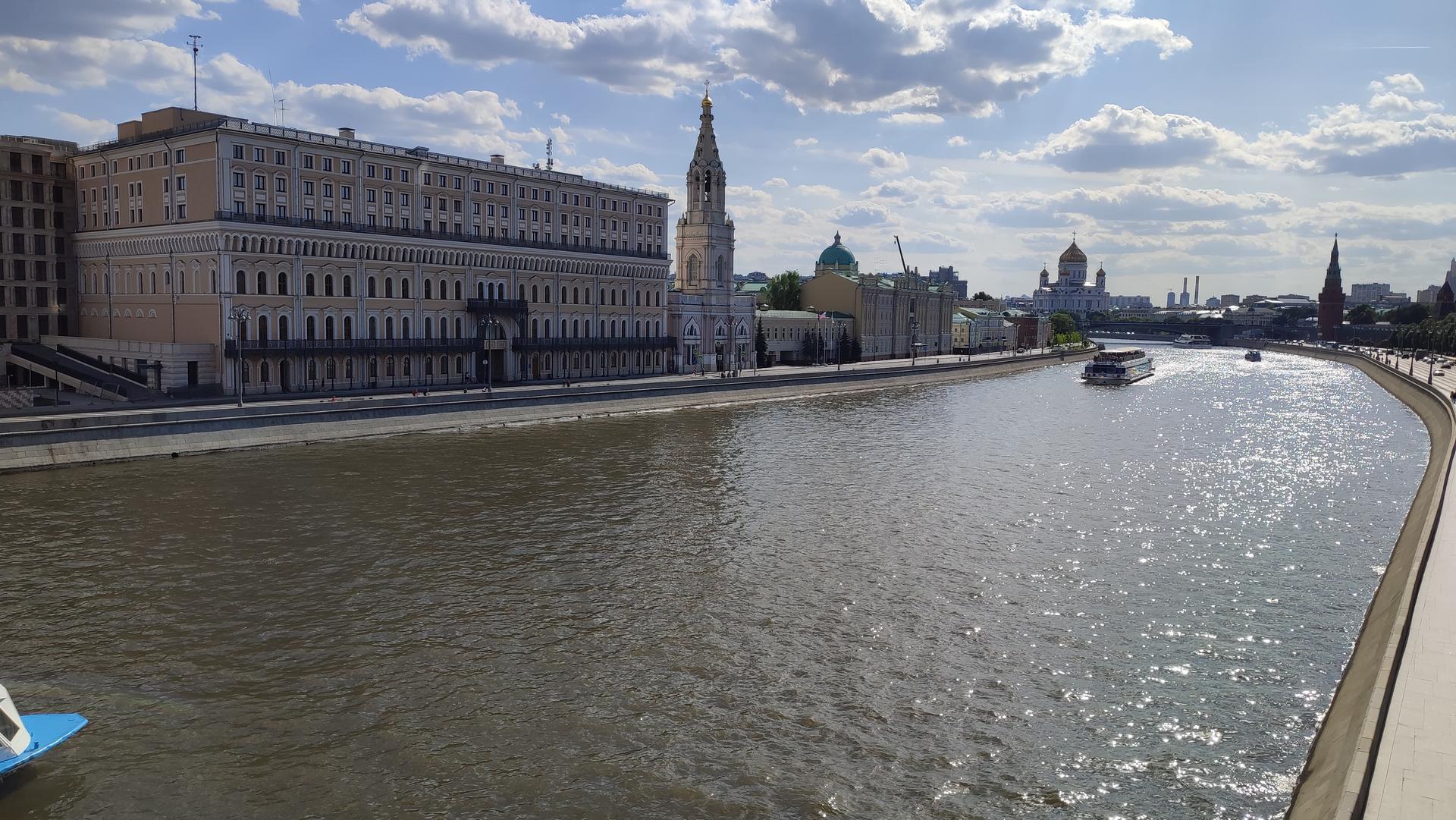
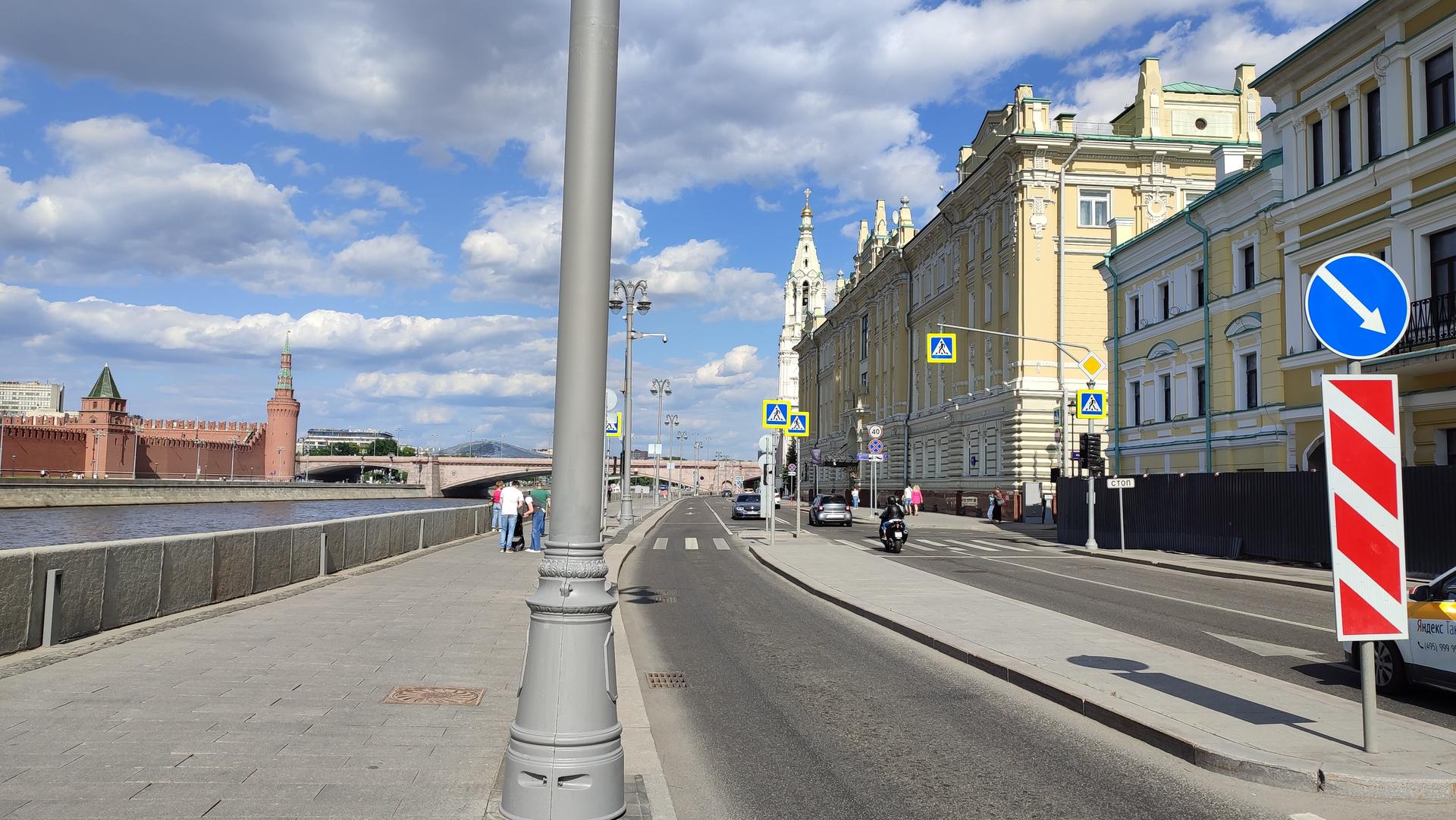
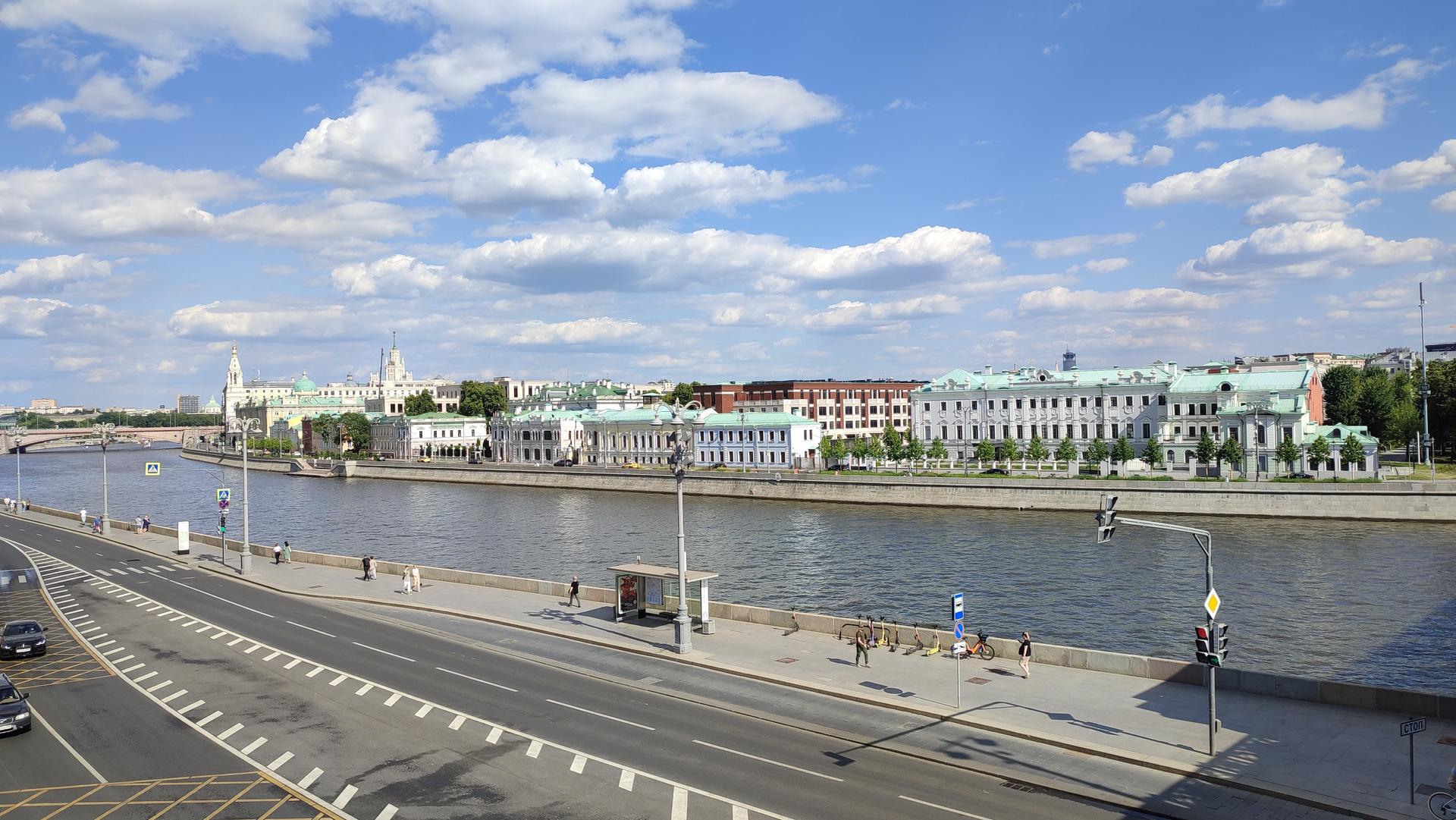
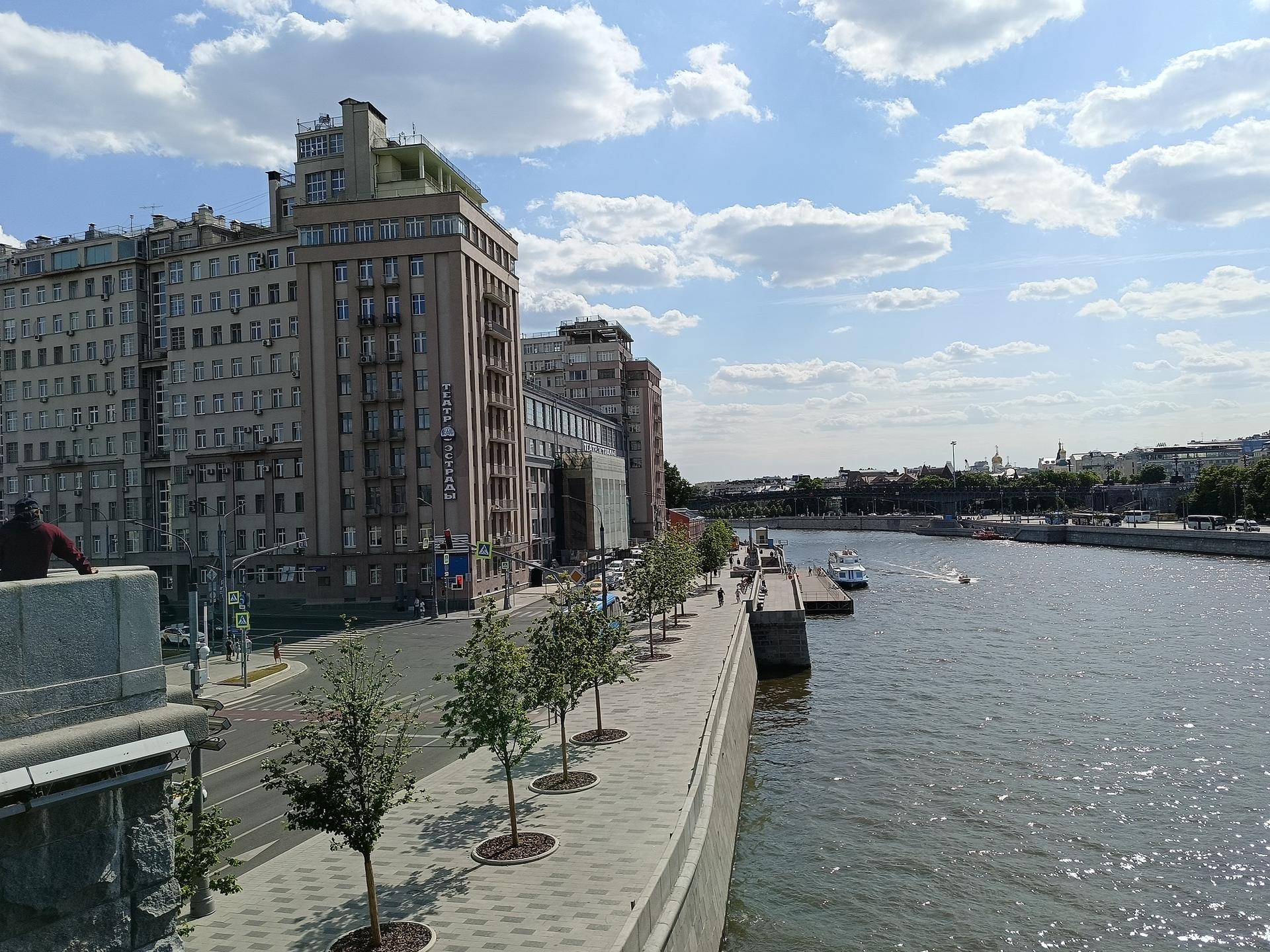
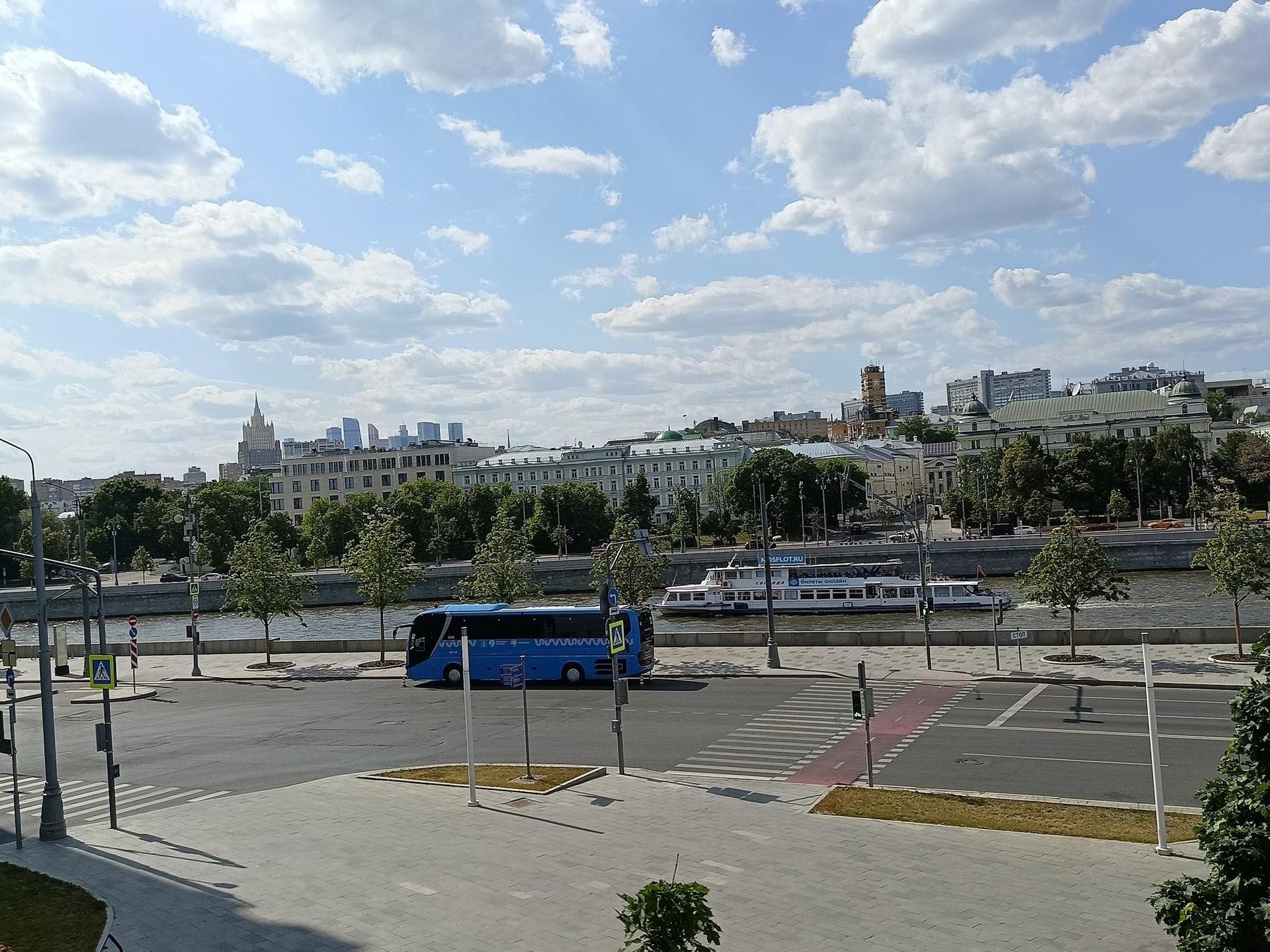
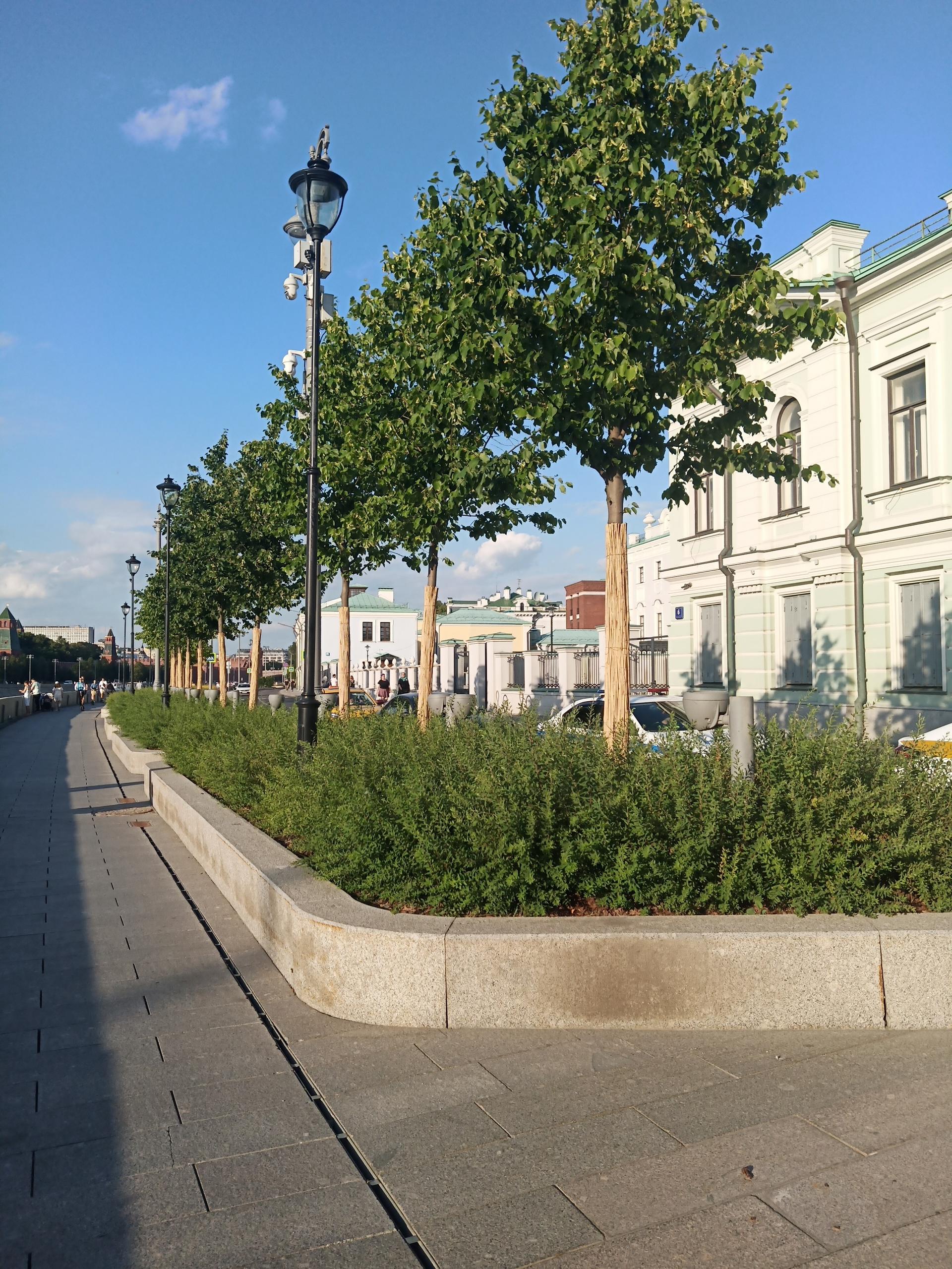
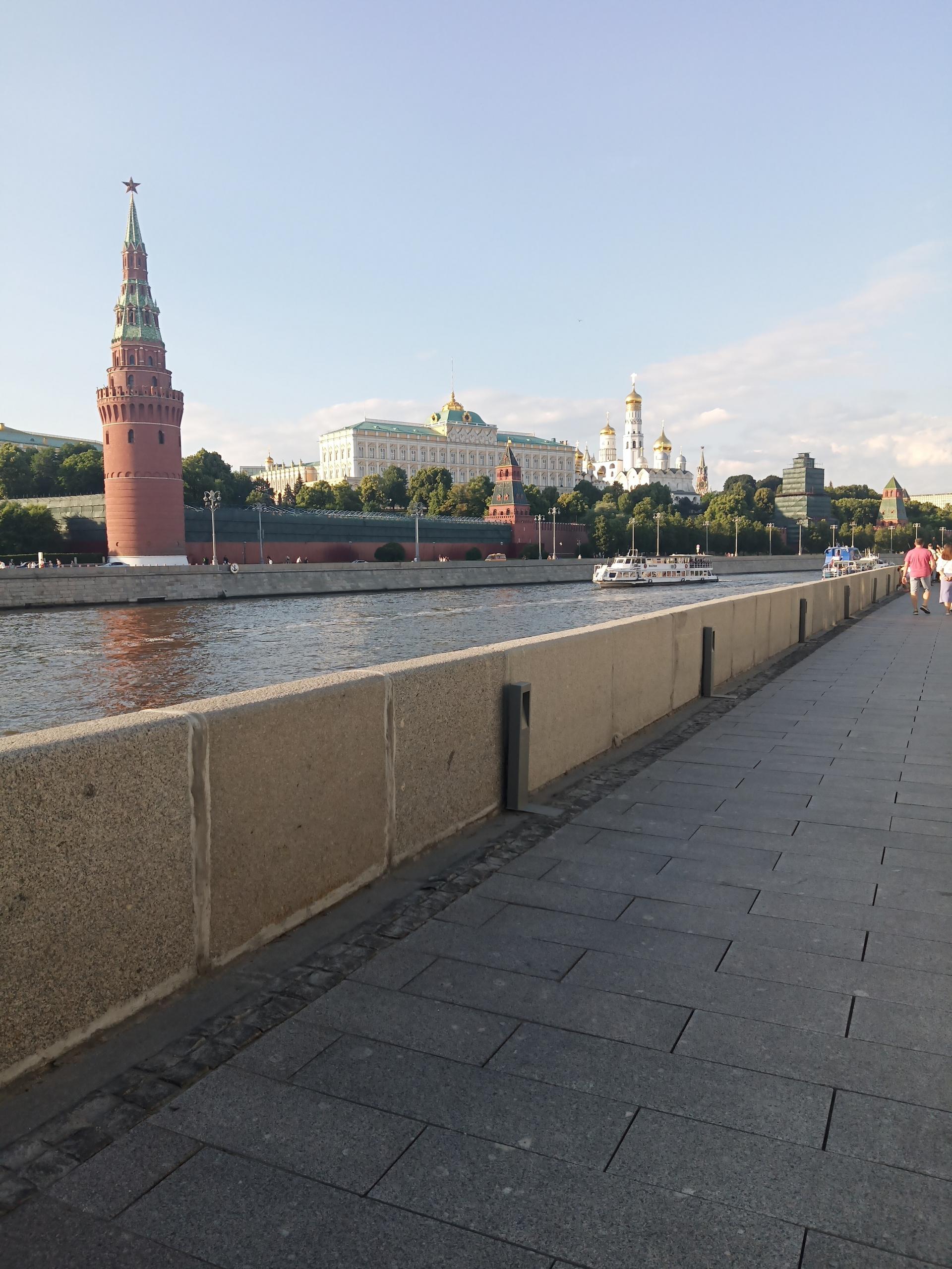
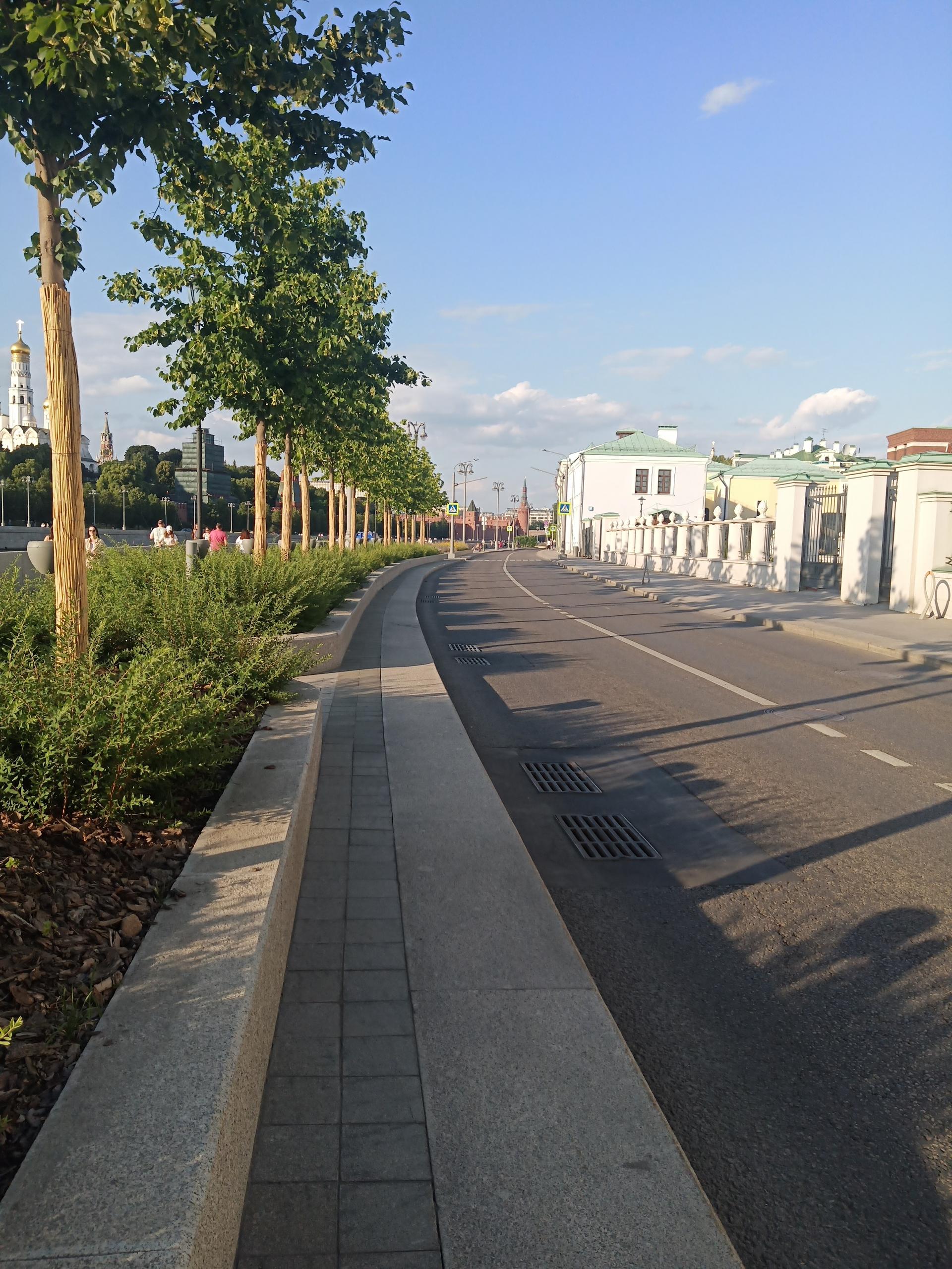
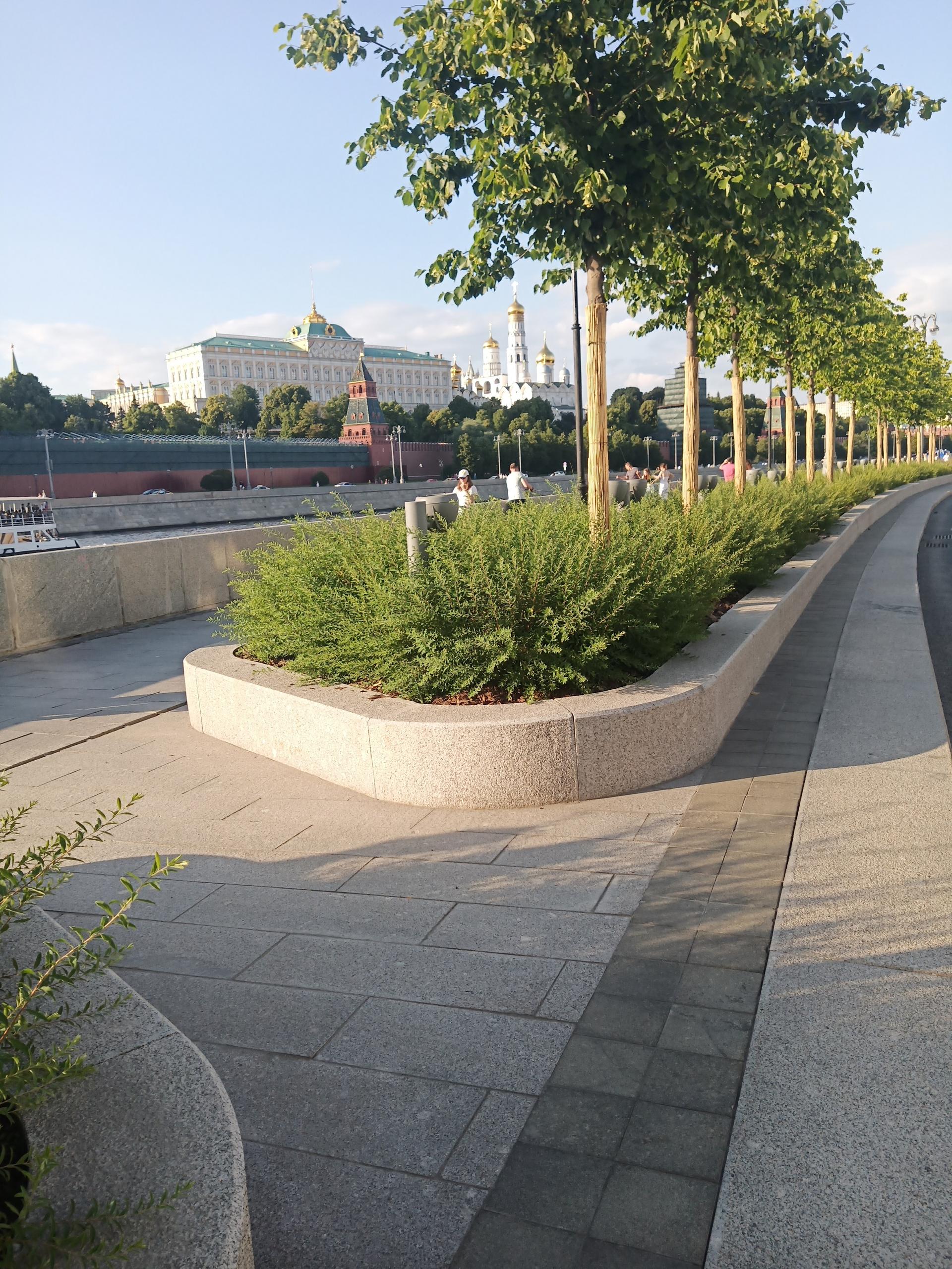
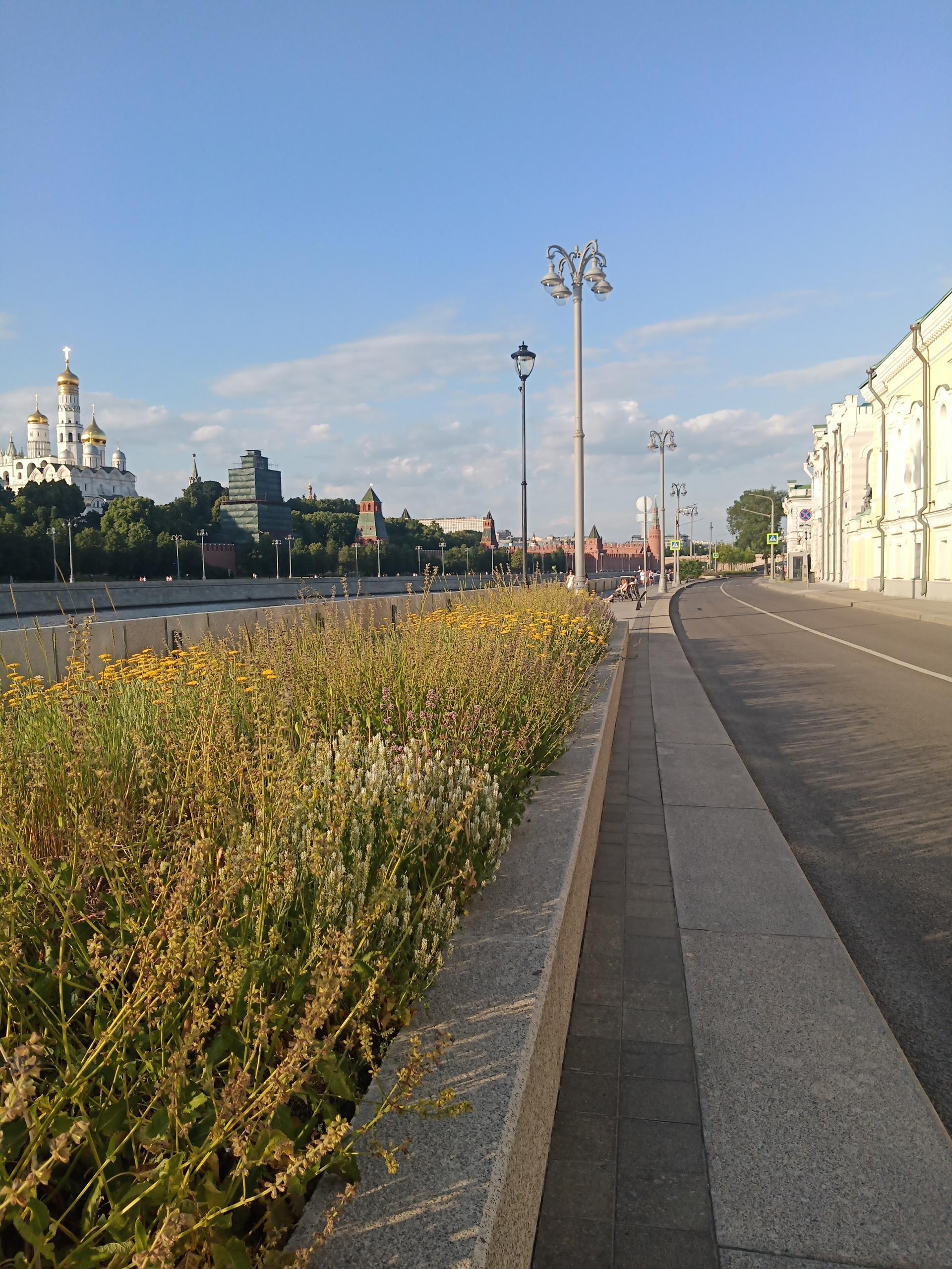
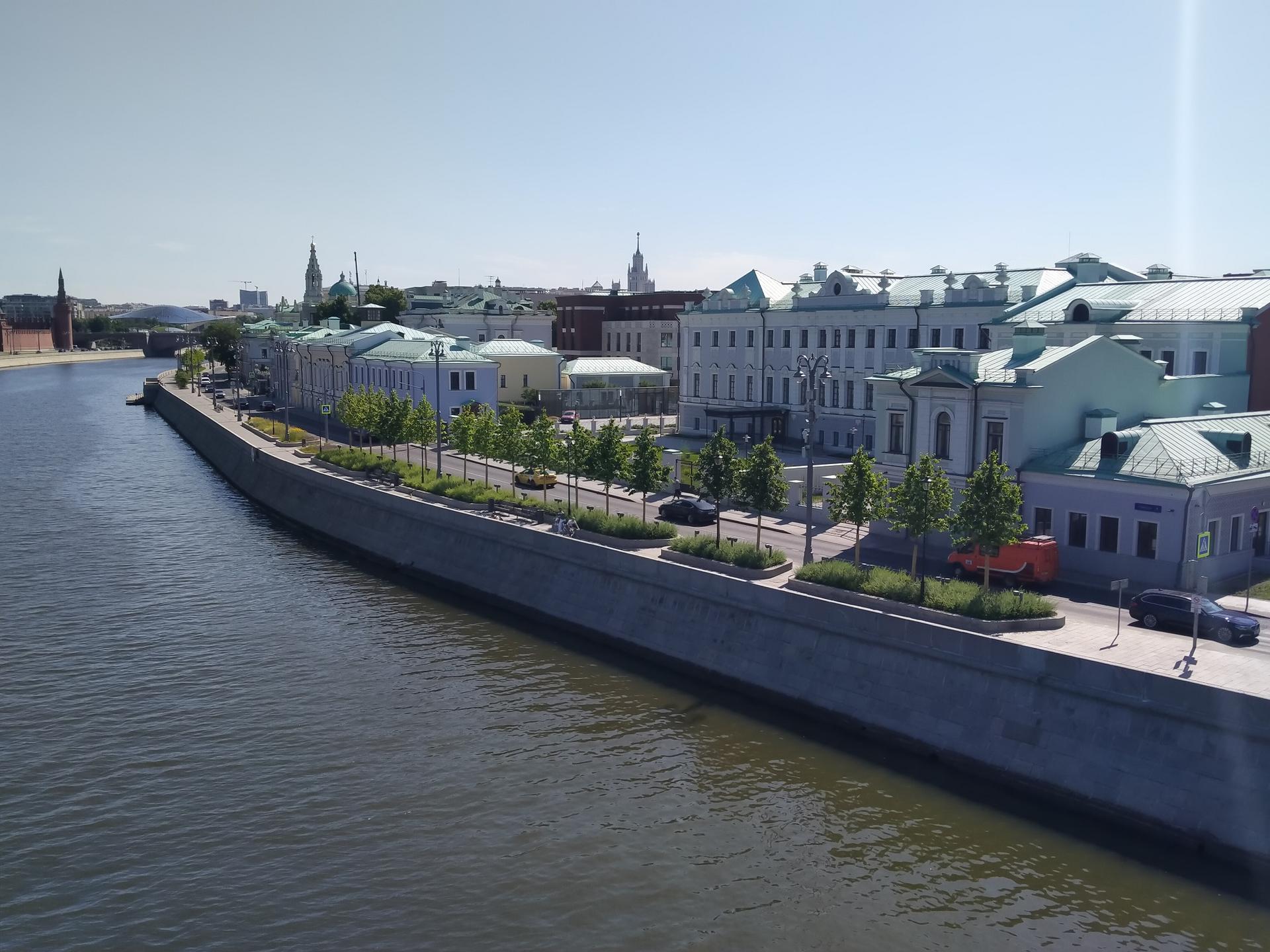
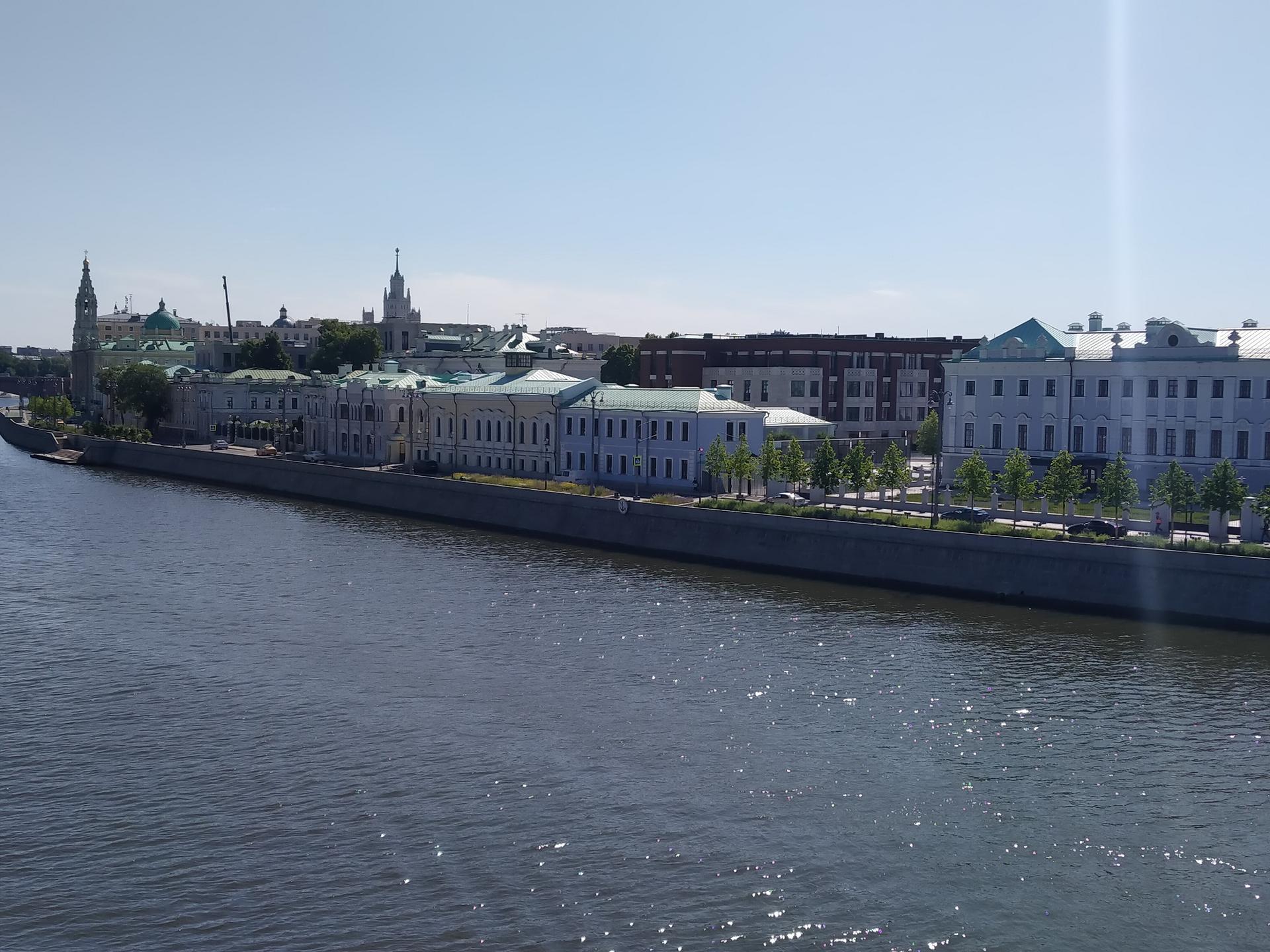
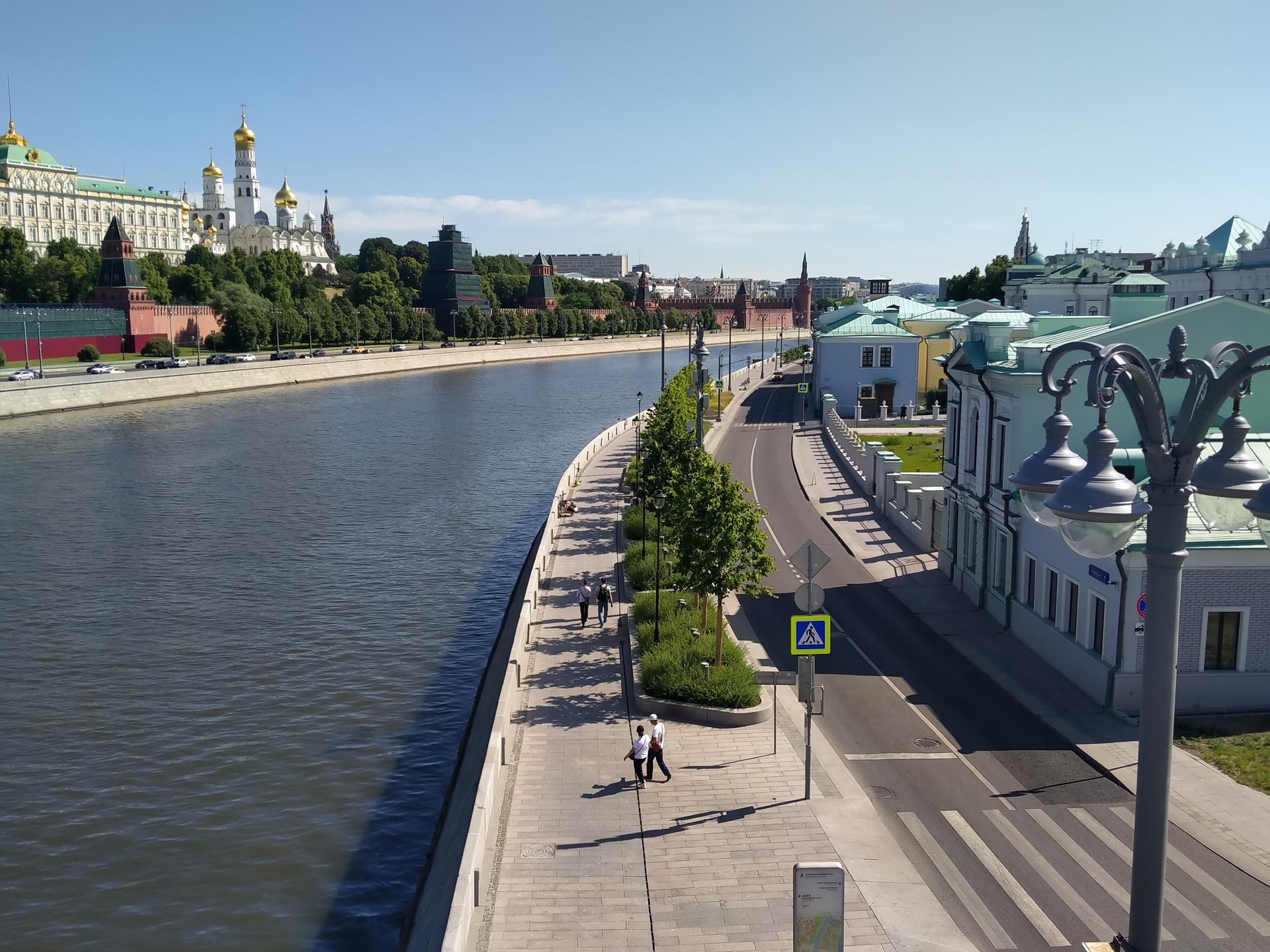
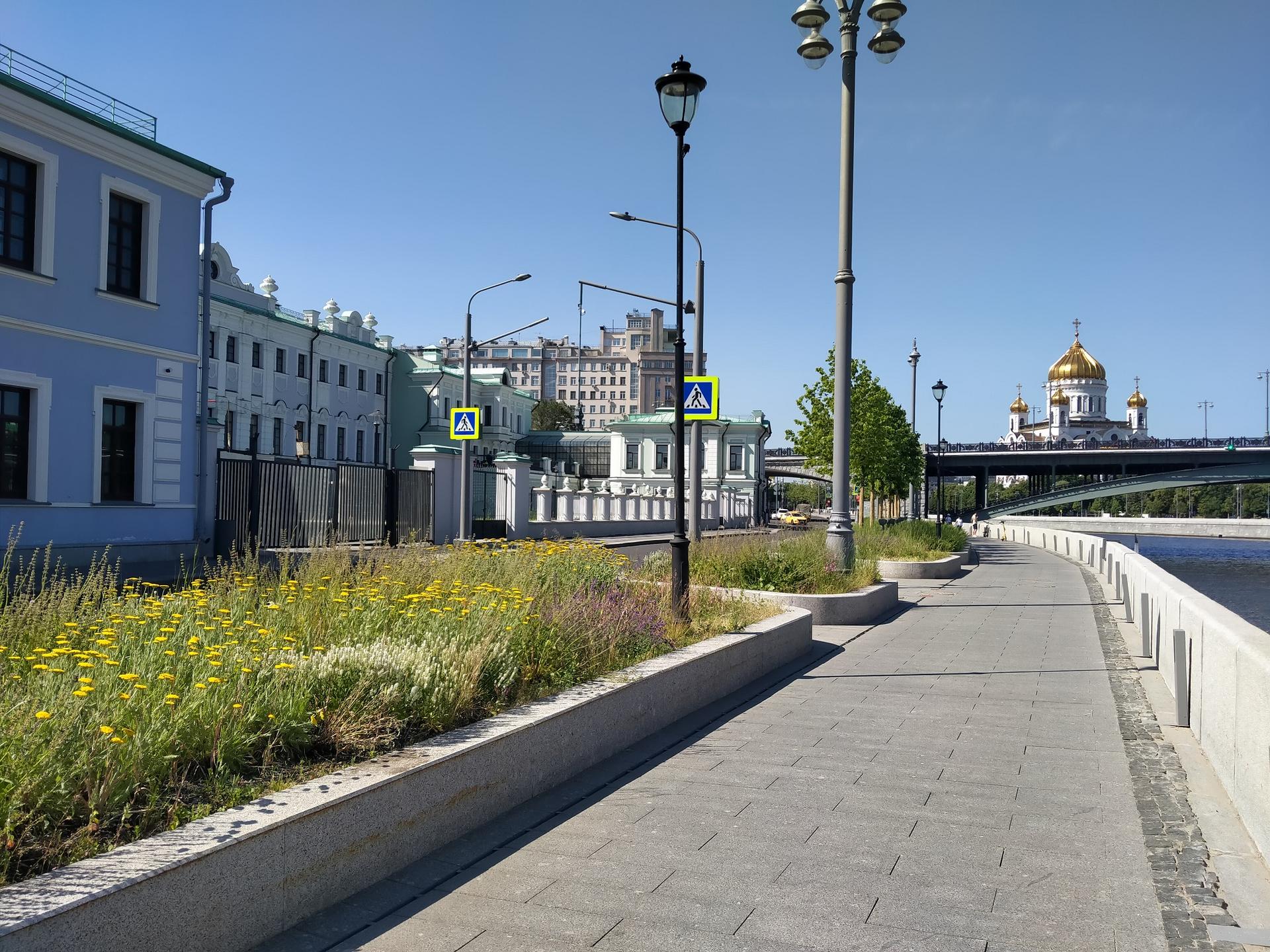
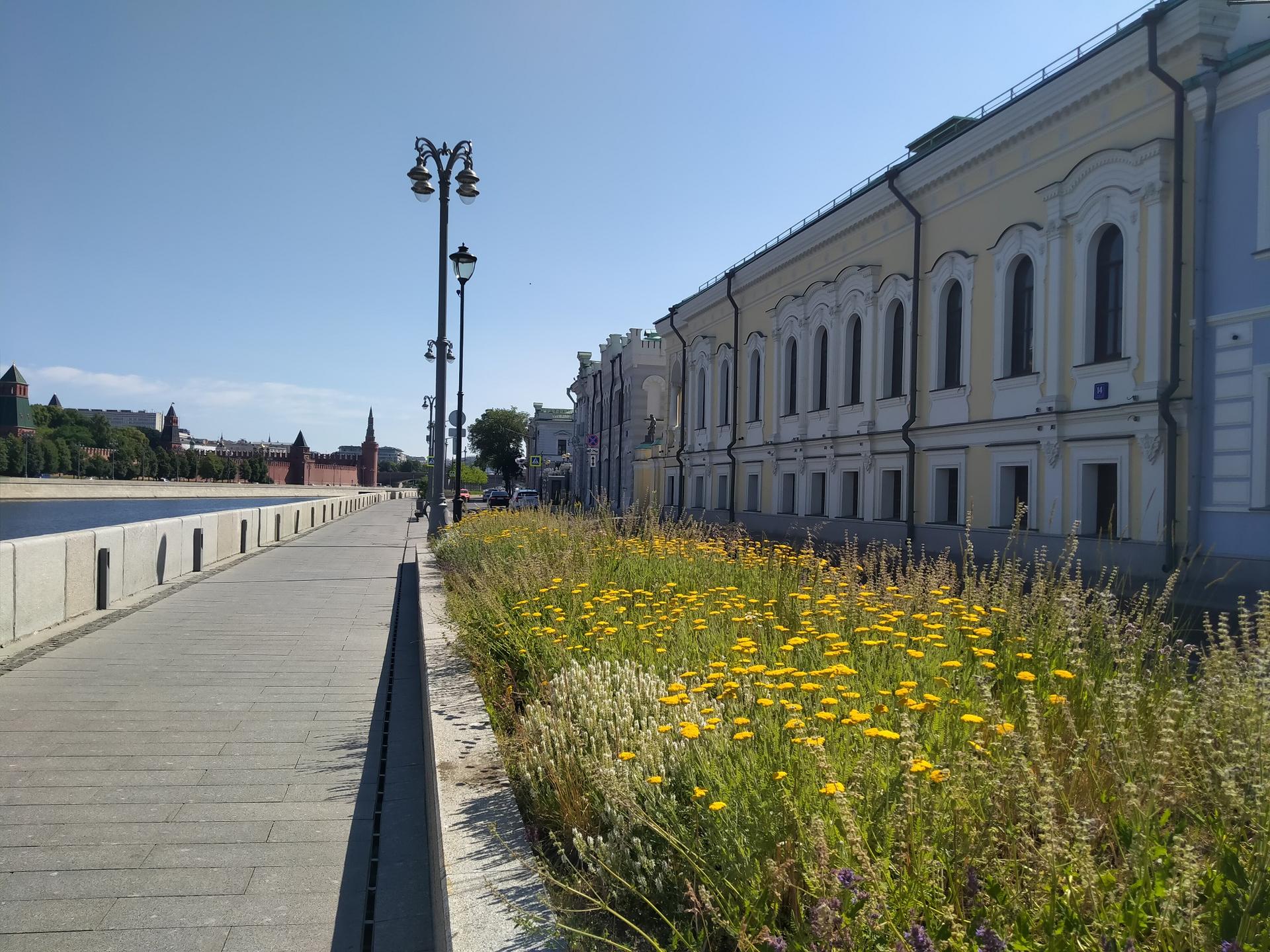
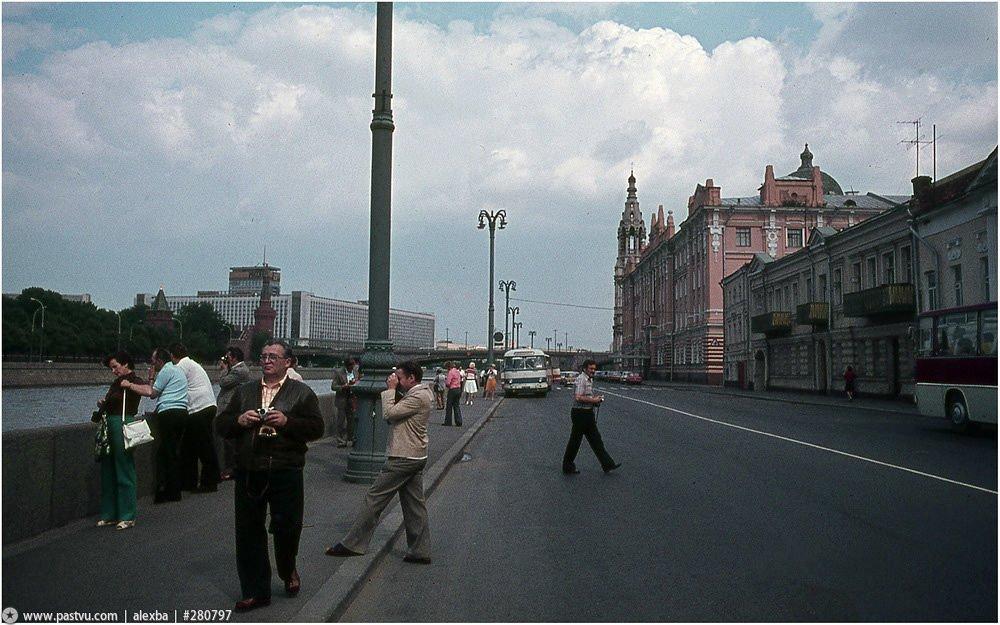
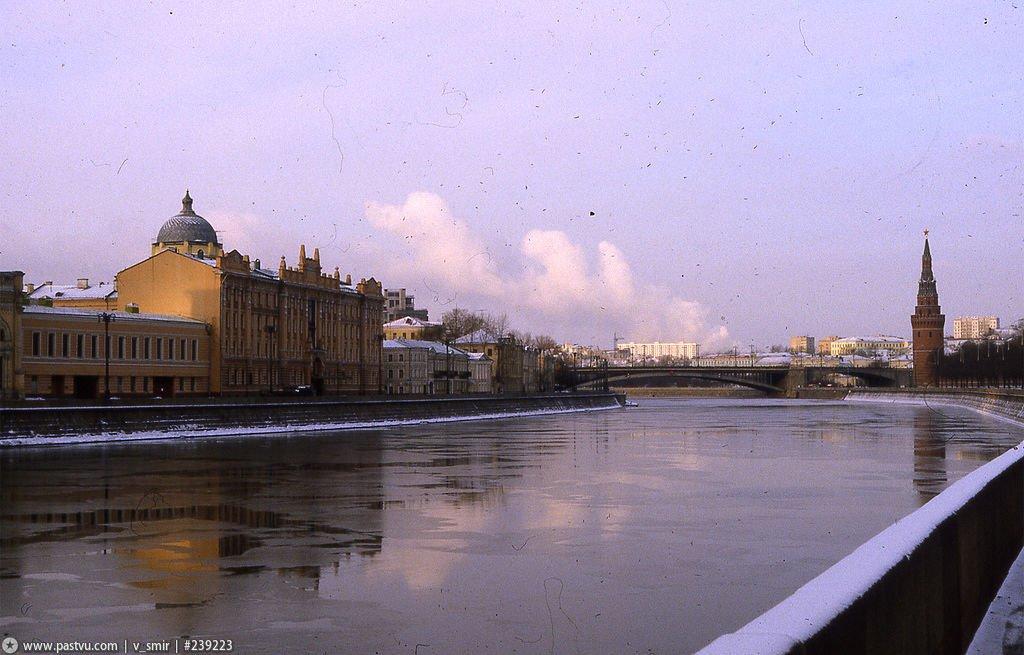
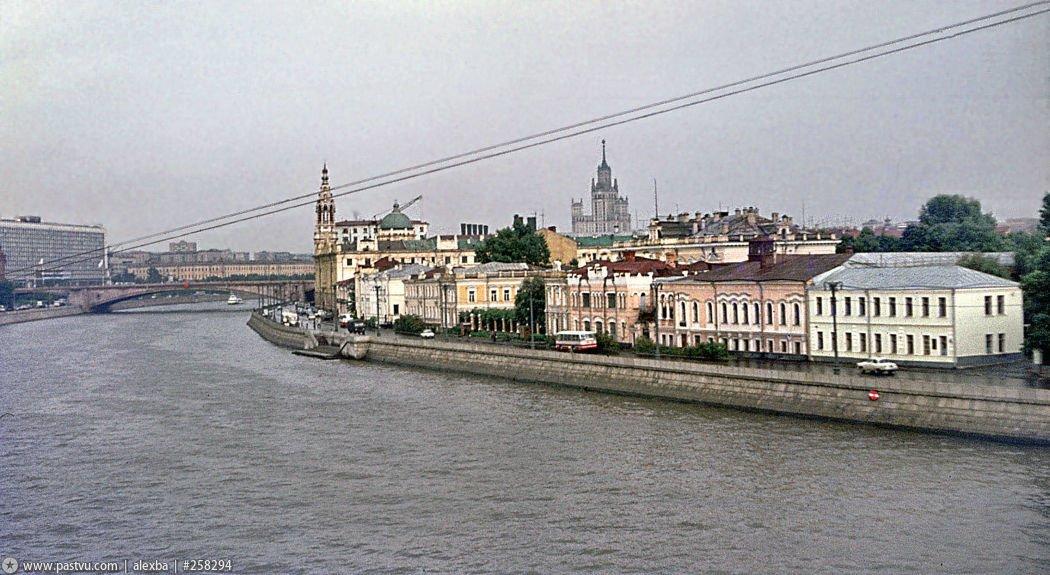
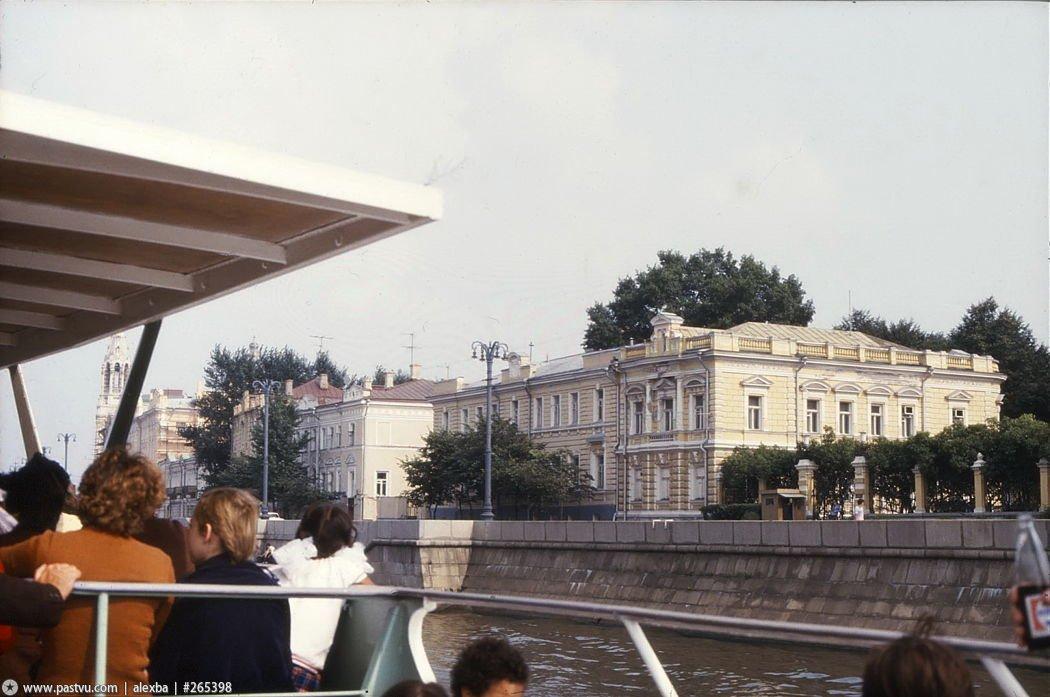
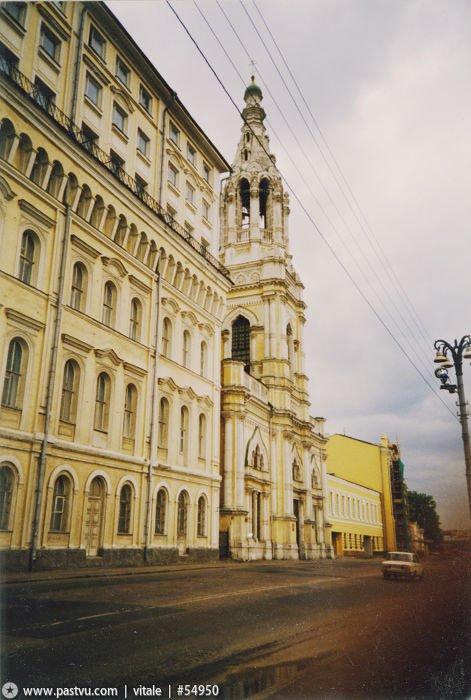
Софийская набережная идет от Большого Каменного и до Большого Москворецкого моста, - она расположена прямо напротив Кремля. Исторически здесь были низкие болотистые берега, отчего до сих пор местность называют «болотом». С XVI века на месте Болотной площади располагался Великий луг. В XVII-XVIII веках луг использовался как место публичных казней: в частности, здесь в 1775 году был казнен Емельян Пугачев с соратниками. Однако луг использовался и для праздничных гуляний: в 1724 году здесь проходили торжества по случаю коронации Елизаветы Петровны, отчего место стали называть Царицыным лугом. Осушить болота удалось только во второй половине XVIII века, когда был прорыт Водоотводный канал, превративший эту местность в настоящий остров. С одной стороны теперь остров омывается Москвой-рекой, с другой – каналом. После осушения место стало использоваться как торг, после 1917 года было застроено амбарами, использовавшимися разными компаниями для хранения своей продукции или запасов. После войны, в 1946 году, на этом месте разбили сквер, украшенный фонтаном и газонами.
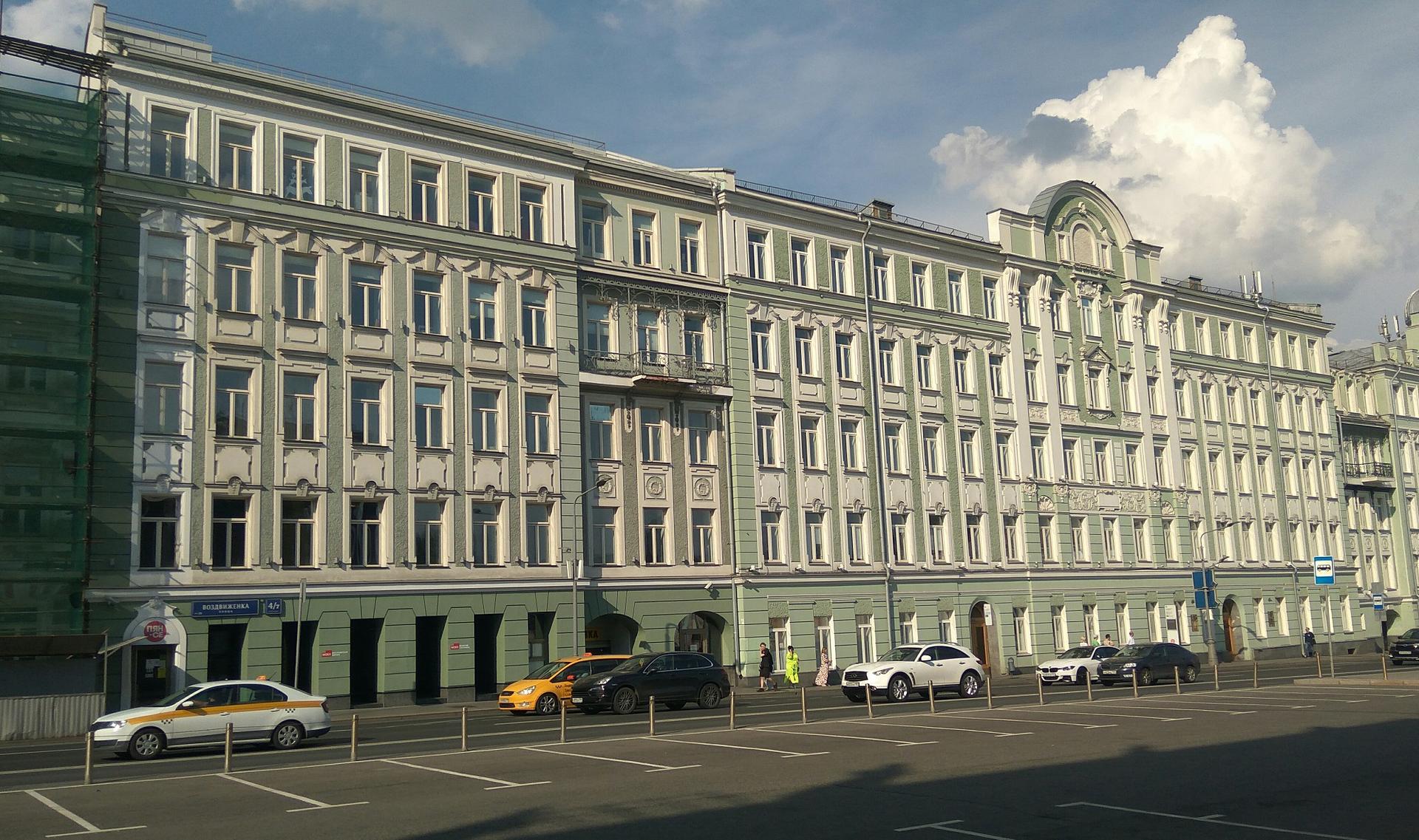
Участок между Фалеевским переулком и Большим Москворецким мостом занимают корпуса Кокоревского подворья и Бахрушинского дома дешевых квартир. В Кокоревском подворье останавливались в Москве Чехов, Крамской, Верещагин, Репин, Чайковский, не говоря уже о купцах и кутилах, которые любили отдыхать в гостиничном ресторане. Владение на углу с Фалеевским переулком застроено в 1900 – 1903 годах комплексом домов братьев Бахрушиных. Это был фактически первый опыт сотрудничества частного капитала и городской власти: на деньги Бахрушиных были построены и полностью содержались дома, где на льготных условиях проживало более 600 взрослых и более 1300 детей в 456 квартирах. Квартплата там была настолько мала, что по большей части просто доказывала порядочность жильцов и их готовность платить столько, сколько им по силам. В советские годы дома отданы под учреждения.
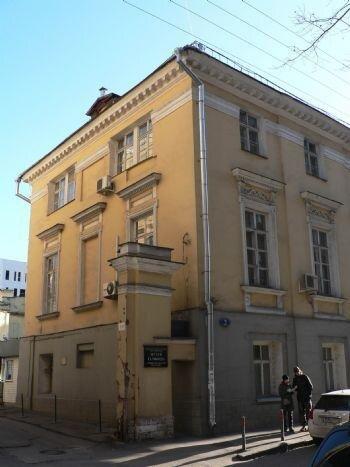
На противоположной стороне Фалеевского переулка находится ряд двухэтажных домов, в советское время густозаселенных. В угловой части длинного дома на углу Фалеевского и Софийской набережной в первой трети XIX века располагался кабак.
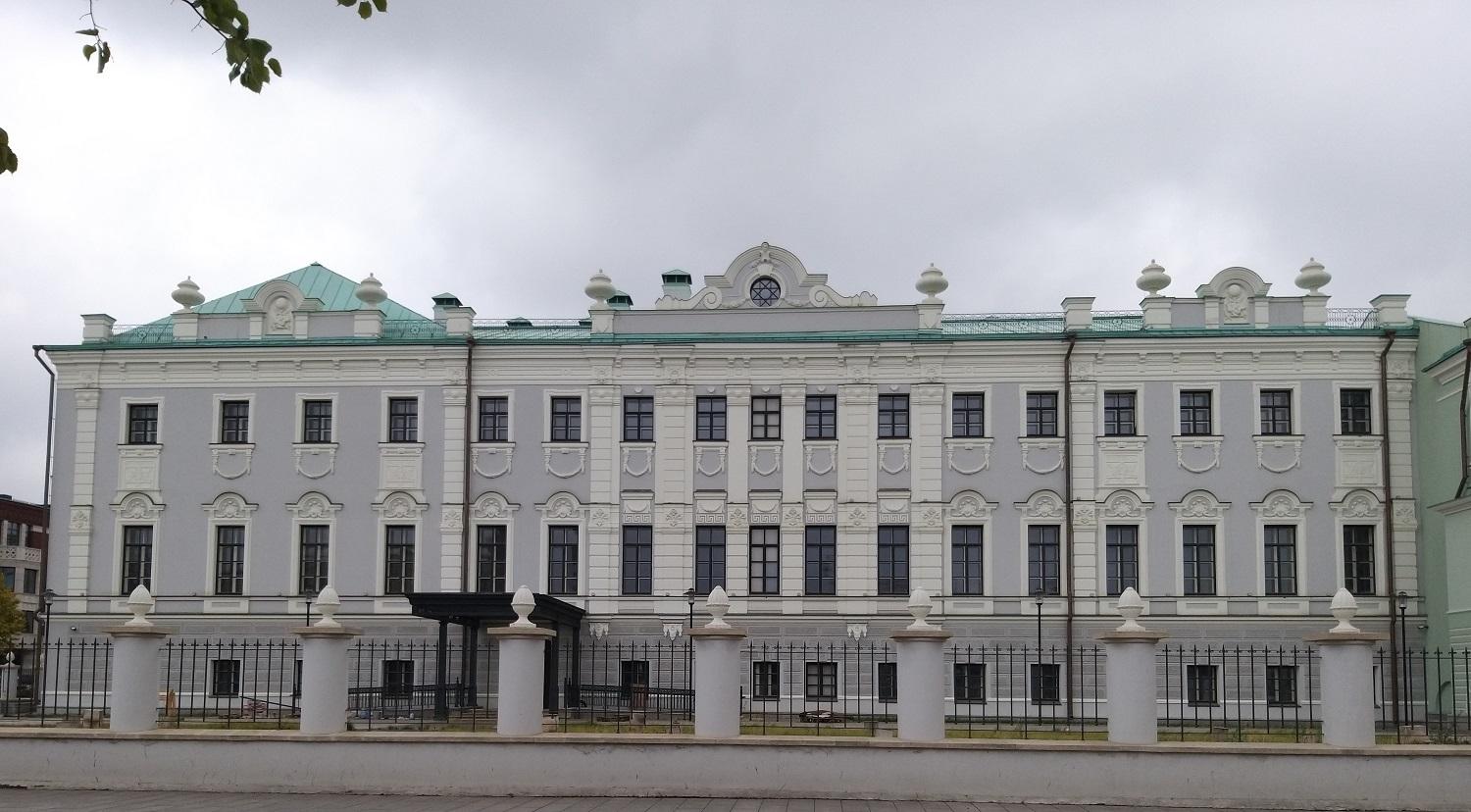
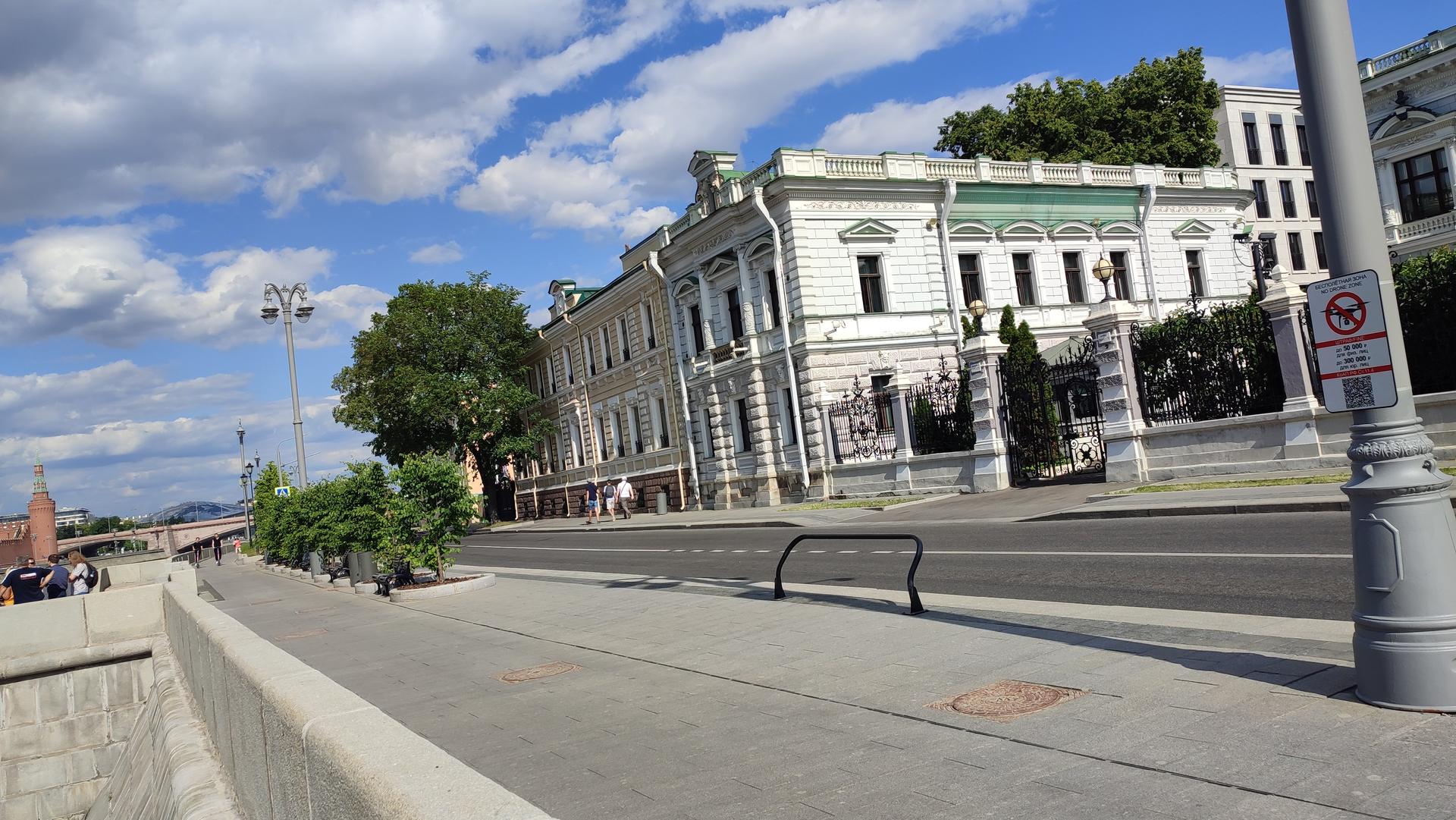
Самым значительным зданием на Софийской набережной является усадьба Харитоненко, мецената и покровителя искусств. Главный дом усадьбы богато украшен изнутри, интерьеры сохранились, дом занимает резиденция английского посла.
It housed the house known charities, and in recent years tense debate about the future development of this part of the "gold" of the island. Sofia Embankment extends from the great stone, and to the Great Moscow River bridge, located directly opposite the Kremlin. Historically, there have been low marshes, why until now the area is called "swamp". Since the XVI century on the site of the Great Swamp area located meadow. In XVII-XVIII centuries meadow used as a place of public executions: in particular here in 1775, was executed Emelyan Pugachev and his associates. However, the meadow was used for the festivities: in 1724 there were celebrations on the occasion of the coronation of Elizabeth, why the place became known as Tsaritsyn meadow. Drain the swamp was only in the second half of the XVIII century, when it was dug drainage channel, turn this area into a real island. On the one hand now the island is washed by the Moskva River, on the other - channel. After drying, the place was used as a bargaining since 1917 has been built on barns, used by different companies to store their products or stocks. After the war, in 1946, on the site broke the square, decorated with a fountain and lawns. The area between the lane and Faleevskim big Moscow River bridge occupy housing Kokorevskoye monastery [http://um.mos.ru/houses/kokorevskoe_podvore/] and Bakhrushin house cheap apartments [http://um.mos.ru/houses/16639/]. In Kokorevskoye farmstead stayed in Moscow Chekhov [http://um.mos.ru/personalities/9867/], Kramskoj, Vereshchagin, Repin, Tchaikovsky, not to mention the merchants and revelers who liked to relax in the hotel restaurant. Possession at the corner of the alley Faleevskim built up in 1900 - 1903 years of complex houses brothers Bakhrushins. It was actually the first collaboration of private capital and the city government: money Bakhrushins were built and fully contained house where concessional lived more than 600 adults and more than 1,300 children in 456 homes. Rents there was so small that for the most part just proved decency residents and their willingness to pay as much as they can do. In Soviet times, the house brought to the institution. On the opposite side of the alley is Faleevskogo number of two-storey houses, in Soviet times densely populated. In the corner of the long house at the corner of Faleevskogo and Sofia Embankment in the first third of the XIX century tavern located. The most significant building in Sofia Embankment is a manor Kharitonenko [http://um.mos.ru/houses/5259/], philanthropist and patron of the arts. The main manor house is richly decorated inside, the interiors have been preserved, now occupies the house residence of British Ambassador. No luck former factory site Liszt, near Kharitonenko possession. Since 1997, the factory buildings were demolished, disappeared bronze sculptures (manufacturing factory itself) adorning the gate pylons. Now the huge space is not occupied by anything and is protected by private security companies. Since the early 200's, there were several options for building this part of the waterfront, including the option to destroy all but the manor Kharitonenko. But was subsequently adopted by more sparing project involving construction in the existing scale of two three-storey small buildings. Faleevsky Lane served as scenery for the shooting of the film "The Barber of Siberia" and the development of a new construction project, it was decided to use video filming preserved in order to develop the project so that the views of the Kremlin from Kadashan not hurt. So far, the vacant lot at the Sofia Embankment, as well as close to him building the Alexander and Mary College [http://um.mos.ru/houses/2467/] await their fate.