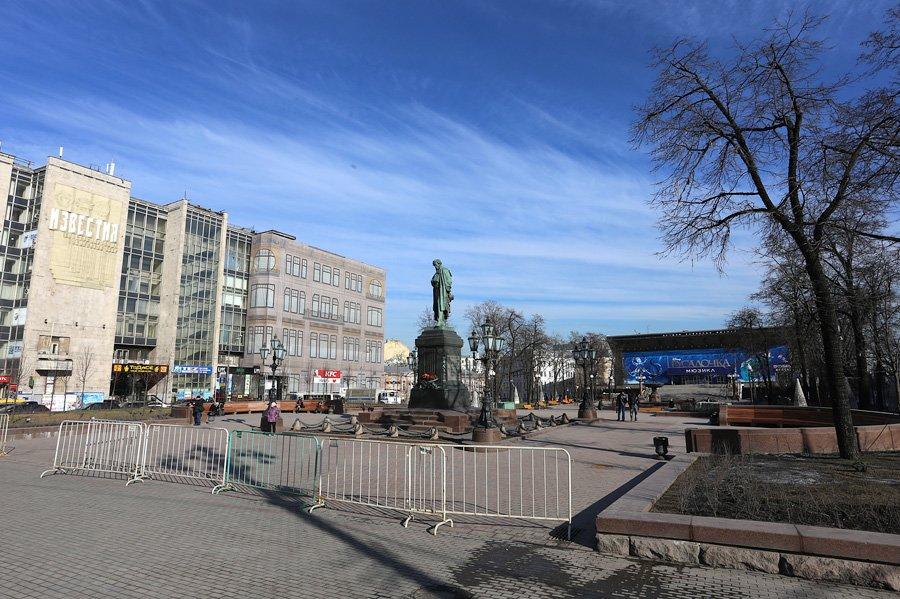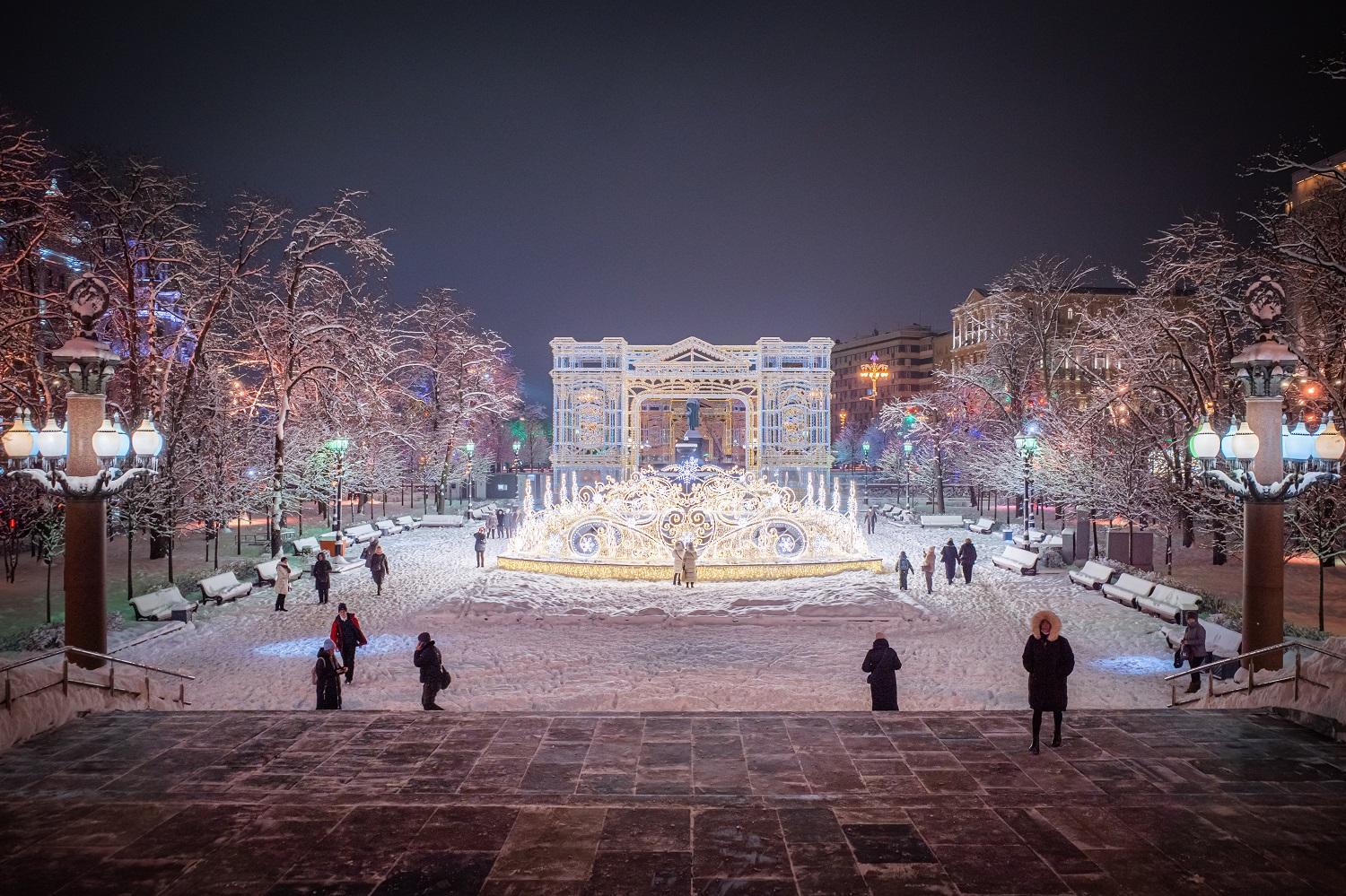
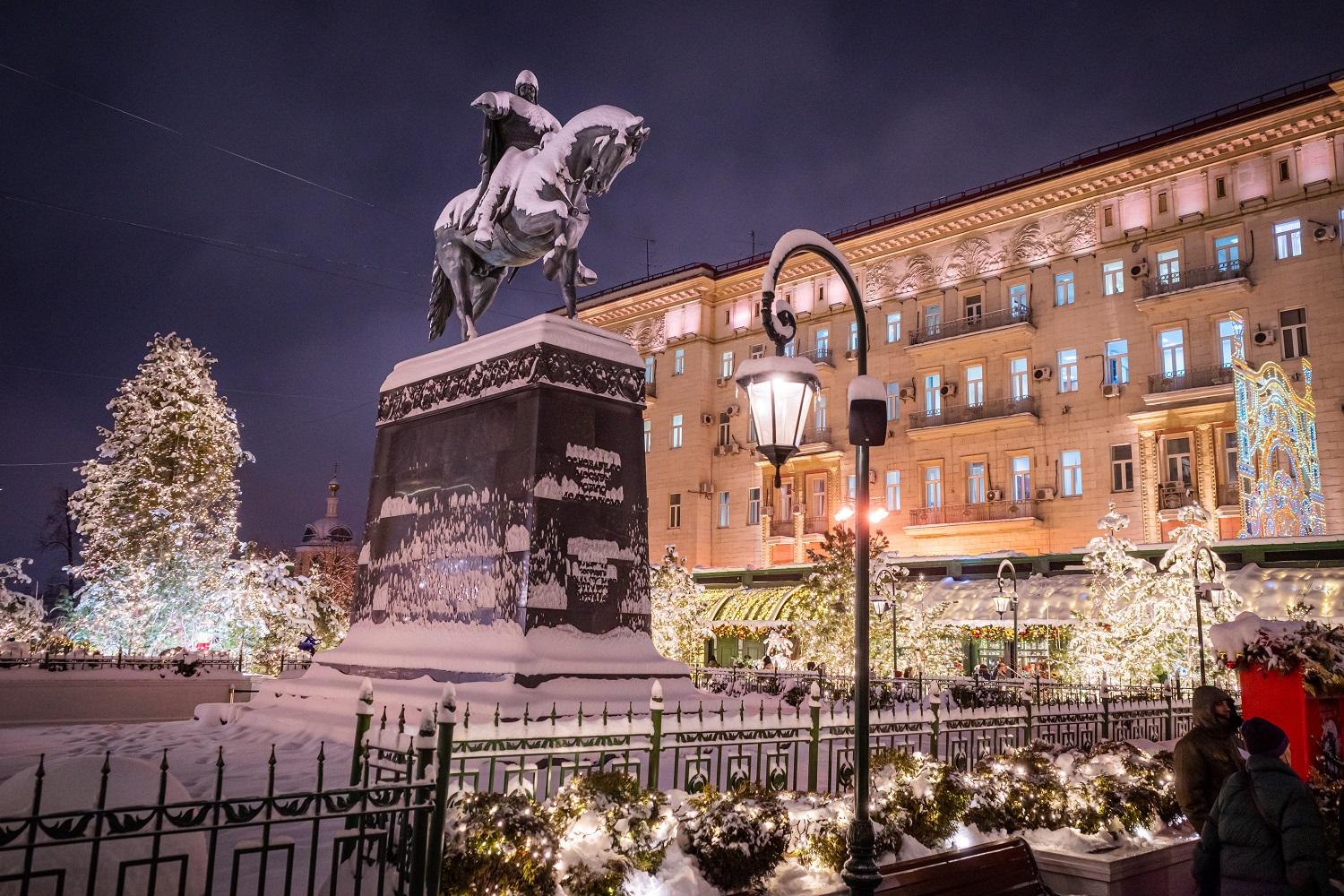
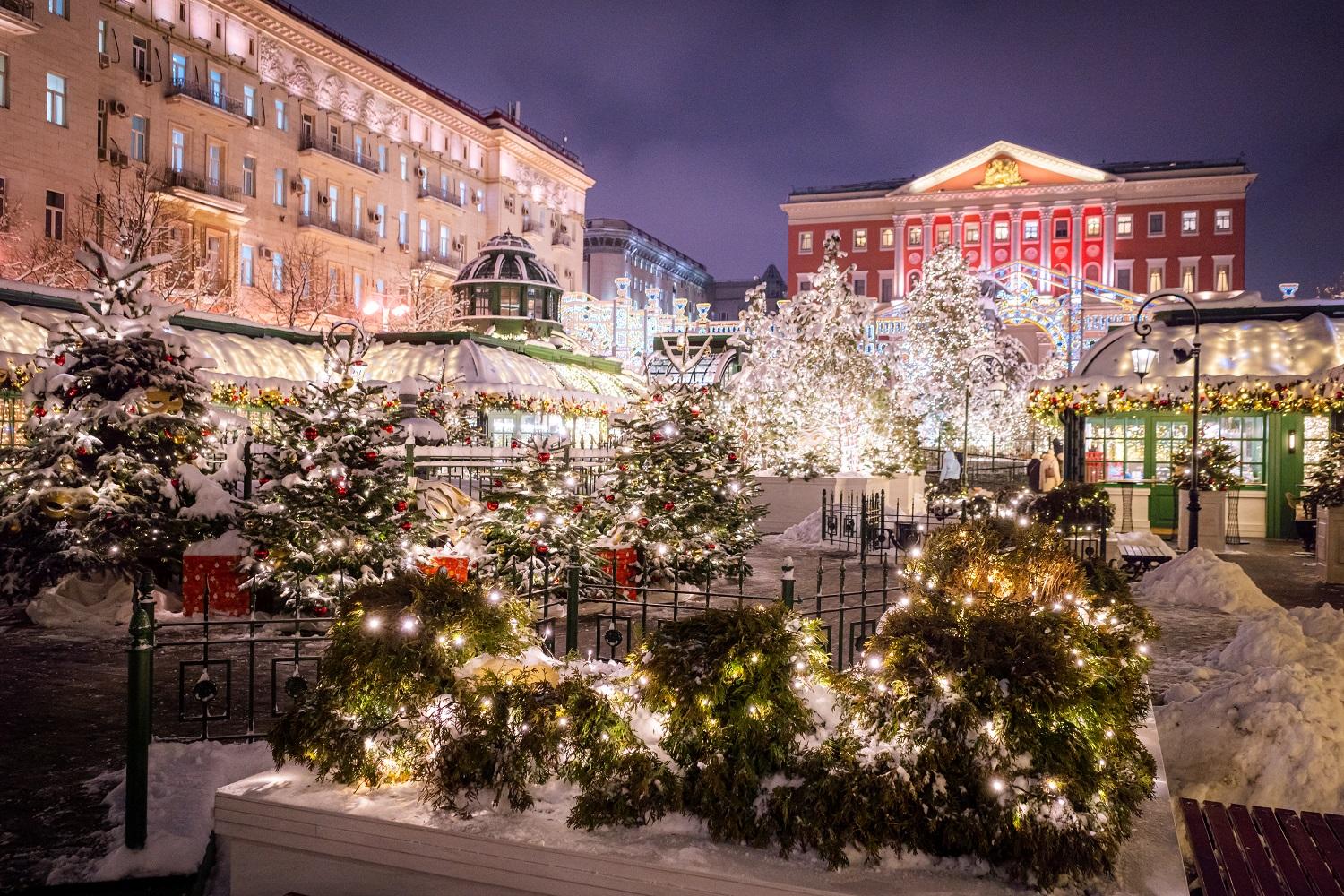
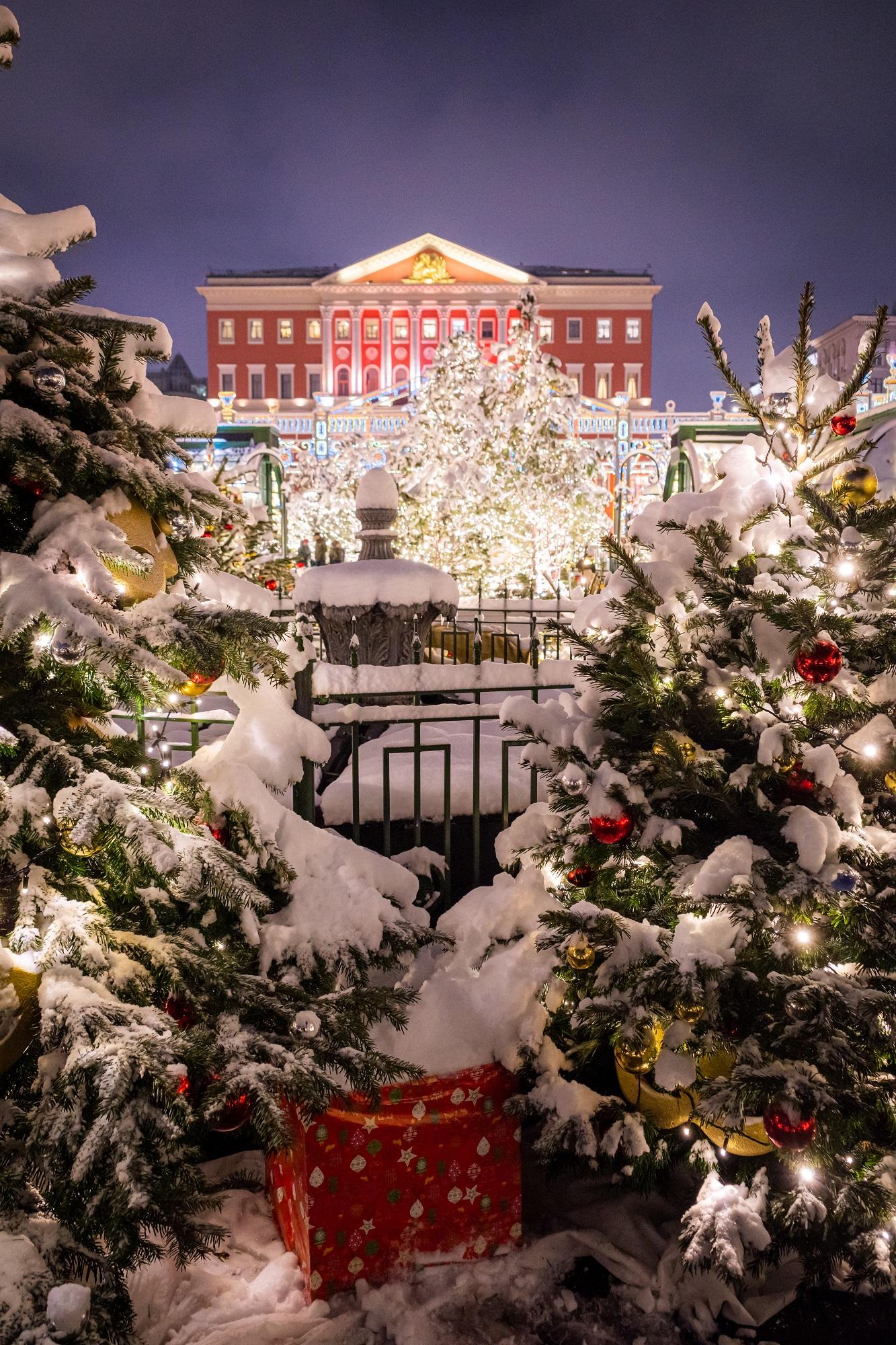
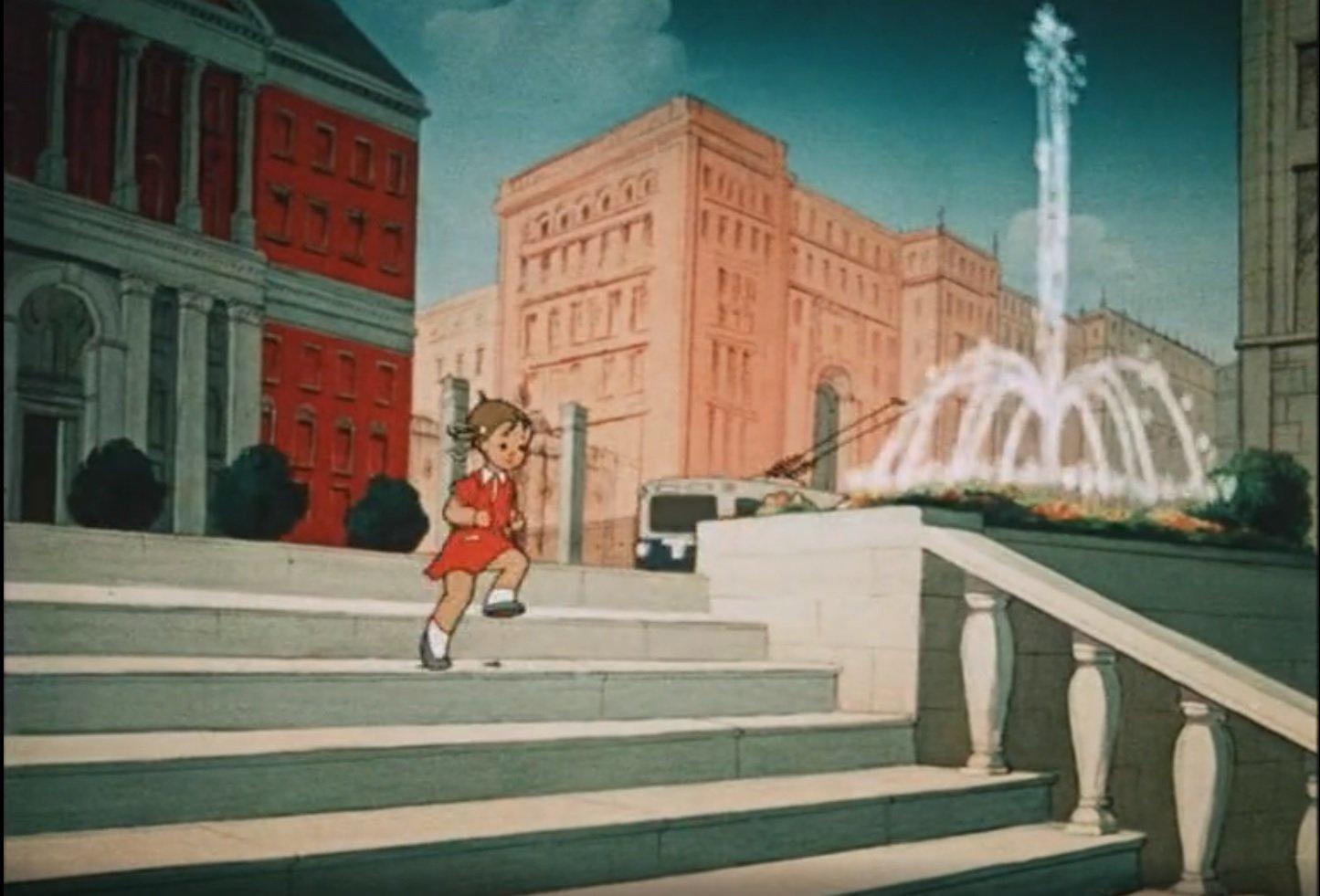
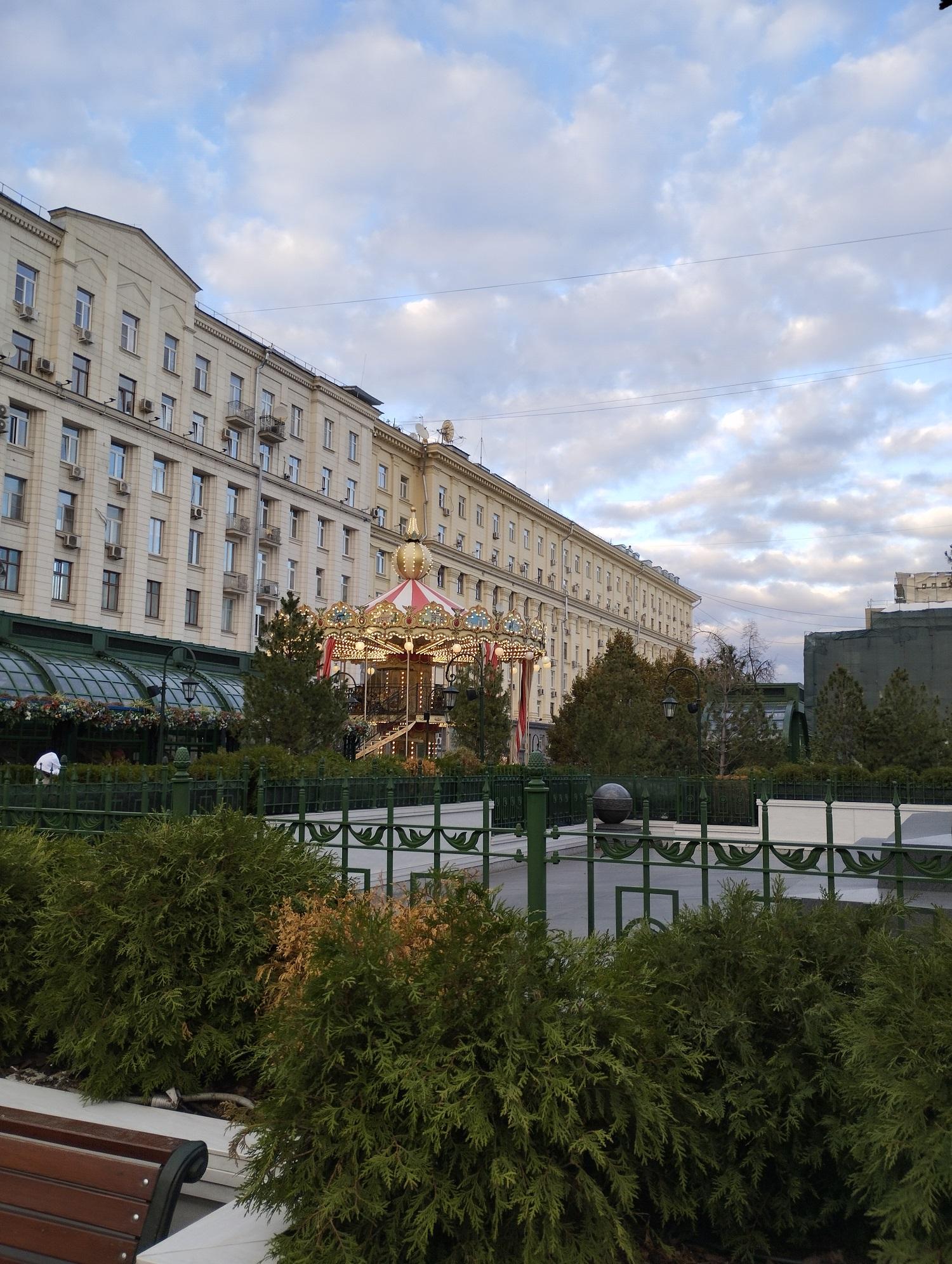
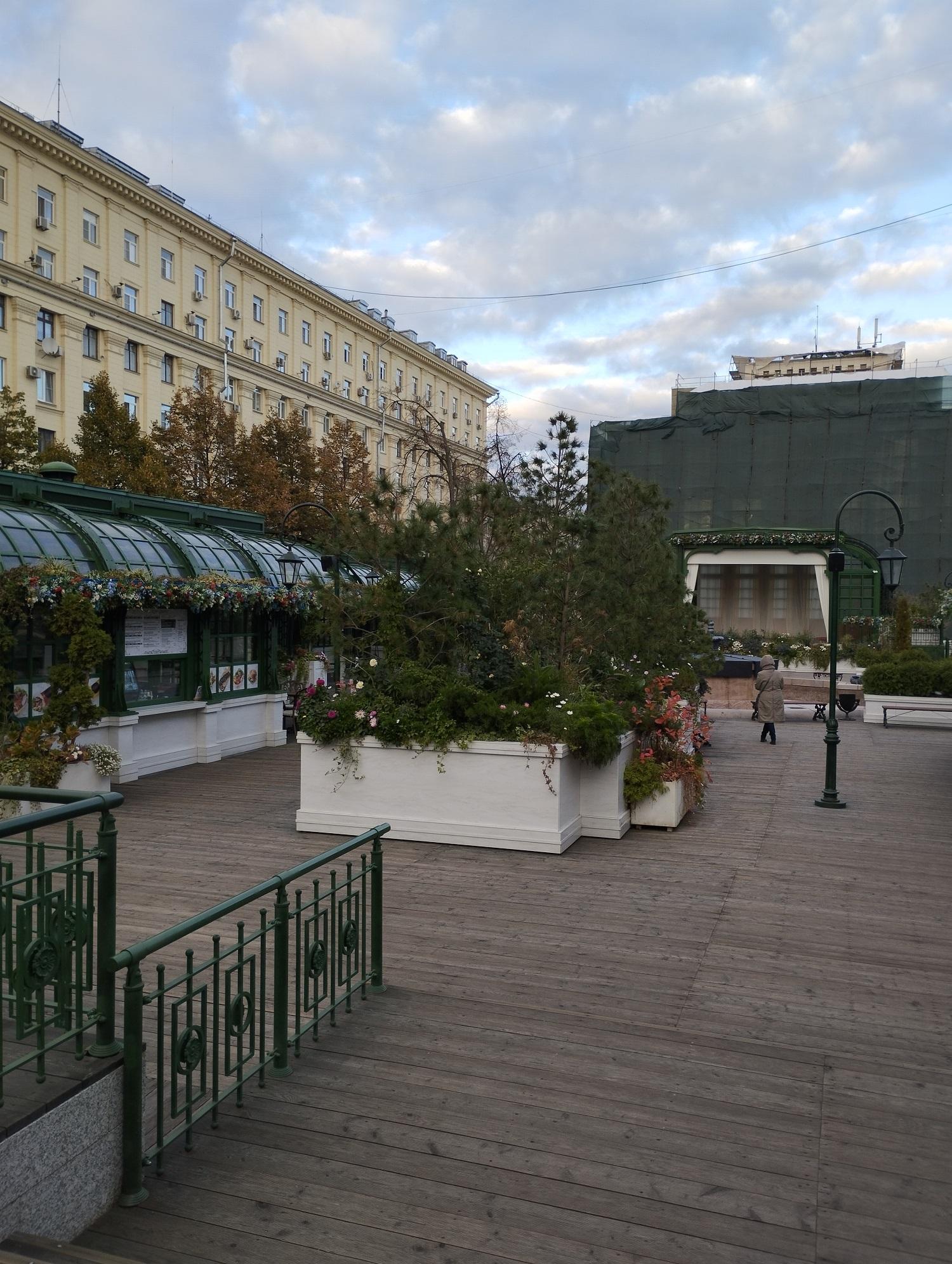
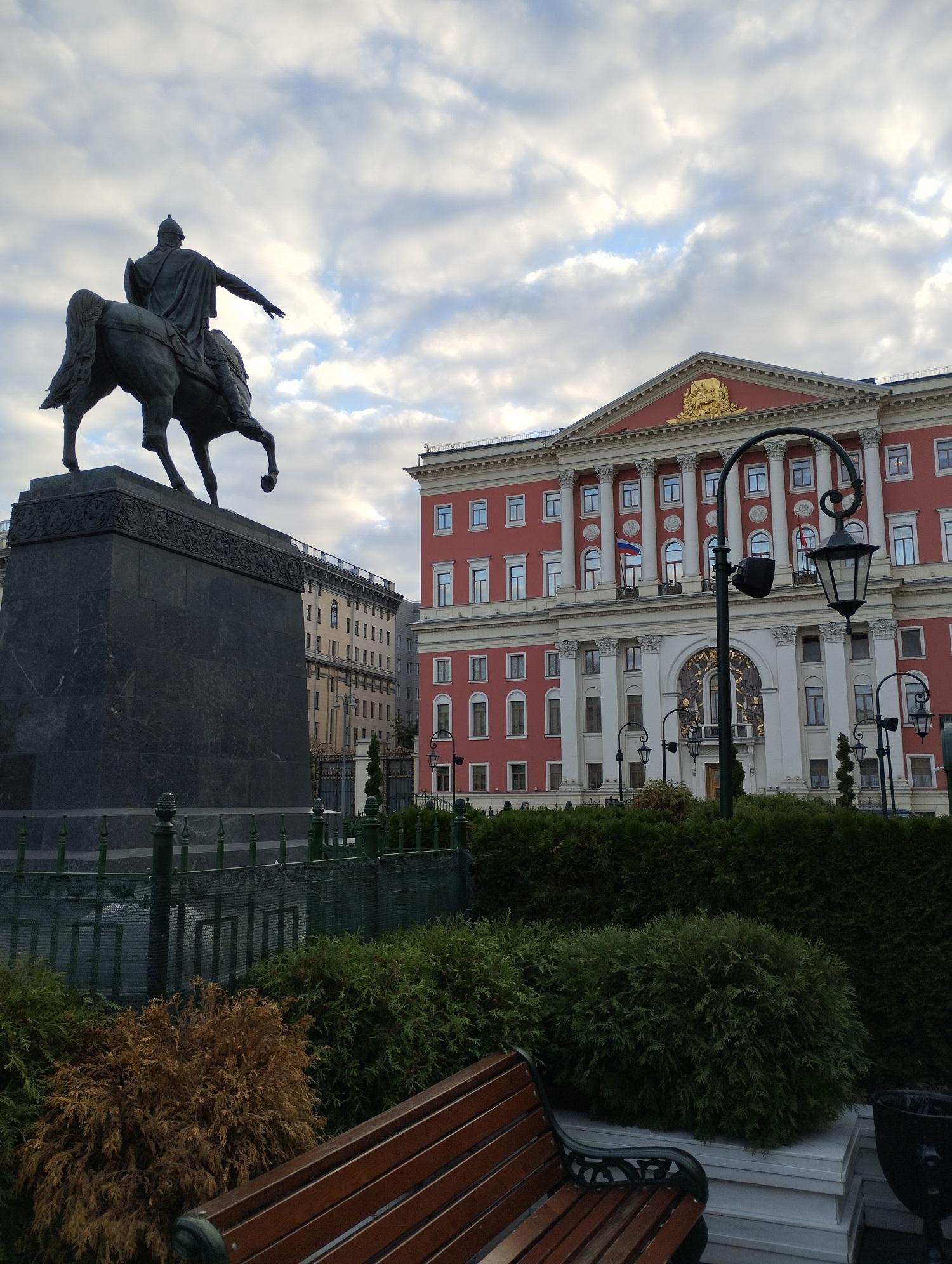
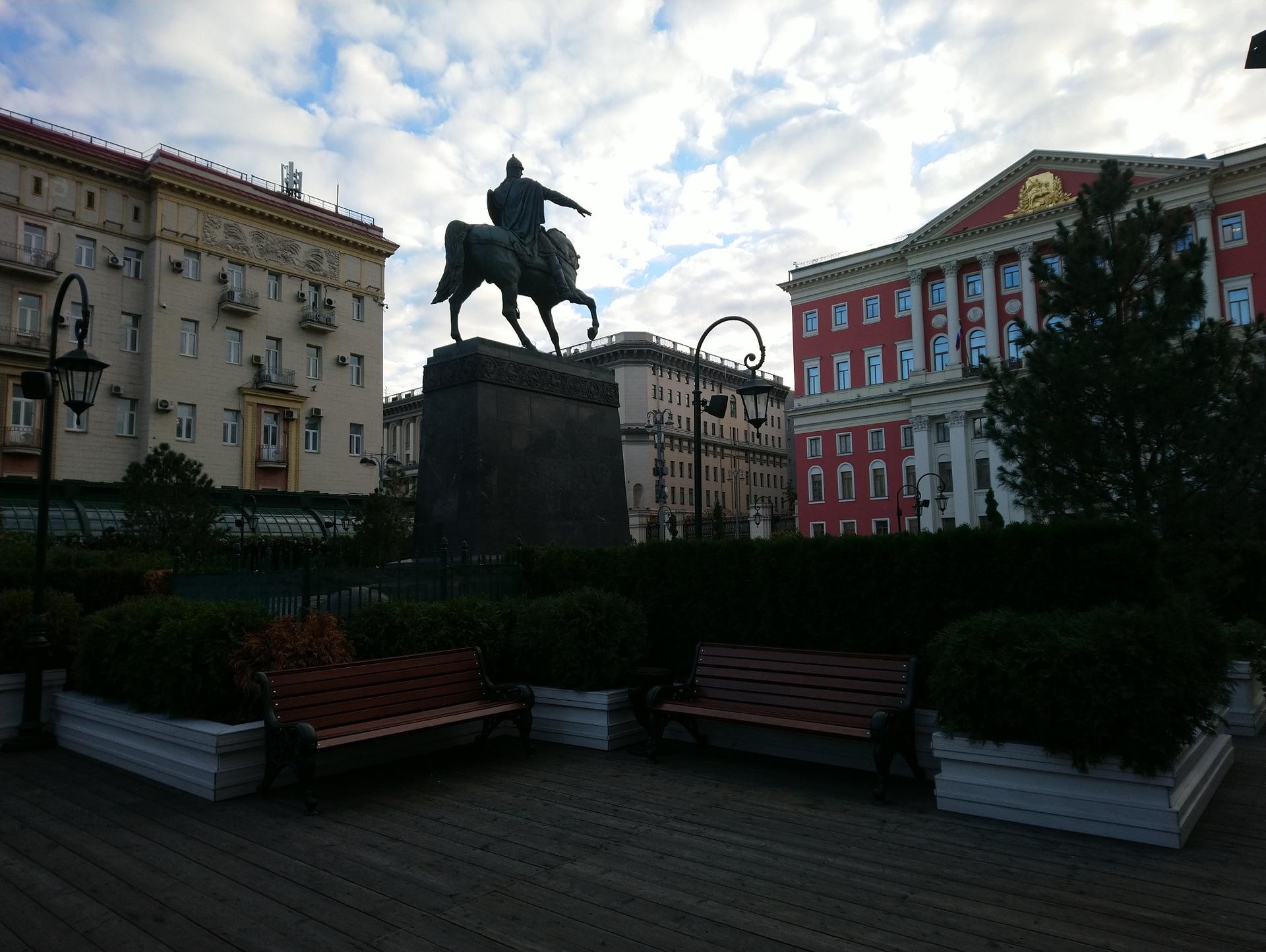
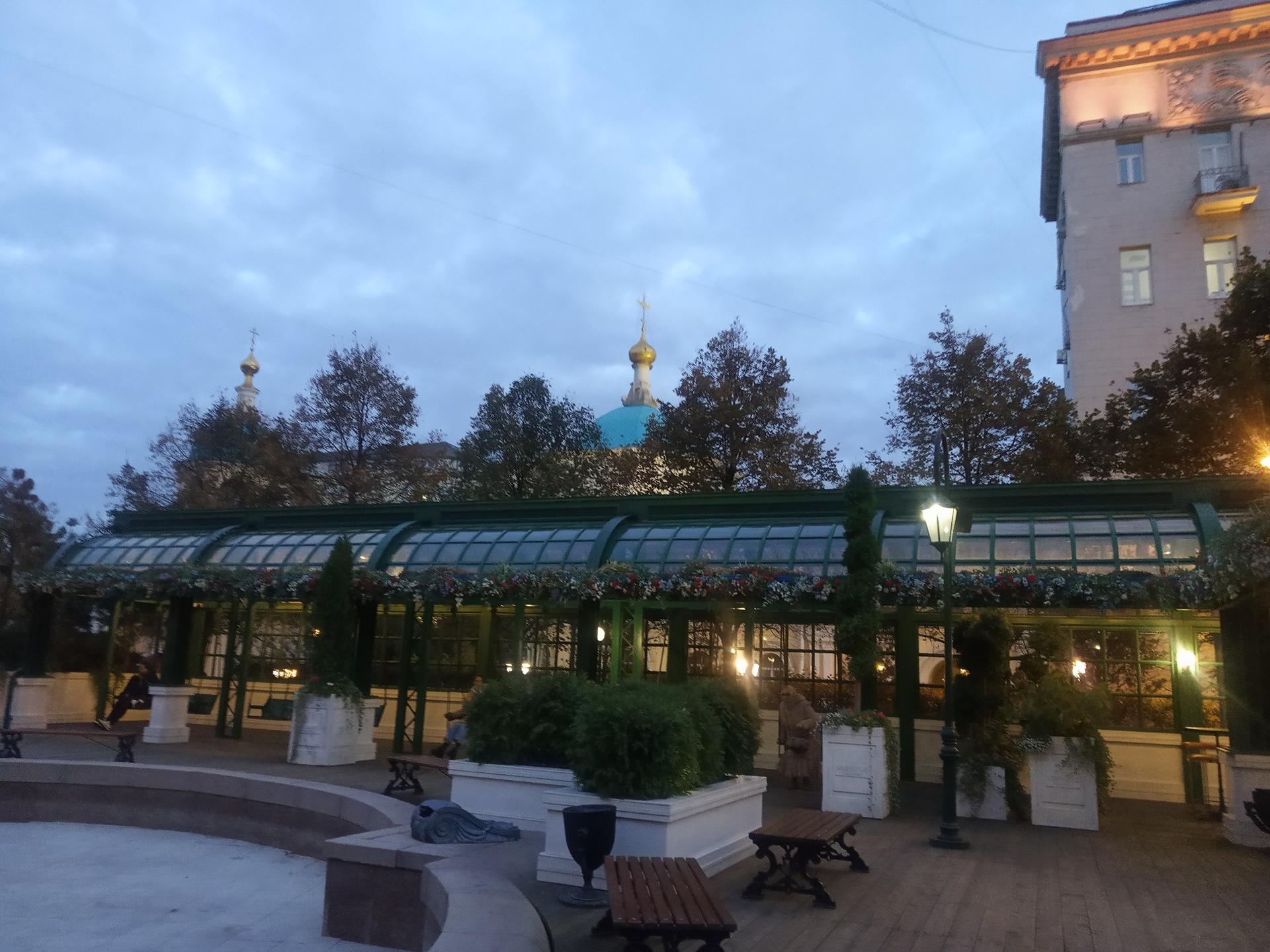
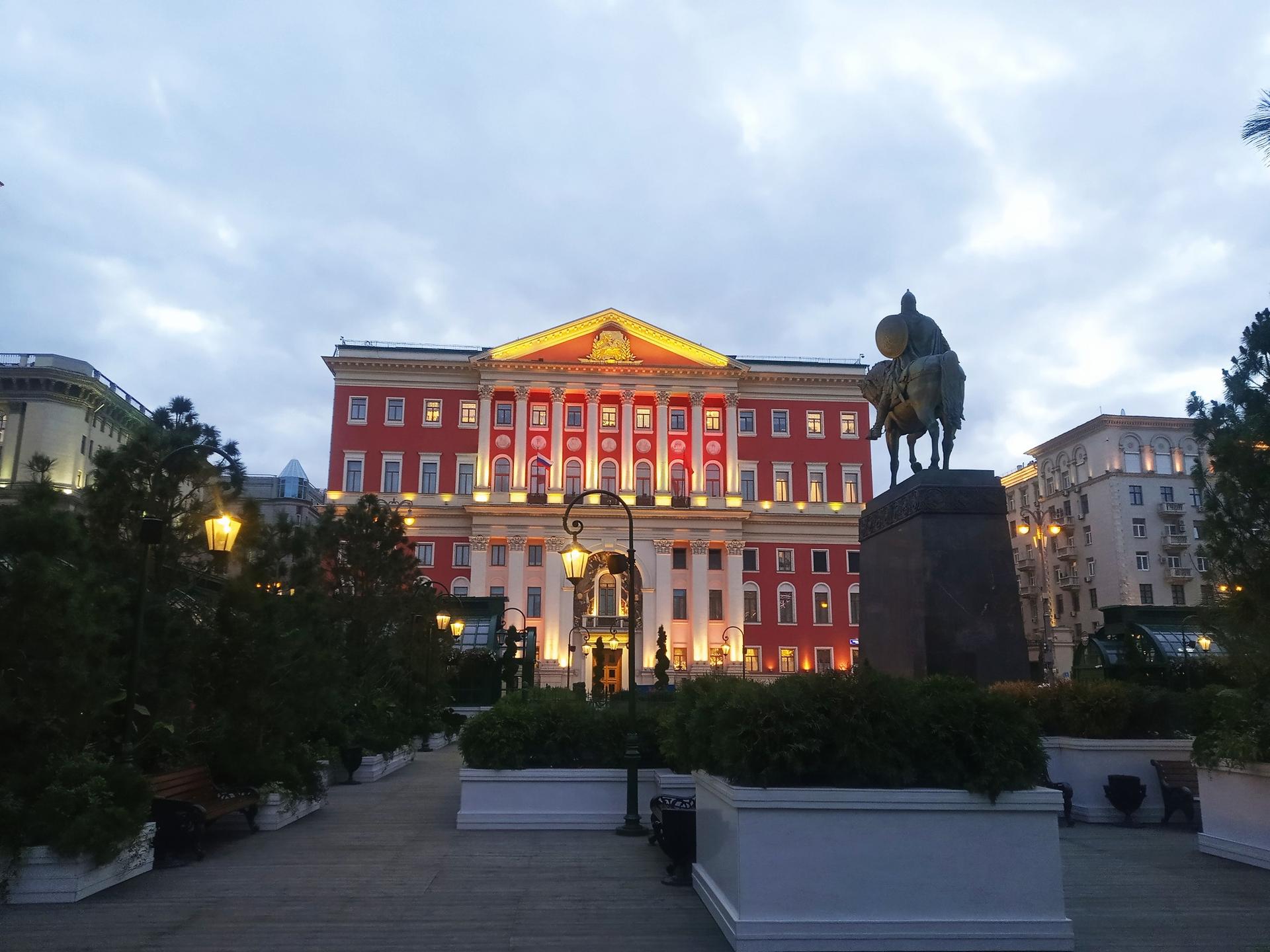
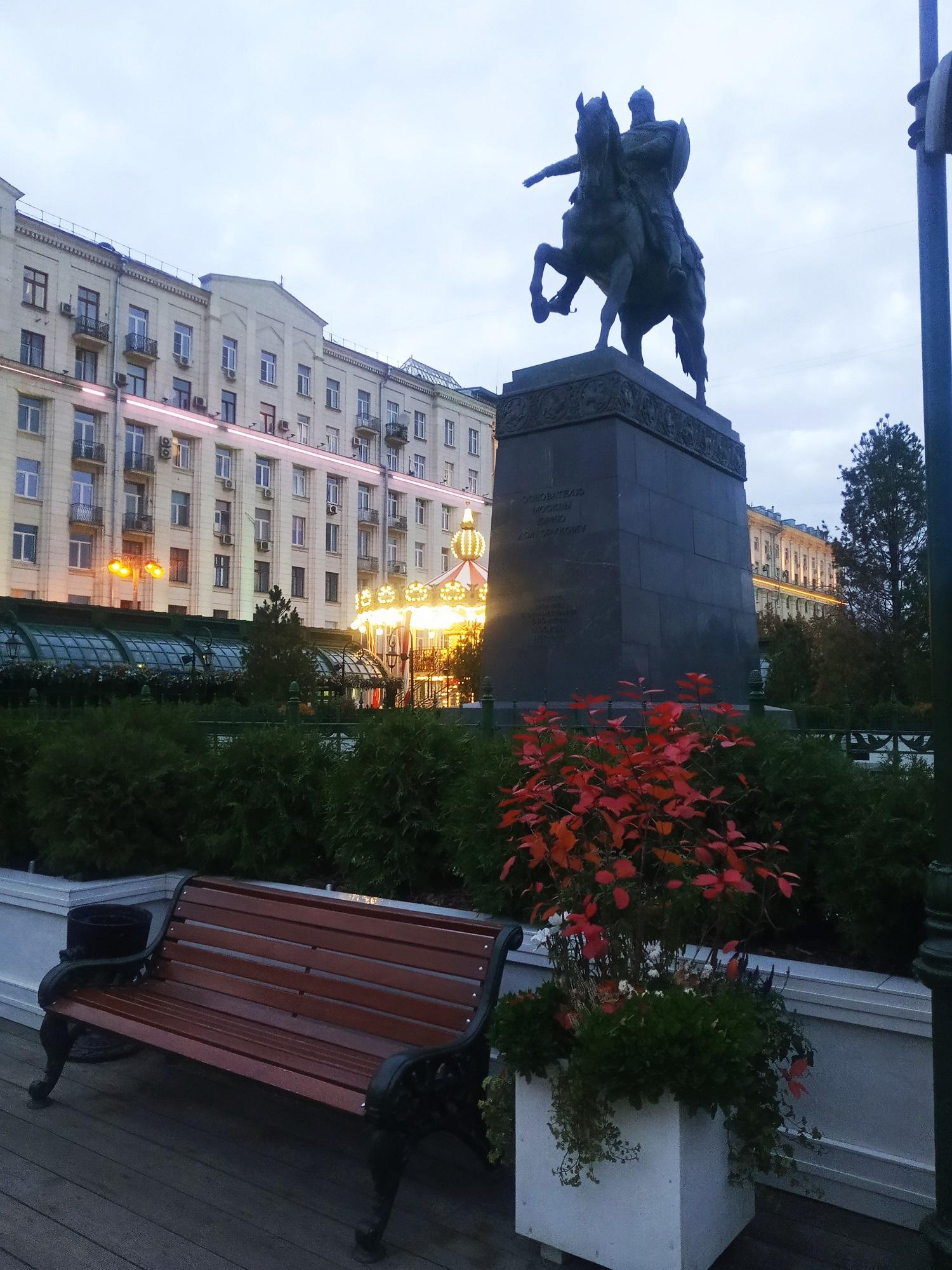
Сегодня эта композиция выглядит логично и по-европейски: напротив мэрии, главного городского органа управления, расположен памятник основателю города. Но так было далеко не всегда, облик площади несколько раз кардинально менялся, а памятники ставились и удалялись в соответствии с идеологическими установками текущего момента.
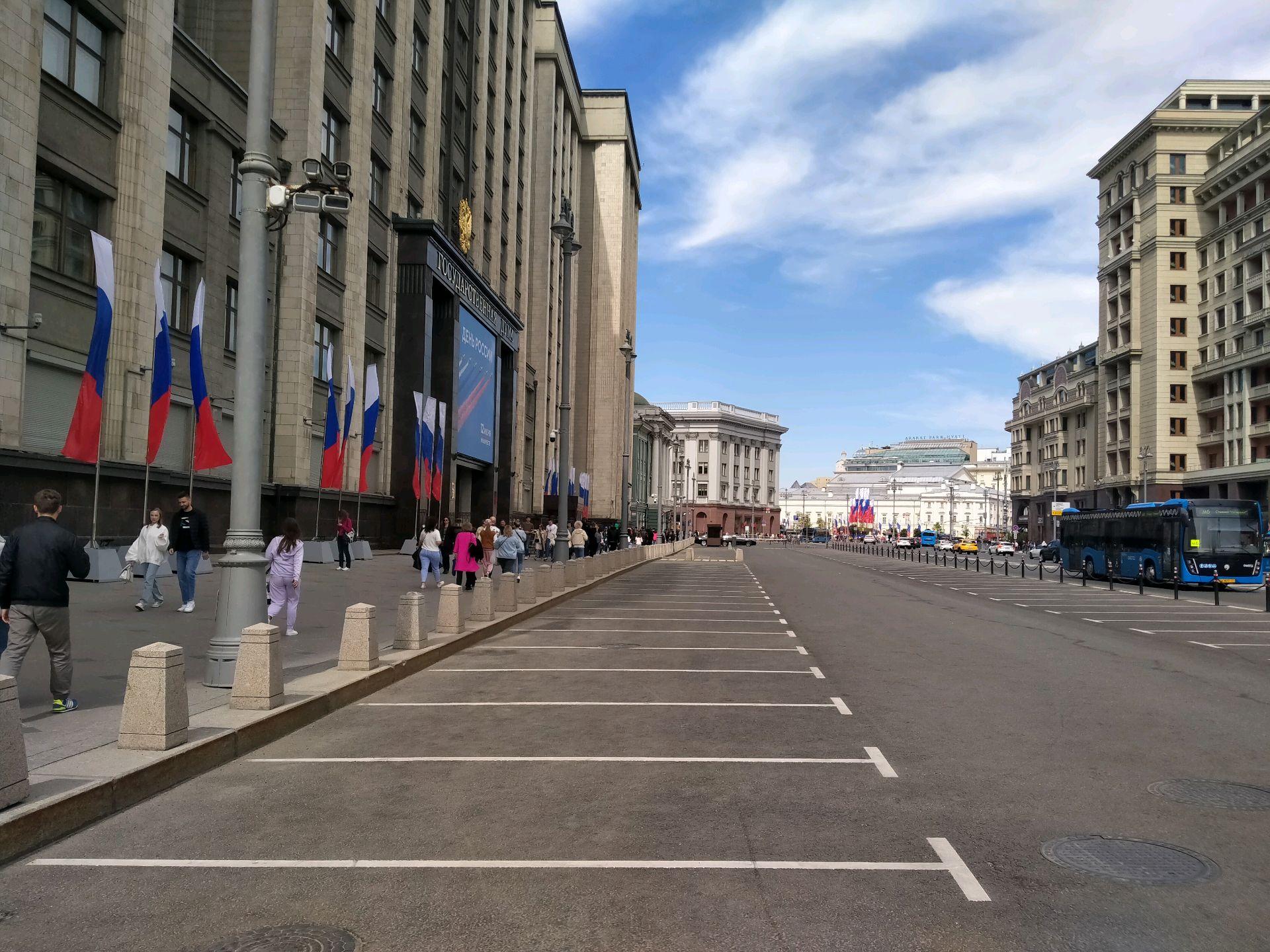
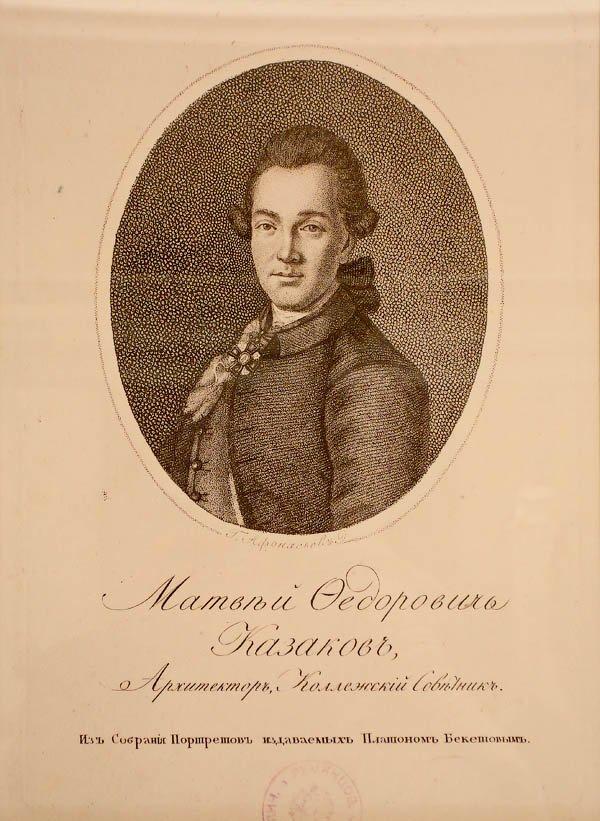
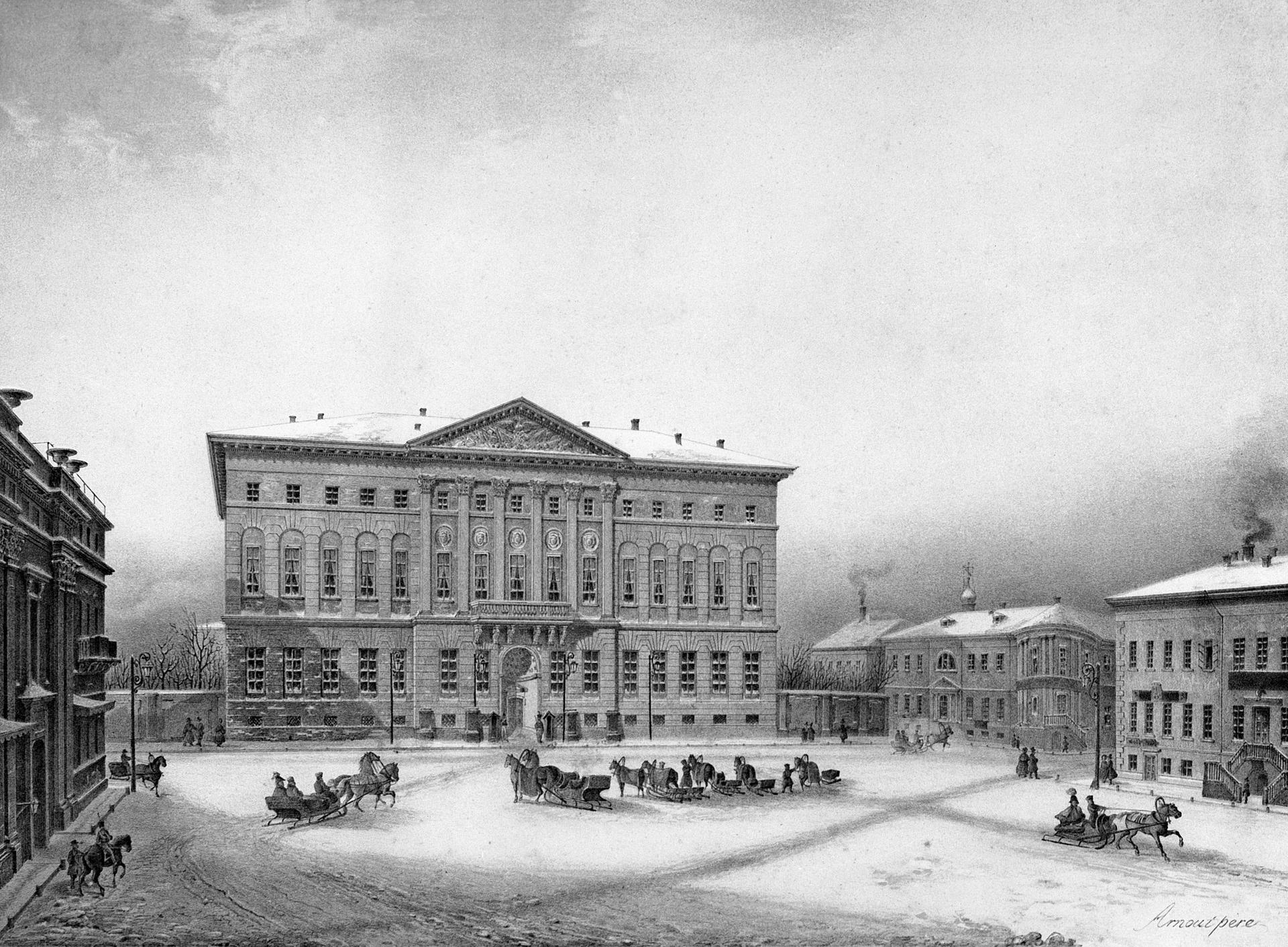
Владение напротив дома московских генерал-губернаторов было расчищено в 1790 году после сноса ветхих деревянных зданий и предназначалось под плац-парад – площадь для военных парадов и развода караула. Расчисткой территории, как и строительством генерал-губернаторского дома, занимался архитектор М.Ф. Казаков.
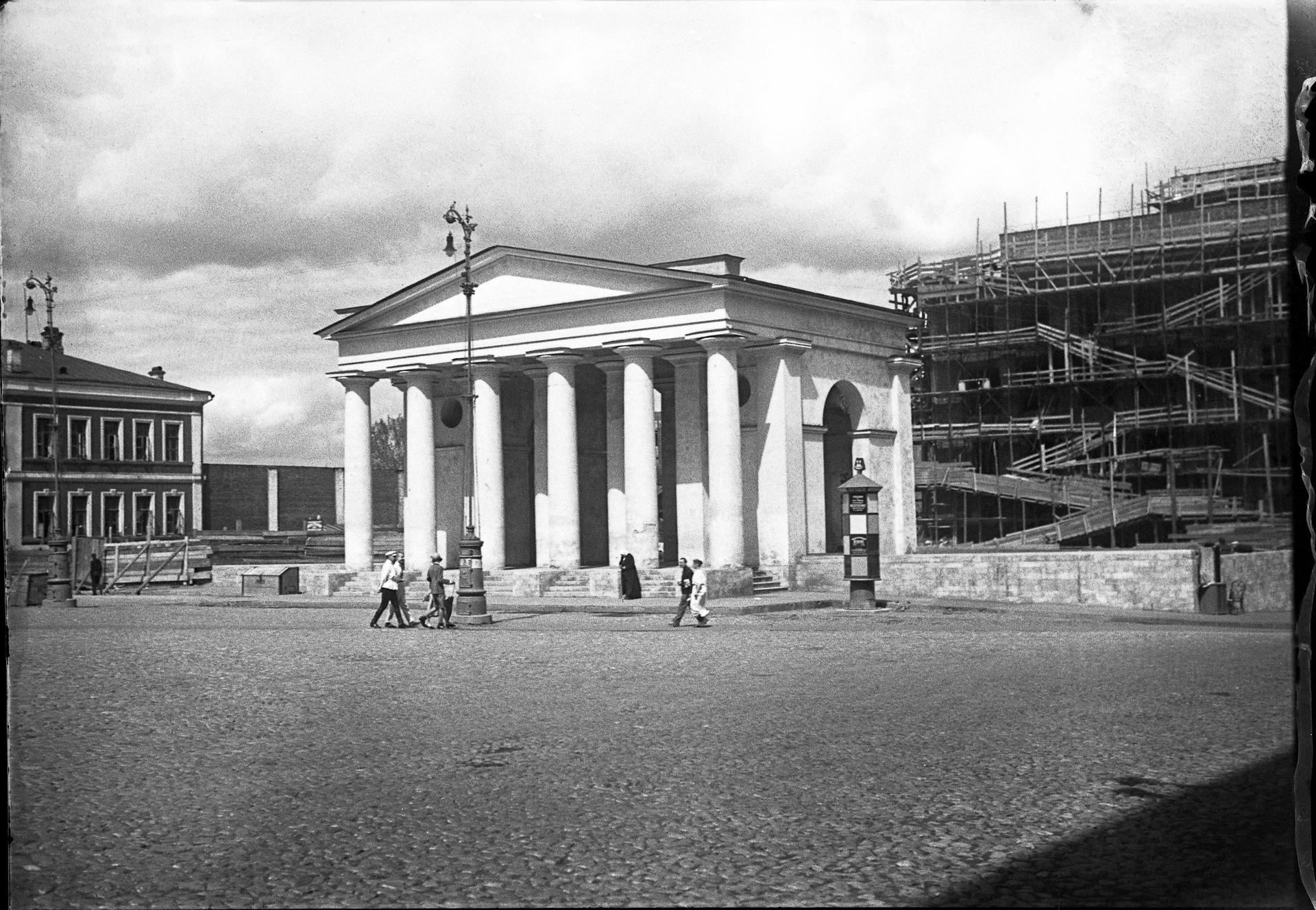
После пожара 1812 года казна выкупила еще одно владение, теперь уже за площадью: в 1823 году там была выстроена Тверская полицейская часть, двухэтажное классицистическое здание с шестиколонным портиком, центральная часть которого венчалась деревянной каланчей – обязательным элементом всех полицейских домов Москвы. Помимо полицейского управления, здесь размещалась пожарная команда и тюрьма, в стенах которой среди прочих арестантов некоторое время провели композитор А.А. Алябьев в 1825 году и драматург А.В. Сухово-Кобылин в 1854 году.
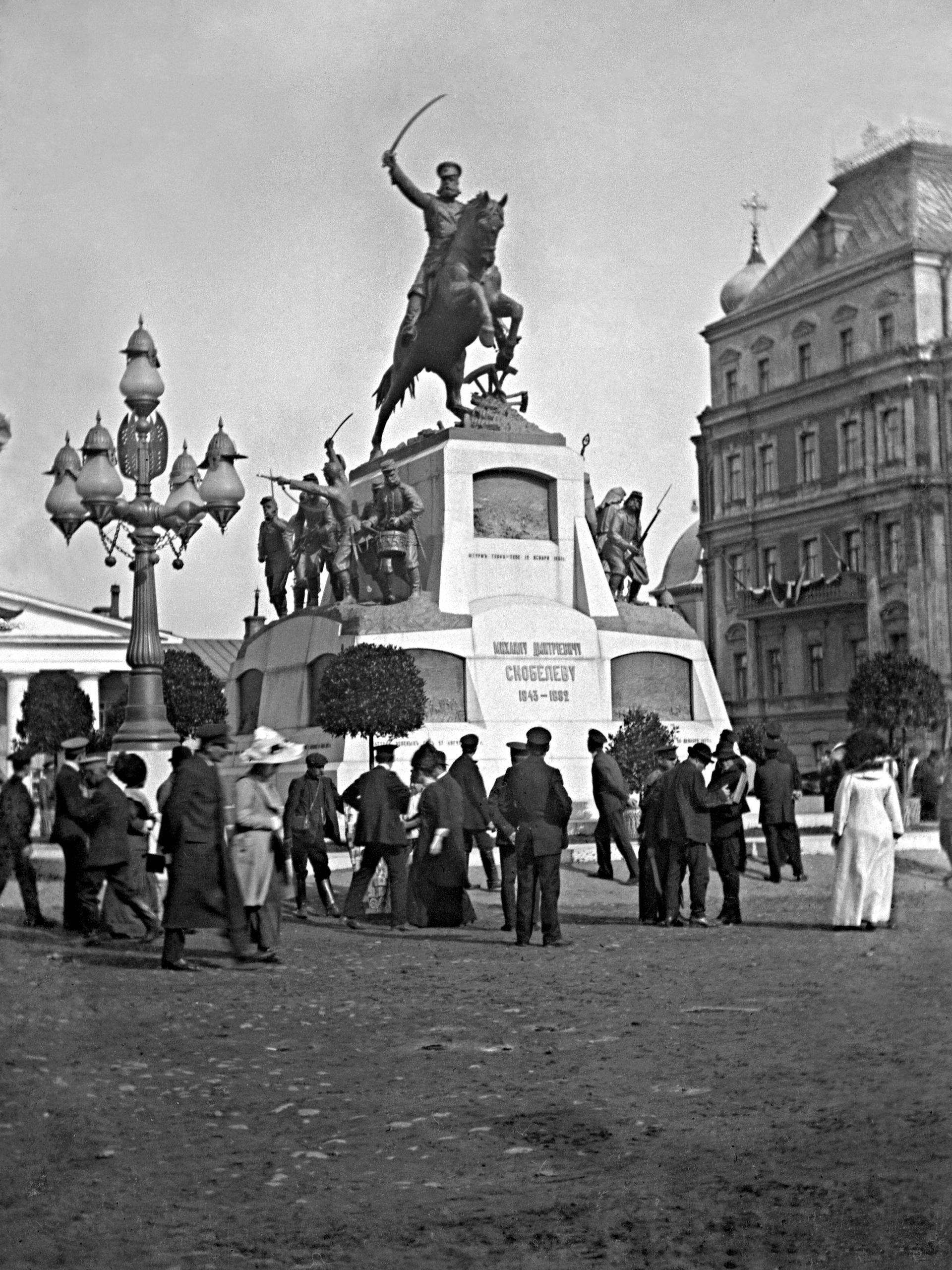
24 июня 1912 года на площади был торжественно открыт памятник покорителю Средней Азии, герою Русско-турецкой войны 1877–1878 годов М.Д. Скобелеву работы скульптора П.А. Самсонова, изображающий «Белого генерала» на коне и с обнаженной саблей, украшенный скульптурными группами солдат и барельефами с изображениями военных баталий. Одновременно и площадь получила новое название – Скобелевская. Простоял монумент недолго: через 6 лет, в 1918 году, советская власть в рамках кампании по снятию старых памятников русским императорам и героям дореволюционной эпохи снесла и фигуру Скобелева.
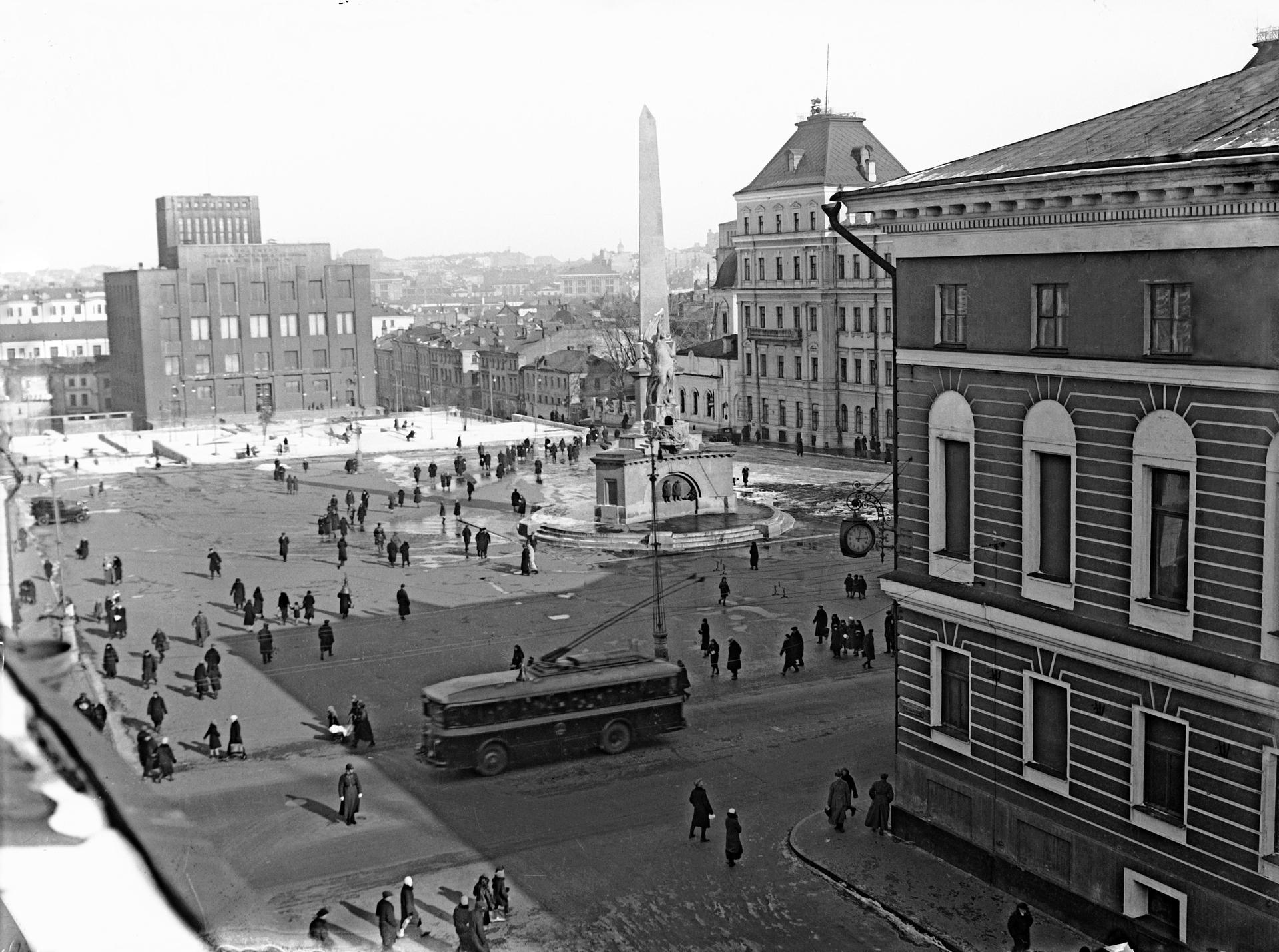
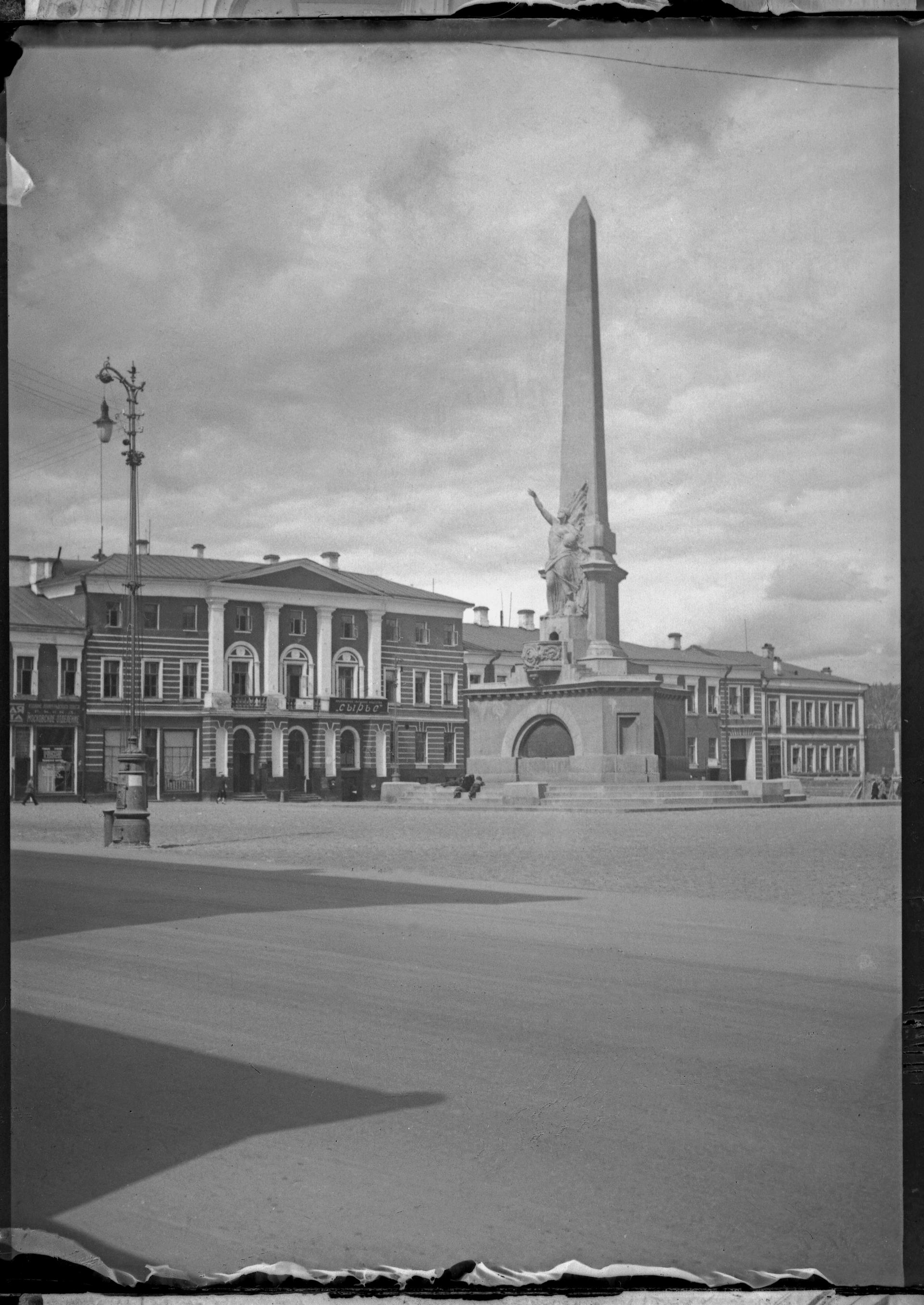
На смену «Белому генералу» пришел монумент в честь первой советской Конституции 1918 года: трехгранный обелиск с текстом Конституции РСФСР. Кроме того, в подражание американской Статуе Свободы перед памятником была поставлена «Советская Свобода», созданная скульптором Н.А. Андреевым. Сама же площадь была переименована в Советскую. Здание Тверской полицейской части уничтожили в несколько приемов: сначала снесли основную часть, оставив колоннаду и превратив ее в пропилеи, а затем сломали и этот остаток, разбив еще один сквер с гранитным памятником В.И. Ленину работы скульптора С. Меркурова.
Обелиск и Статуя Свободы были взорваны в ночь с 21 на 22 апреля 1941 года, за два месяца до начала Великой Отечественной войны – по официальной версии, в рамках реконструкции улицы Горького. Пустовала площадь недолго: в 1947 году на ней в рамках празднования 800-летия Москвы был заложен памятник князю Юрию Долгорукому, который торжественно открыли в 1954 году. Чуть ранее был надстроен бывший генерал-губернаторский дом, ставший местом заседаний Моссовета. После этого значительных изменений в облике площади более не происходило.
But it was not always like that, the appearance of the square repeatedly changed dramatically, monuments raised and disposed of in accordance with the ideological current situation
Today, this composition looks logical and European-style: a monument to the founder of the city is across the street from the town hall, the city's main governing body. But it was not always like that, the appearance of the square repeatedly changed dramatically, monuments raised and disposed of in accordance with the ideological current situation
Possession of the house in front of the Moscow governors-general were cleared in 1790 after the demolition of dilapidated wooden buildings and designed as the parade ground - the area for military parades and divorce guard. Land clearing, as well as the construction of general-governor's house, engaged the architect MF Cossacks. After the fire of 1812 the Treasury bought another possession, now for the area: in 1823 there was built Tverskaya police units, two-story building with a classic six-columned portico, the central part of which is crowned by a wooden observation tower - a mandatory element of all police buildings in Moscow. In addition to the police department, it housed the fire brigade and prison, the walls of which, among other prisoners spent some time composer AA Alyabyev in 1825 and playwright AV Sukhovo-Kobylin in 1854. June 24, 1912 on the square was inaugurated a monument to the conqueror of Central Asia, the hero of the Russian-Turkish war of 1877-1878 MD Skobelev sculptor PA Samsonov, depicting the "White General" on the horse and a naked sword decorated with sculptural groups of soldiers and bas-reliefs depicting military battles. At the same time, and the area was renamed - Skobelevskaya. Monument stood for long: after 6 years, in 1918, the Soviet authorities in the campaign to remove the old monuments of Russian emperors and heroes of the pre-revolutionary era and laid Skobeleva figure.
In place of the "White General" came a monument in honor of the first Soviet Constitution of 1918: triangular obelisk with the text of the Constitution of the Russian Federation. In addition, in imitation of the American Statue of Liberty in front of the monument was put "Soviet Freedom", created by the sculptor NA Andreev. The very same area was renamed the Soviet. The building of the Tver police killed in several stages: first, the main part was demolished, leaving the colonnade and turning it into propylene, and then broke down and the residue, breaking another square with a granite monument to VI Lenin by sculptor S. Merkurov. Obelisk and the Statue of Liberty were blown up in the night from 21 to 22 April 1941, two months before the beginning of the Great Patriotic War - the official version, in the reconstruction of Gorky Street. Empty area for long: in 1947 for her in celebration of the 800th anniversary of Moscow was laid on the monument to Prince Yury Dolgoruky, which was inaugurated in 1954. A little earlier, was built on the former governor-general's house, which became the seat of the Moscow City Council. After that significant changes in the appearance of the area is no longer happening.