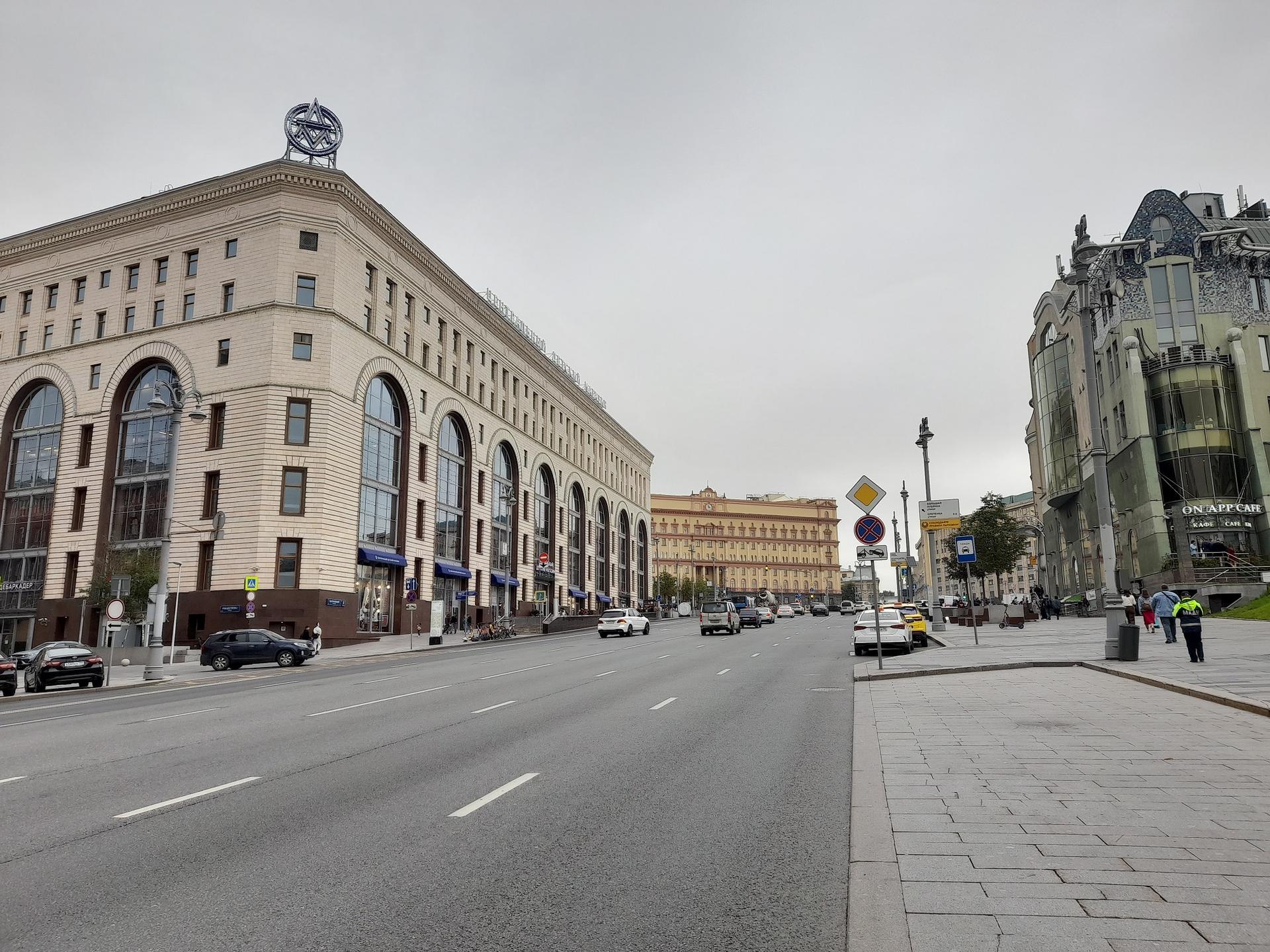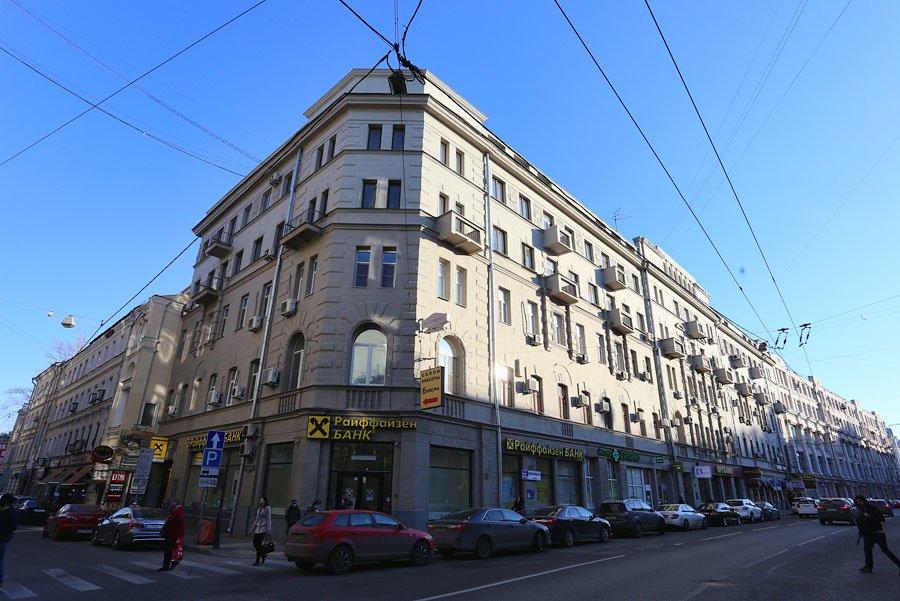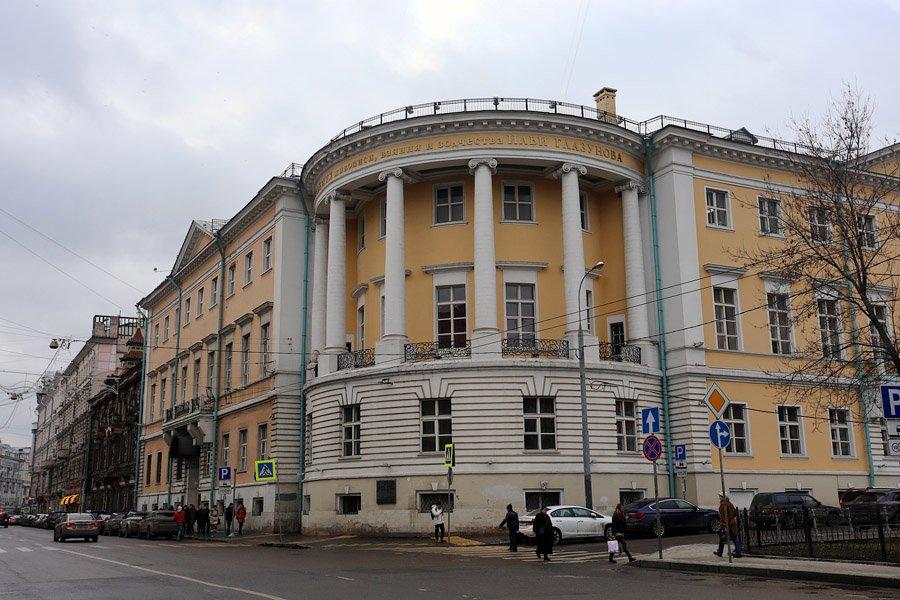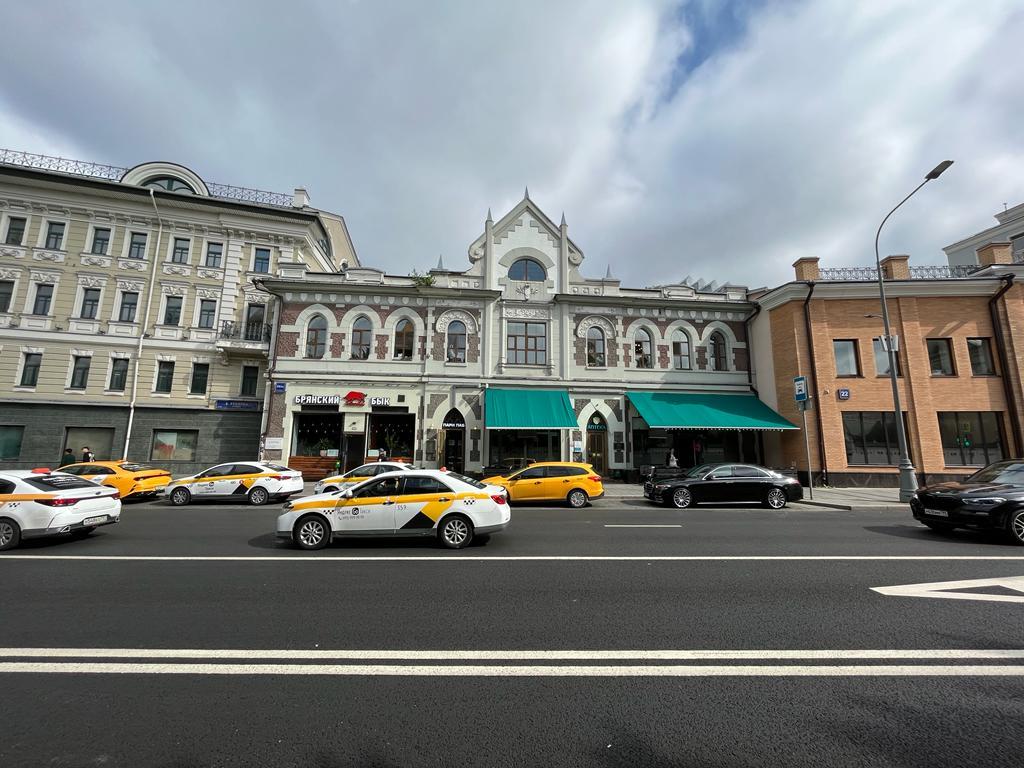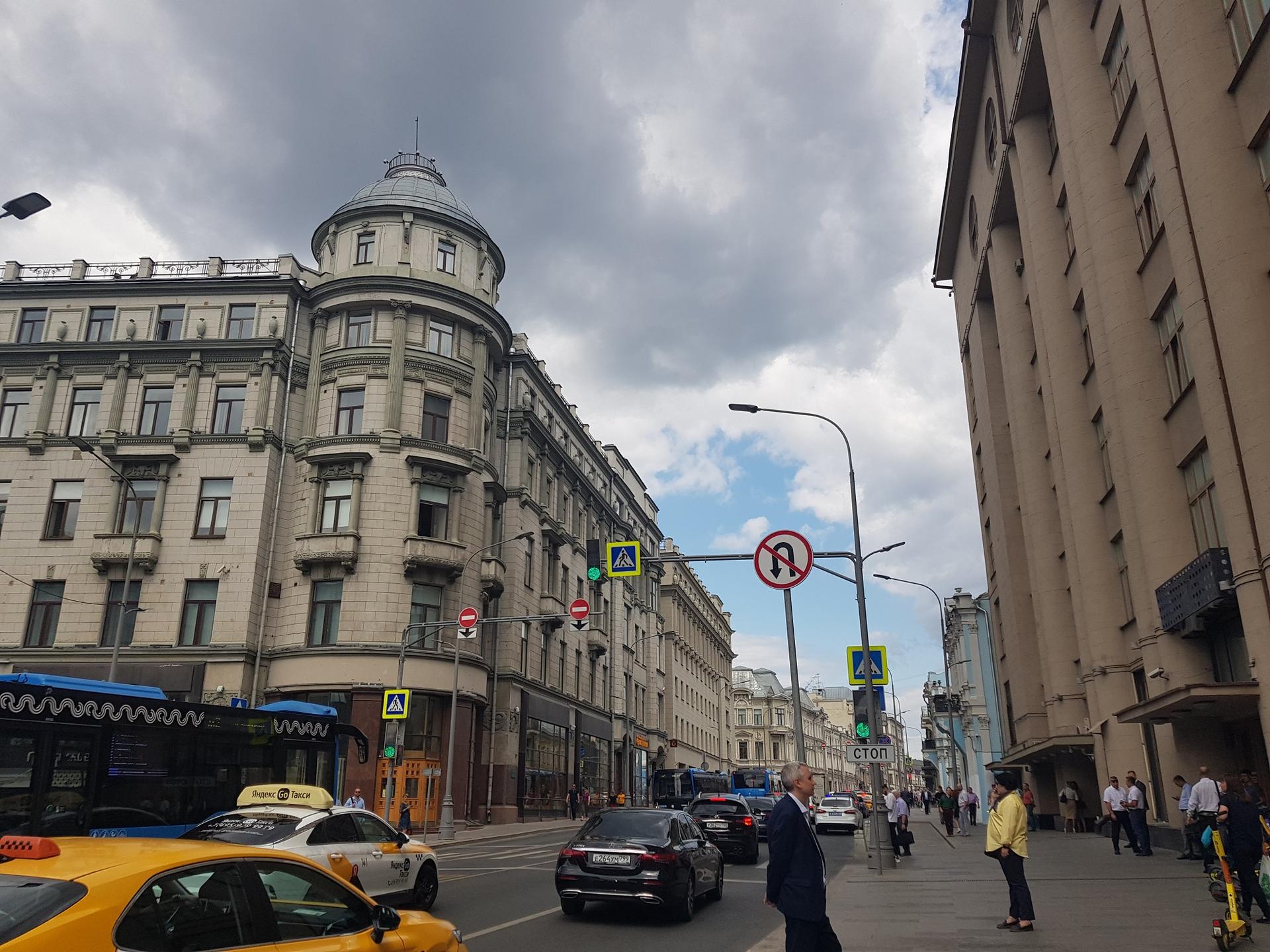
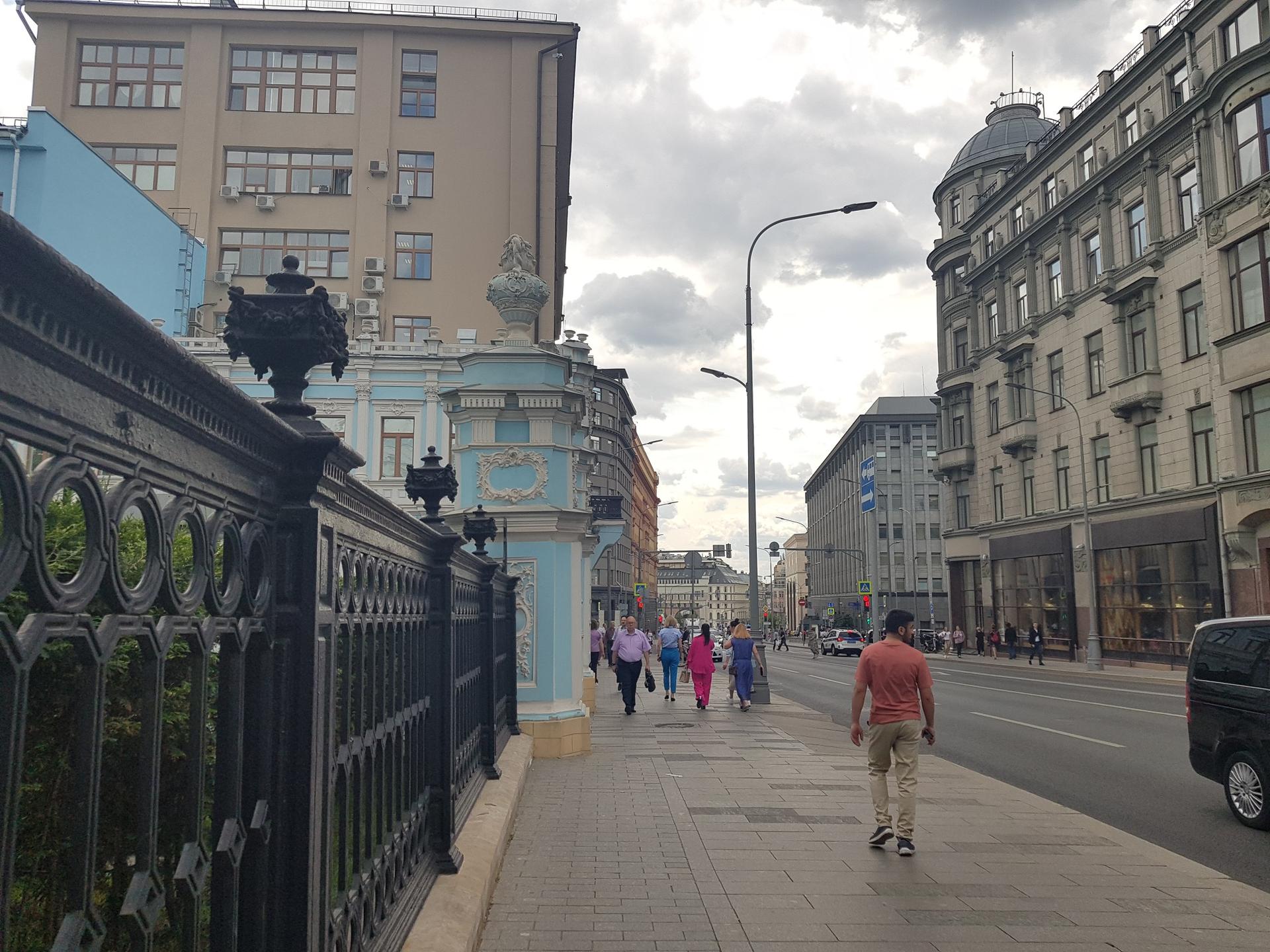
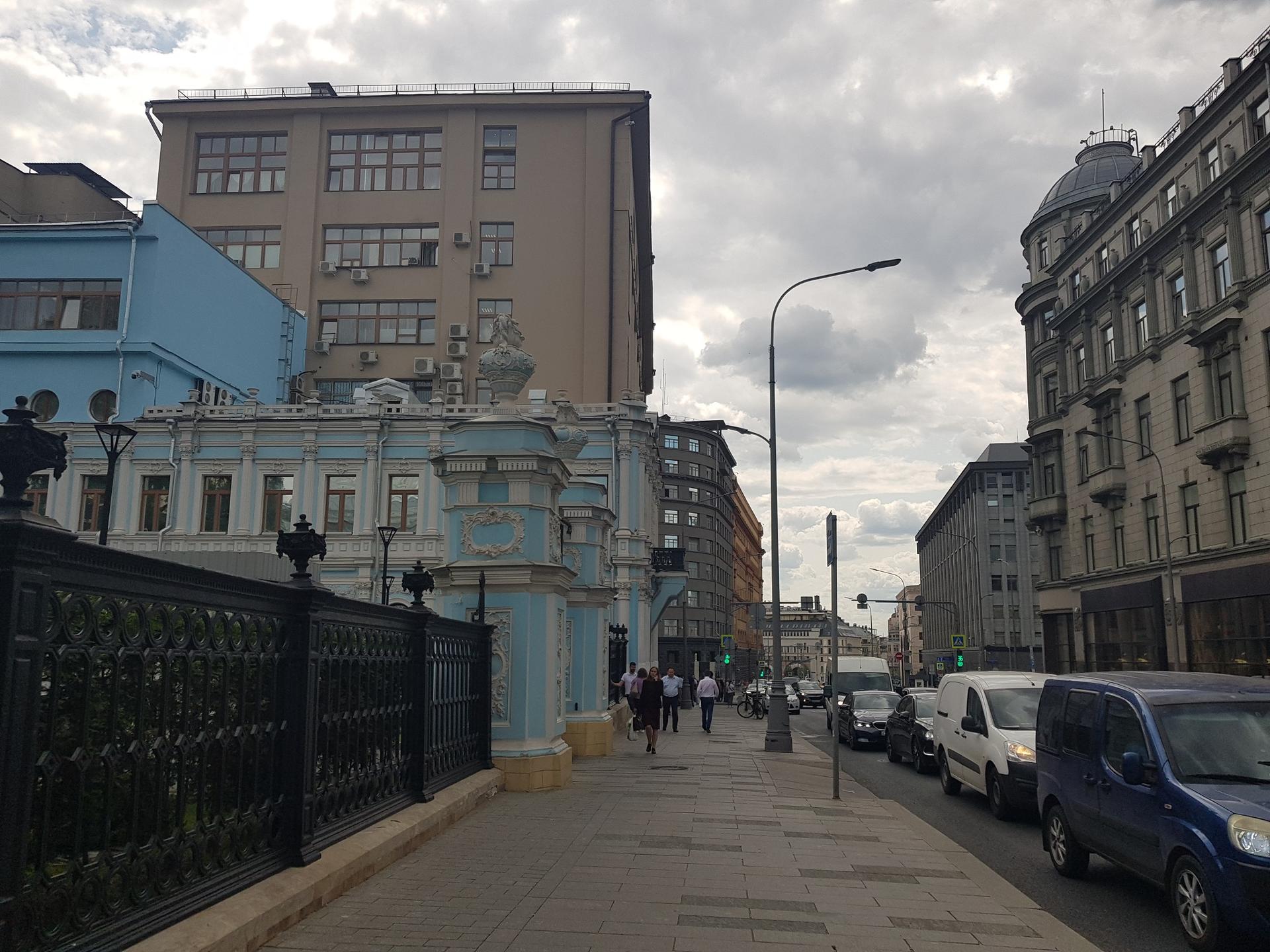
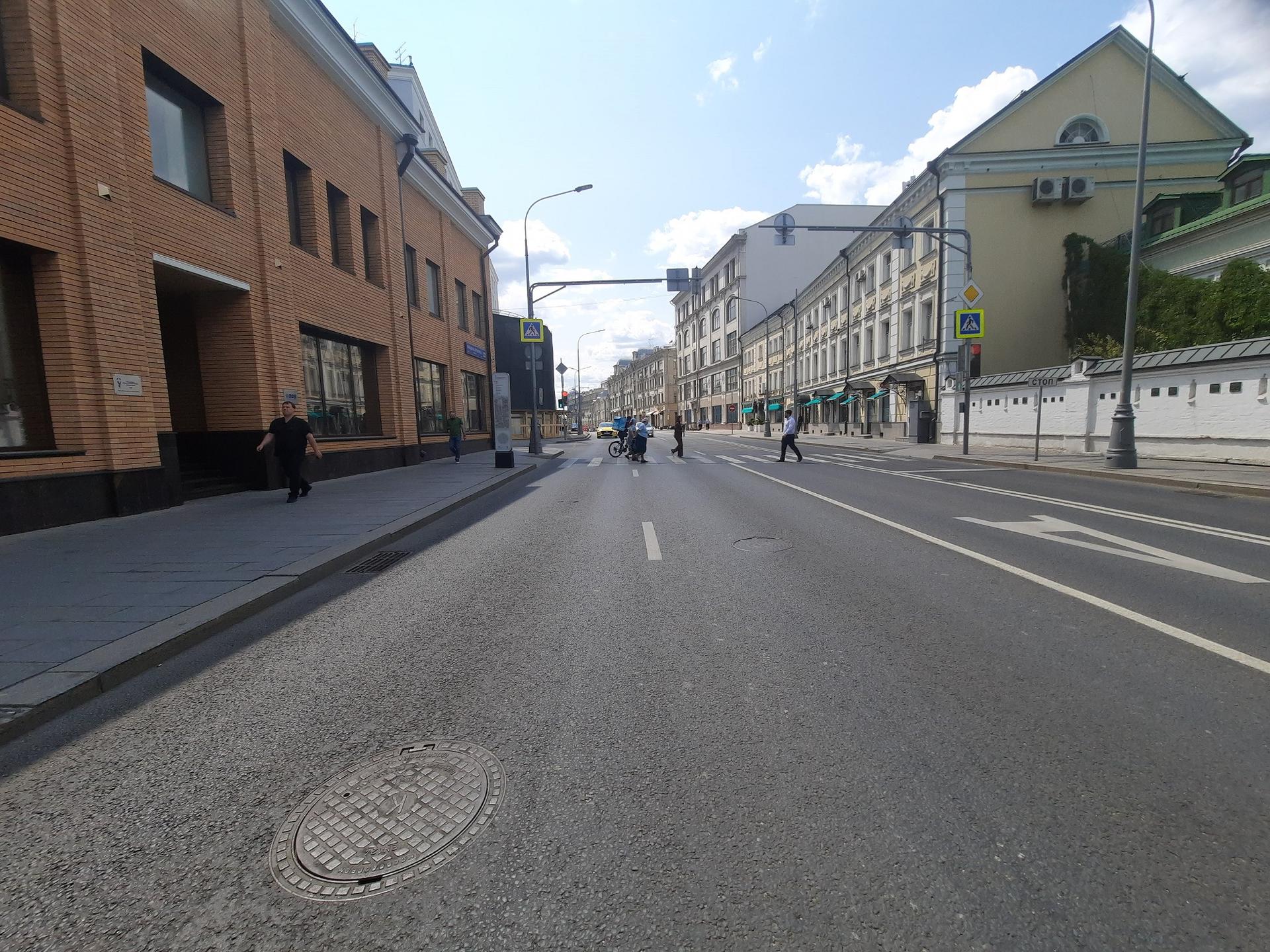
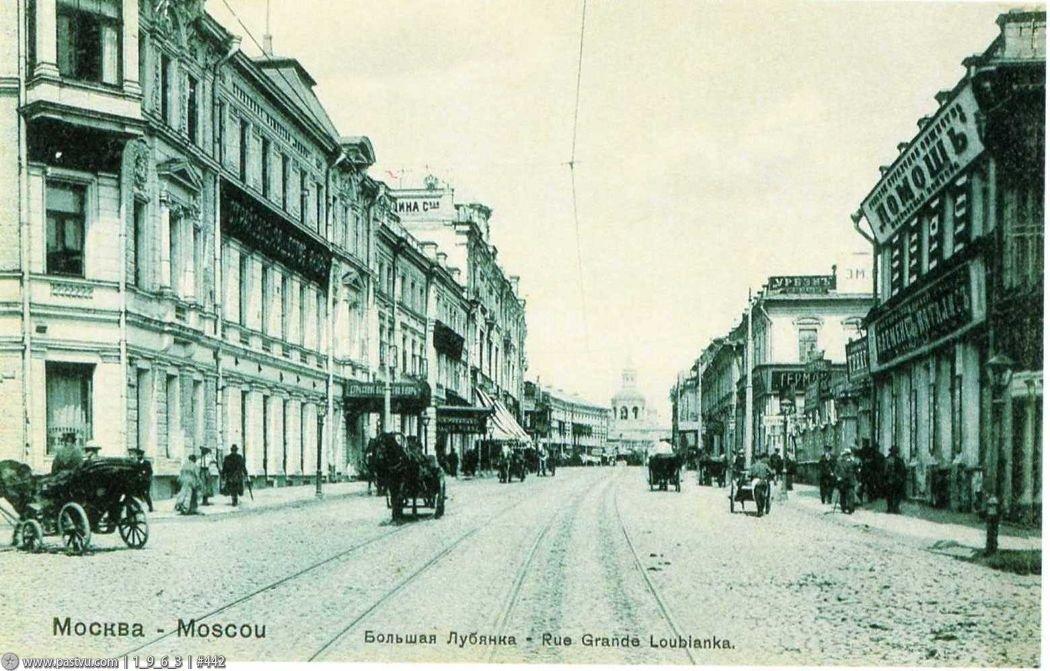
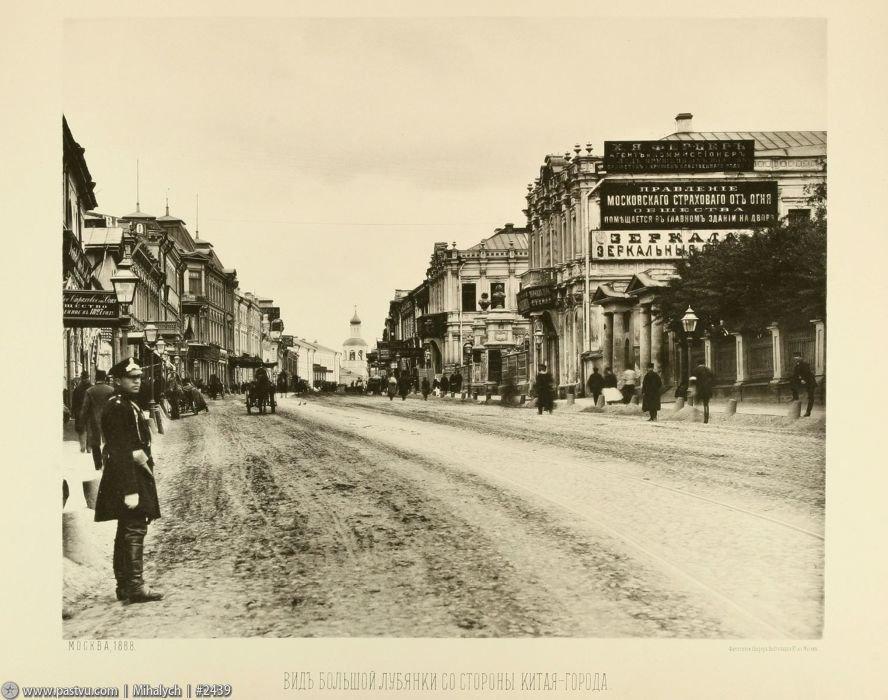
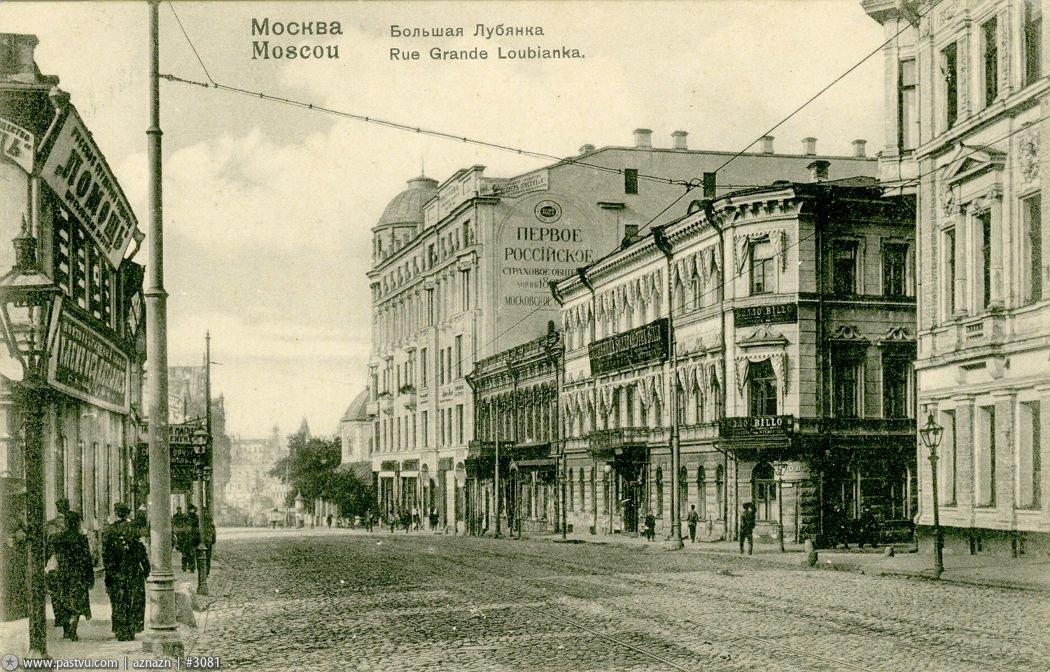
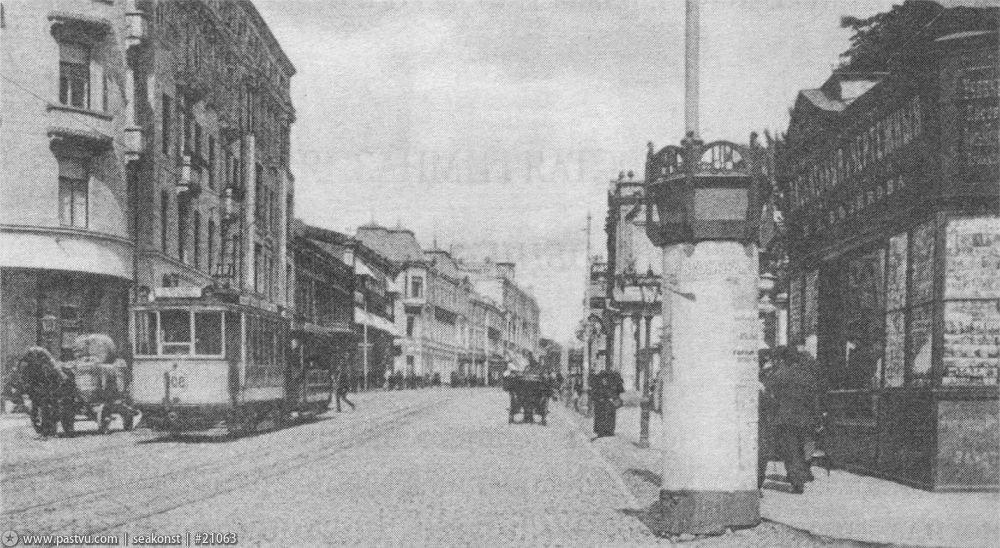
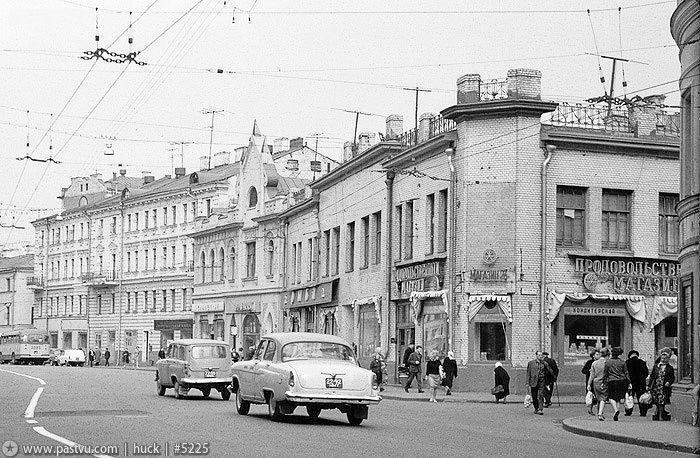
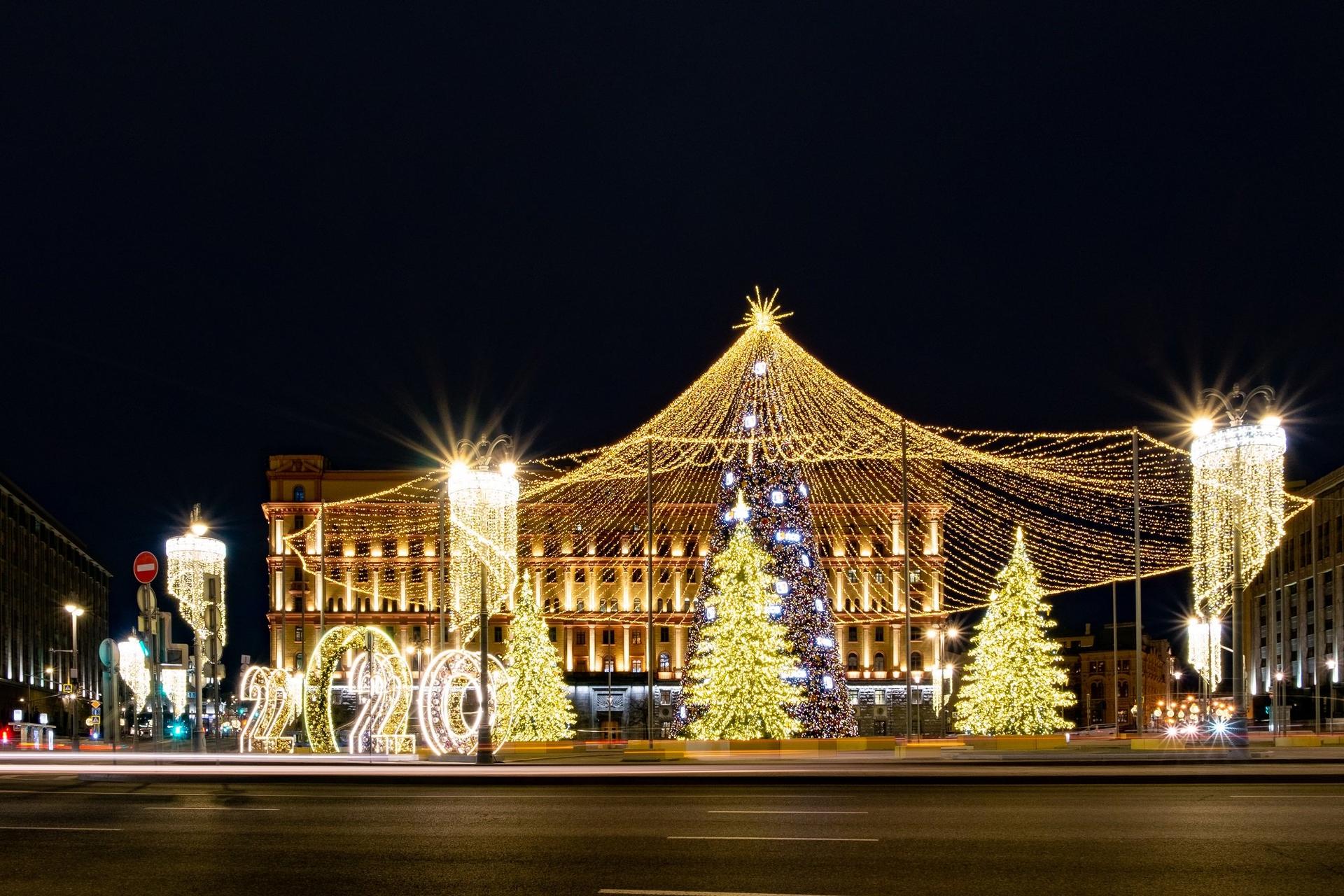
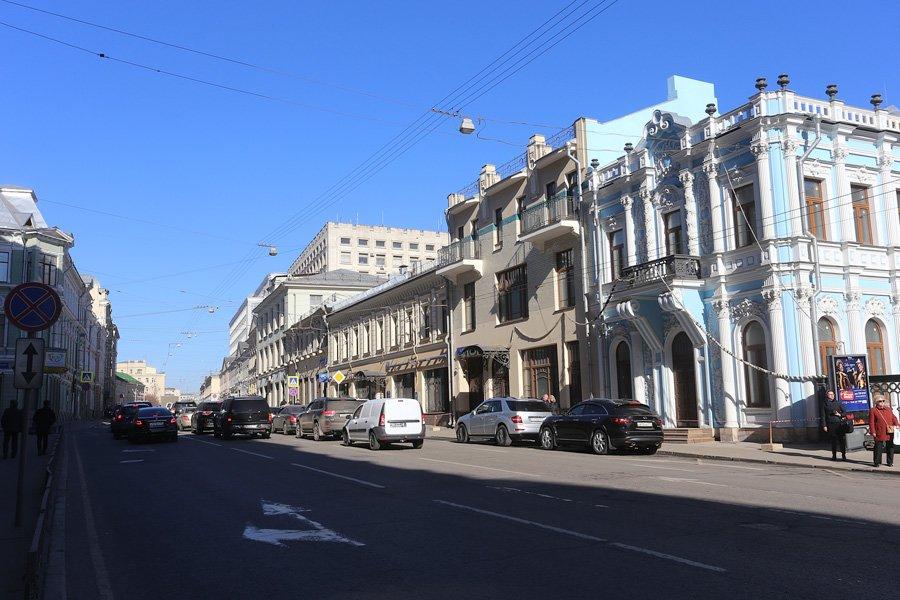
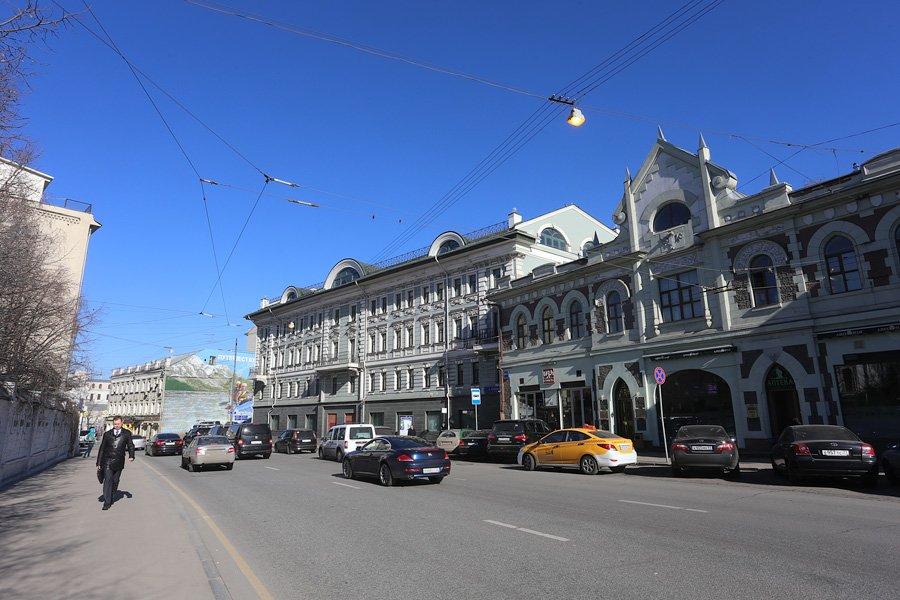
Для московских князей дороги в другие города начинались прямо от Кремля. Дорога на Ярославль и далее на север еще задолго до постройки стен Китай-города и Белого города проходила по современным Никольской улице, Большой Лубянке и Сретенке. Эти улицы последовательно образовались с постройкой сначала стен Китай-города, затем Белого города.
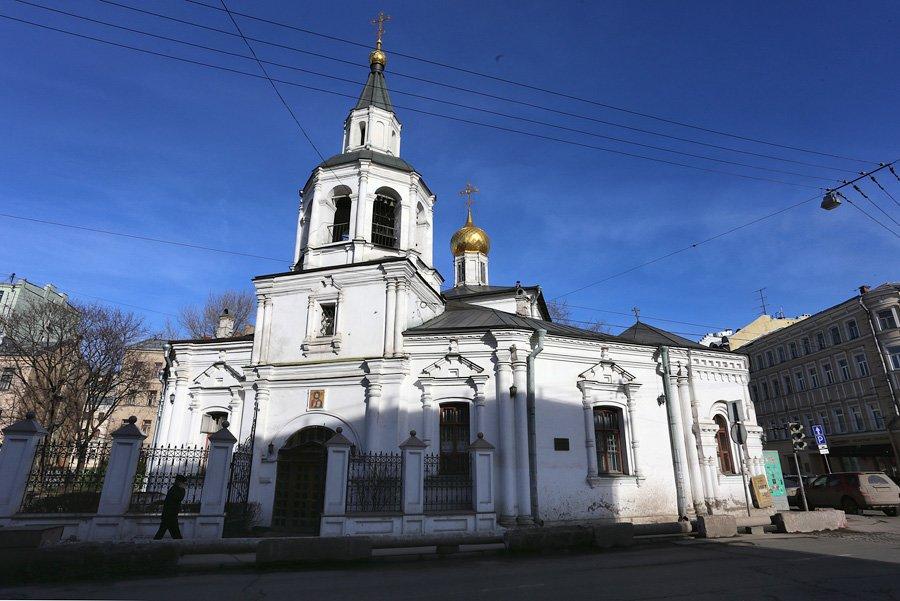
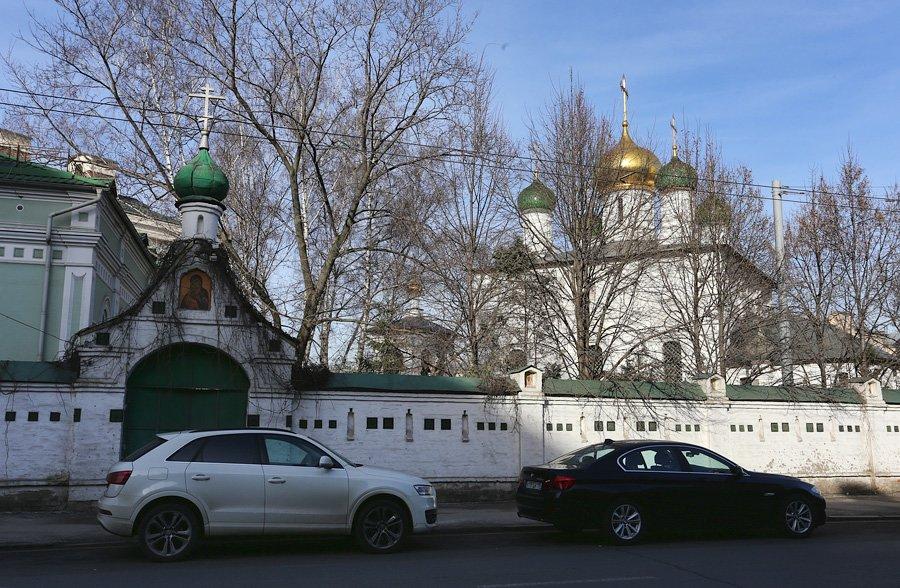
Современная улица Большая Лубянка начинается от Лубянской площади и заканчивается на площади Сретенских ворот. За свое многовековое существование она не раз меняла названия. Самое раннее из известных ее наименований – Сретенка. Оно появилось на рубеже XIV-XV веков в связи со знаменательным событием, произошедшим на улице. Дабы оградить Москву от нападения Тамерлана, сюда из Владимира была принесена одна из самых почитаемых икон на Руси – Владимирской Богоматери. Торжественная встреча, т.е. сретение, москвичей с иконой произошла возле церкви Марии Египетской, которая стояла ближе к концу нынешней улицы Большая Лубянка на нечетной ее стороне. Нашествия Тамерлана удалось избежать, и вскоре в память о встрече с чудотворной иконой-спасительницей рядом с церковью Марии Египетской был основан Сретенский монастырь, давший название и всей улице.
В начале XIX века она стала именоваться Большая Лубянка, по названию площади, от которой начинается. С 1926 г. улица носила имя Дзержинского, с 1991 г. вновь стала Большой Лубянкой.
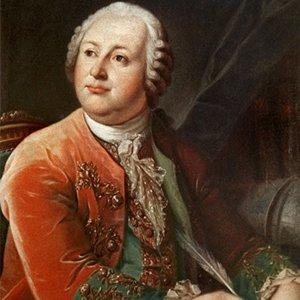
Улица славилась крестными ходами, проходившими по ней с момента основания Сретенского монастыря. В 1611 г. здесь проходили тяжелые бои, в нескольких местах мостовая была перекрыта баррикадами. Особенно кровопролитным был бой возле церкви Введения во храм Пресвятой Богородицы напротив владений князя Пожарского. Сам князь возглавил сражение и был тяжело ранен в бою. В 1662 г. на этой улице началась смута, приведшая к так называемому «медному бунту» в Москве. В 1731 г. по тогдашней Сретенке шел путь М.В. Ломоносова, идущего из Холмогор в Москву. Девятнадцатый век превратил улицу в одну из главных торговых площадок, а в конце века ее заполонили правления и главные агентства многочисленных страховых обществ.
В XX веке Большая Лубянка понесла значительные потери. Помимо разрушения двух названных церквей, большинства своих храмов и строений лишился Сретенский монастырь, который был упразднен и лишь в 1990-е гг. возвращен церкви. Полностью была уничтожена застройка начала улицы, где стояли дома церковного причта, были оптический магазин, торговавший физическими приборами и инструментами, часовой и охотничий магазины, кондитерская, ювелирный магазин, правление международной компании фабрикантов и заводчиков в Америке с главной конторой в Чикаго и др.
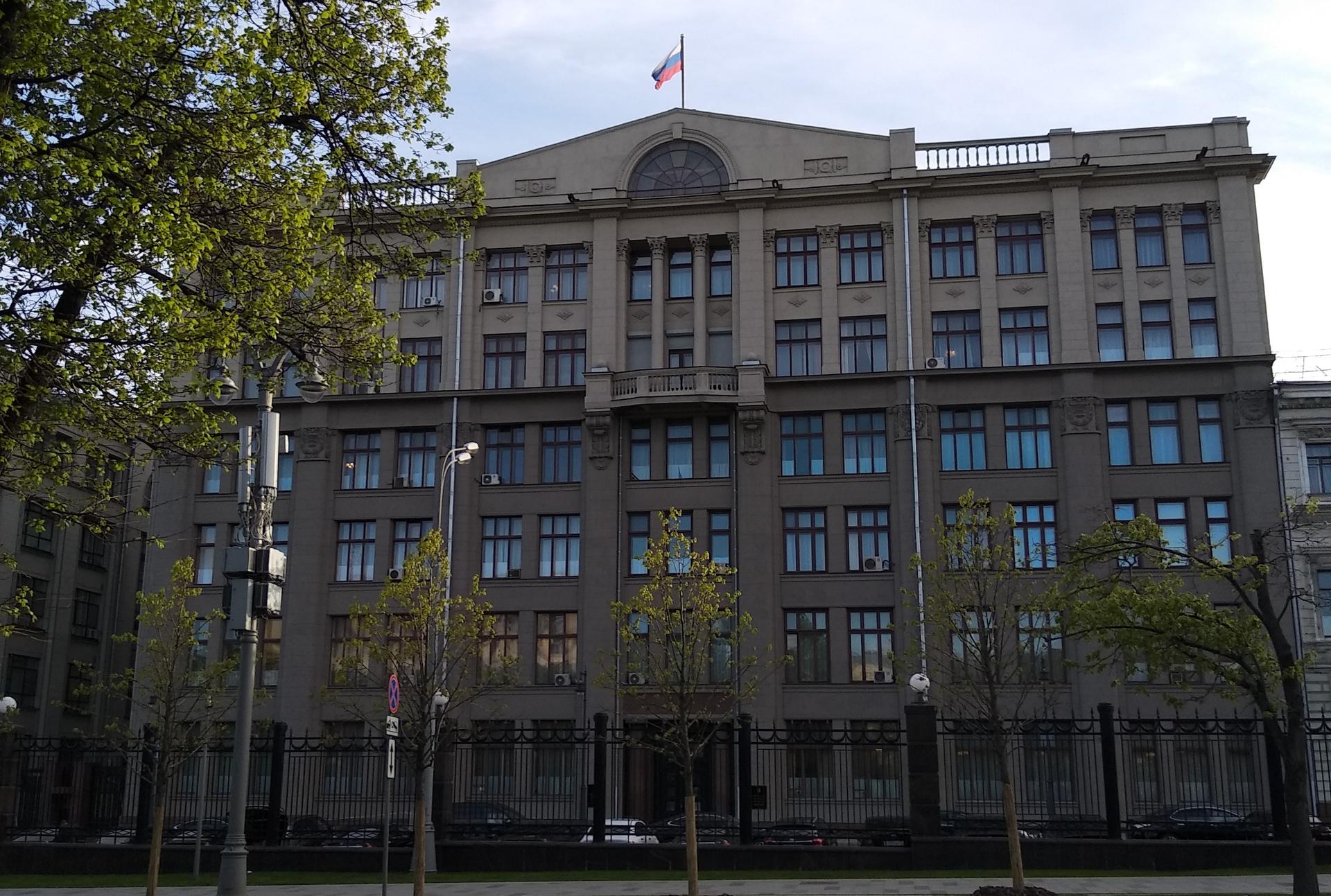
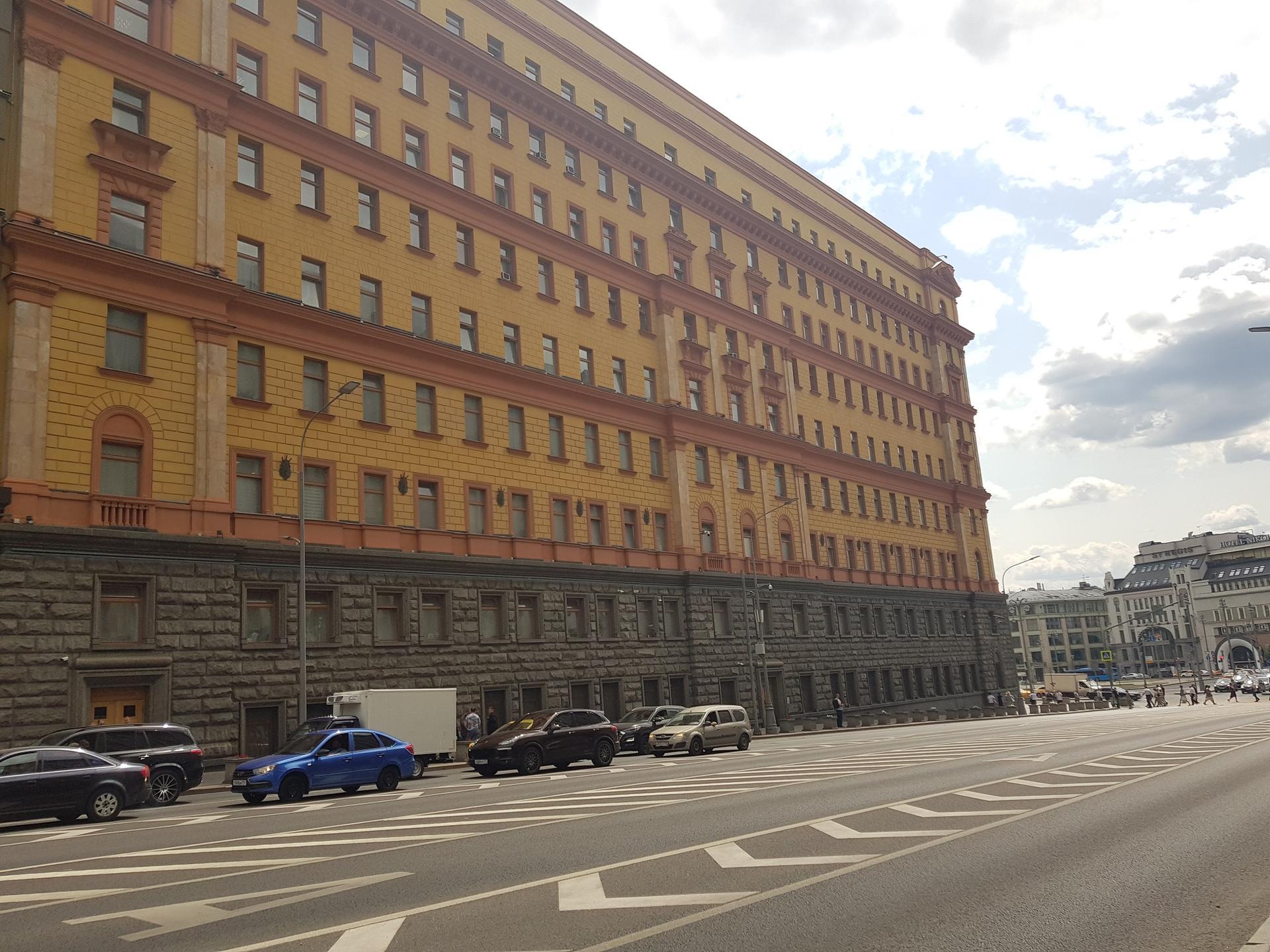
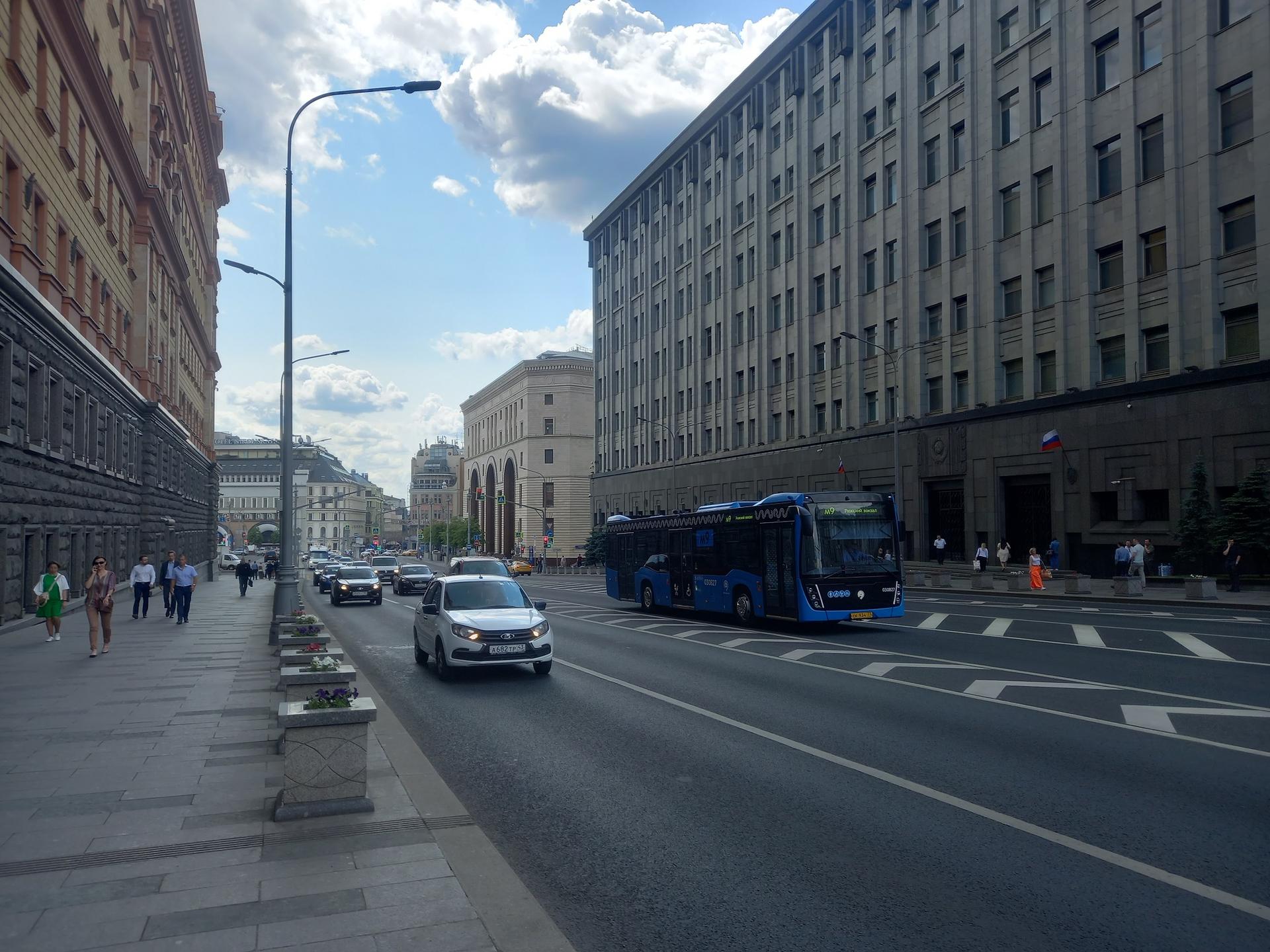
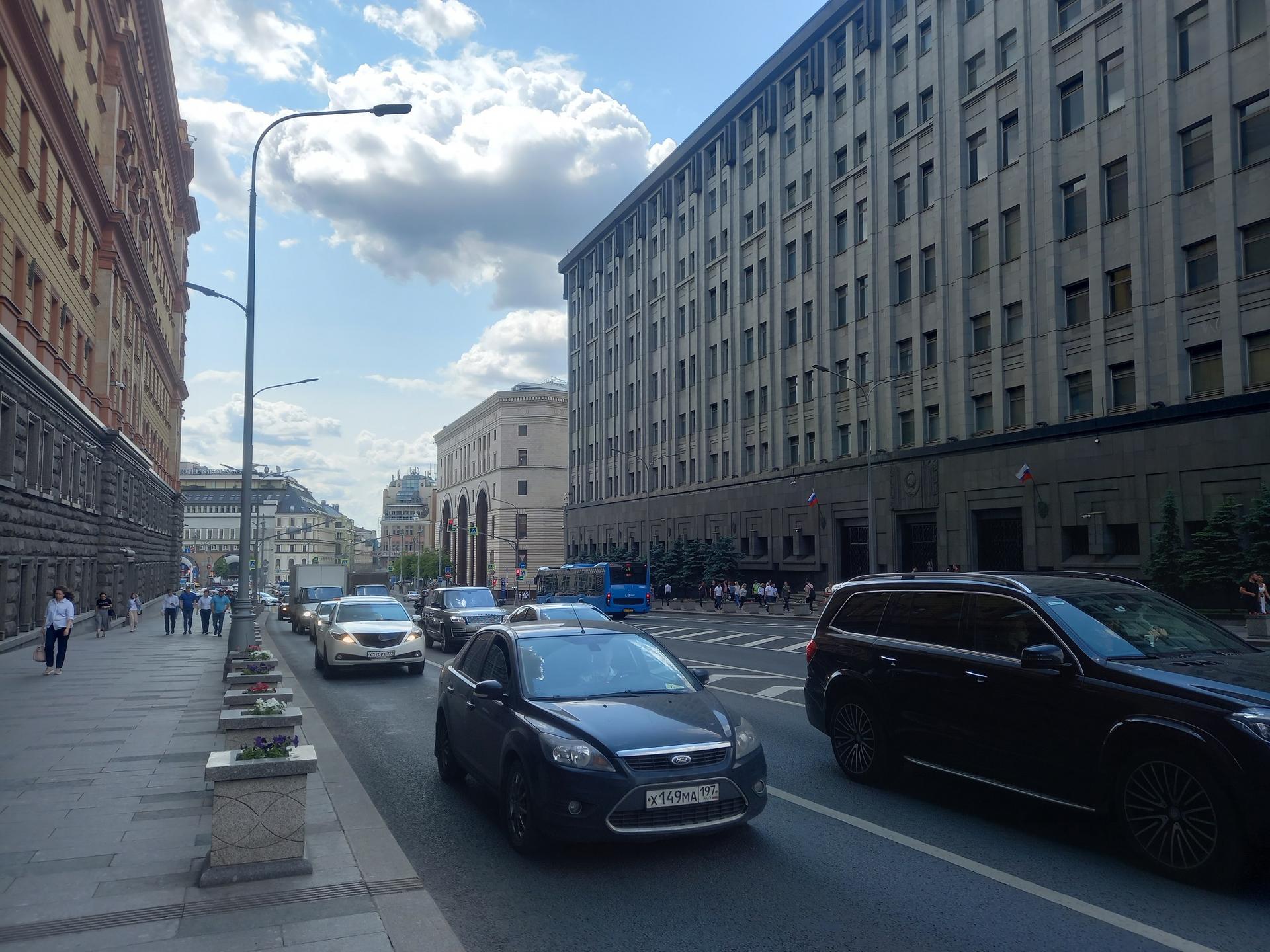
В 1920-х гг. все четные строения начала улицы занял ОГПУ, в конце десятилетия большинство из них было снесено, а в 1930-е гг. началось строительство огромного комплекса существующих ныне зданий ФСБ, занимающих целый квартал. На нечетной стороне здание того же ведомства было построено в 1979-1982 гг.
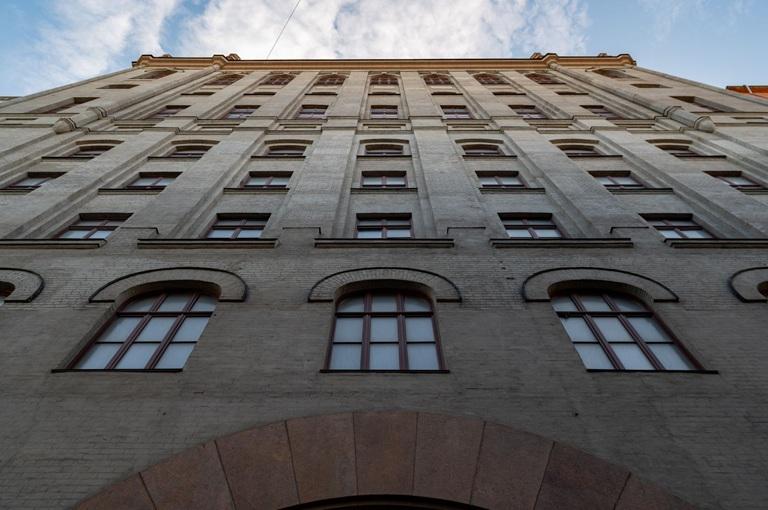
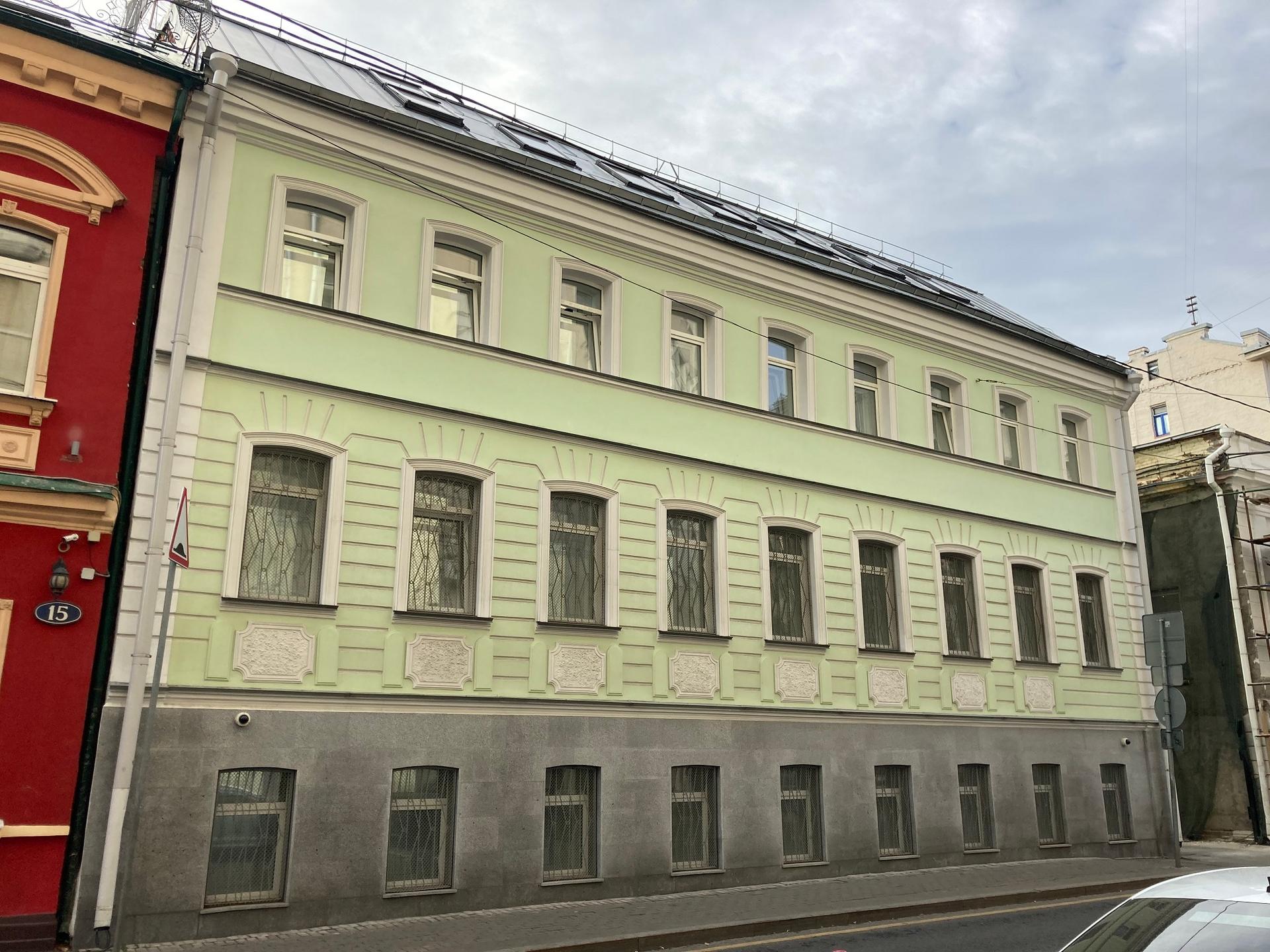
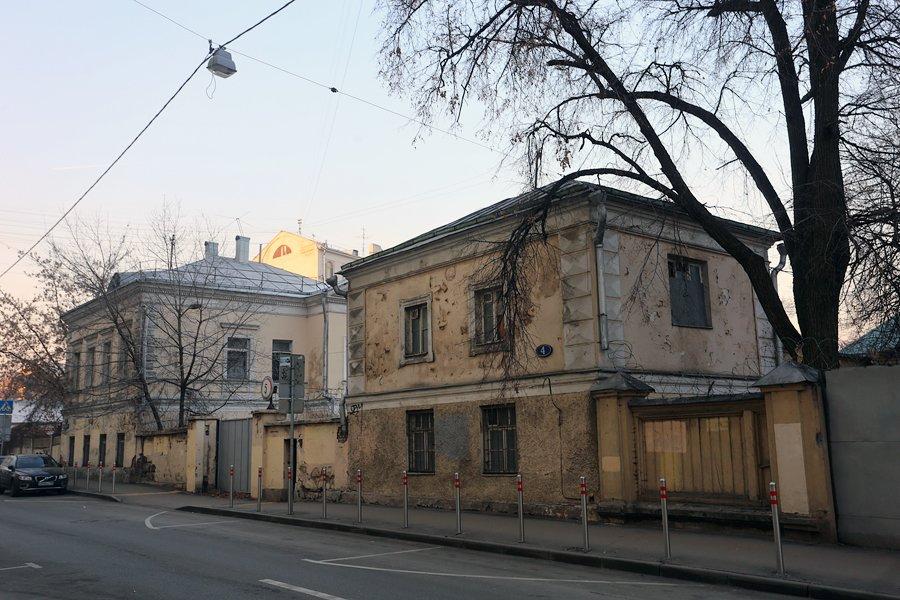
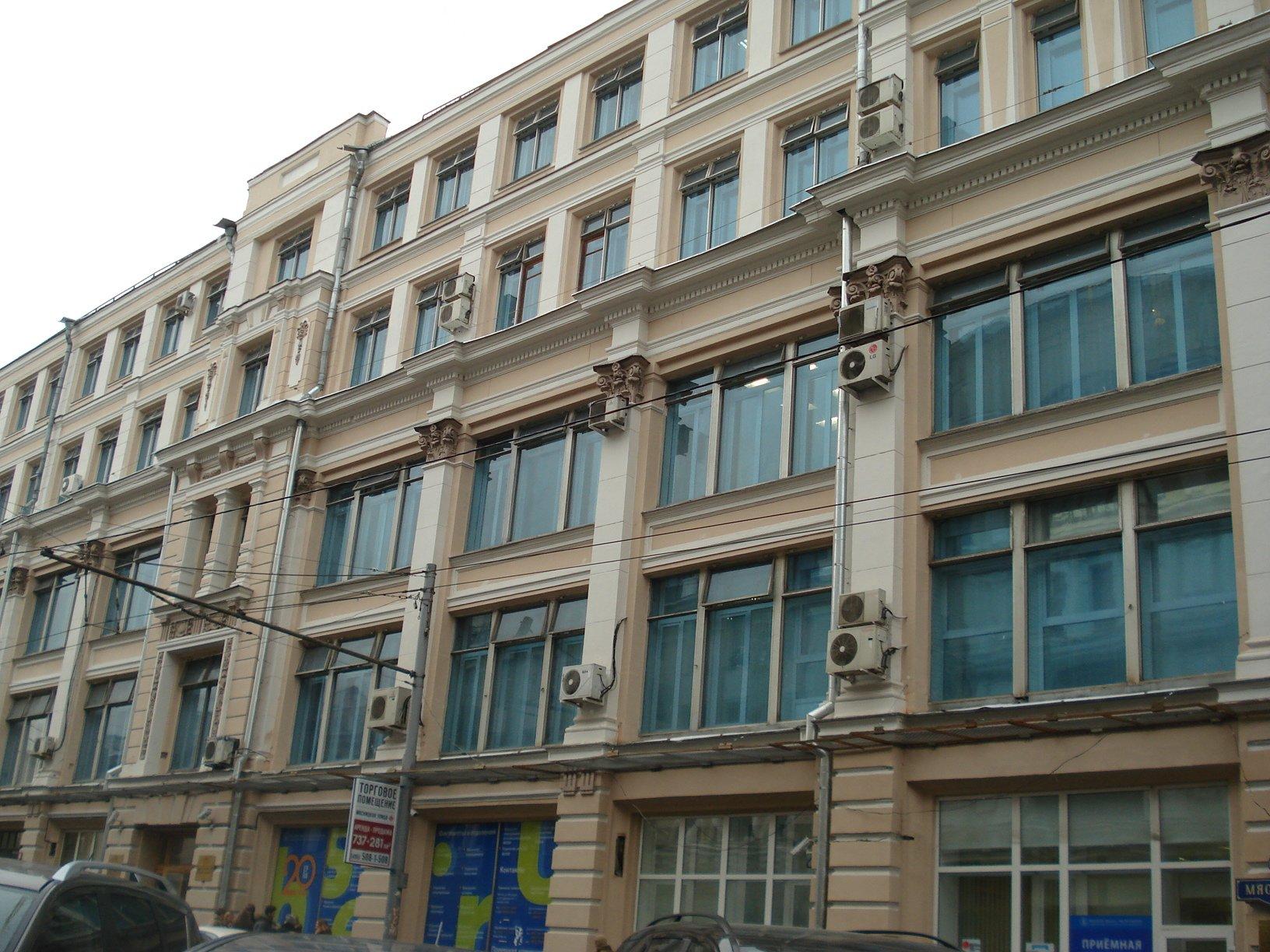
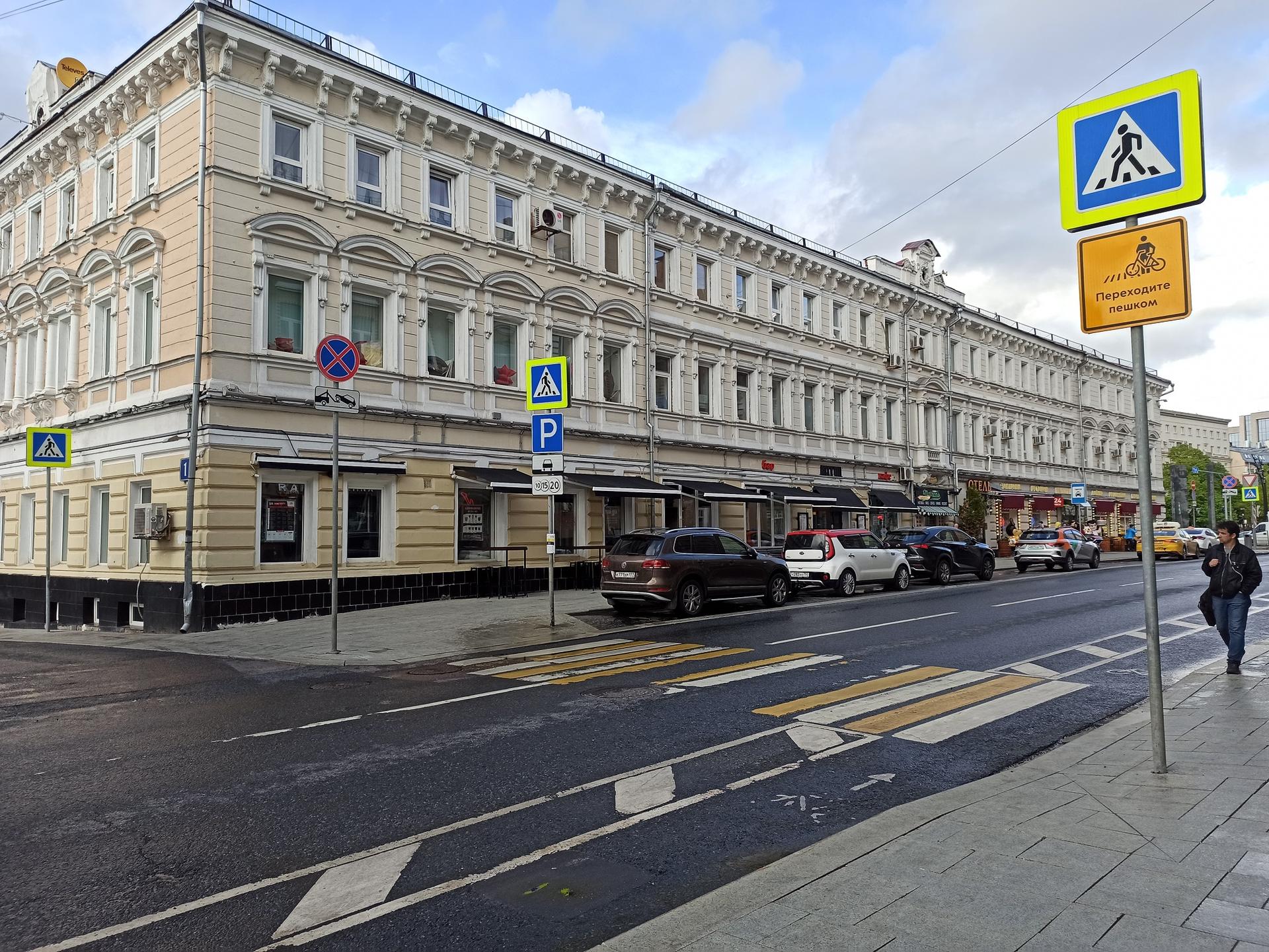
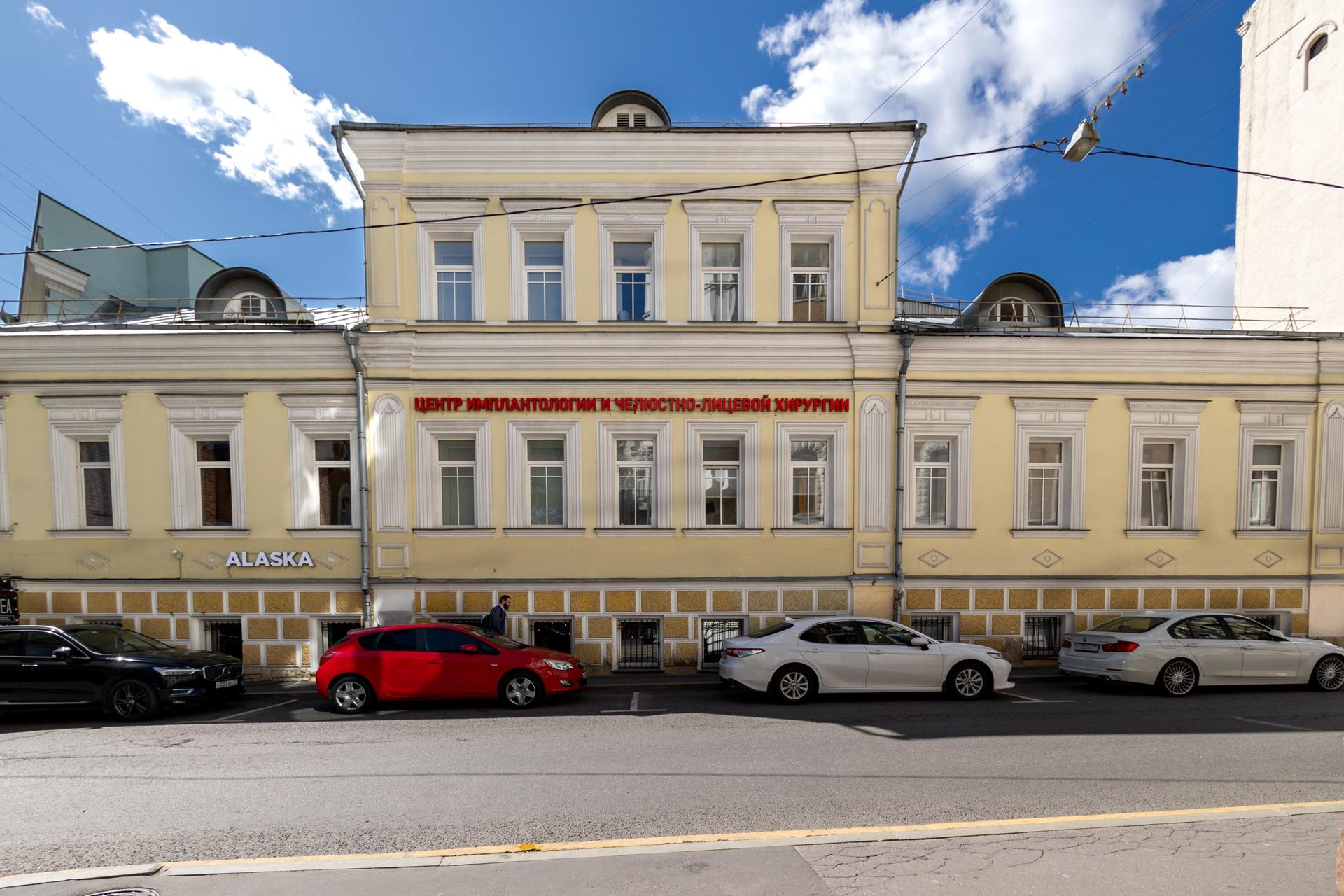
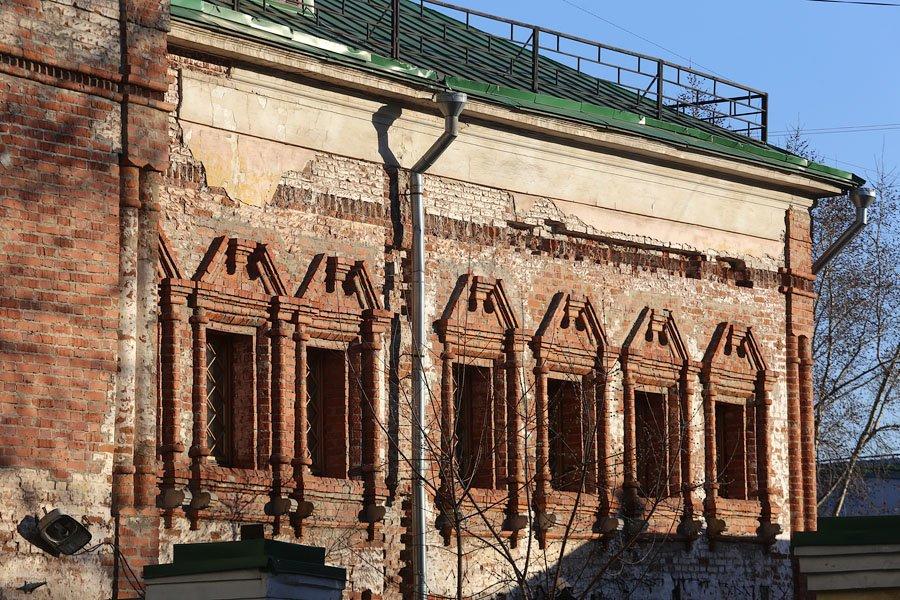
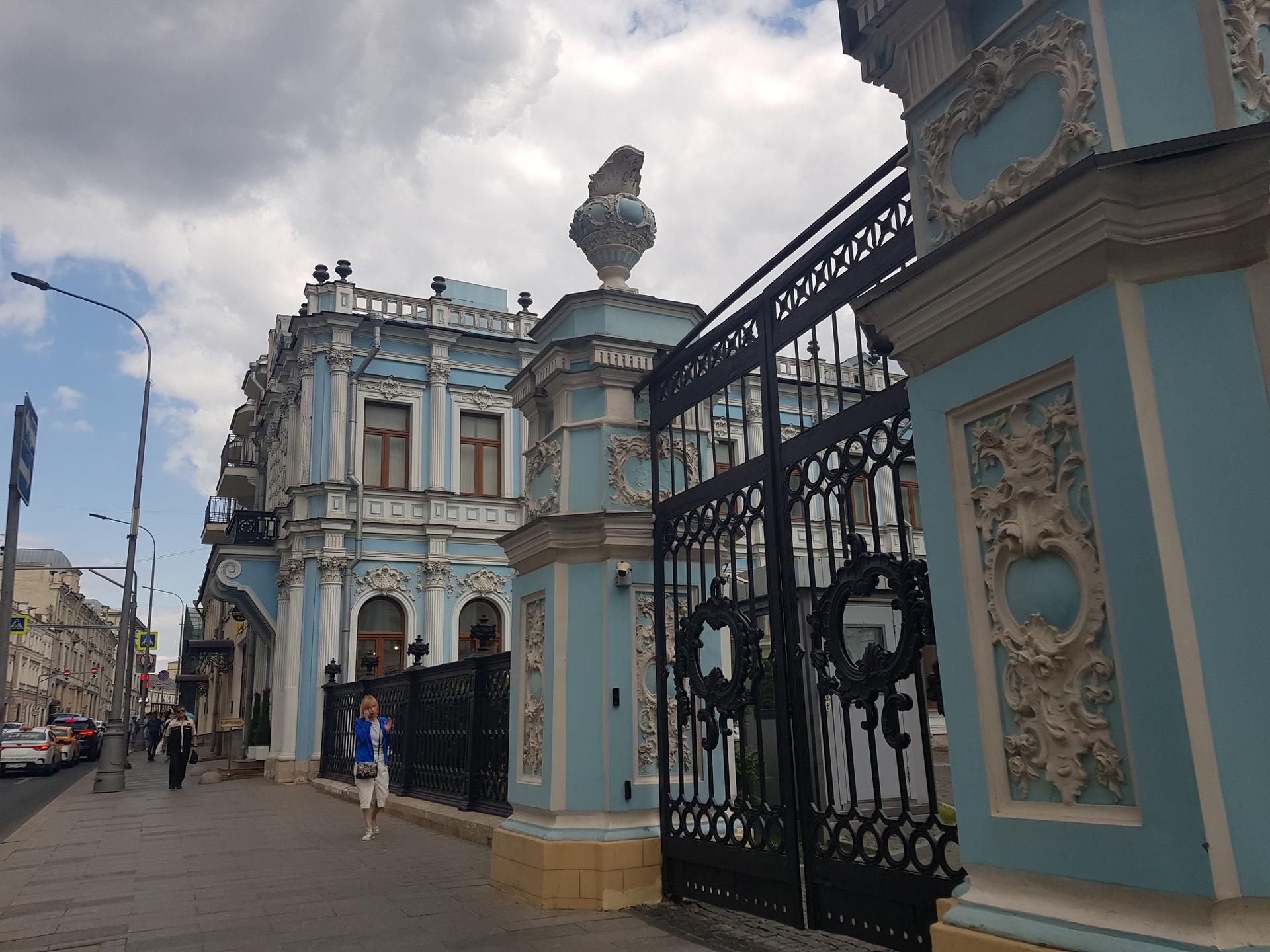
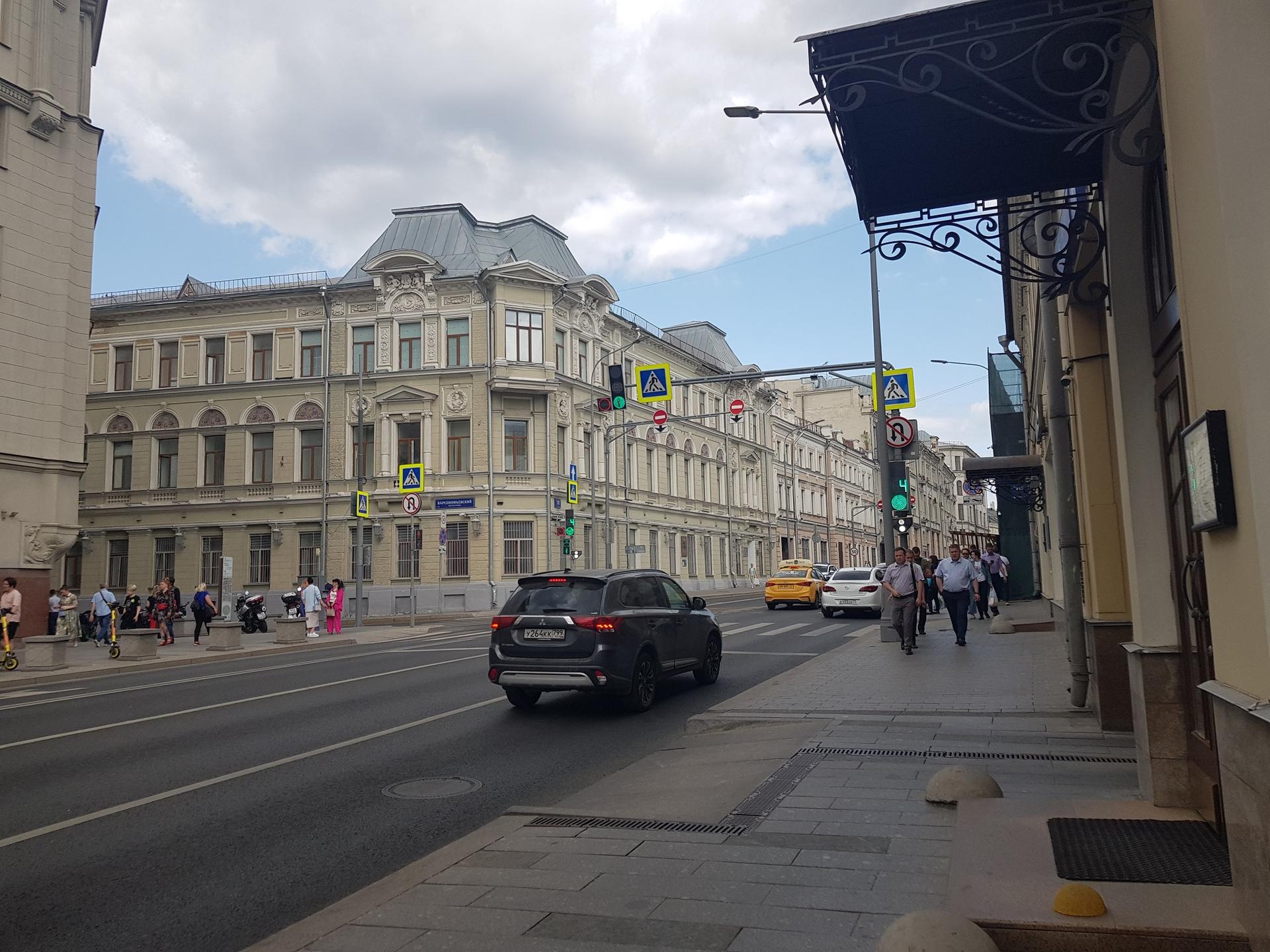
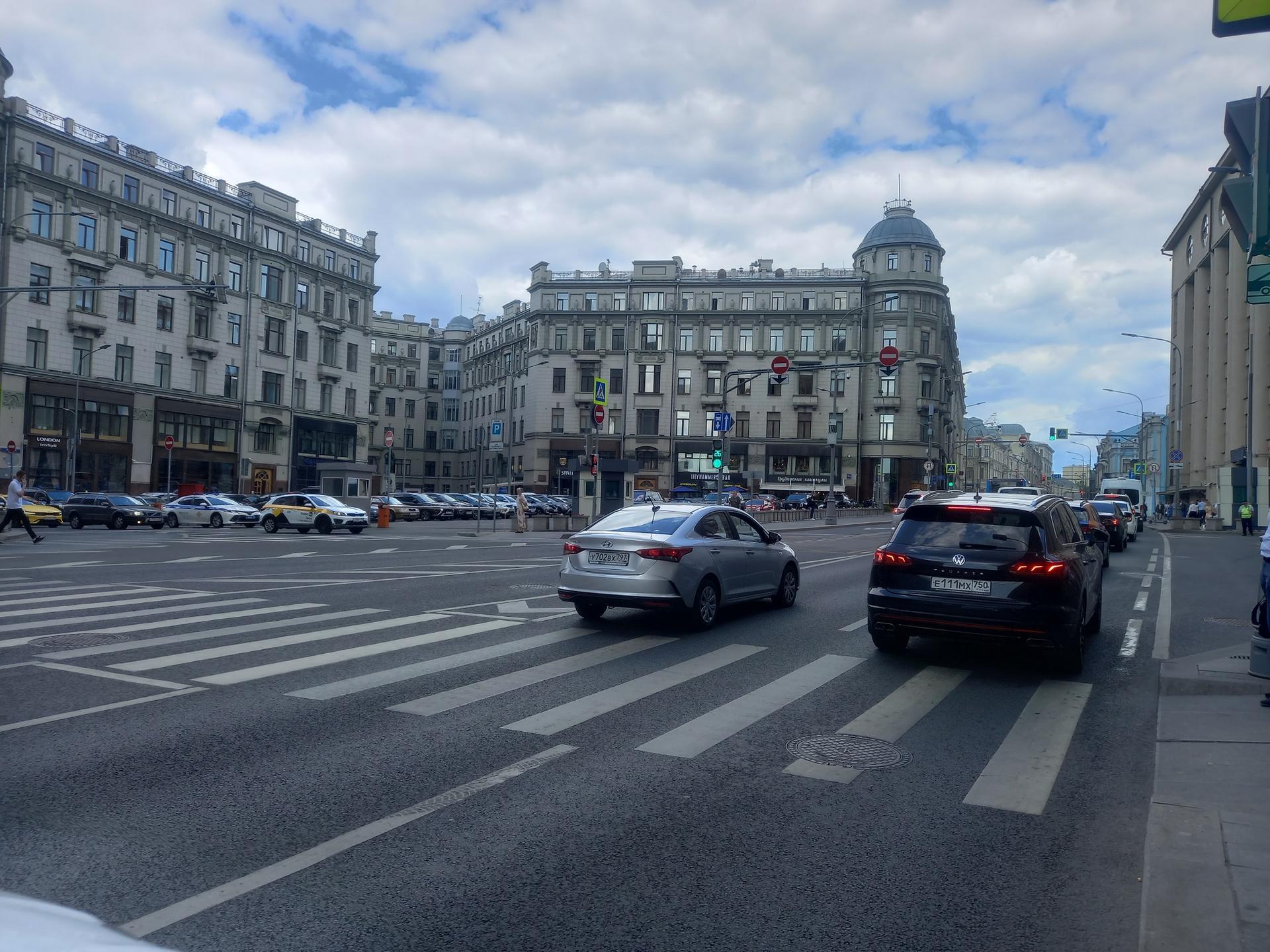
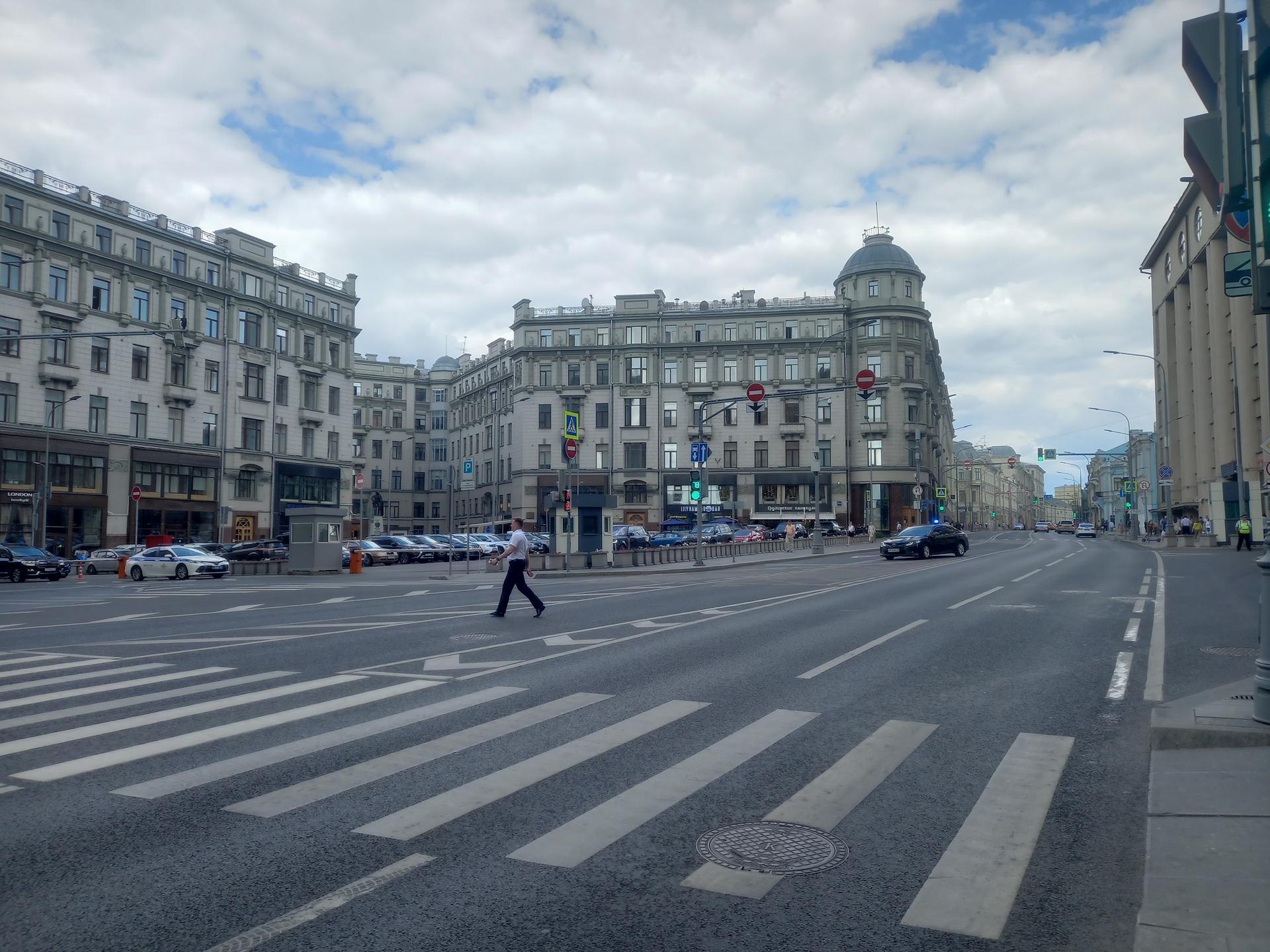
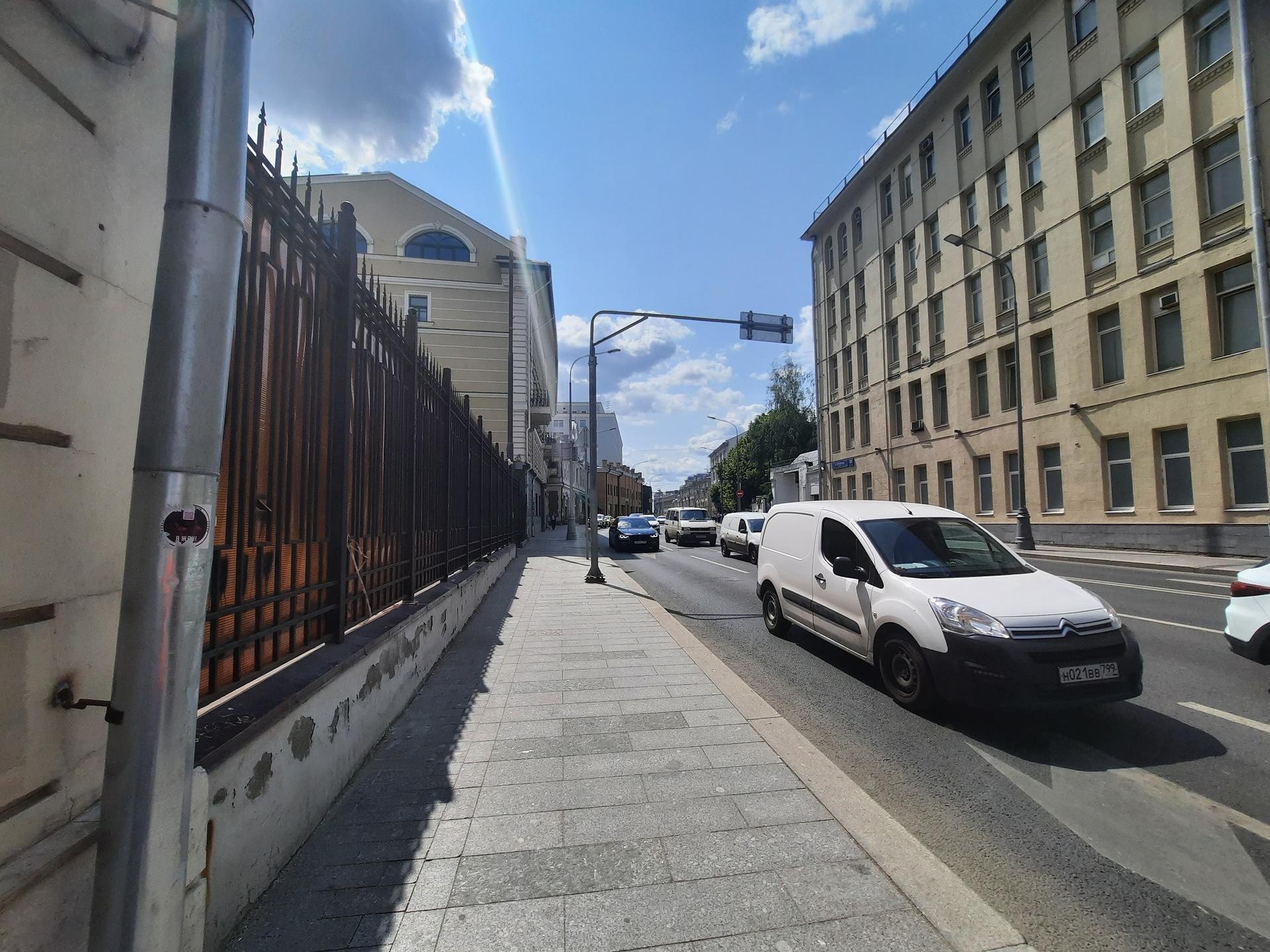
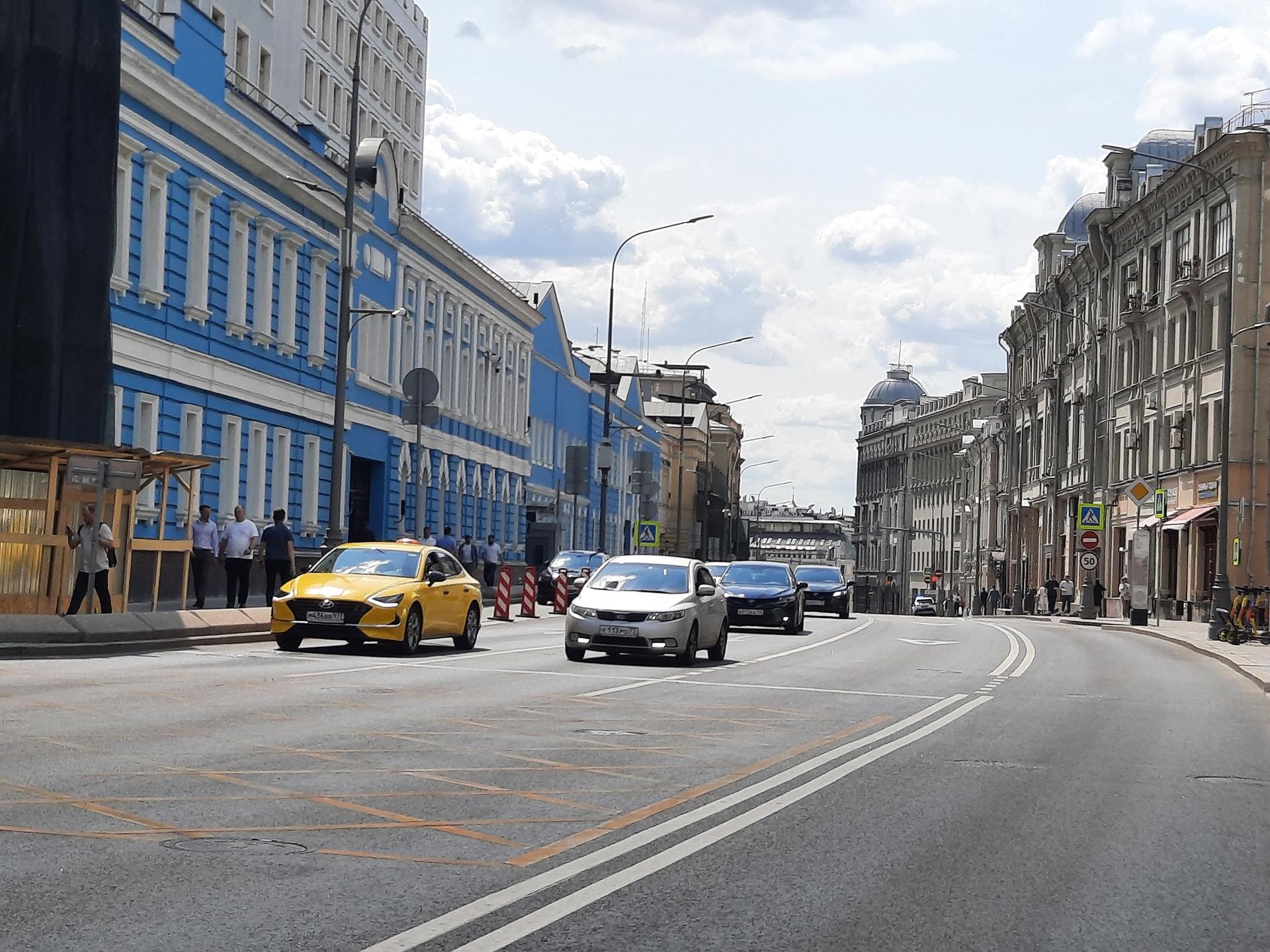
На остальной части улицы в большей степени сохранилась застройка конца XIX – начала XX веков, среди которой встречаются отдельные памятники XVII-XVIII веков. Улица имеет одну площадь, образовавшуюся на месте снесенного храма Введения во храм Пресвятой Богородицы – площадь Воровского. На ней с 1924 г. стоит единственный на улице памятник - В.В. Воровскому, послу Советского государства в скандинавских странах, убитому белогвардейцами в 1923 г. в Швейцарии.
For the Moscow princes road to other cities starts right from the Kremlin. Road to the Yaroslavl and further to the north, long before the construction of the wall of China-town and the White City was held on modern St. Nicholas Street, Bolshaya Lubyanka and Sretenke. These streets are sequentially formed with the construction of the first wall of China-town, then the White City. Modern Bolshaya Lubyanka starts from Lubyanka Square and ends on the square Sretenskii gate. For their centuries of existence, it is not just changing the name. The earliest known of its name - Sretenka. It appeared at the turn of XIV-XV centuries in connection with the significant event that occurred on the street. In order to protect Moscow from the attacks of Tamerlane, here from Vladimir was born one of the most revered icons in Russia - Our Lady of Vladimir. Solemn meeting, ie meet the Muscovites took place with the icon next to the Church of Mary of Egypt, who was standing near the end of the current Bolshaya Lubyanka on the odd side of it. Tamerlane's invasion was avoided, and soon in the memory of the meeting with the miraculous icon-savior beside the Church of Mary of Egypt was founded Sretensky Monastery, gave its name to the whole street. At the beginning of the XIX century it was called Bolshaya Lubyanka, the title area from which to start. Since 1926 the street was named after Dzerzhinsky, 1991 has again become Bolshaya Lubyanka. Street famous godparents moves, pass through it since the founding of the Sretensky Monastery. In 1611 there were heavy fighting in several places roadway was blocked by barricades. Particularly bloody battle was near the church Presentation of Mary in front of the possessions of Prince Pozharsky. The prince himself led the battle and was seriously wounded in the battle. In 1662 on this street unrest began, leading to the so-called "Copper Riot" in Moscow. In 1731 the then Sretenke walking path MV University coming from Kholmogory to Moscow. The nineteenth century turned the street into one of the main shopping areas, and at the end of the century it filled the board and key agencies of numerous insurance companies. In XX century, Bolshaya Lubyanka suffered significant losses. In addition to the destruction of these two churches, most of their temples and buildings lost Sretensky Monastery, which has been abolished and only in the 1990s. returned to the church. Was completely destroyed buildings beginning of the street where the house stood the church clergy, were optical stores selling physical devices and instruments, watches and hunting shops, pastry shop, jewelry store, the board of the international company factory owners in America, with the main office in Chicago and others. 1920s. all even start building the street took the OGPU, at the end of the decade, most of them were demolished, and in the 1930s. began construction of a huge complex of buildings currently existing FSB, occupying an entire city block. On the odd side of the building the same department was built in 1979-1982 years. The rest of the streets retain much of buildings late XIX - early XX centuries, among which there are separate monuments XVII-XVIII centuries. The street is one area that has formed on the site of the demolished temple Presentation of Mary - Thieves area. On her 1924 worth only monument in the street - VV Thieves, after the Soviet state in the Nordic countries, the Whites murdered in 1923 in Switzerland.