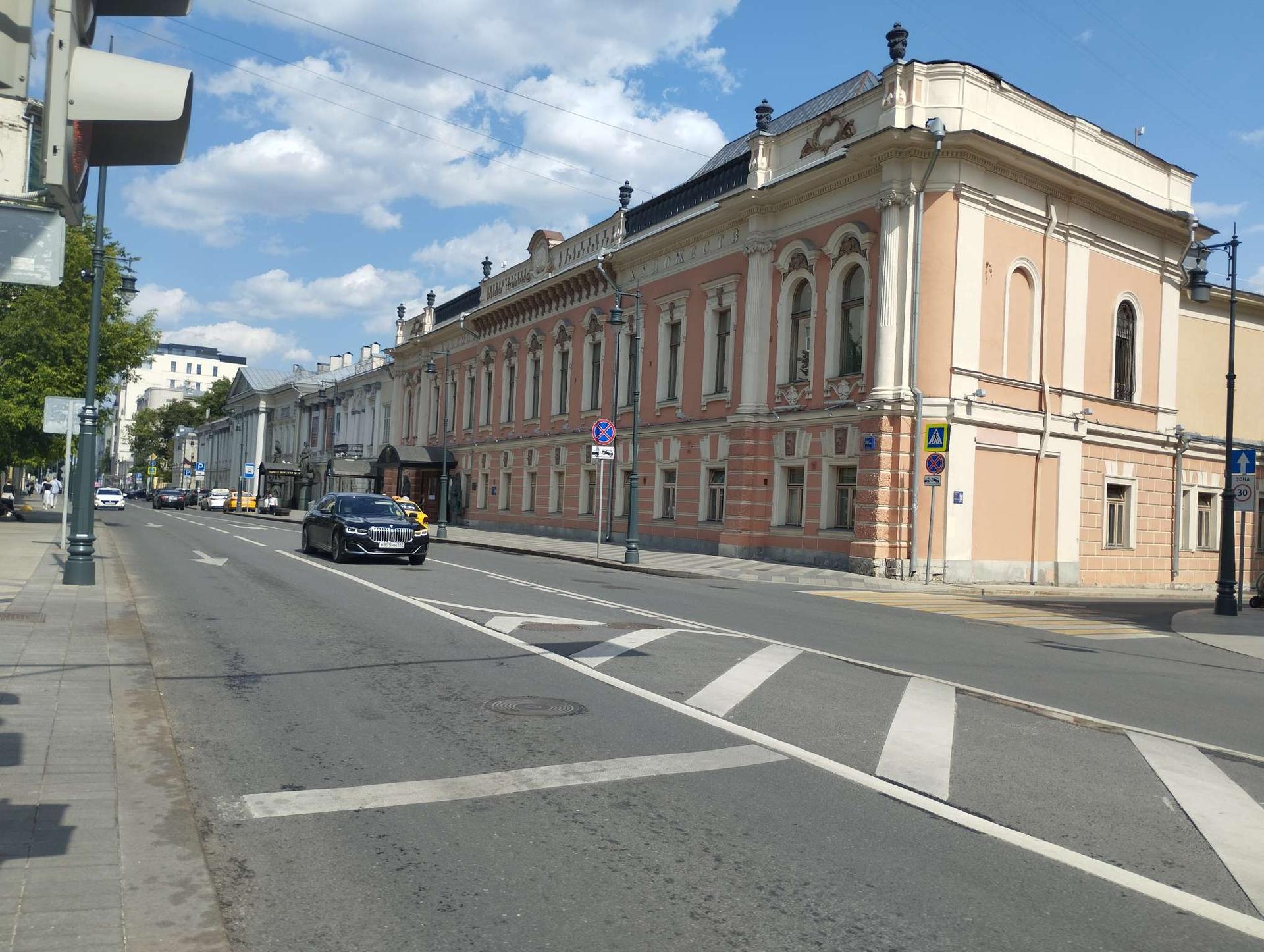
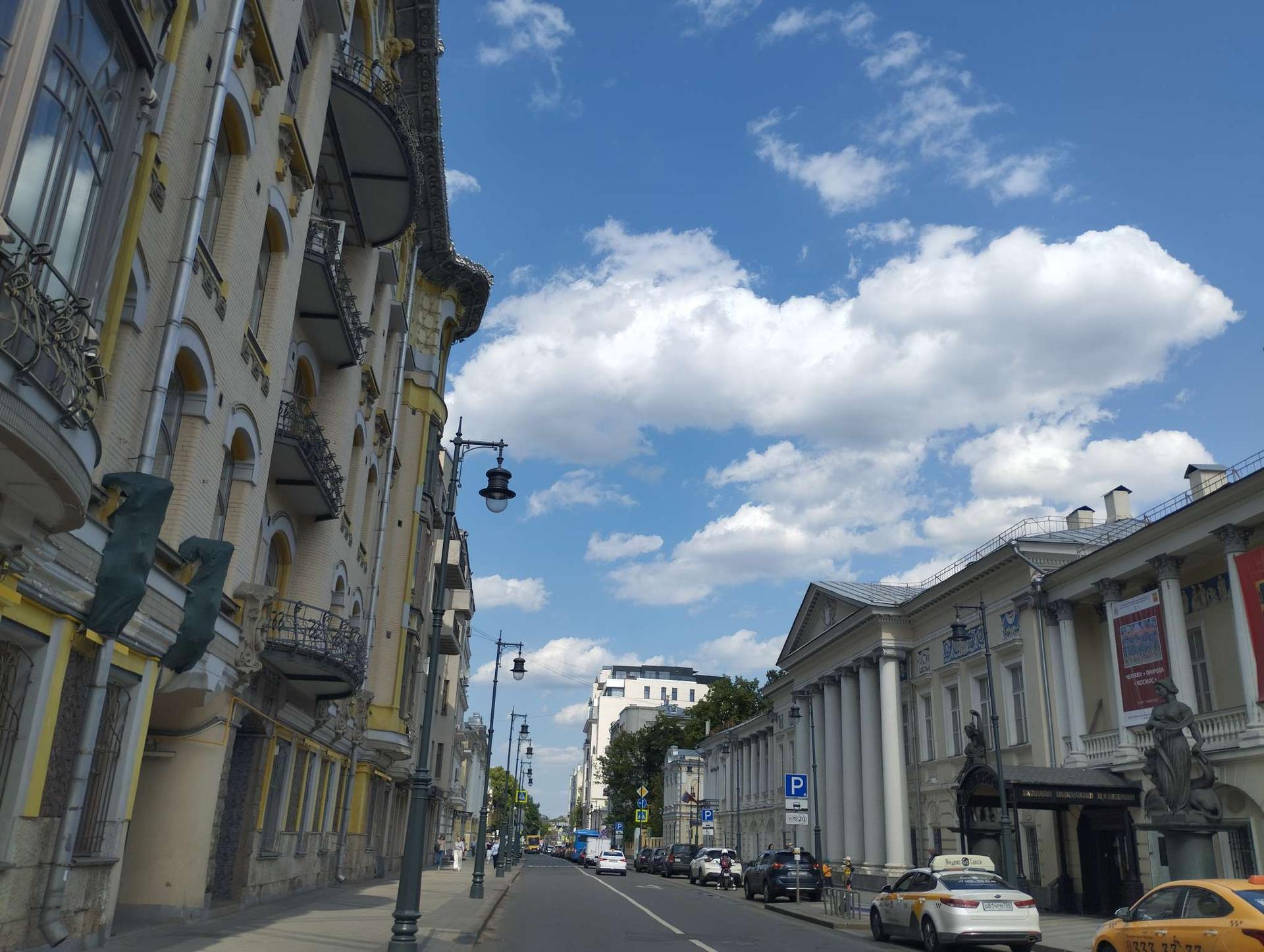
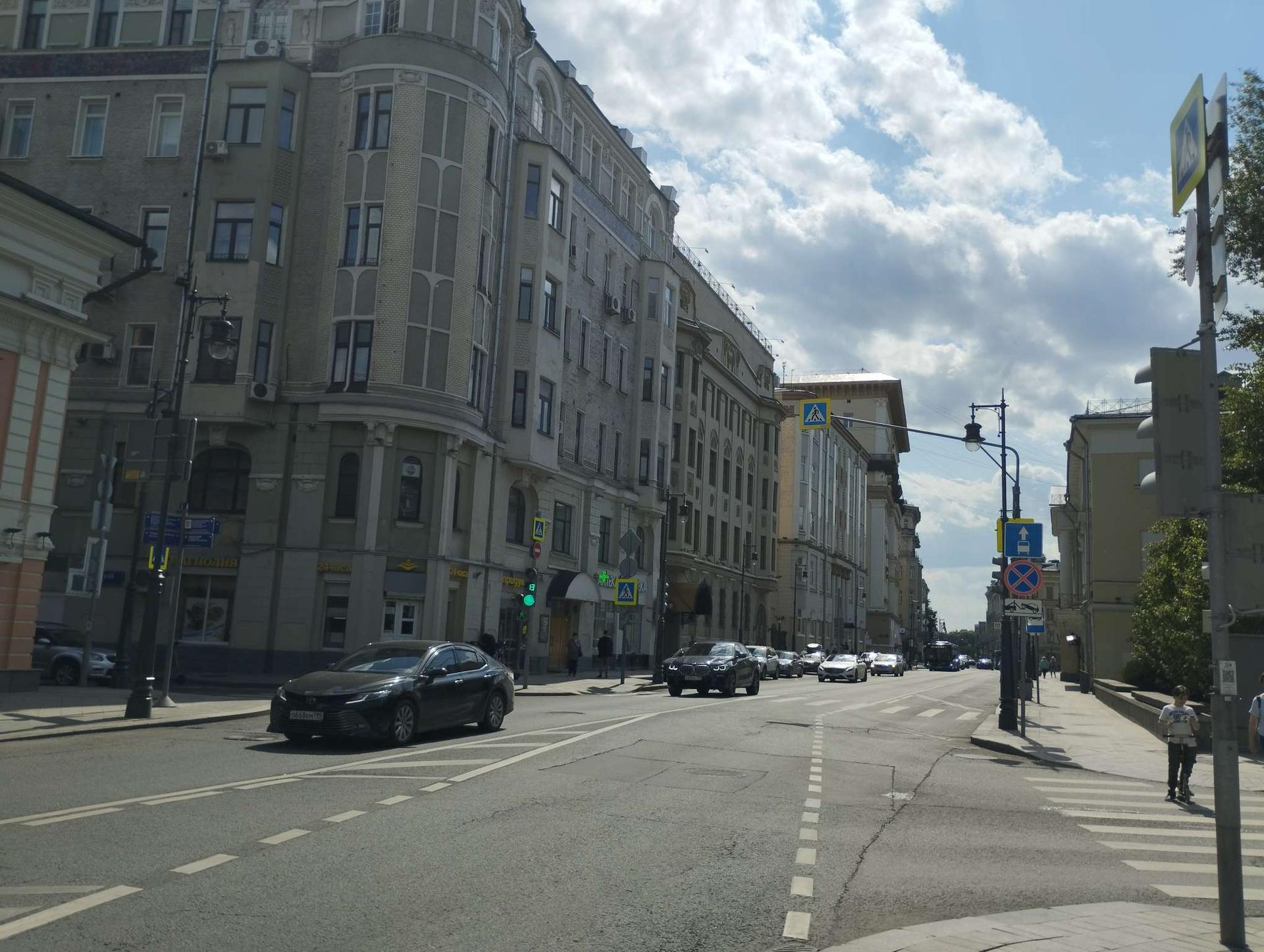
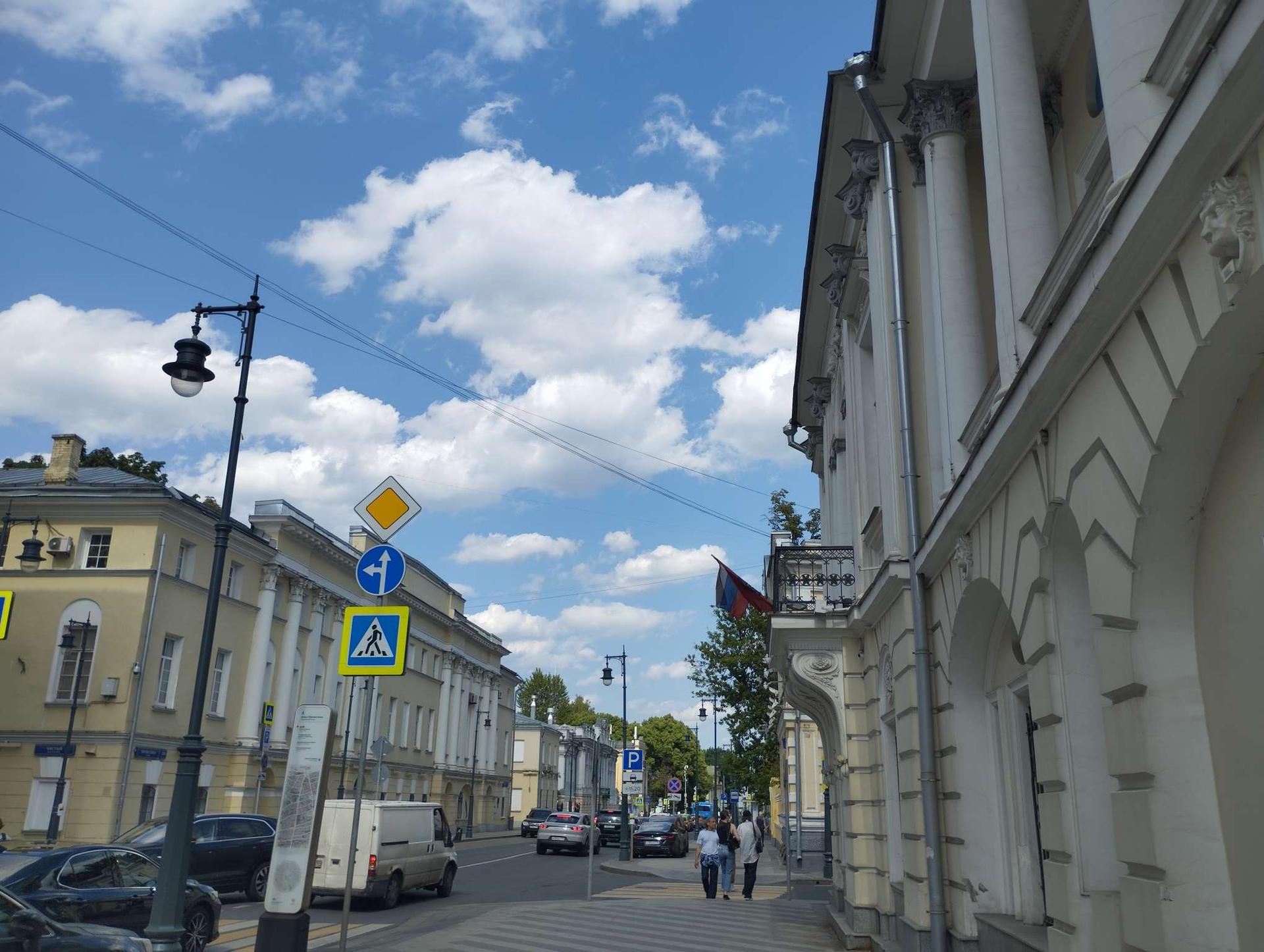
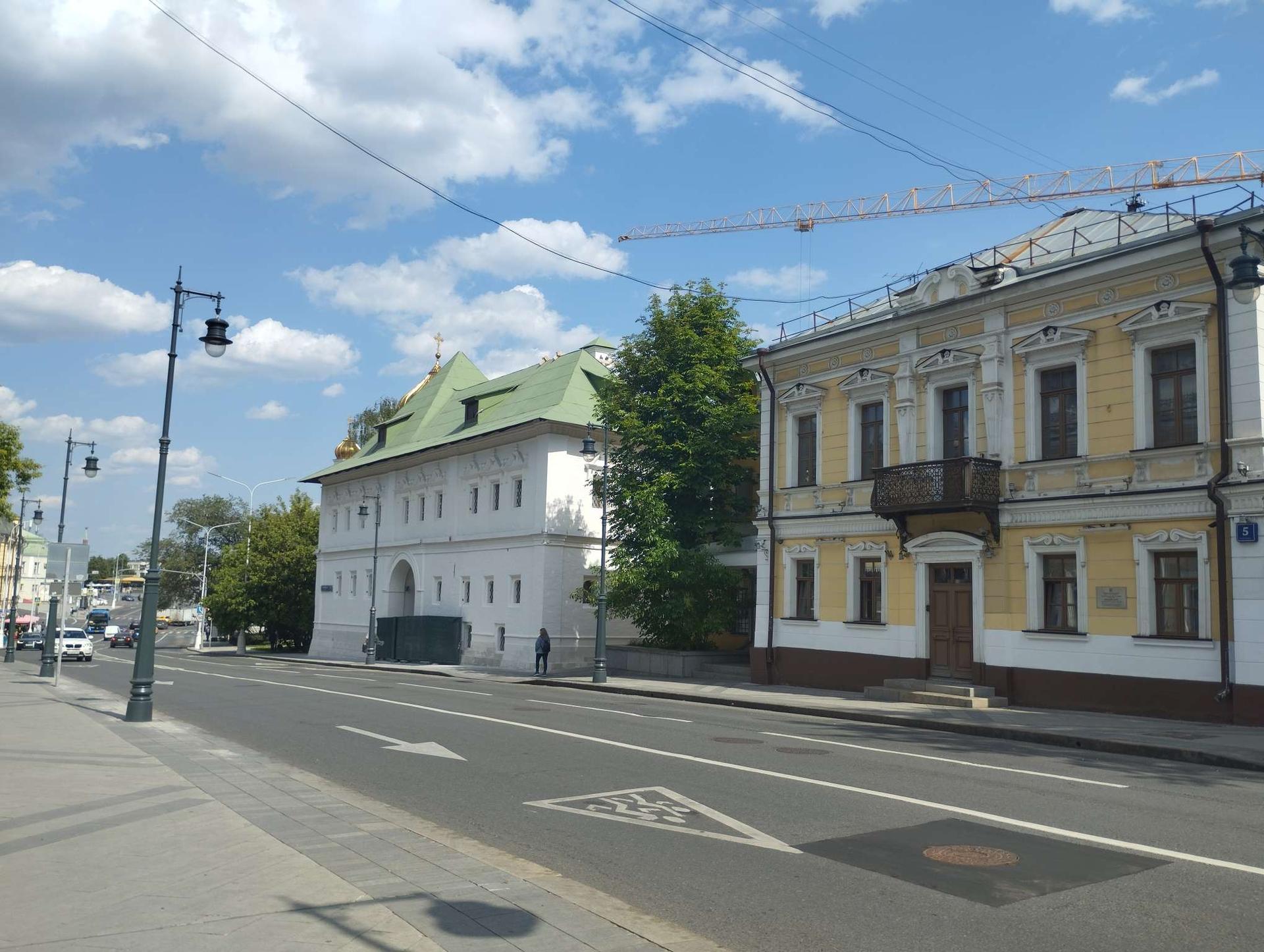
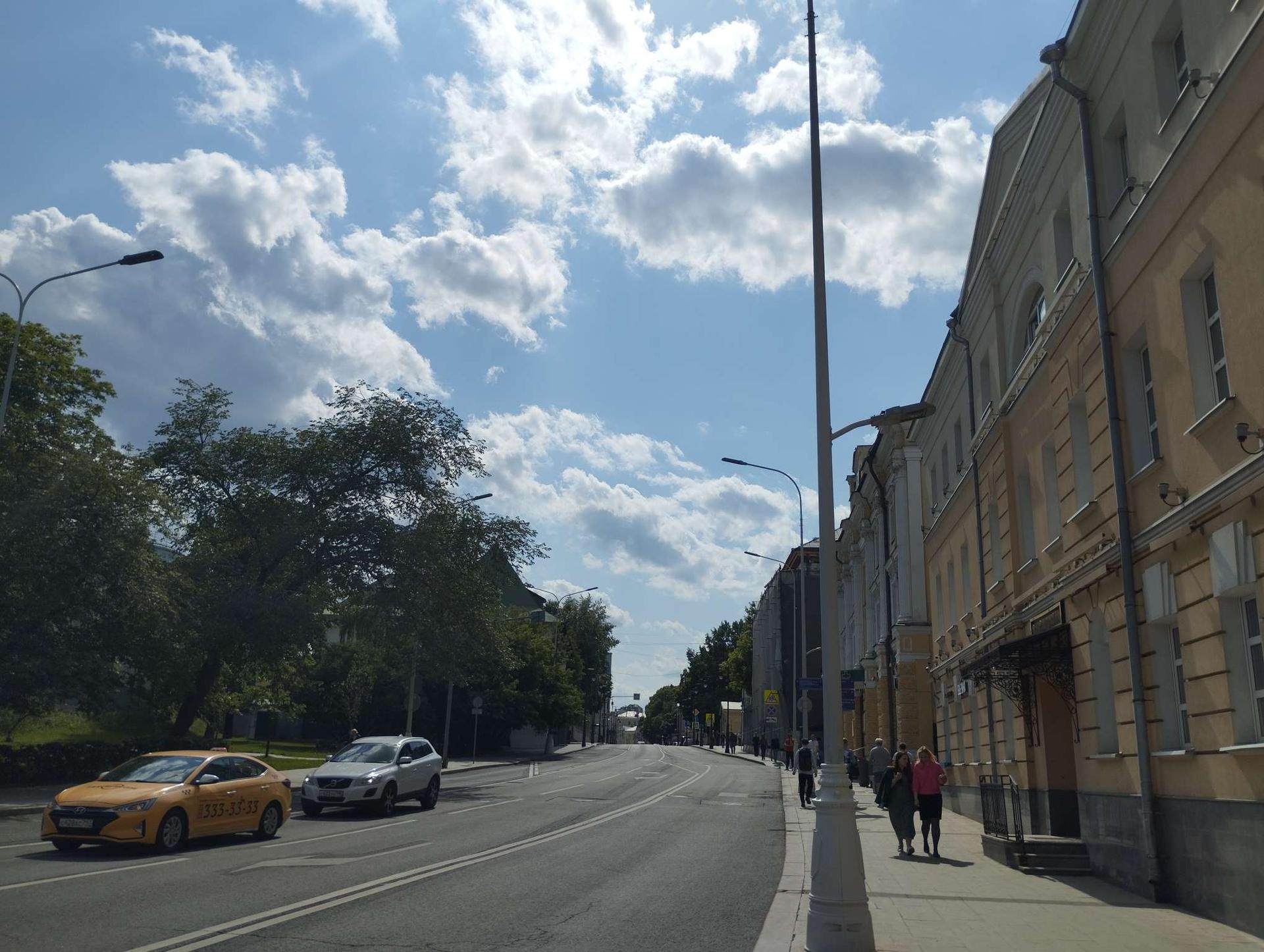
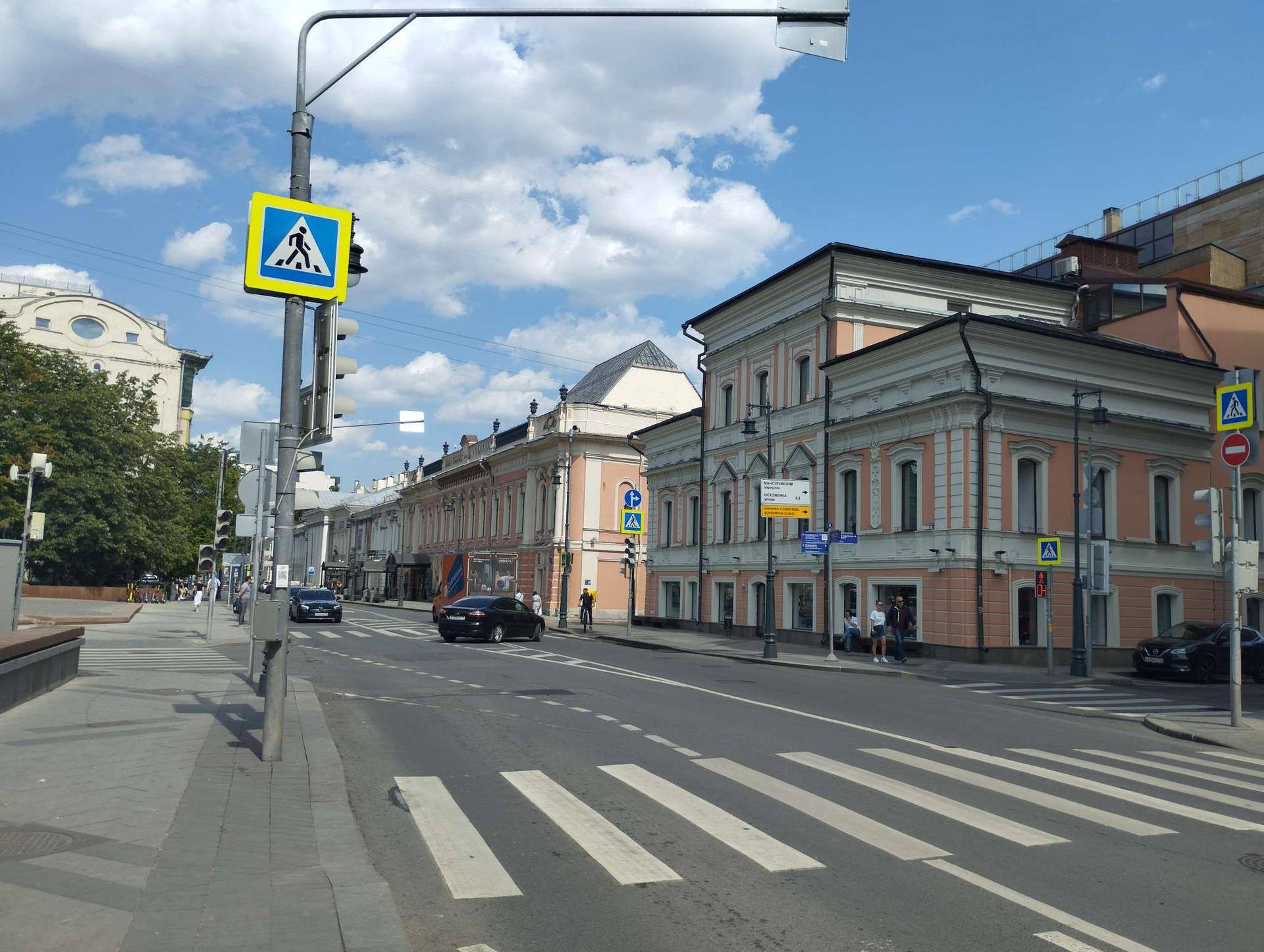
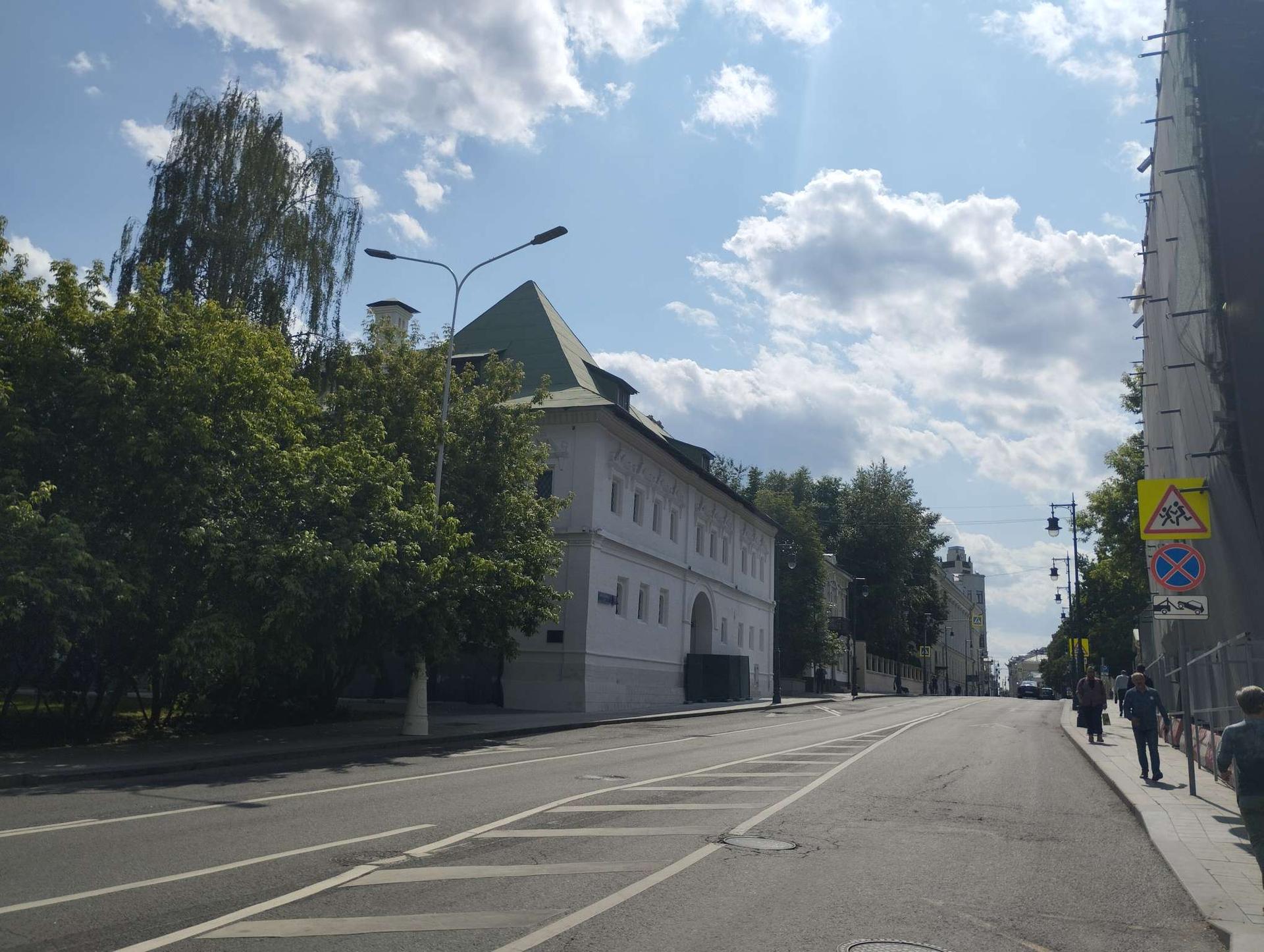
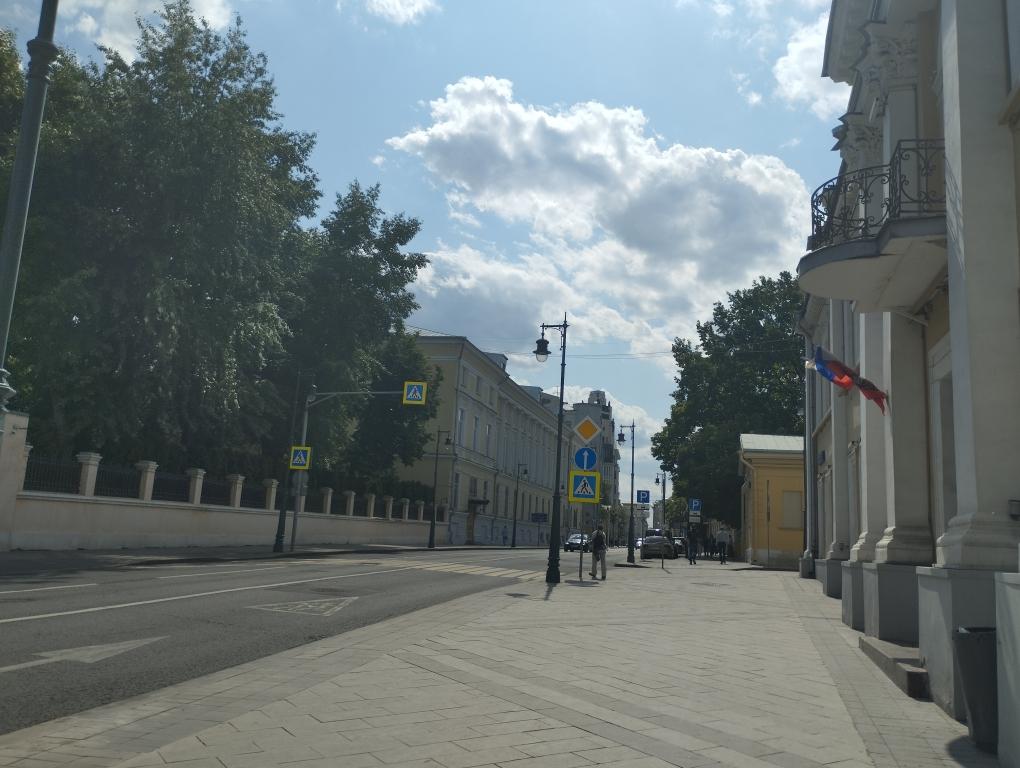
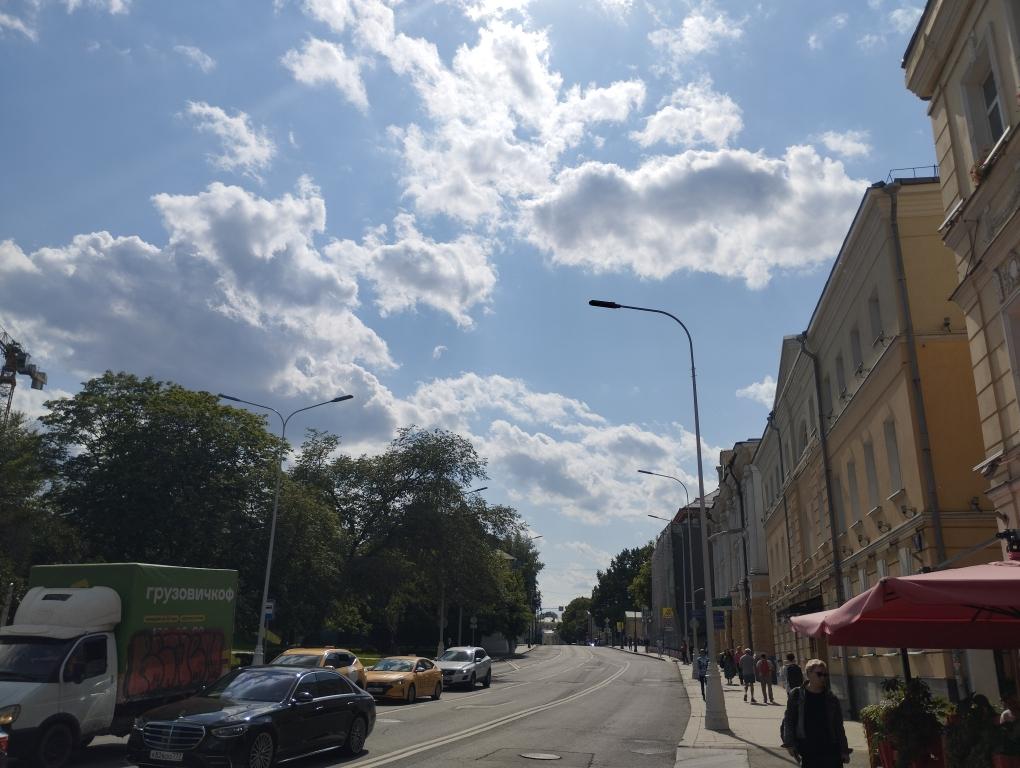
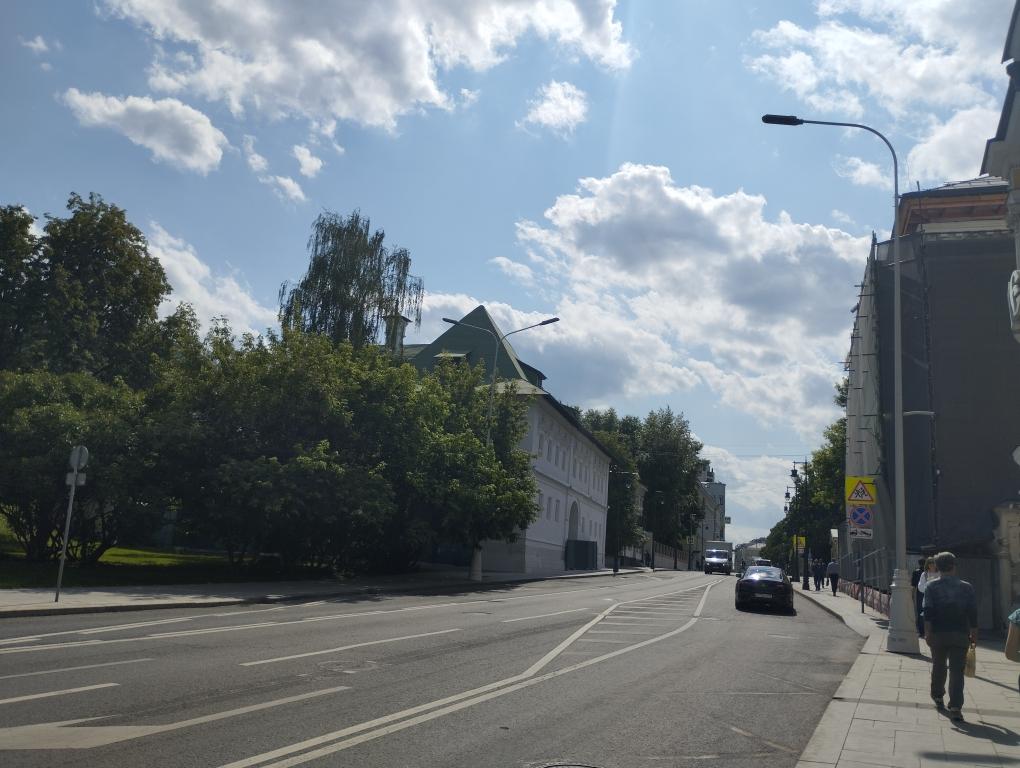
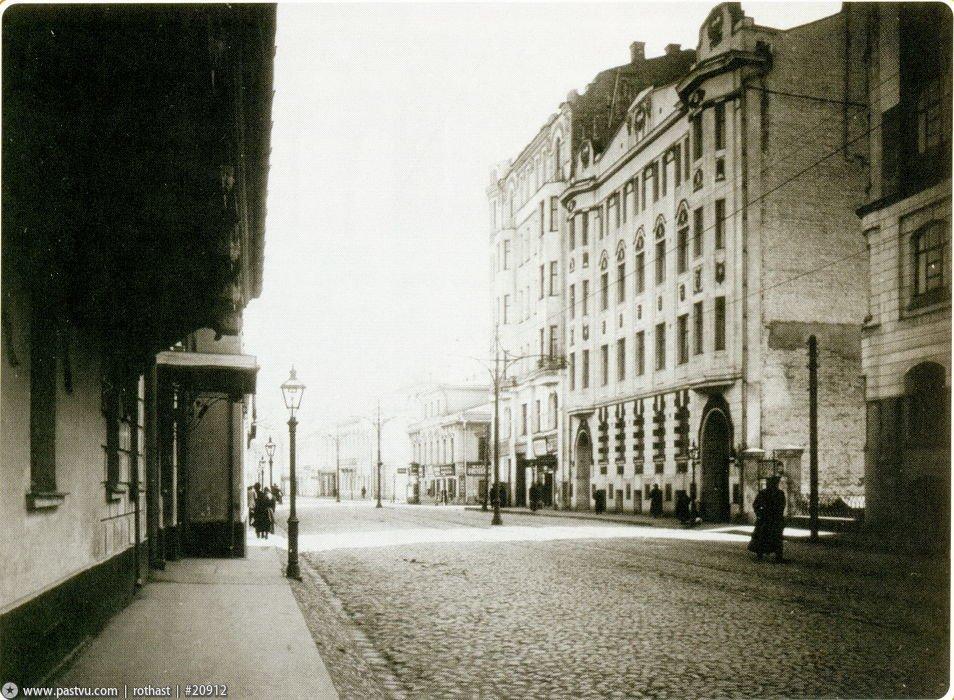
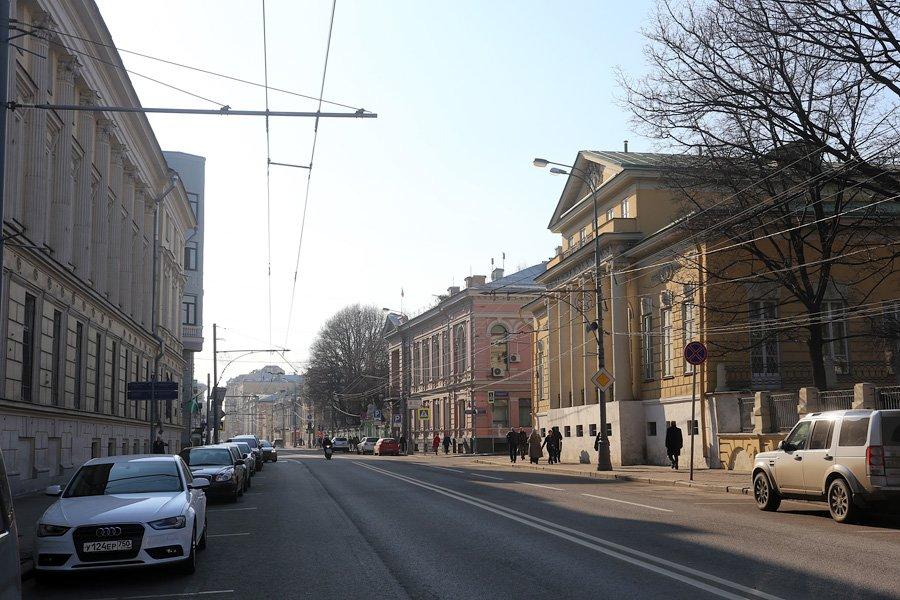
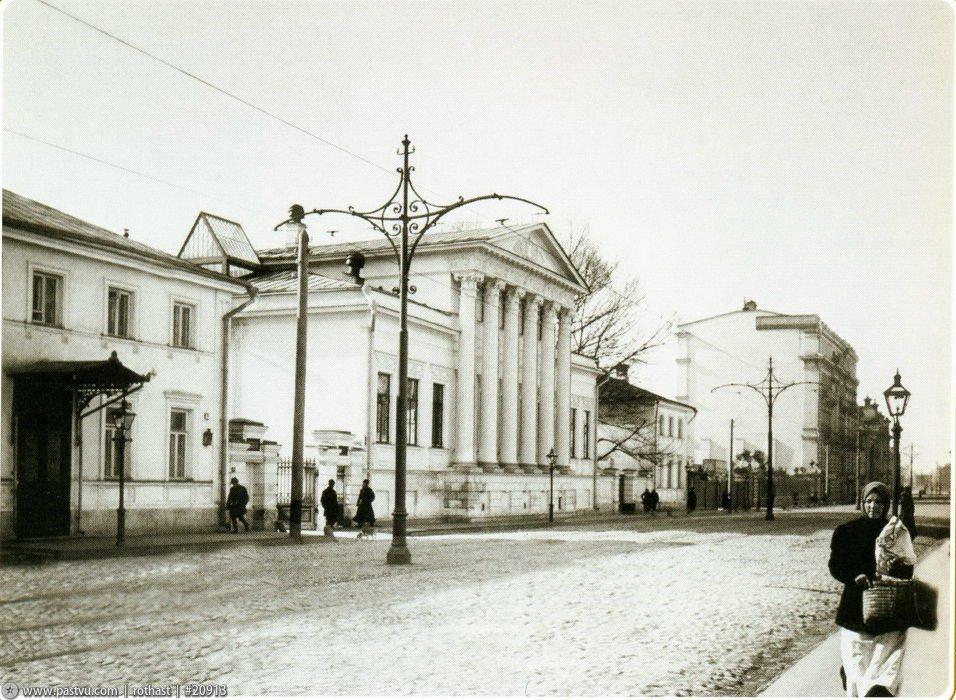
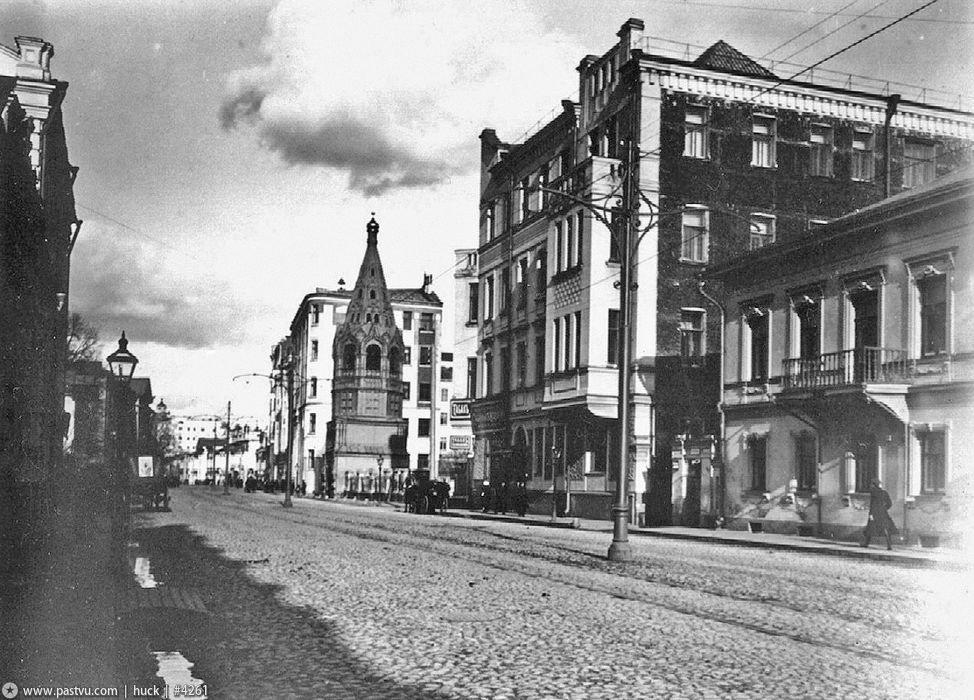
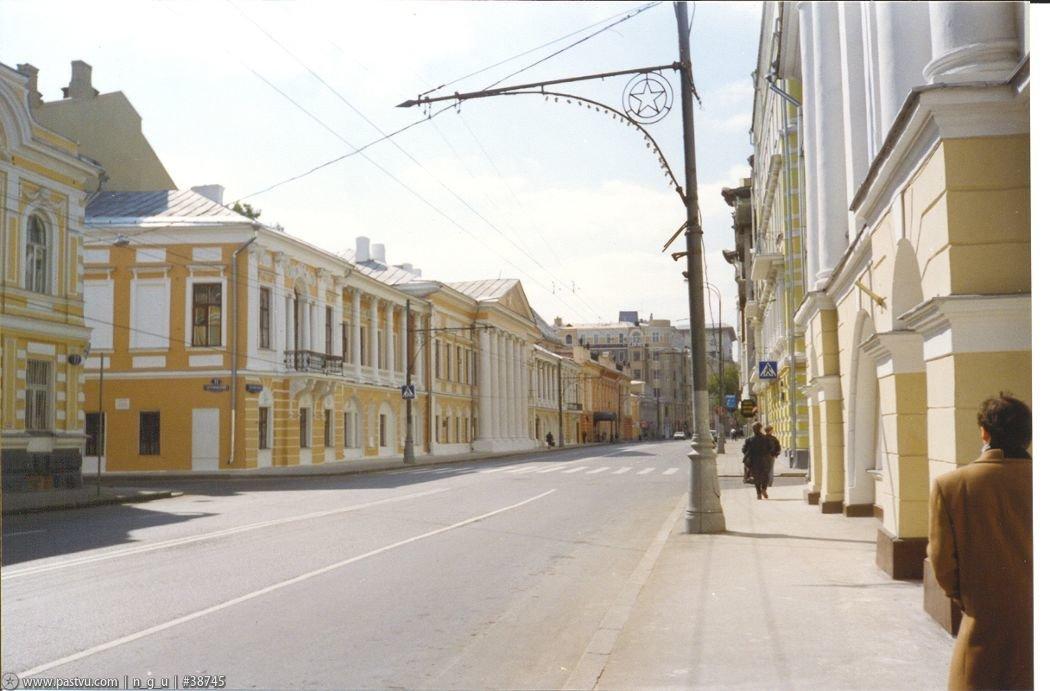

Пречистенка возникла на карте Москвы в XVI веке. Она была частью дороги из Кремля в построенный тогда же Новодевичий монастырь. Первоначально она начиналась у Боровицких ворот Кремля и только в начале XIX века была поделена на две части: Пречистенку и Ленивку (Волхонку).
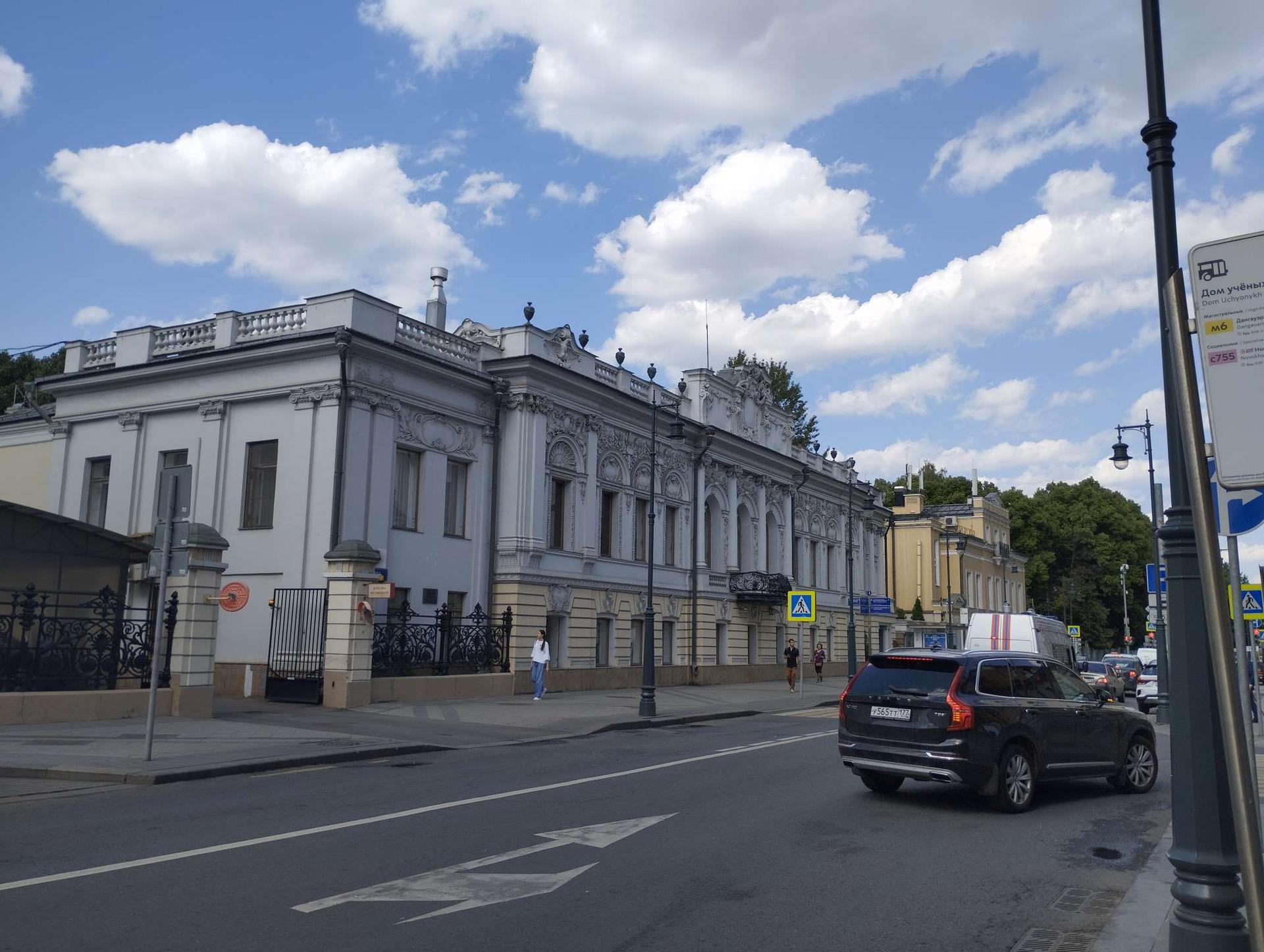
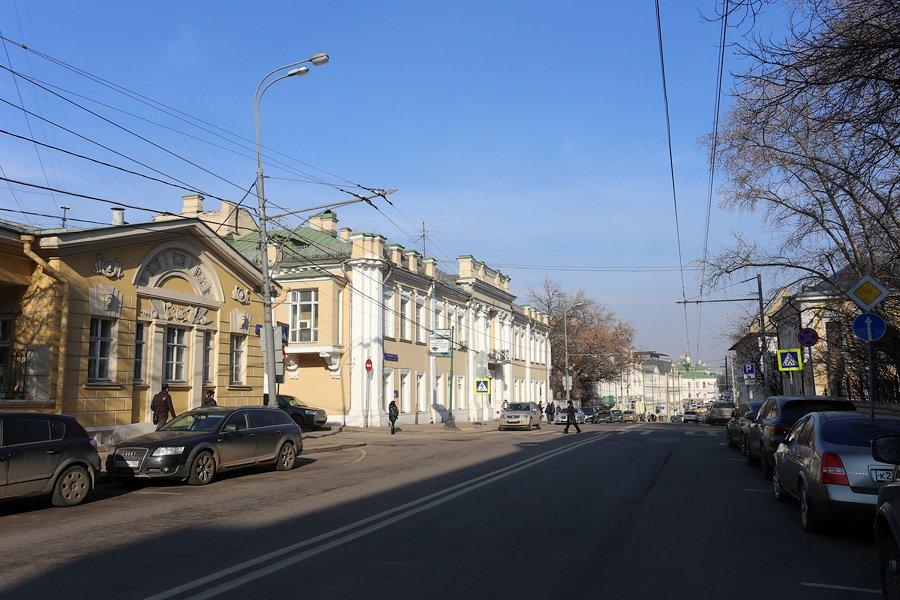
В конце XVIII – начале XIX вв. на улице начали селиться представители аристократии. Так, здесь располагались дворы Всеволожских, Лопухиных, Хрущевых. О них напоминают переулки, и сегодня названные именами прежних хозяев владений.
Улица заканчивалась у стен Скородома в Зубове. Зубовская площадь напоминает о стрелецкой слободе полковника И. Зубова, располагавшейся в этой местности.
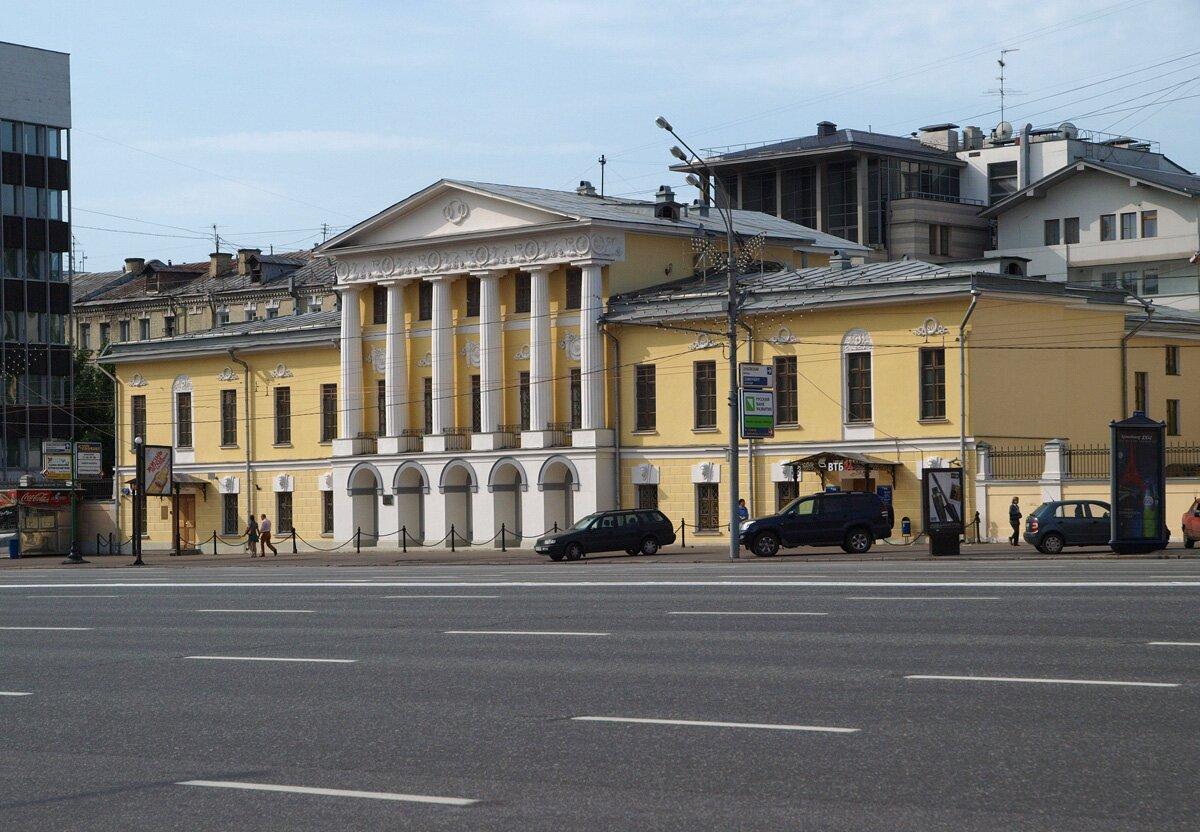
В 1812 года этот район Москвы сильно пострадал от пожара. «На Пречистенке едва ли есть пять домов», - с горечью вспоминал современник. Однако дворянство достаточно быстро восстановило свои усадьбы, и уже в 1840 году писатель Загоскин, любуясь Пречистенкой, писал, что ее дома «не испортили бы и Дворцовой набережной Петербурга».
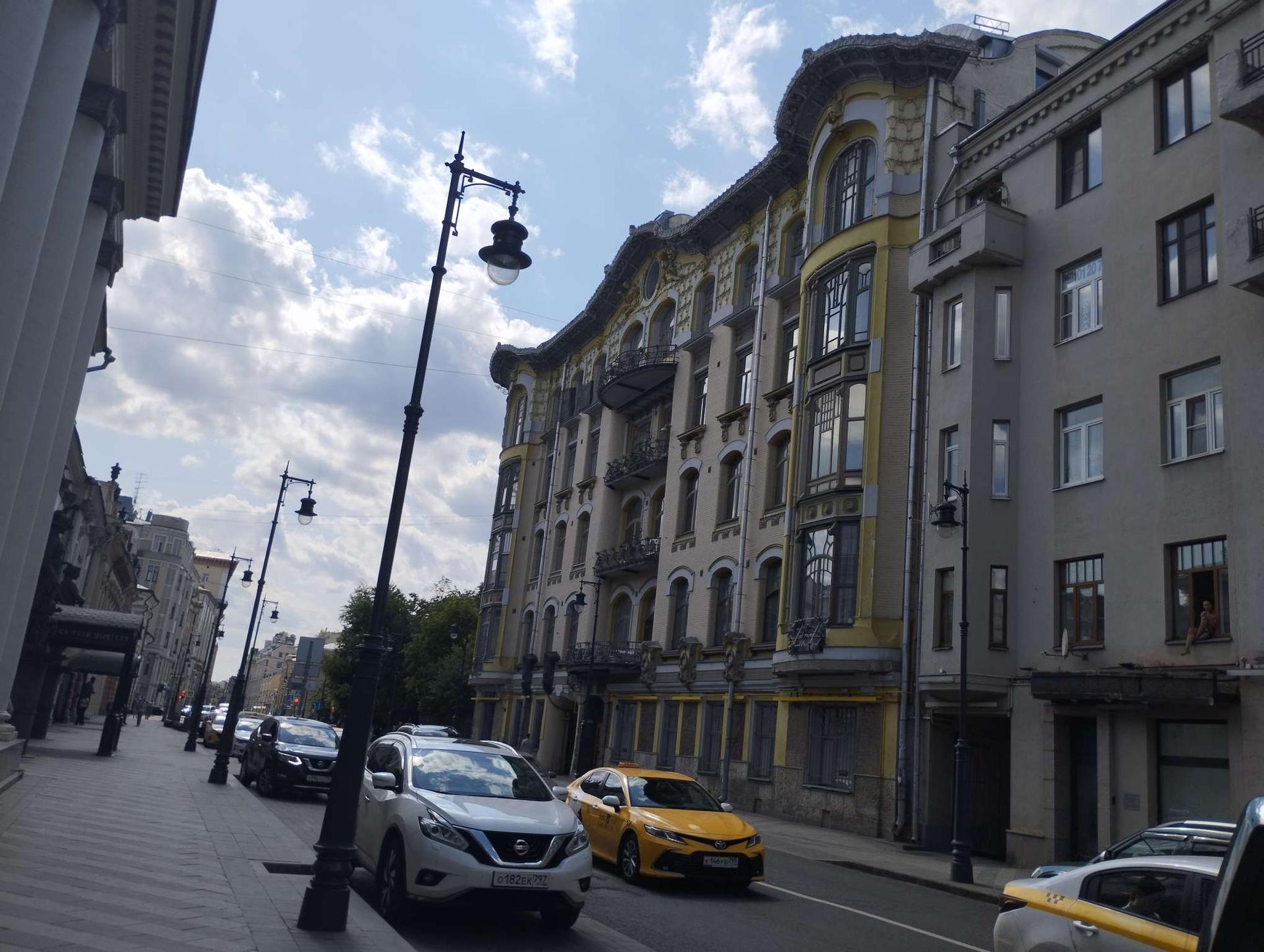
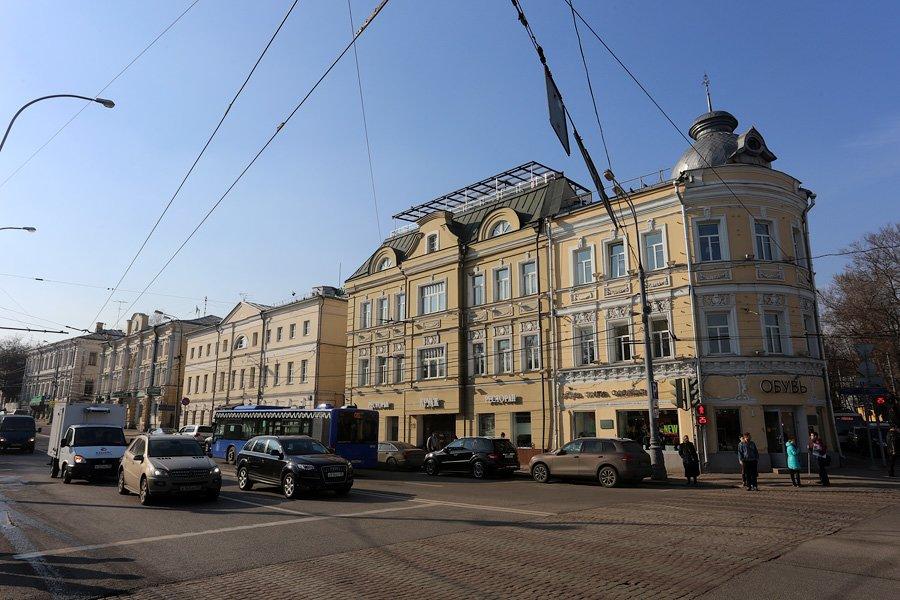
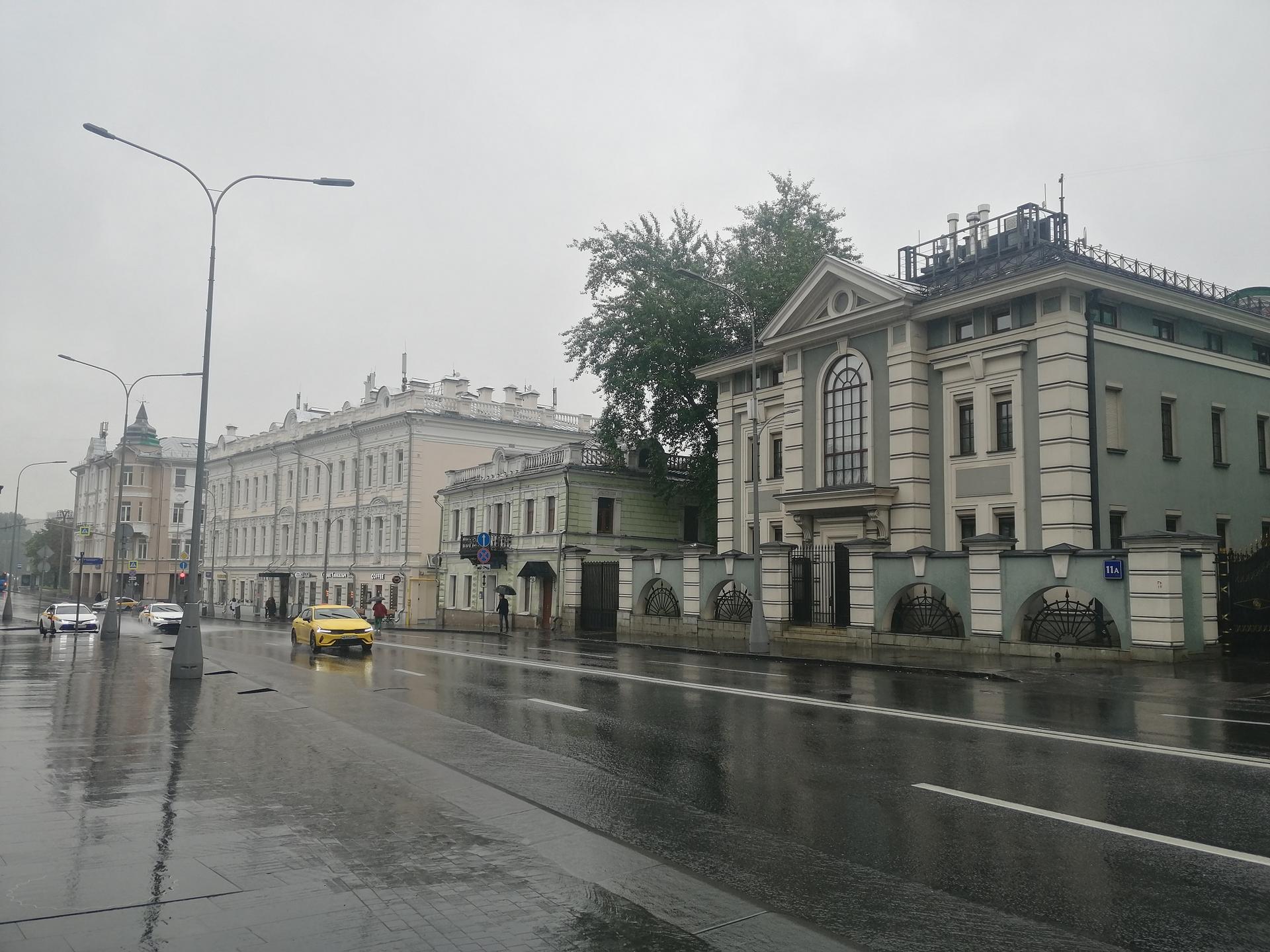
В конце XIX века на улице разворачивается строительство доходных домов. На смену малоэтажной усадебной застройки приходят высокие здания с броскими фасадами.
До конца XIX столетия в районе площади Кропоткинских ворот улицу пересекал ручей Черторый, заключенный позднее в подземную трубу. Улица называлась Большой Чертольской, Пречистенкой же ее начали называть по повелению «тишайшего» царя Алексея Михайловича. Царь, часто ездивший на богомолье в Новодевичий монастырь, велел сменить название в честь смоленской иконы Пречистой девы Марии, хранившейся в монастыре.
В 1921 году улица была переименована в Кропоткинскую. Философ и общественный деятель П.А. Кропоткин родился неподалеку от Пречистенки в Штатном (теперь Кропоткинском) переулке, в его доме в 1920-х был открыт музей.
Прежнее название возвращено улице в 1990 году.
По Пречистенке можно ходить часами, надолго останавливаясь у каждого дома. Эта улица - настоящий московский музей истории архитектуры и истории Москвы протяженностью 1 км 125 м.
Prechistenka emerged on the map of Moscow in the XVI century. It was part of the road from the Kremlin to Novodevichy Convent built at the same time. Initially, it started at Borovitsky gates of the Kremlin and only at the beginning of the XIX century divided into two parts: Prechistenka and Lenivke (Volkhonka). Until the end of XIX century in the area of Kropotkinsky gate square Chertory creek (set later in an underground pipe) was crossing street the. Street name was Great Chertolskaya, Prechistenka also started calling her by the command of "quietest" Tsar Alexei Mikhailovich. The Tsar, who had often been to Novodevichy Convent on a pilgrimage, ordered to change the name of the street in honor of the Smolensk Icon of the Blessed Virgin Mary, is stored in the monastery. At the end of XVIII - early XIX centuries, representatives of the aristocracy began to settle along the street. So, here's a yard Vsevolozhskys, Lopukhins Khrushchev. Alleys around Prechistenka named after former owners of estates. The street ends at the walls Skorodom in the Zubov. Zubovskaya square reminiscent of the Musketeers District of Colonel I. Zubov once located in this area. In 1812, this area of Moscow badly damaged by fire. "Prechistenka area hardly can count five survived houses" - bitterly recalled contemporary. However, the nobility fast enough to recover their estates, and in 1840 the writer Zagoskin admiring Prechistenka, wrote that her house "and would not spoil the Palace Embankment of St. Petersburg." At the end of the XIX century on the street turns the construction of tenement houses. In place of the low-rise estate development tall buildings come with bright facades. In 1921, the street renamed into Kropotkinskaya. Philosopher and social activist PA Kropotkin was born near Prechistenka in Shtatny (now Kropotkinsky) Lane, museum opened at his home in 1920s. Former street name restored street in 1990. You can walk along Prechistenka for hours stopping at each house. This street - a real 1 km 125 m long Moscow museum of architectural history and the history of Moscow.





.jpg&w=1920&q=75)