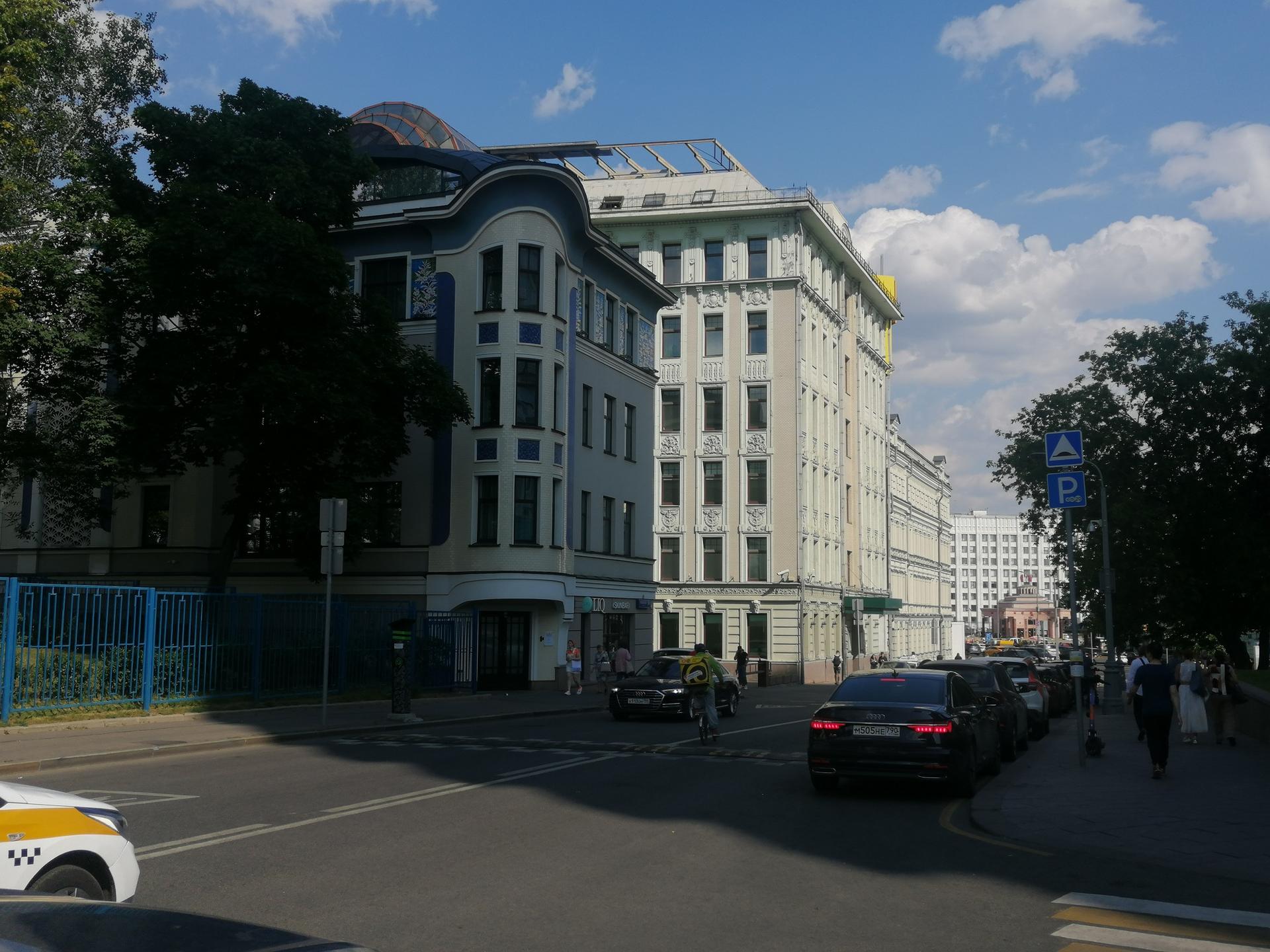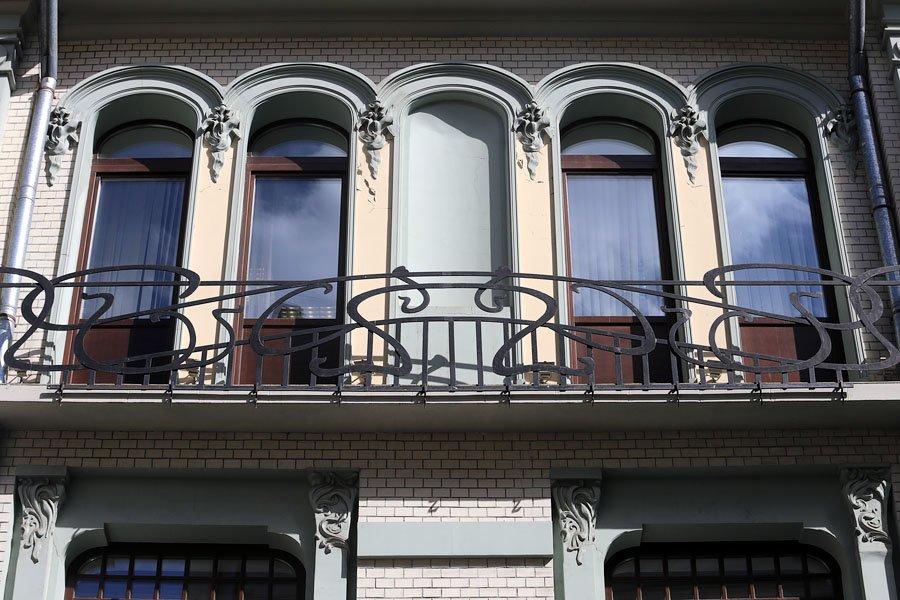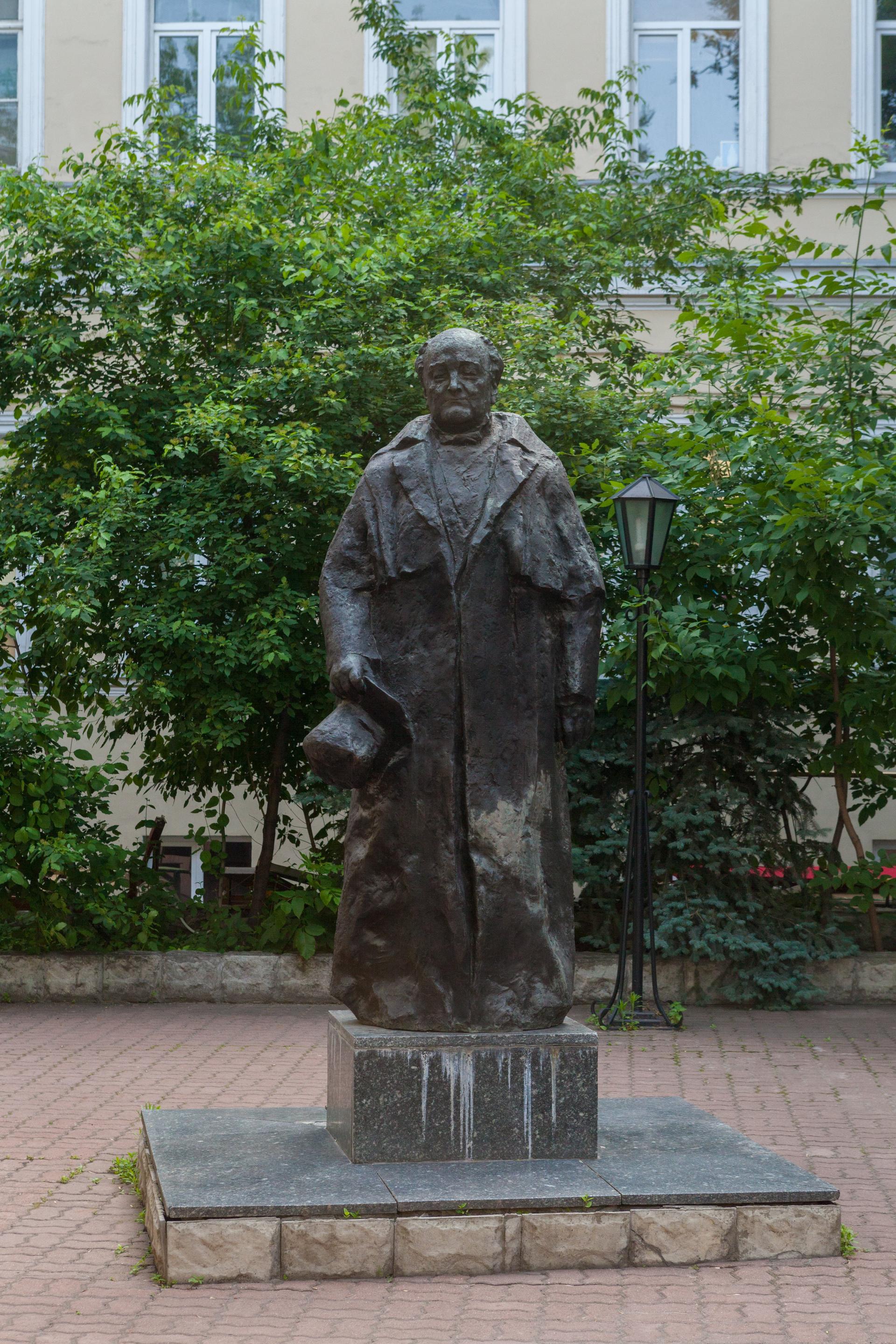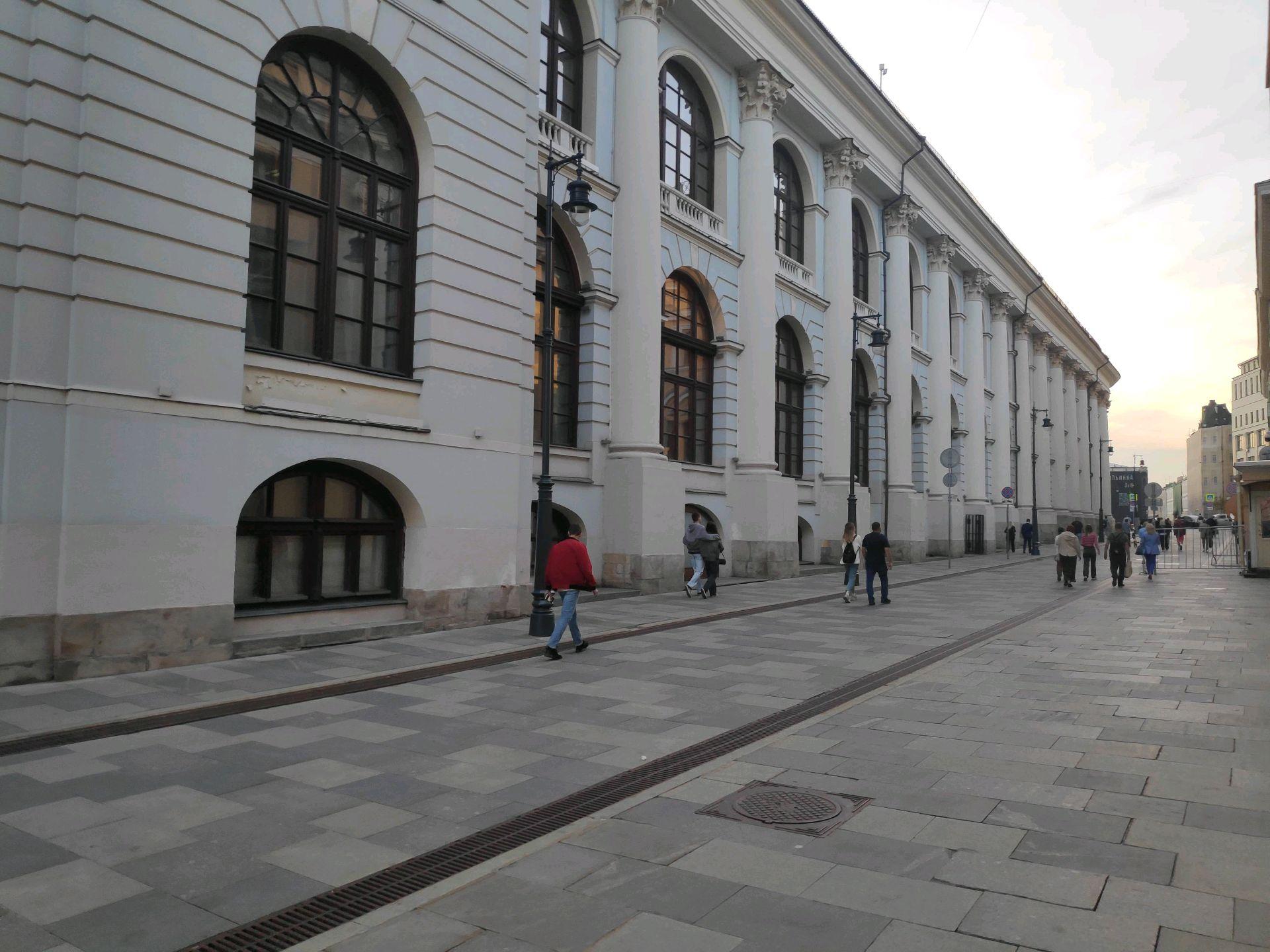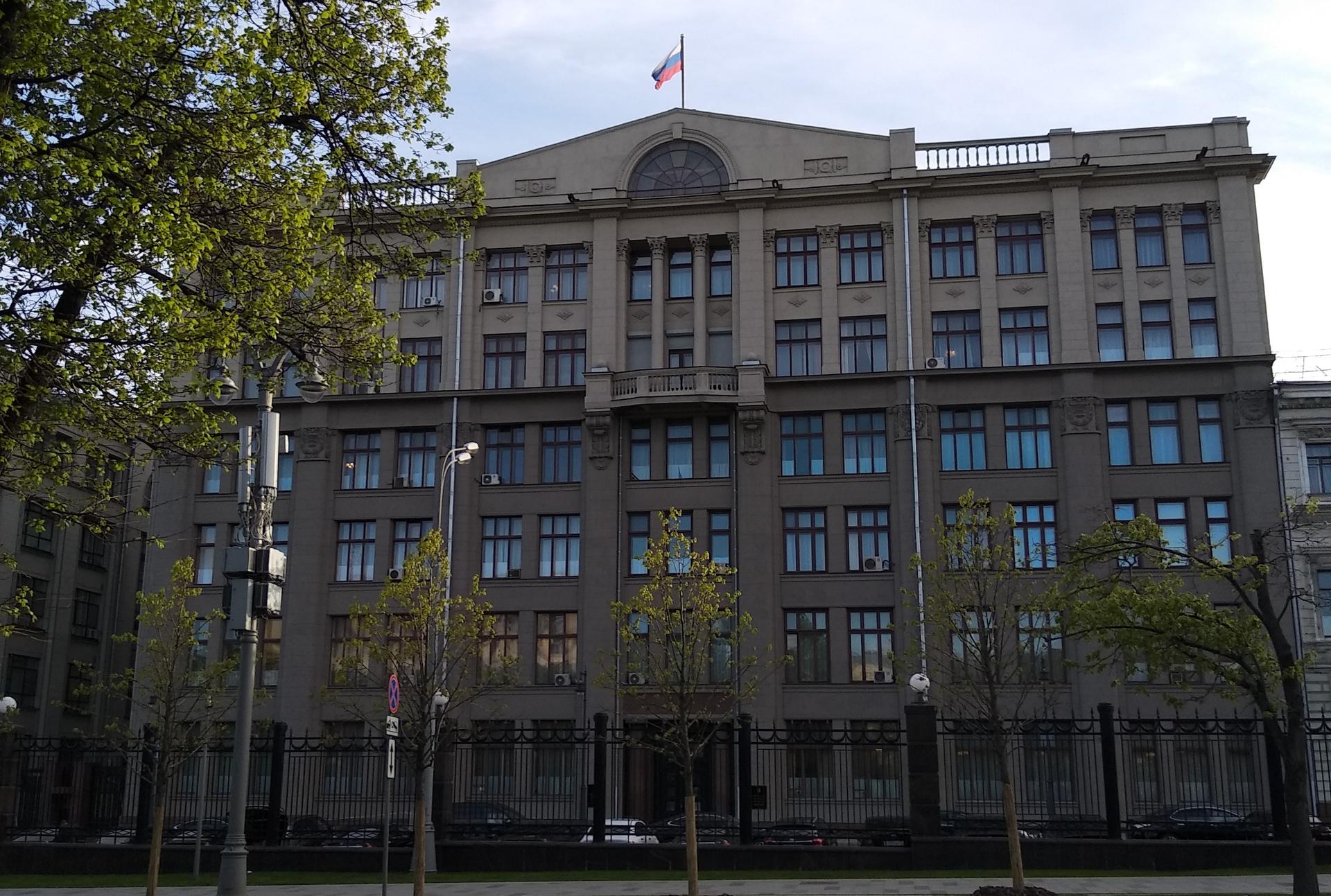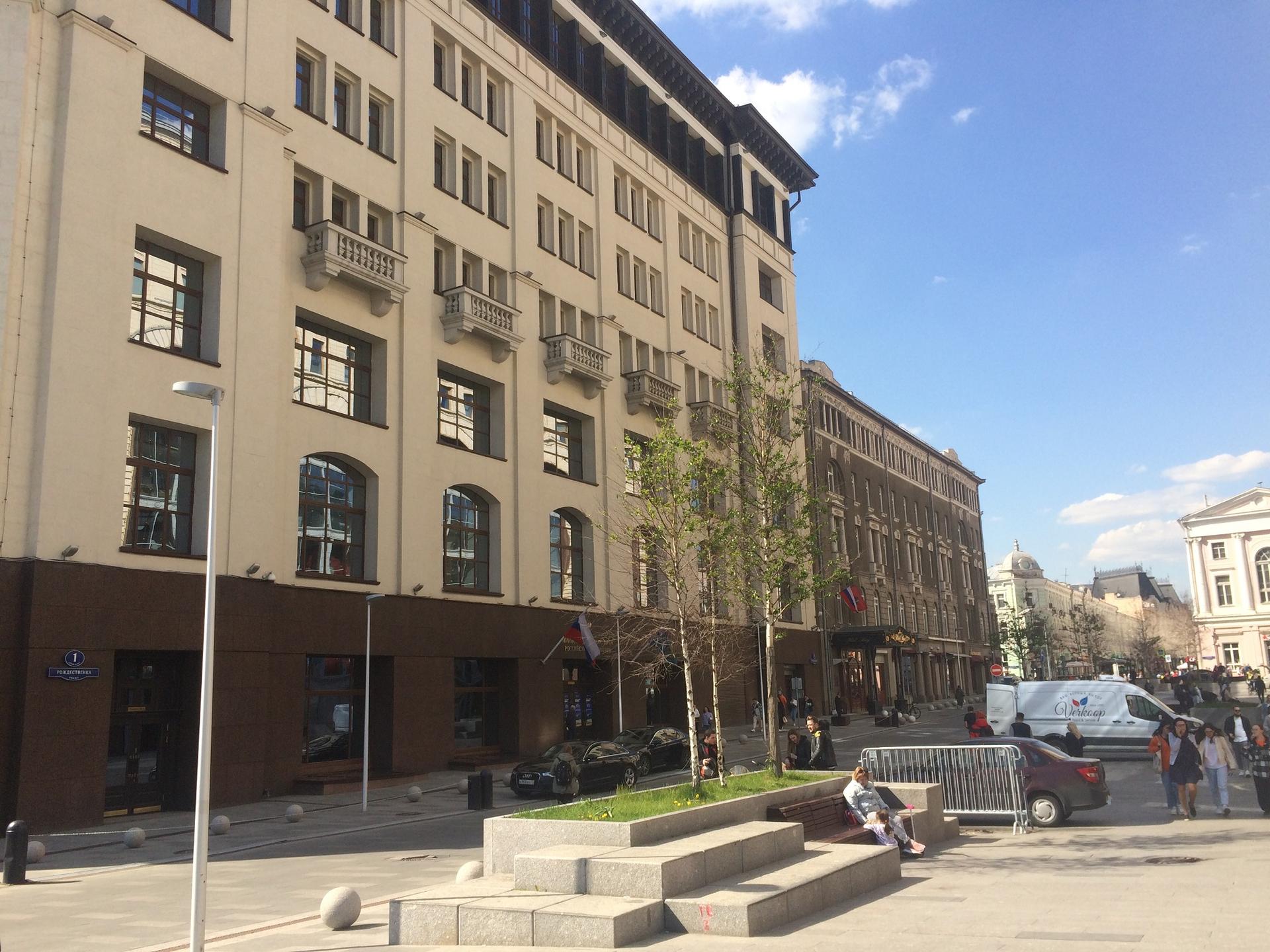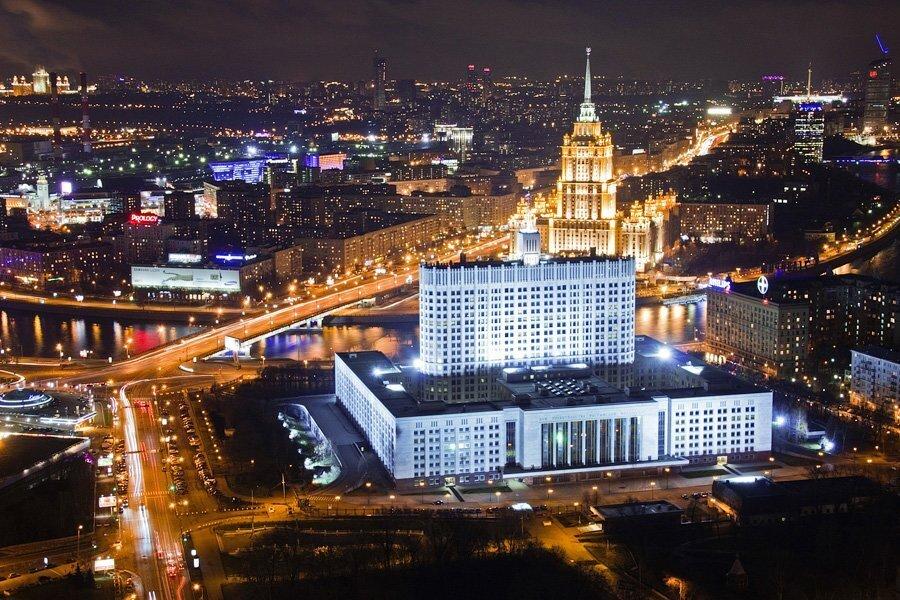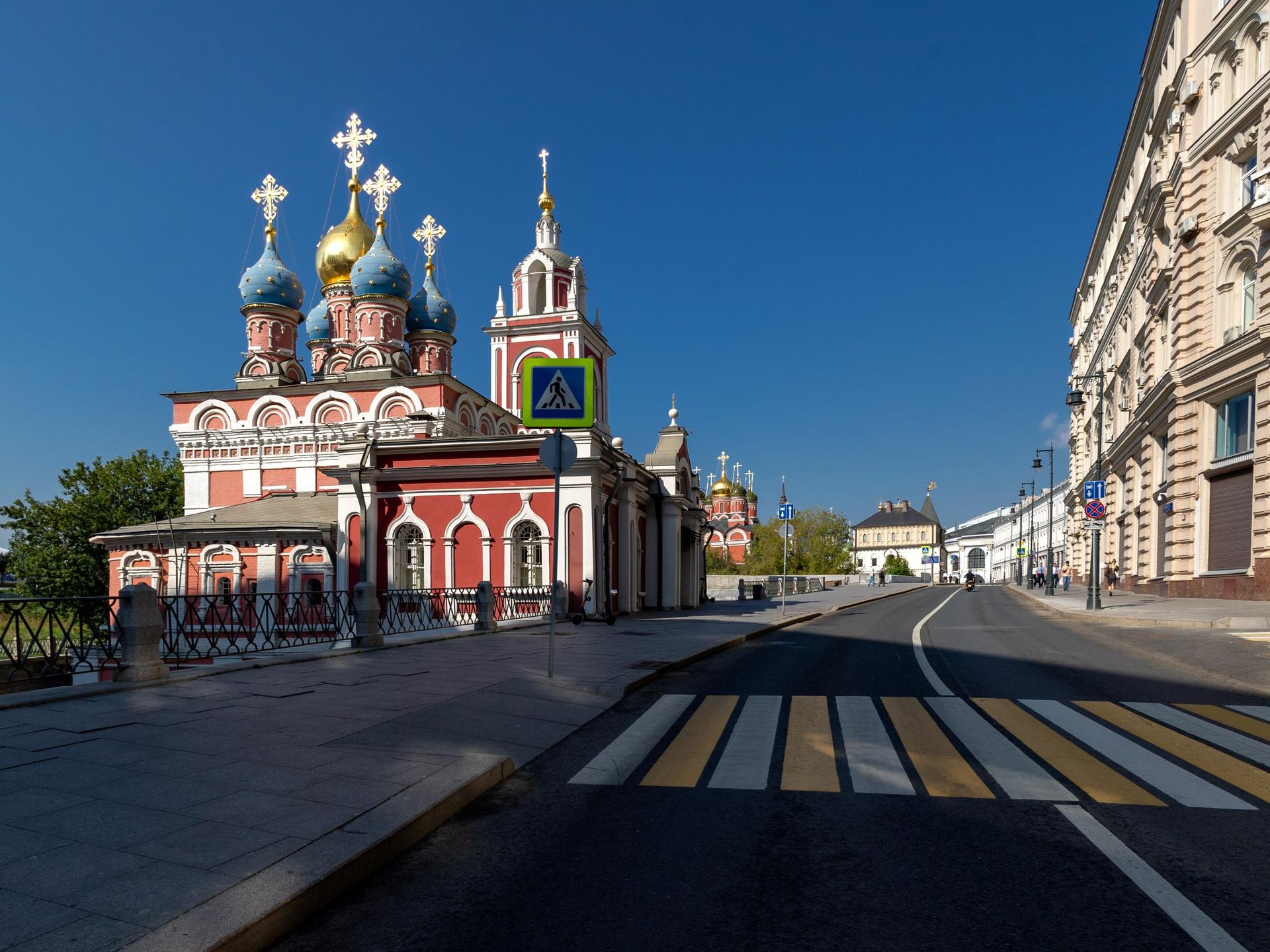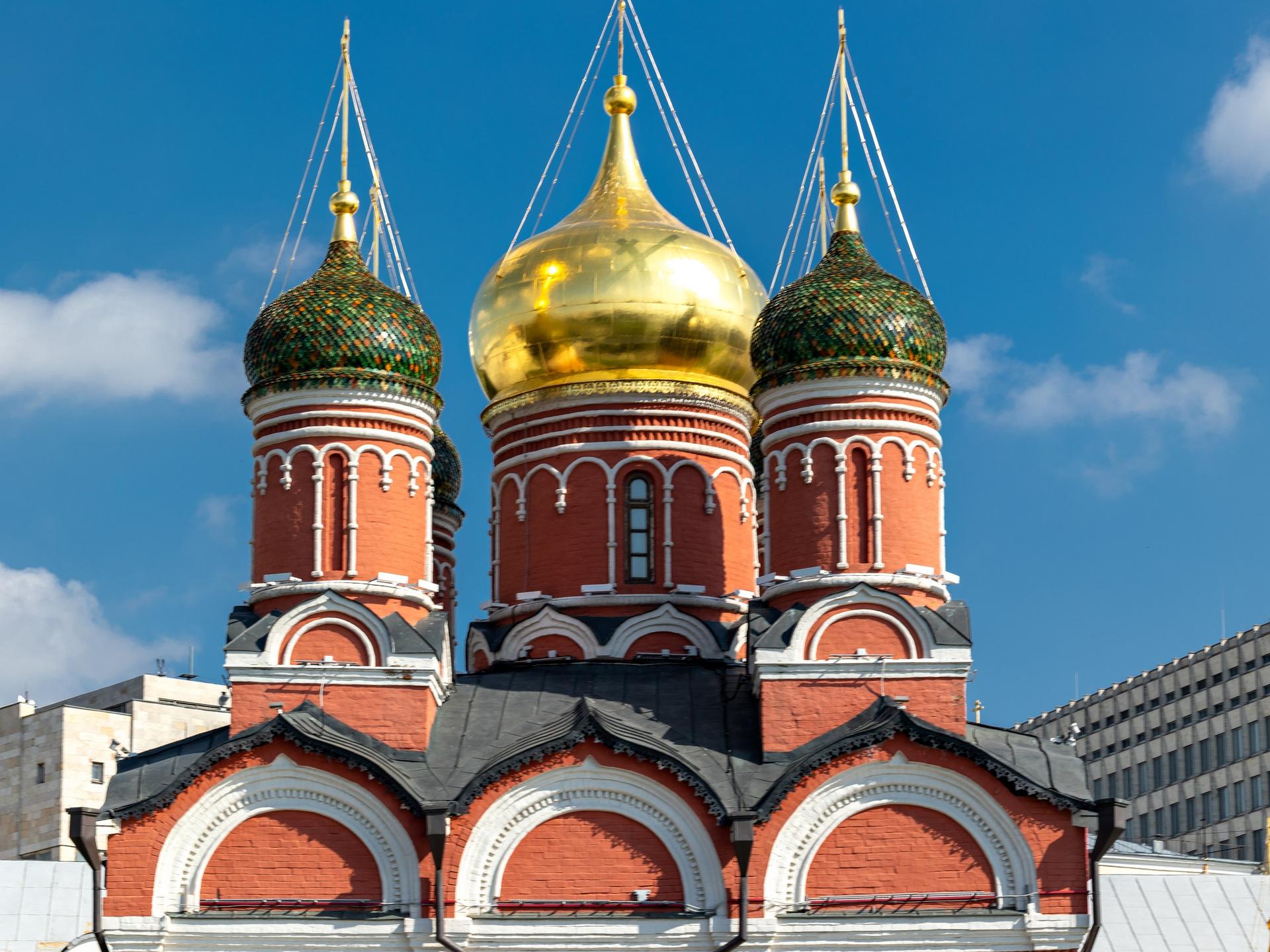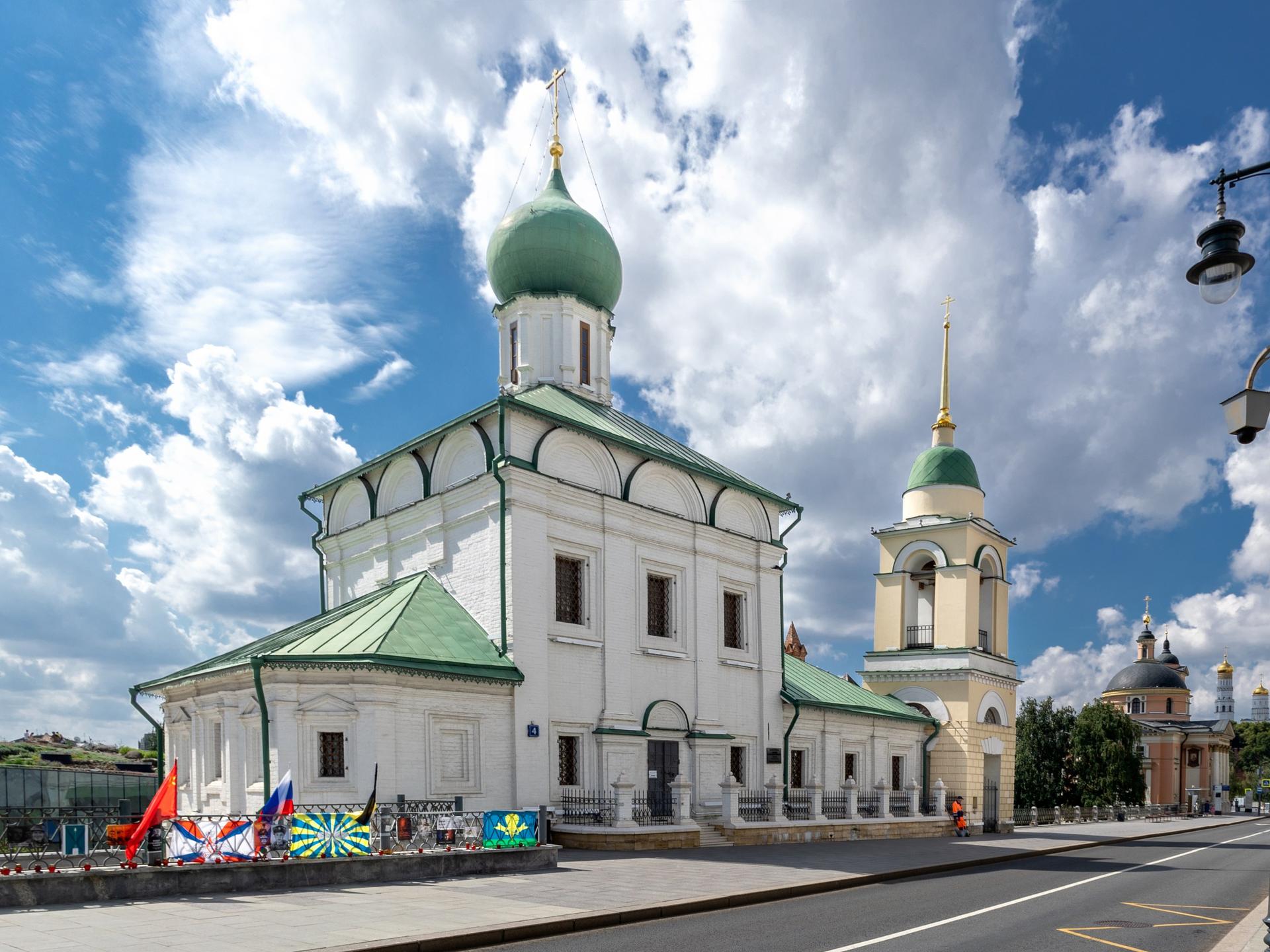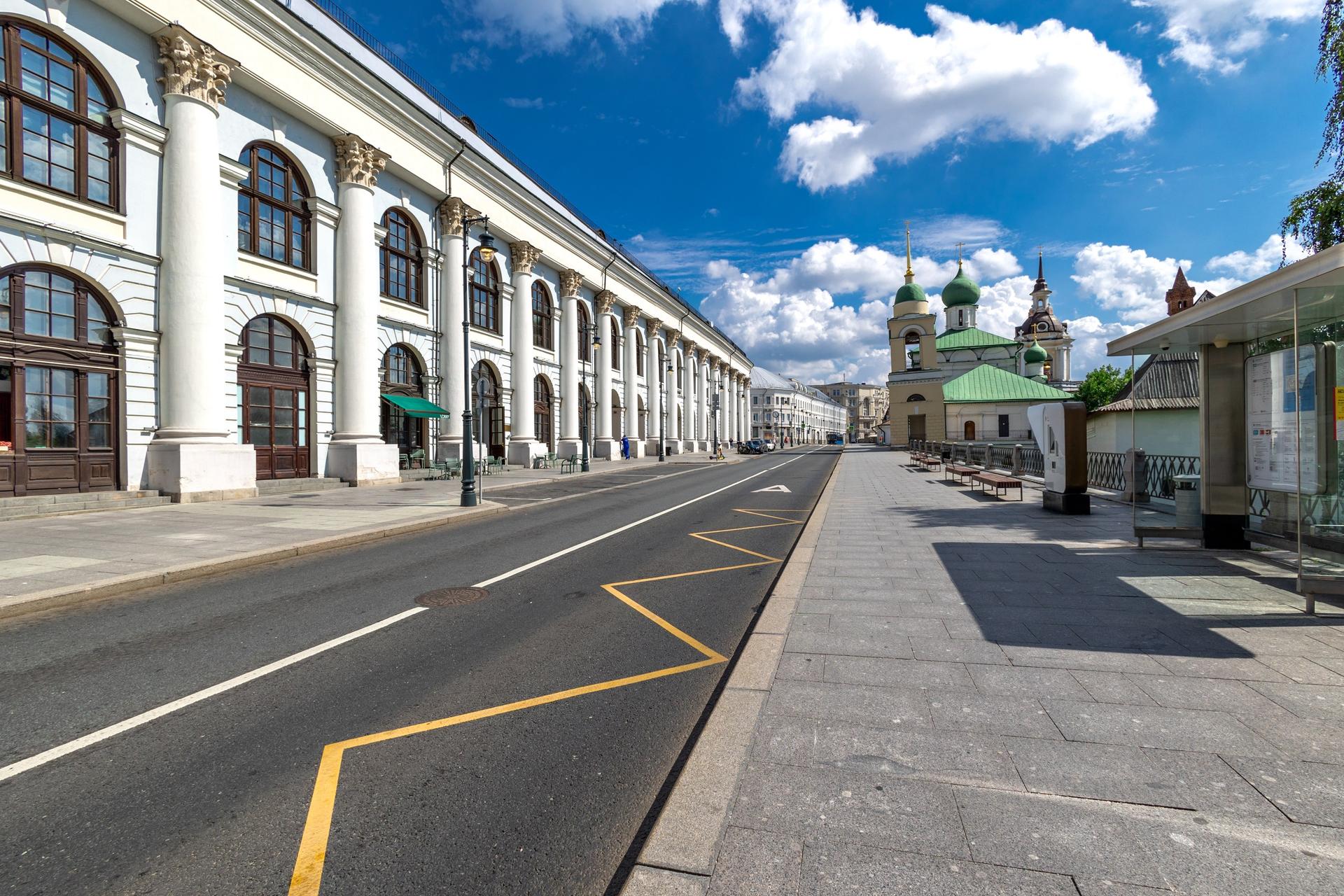
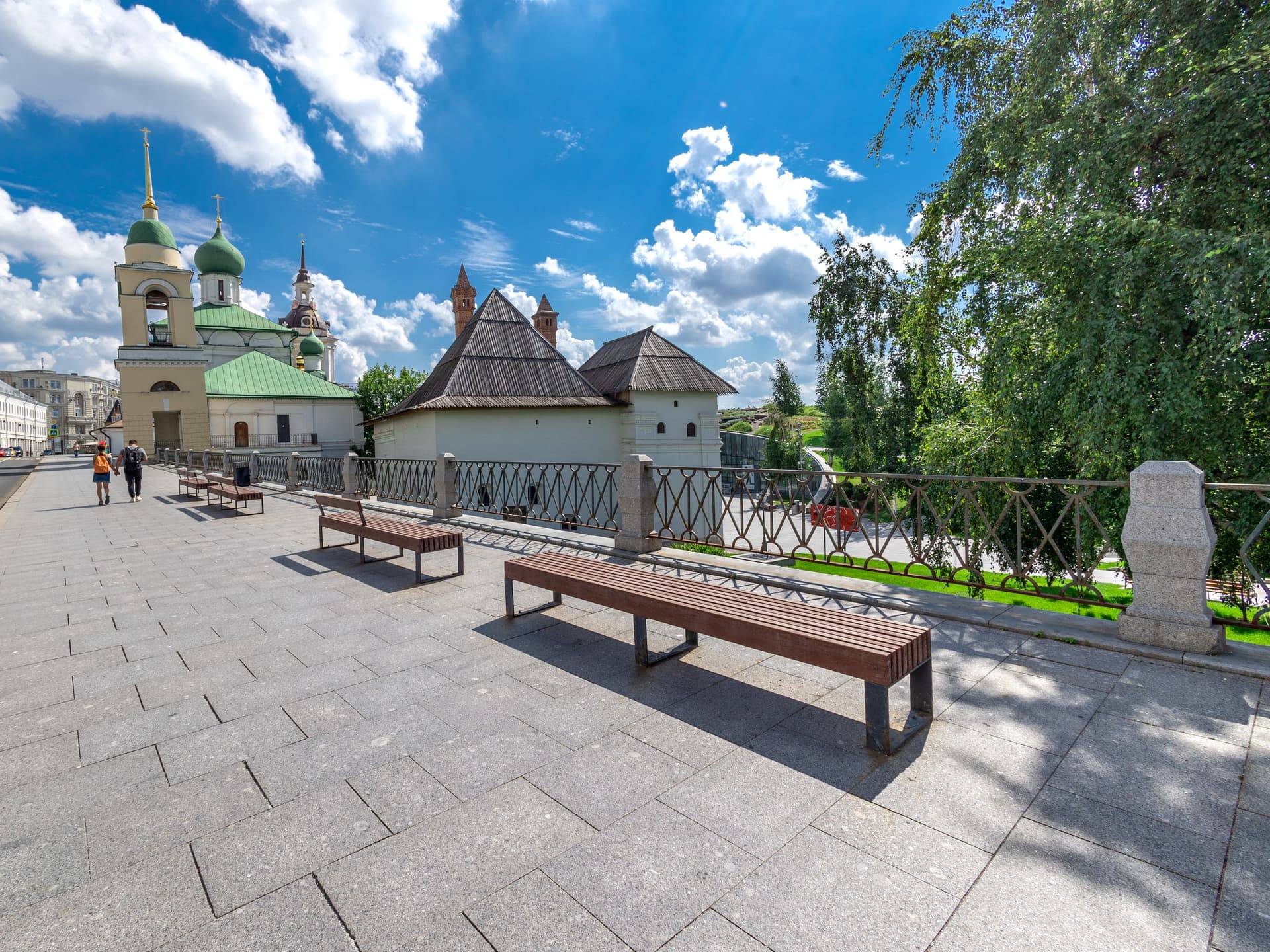
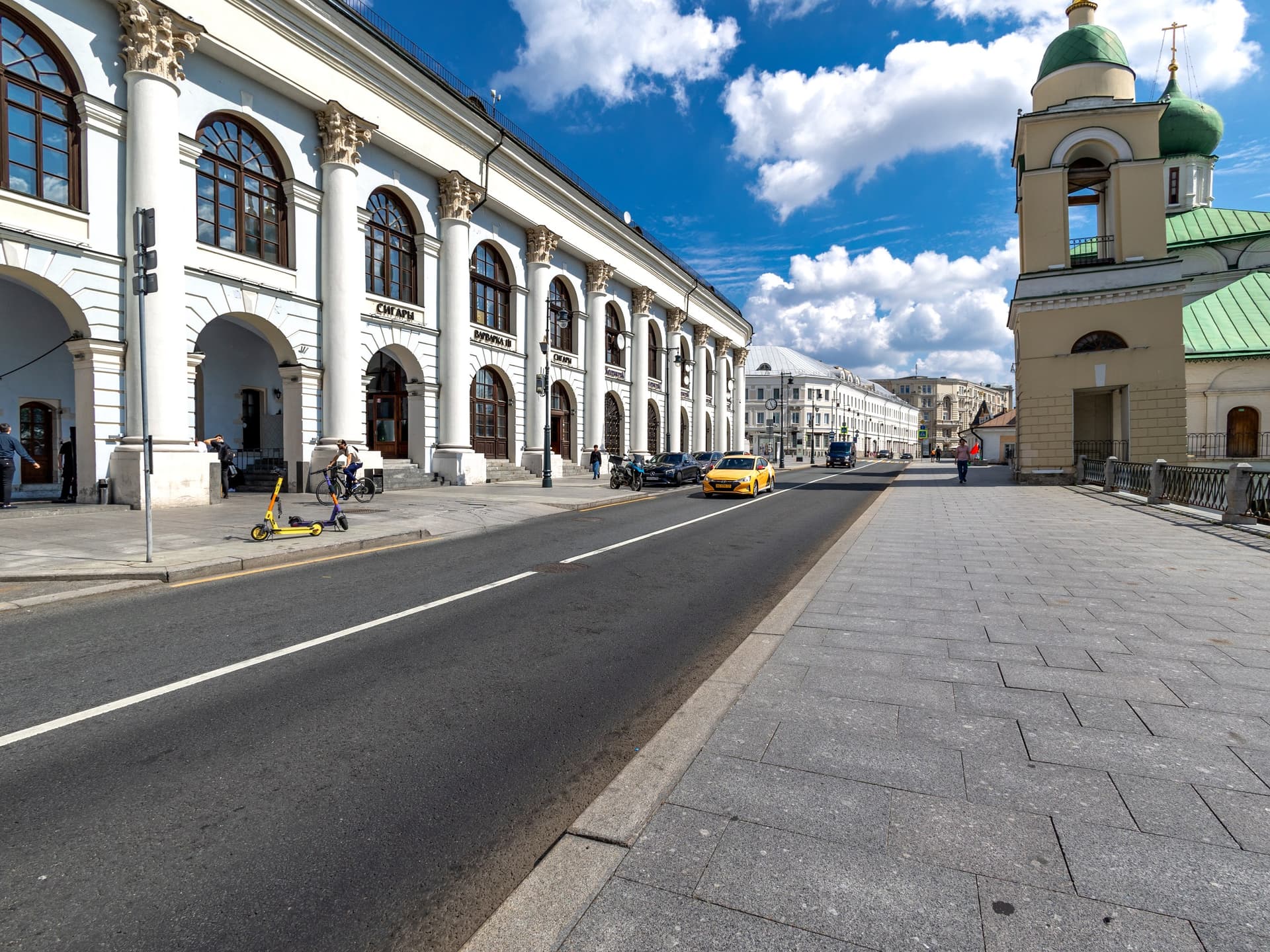


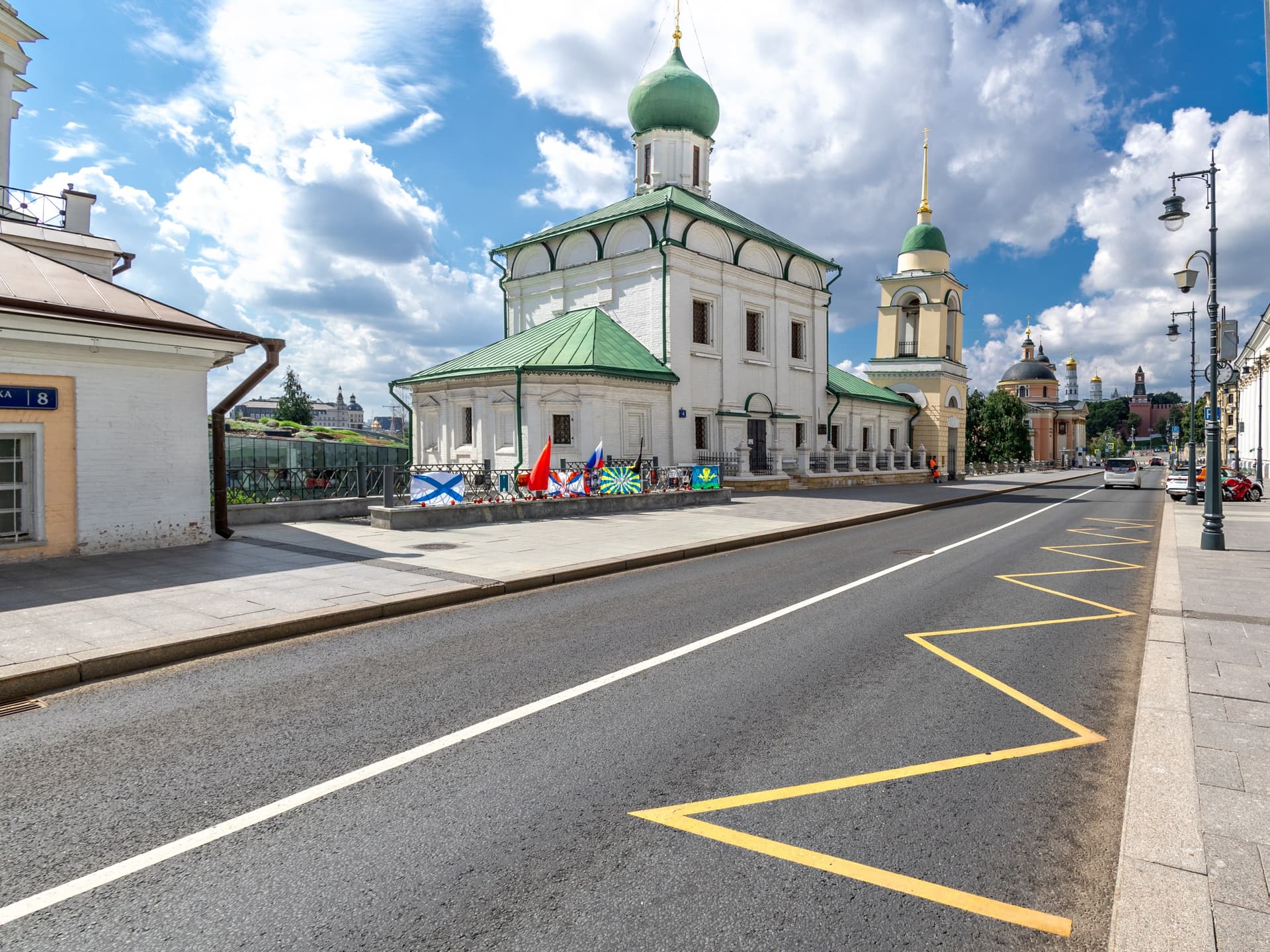
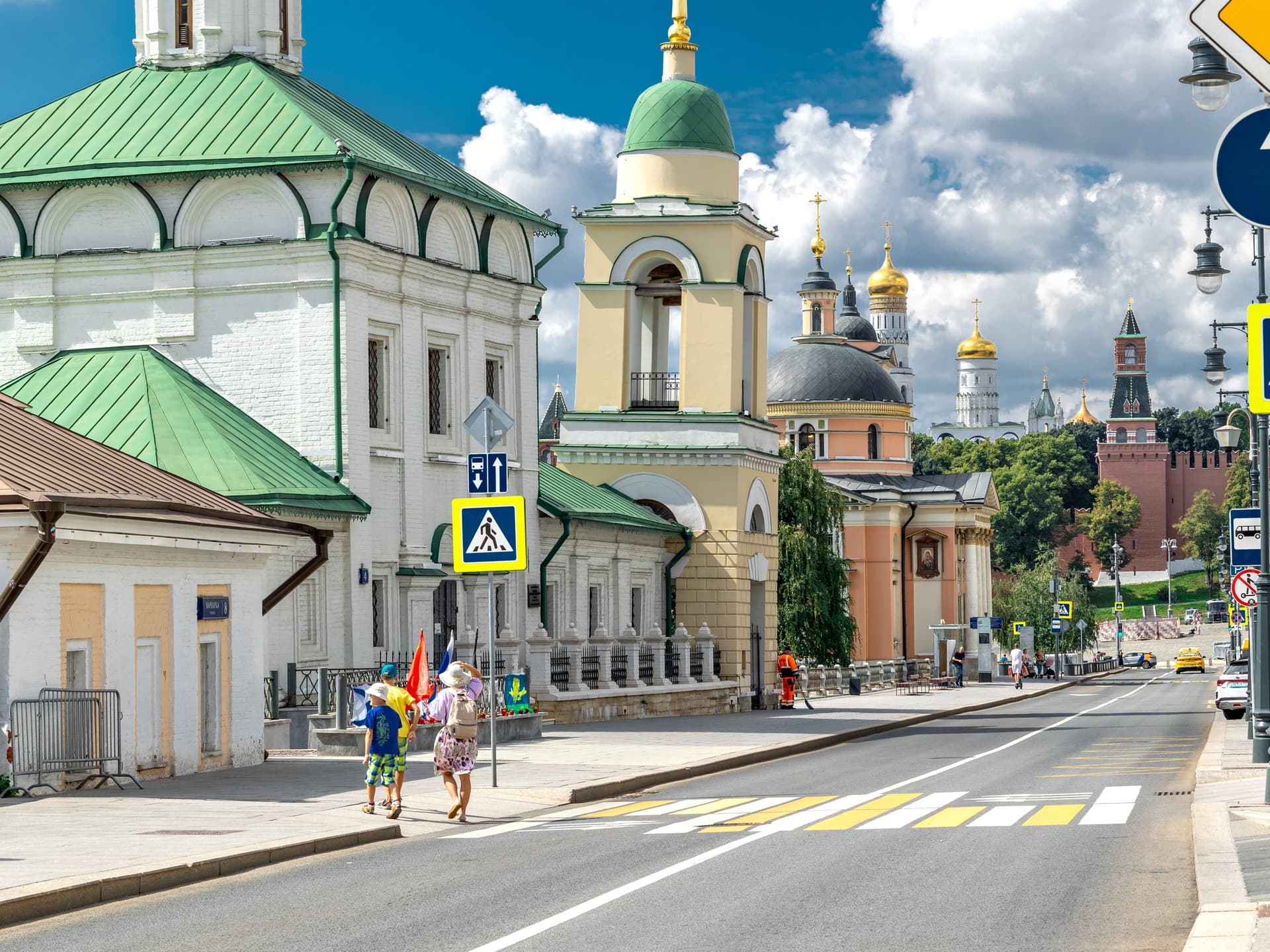
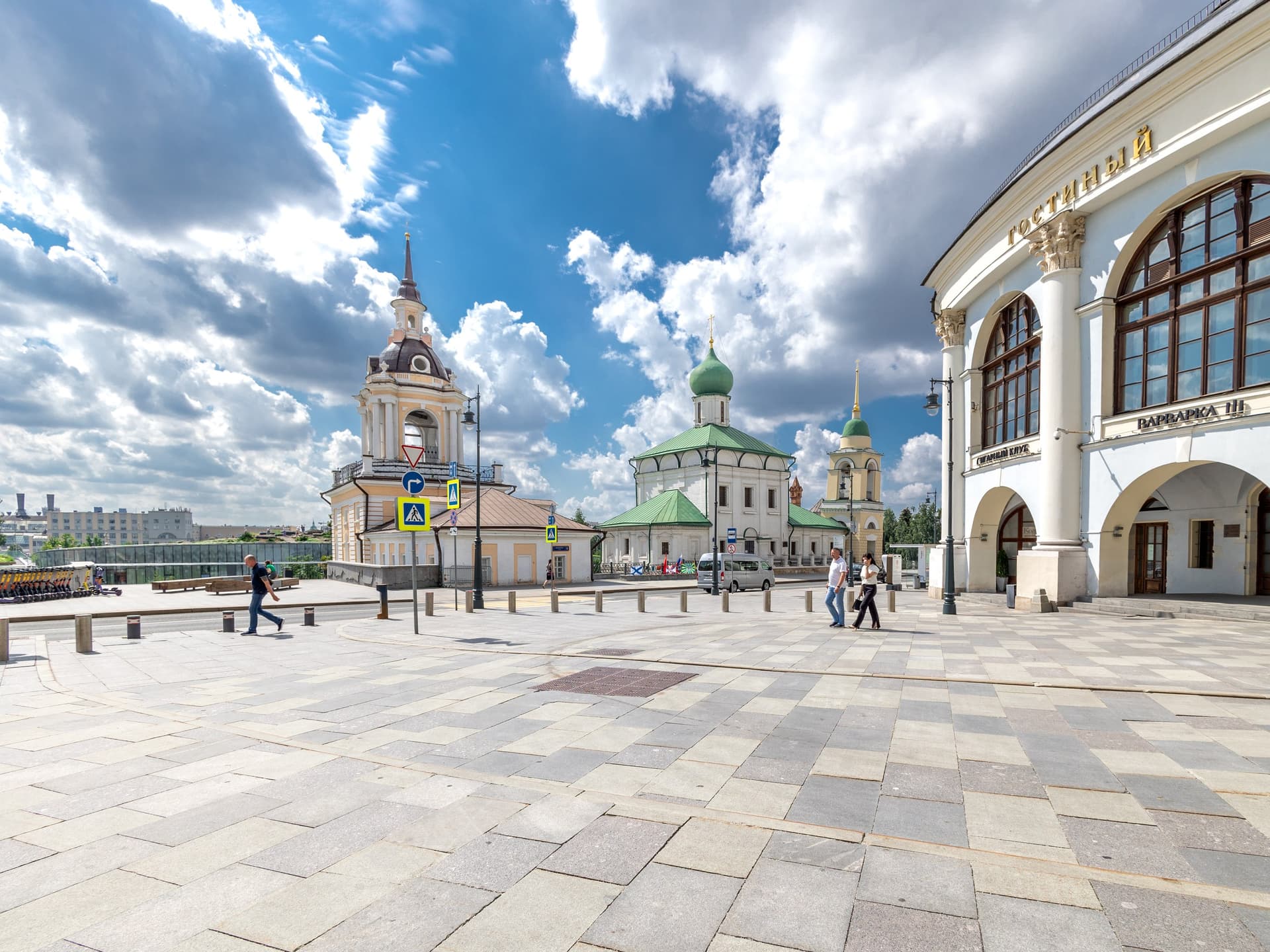
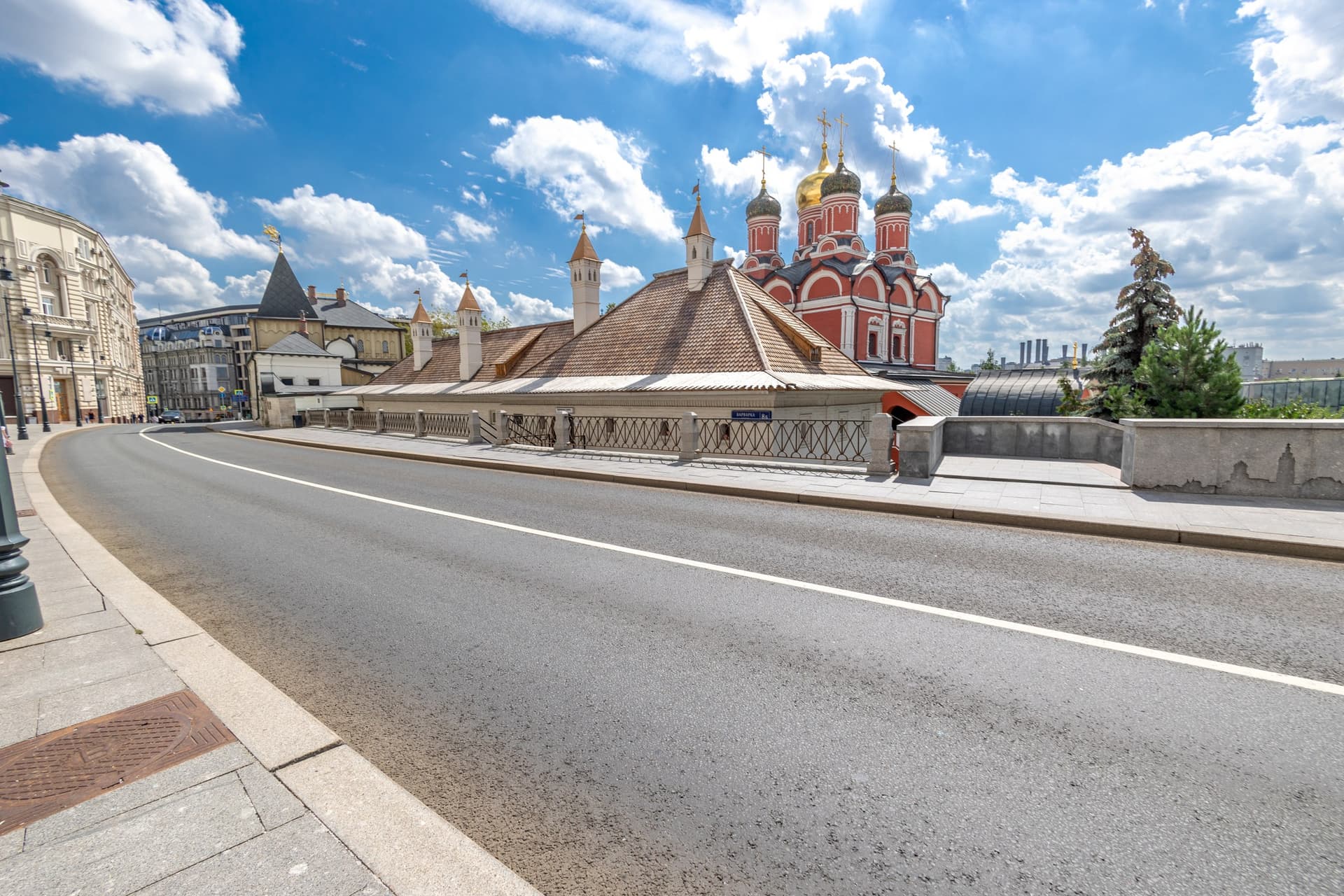


Варварка – одна из старейших улиц Москвы. Впервые она упоминается в письменных источниках в 1434 г. как «Варьская» в связи с погребением здесь святого Максима Блаженного, московского чудотворца. Археологи и историки не исключают более древнего происхождения самой улицы. Существует предание о движении по ней войска князя Дмитрия Ивановича на битву с Мамаем в 1380 г., тогда улица называлась Всехсвятской и являлась частью дороги из Москвы во Владимир и Рязань.
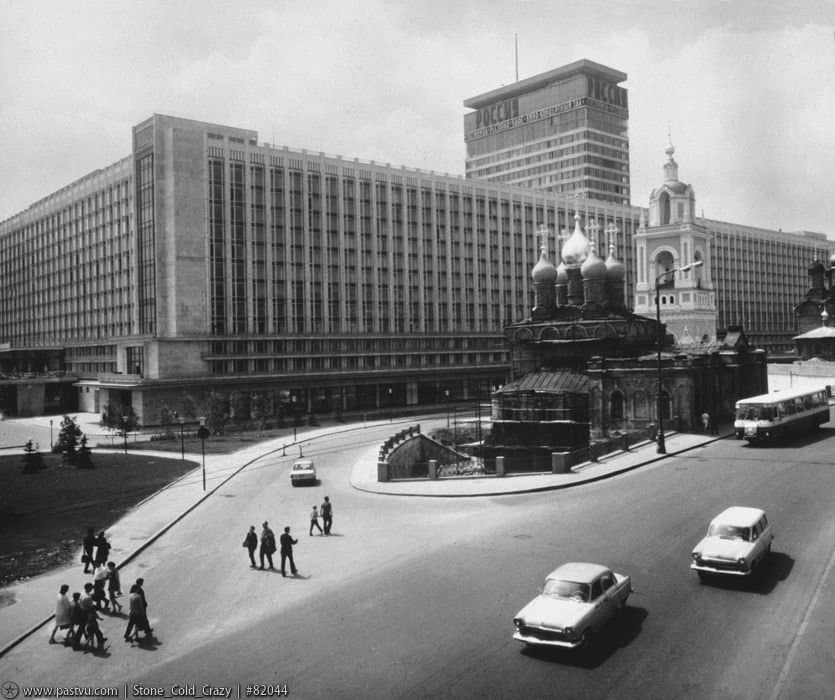
Варварка тянется по бровке холма над Москвой-рекой. В XV в. на вершине возвышенности расселили псковичей, и с тех пор весь холм прозвали Псковской горкой. Трасса улицы извилиста и повторяет естественные контуры природного ландшафта. В древности параллельно верхней улице вдоль берега Москвы-реки шла нижняя Великая улица, соединенная с Варваркой сетью переулков, а территория между ними называлась «Зарядье». Историческая планировка здесь не сохранилась: она была уничтожена в XX в. в связи с планами по созданию грандиозных сооружений. В 1967–2007 гг. здесь располагалась гостиница «Россия», занесенная в книгу рекордов Гиннеса как самая большая в мире на момент постройки. Сейчас наземная часть гостиницы разобрана.
Большинство краеведов склоняются к тому, что церковь Святой Варвары, построенная в камне купцами-сурожанами в 1514 г., дала название всей улице. Рядом с ней в XVI в. находились застенки и тюрьмы, где проводились допросы арестованных. Оттуда пошло московское выражение «к Варваре на расправу». Рядом на Варварском крестце продавали лечебные травы и коренья, можно было обратиться к помощи знахарей и ворожей.
В Средние века улица носила аристократический характер, на ней располагались дворы бояр, богатейших купцов и иноземцев. В XVI в. здесь появилось первое в Москве иноземное посольство, а рядом – крупнейшая усадьба бояр Романовых, превращенная впоследствии в Знаменский монастырь. Сегодня на Варварке в старейших жилых зданиях Москвы – в помещениях палат бояр Романовых и Английского двора – открыты музеи.
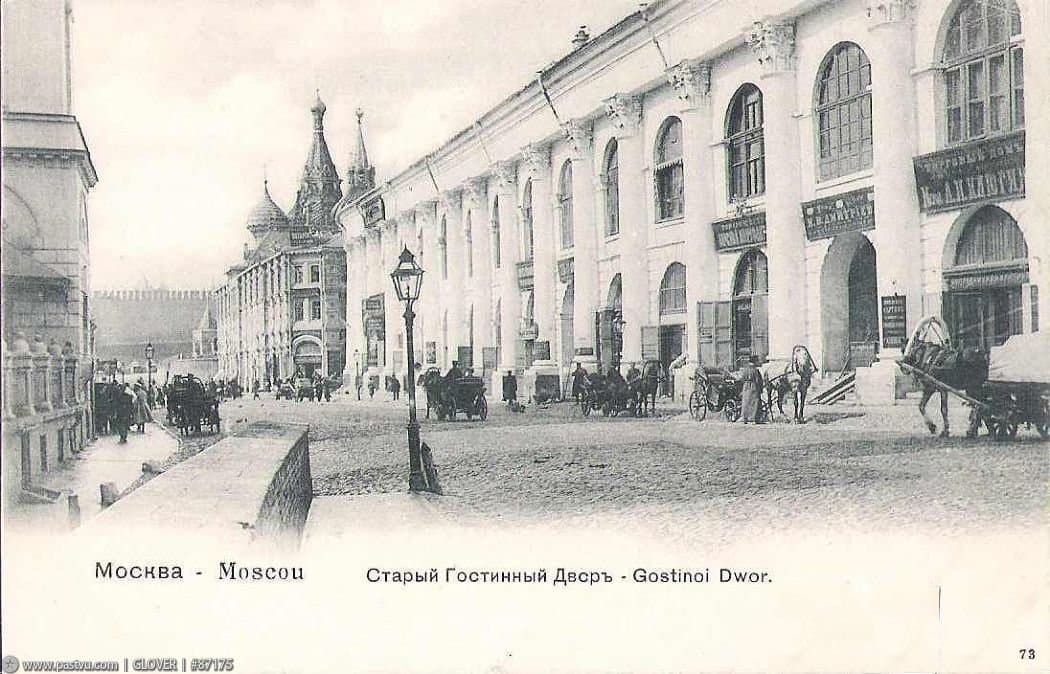
В XVII – XVIII вв. улица стала носить все более торговый характер, а в XIX в. Варварка потеряла былую репутацию. Теперь она славилась своими питейными заведениями и мошенниками. В советское время жилые дома на Варварке превратились в коммунальные квартиры с минимумом удобств, с конца 1940-х гг. начался их постепенный снос и расселение. Сама улица в этот период носила имя Степана Разина.
Современная Варварка стала короче, она начинается за Васильевским спуском у церкви Святой Варвары и заканчивается у выхода из метро. Раньше улица упиралась в Варварские ворота. Фрагмент Китайгородской стены, который виден слева у выхода из метро – результат реконструкции XX в., а белокаменное основание Варварской башни, расположенное в подземном переходе – подлинный фундамент укрепления XVI в.
Сегодня облик Варварки необычен: ее четная сторона состоит из отдельно стоящих памятников московской старины: церквей и палат, а противоположную сторону занимает ряд фасадов торговых домов и Гостиного двора . Такой контраст – результат искусственной чистки четной стороны улицы, где до сноса на рубеже 1950–1960-х гг. помимо храмов и палат располагались многоэтажные жилые дома. В связи c созданием парка в Зарядье предполагается реставрация памятников Варварки и обновление самой улицы в ближайшие годы.
Barbarian - one of the oldest streets in Moscow. It was first mentioned in written sources in 1434 as "Varskaya" in connection with the burial of St. Maximus here's Cathedral, Moscow miracle worker. Archaeologists and historians do not exclude a more ancient origin of the street. There is a tradition of traveling on her Prince Dmitry Ivanovich troops into battle with Mamai in 1380, then known as All Saints Street and is part of the road from Moscow to Vladimir and Ryazan. Barbarian stretches on the brow of the hill above the Moskva River. In the XV century. on top of a hill settled Pskov, and since then the entire hill called Pskov slide. The track is tortuous streets and follows the natural contours of the natural landscape. In ancient times, parallel to High Street along the Moscow River was the lower Great street, connected to the network Varvarka lanes, and the territory between them called "charges". Historical layout is not preserved: it was destroyed in the XX century. in connection with plans to build huge structures. In 1967-2007 gg. here was located hotel "Russia", inscribed in the Guinness Book of Records as the world's largest at the time of construction. Now the ground part of the hotel dismantled. Modern Barbarian became shorter, it starts Vasilevsky descent from the church of St. Barbara and ends at the exit of the subway. Earlier street rested against the barbaric gate. Fragment of Kitai-Gorod wall, which is visible to the left at the exit of the subway - the result of the reconstruction of the XX century. And white-stone base Barbarous tower, located in the underpass - the real foundation of strengthening the XVI century. Most local historians are inclined to believe that the Church of St. Barbara [http://um.mos.ru/houses/22193/], built in stone merchant surozhanami in 1514, gave its name to the street. Next to her, in the XVI century. were dungeons and prisons where interrogations of prisoners. From there went Moscow expression "to Barbara for punishment." Next to the barbarian sacrum selling herbs and roots, you can refer to the help of traditional healers and witch. In the Middle Ages wore street aristocratic character, for it has a yard of the boyars, the richest merchants and foreigners. In the XVI century. where the first foreign embassy in Moscow, and the next - the largest estate of the Romanov Boyars, transformed later into the Sign Monastery. Today in Varvarka in the oldest residential buildings in Moscow - indoor Chambers of the Romanov Boyars and English Court - open a museum. In the XVII - XVIII centuries. Street has been becoming increasingly commercial character, and in the XIX century. Barbarian lost its former reputation. Now it is famous for its drinking establishments and scammers. During the Soviet era houses in Varvarka turned into a communal apartment with a minimum of facilities, from the late 1940s. began their gradual demolition and resettlement. The street itself during this period bore the name of Stepan Razin. Today the face Varvarka unusual: it even side consists of separate monuments of old Moscow: churches and chambers, and the opposite side takes a number of fronts shopping malls and the arcade [http://um.mos.ru/houses/2131/]. Such a contrast - the result of artificial cleaning of even the street where to demolition at the turn of 1950-1960-ies. in addition to churches and chambers were located high-rise residential buildings. In this regard the creation of the park in the c Zaryadye supposed restoration of monuments Varvarka and updating of the streets in the coming years.