Интерактивный гид по городу
С мобильным приложением бродить по городу гораздо интереснее!

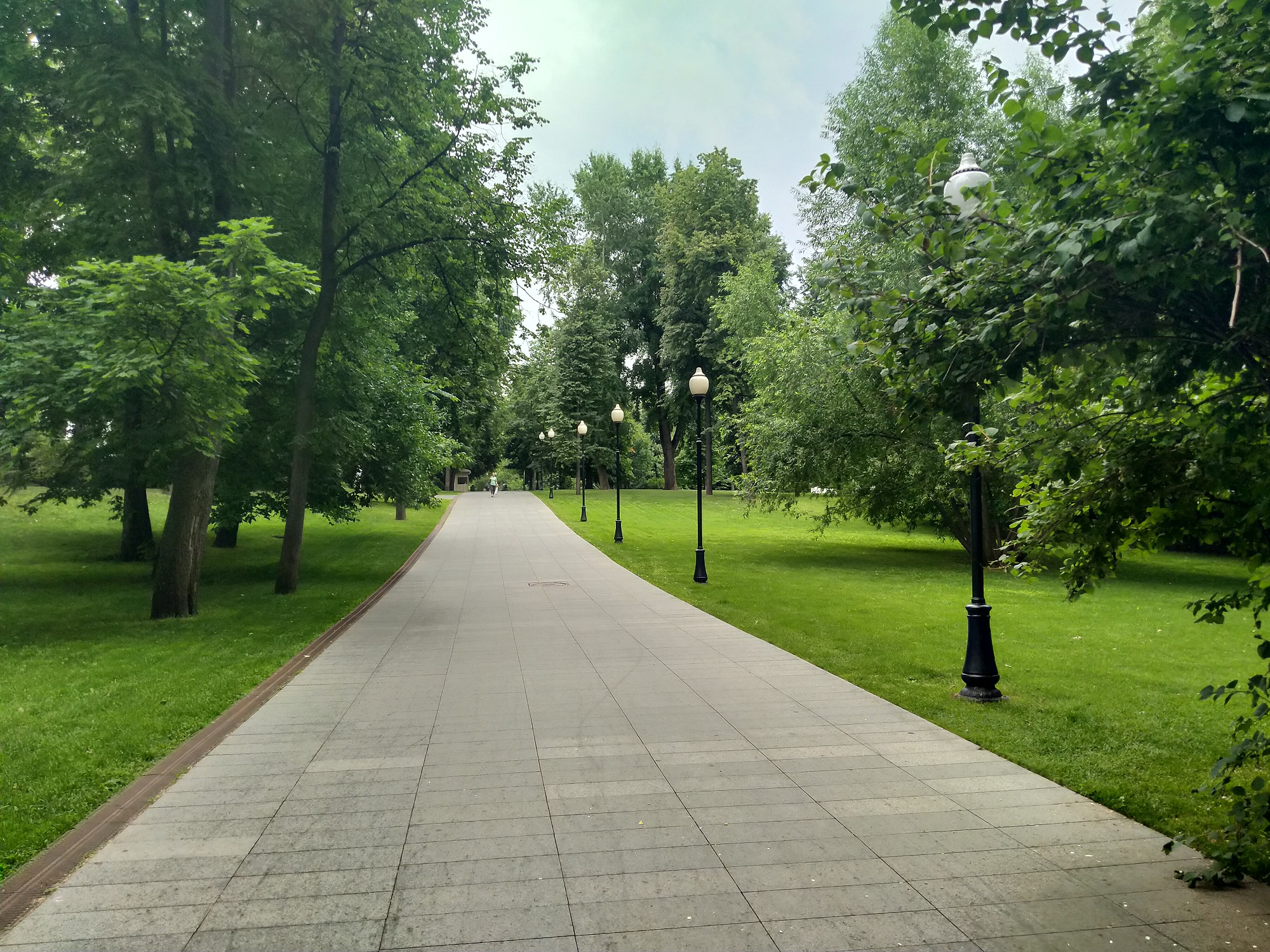
Прогулка по ЦПКиО им.Горького

Прогулка по ЦПКиО им.Горького
B
Пушкинская набережная
Shabolovskaya, Oktyabrskaya
55 м.
4.5 км
50
Тематический маршрут в рамках спецпроекта портала «Узнай Москву» и Департамента культуры - «Прогулочные маршруты по городским паркам».
3.30
beauty
duration
informative
availability
Вы можете воспользоваться QR-кодом, чтобы открыть эту страницу в нашем приложении
B
Пушкинская набережная
Shabolovskaya, Oktyabrskaya

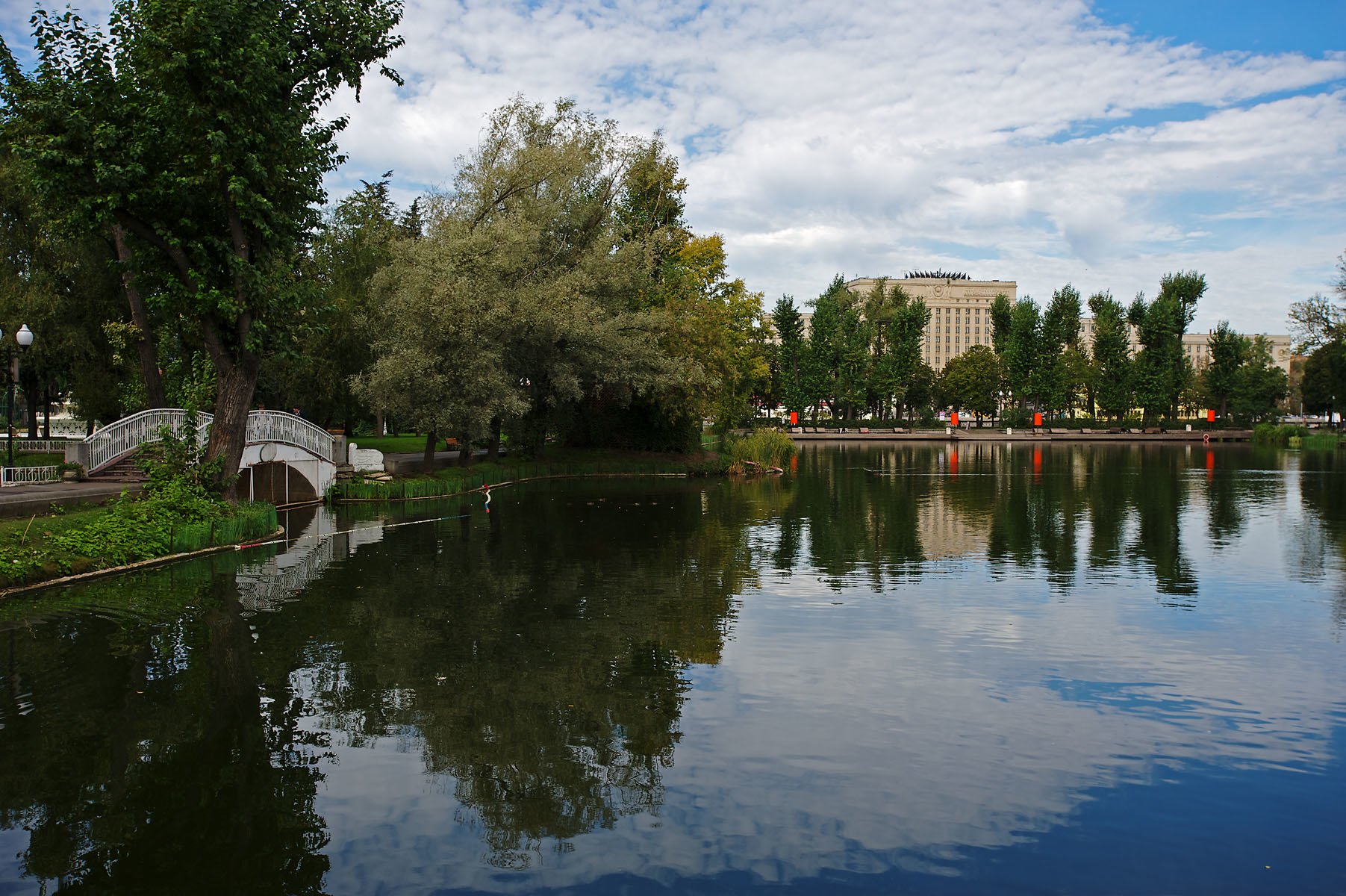
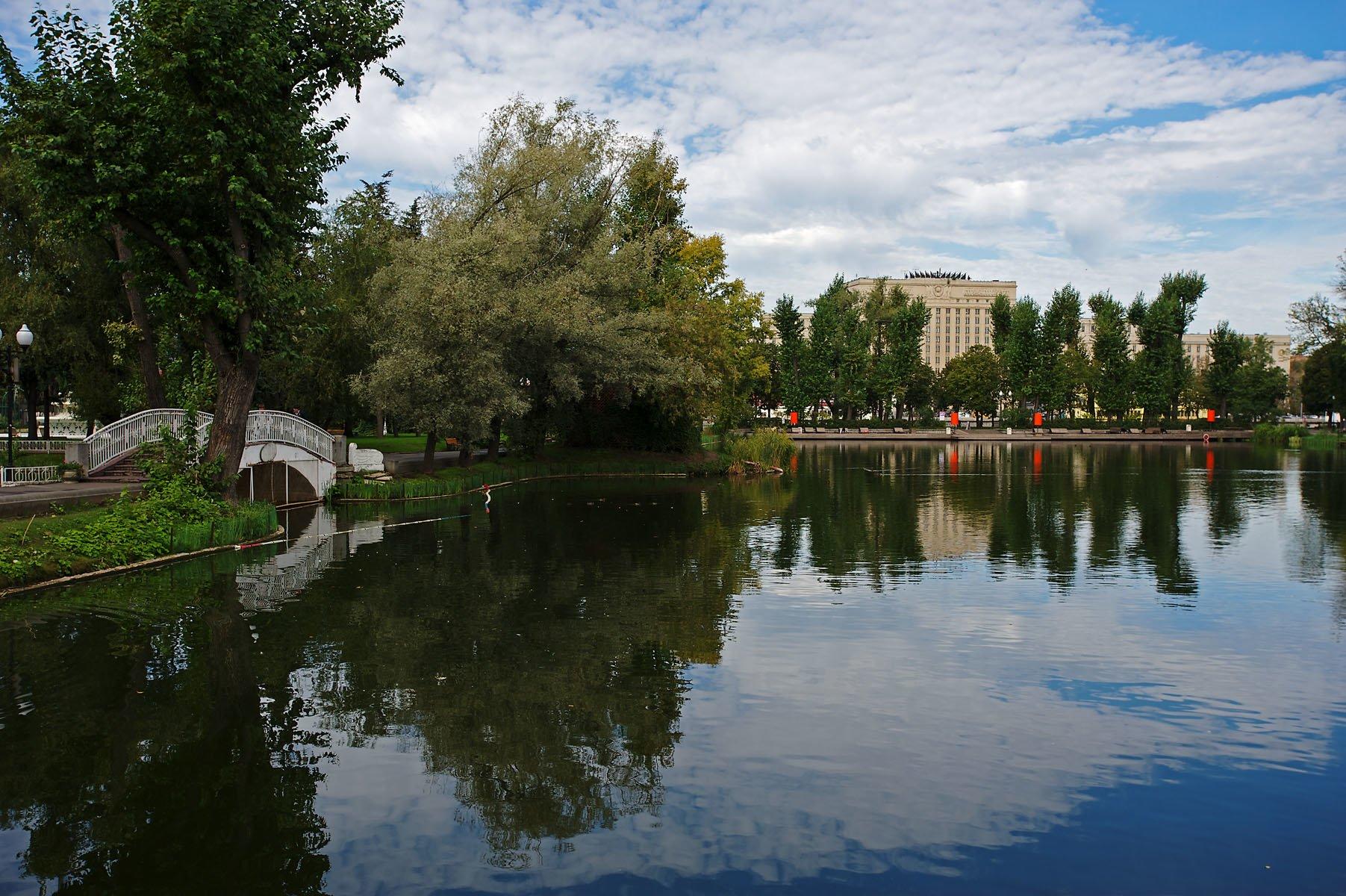
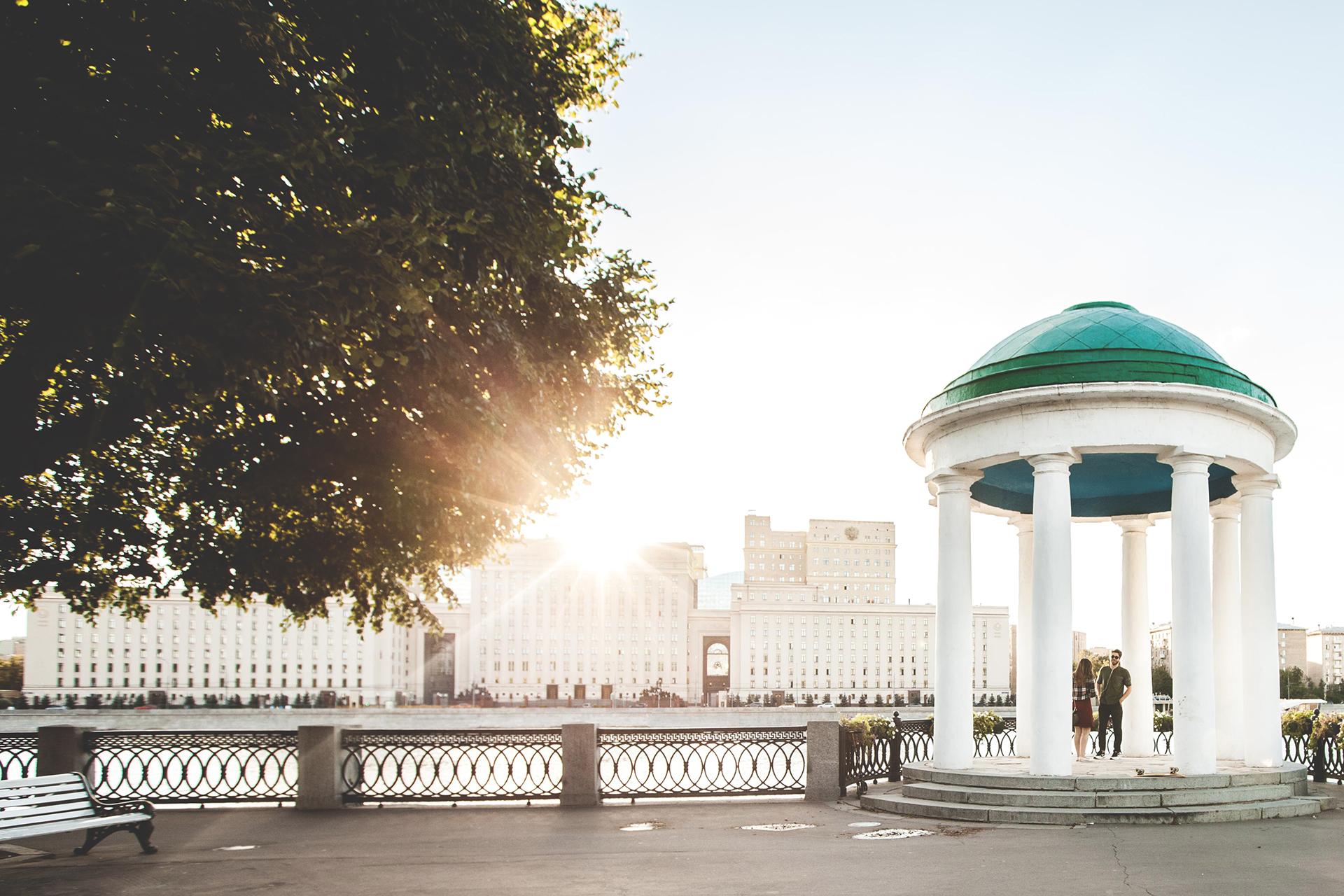
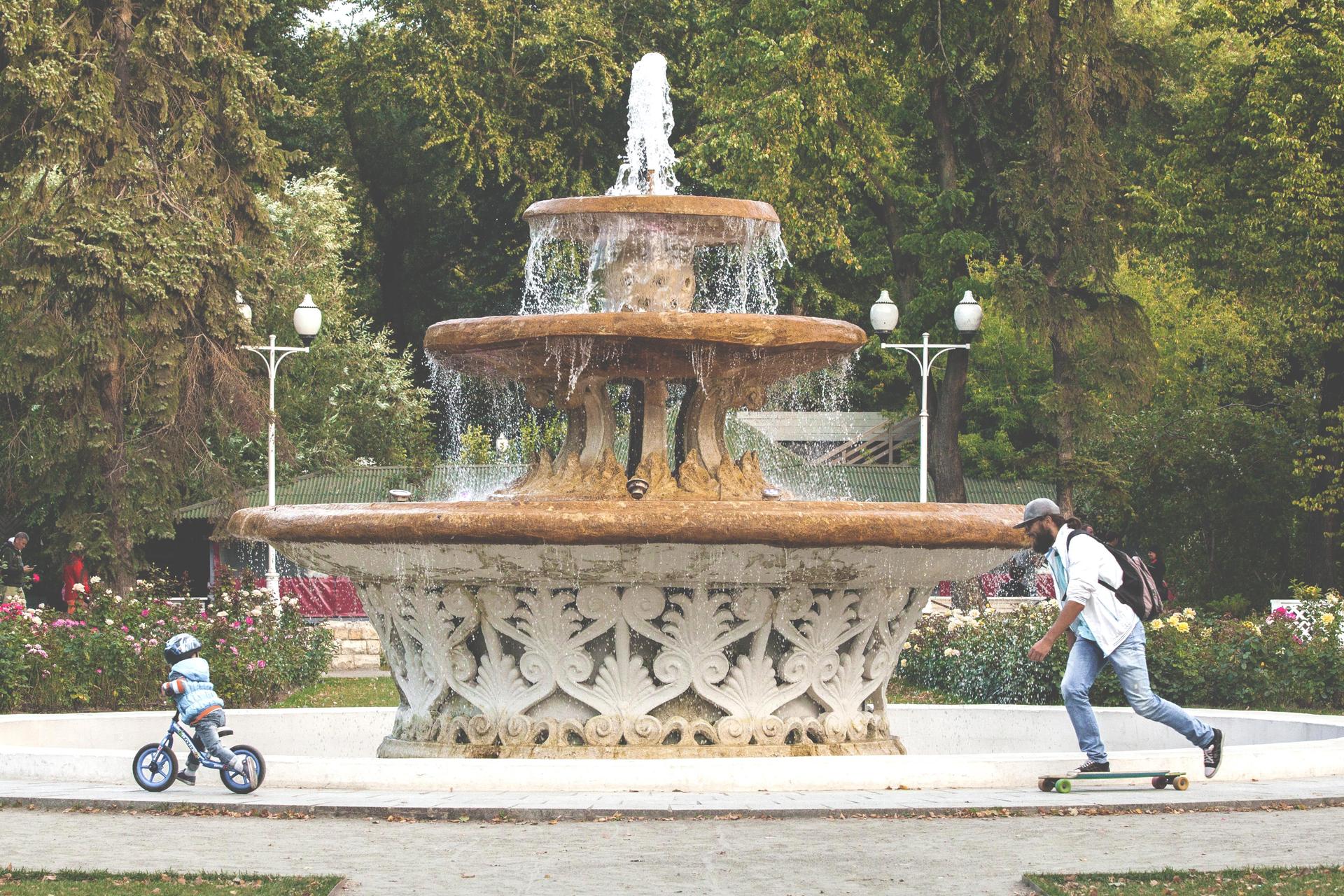
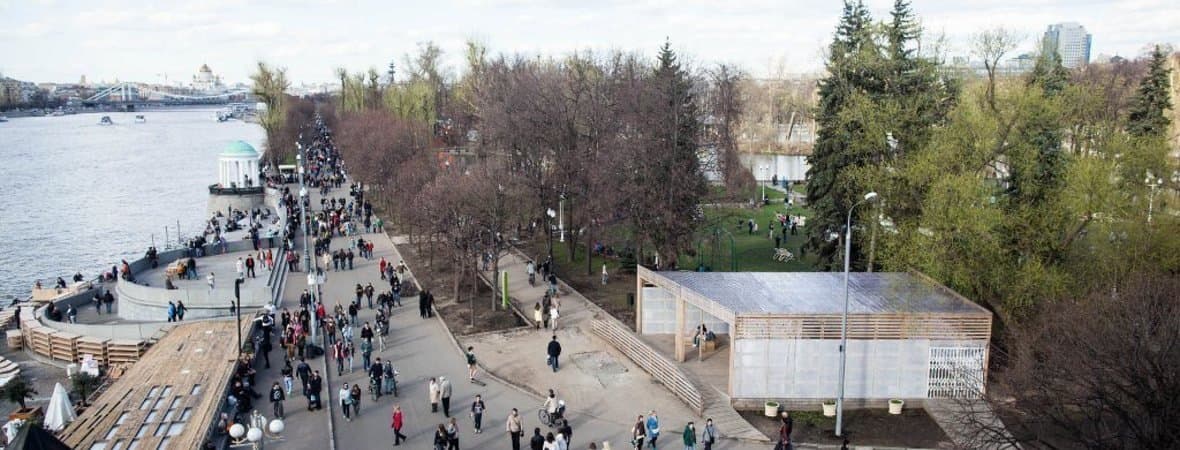
Территория Центрального парка культуры и отдыха им. М. Горького (Парк Горького) составляет менее 300 гектар и условно разделена на 5 частей – Парк искусств МУЗЕОН, Партер, Нескучный сад, Воробьевы горы и часть территории комплекса зданий МГУ. Каждая из этих земель правобережья Москвы-реки имеет свою историю.

Своим возникновением Парк обязан Советской власти. До революции здесь находился Орловский луг (владения графа Алексея Орлова), простиравшийся вдоль Калужской дороги (ныне Ленинский проспект) от Нескучного сада до Крымского брода. Дворянские усадьбы   Трубецкого, Орловых, Голицыных и Александрийский дворец - резиденция императора Николая I, к началу ХХ века пришли в   запустение – на Орловских лугах с согласия городских властей была устроена свалка.

 
Для демонстрации успехов Союза Советских Социалистических Республик (1922 г.), достижений в промышленности и сельском хозяйстве за первые годы советской власти по инициативе В.И. Ленина было принято решение о проведении в Москве первой Всероссийской сельскохозяйственной и кустарно-промышленной выставки (ВСХВ).

 
Реализация проекта ВСХВ была поручена ведущим архитекторам и художникам того времени – Ивану Жолтовскому, Алексею Щусеву, Константину Мельникову, Федору Шехтелю, Владимиру Щуко, Лазарю Лисицкому и многим другим. Под их руководством на расчищенной территории бывшей свалки в достаточно короткий срок (с марта по август 1923 года) было возведено более 225 тематических павильонов, посвященных республикам или отраслям промышленности и сельского хозяйства.

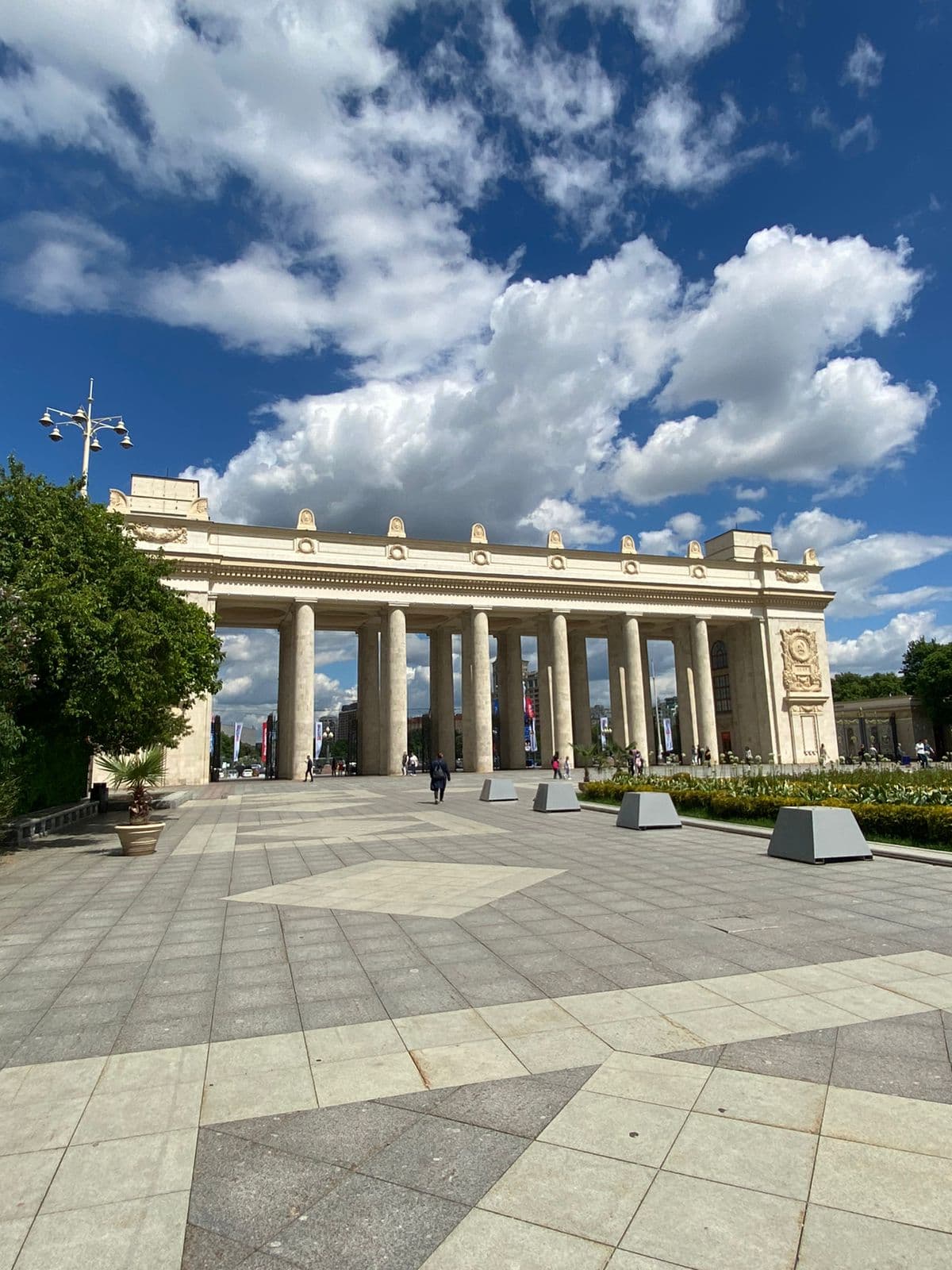
После закрытия ВСХВ территория превратилась в прогулочную зону для москвичей. Создание и открытие Парка освещалось в газетах и по радио.

Под заголовком "Открывается вход в парк культуры и отдыха" газета "Рабочая Москва" 11 августа 1928 года приглашала всех в парк: "Зав. парком тов. Лебедев сообщил нашему сотруднику, что парк открывается в воскресенье 12 августа в 12 часов дня. Вход в первый день будет бесплатный, а затем устанавливается плата в 10 копеек. Кроме того, выпускаются сезонные билеты за полтинник со дня сезона".

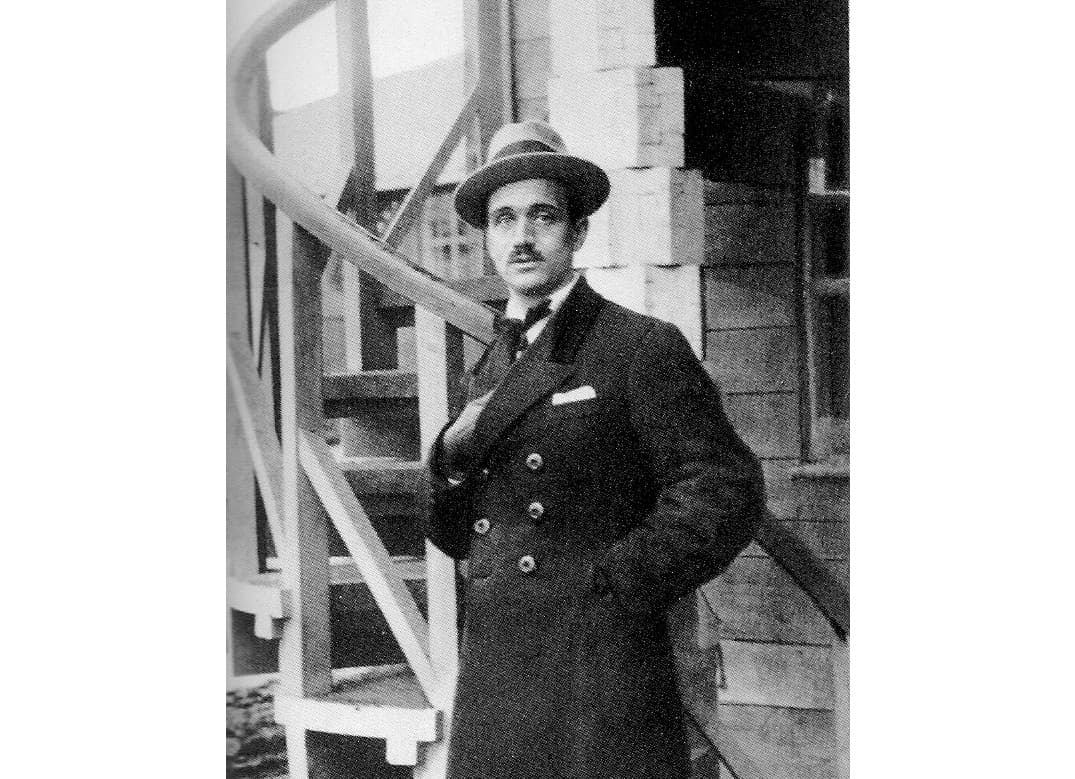
В апреле 1929 года руководителем сектора массовой работы Парка стала Бетти Николаевна Глан, при которой Парк обрел новую жизнь. Ей удается привлечь к работе в парке молодых и талантливых художников, архитекторов, оформителей - ЦПКиО стал отражением ее фантазии, упорства и таланта. За наполнение парка отвечают известные художники Владимир и Георгий Стенберги, главным архитектором Парка становится Александр Власов.

В 1930-е гг. популярность Парка необычайно возросла. На заводах и фабриках лучших рабочих ударников труда награждали однодневными путевками в Парк для всей семьи.

В 1935 году в Парке был проведен первый московский карнавал, который посетили более 100 000 человек.

«….на карнавале все должны быть в масках, все костюмированы. Стало быть — нужно каждому дать маску и костюм! Карнавальный пакет!
Это был красивый пакет из плотной бумаги, а в нем — входной билет, маска, головной убор, части костюма: аппликации, манжеты, нарукавники, бумажный кошелек на шнурочке, а в нем конфетти, серпантин, программа карнавала, листовка «пойте с нами» с текстами песен и веселыми пословицами. Хотя пакет стоил довольно дорого — 10 рублей, сто тысяч пакетов были раскуплены за две недели, возместив нам немалые средства, затраченные на подготовку и проведение карнавала.»

На протяжении своей 90-летней истории, Парк Горького, спроектированный в пропорциях золотого сечения, пережил несколько масштабных реконструкций – после войны в 1950-е гг., к Олимпиаде 1980 г. появление парков аттракционов внутри Парка, реализация современной концепции Парка в 2011 году. Приглашаем Вас окунуться в историю «комбината культуры» и «фабрики счастливых людей» на страницах этого путеводителя!

Автор статьи: ЦПКиО им. Горького
В путь!
Годы постройки:
1955
Ближайшие станции метро:
Архитекторы:
А. Спасов, Г. Щуко
Эпоха:
1950s
4.00
Узнать об объекте больше
1
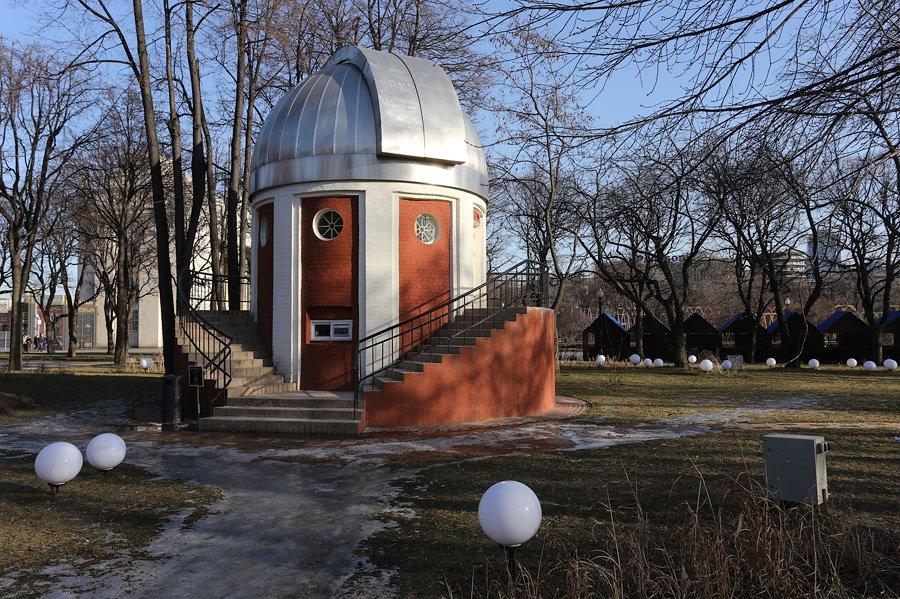
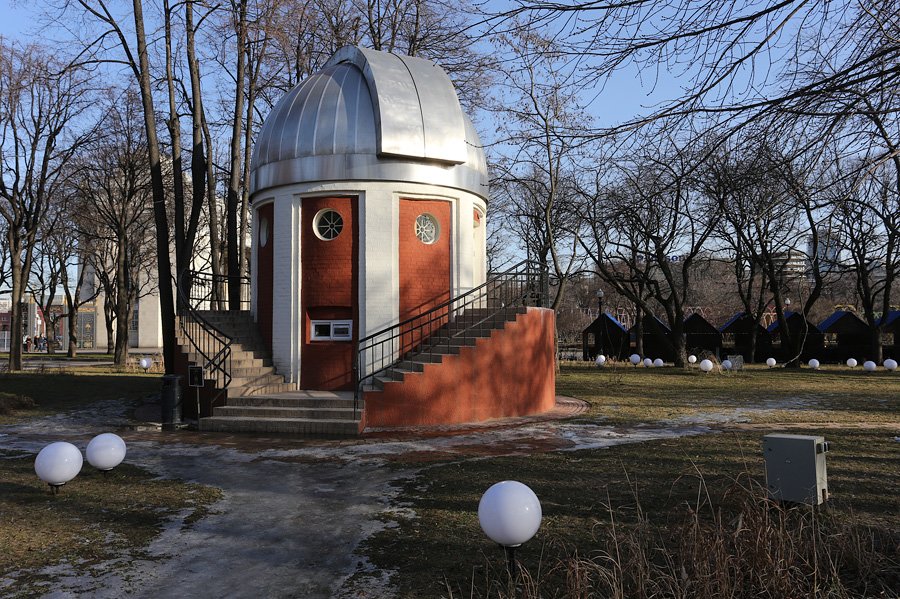
People's observatory
Архитектурный стиль:
Годы постройки:
1950-е
Ближайшие станции метро:
Эпоха:
1950s
3.80
Узнать об объекте больше
2
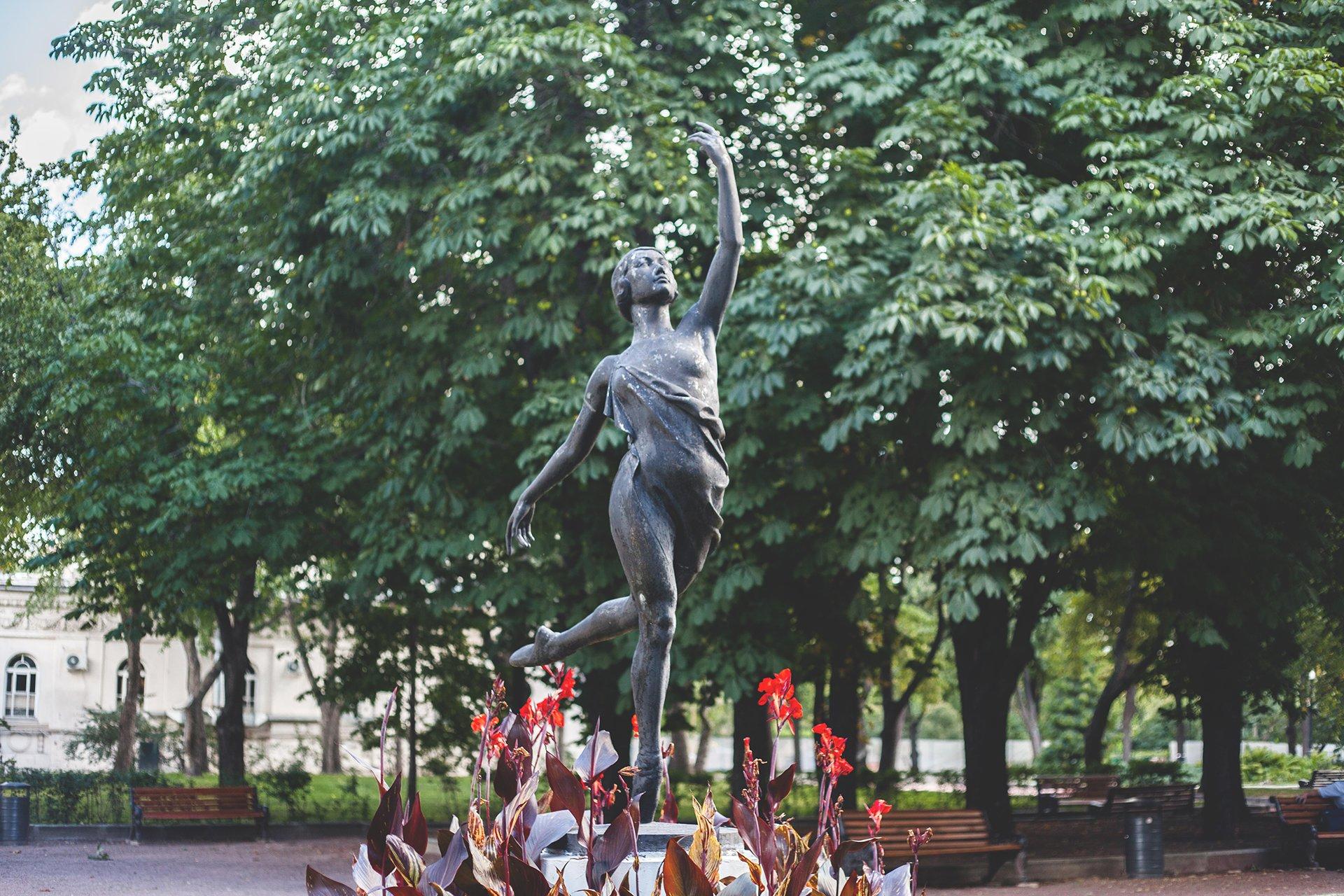
Годы постройки:
1938
Адрес:
Парк Горького
Ближайшие станции метро:
Скульпторы:
Е.А. Янсон-Манизер
3.30
Узнать об объекте больше
3
Годы постройки:
1930-е
Адрес:
Парк Горького
Ближайшие станции метро:
3.44
Узнать об объекте больше
4
Годы постройки:
1974
Адрес:
Парк Горького
Ближайшие станции метро:
3.44
Узнать об объекте больше
5
Годы постройки:
1950-е
Адрес:
г. Москва, ул. Крымский Вал, д. 9 (Парк Горького)
Ближайшие станции метро:
3.30
Узнать об объекте больше
6
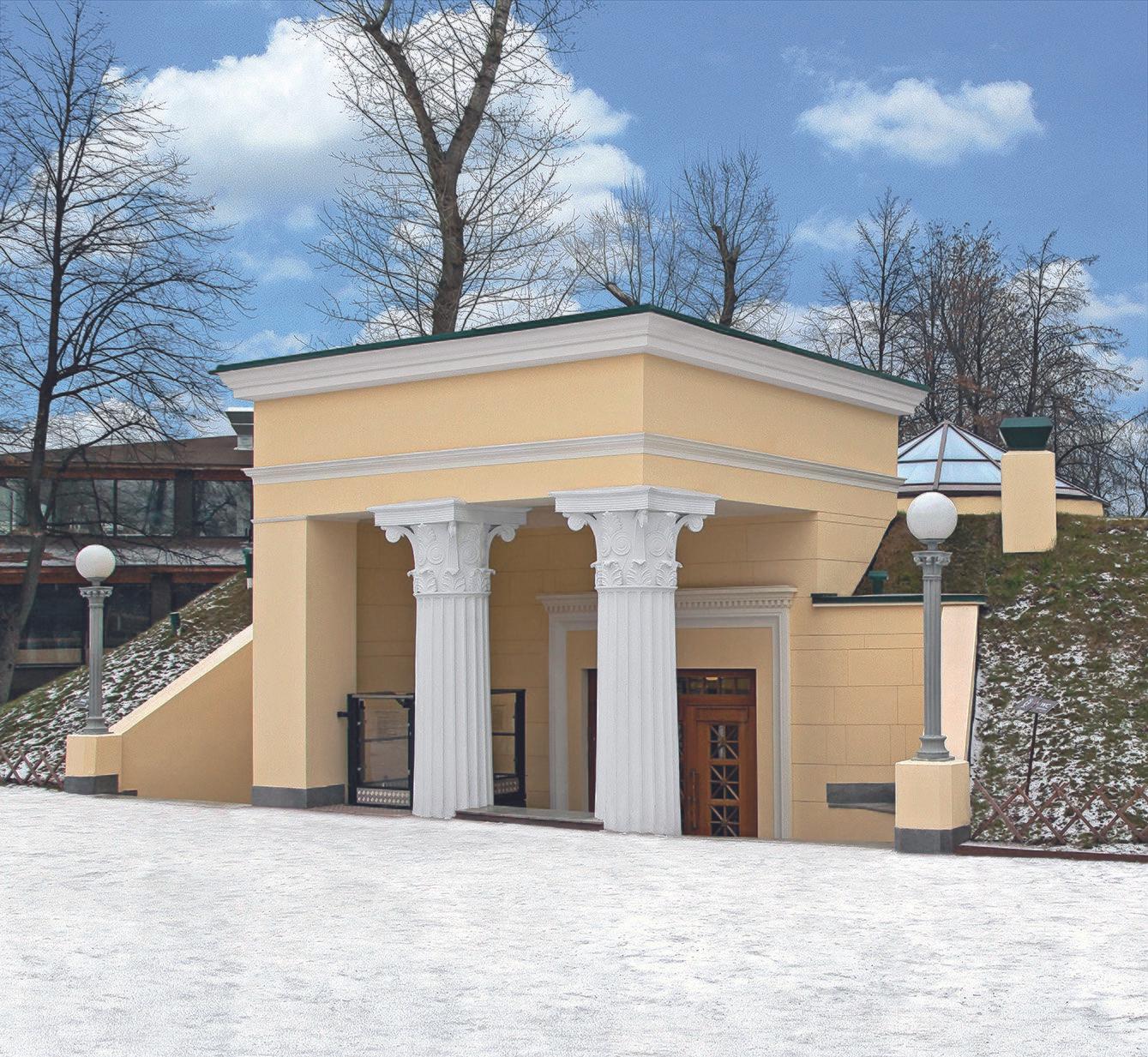
Public toilets by architector A.V. Vlasov
Архитектурный стиль:
Годы постройки:
1930-е
Ближайшие станции метро:
Shabolovskaya, Oktyabrskaya, Октябрьская (радиальная)
Архитекторы:
А. Власов
Эпоха:
1930s
3.96
Узнать об объекте больше
7
Годы постройки:
1802
Адрес:
Пушкинская набережная (Парк Горького)
Ближайшие станции метро:
Shabolovskaya, Oktyabrskaya, Октябрьская (радиальная)
Скульпторы:
3.30
Узнать об объекте больше
10
Годы постройки:
1950-е
Адрес:
г. Москва, ул. Крымский Вал, д. 9 (Парк Горького)
Ближайшие станции метро:
Скульпторы:
В.И. Долганов
3.30
Узнать об объекте больше
11
Ближайшие станции метро:
Архитекторы:
Эпоха:
1900s
3.30
Узнать об объекте больше
12
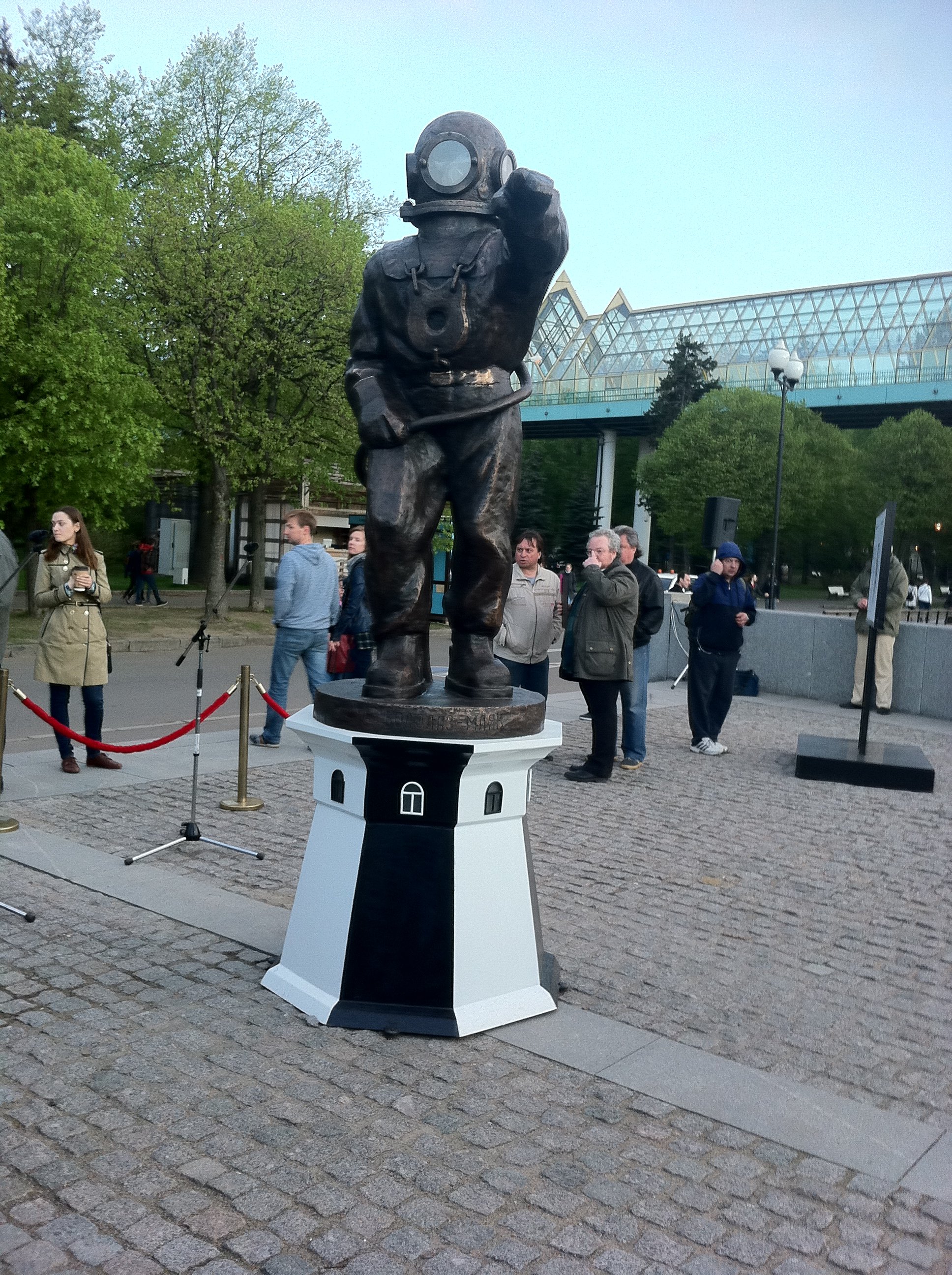
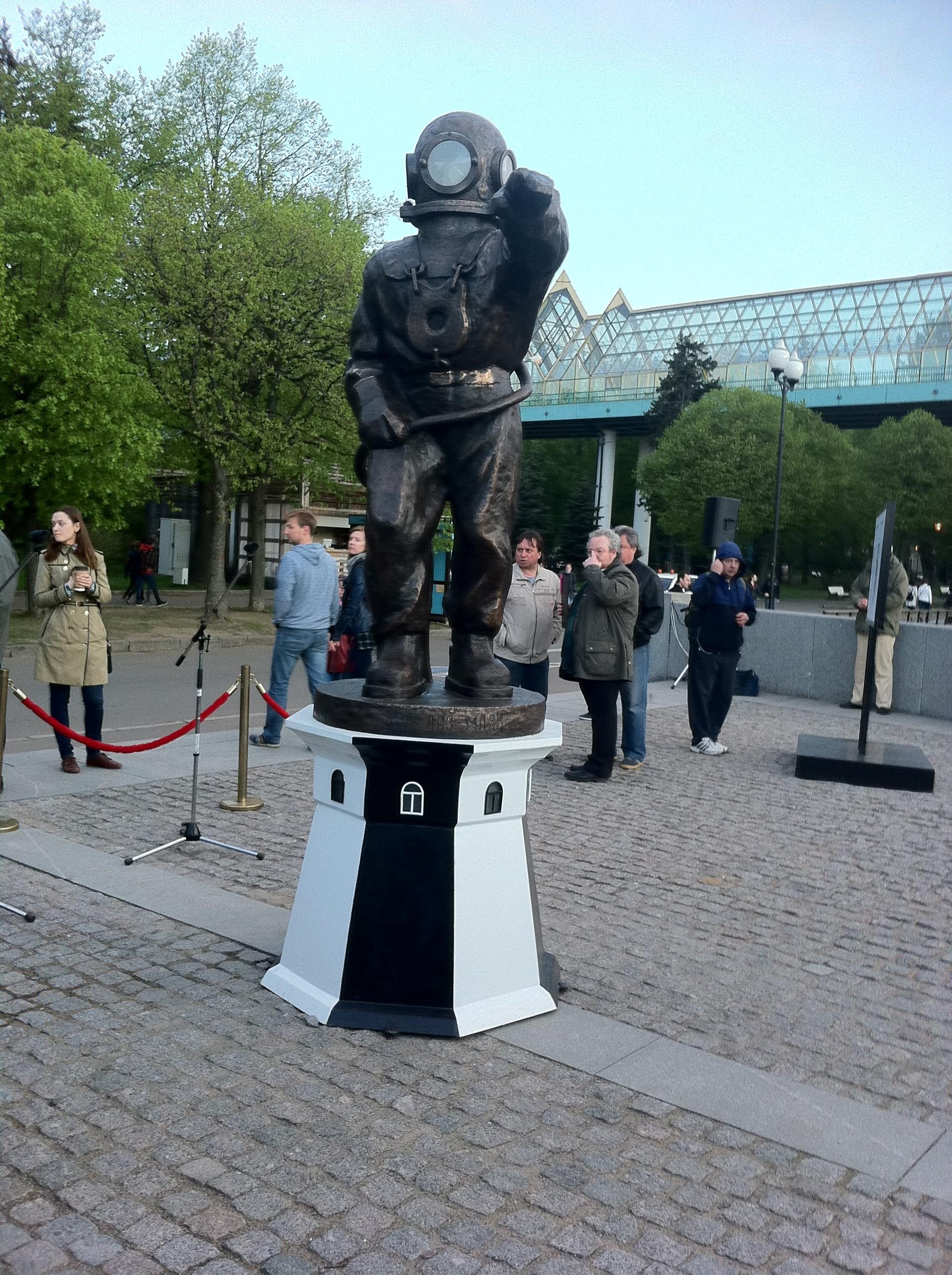
Водолаз-Маяк
Годы постройки:
2016
Адрес:
Пушкинская набережная
Ближайшие станции метро:
Shabolovskaya, Oktyabrskaya
3.63
Узнать об объекте больше
13
Отзывы
(2)
Поделитесь статьей с друзьями
Интересное рядом(6)
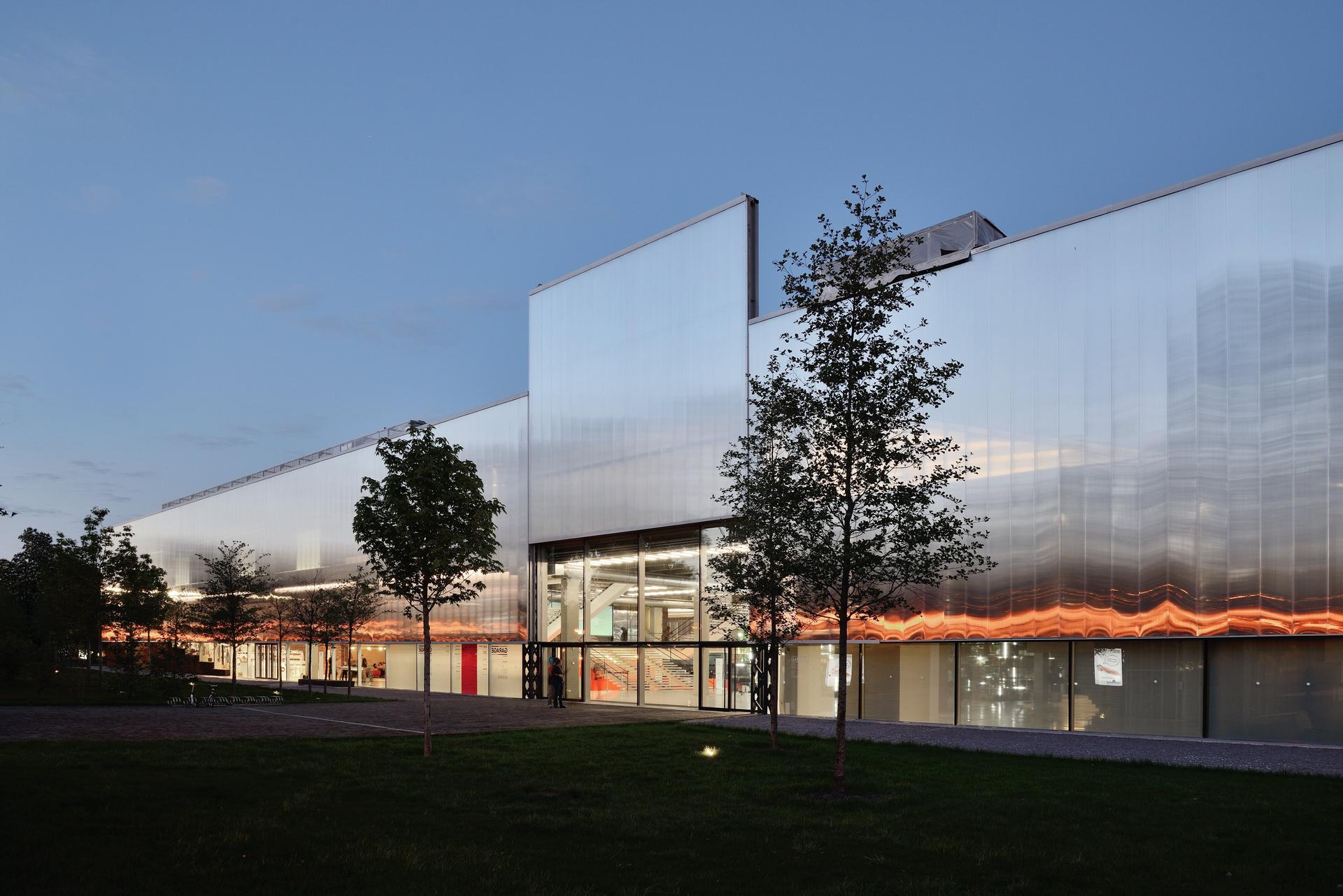
Garage Museum of Contemporary Art

Garage Museum of Contemporary Art is a place for people, art, and ideas to create history.

Founded in 2008 by Dasha Zhukova and Roman Abramovich, Garage is the first privately owned philanthropic organization in Russia to create a comprehensive public mandate for contemporary art and culture. 

One of the Museum’s key missions is the promotion of contemporary art as a space for public dialogue and reflection on the questions societies are facing today. As well as exhibitions by some of the most influential Russian and international artists working today (including Marina Abramović, Raymond Pettibon, Viktor Pivovarov, and Yayoi Kusama), Garage offers visitors a broad-ranging education program for children and adults, as well as film screenings, concerts, performances, and other events. 

Garage Guides run regular tours introducing visitors to the world of contemporary art. The Museum offers tours in Russian, English, and Russian Sign Language. They are happy to help translators adapt Museum tours to other languages. 

The entire history of the museum has been connected to architecture. Initially housed in the renowned Bakhmetevsky Bus Garage in Moscow, designed by the Constructivist architect Konstantin Melnikov (hence the museum’s name), in 2012 Garage relocated to the very center of the city and opened a temporary pavilion in Gorky Park, commissioned from Japanese architect Shigeru Ban. In June 2015, the museum welcomed visitors to its first permanent home: the 1960s building that once housed the popular Soviet restaurant Vremena Goda (Seasons of the Year) was masterfully restored by architect Rem Koolhaas and his OMA studio and became one of Moscow’s newest landmarks. One of the many historical elements preserved during the restoration is the mosaic in Garage Atrium that features an image of a girl surrounded by autumn leaves. Every spring and autumn, Garage Atrium hosts a new art project commissioned for the space, which is free to visit. To date Garage Atrium Commissions have been made by Erik Bulatov, Rashid Johnson, Yin Xiuzhen, and Irina Korina. 

Garage Bookshop is open daily and offers a great selection of books, magazines, and souvenirs produced in Moscow, including some made in collaboration with artists. In our comfortable café with a summer terrace and original cuisine you can even order breakfast at any time of day. 

At the center of Garage’s exhibition, publishing, and research projects is the museum’s collection—the world’s largest archive on the history of Russian contemporary art from the 1950s to the present. Garage Archive Collection is open to Russian and international researchers, and currently holds over 400,000 documents. Garage is also home to the first Russian public library on contemporary art, which is located in Garage Education Center and is open to all. 

The Museum’s Inclusive Programs Department, the first of its kind in Russia, adapts Garage exhibition and education programs for visitors with disabilities. It runs regular tours and special events for deaf and hard of hearing, blind and partially sighted visitors, and visitors with developmental disabilities. All Garage buildings are equipped with ramps for wheelchair users. 

Whatever you are looking for, we have something to offer: exhibitions, lectures, meetings with experts, open-air film screenings, cocktails, festivals, concerts, performances, discussions, park walks, and more. 

See you at Garage!


The cost of tickets: 0 - 300 rubles

More information about the cost of the visit you can find here: https://garagemca.org/en/visit


9 Krymsky Val, Building 32, Gorky Park, Moscow, Russia, 119049
Пушкинская набережная (Парк Горького)
Shabolovskaya, Oktyabrskaya, Октябрьская (радиальная)
Крымский вал, д.9
Oktyabrskaya, Октябрьская (радиальная)
г. Москва, ул. Тимура Фрунзе, д 11/13
архитектор
Связанные объекты(6)
Garage Museum of Contemporary Art

Garage Museum of Contemporary Art is a place for people, art, and ideas to create history.

Founded in 2008 by Dasha Zhukova and Roman Abramovich, Garage is the first privately owned philanthropic organization in Russia to create a comprehensive public mandate for contemporary art and culture. 

One of the Museum’s key missions is the promotion of contemporary art as a space for public dialogue and reflection on the questions societies are facing today. As well as exhibitions by some of the most influential Russian and international artists working today (including Marina Abramović, Raymond Pettibon, Viktor Pivovarov, and Yayoi Kusama), Garage offers visitors a broad-ranging education program for children and adults, as well as film screenings, concerts, performances, and other events. 

Garage Guides run regular tours introducing visitors to the world of contemporary art. The Museum offers tours in Russian, English, and Russian Sign Language. They are happy to help translators adapt Museum tours to other languages. 

The entire history of the museum has been connected to architecture. Initially housed in the renowned Bakhmetevsky Bus Garage in Moscow, designed by the Constructivist architect Konstantin Melnikov (hence the museum’s name), in 2012 Garage relocated to the very center of the city and opened a temporary pavilion in Gorky Park, commissioned from Japanese architect Shigeru Ban. In June 2015, the museum welcomed visitors to its first permanent home: the 1960s building that once housed the popular Soviet restaurant Vremena Goda (Seasons of the Year) was masterfully restored by architect Rem Koolhaas and his OMA studio and became one of Moscow’s newest landmarks. One of the many historical elements preserved during the restoration is the mosaic in Garage Atrium that features an image of a girl surrounded by autumn leaves. Every spring and autumn, Garage Atrium hosts a new art project commissioned for the space, which is free to visit. To date Garage Atrium Commissions have been made by Erik Bulatov, Rashid Johnson, Yin Xiuzhen, and Irina Korina. 

Garage Bookshop is open daily and offers a great selection of books, magazines, and souvenirs produced in Moscow, including some made in collaboration with artists. In our comfortable café with a summer terrace and original cuisine you can even order breakfast at any time of day. 

At the center of Garage’s exhibition, publishing, and research projects is the museum’s collection—the world’s largest archive on the history of Russian contemporary art from the 1950s to the present. Garage Archive Collection is open to Russian and international researchers, and currently holds over 400,000 documents. Garage is also home to the first Russian public library on contemporary art, which is located in Garage Education Center and is open to all. 

The Museum’s Inclusive Programs Department, the first of its kind in Russia, adapts Garage exhibition and education programs for visitors with disabilities. It runs regular tours and special events for deaf and hard of hearing, blind and partially sighted visitors, and visitors with developmental disabilities. All Garage buildings are equipped with ramps for wheelchair users. 

Whatever you are looking for, we have something to offer: exhibitions, lectures, meetings with experts, open-air film screenings, cocktails, festivals, concerts, performances, discussions, park walks, and more. 

See you at Garage!


The cost of tickets: 0 - 300 rubles

More information about the cost of the visit you can find here: https://garagemca.org/en/visit


9 Krymsky Val, Building 32, Gorky Park, Moscow, Russia, 119049
Пушкинская набережная (Парк Горького)
Shabolovskaya, Oktyabrskaya, Октябрьская (радиальная)
Крымский вал, д.9
Oktyabrskaya, Октябрьская (радиальная)
г. Москва, ул. Тимура Фрунзе, д 11/13
архитектор