Интерактивный гид по городу
С мобильным приложением бродить по городу гораздо интереснее!

Урок в Москве: Цветной бульвар

Урок в Москве: Цветной бульвар
17 м.
1.6 км
50

Цветной бульвар соединяет Трубную и Самотечную площади. Маршрут подготовлен специалистами Городского методического центра и представляет собой урок-путешествие.

3.56
beauty
duration
informative
availability
Вы можете воспользоваться QR-кодом, чтобы открыть эту страницу в нашем приложении
Информация о маршруте

В конце XVI века были построены каменные стены и башни Белого города. Где проходило русло реки, в стене было сделано отверстие, закрытое решеткой, называвшееся «трубой». Поэтому площадь названа Трубной.

В XVII веке у стены Белого города находился Лубяной торг, на котором продавались бревна, доски и разобранные срубы изб.

В 1789 – 1791 годах русло реки Неглинной укрепили каменной кладкой, а разлив реки в центральной части сделали бассейном. В 1819 году река была убрана в подземный коллектор и к 1830 году на месте бывшей речной поймы был разбит бульвар.

Сначала он назывался Трубным бульваром, но после строительства в 1851 году Цветочного рынка получил своё нынешнее название — Цветной бульвар.

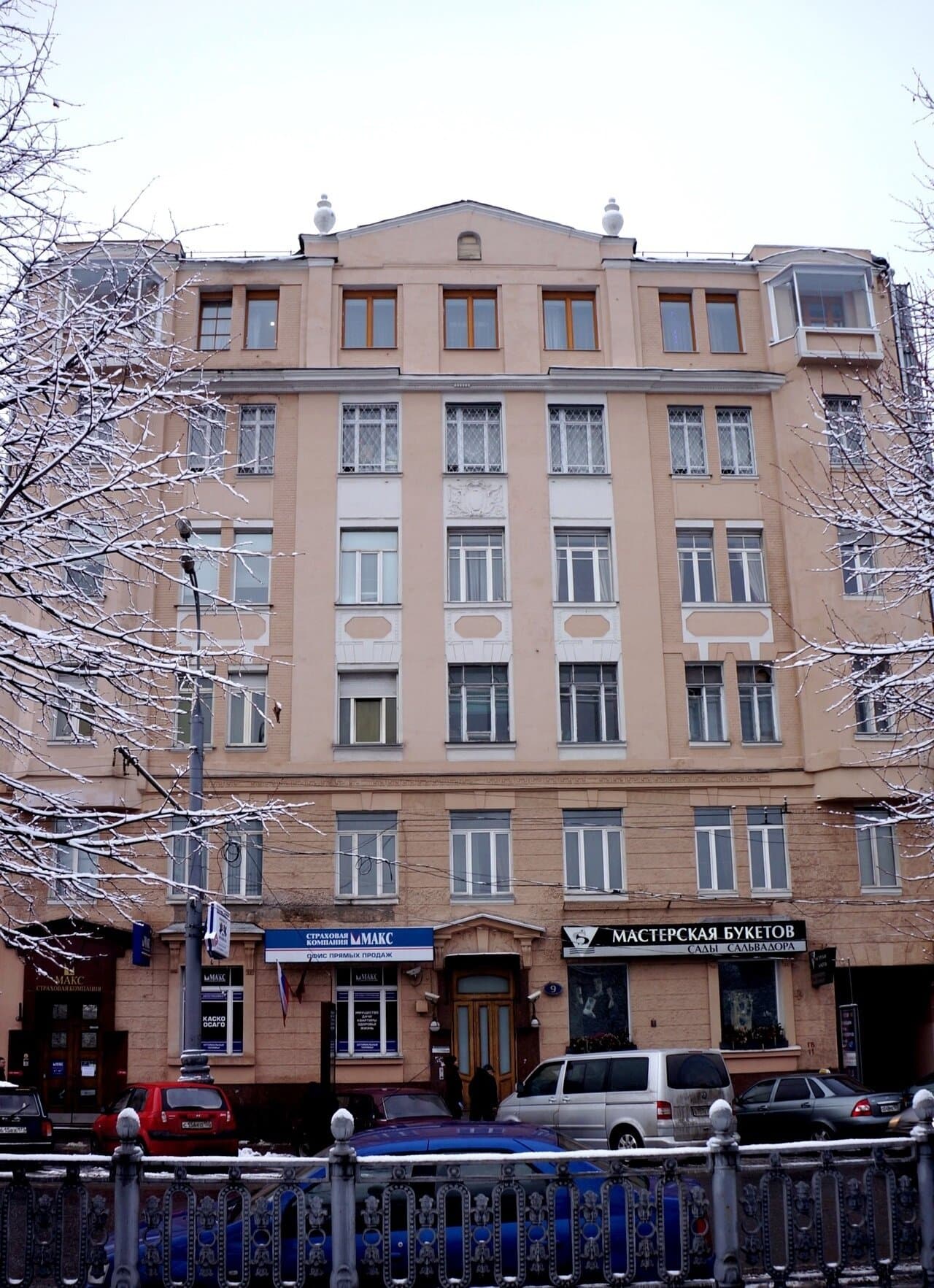
Постепенно бульвар был обстроен каменными домами, в котором сдавались дешевые квартиры. И стал местом гуляний с развлечениями для простых небогатых горожан.

К концу века из-за открывшихся на Цветном бульваре дешевых питейных заведений, в которых собирались уголовники, он приобрёл репутацию одного из самых криминальных мест Москвы.

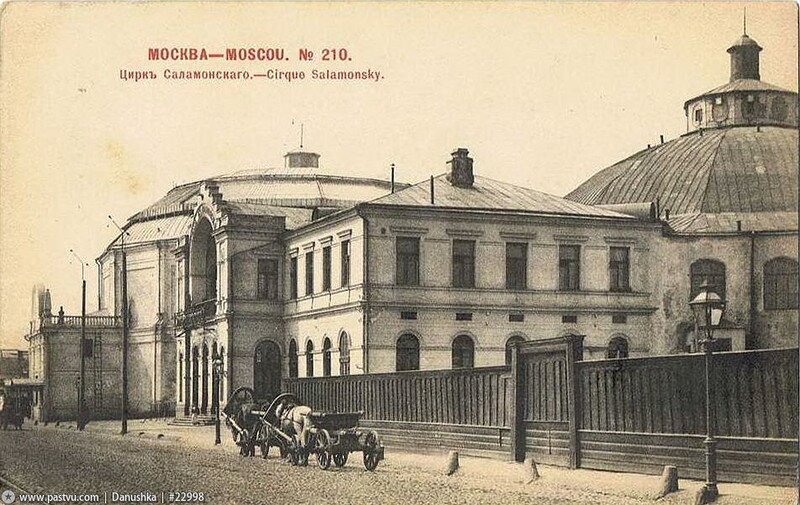
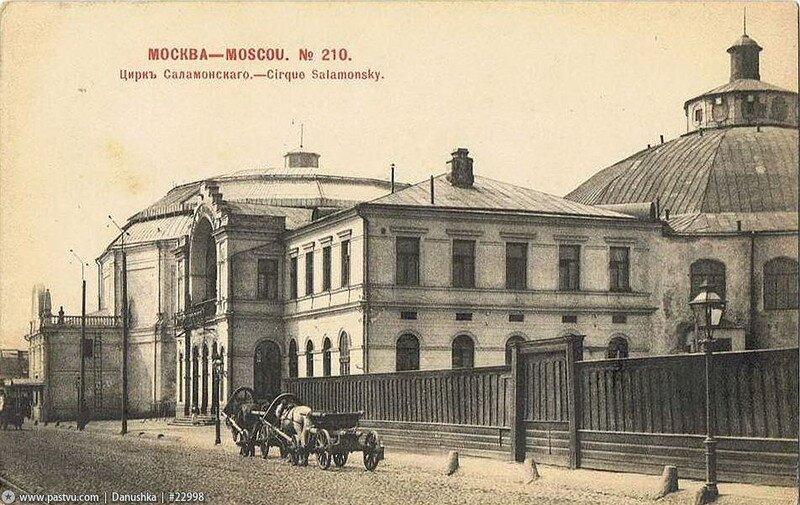
В 1880 году на Цветном бульваре открылся один из первых стационарных цирк наездника и дрессировщика Альберта Салманского в Москве. Цирковые артисты демонстрировали жонглирование, акробатические этюды на проволоке, конные номера. В нем были кресла в пять рядов, бельэтаж и ложи, а также места с ненумерованными деревянными лавками и галерея, где можно было стоя смотреть представления. Здание много раз перестраивалось, но все время служило только цирку. Он был национализирован в 1919 году и стал государственным московским цирком. Им долгое время руководил Юрий Никулин. В 1989 году старое здание цирка снесли и построили новое.

В 1937 году основан Центральный рынок и в 1959 году архитектором Ю.Э. Григоряном было построено его здание, позднее снесенное.

В 1947 территория бульвара благоустроена.

В сквере была установлена композиция «Песня», изображающая трех русских женщин крестьянок. В 1958 году ее автор скульптор М.Ф. Бабурин был награждён золотой медалью Академии художеств СССР и золотой медалью на Всемирной выставке в Брюсселе.

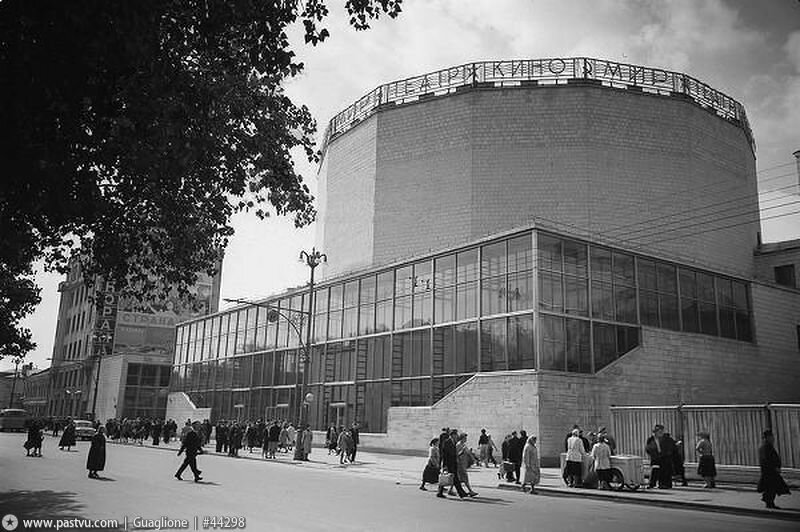
В феврале 1958 открылся первый в СССР панорамный кинотеатр «Мир» на 1220 зрителей. Изображение в нем выводилось с трёх проекторов на гигантский изогнутый экран площадью 200 квадратных метров. Кинотеатр "Мир" нравился школьникам: благодаря высокому подъёму рядов зрительного зала, сидящие впереди зрители никоим образом не мешали просмотру.

В 1988 году была открыта станция метро «Цветной бульвар».

В 2000 году на Цветном бульваре рядом с цирком был установлен памятник клоуну Юрию Никулину. Скульптор Ю. Рукавишников сделал бронзовый кабриолет как в фильме «Кавказская пленница», из задней дверцы которого выходит Ю.Никулин.

В 2002 году в центре бульвара сделали сквер с фонтаном и установили скульптуры бронзовых клоунов Зураба Церетели.

Сквер среди бульвара относится к объектам культурного наследия регионального значения.

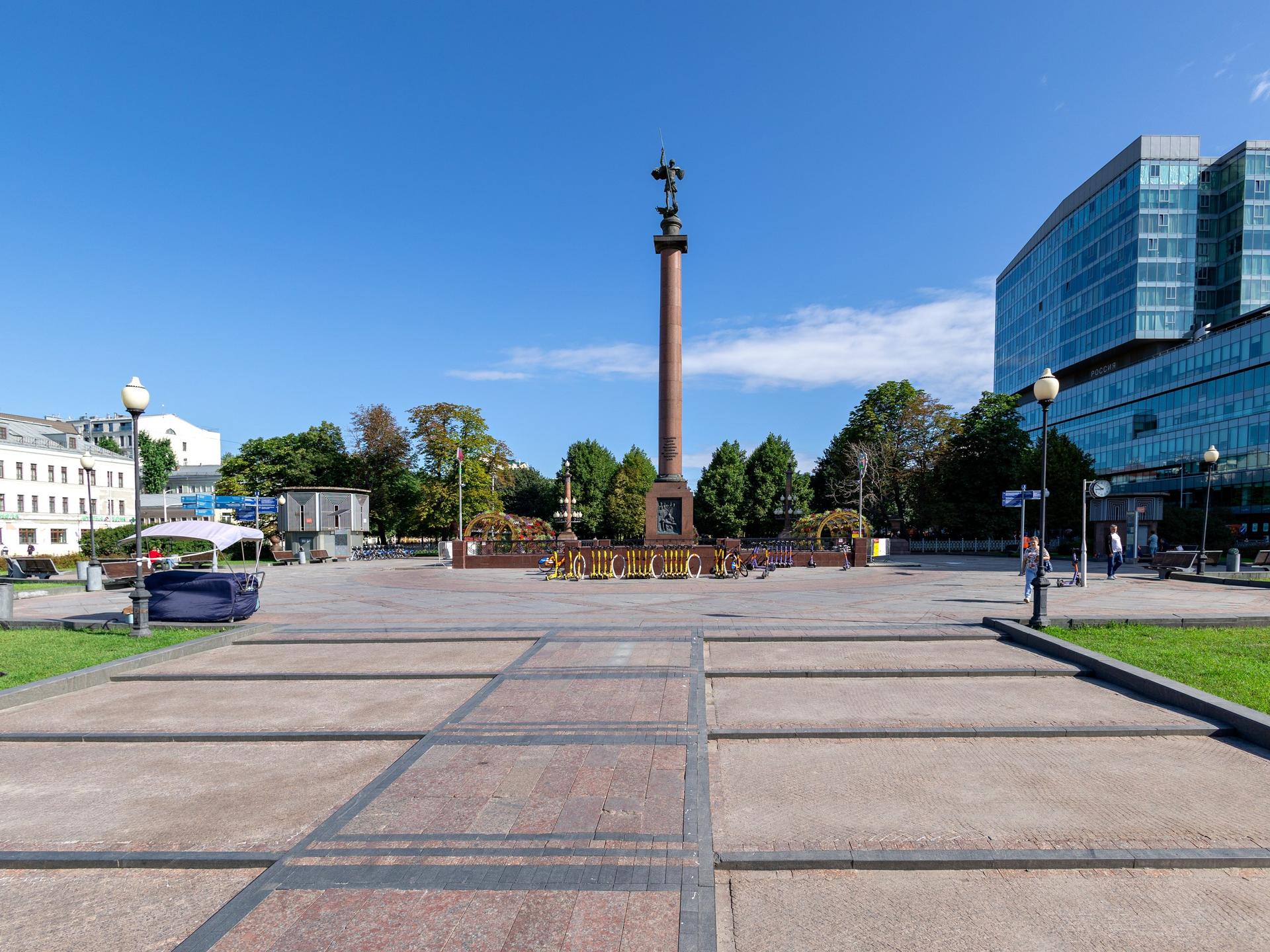
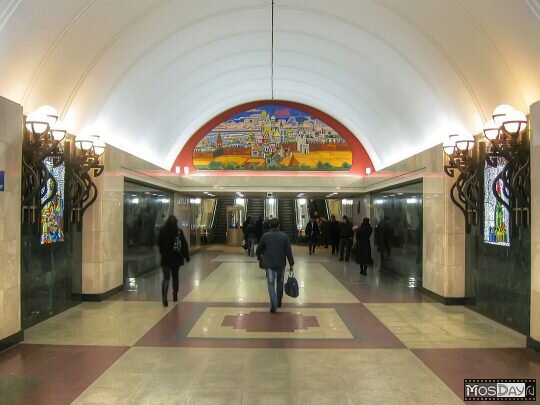
В 2007 году в начале Цветного бульвара на Трубной площади открыта станция «Трубная». В начале бульвара стоит стелла с фигурой Георгия Победоносца. Это памятник защитникам правопорядка, погибшим при исполнении служебного долга.

Ещё одна глобальная реконструкция ждала бульвар в начале XXI века. На бульваре был сооружён фонтан, проведено благоустройство, однако в то же время было вырублено значительное количество старых деревьев, в связи с чем работы на бульваре подвергались критике со стороны экологических организаций.

Сейчас Цветной бульвар многолюден и популярен благодаря бизнес-кварталам, располагающимся по его сторонам. Однако это не мешает бульвару по-прежнему быть местом проведения театрализованных фестивалей и городских праздников и прогулок горожан.

Маршрут подготовлен по материалам проекта "Урок в Москве".
В путь!
Metro station "Trubnaya"
Архитектурный стиль:
Годы постройки:
2007
Ближайшие станции метро:
Архитекторы:
В.З. Филиппов
5.00
Узнать об объекте больше
1
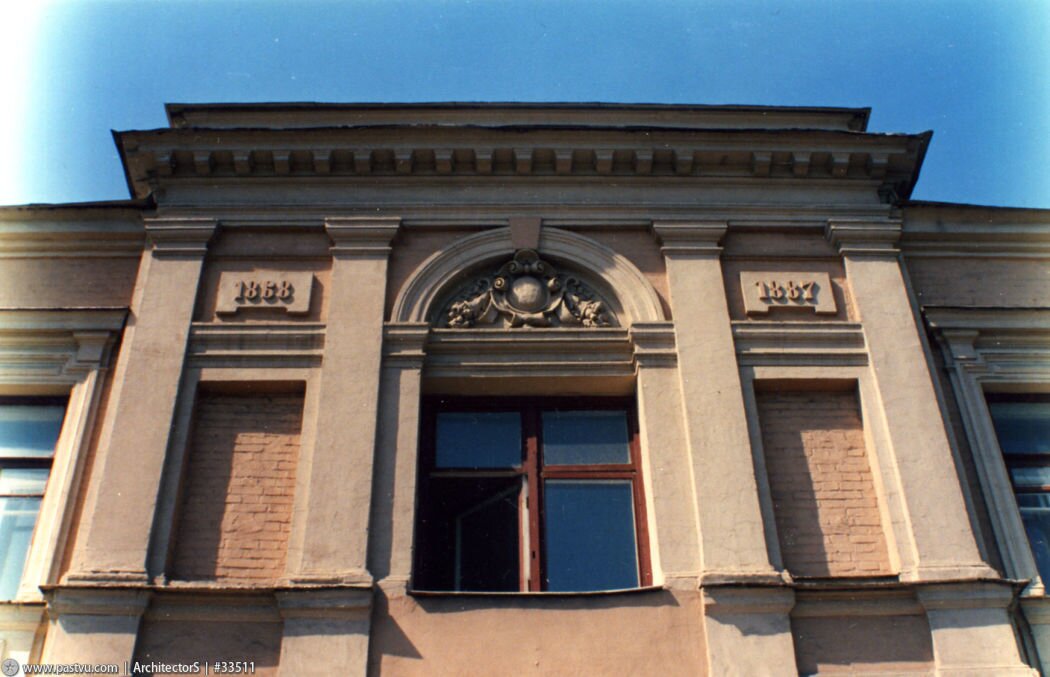
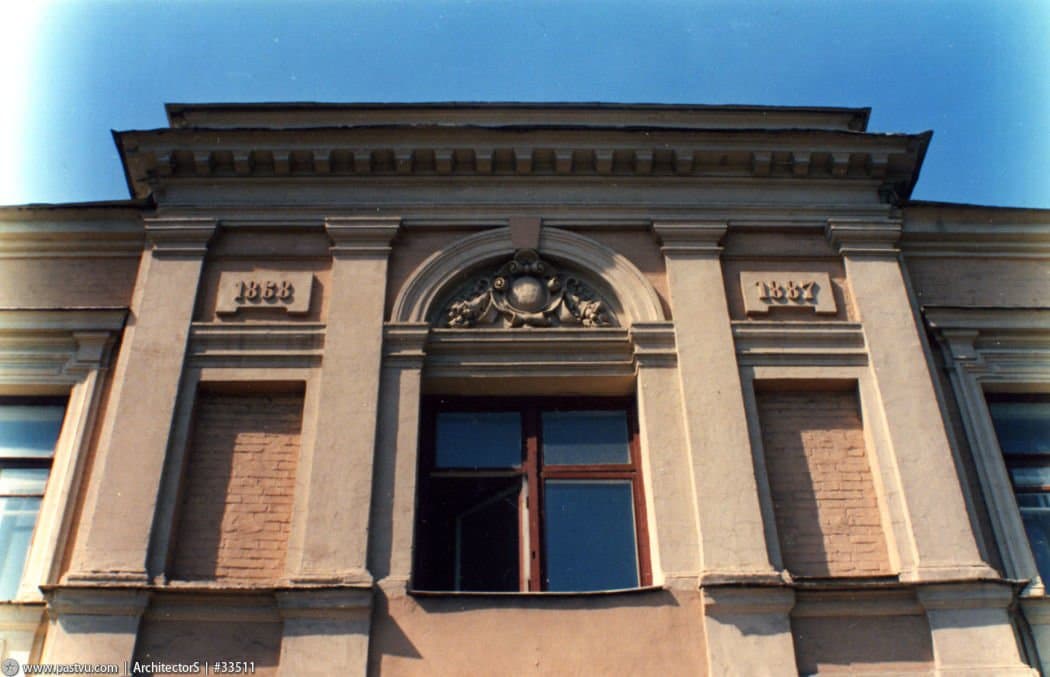
House of the Moscow Society of gymnasts
Годы постройки:
1887
Ближайшие станции метро:
Архитекторы:
Эпоха:
19th century
Узнать об объекте больше
2
Profitable house architect ND Strukov
Годы постройки:
1906
Ближайшие станции метро:
Архитекторы:
Н.Д. Струков
Эпоха:
1900s
Узнать об объекте больше
3
Cinema "Mir"
Архитектурный стиль:
Годы постройки:
1957
Ближайшие станции метро:
Архитекторы:
В.А. Бутузов, Н.С. Стригалева, М.И. Богданов
Эпоха:
1950s
Узнать об объекте больше
4
Moscow Circus Nikulin
Архитектурный стиль:
Годы постройки:
1880
Ближайшие станции метро:
Архитекторы:
А.Е. Вебер
Эпоха:
19th century
5.00
Узнать об объекте больше
5
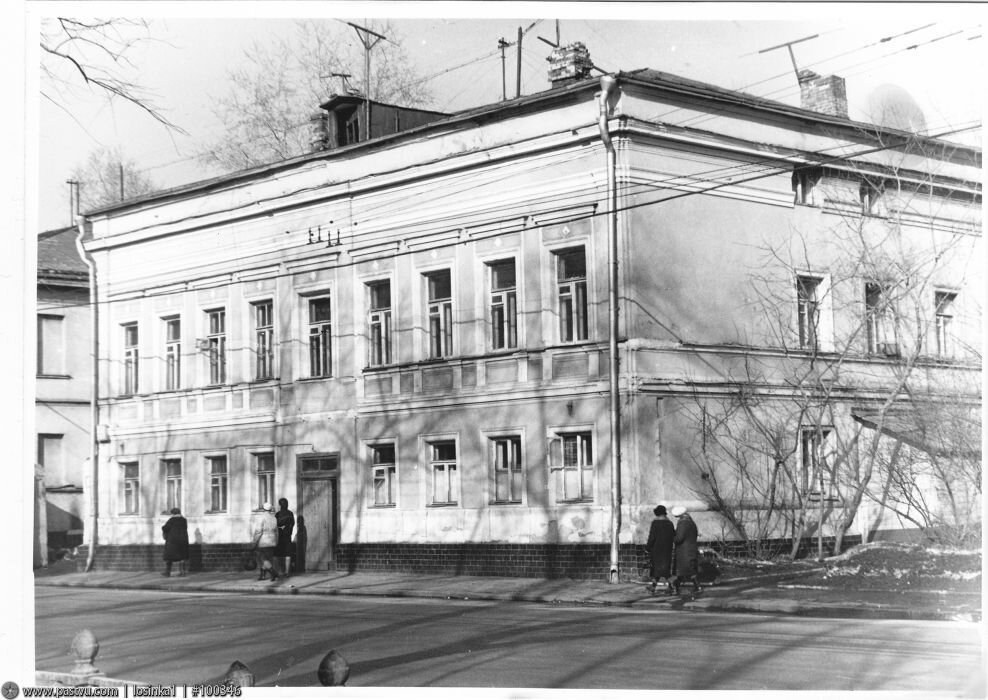
Profitable house number 22
Годы постройки:
XIX в.
Ближайшие станции метро:
Эпоха:
19th century
Узнать об объекте больше
6
House
Архитектурный стиль:
,
Годы постройки:
1857
Ближайшие станции метро:
Эпоха:
19th century
Узнать об объекте больше
7
Profitable house architect Campioni
Архитектурный стиль:
Годы постройки:
1874
Ближайшие станции метро:
Архитекторы:
Эпоха:
19th century
Узнать об объекте больше
8
Typography "Literary Gazette"
Архитектурный стиль:
Годы постройки:
1931
Ближайшие станции метро:
Архитекторы:
Н.В. Лукин, М.А. Модоров
Эпоха:
1930s
Узнать об объекте больше
9
Поделитесь статьей с друзьями
Интересное рядом(6)
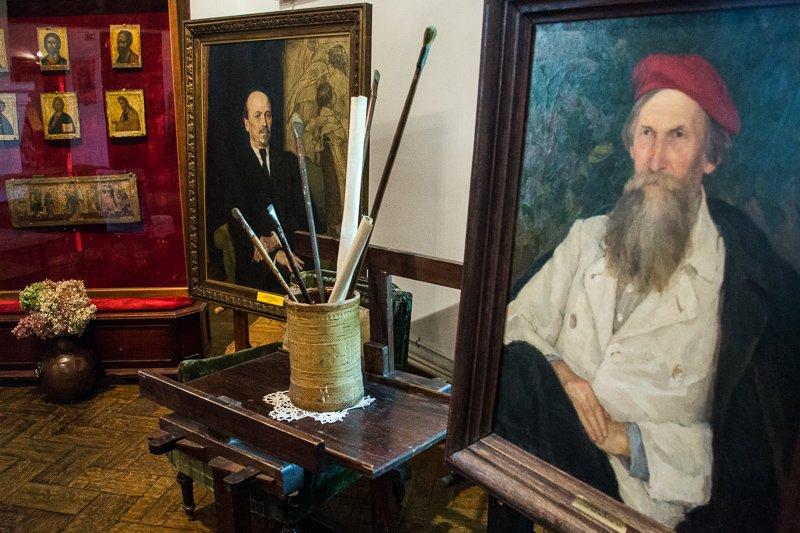
V.M. Vasnetsov House - MuseumThe house of the outstanding Russian artist V. M. Vasnetsov is located behind the Sadovoe Ring, not far from the Moscow Courtyard of the Holy Trinity St. Sergius Lavra, in a quiet, shady lane. It was built in 1894 by the artist himself in the neo-Russian style. VM Vasnetsov lived here the last 32 years of his life (1894–1926). On August 25, 1953, a museum was opened in the house, in 1954 the 3rd Trinity Lane, in which the house stands, was renamed Vasnetsov Lane.

Immediately after the death of the artist, the relatives had the idea of “to preserve everything, as it were, to arrange something like a house-museum”. Turning to the Tretyakov Gallery for help, they received consent to work together to organize a posthumous exhibition of works by V. M. Vasnetsov with the further perspective of creating a museum.

On January 27, 1927, the artist's son, Alexey Viktorovich Vasnetsov, submitted to the Gallery's Board a statement that the family was ready to accept all the obligations related to the arrangement of the exhibition. He was also approved as the ombudsman. Alexey Viktorovich was helped by his sister Tatyana Viktorovna and wife Zinaida Konstantinovna. M. V. Nesterov, P. Korin, An. M. and Vl. V. Vasnetsov and Scientific Secretary of the Tretyakov Gallery N. S. Morgunov participated in the design of the exhibition. The necessary repairs were carried out, several hundred posters with information about the exhibition were printed and posted, tickets were prepared and a catalog was published.

The exhibition opened on March 13, 1927. On the first day, about 600 people visited it. In the following days, many interested visitors and school groups came to the exhibition, there were excursions. The exhibition remained until 1933.

In the preface to the catalog it was stated that the works exhibited at the exhibition, in particular the fairy-tale cycle, were presented to the public for the first time and that in the future landscapes, sketches and sketches will be shown, “which, combined with what is shown now, should be composed by the Victor Vasnetsov Museum ". The exhibition featured 212 exhibits: painting, graphics and objects of decorative and applied arts. The exhibits were located in the living room, the former classroom and in the workshop. Fabulous epic paintings the authors of the catalog provided with short texts from the literary source.

During the Great Patriotic War, the artist's family continued to live in the house. Large paintings were rolled up, the rest of the work laid out in boxes. The house itself was not damaged, but the fence and the terrace were not preserved. In September 1946, the heirs expressed a desire to organize a museum in the house by the centenary of the birth of V. M. Vasnetsov in 1948 and negotiate with the Tretyakov Gallery about it. The exhibition of paintings by the master, which opened in May 1948 in the exhibition hall of the Union of Soviet Artists, aroused great interest among the visitors and contributed to the decision to organize the museum.
On June 29, 1950, an order was issued by the Council of Ministers of the USSR on the organization of the House Museum of V. M. Vasnetsov. The Committee on Arts at the Council of Ministers of the USSR issued an order to proceed with the organization of the museum, for which purpose it is possible to receive the house, as well as art collections and property, which the heirs of the artist donate to the state.

A month later, on July 29, 1950, the heirs signed a statement to the Committee for Arts at the Council of Ministers of the USSR on the donation of property and valuables to the state for the organization of the V.M. Vasnetsov House-Museum. On July 18, 1951, the Order of the Committee approved the “Regulations on the House-Museum of V.M. Vasnetsov”. On August 28, 1951, an act was signed by the commission of the house, works of art — painting, graphics, works of decorative and applied arts, household items and property of V. M. Vasnetsov from his heirs.

The first director of the museum (from 1951 to 1957) was the nephew of the artist Dmitry Arkadyevich Vasnetsov, a member of the First World War and the Great Patriotic War, the actor of the Musical Theater K. S. Stanislavsky and V. I. Nemirovich-Danchenko, the director of the Children's Music School. Z.K. Vasnetsova was appointed chief custodian. Together with Tatiana Viktorovna D. A. Vasnetsov was engaged in repairing the house, restoring its planning and recreating the situation that was during the life of V. M. Vasnetsov. The architecture of the house was fully preserved. The decor of the house was restored at the beginning of the twentieth century. The decoration of the dining room, living room and workshop is almost completely preserved. Also, genuine objects, which were transferred to the museum by the artist's family, were presented in all the other rooms, including exposition ones.
The part of the collection that remained in the ownership of the heirs was transferred to the museum under the will of T. V. Vasnetsova in 1959 and on the basis of its deed of gift in 1961. Thus, all collections: painting, graphics, objects of decorative and applied arts and everyday life, the personal archive and library of the artist, photography and reproduction were included in the museum collection, which was replenished with gifts from various individuals, procurement, and currently has about 25 thousands of museum items.

In 1978–80, the house was restored, the outbuildings of the outbuildings were restored, where the janitor’s, the laundry room and the coach house were located under the common roof, and the cobblestone pavement and brick path were restored in the courtyard. A firewall (brick wall) erected in the 80s of the 19th century was preserved from the east, to which in the 1970s "the Savior on the Throne" mosaic, made at the beginning of the 20th century according to the design of V.M. Vasnetsov in the Petersburg mosaic workshop, was transferred under the leadership of V. A. Frolov. On the north and west side of the house there is a garden with centuries-old oaks and elms.

At the time of its organization, the museum was under the jurisdiction of the Committee for Arts at the Council of Ministers of the USSR. The practical management of the museum was carried out by the General Directorate of Fine Arts. In 1954, the museum was transferred to the jurisdiction of the Ministry of Culture of the RSFSR, in January 1955 - under the jurisdiction of the Department of Culture of the Moscow City Council. In 1963, it was decided to join the Museum of History and Reconstruction of Moscow, and in 1986 the House Museum of V.M. Vasnetsov became part of the All-Union Museum Association "State Tretyakov Gallery" as a scientific department.
Moscow, Vasnetsov Lane, 13
Suharevskaya, Prospekt Mira
Trubnaya, Cvetnoj bulvar, Chekhovskaya
Связанные объекты(6)
V.M. Vasnetsov House - MuseumThe house of the outstanding Russian artist V. M. Vasnetsov is located behind the Sadovoe Ring, not far from the Moscow Courtyard of the Holy Trinity St. Sergius Lavra, in a quiet, shady lane. It was built in 1894 by the artist himself in the neo-Russian style. VM Vasnetsov lived here the last 32 years of his life (1894–1926). On August 25, 1953, a museum was opened in the house, in 1954 the 3rd Trinity Lane, in which the house stands, was renamed Vasnetsov Lane.

Immediately after the death of the artist, the relatives had the idea of “to preserve everything, as it were, to arrange something like a house-museum”. Turning to the Tretyakov Gallery for help, they received consent to work together to organize a posthumous exhibition of works by V. M. Vasnetsov with the further perspective of creating a museum.

On January 27, 1927, the artist's son, Alexey Viktorovich Vasnetsov, submitted to the Gallery's Board a statement that the family was ready to accept all the obligations related to the arrangement of the exhibition. He was also approved as the ombudsman. Alexey Viktorovich was helped by his sister Tatyana Viktorovna and wife Zinaida Konstantinovna. M. V. Nesterov, P. Korin, An. M. and Vl. V. Vasnetsov and Scientific Secretary of the Tretyakov Gallery N. S. Morgunov participated in the design of the exhibition. The necessary repairs were carried out, several hundred posters with information about the exhibition were printed and posted, tickets were prepared and a catalog was published.

The exhibition opened on March 13, 1927. On the first day, about 600 people visited it. In the following days, many interested visitors and school groups came to the exhibition, there were excursions. The exhibition remained until 1933.

In the preface to the catalog it was stated that the works exhibited at the exhibition, in particular the fairy-tale cycle, were presented to the public for the first time and that in the future landscapes, sketches and sketches will be shown, “which, combined with what is shown now, should be composed by the Victor Vasnetsov Museum ". The exhibition featured 212 exhibits: painting, graphics and objects of decorative and applied arts. The exhibits were located in the living room, the former classroom and in the workshop. Fabulous epic paintings the authors of the catalog provided with short texts from the literary source.

During the Great Patriotic War, the artist's family continued to live in the house. Large paintings were rolled up, the rest of the work laid out in boxes. The house itself was not damaged, but the fence and the terrace were not preserved. In September 1946, the heirs expressed a desire to organize a museum in the house by the centenary of the birth of V. M. Vasnetsov in 1948 and negotiate with the Tretyakov Gallery about it. The exhibition of paintings by the master, which opened in May 1948 in the exhibition hall of the Union of Soviet Artists, aroused great interest among the visitors and contributed to the decision to organize the museum.
On June 29, 1950, an order was issued by the Council of Ministers of the USSR on the organization of the House Museum of V. M. Vasnetsov. The Committee on Arts at the Council of Ministers of the USSR issued an order to proceed with the organization of the museum, for which purpose it is possible to receive the house, as well as art collections and property, which the heirs of the artist donate to the state.

A month later, on July 29, 1950, the heirs signed a statement to the Committee for Arts at the Council of Ministers of the USSR on the donation of property and valuables to the state for the organization of the V.M. Vasnetsov House-Museum. On July 18, 1951, the Order of the Committee approved the “Regulations on the House-Museum of V.M. Vasnetsov”. On August 28, 1951, an act was signed by the commission of the house, works of art — painting, graphics, works of decorative and applied arts, household items and property of V. M. Vasnetsov from his heirs.

The first director of the museum (from 1951 to 1957) was the nephew of the artist Dmitry Arkadyevich Vasnetsov, a member of the First World War and the Great Patriotic War, the actor of the Musical Theater K. S. Stanislavsky and V. I. Nemirovich-Danchenko, the director of the Children's Music School. Z.K. Vasnetsova was appointed chief custodian. Together with Tatiana Viktorovna D. A. Vasnetsov was engaged in repairing the house, restoring its planning and recreating the situation that was during the life of V. M. Vasnetsov. The architecture of the house was fully preserved. The decor of the house was restored at the beginning of the twentieth century. The decoration of the dining room, living room and workshop is almost completely preserved. Also, genuine objects, which were transferred to the museum by the artist's family, were presented in all the other rooms, including exposition ones.
The part of the collection that remained in the ownership of the heirs was transferred to the museum under the will of T. V. Vasnetsova in 1959 and on the basis of its deed of gift in 1961. Thus, all collections: painting, graphics, objects of decorative and applied arts and everyday life, the personal archive and library of the artist, photography and reproduction were included in the museum collection, which was replenished with gifts from various individuals, procurement, and currently has about 25 thousands of museum items.

In 1978–80, the house was restored, the outbuildings of the outbuildings were restored, where the janitor’s, the laundry room and the coach house were located under the common roof, and the cobblestone pavement and brick path were restored in the courtyard. A firewall (brick wall) erected in the 80s of the 19th century was preserved from the east, to which in the 1970s "the Savior on the Throne" mosaic, made at the beginning of the 20th century according to the design of V.M. Vasnetsov in the Petersburg mosaic workshop, was transferred under the leadership of V. A. Frolov. On the north and west side of the house there is a garden with centuries-old oaks and elms.

At the time of its organization, the museum was under the jurisdiction of the Committee for Arts at the Council of Ministers of the USSR. The practical management of the museum was carried out by the General Directorate of Fine Arts. In 1954, the museum was transferred to the jurisdiction of the Ministry of Culture of the RSFSR, in January 1955 - under the jurisdiction of the Department of Culture of the Moscow City Council. In 1963, it was decided to join the Museum of History and Reconstruction of Moscow, and in 1986 the House Museum of V.M. Vasnetsov became part of the All-Union Museum Association "State Tretyakov Gallery" as a scientific department.
Moscow, Vasnetsov Lane, 13
Suharevskaya, Prospekt Mira
Trubnaya, Cvetnoj bulvar, Chekhovskaya