Интерактивный гид по городу
С мобильным приложением бродить по городу гораздо интереснее!

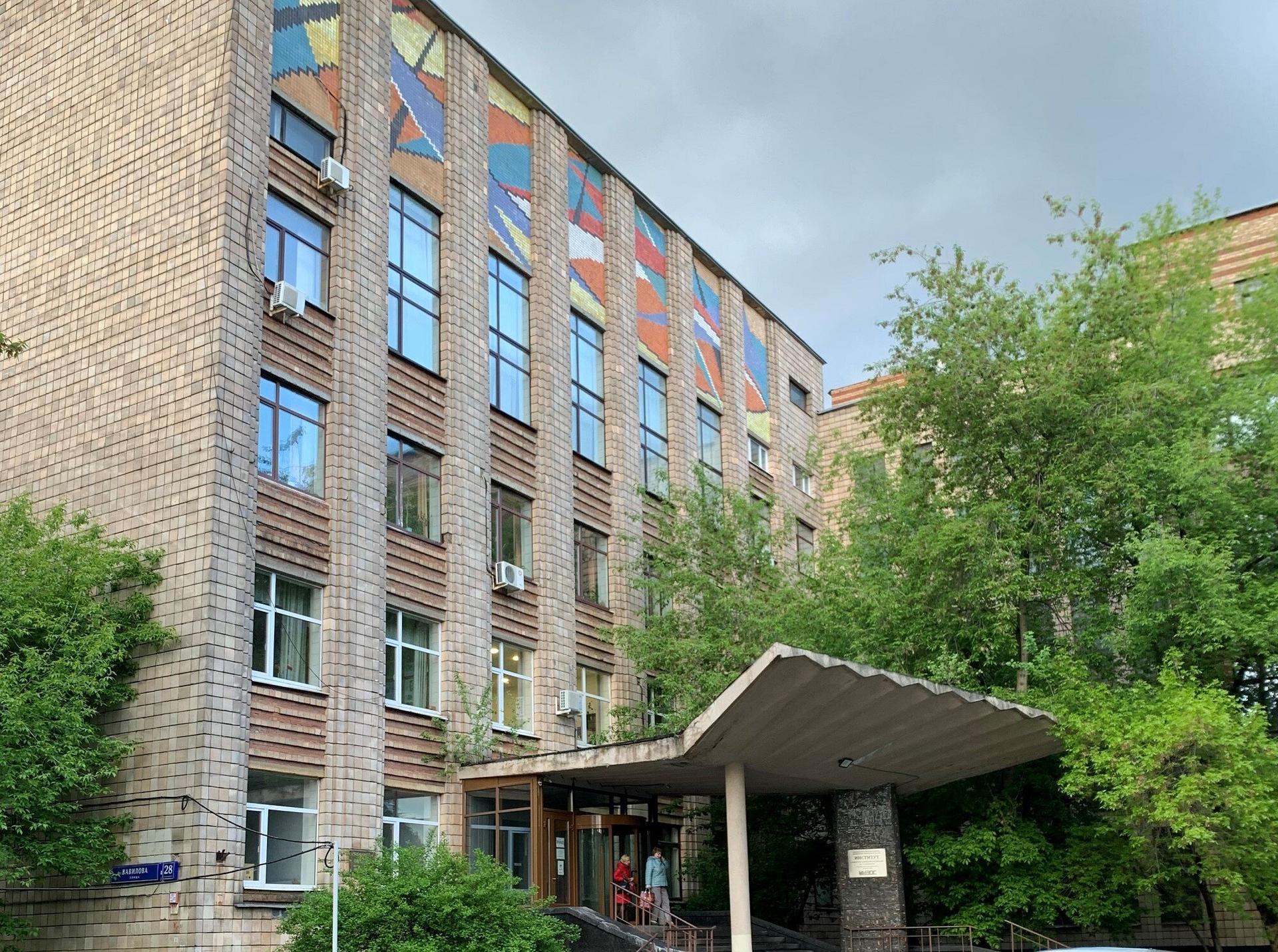
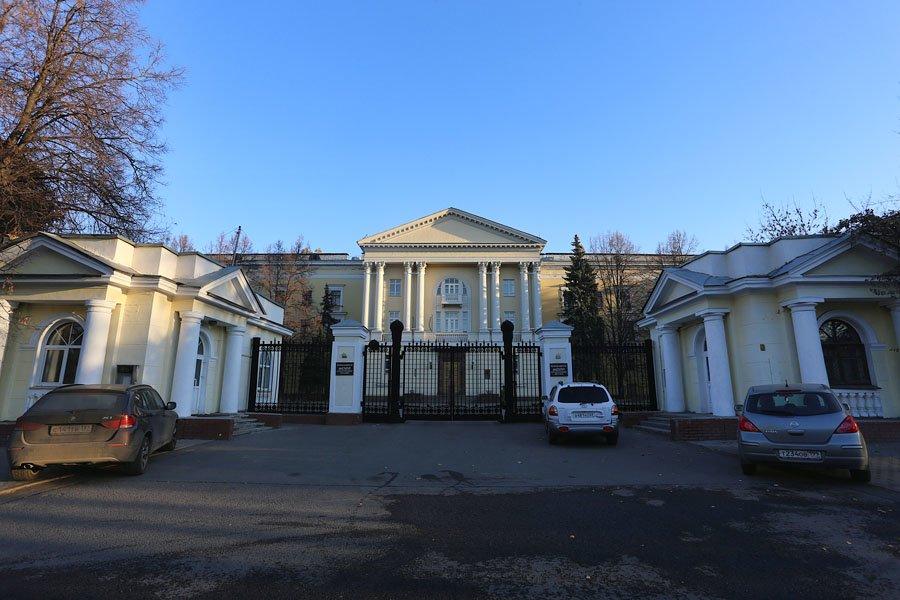
The ensemble of buildings Institute of Metallurgy

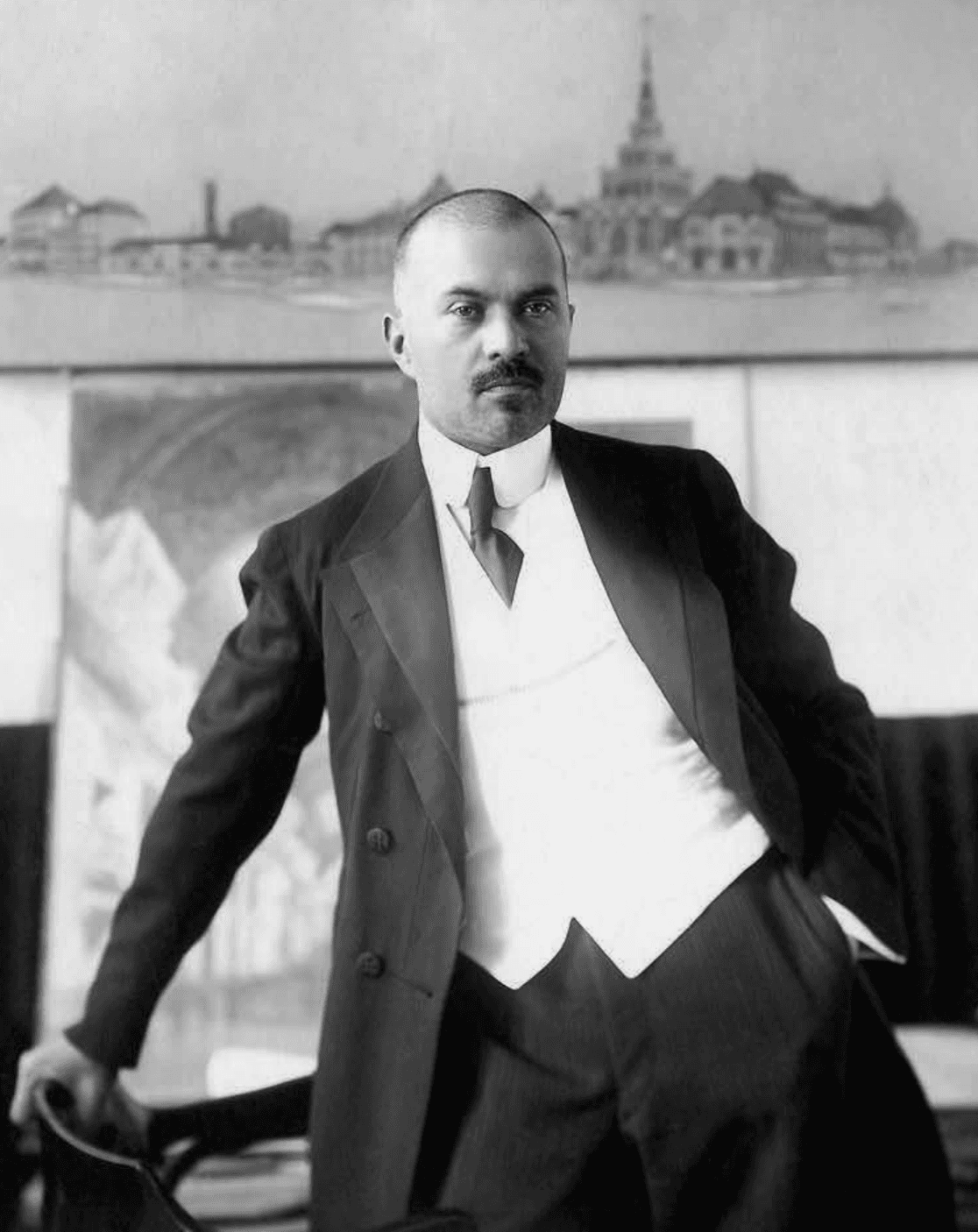
The complex built for one of the leading applied research instituts was designed by Akademstroy. It was in fact the extension of Academician Alexei Viktorovich Shchusev’s workshop.

The ensemble of buildings Institute of Metallurgy
akademicheskaya, Ploshad Gagarina
The complex built for one of the leading applied research instituts was designed by Akademstroy. It was in fact the extension of Academician Alexei Viktorovich Shchusev’s workshop.
3.30
Вы можете воспользоваться QR-кодом, чтобы открыть эту страницу в нашем приложении
Архитектурный стиль:
Годы постройки:
1946-1951
Архитекторы:
Б.М. Тарелин, Н.М. Морозов, А.В. Снигарев, А.В. Щусев
Эпоха:
1930s
Информация о здании

На проведённом в 1934 году закрытом конкурсе Президиум Академии наук отдал предпочтение проекту А.В. Щусева. Согласно ему на юго-западе от Москвы рядом с деревней Черёмушки должны были расположиться 40 зданий институтов, музеев, библиотек и обслуживающих учреждений, а также огромный ботанический сад. В центр обширной композиции были поставлены здания Президиума и библиотеки. Вокруг размещались участки научных ассоциаций: геологической, химической, математической, общественных наук, зоологической и ботанической. Городок Академии наук на Калужском шоссе, будущем Ленинском проспекте, был задуман как передовой опыт по концентрации всех научно-исследовательских организаций рядом друг с другом — это было новое слово в мировой градостроительной практике. Из-за войны не все было реализовано, и сам Президиум Академии переехал в новое здание только к концу века, однако многие институты въехали к 1950-м в новые здания.

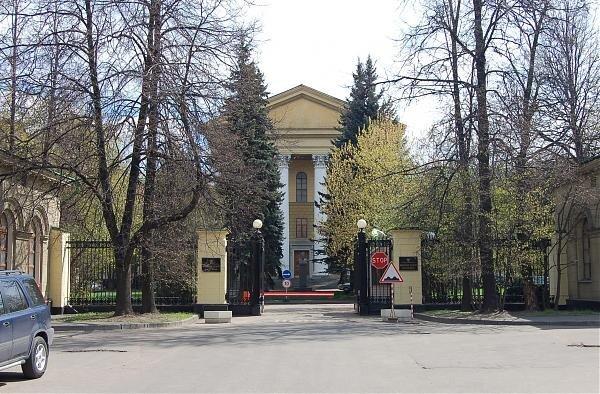
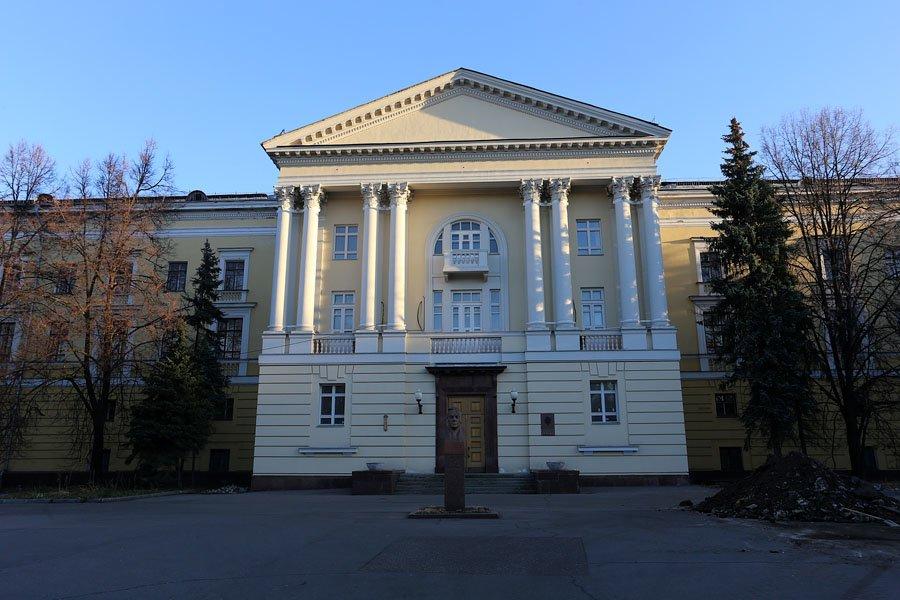
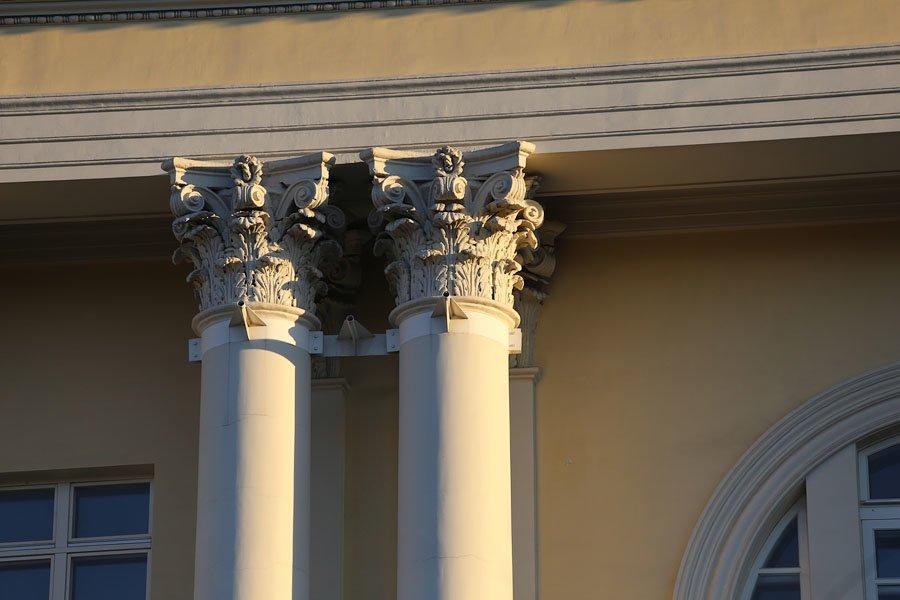
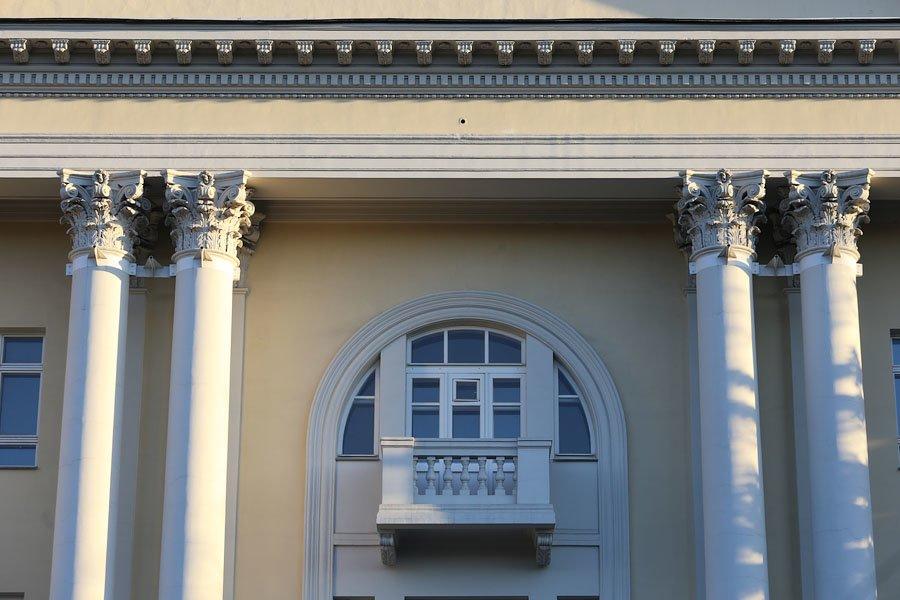
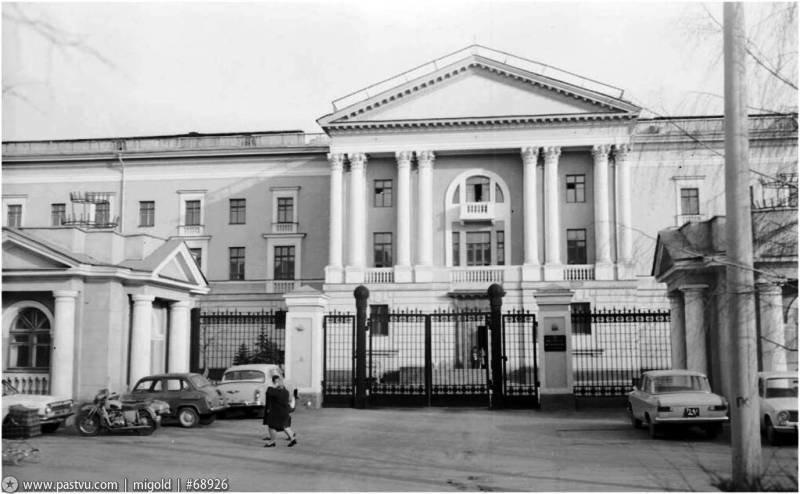
На проспект выходит симметричное здание Института металлургии, поставленное с отступом от красной линии на участке, окруженном кованой решеткой. Центральная часть с главным входом украшена портиком с восемью поставленными попарно коринфскими колоннами. Над дверьми расположено высокое окно с полуциркульным завершением и небольшим балконом с балюстрадой.

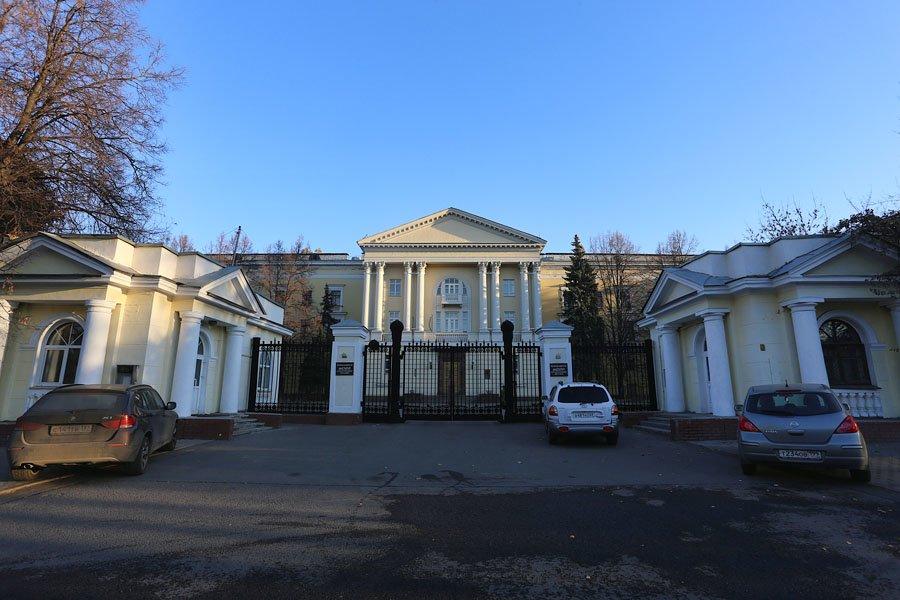
Главные ворота обрамлены двумя будками контрольно-пропускных пунктов, так же изящно решенных в неоклассических формах - с фронтонами, колоннами, полуциркульными окнами. Общий образ здания напоминает об усадьбах и городских особняках ампира Александра I — эпохи, в чем-то близкой времени постройки комплекса — возрождения после войны. Однако общественный характер сооружений оставляет свой отпечаток — небольшой парк, разбитый вокруг здания — скорее формальность, а масштаб близок крупнейшим дворцам или казармам.

A.V. Schusev’s project won the closed competition conducted by Presidium of the Academy of Sciences in 1934. 40 buildings institutes, museums, libraries, and service institutions, as well as a huge botanical garden were supposed to be built in the south -west part of Moscow, near the village of Cheryomushki. The Presidium building and libraries were planned in the center of the vast composition.

Scientific associations’ areas were placed around it: geological, chemical, mathematical, and social sciences, zoology and botany. Academy of Sciences’ town in the Kaluga road, future Leninsky Prospekt, was conceived as a concentration of the best practice of all research organizations located next to each other. It was a new phenomenon in the world of urban planning practice.Because of the war, not everything was realized, and the Presidium of the Academy itself moved to the new building only towards the end of the century, but many institutions entered the 1950s in new buildings.

A symmetrical building of the Institute of Metallurgy, placed with an indent from the red line on the site surrounded by a forged lattice, emerges on the avenue. The central part with the main entrances’ portico is decorated with the set of eight pairs of Corinthian columns. Above the doors is a tall window with a semi-circular completion and a small balcony with a balustrade.
The main gate is framed with two booths checkpoints of an elegant neoclassical design with gables, columns, semicircular windows. The overall image of the building is reminiscent of urban estates and mansions of the Emperor Alexander I’s era. Both symbolize the after war revival.

However, the public nature of structures leaves its mark: a small park, planted around the building is rather a formality, and the scale is closer to largest palaces or barracks.
Автор статьи: Николай Васильев
Рекомендации
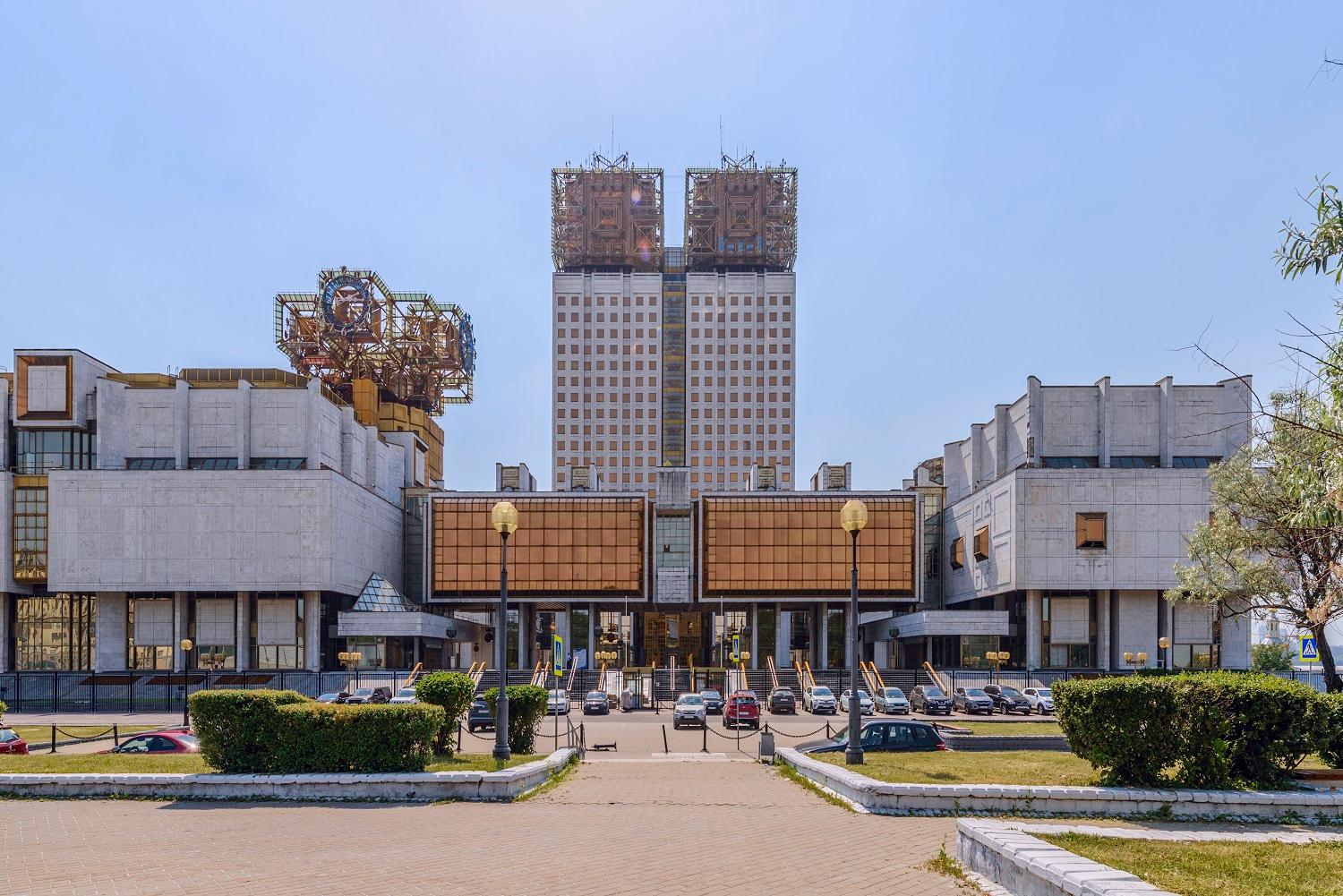
The building of the russian academy of sciences
Ploshad Gagarina, Leninskij prospekt
Ленинский просп., д. 30, д. 37
Ploshad Gagarina, Leninskij prospekt
Поделитесь статьей с друзьями
Интересное рядом(7)
Ploshad Gagarina
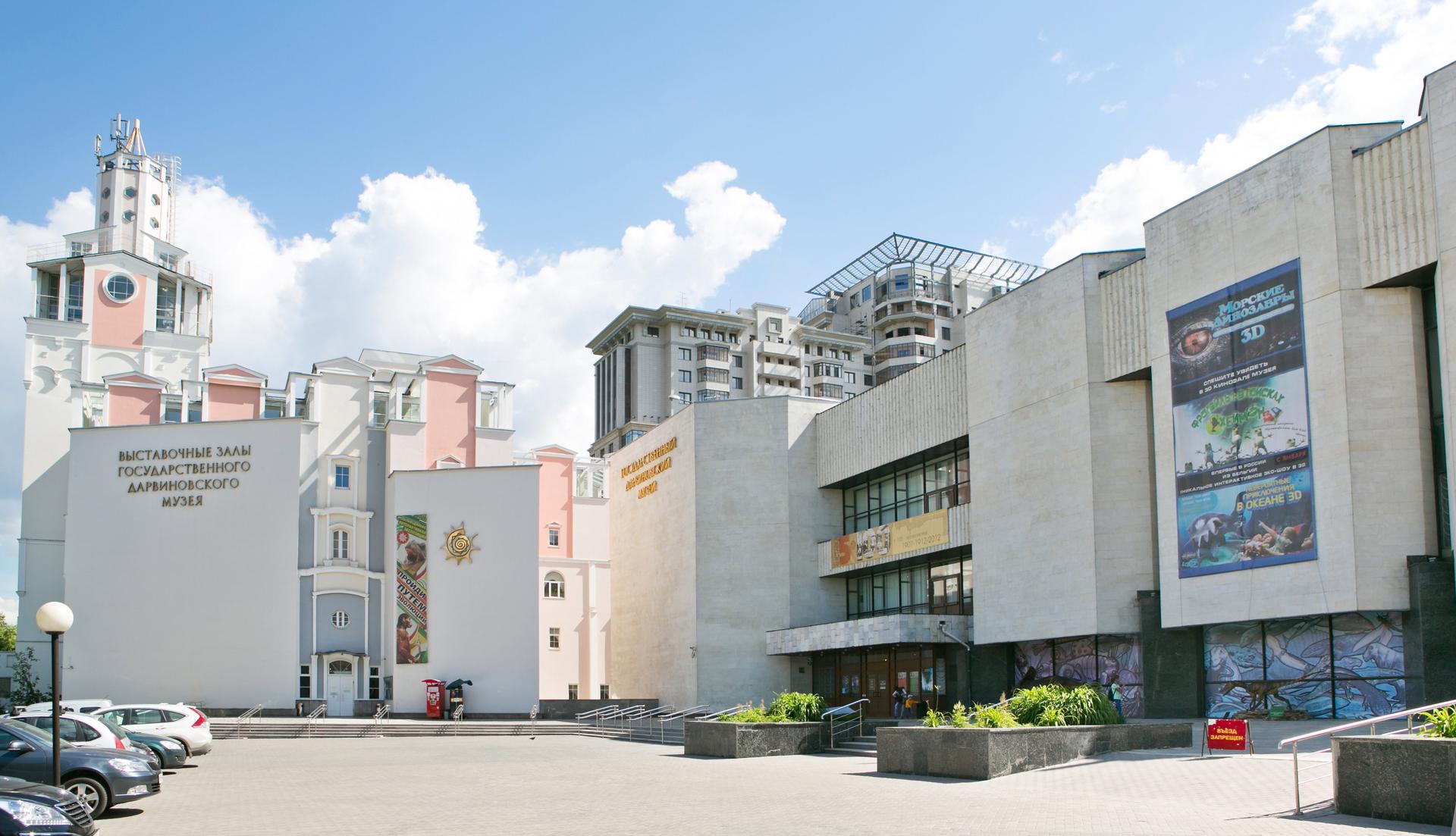
The State Darwin Museum

The State Darwin Museum was established in 1907 by Professor Alexander Kots, an excellent museum researcher, who read the lectures on the theory of evolution at the Moscow the Moscow Higher Female Courses. During that time, there was the first museum, devoted only to the theory of evolution. Now there are a lot of similar museums in the world, but the Darwin Museum still remains the only such museum in Russia and is considered to be a methodical center for all natural history museums of our country. In 1911 Alexander Kots married Nadezhda Ladygina, a MHFC student. This beautiful woman shared all efforts on the creation and maintenance of the museum with her husband.

The museum has a hard fate; only before its 87th anniversary, the museum finally moved to its own building, which had been constructed for about 20 years. The first part of the exposition was opened in 1995, and the construction of exposition in the new building was completed in 1997.

Now the State Darwin Museum has three buildings: the main building opened for visitors on September 2, 1995; the exhibition building opened on April 17, 2007, which includes the exhibit depository; and the technical building. The State Darwin Museum is one of few museums, where the regular re-exposition and construction of new interactive complexes take place, old expositions, vitrages, and labels are replaced by new ones without any closing of halls, and so on. The number of visitors exceeds 500 000; every year the museum conducts more than 2500 excursions, organizes more than 60 exhibitions.

The State Darwin Museum has a children’s animalistic art studio and a circle of young biologist. Annually, the employees of the Museum used to organize up to 10-11 mass holidays for visitors, and each of such events gathers from 3 to 7 thousand guests.

Besides traditional excursions, guests of the Darwin museum can quickly and easily receive textual, illustrative, sound and other information about the exposition’s objects which have interested them by using their smartphones. For this purpose it is enough "to read" a matrix code (to scan and recognize in the program a QR code), published on the website, information board, glass-cases of the museum or on printing products.

The Museum has created the comfortable conditions for the physically challenged people: both buildings are equipped with ramps, lifts, and elevator, there are also recreation areas.

The Darwin museum to be interesting for children who are keen on interactive activities: the little visitors can paint a picture from sand, watch the 3D - movie about sea dinosaurs, to learn its weight on other planets or to estimate it in non-standard units — in mice or bears. It is possible in the Darwin museum to stroke a hair of a real wolf and a polar bear, to listen to discordant croaking of frogs and to observe the life of insects in the insectarium.

At school students disposal – the multimedia complexes and programs: "Specially protected natural zones of the city of Moscow", "Natural reserves of Russia", multimedia informational Centre "EcoMoscow" and many others.

Interactive exposition "Pass by the path of evolution" allows young and adult visitors to get back for thousands and millions years ago and to take a look at the past times of our planet. And for those who wish to make a virtual "Travel with animals" will help the technology of augmented reality introduced in the Darwin museum: like in a science fiction film, museum glass-cases inhabitants comes out alive in order to get closer to the guests and pose for a picture with them.

In the Darwin Museum was opened the Youth Innovation Creativity Centre, where the young inventors under the leadership of engineers could develop original projects, using the latest achievements in bionics. And in September, 2014 to be opened the new interactive educational center "Discover Yourself — Discover the World" equipped with the latest technologies allowing to receive a full information about the Earth nature and provided in a very popular way.


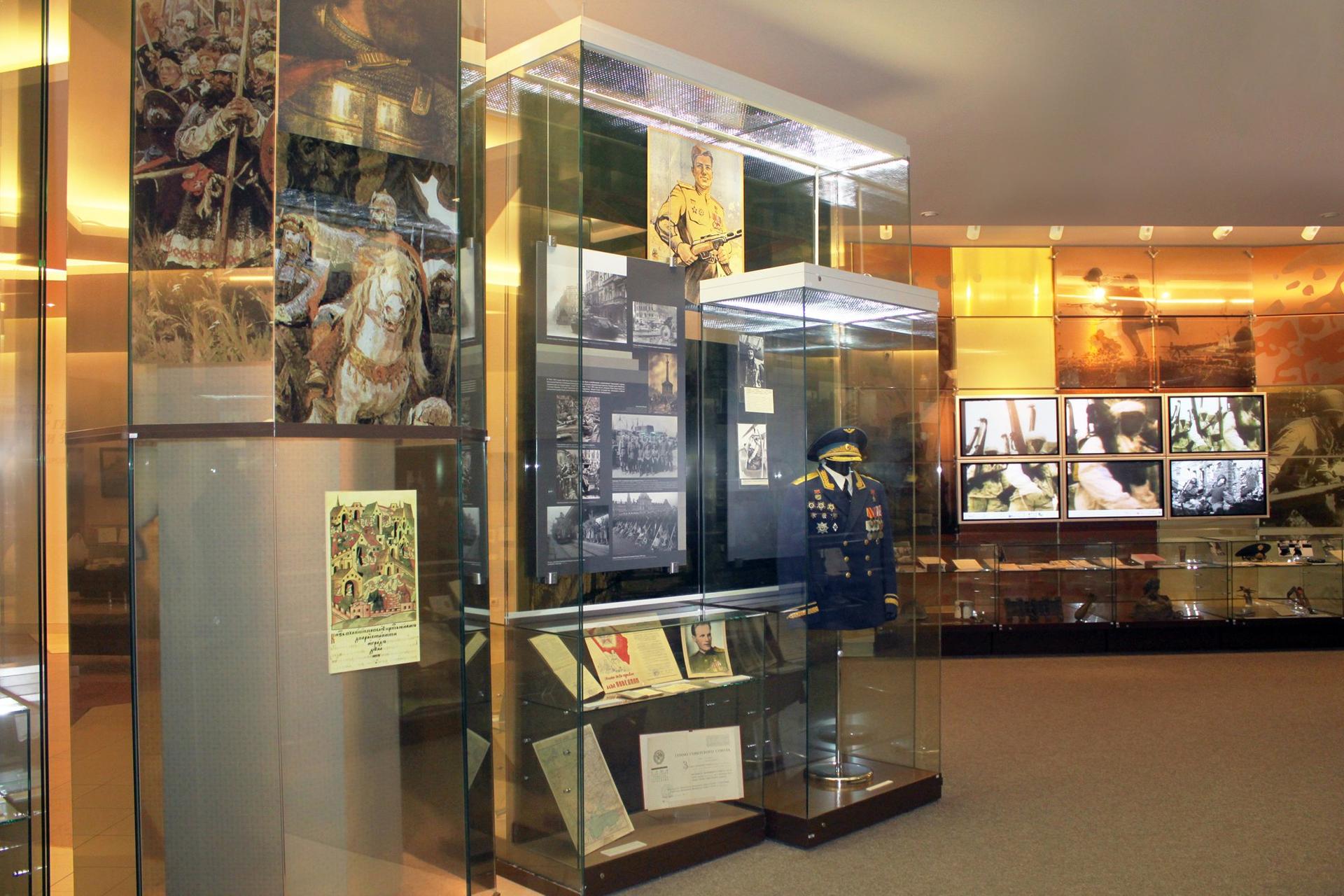
In halls of the Darwin museum it is possible to see the unique exhibit items. Among the most interesting rarities are: 

- African elephant of the last emperor of the Russian Empire Nicholas II, 

- Jean-Dau an Indian elephant cow, 

- Spaniel of the leader of the USSR Iosif Vissarionovich Stalin,

- Lobster of the well-known astronaut Yury Alekseevich Gagarin, 

- Albino squirrel that museum founder, Alexander F. Kohts, traded on the samovar 

- A stuffed gorilla in whose stand’s were have been recently found the documents dated by the end of XIX century.


Vavilov Street, 57
akademicheskaya
Shchusev A. V.
Архитектор
ул. Большая Черемушкинская, д. 24, корп. 3
akademicheskaya